16 Sep 2018 | Focolare Worldwide
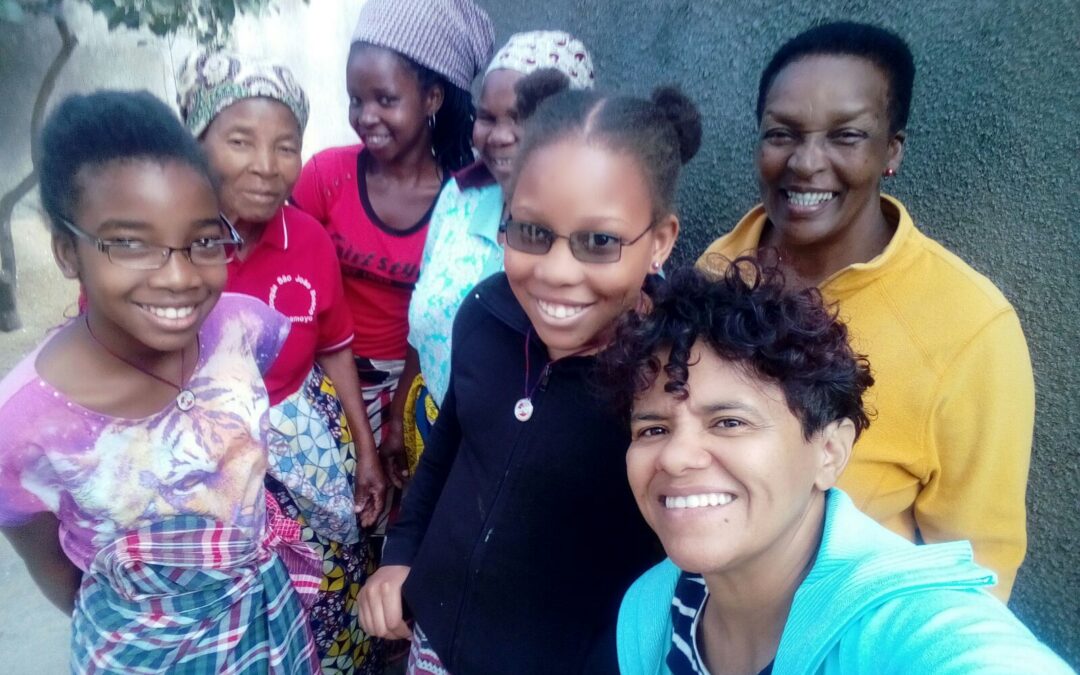
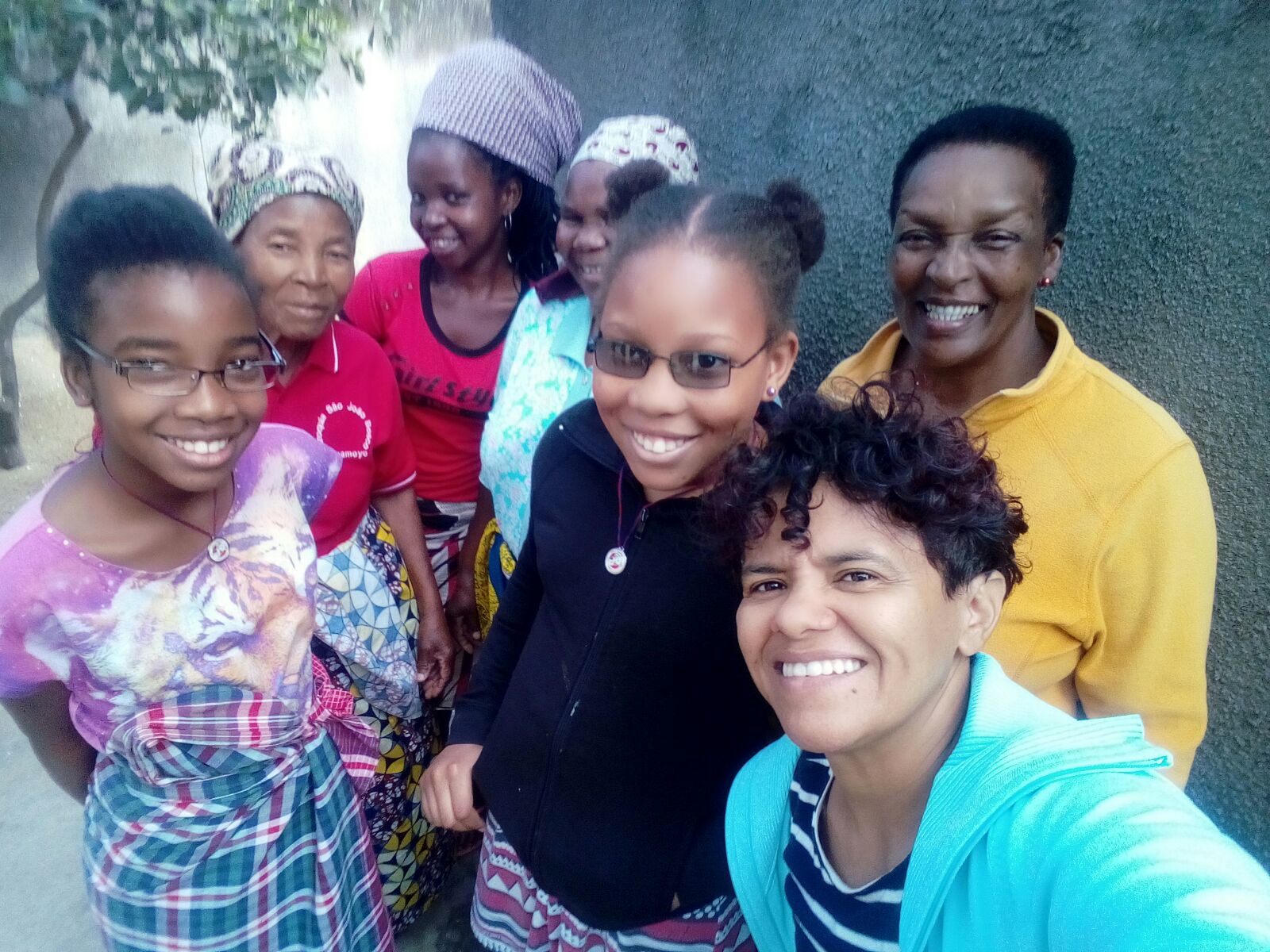
 “Focolares that rove throughout the world,” is how Chiara Lubich described them – made up of young people, adults, families, religious or teens. It’s a project that is being repeated, after positive results and the fruits from this original way of meeting and exchange, which temporary focolares bring to various parts of the world. One of these was at Maputo, the capital and largest city of Mozambique, as well as the main port there in Delagoa Bay, which is on the Indian Ocean. This city in southern Africa is full of crowded and colorful markets, many of which are most alive in the evenings, and features a train station designed by Gustave Eiffel. From August 1–30, a temporary focolare was established there, made up of Antonietta, Giovanni and Perga (from Loppiano), Father Rogelio (a religious priest from Maputo), Father Stefan (from Switzerland) and Fatima (from the Johannesburg focolare). “When we got to Maputo, we immediately made a pact of unity between us. In the days that followed, in various meetings with people from there – young people, families at home, their workmates and friends, and men and women religious – we saw the light of Chiara Lubich’s charism enter their hearts, and they were fascinated by the Gospel becoming life.” There were also other beautiful family moments, such as those with Archbishop Francisco Chimoio, who told us to ‘not lose that joy and bring it to the world,’ and with Papal Nuncio Edgar Pena, who emphasized the importance of “sowing the seeds.’”
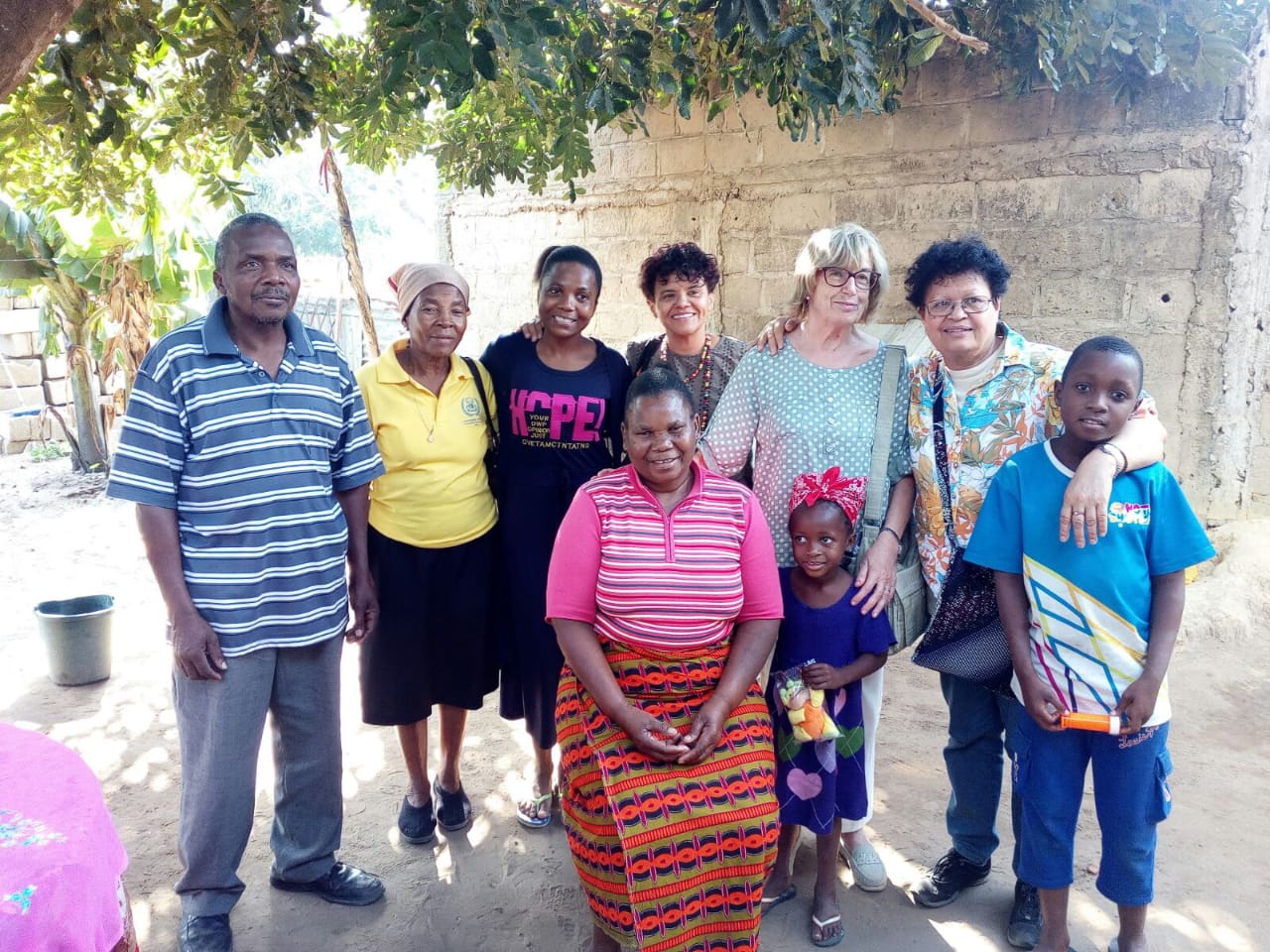
  Three focolarine had a “tour” of Zimbabwe, although not as tourists. “It was an experience that I would recommend to many,” writes Cielito from Portugal, “since it opens your heart, mind and soul to the needs of humanity. The two weeks seemed like months, such was the intensity of each day.” After this they had a brief stop in Johannesburg, “which was our first approach to this continent’s poverty, although it would be quite different to what we would find afterwards.” Then the small group moved to Bulawayo, hosted by a friend in a suburban neighborhood, who shared so much despite her lifestyle of poverty. “Zimbabwe,” Cielito explains, “is a country that is mostly Christian, and people’s lives revolve around the parish, with a strong sense of belonging. Our friends from the Focolare had prepared for us a ‘tour’ of the city’s various parishes. We met more than a thousand people during those few days, many of which were children and young people. We presented ourselves and told of our experiences based on the Gospel. “Each morning we set out, entrusting ourselves to Mary, not knowing who we would meet. We put as many useful things as we could into our backpacks and away we went, trusting only in the Holy Spirit. Leaving God to direct our day, we were amazed at what he would do. “We found so much generosity, readiness and commitment, despite having only the poorest of means, and this for us was a great witness. “For the second week, we moved inland to a mission (a college the Jesuits founded 130 years ago), and from there we went for two days to a rural village that was quite far out, to visit a group of people who have been living the Word of Life for years. They are very poor, yet they were able to welcome us in an exquisite way. Their generosity, simple and profound faith, and the purity of their hearts won us over. In such a faraway place, in the middle of nowhere, we saw with our own eyes how truly universal the charism of unity is.”
14 Sep 2018 | Non categorizzato
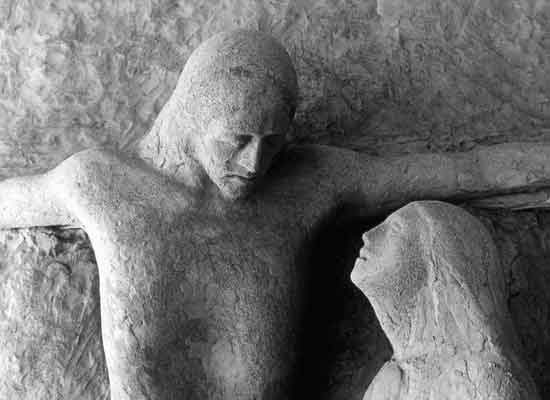
© Ave Cerquetti, ‘Crocifissione’ – Lienz (Austria) 1975
12 Sep 2018 | Focolare Worldwide
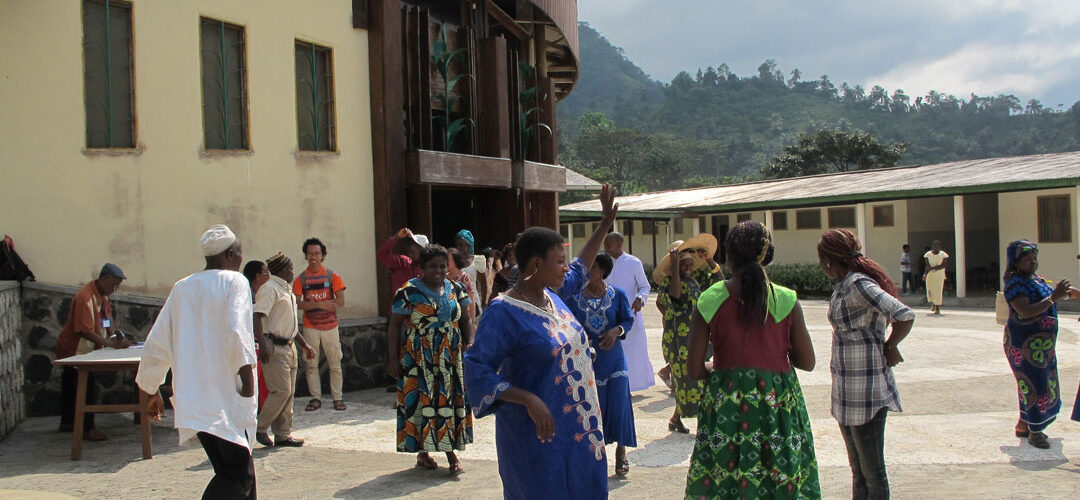
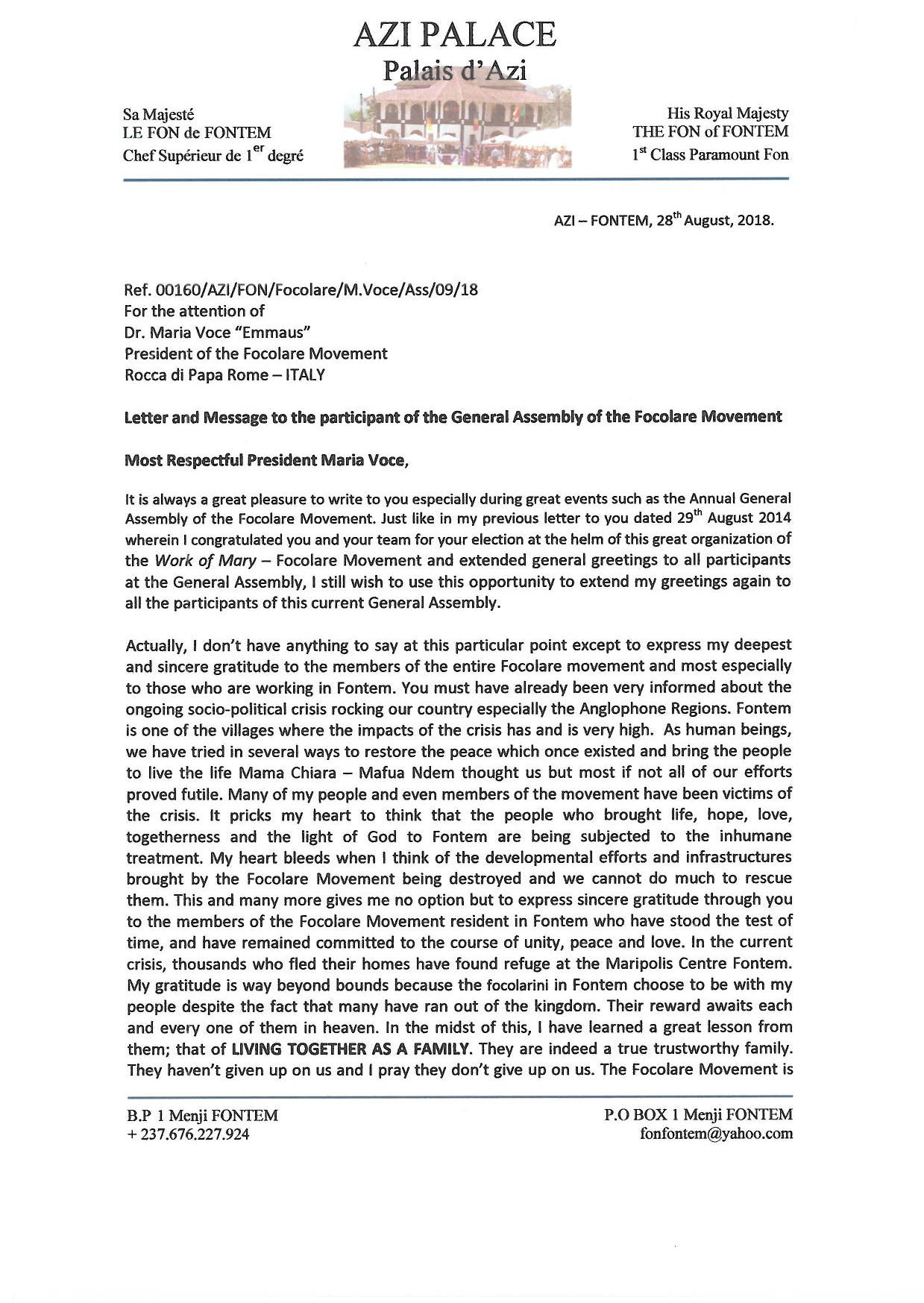 In the letter addressed to “the highly esteemed President Maria Voce”, Asabaton Fontem Njifua, the highest traditional authority of the place where the Focolare town is located (southeast of Cameroon), wrote: “I’ve nothing particular to say – he said in the letter sent on 28 August from Palias d’Azi – if not to express my deepest and sincere gratitude to the members of the Focolare Movement, especially those working in Fontem.” “You must have already been informed of the socio-political crisis rocking our country, especially in the Anglophone regions. Fontem is one of the villages that have been strongly hit by the crisis.” Recalling that one of his predecessors had named Chiara Lubich in 2000, as the “queen sent by God,” the Fon used bitter words to describe the current situation: “As human beings, we have tried in several ways to restore the peace that once existed and to bring the people to live the life which Mama Chiara – Mafua Ndem taught us. But the most part, if not all of our efforts, have been useless. Many of my people and even members of the Movement have been victims of the crisis. I think of the people who brought life, hope, love, togetherness and the light of God to Fontem, and who are now being subjected to inhuman treatment. My heart bleeds when I think of the development efforts and the infrastructure brought by the Focolare Movement, that are being destroyed. This and many other things push me to express my sincere gratitude to all the members of the Movement living in Fontem, who have stood the test and have remained committed to the cause of unity, peace and love.”
 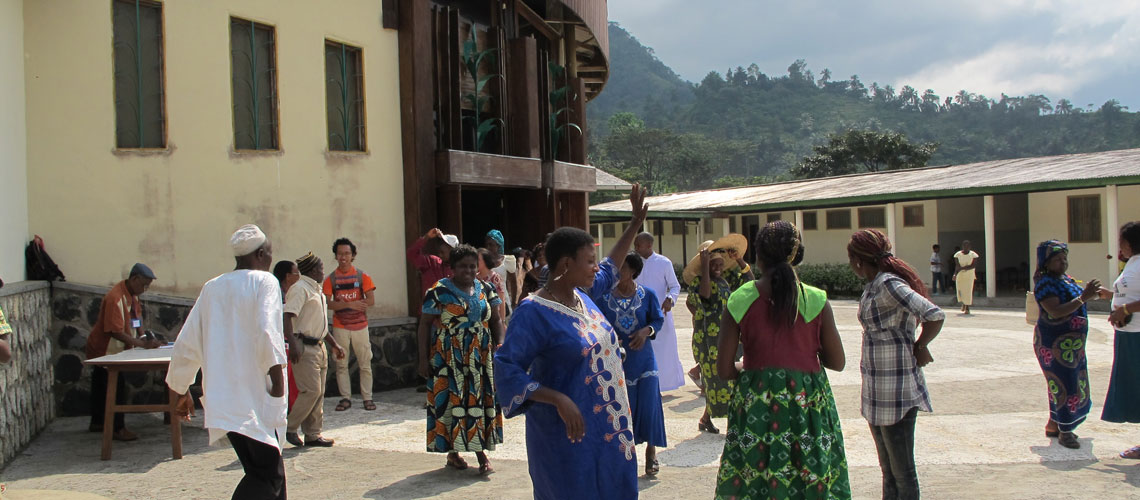 “In the current crisis – the king explained – thousands of people have fled their homes to find refuge in the Mariapolis Center of Fontem. My gratitude is way beyond bounds because the focolarini choose to be with my people, despite the fact that many have run away from the country. The reward awaits each and every one of them in heaven. In the midst of this, I have learned a great lesson from them – that of LIVING TOGETHER AS A FAMILY. They are indeed a true, trustworthy family. They haven’t given up on us and I pray they do not do so. The Focolare Movement is like the backbone of Fontem, without which we are nothing.” After urging us to pray to the Father for his people, and that peace return to Cameroon, the Fon concluded: “Our greatest desire is to live the words of Mama Chiara ’THAT ALL MAY BE ONE.’ Remember us in your prays because prayers are all we need now. Man has failed but God cannot fail.” See letter of HM Fon of Fontem
