19 Sep 2018 | Non categorizzato
Following a decision made last July, on 6 September, the Eritrean President Isaias Afewerki and Ethiopian Prime Minister, Abiy Ahmed Ali, signed a peace agreement called the “Gedda Pact.” The agreement which came about under the mediation of Saudi Arabia, the United Nations, the African Union and the United Arab Emirates, puts an end to a state of war between the two nations which continued also after the end of the conflict which lasted from 1998 to 2000 for territorial issues. The peace pact furthermore foresees, as per official communications, the opening of the embassies in the respective capitals, the resumption of road connections and use of Eritrean ports by Ethiopia and normal relations between the two countries “on the basis of the close geographic, historical and cultural bonds between the nations and their respective peoples.” The UN Secretary General, António Guterres, highlighted the importance of the Agreement, and defined the event as a “strong wind of hope in the Horn of Africa.” Meanwhile, a few days ago, the border between the two countries was reopened and many families, divided for twenty years were able to reunite.
18 Sep 2018 | Focolare Worldwide
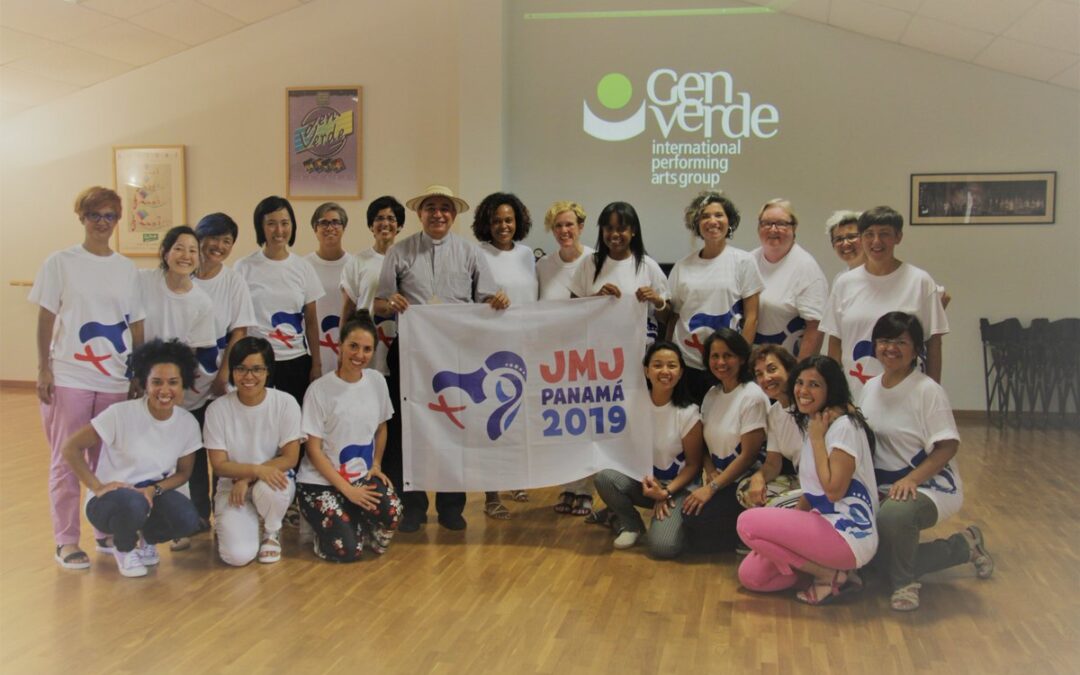
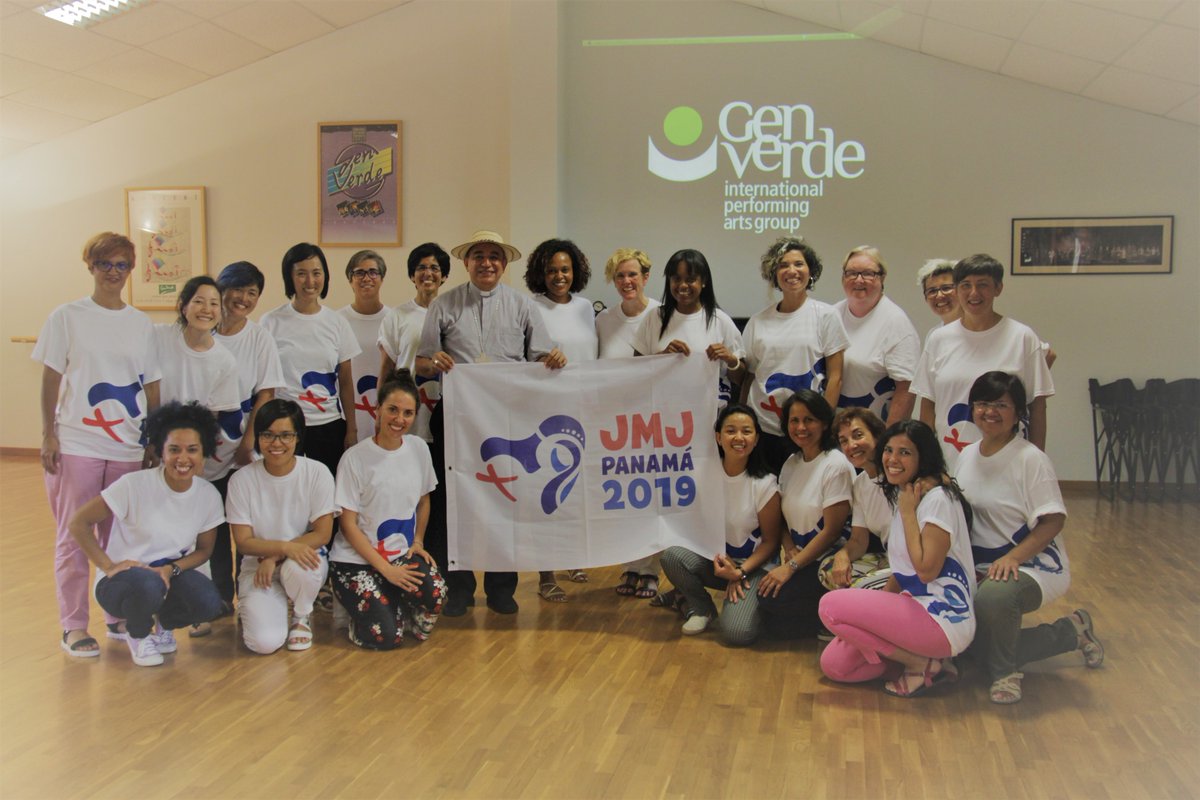 The Focolare’s international band Gen Verde is among 400 artists invited to perform during the next World Youth Day (WYD), organized by the Catholic Church, in January 2019 in Panama. “We are honoured and happy to be part of such an important moment,” explained a band member, “especially in the Panama land bridge, where the heart of the Church beats together with the heart of the youth. Latin America is well represented on ‘planet Gen Verde’ and we would not miss this event for the world.” Gen Verde’s “Start Now” show is part of the Festival which runs before and during the WYD, presenting artistic performances and exhibitions at different venues across the country from 22 to 27 January. The band will also be on stage to welcome pilgrims in the diocese of Chitré, province of Herrera on the Gulf of Panama, and for the local festival of Colón in the north of the country, at the entrance to the Panama Canal.
18 Sep 2018 | Focolare Worldwide
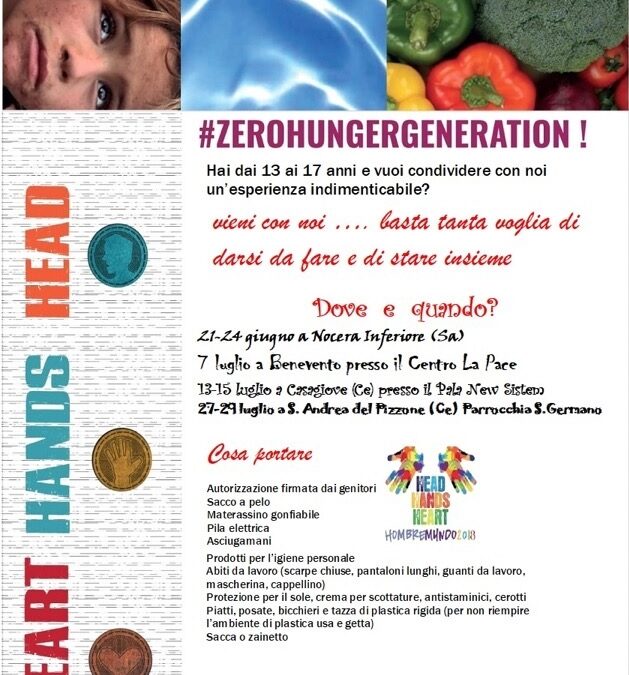
“The Focolare community wanted to look around in the local environment for positive things that it could highlight and spread through mutual love, especially in the outlying suburbs where the poorest were waiting. We’ve listened to so many poor people. On the first day, fifty children, who had been gathered by Friar Michele Floriano, were waiting for us at St Joseph’s Parish. It was a joyous “siege” that we faced with abandonment to God’s plans.” Nocera Inferiore is an ancient town, tormented since the 1980s by criminality and unregulated building and development. In the 1980s a violent earthquake shook the whole province, sweeping away entire country-sides and causing many building collapses and victims. For almost forty years entire families of the Vescovado district have been living in pre-fabricated and unsanitary building, still waiting for more decent housing that keeps on being promised and then postponed. 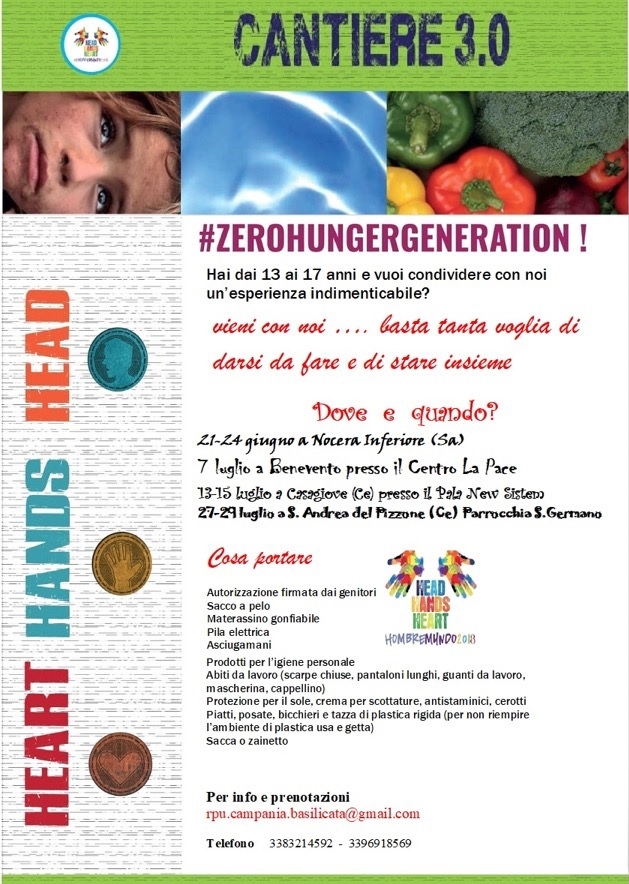 For three days (June 21-23), the Hombre mundo” worksite offered to the adult and youth volunteers who had stepped up and pitched in a true experience of a Church that reaches out in accordance with Pope Francis’s invitation. There were also the people in the background, in their own homes cooking dinners and suppers for everyone. “The neighbouring district of Calenda, which is part of the same parish,” write Felice and Romilda from the nearby town of Angri “mobilized their “Circle of Friends.” Moreover, several different associations became active in the worksite, offering their own contribution. “Hombre mundo” turned out to be the fruit of a network of people and groups that surpassed us. In these parts, marginalization threatens to make us lose our identity. We realized it when we asked a girl where she lived and she answered saying: ‘Lot 3,’ ‘Worse than Scampia, Bishop’s District’ stands in large letters on top of a gloomy rooftop, in a downward race that refers to the famous Naple’s district that is known for delinquency and drug trafficking. In front of the building is a large and open space where games are held for the children. “Mothers and sometimes grandmothers and some great-grandmothers come down to keep watch and chat with us, “unburdening themselves of some of their suffering.” “In the morning, after some prayer and reflection and tossing of the Cube of Love, the children are given free reign over the area next to the parish. The youths get involved in workshops under the guidance of artistic, musical, and environmental experts along with to the paediatric unit of the nearby hospital. More than once we have experienced the prompt intervention of God who supported us by sending people to help us out just at the right moment. For example, on the third day we were having problems organizing the games. Just then we received a telephone call. It was from an expert in conducting activities for children, who was offering to help. Everyone chipped in, also the teenagers who looked after the little ones, cleaning the quarter of weeds and planting flowers to leave touch of beauty and love in a place reduced to such poverty and suffering. The young people were especially touched by the testimony of 49 year-old Roberto who had spent a long and painful time in hospital, which he lived as “suffering transformed into love.” “Hombre mundo” concluded in Calenda where the Circle of Friends had supper prepared for everyone. It was a day of brotherhood and friendship, concluding with the final “show” by the young people who had taken part in the music workshop.
17 Sep 2018 | Focolare Worldwide
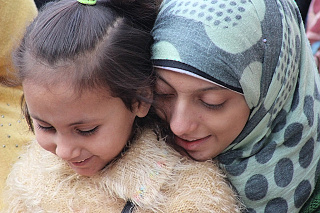
 In the hemisphere where summer is giving way to autumn, many cities have suddenly changed their rhythm, to conform partly to the opening and closing schedules of the schools, the cause of morning traffic, jams, or the gathering of groups at the exit of the scholastic facilities. But if for many children it is obvious that the return to school with a backpack, means meeting teachers, schoolmates, occupying a desk and are chair, for many others, in other parts of the world, struck by painful situations of war or poverty, going to school, keeping up with one’s studies or doing the homework is a challenge. These are the problems addressed by AMU (Action for a United World). Inspired by the spirituality of Chiara Lubich, it works to spread a culture of dialogue and unity among peoples through development projects worldwide.
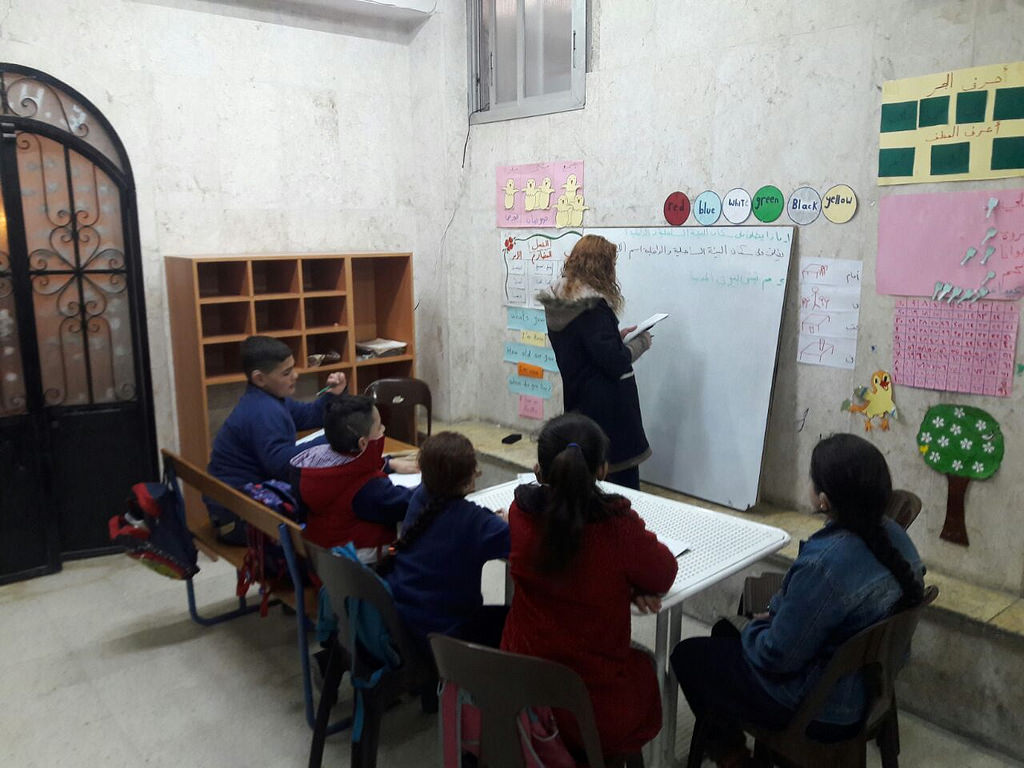
 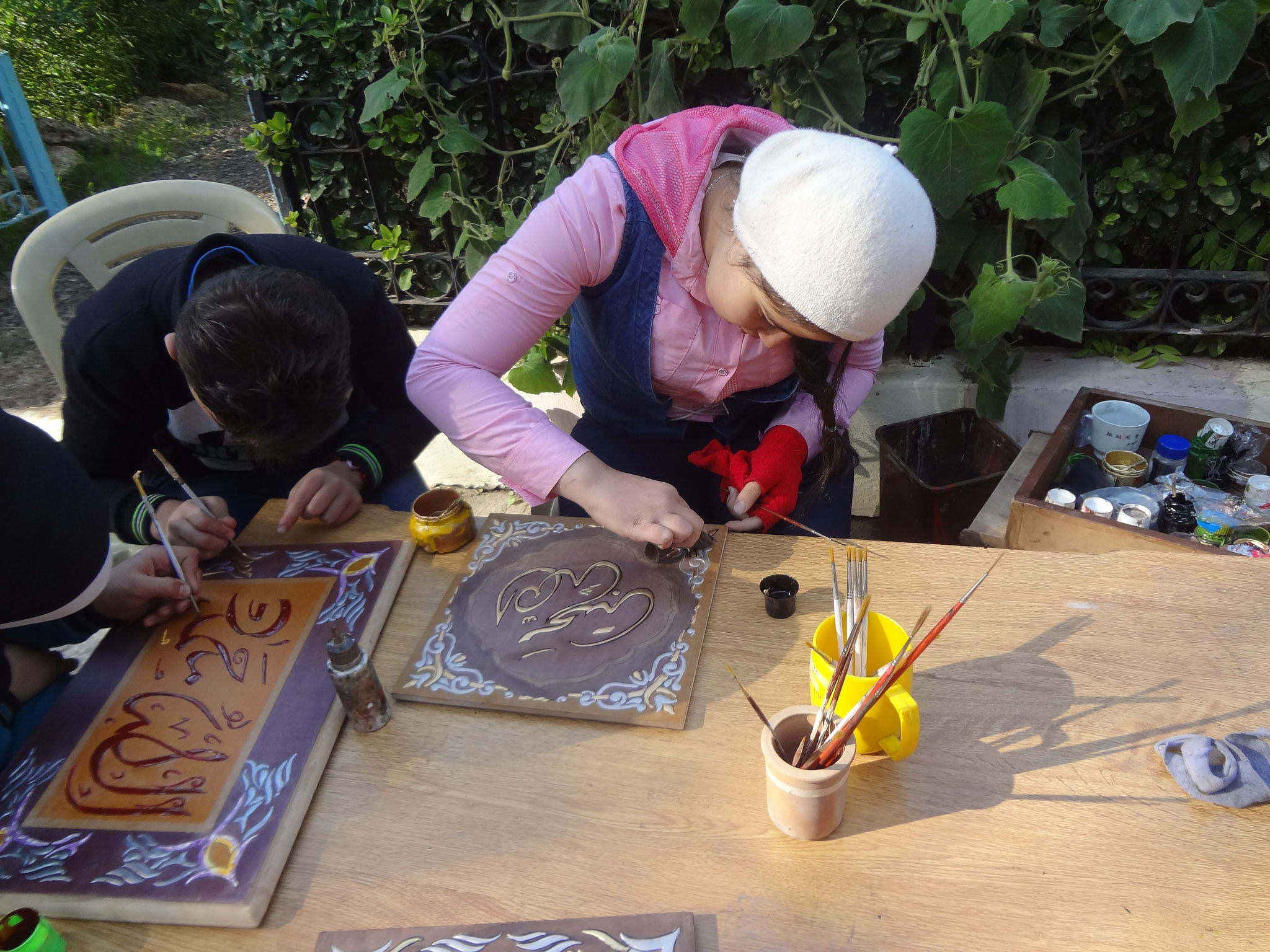 As for example in Syria. Today, now that the violent armed clashes have ceased, but not the emergency, the country is taking stock of the destruction of many school infrastructures and buildings, the migration of capital abroad, the economic embargo. In Homs, the transfer of many people from some bombed districts to others considered “safe” and the reduced number of professors, who have migrated, have led to an overcrowding of the schools, resulting in the lack of adequate support for each student. On the other hand, the cost of attending a private school has become impossible. AMU’s commitment is that of offering greater care and attention to the evacuated children, accompanying them with educational and scholastic programmes. Instead in Damascus, in the old Tabbale district, the aid goes to the “Bayt al Atfal” Centre which gathers, for four days a week, 120 children between 6 and 10 years of age. Some of them live with their families in just one room and do not have a place where they can study, others have learning difficulties or syndromes such as dyslexia, or simply cannot count on anyone’s help, due to the absence or the illiteracy of their parents. In Aleppo, AMU supports a centre for deaf children who are not admitted to public or private schools. Today the “EHIS” school hosts 75 children and offers work to 30 people, among whom, professors, assistants and labourers. Still in Aleppo, the learning project “Learn and produce,” organised by the Syrian Handicrafts Centre, and supported by AMU, is bringing ahead a training course, for 20 adolescents, who learn to make and sell local artisanal items like soap based on laurel, brass objects and embroideries. In Cairo, Egypt, the “hot topics” are scholastic dispersion and access of women to educational and professional courses that could help them develop their own professional capabilities. “Change For Tomorrow” of the Koz Kazah Foundation, in the community of Shubra, one of the most populated districts of the grand capital on the Nile, supports a group of women who have started up activities like the processing of wicker, cuisine, and ecological prints. In Italy, AMU offers to teachers and educators a training path entitled “Living peace: peace as a school project.” Instead, for schools and groups of teens, it offers the “Basta conoscersi” project. The AMU educational and study assistance projects welcome donations. In this way, for many children and adolescents September can really become a time to go back to school. By Chiara Favotti
16 Sep 2018 | Focolare Worldwide
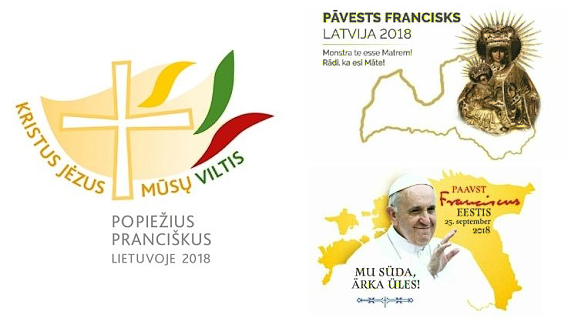
The next international itinerary of Pope Francis’s apostolic journeys will be in Lithuania, Latvia and Estonia, which will take place from 22 to 25 September, on the occasion of the centennial celebrations of the first declaration of independence of the three Baltic states of Russia. Among the most important events will be the prayer at the Museum of Occupations and Freedom Fights, known as the Museum of the Genocide Victims in Vilnius (Lithuania), the ecumenical meeting in Riga (Latvia), and the visit to the beneficiaries of the Works of Charity of Tallin (Estonia). The visit to the so-called Genocide Museum will be particularly symbolical because it was used by the secret police of the Soviet Union from 1944, the year in which Lithuania returned under the control of the USSR, up to 1991 when it regained its independence. Besides hosting the officials of the State Security Committee, the building acted as the venue for interrogations and as a prison for the political opponents of the communist regime. But the history of horror in this building started even earlier, in 1941 when the Nazis invaded Lithuania and the building was set up as the general headquarters of the Gestapo. In the three years between 1941 and 1944, about 100 thousand victims, a third of the city’s inhabitants, mostly Jews, were killed in Vilnius alone. Precisely to recall these horrors of the occupation, the Government decided to convert the building into a place of remembrance. In the various legs of his trip, the Pope will pay homage to the painful history of a population which has remained deeply anchored to its own Christian roots, despite the persecutions.
