21 Aug 2018 | Non categorizzato
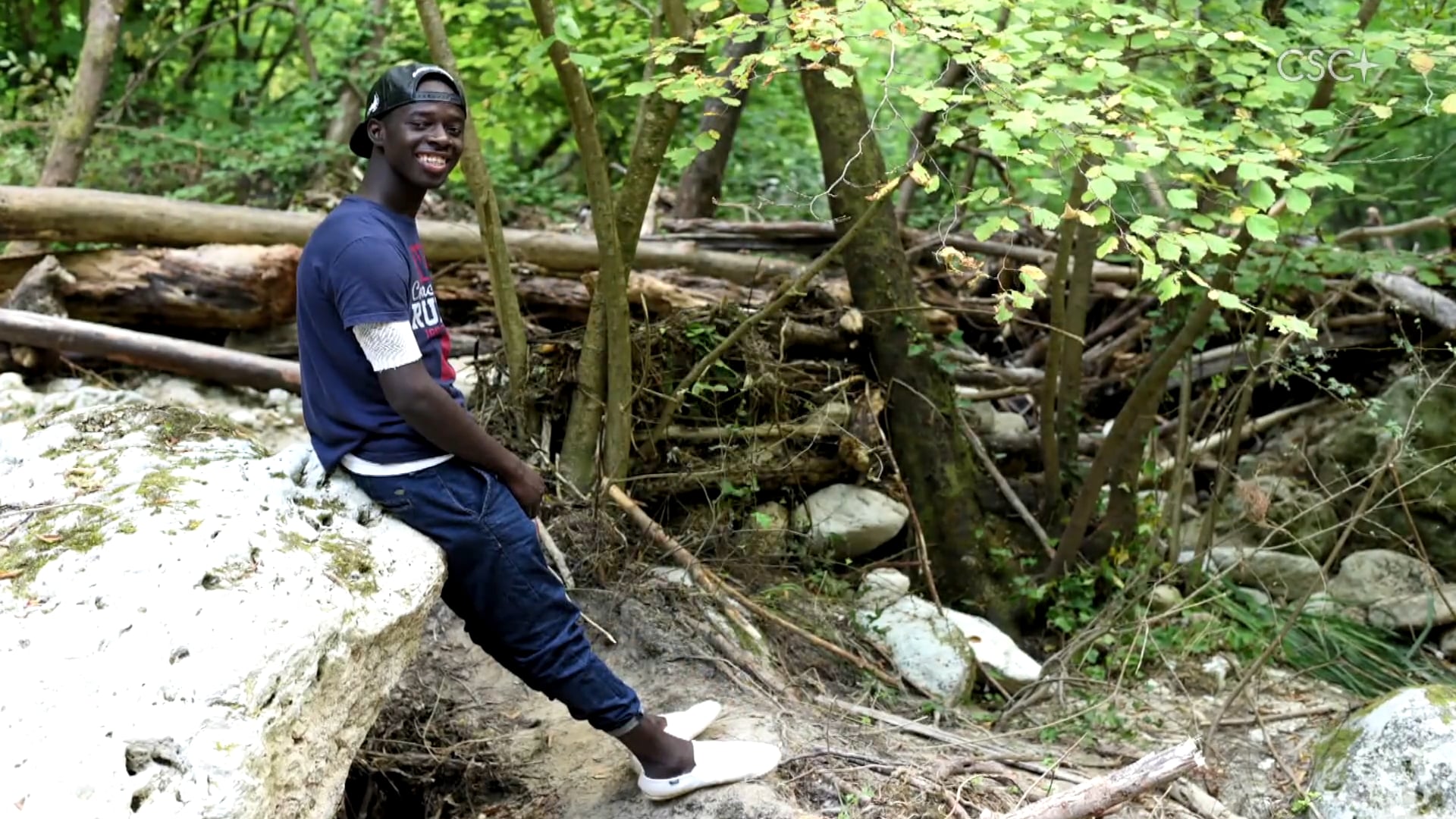 “I thought you were asking for help and stumbled into this embrace. Your large, chilly arms awaited my warmth, an exchange of a kind gesture. Like earth awaits rain, a temple breathes prayer, a smile longs for lips, baggage hopes for a trip.” “This can’t end here, it can’t be. If you have completed this journey and reached my door, I hope you live on, always. If my path ended up with you, I want you to come along for the next stretch. I want to see you grow old, hear you speak my language better and better. I want to hear you confiding with my wife as if she was your mother and laugh with my children as if they were your siblings. I want to be there when you hug your mother, she who gave birth to you, your sisters, your brother. “I beg you. Listen to me. Open your eyes. Smile. I will teach you another magic trick. Put your curdled cells in my hands: I will make them disappear like coins, like paper. In their place I will put them back, healthy. And your body will once again start to work like a delicate, unbelievable mechanism. “I don’t have important things to tell you, thoughts to remember, memorable acts. I have rejected words, concepts that were forgotten even before they were born, meaningless signs. We’re never ready for detachment, it’s never the right time, and we can’t even conceive of absence. Even though you told me how your radiant God awaits, that death is but a natural threshold to cross in order to reach the next phase of existence, and that since you never treated anyone badly you will be rewarded in the afterlife. Even if I strongly believe that dying is going back to one’s origins, as Mary taught me: a marvelous, unending losing oneself in God. “Despite all of this, I don’t want you to go. I need to talk more with you, listen to you, solve problems together. With you I need to dare, to challenge the headwind, to demand, dialogue, and aspire to heaven while living through hell, promising each other, supporting each other. “There’s no point turning back: I am not ready to see you die, to watch you as you turn the dark corner of things we see and enter into that tunnel of light that we do not know. I am not ready and am only able to take you by the hand and guide your lips and mine in prayer to our one Father. Because what is natural to the divine is murky to people. We assign different names, we build up rules. Yet in the end, what counts is love toward others. “We met by chance, through those minimal circumstances that change the direction of our lives, to breathe a bit longer, through a revolving door that opened in a moment like any other. Yet now I feel you are like a brother and, as I hope with all my strength to see you awaken, I start to say with you: ‘Our Father…’”
Watch the video https://vimeo.com/204141968
20 Aug 2018 | Focolare Worldwide
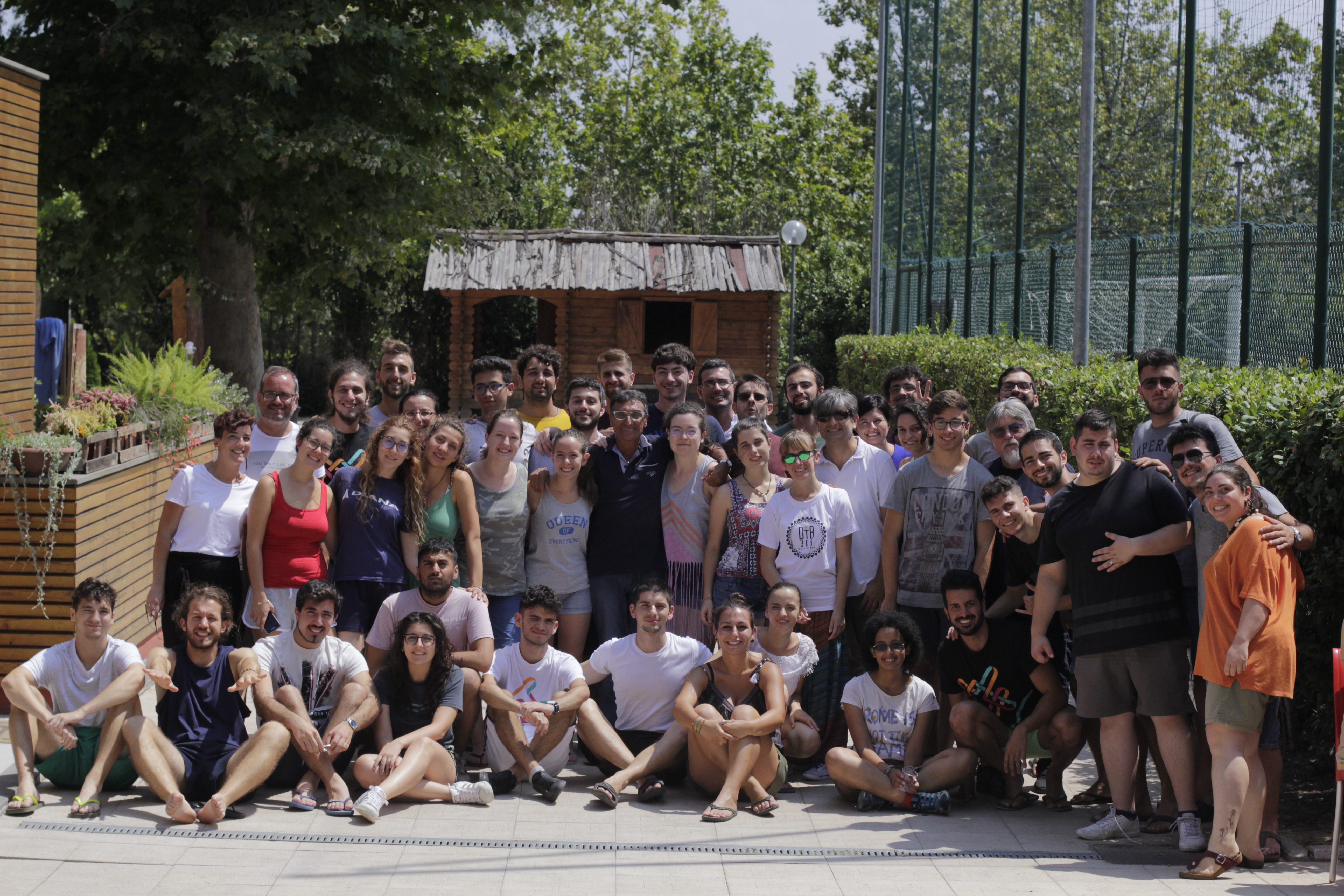 The Paper Mill, former factory at the periphery of Turin, northern Italy, thanks to a development process no longer looks like an abandoned facility. After which, it turned into a place of vitality and fresh air, thanks to the Turin Summer Campus organised by Youth for a United World, from 28 July to 6 August. A newly launched event, ideated to bring the outskirts towards the centre, and which saw an alternation of educational moments and concrete action. The strong point was the participation of the children of the zone, of different nationalities and cultures, who, with the youth of the Campus with simplicity and fun, created a recital, the outcome of the commitment and cooperation that arose during the artistic workshops (recycle-painting, music, theatre, dance, singing). A wealth of talents that upheld the cultural diversities in the neighbourhood, considered not as a motive for social discrimination, but for dialogue and exchange of ideas. Also the themes faced in the educational sessions triggered reflections which called the youths to become active citizens, opening debates on intercultural dialogue, end of life, “green” engineering. In Rome the Summer Campus 2018 was held in the spirit of fun and commitment. The activities proposed in the Corviale district – a kilometre-long building known as the “Snake” – were various types of music workshops, murals and clay activities for the kids, and discussions on current issues, with the participation of experts, to reflect on the daily news and challenges: the peripheries, “grassroots” lawfulness, acceptance of the migrants from the social and juridical standpoints, participation in political life, the uselessness of war and media manipulation, origin and cause of new conflicts.
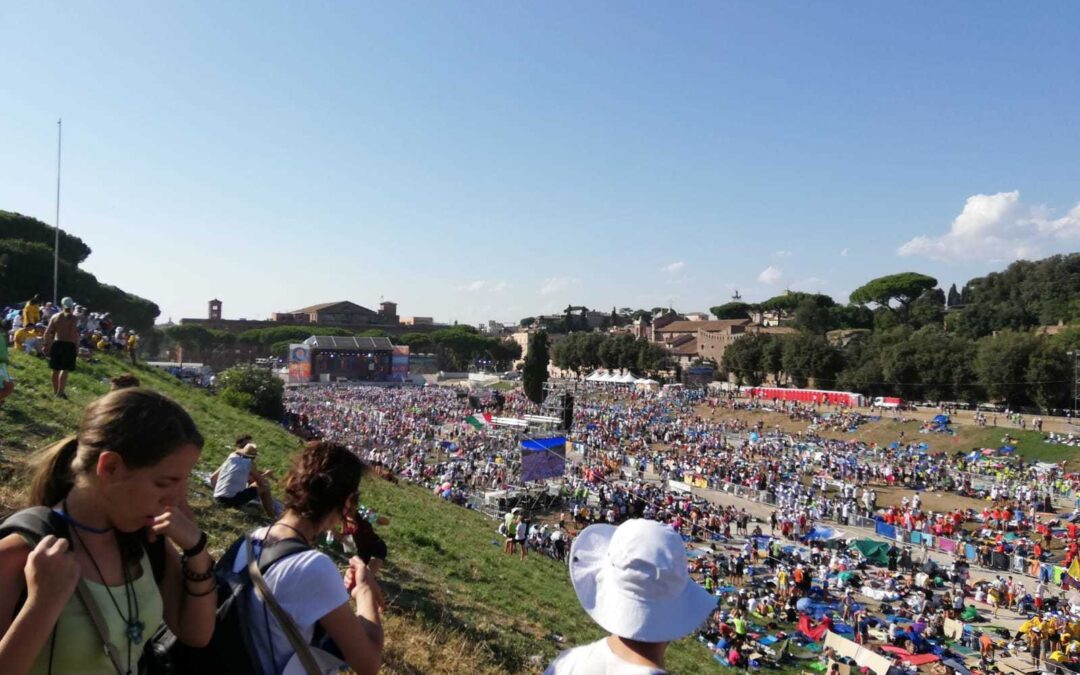
 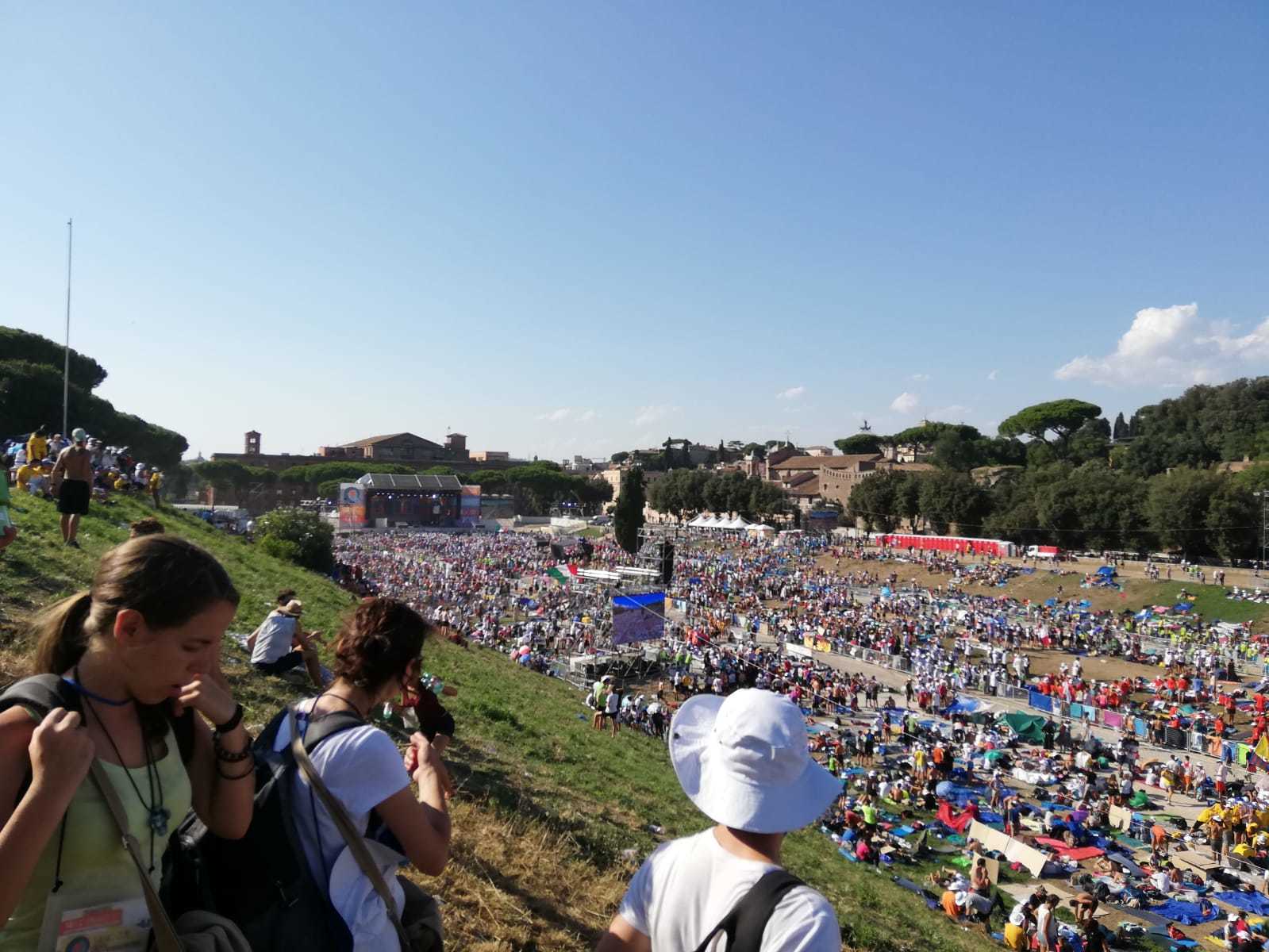 Besides the district associations, also some of the 8,000 families living in the “Snake” opened their doors and recounted their stories of suffering and hope. That which, at first glance seems to be an important building, and the end of which is invisible to the eye, seems to be a beehive of identical homes and windows, from inside is not scary: this is what the young people of the Campus felt, thanks to the encounter with people, countenances and stories which enabled all to go beyond the borders and prejudices, and above all the cement wall each carries within. The youth of the campus, children and families of Corviale worked together to prepare the final celebration in the district parish. It was an occasion to demonstrate the fruits of the workshops but also to build a chain between the realities, often diverging, of the territory and rediscover a sense of community and family. The main path of this campus which ended on 11 and 12 August, at Circo Massimo in Rome, with the meeting of the over 70,000 pilgrim youths from all over Italy, with Pope Francis, then in St. Peter’s, with the Mass and Angelus. The pope invited each one not to be “couch potato youths,” not to aspire tranquility, but take the risk of bravely pursuing their own dreams. The experiences lived in the peripheries of Turin and Rome were engines that pushed each campus participant to take the first steps along this path, challenging but necessary, to make their own dreams a reality.
20 Aug 2018 | Focolare Worldwide
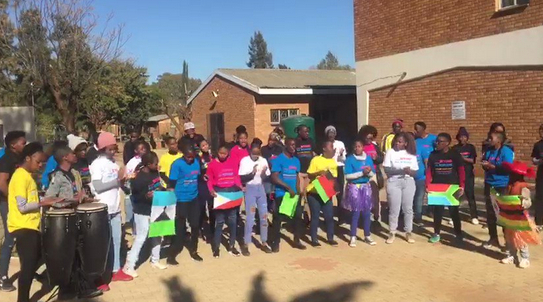 “This year we held our Youth Camp in Mafikeng, South Africa, precisely contemporaneously with the Genfest in the Philippines, with participants from Zimbabwe, Malawi, Zambia, Lesotho and South Africa. The presence of young people from various countries was in itself a visible sign of our desire to overcome the personal and cultural confines.” Mafikeng (Mafeking, up to 1980) is the capital, as well as a commercial centre of the North-west province, founded in 1885 as the British military outpost.It is currently an important stopover on the railway line from Cape City to Zimbabwe. “It was very interesting and funny to discover how our cultures differ and how we can still love one another in our diversities. I have learned many things -wrote Teddy, from Zambia –which I don’t want to keep to myself,but share with my brethren. The Youth Camp – says Nkosiphile from Zimbabwe – opened my eyes. I just can’t wait to put into practice all I have learned.”
  Simultaneously with the event in the Philippines, was also the one held in Albania, with about 120 participants consisting of Christians, Muslims, agnostics coming from various parts and cities of Albania, together with youths from Skopje (Macedonia) and a young girl from Stuttgart. “Like a weft, going from local to global realities, we held four workshops in the field of civil economy and culture of lawfulness, besides themes on prejudice, interpersonal relationships and the social networks, in the presence of Italian and Albanian experts. We visited the homes of disabled and homeless people, and got to meet some ecumenical and interreligious realities of the capital,
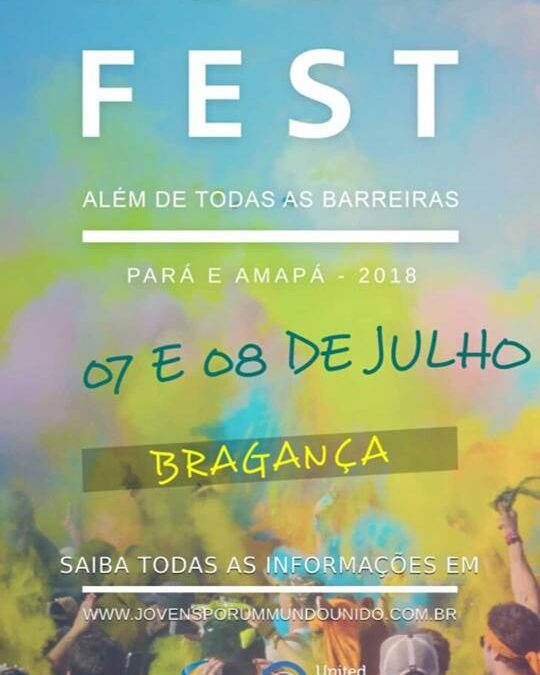
 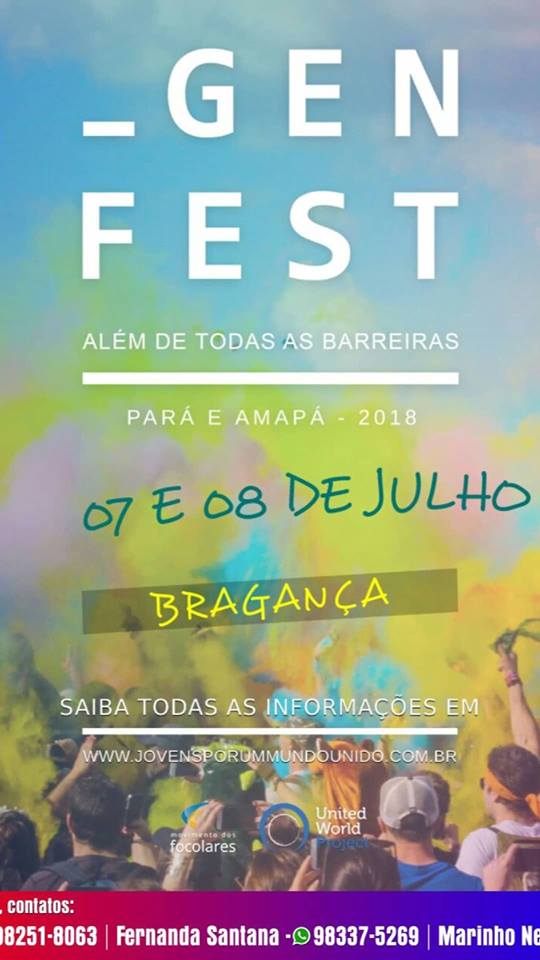 Tirana. The visits to the cathedral, accompanied by the bishop of the Orthodox Church of Albania, the Mosque and the National Centre of the evangelical Churches were followed by a “flash mob” of all the youths at Parku Rinjain the city centre. Genfest was accompanied by moments of celebrations and prayer, in a joyful atmosphere. It helped to connect the youths from the north and south of the country, and let them experience the international features of the new generations, who inherently tend to overcome all confines. A characteristic that stood out was that of working together with the Church in Albania in the preparation for the Synod of the youth, besides being an important step in reestablishing many relationships with Christians of other churches and Muslims, who now want to continue this path of dialogue.” Bragança, in the north-eastern part of Brazil, is the city where the Genfest was held for 300 young people from various cities of the State of Parà, which hosts a big section of the Amazon National Park. “For many of them – they wrote – it was the first contact with the Focolare communities. The programme consisted of some social projects in the city, like the Fazenda de la Esperança, a hospital, an ecumenical group, and other activities that helped us toenter into the real spiritof this event. So we illustrated the “Mundo Unido Project” and the proposal of Manila, “Paths of unity.” On the opposite bank of the Amazon River estuary in Macapà, there was another Genfest which gathered 140 young people. “It was a unique experience which we were able to concretise thanks to the support of all the members of the Focolare. Despite the difficulties, we believe that our objective, “beyond all borders,” has been reached.
18 Aug 2018 | Non categorizzato
The world renowned Italian tenor, active in various charitable commitments, will take centre stage in the “Festival of Families” in Croke Park Stadium (Dublin). The musical event will be held at the end of the World Meeting of Families with Pope Francis, from 21 to 26 August, on the theme “The Gospel of the family: joy for the world.” Andrea Bocelli who had said that “singing before the Pope is a privilege for the soul, also said: “It is a joy to be able to offer my modest contribution on the occasion of this grand meeting and moment of reflection on the family. The family remains the strongest building block of society, a cluster of affection and privileged space in which one can teach and learn – in every action – how to choose a life that leads to the greater good.”
18 Aug 2018 | Non categorizzato
In 1994, in conjunction with the International Year dedicated by the United Nations to the Family, John Paul II announced the “World Meeting of Families”, which took place in Rome 8-9 October of the same year. Since then, the event has been repeated every three years. The past editions were held in Rio de Janeiro (Brazil) in 1997, in Rome in 2000 (during the Jubilee Year), in Manila (Philippines) in 2003, in Valencia (Spain) in 2006, in Mexico City in 2009, at Milan (Italy) in 2012 and finally in Philadelphia (USA) in 2015. A few days before ninth edition, which will take place in Dublin (Ireland) on August 25-26 2018, with the title “The Gospel of the family: joy for the world”, thousands of families from 196 countries of the world are preparing for the meeting with Pope Francis. Half a million people are expected to attend the Mass. Promoted by the new Dicastery for the Laity, the Family and Life, the event will be preceded by a three-day pastoral conference attended by 37,000 families.
