6 Jul 2015 | Focolare Worldwide
” I want to be a witness of this joy of the Gospel and bring to you the tenderness and caress of God, our Father, especially to his children most in need, to the elderly, the sick, the imprisoned, the poor, to those who are victims of this throwaway culture.” Pope Francis spoke from the heart in the video message to his “dear brothers and sisters of Ecuador, Bolivia, and Paraguay,” on the eve of the voyage that from July 5th to 13th will bring him to three South American countries, praying “that the announcement of the Gospel can reach to the farthest outskirts and continue to make the values of the Kingdom of God a leaven of the earth in our days as well.” https://www.youtube.com/watch?v=A5QEBJ8-IJw “Right from the preparations we sensed that this visit would be a providential grace for the people of God in this land,” write Bernadita and Fabián, who are responsible for the Focolare Movement in Ecuador. Inés Loato is on the organizing committee. She remembers with gratitude the path undertaken in just two months of preparation: “it has been a new discovery meeting members of other Movements and church communities, a tremendous richness. We all feel we are truly brothers and sisters.” In this period they sought to “testify to this love as preparation for the grace that we will surely receive.” Many others were involved as volunteers, thousands throughout the country: “Joy, humility and love are the three consignments that the Church has given us for our volunteer work,” explains Adriana Guallasamin, a young volunteer and coordinator in the formation sector. A mission of “proclamation, door to door, in contact with many people who are far from the Church, but slowly responded to the invitation to help with the logistics.” “I am grateful to God,” she concludes, ” for this unique opportunity to serve the Church.” What to expect from the pope’s packed schedule, in the first stop in Ecuador (http://papafranciscoenecuador.com/) There are the two mid-ocean masses in Guayaquil and Quito, a meeting with the world of education, with representatives of civil society, a visit to the Sisters of Mother Teresa nursing home, a meeting with priests, religious brothers and sisters, seminarians, and the Bishops of the nation. In addition to the greeting for President Correa and the visit to the Cathedral of Quito and the Church of the Company. In Bolivia (http://www.franciscoenbolivia.org/) with the motto, “Renewal and Reconciliation,” awaits –among other appointments–the 2nd World Meeting of Popular Movements and a visit to the imprisoned in the Center of Reeducation in Palmasola. In Paraguay (https://franciscoenparaguay.org/) the visit to a pediatric hospital and the inhabitants of a barrio (neighborhood) in the capital city, Asunción. The voyage concludes with a meeting with young people on the riverfront, Costanera: “messenger of joy and peace,” or as they say in guarani, the official language of Paraguay along with Spanish, to highlight the cultural variety and preciousness : Oguerúva vy’a ha py’aguapy.
2 Jul 2015 | Focolare Worldwide
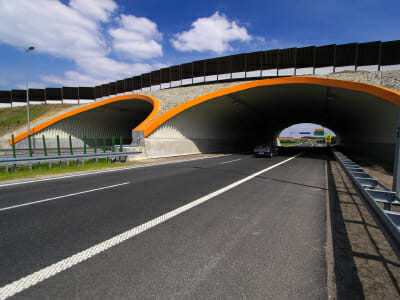
https://vimeo.com/132331626 Everyone who experiences its effects says that the Economy of Communion (EoC) is a way of life, more than a way of running a business. And it is precisely for this reason that the most diverse businesses decide to administrate their activities in the full spirit of the EoC. Complex Projekt, which is in the business of projection and construction of roads, motorways and bridges, is also an EoC. In 1990, when the EoC began in Brazil, the business was in trouble. The removal of the communist regime raised strong doubt and uncertainty, and the transition to a capitalist system generated constant questioning and mistrust. The very concept of private property created uncertainty and discomfort in entrepreneurs. Andrzej Milkowski, president of Complex Projekt, discovered the answer to “freeing himself from the pressures of private property” in the EoC. Thanks to the EoC, he found that he was “merely an administrator” and that “the business owner was God.” This made Milkowski realise that what mattered most in the business was its human capital, and that good management depended on the values one believed in. For him, they were the values of the Gospel put into practice by applying the teaching of St. John Paul II: “to be, rather than to speak”. This kind of talk can sound far removed from the real business world, but in the long run, in Complex Projekt, it actually made the difference. “Our work consists of creating complex infrastructure projects, and that carries a great responsibility,” Milkowski explains. “In the EoC proposal I found the interior freedom that was needed and the distance from myself, values which led me to no longer make decisions on my own, but through shared understanding. Such decisions then prove to be just right for growing the company.” Milkowski describes how colleagues and personnel strive to base their life on mutual respect as they strive to create a climate of trust and giving priority to interpersonal relations. The internal regulations include the Golden Rule, a version of which can be found in the sacred texts of all religions: ‘Everything that you want others to do for you, do also for them’. It is “understood as an opportunity,” the president explains, “offered to each employee for them to freely decide.” Two years ago, Andrzej Milkowski began handing over the administration of the business to his son, Stanislaw. This generational transition is also being carried out in the light of the values that have been acquired over years. Andrezej reflects: “I think it is a result of the working lifestyle that all of us in the business, personnel and administration, receive from God. If we make even a small attempt each day to live the values of the Gospel,” the Polish businessman concludes, “we receive ‘something more’ from the Creator, a greater capacity even in front of things like project planning, professional and family difficulties which can be listened to and discussed. This is how we build the Kingdom of God . . . and the rest will be given us as well. We experience it every day. Indeed, in spite of the economic crisis, the business continues to grow and develop.”
1 Jul 2015 | Focolare Worldwide
30 Jun 2015 | Focolare Worldwide
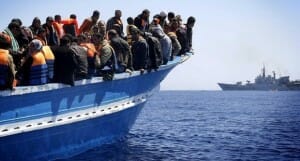
 “When it comes to migrations, the numbers say more than the words. In one report published in October 2014, it was estimated that there were 7,124,000,000 people in the world. If the wealth were equally distributed, every person would have a median annual income of 14 thousand USA dollars. In reality, the income of 2,700,000,000 people is two USA dollars per day. Now, this economic inequality, which is a social inequality, has a very strong impact on migration. Entire populations pick up and move toward wealthier countries.” What is a migrant? In 2013, the United Nations claimed that there were 232 million married people in the world. And it defined a migrant as “a person who leaves his or her own country for reasons of employment and settles in another place for a period of more than twelve months.” That’s the only definition that you find, Flavia Cerino stressed. In fact, there are the refugees (the ones who are in need of political asylum in another country); the refugees fleeing from war situations, the so-called “illegals” (who move without having a document that makes them eligible to enter another country). And the reasons vary: war, poverty, studies, cultural interest, natural disasters . . .
  What were the most repeated words in the reports from the workshops at the New Humanity international training course where this topic was discussed? A few things stood out in the workshops. “The first was “fear,” fear of anything that is different from me,” continued Cerino. In reality, diversity is a great enrichment. We see that in nature where biological diversity is very enriching. If we lost it we’d be heading for extinction. We obviously have to consider the fear that is born of uncertainty; and this brings us to the topic of public order, national security. One thing is public order, and another thing is fear of diversity. Another topic that was frequently raised was the family. A migrant who travels alone, leaving the family behind, finds it difficult to describe the hardships he or she faces, in order not to worry their loved ones. But actually it would be important to tell one’s family what the real life situation is like, so that they will have a real understanding of what migration entails also in terms of reuniting the family, since families generally look forward to staying together. Another word that came up was interculturalism. That is the capacity to overcome the fear of diversity in order to create an environment of encounter and understanding. And it’s not only cultural understanding, but existential understanding, sharing problems. The migrant should be placed in a position of giving, but he and she believe that they have nothing to give when they are not recognized as persons who can act as active citizens, and therefore they are excluded from the start. Flavia Cerino cited a question posed by Igino Giordani many years ago: “What do I do for him?, referring to an immigrant. “That’s the question we’re asking ourselves now. What do we do? There are countless experiences, great projects. My experience is the same as many of you. It turns on two elements: the first is that everything depends on a personal sensitivity. As a human being I feel called, and my and put into question right where I live, by a problem that I see in my next door neighbor. And I try to figure out what I should do, turning to the people and institutions who have the authority to act. Because it’s a matter of alleviating, making the presence of a migrant easier in my city. Actually, to the question of “What can I do?” we can answer by acting and doing what is within our power; so, getting together with others who share this desire, beginning with small gestures, we can weave together a network right where we are: simple gestures that generate a renewal of humanity right around us.” Source: “Reflections on migrations and interculturalism,” intervention during the New Humanity international training course (February 2015), coordinated by immigration expert Flavia Cerino. www.umanitanuova.org
29 Jun 2015 | Focolare Worldwide
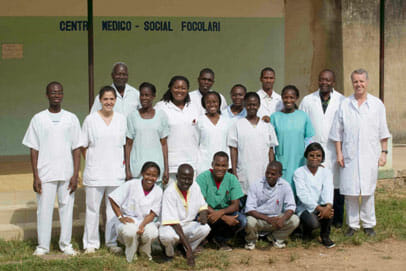
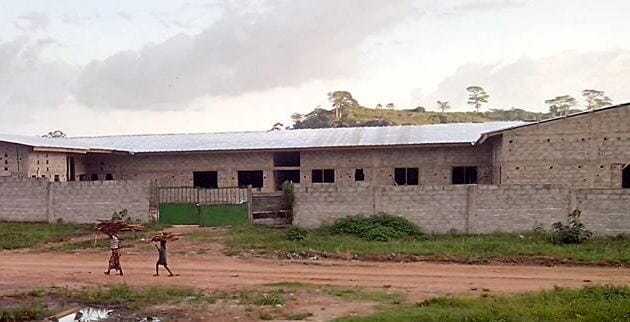 Estelle is the eldest of eight brothers, in a family from Ivory Coast who, after having worked as a secretary at a medical clinic in Abidjan, moved to Man in 2006 where she volunteers especially as a contact person with sponsors of a medical centre run by the Focolare Movement. When the project finished, she decided to expand her administrative skills. Meanwhile, her father died and she had to provide financial support for the family. She applied for and received a scholarship from Fraternity with Africa. Now, along with working, she is specializing through distance learning courses in “Administration of NGO organisations and non-profit associations” at university in Burkina Faso. After finishing her studies, with the support of a tutor and of AMU, she will travel to Burundi where she will complete one stage in administration and finance at CASOBU, an NGO that promotes human and community development through acitivites and projects based on the values of sharing and sustainable development. “It was a nice concrete experience for me, because it was the first time I travelled outside Ivory Coast and got to know other cultures and learn much from CASOBU; their approach to microcredit, for example. When I returned to my own country, I decided to propose that same microcredit model, beginning with the people I knew. We’ve already begun two groups that up until now seem to be functioning quite well. . .“ Everything she received, spurred Estelle to become involved in Fraternity with Africa: “When I finished my studies, I thought that since I couldn’t make a financial contribution, I could share my time and talents with the project.” So, on the one hand there was the work in adminstration, running and finances of the medical centre, and on the other hand keep up relationships, taking care of the adminstration and, from within the adminstration, she evaluates scholarship candidates and accompanies the students who receive them. The medical centre in Man began in 2002, during the civil war when the hospital was closed. It was hosted in an apartment with three rooms. Then, in 2008, the current Social Medical Centre was opened with visiting rooms, one-day recovery rooms, pharmacy and laboratory. But now the number of patients has gown so much that a new centre is being constructed where diagnostic facilities will be added, and programmes for the reduction of infant malnutrition in the region of Man. There will also be training programmes for mothers, in the field of nutrition. The health situation of the people in Man is problematic. Medical bills are paid in advance and without the possiblity of riembursement. Given the poverty of the population, families are generally able to cover the cost of food and school fees. But if illness comes knocking, they only go the doctor when the illness is at its worst, and the patient is dying. The new medical centre will be able offer medical care to six thousand adult patients and three thousand children. See: AMU notizie 2/2015
25 Jun 2015 | Focolare Worldwide
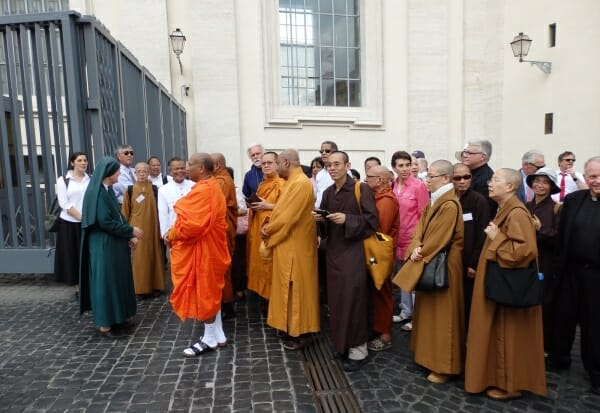
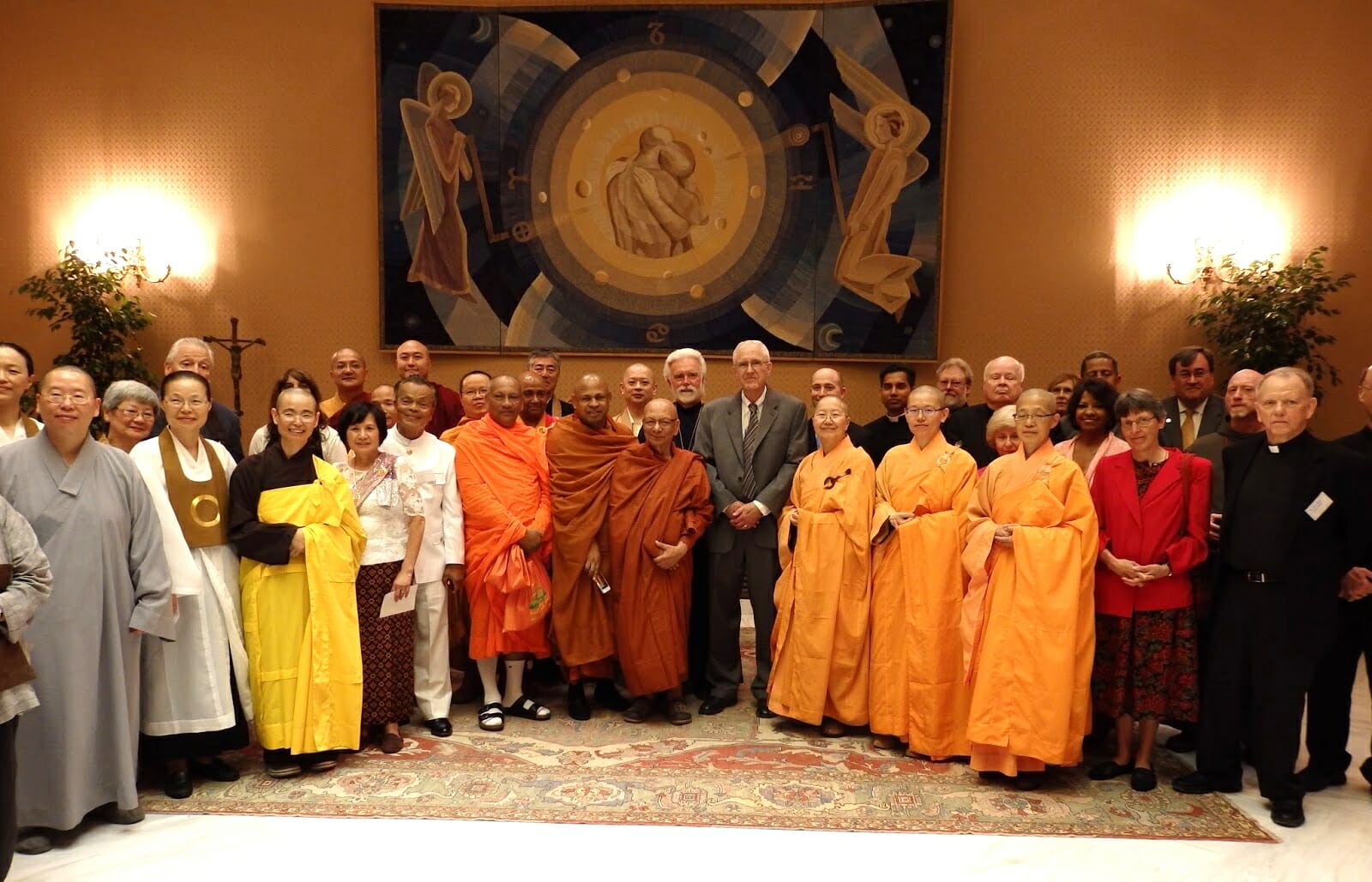 Buddhists and Catholics from the United States are holding an interreligious dialogue meeting for the first time near Rome this week, focused on the themes of ‘Suffering, Liberation and Fraternity’. The five day meeting, which opened on Tuesday at the headquarters of the Focolare Movement in Castelgandolfo, Italy, includes 46 Buddhist and Catholic participants from New York, Chicago, San Francisco, Los Angeles and Washington D.C. In an opening address to the group, which will meet with Pope Francis on Wednesday, the president of the Pontifical Council for Interreligious Dialogue, Cardinal Jean-Louis Tauran said “in a world where diversity is seen as a threat”, the encounter is “a sign of our openness towards one another and our commitment to human fraternity”. “We are all pilgrims”, he stressed, adding that the dialogue between Buddhists and Catholics is part of “our ongoing quest to grasp the mystery of our lives and the ultimate Truth”. To find out more about this dialogue, jointly sponsored by the PCID and the U.S. Bishops’ Committee for Ecumenical and Interreligious Affairs, Philippa Hitchen spoke to one of the Catholic participants, Fr Leo Lefebure, a theology professor at the Jesuit Georgetown University. Listen to audio recording Buddhists and Catholics from the United States are taking part in a meeting for the first time this week, focused on the themes of ‘Suffering, Liberation and Fraternity’. The five day event, which opened today (Tuesday) at the headquarters of the Focolare movement in Castelgandolfo, includes 46 Buddhist and Catholic participants from New York, Chicago, San Francisco, Los Angeles and Washington DC. In his opening address to the group, which will meet with Pope Francis on Wednesday, the president of the Pontifical Council for Interreligious Dialogue (PCID) Cardinal Jean-Louis Tauran said: “in a world where diversity is seen as a threat”, the encounter is “a sign of our openness towards one another and our commitment to human fraternity.” “We are all pilgrims”, he stressed, adding that the dialogue between Buddhists and Catholics is part of “our ongoing quest to grasp the mystery of our lives and the ultimate Truth”. The meeting is jointly sponsored by the PCID and the US Bishops’ Committee for Ecumenical and Interreligious Affairs. In an interview with Philippa Hitchens on Vatican Radio, one of the participants, Fr Leo Lefebure SJ, a theology professor at Georgetown University said the PCID asked the US Conference of Catholic Bishops to begin a new series of conversations focused on the theme of ‘Be friends and help the world’ so the dialogue will explore beliefs and ideas that “resonate across both traditions”, especially the concepts of ‘suffering and the end of suffering’. He noted that the basic values and virtues of Buddhists and Catholics “converge to a great degree” and there is a long history in the United States of leaders of both traditions coming together to oppose violence and work towards peaceful transformation of conflict. Fr Leo says that every major urban area in the US has large immigrant populations from Asia, so part of the Buddhist population is made up of these people. Another part includes people who have converted from other faiths, especially from Judaism and Christianity. What is sometimes controversial, he notes, is that some see themselves as ‘practitioners of both their religion of origin and some form of Buddhist tradition’. But many Catholics, he says, find their faith much enhanced by practices such as meditation – in a survey of Christians in the US who engage in some form of meditation, he says most found their own faith experience ‘profoundly deepened’ by these practices… Fr Leo says it was very significant that this meeting is taking place in the year that we mark the 50th anniversary of Nostra Aetate, the document that for the first time described Buddhism and said the Catholic Church “rejects nothing of what is true and holy” in these traditions, “implying there are things we can learn from them.” Source Vatican Radio
