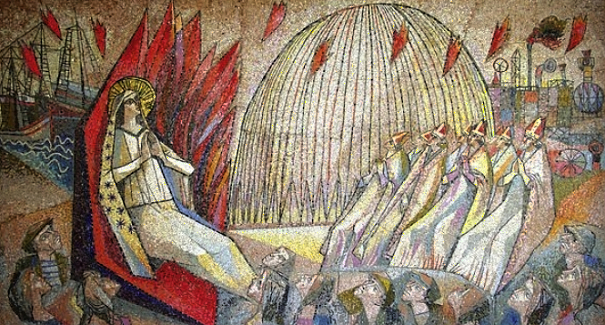
Mary and the Church
Mosaic by Paolo Scirpa (International Centre of the Focolare Movement, Rocca di Papa, Italy)

Mosaic by Paolo Scirpa (International Centre of the Focolare Movement, Rocca di Papa, Italy)
Drugs in school I had to take care of a student who had been using drugs. The usual punishment for this is exclusion from lessons for a week. I didn’t want this student to spend the time in bad company and so I arranged for him to work with a community and to come to school and study on his own in the library. In school, I stayed with him the whole time and helped him with the work his group were doing in class so that he would not fall behind. I found this very demanding but it helped me realise that loving your neighbour means practical action. M.M. – Spain A new way of life at home We are part of a team that runs courses for engaged couples. One day, just before leaving for a meeting, we had a row with our son. My wife and I still left the house and began to make our way to our appointment but we didn’t feel at peace about the situation. After a few kilometres, we realised that we had nothing to offer the engaged couples. I stopped the car and rang our son saying we were sorry for the way we had behaved. We continued the journey but then my wife pointed out that I had spoken in a very curt and dismissive way on the telephone and then we too began to argue. After a few more kilometres, we realised that we were not in a position to talk about mutual love and so we called one of the other couples and said that we were going home. As soon as we set foot inside the door, we explained what we had done to our son who was amazed that we had turned back. This was a lesson that has helped us establish a different way of life at home. K.E. – Czech Republic The school trip During a school journey, some of my friends threw away food from our lunches without even opening the packaging. I was really shocked. The following day, I made plans in advance: at lunch time, I collected all the food that my friends hadn’t even touched and put it in a bag. Then I took it to a centre for the homeless that was nearby. N. – Italy A new move After thirty-five years of service, the bishop asked me to move to a new parish. At first, I felt very confused and prayed a lot. Then, I realised that I shouldn’t see things only from my point of view and said that I was ready to make this move. Straightaway, all my fears about my new role and worries about my health vanished. I saw clearly that I wasn’t doing anyone a favour; it was the opposite, I was receiving a grace. This was the solid basis upon which I began life in the new parish – it was very different from when I started my ministry as a young priest many years before. E.B. – Slovenia A little act of love I heard that a colleague had been admitted to hospital. I was following a course in another town but, for a few months, every weekend when I came home I used to go to visit him. His parents also used to come from quite a distance to see him. I thought that they might like to go for a pizza with me after one of their visits and so I invited them out. I listened to all their worries and walked back with them to the place they were staying. They said they had not had such an enjoyable evening since their son had gone into hospital. A. – Italy
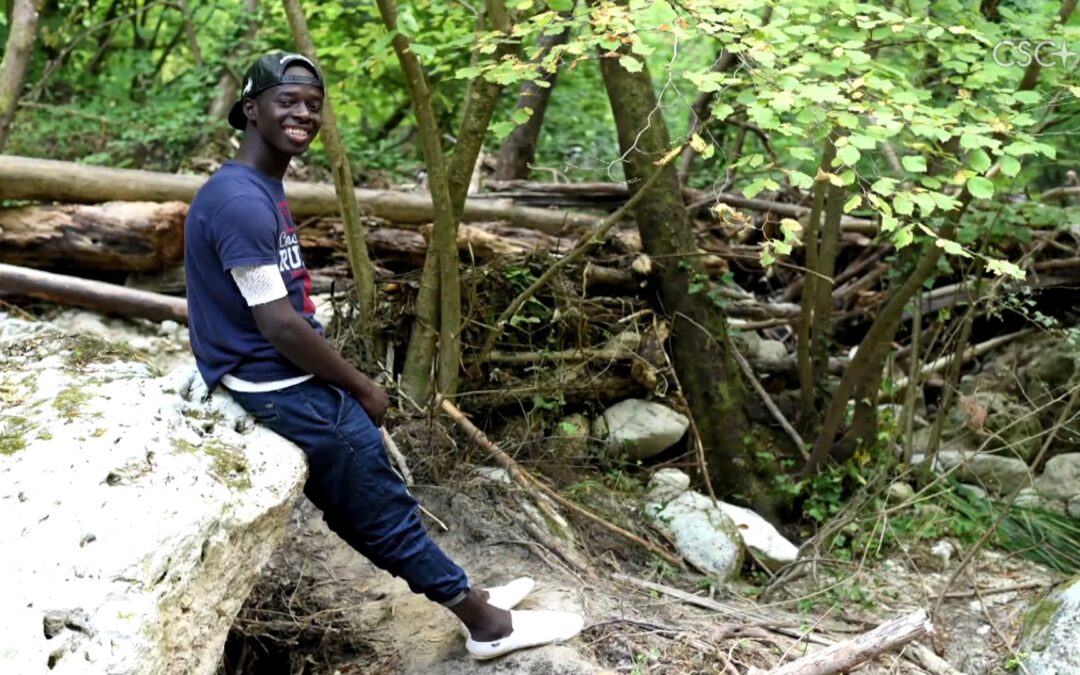
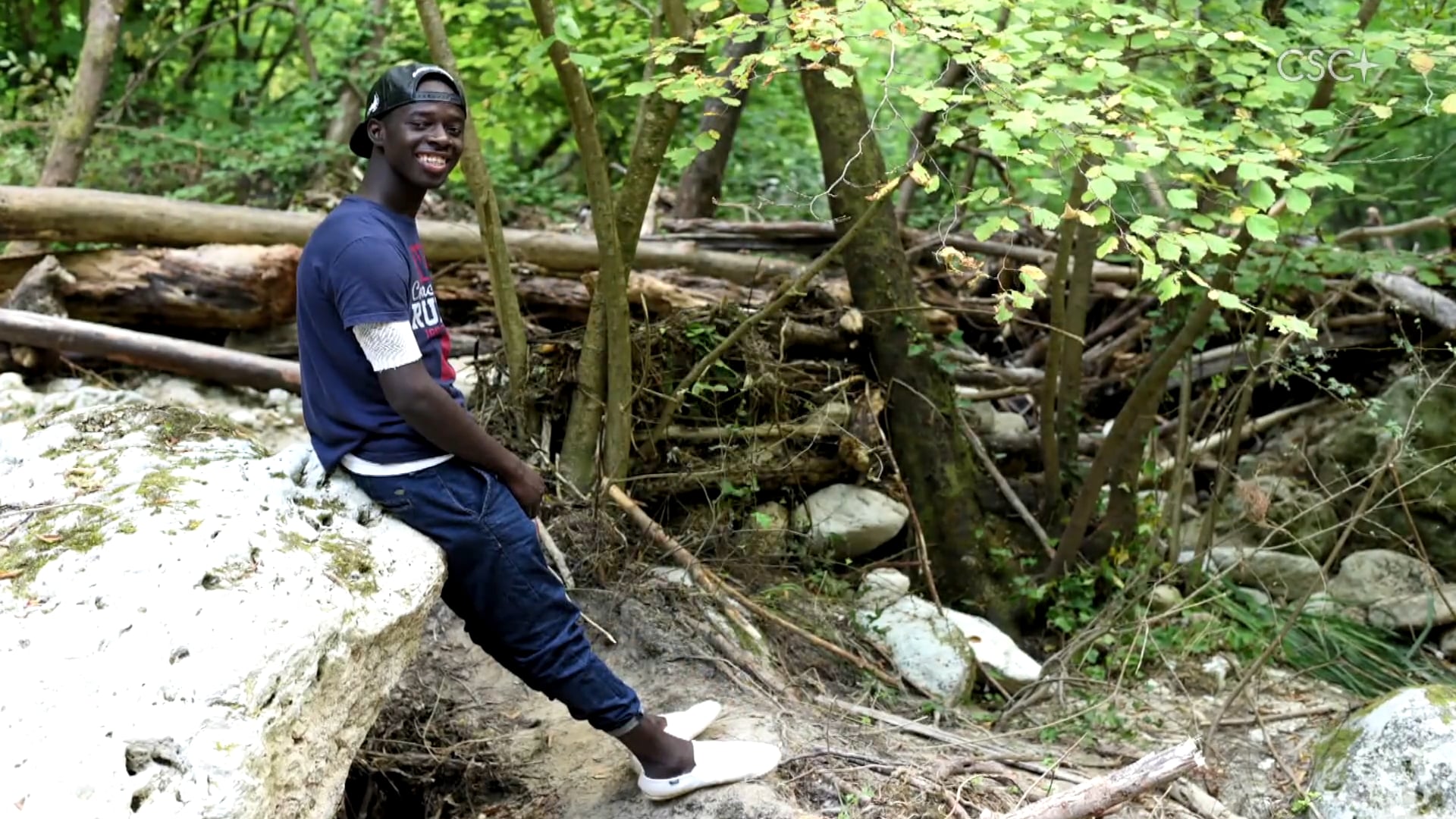 “I thought you were asking for help and stumbled into this embrace. Your large, chilly arms awaited my warmth, an exchange of a kind gesture. Like earth awaits rain, a temple breathes prayer, a smile longs for lips, baggage hopes for a trip.” “This can’t end here, it can’t be. If you have completed this journey and reached my door, I hope you live on, always. If my path ended up with you, I want you to come along for the next stretch. I want to see you grow old, hear you speak my language better and better. I want to hear you confiding with my wife as if she was your mother and laugh with my children as if they were your siblings. I want to be there when you hug your mother, she who gave birth to you, your sisters, your brother. “I beg you. Listen to me. Open your eyes. Smile. I will teach you another magic trick. Put your curdled cells in my hands: I will make them disappear like coins, like paper. In their place I will put them back, healthy. And your body will once again start to work like a delicate, unbelievable mechanism. “I don’t have important things to tell you, thoughts to remember, memorable acts. I have rejected words, concepts that were forgotten even before they were born, meaningless signs. We’re never ready for detachment, it’s never the right time, and we can’t even conceive of absence. Even though you told me how your radiant God awaits, that death is but a natural threshold to cross in order to reach the next phase of existence, and that since you never treated anyone badly you will be rewarded in the afterlife. Even if I strongly believe that dying is going back to one’s origins, as Mary taught me: a marvelous, unending losing oneself in God. “Despite all of this, I don’t want you to go. I need to talk more with you, listen to you, solve problems together. With you I need to dare, to challenge the headwind, to demand, dialogue, and aspire to heaven while living through hell, promising each other, supporting each other. “There’s no point turning back: I am not ready to see you die, to watch you as you turn the dark corner of things we see and enter into that tunnel of light that we do not know. I am not ready and am only able to take you by the hand and guide your lips and mine in prayer to our one Father. Because what is natural to the divine is murky to people. We assign different names, we build up rules. Yet in the end, what counts is love toward others. “We met by chance, through those minimal circumstances that change the direction of our lives, to breathe a bit longer, through a revolving door that opened in a moment like any other. Yet now I feel you are like a brother and, as I hope with all my strength to see you awaken, I start to say with you: ‘Our Father…’”
Watch the video https://vimeo.com/204141968
The world renowned Italian tenor, active in various charitable commitments, will take centre stage in the “Festival of Families” in Croke Park Stadium (Dublin). The musical event will be held at the end of the World Meeting of Families with Pope Francis, from 21 to 26 August, on the theme “The Gospel of the family: joy for the world.” Andrea Bocelli who had said that “singing before the Pope is a privilege for the soul, also said: “It is a joy to be able to offer my modest contribution on the occasion of this grand meeting and moment of reflection on the family. The family remains the strongest building block of society, a cluster of affection and privileged space in which one can teach and learn – in every action – how to choose a life that leads to the greater good.”
In 1994, in conjunction with the International Year dedicated by the United Nations to the Family, John Paul II announced the “World Meeting of Families”, which took place in Rome 8-9 October of the same year. Since then, the event has been repeated every three years. The past editions were held in Rio de Janeiro (Brazil) in 1997, in Rome in 2000 (during the Jubilee Year), in Manila (Philippines) in 2003, in Valencia (Spain) in 2006, in Mexico City in 2009, at Milan (Italy) in 2012 and finally in Philadelphia (USA) in 2015. A few days before ninth edition, which will take place in Dublin (Ireland) on August 25-26 2018, with the title “The Gospel of the family: joy for the world”, thousands of families from 196 countries of the world are preparing for the meeting with Pope Francis. Half a million people are expected to attend the Mass. Promoted by the new Dicastery for the Laity, the Family and Life, the event will be preceded by a three-day pastoral conference attended by 37,000 families.
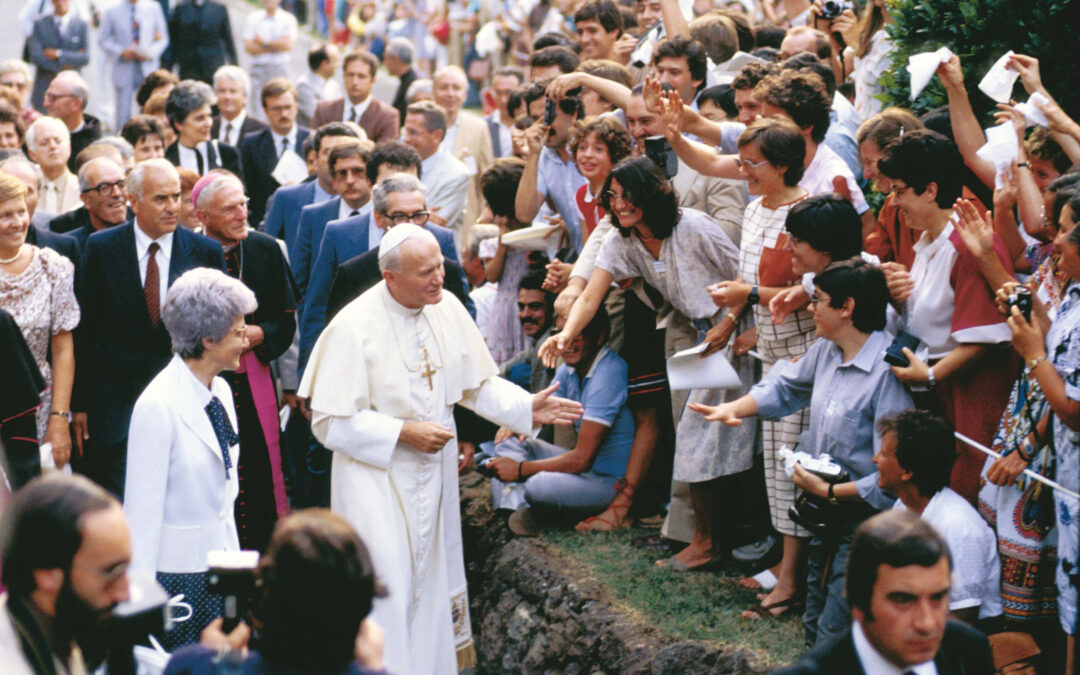
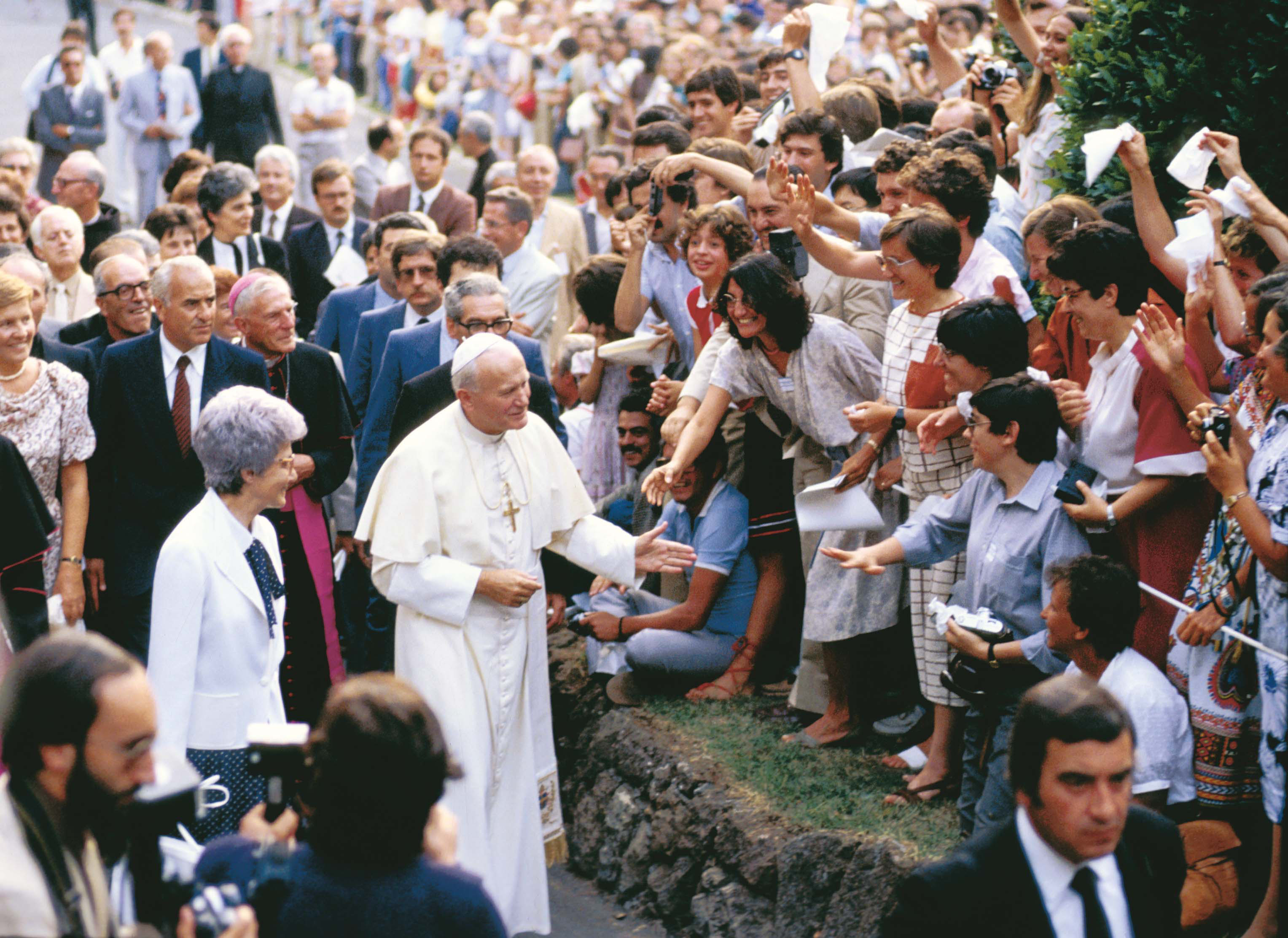
Photo © CSC Audiovisivi