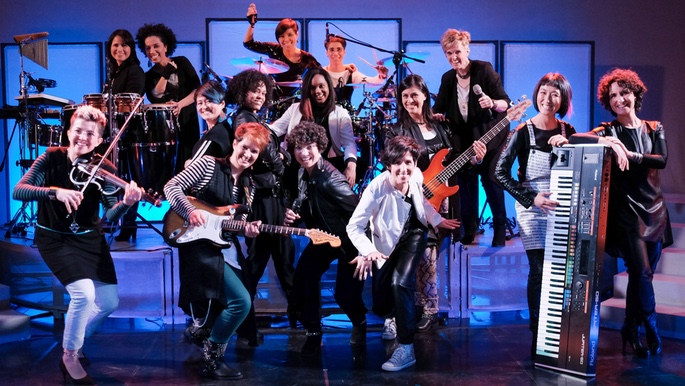
Gen Verde Tour
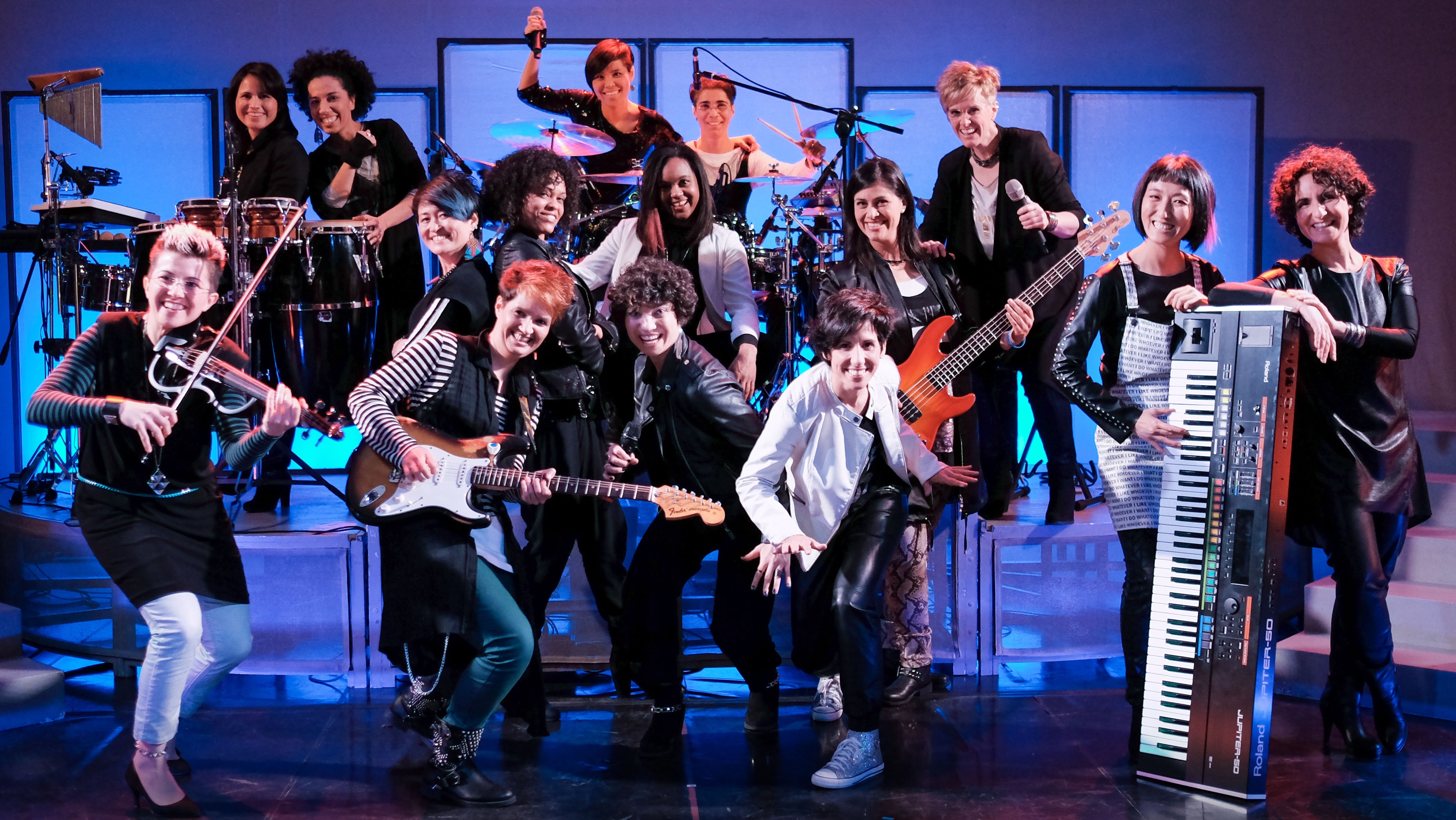 Dates: May 12th: Workshop with young people and final performance May 13th: Concert: “On the Other Side” At 9:00 p.m. GenVerde Tours

Dates: May 12th: Workshop with young people and final performance May 13th: Concert: “On the Other Side” At 9:00 p.m. GenVerde Tours
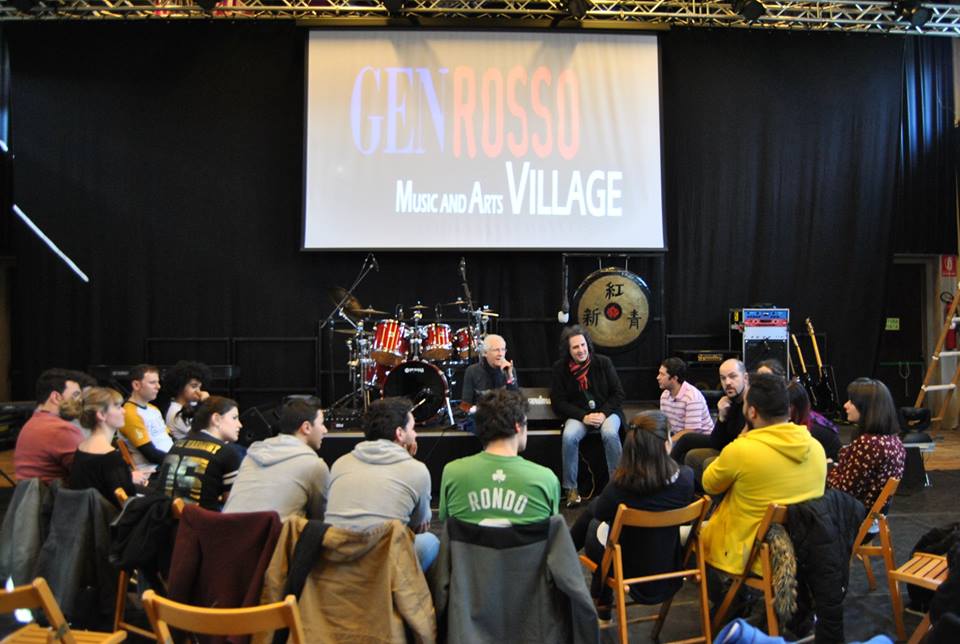
The GEN ROSSO (INTERNATIONAL PERFORMING ARTS GROUP) is presenting the 1st edition of the Gen Rosso Music and Arts Village, a residential in-depth artistic experience with the sharing of values in the light of the charism of unity. The project addresses young professionals and students preferably from 18 to 30 years of age, in disciplines such as music, dance, singing and theatre. The didactic method is designed and handled by Gen Rosso tutors having the qualified artistic capacities and experience. The program will include the study of specific themes. Exchange of experiences, dialogue sessions and practical labs will be exhibited in a final performance. The evening sessions will be enriched with interesting artistic contributions. The first edition of the Village will take place from 25 March (arrivals in the afternoon) to 1 April 2018. A participation certificate will be issued at the conclusion. Gen Rosso, through the Village secretariat, is at everyone’s disposal for further information and all the documentation needed for enrolment. (limited number). Contacts Secreteriat VILLAGE: +39 0558339821 (9.00-13.00, Italian time) Franco Gallelli cell +39 3806592166 Email secretariat VILLAGE: village@genrosso.com
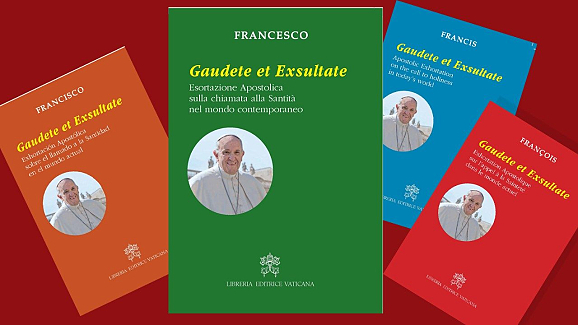
The third Apostolic Exhortation of Pope Francis on the call to sanctity in the contemporary world, “Gaudete et Exsultate” (Rejoice and be glad) was published on 9 April. Five Chapters, 44 pages: not a treatise on holiness, but an invitation to all, especially the young people, to “let the call to sanctity echo once again” indicating its risks, challenges, its opportunities.” Francis remarked – “Holiness is the nicest countenance of the Church. Also in the most varied environments outside the Catholic Church, the Spirit arouses signs of his presence that even help the disciples of Christ.” To become saints – the Pope sustained – we don’t have to copy lifestyles that may seem unreachable: “What counts is that each of the faithful discerns his own path and lets the best of himself emerge, that is, all the very personal things God has endowed him with and which does not lie in imitating something which was not conceived for him.” How can we answer this call? It’s done by tracing the path of the evangelical Beatitudes, a positive model “in the light of the Master” and a major road “against the current” with respect to the direction of the world everyone pursues. Gaudete et Exsultate
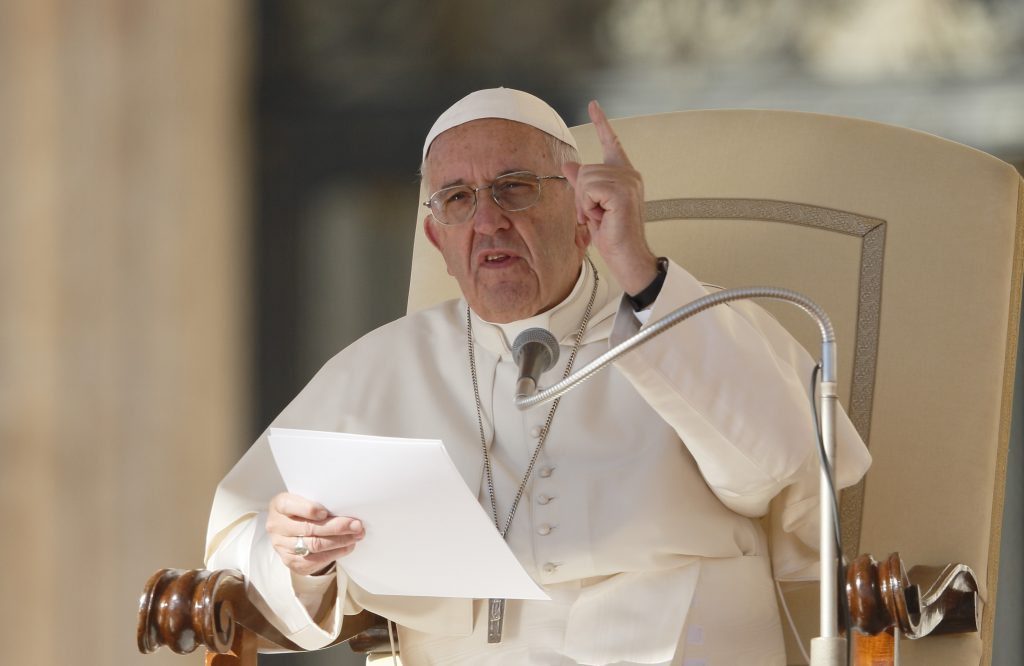
“Horrible news of bombardments continues to arrive from Syria, with dozens of victims including women and children. News of many wounded by the effects of chemical substances contained in bombs. Let us pray for the deceased, the wounded and the families that are experiencing pain and suffering. There’s no such thing as a good war and a bad war and nothing, nothing can justify the use of such tools of extermination against individuals and whole populations. Let us pray that responsible politicians and military leaders choose the other path, that of negotiation, the only way that can lead to a peace that isn’t the result of death and destruction.” These words were spoken by Pope Francis on Sunday, April 8, 2018. We join in his appeal, praying that negotiated solutions will be found to the terrible conflict that is bloodying Syria in recent days and many other places that receive little coverage in the news, which continue to produce victims in many places in the world. And we continue to work at all level promoting peace through dialogue.
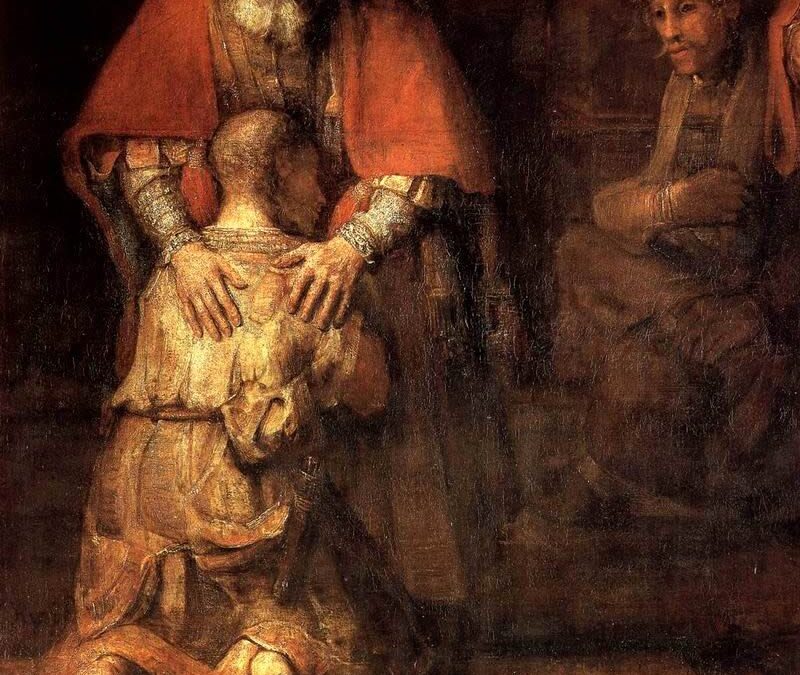
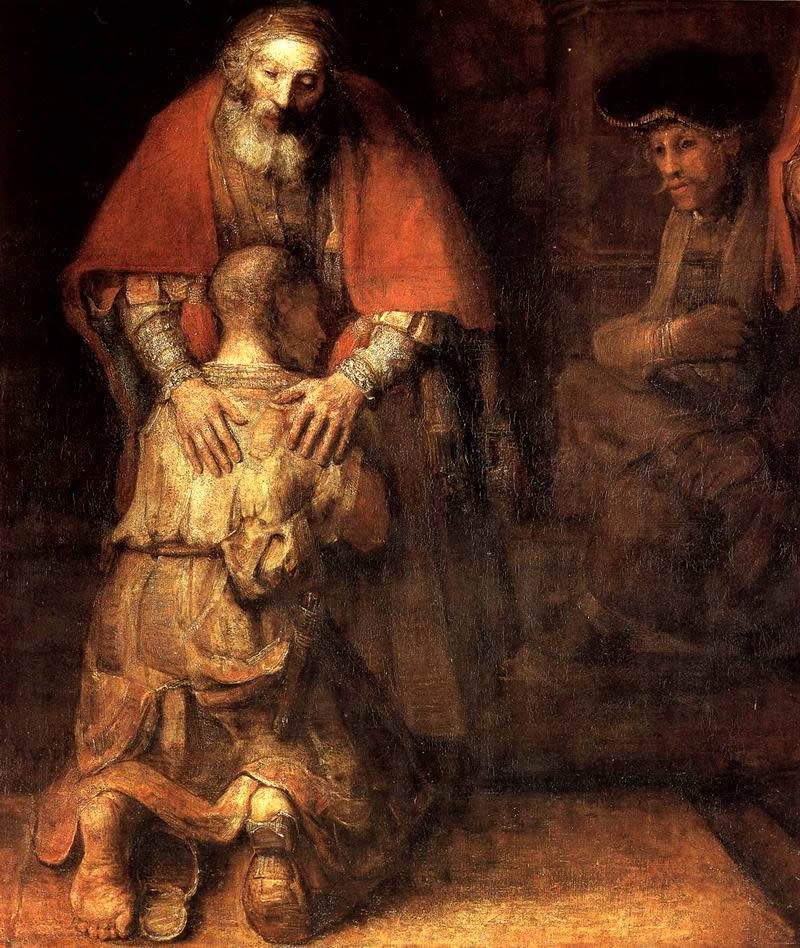
“The Return of the Prodigal Son” by Rembrandt