31 Mar 2018 | Non categorizzato
 |
|
| Today more than ever, while new conflicts are starting in various parts of the world, and tragic events of all kinds make our hopes for peace seem vain, we want to affirm our faith in the Man-God, who died and rose again for all people, and to lead the world to its destiny of unity. He is our hope and our joy. I send Easter greetings to all of you, personally and on behalf of the Focolare Movement. I pray that the spirit of the Risen Lord be born and reborn every day in us and amongst us, according to Jesus’ promise, “For where two or three are gathered in my name, I am there among them” (Mt 18:20). Happy Easter everyone!
Maria Voce
|
31 Mar 2018 | Non categorizzato
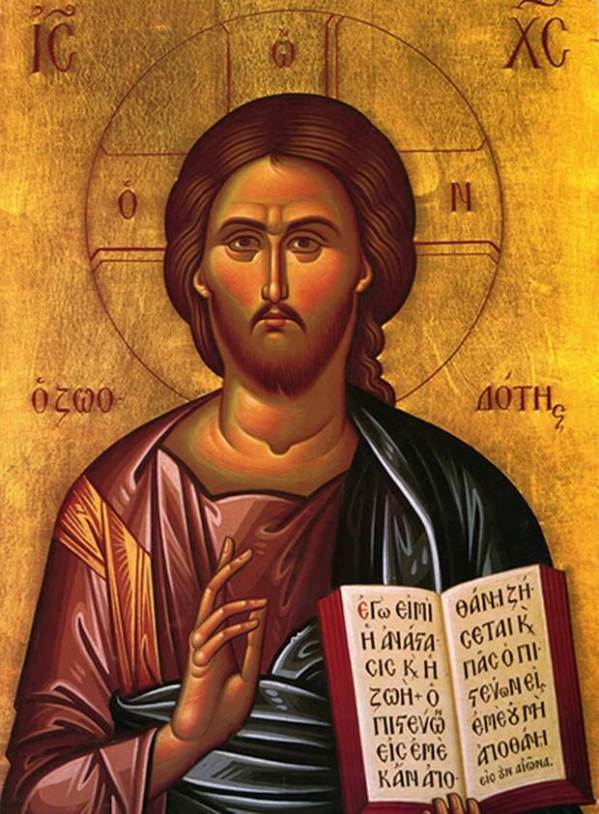 It’s the triumph of the Risen Jesus whom we know and relive personally, in our own small way, after having embraced him forsaken; or when truly united in his name, we experience the effects of his life, the fruits of his Spirit. The Risen Lord must always be present and living in us. The world is waiting for people who not only believe in and love Him one way or another, but people who are authentic witnesses. The world is waiting for people who can truly say, as Mary Magdalene said to the apostles after seeing Jesus near the tomb, those words that we know but which are always new: “We have seen him!” Yes, we have discovered him in the light with which he enlightened us; we have touched him in the peace with which he filled us; we have heard his voice in the depths of our heart; we have rejoiced in his incomparable joy. Source: Chiara Lubich during a telephone link up. Castel Gandolfo, Rome, 20th April 2000.
30 Mar 2018 | Non categorizzato
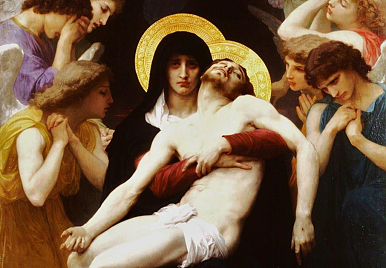
“Mary is alone. Alone with her dead son-God. Is it an unspeakable depth of anguish, an infinite agony? Yes, it is, but she remains standing, thus becoming a sublime example and monument of all virtues. She hopes and she believes. During his life, Jesus had spoken of his death but also of his resurrection. Others may have forgotten his words, but she never forgot them. She kept these words in her heart, along with others, and meditated on them (cf. Lk. 2:51). Therefore, she doesn’t give in to suffering: she waits.” Source: Chiara Lubich during a telephone link up. Castel Gandolfo, Romea, 20th April 2000.
30 Mar 2018 | Non categorizzato
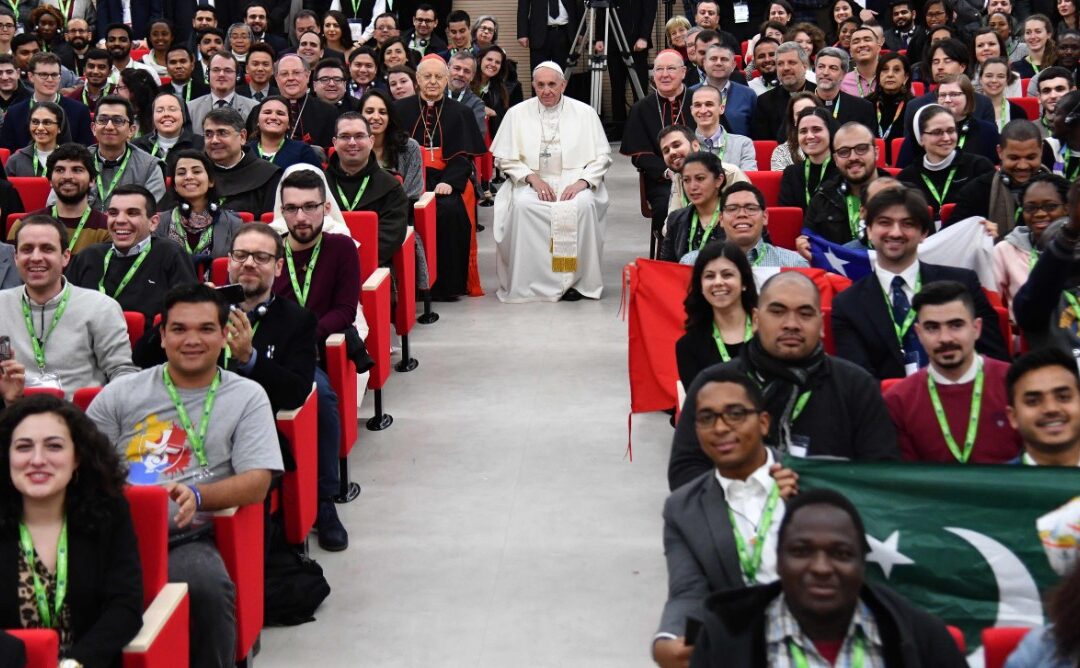
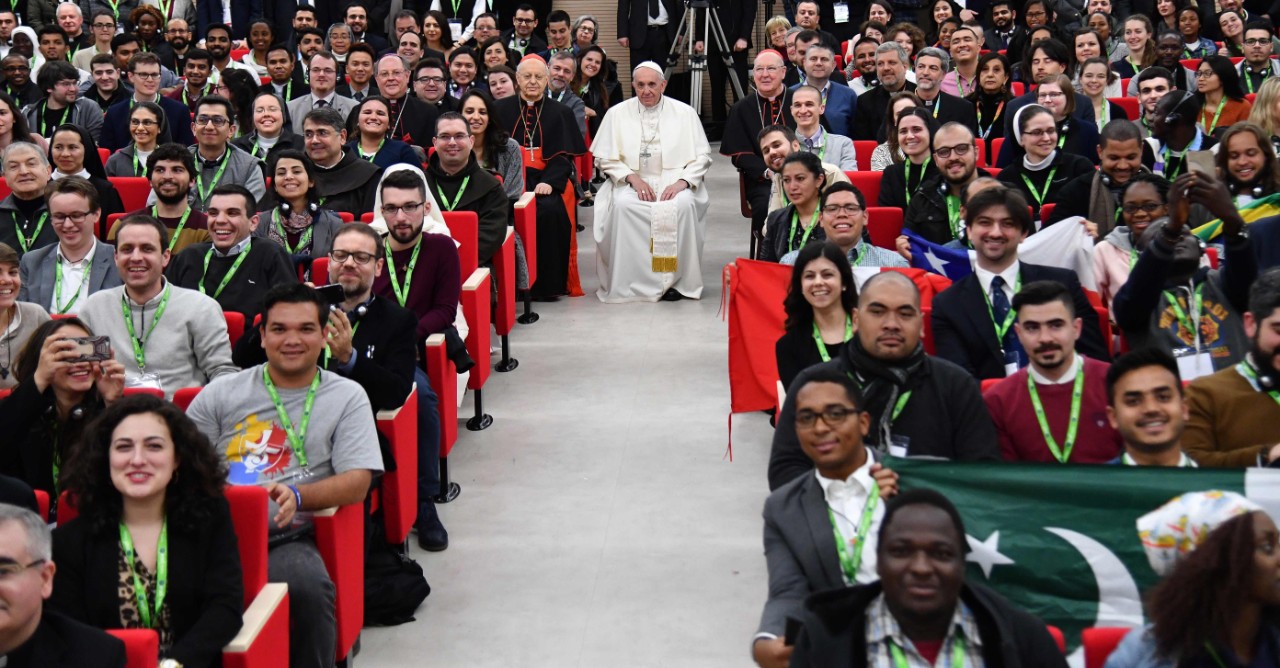 Young people want to find “peace, love, trust, equality, freedom and justice” in the Church. They also search for security, the capacity to listen, consideration, readiness to welcome the contribution of others. These are young people from every corner of the globe, belonging to different faiths, having different beliefs, coming from different social, economic and cultural backgrounds. Even young people who “do not follow traditional religions or say they are religious” but who are “open to spirituality” and want to work for others and for the common good are looking for a guide to provide direction and meaning in life. The young people themselves shared these ideas at a meeting that took place in Rome from March 19th -24th: this meeting was a preparation for the XV Ordinary Synod of Bishops on “Young people, the faith and vocational discernment” that will take place in October 2018. It was Pope Francis himself who wanted this Synod. The 300 young people present for the preparatory meeting and another 15 thousand linked up by web told the Church – gathered to listen in this way for the first time ever – all about their hopes and challenges and what they would like to find in those who are God’s ministers. They also spoke of what they are looking for in society as a whole. They shared their experiences and offered their suggestions to help ensure that the message of the gospel reaches an increasing number of young people, that it is expressed in the right way and with an attitude that is humble and open to dialogue. At the invitation of Pope Francis who asked the young people to speak openly and to be “cheeky” enough to ask difficult questions, they said very clearly that they wanted “attractive role models who are genuine and who do what they say”, “real witnesses who speak the gospel with their lives”, “men and women who can speak with passion about their faith and their relationship with Jesus and encourage others to draw close to him.” They want the Church to be welcoming, merciful, humble, human, inclusive, coherent, believable, “able to empathise with all the young people in the world” and show “tenderness” towards people to “don’t believe in following certain standards.” They are looking for “rational, critical responses to complex questions” such as sexuality, “addiction, marital and family breakdown” and to “the big social problems such as organised crime, human trafficking, violence, corruption, exploitation, murder of women and destruction of the natural environment.” They admit to not having a single, unified vision about complex issues such as migration and welcoming refugees even though there is “a universal duty to care for the dignity of every human being.” They also feel that there is little agreement among young people – neither within the Church nor in the broader world – about controversial issues such as “contraception, abortion, homosexuality, living together, marriage and even how the priesthood is understood.” Nonetheless, even the young people who do not share in the Church’s teaching still “want to be part of it.” Furthermore, they are shocked by the current “political, social and economic instability” and ask the Church to be “solid and with a preference for those who are struggling on the margins of society.” They want a sure guide because “simple answers are not enough.” They also expect the Church to acknowledge the mistakes it has made, all that it has failed to do and even its most painful wounds. This is the only way they can believe and trust the Church. Young people ask to be more involved in decision making, to be given responsibility and leadership roles in a broader context such as parish groups. They also feel that women should be involved more, that there should be more possibility for them to use their talents. They want the Church to be present and to search for them in the social and virtual worlds that they inhabit – in the bar, on the sports field and in social media. They also want to know more about the sacraments and to attend both large-scale events such as the World Youth Day as well as small ones in the diocese and parish. They want to be included, to be part of a group – “even a small local group where we can ask questions and share our Christian life is so important in nurturing and preserving our faith.” In conclusion, they are young people looking for their vocation in the world and for the meaning of life. They care for and cultivate their own spirituality – and almost always – see the Church as a great partner. Now it is up to the Church, as it has said itself, to take notice of what they are saying. The next appointment is in October at the Synod Assembly but, in the meantime, the Pope has said, “You will be taken seriously.”
Claudia Di Lorenzi
Document
29 Mar 2018 | Non categorizzato
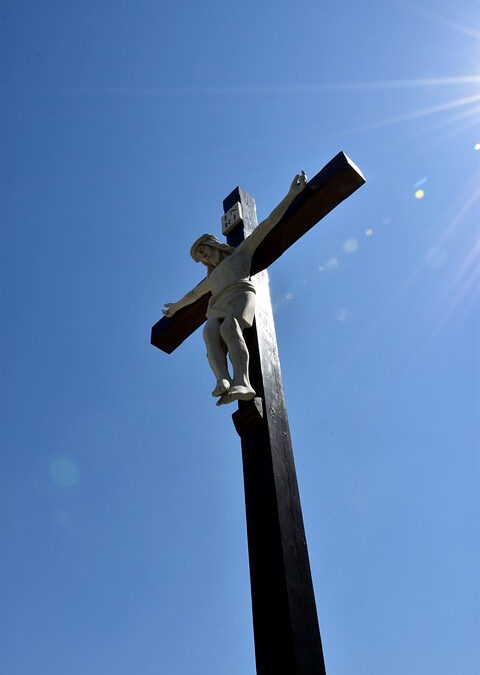
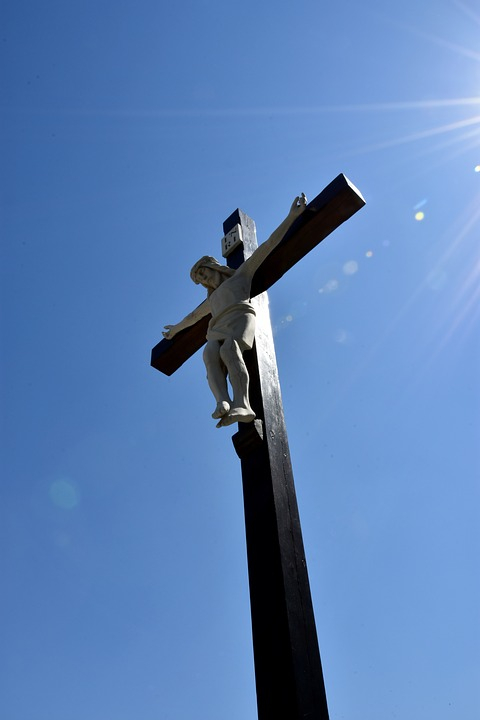 “I’ve recently written a book about him called “The Cry”. I dedicated it to him with the intention of writing it also on your behalf, on behalf of the whole Movement “as – and this is the dedication – a love letter to Jesus forsaken”. In it, I speak of him who, in the one life given to us by God, one day, a particular day that was different for each of us, called us to follow him and give ourselves to him. It’s clear then – and I say this in the book – that what I want to say in those pages cannot be considered as a talk, albeit one that is personal, familiar in tone and deeply felt. Instead it wants to be a song, a hymn of joy and especially of gratitude to him. “He had given everything: the life he lived with Mary, in obedience and in the difficulties of daily life. He had given three years of preaching and three hours on the cross, from which he forgave his executioners, promised Paradise to the good thief, and gave his Mother to us. Only his divinity remained. “His union with the Father, his sweet and ineffable union with God, had made him powerful on earth as the Son of God and majestic on the cross. Yet there, the awareness of God’s presence had to sink into the deepest recesses of his soul so as not to be felt any longer. It had to separate him in some way from the One with whom he had said he was one”, and make him cry out: “My God, my God, why have you forsaken me?” (Mt. 27:46).″ Source: Chiara Lubich during a telephone link up. Castel Gandolfo, Rome, 20th April 2000.
28 Mar 2018 | Non categorizzato
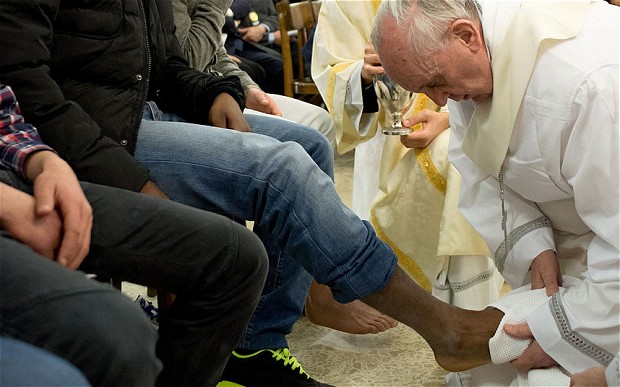
Today, then, the word is Love. Holy Thursday is the day on which, over the years, we have often experienced the sweetness of a special union with God. It reminds us of the abundance of love that heaven poured out over the earth. This Love, first of all, is in the Eucharist given to us on this day. This Love is in the priesthood, which is a service of love and enables us to have the Eucharist. This Love is in unity, which is the effect of love and for which Jesus implored the Father: “That they may all be one, as you … and I” (cf. Jn. 17:21). This Love is in the new commandment which he revealed on this day before dying. “Just as I have loved you, you also should love one another. By this everyone will know that you are my disciples, if you have love for one another (Jn. 13:34-35). This commandment enables our life here on earth to be modelled on that of the Holy Trinity. Source: Chiara Lubich during a telephone link up. Castel Gandolfo, Romea, 20th April 2000.
