15 Feb 2017 | Non categorizzato
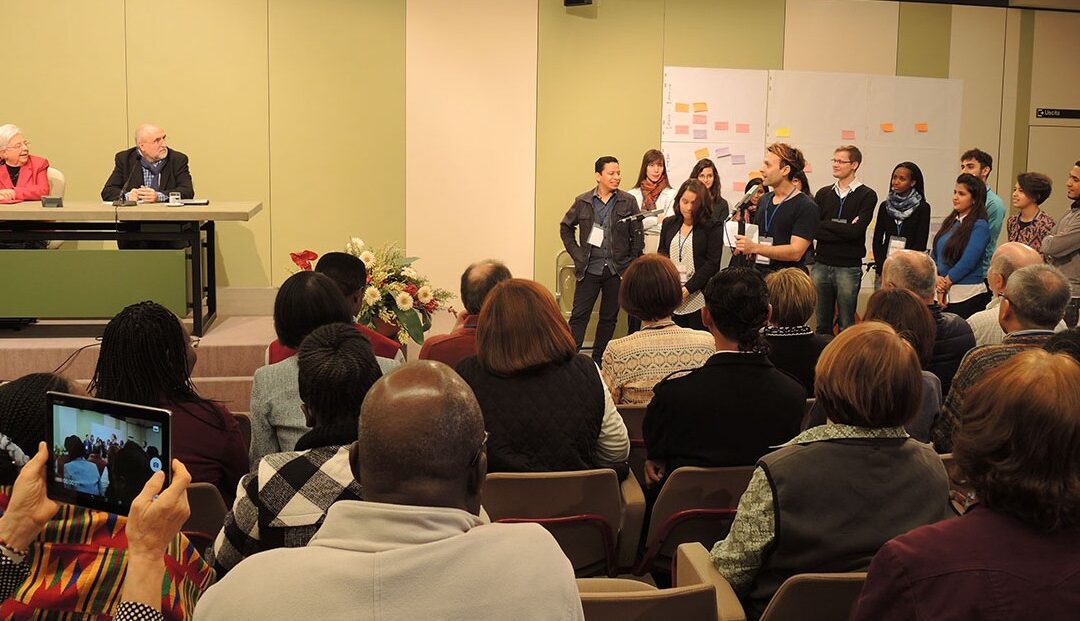
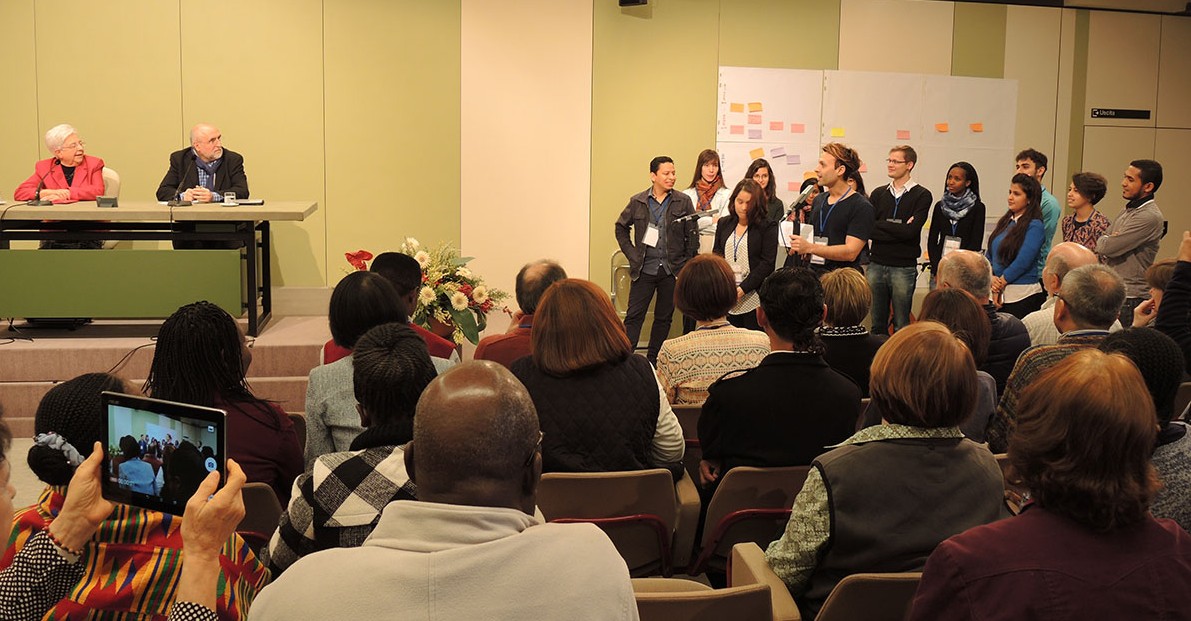
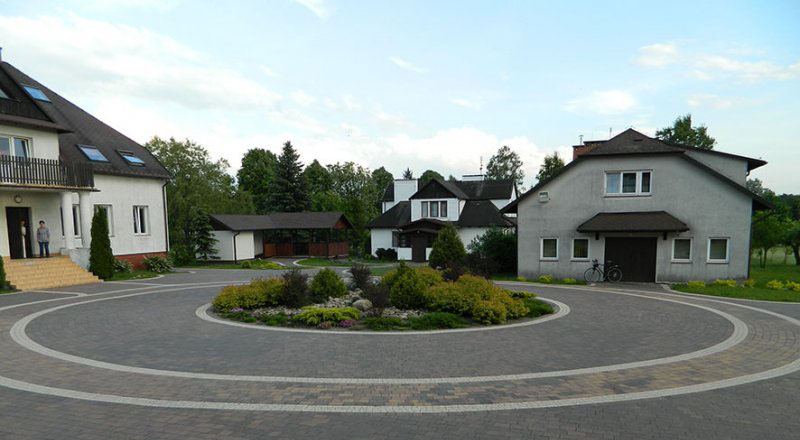 Cittadelle, literally “citadels”, but translated here as “Little Towns,” are small-scale models of society, with sharing among generations, schools, offices, businesses and centers of art. But the first rule of these communities is mutual love among their members. They are cities on a hill, cities of the future, ideal cities – only that they’re real. When you visit them you see concrete and tangible examples of a society healed of rivalry, competition, war, lawlessness and hatred. They are living incarnations of the ideal of a united world, “luminous examples suspended in time” of human communities that look towards a future of peace. Utopian? It wouldn’t seem so, walking the corridors of the Focolare’s international center in Castel Gandolfo, Italy, where a hundred young people and adults from little cities around the world got together over the week of February 12th. It was the first international gathering of these model cities.
 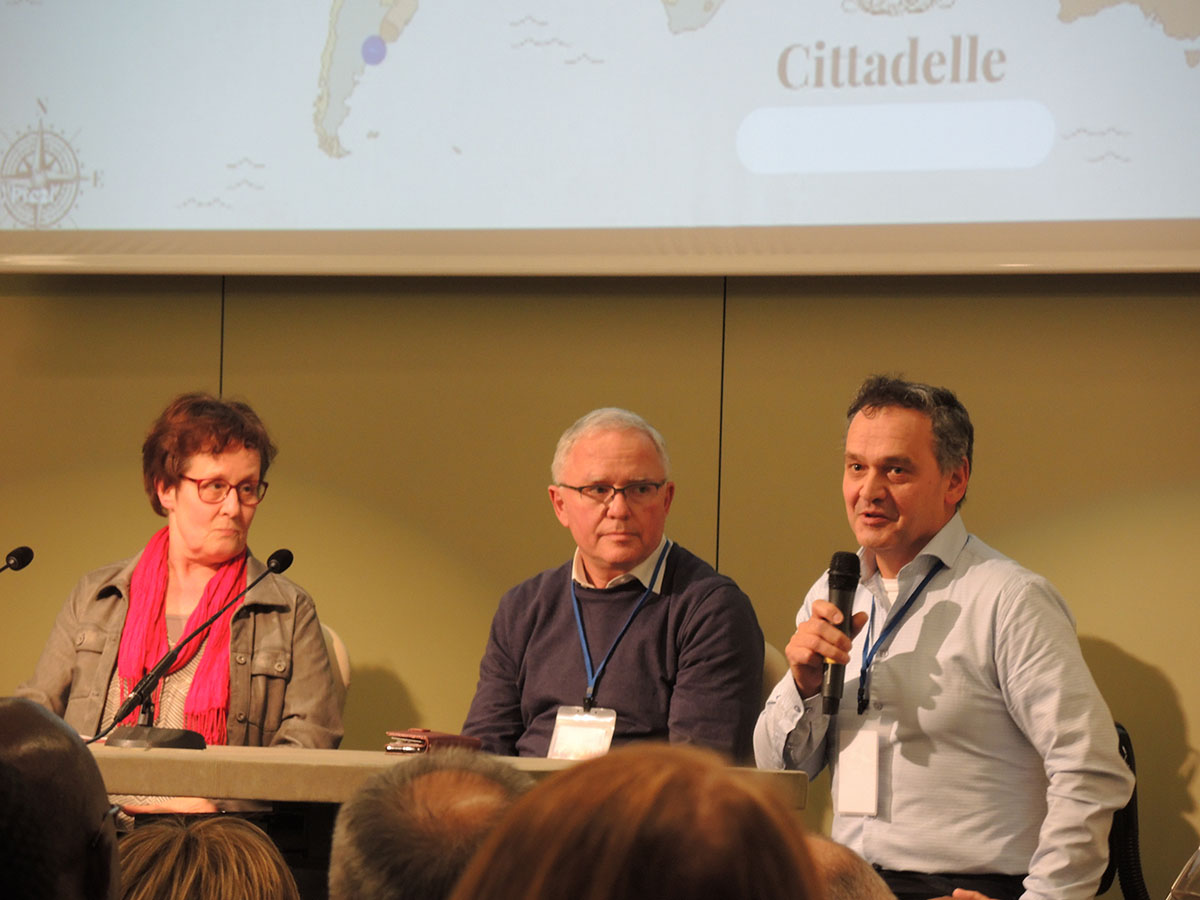 Each has its own story, its own personality that was shaped by the culture and social context in which it grew, with its own number of members, challenges and developments. For example, the Focolare Moviment‘s little town in Thailand is called “Golden Rule” because of a law that is found in every culture and religious tradition: Do unto others as you would have them do unto you. But they all share in common the same inspirational spark, the same strand of DNA that makes them all places of witness, in which it is possible to experience what the world would be like if everyone lived the Gospel, places where God’s invisible presence seems to become visible to human eyes. The presentations were like a trip around the world: from “El Diamante” in Mexico to Tagytay in the Philippines; from Fontem in Cameroon to Curryhills in Ireland; from Ottmaring in Germany to “Faro“ in Croatia; from Hyde Park in the United States to Loppiano in Italy. Together they form a network across the map. Participants from around the world discussed common issues such as governance, organization, economic sustainability, relationship with the local environment and future plans. One emerging feature is the growing connection with the local environment, both on the professional level (such as the Preset-Participation Project, the Resilience and Employability through Sustainablity Project, and the Entrepreneurship and Training Project at the permanent Mariapolis in Argentina) and on the human and spiritual level through ecumenical and interreligious dialogue. Young people make important contributions, such as in the innovative management system at Marienkron, Holland
  Clara Zonlini and Vit Valtr, who coordinate the Focolare’s permanent Mariapolises around the world, underscored at the close of the week: “A key element for bringing these little cities ahead is an extended form of responsibility. . . . There aren’t any cliques: Each one is complete in itself, with its own identity. And even if some of them don’t have certain elements like schools or businesses, what really matters is the presence of Jesus among the members.” What are the future prospects after such and intense and fruitful week together? Clara and Vit: “To return to the original identity of the Mariapolis (city of Mary), to give that specific witness, which is the witness to the whole Work of Mary,” taking part in ecumenical dialogue, interreligious dialogue, and dialogue with every person of goodwill within each local context. “There was also unanimity in the desire to be connected: each little city in sync with the respective Focolare region. These days together have shown the importance of reciprocity and how the experience of one can be of help to the other, often giving important insights into solutions to a possible problem.” So, it’s not a utopia; the place exists. Indeed, at least twenty-five places exist.
14 Feb 2017 | Non categorizzato
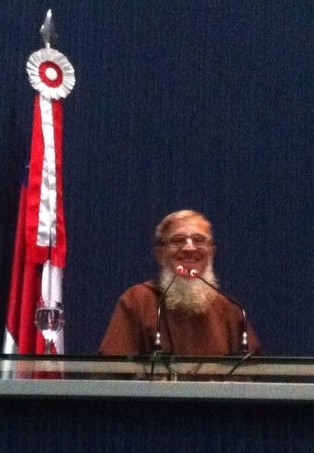
On 10 February 2017 in the Amazonas Legislative Assembly Hall in Manaus, Brother Gino Alberati received the title of Amazonas citizen, a merited award for the 47 years of the mission spent for the people in Amazonas, Brazil. An untiring and authentic Capuchin, he lived all these years in the spirit of unity which characterises the Focolare Movement. Deputy José Ricardo Wending, a member of the group of politicians who promote the Political Movement for Unity (MPPU), inspired precisely by this movement had mainly conceived this important award. The award ceremony was simple and fraternal. The protocol rituals were set aside, overcome by the atmosphere of fraternity created amongst all those present. In his simple and unofficial speech, Brother Gino underlined his calling to fraternity, typical of his being a son of St. Francis of Assisi. He also transmitted the simplicity and depth of the charism of unity of Chiara Lubich, whom he had met when he was a young friar about to leave for Brazil. 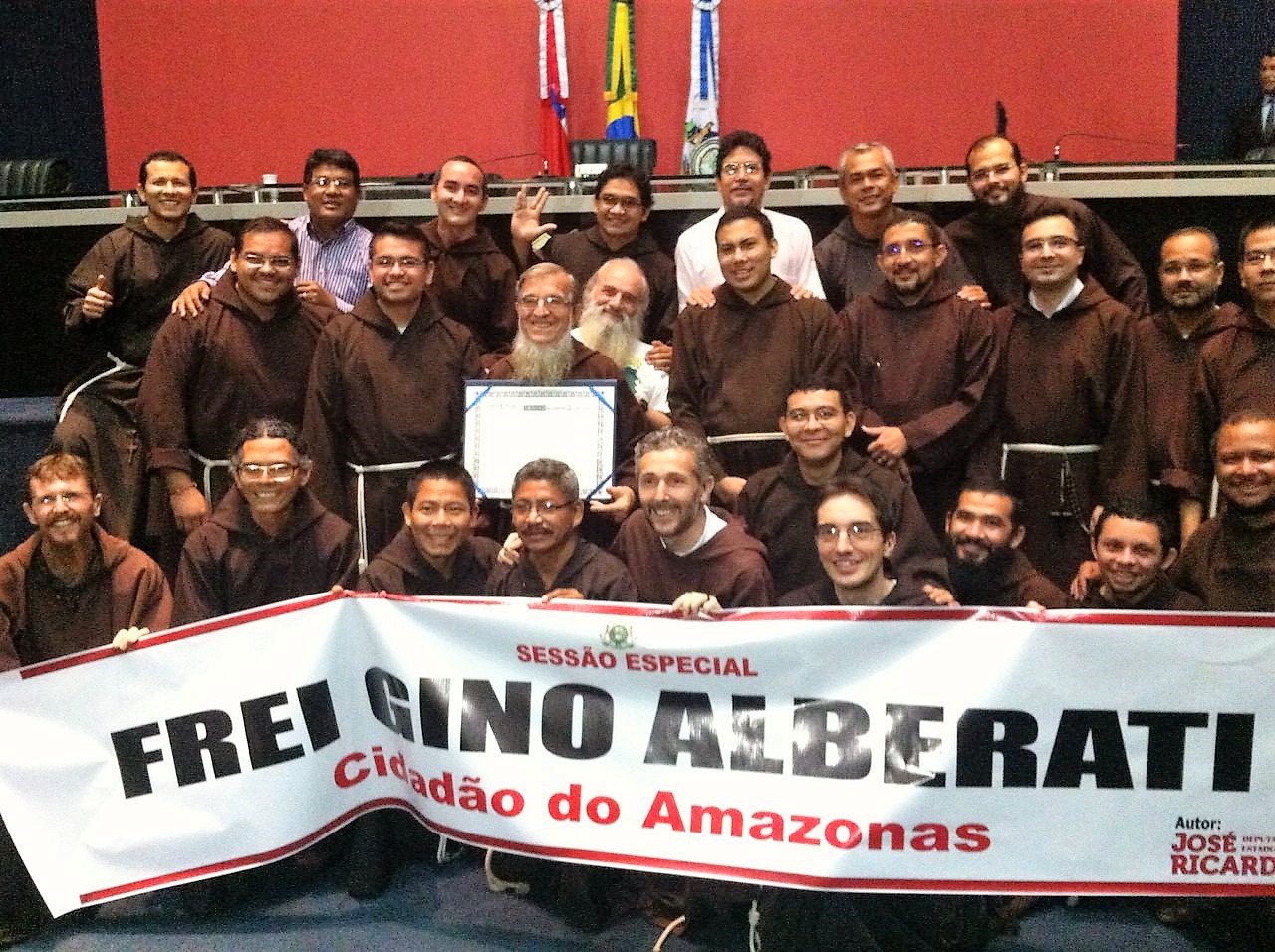 These 47 years passed in Brazil have confirmed what he said. His tenor voice, which never failed to resound in the midst of the Amazon forest, also echoed in this Assembly Hall, because he sang the Hail Mary, which moved all those present. Besides the civil and religious authorities, also a group of Capuchin brothers and some members of the Work of Mary attended the event. The various speeches that followed underlined the precious service that the missionaries rendered to the Church, not only in evangelisation but especially in human promotion and concrete love for others, especially in the fields of education and health, which are so fragile and jeopardized in these lands Source: Blog CROM

14 Feb 2017 | Non categorizzato
In the first months of marriage, happy and very much in love, everything seemed to go smoothly. But soon the tensions between me and my husband became more and more frequent and made me increasingly sad. I certainly made a lot of mistakes, but tried just the same to keep up the relationship, convinced that love would not end. We went on amid ups and downs. After five years we had a baby girl and then a boy. Our daughter was born with a congenital disease, and this meant many hospitalizations, even far from home. Also our son had weak health and was often also hospitalized. A delicate operation, however, resolved my daughter’s condition, but those had been very taxing years. My husband felt crushed by this situation and said he could no longer cope with all these problems. When I realised that he had fallen in love with my best friend, it was already too late to make him reverse his decisions. And so, after 13 years of marriage, I was left alone with two children of eight and five. I was so upset I no longer wished to live. I wasn’t afraid of death and with a powerful dose of drugs tried to commit suicide. But my plan failed and after 10 days in the hospital I was discharged. It was at this point that through the spirituality of the Focolare, I discovered God who is love. The Gospel had started to penetrate into my life, and I began to experience the joy of those who try to live it. The children suffered a lot due to our separation and I had quite a hard time also with them. But God never stopped guiding my life and placed along my way, people who helped me overcome the many problems I encountered, such as the burning desire to have someone by my side and the love of a man, or the desire to enjoy myself or simply just to cater to myself alone. And always, the light returned to illuminate my life, even when I had to face the most tragic experience for a parent: seeing my beloved daughter die in an accident at the age of 21. In that moment I was desperate with pain, but I asked God for the strength to repeat my “yes” to Him. And He did not leave me in desperation. I immediately felt his presence beside me. Ever since she had left us, I have received many signs of God’s love, and even if I cannot see her or hug her, I am at peace. Since she had wanted to become a teacher and was about to graduate, thanks to the generosity of many, a literacy project was created in the Ivory Coast, and adopted for some years also by the parish. Now the idea is that of building a school and the commitment is being brought ahead. God’s love manifests itself also when friends of my daughter share with me their experiences: inviting me to their graduation, coming to visit me, bringing me out to have a pizza together, asking me for advice and calling me “Second mom.” Currently my son still lives with me and I am happy to open my heart to the needs of others. When I find out about people from other cities who are hospitalised in the cancer hospital nearby, I do my best to stay by them, trying to be a small ray of that love God has for me. One day I found the strength to forgive my husband, and was able not to judge him. Since then I have felt free and liberated from the great weight oppressing me, and though it still has not completely disappeared, not even divorce will make me say that he is no longer my husband. I always remember what my daughter used to say: «Mom, your renunciation of marrying again will be dad’s salvation» and I am sure that these words will come true.
13 Feb 2017 | Non categorizzato
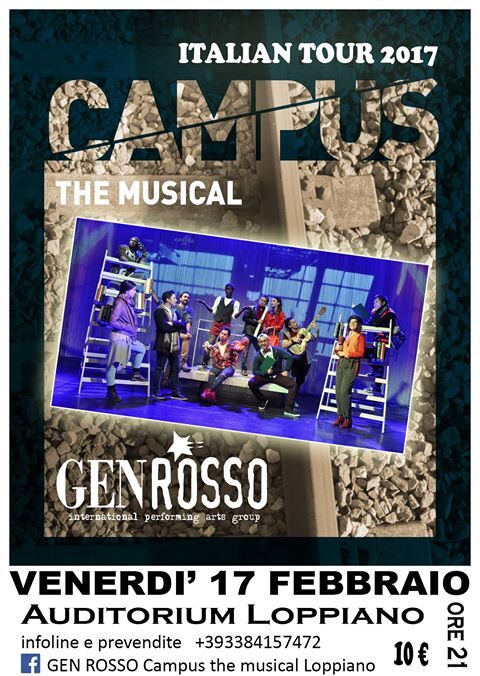
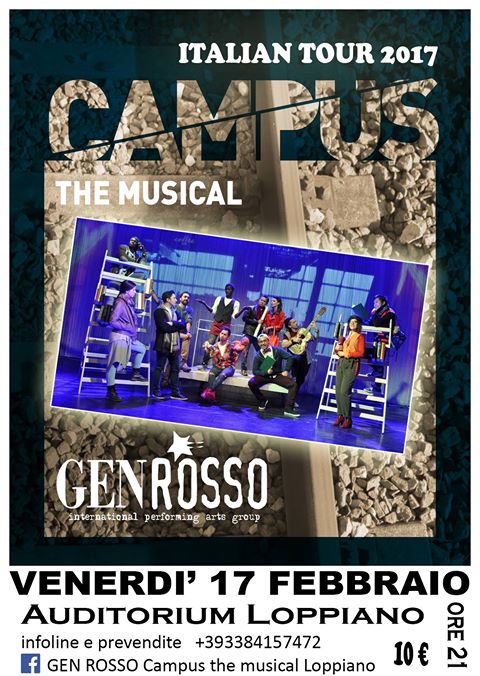 Campus. What does it mean to choose violence as a means for social change? What is happening in the mind of a young person who decides to join a terrorist cell? These are questions that could describe the story of the young people of Campus, who are gripped by the choices and dramas of today’s world: terrorism, hatred, social inequality and the distribution of wealth. The musical will go on stage at the Loppiano Centre Auditorium, February 17, 2017. Inspired by an original idea of Chiara Lubich, the musical is based on real events, and comes to the stage after 10 years of artistic planning. “It was 2004, just after the terrorist attacks in Madrid,” says Gen Rosso’s manager, Valerio Gentile. “The opening scene is of a railroad track like any railroad track in the world. It’s a story of searching, suffering, questioning and finding redemption, and it places the audience in front of the deep wounds of our times.” The musical is composed of 23 songs and choreographies that interact with film sequences and theatrical action. “The project is the result of collaboration by a team of international professionals,” musical curator Benedikt Enderle explains. “The sounds are full and strong, with engaging harmonical twists, with lyrics that range from the lightness of a Latin atmosphere to the pathos of African rhythm, in a striking synthesis of sounds that is very captivating.” The visuals are cutting-edge. “I’ve worked in many international productions,” says Jean Paul Carradori, set designer. “Campus was an unexpected challenge for me because of its dramatic structure and strong theatrical elements. It was necessary to create an atmosphere that would enhance the content and, at the same time, allow the viewers to immerse themselves in the story.” Directing was by Sarah Finch from Great Britain, development and scenery by Valerio Cipri from Italy, music by Benedikt Enderle from Switzerland and Jose Manuel Garcia from Spain, choreography by Raymond Estrada from Philippines, technical team by Emanuele Gervasoni from Italy, video design, lights by Jean Paul Carradori from Italy, Beligum, arrangements by Emanuele Chirco from Italy, and sound and final production by Max Zenoni. The “ITALIA per” Project. Every stop on the tour is connected to a cultural event promoted by SUI. Linked with a network of local institutions and associations, the project offers local level reflection and action on global challenges, seeking to remove the causes of hatred among ethnic groups, religions and cultures in our society. Press Office: sif@loppiano.it Reservations: accoglienza@loppiano.it Info: www.genrosso.com www.iu-sophia.org www.loppiano.it FB genrosso INSTAGRAM @genrosso
12 Feb 2017 | Non categorizzato
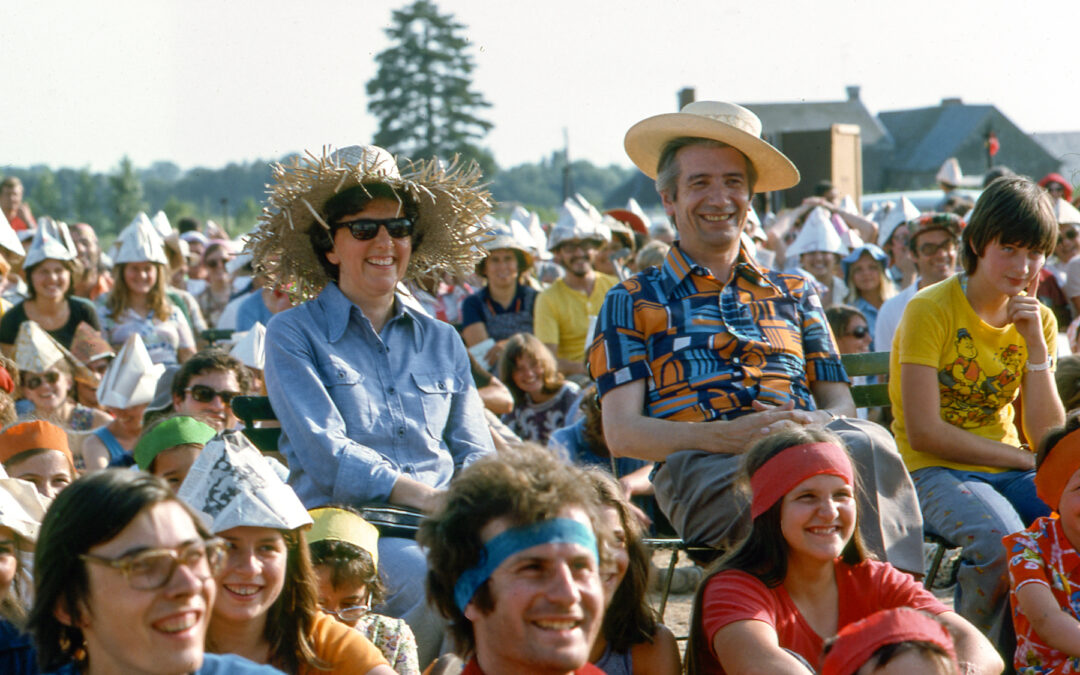
…Today the bond of a stable marriage appears almost to be in contradiction to personal freedom. Rather than stressing “relational” values, emphasis is placed on conflicts and differences. On a political level, institutions and governments draft these “matters of fact” into laws that are contrary to the overall wellbeing of the person. As a result, divorce, abortion, euthanasia and biogenetic experiments enter into people’s consciousness as things that are possible and therefore legitimate. The decline in the birth rate, living together before marriage and sexual anarchy become normal and even fashionable. How many separated and frustrated couples are there? How many children deprived of one or the other parent? How many children with addiction problems? How many people are caught up in the spiral of delinquency and prostitution? How many spouses and children are traumatized by wars? How many elderly people are abandoned? How many babies die of hunger every day? …We could create a graphic representation of the contemporary family by way of an image: a wounded and desolate mother who clutches the sufferings of humanity to her breast while crying out “Why?” to the heavens. …Yet, if we believe that behind the events of our lives, there is God with his love. If we are strengthened by this faith and recognize, in our own or others big and small daily sufferings, a shadow of the pain suffered by the crucified and forsaken Christ and our sharing in the suffering that redeemed the world, we can find meaning in the most absurd situations and put them in perspective. In the face of whatever suffering may come our way, big or small, and in the face of contradictions and problems that have no solutions, let’s try to enter within ourselves and look head on at the absurdity, injustice, innocent suffering, humiliation, alienation or desperation before us. It is there that we will recognize one of the many countenances of the “Man of Sorrows.” It is our meeting with him, the “divine person” who became an individual without relationships. He is the God of contemporary humanity, who transforms nothingness into being, suffering into love. Our “yes” to him and our readiness to love him and welcome him into our lives will enable us to go beyond our individualistic attitudes and turn us into new men and women who can heal and give new life in the most desperate situations through love. …These are not dreams. They are the everyday experiences of many families who, helped by the forsakenness of the God-Man, have transformed their tide of pain into new life. Sometimes, indeed often – the divisions are resolved and families reunited. At times, they are not: externally the situations may stay as they were, but the pain is illuminated, the anguish eased and the fracture overcome. At times, the physical or spiritual suffering lingers on but it acquires meaning when we unite our “passion” to the passion of Christ who continues to redeem and save the family and all of humanity. The burden becomes lighter. Therefore, the family can attempt to reacquire its original beauty according to its creator’s design by drawing from the source of love that Christ brought on earth. I believe that from that wellspring married couples and families can quench their thirst for authenticity, for continuous and limitless communion, and for values that are transcendent, lasting and always new. God himself can be present in their homes and share his life with them. Jesus said, “Where two or three are gathered in my name (= in my love), I am there among them” (Mt18:20). Families are being offered an incredible opportunity: to be the setting for God’s presence”. (Taken from Chiara Lubich’s talk “The family is the future” given in Lucerne, Switzerland on 16th May 1999). See the video
11 Feb 2017 | Non categorizzato
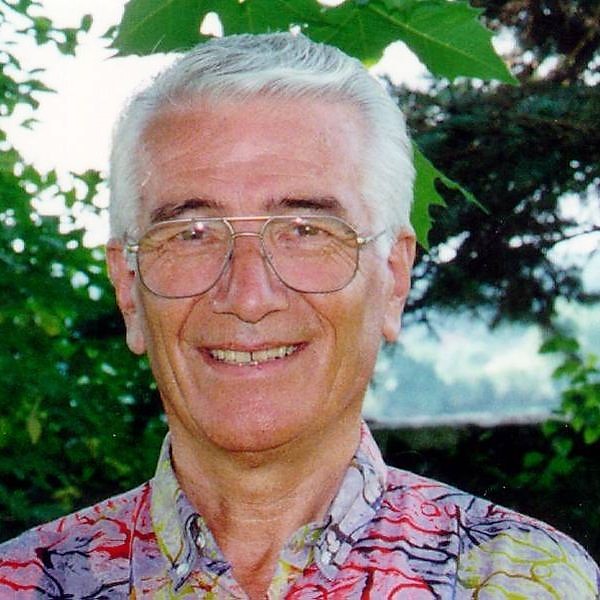 “I was born at a thousand metres in a small village of the Piedmont Prealps.” This is how Aldo Baima always began his story, grateful to the land that saw his birth and life in the company of his parents on the high mountain pastures where he grew. After elementary school, the teacher managed to convince his parents to allow Aldo to continue his studies, first in a college, and then as a commuter travelling on wagons meant for livestock. It was wartime. A priest invited him to attend a Youth Catholic Action Group: “Ten years of discoveries and apostolic endeavours,” Aldo would recall, which he threw himself into with great passion. He would return to his home pastures for the summer. A tourist who saw him holding a book on theology asked him if he intended to join the seminary. “No, not for anything!” answered Aldo. And when the girl replied: “Wouldn’t you rather be reading a love story?” Aldo declared: “But this is a very beautiful love story!” When he finished the Teaching Institute he began to work as a teacher. He enrolled at the University of Turin where he studied Pedagogy and Philosophy. He met an old friend from school there, who spoke to him about a unique experience begun in Trent by some girls who “are putting the Gospel in practice.” The conversation with his friend thickened, touching on deep questions, to the point that Aldo decided to base his own life on the practice of the Gospel. He was especially struck by one sentence that he had read and meditated on many times before, but now seemed to come alive: “Insofar as you did it to one of the least of these brothers of mine, you did it to me” (Mt 25:40). With decision he began to help the needy, discovering a brother in every poor person he met, and trying to involve his friends at the parish. In the summer of 1952 he spent a week at the focolare in Trent. Then he went to the mountains of Tondadico where the Mariapolis was taking place. “There, I had the intuition,” he confided, “that only by belonging to that family would that light and that life that I couldn’t do without really be mine.” He left his fiance and entered the focolare.
 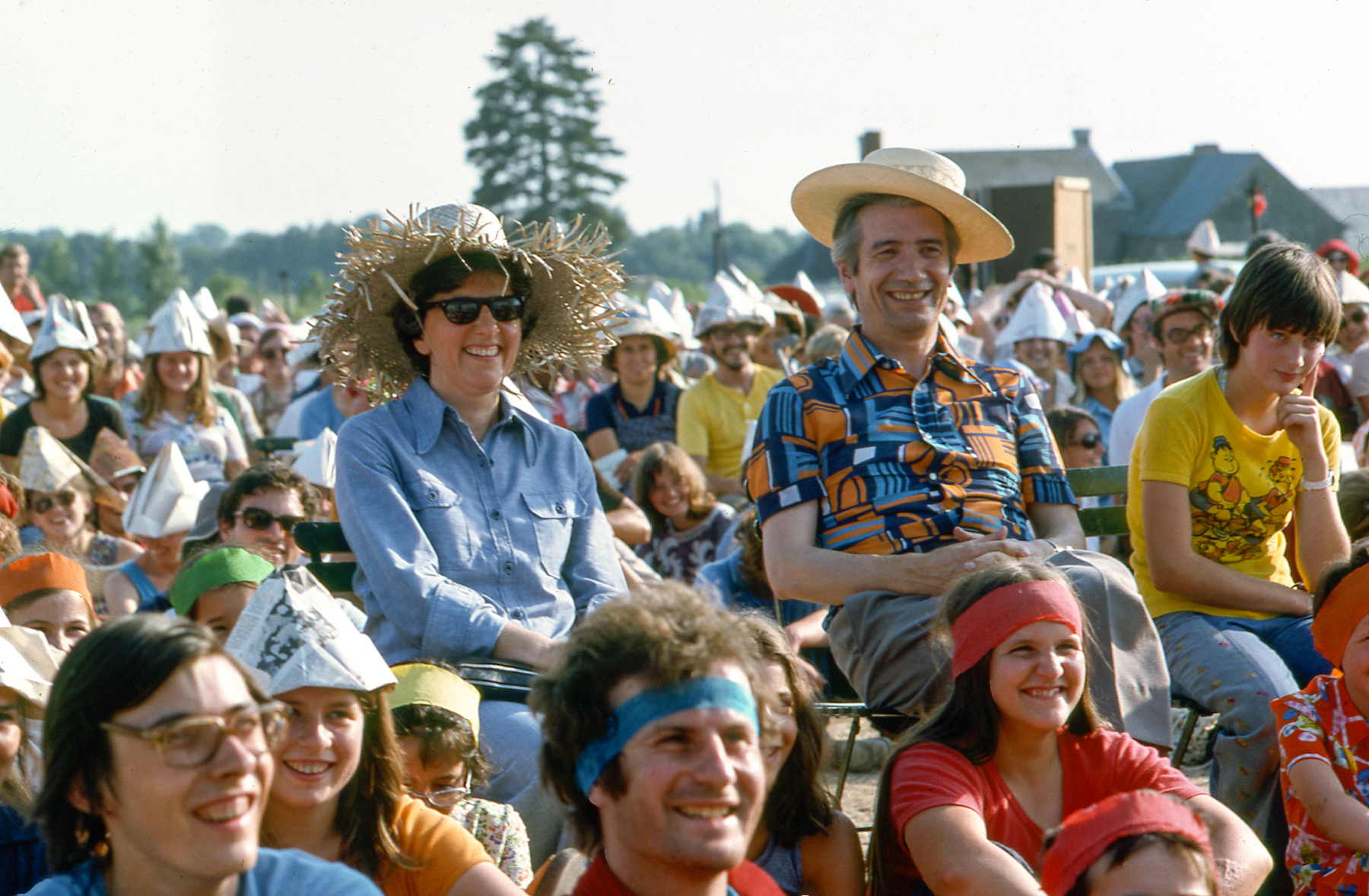 Years of generous giving followed: in Turin, Sassari, Rome, and from 1961 France. Because of his spiritual and moral integrity, young and old found in Aldo a trusted guide for their journey to God. In the face of difficult problems, his attitude was always one of deep listening. His limpid nature and openness to French culture won over many hearts and established relationships of true friendship. In 1975 he was ordained to the priesthood. In 1984 he was at the headquarters of the Movement to assist in the formation of the focolarini. Following that, he stayed in Istanbul before being transferred to the permanent Mariapolis in Montet, Switzerland. From 2001 he was once again at the Movement’s headquarters, at the service of focolarini around the world. This is where he his health began to be progressively more fragile which, in his own words: “the Father wants to finally place me in the conditions to enter into the mystery of the Abandonment and of the Resurrection that follows.” In 2005 he writes: “My certainty has been reborn that this year dedicated to Jesus Forsaken can also be the moment for me to respond to this new call. Time of salvation that comes from Him, time of grace that draws into his wound, to make us live in the bosom of the Father.” It was a grace that accompanied him through his years of nearly total immobility, in which he identified with Jesus Forsaken whom he had chosen in his youth. He died peacefully on January 12, 2017 at the age of ninety.
