
“I encourage you to work together in studying forms of participation that allow all citizens … Upon this foundation, it becomes possible to build that universal fraternity which is already taking shape among you young people, a sign of a new era.”
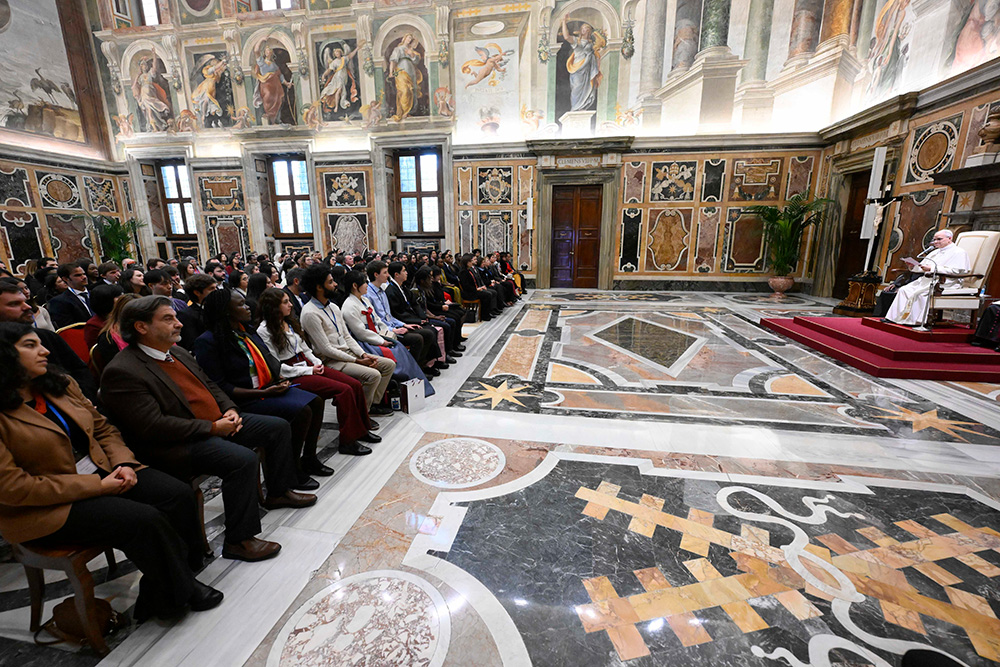
With these words, Pope Leo did not simply encourage the one hundred young political leaders gathered in Rome: he “recognized” their mission. He saw in them what traditional politics too often struggles to see: that the future will be born from inclusive processes, not form confrontations; from living communities, not from rigid structures; from a brotherhood that is not a naive sentiment but a concrete political category.
The one hundred from 36 countries participated in an audience with the Pope on 31st January. They were in Rome for the final week of the first year of the multi-year political school “One Humanity, One Planet”. Seven days that confirmed for them that fraternity is not an ideal: it is already a method, a lifestyle and a daily practice. They came from an online pathway of work in 16 learning communities, they came together for a political hackathon – literally a creative and collaborative marathon – dedicated to what most deeply wounds the global social fabric today: corruption, inequalities, widespread violence, unethical digital transition, the ecological emergency and declining civic participation. The programme, promoted by the Politics for Unity Movement and the NGO New Humanity with the Pontifical Commission for Latin America, aims to give young people an active role in decision-making processes, from local to global.
The Holy Father offered a vision that was as demanding as it was liberating. He asked the young people to look at the world through the lens of listening and collaboration between different cultures and faiths; to seek peace not as an abstract concept, but as a daily choice in the places where they live, study and work; to build policies capable of involving all citizens, men and women, within the institutions. He recalled that peace is a gift, a covenant and a promise all at once and that no society can call itself just if it continues to exclude the weak, ignore the poor and remain indifferent to refugees and victims of violence.
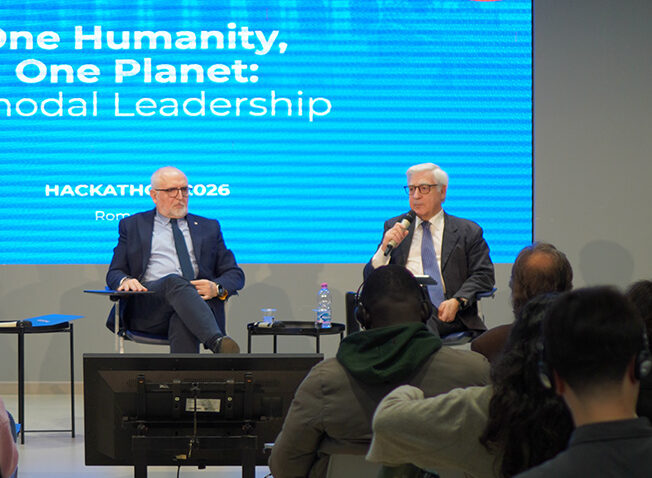
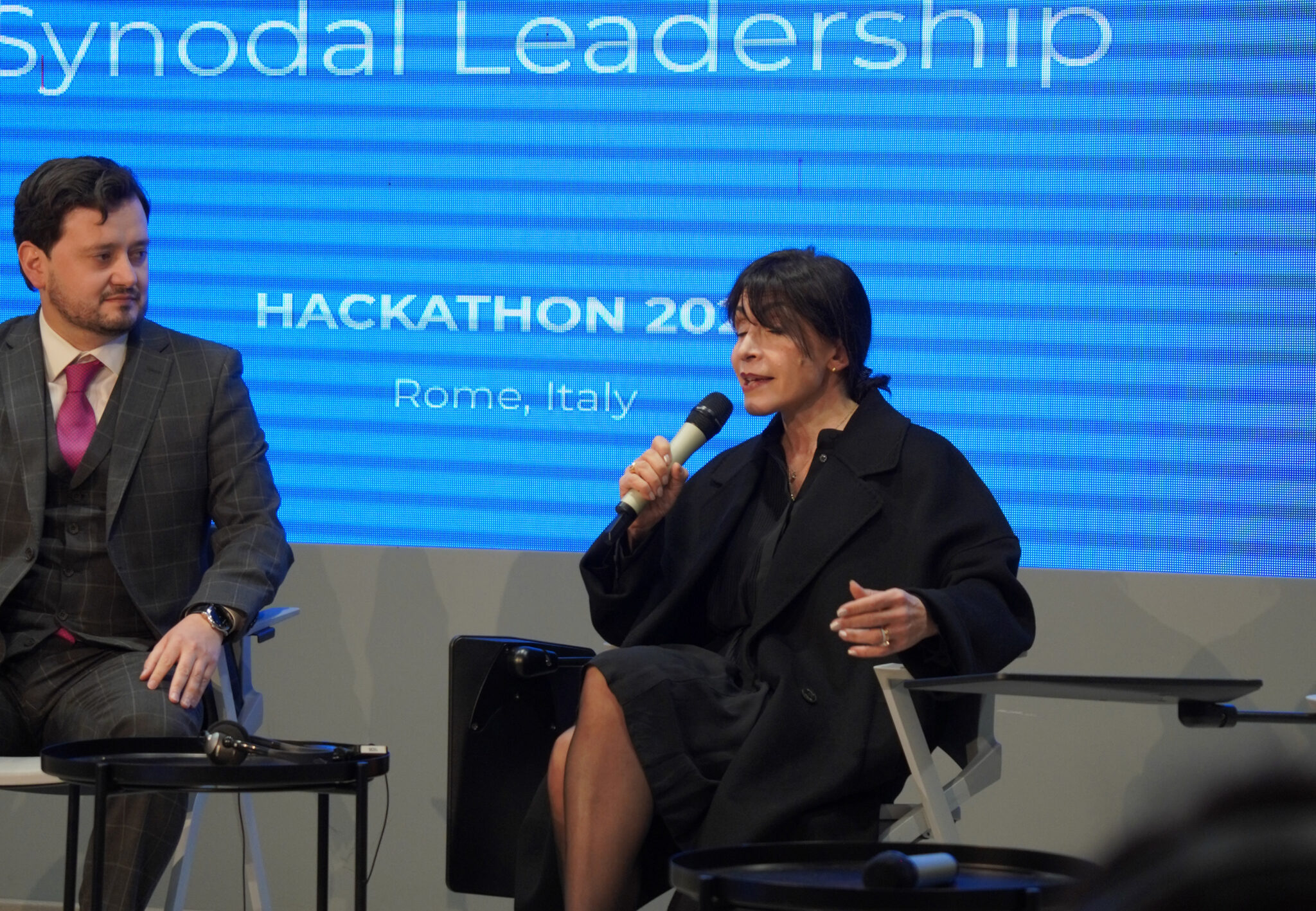
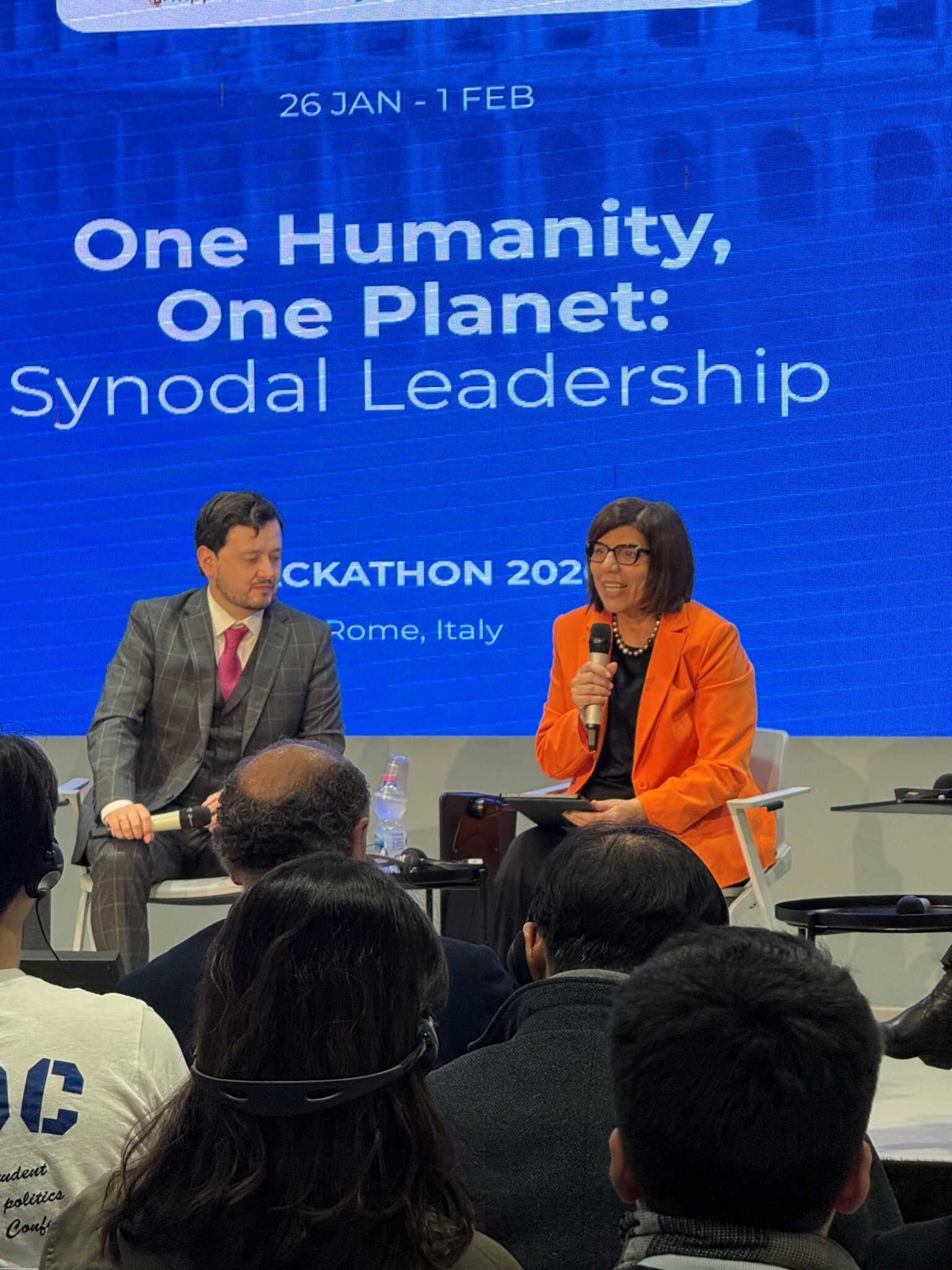
Some of the presentations during the Hackathon – © Agenzia WARFREESERVICE (3)
When she met the young people, the President of the Focolare, Margaret Karram spoke about a new political culture, based on fraternity, in the wake of what Chiara Lubich, founder of the Focolare, had taught. She encouraged them to “live” a form of leadership that places the collective “We” at the centre, that generates trust and seeks convergence in diversity. Not a method for a few, but an approach that can be exported everywhere: in institutions, in parties, in social movements and in civil society.
The testimonies of the participants powerfully confirmed this. Cristian, from Argentina, said: “It is the most important experience of universal fraternity in my life… every person, with their language, their dances and their charism, created the symphony of global harmony”. For Joanna, from Poland, resident in Italy, the experience was “a stimulus to concrete commitment”, fuelled by workshops, good practices and meetings with Italian and Korean parliamentarians. Zé Gustavo, from Brazil, spoke of an “intense and challenging experience”, capable of rekindling an adult, clear-eyed hope, born not from naivety but from the scars of lived politics. And Uziel, from Mexico, summed everything up in a simple and true phrase: “This is true globality”.
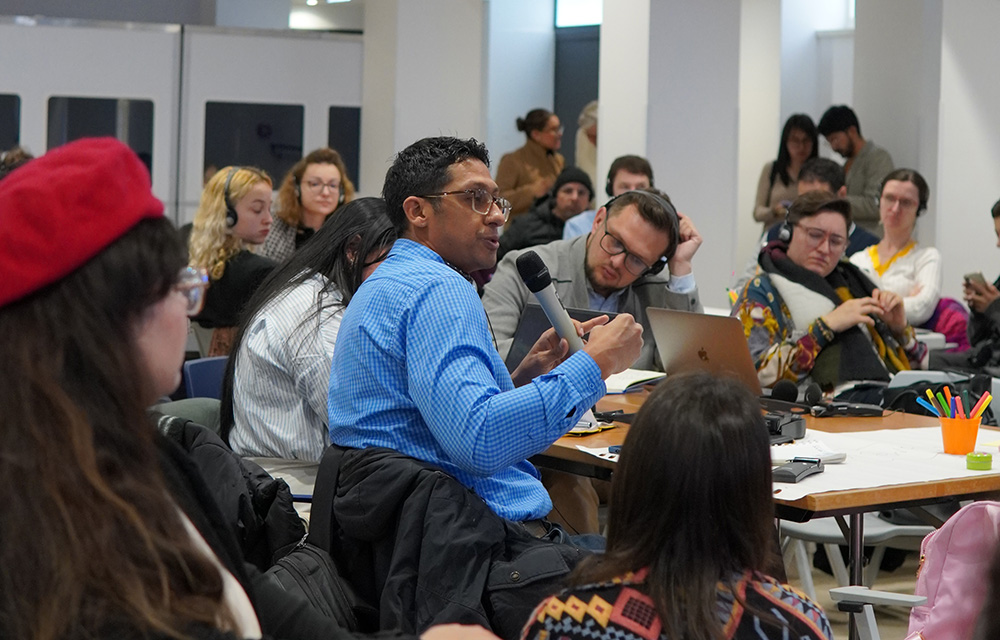
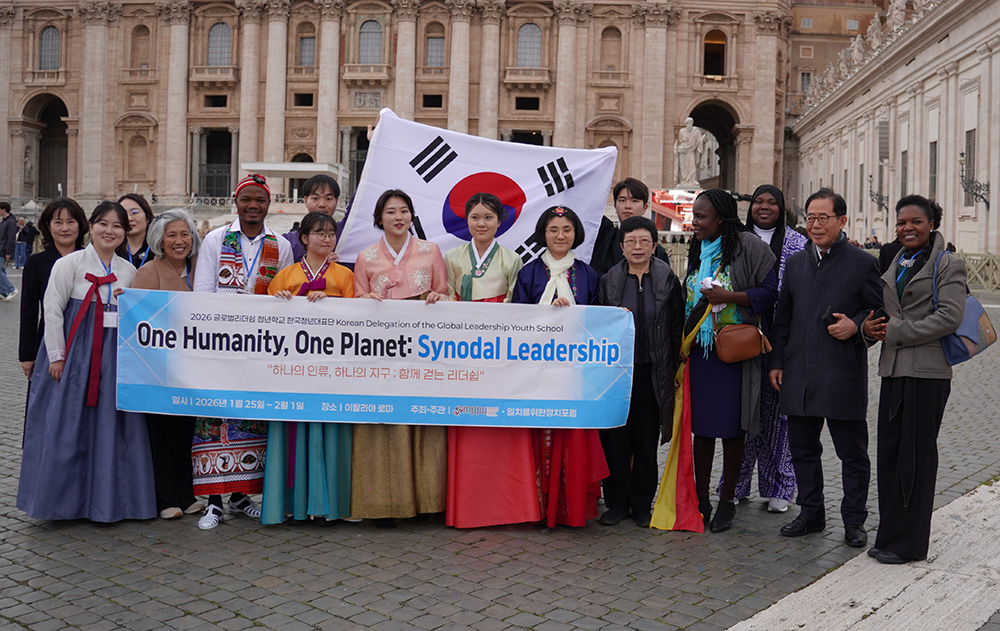
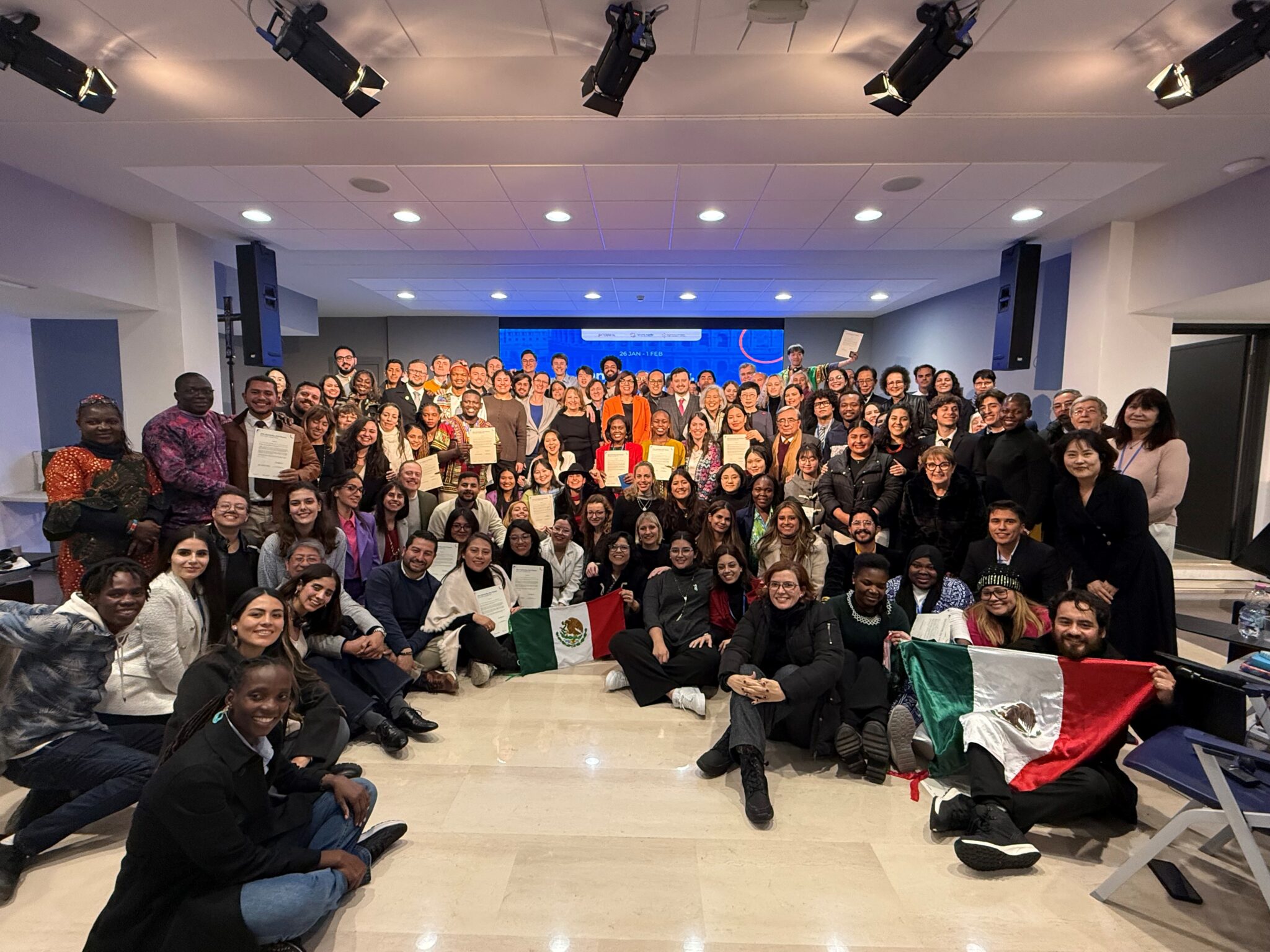
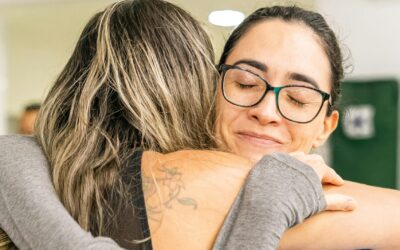
The young participants at various moments – © Agenzia WARFREESERVICE (3)
Now the school enters its second phase, involving 600 young people from the five continents to continue sharing visions, methods and actions with real impact.
For a week, Rome was a living laboratory of what politics could become again: a generative place; a training ground for fraternity; and a space where differences cease to be walls but become the raw material of the future. It was a concrete and credible testimony that another politics is not only possible, but has already begun.
Stefania Tanesini
Cover photo: © Joaquín Masera – CSC Audiovisivi
0 Comments