The concluding residential week of the first year of the two-year political action training programme will be held from 26th January-1st February 2026. The programme is promoted by the New Humanity NGO of the Focolare Movement in collaboration with the Pontifical Commission for Latin America
L’evento, con la metodologia dell’Hackathon, vedrà la partecipazione di 100 giovani leader dei cinque continenti, impegnati nei propri Paesi in ambito politico e sociale, di diverse culture e convinzioni politiche. Dopo mesi di intenso lavoro online, i giovani si ritroveranno a Roma in presenza per tradurre il percorso di apprendimento, che hanno condiviso da remoto, in proposte di incidenza politica: la sfida che dovranno affrontare è quella di ideare processi e strumenti idonei ad affrontare i punti di crisi che emergono nell’esercizio del potere politico, nelle relazioni e nelle istituzioni politiche.
Great attention will be paid to the participatory dimension of public policies, leading to the definition of shared pathways that will be assessed and presented during an evening open to the public, to young people and interested politicians.
“Oggi ci troviamo di fronte a problemi gravissimi – spiega Javier Baquero, giovane politico colombiano, presidente Movimento politico per l’unità/Mppu internazionale -. Ciò che va coltivata è una cultura politica che guardi all’umanità che è una e al pianeta come casa comune. A nostro parere, c’è un diverso paradigma che dobbiamo esplorare e sperimentare insieme, imparando a comporre le nostre diverse visioni a partire da alcuni valori universali”.
Argia Albanese, President of MPPU Italy agreed, “A meaningful response to the needs of our peoples cannot rely solely on the reform of institutions or from a purely managerial approach, which often seems devoid of democratic content. Our starting point must continue to be the social and community bond rooted in universal fraternity and sisterhood.”
The week concludes the interdisciplinary training focused on integral ecology, civil economy, collaborative governance and generative communication, which began in May 2025 with the support of experts from various academic institutions: Rotterdam School of Management (Netherlands), Universidade de Coimbra (Portugal), Universidad Nacional de La Plata (Argentina), Georgetown University (Washington DC), University of the Philippines, Universidade de Ribeirão Preto (Brazil), Escuela Superior de Administración Pública Bogotá (Colombia), University of Dschang (Cameroon), Sophia University Institute (Italy).
The week in Rome includes:
Two Hackathon days, in which the participants, divided into language groups, will seek solutions to collective problems.
Dialogues with experts and policy makers to connect reflection and proposals within a broad international framework.
A public meeting to present the Hackathon outcomes and to engage with politicians active at various levels and from different perspectives.
Visits and workshop activities in Rome at research and social engagement centres (which support migrants, women’s rights, climate justice, unemployment and disarmament).
Workshops to set up the global network for the second year and its governance.
There will be a much-anticipated audience with Pope Leo XIV in St. Peter’s Square on Saturday, 31st January. Representatives of the MPPU Centres who will come to Rome for the occasion will also participate and will have the opportunity to evaluate the results of the experience with the participants and to plan the next steps.
It is an intensive workshop designed to develop solutions to collective problems. The idea comes from the world of digital innovation, applying the logic of “doing together and doing it quickly” to the civic sphere.
By integrating political, administrative, economic, communication, social and technological skills, the process unfolds in several phases: analysis of problems and needs, definition of priorities and stakeholders, development of operational proposals and tools for public action.
Within the framework of the themes explored throughout the year, participants will address challenges such as corruption, oligarchic governance, media monopolies, polarization, crisis of representation and electoral abstention.
In the time available, with the support of the coaches, each group will move from problem identification to strategic proposal, building problem maps, analysing available data and designing implementable ideas. At the end, the groups will present their solutions: prototypes of intervention plans, political initiatives and cultural impact projects, participatory models and communication methods and strategies.
The added value lies not only in the ideas developed, but also in the method, which demonstrated how solutions to public problems can be co-designed with creativity and rigour, enhancing and integrating different perspectives, in the search for effective solutions to increase the quality and values of a way of living politics at the service of the unity of the human family.
I’m Letícia Alves and I live in the north of Brazil, in Pará.
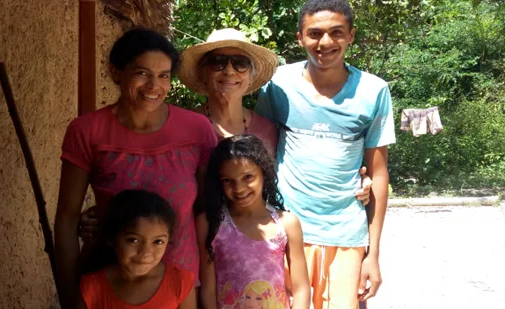
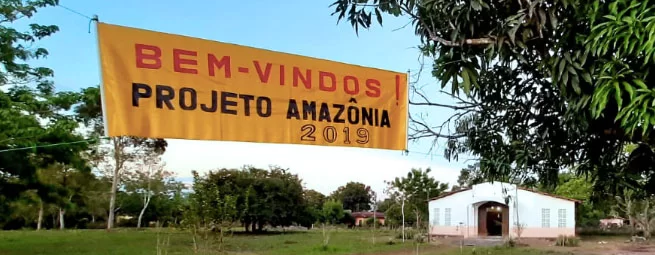
In 2019 I took part in the Amazon Project, and for 2 weeks a group of volunteers and I dedicated our holidays to living with the people of the lower Amazon, in the city of Óbidos.
Before embarking on this adventure, I wondered if I would be able to give myself completely to this experience, which was set in a reality so different from my own. During the project we visited some riverside communities living on the banks of the Amazon River, and everyone welcomed us with unrivalled love.
We provided health, legal and family support services, but the most important thing was to listen deeply and share the lives, stories and difficulties of those we met. The stories were all very diverse: the lack of drinking water, the child who had a toothbrush for the whole family, or even the son who wanted to kill his mother… The more we listened, the more we understood the meaning of our presence there.
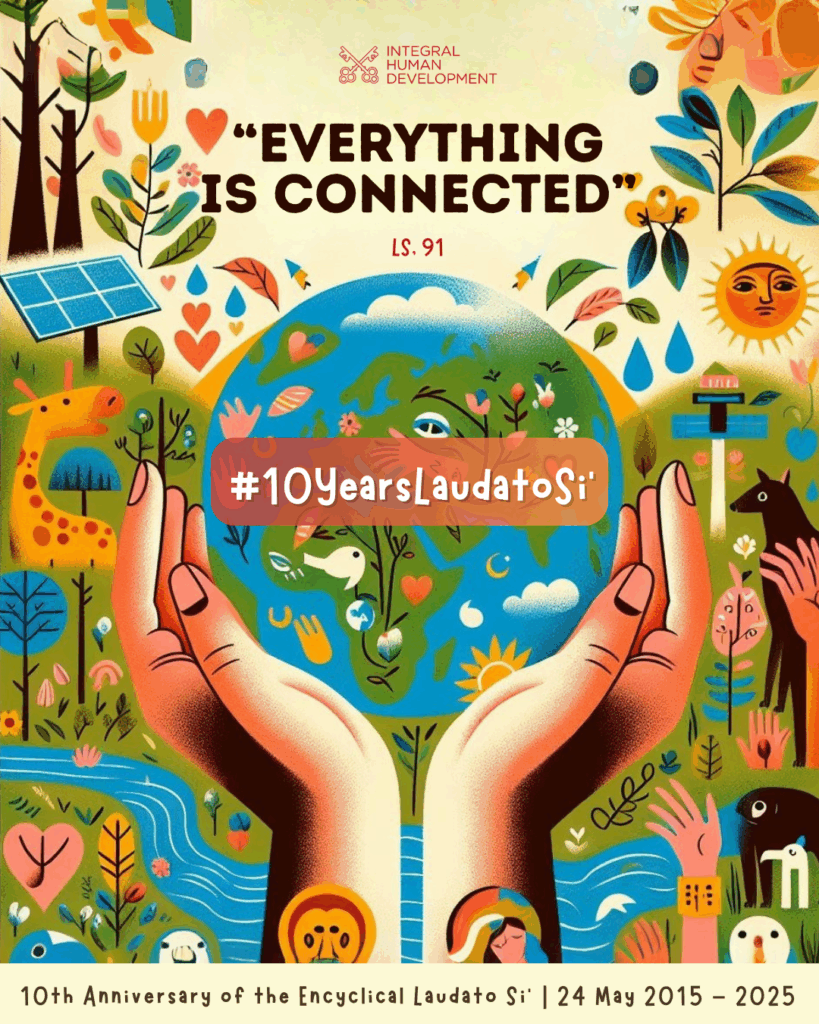
“The urgent challenge to protect our common home includes a concern to bring the whole human family TOGETHER”
LS, 13
And among so many stories, I was able to see how much we can make a difference to people’s lives: how much just listening makes a difference, how much a bottle of drinking water makes all the difference.
The project was more than special. We were able to plant a seed of love in the midst of so much suffering and “building together” made us grow. When Jesus is present among us, everything becomes inspiring, full of light and joy.
It wasn’t something I lived for just 2 weeks and that was it, but it was an experience that really transformed my life, I felt a strong presence of God and that gave me the strength to embrace the sufferings of humanity that surround me in this daily construction of a united world.
My name is Francisco. I was born in Juruti in the Amazon, a town near Óbidos. I was surprised to learn that people from different parts of Brazil were travelling across the country to give of themselves to take care of my people and I wanted to join them.
What struck me most was the happiness among everyone, the volunteers and the local people, who even though they lived with very few material possessions, experienced the greatness of God’s love.
After experiencing the Amazonia project in Óbidos, I returned to Juruti with a new outlook and the desire to continue this mission, but in my own town. Over there, I saw the same needs that I had found in Óbidos. This desire became not just mine, but that of our entire community, which embraced the cause. Together we came up with the idea and gave birth to the Amazonia project in the community of São Pedro with the aim of listening and responding to the “cry” of those who need it most, of those who are often not heard. We chose a community on the mainland, began to monitor their needs and then went in search of professionals who could help as volunteers.
With the collaboration of several people, we brought the life of the Gospel, medical care, psychological care, medicines and dental care to that entire community. Above all, we tried to stop and listen to the difficulties and joys of those we met.
I have one certainty: in order to build a more fraternal and united world, we are called to listen to the cries of those who suffer around us and to act, with the certainty that everything done with love is not small and can change the world!
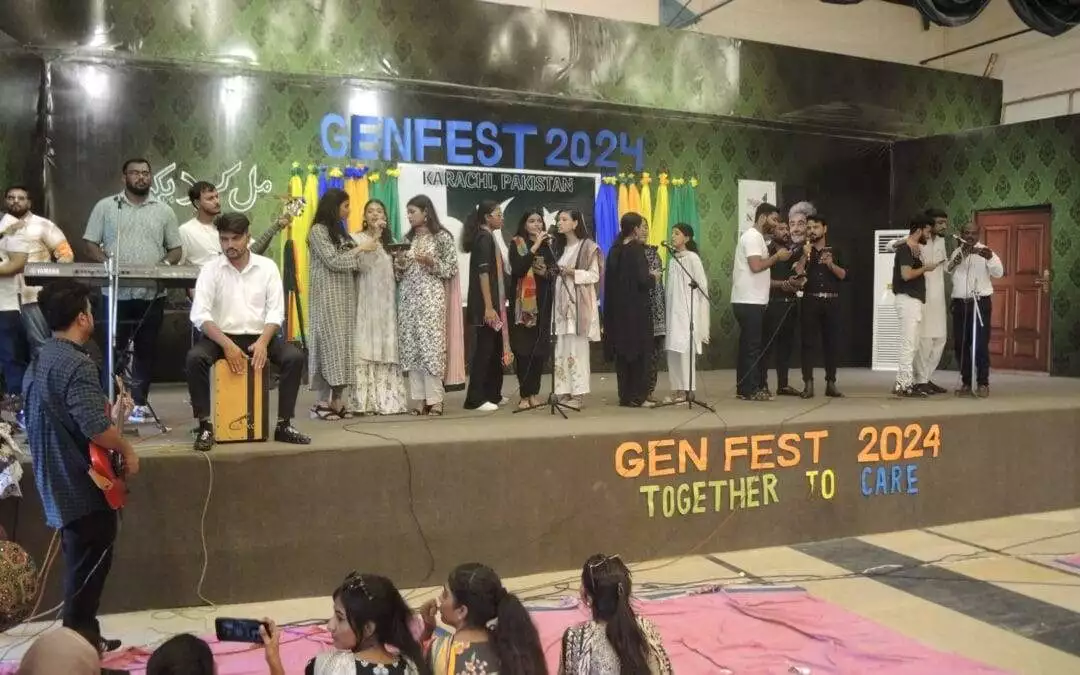
The young people of the Focolare Movement, in conjunction with the Genfest in Brazil, also organised 44 local editions of the Genfest in various countries around the world. Here are some pictures of the events in the various countries and some short testimonies from Ivory Coast, Ethiopia, Egypt, Jordan, Slovakia and Korea.
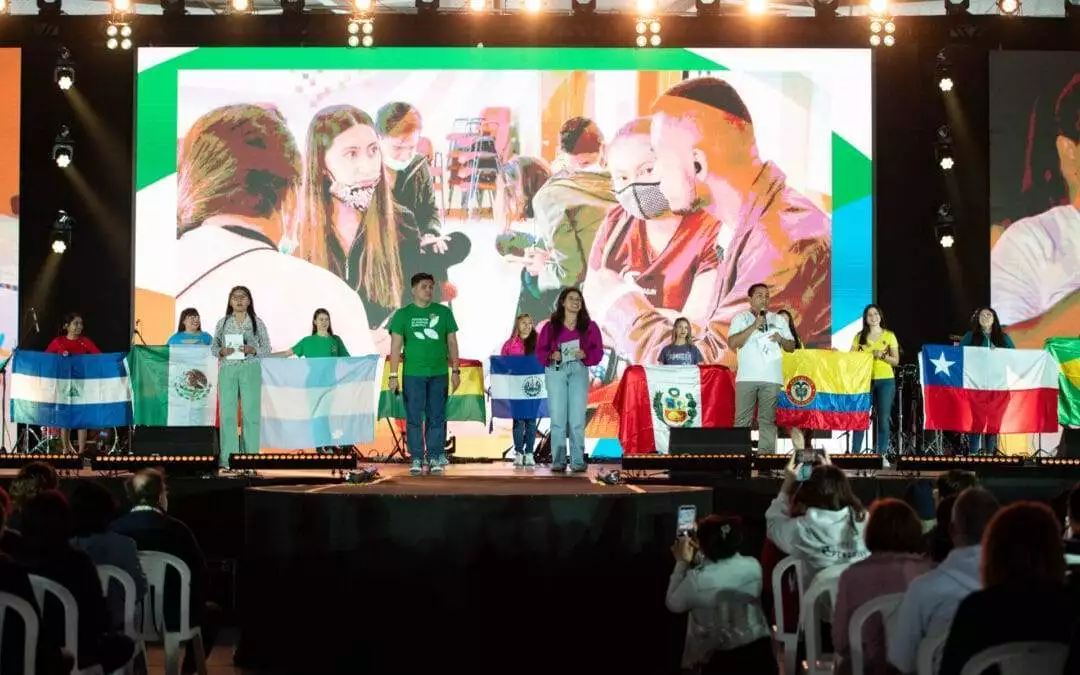
Genfest 2024, an international event promoted by the young people of the Focolare Movement, took place in Brazil in July and was attended by over 4,000 young people from all over the world. This event was divided into three phases.
In the first, the young people volunteered in some social projects in various countries of Latin America.
In the second phase the young people gathered together in the big arena of Aparecida to experience two days of celebration and sharing testimonies of life.
In phase three they then divided into small communities according to their professional experience to put into practice the ideal of unity and fraternity of Chiara Lubich.
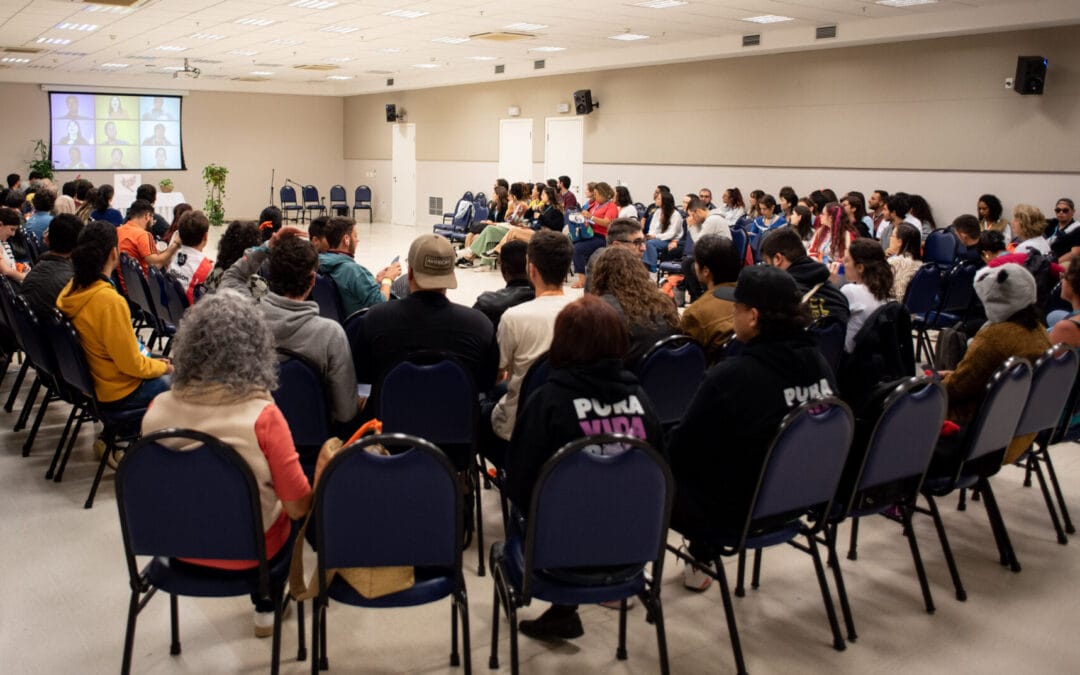
The third phase of Genfest 2024, held in Aparecida, Brazil, included workshops organized by so-called United World Communities – meeting places where young people can share their talents and passions. These communities offer the opportunity to discover talented people, concrete forms of commitment and initiate actions and projects aimed at building a more united world, which seek to respond to the local and global challenges of today’s world; to activate processes of personal and collective change; and to grow fraternity and reciprocity in all dimensions of human life. An important feature of these communitites is that they are the fruits of work between people of different generations.
Continuing the experiences of the previous phases of Genfest, in this third phase the youth were able to participate in workshops in different areas, whose methodology was based on fraternity and dialogue, as a proof for projects and actions that can now be developed in the “glocal” sphere (local projects with a global perspective). Activities were held in the areas of economics and work, cross-culture and dialogue, spirituality and human rights, health and ecology, art and social engagement, education and research, communication and media, and active citizenship and politics. The teams responsible for running the workshops were composed of young people and professionals who worked intensively for months to organize these activities.
From now on, Communities will have a working method that consists of three steps: Learning, Acting, and Sharing. The first (to Learn) is an in-depth exploration and analysis of the most current themes and issues in each community, with the goal of identifying problems and presenting solutions. The next phase (Take Action) is the implementation of actions with primarily local impact, but with a global perspective. Finally, in the third phase (Sharing), it is proposed that the community promote spaces for ongoing exchange and dialogue between initiatives, with the aim of strengthening the global collaboration network. An application-the United World Communities WebApp, -has been created as a tool for sharing ideas, experiences and news, as well as promoting collaborative projects.
“God has visited everyone’s heart.”
Al termine della terza fase del Genfest, le Communities hanno presentato in modo creativo le loro impressioni e alcuni dei risultati delle attività svolte nei giorni precedenti. Da questo lavoro è nato il documento “The United World Community: One Family, One Common Home”, che sarà il contributo dei partecipanti del Genfest 2024 al “Summit of the Future” delle Nazioni Unite del prossimo settembre. Secondo i giovani che hanno presentato il testo, esso non è un documento conclusivo, ma vuole essere un “programma di vita e di lavoro” per le varie United World Communities, oltre che una testimonianza da presentare al “Summit of the Future”.
“With our communities we don’t want to make demands, formulate slogans or complain about political leaders,” the young people said. “Instead, we seek to name our common dreams, dreams of a united world. Personal and communal dreams, which will guide us in our activities in the coming years.” They concluded, “We hope that by living them, ‘together’ and step by step, they will become signs of hope for others.”
Margaret Karram and Jesús Morán, President and Co-President of the Focolare Movement, also spoke at the conclusion of Genfest 2024. Jesús Morán said that although the experience of care has been the most lived experience in human history, it is not the one that has been reflected on the most.
This has begun to change, as was demonstrated at the Genfest, in which care emerged as a response to the need for human dignity. In this sense, he concluded, it is important that young people remain connected to this global network of generative communities. Margaret Karram, for her part, said she has seen throughout the Genfest experience that young people have given tangible witness to their faith and are already in action to build a united world. Regarding Phase 3 in particular, she emphasized the richness of this experience because of its creativity, intergenerational and intercultural imprint, and the fact that, through the communities, there is a concrete possibility of living the same Genfest experience in one’s daily life. She concluded by calling on the young people to be the protagonists of these communities, the foundation of which is unity. “Please do not miss this unique opportunity that we are experiencing here: God has visited the heart of each of us and is now calling everyone to be protagonists and bearers of unity in the various areas in which they are involved”.