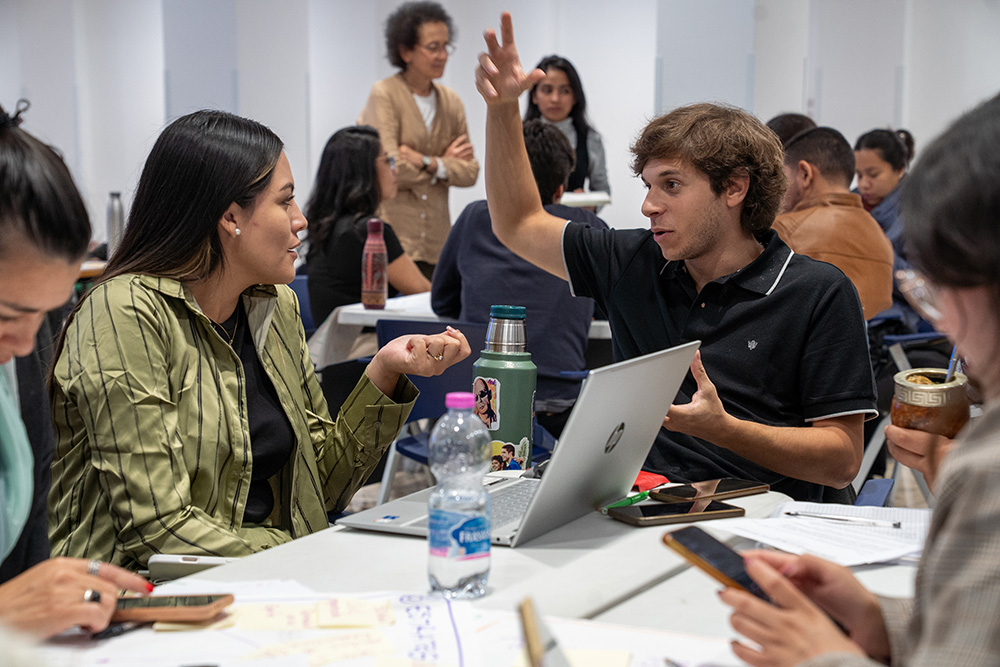
Following the profound experience shared with young people during the 2026 Hackathon, the second phase of the “One Humanity, One Planet: Synodal Leadership” programme is now getting underway. It offers a six-month virtual training course that combines in-depth study and dialogue based on participants’ diverse backgrounds, the exchange of projects and experiences, and the development of initiatives with local impact and global reach.
It is aimed at people aged between 18 and 40 who have experience in political representation, public administration, social movements, political parties and advocacy; who are committed to social and political transformation or interested in strengthening their capacity for dialogue, cooperation and collective action; and who are willing to contribute both practically and intellectually throughout the programme.
Lasting six months, delivered 100% online, completely free of charge with an estimated commitment of three hours per week, the programme aims to reach 500 young people this year.
“We are living in a historical moment marked by deep geopolitical tensions, socio-environmental crises, increasing social fragmentation, and high levels of polarization,” say the organisers in their introduction. “These challenges call upon us: they reveal the limits of traditional governance models and the urgent need for new forms of leadership capable of generating dialogue and activating processes of collective action to promote peace and unity. In this context, we have chosen a synodal style of leadership: a leadership based on listening, participation, shared responsibility, and the construction of shared solutions. If you believe that politics can be a space to regenerate relationships, promote the common good, and care for humanity and the planet, this call is for you. We invite you to become part of an international space for training and cocreation of political initiatives together with other young leaders from different regions of the world, in order to rethink governance in the face of today’s challenges”.
The deadline for applications is Friday 19 June 2026.
In recent years, the Middle East has gone through one of the most difficult periods in its recent history.Wars, political instability and economic emergencies have affected millions of people, forcing entire families to leave their homes and putting access to the most basic necessities at risk. In this context, the projects supported through the funds raised for the Focolare Movement’s Middle East Emergency Appeal, implemented by AMUand AFN, sought to offer concrete responses to the most urgent needs, reaching a total of 3,337 people, thanks to the use of 362,754 euros allocated to humanitarian interventions.
Gaza: Supporting the Displaced
October 7, 2023 marked the beginning of a new phase of the conflict in the Gaza Strip. According to the United Nations, about 90% of the population has been forced to leave their homes and almost the entire population is now facing extreme levels of food insecurity.
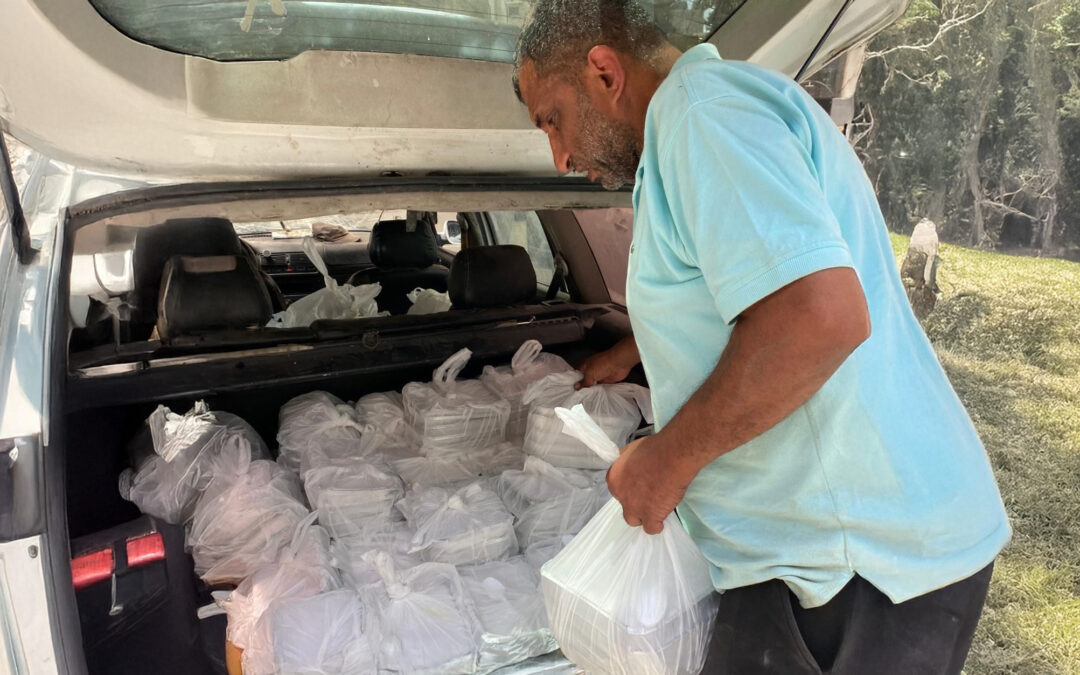
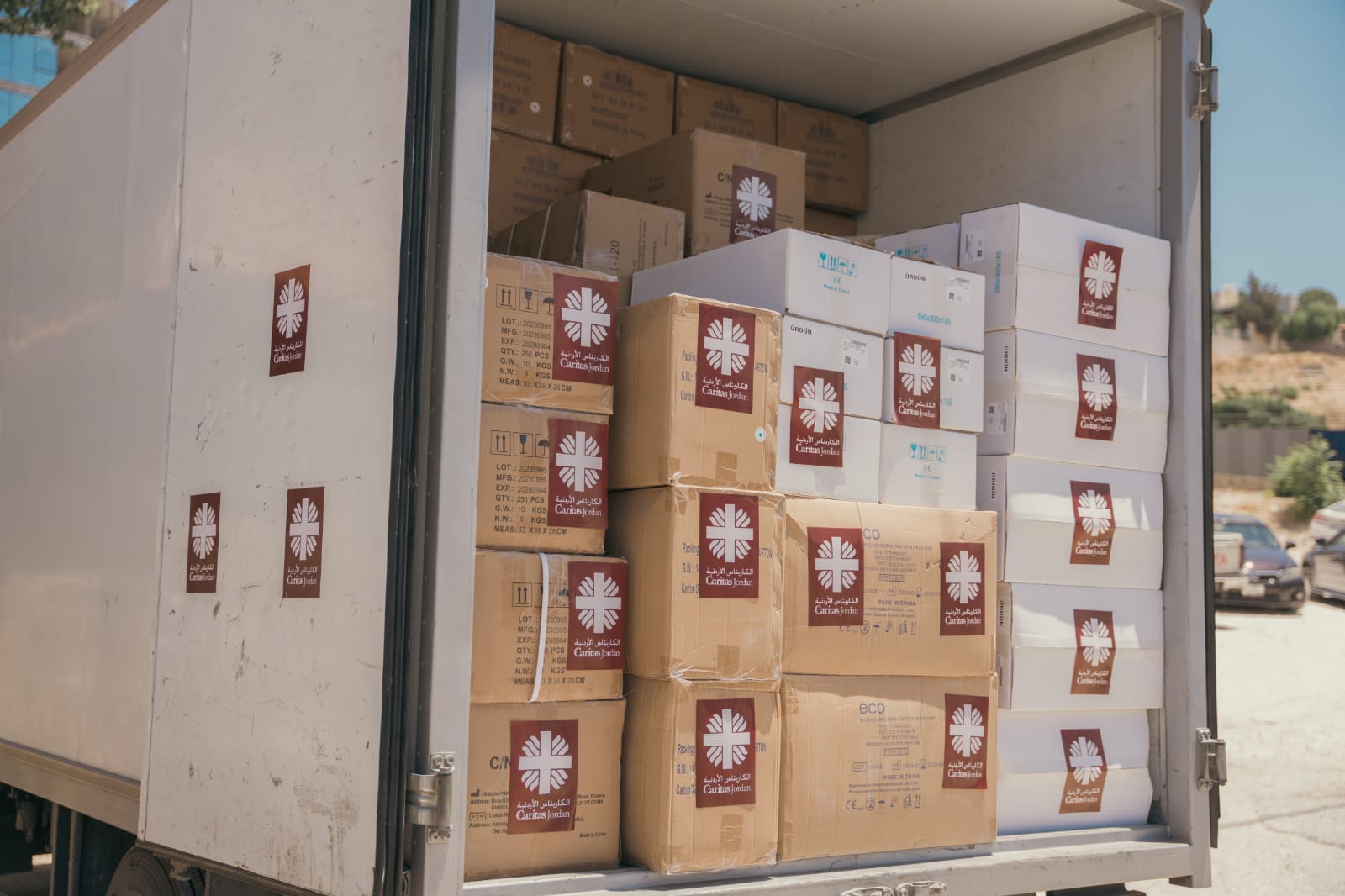
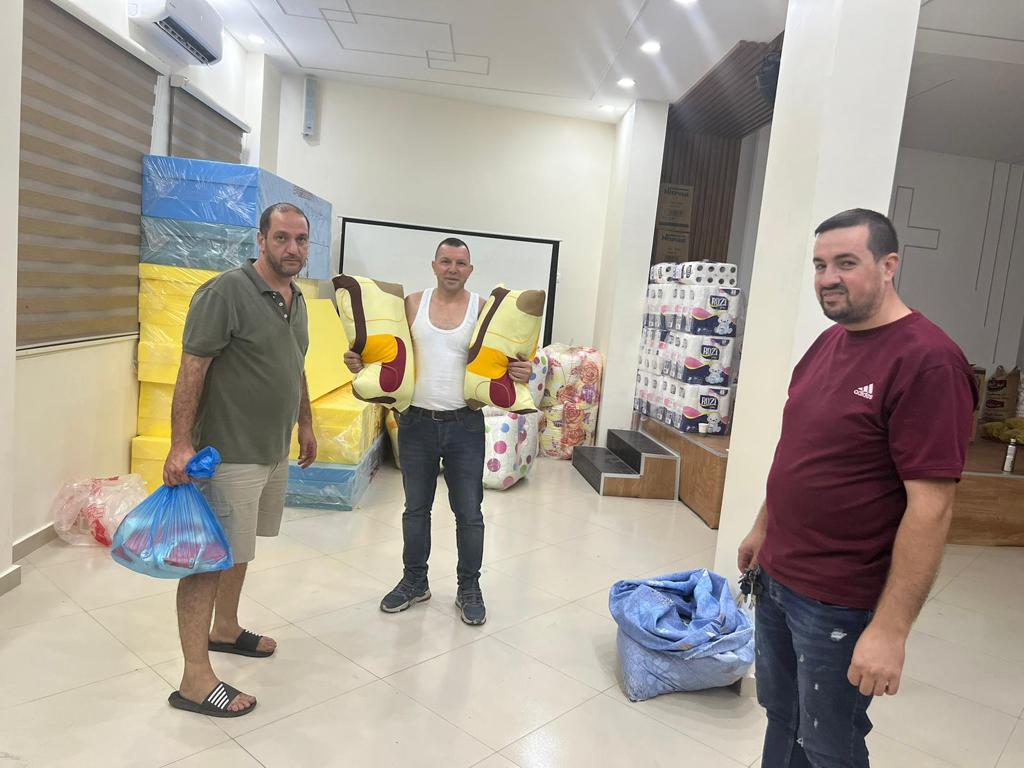
In collaboration with the local network, in particular with the Caritas organization in Jordan and the Latin Patriarchate of Jerusalem, it was possible to support 1,750 displaced people. The interventions involved the purchase and distribution of basic necessities, food assistance and the welcoming of hundreds of people in two parishes. In addition to food and medicine, a safe place was provided where people could find shelter and care.
In 2024, the intensification of conflicts in southern Lebanon resulted in over one million displaced people. Many families had to leave everything and seek refuge elsewhere.
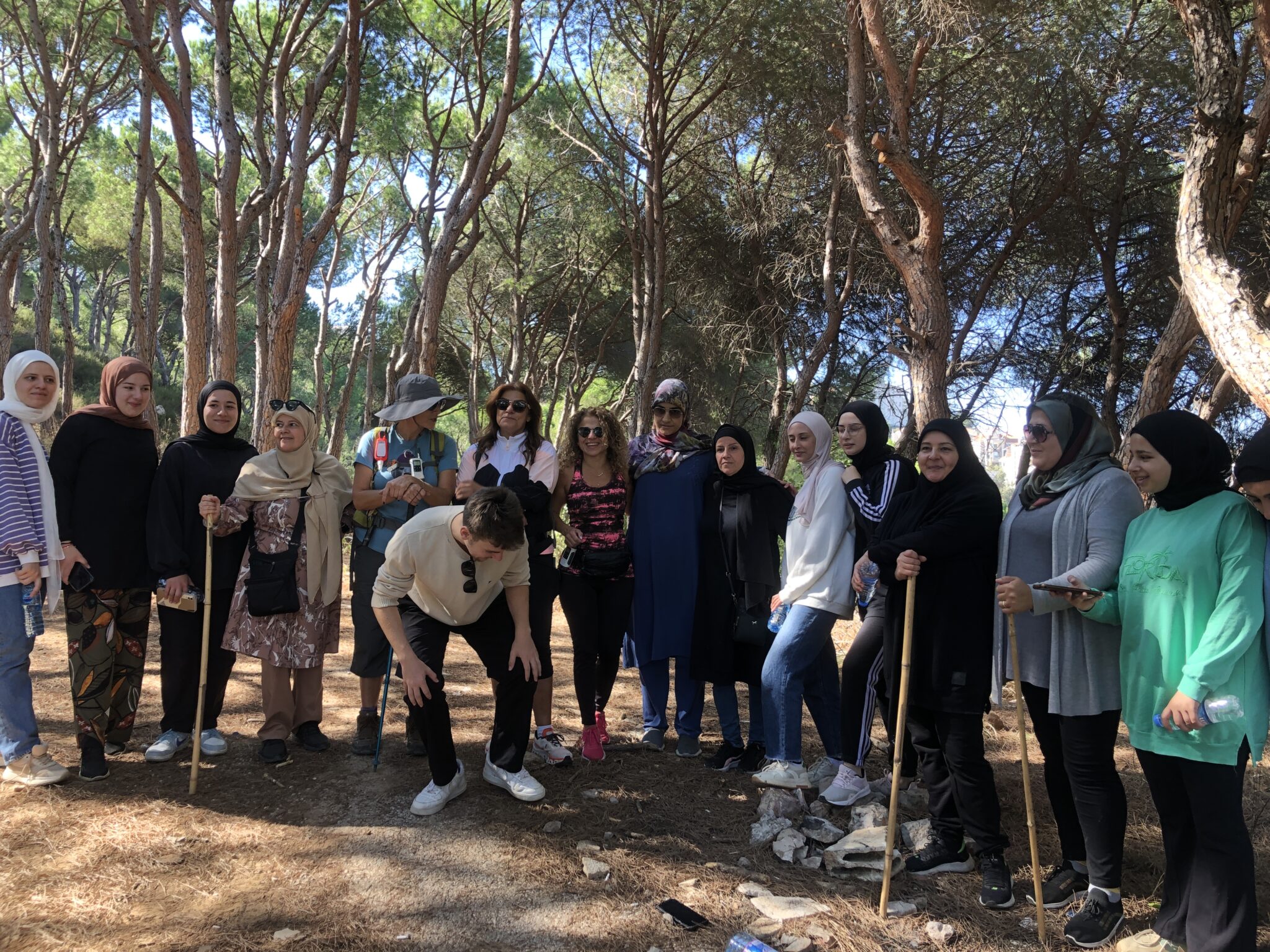
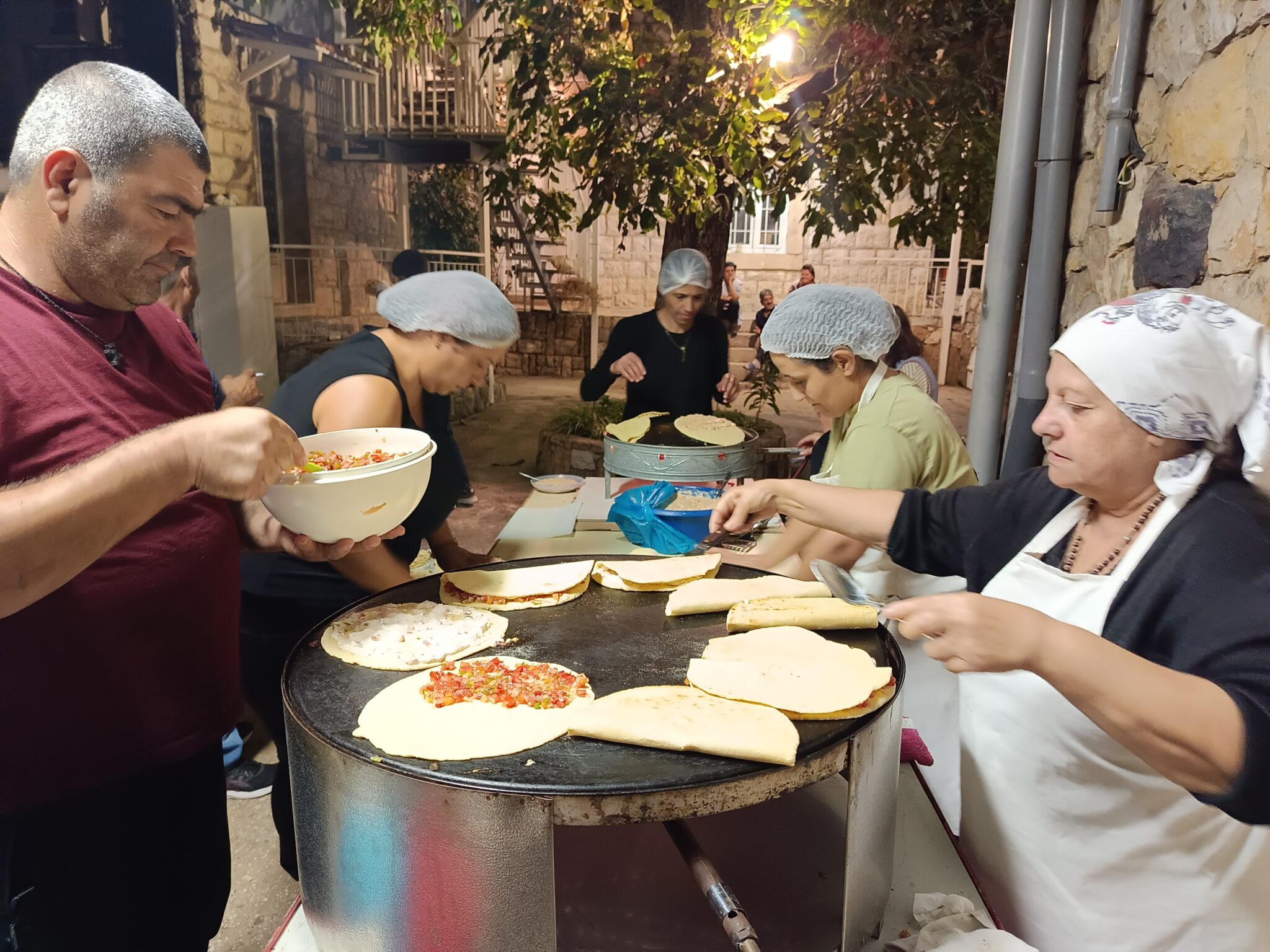
Thanks to the collaboration with the local Humanité Nouvelle association, 195 people were welcomed at the “La Sorgente” Mariapolis Centre and at the Institut de Réducation Audio-Phonétique (IRAP), in the province of Beirut. Here, displaced people received accommodation, food, medical assistance, clothing and hygiene supplies.
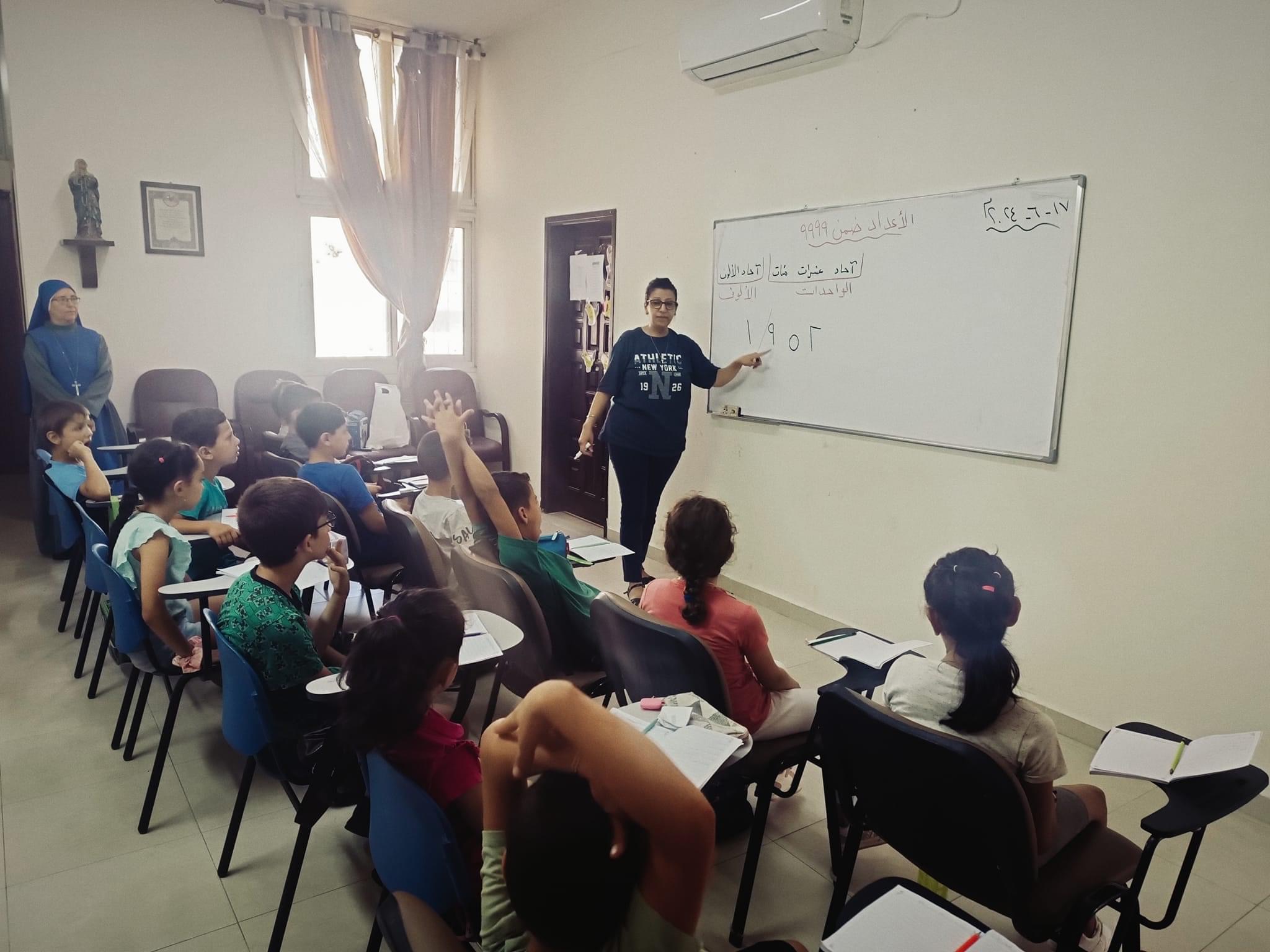
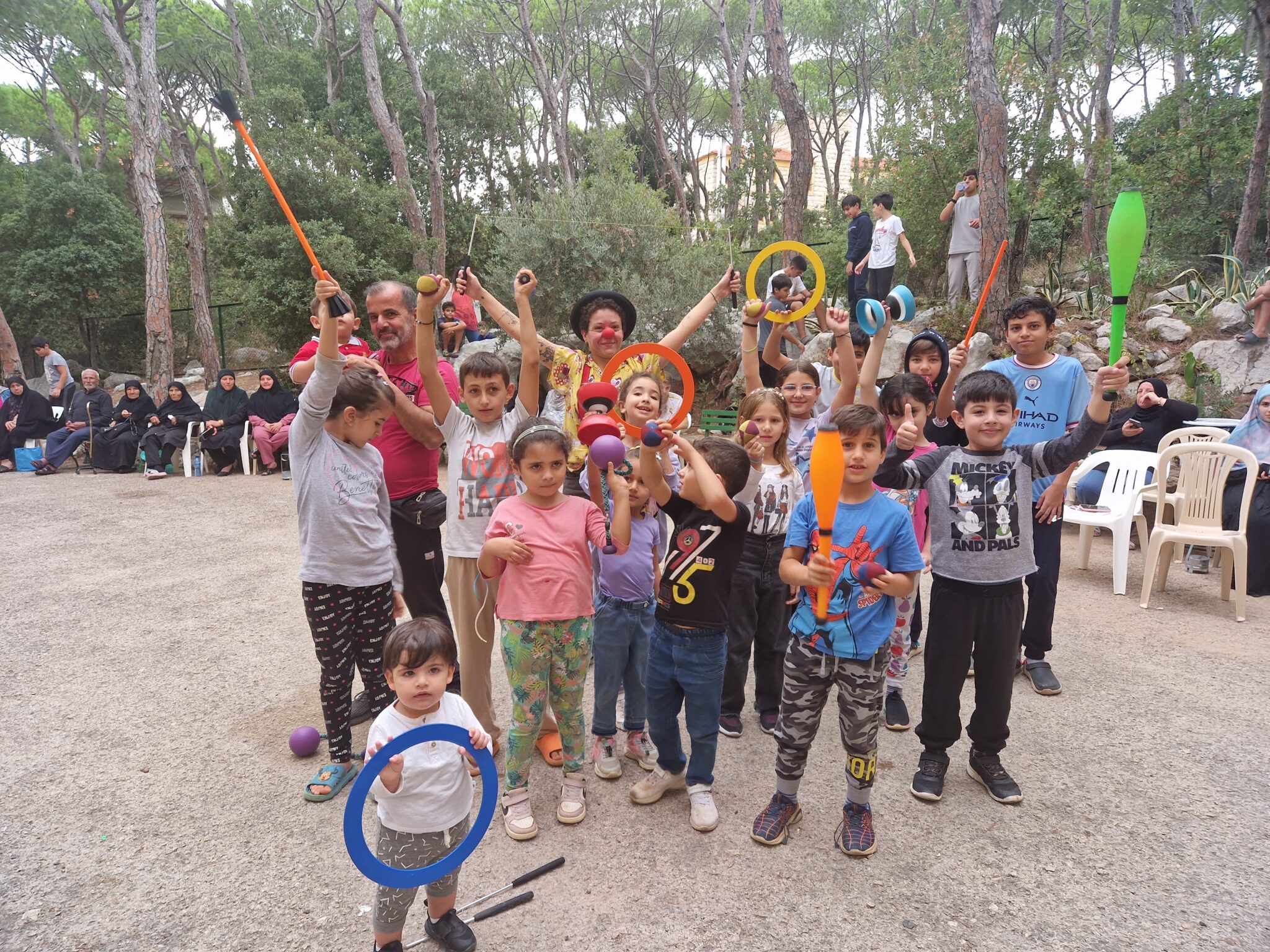
Particular attention was paid to children and young people: 7 classes were organized for 39 students up to the age of 15, allowing them to continue their education even during displacement. Recreational activities, moments of sharing and initiatives promoted by young volunteers helped to create spaces of hope in a situation marked by uncertainty.
Also in Lebanon, the SOSTENIAMOLibano (Let’s Support Lebanon) project was continued. It was established to help people cover the cost of medical treatment in an increasingly fragile healthcare system. The project reached 112 beneficiaries, offering help for the purchase of medicines, psychological support and assistance for hospital treatment.
Another intervention supported small local agricultural producers. Through the “From All Lebanon to All Lebanon” initiative, agricultural and artisanal products were purchased from small producers and distributed to displaced families in the Beirut metropolitan area. This project involved 80 people, contributing both to food support and to the protection of local economic activities.
After more than fourteen years of war, Syria continues to experience an extremely fragile situation. In 2024, during a phase of political transition, many families suddenly found themselves without access to money due to the temporary closure of banks.
Thanks to the local network of the Focolare Movement, it was possible to offer financial support to 305 families in Aleppo, Damascus, Homs and other cities, reaching around 1,200 people. The contribution enabled them to meet their most urgent daily expenses such as food, medicines and basic necessities.
A concrete sign of closeness
Beyond the numbers, these projects above all tell stories of solidarity and collaboration between local and international realities. The goal was not only to respond to the immediate emergency, but also to strengthen community bonds and support the resilience of the people involved.
Prepared by Emergency Coordination Team of the Focolare Movement
To make a contribution to the Middle East Emergency click here
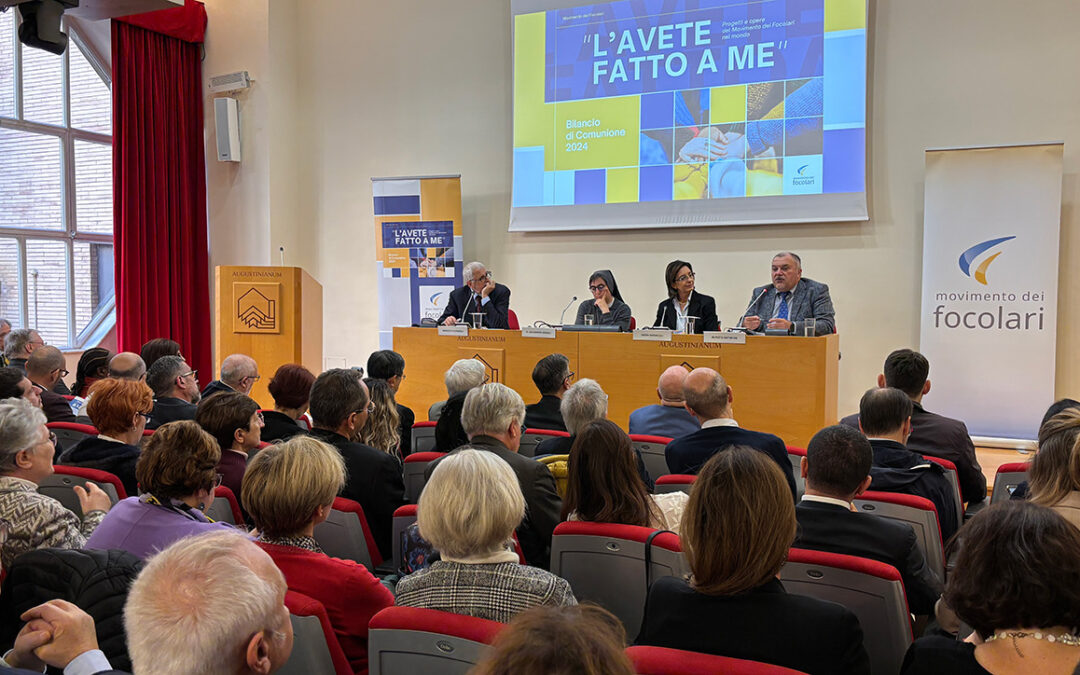
“We have chosen to tell stories of closeness and fraternity that are the fruit of the commitment of many people and communities around the world who are striving to generate trust every day.” With these words, Margaret Karram, president of the Focolare Movement, opened the event presenting the 2024 Assessment of Communion in Action, held on the 6th of November 2025 at the Augustinian Patristic Pontifical Institute in Rome. This document goes beyond a financial report and describes the ongoing projects in various countries linked to the Focolare Movement and their specific impact on individuals, communities and geographical areas. “It does not merely measure numbers, but speaks of relationships,” emphasised Sister Alessandra Smerilli, secretary of the Dicastery for Integral Human Development. “Communion is a strategic asset. It is not simply the sharing of resources, but the building of bonds that generate trust, cohesion and resilience. In economic terms, it is relational capital: it reduces exclusion costs, encourages participation and enables processes of integral human development. Where there is communion, fragility becomes an opportunity, because those who are part of networks of reciprocity have a better chance of being able to escape marginalisation. In a time of great inequality, this assessment is both a prophetic statement and good news: every single act is important.”
Margaret KarramAlessandra Smerilli – Moira Monacelli
The figures
Ruperto Battiston, co-responsible for the Focolare Movement’s finances, explains the figures: “The 2024 Assessment of Communion in Action shows an income of €8.1 million from donations, from the communion of goods given freely by those belonging to the Movement and from contributions of external institutions for training projects. Expenditure amounted to €9.6 million and was allocated to initiatives that generate long-term value: local projects, little towns, social initiatives and educational and cultural programmes, as well as to support the International Centre.
Thanks to an extraordinary communion of goods of €208,568, it was possible to help people belonging to the Movement who are in situations of particular need and also the structures that help those who are poor.
In addition, the Economy of Communion distributed 394 individual grants and supported 14 projects in 13 countries, for a total of €669,566.
Among the many figures, this year we have chosen to highlight the sums allocated to structures involved in safeguarding and formation in safeguarding, as recommended in the recent report by the Pontifical Commission for the Protection of Minors.”
Five projects were presented from among those illustrated in the Assessment: Fo.Co. ONLUS – Italya social cooperative that welcomes migrants and unaccompanied minors, promoting inclusion and employment. It has reopened an abandoned convent, transforming it into a reception centre; UNIRedes – Latin America: a network of 74 organisations active in 20 countries, which reaches thousands of people every year with educational, health and cultural projects. The Focolare Medical Centre –in Man, Ivory Coast: established during the civil war, today it is a 24-hour health centre offering telemedicine and hospitalisation services. Focolare Carpentry – Philippines: a vocational training centre that has restored dignity and work to over 300 young people excluded from the school system. TogetherWEconnect – Israel and Palestine: an educational project involving 500 students in courses on dialogue, self-esteem and active citizenship.
A methodology based on the Gospel
“Communion is not welfare, but protagonism and reciprocity,” explained Moira Monacelli of Caritas International. “Being present does not only mean doing for but walking with.” The activities described in the Assessment stem from a tangible love, which translates into listening, shared responsibility, education and trust in Providence. “Giving hope is not saying it with words,” concluded Monacelli, “but building communities where fraternity becomes a reality.”
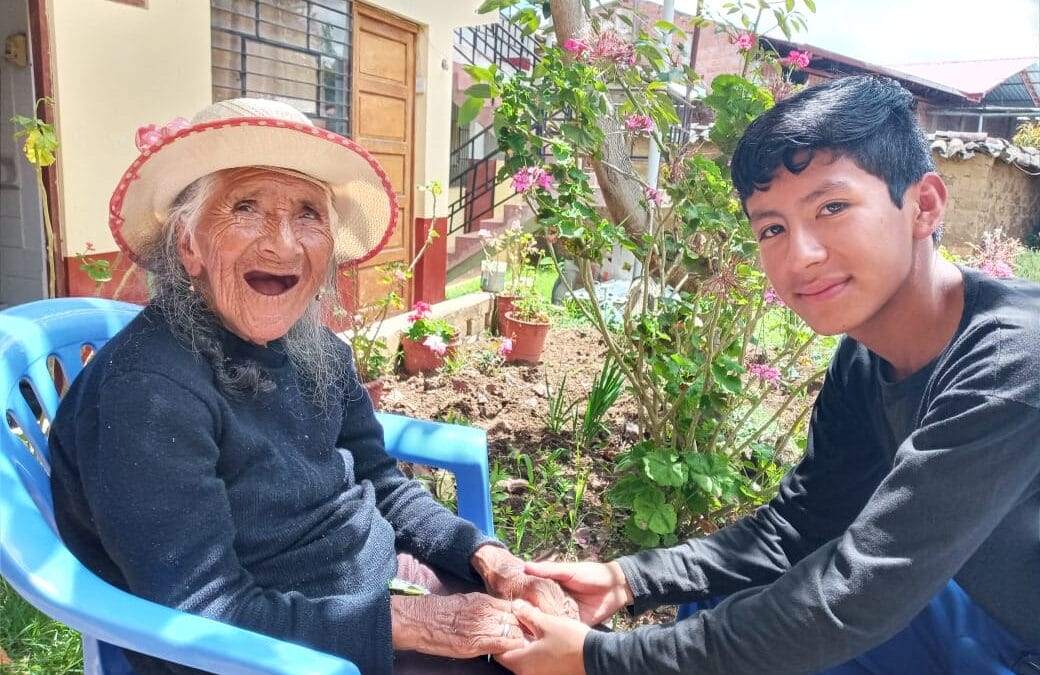
“Let’s start from the least, from those who are rejected and abandoned by society.” This is how the “Chiara Lubich” Hogar Centre for the elderly began in the Peruvian Amazon. A place where, thanks to the generosity of a family, together with the Focolare community, they welcome elderly people who are abandoned, who need help, who need to be cared for, who need a hot meal or simply who need the warmth of a family.