
The role of faith communities in limiting climate change and building the future is one of potential, yet humility. Martin Palmer discusses the Faith Plans programme, as well as Focolare’s role. 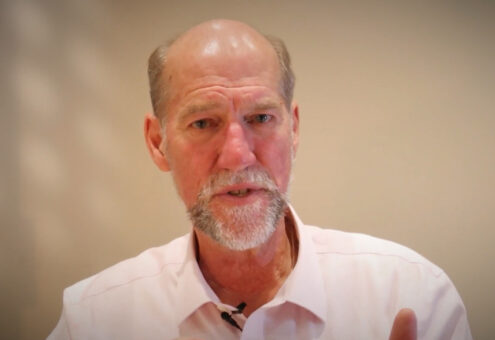 The United Nations Climate Change Conference (COP 26) in Glasgow concluded in November 2021. Martin Palmer, former Secretary General of the Alliance of Religions and Conservation and current CEO of FaithInvest, helps us uncover the potential that faith communities have in limiting climate change and the role that Focolare can play in this context. Martin is an international expert on major religious traditions and cultures, the author of more than 20 books on religious and environmental issues. He is a regular contributor to the BBC and is a lay preacher in the Church of England.
What is the specific role of faith communities in the face of such an unprecedented ecological crisis?
The great faiths are not only sources of ancient spiritual wisdom. They are also among the most important actors on the planet. Without the educational, medical, welfare and charitable work of faith communities through schools, hospitals, youth work, welfare agencies, etc., civil society would collapse in a matter of weeks. 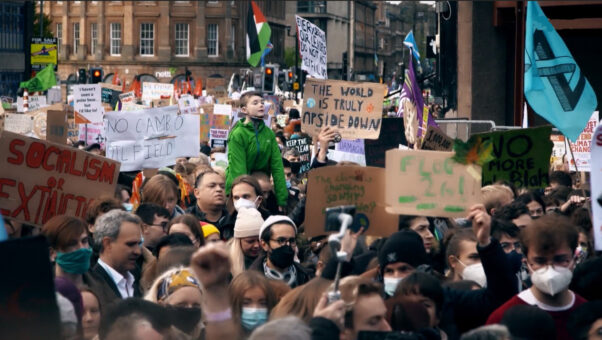 So while the spiritual aspect is vital because it gives us the broader perspective of time, space and meaning, if we ignore our role as stakeholders in building our future, we end up standing on the sidelines, shouting and hoping someone will listen.
An active role for faith communities in driving change is important. Have you noticed a change in attitude in recent years?
I see a huge shift. For the first time, all the major religious environmental groups – like GreenFaith, Eco-Sikh, Daoist Ecological Temple Network, Hazon (the largest Jewish environmental group) and of course now the Vatican through the Laudato Si’ Movement and the Focolare – are working together side by side, bringing the wonderful pluralism of different beliefs, values and networks together, especially through the Faith Plans program.
In October 2021, on the feast of St. Francis of Assisi, Pope Francis and other religious leaders – including Archbishop of Canterbury Justin Welby and Ecumenical Patriarch of Constantinople Bartholomew – issued a call on climate change and a public commitment to create plans for the environment. Why is it important to make a plan?
For faiths to be truly effective, we need not only the wonderful words and wisdom drawn from the great spiritual currents, but we also need to know where they could be architects of change. That means knowing how extensive their role in education is in each place or country, how many clinics and hospitals they have, where their investments are, how much land they own, what range of professional expertise there is in the faith community and so on.
What do you see as the specific contribution of the Focolare in bringing about this ecological conversion?
The role of the Focolare is unique. Not only are you a large organization of laypeople in one of the most hierarchical faiths in the world, you are an inspiration that goes far beyond your members. For decades you have worked through the Economy of Communion on the life and work realities of faith in market practice. Creating new models and initiatives seems to come naturally to you. Your style of sharing what you do is an inspiration. You have decades of interfaith work and a depth and integrity not easily found in the often-superficial interfaith world. Your connections to other faiths show a joy in pluralism not often found in religious organisations of the scale and impact that the Focolare has. Finally, you seem to have already engaged some of the most charismatic, highly motivated, skilled and caring people in the world, who are already active.
Nino Puglisi for cittanuova.it


0 Comments