
Koen Vanreusel, a Belgian businessman who works for the Economy of Communion says: “We need collaboration between different generations in the business world.” 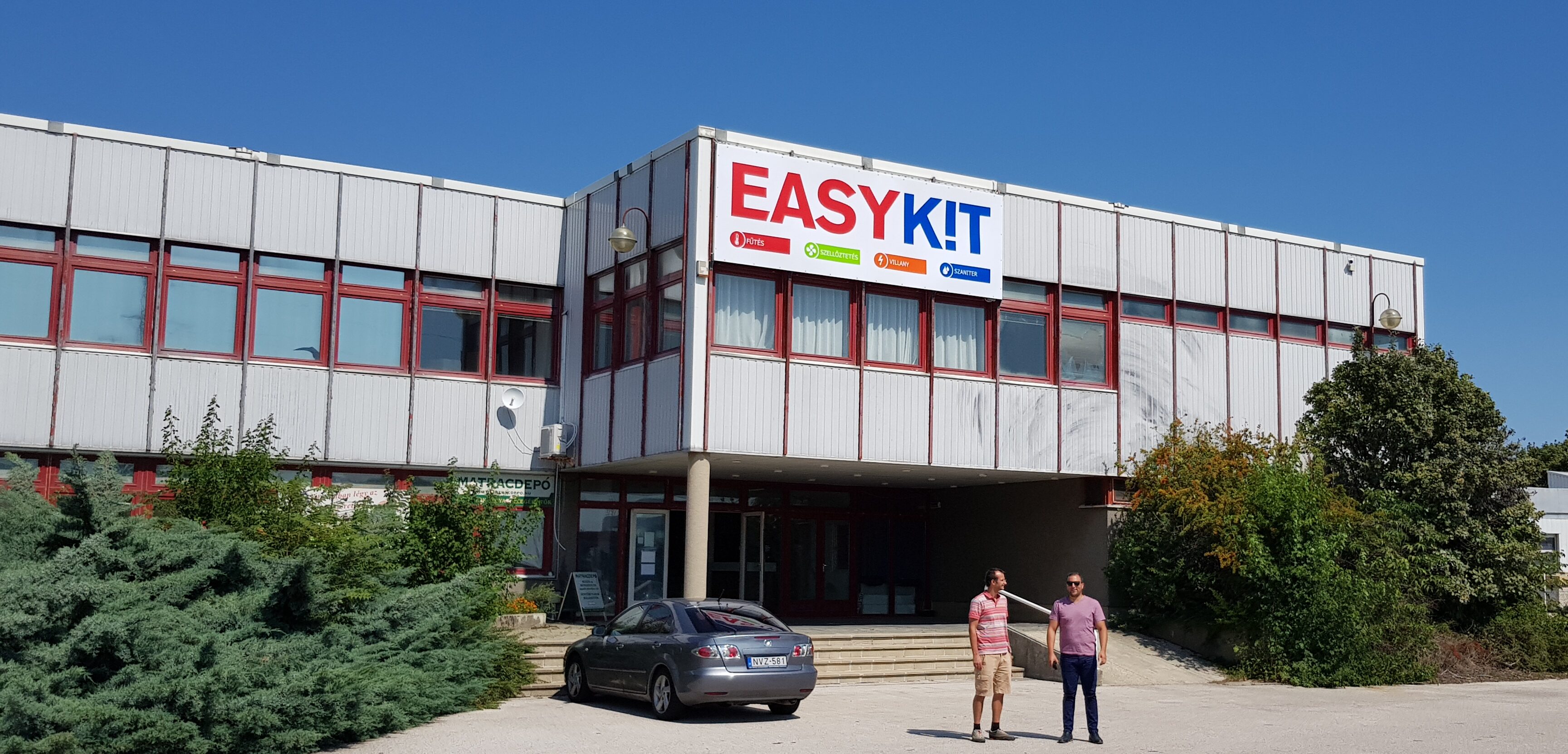 “We need young people to open up new ways of working; we older people are happy to support them through our work and by sharing what we have and what we know.” This is what Koen Vanreusel said when he spoke about his commitment to young business men and women all over the world. Koen has 4 children and 9 grandchildren and is the managing director of “Easykit”, a Belgian company which employs 100 people. His views stem from the fact he follows the principles of the Economy of Communion (EoC) and are the reason why he will be visiting Assisi, Italy, from March 26-28 2020 for “The Economy of Francis” gathering. This event was initiated by Pope Francis for young economists and business men and women from all over the world. Koen, how do the principles of the Economy of Communion inspire your work? The Economy of Communion is the fruit of the “culture of giving” which began within the Focolare Movement. Its roots lie within the Gospel, where it says “Give and it will be given to you” (Lk 6:36-38). This gives rise to a new economy – more specifically, an economy of communion. Practically, as regards my company, this means putting the person at the centre of the work and respecting each person’s dignity: with our employees we try to create a family, a community. We have nine stores in different places and we are always careful to create a good relationship with all the employees. In addition, joining the EoC means donating a part of the company’s profits each year to those in need and thus making a contribution to combating world poverty. What difficulties do you encounter in living the Economy of Communion at work and how do you overcome them? We are a company the same as any other on the market and we face the same difficulties. But when we have problems, we try to create an atmosphere in which we can talk to colleagues and management about the situation. I also find that it is important to share these experiences with other entrepreneurs who are followers of the EoC. When we meet, there is always a great sense of trust and so we talk about the difficulties and together we try to see what opportunities there are. How do you try to involve your employees in living the “culture of giving”? Our employees know that we share the company’s profits with the poor: we provide them with information about the support that the company is giving to others so that they too can feel involved. In addition, at the end of the year, when calculating profits to be shared with those in need, the employees receive a percentage and can decide to what they will donate this money. In this way, they participate in the allocation of the company’s profits. We also try to be role models and set an example by contributing something extra at work beyond the call of duty, by doing something free for a colleague or supplier and by showing that this also gives great joy. How did you come up with the idea of supporting businesses that have been started by young people both in European countries and on other continents?
 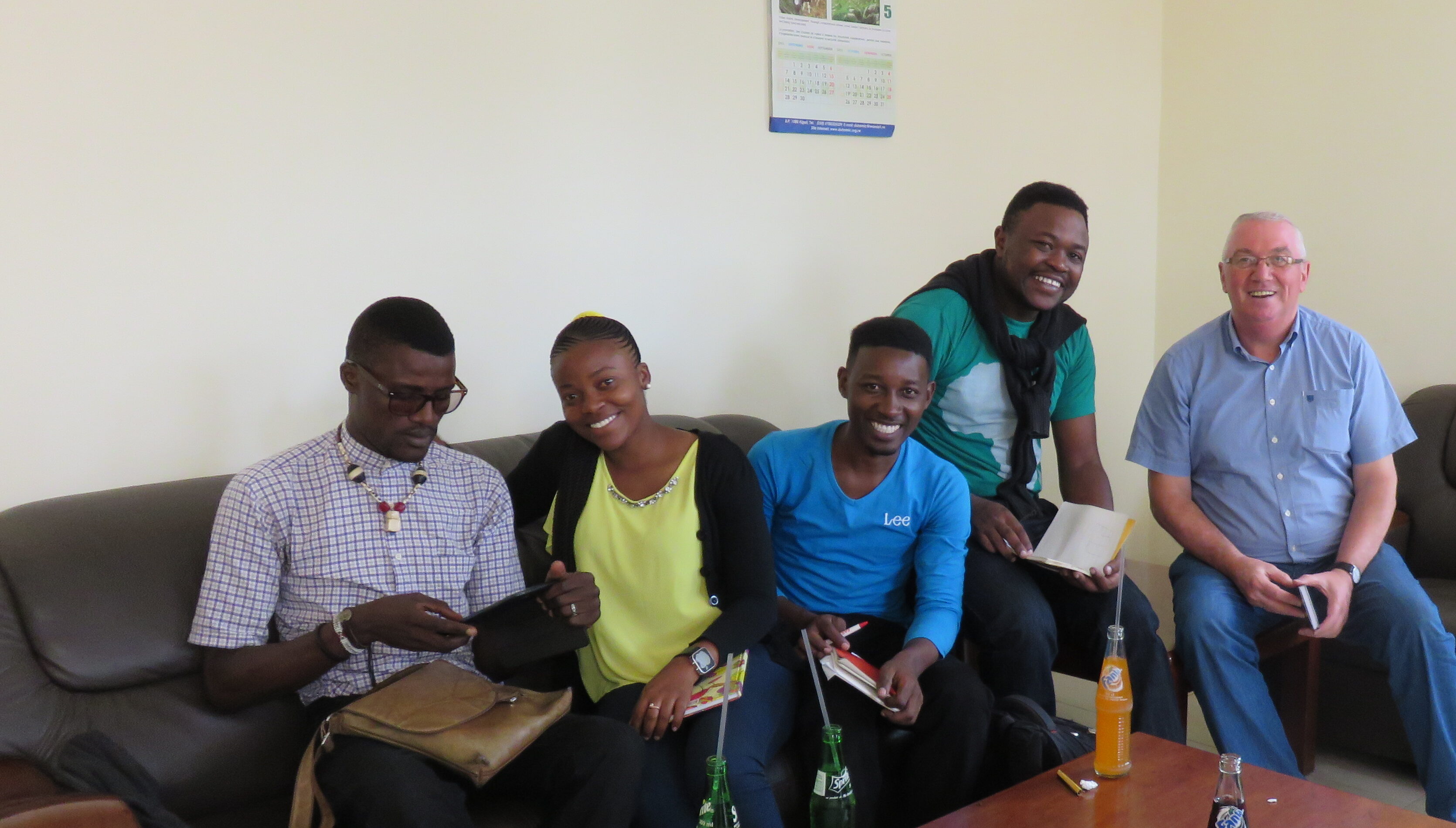 During one of the annual meetings of European EoC managers, we met young people from Serbia and Hungary who showed great appreciation for our business model and so we decided to share it with them. We supported them when they started a company in one of their own countries and continued to do so as the enterprise developed: we are very happy that this involvement means that we can share knowledge and our way of working. Then, during the EoC international meeting in Nairobi, Kenya, we met a group of young Congolese entrepreneurs who were determined not to abandon their war torn country but to stay and help people in need by starting a company. We felt we wanted to remain in contact with these young people and accompany them in their experience by offering them our skills. We want new generations of business men and women to join the Economy of Communion. What effects could the EoC paradigm have if applied on a large scale? It can help to build a fairer society with a smaller gap between rich and poor and a lower rate of poverty. By working together we can discover that a better world is possible. We will tell you about it in October, in Brussels, on a day dedicated to this very topic.
Claudia Di Lorenzi

0 Comments