![Interreligious friendships in England]()
25 Feb 2017 | Non categorizzato
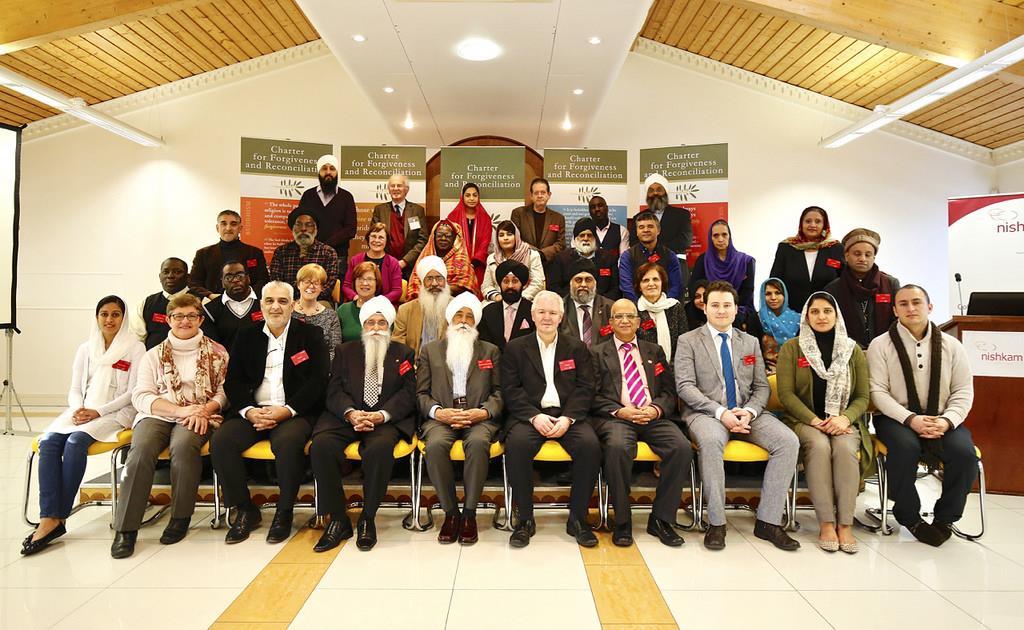 Birmingham is a multi-ethnic city of central England where the presence of different religions and cultures has become a breeding ground for dialogue. The city itself is a laboratory of interreligious relationships based on mutual respect and the discovery of each other’s values. Catholic Archbishop Bernard Longley, along with the council of religious leaders of other faiths in Birmingham, is directly involved in the interreligious field and more than once has expressed the desire that the Charism of Unity might bring a contribution in the Church and in ecumenical and interreligious dialogue. In October 2015, he made a house available to the Focolare in the diocese of Birmingham. Now, members from the community in Welwyn Garden City carry out many initiatives on a bi-monthly basis. They began with the Gen Verde international band’s “Start Now” project and continue carrying out many other initiatives.
 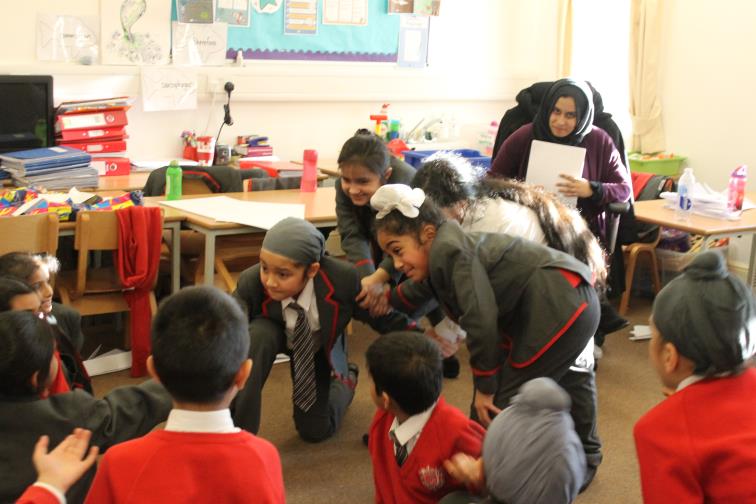 Last January, a Volunteer from the Focolare Movement, who is an expert in the field of education, ran the first of 4 workshops in a Sikh school for 70 children between the ages of 7 and 8. The theme was values. “The Sikhs feel a strong bond with us,” she recounts. “They say that like you, we try to model a society based on the fusion between the human and the divine. They find a harmony in the Movement that helps them to deepen their values and put them into practice.” The project is the culmination of a long friendship. For years the Sikh community guided by Bhi Sahib Bhai Mohinder Singh has been constantly linked to the Focolare community in Birmingham. The friendship and mutual esteem is deepening. “Bhai Sahib Ji often tells us that Chiara Lubich is his inspiration,” a Focolare member writes. “He keeps a photo of her on his desk.”
 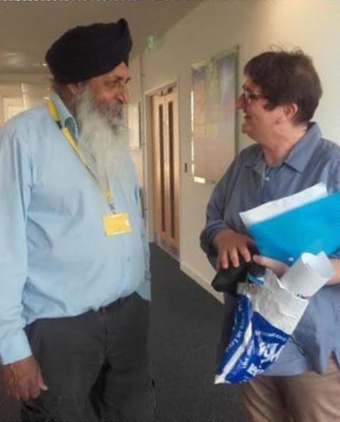 Sikhs and members of the Focolare recently took part together in an interreligious conference. Bhai Sahib Ji presented a project for promoting forgiveness and reconciliation. The event was an opportunity to strengthen friendships between members of different religions and beliefs, who now continue to stay in contact.
  Still in January, Dr Mohammad Shomali, Founding Director of the International Institute for Islamic Studies in Qum, invited several men and women focolarini to speak to a group of thirty Muslims at a mosque in on one of the quarters of Birmingham. His desire was to “put together the people he esteems and loves the most: his community and the Focolare.” The Church’s dialogue with Islam was discussed, and the Spirituality of Unity was proposed, along with the presentation of a few experiences of living the Word. Many Muslims remained enthusiastic and want to stay in contact with the Focolare. “They invited us back on Sunday for the ‘Visit My Mosque’ event,” they report. They conclude: “Over the past weeks in which we have made many new friends of other faiths, we remembered a letter that Chiara wrote on November 23,1980 where she said: ‘…and if there is a mosque, or a synagogue, or some other non-Christian house of worship – know that that is where you belong…’ It’s a project about building the universal family, also among the faithful of other religions.”
24 Feb 2017 | Focolare Worldwide
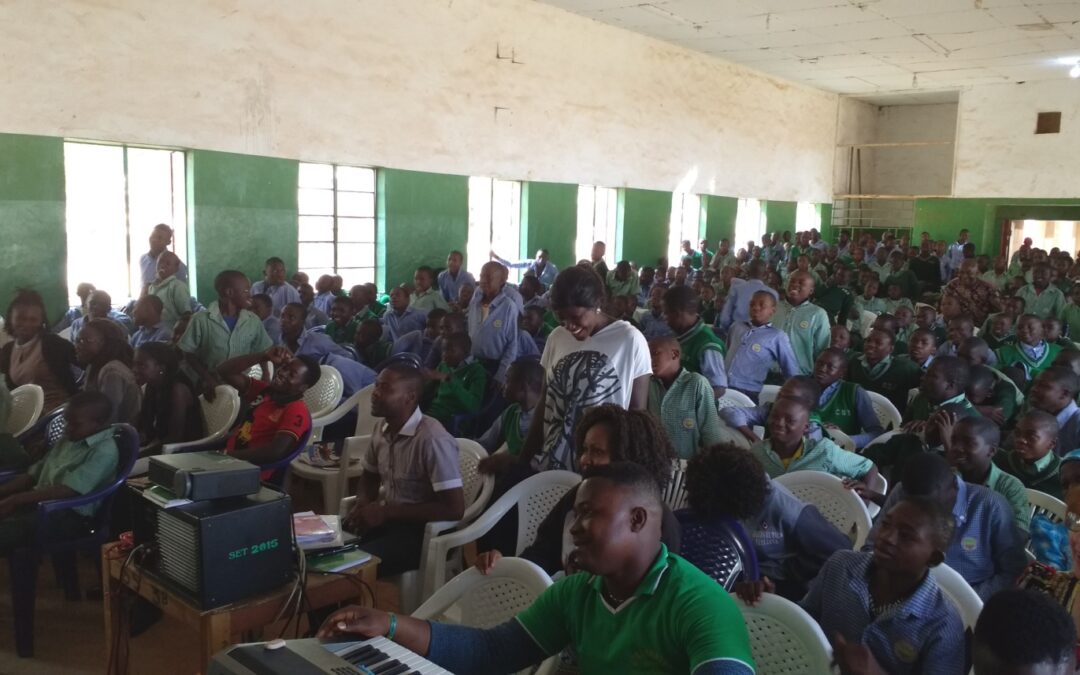
 For three days, St Joseph’s College transformed into a fraternity experiment. The young students, ages 9 to 18, lived side by side with their professors, their families, as well as many other young people, adults and elderly from other cities. The Mariapolis was organised by members of the local Jos community, as well as other communities like that of Abuja (4 hours away) and Onitsa (12). There were also some young people of the Focolare from Lagos. In Nigeria, a country of seemingly limitless expanses, long trips bristling with danger often need to be overcome. Yet this did not stop anyone from supporting the Mariapolis at St. Joseph’s. The school opened its gates to welcome the young and not so young, students, teachers, workers. Among the Mariapolites was John Maigari, who had once attended and taught at the school. Now retired, Maigari also previously headed the diocese’s department of education. Many years prior he himself had experienced Mariapolis life, where each person sees each other as family to love and to serve. Now after many years, the professor hoped that the students could experience that same lifestyle. His proposal was welcomed.
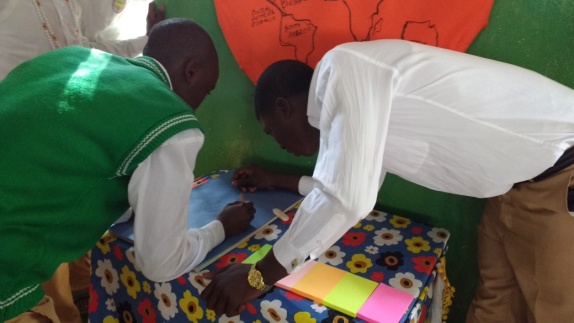
 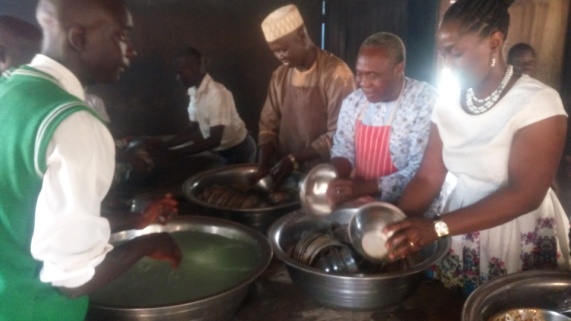 For three days, the school completely changed. Moments of reflection and going in depth were joined with tangible experiences. Divided into groups, students of different ages lived side by side with teachers and those attending, sharing the various moments of the day: cooking, washing dishes, tidying up the meeting hall, cleaning toilets and the school playground. For some it was their first time; they had never done anything like it. Even the school’s principal washed dishes! A large book was prepared for the students to capture their comments. It tells of three days of true living. The retreat changed their lives, they say. “The unity we lived during those days struck us from the very first moment that you set foot in our school.” It was a unity that the words of Chiara Lubich and the witness of the Focolare members had transmitted to them.
 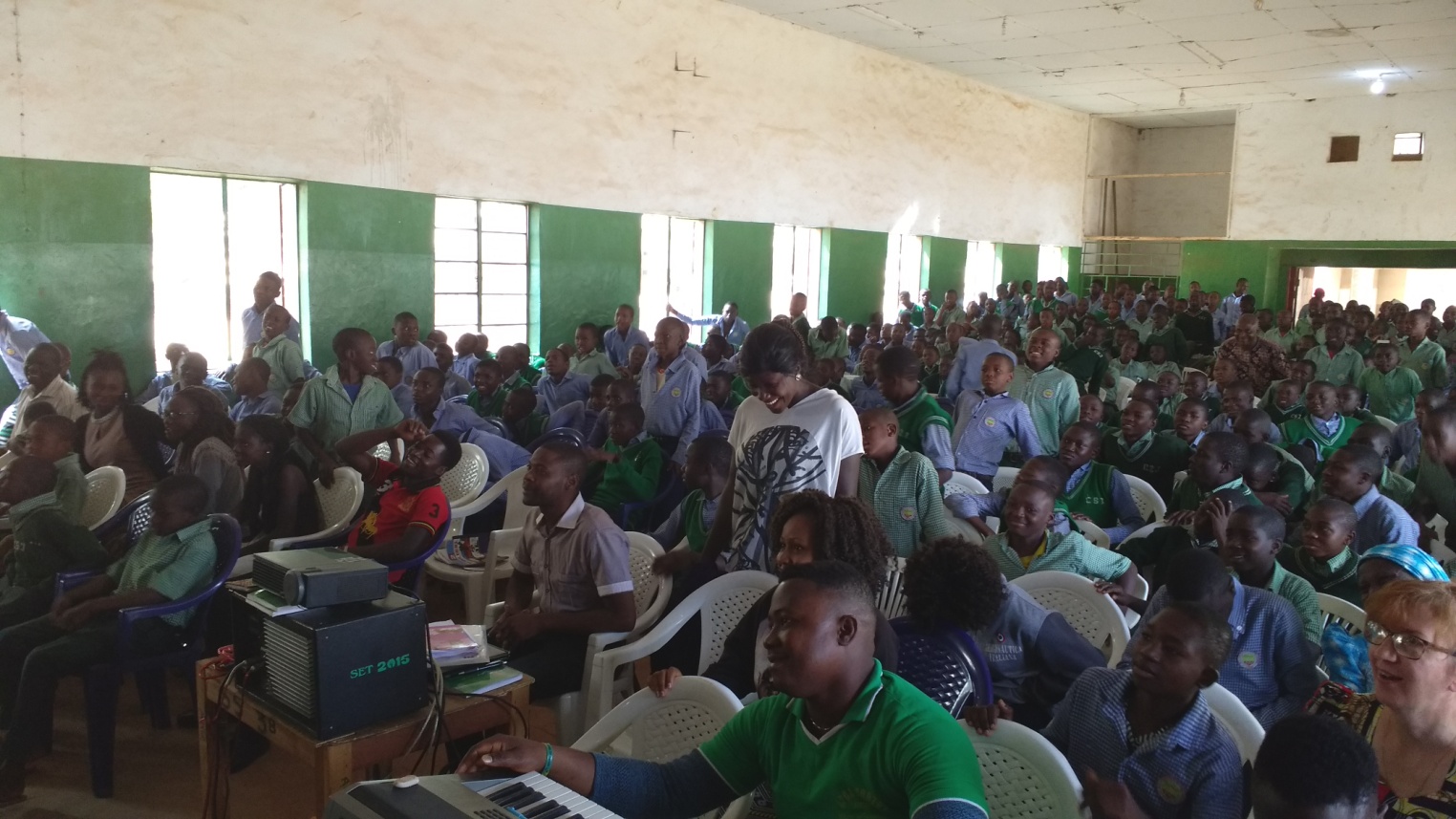 “I feel really happy and enthusiastic,” writes Nipps, “because these days were wonderful. I experienced many things and was particularly struck by the love and unity that the team of people who ran the program had between them.” “Before my life was incomplete,” says Keivin, “because I didn’t feel at all that God truly existed and was alive. Now I truly believe in God.” “This retreat wasn’t like the others,” adds Daong. “You ate with us and slept at our high school.” In this part of Nigeria, for years there have been many episodes of violence between Christians and Muslims, with seeds of hatred sown across the country. These young students also had lived through this. At the Mariapolis at Jos, they were able to experience an alternative: the firepower of God’s love and unity.
22 Feb 2017 | Non categorizzato
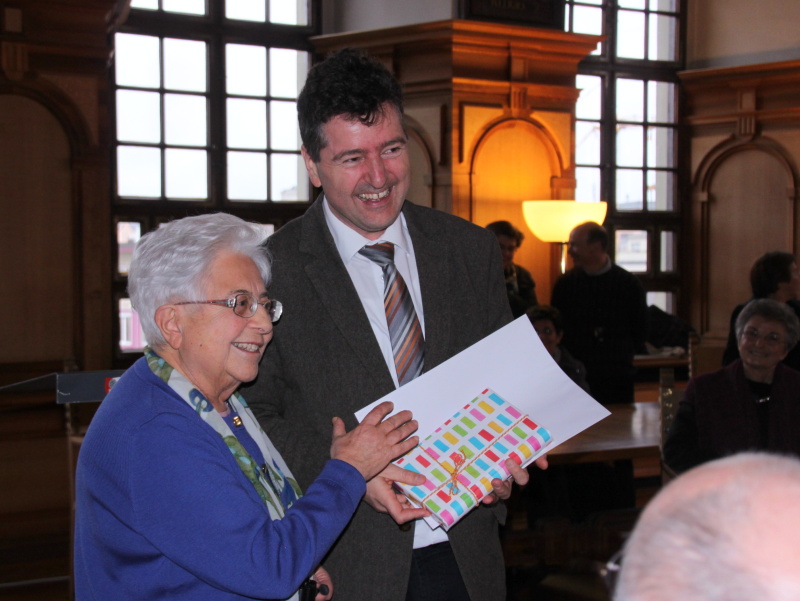
Maria Voce with the Vice-Mayor of Augsburg Dr Stefan Kiefer. Photo Maria Kny – © CSC Audiovisivi
Photo Maria Kny – © CSC Audiovisivi
22 Feb 2017 | Focolare Worldwide
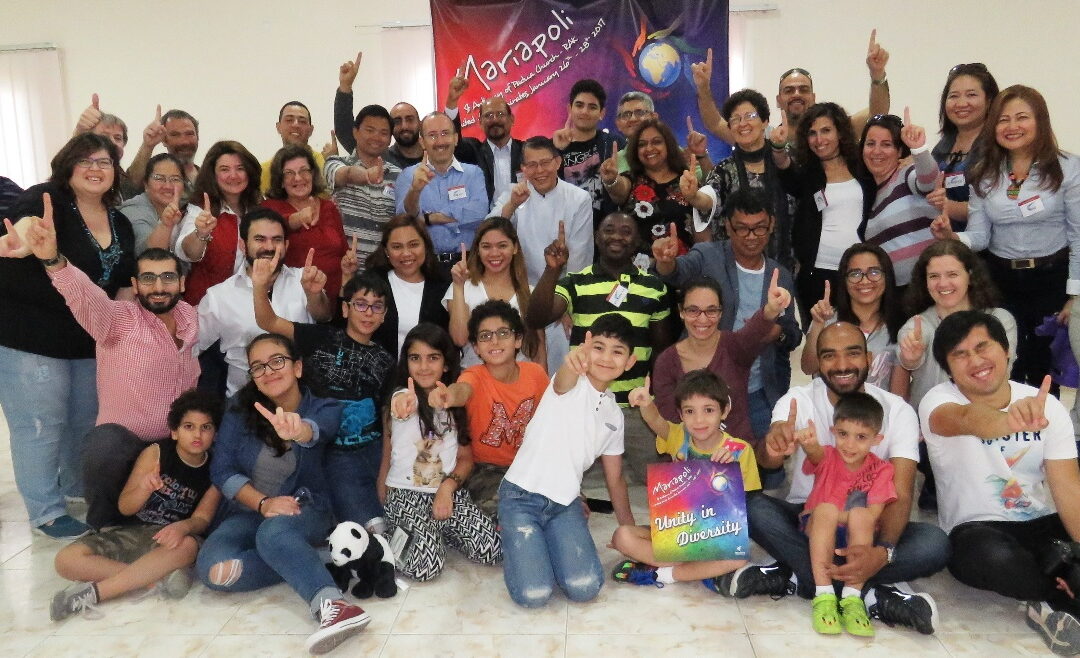
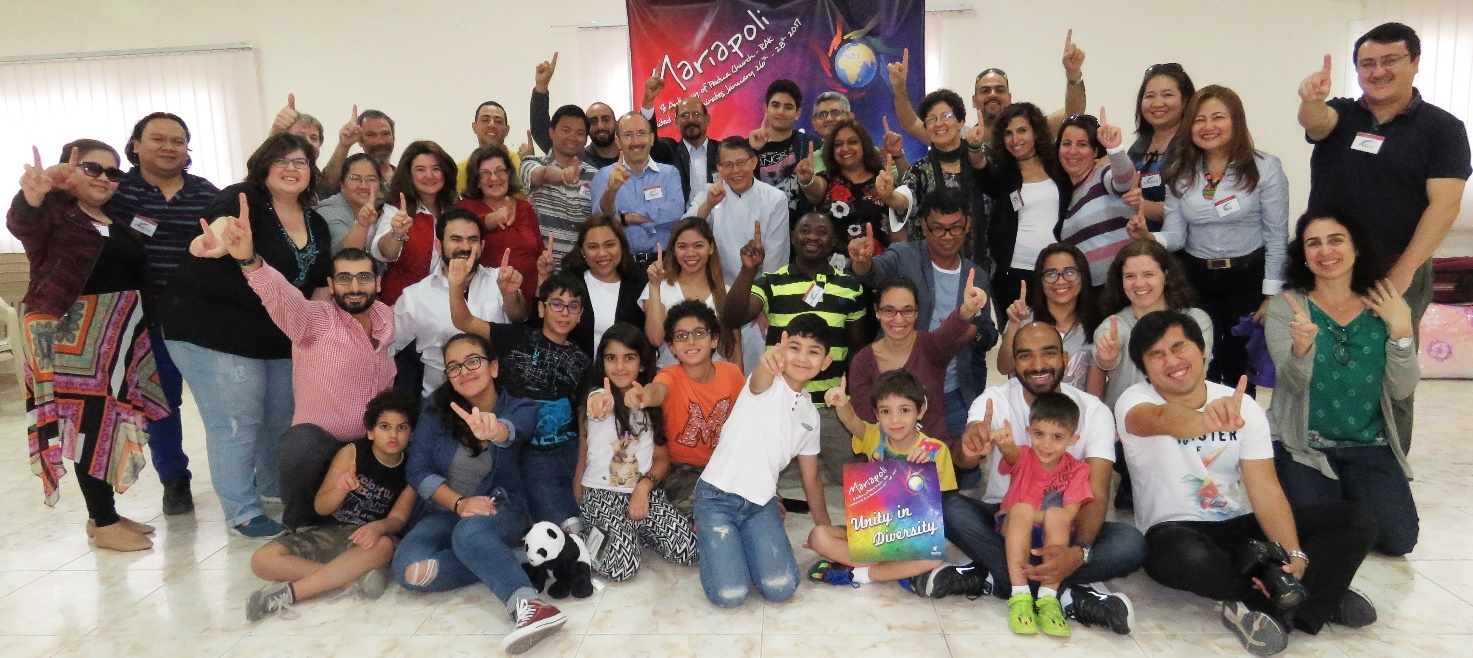 “We find ourselves here in countries of the United Arab Emirates due to work,” Claudia says. “Our workplaces are often strongly competitive, and it is difficult to integrate because there is little time for relationships that are simple and authentic. “The Catholic Church in Dubai is young, lively, joyous and not overly complicated. More than 2,000 faithful participate in and focus on daily mass – mostly from the Philippines, Pakistan and India. “Our local Focolare community is also made up mostly of migrants, and we try to give witness to the Gospel in the circles we move through, bringing love and unity around us. There are many who know about and live the spirituality of unity after first hearing about it in their home countries. We try to propose it to those whom we’re close to as a remedy to the frenetic, individualistic life here. “For us the monthly Word of Life meeting is fundamentally important. We read it together and try to go deeper into its meaning, sharing experiences that emerge from putting it into practice. “Maria Voce and Jesus Moran’s trip to India in January 2016 gave us a new drive to bring the ideal of unity to many, staying closely networked together.” “So we naturally involved all the people we’re in contact with to live the Mariapolis experience, which we took great care in preparing,” explains Amjad. “On January 27–28, 65 people from 12 countries (4 from the Middle East, the rest from Pakistan, the Philippines, Brazil, Japan, Italy and Cameroon) decided to come together at Ras Al Khaimah, an emirate near Dubai, to experience our first Mariapolis in these lands. “Emotions were running high! For some it seemed like a dream come true to finally get together after such a long time. We were welcomed by the parish of Father Willy, who is originally from the Philippines. The theme we chose, ‘Unity in diversity,’ reflected the reality and challenges that we all live through really well.” “What really struck me,” writes a young person from India,” was what we heard from Chiara Lubich about the ‘technique’ of building unity. Now I’d like to practice it.”“To discover how Jesus, in the moment he felt forsaken by the Father, can become a ‘key to unity’ in as much as I try to imitate him, filled me with hope,” said a woman from the Philippines. In a joyous atmosphere, participants were able to tell of their joys and difficulties, both in the hall and smaller groups, which is so important in order to share our lives together. There were moments to play, pray, and an intercultural evening to relax that included songs, video clips, skits and dances that involved everyone. “Special care was given to activities for the children, some of whom did not want to go back home,” says Claudia. “It was like an oasis,” explains Amjad, “where each of us found a family, with a spiritual presence of Jesus that is alive.” “During these past days, the fire of this ideal, which I got to know many years ago, was re-awakened,” confides a man from Brazil. “Now I want to give this fire to others.” Mia and Michel write: “It seemed to us that by the end, everyone returning to their countries or emirates, like Oman, Qatar, Bahrain, brought with them that ‘piece of fraternity’ that they had lived at the Mariapolis. Everyone evidently wanted to continue living this in their own environment, bringing hope to everyone. Now we keep connected through social media in a vibrant network, trying to help us live for each other, open to everyone.”
21 Feb 2017 | Non categorizzato
The convention is being promoted by Providence University in collaboration with Dharma Drum Arts, the Sophia University Institute of Italy, Fu Jen Catholic University of Taiwan and other academic institutions in Taiwan and abroad. Among the participants are, the Arts and Sciences Professor of Dharma Drum, and likewise professors of Sophia in Italy, professors and scholars of various universities of the USA, monks and scholars from Thailand, Japan, South Korea and other religious groups. Since 2004, the Foclare Movement has been holding Buddhist-Christian symposiums every two years in various cities. The Symposiums amongst Buddhists (Mahayana and Theravada) and Christians have always been important steps in strengthening mutual trust on the basis of respect for the others, and in preparing to work together on this meeting in Taiwan.

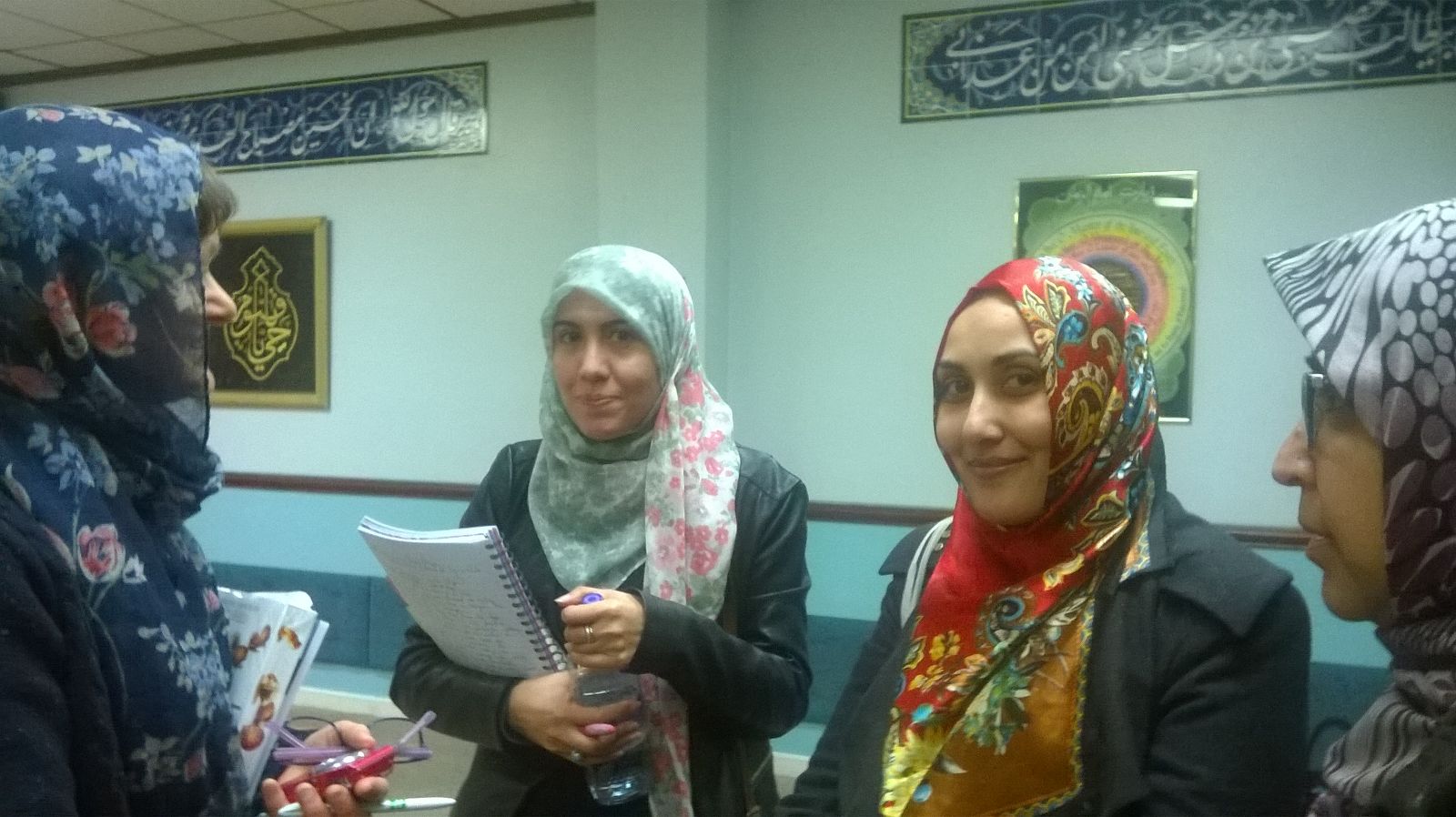 Still in January, Dr Mohammad Shomali, Founding Director of the International Institute for Islamic Studies in Qum, invited several men and women focolarini to speak to a group of thirty Muslims at a mosque in on one of the quarters of Birmingham. His desire was to “put together the people he esteems and loves the most: his community and the Focolare.” The Church’s dialogue with Islam was discussed, and the Spirituality of Unity was proposed, along with the presentation of a few experiences of living the Word. Many Muslims remained enthusiastic and want to stay in contact with the Focolare. “They invited us back on Sunday for the ‘Visit My Mosque’ event,” they report. They conclude: “Over the past weeks in which we have made many new friends of other faiths, we remembered a letter that Chiara wrote on November 23,1980 where she said: ‘…and if there is a mosque, or a synagogue, or some other non-Christian house of worship – know that that is where you belong…’ It’s a project about building the universal family, also among the faithful of other religions.”