20 Nov 2017 | Focolare Worldwide
Patrizia Mazzola
 y background was in the Scouts, so I couldn’t believe that I could take part in this new experience. The invitation was extended to many other students at my school, and finally, together with my sisters, we made up our minds to attend, even though I remember that at the last minute I was tempted to stay back as I had to undertake an exam. The others encouraged me to go and so we left Palermo on a number of buses. With me I took my inseparable guitar, songbooks and tape-recorder, which at that time was rather cumbersome. During the trip, I was favourably impressed by some of the girls, the Gen, who were already living the spirituality of unity. I was struck by their attitude, the attention they were giving to everyone, the climate of harmony and serenity that they created among us, despite our exuberance, the moments of reflection that followed when we listened to the songs of Gen Rosso and Gen Verde, which I learnt to play straightaway with great enthusiasm
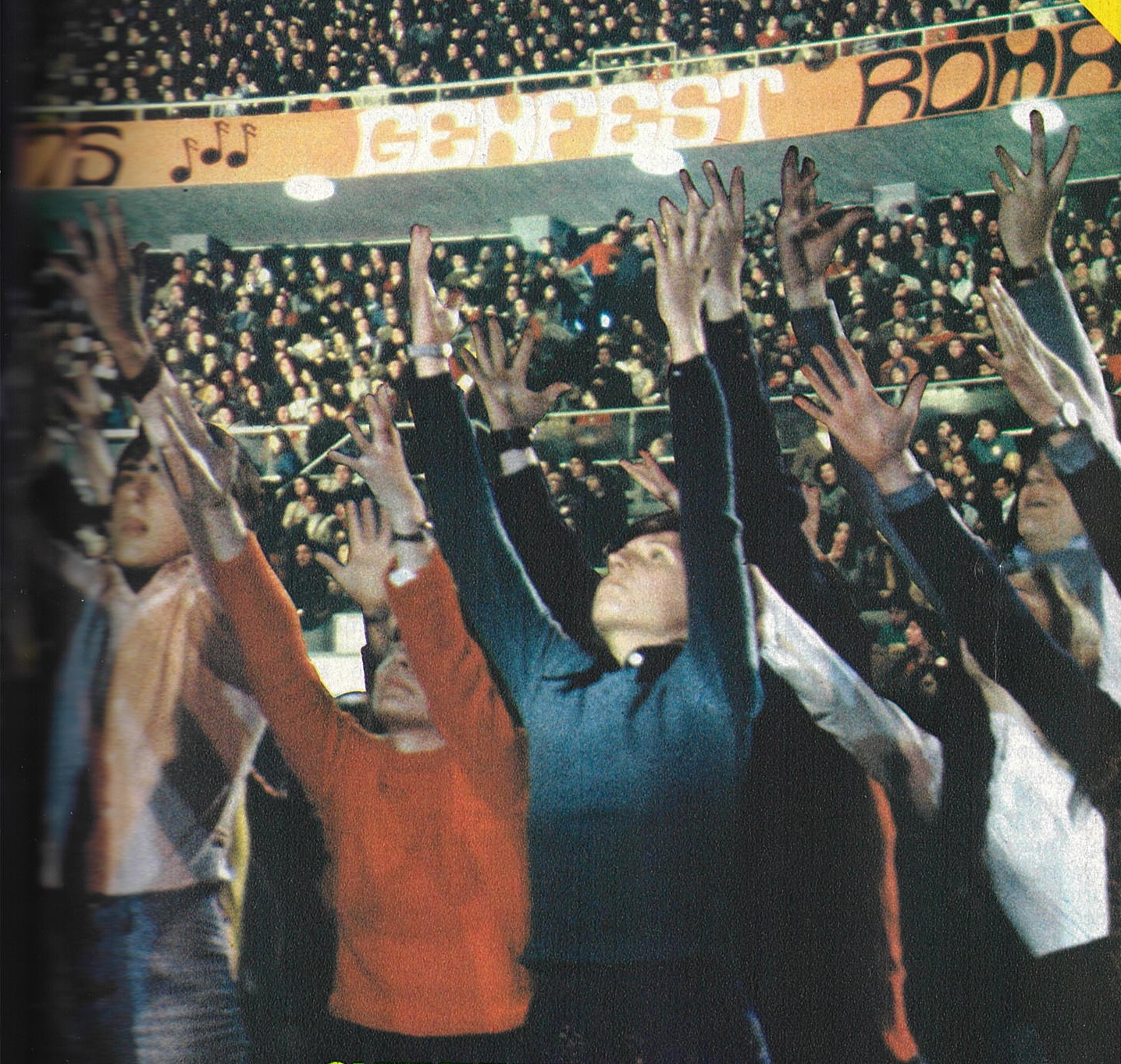
  It was March 1st, 1975. The Sports Palace in Rome which had gathered 20,000 young people from five continents, made a powerful impact on me. I immediately experienced the power of the Gospel when it is lived. For example, it was the first time that I found myself sharing deeply with someone who was sitting next to me, thus having the experience of living as brothers and sisters. My dream, to see a world of peace, a united world, came true, right there. I was amazed and awestruck by the personal testimonies so much so that I almost had to pinch myself to believe that all this was happening. I listened attentively as they shared their stories from the stage: the two young people from South Africa where apartheid had not yet been defeated, the group from Belfast where there was conflict due to religious and political division. They were tangible signs that, if we really commit ourselves, we can achieve peace there where we live.
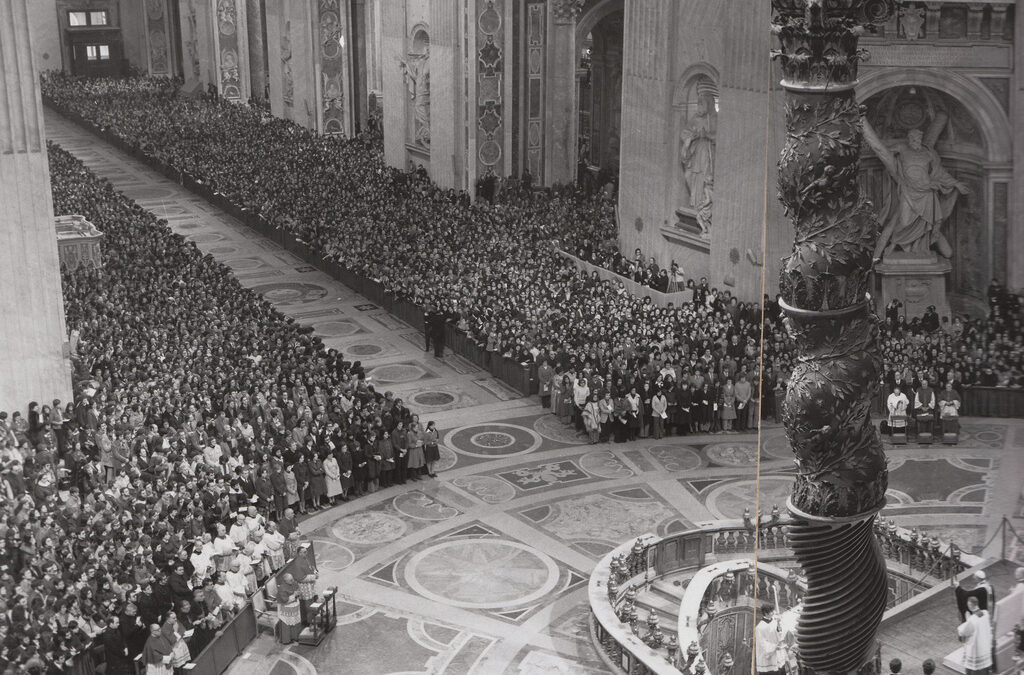
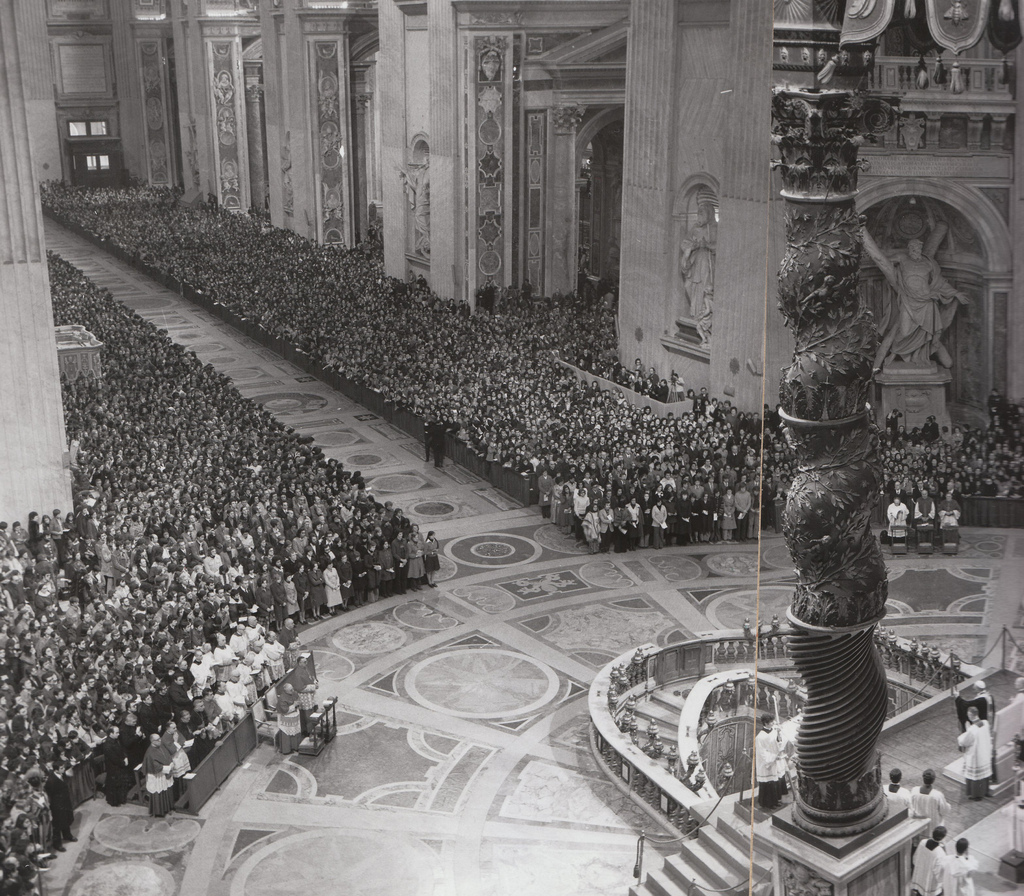
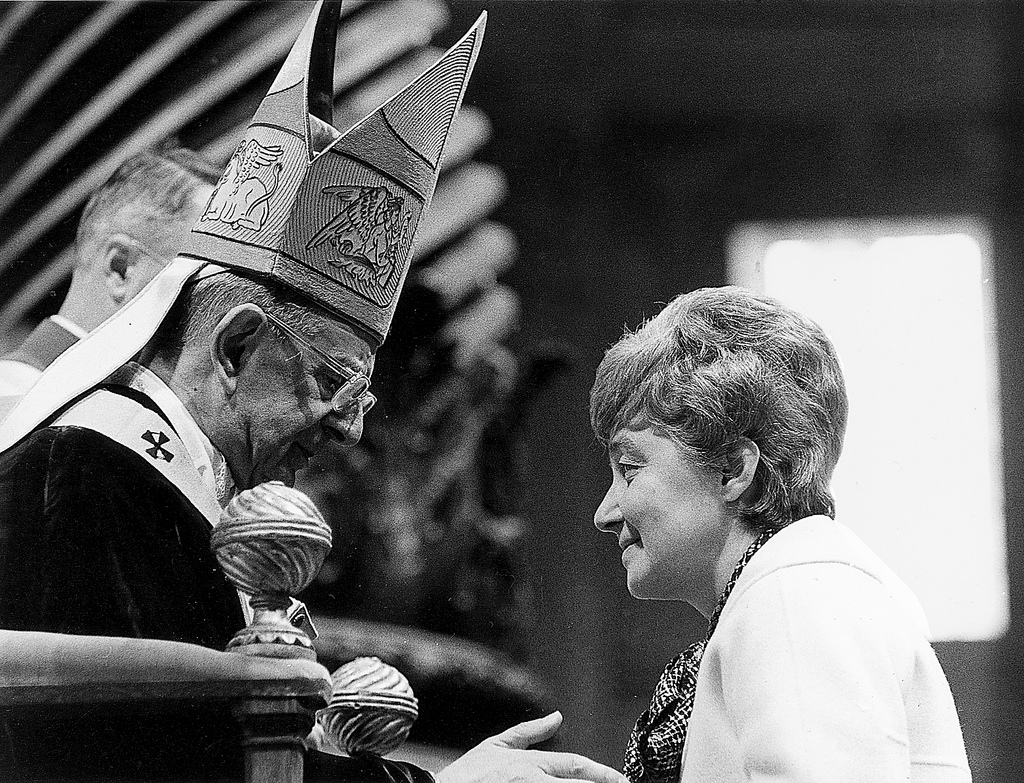 The next day, we all gathered at the Vatican, in St Peter’s Basilica, where Chiara Lubich presented us to the Holy Father. During the offertory, twelve young people, representing us, walked up with Chiara on the altar. I remember there was an endless applause. Consequently, during the Angelus (midday prayer) in St Peter’s Square, the Pope greeted us with words encouraging us to go on: “This morning, around the altar, we had twenty thousand faithful, the young Gen – New Generation – who came from all over the world. The beauty of it was something moving. We thank God and take courage. A new world is born: the Christian world of faith and charity.”
It was truly the beginning of a new world. For me it marked the beginning of a new life.
Patrizia Mazzola
![Rights of the Child World Day]()
18 Nov 2017 | Non categorizzato
 On 20 November 1959 the UN General Assembly adopted the Declaration of the Rights of the Child and approved in 1989, the International Convention on the rights of infants and adolescents. Based on the harmonization of different cultural and juridical experiences, the Convention enunciated for the first time, and in a coherent way, the fundamental rights to be recognized and guaranteed for all the children of the world. The document stated the four key issues: the lack of denunciation, greater interest, life and survival and development, and lastly, listening in all the decision-making processes. The Convention also provides for a control mechanism on the work of the States that have to present a periodic report on its implementation in their territories. According to UNICEF, every year millions of children continue to be victims of violence, abuse, abandonment, exploitation, wars and discrimination. A lot has been done, but still more must be done to achieve a concrete application of these principles.
18 Nov 2017 | Non categorizzato
There is a pram beside the supermarket cashier, and a newborn inside it. In the crowd, nobody heeds the others. All are taken up in waiting for their turn, making sure nobody skips the line and be able to come first and finish quickly. But before the child, many stop to smile, and say some kind words. Children have the exceptional power to break down the aloofness of our society and create a simple link with their presence. Children belong to their parents and their family, but at the same time to all of us. They are, so to say a “common asset.” In a certain way this is true for children in general, that is, for every child, as what the prophet announced regarding one child: “A child is born for us, we have been given a son” (Is 9,5). Children are gifts which we all receive. What do they give us? The answer is – the future? Obviously, if there were no children humanity would have no future. But our answer has a deeper sense. Instinctively we experience the child as a promise, like the dawn of that better future we all are hoping for. We do not only ask a child: What will your future be? But also: What future will you bring us? In fact, what will the future be, and what will happen or not happen depends on those who are children today. The future is already here, in the babies who are born. (pp 39-40) Becoming a human person means becoming a child. Since Adam and Eve there has been no exception to this. The journey that leads to adulthood traverses childhood. And this is precisely the path of God: the Son of God who became man, by becoming a child. We belong to him if we accept his friends, the children, and if we welcome him like children. Only those who become children will enter into the Kingdom. Become simple and pure, sharing sufferings and joys. Allow ourselves to be receivers of a gift and return the gesture. The child: virtue that saves us from resignation and calculations, and from egoism and senselessness. The child asks us to let him live, to have his own vital space. The Child in the manger is he who is inviting us to become men like him and receive a divine life from him. (p. 34) Klaus Hemmerle, from “Dio si è fatto bambino” (“God made himself man”) – Ed. Città Nuova Rome 1994.

17 Nov 2017 | Non categorizzato
Promo video su Facebook – Collegamento CH
17 Nov 2017 | Non categorizzato
See program of seminar to be held at LUMSA University, Borgo Sant’Angelo,13, Rome on 28 November 2017 Official Website Seminar brochure
