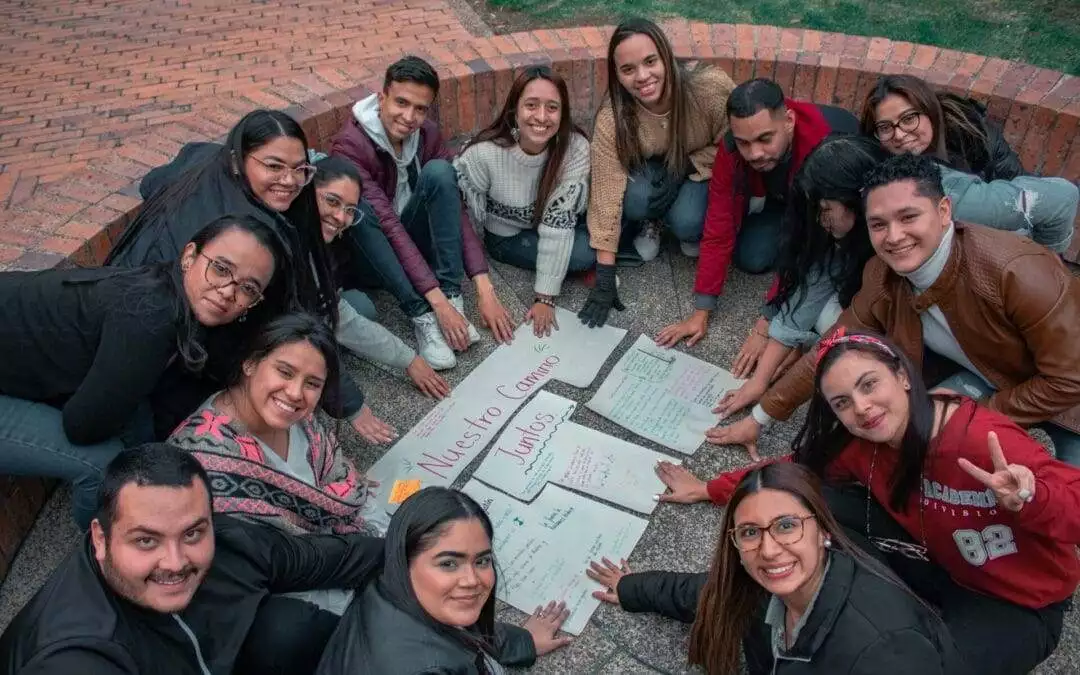
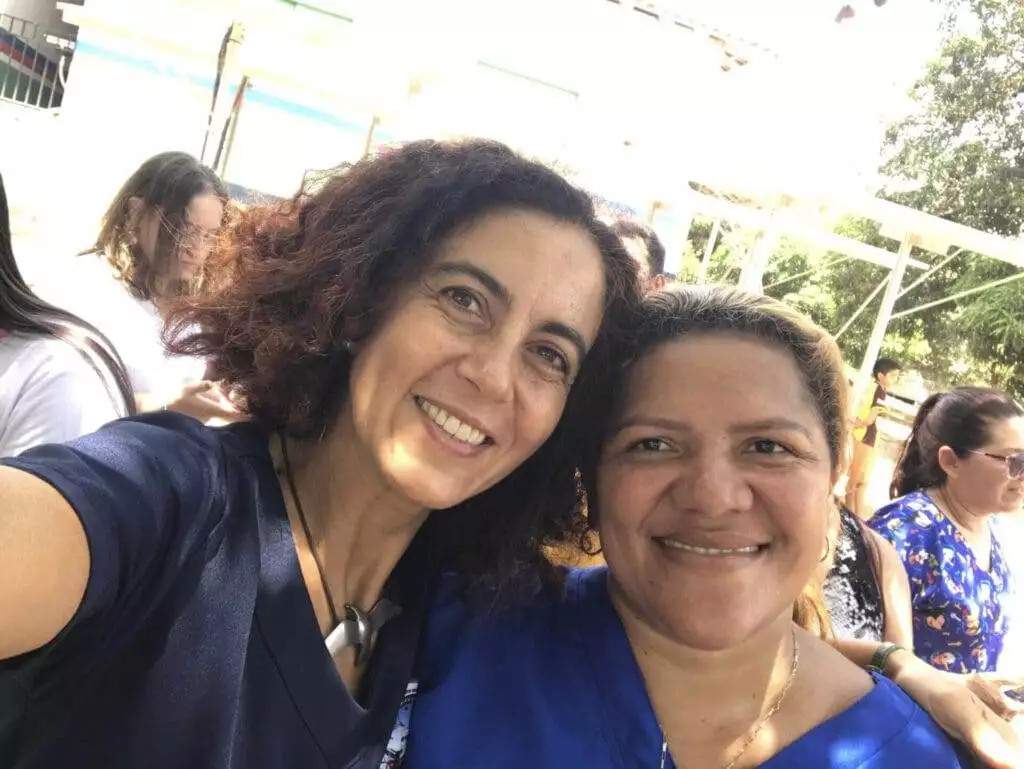
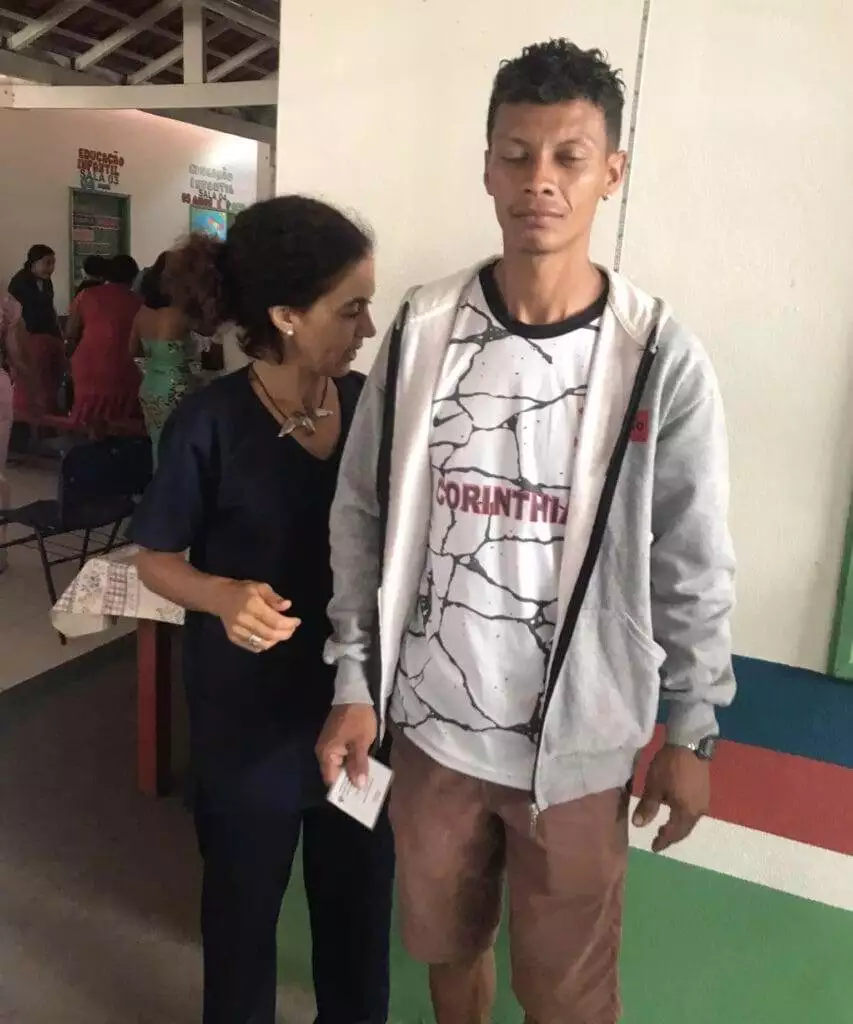
Speaking from the stage of the Genfest 2024 in Aparecida, Edy, a Peruvian Catholic, accompanied by 13 other young people from various Christian Churches and Latin American countries, said, “Ikuméni has transformed the way we young people relate to each other, the way we look at each other and how we can have unity in diversity”.
But what is Ikuméni? It is a four-month training course in a leadership style based on the art of hospitality, cooperation and good practice. Edy continued, “A highlight was our final face-to-face meeting”. Pablo, a Salvadoran Lutheran, immediately intervened: “One thing that had a big impact on us was learning to generate cooperation initiatives together, which we call good ecumenical and interreligious practices, working alongside people from different Churches and religions, willing to serve in the challenges we face today in our cities and rural areas.”
Ikuméni offers young people various paths for implementing good practices: this is how initiatives for peacebuilding, conflict resolution, integral ecology and sustainable development, humanitarian issues and resilience have emerged, working together not only with people from different Churches, but also with civil society to care for one another.
“In my case, we started a peace-building initiative in the social sciences faculty of the university where I study,” shared Laura Camila, a Colombian who lives in Buenos Aires and is a member of a Pentecostal ecclesial community. She stressed, “We need to work together for peace, we really need it. So in collaboration with various Churches, initiatives were born to strengthen resilience by creating ecumenical and interreligious networks and workshops for dialogue and training in conflict resolution”.
The Ikuméni training itinerary is a scholarship program and therefore there is no cost for the participants who are selected to participate in the course. It requires a commitment of 4 hours per week and attendance in person at the regional Ikuméni meeting. Young people aged 18-35 years old who have completed secondary education are eligible to participate. It is organized by CREAS (Regional Ecumenical Advisory and Service Centre) with the collaboration of several organizations.
Enrolment is currently open for the 2025 program. All the information is available here: https://ikumeni.org/
Have a look at the video we filmed a few months ago in Buenos Aires during the team meeting.
A young girl in love with God who discovered she had bone cancer at the age of 17, yet, even in her illness, she never stopped being nourished by her love for God which was stronger than anything else. “For you Jesus. If you want it, I want it too!”
She was in the fourth year of school when she got to know the Focolare Movement. She then joined a group of Gen (New Generation) who are the young people of the Focolare. She did not talk about Jesus to others, she communicated him with her life. In fact, she said: “I don’t have to talk about Jesus, I have to give Him… first of all by being in an attitude of listening, but above all by my way of loving”.
“Chiara Luce is the name I thought up for you. Do you like it?” wrote Chiara Lubich, foundress of the Focolare Movement, in response to one of Chiara Badano’s letters. “It is the light of the Ideal that overcomes the world…”
Chiara Luce left for Heaven on 7 October 1990 pronouncing these final words before she died: “Mamma, ciao. Be happy, because I am”, as the climax of suffering lived in the radiant light of faith. Her short life now serves as an example to follow for thousands of young people all over the world. The Chiara Badano Foundation set up to keep Blessed Chiara’s memory alive and eternal, and to preserve the places associated with her, continues to receive many requests and reports confirming that Blessed Chiara Luce is known and loved all over the world, especially among young people.
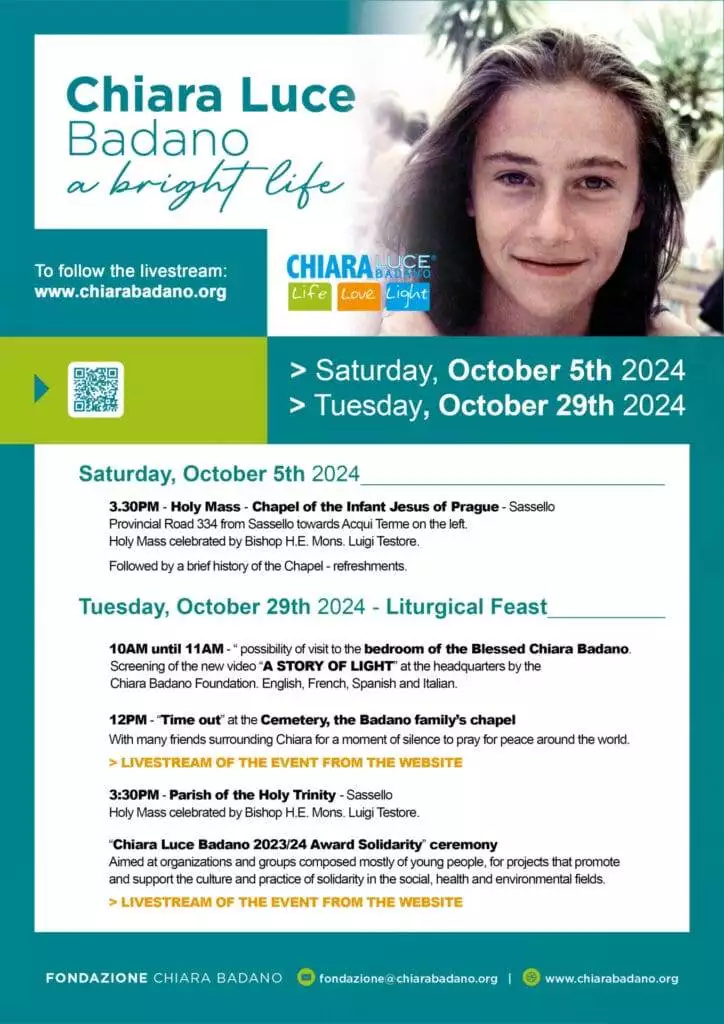
On her birthday which is her liturgical feast day (Chiara was born on 29 October 1971) there will be an intense day of celebrations in Sassello (Italy) where she was born, to which everyone is welcome. It will also be possible to follow some of the events via live-streaming on Chiara Badano’s official website: Fondazione Chiara Badano.
For full details of the programme, please see the poster (at UTC time+1).
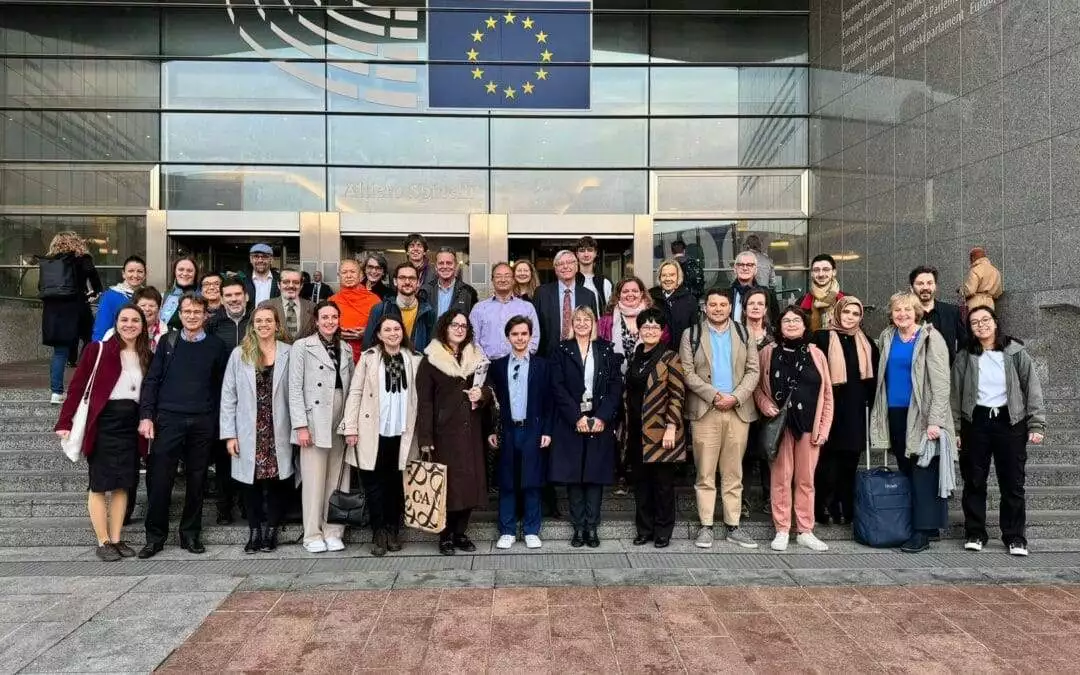
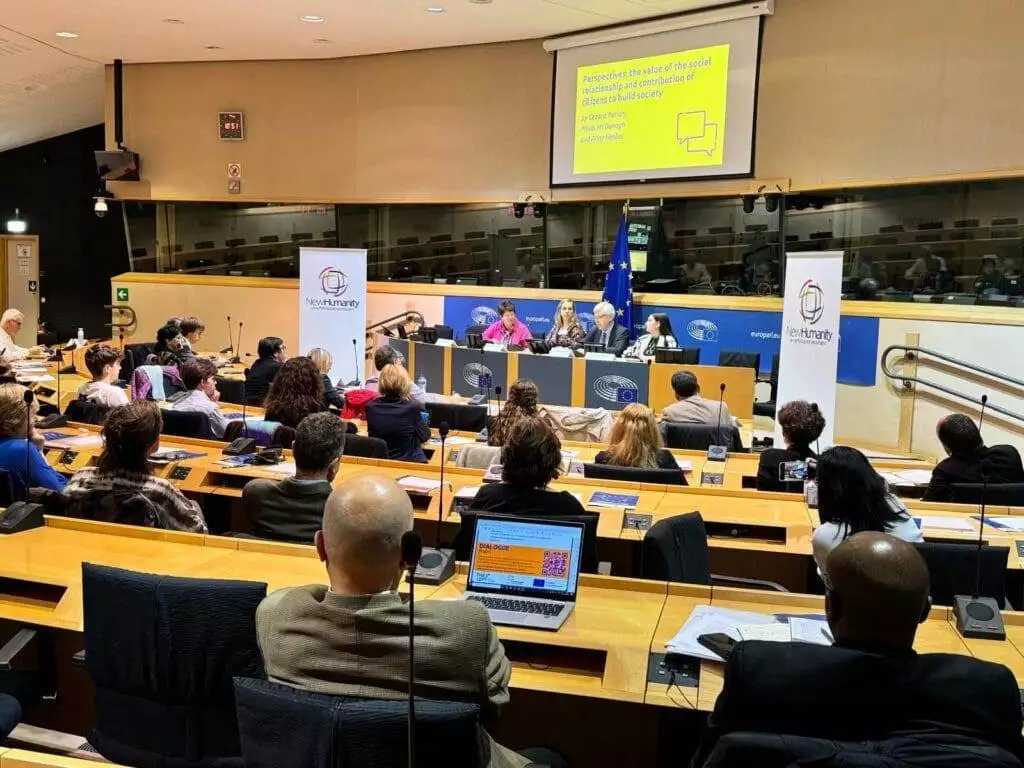
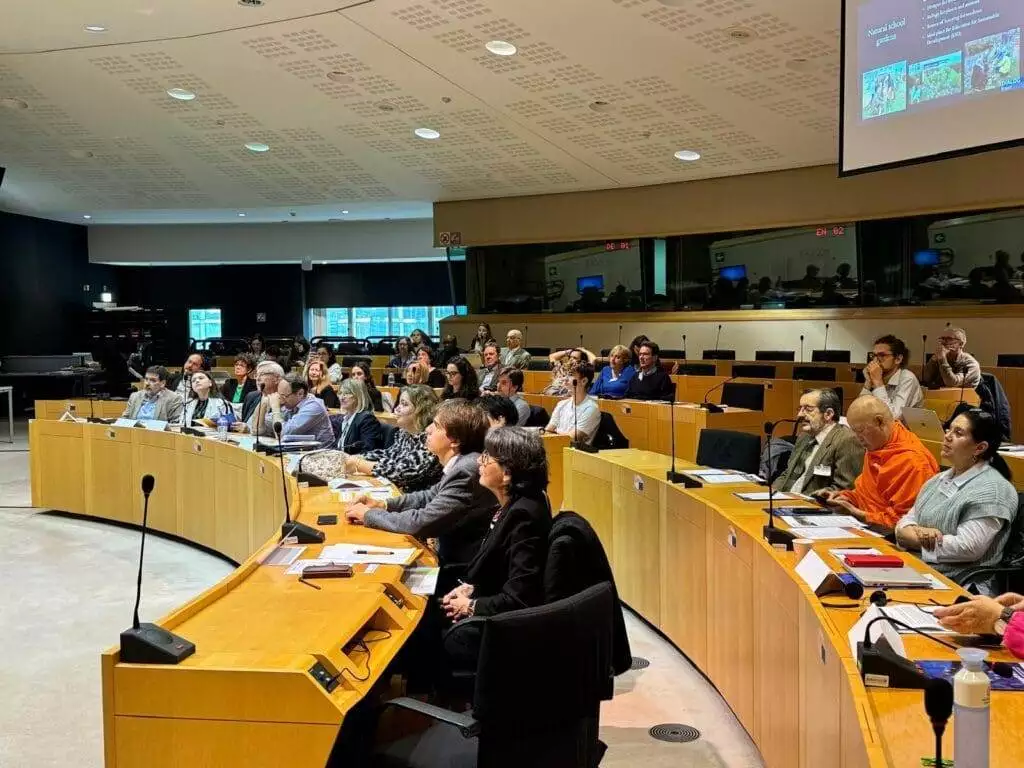
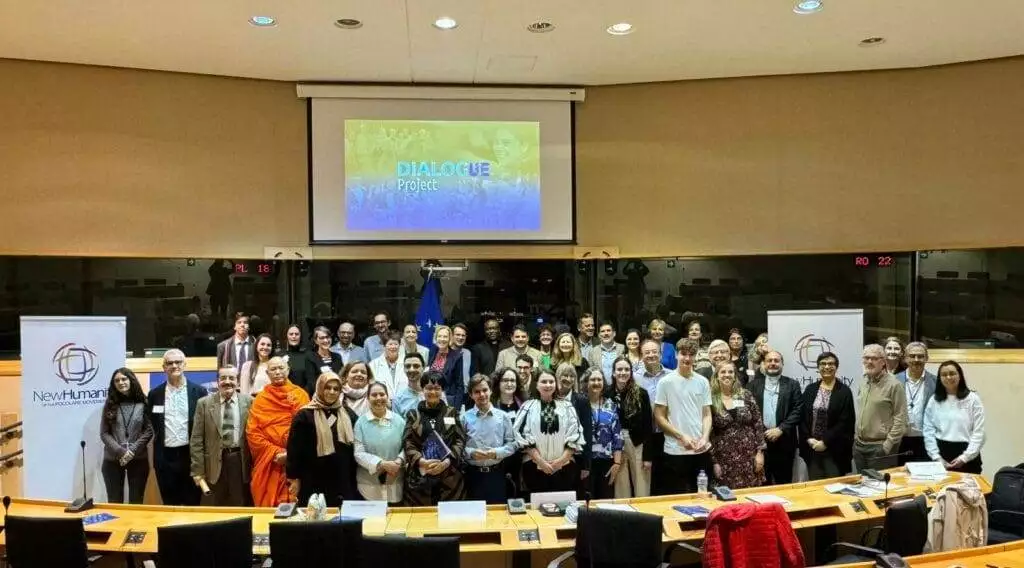
On October 16, 2024, the final conference of the DialogUE project, an initiative to promote intercultural and interreligious dialogue in Europe, was held at the European Parliament building in Brussels, Belgium. The event was hosted by MEP Catarina Martins (GUE-NGL) and was attended by 50 representatives of the project partners, European institutions, religious leaders and members of civil society.
Focus of the event was the presentation of recommendations for the European Union from the DialogUE project – “Diverse Identities Allied, Open, to Generate a United Europe” on issues crucial to the current European and world situation, summarized in the “DialogUE Kit” brochure.
“You can see with the naked eye that something happens when people of peace talk,” said MEP Catarina Martins of the European Left, who opened the meeting in a hall of the European Parliament. “And this is just such a moment. Dialogue is a powerful tool for peace.”
The project stems from the decades-long commitment of New Humanity, an expression of the Focolare Movement, which has significantly promoted good practices in interreligious and intercultural dialogue. The approach fosters mutual respect and trust, essential elements for fruitful dialogue and collaborative efforts.
Francisco Canzani, general counselor for the Culture and Study area of the Focolare Movement emphasized in his speech that dialogue is built from three elements: attitudes, tools, and method. On the latter, the method of differentiated consensus and qualified dissent, which originated within the platform between Christians and Marxists DIALOP, is now a source of inspiration and practice for other dialogue groups.
In 2023 and 2024, the project involved 4 dialogue groups in 3 main areas: Communication, Ecology and Social Policy. The dialogue groups were:
Among Christian citizens through the Together4Europe platform.
Between Christians and Muslims through the Focolare Movement’s Center for Interreligious Dialogue.
Between Christians and people who do not identify with a religious belief, through the DIALOP platform for cross-religious dialogue
Between Western and Eastern European citizens through the Multipolar Dialogue Group.
The project mainly facilitated the dissemination of the meaning and methodologies necessary for effective dialogue. It also brought together international experts on these three key challenges, who helped participants understand the main EU documents on these topics and explore the different dimensions of each theme.
The groups worked together to identify shared principles and common proposals. Their work led to recommendations that were submitted to the European Parliament.
The DialogUE project — was promoted by a consortium of 14 civil society organizations from 9 EU member countries.
Among the main results achieved by the project: 12 international meetings and a training for facilitators and experts; the direct involvement of 1,200 citizens and more than 10,000 indirectly; and the creation of the “Dialogue Kit,” intended for educators, NGOs, and policymakers to promote dialogue and social cohesion. These meetings resulted in shared recommendations for EU decision makers to promote more inclusive and sustainable policies.
In the afternoon of October 16, a discussion group hosted by KU Leuven (University of Leuven) in Brussels was held, during which participants analyzed some good practices that emerged from the project and discussed how to further disseminate these initiatives through the ‘Dialogue Kit.
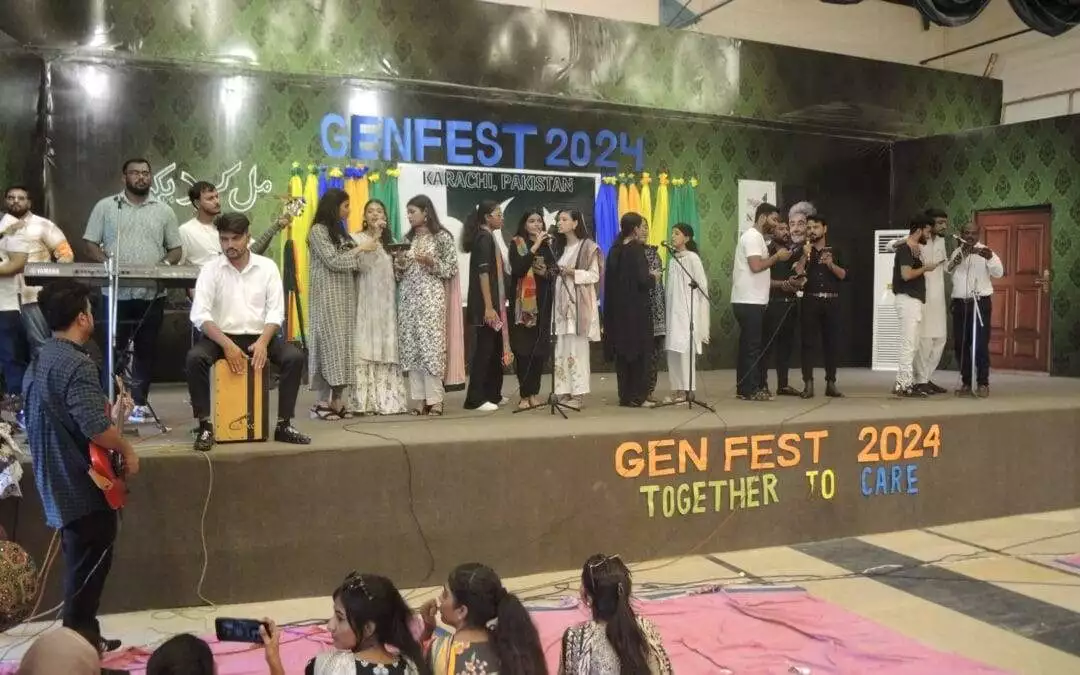
The young people of the Focolare Movement, in conjunction with the Genfest in Brazil, also organised 44 local editions of the Genfest in various countries around the world. Here are some pictures of the events in the various countries and some short testimonies from Ivory Coast, Ethiopia, Egypt, Jordan, Slovakia and Korea.
Paola Iaccarino Idelson is a nutritionist biologist and expert in nutrition. She lives in Naples, southern Italy. I learned from a friend that she went to Brazil during this summer 2024. Intrigued, I tried to find her on social networks. I was amazed by the beautiful photos she had taken during her trip and by the powerful stories, which revealed a profound experience. I therefore decided to contact her for an interview.
Paola, from Naples to Brazil: why did you choose to make this journey?
It is a very long story. I was in Brazil for the first time fourteen years ago in Florianópolis. I went there because I have a passion for the Brazilian language. But I didn’t want to go there as a tourist, so through a doctor friend, I went to help a colleague of hers as a volunteer. We supported a priest in his daily mission. He had opened a school to help children prevent delinquency, and started a surfboard repair shop to provide decent work for local youth. For three weeks I weighed and measured the height of the children in that school: it was such a strong, intense and beautiful experience that when I returned to Italy I had to remove it from my mind so that I could continue living my life as before.
And then? What happened?
Last year I broke up with my boyfriend who didn’t like Brazil. So I said to myself: the time has come to take up this dream once more. But again I wanted to experience it not as a tourist, but by helping the local community in some way. I talked about it with a focolarina friend and she put me in touch with the Focolare community in Amazonia.
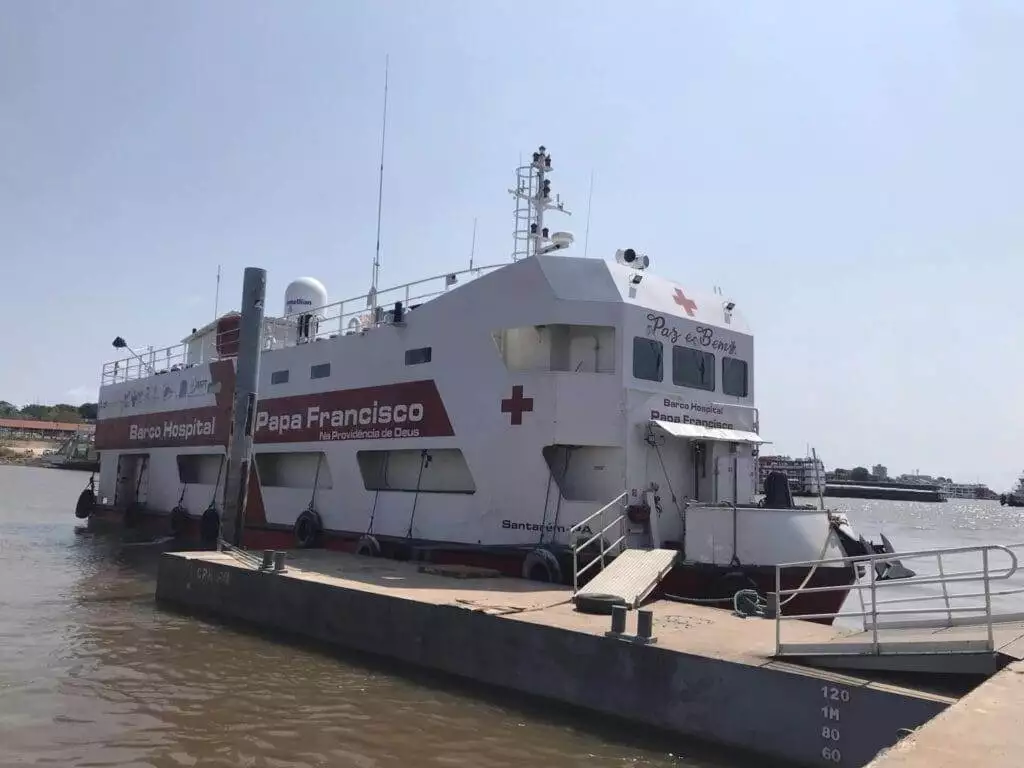
I would have liked to volunteer as a nutritionist, my profession, but I was willing to do anything. One of the focolarine in Brazil, Leda, told me about the hospital ship ‘Papa Francisco’ where I could work. So I finally left in August 2024. Leda was an angel, she organised my whole itinerary, put me in touch with the Focolare community and took care of me for the whole time there in Brazil.
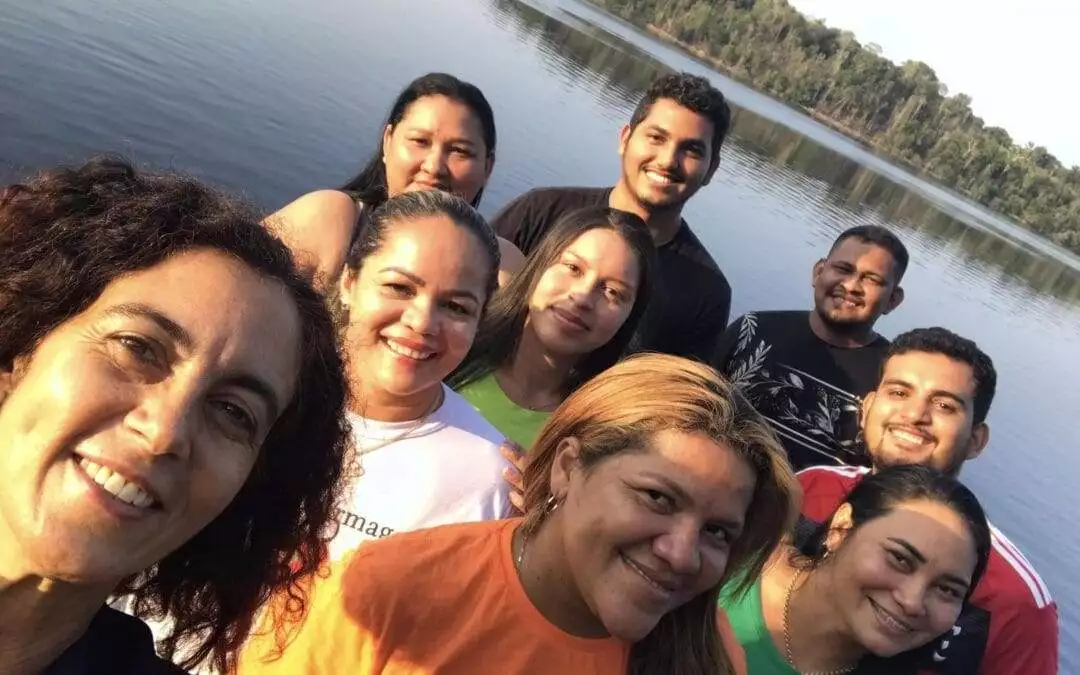
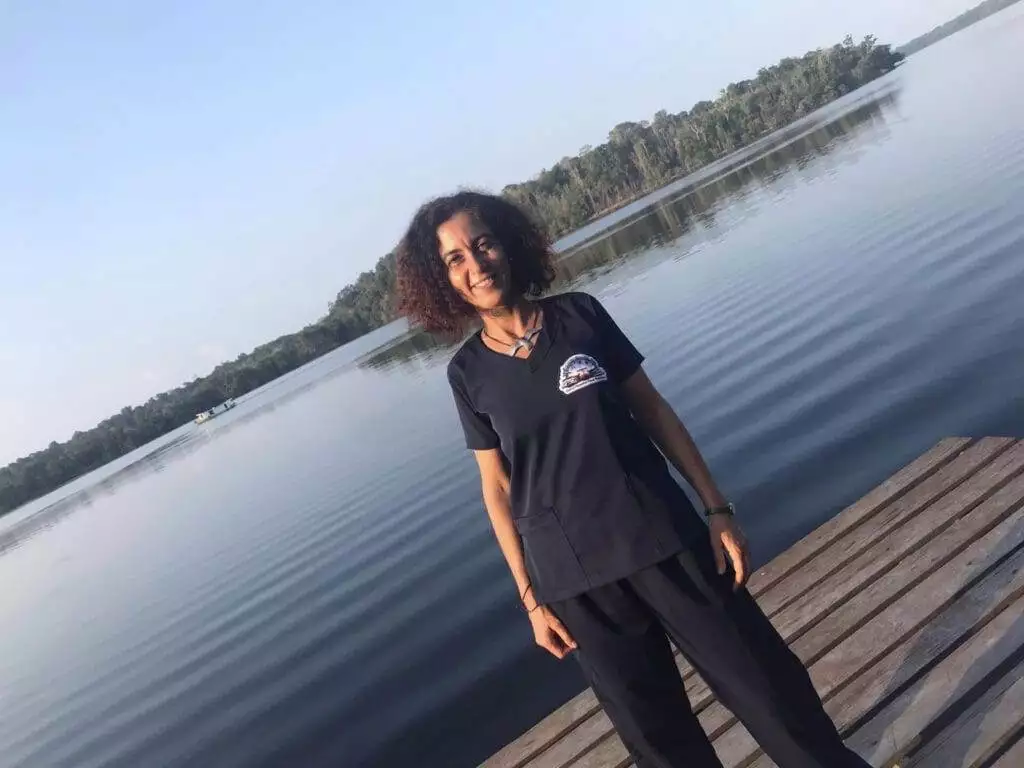
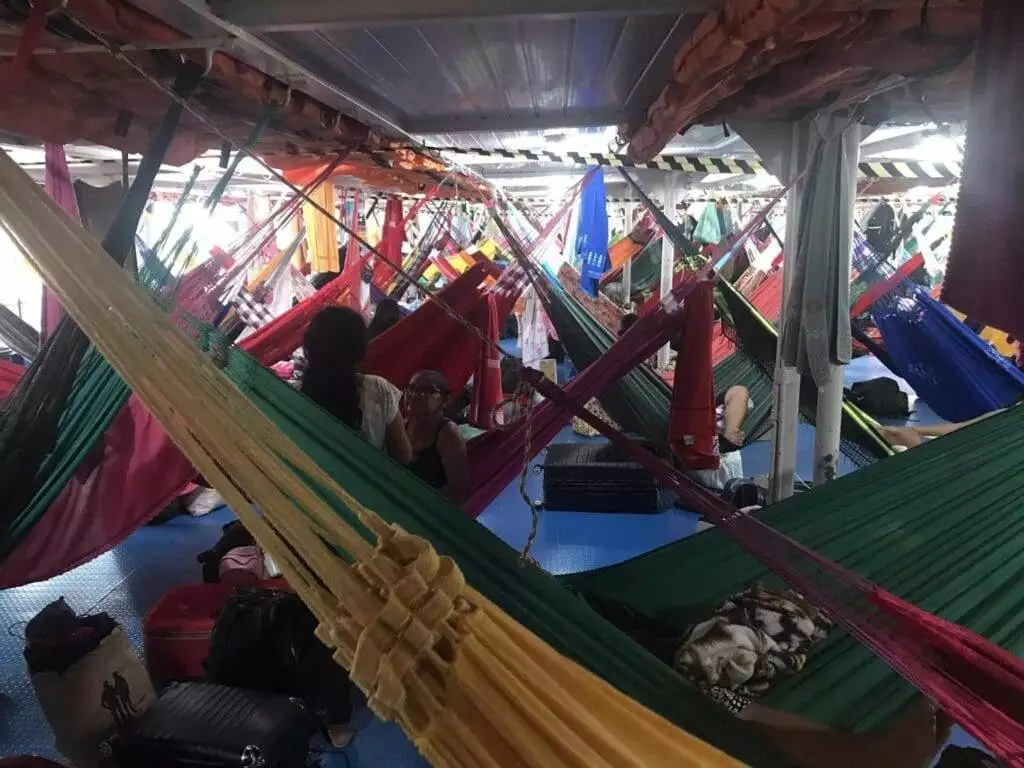
Paola in BrazilPapa Francisco Hospital ShipAmazon river
The hospital ship Papa Francisco: what did you do there?
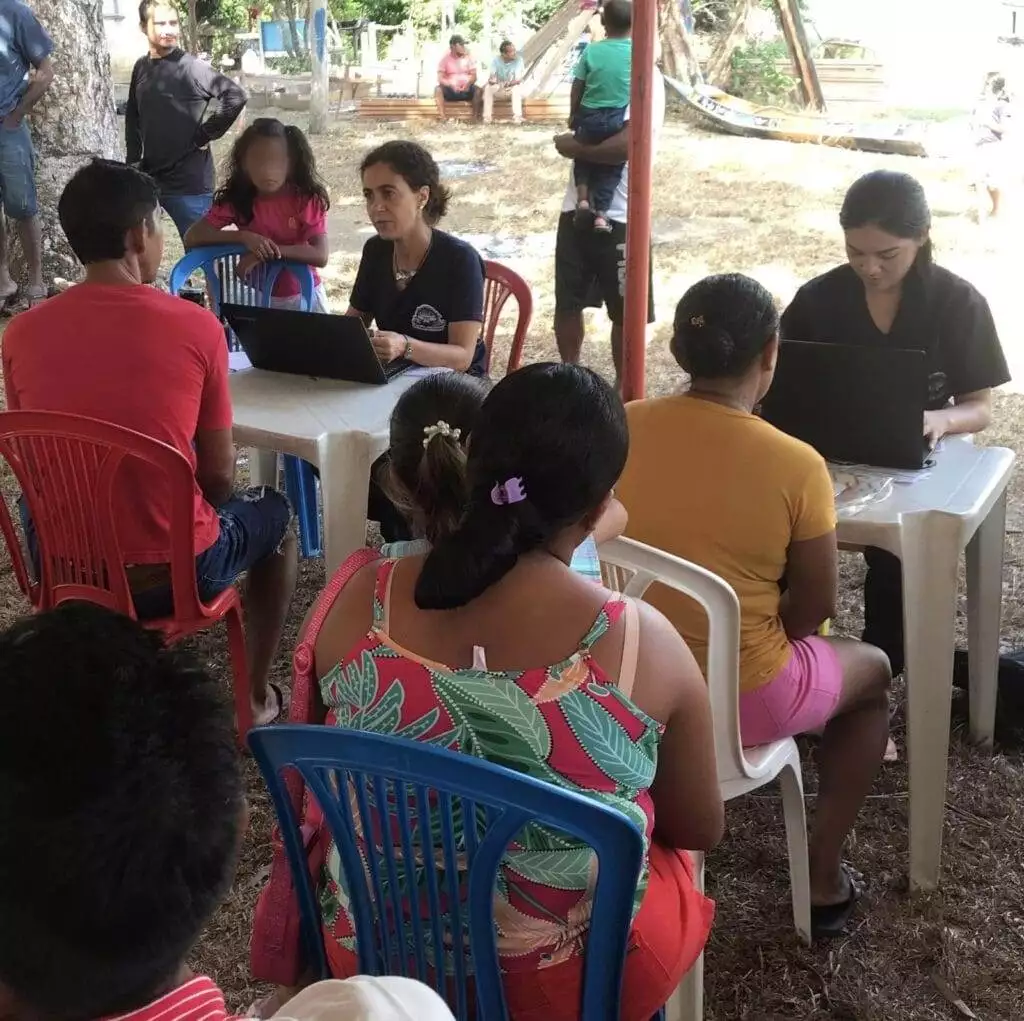
There was no specific task for me, as an expert in nutrition. There were about ten doctors, each with their own consulting room. I helped where I could. The alarm clock was set for 6 am as by 6.30 people were already arriving from neighbouring villages to be treated. We had to do reception, register the arrivals and manage the influx. I also did nutritional counselling and realised that there was an overweight and obesity problem, especially in women. I wondered a lot about the reasons for such conditions as it was quite a common problem there. Talking to someone, I realised the problem was a lack of physical activity and widespread use of sugary drinks, sweets and meat.
You were also able to experience first hand a lot of poverty….
I saw really poor but very dignified people who manage to get their children to study. I was very impressed by one family. There are 10 children, you could see that they live in very poor conditions. The father also has some health problems. Despite that, the parents managed to get their children to study, and one of the daughters is about to become a photographer. Great dignity despite those living conditions.
You saw an abundance of diversity, from the natural environment to the colours of people’s skin, from food to smells to tastes…
It was one of the things that struck me most about this trip and that I carry with me. A huge diversity in the way of life, especially in the incredible variety of fruits, vegetables, grains, flowers, plants, the colours of the rivers, the animals, the people. When I registered the arrivals for the visits, in the computer you had to write the colour of the skin and I had four options related to the diversity of ethnicities, origins, skin colour… This diversity was a strong experience and I am convinced that it is a great richness.
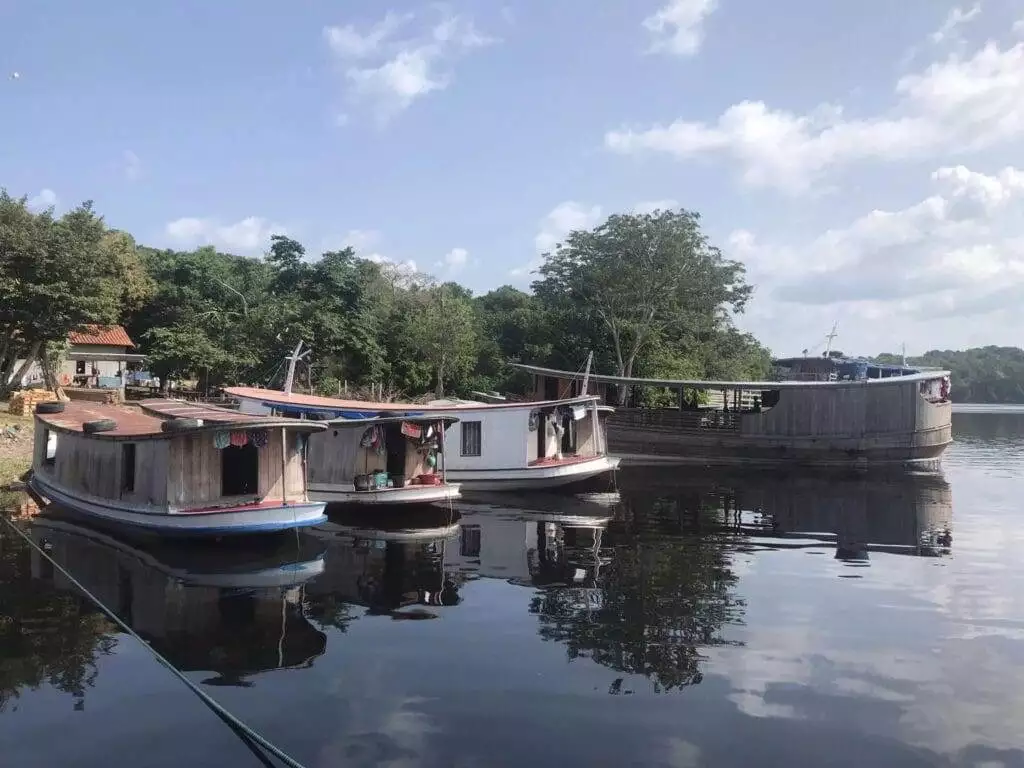
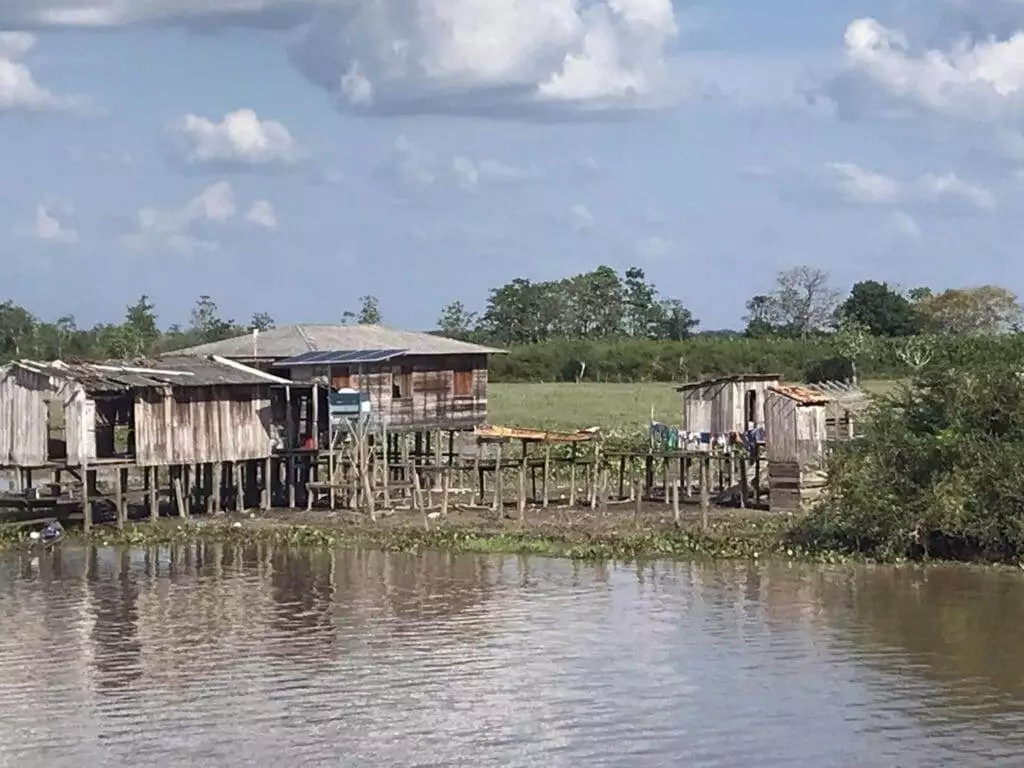
Boat tripA village on the banks of the Amazon River
How did the Focolare community welcome you and help you in this experience?
It was fundamental. I felt welcomed in every place I went. Loving everyone was not a slogan, it was real. I felt loved, people were so open and selfless. It did me a lot of good, a very moving welcome.
You went there to give of your time and professionalism but you received so much more. Has this trip changed your life a bit?
Look, I am fifty years old, not twenty. But why am I saying this? Because in my twenties, or even perhaps in my thirties, I still had the idea of going somewhere to give. Now it is very, very clear to me that the possibility of giving of myself in fact gives me something back. I knew very well that the word ‘volunteering’ included so much. Giving one’s time to others is good. First of all for the giver. I certainly had a very strong experience of sharing with the Focolare community. Although I don’t know the Focolare as a spirituality, I greatly appreciate all its other forms of expression of concrete love. I think it was a very, very beautiful experience. This idea of being able to live together, pooling everything you have, is precisely the idea of community. Being able to do good to others and live with others is something I really like.
This trip has enriched me a lot. It has had and will have a big impact on my life. I have come across wonderful people, realities completely different from my own. I now know that sharing is really possible.
Paola at the reception‘Giving one’s time to others is good’Paola at work in the hospital ship
You then returned to Naples and had an unexpected welcome!
Yes, indeed many people I met on my return and who I still meet today, tell me they have read my travel diaries on social media, they thank me for sharing this experience. Many also thank me and some want to know more about this trip. So I got the idea to arrange photo prints and show them at an evening event, where I can also tell them more about the experience. This really struck me: we live in a society where there is never time for relationships. To be asked to spend time together to learn more about my experience is a beautiful thing.
In closing, let’s wind the tape back and look at both your first and second trip to Brazil: how do you live your life today?
My first Brazilian experience many years ago, as I said, had to be removed from my life. Now I am trying really hard not to remove this last trip, not to forget, to keep this experience in my life in Naples and Italy. I want to keep this memory alive. Why? Because it gives me a sense of purpose and strength and it is very gratifying.
The first thing I did, back in Naples, was to contact my Portuguese teacher, who is Brazilian, to learn the language better. But another thing I would like to achieve is a twinning between a Neapolitan kindergarten and a Brazilian one, which is under construction. It would be nice to help those children by sending backpacks and all the necessary school material. Above all, I would love to see Brazilian children and Neapolitan children share their experiences.