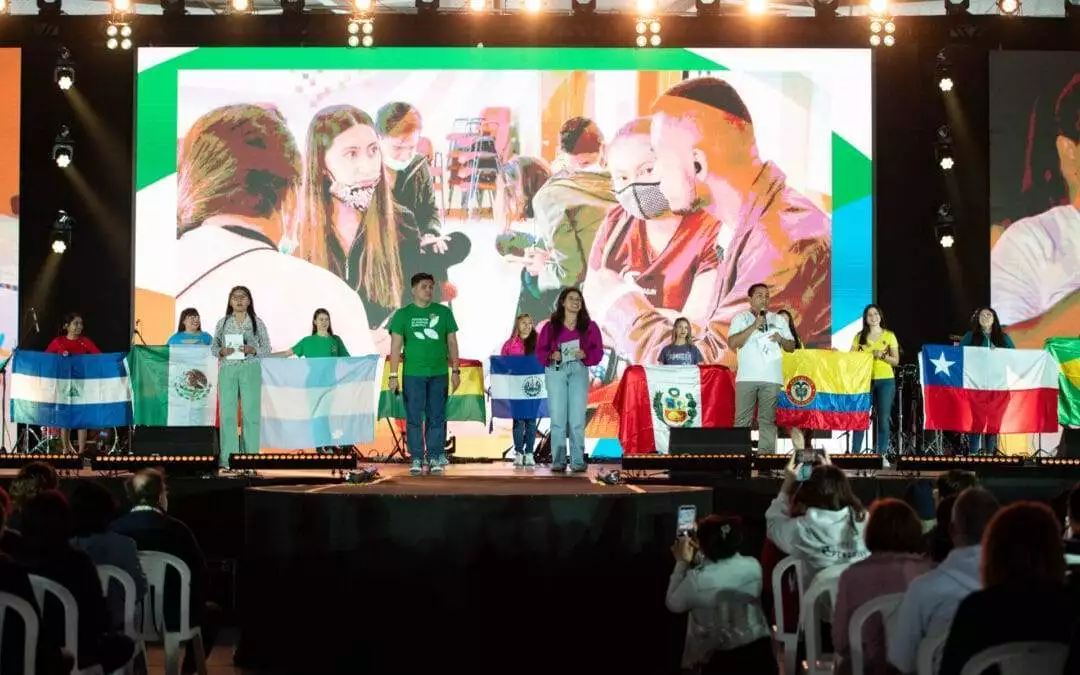
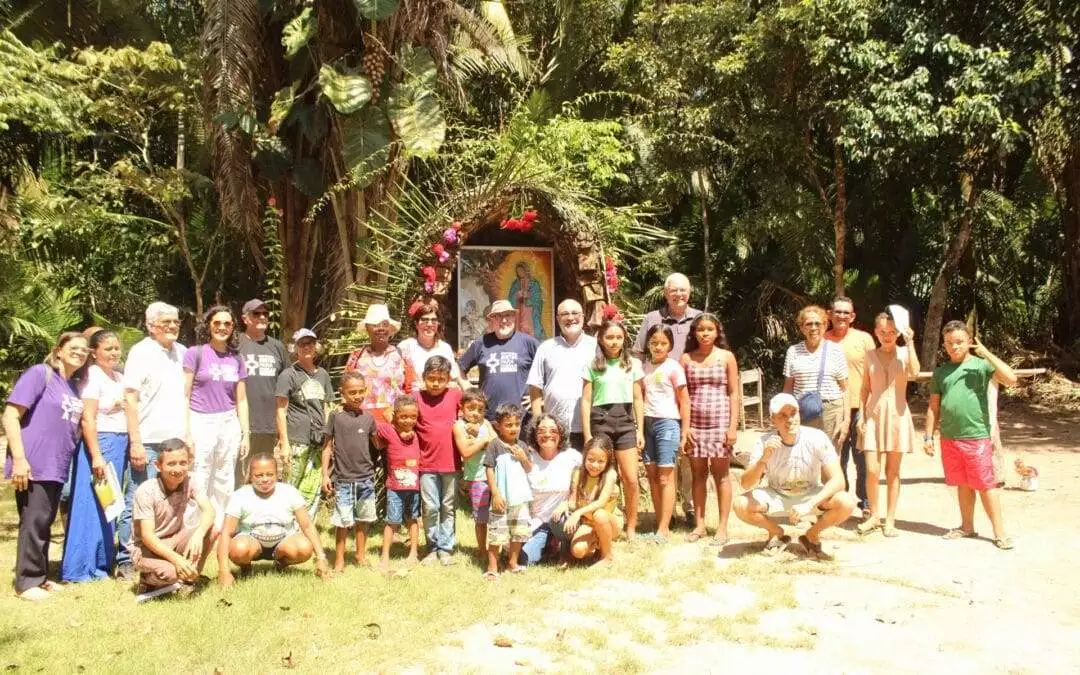
Genfest 2024, an international event promoted by the young people of the Focolare Movement, took place in Brazil in July and was attended by over 4,000 young people from all over the world. This event was divided into three phases.
In the first, the young people volunteered in some social projects in various countries of Latin America.
In the second phase the young people gathered together in the big arena of Aparecida to experience two days of celebration and sharing testimonies of life.
In phase three they then divided into small communities according to their professional experience to put into practice the ideal of unity and fraternity of Chiara Lubich.
The third synodality training course organized by the Evangelii Gaudium Center of Sophia University Institute will soon begin its third edition. What kind of assessment can one make?
We are on our third edition, and so far this course has seen hundreds of participants from all over the world and dozens of faculty from various disciplines. It is an intercultural, interlingual and interdisciplinary course. The classes themselves are mini-workshops because an integral part of them are group meetings.
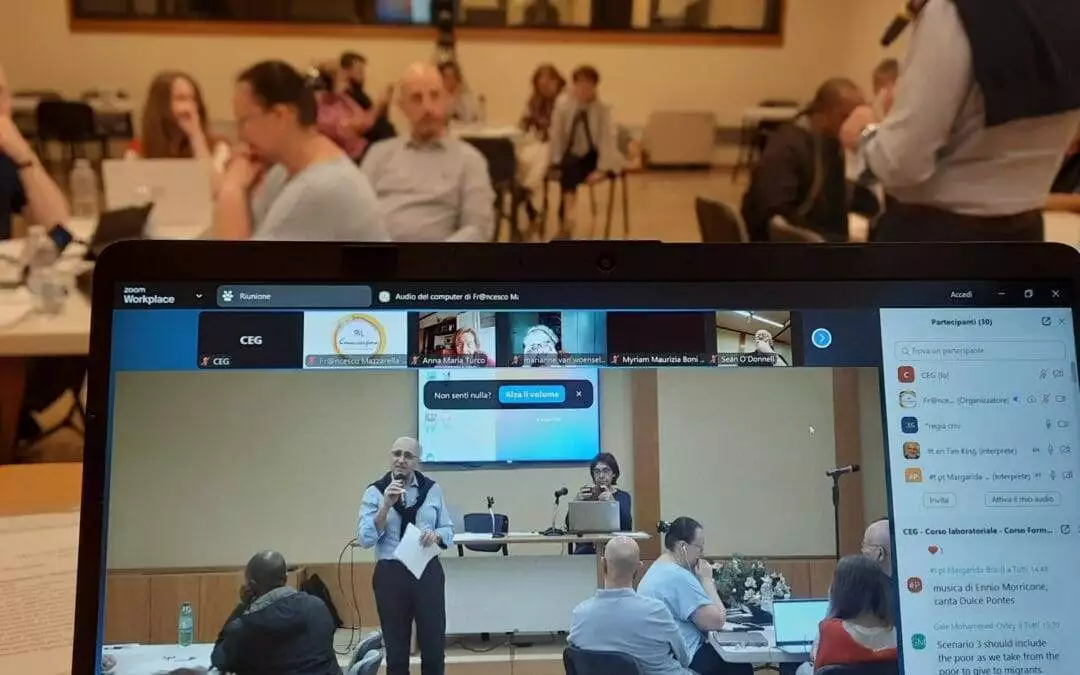
Thanks to online platforms, it is possible to take the course from anywhere in the world. The time for Europe is in the evening (6 p.m. to 9 p.m. Rome time) but some people connect at 3 a.m. from Singapore and Malaysia; some at lunchtime from the Americas.
We have had good participation. A total of 380 enrolled. Students can either just attend the lectures or engage with final papers and get academic credits from Sophia University Institute. We work in conjunction with the General Secretariat of the Synod, which is among the sponsors of the course.
It was interesting for us and a nice encouragement that during the press conference presenting the Instrumentum Laboris for the phase of the Synod Assembly that just began on October 1, 2024, Cardinal Hollerich said: “I would like to recall the many initiatives of formation on synodality (…) At the international level we recall the MOOC of Boston College that has seen the collaboration of many experts of the Synod or again the university course proposed by the Evangelii Gaudium Center of Sophia University here in Italy.” (Press conference 09-07-20249)
After two years, what are the prospects for this third edition?
It seems to us that the course has made a small contribution to help create communities of people committed to living and spreading synodality where they are. There are those who propose it to their diocese, organizing formation actions; those who live it in their parish or religious community… Very important is the multiplier effect of the course and the networks that are being created. Networks that are intertwined with many others from different church movements, universities or the Church itself.
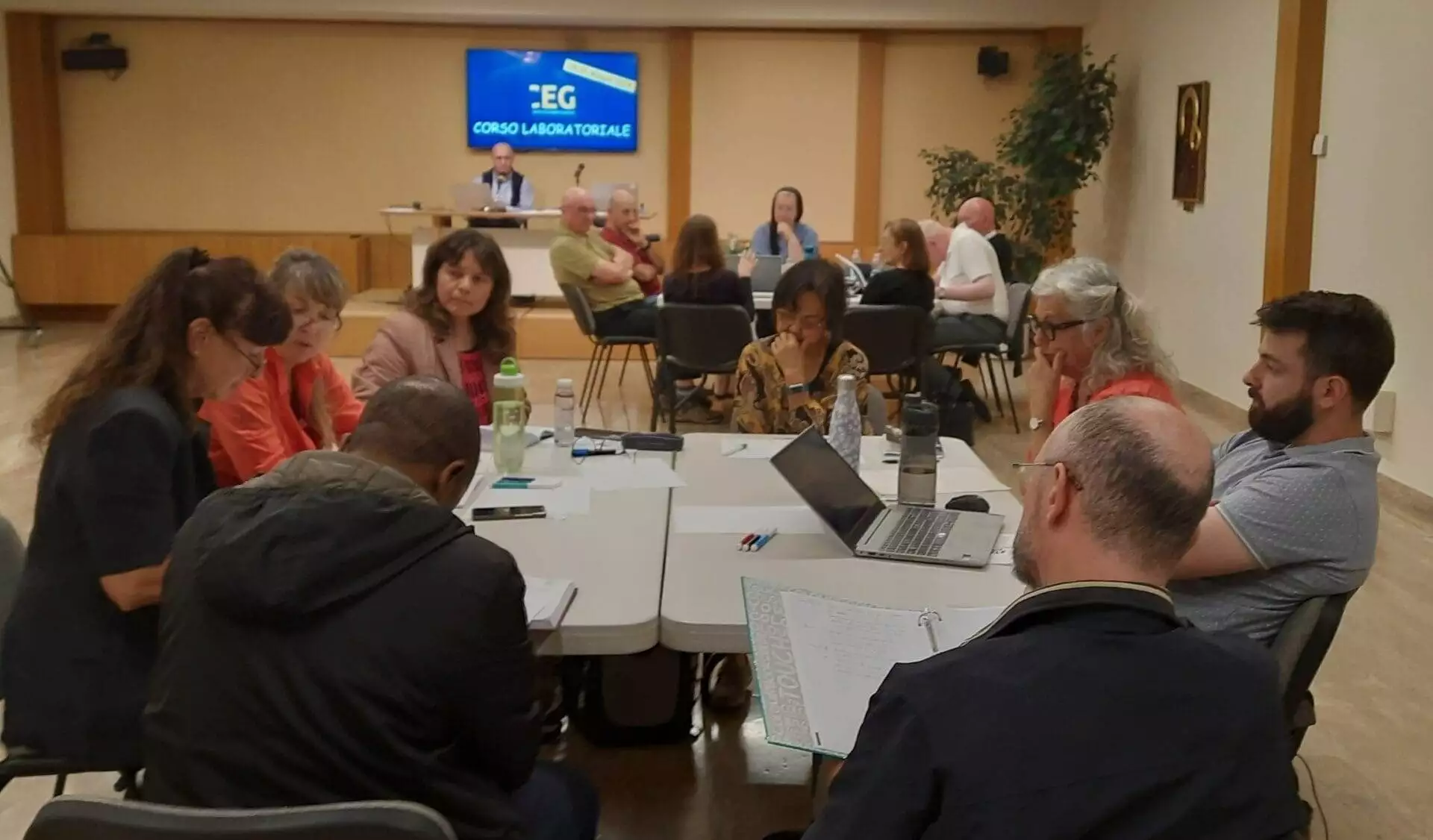
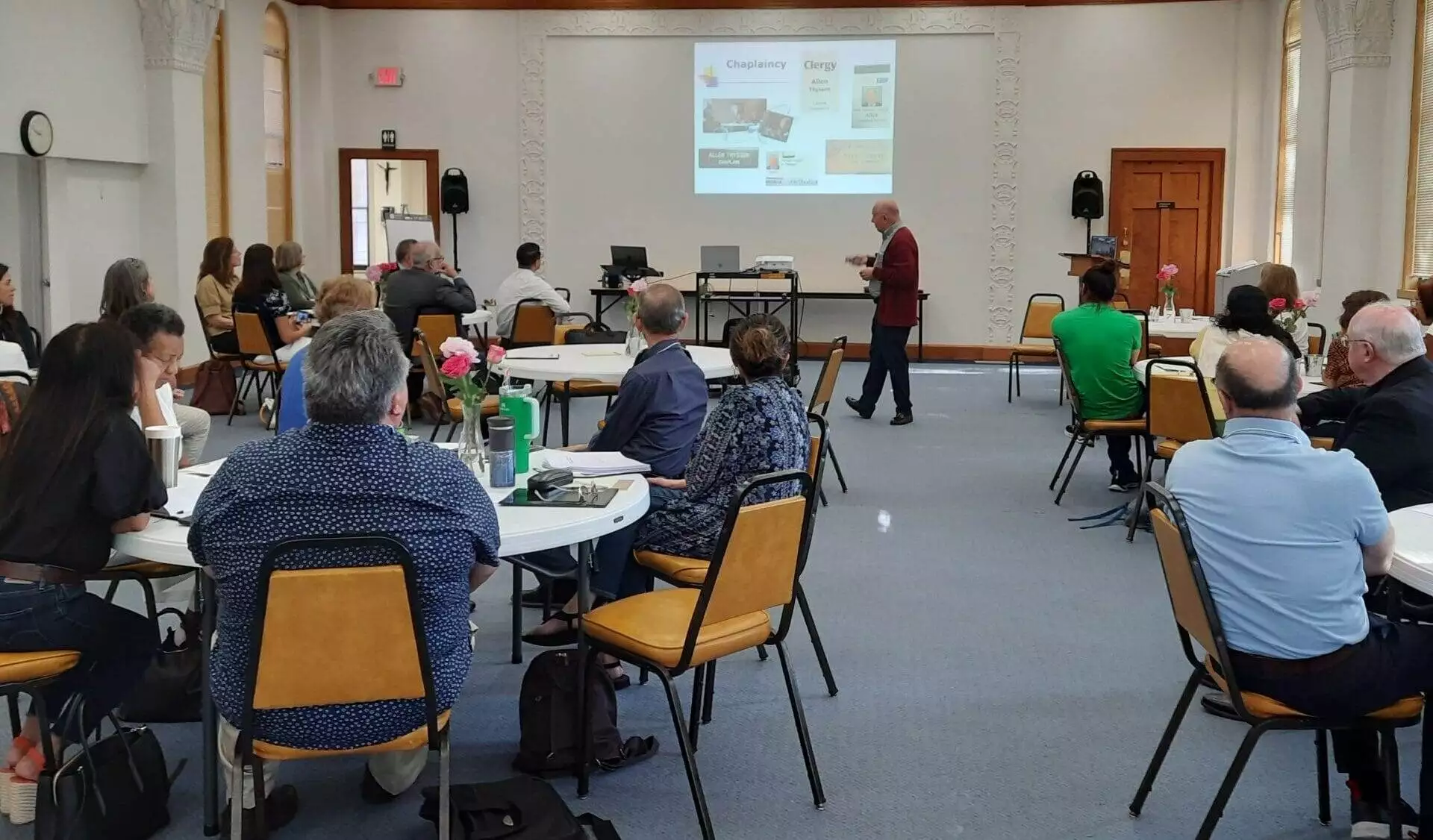
Particularly interesting are the workshops that take place during the course, which can be joined via zoom or in-person.
Castel Gandolfo (Italia)San Antonio (USA)
After the first year, a student from the U.S. proposed in her parish to take the course the following year: 12 signed up. At the end of the year, they asked to do the in-presence workshop in San Antonio. Forty people from various dioceses and the Oblate School of Theology in San Antonio participated.
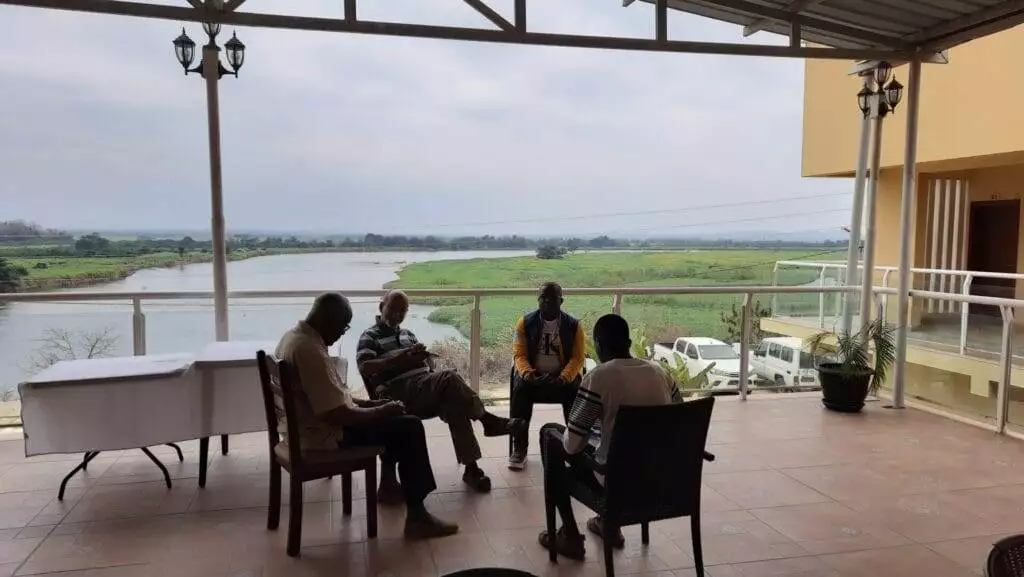
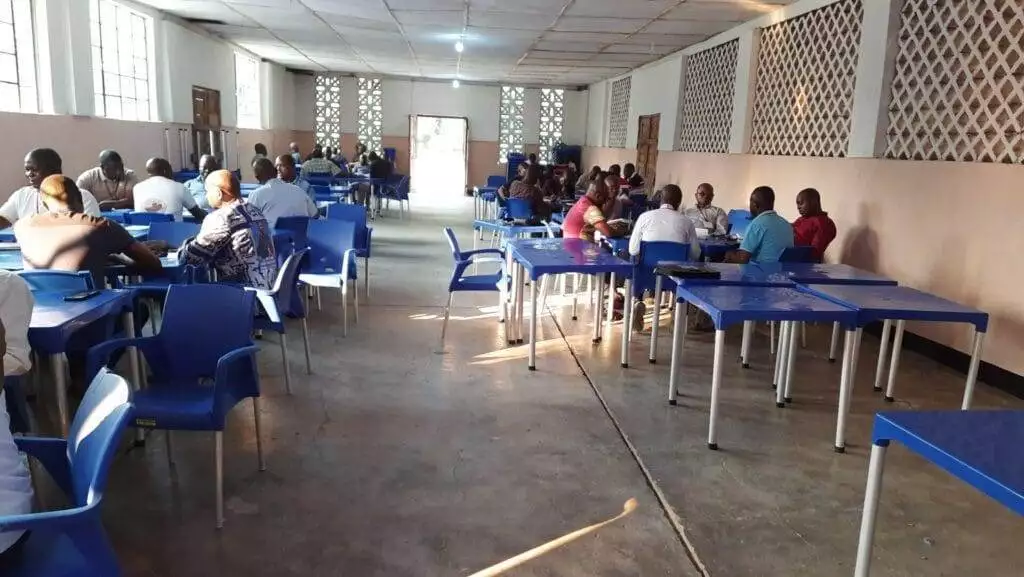
The number of formation actions carried out are countless because they are done by the students themselves using the content and method of the lessons: in Ireland for an entire parish, in Italy in several dioceses as well as in Australia, in Sydney; while in the Democratic Republic of Congo recently an action was done for more than a hundred priests from 8 dioceses, and in Angola for all the clergy of the diocese of Viana.
Viana (Angola)Democratic Republic of Congo
What will be the themes of the course that will start soon?
The next course will begin on Nov. 4, 2024, in the aftermath of the Assembly, with speeches by the Synod’s Secretary General himself, Msgr. Mario Grech, and the subsecretaries, Msgr. Luis Marin and Sr. Nathalie Becquart, theologian Piero Coda, and Margaret Karram, President of the Focolare Movement and special invitee to the Synodal Assembly.
The themes of the course will be those that emerged from the Assembly itself: paths opened by the 16th Ordinary Assembly of the Synod: new practices in a synodal and missionary Church; Christian initiation and transmission of faith in synodal style. It will conclude with an in-person workshop.
Why this commitment of the Evangelii Gaudium center to synodality? In the past you have devoted yourselves to other issues, such as training on abuse or training pastoral workers.
It seems to us that synodality is not a slogan destined to pass away. Synodality has always been part of the Church’s being, as is well understood even when reading the Acts of the Apostles. On the other hand, it is also the actualization of those reforms that the Second Vatican Council indicated for the Church but which, as can be understood, have struggled and are struggling to be implemented.
Pope Francis himself said in the celebration of the 50th anniversary of the establishment of the Synod of Bishops on Oct. 17, 2015: “The journey of synodality is the path God expects from the Church of the third millennium.”. And on October 9, 2021, he himself initiated the process of synod that today seeks to make its way throughout the Church.
From that point, we have been engaged in the formation and promotion of synodality through scholarships, seminars, trainings and networking around the world with other faculties and associations.
Synodality is also a style that is very much in keeping with the spirituality of communion that inspires the Sophia Center and Sophia University Institute. Card. Petrocchi, president of the Evangelii Gaudium Center’s Scientific Council, says we must come to “synodalize” our minds, both as individuals and as a church group, but also as a civil society group. Let us try to do our part, small but, we hope, effective.
The President and Co-president of the Focolare Movement spent a month in Brazil to meet the local communities and live the experience of the Genfest, a worldwide event promoted by the young people of the Movement. Care, horizontal solidarity, believing in it: these are the 3 words that sum up the powerful experience lived during July 2024.
You strive and work for a united world (a world of peace and fraternity).
What are you doing to reach this goal? You are involved in activities that might appear to be small and, although meaningful, out of proportion with your proposed objective. When you are older, perhaps some of you will be more directly involved in the various organizations aimed at building a united world.
I believe that, although all that you do will be very helpful, it is not one activity or another that will play a decisive role towards this goal.
Instead, the deciding factor is that of offering a soul to the world. And this soul is love. …
Today we must “be love”, we must feel what the other person is feeling, live the other, the others, and aim at achieving unity … all over the globe. …
Therefore, we must build relationships of unity, solidarity, which are rooted in love.
You must live out this love first of all among yourselves.
So as to reach the point of living it with many, many others, wherever you go; when you meet ordinary people for example and with those who govern their future or those in public institutions, and in the smaller or bigger organizations of the world… everywhere. Only then will they fulfil the purpose for which they were established and truly work for a united world, (a world of peace).
Chiara Lubich
This thought was read by Margaret Karram, President of the Focolare Movement, during Connection on 28 September 2024. It can be seen by clicking here.
In the growing tensions in the Middle East powder keg, under the falling bombs and missiles into the ‘martyred’ Ukraine, amidst the great number of the conflicts that lacerate and starve the peoples of Africa, while ‘the winds of war and the fires of violence continue to upset entire peoples and nations’, Pope Francis calls to the ‘weapons’ of fasting and prayer – those which the Church indicates as powerful – millions of believers from all continents to implore from God the gift of peace in a world on the brink of abyss.
As he had already done for the conflicts in Syria, the Democratic Republic of Congo and South Sudan, Lebanon, Afghanistan, Ukraine and the Holy Land from 2013 to 2023, Pope Francis called for a new day of prayer and abstention from food to invoke the gift of peace for Monday 7 October 2024, also announcing his visit on Sunday 6 October 2024 to the Basilica of Santa Maria Maggiore in Rome to pray the Rosary and pray to Our Lady, asking for the participation of all members of the Synod.
‘We cannot but call once again on the rulers and those who have the grave responsibility for decisions,’ wrote Card. Pierbattista Pizzaballa, Patriarch of Jerusalem of the Latins in a letter to his diocese adhering to the Pope’s appeal – to a commitment to justice and respect for everyone’s right to freedom, dignity and peace’. The Patriarch went on to reiterate the importance of everyone’s commitment to building peace in their own hearts and in community contexts, supporting ‘those in need, helping those who are working to alleviate the suffering of those affected by this war and promoting every action of peace, reconciliation and encounter. But we also need to pray, to bring to God our pain and our desire for peace. We need to convert, to do penance, to implore forgiveness’.