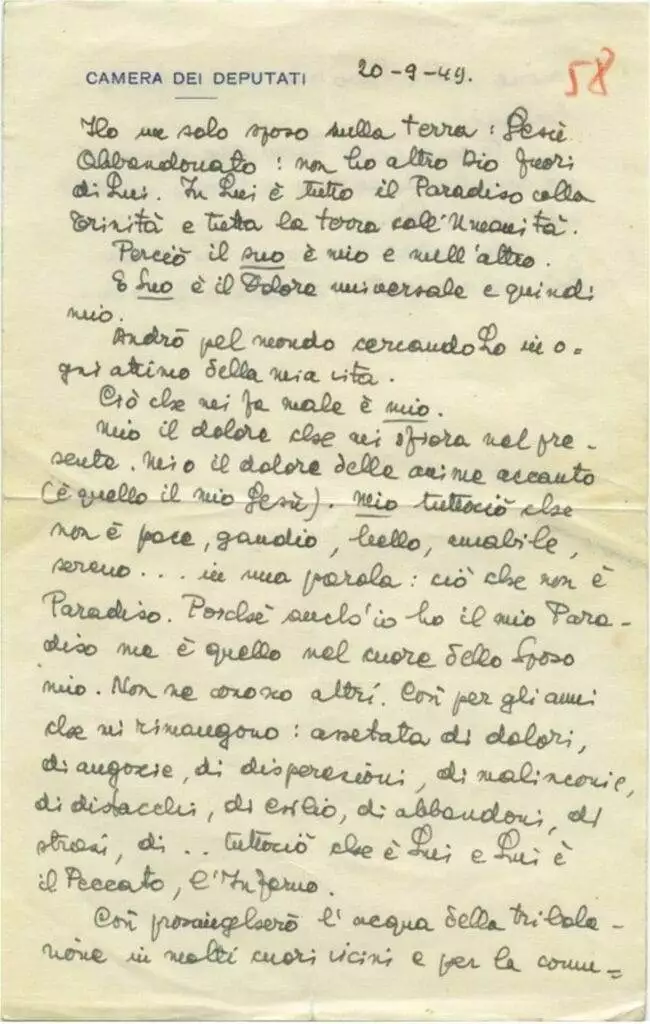
Seventy-five years have passed since the day Chiara Lubich wrote “I have only one spouse on earth”, which we have reproduced here. It’s a writing destined from the very beginning to become a true programmatic manifesto for Chiara and for those who would follow her by adopting the spirituality of unity as their own.
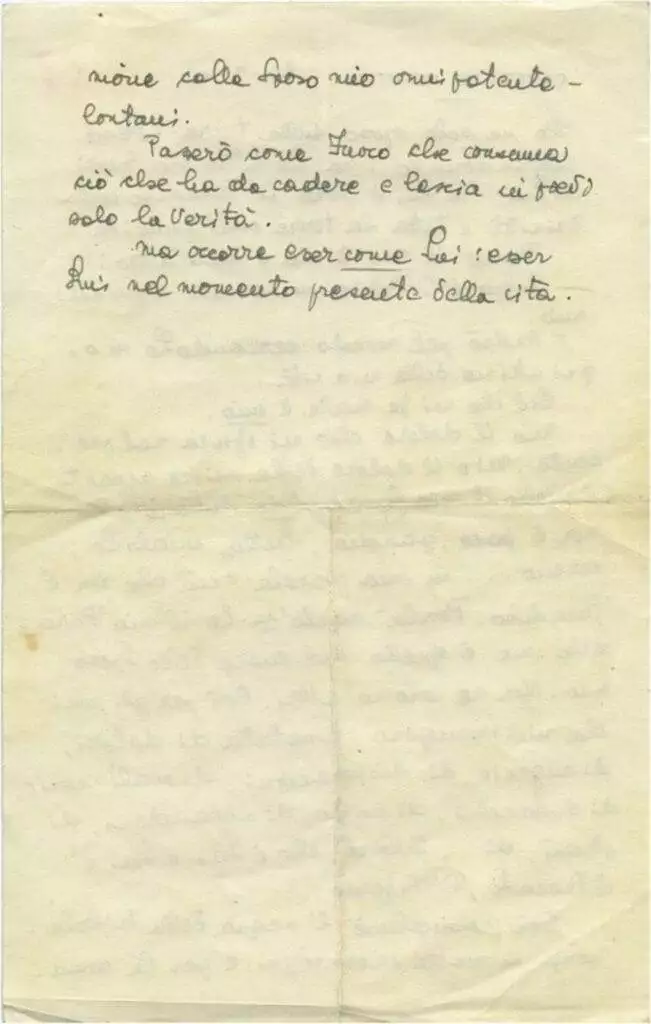
The handwritten manuscript, preserved in the Chiara Lubich Archive (in GAFM) and written on the front and back of a single sheet, records the date of its composition: 20-9-49. Published, in Italian, for the first time in 1957, in an incomplete version and with some modifications, in the magazine “Città Nuova”, it was then reprinted in other publications of Chiara Lubich’s writings, until it was finally included, in its entirety, and according to the original manuscript, in The Cry (New City, London 2001). This is a book that Chiara Lubich wanted to write personally “as a love song” dedicated precisely to Jesus Forsaken.
It began as a sort of diary page, written on the spur of the moment. Considering the unique lyrical tone that permeates it, it could be defined as a “sacred hymn”. This definition seems appropriate if one considers that the term “hymn” originates from the Greek hymnos. The word, although of uncertain etymology, has nevertheless a close relationship with the ancient Hymēn, the Greek god of marriage in whose honour it was sung. Moreover, the spousal aspect in this work is more than ever present, even if – and precisely because – we are within a strongly mystical context. It really is a “song” of love to Jesus Forsaken.
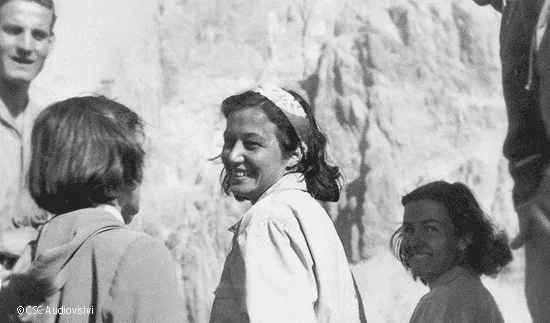
The context of the writing takes us back to the summer of 1949, when Chiara, with her first companions, and the first two men focolarini, was in the mountains – in the Primiero valley, in Trentino-Alto Adige – on holiday. Also, Igino Giordani (Foco) joined the group, for a few days. He had already met Chiara in Parliament a short time before, in September 1948, and he had been fascinated by her Charism.
It was a summer that Chiara herself described as “full of light”. Since then – going back over its stages – she did not hesitate to affirm that it was precisely in that period that she had a better understanding of “many truths of the faith, particularly who Jesus Forsaken was for humanity and for creation – he who recapitulated all things in Himself. Our experience was so powerful,” she noted, “it made us think life would always be like that: light and Heaven.” (The Cry, pages 60-61). But the time had come – urged precisely by Foco – to “come down from the mountains” to meet humanity that is suffering, and to embrace Jesus Forsaken in every expression of pain, in every “abandonment”. Like Him. Only out of love.
So, she wrote: “I have only one spouse on earth: Jesus Forsaken”.
Maria Caterina Atzori
20-9-49
I have only one Spouse on earth: Jesus forsaken. I have no God but him. In him is the whole of paradise with the Trinity and the whole of the earth with humanity.
Therefore, what is his is mine, and nothing else.
And his is universal suffering, and therefore mine.
I will go through the world seeking it in every instant of my life.
What hurts me is mine.
Mine the suffering that grazes me in the present. Mine the suffering of the souls beside me (that is my Jesus). Mine all that is not peace, not joy, not beautiful, not lovable, not serene, in a word, what is not paradise. Because I too have my paradise, but it is that in my Spouse’s heart. I know no other. So it will be for the years I have left: athirst for suffering, anguish, despair, sorrow, exile, forsakenness, torment— for all that is him, and he is sin, hell.
In this way I will dry up the waters of tribulation in many hearts nearby and, through communion with my almighty Spouse, in many faraway.
I shall pass as a fire that consumes all that must fall and leaves standing only the truth.
But it is necessary to be like him: to be him in the present moment of life.
Chiara Lubich The Cry (New City, London 2001, pages 61-62)
Chiara Lubich Chiara Lubich had an intuition of this in 1977 when she received the Templeton Prize for Progress in Religion in London. Since then, the worldwide expansion of the Focolare spirit has contributed to opening a dialogue with all the major religions of the world. A path that even Chiara had not imagined at the beginning, but that God had revealed to her over time, through events and circumstances; it was a path to pursue towards unity. In this short excerpt, Chiara, in answering a question on the relationship with other religions, reveals the secret to building true universal fraternity: seeking what unites us in diversity. The question put to Chiara is read by Giuseppe Maria Zanghì, one of the first focolarini. (From a reply by Chiara Lubich to a meeting of Muslim friends, Castel Gandolfo, 3 November 2002)
Giuseppe Maria Zanghì: This is the question: “We’d like to ask you, Chiara, how do you feel about the relationship with other religions. What does it make you feel within your heart?”
Chiara Lubich: I’ve always felt very comfortable in my contacts with the faithful of other religions! Even though we are different from one another, we have a lot in common, a lot in common, and this unites us. Instead, diversity attracts us; it arouses our curiosity. So, I like these contacts for two reasons: because I get to know new things, I enter into the culture of others, and also because I find brothers and sisters who are like me because we have many beliefs in common. The most important of all – as I told you the last time I was here – is that famous Golden Rule, which says “Do not do to others what you wouldn’t want them to do to you.” This sentence can be found in all the most important religions, in their scriptures, in their sacred books. It’s also in the Gospel for Christians. This phrase – “Do not do to others what you wouldn’t want them to do to you” – means “treat your brothers and sisters well, have great respect for them, love them.” And so, when they discover this phrase in their scriptures and I discover the same phrase in my scriptures, I love, they love, and so we love one another, and this is the basis, the first step towards universal fraternity So the first thing is to live the “Golden Rule.” The second part of the question is about what I feel in my heart when I meet a brother or sister of another religion. I immediately feel a great desire to become friends, to build unity, to have this relationship as brothers and sisters. …
This is a continuous tension because our nature loves itself.
Often we hear news of disasters, earthquakes, hurricanes which claim victims and leave people injured and homeless. But it’s one thing to be one of those affected and another thing to be an onlooker.
Even if we are able to offer some aid to help the others, we are not them.
Tomorrow it could be the other way round: I on my deathbed (if I am given a bed!) and the others out in the sun enjoying life.
All that Christ has commanded us goes beyond our nature as it is now.
But also the gift he gave us, the one mentioned to the Samaritan woman, is not human in nature. So it is possible to share in our brother’s pain, joy or worries because we have in us charity which s of a divine nature.
With this love, that is with Christian love, our brother can be truly comforted and tomorrow I might be comforted by him.
And in this way it is possible to live, because otherwise human life would be very hard and difficult, indeed sometimes it would appear to be impossible.
The Condominio Espiritual Uirapuru (CEU) is a reality born in Fortaleza (Brazil) a few years ago, the choice of unity between charisms is the basis of community life. There are 23 realities that coexist and collaborate here for the recovery, protection and enhancement of human dignity.


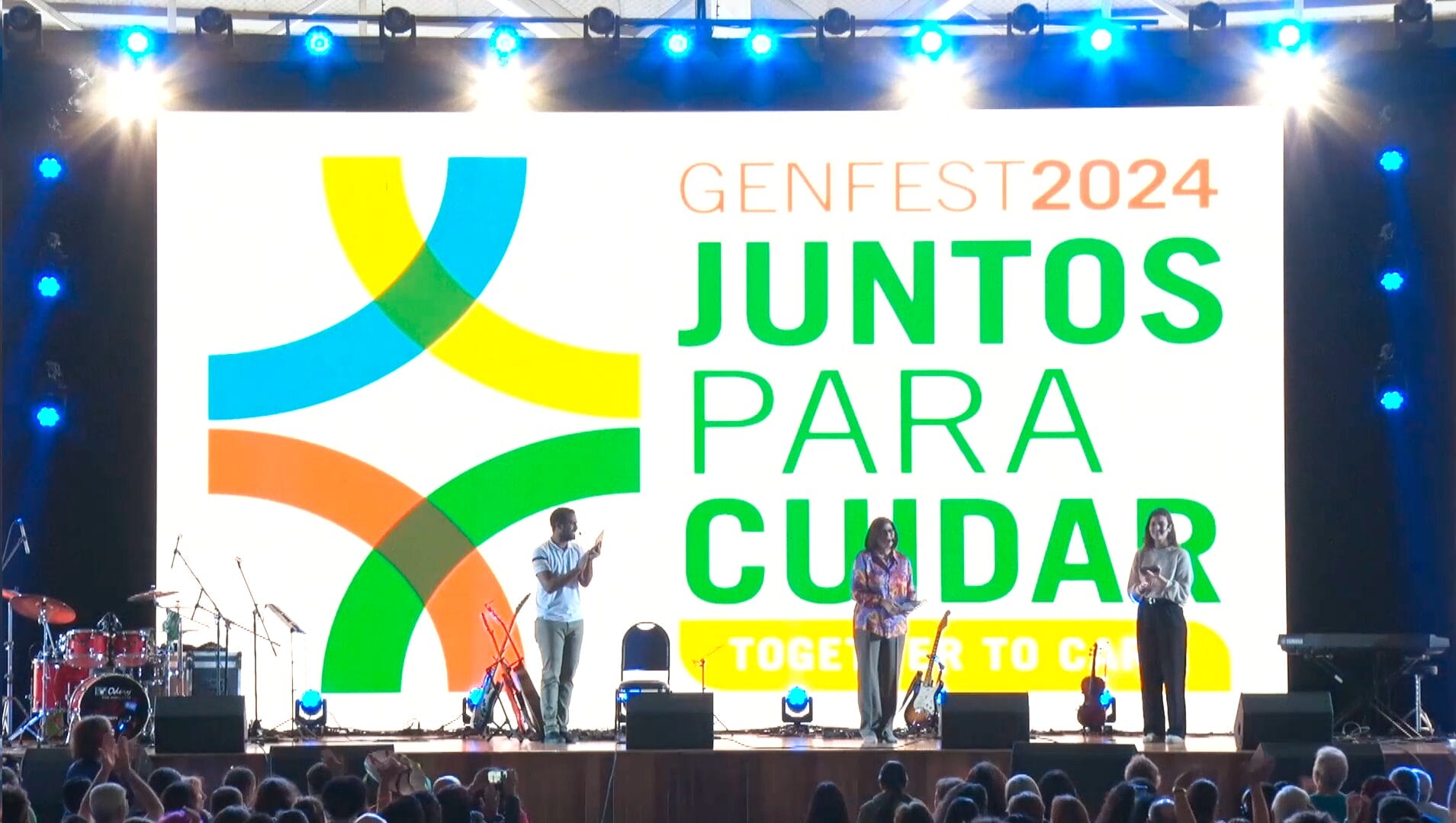
 Genfest 2024: Together to care
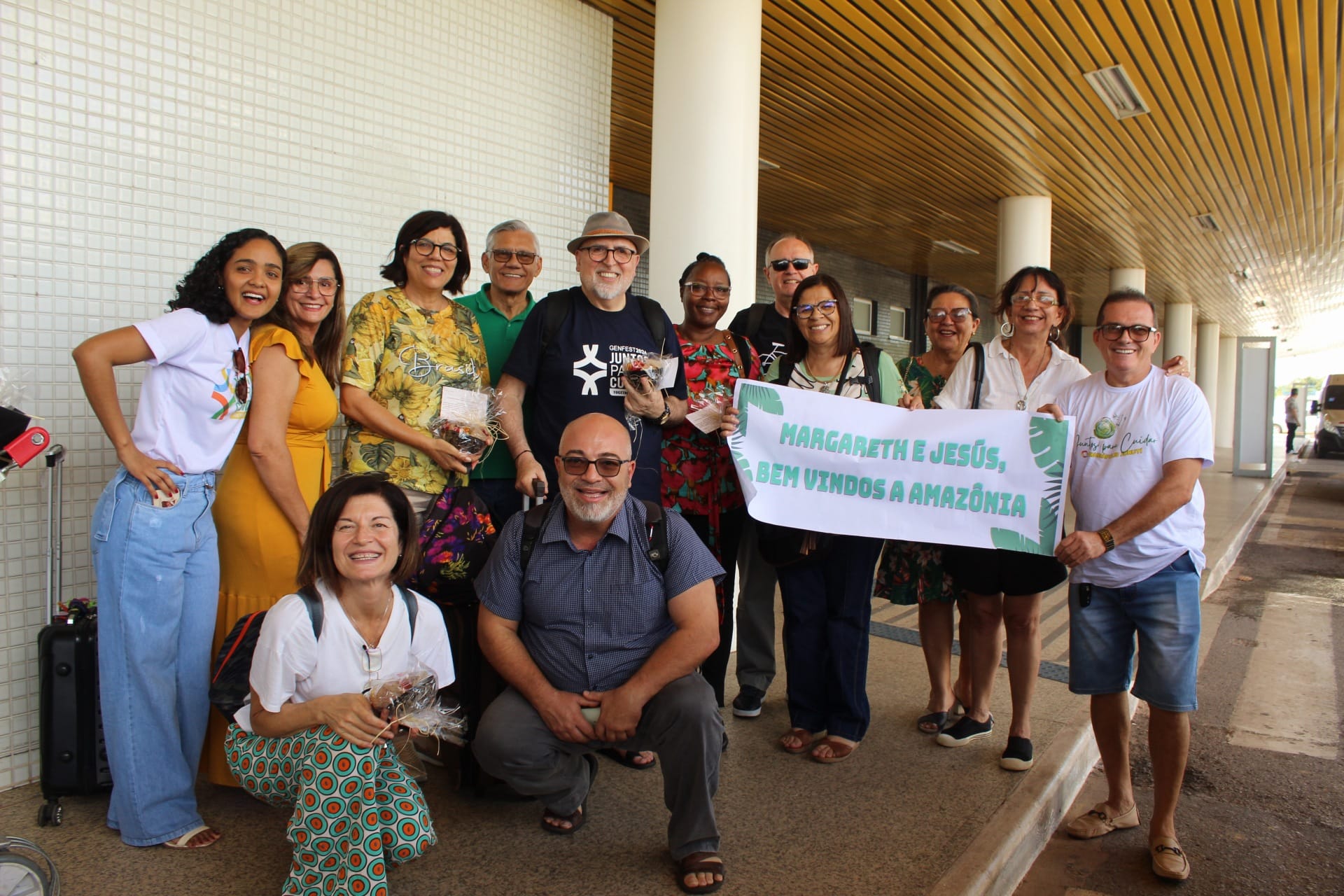 Amazon, land of caring and the future
 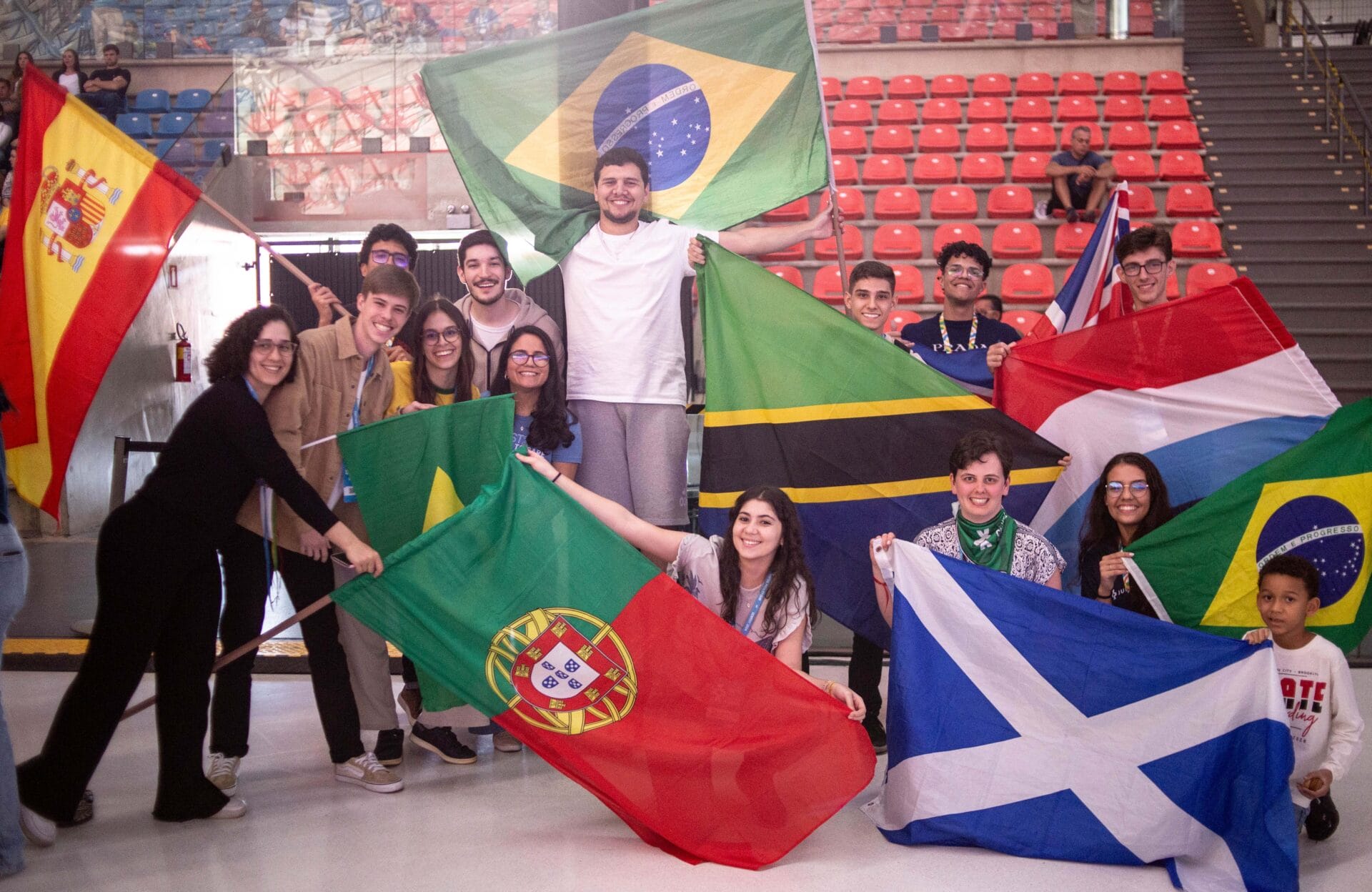 Genfest 2024 concludes second phase: a yes to peace
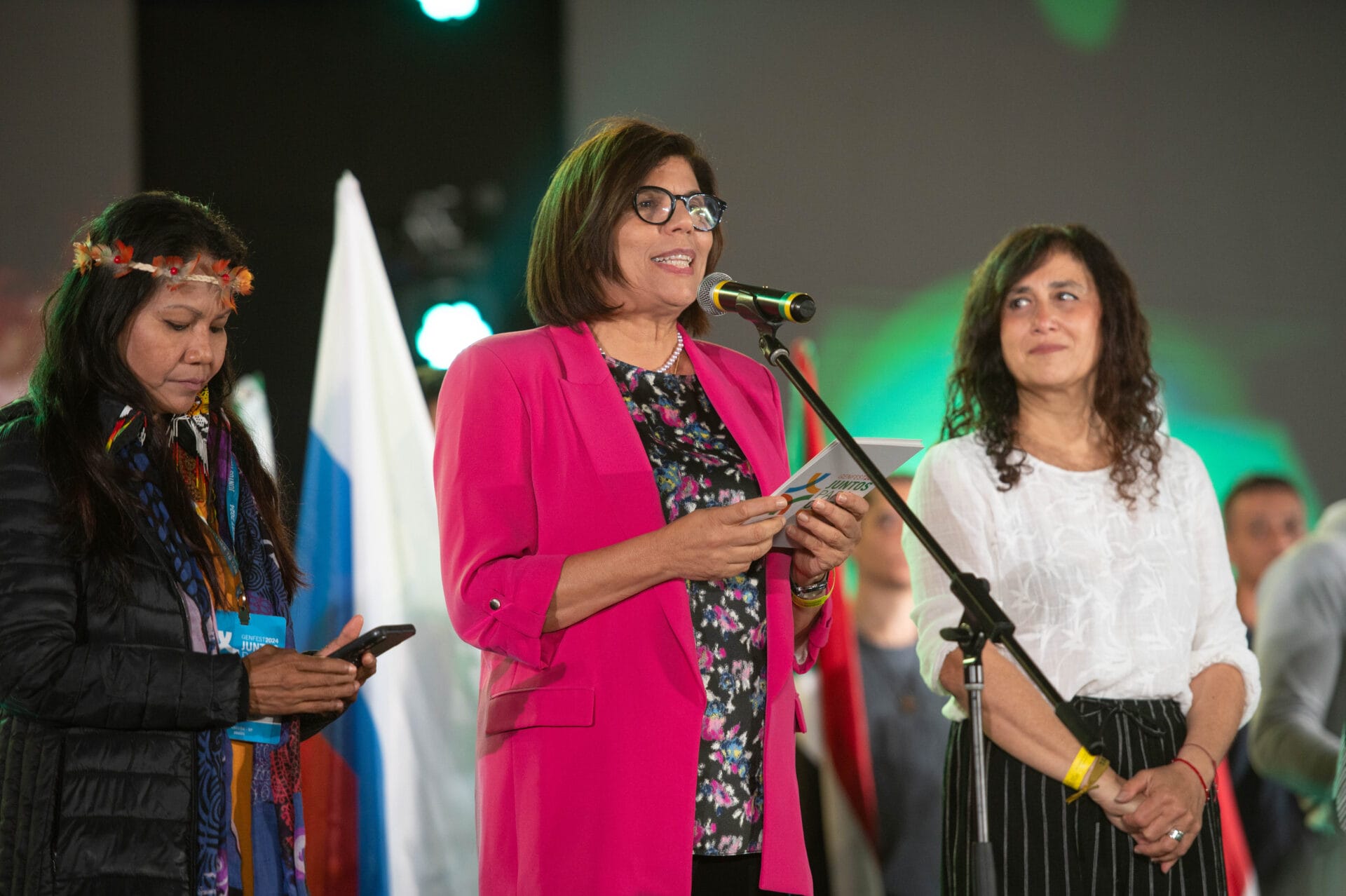 Let us not be at peace until we bring about peace!
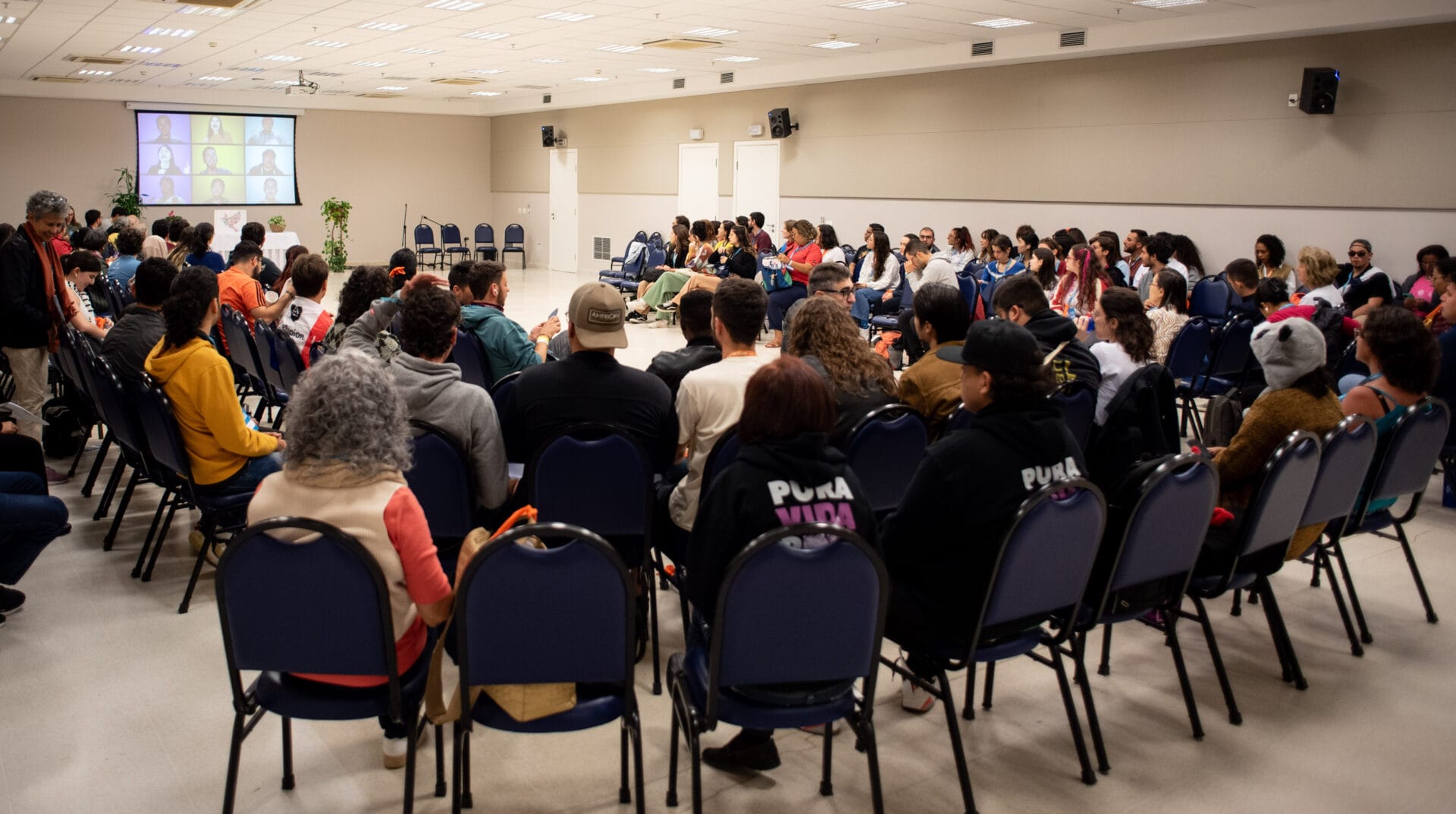 Phase 3 of Genfest 2024 has come to an end, but it is only the beginning…
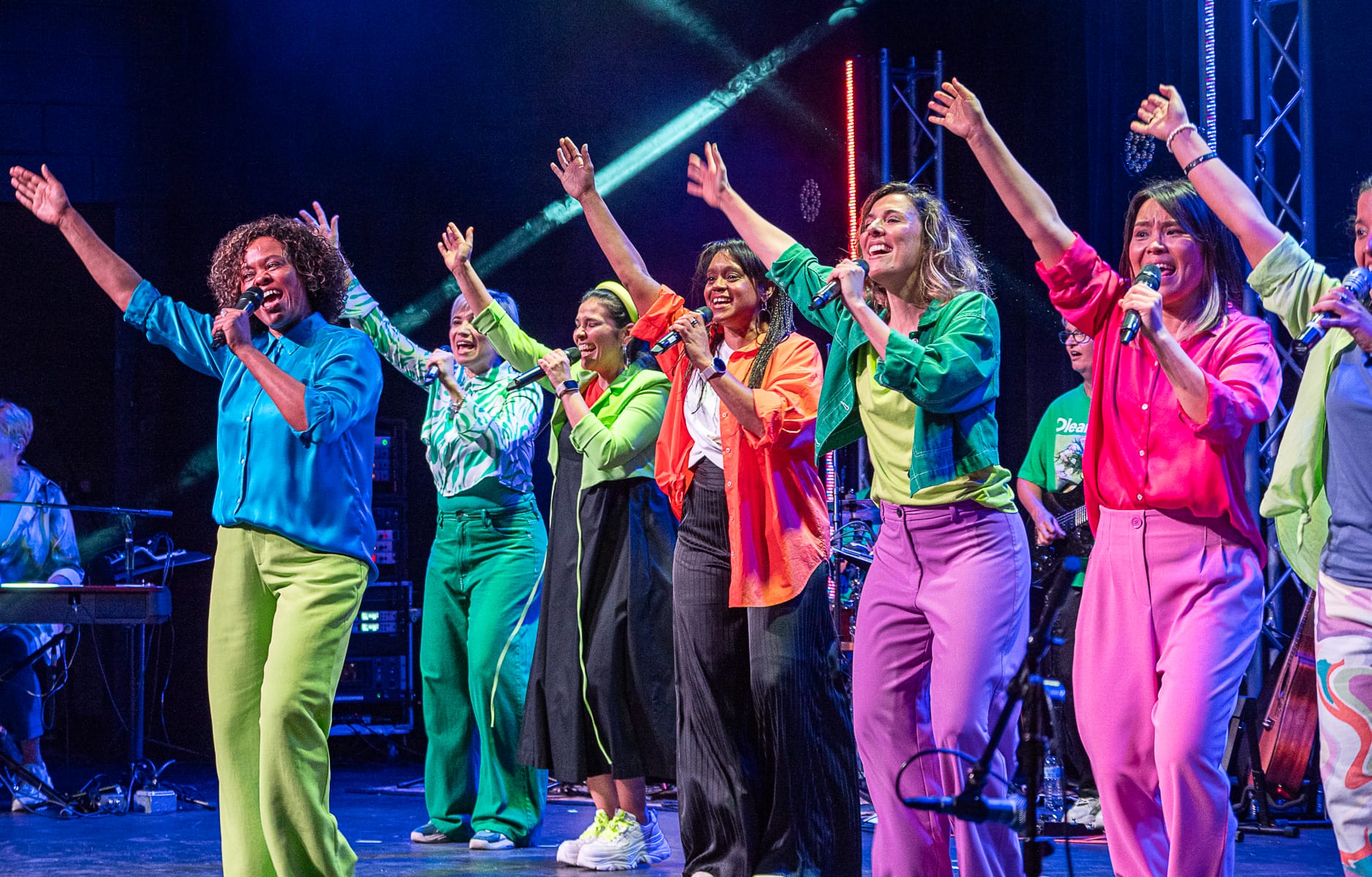 ‘Start Here and Now’ the new single by Gen Verde
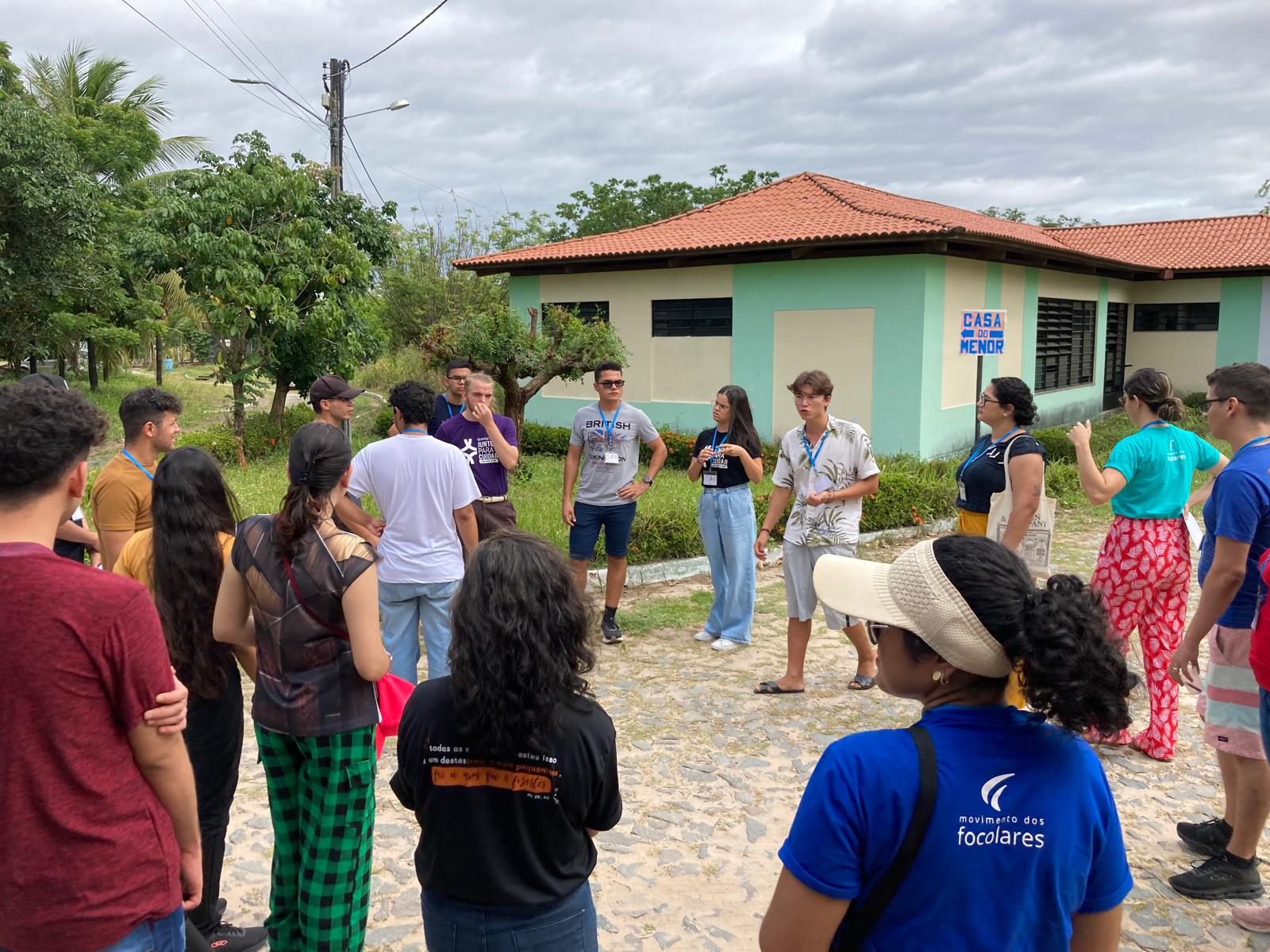 An original condominium
 Genfest: the road comes into existence
 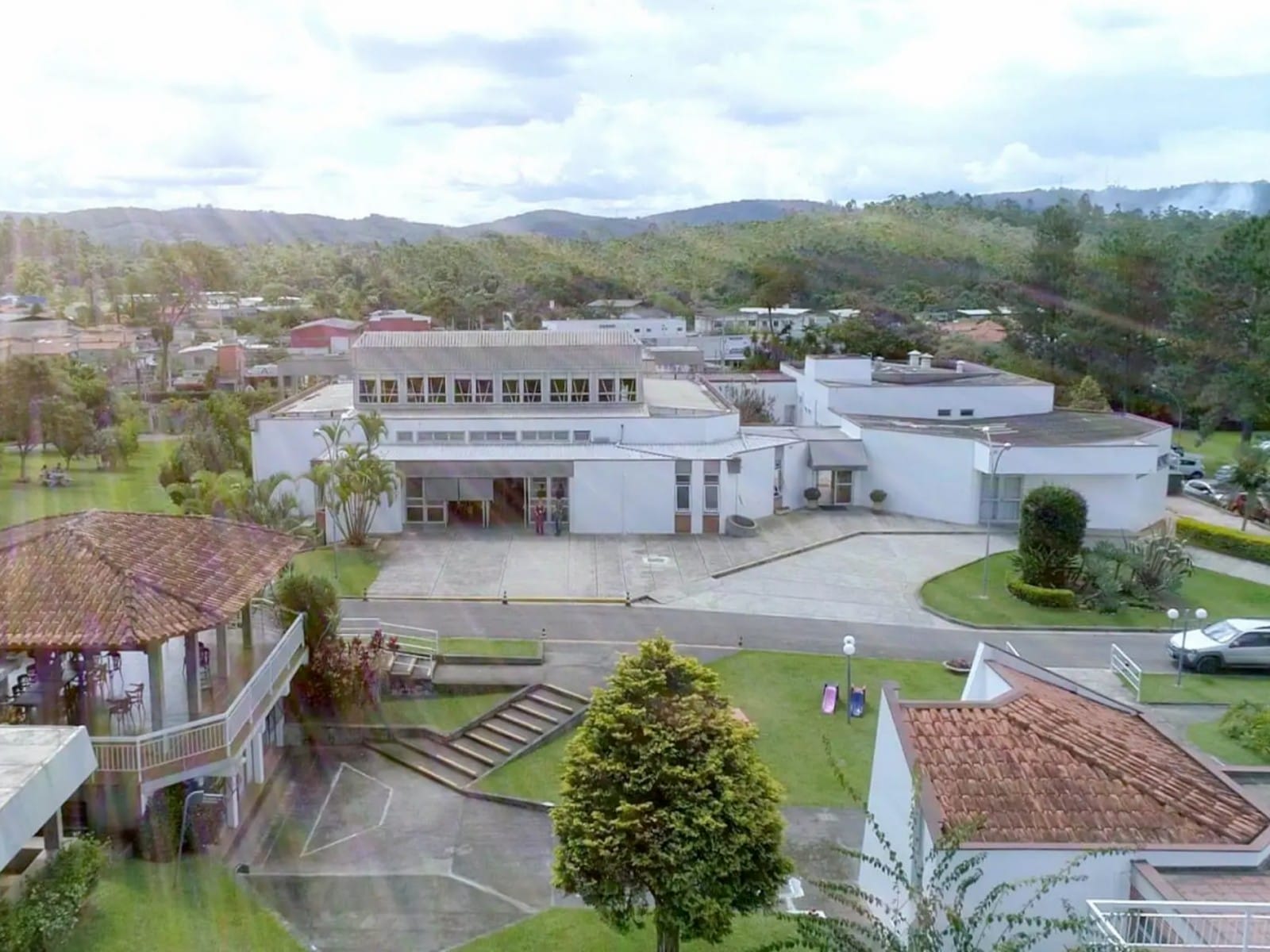 Mariapolis Ginetta and Polo Spartacus: the courage to change
 From the “tri-national” community – a future of fraternity for Latin America
 CEU: different flowers in the same garden
 UNIRedes: hope for Latin America and the world