The Fazenda da Esperança is one of the 47 activities involved in the first phase of the next Genfest, in which young people will be invited to make a concrete commitment to some social organisations which are already operating in the various areas. La Fazenda is a therapeutic community, founded in 1983. It helps people who want to get out of addictions. https://youtu.be/wtzSXGOd7y4
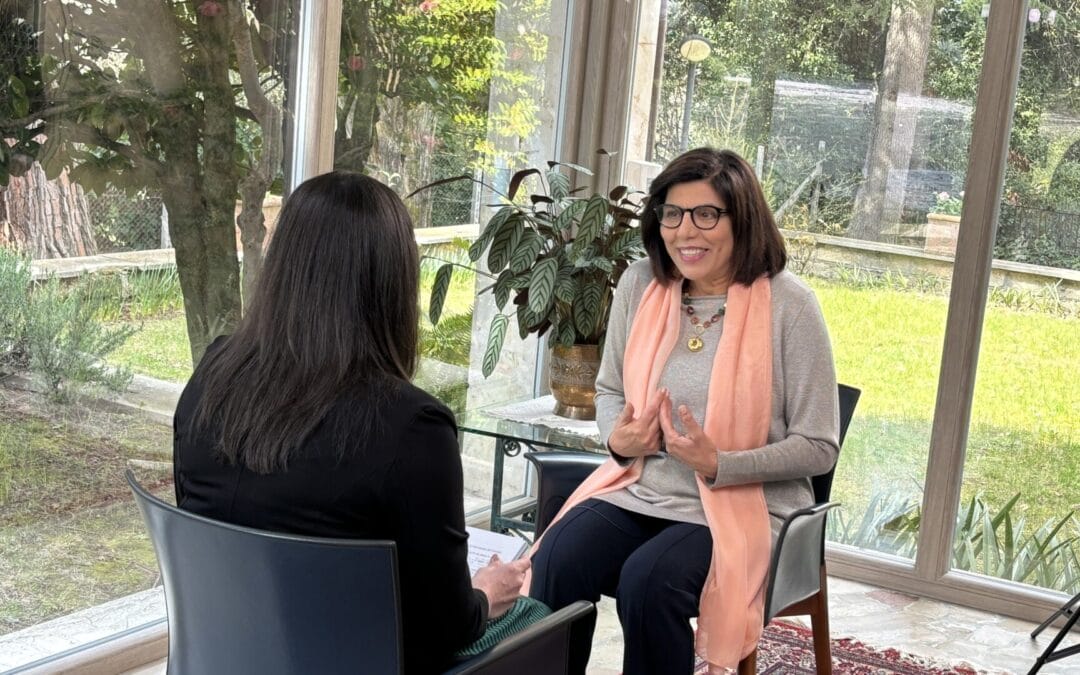
Message of Margaret Karram, President of the Focolare Movement, to all those who are preparing for the next Genfest 2024, the event of the Movement’s young people that will take place in Aparecida, Brazil, and in different parts of the world with various local Genfests.
A song born from the concrete experience of some young people of the Focolare Movement who, by putting their talents together, were able to transform, into music and words, their desire to get stuck in, so as to make a difference. https://youtu.be/m2NXAENhgiI
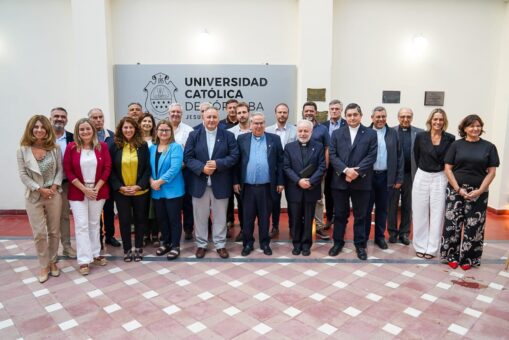
Msgr. Piero Coda, theologian, Secretary of the International Theological Commission, former Dean of Sophia University Institute, received an honorary degree from the Catholic University of Córdoba in Argentina. A week of events marked the beginning of March 2024 at the Catholic University of Córdoba(UCC) in Argentina. These included: the Córdoba 2024 Itinerary Seminar, Jesuit University and Trinitarian Anthropology, and the conferral of an honorary doctorate on Msgr. Piero Coda, theologian, Secretary of the International Theological Commission, and former Dean of the Sophia University Institute. Other related events made known the thought and contribution of Msgr. Coda, which is not limited to anthropology and theology, but reaches out to the Church in its synodal journey and that of ecumenical and interreligious dialogue. The Trinitarian Anthropology Seminar was held from March 4 to 6. The study group, which has been active for 11 years, consists of 14 people, women and men, Franciscans, Jesuits, priests, religious, focolarini and lay people from different church movements. Sonia Vargas Andrade, of the Faculty of Theology, San Pablo of the Bolivian Catholic University, said: “We met to reflect on the path that a Latin American theologian should follow in dialogue with European theology, particularly Trinitarian Anthropology, taking into account what is typically ours, namely the plurality”. The seminar concluded by highlighting that the distinctive element of Trinitarian Theology – the subject of the group’s study – is precisely unity in plurality: “the other’s thinking is as good as my own, I have to think from the other and in the other”, added Vargas Andrade. Msgr. Piero Coda shared his first-hand experience and his view of the first session of the synodal assembly, in which he participated as a member of the Theological Commission of the General Secretariat of the Synod of Bishops. Coda defined the first session as a pause to learn how to meet, listen to each other and dialogue in the Spirit. And he added: “The journey has just begun. Patience and perseverance must go hand in hand with wisdom and prudence, but also with enthusiasm and the courage to take risks”. Dr. Tommaso Bertolasi, professor at Sophia University Institute in Loppiano (FI), closed the discussion by addressing the theme “youth and synodality,” stressing that young people experience the absent God: “God is experienced as the absent one, the one who is not there”. Therefore, it is necessary to consider the experience of Jesus’ abandonment on the cross. “It is right there, in death and resurrection, that God enters every human experience: from that moment on, there is no more distance from God, because God is in the absence of God”. From this thesis he deduced several implications for the church in general, especially for youth ministry. March 6 was the day of the conferral of the honorary doctorate to Msgr. Piero Coda. On this occasion, Cardinal Ángel Rossi S.J., Archbishop of Córdoba, called Piero Coda a “pilgrim of truth, who lived his life in the spirit of exodus and this has led him to leave his own ‘land’ in order to put his thought and theological insights in permanent dialogue with different cultures, with those who do not profess an explicit faith or with other disciplines”. Father Gonzalo Zarazaga S.J., Director of the UCC Doctoral Program in Theology, in presenting Coda’s contribution, said that “Piero Coda’s Trinitarian Ontology opens us to the intimacy of the Triune God and invites us to participate in his love in fullness”.Rabbi Silvina Chemen, through a video message, expressed her affection, admiration and gratitude to Piero Coda for his work in strengthening interreligious ties with the Focolare Movement In his words of gratitude, Msgr. Piero Coda said he considered the recognition he received as an appreciation of the style of understanding and implementation of philosophical and theological work, which is proving to be highly relevant in the process of synodal and missionary reform in which the Church is engaged under the leadership of Pope Francis. He added, “It’s about learning from each other, listening together to what the Spirit is saying to the churches: in exchanging the gifts of each other’s experiences of inculturation of faith and mission, of which our communities and cultures are bearers”. His lectio magistralis was entitled. “Inhabiting the reciprocity of the Father and the Son in the Holy Spirit to revive the meaning and destiny of history”.
María Laura Hernández Photo: courtesy of UCC and Guillermo Blanco
Thanks to the donations of many people, it has been possible to implement interventions to alleviate the suffering of populations affected by natural disasters or wars. The Focolare Emergency Committee has provided an update on the fundraising efforts for places affected by conflicts, epidemics and environmental disasters such as floods or earthquakes that may severely affect entire populations with immediate and long-term effects. To address these serious situations, the Emergency Committee was established to launch fundraising initiatives to assist the affected populations through programs supported by members of the Focolare or Focolare-affiliated organizations worldwide, operating independently or in partnership with others. Recently, the Emergency Committee presented its 2023 Report, revealing that, from 2016 to the end of 2023, a total of €5,361,505 has been raised for emergencies in Syria, Turkey, Ukraine, Italy, Pakistan and the Philippines. In Syria, the “Seeds of Hope” project, which began in September 2018, provided socio-medical assistance to families, access to essential medicines, healthcare services and basic surgery for patients with chronic diseases as well as educational support for children and adolescents. So far, 23,170 people have benefited from the program. 6,273 people were assisted in various ways following the earthquake in Syria and Turkey, which took place in February 2023. This included financial assistance to 405 families, distribution of detergents to 490 families and of food and clothing to 712 families, along with psychological support for the elderly, adults and young people and medical assistance. In addition, Work Empowerment initiatives (enhancing individual employment efforts with microcredit incentives) were provided to 16 families and 32 people along with housing interventions for 138 families. A community livestock project was also set up to supply milk and generate income for families in a Turkish village inhabited by Afghan refugees. In Ukraine, the emergency situation continues to evolve as the conflict persists and the multiple needs of the population increase. Since the beginning of the war, basic health care has been provided for about 12,000 people and extraordinary economic support has been extended to over 2,000 families. Several projects to welcome and accommodate displaced families and children from Ukraine have taken place in Italy. Furthermore, a school-camp was established in Austria for 30 children from a primary school in Kiev and a protected day centre for children and mothers was inaugurated. Another emergency this year was the flooding that affected various regions of the world. During the floods in Pakistan, construction materials were provided for the restoration of 20 destroyed homes and support was given to 1,150 people. During the 2023 floods in the Emilia-Romagna region of Italy, assistance was provided to 16 families for the purchase or repair of damaged material possessions and renovations were carried out in the homes of 7 families. In addition, a work camp and the renovation of an educational farm were realized. The Emergency Committee of the Focolare Movement manages these projects through AMU (Action for a United World) and AFN (Action for New Families), two NGOs born in the Focolare Movement that operate in the social sphere. Fundraising efforts for emergencies in Ukraine and following the earthquake in Syria and Turkey are ongoing.

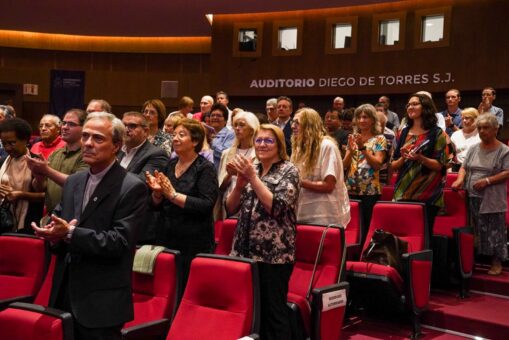
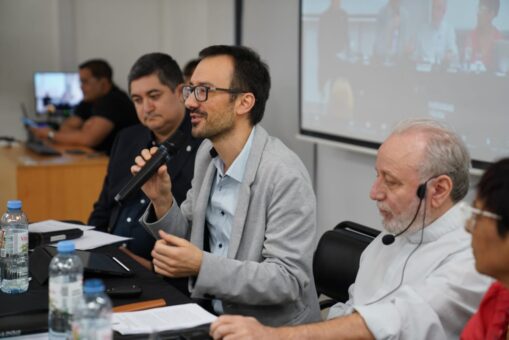 Church in its synodal journey and that of ecumenical and interreligious dialogue. The Trinitarian Anthropology Seminar was held from March 4 to 6. The study group, which has been active for 11 years, consists of 14 people, women and men, Franciscans, Jesuits, priests, religious, focolarini and lay people from different church movements. Sonia Vargas Andrade, of the Faculty of Theology, San Pablo of the Bolivian Catholic University, said: “We met to reflect on the path that a Latin American theologian should follow in dialogue with European theology, particularly Trinitarian Anthropology, taking into account what is typically ours, namely the plurality”. The seminar concluded by highlighting that the distinctive element of Trinitarian Theology – the subject of the group’s study – is precisely unity in plurality: “the other’s thinking is as good as my own, I have to think from the other and in the other”, added Vargas Andrade. Msgr. Piero Coda shared his first-hand experience and his view of the first session of the synodal assembly, in which he participated as a member of the Theological Commission of the General Secretariat of the
  Dr. Tommaso Bertolasi, professor at Sophia University Institute in Loppiano (FI), closed the discussion by addressing the theme “youth and synodality,” stressing that young people experience the absent God: “God is experienced as the absent one, the one who is not there”. Therefore, it is necessary to consider the experience of Jesus’ abandonment on the cross. “It is right there, in death and resurrection, that God enters every human experience: from that moment on, there is no more distance from God, because God is in the absence of God”. From this thesis he deduced several implications for the church in general, especially for youth ministry.
 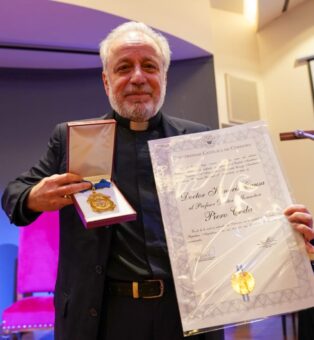 March 6 was the day of the conferral of the honorary doctorate to Msgr. Piero Coda. On this occasion, Cardinal Ángel Rossi S.J., Archbishop of Córdoba, called Piero Coda a “pilgrim of truth, who lived his life in the spirit of exodus and this has led him to leave his own ‘land’ in order to put his thought and theological insights in permanent dialogue with different cultures, with those who do not profess an explicit faith or with other disciplines”. Father Gonzalo Zarazaga S.J., Director of the UCC Doctoral Program in Theology, in presenting Coda’s contribution, said that “Piero Coda’s Trinitarian Ontology opens us to the intimacy of the Triune God and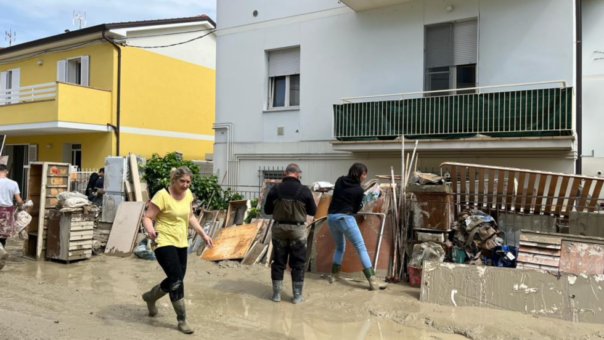
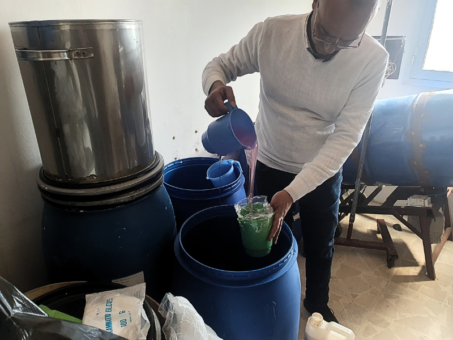 Recently, the Emergency Committee presented its 2023 Report, revealing that, from 2016 to the end of 2023, a total of €5,361,505 has been raised for emergencies in Syria, Turkey, Ukraine, Italy, Pakistan and the Philippines. In Syria, the “Seeds of Hope” project, which began in September 2018, provided socio-medical assistance to families, access to essential medicines, healthcare services and basic surgery for patients with chronic diseases as well as educational support for children and adolescents. So far, 23,170 people have benefited from the program. 6,273 people were assisted in various ways following the earthquake in Syria and Turkey, which took place in February 2023. This included financial assistance to 405 families, distribution of detergents to 490 families and of food and clothing to 712 families, along with psychological support for the elderly, adults and young people and medical assistance. In addition, Work Empowerment initiatives (enhancing individual employment efforts with microcredit incentives) were provided to 16 families and 32 people along with housing interventions for 138 families. A community livestock project was also set up to supply milk and generate income for families in a Turkish village inhabited by Afghan refugees.
  In Ukraine, the emergency situation continues to evolve as the conflict persists and the multiple needs of the population increase. Since the beginning of the war, basic health care has been provided for about 12,000 people and extraordinary economic support has been extended to over 2,000 families. Several projects to welcome and accommodate displaced families and children from Ukraine have taken place in Italy. Furthermore, a school-camp was established in Austria for 30 children from a primary school in Kiev and a protected day centre for children and mothers was inaugurated.