
Silvana “Ave” Cerquetti, artist, sculptor and prominent figure of the Focolare Movement, died on 3rd July 2026 in Padua (Italy) at the age of 95.Born in Rome on 9th August, 1930, she dedicated her entire life to the search for beauty as a way to God, leaving a profound mark.
Since childhood, spent between Rome and Montefalco (Umbria- Italy) during the difficult years of the war, Ave showed an extraordinary sensitivity towards creation. It was in the Umbrian village that she first encountered art: she would watch the work of a potter for hours, until she realized that that same clay could become a means of giving shape the world she carried within herself. With the support of her mother, she created a large crib that attracted the attention of the entire town, anticipating a vocation that would develop in the following years.
After studying at the Artistic Lyceum and the Academy of Fine Arts in Rome, where she graduated in sculpture in 1953, she soon established herself as one of the promising young talents of Italian art. As early as 1952, one of her works was selected to represent the students of the Academy at the Venice Biennale. But professional success was not enough to satisfy her inner search.
The episode that would definitively shape her path took place during a visit to an exhibition of the works of Georges Rouault at the Palazzo Venezia. Standing before a face of Christ painted by the French artist, Ave had an experience she herself described as a flash of revelation: she understood that art could become a means of communicating God to people. From that moment came the conviction that would accompany her throughout her life: “I will create sacred art.”
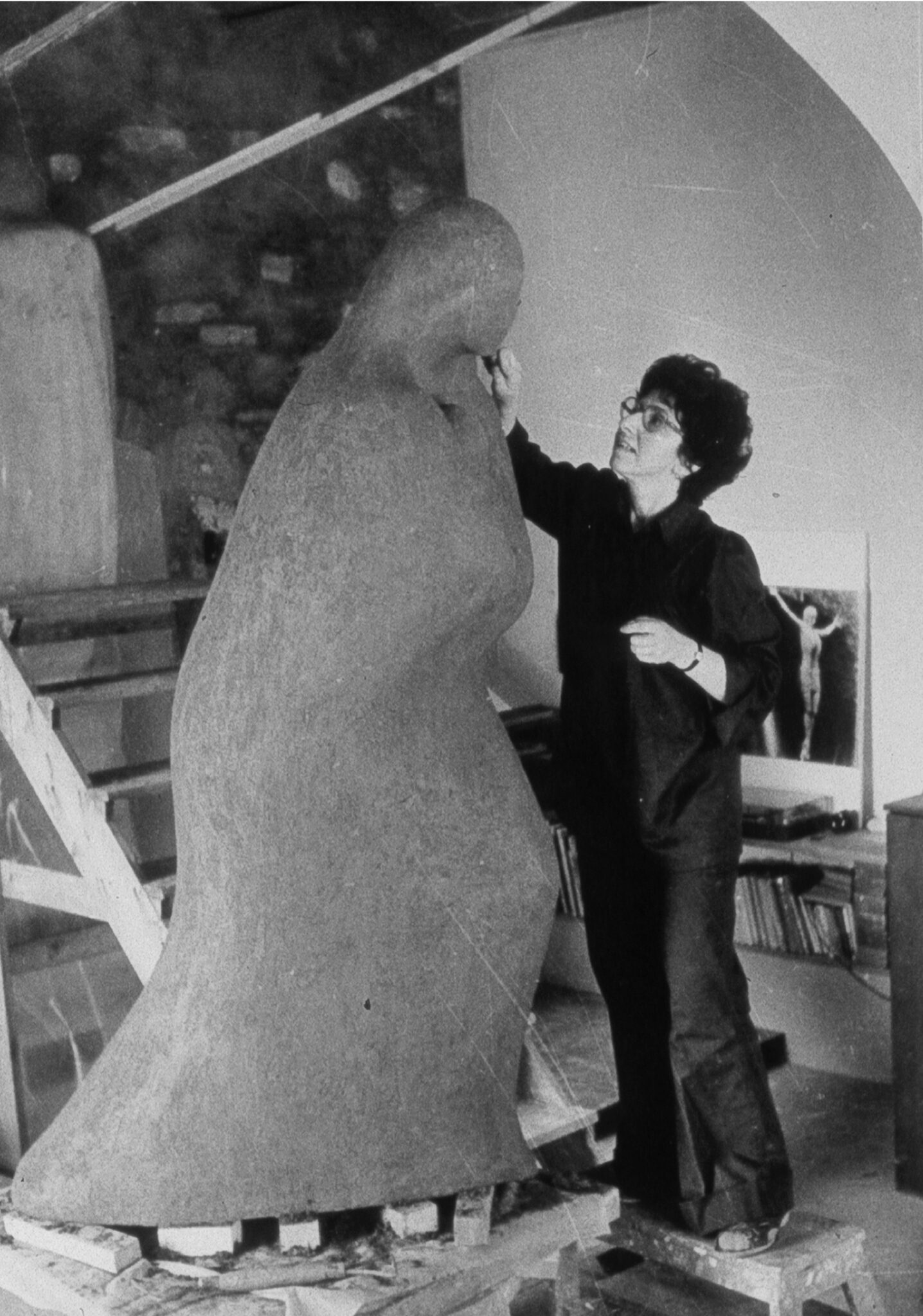
In the following years she devoted herself above all to portraiture, gaining recognition and appreciation in Rome’s artistic circles and a prominent place in the exhibitions in Via Margutta, the street of Roman artists. Those who observed her works emphasized her ability to capture people’s inner lives. For Ave, in fact, every face deserved an almost sacred respect, because it was a reflection of God’s creative work.
A decisive stage came in 1955, during a stay in Sassari (Sardinia- Italy) at a time of profound inner searching. There she met the Focolare Movement through a visit to the local focolare, which she described as the rediscovery of that harmony and beauty she had always sought. Marisa Cerini and Caterina Ruggiu welcomed her warmly. She said: “We were still in the small entrance hall and I immediately had the extraordinary feeling of entering into that unity, harmony and beauty of creation that I had often contemplated. I said to myself: Here is God, here is the Church!” This was the culmination of her search to return to the Catholic Church, since her entire family had at one point joined the Waldensian Church. That is why Ave would forever have a special love for ecumenism, never forgetting to pray each day for the unity of the Churches.
Between 1958 and 1960 she had a strong experience in Latin America. Invited to San Salvador for a cultural exchange, she quickly established herself there. Ave taught sculpture at the Academy of Fine Arts, receiving various awards. She contributed to the establishment of the country’s first permanent gallery of contemporary art and created works of great importance, including a monumental statue of Saint Ignatius. Her professional success was remarkable, but even more significant was the development of her vocation. Her Christian commitment continued to guide her every choice and during the trip back to Italy, stopping at the shrines of Guadalupe, Lourdes and Montserrat, she made the decision to consecrate her life to God in the focolare, an adventure that began in May 1961.
When Chiara Lubich, founder of the Focolare Movement, invited her not to abandon art and sculpture but to place them fully at the service of God, Ave felt within herself the desire to no longer create alone but to work in communion with other artists who shared the same spiritual path. And so it was that together with Tecla Rantucci, sculptor and Marika Tassi, painter, she founded Centro Ave, the first atelier, so baptized by Lubich so that each work would be a gift to Mary. It was at this point that Silvana took the name Ave, in life and in art. The atelier started in a garage in Rome, then moved to Grottaferrata, a town not far from the capital and then to Loppiano (Florence).
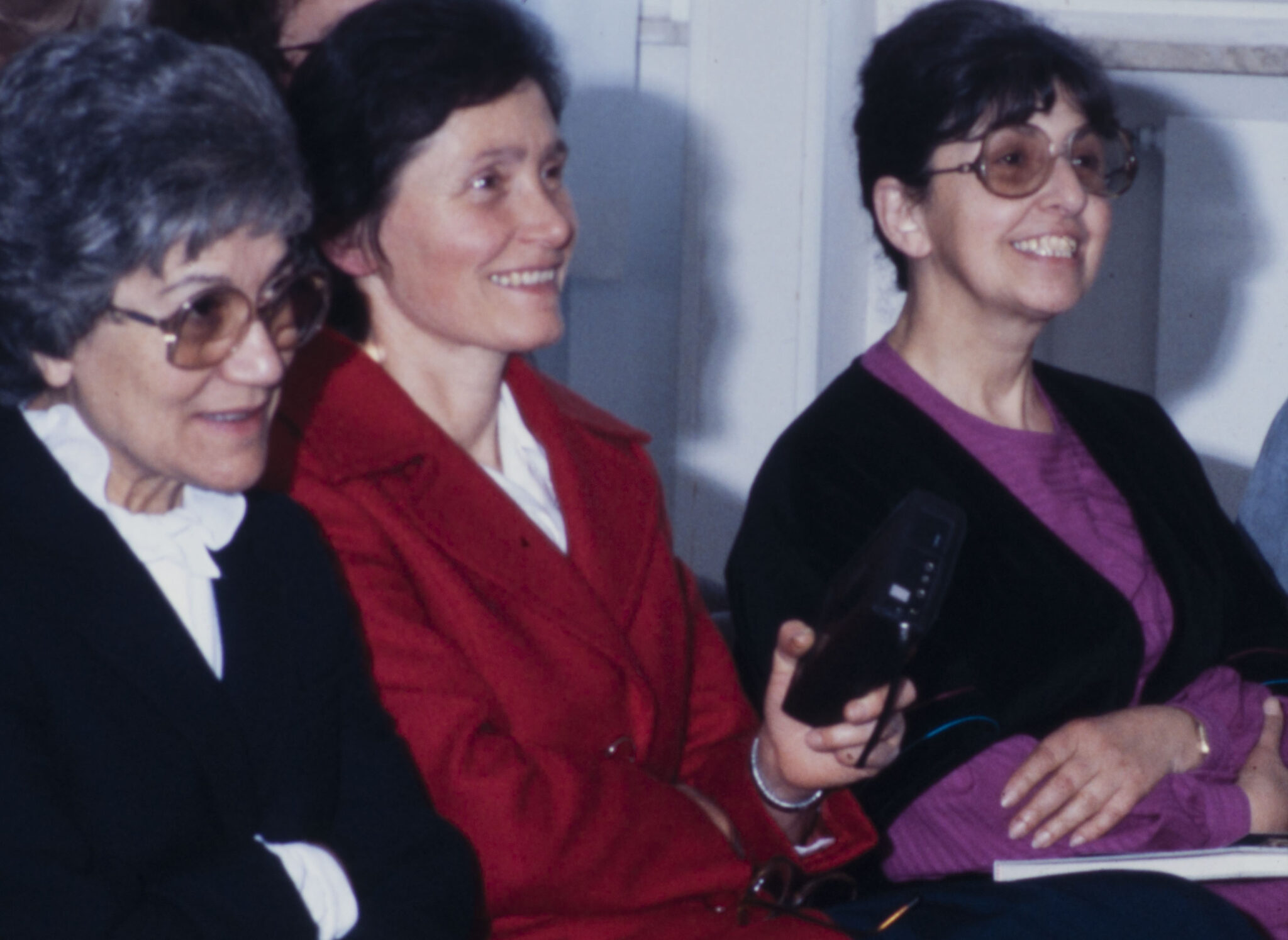

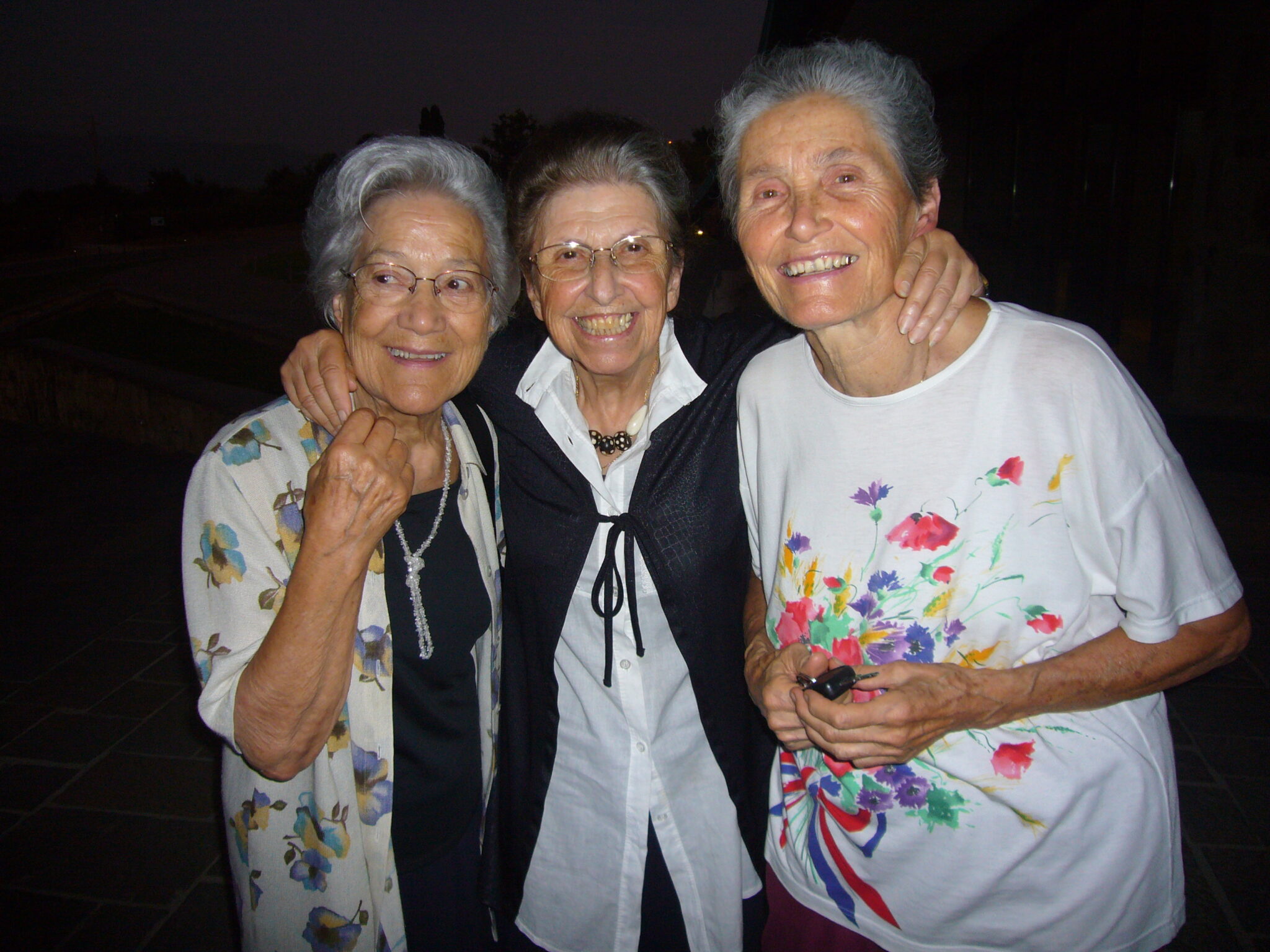
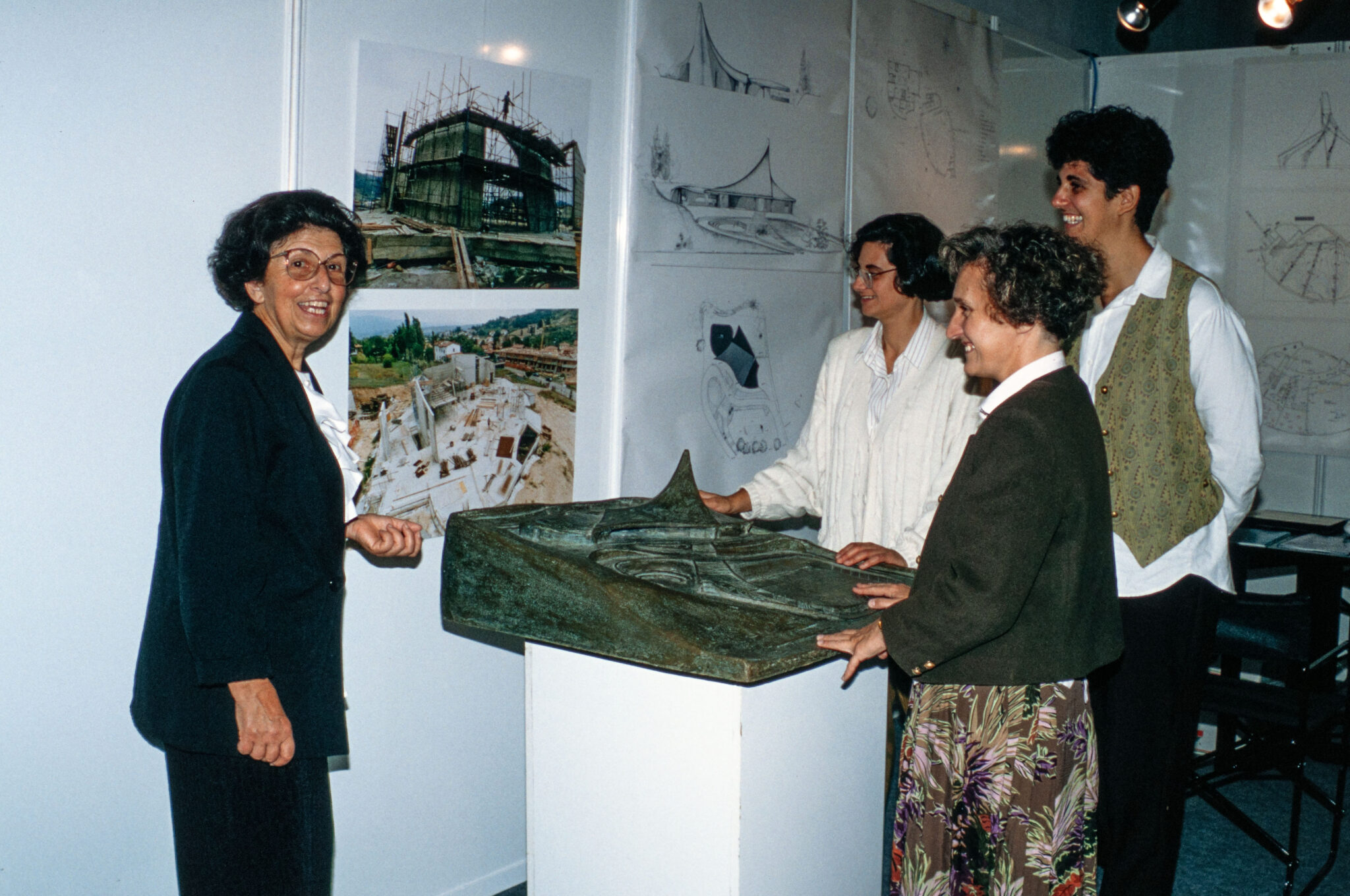
Over the years, under her guidance Centro Ave became an important international laboratory of sacred art. Works were created that entered the imagination of many ecclesial circles, such as the Our Lady of the Beautiful Welcome, the Madonna del Buon Cammino, the Madonna of the Snow and numerous representations of Christ and the Virgin Mary that have spread throughout the world. At the same time, architectural and liturgical design studies were developed that led to the construction of churches, parish complexes and important ecclesial redevelopment interventions.
Centro Ave came to be recognized by critics and within the Church as a clear stylistic reference point, where architecture embraces sculpture and is enveloped by the coloured light of stained-glass windows, creating a perfect balance between the arts. Ave was always the first and tireless guardian of this experience of unity, which began with each person’s commitment to allowing the Master, God, to live among them, starting precisely from this communal dimension.
Referring to this reality, in 1961, Chiara Lubich said, “Let this thirst for beauty that the world feels expand. Send forth great artists, but shape with them great souls who, through their splendour, can guide people towards the most beautiful of the sons of men: Jesus!”
This vision found one of its highest expressions in the Maria Theotokos Shrine in Loppiano where Ave’s special contribution is found. She herself regarded it as the culmination of her artistic and spiritual life. Even in the last days of her life, the people who were next to her told us, just hearing its name was enough to light up her face.
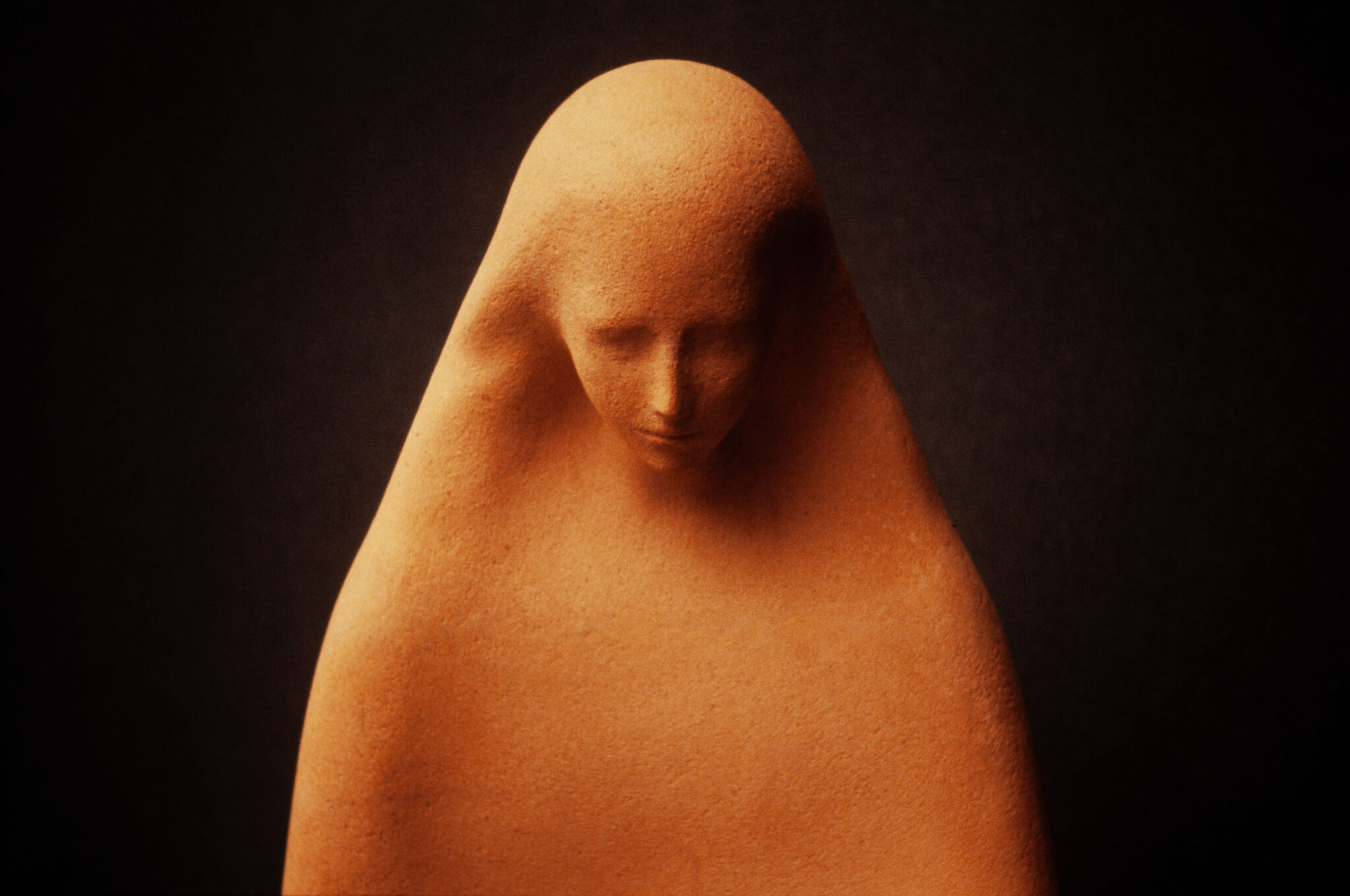
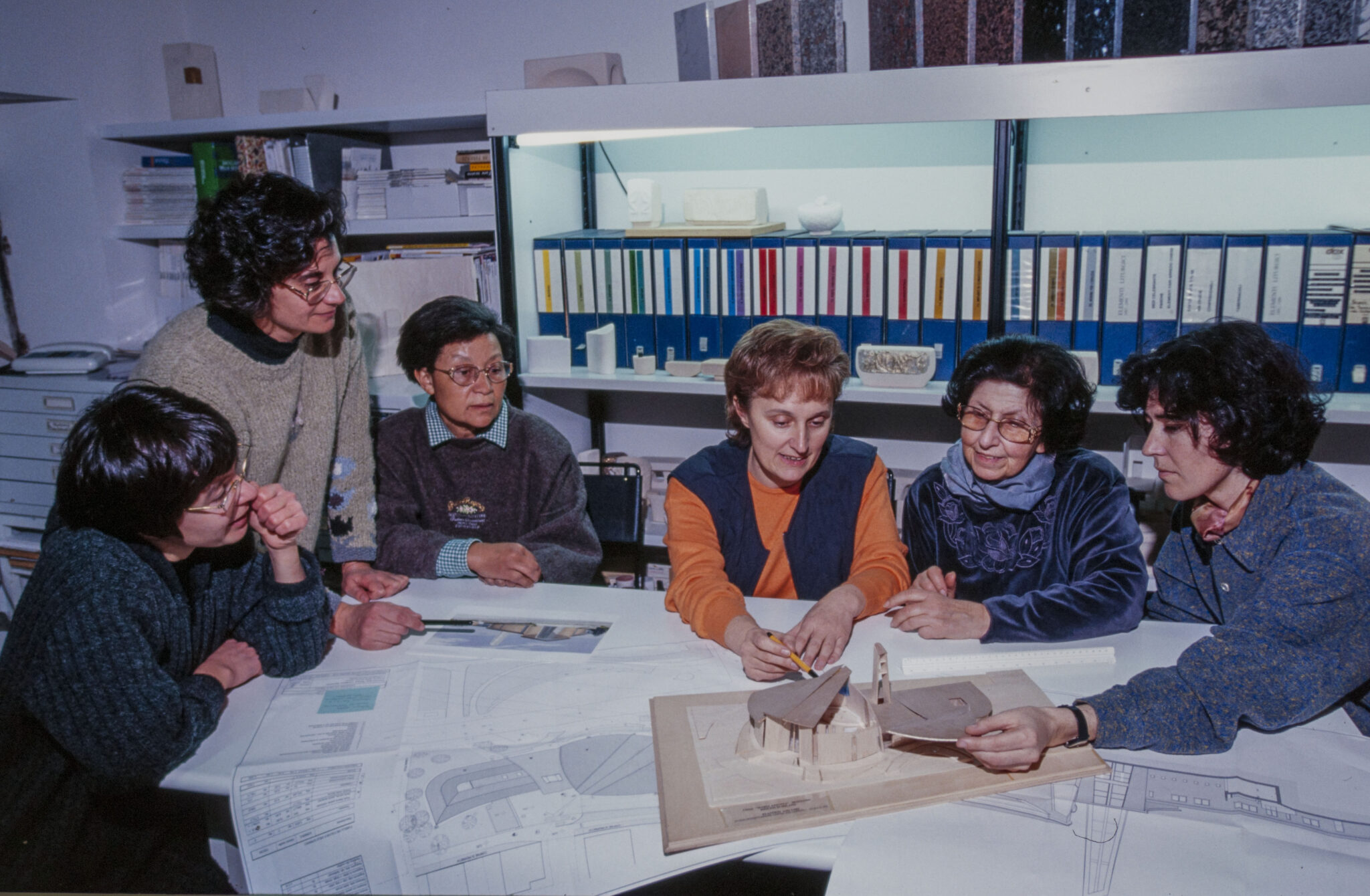
Alongside her creativity, the many people who have worked with her over the years remember above all her ability to bring out the best in others. Ave knew how to recognize the hidden good in people and encourage it to grow. For many generations of artists she was a teacher not only of technique, but above all of vision: a way of recognizing beauty even in the simplest and most ordinary aspects of everyday life.
In 1999, together with Michel Pochet and Liliana Cosi, she also contributed to the birth of the Central Commission of the Inundation of Art, a beautiful expression coined by Chiara Lubich to describe the impact of the spirituality of unity also on contemporary artistic culture. This initiative has grown into a worldwide network of artists that remains active and vibrant.
With her death, Ave Cerquetti leaves a living legacy made up of works of art, artistic communities and human relationships. Her entire life was spent translating into the language of matter, form and light that Gospel phrase that had become her life program: “Let us love one another, because love is from God: whoever loves is begotten by God and knows God.” (1 Jn. 4: 7).
Compiled by the Editorial Staff
Photo © Centro Ave/Archivio Loppiano


0 Comments