
The first Pontiff in modern history to have direct knowledge of Africa, Pope Leo XIV, since his time as head of the Augustinian Order, had personally visited all regions of the continent: central, southern, western and sub-Saharan Africa.
On board the papal flight from Rome to Algiers, Pope Leo told journalists: “As early as last May, I said that for my first trip I would like to visit Africa. Many immediately suggested Algeria to me because of Saint Augustine.”
Eleven days, eighteen flights, over 18,000 kilometres: Algeria, Cameroon, Angola and Equatorial Guinea. The journey included 25 speeches and homilies, eight public Masses, meetings with presidents, bishops and imams. In his interventions, the Pope highlighted the Church’s works of mercy through his encounters with prisoners, orphans and the elderly and by meeting hundreds of thousands of faithful. His remarkable gift for languages was evident: “he spoke to us in French, Portuguese, Spanish and English to establish personal contact with the different local populations.”
Blessed Are the Peacemakers
In an historic address to the authorities in Cameroon on 15th April, the day of his arrival, Pope Leo spoke directly about the humanitarian, political and social crisis that has afflicted the country for a decade. He described the human cost in stark terms: lives lost, families displaced, children deprived of education, and a generation of young people left without hope, while praising the country’s cultural and linguistic diversity as a “treasure” rather than a burden.
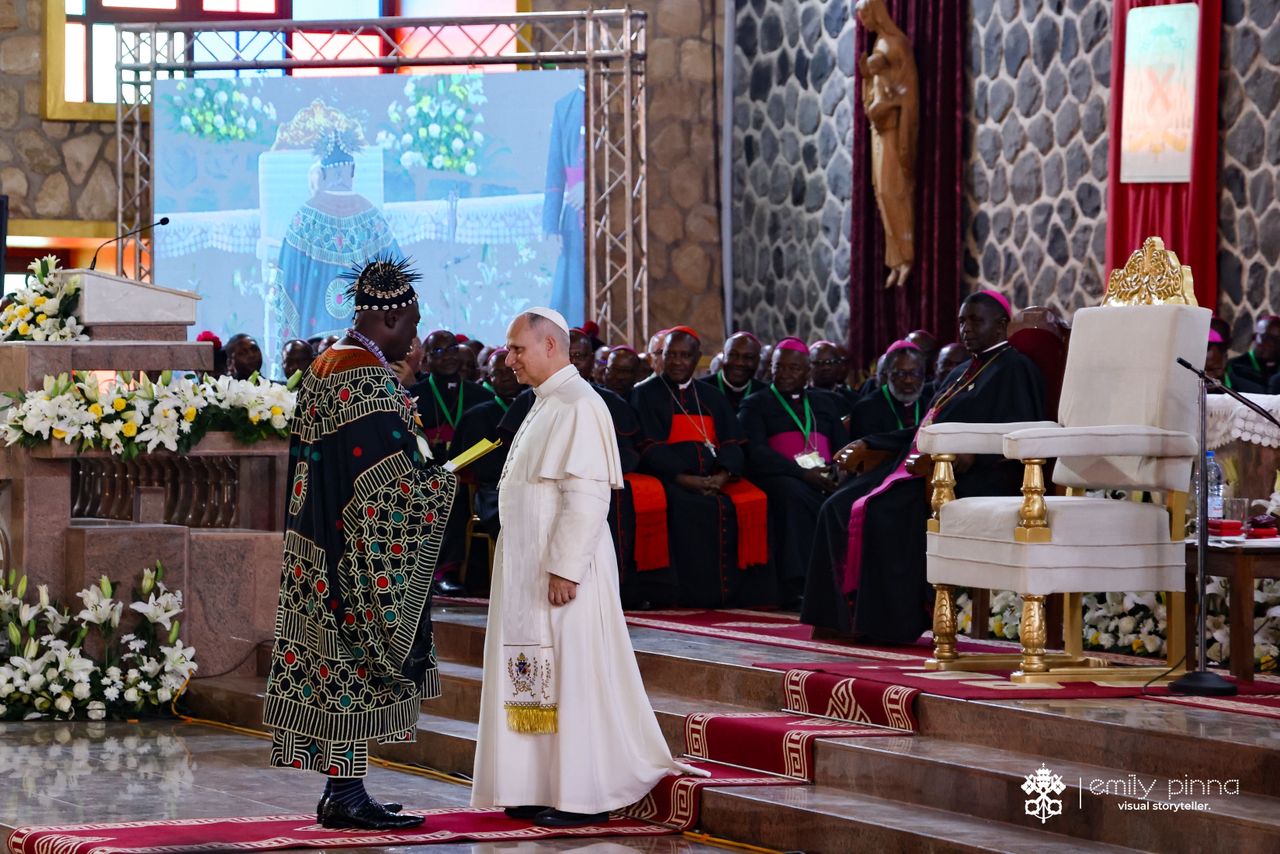
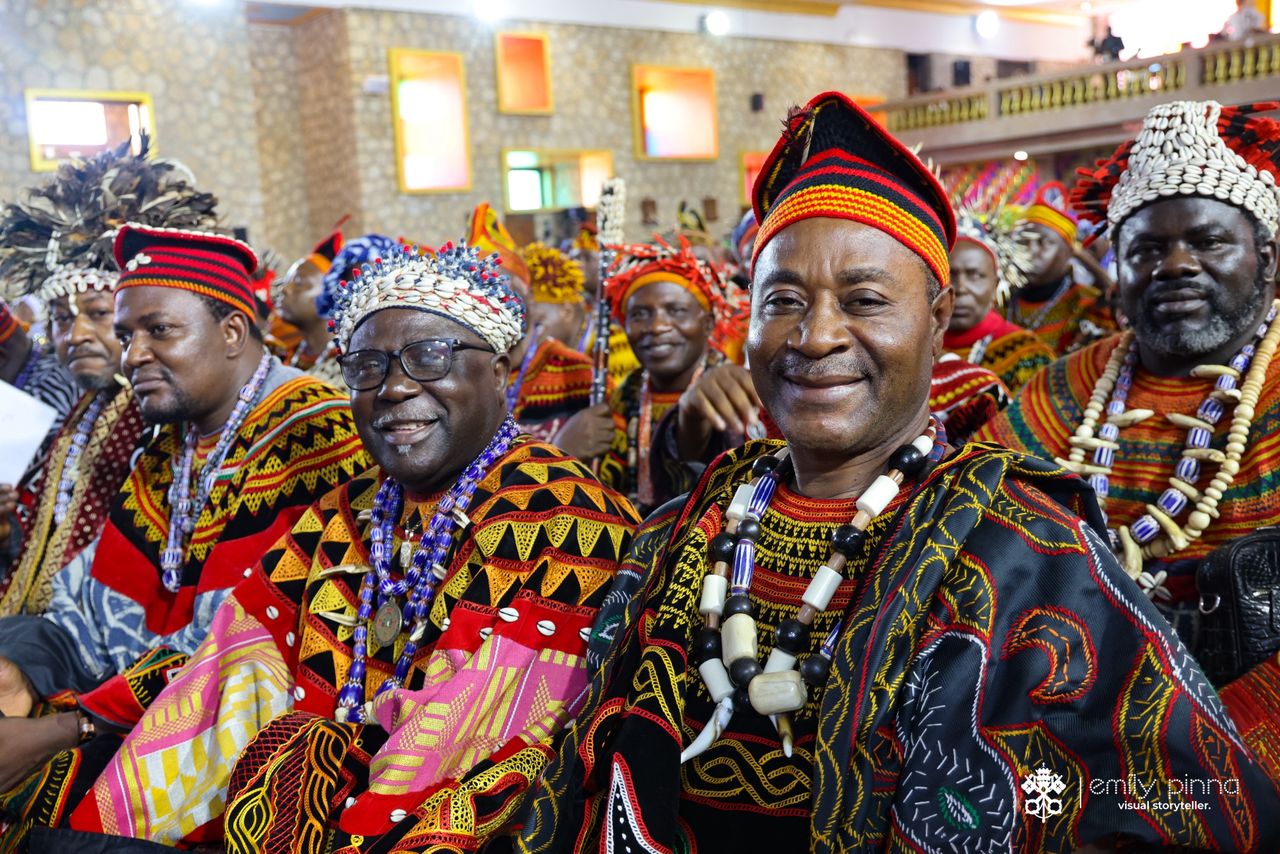
A key moment of the visit took place in Bamenda, at the heart of a region torn apart by separatist violence for ten years. The Pope presided over a meeting for peace at St Joseph’s Cathedral. Around the table sat a traditional leader, a Presbyterian Moderator, an Imam and a Catholic nun.
“An evocative image that will nourish our imagination for a long time,” said Elisabeth, a resident of Bamenda: “a Pope surrounded by representatives of different faiths and communities in a city at the heart of an ongoing conflict, who calls for dialogue instead of violence, reconciliation instead of revenge.”
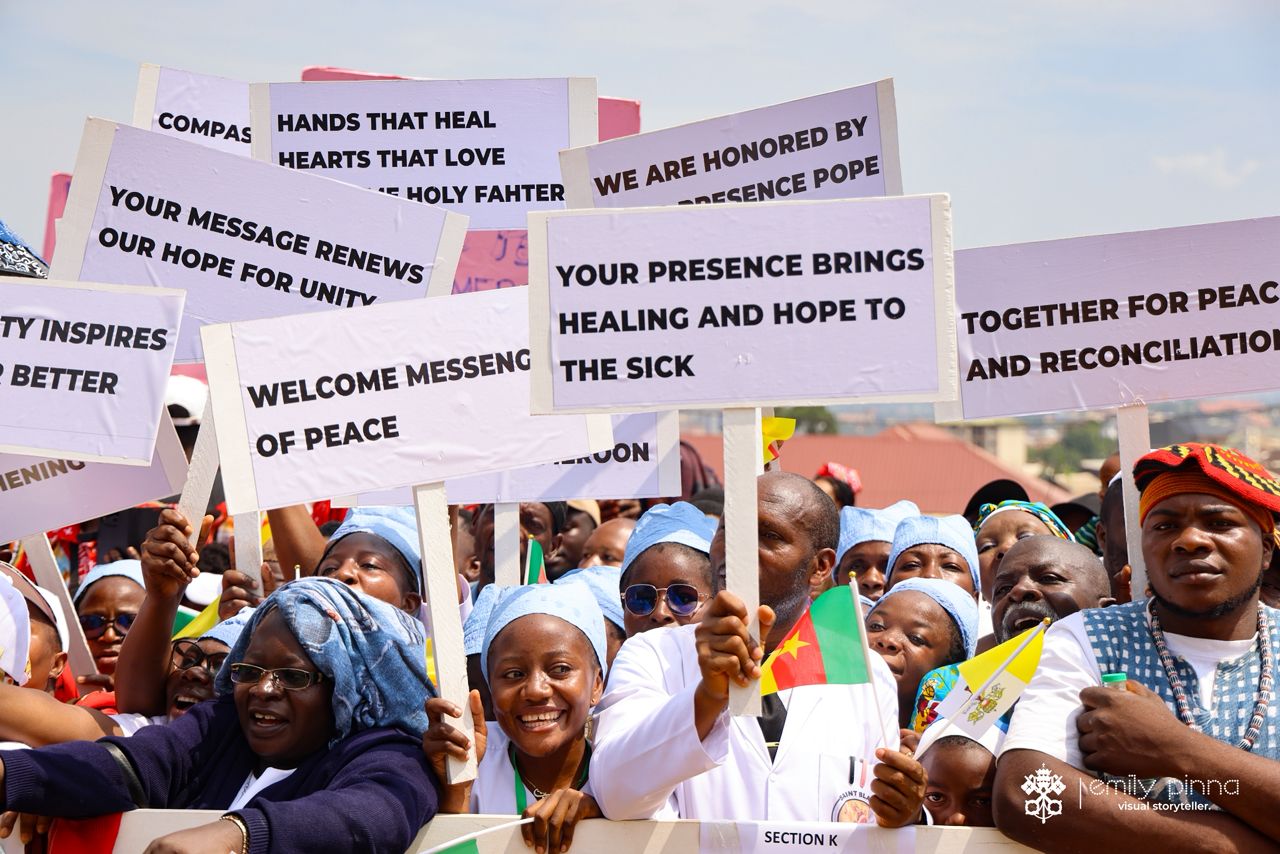
The Pope addressed the entire community, including people who had travelled many kilometres from the North-West and South-West regions, overcoming fear and obstacles to be present. He thanked all those who choose each day to build bridges and heal wounds. But he also issued a warning “to those who manipulate religion and the very name of God for their own military, economic or political gain.” He denounced those, he said, “who rob your land of its resources generally invest much of the profit in weapons, thus perpetuating an endless cycle of destabilization and death.”
“Dear Young People, You Are the Beloved Children of the African Land!”
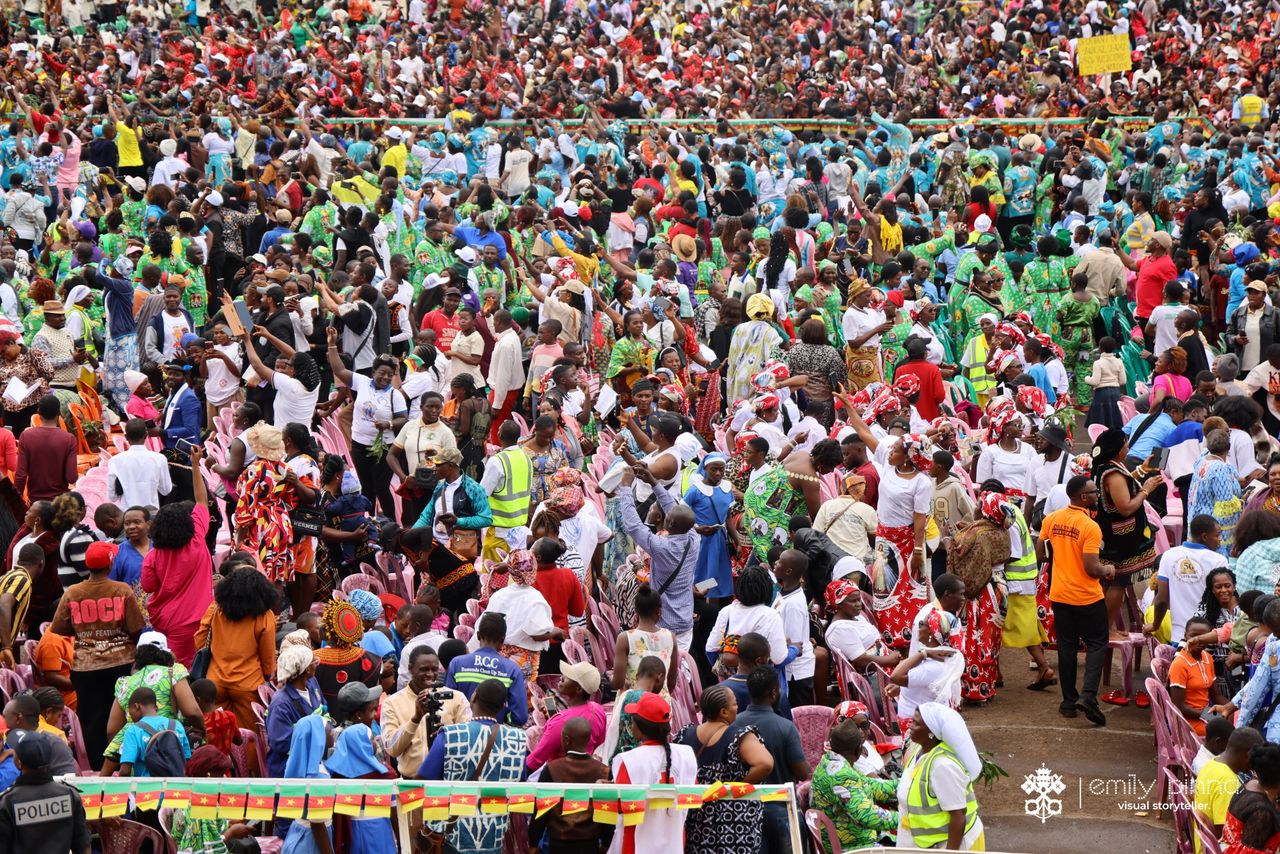
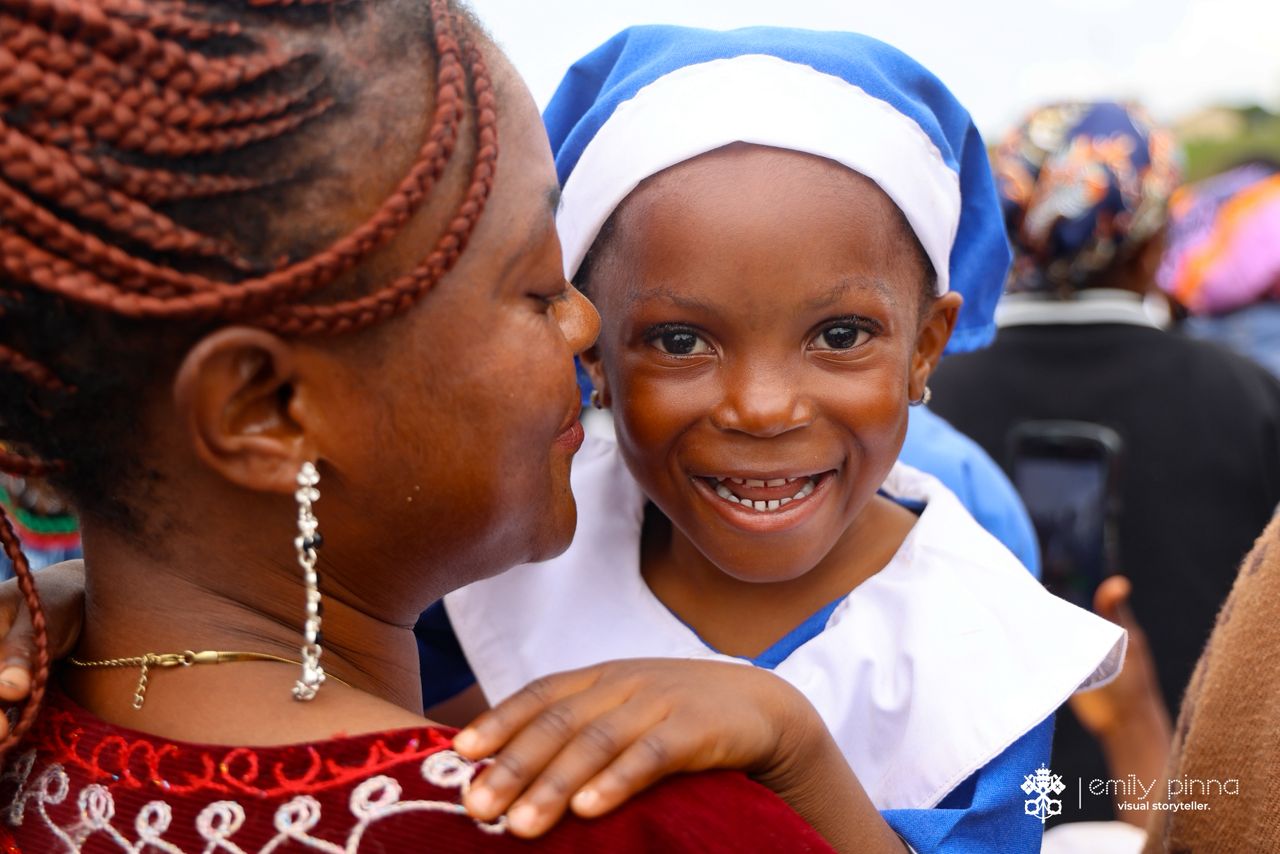
The Pope’s second day in Cameroon was entirely dedicated to young people. Leo XIV chose to directly address this vibrant and dynamic youth in his homily that, first before 120,000 faithful at the Japoma Stadium in Douala and then before students at the Catholic University of Central Africa.
He repeatedly urged young people to resist the temptations of emigration, corruption and the illusions of the digital world. Underlying his message—repeated twice that day—was a clear conviction: the future of the continent will be built here, not elsewhere.
At the Japoma Stadium, the Pope did not shy away from the country’s reality, speaking openly about both material and spiritual poverty. He invited the young people “to make your noble spirit the prophetic voice of a new world,” drawing inspiration from the Acts of the Apostles: “the first Christians gave courageous witness to the Lord Jesus in the face of difficulties and threats”. Recalling their perseverance even amid suffering, he urged them to “Reject every form of abuse or violence, which deceives by promising easy gains but hardens the heart.” He reminded them of their true wealth: “faith, family, hospitality and work.”
To illustrate his message, Pope Leo XIV referred to Blessed Floribert Bwana Chui, a Congolese martyr killed in 2007 for refusing, in his role as a customs officer, to allow a shipment of counterfeit medicines to pass through. He is presented as a model of resistance to corruption and an example for African youth. The Pope concluded with a powerful invitation: “Become Good News for your country.”
Form “Minds Capable of Discernment”
In the afternoon in Yaoundé, the Pope was welcomed at the Catholic University of Central Africa, a leading institution in the region that attracts over 5,000 students each year, particularly from Gabon, Chad and Equatorial Guinea. Around 8,000 people gathered to greet him with the enthusiasm typical of the academic world.
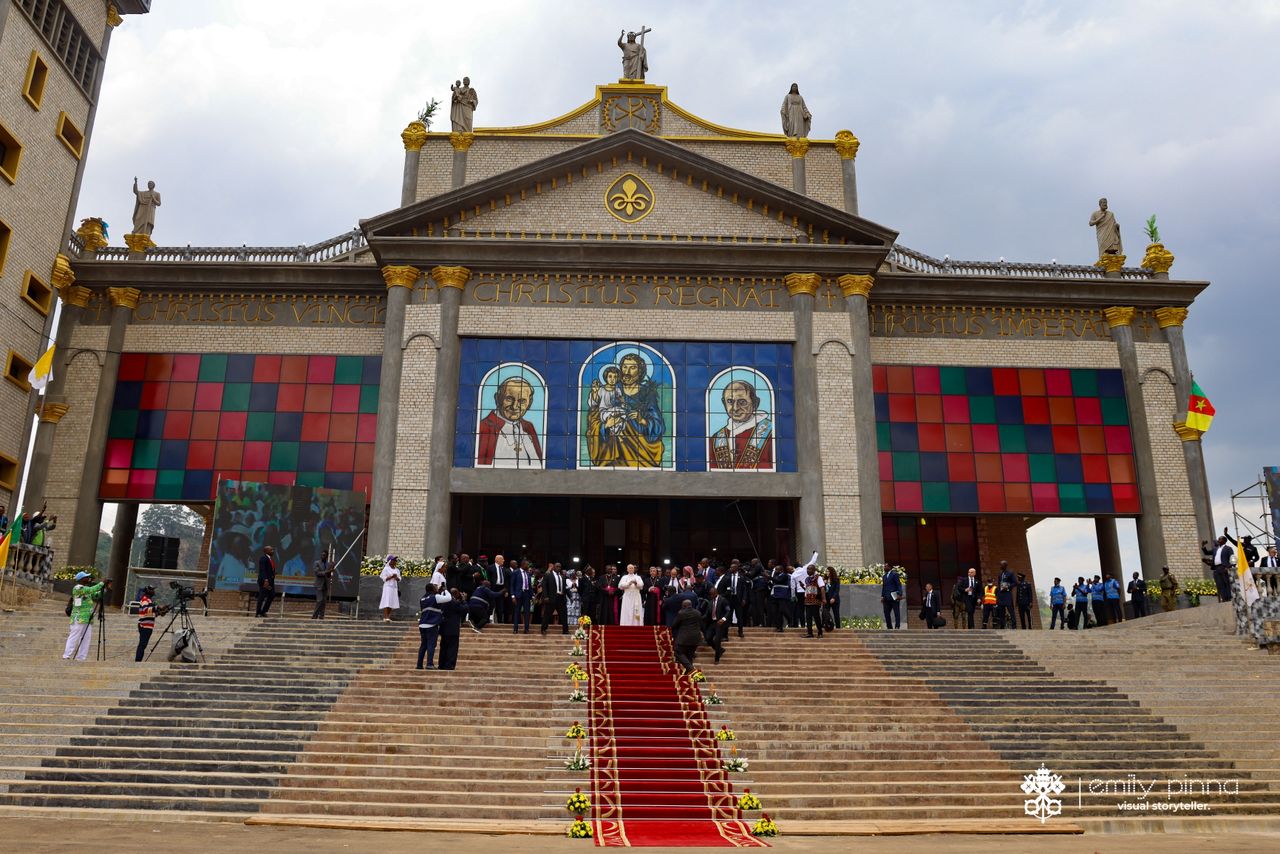
Addressing this audience of young Africans, Pope Leo XIV spoke about pressing and sensitive issues: corruption, artificial intelligence and its risks, migration and more.
He placed at the centre of his reflection the tension between the temptation to emigrate and responsibility towards one’s own country. “In the face of the understandable tendency to migrate, which may lead one to believe that elsewhere a better future may be more easily found, I invite you, first and foremost, to respond with an ardent desire to serve your country”, he told the students. He reminded them that the university was founded thirty-five years ago precisely to form “witnesses of wisdom and justice, of which the African continent needs.”
Speaking about artificial intelligence, the Pope warned with unusual gravity: “When simulation becomes the norm …. We thus come to live within bubbles, impermeable to one another. Feeling threatened by anyone who is different.” His conclusion was direct: “In this way, polarization, conflict, fear and violence spread. What is at stake is not merely the risk of error, but a transformation in our very relationship with truth”
The Pope also highlighted the environmental and human cost borne by Africa in the extraction of cobalt, an essential mineral for the batteries which power data centres and internet-connected devices. He spoke plainly: “the darker side of the environmental and social devastation caused by the relentless pursuit of raw materials and rare earths” must be denounced.
Liliane Mugombozi (Cameroon)
Photo: Courtesy of the Apostolic Nunciature in Cameroon
0 Comments