

Sportmeet 2018 Congress, Rome, Italy
 The role of sport in breaking down many of today’s barriers, whether they be psychological, relational, cultural, social or environmental. By its very nature, sport is a place for facing limits. Why does sport turn out to be such a good terraine for reconciling with our limits, and for experiencing inclusion, integratation and breaking down barriers? Where does the magic lie? In tune with Sportmeet’s mission, these are some of the important topics that will be examined, through cultural reflection, testimonies and practical workshops, and dialogue with people who are actively involved in significant ways in and around the city of Rome. Interested? Want to join us? For more information click here: Sportmeet
Gen Verde: Start Now …and then?
Photo: www.genverde.it
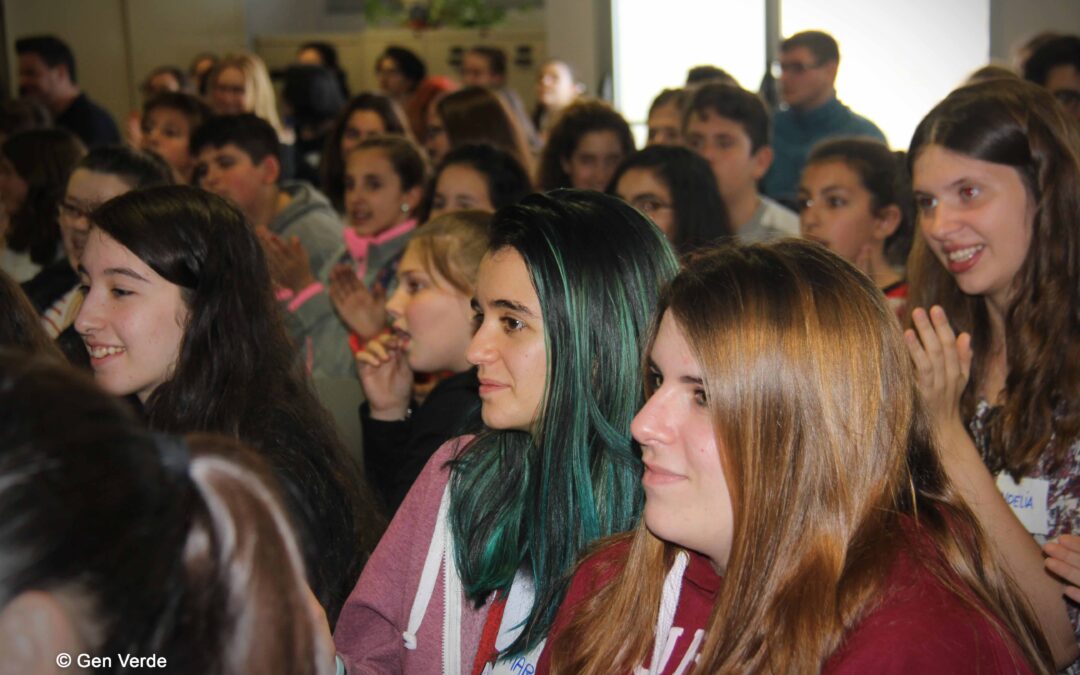
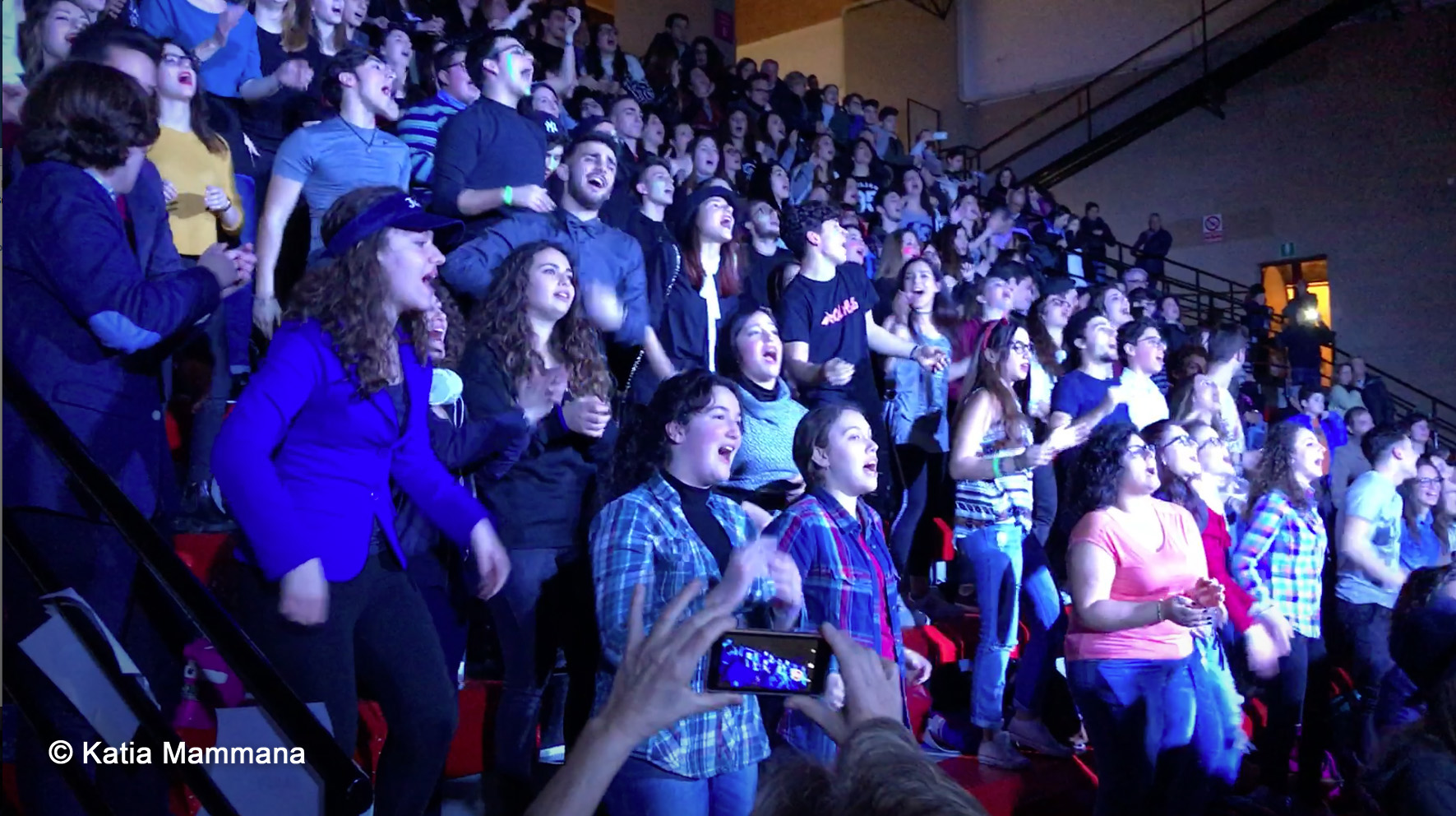 It took so much work to prepare a project with intense days experienced, but what remains in the end? We posed this question to the protagonists of some of the phases of the initiative in many countries worldwide. What they told us had many points in common. The first: the actual concert we are staging, “Start Now,” gives an impulse to relate with the others in a different lifestyle, based on trust, openness, and attention to the common good. This style continues also after, in daily life. The second: the courage to be the first to start in changing the world around us, since “Togetherness is our strength. We can think big if we work together.” Someone called it “spirit of brotherhood.” The third note could be called sharing: the drive, the desire to communicate to others their concrete experience, to contaminate and involve all in the endeavour of improving the world, wherever we are.
 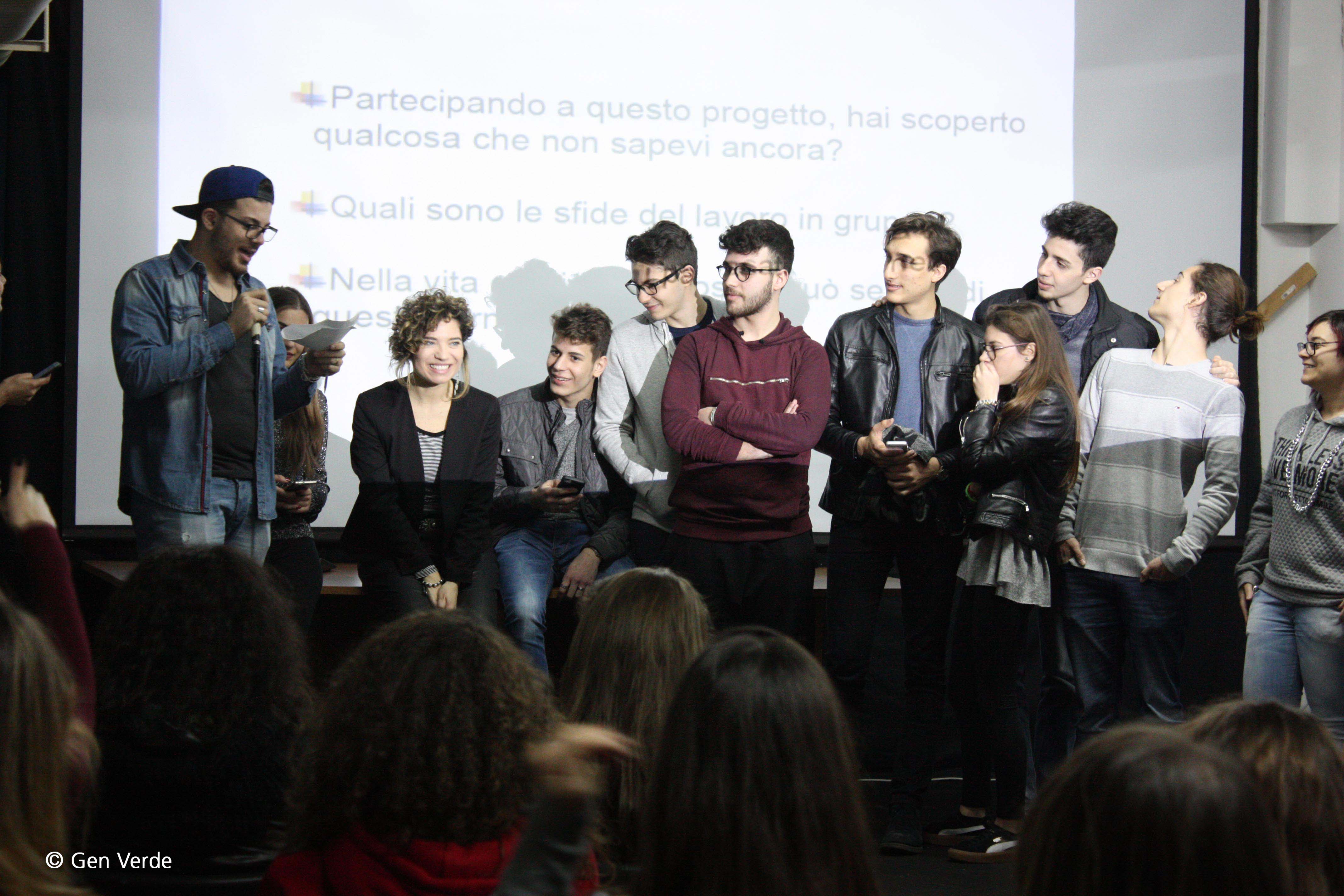 “We managed to relate better with people, and at times also influence others to act like us,” a boy said. And a teacher, talking about some of his students who had participated in the project: “They were able to show that they have a deep humaneness which I may have underestimated in these years. I no longer consider them as kids, at times immature, but as people who are able to be protagonists.” The desire to divulge this constructive way of facing reality, gave rise to various initiatives. In Palermo, Southern Italy, for example, they are already working on a second edition of Start Now 2018. In La Spezia, in the north, the youths who had participated in the project invented a “car wash” afternoon, for the benefit of Nigeria and a “typical 1960s masquerade ball” to gather funds for a dispensary in Man, Ivory Coast. To let fraternity be “heard” before a party, they had a linkup via Skype with their friends in the African country.
 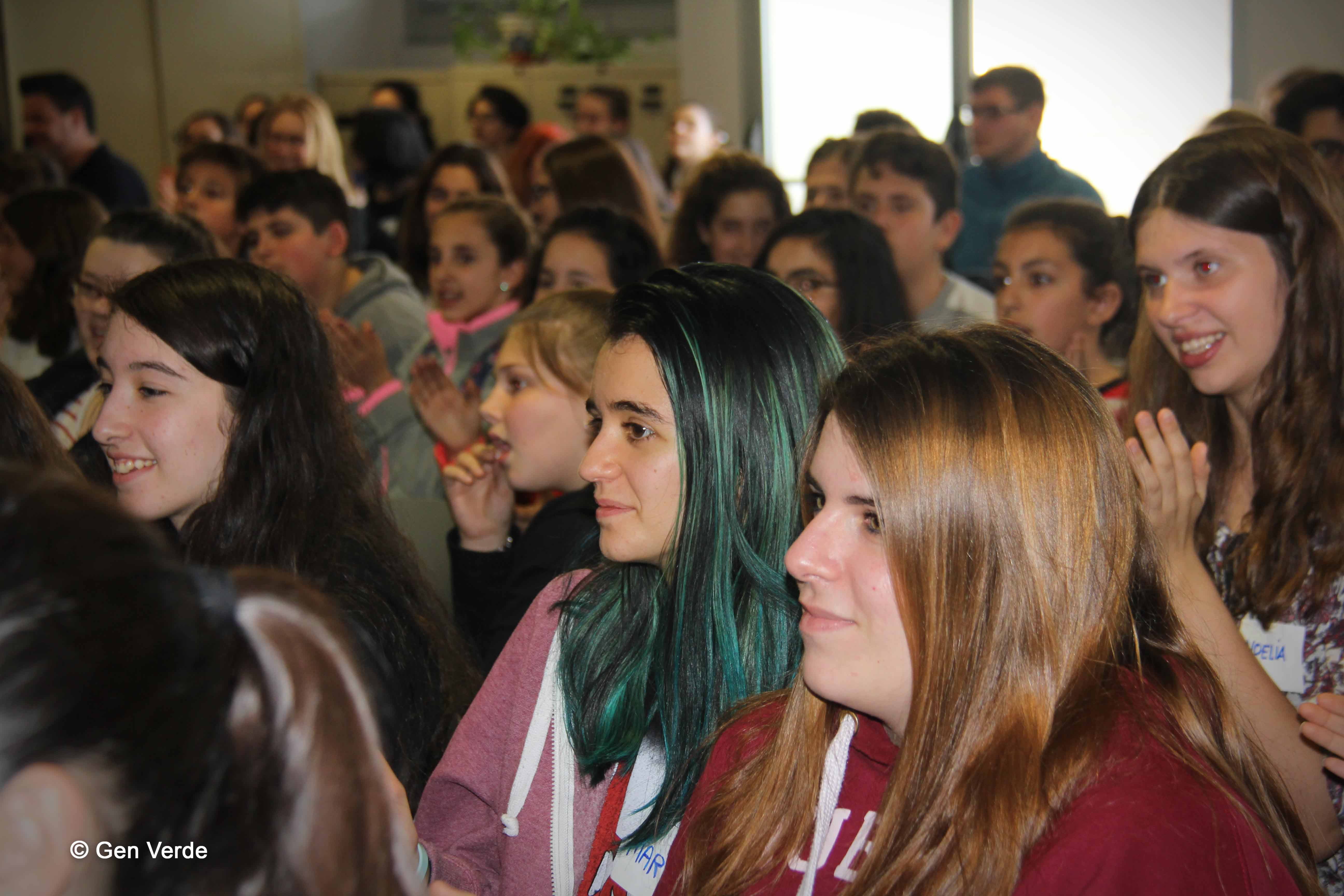 In Huétor Tájar (Spain), the Start Now spirit enlivened the traditional “solidarity run.” “We understood – a girl wrote – that life is nicer if accompanied by a smile and joy.” Still in Spain, in Azpeitia, the dean of a university requested that the project be presented in his university. These are small steps with great perspectives, and the feeling of belonging to a choir where the voice of each one is necessary, and many other effects, here and there around the world, triggered by the sharing of the Start Now project. It is not a firework which soon dies out leaving only memories and nostalgia, but a spark that lights up, contaminates and spreads. Chiara Favotti
In remembrance of Card. Pironio
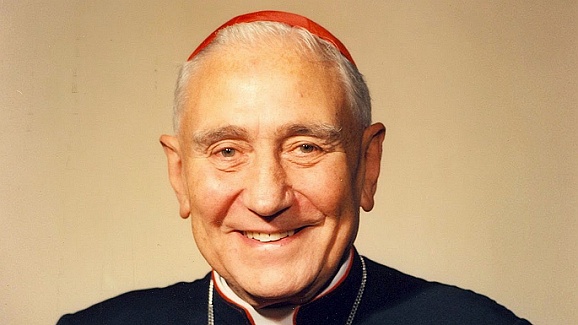
5 February is the 20th death anniversary of Card. Eduardo Francisco Pironio (1920 – 1998), whose cause of canonization is underway. Born in Nueve de Julio, Argentina, and the 23rd son of a family of Italian origin, he was ordained priest in 1943. Pironio first became full bishop in Ceciri, and later in La Plata, he became secretary general and them president of the Latin American Episcopal Conference. He was called to Rome by Pope Paul VI, who appointed him as Cardinal in 1976. John Paul II appointed him President of the Pontifical Council for the Laity, and in his capacity as such and with the Decree of 29 June 1990, Card. Pironio delivered to Chiara Lubich, the definitive approval of the general Statutes of the Work of Mary (Focolare Movement). The celebrations started with a mass in the national shrine of Nuestra Señora de Luján on 4 February, promoted in his honour by the Argentinean Catholic Action. The central events will take place next 31 May in Buenos Aires. The Focolare Movement joins all with gratitude, in commemorating one of the most outstanding figures of recent ecclesial history.
Dialogue as a Style of Life
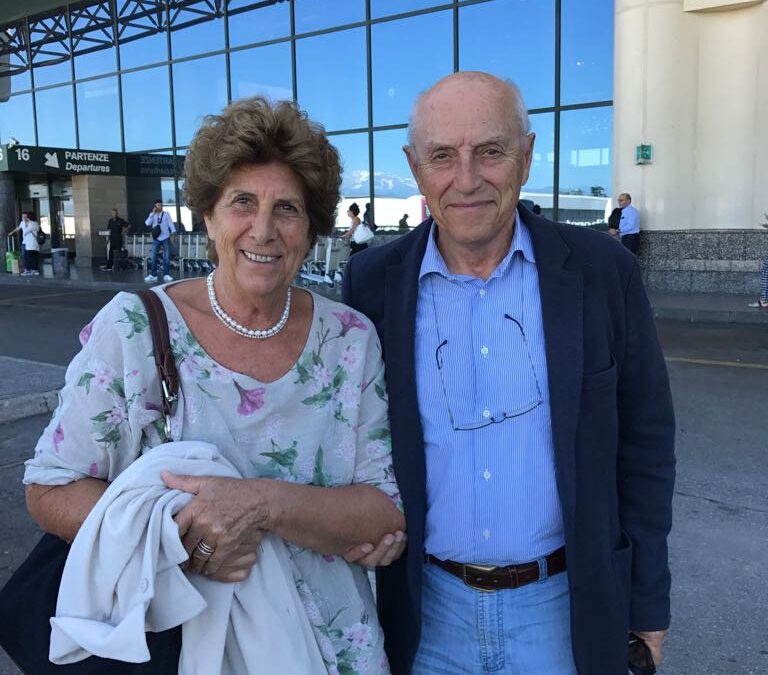
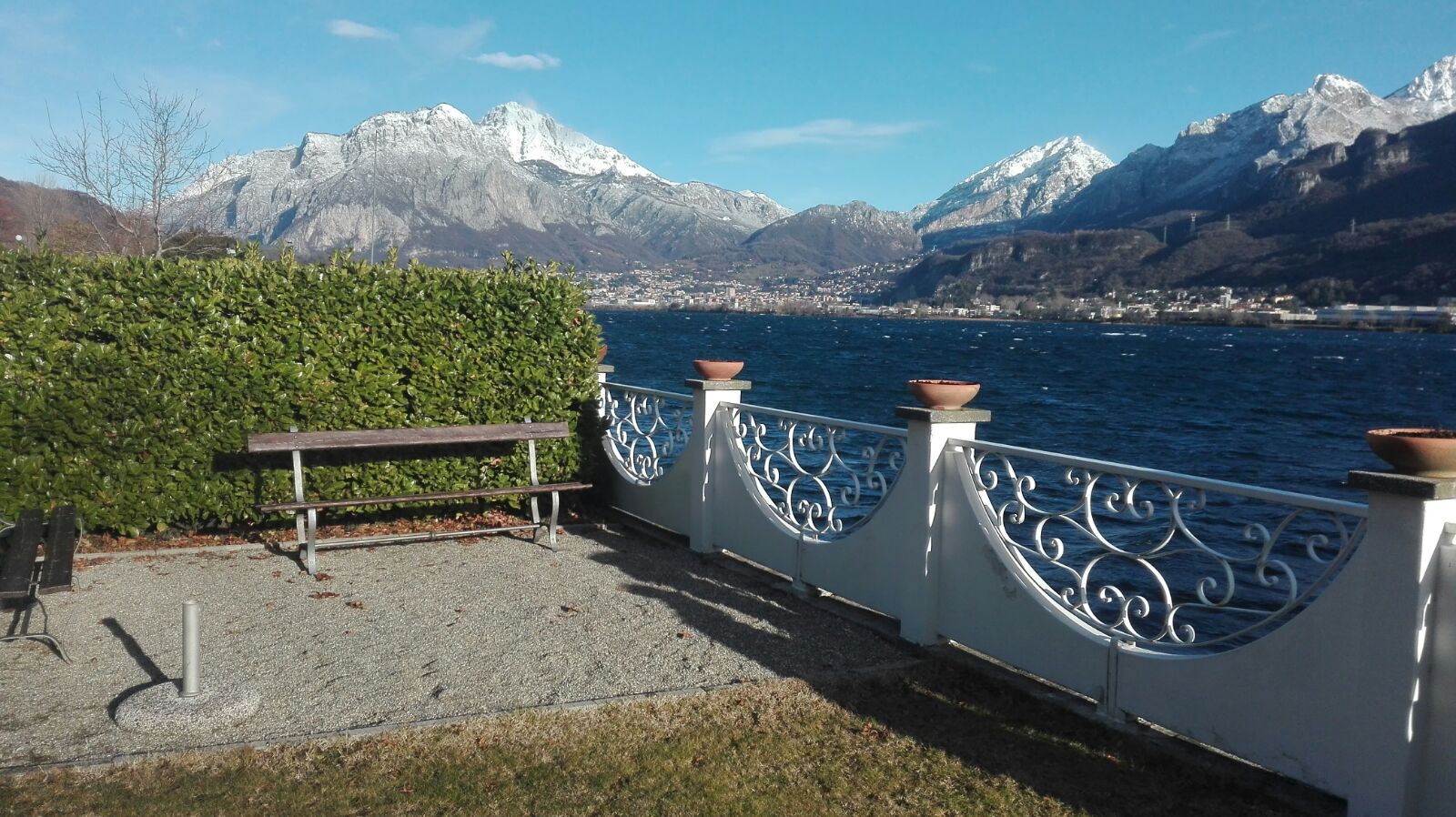 “A 360 degree dialogue with every person, even people of different convictions had become normal for our family, shared by our children Pietro, Elena and Matteo.” Annamaria and Mario Raimondi are like a rushing river as they share the many experiences of dialogue they’ve had as a family. They now live in a quiet little town in northern Italy, on Lake Como, only forty-five minutes from Milan, Annamaria points out. He’s an ordinary professor of Physical Chemistry at the University of Milan, and she’s a teacher. Both are retired, at least “officially”. They’re quite lively and very active with their family and three grandchildren In their diocese, they’re very involved with ecumenism, and they’re also at the service of the local Focolare community.
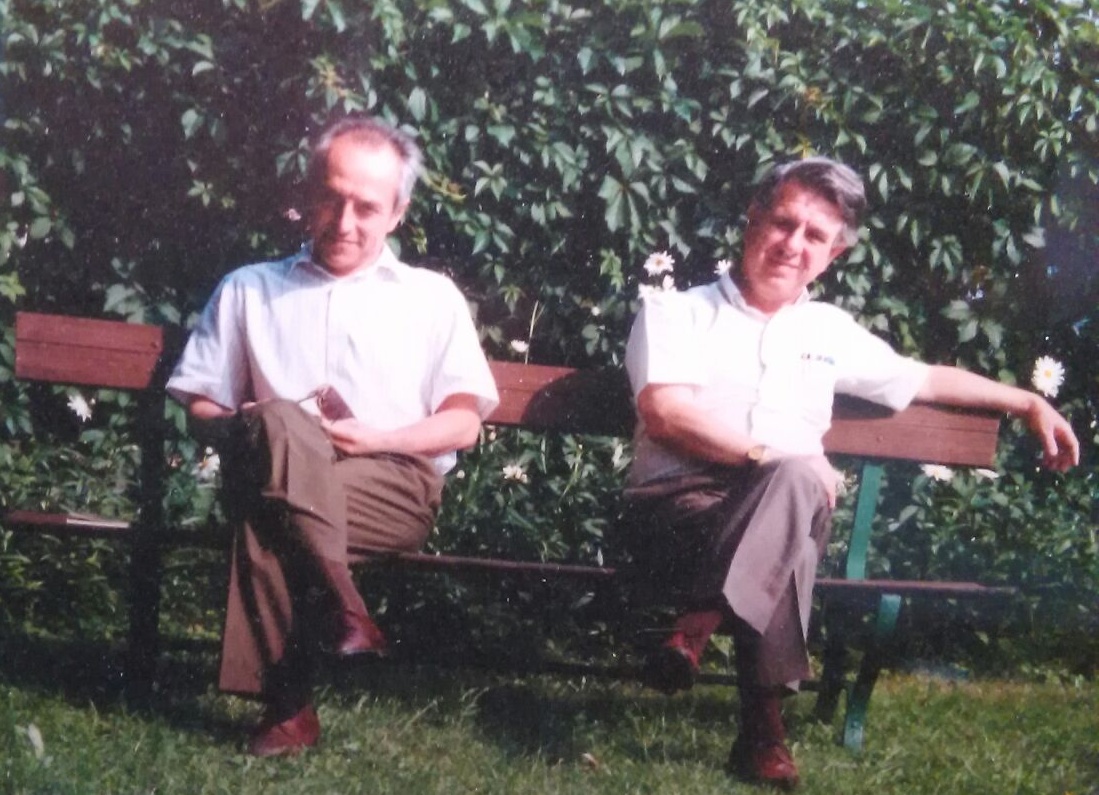
Mario and Joe
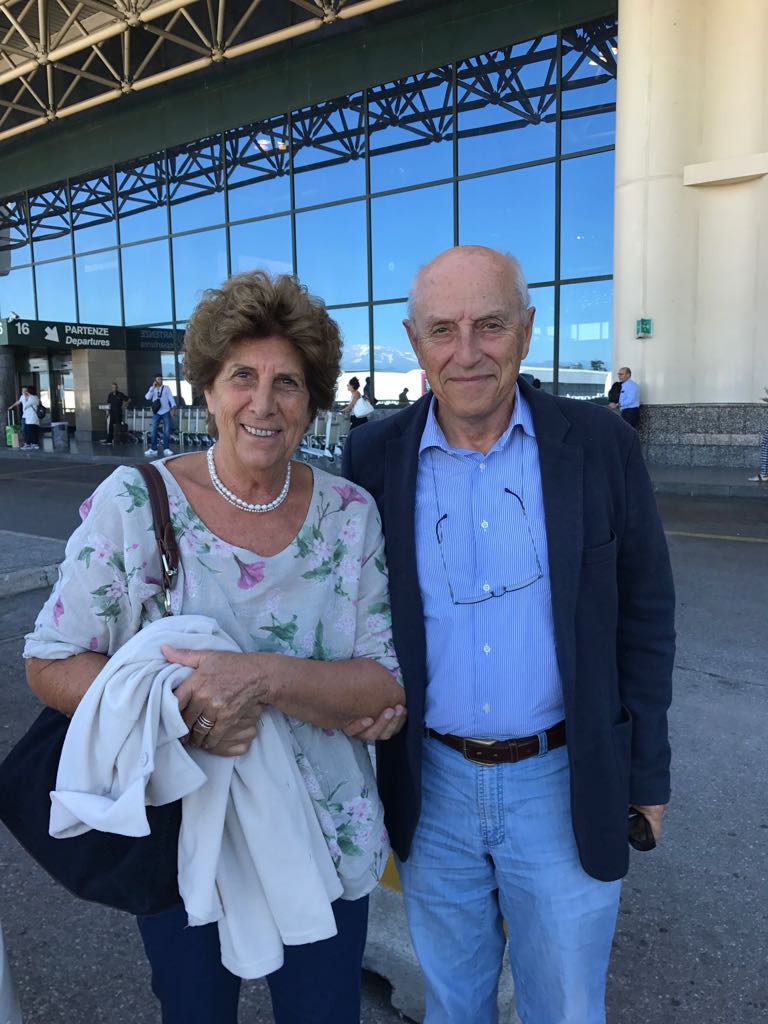 “Even now,” Mario reports, “after many years the relationship with Zaga and her family still continues. She’s old now and not in very good health. We visited her often, for example, when her daughters married, and when her first grandson was born (who just happened to be named Mario!). We went through everything together in our lives: raising the children, vacations, the scientific research… It wasn’t just great human understanding among us, but something much deeper than that. Each of us felt free to be him or herself, and the love among was sincere. Zaga, who still claims to be a non-believer, participated in the priestly ordination of Pietro and the Religious Profession of Elena – even while wearing a cast on her leg – Matteo’s marriage… The relationship between our families is still there, and we continue to share the simple times together, the deep and the important moments.” “Last summer,” Annamaria went on to say, “we learned that an 80 year-old English gentleman had a heart attack while visiting Lake Como in Italy. The hospital was fairly close to our home. He and his wife, who didn’t speak any Italian, were having a hard time. The other members of their group had returned to England. During the hospital stay, which lasted for two weeks, we visited him every day him every day, helping him to communicate with doctors, finding a place for his wife to stay with some nuns near the hospital, doing ordinary things as if we had known each other forever. We gave them the Word of Life and shared simple but deep moments together. When he was released from hospital, we accompanied them to the airport. It was there that Antony – as he’s called – asked ‘May I give you a blessing?’ That’s when we discovered that he was an Anglican minister. The memory of that very special goodbye is always with us. Returned to London, Antony and his wife, who are already in close contact with the local Focolare community, still thank us, recalling that moment with gratitude.” Chiara Favotti
Chiara Lubich: to love in action
Photo: www.afnonlus.org