Chiara Lubich: Builder of Peace
https://vimeo.com/148206157

https://vimeo.com/148206157
If we could look at the world from a distance with a powerful zoom lens, the way that astronauts do, we would see our planet in peace and even without frontiers. At a close distance instead, the images available transmit details of all sorts of divisions, hatred and abuse. At times, the risk of observing our history and our planet from too far or too near is that reality can be distorted and judgments decoyed. So as not to lose sight of the direction humanity is moving towards, what should the right distance be? Upon questioning themselves on the transformations of the contemporary era, the fields of economy, sociology, natural sciences, and philosophy all converge on some principles, like interdependence – what comes about in one place may have consequences elsewhere. Each fragment or portion of humanity reveals its greatest potential in belonging to a common destiny. We will not save ourselves alone, nor can we be satisfied to be enclosed within a shell, if all around there is diffused suffering. «The world should convince itself that it is called to unity» was the challenge that Chiara Lubich launched to the Youths for a United World in 1985. For more than 20 years the youths for a united world have nurtured themselves with this vision of the common good, and work to make it a reality. Attracted by the infinite possibilities for fraternity, the possible sole destiny for history and contemporary humanity, hundreds of youths of various nationalities are on their way to Loppiano (Italy). Their initiatives at planetary level, will converge in the United World Week which since 1995, has been a showcase of the actions for fraternity underway throughout the world. These are actions that in turn merge into the United World Project with the objective of calling the attention of civil society and the international institutions to a culture of fraternity.
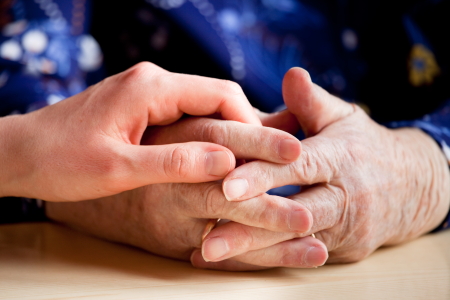
Better work “After an accident I lost a good job, and my wife’s salary was not enough for my family to get ahead. Yet Providence did not forget us, helping us to find small bits of work just at the right times so we could pull ourselves up. In the evening, together with the children, we prayed for help – not just for ourselves, but for all those in need. Six months after the accident, just when the economy in our country took a critical turn, I found a job that was better than the one I lost.” J. L. – Uruguay The next room “I was in the hospital, lying in darkness because of my health and the medicine I was taking. I didn’t know what to do to get out of it. I heard a bell ringing; someone in the next room was calling the nurse. I got up to see if I could lend a hand. All that was needed was to give someone some water. I stopped beside his bed, showing interest in his life and trying to listen deeply to his words. I don’t know how, but suddenly I felt lighter.” T. d. M. – Italy An unexpected gift “Having been married for 50 years, we have lived through – as Ecclesiastes says – times of joy and pain. One evening, in particularly tight circumstances, we were counting how much money we had left and pondering what we could buy to give the children something to eat. In that moment a friend called – he wanted to pass by after having received two turkeys as a gift to give us one. It’s so true that we have a Father in heaven who never abandons us.” T. e R. – Poland Change of plan “I travel often for work, so I have to make a detailed schedule of what I’m doing, while staying ready to change my plans. I was surprised, in fact, when I realized that something unexpected, if it’s taken from the hands of God, becomes something better than what I had planned myself. This “making space for God” is not just for when I travel, but in many other circumstances, and it is a true lesson on staying vigilant. Seeing the beautry of God’s plans, even if it costs me to lose mine, I have to say that the “invisible director” knows how to point the way to my true fulfilment, my true happiness.” T.M. – Poland
“Journeying together. Christians on the way towards Unity” is the title of the 59th edition of Ecumenical Week which will be held 9-13 May 2017, at the international conference centre in Castel Gandolfo (Rome), with the participation of around 700 Christian representatives of 70 Churches and Ecclesial Communities from 40 countries.
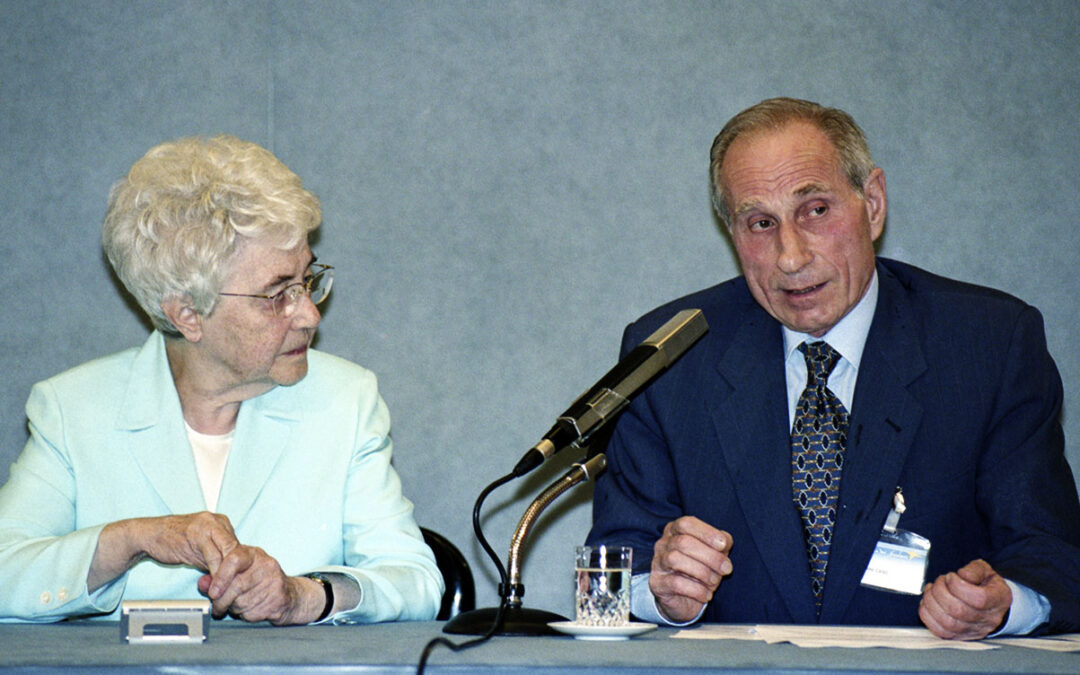
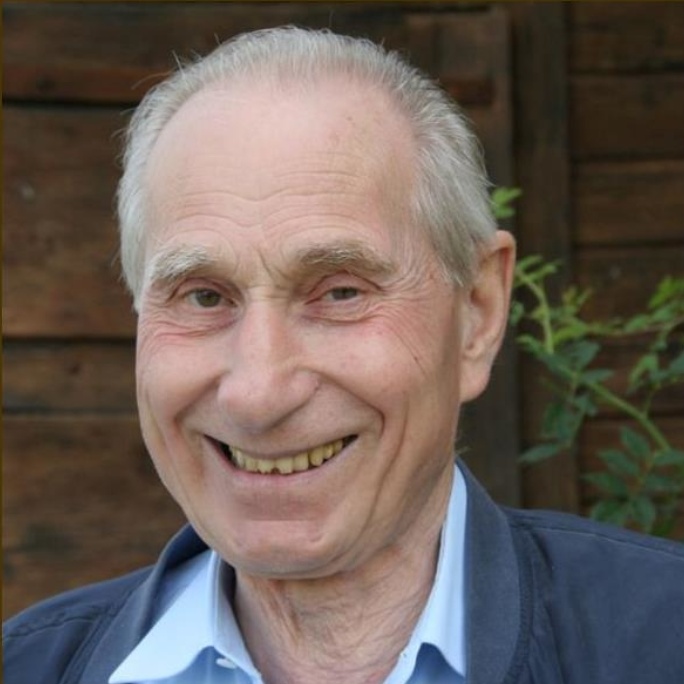 Gianni Caso was born in 1930, in Roccapiemonte, Italy. With much sacrifice he completed his Law studies while working as a court clerk. Because of his strong Catholic background he was invited to take charge of the Catholic Action Youth Group in Naples. After graduation, during military training, he met a focolarino who gave him a Città Nuova magazine, and in 1959 he attended the Mariapolis in Fiera di Primiero. In a passionate speech given by Bruna Tomasi, who was a member of the first group that followed Chiara Lubich, Gianni discovered a vital connection in the ideal of unity to his own vocation as a lay person. In 1968 he was a judge in the Trentino-Alto Adige Region of northern Italy where he was working in the Focolare’s nascent New Humanity Movement. He later became a member of the civil and criminal high court of Rome and moved to the international centre of the Movement in Rocca di Papa. During the 1970s acts of extreme violence were perpetrated against Italian State institutions, which turned into an armed conflict with the terrorists. During those years Gianni was appointed judge rapporteur and drafter of the appeal sentence in the first and most important of five court cases for Aldo Moro, leader of the Christian Democracy who was murdered in 1978 by an armed terrorist group known as the Red Brigade. Gianni was escorted to court each morning by an armed guard and accompanied back to his home each evening. Once home, Gianni went to Mass with his own car. One evening, instead of following his usual route, without giving much thought to it, he went home by another way (he said it was sort of an “inner inspiration”). By doing so he avoided being kidnapped by terrorists who were lying in wait for him.
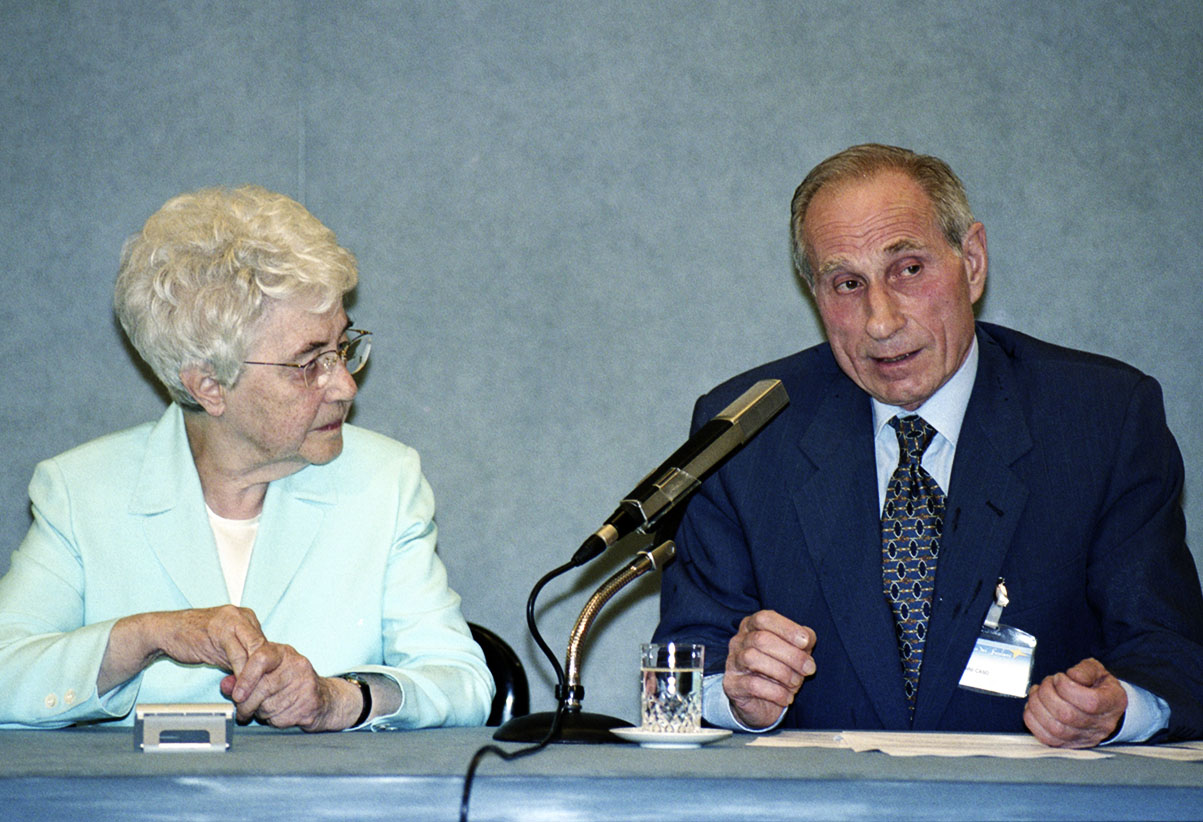
Gianni Caso with Chiara Lubich
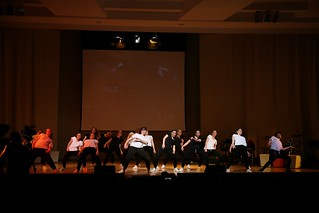
PULSE – THE EVENT – 1 st May 10:00-12:30 (CET, UTC 1)
PULSE – THE MEETING, 29 Aprile 2017, Replay the streaming event: part 1 – part 2
Flickr Gallery
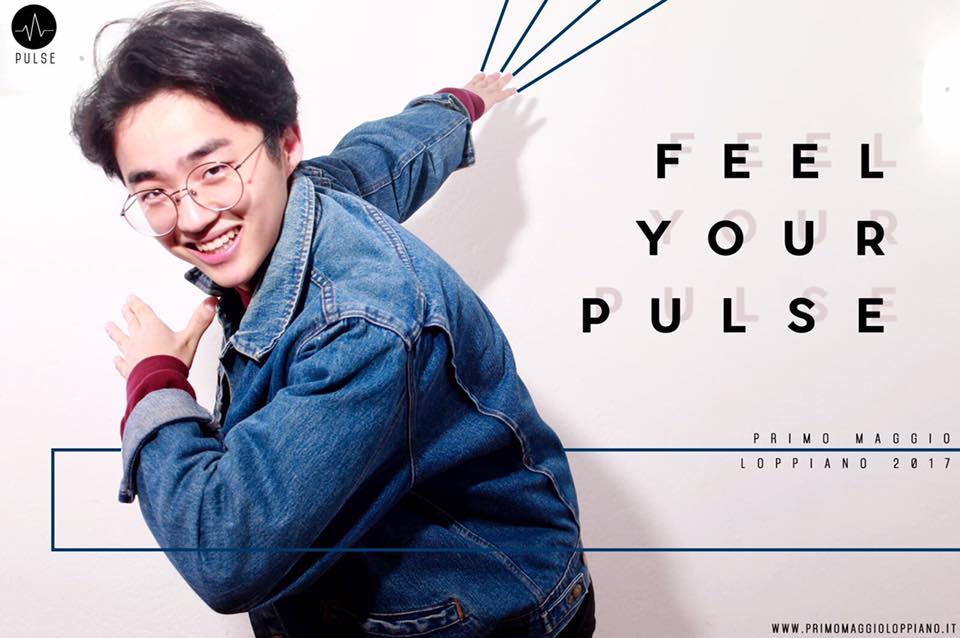 Everybody knows that young people’s hearts beat at a faster pace. Their energy overflows on the world around them. From April 29th to May 1st their hearts will be beating even faster. This experience isn’t be advisable for anyone suffering from the fear of being contaminated by another culture, or the fear of finding similarities among cultures, or suffering from an inclination towards drama and violence. It will be an excellent experience, however, for anyone who would like to travel full speed ahead in the discovery a new world where peace is the law of the land. The Focolare town of Loppiano which, since 1973, has welcomed throngs of young people in the first days of May, will provide a space for encounter and reflection for youth from different groups and movements that include Youth for a United Word, New Horizons, Rondine, La Pira International Centre, Non Dalla Guerra, Living Peace, Sophia University Institute, Dancelab, EcoOne, Economia disarmata, Bargiana and Sportmeet. Many testimonies will be presented from Syria, Ecuador, Egypt, Jordan, Lebanon and Iraq. Six workshops dealing with welcome and integration, social involvement, art, peace, sport and communications. Four forums on: peace and religious traditions, economy and politics, peace education and nature. Two of these will be conducted by the Living Peace International Project and by the Economia Disarmata group. The first workshop emerges from the experience of Carlos Palma, an Uruguayan who was teaching in Egypt, in 201. Through his experience with his students – and against the dramatic backdrop of conflict and war – a complete Peace Education course was born that has spread to more than a hundred countries with the participation of nearly a thousand schools, groups and associations. Up until now it has engaged more than 200 thousand children, adolescents and young people in different parts of the world. The second, the Economia Disarmata (Disarmed Economy), has for some years already been presenting peace education courses. This time it will present: “Objection to war: in the footsteps of Fr Milani” with a visit to Barbiana, guided by the writings of the Italian priest on war, peace and conscientious objection.
 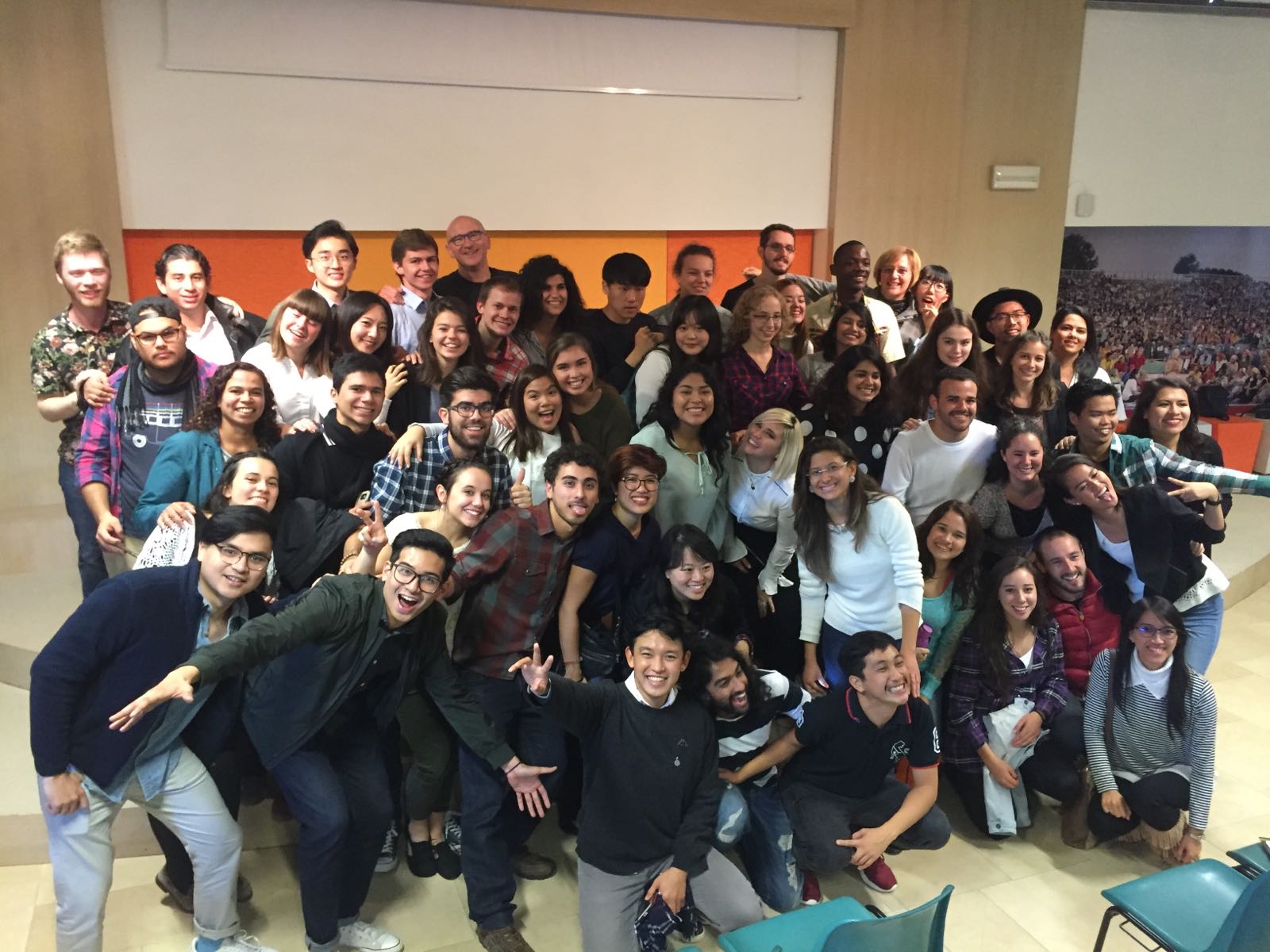 It will be a high-speed journey of discovery (and decision-making) regarding what can be done to change the course of history, becoming links in that global network known as “United World Project” that has engaged the Young For Unity since 2012, together with other associations and groups. The idea is to link the different “fragments of fraternity” and make them part of a network. May 1st will bring the meeting to a close, but not the rhythm. Once again, the annual gathering in Loppiano will open its doors to many young people from more than 40 countries who intend to show the real heartbeat of humanity: the endless number of activities in favour of peace and brotherhood that far more silently than wars fill the lives of individuals, groups and entire populations. They will share their ideas through music, dance, word, testimony and discussions on politics, economy, art, religion, culture and social engagement in favour of peace. Afterwards, until May 7th, the 21cnd edition of the Week of Unity will begin with “Pulse – Change Your Heart; Change the World”. Ever since 1996 this project has been involving many people in large and small series of projects on all the continents, genuine showcases of authentic brotherhood. The May 7th Run for Unity will bring the United World Week to a close with a worldwide relay marathon. You can sign up at the run4unity website. #UnitedWorldWeek2017 – #4peace – #PULSE – #ChangeYourHeartChangeTheWorld – #MeetingY4UW – #PrimoMaggioLoppiano2017 – #run4unity2017
https://youtu.be/5Bc3pj_p0FY