15 Mar 2016 | Non categorizzato
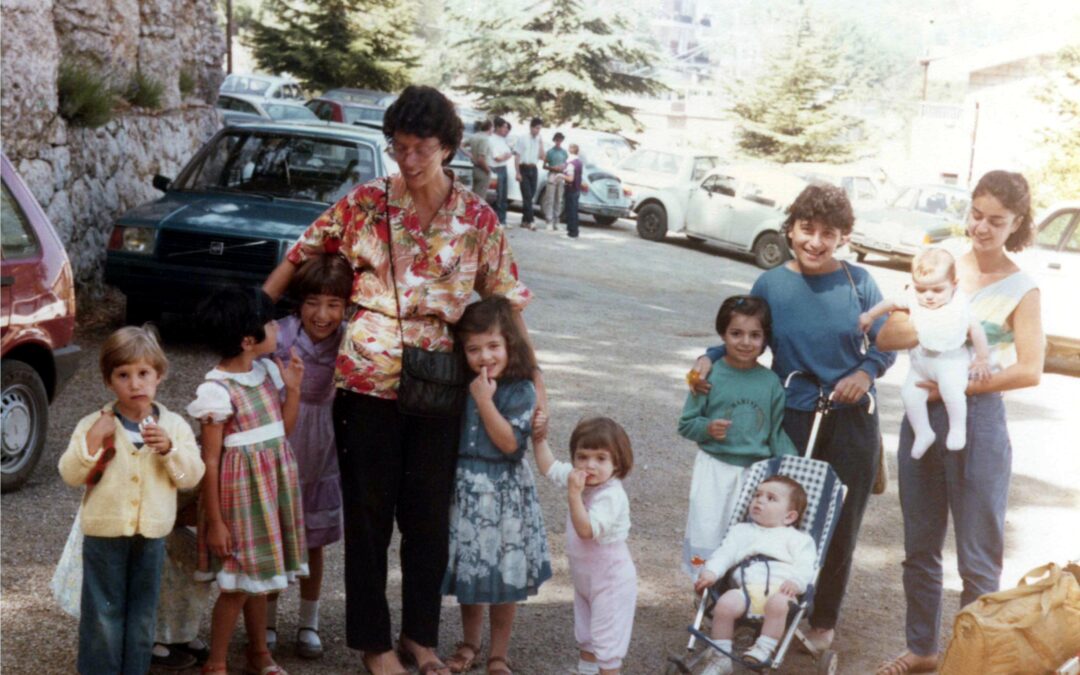
 “I was 17 years old,” says Lebanese focolarina Nadine, “when the war broke out in Lebanon: schools closed, roads mined, bombings day and night, snipers, the dead and wounded. . . In the midst of the tragedies that had begun to enrage our country, me and some other young people that had been fascinated by the spirituality of Chiara Lubich heard those words from the early days of the Focolare echoing again: “Everything crumbles, only God remains.” Like Chiara and the first focolarine, we could have been dead from one moment to the next, and like them we wanted to present ourselves before God ‘having loved to the end’. We had learned that loving means being attentive to the needs of the people around us. It wasn’t so easy under such circumstances, but when we were able to do it our hearts were cleared of fear and we hardly noticed the storm of hatred and violence that surrounded us. Therefore we were able to help many people carry on. We often wrote to Chiara, to tell her how we were living and every time she wrote back personally” “I still remember the acts of violence and kidnappings when the religious discrimination began. My own father was kidnapped twice. Chiara spoke to us of the first Christians and their courage in giving witness to the faith even in the face of Roman persecution. One of our friends, Fouad, was able to attend a Gen convention Italy. During his return trip to Lebanon, while he was travelling on the road from the airport, Fouad was stopped by some armed men. It was a Muslim region and his documents showed that he was a Maronite Christian. “Yes, I’m Christian,” Fouad admitted. “I’m on my way home.” “You’re coming with us,” they told him. A long interrogation followed and the final sentence: “Do you understand what awaits you?” The boy understood that it was all over for him. One of the militiamen took him and led him towards a bridge where many other Christians had been killed. While they walked, he tried to calm himself and wondered what God might want of him in that moment. ‘Love this neighbour,’ came to his mind. So he tried to make that militiaman feel all his love: ‘It must be hard,’ Fouad said to him, ‘it must be hard to do this job, to make war.’ When they came within eyeshot of the bridge the militiaman stopped, looked at him and exclaimed: ‘Let’s go back’. I recall how moved Chiara was by the witness of this young man, so moved that she wanted this episode to be shared for the edification of the whole Movement.”
  “At every ceasefire we’d gather together to visit the focolare. . . Our parents were fearful for us, but we couldn’t stop ourselves. Forging unity with one another was the life force that sent us forth to love everyone. It was precisely during those years of war that many of us felt the call to consecrate our lives to God. Chiara supported us with her example, with her words. With love, she kept track of the families that were being sorely tried by the restricitons and tiredness. . . Several had lost their jobs, their houses. Others had been living in air-raid shelters for years and wanted to leave the country so that their children could have a future, several of whom were wounded. . . For each one of these families, Chiara opened the homes of the Movement to provide them a place to go and recover or to settle down permanently. She also launched a fundraising campaign to cover the costs of the journey. Since the airport of Beirut had been closed for years, she sent us focolarine to open a focolare in Cyprus – the only way out by sea – to assist those who were leaving the country.”
  “Chiara’s concrete love was always accompanied by her powerful spiritual encouragements. After years of living life to the extreme we often felt weak, tired and helpless. So Chiara reminded us of that ‘little cloud’ a new sign with which God had made himself present to the Jewish people in the desert when they were suffering through an absurd war, and she suggested that we go ahead in living the Word in a totally new way. And from that ‘little cloud’,” she went on to tell us, “not only will you draw many others into living the Gospel, but you’ll draw out the strength you need to continue loving. . .all the way to the end.”
13 Mar 2016 | Non categorizzato
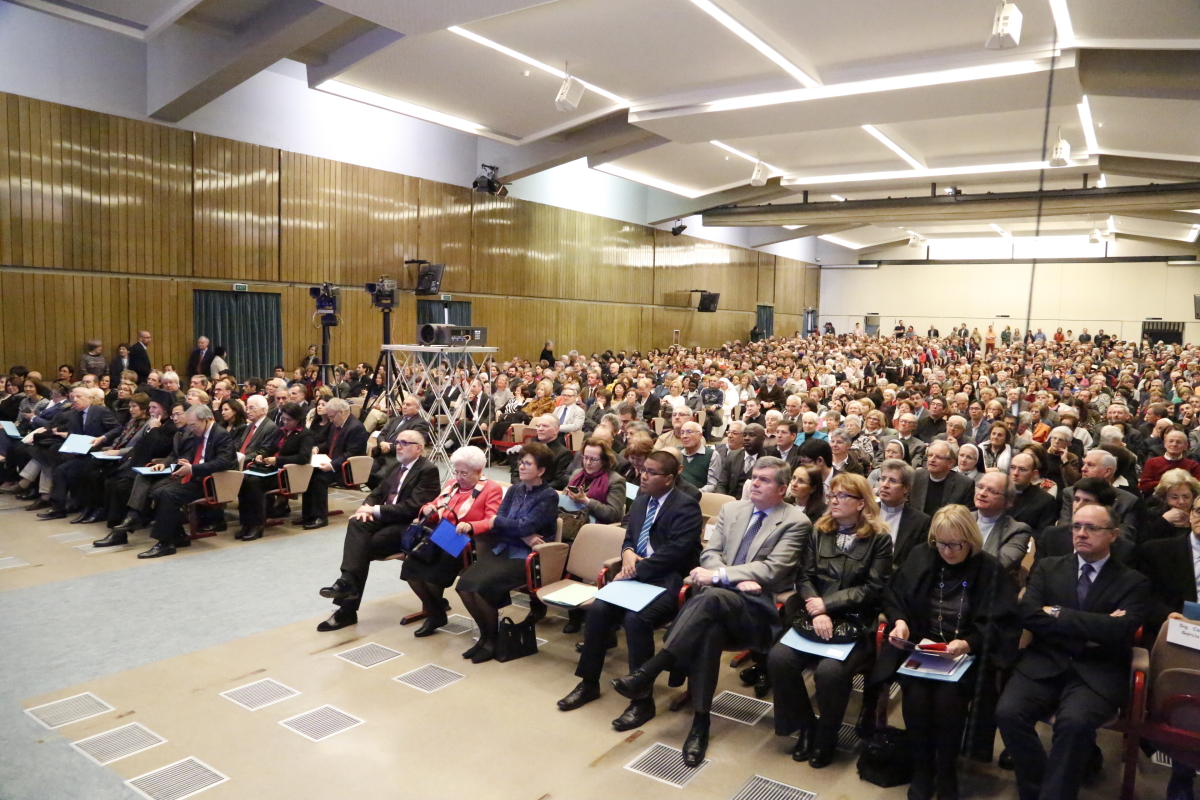 The spirituality of unity born of Chiara Lubich holds a strong relevance for peace. This was the main message of an event at Castel Gandolfo, Italy, on March 12, 2016 at which people came together to reconsider the heritage of Chiara Lubich in the field of peace building. In attendance were ambassadors and representatives of the diplomatic corps to the Holy See and to the Italian State from 20 countries: Morocco, Libya, Benin, Gabon Turkey, Taiwan, Argentina, Venezuela, Cuba, Uruguay, Paraguay, USA, Guatemala, and several European nations like Ukraine, Lithuania, Albania, Slovenia, Portugal and Malta.
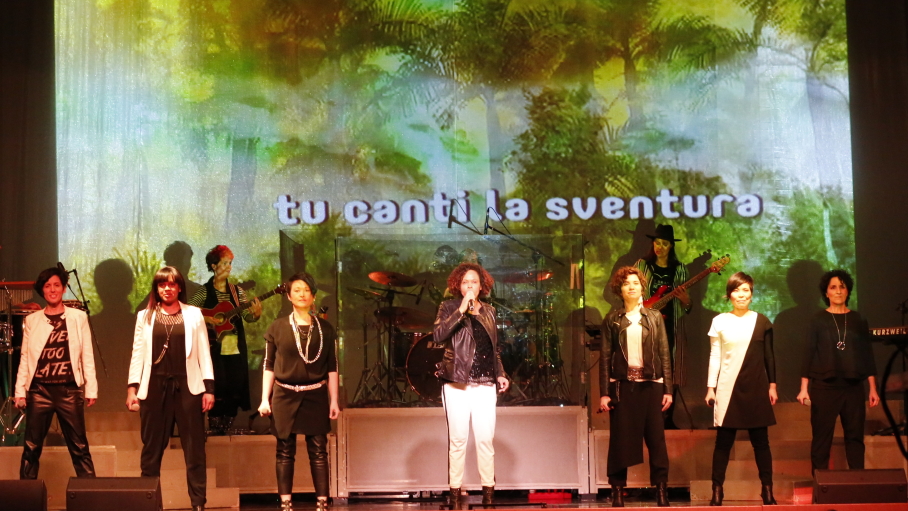
 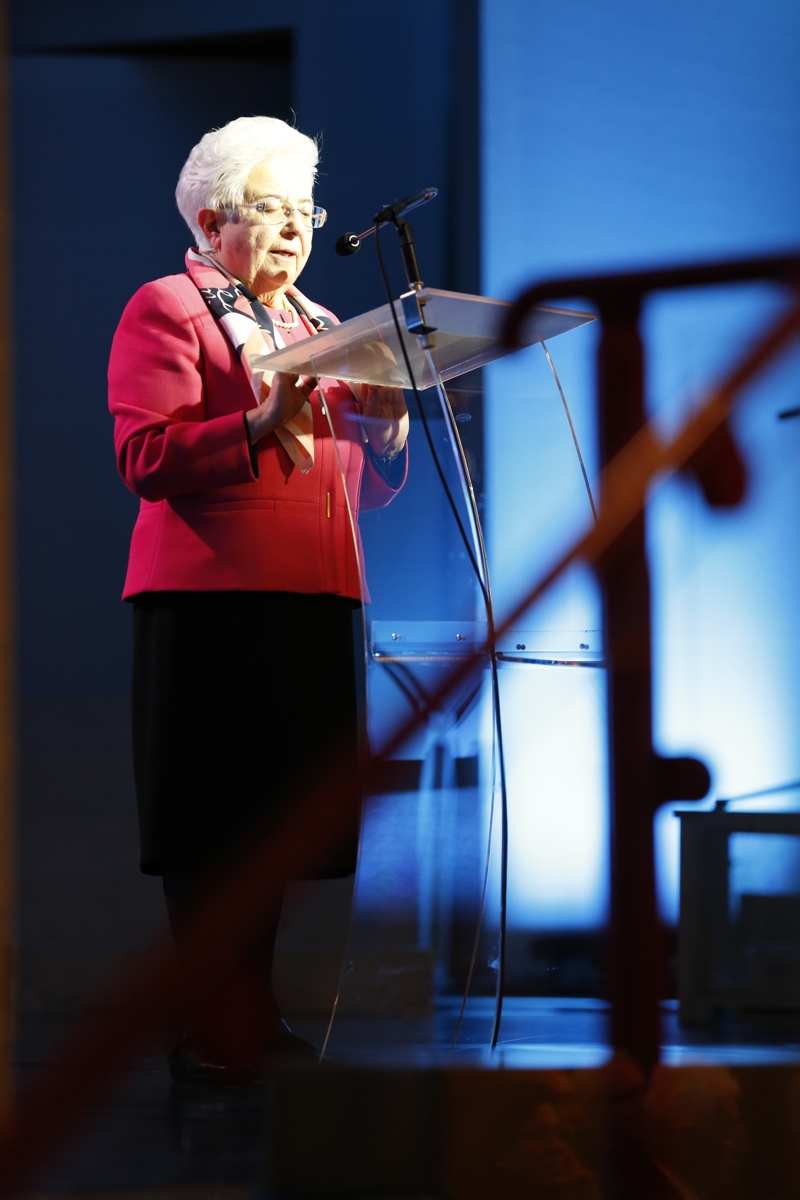 Yet, the current picture which imposes itself on our gaze offers images of a “a peace that is violated and often derided” leading us to believe that “the generations of the Third Millennium will never have an experience of life together in peace.” These were the words of Focolare president, Maria Voce in her welcoming remarks. How can we retie the broken thread of human relationships among peoples and States? “At the UNESCO headquarters, Chiara Lubich had presented a method of Peace Education,” Maria Voce recalled. It was the spirituality of unity, which lays the foundations for a culture of dialogue. This was demonstrated by 4 experiences: the simplicity of the Cube of Peace which became the basis for the development of Living Peace, a project in Cairo schools that has reached 300 schools in 110 countries involving an additional 1000 children and teenagers; dialogue between Christians and Muslims in Italy against the backdrop of tension that spreads across the continent; the “miraculous” story of Fontem, Cameroon, in which Chiara Lubich foresaw the future unity amongst the peoples foreshadowed in a pact that was sealed between the chiefs of the two tribes; and then her grand dream of influencing society through culture and thought, which has led to the founding of the Sophia University Institute, Loppiano, Italy. Gen Verde also spoke from the stage of the Mariapolis Centre in Castel Gandolfo. Their songs from the new On the Other Side Show sing the same stories: the sacrifice of the monks in Tibhirine, Algeria, the lullaby for the nameless child who drowned during one of many voyages of hope, Salvadoran bishop Oscar Romero’s voice for truth, now Blessed, murdered at the hand of a criminal, the cry of the Amazon forest that impoverishes us all. Gen Verde works to build peace in its many workshops for thousands of young people. Those young people choose to be the first sprouts of a new people wherever they find themselves, the sprouts of a more supportive world for the smallest and poorest. This is what Chiara had said at UNESCO when she spoke of a “united world” and she also told how to do it: having courage to suffer, accepting the suffering and fatigue that it requires. “If more people accepted suffering out of love, the suffering demanded by love,” Chiara said, “that would be the most powerful arm for giving back humanity its true dignity: not that of a collection of peoples, one next to the other, often at war – but one people.”
11 Mar 2016 | Non categorizzato
“A woman of dauntless faith, a meek messenger of hope and peace” – this is how Pope Benedict XVI described Chiara Lubich in his message at her funeral eight years ago. In January 2015, on the occasion of the official opening of the cause of her beatification, Pope Francis urged “to make known to the people of God the life and work of one who welcomed Our Lord’s invitation and enkindled a new light for the church on the journey towards unity”. Hundreds of initiatives held around the world remember her message of peace. The Focolare Community in Europe is promoting more than 200 events. “We live for Unity” is the title of the meeting in Minsk, Belarus. Meetings will held in the six cities where Focolare Communities are present in Sweden. In Munich, there will be the first “Chiaratag”. Journalists and qualified members of the Justice and Peace Commission will take part in the round table conference “Chiara and peace” held in Lisbon, Portugal. In Seville, Spain the theme will be “Chiara Lubich, educator for peace”. Allal Baschar, Imam of the Mosque of King Abdul Aziz al Saud of Marbella and Fr. Manuel Palma Ramírez, deputy director of the Seville Theological Studies Centre will be two speakers during this meeting. “A message of dialogue and peace” is the title of the meeting organized by the Focolare community in Sarajevo, Bosnia and Herzegovina. This Community, composed of Catholics, Orthodox, Muslims and people with no religious belief, will share the result of years of commitment lived side by side by its various members. The public is invited to attend, and Archbishop Cardinal Vinko Puljić is expected to participate. The firm belief in this message is passed through an ongoing dialogue, even in other Balkan countries, and it leads to mutual recognition of traditions and nationalities. Pearls, an educational programme carried out in Skopje, Macedonia shows this. It consists of an early childhood programme for children of various ethnic groups. It is linked to the university and also involves the families. Based on Lubich’s ideal of universal brotherhood, it was initiated by Professor Aziz Shehu, a Muslim who was then lecturer and pro-dean at the Faculty of Pedagogy. In early March, 110 young Croats, Serbs, Ruthenians, Albanians and Macedonians also gave witness of this irreversible process when, for the first time, with others from Bulgaria and Rumania, they came together under the banner, the Balkans: we are one Numerous meetings, symposia, conferences and concerts will be held in the Americas. These events vary from spiritual and prayerful to interfaith or environmental. They will take place from New York to San Francisco in U.S.A, from Santiago, Chile to La Habana, Cuba, Neza in the Mexican State of Nezahualcoyotl, Caracas in Venezuela, Rio de Janeiro in Brazil, Mendoza in Argentina. Very significant are the meetings to be held in the Pacific Islands of Honolulu, Hawaii, and in Noumea, New Caledonia. There is no family at Medellin, Colombia, who has not lost at least one of its members during these 50 years of conflict. So, even among the Focolare communities, one finds three generations with stories similar to that of Rosa, who had her son murdered by a friend but did not fall a victim of vengeance. She braved the situation with the courage of forgiveness while she worked in the social services centre of the neighbourhood to spread reconciliation, care, culture. Educational projects set up in different cities of Colombia, Ecuador, Venezuela and Mexico see generations of children grow up into professionals and teachers and assume the task of promoting an education that leads to fraternity and peace. Australia will focus on peace and fellowship, with appointments in Canberra, Melbourne, Sydney and Perth. The meeting in Perth, organized by youth, will be held in the central Northbridge Square.Politics for Unity: Making a World of Difference will be the theme for the conferences held in Wellington and in Christchurch, New Zealand. Thirty-one communities present in various regions of South Korea will animate the events that are meant to deepen the bond between Chiara Lubich and peace. The symposium at De La Salle University in Manila, the Philippines will focus on “The Charism of Unity: a timeless legacy” and delve into the Movement’s fifty years history in the continent of Asia. In Vietnam, 300 people from all over the country will be meeting in Vung Tau for several days to share and live together the spirituality of unity. In Pakistan, spiritual meetings and Masses for peace are to be held in seven cities. Events are also scheduled to take place in Burkina Faso, Ivory Coast, Cameroon, Nigeria, Kenya, Uganda and also in other places. Inspired by the current situation of social tension, Burundi choose the theme: Merciful like our Heavenly Father, we are builders of peace. A telephone conference call will unite, the big cities of the Democratic Rep. of Congo: Lubumbashi, Goma, Kinshasa and Kikwit. Here, 1500 people, among them ambassadors, members of UNESCO, representatives of different Christian denominations and Muslim authorities, will reflect on Peace in the family. The widespread presence of the Focolare communities in Italy stimulates numerous initiatives. In Rome, the meeting place for 280 young people will be the Italian Parliament where they will meet Laura Boldini, the president of the Italian Chamber of Deputies, Paolo Gentiloni, the Minister of foreign affairs and other members of Parliament. The three main speakers, who will discuss the manifesto containing concrete proposals on peace, disarmament and industrial reconversion are Pasquale Ferrara, a diplomat, Michele Zanzucchi, the director of Città Nuova and Shahrzad Houshmand, a Muslim theologian. Antonio M. Baggio will lecture to law students at the University of Pisa about: The love of loves. The religious and secular nature of politics in Chiara Lubich. “Religions dialogue in favour of peace and the environment” will be the event at the Palazzo Ducale in Genoa. During this event, Husein Salah, president of the Islamic Community, Giuseppe Momigliano, the chief Rabbi, Gnanathilaka Mahauswewe, a Buddhist monk, Andrea Ponta, an environmental engineer and Roberto Catalano from the Interreligious Diaolgue Centre of the Focolare Movement will give, a reflection on Laudato Si’. “Me through you” is the title of an itinerate event in Milan, which is a sort of “embrace” to the city and an interaction between different groups. There will be more dialogue, integration and forgiveness during the series of events “Is my world like yours?… steps towards getting to know one another better”. Members of the diplomatic Corps accredited to Italy and to the Holy See and representatives of the cultural world will meet at the Auditorium of the Mariapoli Centre at Castelgandolfo, Rome, where they will be welcomed by Maria Voce, president of the Focolare Movement. Chiara Lubich will be commemorated through The Culture of dialogue as a factor of peace. Whilst armed conflicts continue to cause havoc and kill hope in the Middle East, the Focolare communities in Syria affirm: “Even we are responsible to contribute towards peace. If we believe in God, the Lord of history who can conquer evil and hear our prayers, we would commit a sin of omission if we do not turn at all times to Him, who makes the impossible become possible and helps us to achieve our aim of uniting humanity into one family. So let us pray, while we change our hearts and share our goods”. The events of March 14, 2016 make sense because they aim at converging the efforts and prayers of many people, in many places on earth, to make the world become more united. Meanwhile, the cause of the beatification of Chiara Lubich, which began on January 27, 2015 is following the required process. Witness has already been offered by persons who are members of different Churches and by others who have no particular religious conviction. A mosaic of testimonies highlight her exemplary life, a commitment shared with all those whom God placed in her path to “become saints together”. Press Release
11 Mar 2016 | Non categorizzato
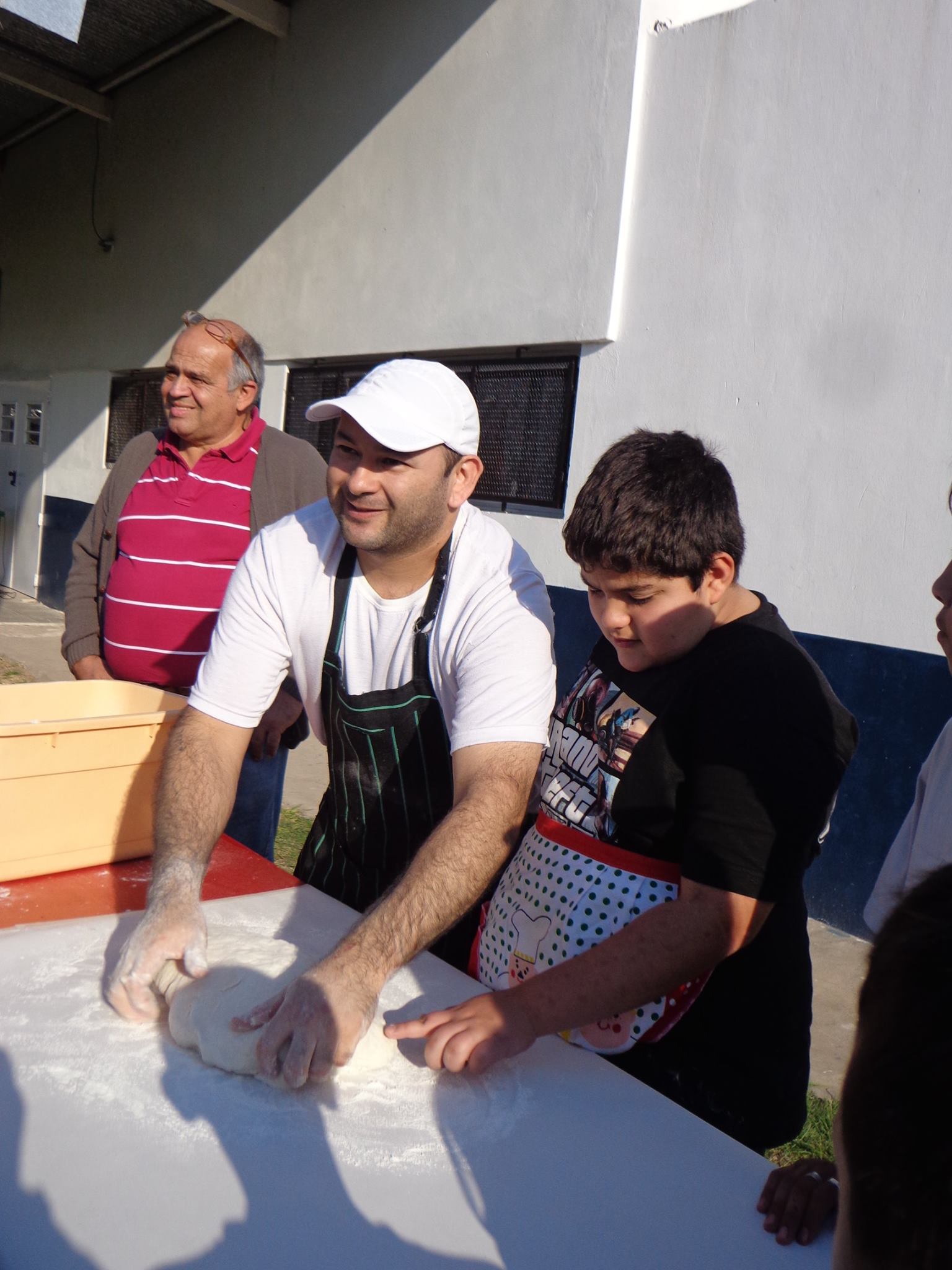 From the Argentinean capital, if you take the south bound motorway, after half an hour you would get to Plátanos, a peripheral barrio of about 20,000 inhabitants. They are hardworking people who have built their own homes with great effort and very little money. The parish, dedicated to Saint Elisabeth of Hungary, is very active. Fr. Francesco Ballarini, Italian, brought the Focolare spirit there almost 30 years ago. Today, it is the lay people who continue to live this spirit of unity, together with other diocesan parishes. “At the start of the year – they recounted – we organised a party for the children of the most far out district of Plátanos, the inhabitants of which do not frequent the parish very much. Each of them was invited to put in common their own talents: some taught how to make bread, others how to paint, and there were a ceramics lab, a catechist dad to play magician, and some ladies who taught how to prepare mate (the typical infusion drunk in the Southern tip of the country).” On this occasion they met a 15-year-old at the end of her pregnancy. “She needed everything. A solidarity competition started in order to meet the needs of the child who was born a few days early. Upon reaching her house, we were shocked by the downgrade of the small place: without a floor or windows, a broken door, and with her six siblings living there with her parents. When the community heard about this situation, a lot of aid started coming in. We are almost ready to install the windows, doors, a heater and other people have offered to give a hand. Some ladies went to teach M. how to best take care of her baby, and M. who was sad and irritable when we first met her, has started to smile. It is the charity lived all together that works small miracles.”
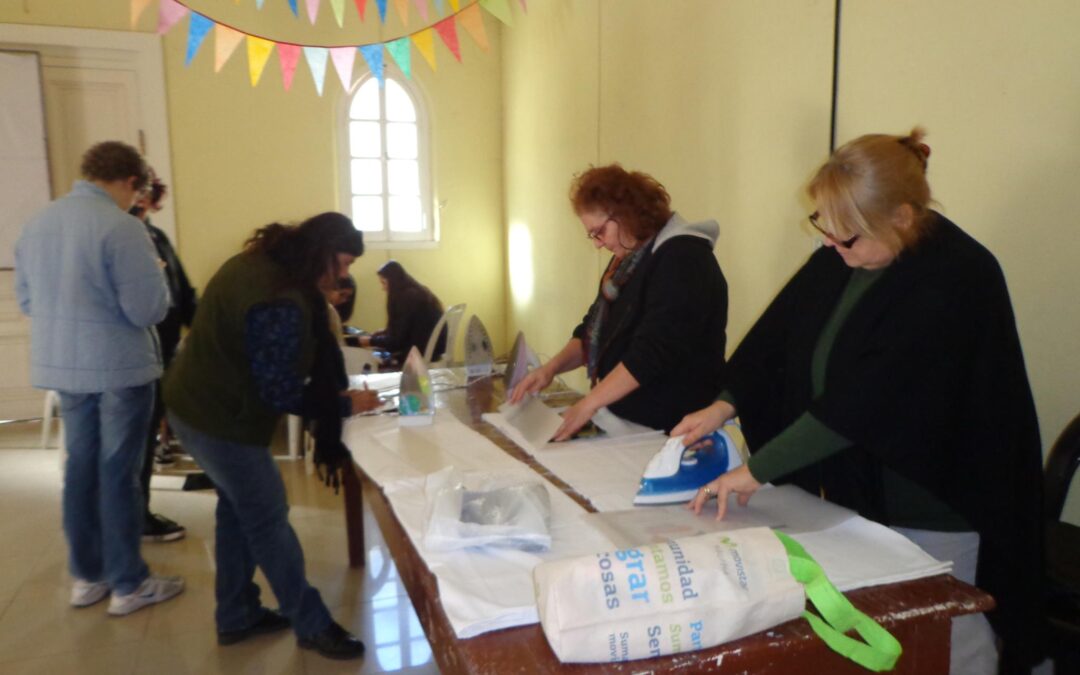
 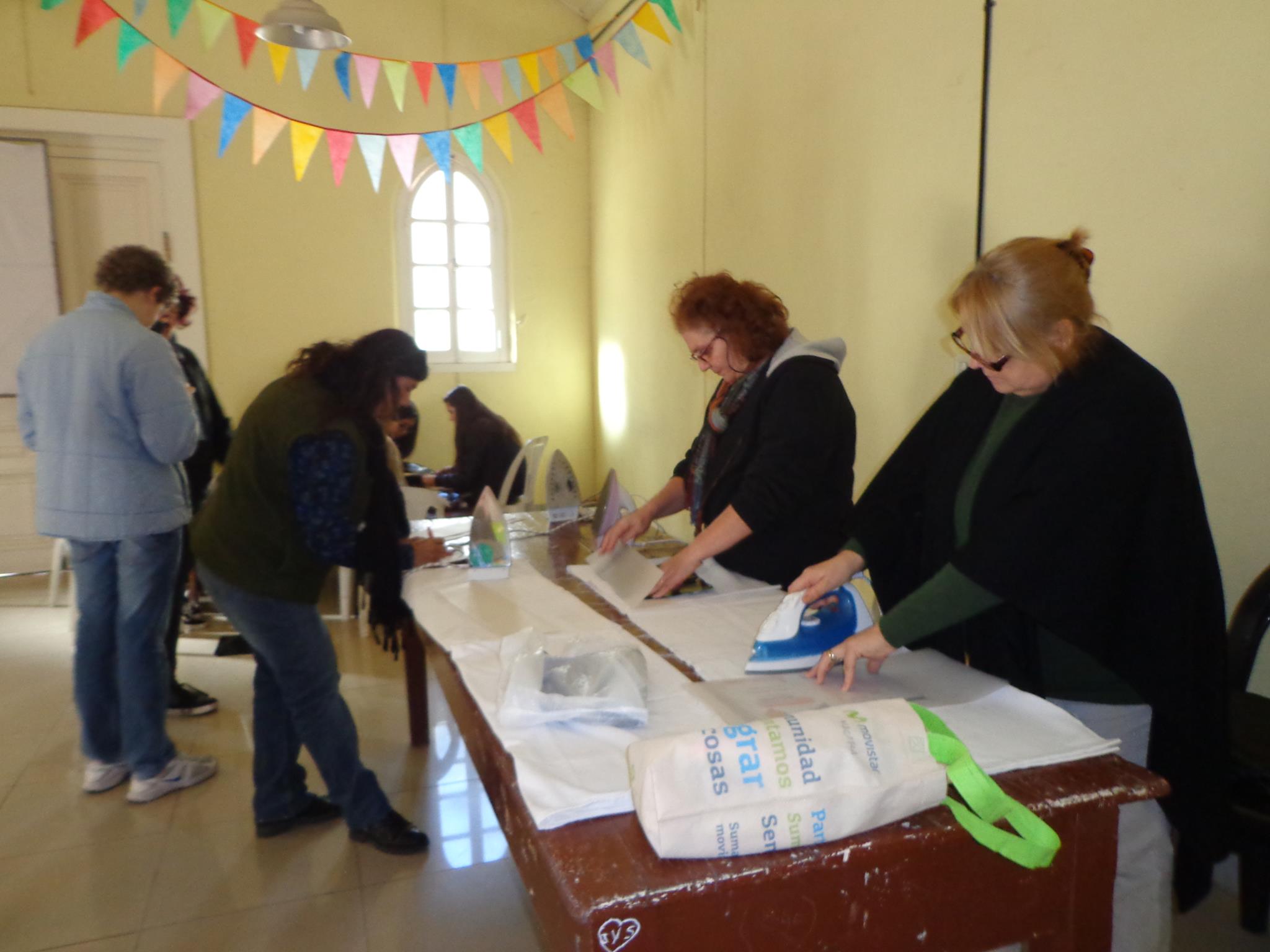 “Another initiative we are working on – they continued – is the Sachetera project: it is about the manufacture of sleeping sacks with the milk bags, for the homeless. As a parish we want to continue supporting this project, and even each of us could work in their own homes. We prefer working together: kids, adolescents and adults. During a very rainy day, we thought it would be impossible to meet, but the thought of our homeless friends urged us to work even harder.” “We then gathered at Bernal (another barrio) with members of other parishes and the Focolare youth who brought ahead the aid project for the needy. For us it is important to share our experiences with other parishes, also so we would not enclose ourselves only in “our” periphery, and instead open out to the others.” In September, the house of a family in a nearby district burned down – destroying everything, “we started up an action aid, bringing the primary necessities from our own homes. With the communion of goods we contributed to the building of the walls. So with great enthusiasm, they were able to rebuild their house. Only much later, we found out that the family belongs to the Pentecostal church, and that he was the Pastor. We were moved since Love did not consider, once again, one’s religious profession, or other differences.» In the following days, the Pastor who worked as a mason, offered to plaster the wall of the church which wanted to build an altar for the icon of the Virgin of Luján. «I thank you all for the love you gave me, without asking anything in return – the Pastor said to the Catholic community gathered for the Sunday mass, and which they wanted to take part in – you have helped me overcome the prejudices that many of us (Pentecostals) feel towards Catholics. You too are my brothers.”
9 Mar 2016 | Non categorizzato
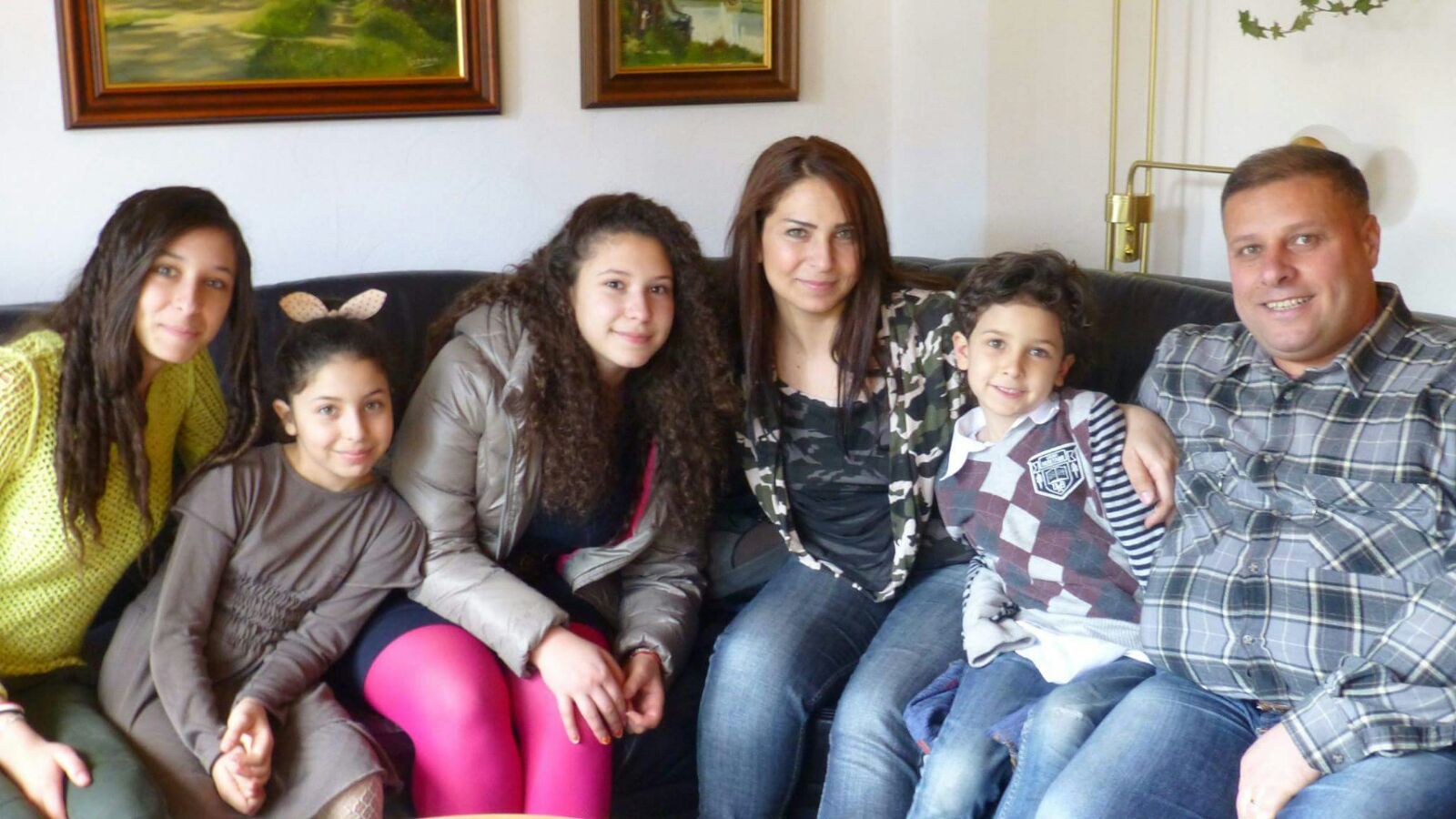 “Five years ago, before the outbreak of the Syrian conflict, my family and I planned to make a full-time experience at the international town of the Focolare in Loppiano (Florence). Violet and I attended the Loreto School, where with other couples from various parts of the world, we deepened the topic of the family in the light of the spirituality of unity while our four children attended the schools of the region. After years of work as a doctor, we wanted to dedicate a year of our life to God. We prepared to leave with great care and responsibility, unaware of what would happen from then on: after the outbreak of the conflicts in our country. In the time that remained before our departure, I managed to be useful in many ways, giving first aid to the wounded, and making long and risky trips by car to reach them. Also the departure for Italy was rather adventurous precisely due to the disorders that unfortunately continued.
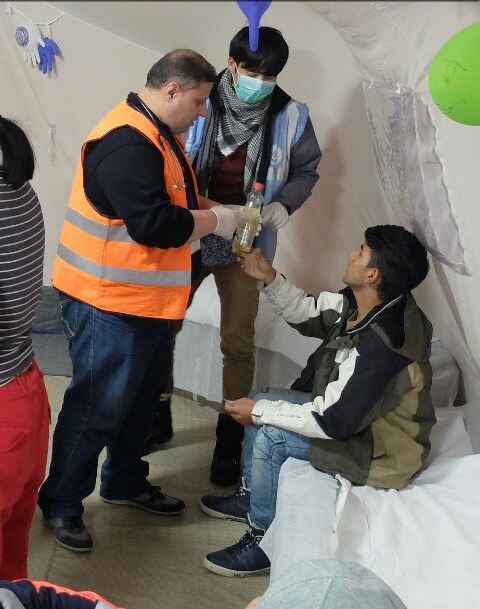
 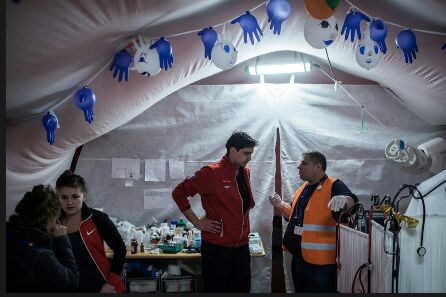 As we followed with trepidation the increasingly tragic news from afar, at the end of the course our relatives implored us to delay our return. You can imagine the anguish with which we made this decision, and the pain of not being able to do anything for our compatriots. We felt like a car with an engine in full thrust being held on the spot by force. But neither was it simple to remain in Italy. There was no future ahead of us. Even if we were in a friendly environment, because my qualifications were not recognised, I was not allowed to practice my profession. So I adapted myself to doing other jobs, like carpentry or other works, while waiting for some opening. Finally an occasion came up where I could do something for my people. I found out about a reception project of “Doctors Without Borders” that helps refugees in Slovenia, which needed an Arab-speaking doctor. So I immediately left, without knowing exactly how it would be. Upon my arrival, I immediately set myself at the service of many who reached the Refugee center via the sea or after a long journey on foot. Many of them came from Iran, Iraq, Afghanistan… and many also from Syria! Seeing them arrive and welcoming them in our language was really moving, so that tears ran down my face. From then on I no longer worried about the hours of sleep, food… I wanted to stay with them all the time to soothe their suffering, taking care of them and making them feel “at home.” I can still remember the first baby girl I took care of: she kept crying, and we couldn’t calm her down. Upon visiting her I understood that she only had a stomach ache and I started to cradle her and speak to her in Arab… the child slowly calmed down and fell asleep in my arms. When the others approached to take her, she would struggle and did not want to let my arm go… it was really a strong experience. Over here the flow is continuous. Three trains arrive daily with about 2,500 people. In only four days we had to see to so many people, as had never happened in any month. There are only six of us in our team: the others are all natives of the place. Also they noticed how touching it was for me to see my compatriots arrive in those conditions. When I receive them, saying my name (Issa=Jesus), I see their eyes light up. For each of them I would like to be another Jesus, who is there to welcome and take care of them, through me. The chance to do so is like God’s answer for me.”

8 Mar 2016 | Non categorizzato
“We could say that it is the moment for women: not because the media endlessly focus on divorce and VIP trends but because of the fact that more than ever today, coexistence and the fruit of man-woman dialectics call for the presence of those who are, or will be mothers, naturally or spiritually. The social body as never before suffers the lack of full health and normal feminineness: it is as if its flight was done with two wings, one of which was too overwrought, and the other lifeless, which make its progress very disorderly. People are aware that this is the time for woman, but of a womanly woman, and not a contamination or contrast of man: almost like a feminised man. The history of the last centuries in which the strong man – the superman – had been forged in disdain for feminineness, was affected by excessive masculinity, not counterbalanced by feminineness. The same but contrary effect of non-integrated feminineness is imbued by a sense of virility. Women today have voting rights, gained managing roles in offices, and entered into public life. But their impact remains dull, like before or even worse since by entering the political battles they align with the males, taking on their ambitions, and bowing to their methods: they have become reduced-performance males. Their votes, without outstanding discrimination are added to those of men since the latter’s game continues as before, without corrections, integration, or being enlightened by the other, which is an indispensable factor. And so the flight (or plunge) continues with only one wing. Just think of what Mary’s fascination was like, and what it still is today – her name alone signifies the sublimation of woman who was made to become the grafting point of the divine onto the human, and as the ianua coeli, door to Heaven, the rise of the human towards the divine. Societies today call for the presence of the woman, so that she could imbue in society the demands for maternity, life, and therefore, of material and moral nutrition, education, love in peace and work, of the family gathered in pureness and thus, the condemnation of factions and wars. This is because woman by nature stands for generation of life and not production of death, for the good of the offspring which are the State and the Church of the future, the same humanity.” (Igino Giordani, “Fides” publication, 1961)
