Focolare Movement

From Costa Rica to Salvador

Sep 22, 2011

An interview with Gustavo Alvarado, who comes from the country of peace, and is now in a land that has experienced the sufferings of civil war: a wealth of new experiences.

Gustavo Alvarado

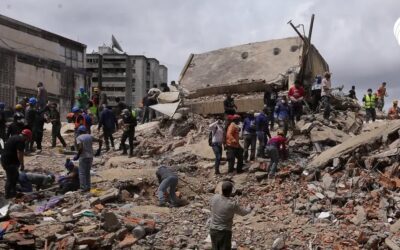
You come from a country, Costa Rica, known in all the world for being a country of peace, that does not even have an army…years ago, your President Oscar Arias Sanchez received the Nobel prize for peace. What difference do you find between what you have lived in your homeland and what you live in a community of the focolare, one to one with people who have suffered a long and sorrowful war that has left many wounds? What helps you now to understand and help this people? Before coming to live in the focolare at San Salvador-from where we have contact with various nations in Central America-I only knew the sufferings of these peoples from the news. I did not succeed in understanding these things in depth, as I was born in a place where from 1st December 1948 the army was abolished and where afterwards, there have been no civil wars. This has allowed to Costa Rica a level of economic and social development, different from the rest of the sister nations. I, however, felt “at home” when I relocated here, perhaps also because for several years I lived in a nation of South America-Venezuela-that is larger than mine, and that in a way amplified my horizons. Here I found many evils that are also elsewhere: poverty, corruption, social imbalances, injustices, personal insecurity, but perhaps because of all this- and  not in spite of this-the persons know how to struggle for their daily bread, and even though they have lived through atrocious things, they have “ learnt to suffer”, going beyong the difficulties. Here there have been not only bloody wars, but also earthquakes, flooding, and other natural disasters. Solidarity is a value that is present amongst the people. Women, having had to face various types of oppression, tend to be strong, decisive and “combative”. In this context, the ideal of life presented by the Focolare Movement is amply responsive to the profound expectations of the people, where there are descendants of Europeans, Africans, Metis, indigenous… the spiritual encounter with Jesus Forsaken, recognised in every sorrowful situation, makes every fear disappear. In these years I have rediscovered the wisdom of “being one” with the other: to love the people it is enough to succeed in living in this way deeply with the person in front of you. And so, every day, I find myself enriched with the new experience of lived unity. By SSA

0 Comments

Submit a Comment

Your email address will not be published. Required fields are marked *


Subscribe to Newsletter

Thought of the day

Related post

With Pope Leo for Dialogue and Peace

With Pope Leo for Dialogue and Peace

“I am not a politician; I speak of the Gospel (…) and to the leaders of the world I say: no more wars.” Pope Leo XIV began his journey to Africa with these words, answering journalists aboard the plane en route to his first stop, Algeria. It is a tireless and courageous commitment to peace, one that the Focolare Movement wholeheartedly supports. Peace and interreligious dialogue were recurring themes in many of the testimonies presented to the Pope, including that of the Focolare community.

Lebanon: the Resistance of Solidarity

Lebanon: the Resistance of Solidarity

The war in Lebanon has caused more than a million people to be displaced, turning the emergency into a widespread and prolonged condition. The testimonies we share, speak of material losses, traumas and a hope that is steadily diminishing. However, a spontaneous network of solidarity is growing, planting ever more genuine seeds of humanity.

Sophia University Institute: a new Academic Proposal

Sophia University Institute: a new Academic Proposal

A renewed and comprehensive university course (three-year Bachelor’s and Master’s) aimed at the professions of the future with a double degree (ecclesiastical and civil) based in the new teaching campus in the city of Florence (Italy).