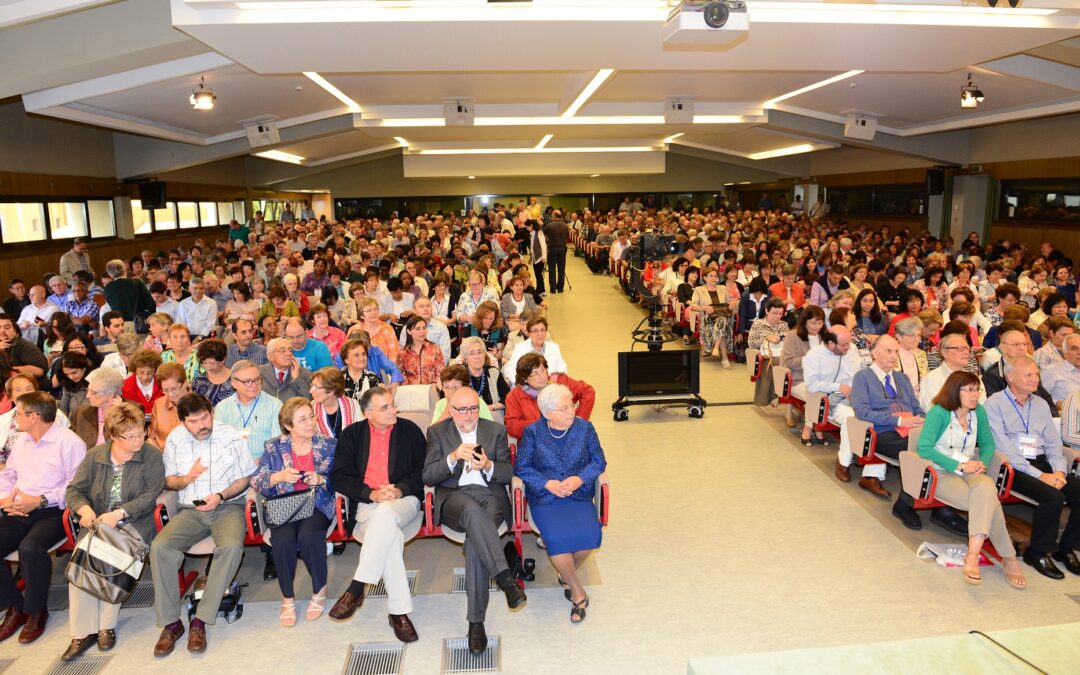
The first round of collecting suggestions for the election of the President, Co-President, and General Councillors from the various parts of the world was completed on the 7th of November 2025, in preparation for the upcoming Assembly. The phase of gathering ideas and proposals for topics to be addressed during the Assembly was also completed. What are the next steps? How will these proposals be organised?
Various proposals have arrived from all over the world, specifically from the 15 zones that make up the Focolare Movement. These proposals include both the results of community and individual reflection. The Zonal Commissions of certain areas have already summarised their ideas. All the proposals we have received will be read carefully, grouped by topic and summarised to make them easier to read. As the Preparatory Commission of the Assembly (CPA), we are already working on this. Certain subject areas will group together their proposals that have been examined and summarised so that they can then be presented to the Assembly. This is a path of real discernment, in which communion among us will be essential in the process of making operational choices. In receiving the fruit of this work, the Assembly will have the task of examining the ideas, considering new ones if it deems necessary, and voting to outline the guidelines for the next five years of the Movement’s activity. Of course, it is important to emphasise that all the proposals that we, as CPA, have collected will be included in a “book of proposals”, a document that the participants in the Assembly will be able to read personally or during the various meetings. Therefore, none of the contributions that have been given to us during this precious time will be lost but will be part of a handbook to help us continue walking together.
During this time, proposals for amendments to the General Statutes were also collected. Can you explain the criteria used to carry out this work?
Regarding this consultation, we must first of all take into account the need that has arisen to study our General Statutes in greater depth, in order to better understand what is more closely linked to the historical moment in which they were written and what is instead linked to the charism. For this reason, following the indications of Margaret Karram, President of the Focolare Movement, we are currently focusing on certain topics that are guiding us in gathering proposals for amendments to the General Statutes. For example, the application of the provisions of the Decree of the Dicastery for Laity, Family and Life, dated the 3rd of June 2021, which reduces terms of office to a maximum of 5 years. Another element that should not be overlooked are certain needs that have emerged in the life of the Movement, for example, bearing in mind the major local reorganisation that has taken place in recent years in various geographical areas, which leads to a greater sense of responsibility among all those belonging to the Movement, the possibility of further reducing the number of councillors elected during the Assembly, and the consideration of certain proposals that emerged during the previous General Assembly in 2021.
How does one practically move on from the proposal to the actual amendment of the Statutes?
As already mentioned, we are aware that it will not be possible to address a full-scale change in the General Statutes, but we will focus on certain aspects that cannot be postponed. Therefore, through the Preparatory Commission of the Assembly, a participatory process is taking place to gather proposals from around the world and it is being carried out in the various geographical areas where the Focolare Movement is present. Margaret Karram has now entrusted the study of these proposals to a special commission, which will make the appropriate evaluations. This commission, composed of individuals with expertise in various fields, will prepare a draft, which will be added to the study conducted in previous years by another commission appointed after the 2021 Assembly. This will provide the President and the upcoming Assembly with the necessary elements to discern whether these proposals are true to the charism, to Canon Law, to the present situation of the Work of Mary, etc. Next March, the proposals will be presented to the General Assembly, which has the task to deliberate and approve them. Any amendments approved by the Assembly will then be submitted to the Dicastery for Laity, Family and Life, which we depend on as a Movement. The Dicastery may or may not approve them. Only after this approval will they be implemented.
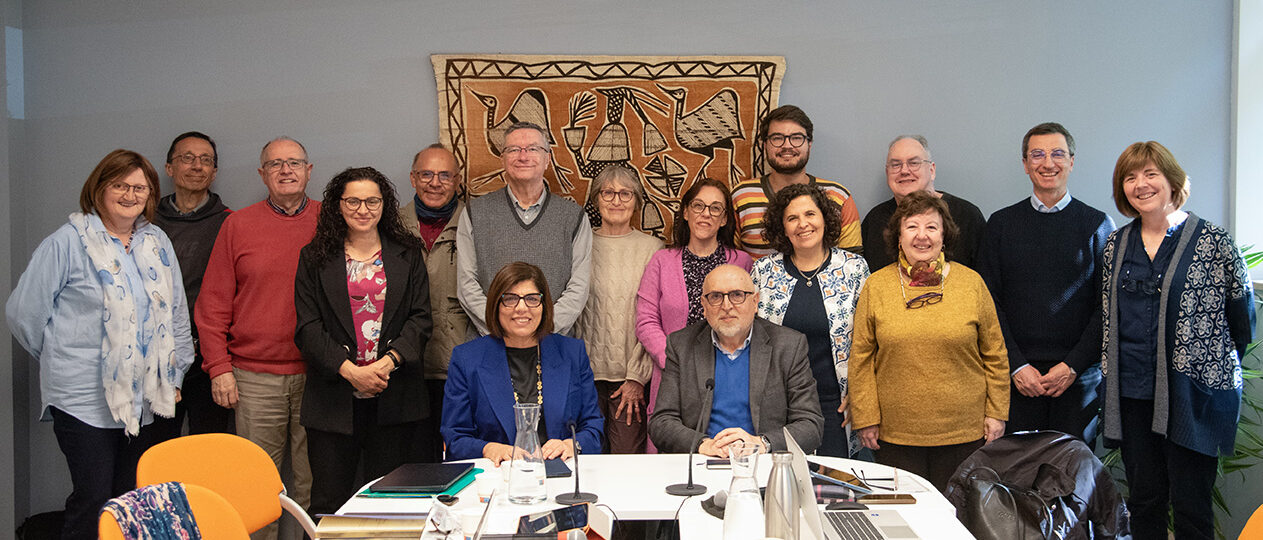
The Preparatory Commission of the Assembly (CPA), composed of members of the Focolare Movement from different continents and vocations, at its first face-to-face meeting in April 2025. Photo Javier García – CSC Audiovisivi
The method that will be used at some stages of the General Assembly will be inspired by that of the “Conversation of the Spirit”. Can you explain what this consists of?
This method, the conversation in the Spirit, which was used during the Synod, is a way of discerning. It is a tool that we have also suggested to be used in the Zonal Assemblies, but in the light of the charism of unity. It is not merely a technique for peacefully resolving issues between people who think differently. It is something very profound that involves everyone and is implemented through several essential steps, starting specifically with personal preparation. Each person, entrusting themselves to the Father, praying in silence and listening to the Holy Spirit, prepares their own contribution to the topic they are called to discern. Next, it is necessary to make space for other people in an atmosphere of profound sharing: starting from what others have said, each person can share what has resonated most deeply within them and, at the same time, what they find most difficult to accept. Based on what has emerged, dialogue begins in order to discern and gather the fruit of the conversation in the Spirit: to recognise insights and convergences, identify disagreements and obstacles, and allow new questions to emerge. It is very important that in this dynamic, space is given to what are called “prophetic voices”, those insights capable of reading the past in depth, and that everyone, in this community dimension, can feel that their thoughts have contributed to the result of the work. For this reason, everything must be preceded by the Pact of Mutual Love, indicating the steadfast will to really walk together towards God, helping each other, forgiving each other and starting over whenever necessary. In this way, the conversation in the Spirit will make the required discernment easier. It will be useful to “recognise” God’s presence in the complexity of historical events, to “interpret” them in the light of the charism of unity, and to have the courage to believe in the possibility of “implementing” what has been decided.
In addition to the participants with voting rights, a number of guests will also be present at the meeting, but they will not be able to vote. Why is their presence important?
The actual Statutes of the Work of Mary envisage the presence of a certain number of participants at the Assembly who are invited directly by the President because their contribution is considered valuable and greatly enriching. These are people who participate in the Movement in various ways and forms: people belonging to various Churches, followers of various religions, people of no religious affiliation or of different cultures, experts in various fields. With their experience, they can help in discerning different aspects. Their presence allows us to broaden our vision and horizons. In this way, the Assembly can better represent the Movement in its diversity, making it more capable of living for “may they all be one”. These participants will be involved like the others in the plenary discussions and group work. The only difference is that they will not be able to vote, but voting is only one aspect of the Assembly. The Assembly is above all intended to be a profound experience of unity in order to reflect and discern together on the future of the Movement, by listening to the Holy Spirit.
In the early hours of the 10th of November, the Thai Buddhist monk Phra Maha Thongrattana Thavorn passed away, and the news quickly reached the Focolare communities around the world. His death makes us think of a path of dialogue between religions committed to working for a united world, mutual understanding and peace.
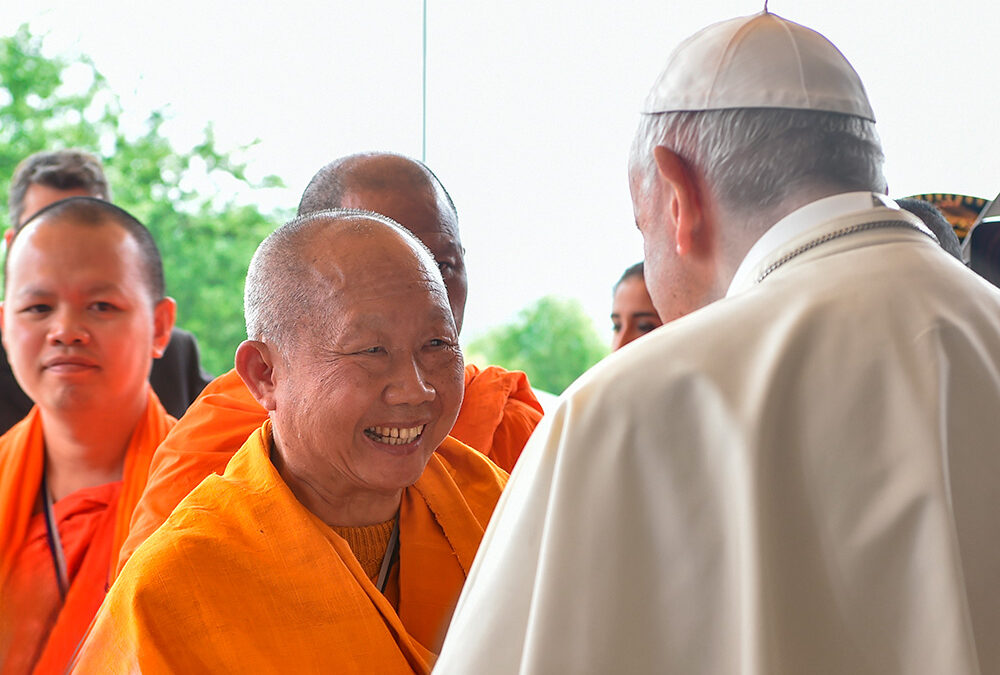
His story intertwines with that of the Focolare Movement in 1995, when, accompanying his disciple Somjit to Italy, he visited Loppiano, the Movement’s international little town, for the first time. It was there that he met Chiara Lubich. The spiritual closeness that the monk felt with the foundress of the Focolare Movement was so strong that he began to refer to her as “Mamma Chiara” from that moment on. In turn, Chiara recognised in him a soul of extraordinary depth, capable of illuminating the path of interreligious dialogue with authenticity and respect, hence the name ‘Luce ardente’ (Burning Light) by which he is known to many. From that moment on, the Thai monk became a faithful friend of the Movement, participating in numerous events in both Asia and Europe. His presence was discreet but intense, and his message always clear: religions must not compete with one another but collaborate for the good of humanity.
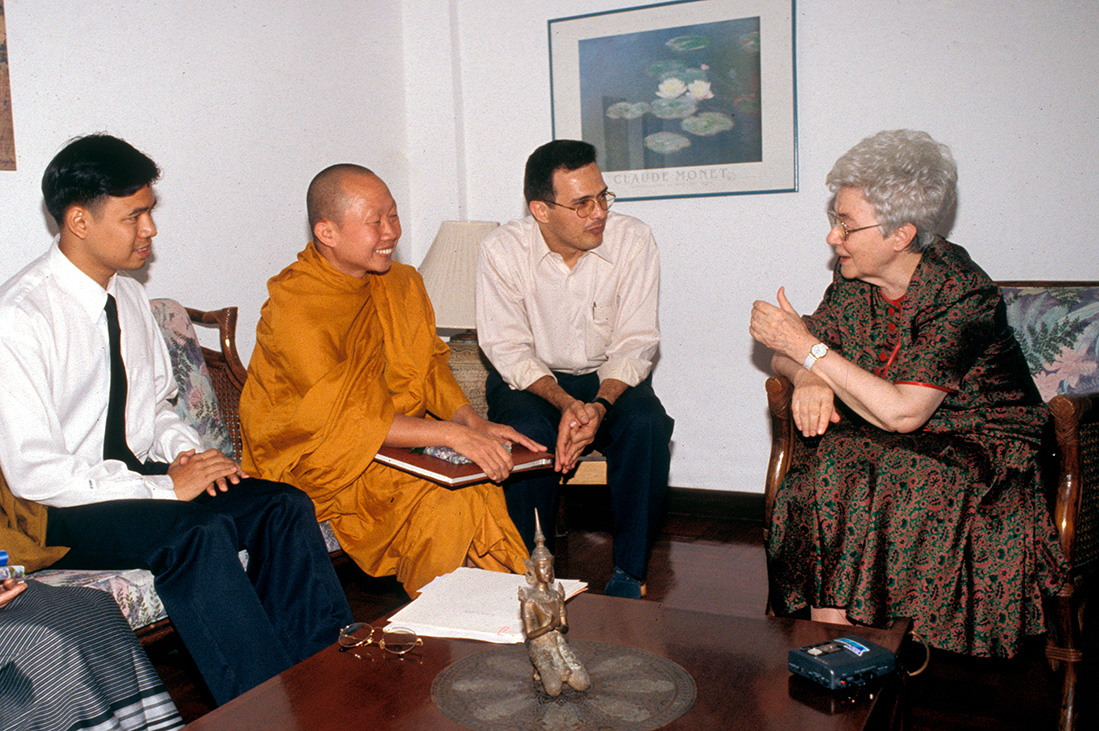
“Luce Ardente” con Chiara Lubich a Bangkok , Thailandia (1997)
Margaret Karram, president of the Focolare Movement, wrote to the communities around the world:
“He completely lived up to the name Chiara had given him. Everywhere he went, he was an instrument of light, consolation and hope. Until the very end, he loved and lived to build fraternity. Throughout his life, he spoke about unity in a unique way, with wisdom and passion, through books, magazines, radio programmes, meetings with Buddhist monks and lay people, even in the face of difficulties. One day, a monk asked him, perplexed, “Master, are you following a Christian woman?” And he replied, “I do not follow a woman, but her ideal of universal fraternity. She does not belong only to Christians, she is also ours.”
In his last message, he wrote to me: “Margaret, I am suffering, but I am hanging on, hanging on, hanging on, because my suffering is nothing compared to that of Jesus on the Cross. I am hanging on because I am the son of Mamma Chiara. Remember: we will not see each other again, but one day we will meet again. I will be with Chiara soon.”
Personally, I cherish every word he wrote to me and every piece of advice he gave me. He taught me what it means to “hang on out of love”, and his unity with me was a precious gift that I will never forget.”
Luce Ardente asked to be buried in Loppiano, where he met Chiara and discovered the spirituality of unity. In an interview given in 2021, he strongly emphasised his vision: “I would like everyone, in their own religion, to seek the profound meaning of their own doctrine. Only in this way can we live together in peace and harmony.” It is a call to live in depth, in sincerity and in sharing. An invitation that today sounds like a spiritual testament.
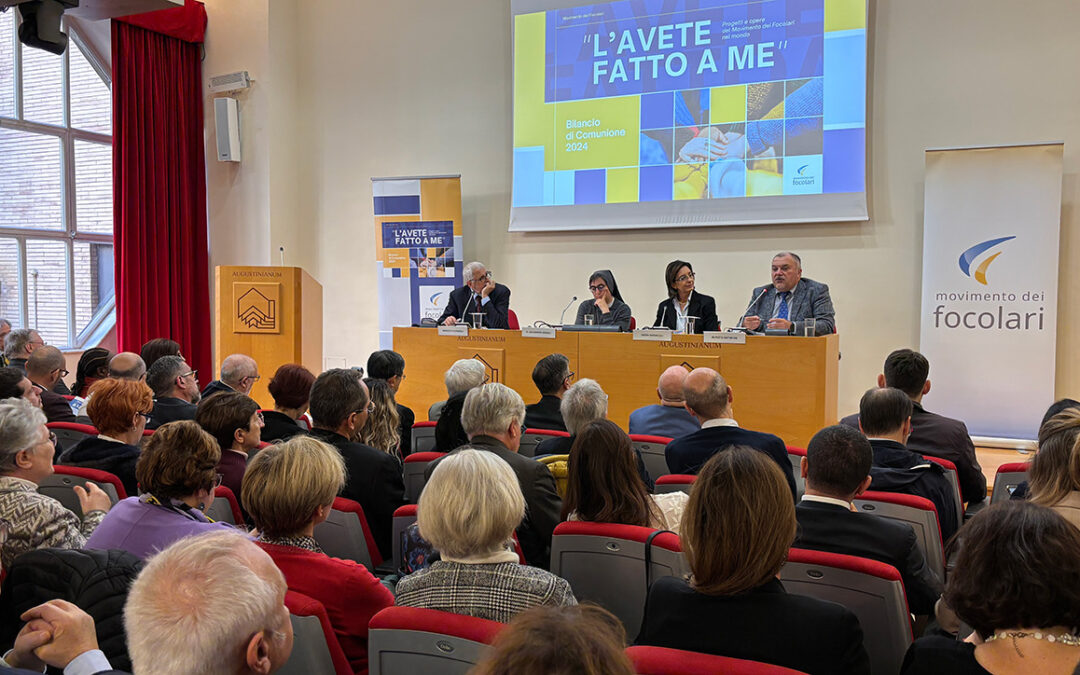
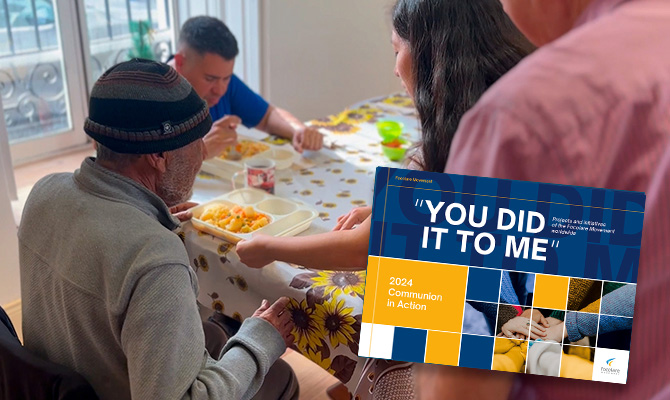
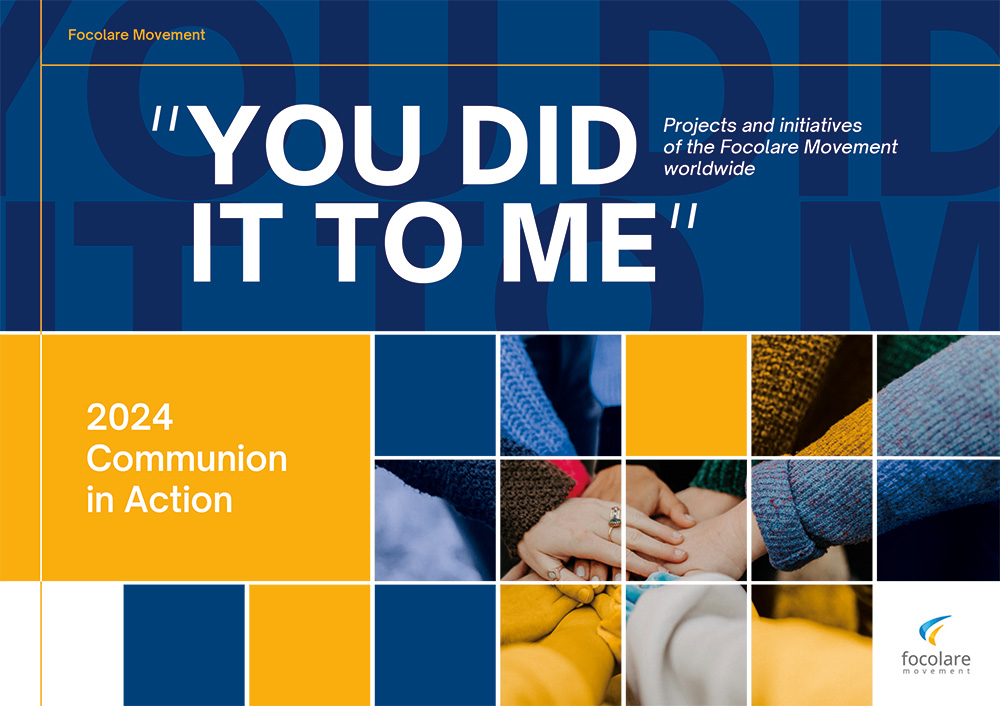
“We have chosen to tell stories of closeness and fraternity that are the fruit of the commitment of many people and communities around the world who are striving to generate trust every day.” With these words, Margaret Karram, president of the Focolare Movement, opened the event presenting the 2024 Assessment of Communion in Action, held on the 6th of November 2025 at the Augustinian Patristic Pontifical Institute in Rome. This document goes beyond a financial report and describes the ongoing projects in various countries linked to the Focolare Movement and their specific impact on individuals, communities and geographical areas. “It does not merely measure numbers, but speaks of relationships,” emphasised Sister Alessandra Smerilli, secretary of the Dicastery for Integral Human Development. “Communion is a strategic asset. It is not simply the sharing of resources, but the building of bonds that generate trust, cohesion and resilience. In economic terms, it is relational capital: it reduces exclusion costs, encourages participation and enables processes of integral human development. Where there is communion, fragility becomes an opportunity, because those who are part of networks of reciprocity have a better chance of being able to escape marginalisation. In a time of great inequality, this assessment is both a prophetic statement and good news: every single act is important.”
Margaret KarramAlessandra Smerilli – Moira Monacelli
The figures
Ruperto Battiston, co-responsible for the Focolare Movement’s finances, explains the figures: “The 2024 Assessment of Communion in Action shows an income of €8.1 million from donations, from the communion of goods given freely by those belonging to the Movement and from contributions of external institutions for training projects. Expenditure amounted to €9.6 million and was allocated to initiatives that generate long-term value: local projects, little towns, social initiatives and educational and cultural programmes, as well as to support the International Centre.
Thanks to an extraordinary communion of goods of €208,568, it was possible to help people belonging to the Movement who are in situations of particular need and also the structures that help those who are poor.
In addition, the Economy of Communion distributed 394 individual grants and supported 14 projects in 13 countries, for a total of €669,566.
Among the many figures, this year we have chosen to highlight the sums allocated to structures involved in safeguarding and formation in safeguarding, as recommended in the recent report by the Pontifical Commission for the Protection of Minors.”
Five projects were presented from among those illustrated in the Assessment: Fo.Co. ONLUS – Italya social cooperative that welcomes migrants and unaccompanied minors, promoting inclusion and employment. It has reopened an abandoned convent, transforming it into a reception centre; UNIRedes – Latin America: a network of 74 organisations active in 20 countries, which reaches thousands of people every year with educational, health and cultural projects. The Focolare Medical Centre –in Man, Ivory Coast: established during the civil war, today it is a 24-hour health centre offering telemedicine and hospitalisation services. Focolare Carpentry – Philippines: a vocational training centre that has restored dignity and work to over 300 young people excluded from the school system. TogetherWEconnect – Israel and Palestine: an educational project involving 500 students in courses on dialogue, self-esteem and active citizenship.
A methodology based on the Gospel
“Communion is not welfare, but protagonism and reciprocity,” explained Moira Monacelli of Caritas International. “Being present does not only mean doing for but walking with.” The activities described in the Assessment stem from a tangible love, which translates into listening, shared responsibility, education and trust in Providence. “Giving hope is not saying it with words,” concluded Monacelli, “but building communities where fraternity becomes a reality.”
The Communion in Action Report (Bilancio di Comunione – BdC) is an instrument which began in the tradition of the Social Reports of non-governmental and non-profit organisations. It expresses a style inspired by the Gospel and is an invitation to promote relationships of reciprocity and communion and to contribute to the implementing of societies where people and nations can live with dignity, justice and in peace. For 2024, the Focolare Movement has analysed data relating to permanent and ongoing initiatives, projects and actions in many countries. The reported data does not represent a complete or exhaustive map of all the initiatives taking place but is a significant sample that expresses the commitment of over a hundred projects which, supported by the spirituality of the Focolare Movement, respond to the needs of humanity, so as to generate trust, social cohesion and a sense of community.
The participation of the new generations in the path that leads to the 2026 General Assembly of the Focolare, aims to be an integrated process, which progresses through different forms of involvement. The young people of the Movement around the world have been invited to take an inclusive and active commitment in their local communities. For this reason, a document has been prepared that presents what emerged at the last Assembly in 2021. This document invites adolescents and young people worldwide to reflect on three key questions. 1: What have we managed to achieve in our local area based on the proposals from the last Assembly? 2: What do we want to achieve in the future and to what do we want to commit? 3: What is a desire or dream you have for the Movement over the next five years?
This is an indispensable process for uniting generations and giving continuity to their journey towards unity. Communities have been encouraged to create moments of communion that foster dialogue and the development of proposals, so as to enhance the leadership of young people, rooted in their real lives and their particular sensitivity.
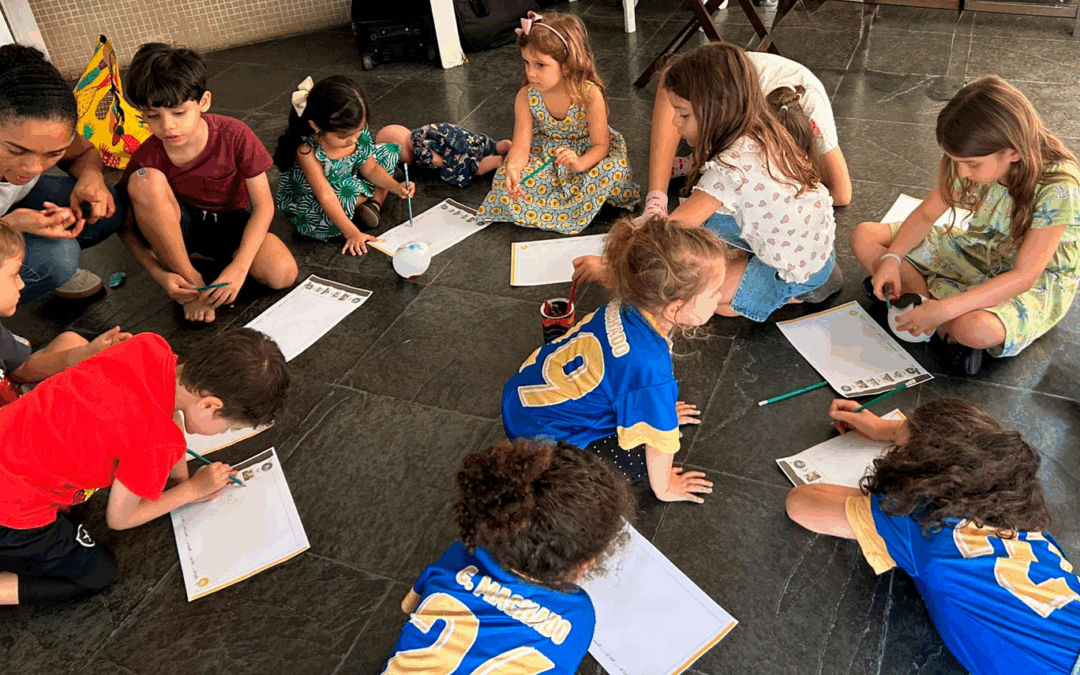
Special attention has also been given to the participation of the children of the Focolare Movement, who have been asked to respond through drawings to the question: What can we do to help make the world more united? These drawings will be displayed in the halls where the participants in the Assembly will meet so that they can inspire and speak to the hearts of many.
Turn on English subtitles – The original is in several languages.

 The first round of collecting suggestions for the election of the President, Co-President, and General Councillors from the various parts of the world was completed on the 7th of November 2025, in preparation for the upcoming Assembly. The phase of gathering ideas and proposals for topics to be addressed during the Assembly was also completed. What are the next steps? How will these proposals be organised?