15 Mar 2018 | Non categorizzato
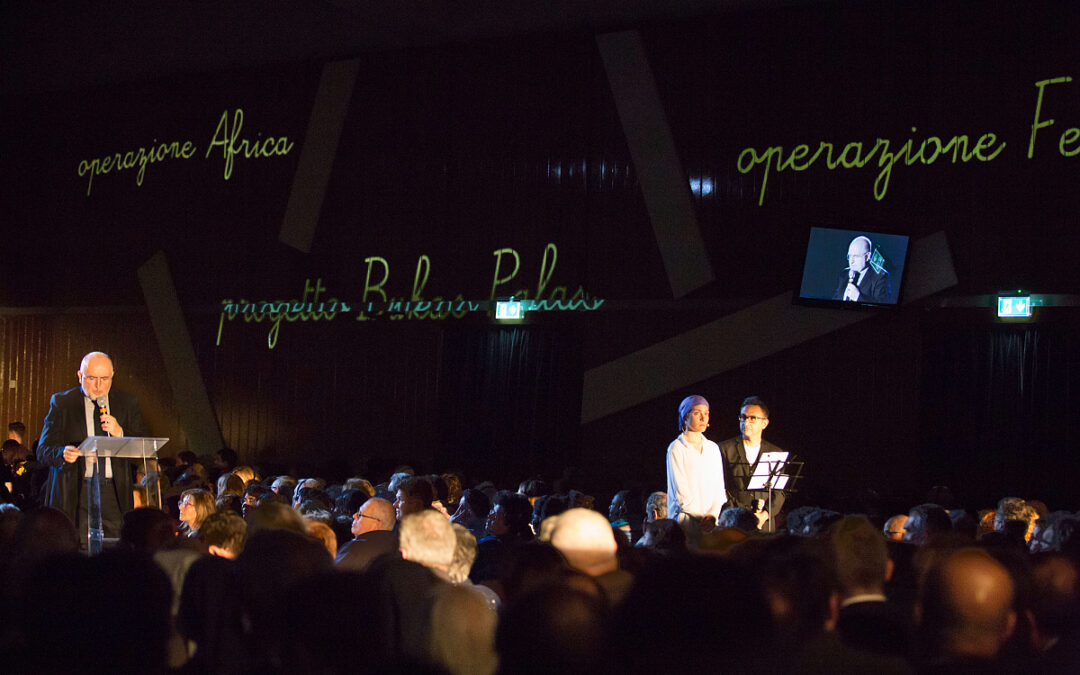
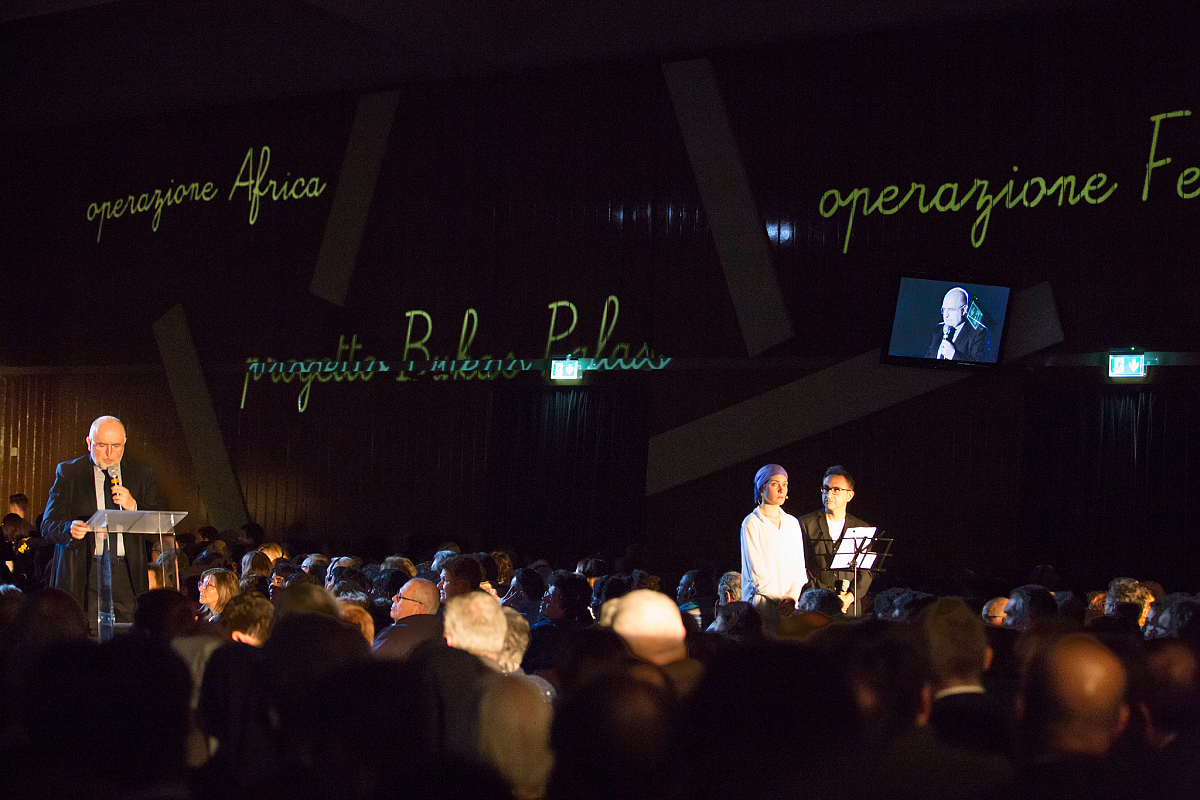
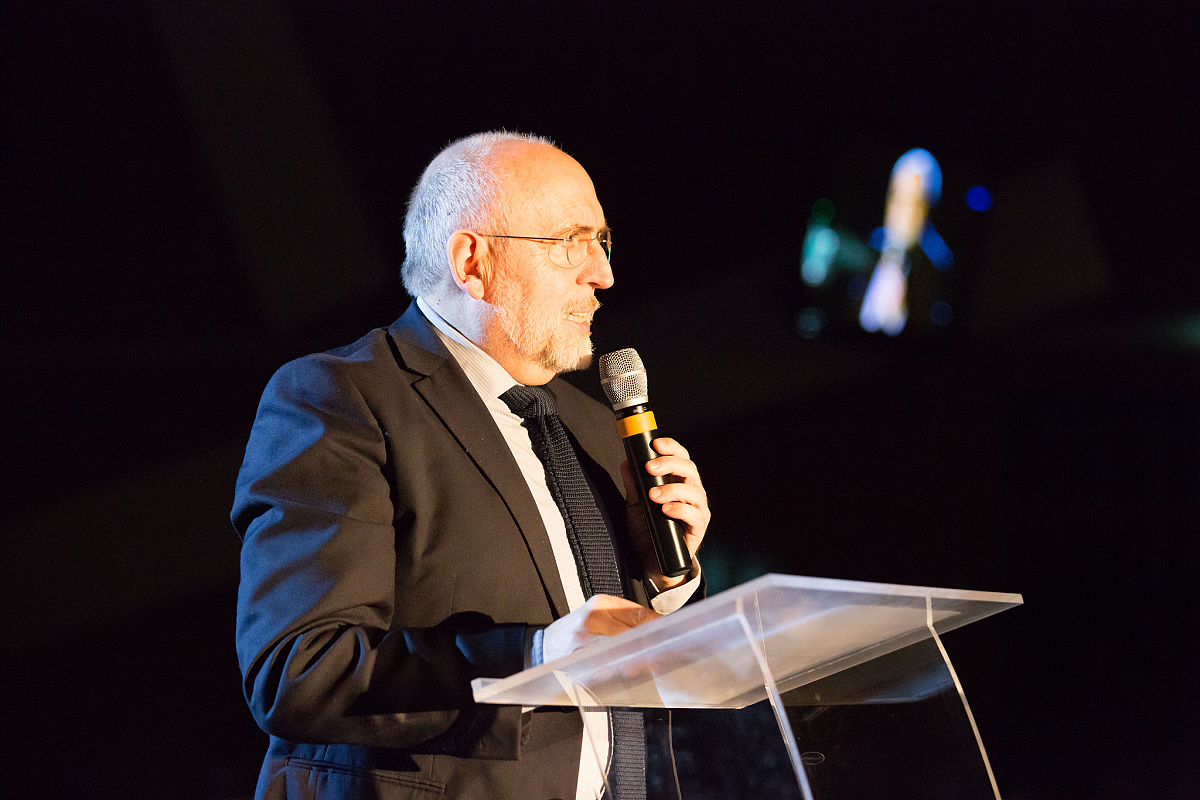 “… On your day, my God, I will come toward you… I will come toward you, my God (…) with my wildest dream: to bring you the world in my arms.” 1. The address given by Jesús Morán, co-president of the Focolare Movement, starts with this citation of the theologian Jacques Leclercq on the occasion of the event ‘The Great Attraction of Our Times’. We are once more astonished by the prophetic vision for society of this extraordinary woman whose ideal of “May they all be one” (Jn 17:21), started out from her own city of Trent and reached the whole world. Morán starts with a story of the protagonist of a fable, who lives with other personages thought of but then discarded by the authors of the stories, destined to live on another planet. He reflects on the role of the prophets: they are as big as they are small or they make themselves so in the eyes of human beings. Discarded by them, mocked, often killed, they are chosen by God to do that which nobody else can do. The prophets are in fact, the little people of God: this is where their greatness lies, even if sometimes they seem to be living “on another planet”. As we know, the word ‘prophet’ comes from the Greek and indicates not so much those who foresee the future but the mouthpiece, the messenger of God. In the Bible we also find prophetesses2. The prophets of Israel spoke to the people in the name of God; and everything could become an object of their words, because the word of God knows no limits. [….] In the midst of the historical context of her time – which evoke, in fact, not only the story of the prophets, but also biblical wisdom and the wisdom of ultimate goals – there manifests in her, a specific charism, that of unity, which led her to aim clearly and decisively towards universal brotherhood.”
  Morán underlines that in some of her notes of December 1946, “one can see the key pillars in Chiara Lubich’s prophetic vision for society. She, in fact, was not a social reformer, just as Jesus wasn’t. Chiara’s dream, in effect, aims much higher and more profoundly, and that is to the anthropological and theological foundation underlying every kind of social reform: universal family and unity as envisaged by the man-God, Jesus.” “This is why we could say,” Morán explains, “that the first social project that Chiara founded was in fact the first community of the Focolare that began in Trent immediately after the war. This community took the Acts of the Apostles literally (Acts 2, 42-48); they practised a radical communion of goods and did all they could to care for the poor and the thousands of suffering people the war had left in its wake. This underlying experience has never been lost. Indeed it is the inspiration behind all the activities and social projects that have been undertaken over the years by Chiara herself and all those who, in following her, have made their own the Ideal of unity. In all of this Chiara’s human and ecclesial genius is clear.” Even we, continues Morán, “have a story in front of us. Chiara is that author who has taken us out of anonymity to make us protagonists of a dream; we are all protagonists, nobody excluded.” Citing Guislain Lafont, the great Domenican theologian who, in a summary of the philosophy of Pope Francis, he speaks about the “principle of littleness” (salvation comes from below rather from above). Jesús Morán concludes: “Chiara knew how to magisterially apply this principle of littleness in the work of a real social change which she set in motion, with and from the paradigm of unity. This is her greatness.” 1 J. Leclercq, cited in W. MÜHS, Dio nostro Padre, 365 pensieri sulla paternità di Dio, Rome 1998, p. 64, published in: C. LUBICH, Il grido, Città Nuova, Rome, pp. 129-130. 2 Cf. 2 Re 22, 14; Lc 2, 36.
13 Mar 2018 | Non categorizzato
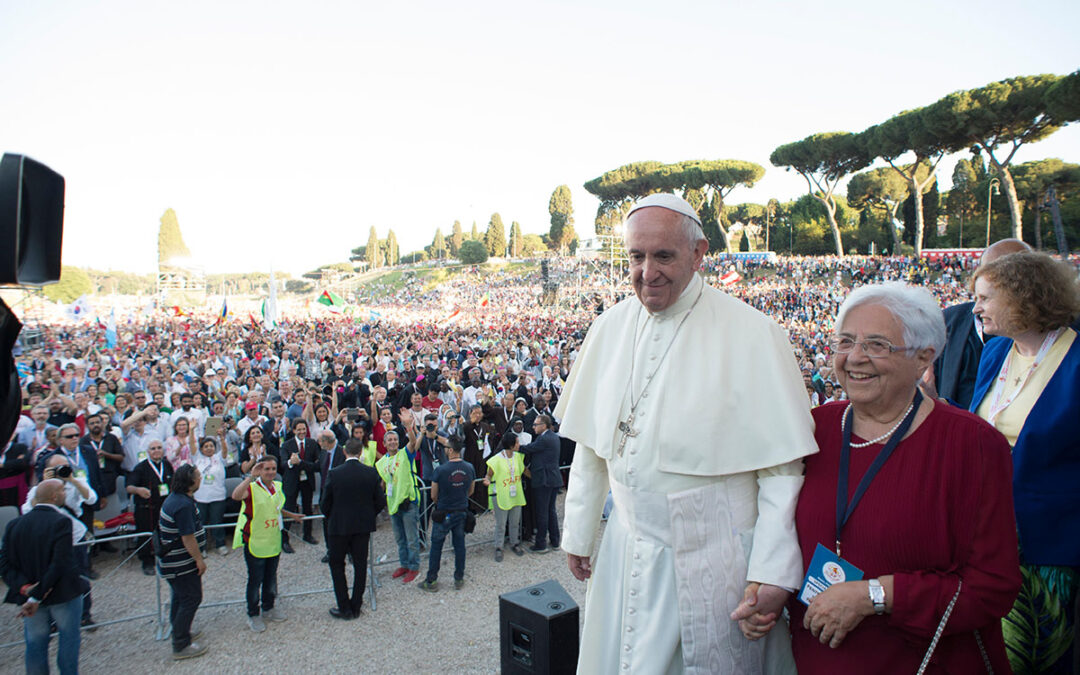
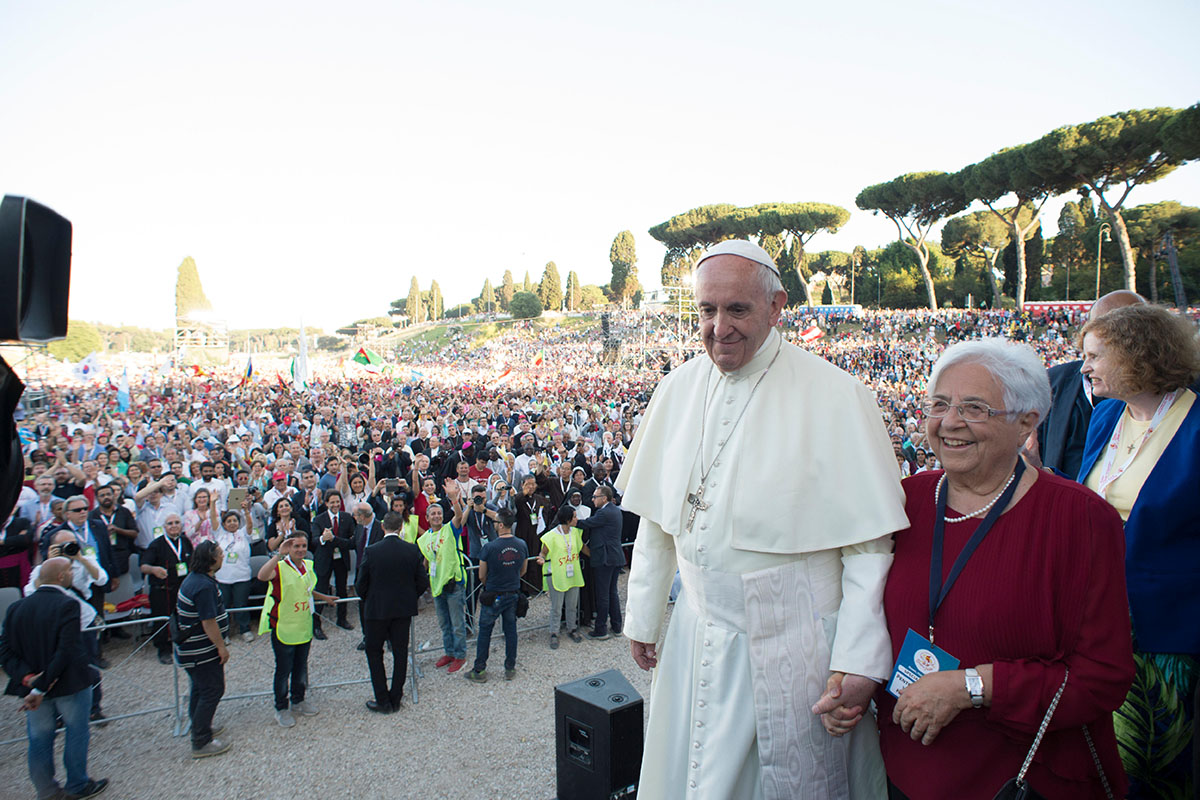 “Five years of enlightening and fruitful pontificate.” Maria Voce’s greeting to Pope Francis, in the name of the Movement’s communities worldwide, was full of joy and gratitude. She assured him of the Movement’s renewed commitment to “bring the proclamation of the Gospel to men and women in the most varied situations” and “ that we shall always be faithfully by your side, cooperating with all our strength in proclaiming God who loves the world so much. We assure You of all our love and prayers.” Maria Voce commented: “We feel privileged to be able to live in this time when the Spirit, through the Pope, is calling the Church to a twofold path: a return to a life rooted in the Gospel and a new focus on the signs of the times, which invite all Christians to reach out to all men and women. The Pope himself is a remarkable example of this.
13 Mar 2018 | Non categorizzato
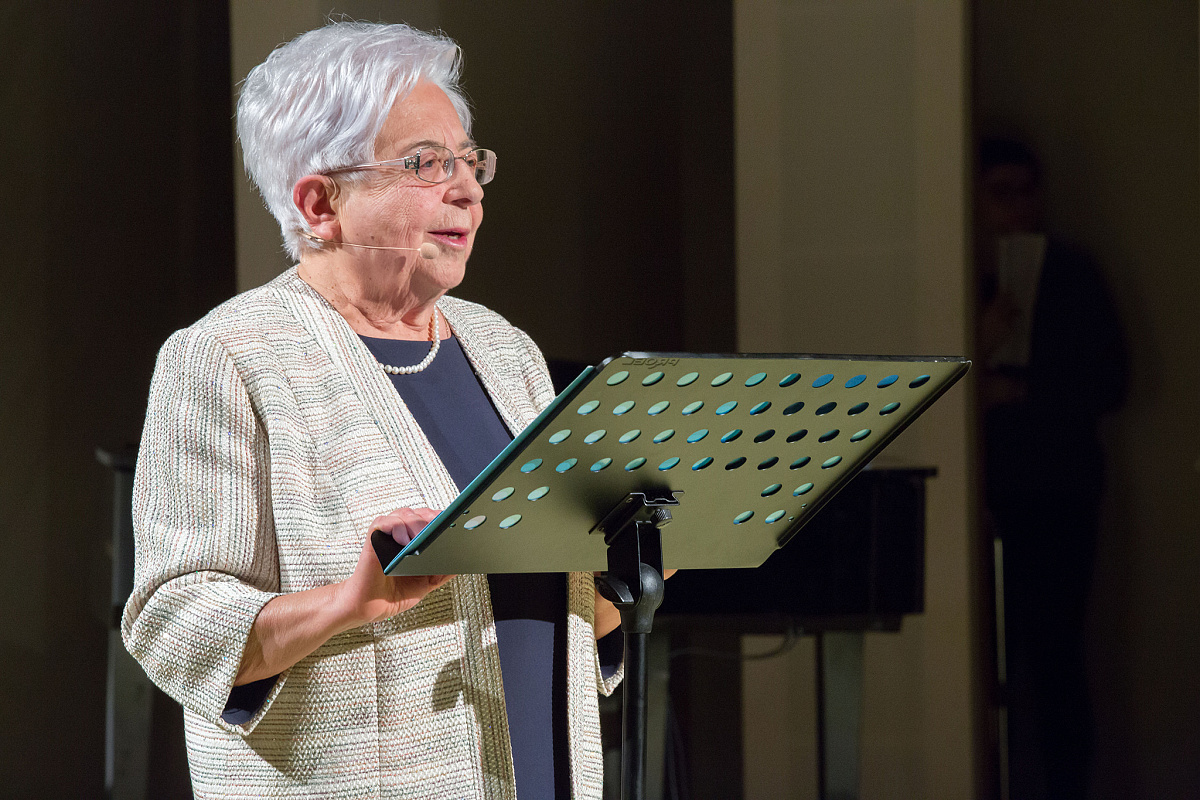
Photo © CSC Audiovisivi
Photo © CSC Audiovisivi
12 Mar 2018 | Non categorizzato
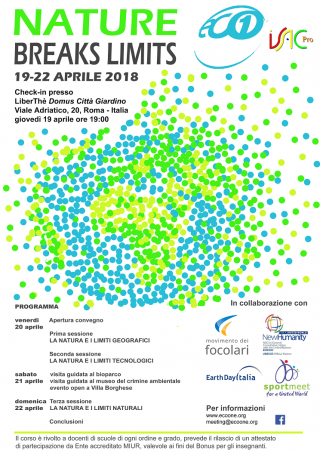
The international convention “Nature breaks limits” will take place at the “I Gigli della Montagna” Conference Hall (Via Monte Senario, 81 – Rome, Italy). We shall reflect on how the confines – geographic, natural, technological – can become launching pads for the sustainable future of the human race and the environment. Per information: http://www.ecoone.org/it/convegni/convegno-2018.html
12 Mar 2018 | Non categorizzato
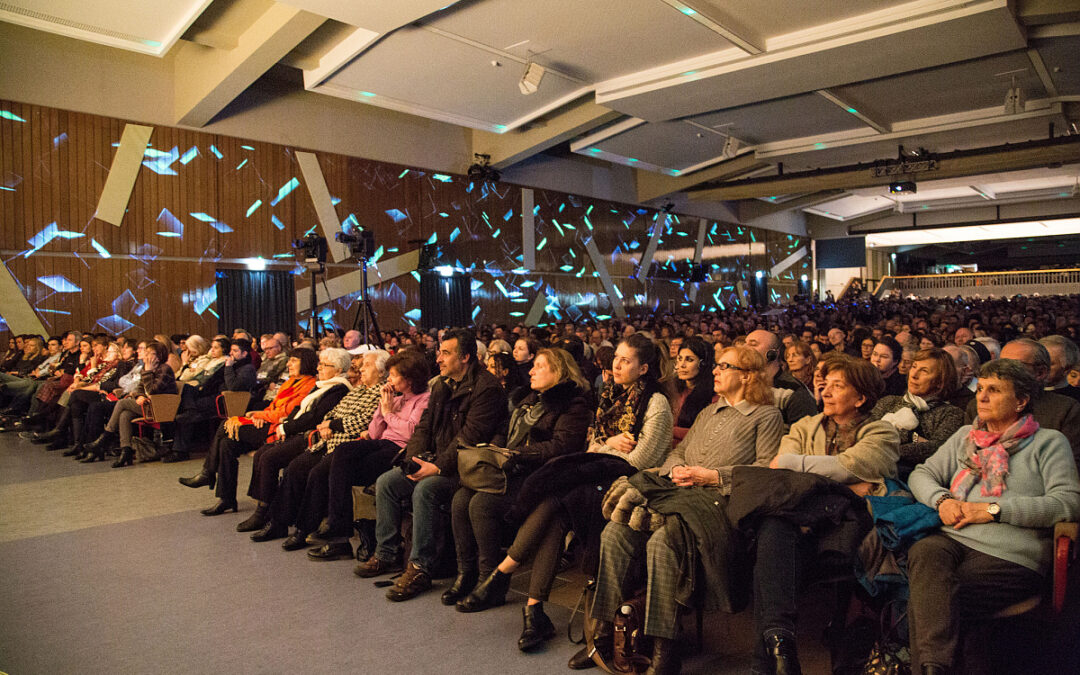
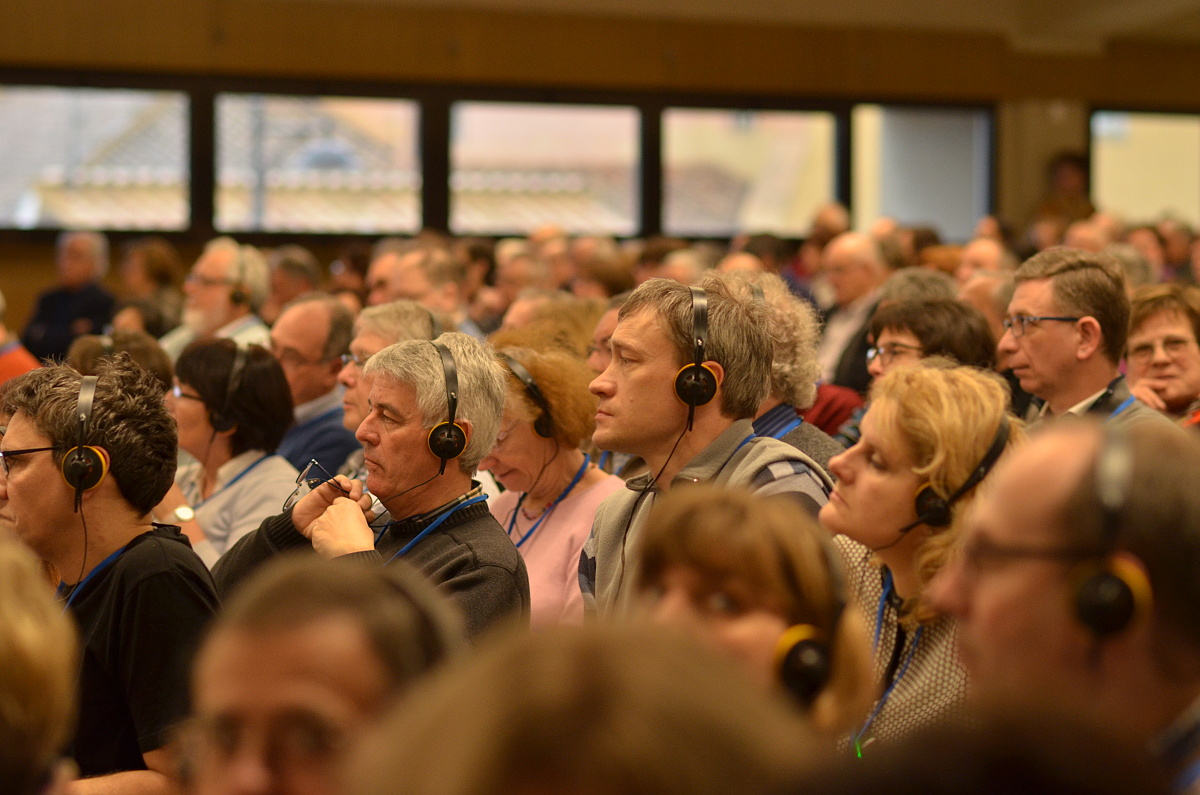 I was there too, with my husband, at the congress for volunteer couples, 600 persons, 14 languages. It was a representation of society, with participants from 5 continents. But let’s start from the beginning. The day before I had a look at the program. I knew that being the 3rd March, there would be at the same time an event dedicated to the tenth anniversary of the death of Chiara Lubich at the congress. And on the other days? The life of the family and the couple, made up of many facets, was to be at the centre of various in-depth moments, with the guide of experts. We have been married for nearly twenty years and we have two children aged 18 and 16 years. Having overcome the tunnel of sleepless nights, of nappies and child centres, having finished the phase of elementary and secondary schools, of geography charts to colour in, and of repeating the story of ancient history, we are sailing through the adolescence of our children and through ours as parents, in search of a serene present and of a future that one uncovers day by day. A web of affections, difficulties and obstacles, amazement in the face of innovation, suffering for the sad events, at times humiliation and the pulling up of our sleeves to start again, but also joys, social passion, a taste for the beautiful, openness towards new things and those unforeseen, racing through difficulties amidst the thousand duties of each one of us. A normal family, at any rate. I read the program and felt a little disappointed. The insistence on the theme regarding the “couple” suffocated me. What about the world? The reality of our times? Art, culture, social relations? Will we be concentrating on looking ‘inside’, to analyze ourselves once again, after so many years? I am a volunteer, used to looking “outside” rather than “inside”, to dream big, to be in close contact with reality and share people’s trials, trying to offer a helping hand, as Chiara Lubich has taught us, to build a more united world. I found the first day of the meeting hard to digest. After all my husband wasn’t there because of work. And in the evening, I confess, I willingly left for the inauguration of an exhibition at the Vittoriano, in the centre of Rome, as a way of refreshing my mind. A little disillusioned I faced the second day, this time as a couple. I tried to reset my thoughts and get more involved, with all my being. I discovered that my husband was making the same effort. This altered attitude helped us to take in the talks that followed with new eyes. It was like for the first time we were receiving insights to inwardly renew our ‘yes’, pronounced many years ago together with our family, the stone on which even we compose society, in this historic moment. I cannot be a good Mum and a professional and give my little contribution if it does not come from the relationship with my first and only companion in life, from the renewed unity among us. How can a house stay upright if its foundations are not deep, solid, strong, healthy?
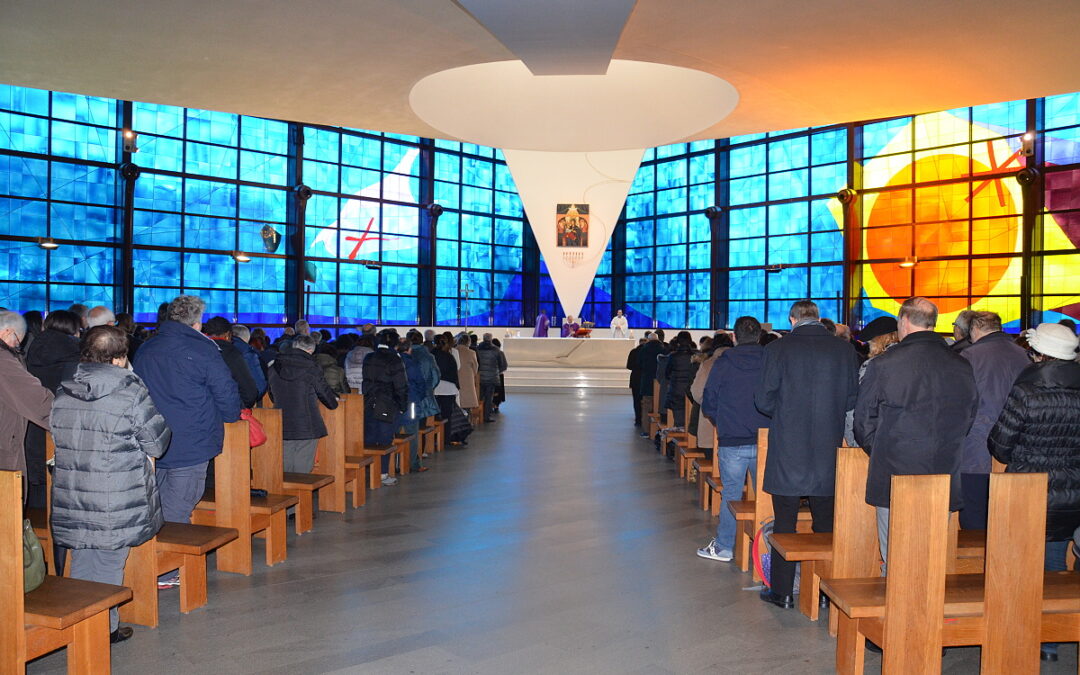
 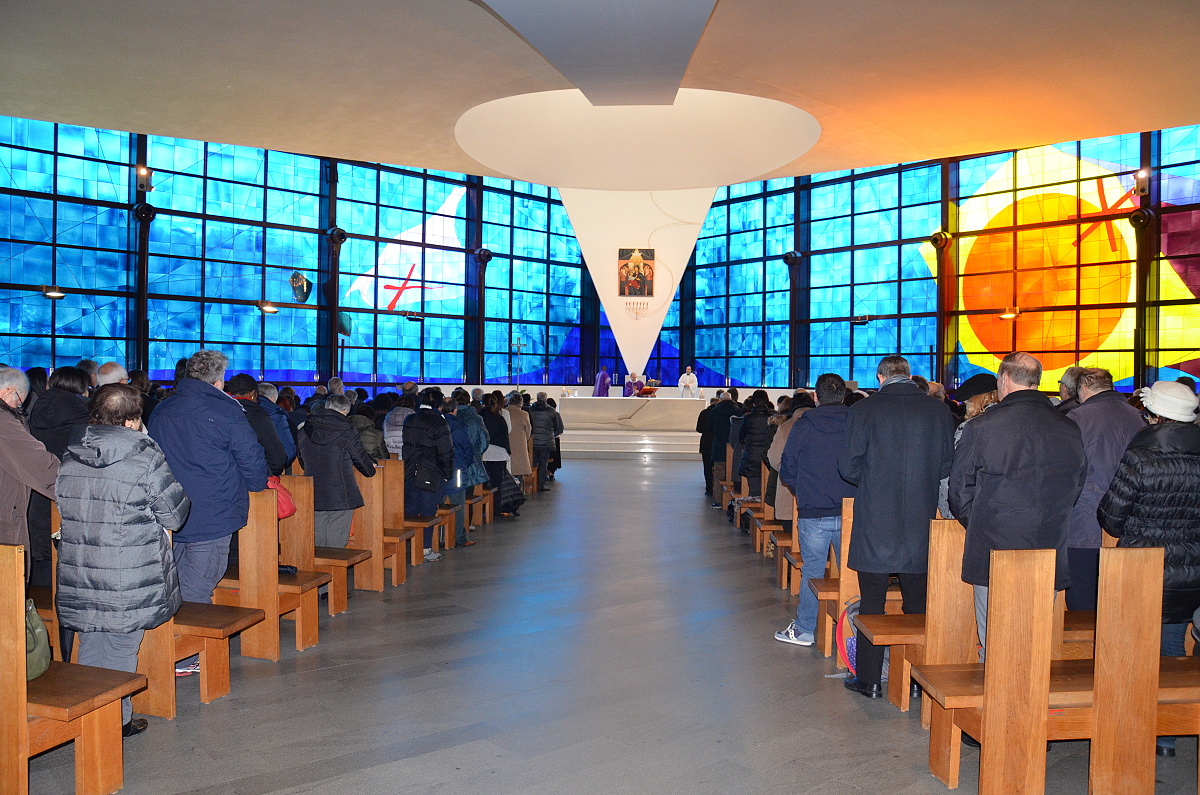 On the third day, together we solemnly renewed our ‘yes’ forever, before the sacred image of Our Lady at the Shrine of Divine Love. It was not a formal act but one that was substantial and free, in the presence of 598 witnesses. In the afternoon, whilst the hall was slowly filling up where the event of the tenth anniversary was to take place, I sat by chance next to two of the participants. They were a couple attending the congress like us. I had not yet seen them. There were a few presentations. I came to know that they had lost a son two years ago. Out comes a photo of him: a splendid boy, with light-coloured eyes, a brown beard. He was only 25 years, in the prime of life. The mother’s eyes welled up with tears. I perceived in that mother the semblance of the Mother, figured in Michelangelo’s Pietà. That’s what a family is: a bulwark, a rock, a heroic foundation of society, without which everything can collapse. It was necessary to stop and focus on the couple. It was indeed necessary. Chiara Favotti
