10 Jun 2017 | Non categorizzato
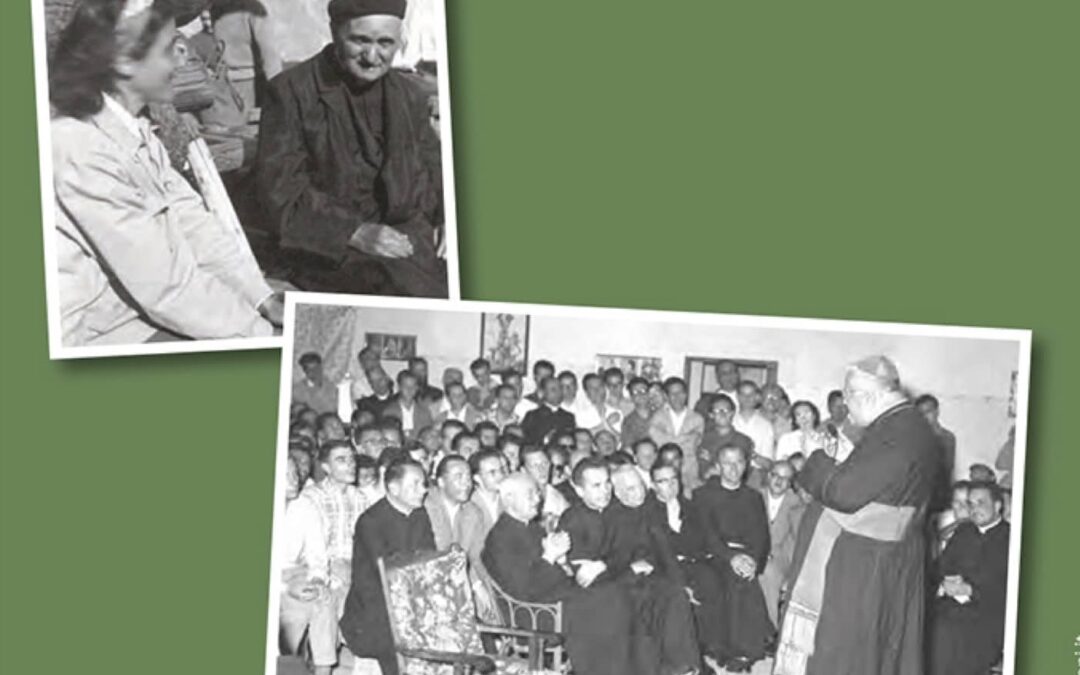
 The then Archbishop of Trento, Msgr. Carlo de Ferrari, had the task of first assessing and approving the Focolare Movement at the diocesan level. The title of the recent book published by Città Nuova Publishing House “Qui c’è il dito di Dio” (Here Is the Hand of God), recalls the expression he used in reference to the evangelical experience that Chiara Lubich and her first companions were living. The context is 1951, a period when not everyone in the Church thought the same as the archbishop of Trent. Indeed, there were many ecclesiastical perplexities and suspicions, in pre-Vatican Council times, with regards to this young lay woman, who had as her followers priests, men and women religious, lay men and women, young people and not so young. Prudence suggested distancing her and perhaps replacing her with a priest. It was through these circumstances that Chiara’s decisive relationship with her bishop began. The book opens with a letter from Chiara Lubich, written from Rome, to Archbishop Carlo de Ferrari. The letter is dated January 5, 1951 and the period of trial that the nascent Movement and Chiara herself were experiencing shines through every line of the text.
 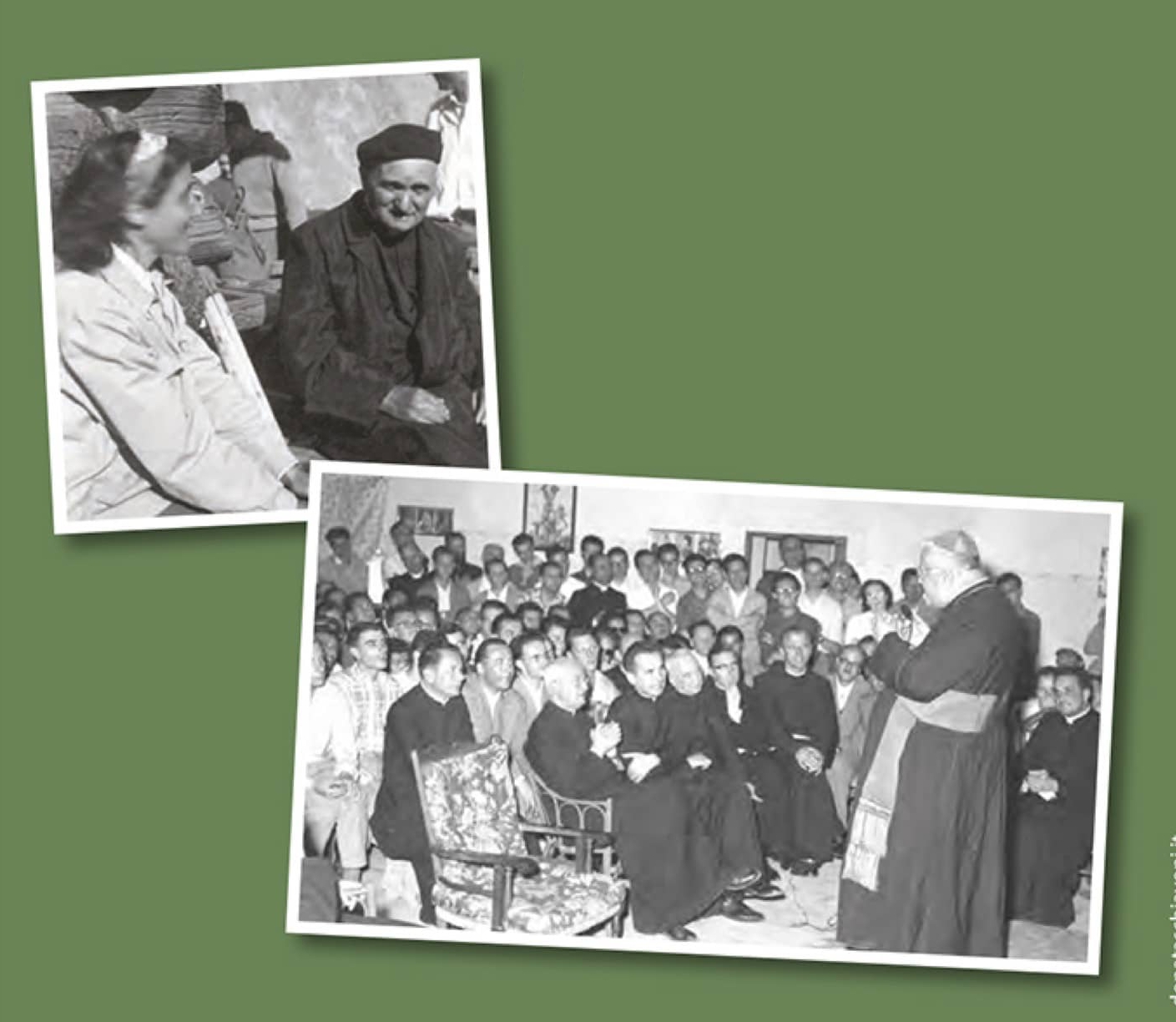 Most Reverend Highness, [1] It’s so true. The cross was heavy and still is, and in these days I understood why Jesus “fell” under the weight of the cross. But, Your Highness, I’m happy, truly happy. I’ve obtained the grace from Jesus to be ready for every decision made by the Church. Not only that, but to leave “my own” (I can still call them that for a while longer), fifty men and women focolarini in such perfect unity that they will be able to pursue their path without anyone even noticing that anything has changed. I’m happy, Highness, to be able to give God all that He has done through me in the supernatural field. I assure You that no matter what happens You can always be assured of my faithfulness to my Jesus forsaken and obedience to the Church. I’ve come this far precisely because I’ve never wanted, on my part, to break unity with the Church, or better, with whoever represented it. If I hadn’t done as I did, perhaps the Movement wouldn’t exist. But the Lord God gave me resistance even against the unimaginable. Now the Movement exists and it will never die. That it is the work of God will be shown perhaps by the fact that I will have to distance myself from it. If I must testify to Him by becoming nothing, after having borne witness to Him through Unity, I’m happy. The culmination of of the life of Jesus was spent in loving was death: and no one has greater love than to give their life for their friends. You, Father, were truly a Father to me, and you showed me (what I believed only through faith) that the Church is a Mother. I will always keep You as Father whatever the Will of God will be for me. No one can forbid me from obeying You, which means obeying the Church. What matters in becoming holy is to obey: to be one. Little does it matter whether they command us to act or not act in one way or another. Isn’t that true, Father? Father Tomasi is a holy man. He’s suffering very much at the moment and is not eating. He is suffering for me… I would never have thought that he could have such feelings.But don’t worry, Your Highness, because we are supporting him and in his presence I also feel lighthearted. In conclusion, I can only tell you one thing: I’m very happy, immensely happy. And I can assure You that Jesus Forsaken will carry me through. Besides: ‘Blessed are you when they separate you and ‘lying, say all manner of evil against you. Rejoice and be glad because your reward in Heaven is great.’ Bless me now and forever, your daughter, Chiara.” Da “Qui c’è il dito di Dio”, (Rome: Ed. Città Nuova, 2017) [1] In those years, the archbishop of Trent was addressed as “Your Highness”.
9 Jun 2017 | Non categorizzato
 Youth for a United World is an international movement which gathers young people of different races, cultures, religions from 180 countries and across 5 continents. They strive to live for a more united world by putting into practice the Golden Rule: “Do to others what you want them to do unto you; don’t do unto others what you don’t want them to do unto you”. In order to be better connected with young people throughout the world, Youth for a United World have created new communication channels, one of which is the newly launched website yfuw.org which includes content about the movement’s history, news items as well as past and forthcoming events. Genfest 2018: the worldwide event which will take place next year (6-7 July) in Manila, Philippines. More interaction: y4uw.org gives the possible to connect up with young people around the globe.It’s possible to post comments, suggestions, feedback regarding website content but also to convey news about local youth activities. New design: the revamped website makes it easier to view current projects and to contact the protagonists. It’s possible to contact Youth for a United World through the social media: Instagram & Twitter: Y4UW.official Facebook: Y4UW.international
8 Jun 2017 | Non categorizzato
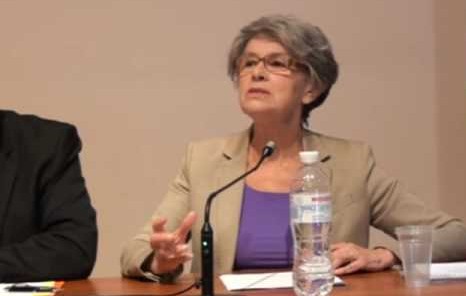
Anne-Marie Pelletier
Maria Rita Cerimele
Source: Città Nuova
7 Jun 2017 | Non categorizzato
“The role of women in the education towards universal brotherhood,” is the theme of the plenary session of the Pontifical Council for interreligious Dialogue, programmed for 7-9 June, in Rome. The event will highlight four Conferences: Sr. Nuria Calduch-Benages, Spanish biblist will speak about “Women educators in universal brotherhood,” Sr. Raffaella Petrini, professor in the Social Doctrine of the Church, will focus on “Women’s qualities against the technocratic paradigm: a Catholic and social perspective on the contribution of women to fraternity;” Marie Derain, French lawyer and infancy civil defence attorney will discuss the theme “Building peace: the role of women ;” and then Clare Amos, of the Ecumenical Council of Churches will expound on “the role of women in education in universal brotherhood.” The participants will be received by the Pope.
5 Jun 2017 | Non categorizzato
June 5: World Environment Day is celebrated (W.E.D., World Environment Day). The date was chosen by the United Nations to remind the Stockholm Conference on the Environment in 1972, where the United Nations Environment Program was drafted. The Day has become an occasion to stimulate global attention and knowledge of environmental issues. It is also an opportunity to reflect on the health of the Earth, our common home, but also to actively promote a healthy co-existence among all its inhabitants.
