In India: Dialogue of Hearts and Minds
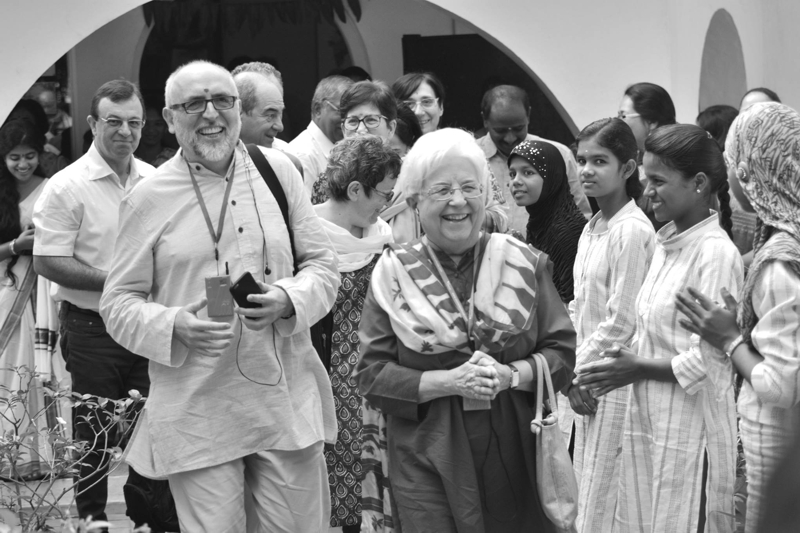
Photo © Donald Dsouza
CSC Audiovisivi – All rights reserved

Photo © Donald Dsouza
CSC Audiovisivi – All rights reserved
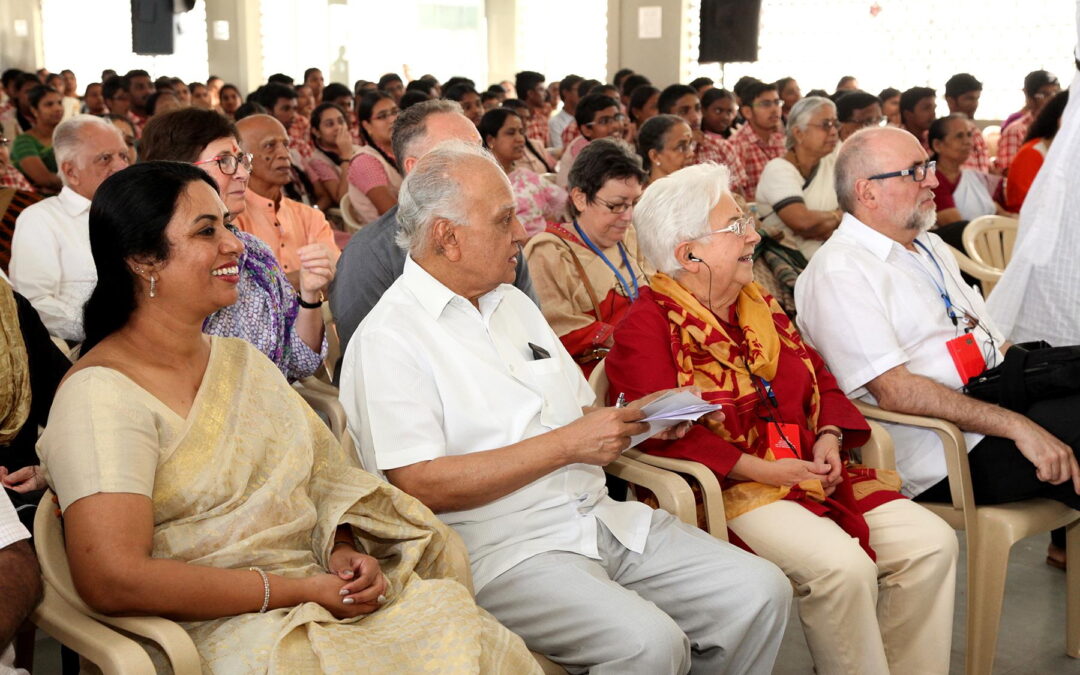
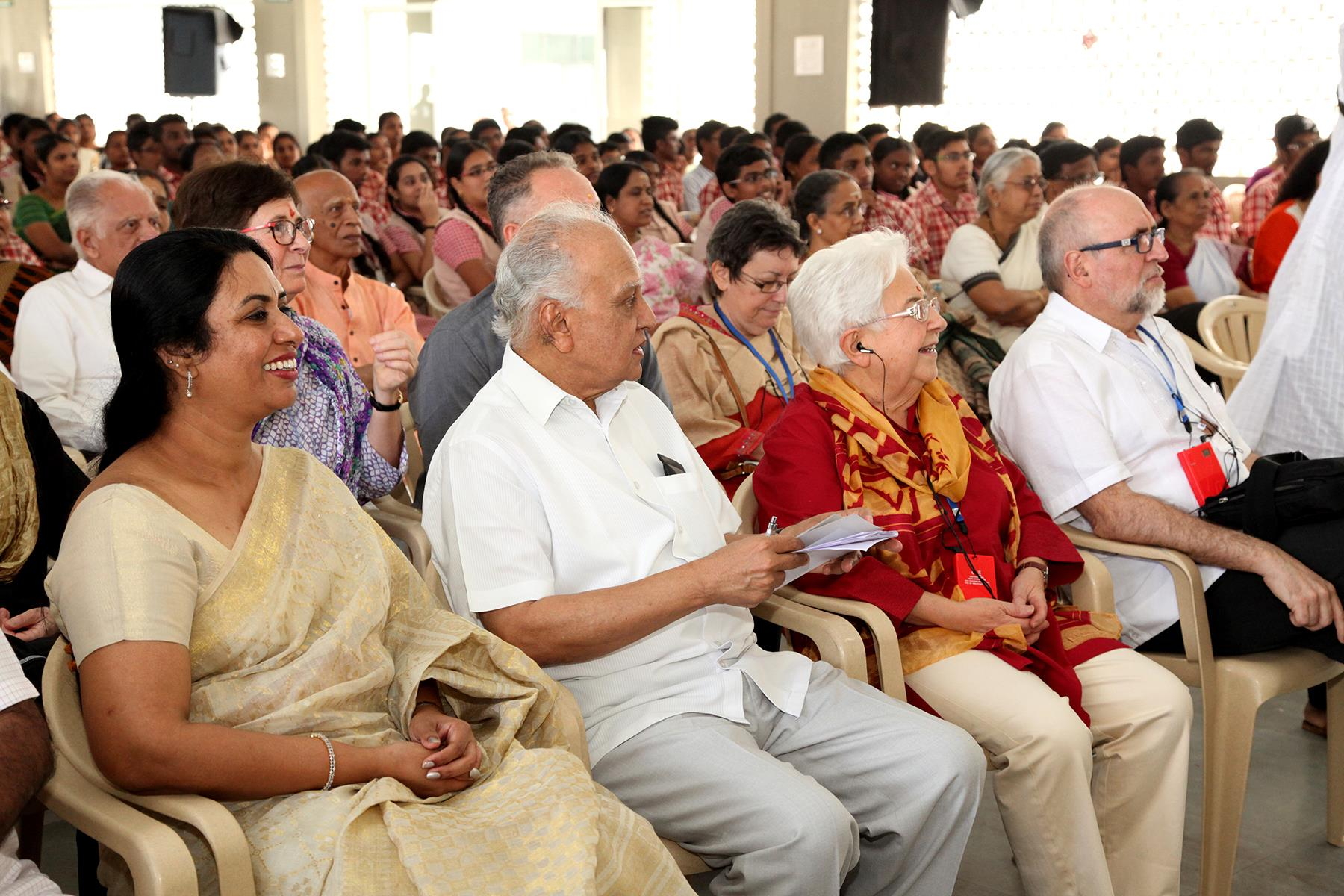
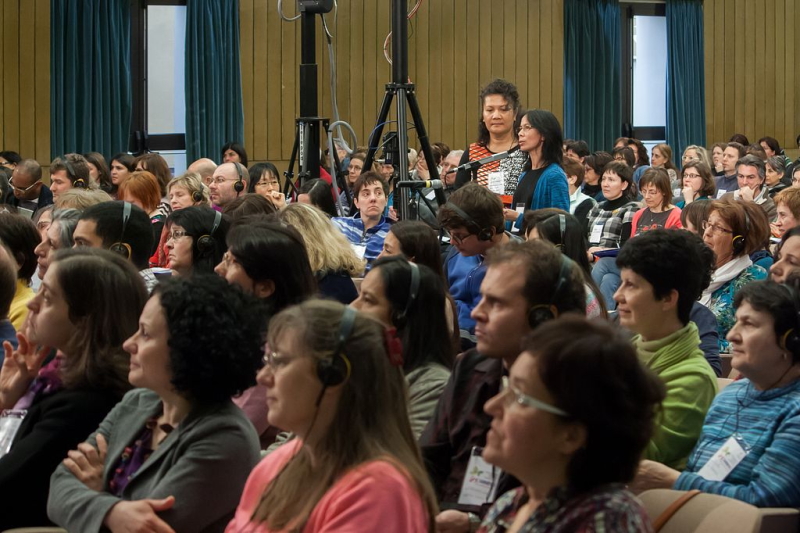 There was overwhelming agreement amongst the 400 youth workers who attended the conference, that they had chosen their profession because of love and not because of the career. Some of the topics discussed included: accompanying adolescents; role of the teacher; educating to do what is difficult; the community as educator. Vince and Make are from Melbourne, Australia. “I’m originally from Futuna – one more step and you fall off the globe!” Make joked. “When I went to visit a small community on the Island of Kiribati, the children were surprised by the presence of a stranger, and then suprised by the fact that I played games with them. I ran for two hours even though I’m no longer the right age that. We didn’t speak the same language, but a special relationship was created between us.
 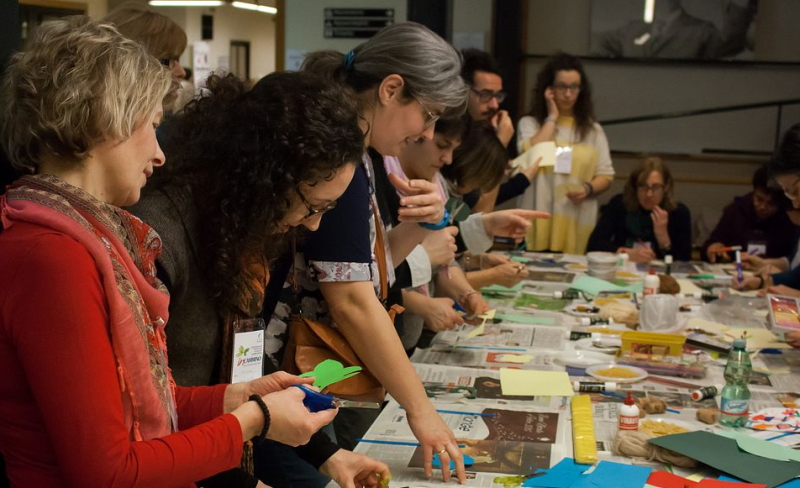 What is their educational model? They call it a person-relationship model in which one is able to love and be loved. It is rooted in the thought of Chiara Lubich. Her influence on the field of education is being developed by a group of researchers in the area of pedagogy and by the Abba School and the Sophia University Institute whose graduates were among the presenters. There were ample offerings for every age group, covering topics such as global education; types of group animators; group dynamics; conflict resolution; investigations on faith and reason; lifestyle and the environment; gender; addiction and mass media. Several interactive activities explored expressing emotions through dance; theatre; puppetting; shaping balloons; arts and crafts; video-making; photography and using shapes and images.
 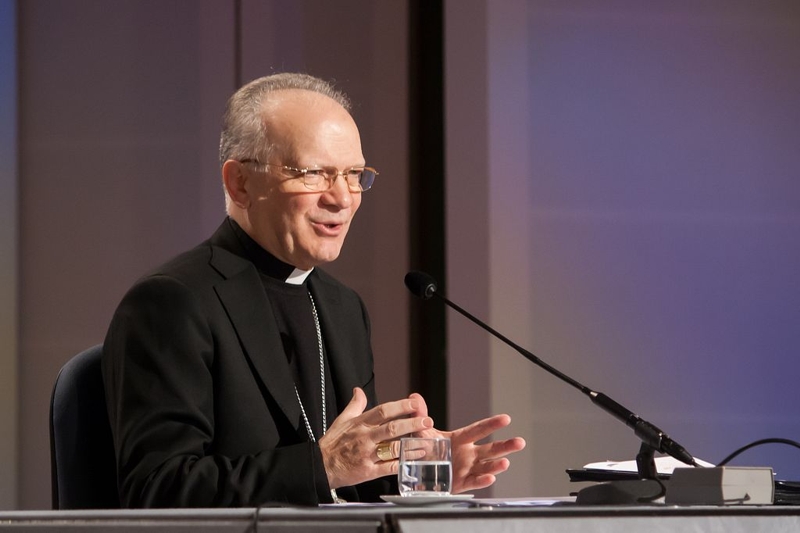 It was all a concrete opportunity to “put head, heart and hands to work,” to experience it and then live it along with the children. This educational method is particularly dear to the heart of Pope Francis (see World Congress on Education, Rome, Italy, November 2015). During his presentation, Msgr Vincenzo Zani, Secretary of the Congregation for Catholic Education offered Pope Francis’s vision for education to all the formators at Castel Gandolfo from February 5-10, 2015.
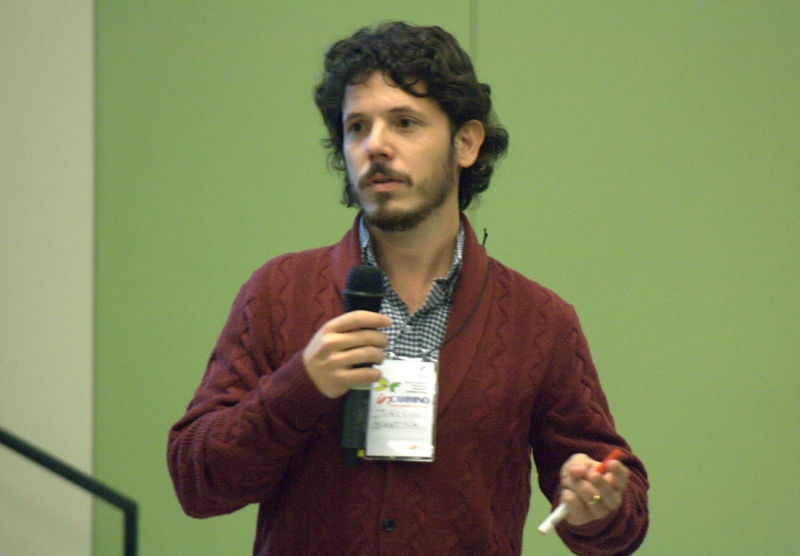
 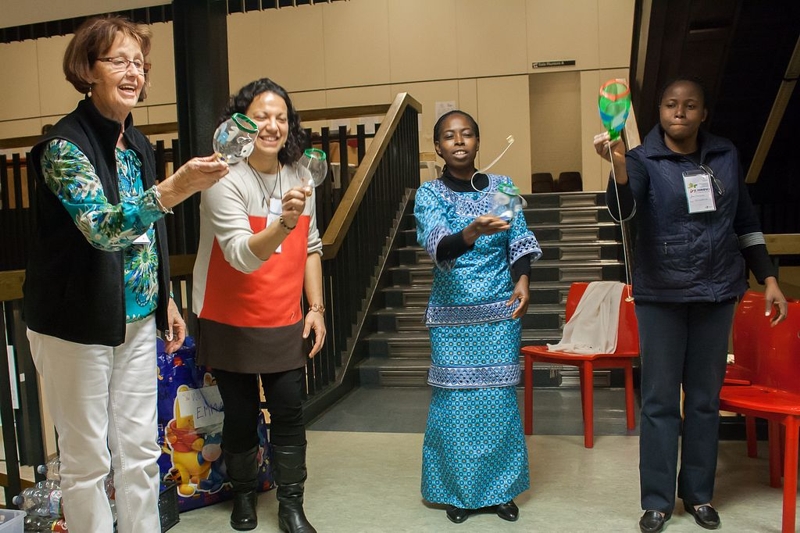 Today’s educators must be master risk-takers, brave explorers, humble builders of relationships – never by themselves but as members of the community in which they operate. Today’s educators experience failures, but never give up, so that they can teach others to never give up. Above all an educator should strive to be authentic, a credible witness. Teachers often find themselves involved with children living through difficult situations. These children suffer because of family instability or violence . . . but at least there is one person in their lives who plants some seeds of hope. It is always possible to begin again, helping them to activate what in the technical jargon is termed resiliance, drawing on one’s own resources to face difficulties, to adapt and to overcome. “There is a need to acquire more skills,” explained Argentinian psychologist Arturo Clariá “also from the fields of sociology and psychology, coming up with strategies for working together, so that we can be responsible companions for our young charges, with our gaze always fixed on the transcendent. In contrast to educators from across the world who are immersed in the problems of the current cultures, in a globalised world that has led to the loss of meaning and self-esteem, and to problems in fulfilling the plan for one’s life. At times you don’t know what to do. How are we to face such a fluid society? The educator is not the holder of knowledge, but the director of an orchestra in which each player can play his or her instrument, and the educator must draw out the harmony from each musician.” This is an educational approach that moves beyond enclosed spaces and reaches the level of feelings, social skills and values: “This is how a culture of brotherhood and peace will be created.” Photo gallery: https://goo.gl/photos/BjmCh1FPnXaxyBQh8 Facebook: In Cammino Educarsi per Educare

 “How will we celebrate St. Valentines? We don’t know yet. Any occasion is fine for surprising the other with something nice, hiding last-minute gifts.” Iris is a 26 year-old Brazilian. She is in Italy on an international cooperative project. She is engaged to Antonello, an Economics graduate, waiting for a job that is more in tune with his academic background. He works shifts at a call centre. When they first met, Iris was a bit reluctant about beginning a new relationship, because she had been previously disappointed by love. But Antonello managed to get her cell phone number and with his fantastic text messages, finally convinced her to give it another try. “The more we met, the more I realised I was in love,” Iris admits, “and we began to make plans.” “What kind of plans?” we asked. “First of all,” says Antonello, “I wanted to introduce her to my parents. Then we travelled to Brazil to meet her parents. Meanwhile, we were discovering each other’s cultures and different religious beliefs. Iris is deeply Catholic. I have a more humanistic view of things. But even if we come from different paths, we’re both convinced of the beauty of marriage, and that it is a profoundly human and sacred act.” Iris recounts: “That exchange – which for me, accustomed to certainties that were too often taken for granted – wasn’t easy. But it helped us to realise how strong our love was, a love that made us grow as human beings: I became more of a woman, and Antonello more of a man. It also led us to our decision that we would get married when we were financially independent.” Their certainty is disarming, considering the many couples around them whose relationships have failed, whose great love has vanished into thin air. Just the same, they want to take the big step into marriage because – as they say – “We’re sure of our love. It’s not merely a romantic dinner or a chocolate Valentine heart. “Love,” Iris explains, “is falling in love with the other’s soul. It’s knowing how to put aside one’s own thinking, to make room for the other’s thinking, and to show that for you, he matters more for what he is than for what you would like him to be.” Everything seems easy when you’re falling in love, but like all the other the seasons of life, it too fades away. The experts say that it lasts for a year or so; then you find yourself back on the ground. “We know it’s not always going to be this passionate,” says Antonello, “that there will be dark moments. . . In fact, we enrolled in a course for engaged couples, so that we can share our experience with other people like us. I know that we’ll also talk about the difficulties there will be, about the crisis that will come. And they’ve already told us that they’ll explain to us how to overcome that: by seeing each other new every day, and always beginning again. Regarding beginning again . . . that’s another opportunity that every couple needs, along with ongoing dialogue, seeing happiness not as a personal right, but as something to be given, healthy detachment from one’s original family, communicating with other couples, the ability to forgive, gratuitousness and tenderness . . . These are some of the topics that will be covered, including sexuality and procreation that are commonly presented in courses for engaged couples. It will be the same for this one organised by the Focolare Movement’s New Families, which will take place on April 8-10, 2016 in Loppiano, Italy. Besides, these courses are required for couples who plan to marry in the Catholic Church. So, why not take advantage of them?” For more information
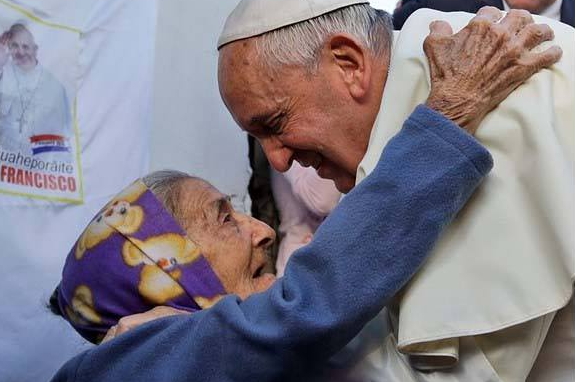
 “The Gospel isn’t just a collection of words. It’s also a list of facts. It’s life. Jesus not only preached, he healed the sick, comforted the afflicted, raised the dead and fed the hungry. He performed the Works of Mercy because He loved. “I have compassion for these people,” He exclaimed upon seeing the hungry throngs, and He multiplied bread to satisfy their hunger. Bread takes on a sacred value in the Redemption. Jesus inserts the greatest mystery into bread, and He made the Eucharistic Banquet the core of the life of the Church community, forever uniting body and spirit, just as He had united humanity and divinity in Himself. Therefore, you love God, the Father, when you feed the hungry. All those who can offer nourishment to the undernourished and hungry and don’t do so, are murderers according to the Fathers of the Church; indeed, they’re god-killers. They cause Christ to die. From the perspective of the Gospel all those who, during the war years, forced condemned prisoners to starve to death, repeated the crucifixion. It was like murdering God. The hordes of the deported – in snow or under blazing sun, in armored cars, or in isolated ships whose monotony was only interrupted by the falling of the hungry – crossed the line of practical atheism even when it was perpetrated in the name of God. That is why Saint Vincent de Paul went aboard the galleys of very Christian kings, where the galley slaves were dropping dead from exhaustion. A Work of Mercy is not the mere distribution of food or money. It reconstitutes justice. “The Works of Mercy accomplish nothing without love,” Saint Augustine says. “If I give everything I own to the poor and even go to the stake to be burned as a martyr, but I don’t love, I’ve gotten nowhere” (1 Cor 13:3), Saint Paul says to those Christians who shared the Bread of Angels but not that of men. The cold and reserved woman who gives Christmas to the poor but never opens her soul to them, performs nothing more than a bureaucratic duty: Christ is not pleased. Social welfare does little or nothing at all to produce the effects of a religious life, if those who carry it out don’t bring that divine nourishment of the Holy Spirit, which is love. No one is moved by or grateful to the faucet for the water it provides, or by the light bulb for the light it provides, Ozanam remarks. “Man does not live on bread alone,” because he is soul as well as stomach. A Work of Mercy is a moral and material duty. By feeding the hungry, I feed me because his hunger is both mine and that of the whole social body of which I am an organic part. You can’t dump grain into the ocean when in another part of the world there is someone dying of hunger. “We, though many, are one body throughout the world:” and you cannot injure one body part to the advantage of another. If you do, you’ll pay for it with revolutions, disorder and all the epidemics that are found on this side of Heaven, and with hell on the other side. It has been said that the earth is dying, that the world’s resources are diminishing and the wars increasing precisely because of hunger. Some would like to solve the problem with war and birth control, doing away with human life. But it’s not resources that are lacking; what’s lacking is love – and the intelligence – for making it circulate. Circulation is life. The stagnation brought about by accumulation is a source of hate, revolution and war. It’s death. “If your enemy is hungry, feed him, if he is thirsty, give him something to drink. In doing this, you will heap burning coals on his head” (Rm 12:20). The Works of Mercy perform the miracle of making the love circulate by making the bread circulate. It’s a miracle that transforms bread into a sort of social sacrament, in which you begin from love, God, and you nourish the body along with the soul. (From:Igino Giordani, Il fratello (Rome: Città Nuova, 2011) p.63-67.
“OnCity: Networks of light to inhabit the planet” is the title of a workshop on international citizenship that will take place on April 1-3, 2016 at Castel Gandolfo Conference Centre, Italy. The conference is organised by the New Humanity Movement, Youth for a United World and the United World Project which are all agencies of the Focolare Movement that are engaged in promoting brotherhood among generations, individuals, groups and peoples. We are challenged by current events: bombings, terrorism, new forms of poverty and marginalisation and a piecemeal world war. Cities are in trouble, suffering from contradictions that everyone can see. But there are also positive experiences which show that it is possible to work, believe and hope for more liveable and fraternal cities. The three-day workshop will examine changes taking place in today’s cities and present a lifestyle of dialogue. For information and reservations: oncity2016.net info@oncity2016.net 06/94792170 Download brochure: pdf ONCITY2016- reti di luci per abitare il pianeta (14.05 MB)
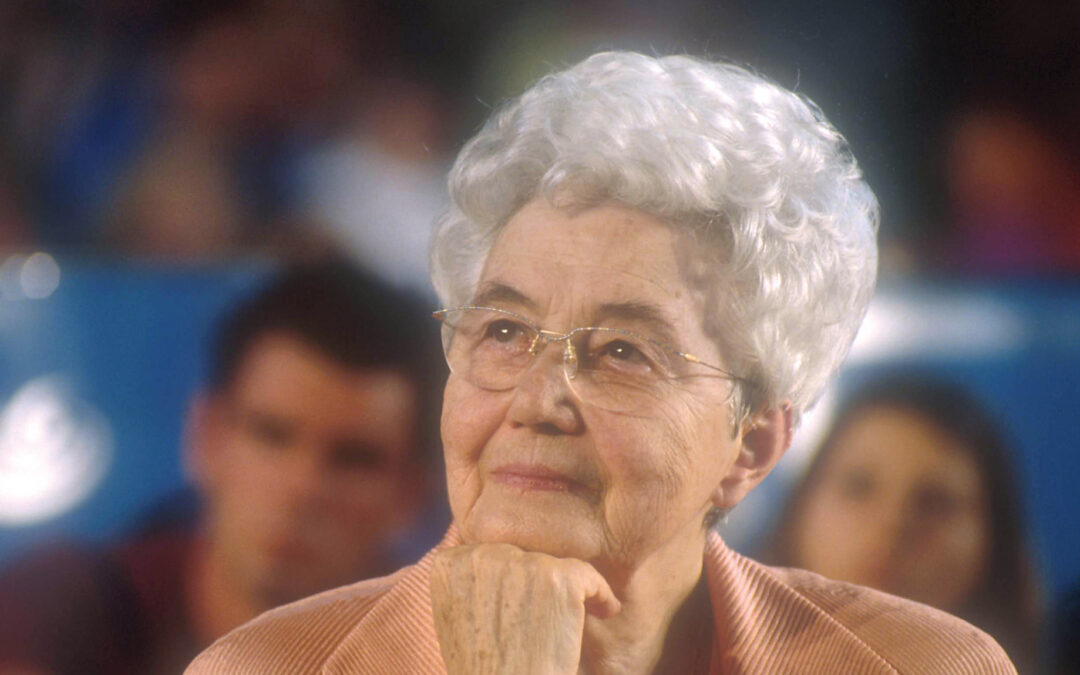
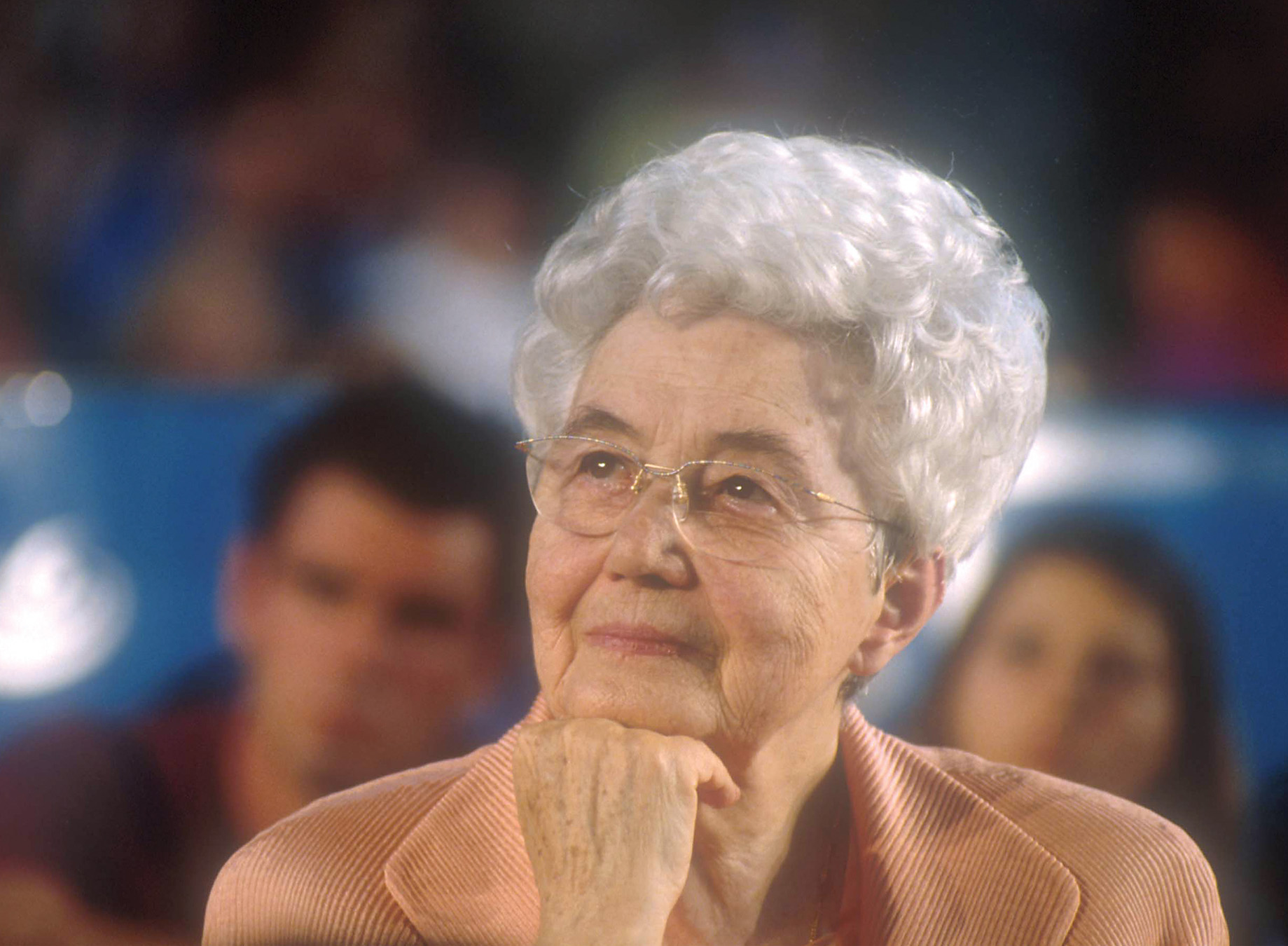 (…)“Let among you who is without sin be the first to throw a stone at her” (Jn 8:7). Jesus said this to those who wanted to stone the adulteress. The central idea in Jesus’ commands is always love. This is why he doesn’t want us Christians to condemn anyone. In fact he says, “Do not judge,” and proclaims, “Blessed are the merciful.” Jesus wants mercy. Nevertheless, from what he says one could conclude that there is someone who could throw the first stone: whoever is without sin. This is certainly not one of us, we are all sinners. But there is a person who is without sin. And we know who she is: the Mother of God. Could Mary, then, “throw a stone” at someone who erred? Did she ever do such a thing when she was on earth? We know our Mother. We know what Scripture says about her, what Tradition has handed down to us about her, what the People of God have always thought about her. Mary loves everyone. She is merciful She is the advocate of the most unfortunate. It is to her that countless Christians have turned, when they have had the impression that God’s justice was upon them. Mary does not throw stones. Quite the contrary, no one except Jesus spreads love the way she does. Why? Because she is a mother, and mothers only know how to love. It is typical of a mother to love her children as herself, because there’s something of herself in them. … We too can find something of ourselves in others. For we must see Jesus in ourselves and in every neighbour. What shall we do? With each neighbor, at home, at work, or on the street, with the people we talk; with those we speak to over the phone, or for whom we carry out our daily work – with every person we meet these days, we must think: “I must act as if I were his or her mother,” and act accordingly. Mothers are always serving, Mothers always find excuses for their children. Mothers are always full of hope. “As if I were his or her mother”, this is thought which must be foremost in our minds these days. This must be our resolution, if we want to be sure not to throw stones: and to be Mary’s presence here on earth for everyone we meet. Chiara Lubich Rocca di Papa, 3rd March 1983 Source: Chiara Lubich Centre