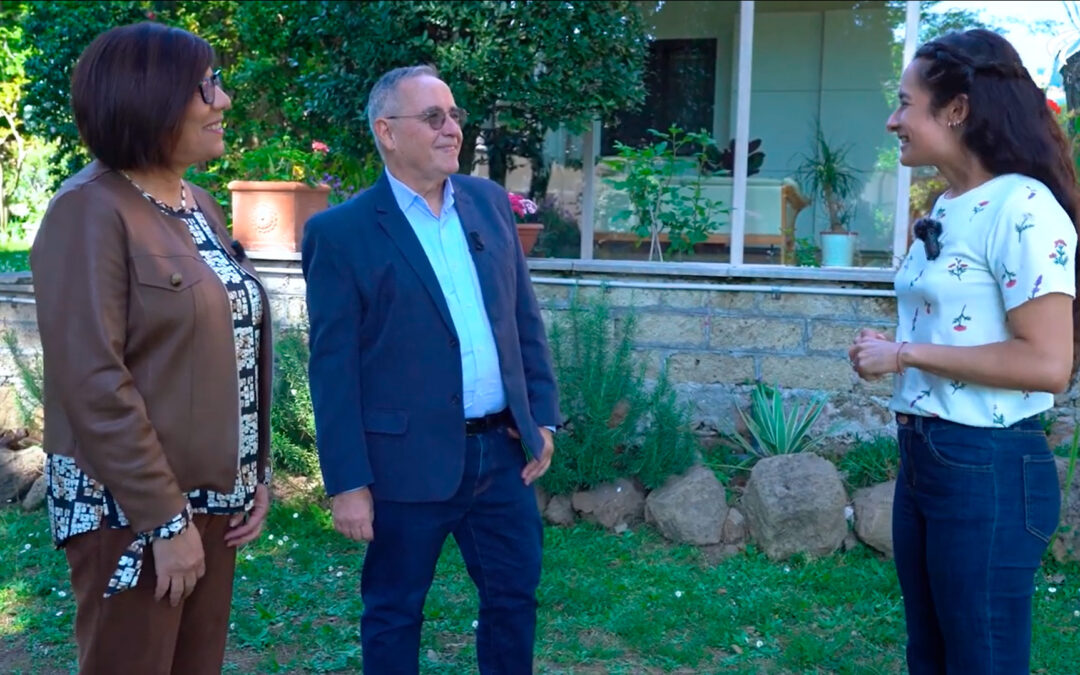
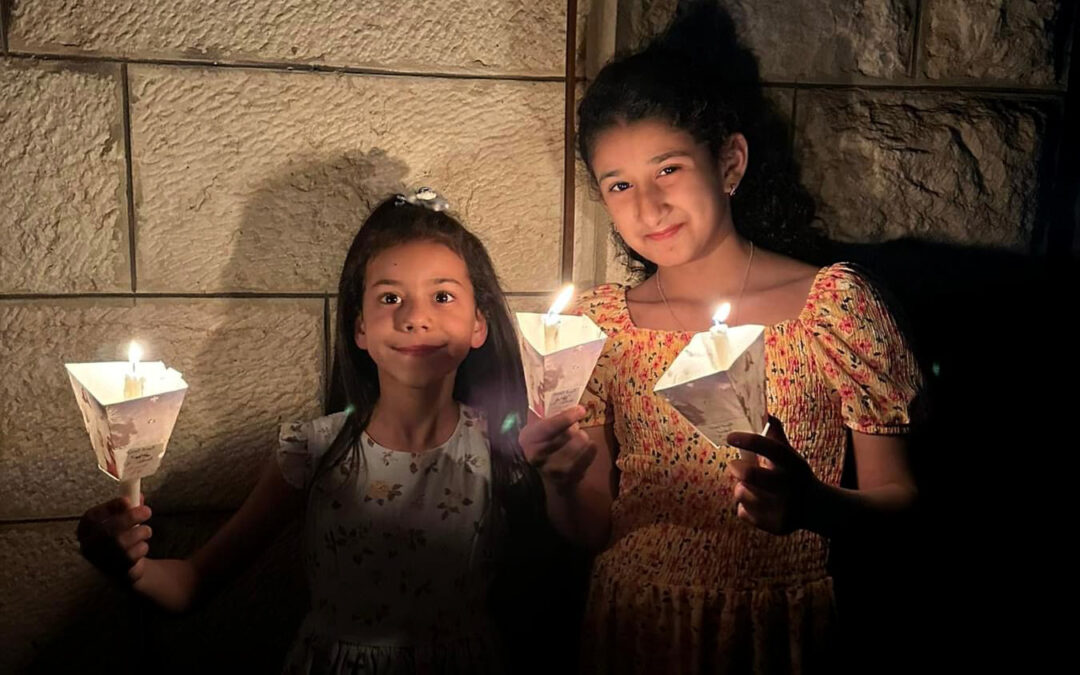
“We should have the courage to reach out to one another, the courage to come together.
This is not simply a motto for the United World Week, but a choice we all make every day. And if we do so, it becomes a path to peace.”
Margaret Karram and Roberto Almada, President and Co-President of the Focolare Movement, through a brief chat, encourage us to approach dialogue with determination and to choose it in a practical way in our daily lives.
Activate subtitles and select the desired language.
Actions, initiatives, activities and world events to generate a network capable of living and testifying that universal brotherhood is really possible. This is the driving force behind United World Week (UWW). Supported by the United World Project together with the Focolare Movement and Youth for a United World (Y4UW), this global action takes place every year from 1st -7th May, crossing continents, oceans and becomes a concrete opportunity to transform values such as unity and peace into shared experiences.
People of different cultures, ages and backgrounds, each in their own city and community, embrace this invitation with the aim of creating authentic meeting spaces, networking energies, ideas and testimonies capable of generating real change.
This year’s edition proposes a strong and timely theme: #ChooseToDialogue. In a world marked by conflicts and growing divisions, it becomes even more urgent and meaningful to rediscover the value of encounter, listening and mutual understanding. Choosing “Dialogue” with courage today means opposing the logic of conflict and opening paths of peace; overcoming distances and transforming differences into opportunities for unity. The proposal for this UWW? A daily journey that invites you to experience this choice in various areas:
• May 1st – Interculturality & Dialogue
• May 2 – Art & Social Engagement
• 3 May – Health, Sport and Ecology
• May 4 – Economy and Work + Education and Research
• May 5 – Communication and Media
• May 6 – Active Citizenship and Politics
• May 7 – Peace & Human Rights
Various methods and proposals are available to make this happen, from the Time-out, an invitation to a shared moment of silence and prayer that unites everyone in asking for the gift of peace, to the Inspiration Box, a resource full of ideas and suggestions to be put into practice during the week.
Don’t miss:
Peace Got Talent – Living Peace, the broadcast of Living Peace International from 14:00 (GMT+1, Rome time) on Saturday, 2nd May on YouTube (@ unitedworldproject and @livingpeaceinternational), offering inspiration through the talents and messages of unity and peace shared by young people worldwide.
Run4Unity: the global relay for peace. At noon in each time zone, young people “pass the baton” to the next country, creating a worldwide wave of unity that circles the planet. Many countries are already organising their stages as part of this global race, such as Brazil, Venezuela, Paraguay, Argentina, Uganda, Burundi, New Caledonia, Italy and Croatia, among others.
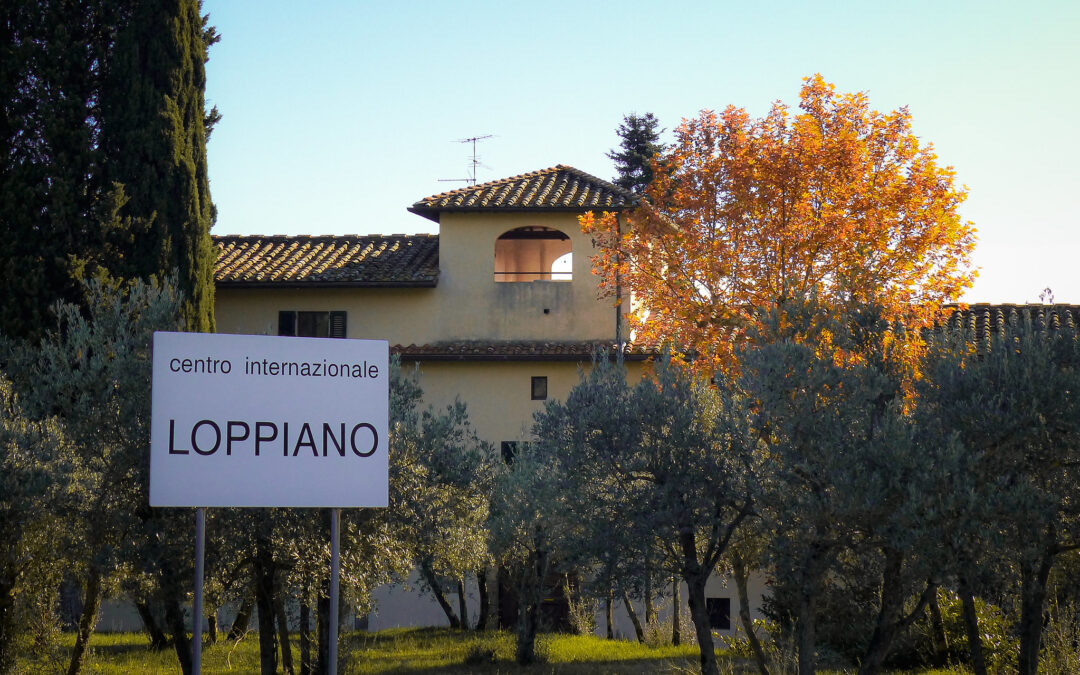
– May Day Loppiano (Italy). From 1st-3rd May, the Focolare international town near Florence will host the 1st May event in Loppiano, the Festival of Fraternity dedicated to young people. ROOTS, discovering what unites us, is the title of the event: three days of meetings, stories, reflections, workshops, exhibitions, educational and sports activities focussed on the theme of roots and cultural diversity. An invitation to go deep, to rediscover one’s cultural and spiritual origins as a starting point for encountering others.
– Also in Portugal, at the Focolare’s little town “Rainbow” in Abrigada (Alenquer), 1st May will be an occasion for celebration and commitment to building a better world. Promoted by Youth for a United World, the event, with moments of sharing and workshops, will bring together people from all over the country and guests from different continents who believe that brotherhood is not just a dream but a reality that is built day after day, with concrete gestures of solidarity, dialogue and hope. The title of the event: “Connect. Do you have the courage to build bridges?”
How to organize events, share stories and join United World Week 2026?
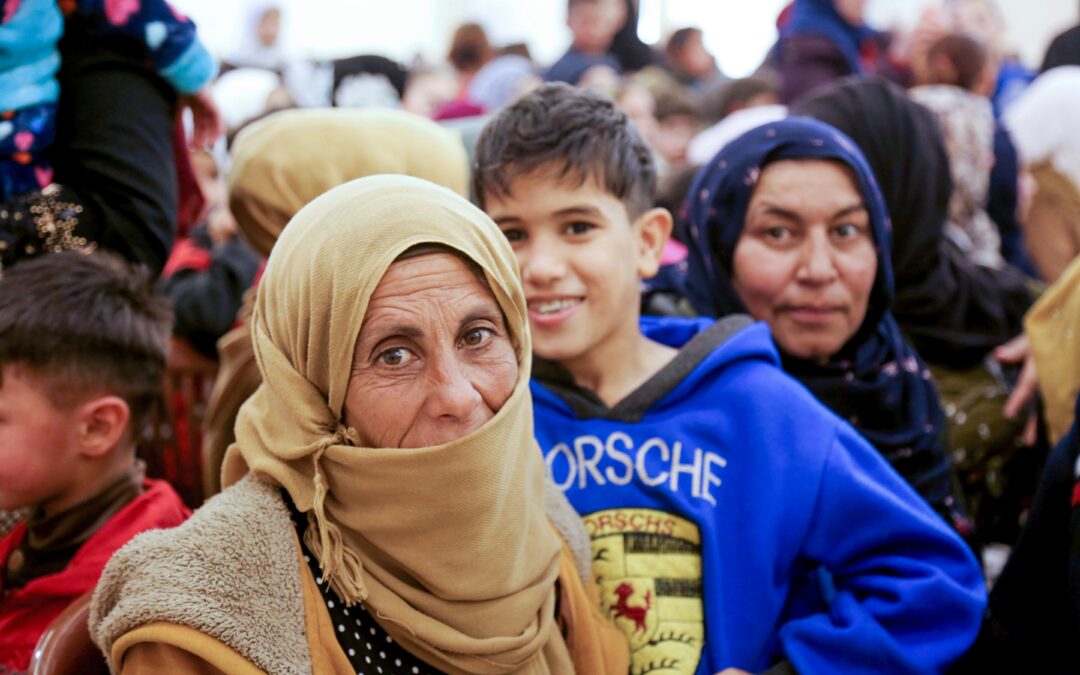
In the whirlwind of rapid news about the war in Lebanon, individual stories are lost and human faces fade behind the numbers of displaced people and reports of bombing. Yet the reality, as the testimonies on the ground reveal, is much deeper and more painful than the headlines suggest. In this “time of war”, hundreds of thousands of Lebanese people live in a condition of repeated displacement, as if it were a destiny that is renewed with each new wave of violence. But in the midst of this darkness, human faces also emerge, seeking to restore meaning to life.
Since escalation began and with the increase of air raids and evacuation orders, displacement is no longer an exceptional event, but has become a way of life. No longer are individual areas evacuated, but entire regions, from the south to the Beqaa to the heart of the capital Beirut. In this context, the number of displaced people has surpassed one million, in one of the largest waves of internal displacement in the country’s recent history. Many civilians have lost their lives.
Behind this number, however, there are human stories that encapsulate the tragedy. Zeina Chahine conducted some interviews to convey the pain of people and, at the same time, the greatness of humanitarian action that becomes encounter, consolation and collective strength against injustice.
Marwan, evacuated from the south, summed up the experience with a painful phrase: “We are slowly withering”. It is not just a metaphor, but the description of a life that is gradually consumed, in which people are losing their home, work and stability without however entirely losing hope… though that hope is worn down. Marwan adds that even the idea of returning has changed: he no longer dreams of his home, but simply returning, in any possible way.
Nawal instead recounts the moment of the forced flight: a phone call in the middle of the night, a few minutes to gather what could be carried, then the escape under bombardment. “What should we bring with us?” is a question that captures the helplessness in the face of the sudden collapse. A small suitcase in exchange for a lifetime left behind. She, like many others, had the experience of displacement not once, but over and over again, until going back to “square one” became part of the experience itself.
Children and young people also pay the price. Sixteen year old Suleiman finds himself out of school, in a temporary shelter and sums up the war by saying: “It is my cross in this life”. Words that show how war steals not only the present, but also the innocence of youth.
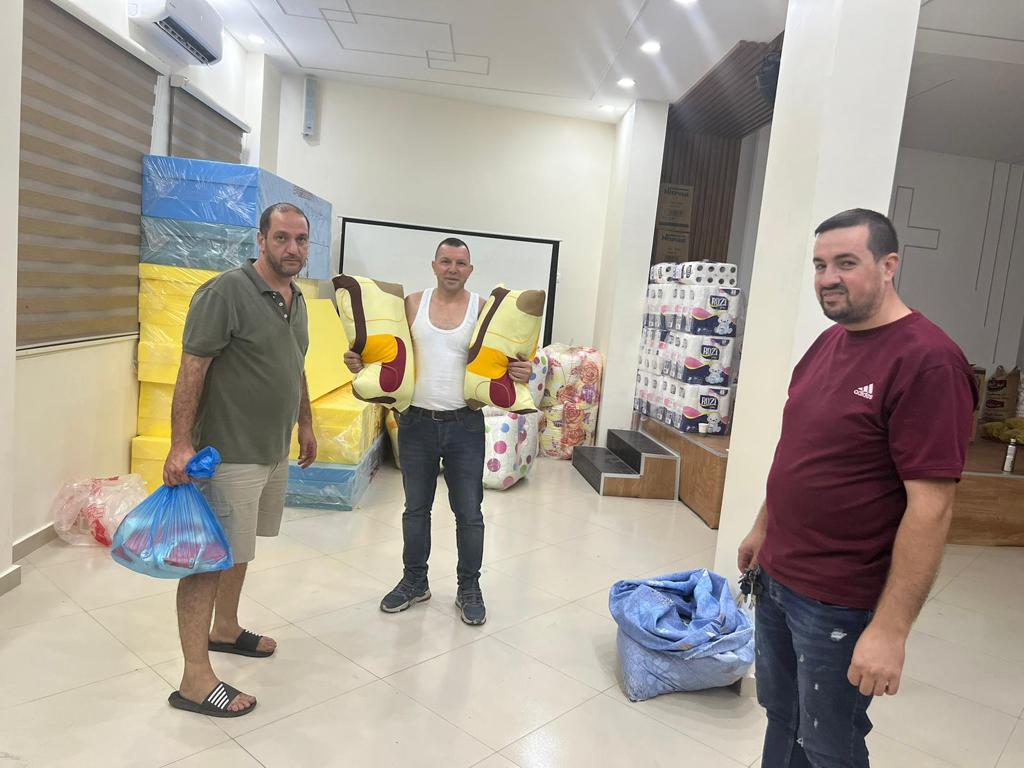
But alongside this pain another image exists, no less present: that of human solidarity. From schools transformed into reception centres and overcrowded corners of cities, volunteers and individual initiatives emerge that try to fill the void of absence. People sleeping on the floor, with a severe lack of the most essential good, while gradual attempts are made to provide mattresses and blankets. The need is not only for food and water, but also for everything that preserves human dignity, such as personal hygiene products… because even in displacement, people need to have their dignity.
Abir, a mother and a volunteer, sees help as a human duty first and foremost. She says that what is most striking is “the fear in people’s eyes”, that constant anxiety about an uncertain future. But at the same time she also observes a strong drive towards solidarity: “People rush to help, without expecting anything”. In a context where institutions are sometimes limited, individual initiatives become the first line of defence for humanity.
This encounter between pain and solidarity reveals a strong contradiction: war divides people, but at the same time creates unexpected spaces of solidarity. It is as if society, in moments of collapse, rediscovers itself through its individual people.
Despite the differences in opinions and affiliations, there is a common sense of feeling uprooted and the rejection of war and its tragedies. Over time, even the form of hope changes: from “if God wills we will return to our homes” to simply “if God wills, we will return”. A hope that diminishes but does not extinguish.
A question remains on everyone’s lips: “Where will we go tomorrow?” It is not a question about a specific destination, but about destiny itself.
Yet, despite all the suffering, these testimonies reveal a twofold truth: war wounds human being deeply but it cannot erase humanity. Between a tent and a shelter, between loss and nostalgia, another form of resistance is born: the resistance of solidarity.
Thus, while some slowly wither, others water them with as much solidarity as they can, keeping life possible. Because faith in human brotherhood is a reality that we have internalized by living and practicing it, it has been handed down from our parents and grandparents, until it has become like the blood in our veins and part of our civilization.
Elaborato da Rima Saikali Al Madina Al Jadida
The Middle East emergency appeal is underway. Every contribution helps bring relief to the many families affected by the scourge of war: many have lost their homes, others seek refuge in facilities that open their doors despite increasingly limited resources.
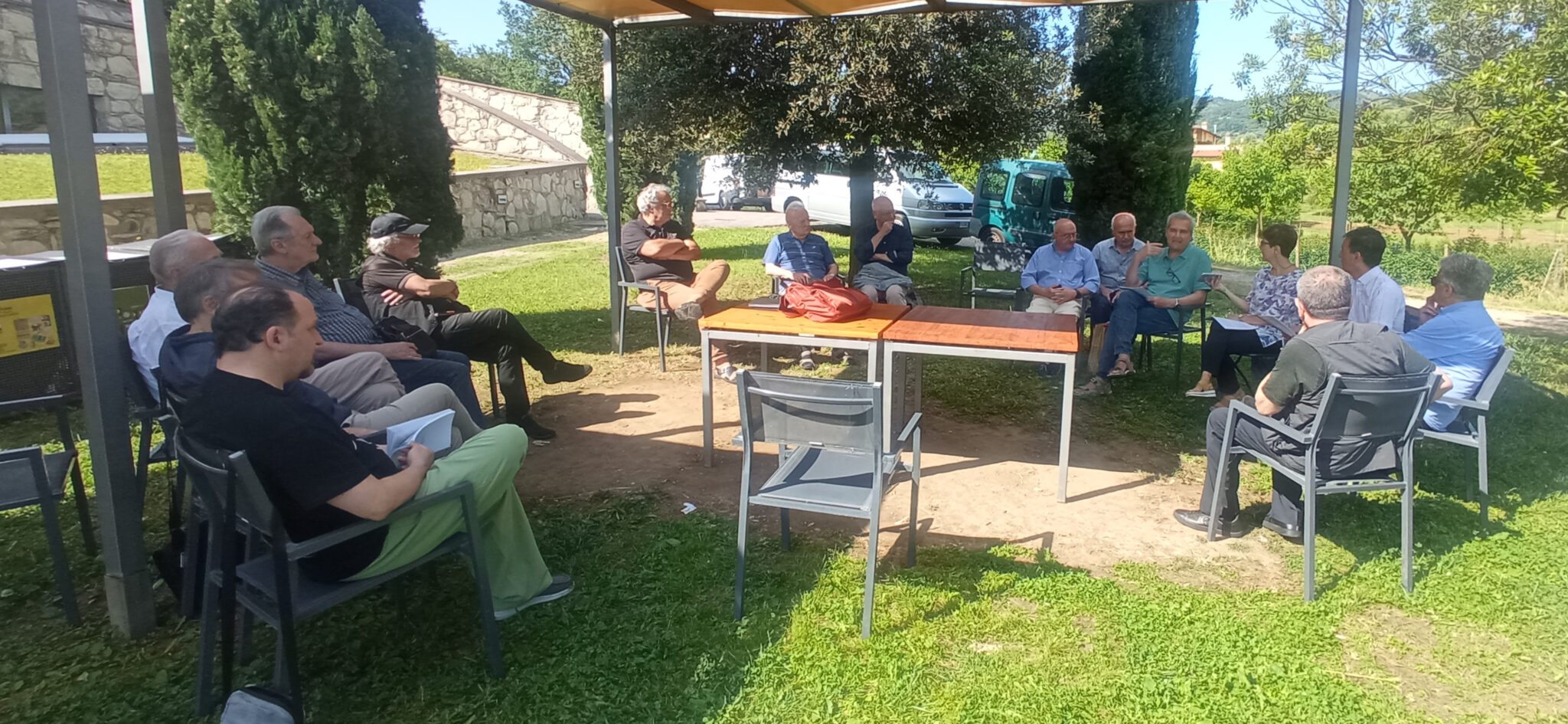
At the launch of the website of the “Co-citizens of Loppiano”, Roberto Brundisini told us that returning to Loppiano after many years reawakened feelings and dreams and inspired the idea of starting new projects.
“One day I went back to visit Loppiano, where I had previously lived for some time. I realized that I felt at home there. I was surprised that I had stayed away for so long and I thought of many others who, like me, had lost touch with this reality. I expressed my thoughts, that this is the home not only of those who live there but also of those who love it. And I know there are many.
Foto: Horacio Conde
The word spread, dormant circuits were reactivated and, as if from a long hibernation, old and new faces were awakened. Loppiano exists, it’s there, it’s still there! The dreams that had fallen asleep come alive again, with a humble determination. Because the dreams that remain in the drawer grow mould.
So, what should we do? Where can we start first?
Then it hits us, maybe we can establish an energy community. “Yes,” someone replied. Maybe we could set up an alternative agriculture. Fantastic! Contribute to the urban and environmental reorganization of the Little Town according to the criteria of Laudato Sì.
What a dream! Why don’t we organize a welcome centre where people can spend a few days relaxing and re-educating themselves regarding nature and human relationships? Fantastic – someone else continued – I would love there to be a hub, a meeting space for cultural exchanges between young people and perhaps also between artists. Sounds exciting! What if we set up a Web-radio with a universal outlook, given the variety of skills, experiences and knowledge that many of us, scattered across the globe, have acquired over the years? Another dream (…)”
During a recent visit to the International Centre of the Movement, we interviewed the President of the Association, Alessandro Agostini and one of the councillors, Nicola di Settimo.
Turn on subtitles and choose your desired language
Interview Anna Lisa Innocenti e Carlos Mana Editing: Joaquín Masera.
In recent years, the Middle East has gone through one of the most difficult periods in its recent history.Wars, political instability and economic emergencies have affected millions of people, forcing entire families to leave their homes and putting access to the most basic necessities at risk. In this context, the projects supported through the funds raised for the Focolare Movement’s Middle East Emergency Appeal, implemented by AMUand AFN, sought to offer concrete responses to the most urgent needs, reaching a total of 3,337 people, thanks to the use of 362,754 euros allocated to humanitarian interventions.
Gaza: Supporting the Displaced
October 7, 2023 marked the beginning of a new phase of the conflict in the Gaza Strip. According to the United Nations, about 90% of the population has been forced to leave their homes and almost the entire population is now facing extreme levels of food insecurity.
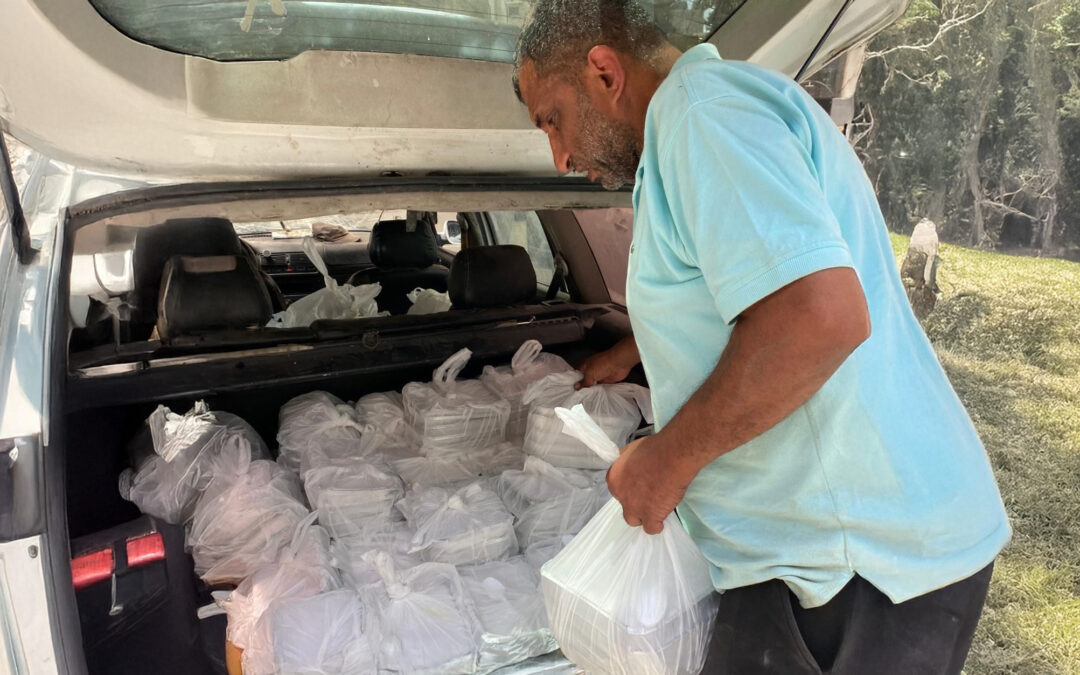
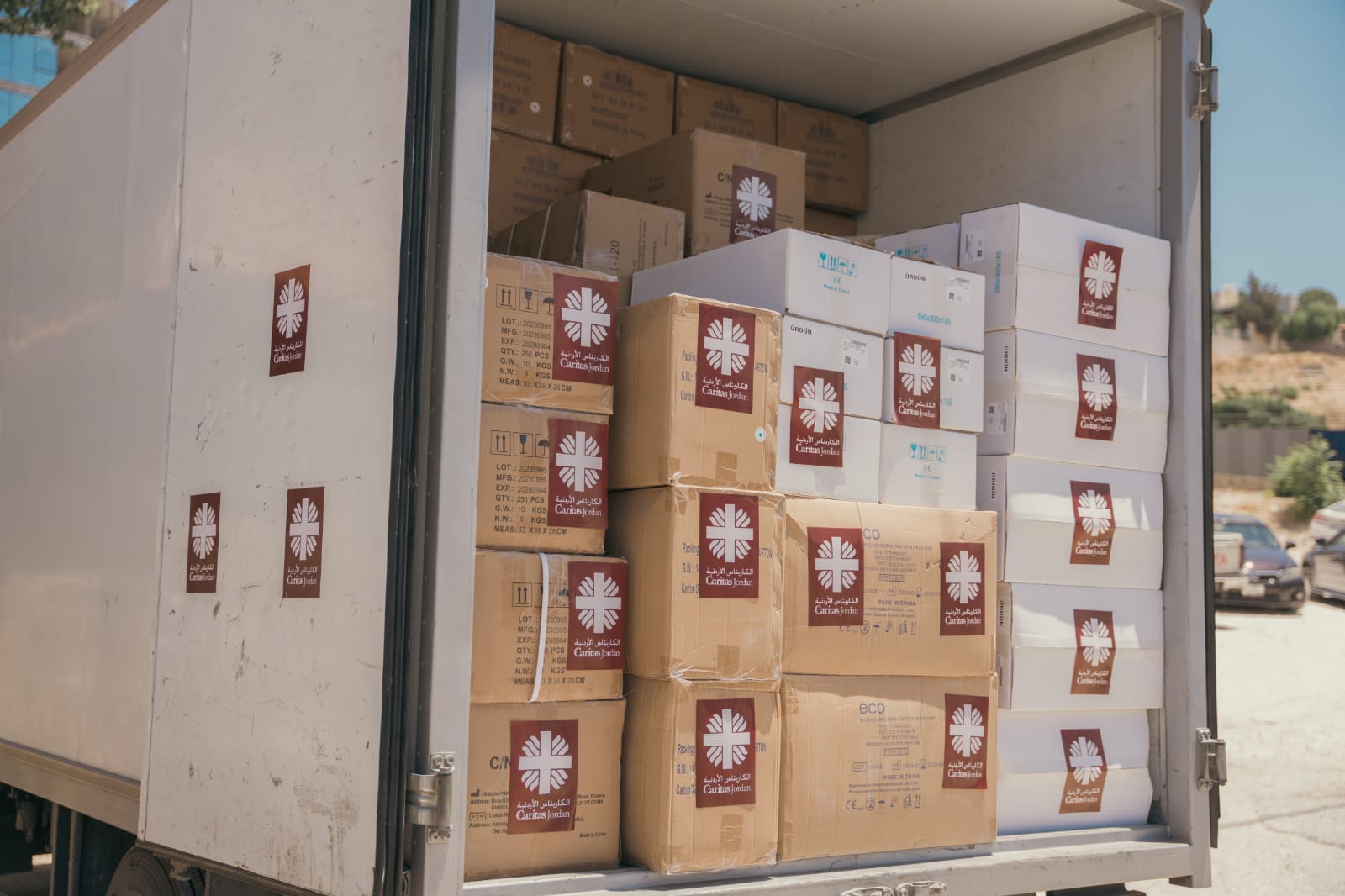
In collaboration with the local network, in particular with the Caritas organization in Jordan and the Latin Patriarchate of Jerusalem, it was possible to support 1,750 displaced people. The interventions involved the purchase and distribution of basic necessities, food assistance and the welcoming of hundreds of people in two parishes. In addition to food and medicine, a safe place was provided where people could find shelter and care.
In 2024, the intensification of conflicts in southern Lebanon resulted in over one million displaced people. Many families had to leave everything and seek refuge elsewhere.
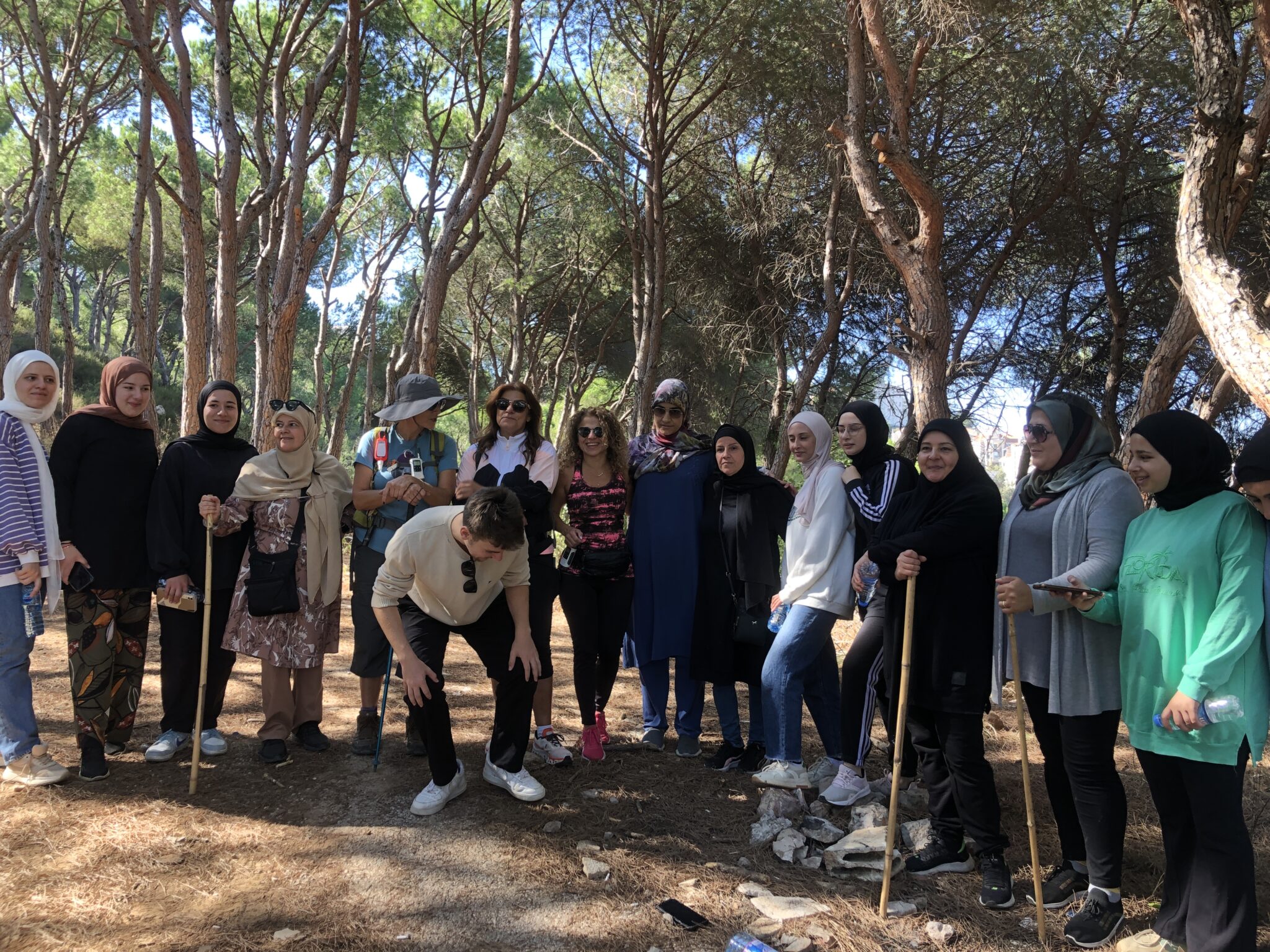
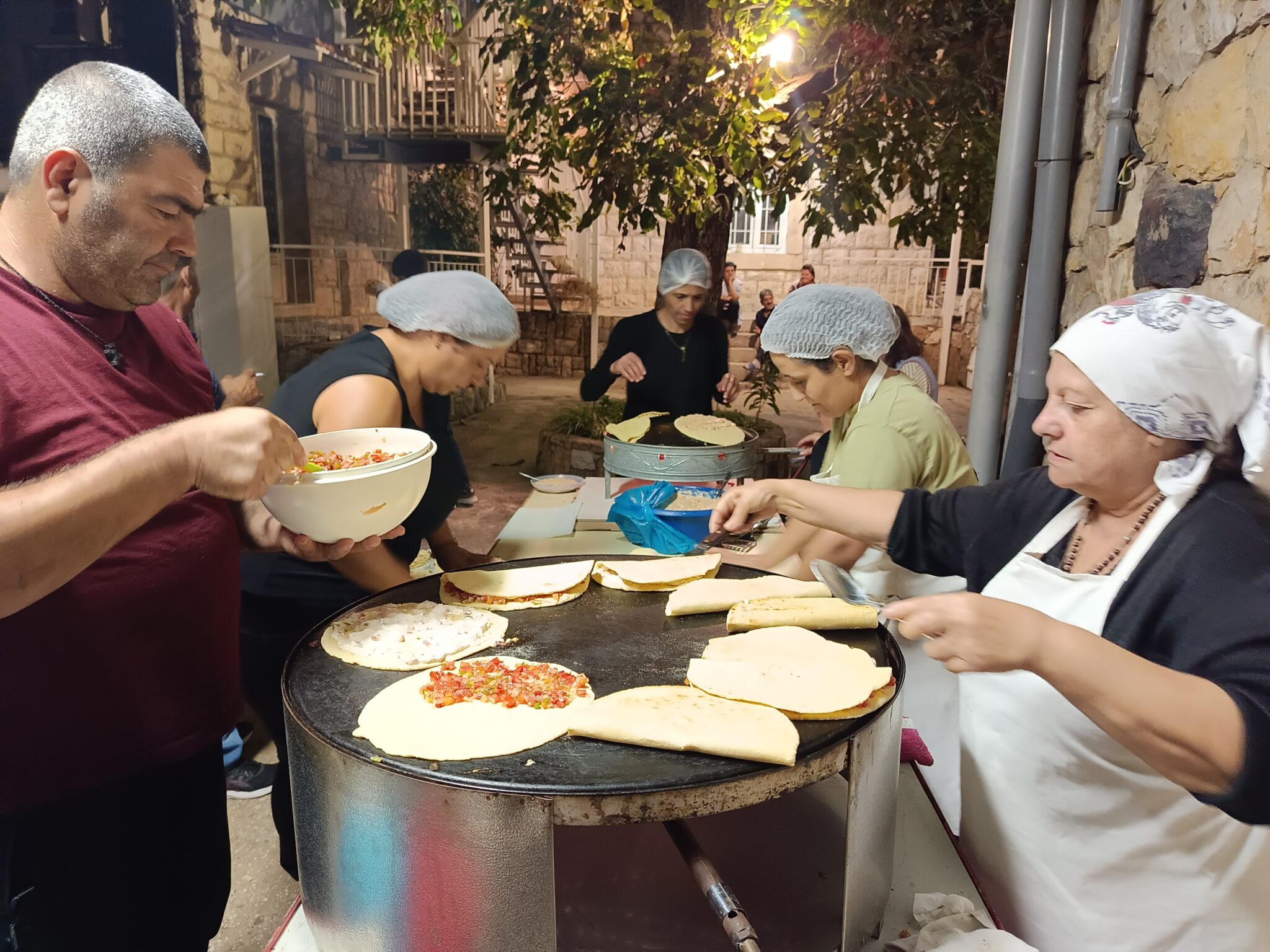
Thanks to the collaboration with the local Humanité Nouvelle association, 195 people were welcomed at the “La Sorgente” Mariapolis Centre and at the Institut de Réducation Audio-Phonétique (IRAP), in the province of Beirut. Here, displaced people received accommodation, food, medical assistance, clothing and hygiene supplies.
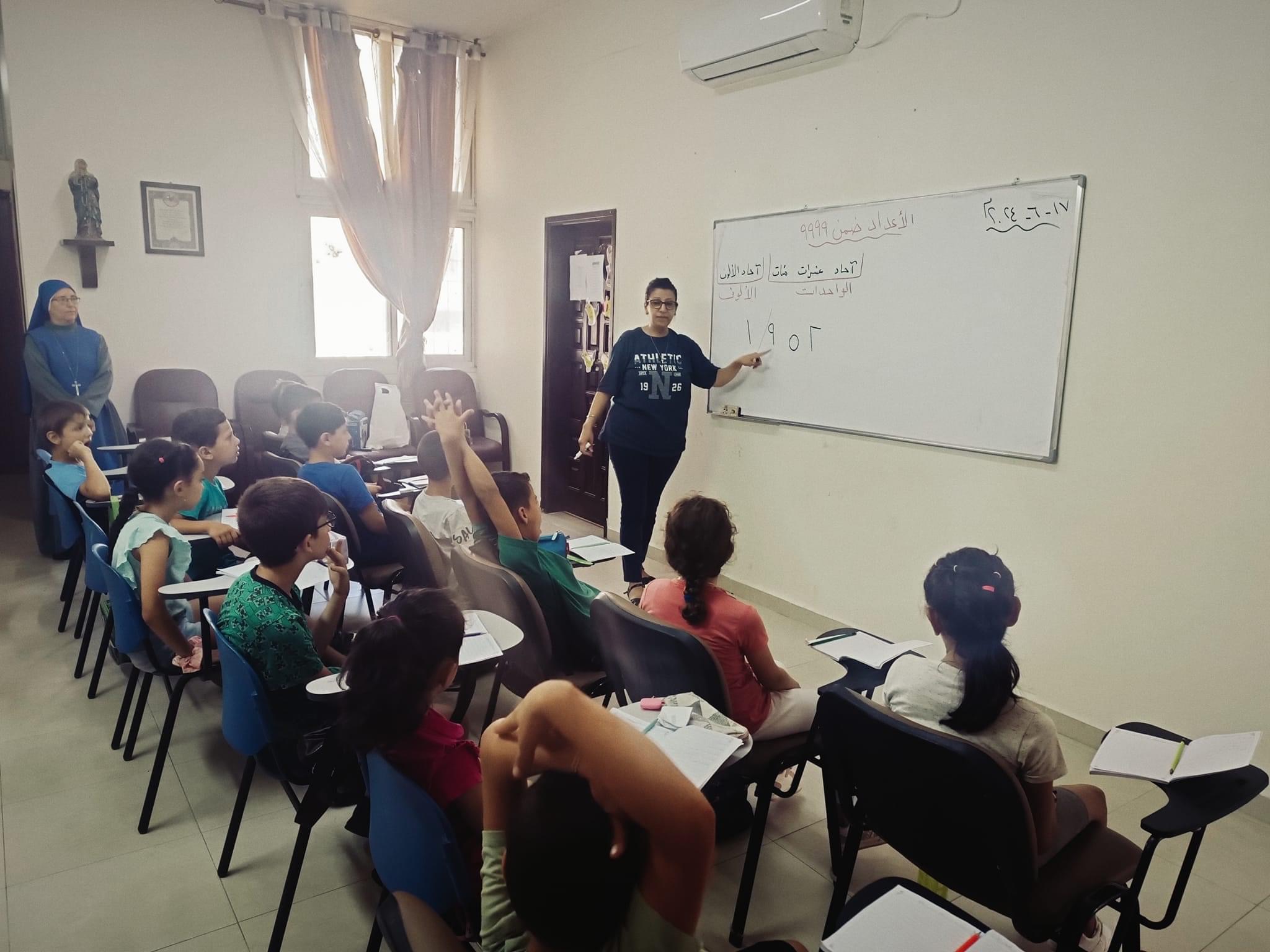
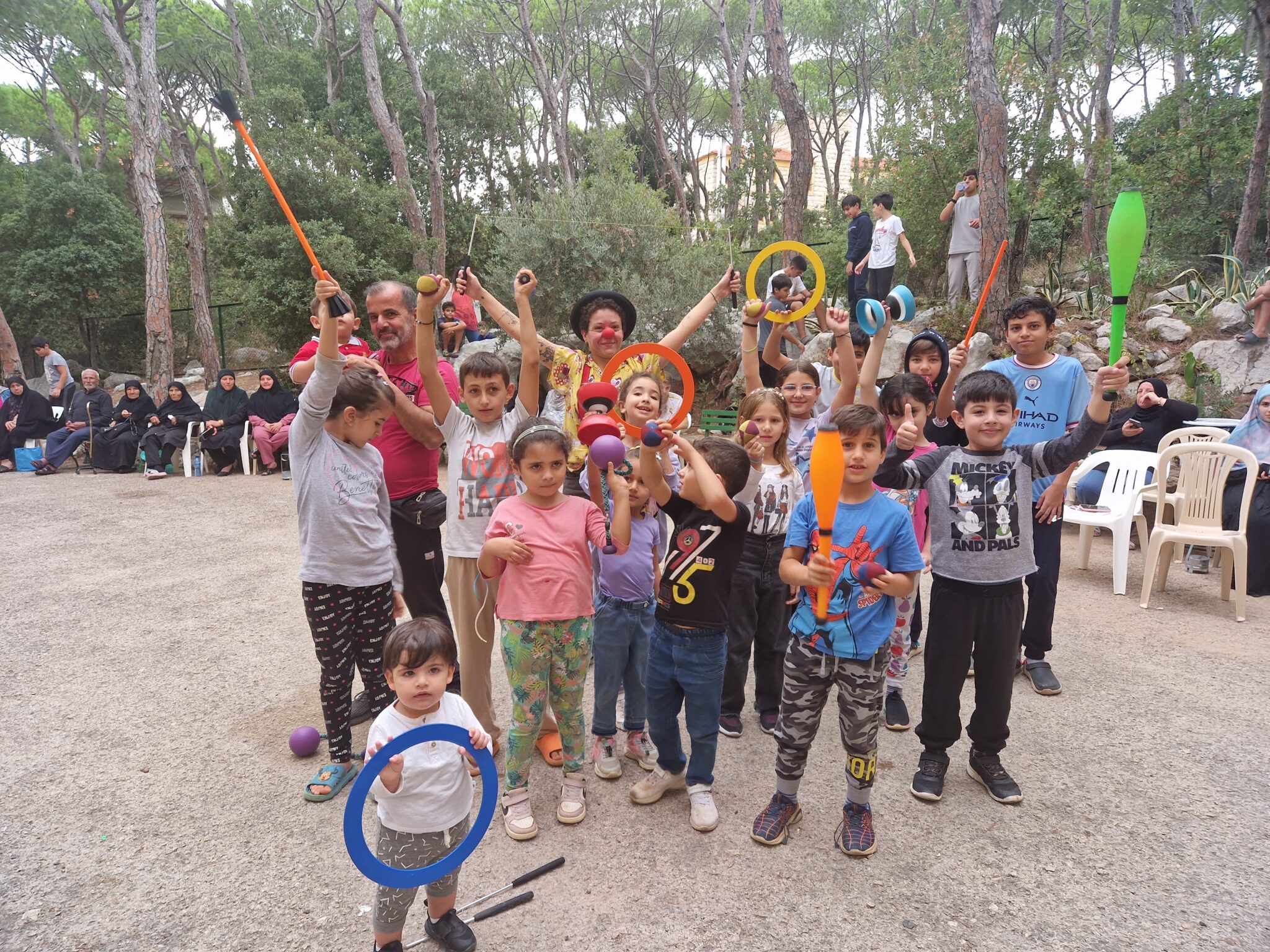
Particular attention was paid to children and young people: 7 classes were organized for 39 students up to the age of 15, allowing them to continue their education even during displacement. Recreational activities, moments of sharing and initiatives promoted by young volunteers helped to create spaces of hope in a situation marked by uncertainty.
Also in Lebanon, the SOSTENIAMOLibano (Let’s Support Lebanon) project was continued. It was established to help people cover the cost of medical treatment in an increasingly fragile healthcare system. The project reached 112 beneficiaries, offering help for the purchase of medicines, psychological support and assistance for hospital treatment.
Another intervention supported small local agricultural producers. Through the “From All Lebanon to All Lebanon” initiative, agricultural and artisanal products were purchased from small producers and distributed to displaced families in the Beirut metropolitan area. This project involved 80 people, contributing both to food support and to the protection of local economic activities.
After more than fourteen years of war, Syria continues to experience an extremely fragile situation. In 2024, during a phase of political transition, many families suddenly found themselves without access to money due to the temporary closure of banks.
Thanks to the local network of the Focolare Movement, it was possible to offer financial support to 305 families in Aleppo, Damascus, Homs and other cities, reaching around 1,200 people. The contribution enabled them to meet their most urgent daily expenses such as food, medicines and basic necessities.
A concrete sign of closeness
Beyond the numbers, these projects above all tell stories of solidarity and collaboration between local and international realities. The goal was not only to respond to the immediate emergency, but also to strengthen community bonds and support the resilience of the people involved.
Prepared by Emergency Coordination Team of the Focolare Movement
To make a contribution to the Middle East Emergency click here
The relentless news coming from the whole of the Middle East is causing growing dismay among the many people who sincerely want peace and security for everyone, and not only for some. Unfortunately, authoritative appeals for diplomacy to take precedence over armed conflict, and calls for prayers for peace, seem futile and naive.
However, precisely because of the severity of current events, which unfortunately combine and amplify with other war and humanitarian crises, a courageous and prophetic response is required from every single person, every citizen who cares about the common good and peace as their primary concern.
The Focolare Movement, which has communities living in many of the areas affected by conflict, is also renewing its commitment on many levels. From emergency aid for the most vulnerable populations forced to live in uncertainty and fear and deprived of all forms of sustenance, to active citizenship initiatives within its own institutions and in civil society.
The Emergency Coordination Team of the Focolare Movement is therefore renewing its appeal for solidarity to help the thousands of families who have fled their homes: many have lost their homes, while others are seeking refuge in facilities that are reopening their doors despite increasingly limited resources. In this constantly changing scenario, we want to remain close to those who are suffering, ready to support local initiatives who are offering shelter and practical help.
Every contribution will provide immediate support and allow us to imagine together a future of hope and reconstruction.
We invite everyone to join us in this commitment: Peace is also built in this way, by choosing not to look the other way.
Azione per un Mondo Unito ETS (AMU) IBAN: IT 58 S 05018 03200 000011204344 at Banca Popolare Etica Codice SWIFT/BIC: ETICIT22XXX
Azione per Famiglie Nuove ETS | Banca Etica – filiale 1 di Roma – Agenzia n. 0 | Codice IBAN: IT 92 J 05018 03200 000016978561 | BIC/SWIFT: ETICIT22XXX
Reason for payment: Middle East Emergency
Tax benefits are available for such donations in many EU countries and in other countries around the world, according to different local regulations.Italian contributors will be able to obtain deductions and allowances from income, according to the rules for non-profit organisations
Photo courtesy of the Latin Patriarchate of Jerusalem