Ahead of the 11th World Day of Prayer for the Care of Creation celebrated on 1st September, Pope Leo XIV has written a message entitled “They shall beat their swords into ploughshares and their spears into pruning hooks” (Is 2,4).
It is a text to be read again and again and meditated on, starting from the title that takes up one of the most famous images of the Bible. Isaiah imagines that an object made for war is transformed into an agricultural tool. What was once used to destroy becomes a tool for producing and sustaining life. It is a beautiful image of peace and one that is closely connected to the present day. Today, fragile relationships and armed conflicts continue to destroy the environment and threaten the lives of millions of people.
Pope Leo highlights the deep link between peace, care for Creation and human dignity, inviting us to direct resources towards life and sustainability. The Pope writes. “But today, we too often witness the very opposite, as violence and war. War also leaves behind social and ecological destruction that endures for generations. Moreover, the interaction between armed conflicts and environmental degradation often creates a vicious cycle, which destroys ecosystems, contaminates essential resources, such as air and water, and undermines food security. This fuels poverty, inequality, and new social tensions that can contribute to the emergence of further conflicts.”
Creation is “nature”, everything that surrounds us! And human beings are not merely observers, but part of it. Isaiah’s hope therefore becomes for us today a call to “transform what is evil into life“. This conversion that cannot be separated from returning not only to our hearts, but to the One who heals them: the Lord. For where the individual is renewed, new possibilities open up.
The Pope says, “What has been used for destruction can be redirected towards life, towards the care of the poor, the nourishment of the hungry and the safeguarding of creation.. This is the path of an authentic ecological conversion, where the effects of our encounter with Jesus Christ become evident in our relationships with the world around us. Peace, then, begins in the heart and flows outwards to our relationships, communities and the broader world.”
Every year, 1st September also marks the beginning of the Season of Creation, the ecumenical journey of prayer and commitment to the care of our Common House which concludes on 4th October, the feast of Saint Francis of Assisi. During this time, the Church, together with other Christian communities, is invited to renew its commitment to Creation, letting itself be guided by prayer, conversion and concrete gestures of care. This year’s theme, “Living Water,” explores Ezekiel 47:9 and 12 as a powerful biblical vision of hope and ecological healing. The image of living water flowing from God’s sanctuary symbolizes divine healing that regenerates.
The commitment of the Focolare communities around the world
The Season of Creation is also expressed through concrete actions. Among the many initiatives in different parts of the world, we highlight two from Latin America: Brazil and Uruguay.
In Brazil, the Decarbonize project is transforming schools into places where young people can learn about, understand and respond concretely to the environmental challenges of our time.
Students and teachers are involved in a programme of education on climate change, sustainability and environmental justice, developing not only knowledge, but also the ability to participate and take responsibility in their own communities.
The initiative grew out of the international “Decarbonize” program of the Global Education Centre, carried out in collaboration with the University of Alberta, Canada. The programme focuses on youth leadership, climate justice, the fight against environmental racism and political participation, in line with the 2030 Agenda, the Sustainable Development Goals, the Earth Charterand human rights.
The young people do not simply listen or study: they carry out research, share what they have discovered and participate in public life.
The experience became even more meaningful when students had the opportunity to participate in institutional events such as COP conferences, the Brazilian National Congress and state legislative assemblies.
Decarbonize therefore shows that educating for sustainability also means giving young people a voice, the tools and confidence, to become active citizens and protagonists in caring for our common home.
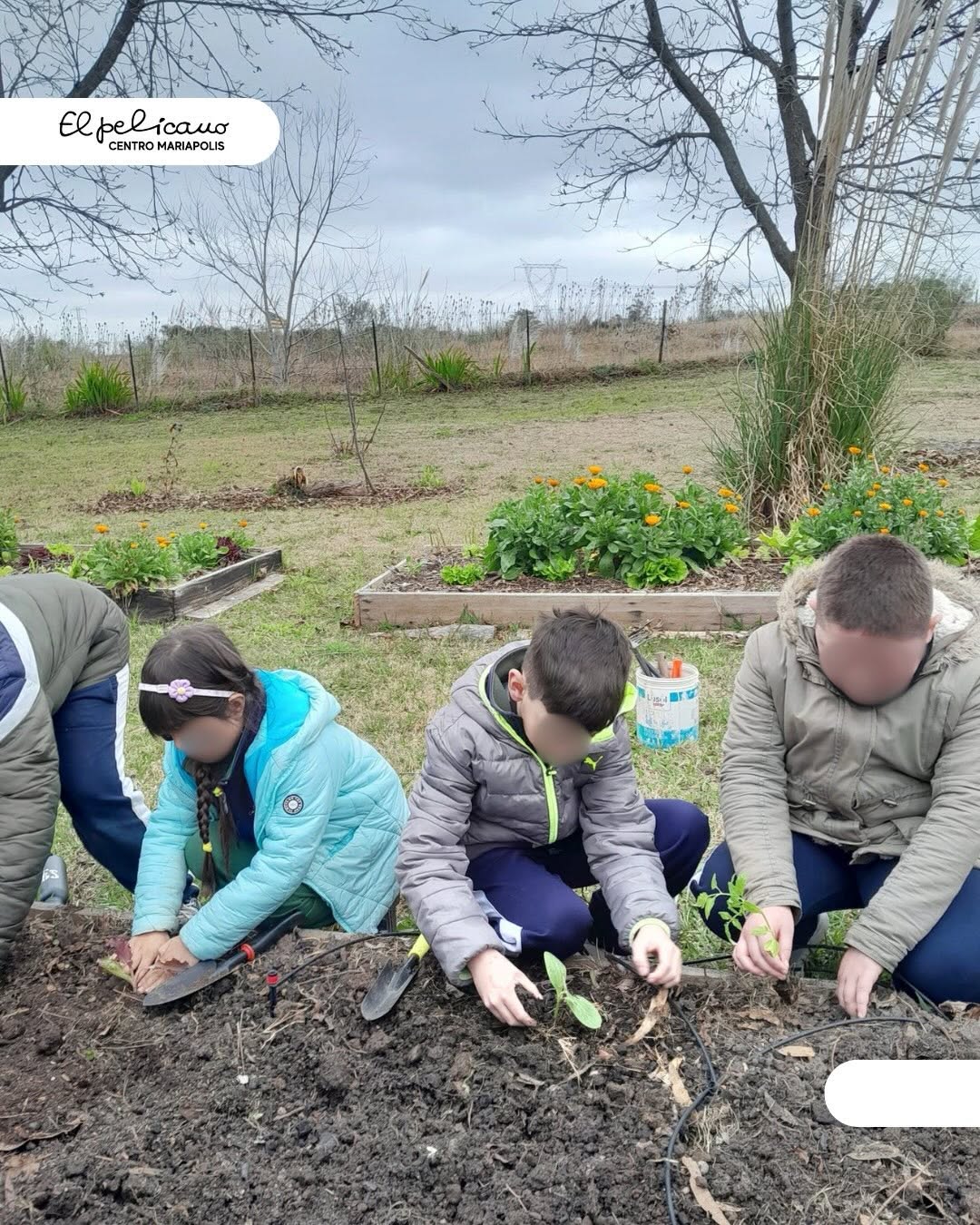
In Uruguay, a few kilometers from Montevideo, the experience of the El Pelícano Mariapolis Centre offers a practical and engaging way to educate people about integral ecology. The centre, born out of the experience of the Focolare Movement, is surrounded by nature and offers children a space where the natural world becomes a place of learning and discovery. Through outdoor educational activities, children can come into contact with the environment, observing it, getting to know it and learning to respect it.
In 2022, thisexperience took a further step forward thanks to the project “El Pelícano: Centro de Recursos Ecologico para la Educación en la Infancia” (The Pelican: Ecological Resource Center for Early Childhood Education), supported through the New HumanitySeed FundingProgram.
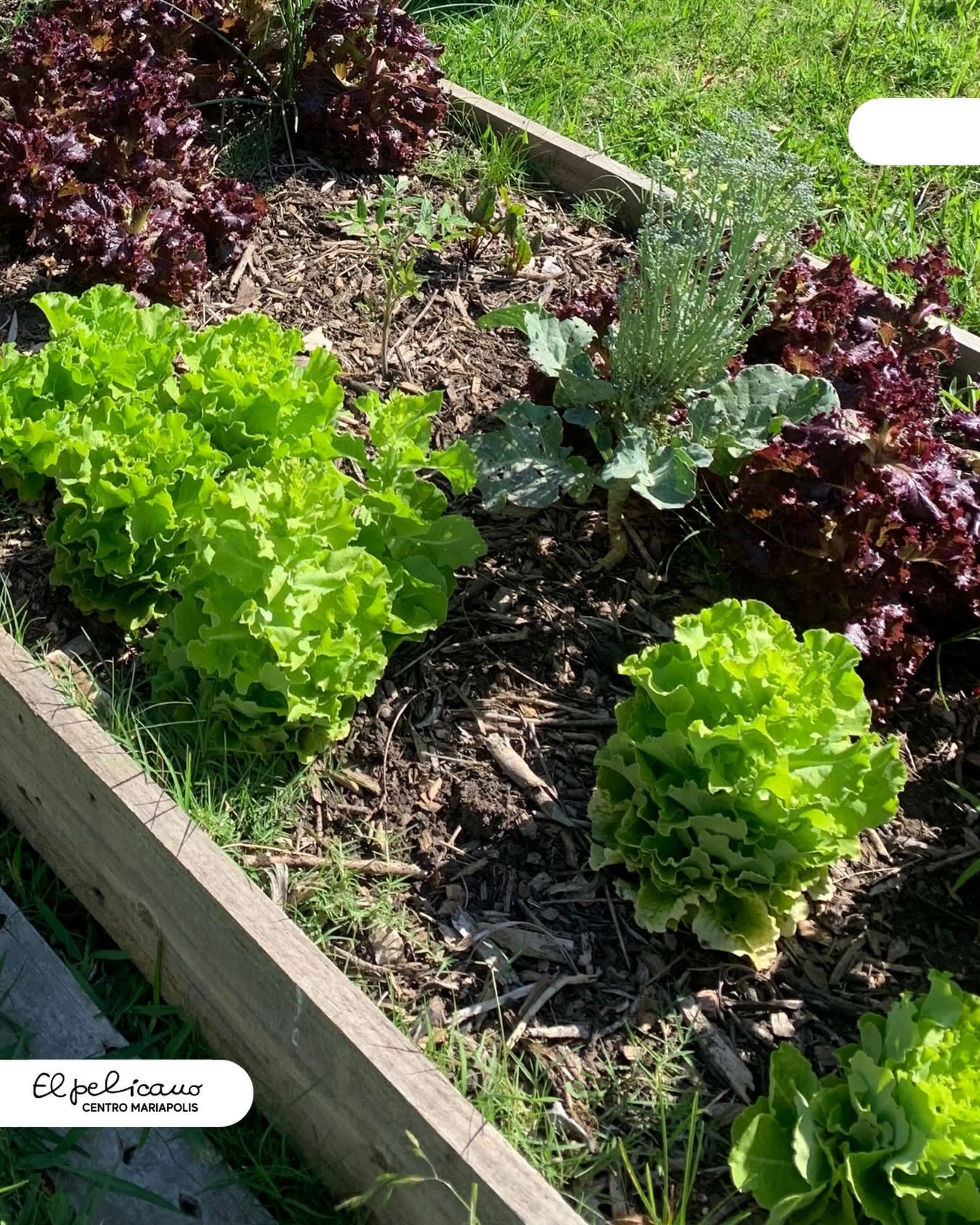
The aim is to transform El Pelícano into a resource centre for the environmental education of children. Workshops, nature excursions, an organic vegetable garden and recycling activities become opportunities to learn through doing. A child who cultivates a vegetable garden, observes a plant, walks in the woods or learns to give new life to a waste material is not only acquiring a notion: they are building a relationship with nature.
And the experience doesn’t stop with the children. Through them, the project also aims to involve families, so that what is experienced and learned can continue in daily life.
The “El Pelicano” therefore offers us a valuable experience: ecology can be taught from early childhood through beauty, practical experience and participation, helping new generations to feel part of our Common Home and responsible for its care.
Franco and Anna married since 1991, have three children: Benedetta, Francesca and Federico. In August 2025, Franco suddenly left for Heaven, at the age of 63. This news deeply shook many people, not only in their city, Poggio Mirteto (Italy), but also among many friends of the Focolare Movement who knew him, both when he was a Gen (a young member of the Focolare) and, inflamed by the Ideal of Unity, he had said his “Yes” to the call to live for Jesus and also through his work (he worked for years at the Città Nuova publishing house) which brought him into contact with many people.
Together with Anna, their initial “Yes” to forming a family faithful to the promise “where two or more…”, grew throughout their journey of life together, enriched by their commitment in the local community, in particular in the New Families Movement (branch of the Focolare, composed of families who seek to live the spirituality of unity) and by accompanying couples as they prepared for marriage and for the baptism of their children.
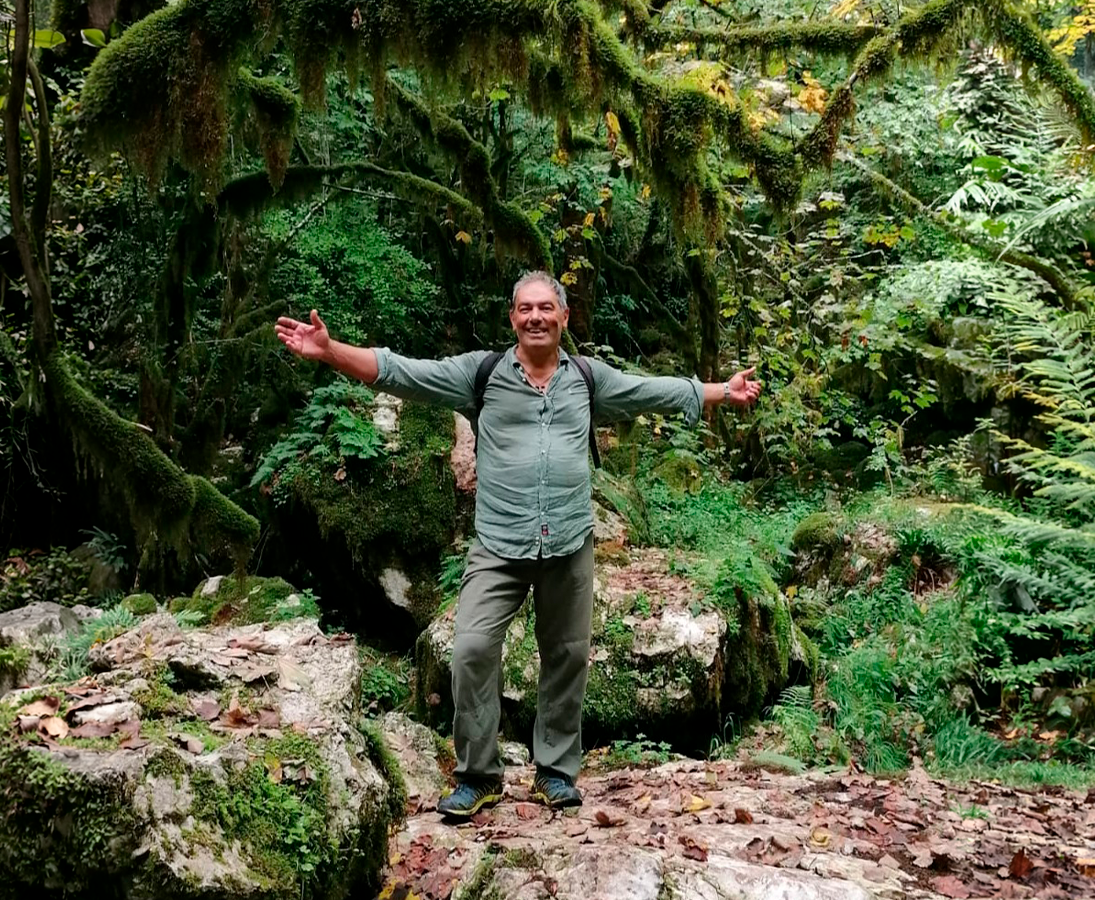
After many years at the publishing house, Franco began a new professional experience as a religious education teacher in a technical institute. He gave himself completely to helping his students grow and flourish, despite the difficulties and personal sorrows that the young people confided in him. What remains most vividly in everyone’s memory are his outdoor lessons, in the shade of the trees in the garden outside the school, his profound ability to listen and his smile. His colleagues too remember that smile along with his commitment to creating a family atmosphere in the school through mountain hikes and social occasions.
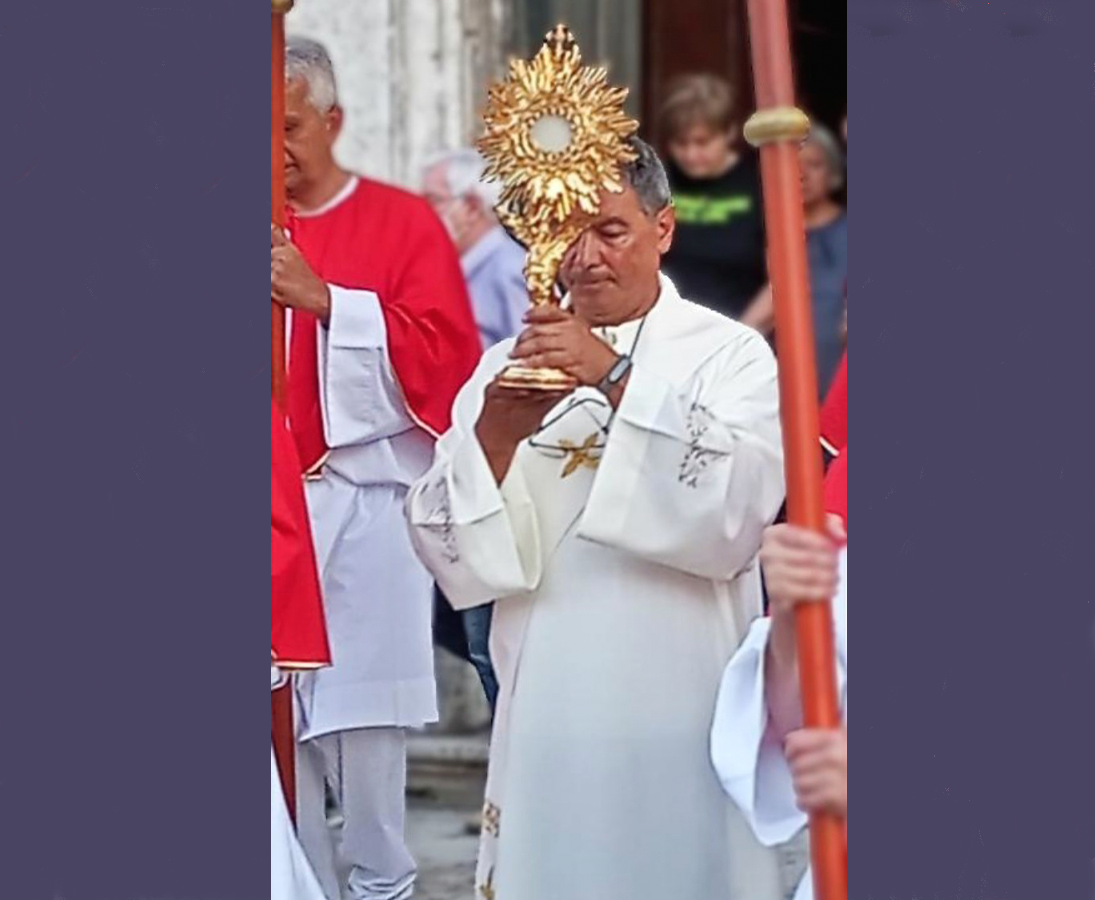
In the final period of his life came his “Yes” to the call to become a Deacon at the service of the Church. He carried this out with humility, quietly but always present, ready to help anyone in difficulty. Those who met him remember how, always with his big smile, he was able to transform the hearts of those who crossed his path.
Pictured: Franco with his whole family; a trip to the mountains; whilst serving as a deacon
Their home was always open to everyone and still is. Many friends continue to support Anna and their children, thanks to the love sown over the years.
Even during Franco’s time in hospital, the last week before his death, the doctors were impressed by the continuous stream of young people who came to visit him to say a last goodbye, embrace the family, or simply to be there at their side for a prayer together.
A colleague of his, who described himself an unbeliever, hailed him as “the closest person to the Gospel” he had ever known.
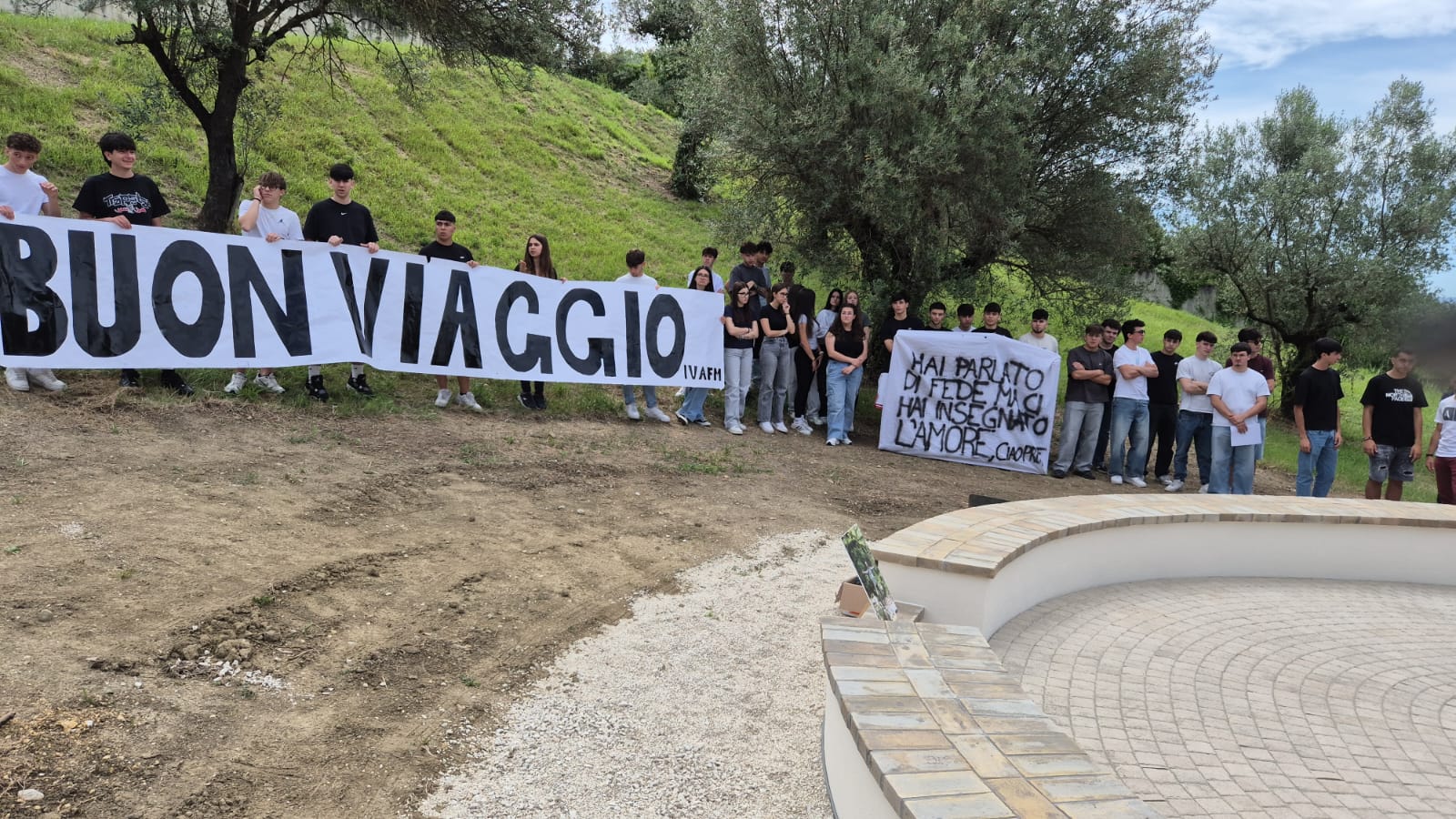
At his funeral in a church packed with people, many young people also gathered in the churchyard: one of their banners read, “You spoke to us of faith but you taught us love”. A large group of priests and deacons stood on the altar around Bishop Ernesto Mandara.
During the homily, Don Mauro Guida, parish priest of the Cathedral of S. Maria Assunta in Poggio Mirteto, quoting Saints Laurence, Claire, Joan, Pontian and Hippolytus, remembered by the Church in the previous days, said: “Every time, every name, every word, every face of holiness, seemed to be the portrait of our dear Franco. Just as once upon a time children showed each other their picture cards, repeating to one another “I have that one, I have it…”, so Franco had suddenly become the image of someone who possessed every quality that could be described or even imagined; “the holiness of the saint next door”, as Pope Francis called it “.
Margaret Karram and Jesus Moran, President and Copresident (in 2025) of the Focolare, said in a letter, “We were deeply moved by the news of Franco’s call to Heaven and fascinated as we followed the story of his life. We assure our prayers and deep gratitude for his beautiful and luminous life. In the certainty that he is has already been welcomed by Jesus, we feel that he is a protector of New Families and of the New Generations. We are united in a very special way to Anna and their children”.
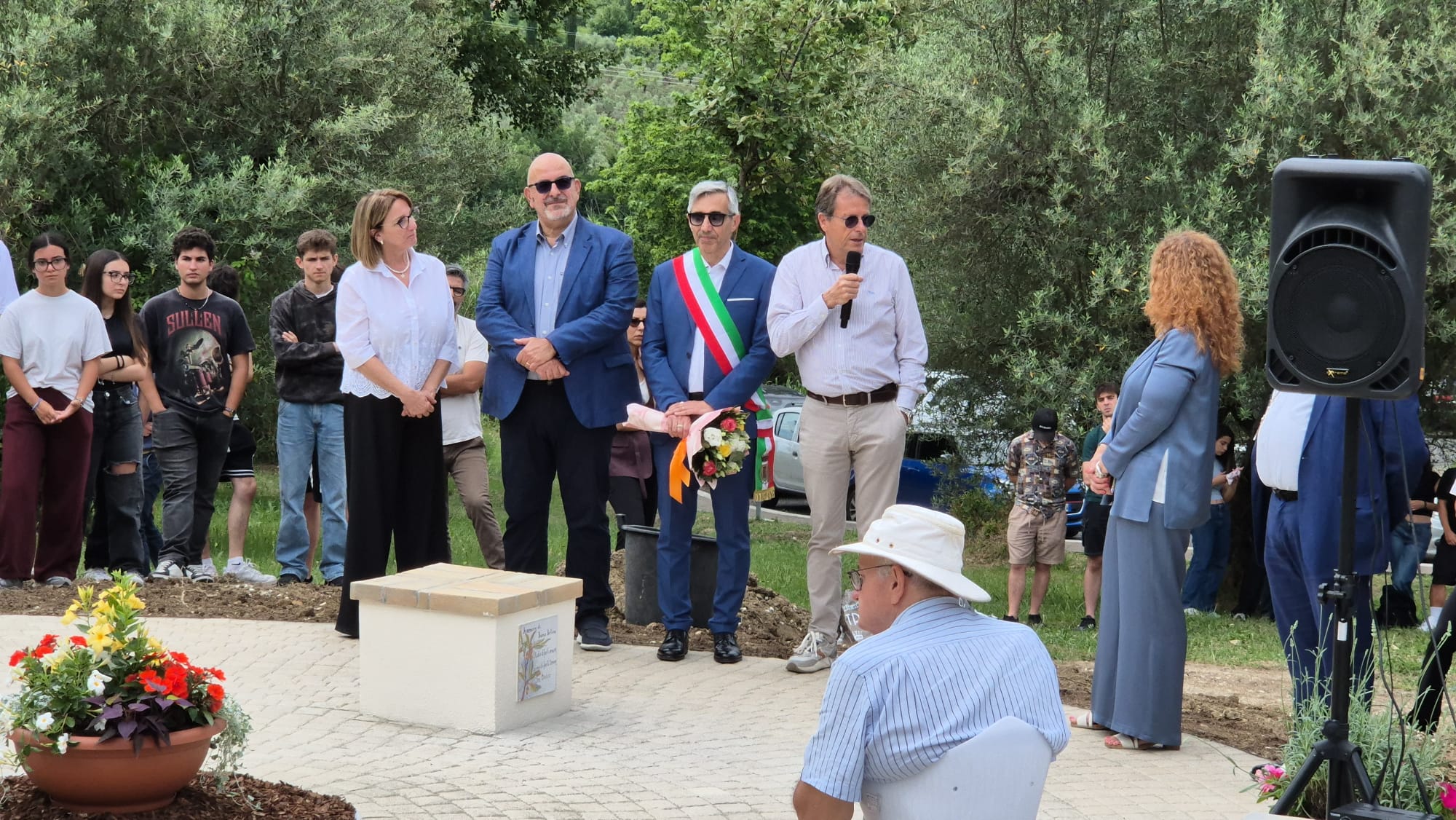
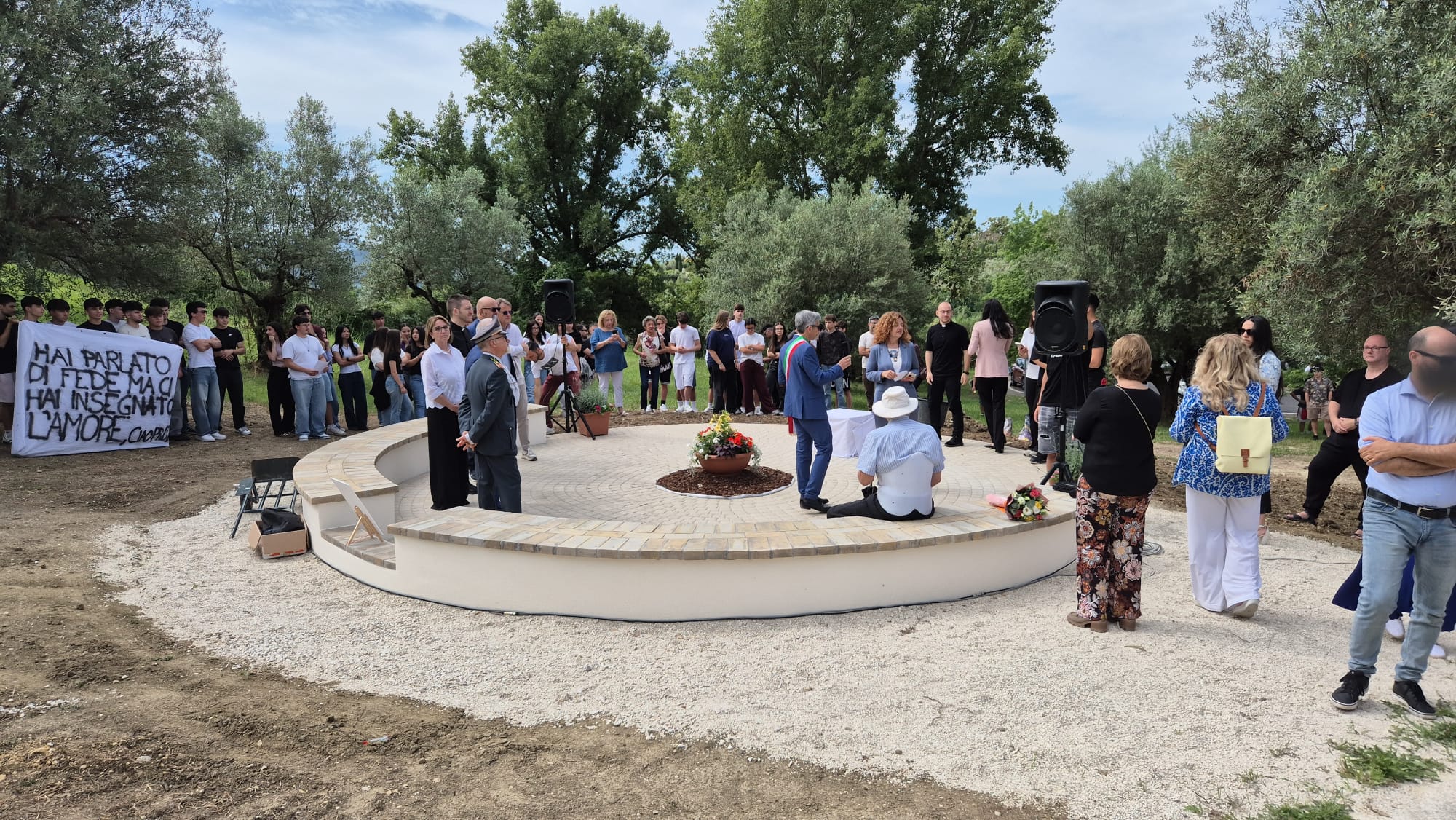
Pictured: the opening of the outdoor classroom at the school where he taught
The school where Franco worked, the IIS Gregorio da Catino di Poggio Mirteto, decided to create an outdoor classroom dedicated to him. This is the post published on the school’s Facebook page: “there are teachers who leave an indelible mark through the way they look at the world: Franco Fortuna was one of them. Today (5th June 2026) in order to remember the love he had for outdoor lesson, we have inaugurated a real outdoor classroom (…). We hope that it can become a place where students can continue to learn, to share ideas and dream, just as Prof. Fortuna would have liked”.
Lorenzo Russo Photos: courtesy of the Fortuna family
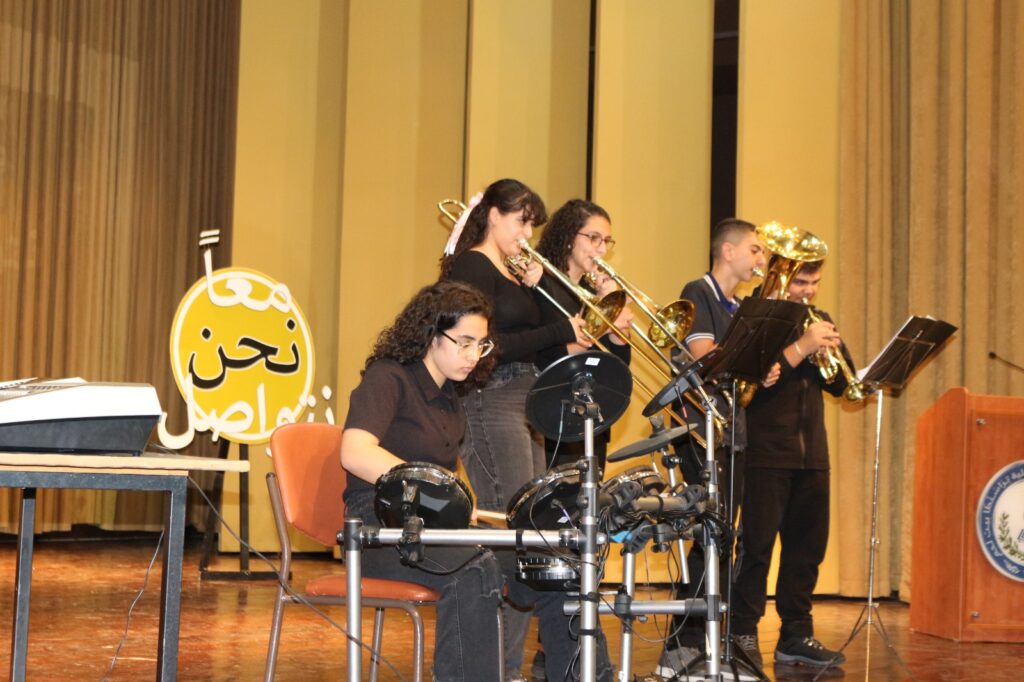
In October 2024, the Together WE connect project began in Bethlehem. It is a training initiative of the Focolare Movement for young people and teenagers with the aim of building a better future by strengthening a wounded social fabric. The three-year programme began with five schools in the Bethlehem and East Jerusalem district, reaching about 300 students aged 13-15 years old.
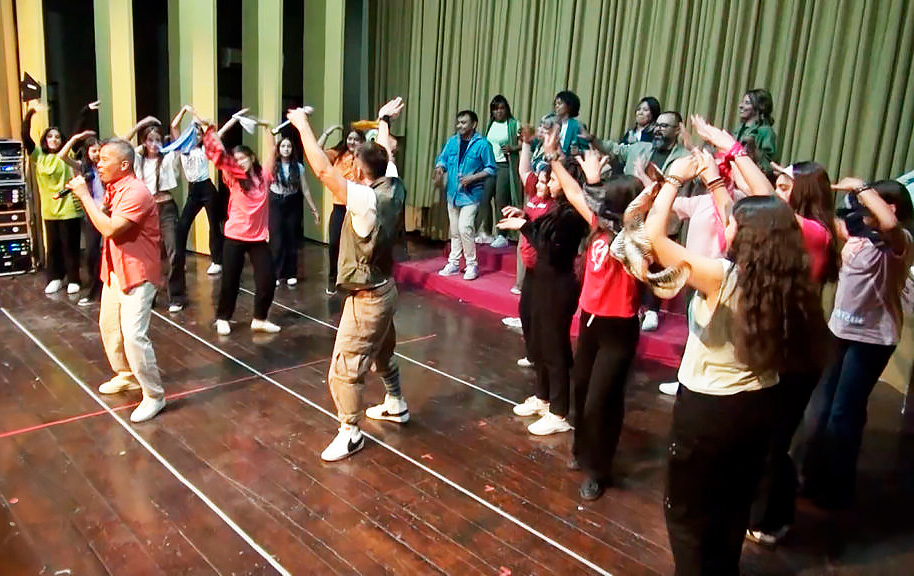
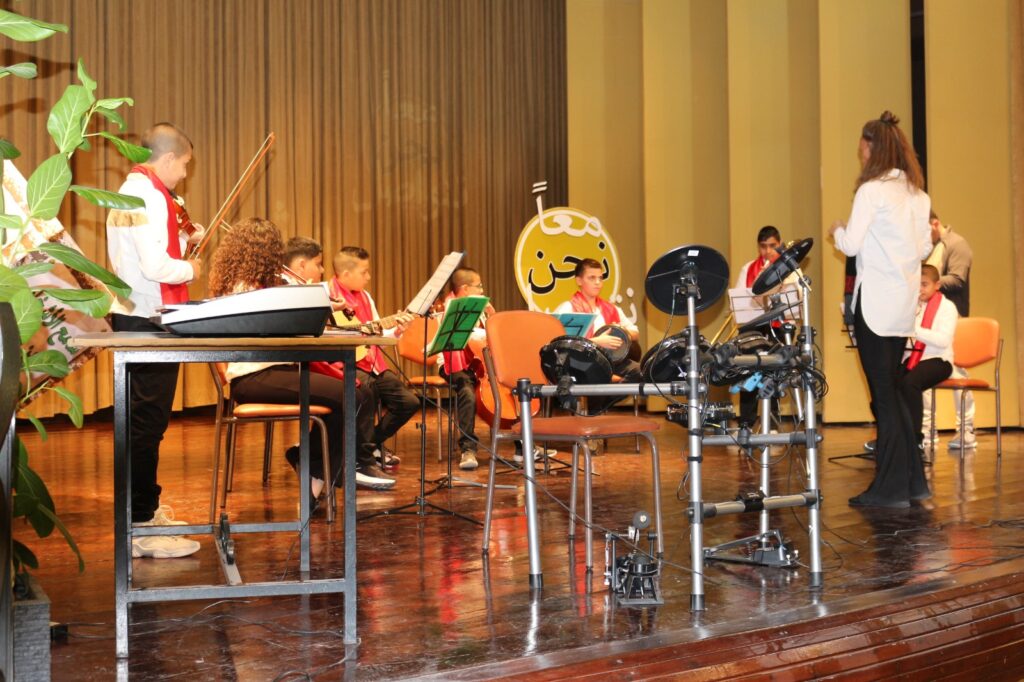
The programme included training sessions and activities using interactive methods designed to engage and stimulate young people in ways that speak to them, such as theatre, music, photography and sports workshops. In the first year, the programme focused on three themes: self-awareness, self-esteem and personal development. Then it tackled conflict management and openness to others through group work. The final theme was intergenerational dialogue. Each topic was linked to an action of the “Dice of Peace” so that each topic addressed led to concrete practice by creating new relationships.
The international music groups, Gen Rosso and Gen Verde made an important contribution through art, music, dance and theatre.
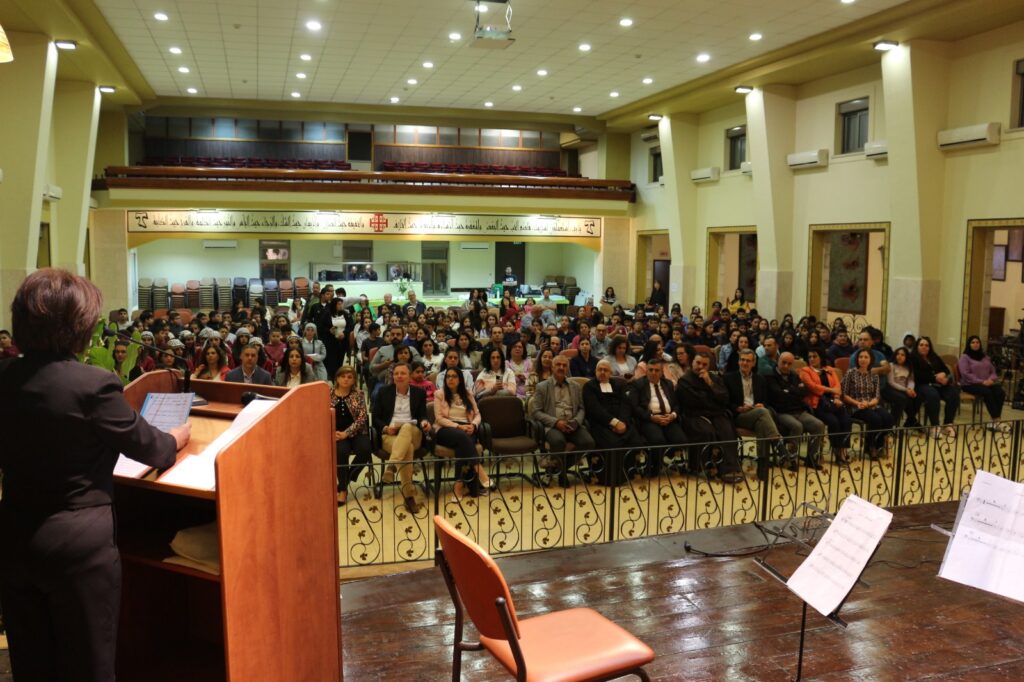
During the first week of May 2025, an event was held to celebrate these months of work. Before this event, Gen Verde and Gen Rosso held three days of workshops with a hundred of these young people. The participants commented afterwards, “It was an extraordinary experience and we are grateful to God, and to all those who have collaborated, for its fruits”.
How did the project begin?
From the Holy Land they told us: “For some time, we wanted to give our contribution in a way that would truly impact society, by promoting activities which had continuity. Some time ago the Patriarch of Jerusalem, Card. Pierbattista Pizzaballa, had said: “we must really work so that in schools, in institutions, in the media and in places of worship the name of God, of brother and companion of life resonate”. This encouraged us to focus on schools, on young people. We are all aware of the situation in which we find ourselves, in which humanity finds itself today. How many difficulties, how much suffering: we wanted to offer our contribution so that young people can have a different perspective from the one they see every day”.
This is how the Together WE connect project was born. Its goal is to awaken hope, nourish faith and promote a spirituality rooted in the Gospel among the younger generations and to form the women and men of the future, who can be promoters of reconciliation and dialogue, young leaders of a new culture of cooperation, fraternity, sharing and active citizenship – a culture of care and encounter.
Here are some impressions from the students: “I thank you with all my heart because what we did makes us feel important, and that our existence and our opinions matter”. “The first thing we learned were values: love, humility, forgiveness and helping each other. In class we felt like one family, we understood each other better and helped each other more. I also realized how I can be a light for others and I understood that “Focolare” is not just a word but a way of life”. “I really liked the “Together We connect” activity, there were new people, it was nice and I grew stronger in myself”. “I got to know myself and others better through this project.” “I learned methods for resolving conflict, listening and dialogue”. “I am personally very sensitive, and this project made me love life more”. “It was a useful and fun project, for example the dialogue between the generations, when I did it with my grandmother I learned things I didn’t know before”.