“We should have the courage to reach out to one another, the courage to come together.
This is not simply a motto for the United World Week, but a choice we all make every day. And if we do so, it becomes a path to peace.”
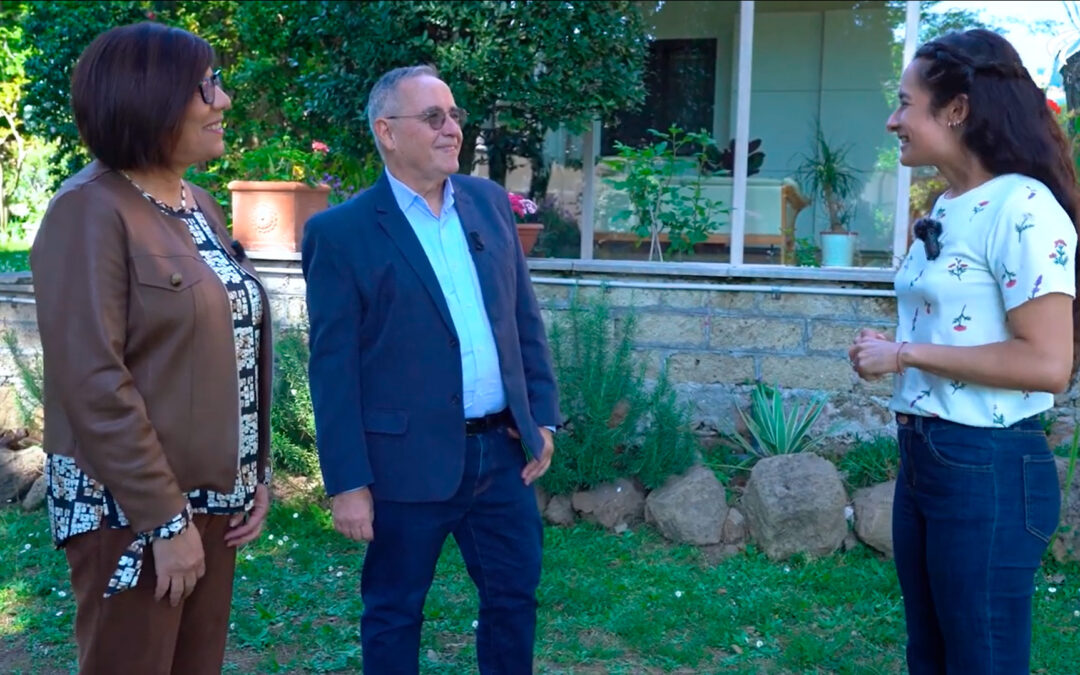
Margaret Karram and Roberto Almada, President and Co-President of the Focolare Movement, through a brief chat, encourage us to approach dialogue with determination and to choose it in a practical way in our daily lives.
Activate subtitles and select the desired language.
Actions, initiatives, activities and world events to generate a network capable of living and testifying that universal brotherhood is really possible. This is the driving force behind United World Week (UWW). Supported by the United World Project together with the Focolare Movement and Youth for a United World (Y4UW), this global action takes place every year from 1st -7th May, crossing continents, oceans and becomes a concrete opportunity to transform values such as unity and peace into shared experiences.
People of different cultures, ages and backgrounds, each in their own city and community, embrace this invitation with the aim of creating authentic meeting spaces, networking energies, ideas and testimonies capable of generating real change.
This year’s edition proposes a strong and timely theme: #ChooseToDialogue. In a world marked by conflicts and growing divisions, it becomes even more urgent and meaningful to rediscover the value of encounter, listening and mutual understanding. Choosing “Dialogue” with courage today means opposing the logic of conflict and opening paths of peace; overcoming distances and transforming differences into opportunities for unity. The proposal for this UWW? A daily journey that invites you to experience this choice in various areas:
• May 1st – Interculturality & Dialogue
• May 2 – Art & Social Engagement
• 3 May – Health, Sport and Ecology
• May 4 – Economy and Work + Education and Research
• May 5 – Communication and Media
• May 6 – Active Citizenship and Politics
• May 7 – Peace & Human Rights
Various methods and proposals are available to make this happen, from the Time-out, an invitation to a shared moment of silence and prayer that unites everyone in asking for the gift of peace, to the Inspiration Box, a resource full of ideas and suggestions to be put into practice during the week.
Don’t miss:
Peace Got Talent – Living Peace, the broadcast of Living Peace International from 14:00 (GMT+1, Rome time) on Saturday, 2nd May on YouTube (@ unitedworldproject and @livingpeaceinternational), offering inspiration through the talents and messages of unity and peace shared by young people worldwide.
Run4Unity: the global relay for peace. At noon in each time zone, young people “pass the baton” to the next country, creating a worldwide wave of unity that circles the planet. Many countries are already organising their stages as part of this global race, such as Brazil, Venezuela, Paraguay, Argentina, Uganda, Burundi, New Caledonia, Italy and Croatia, among others.
– May Day Loppiano (Italy). From 1st-3rd May, the Focolare international town near Florence will host the 1st May event in Loppiano, the Festival of Fraternity dedicated to young people. ROOTS, discovering what unites us, is the title of the event: three days of meetings, stories, reflections, workshops, exhibitions, educational and sports activities focussed on the theme of roots and cultural diversity. An invitation to go deep, to rediscover one’s cultural and spiritual origins as a starting point for encountering others.
– Also in Portugal, at the Focolare’s little town “Rainbow” in Abrigada (Alenquer), 1st May will be an occasion for celebration and commitment to building a better world. Promoted by Youth for a United World, the event, with moments of sharing and workshops, will bring together people from all over the country and guests from different continents who believe that brotherhood is not just a dream but a reality that is built day after day, with concrete gestures of solidarity, dialogue and hope. The title of the event: “Connect. Do you have the courage to build bridges?”
How to organize events, share stories and join United World Week 2026?
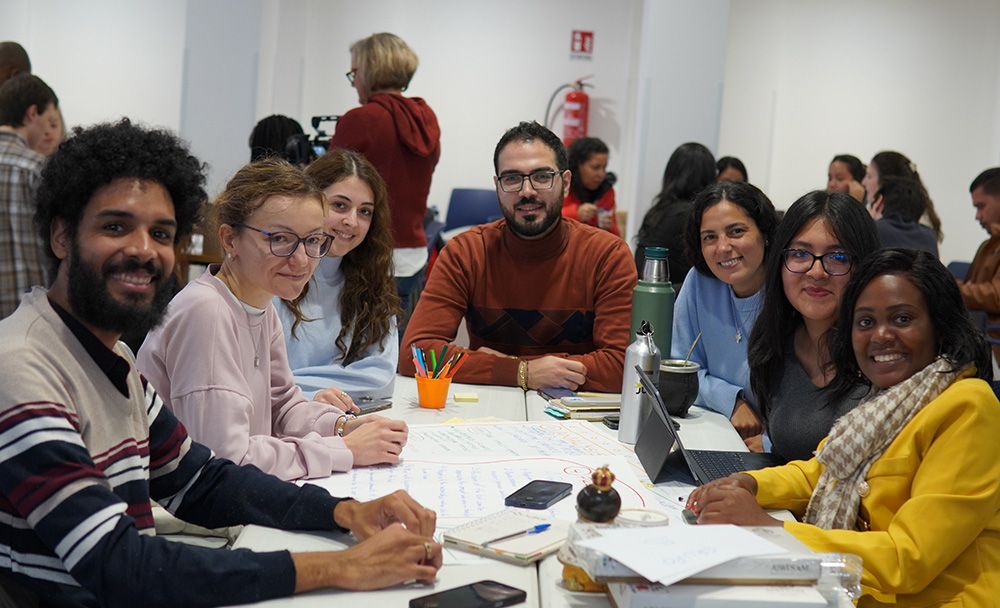
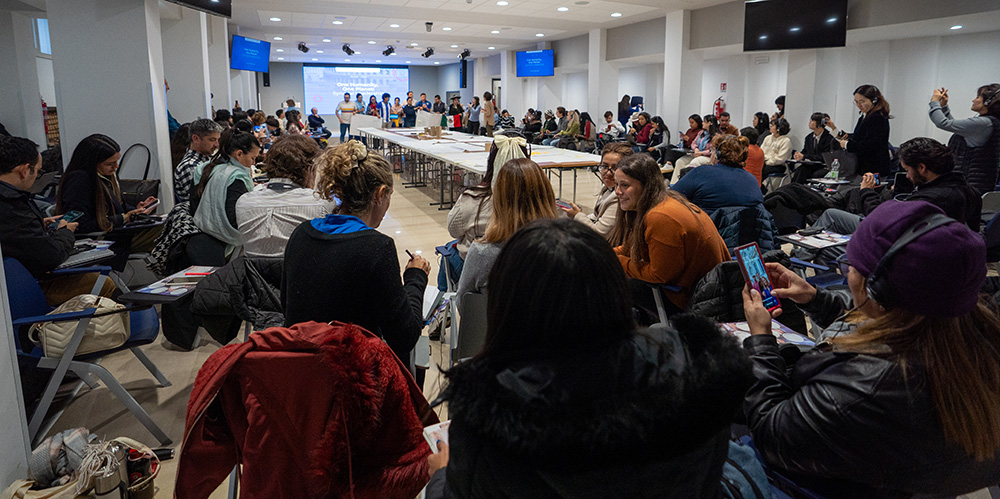
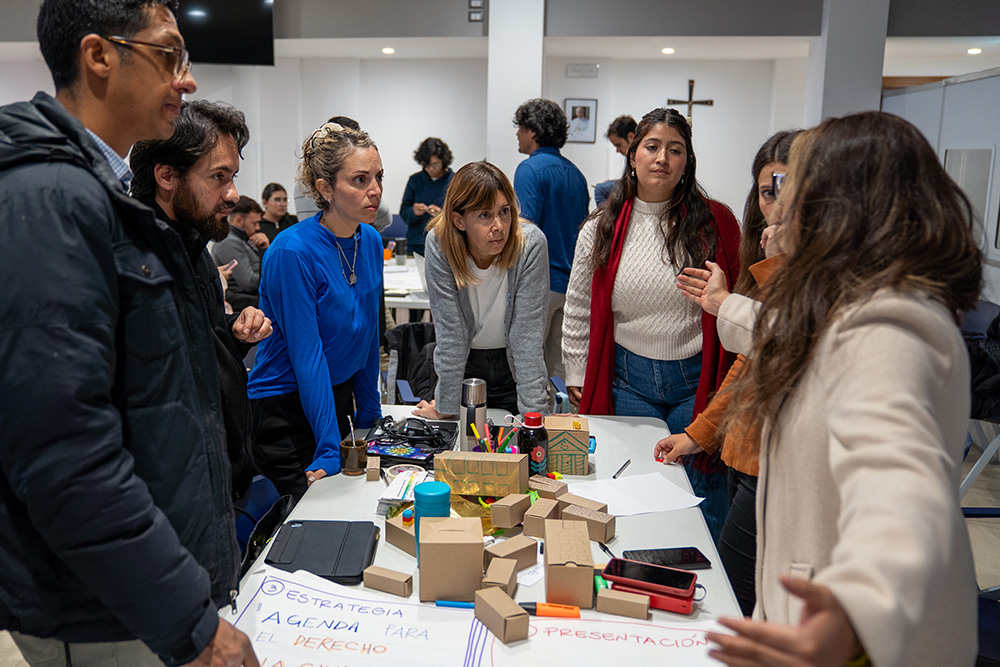
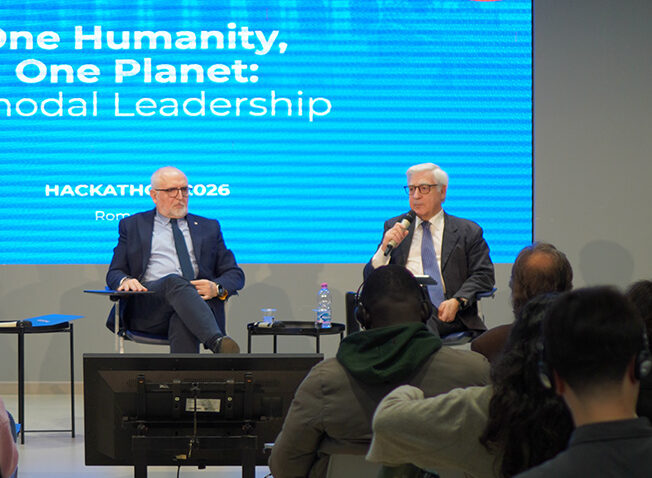
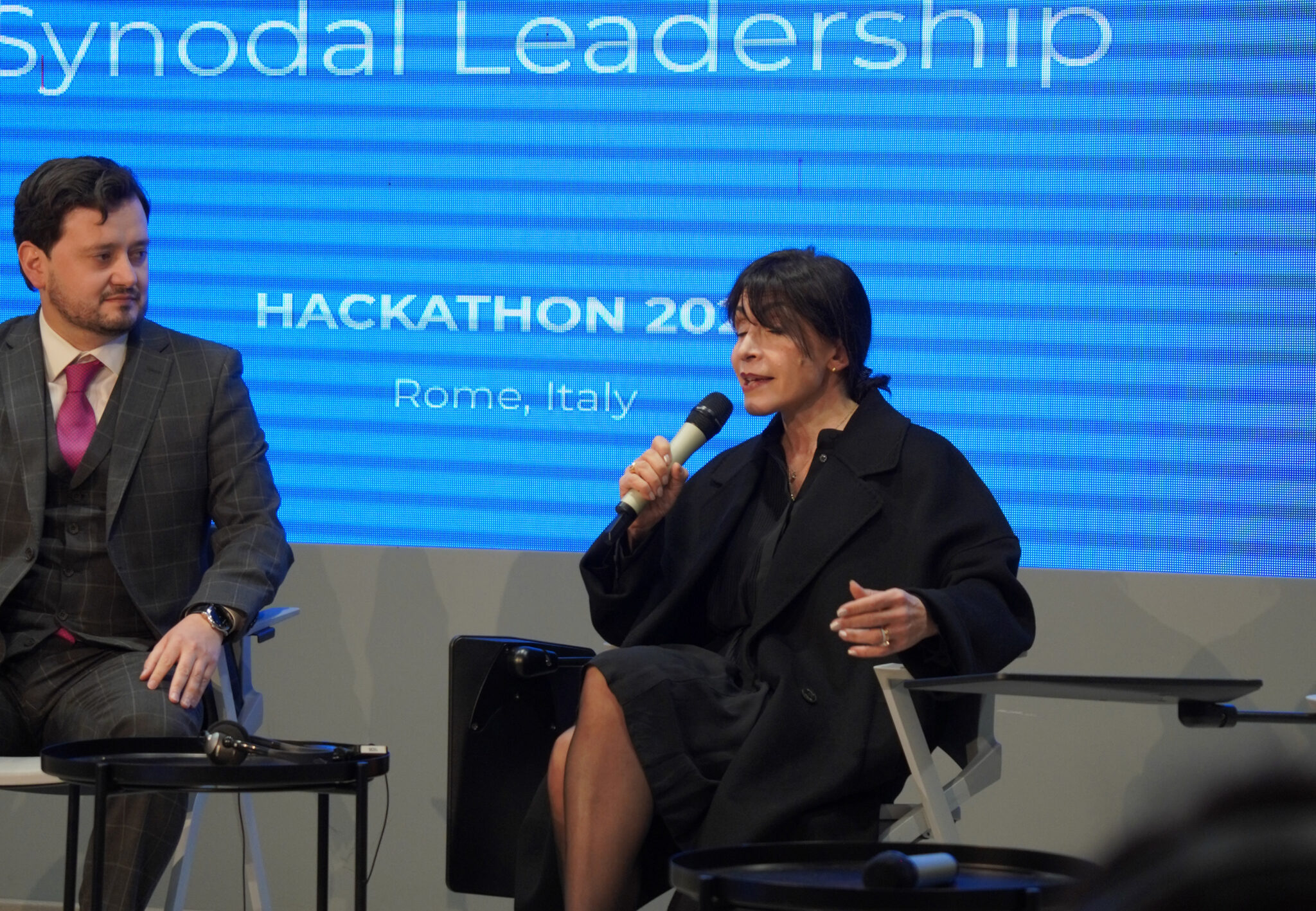
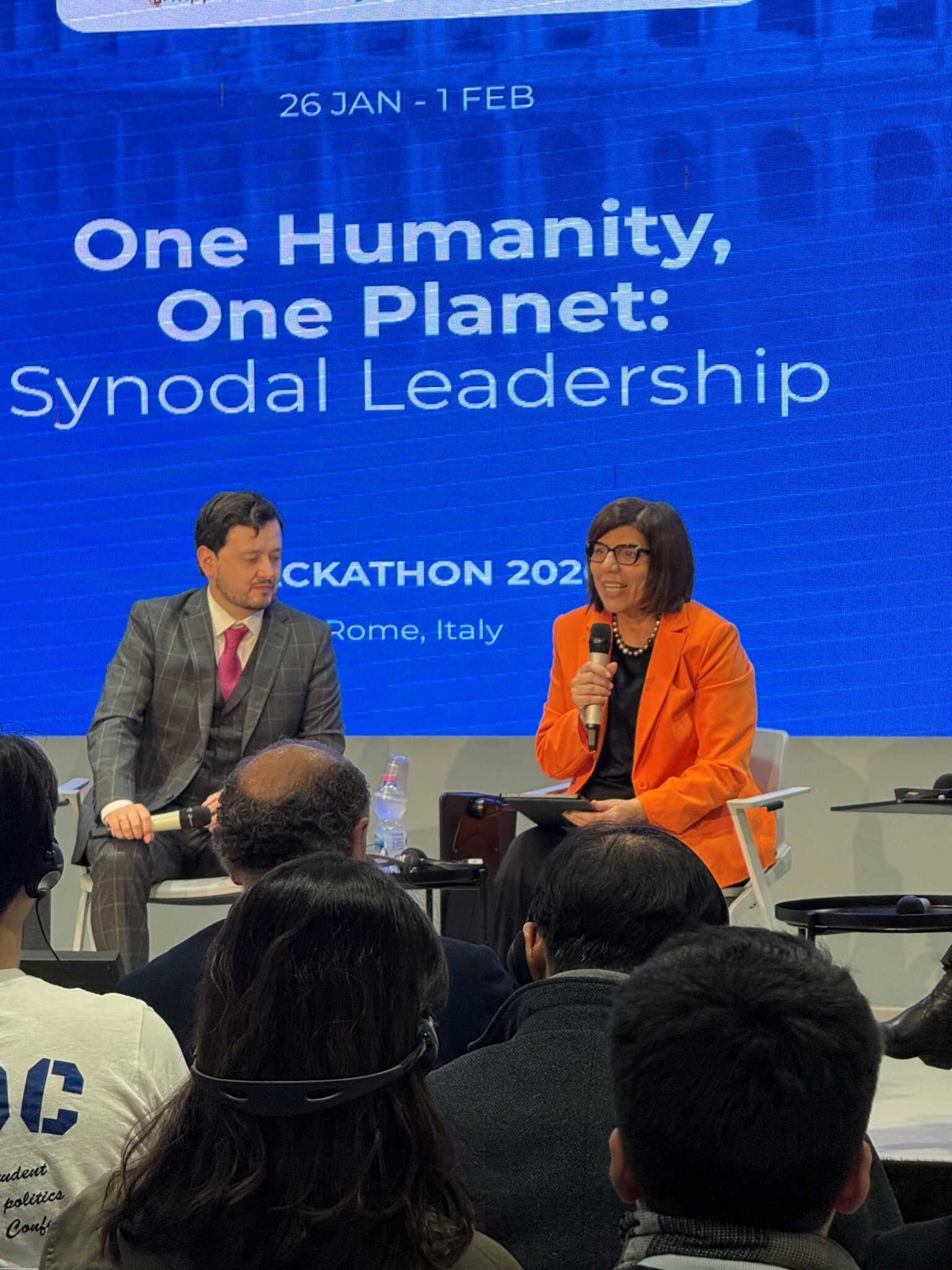
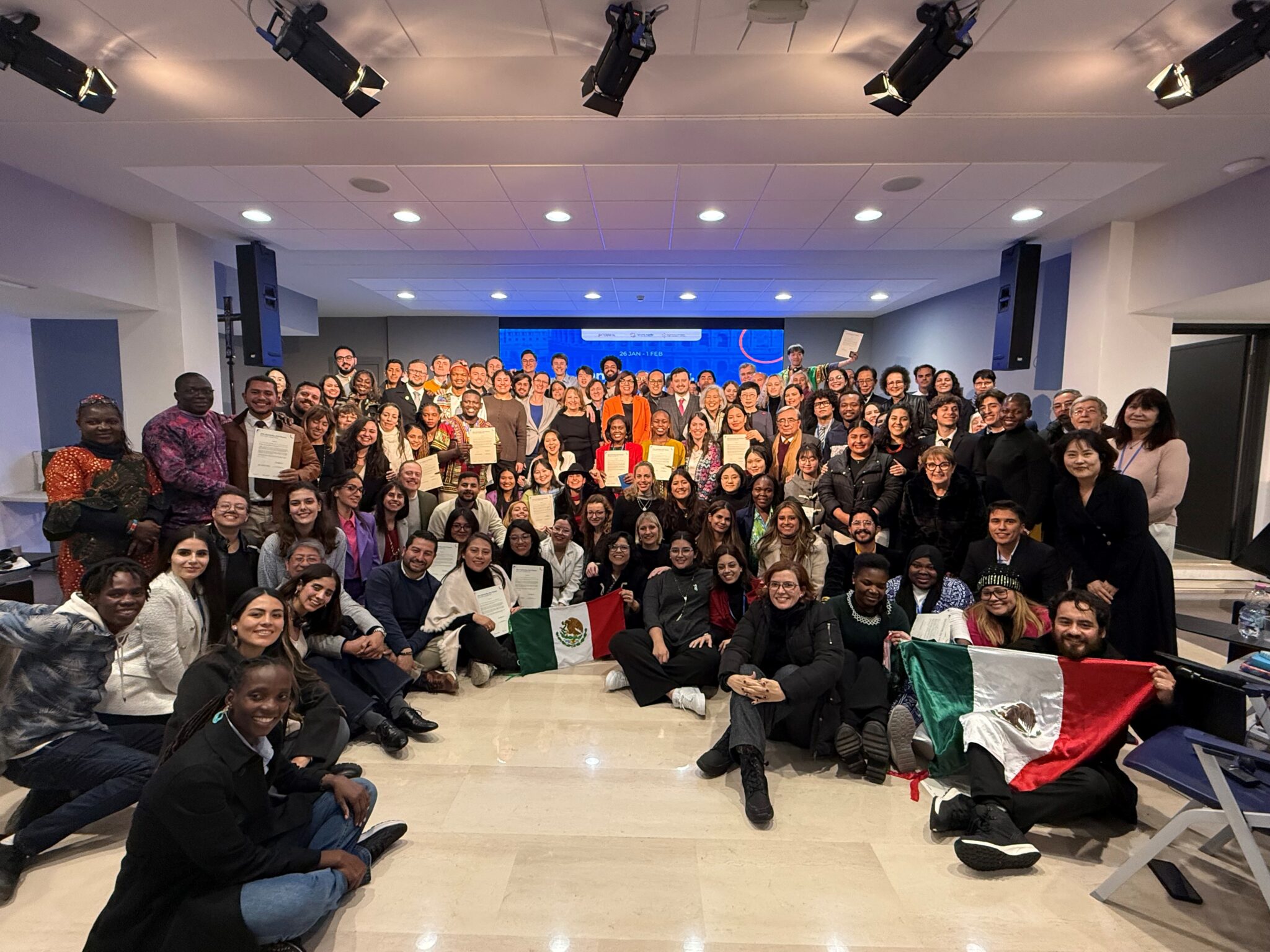
From 26th January to 1st February 2026, Rome hosted 100 young political leaders from 36 countries for the conclusion of the first year of the two-year political formation programme “One Humanity, One Planet: Synodal Leadership”—a challenge to develop a different style of governance, starting from the paradigm of fraternity.
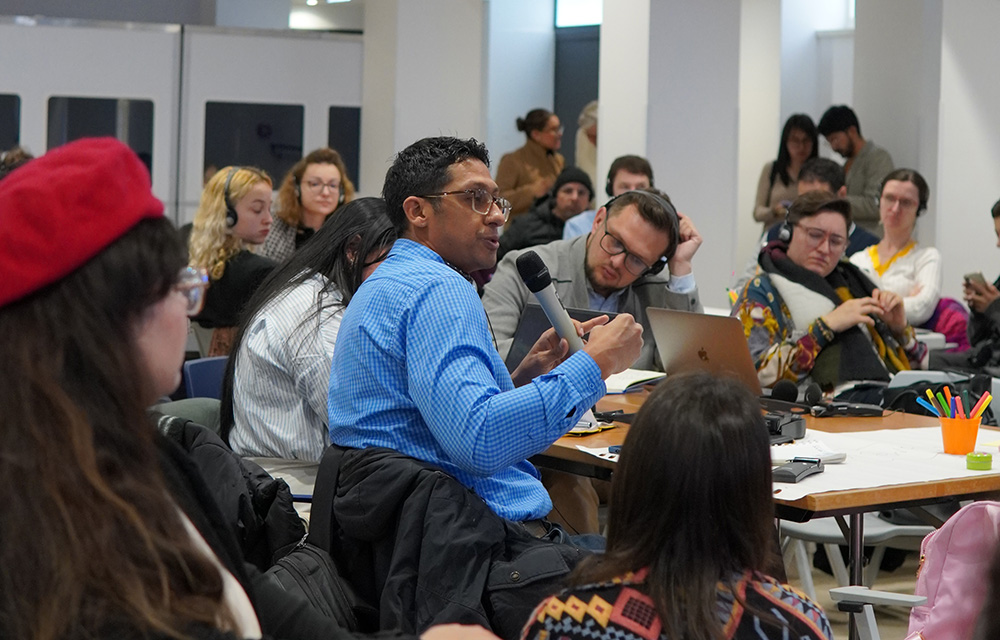
Following an online pathway of work in 16 learning communities, they came together for a political hackathon—literally a creative and collaborative marathon—focused on what most deeply wounds the global social fabric today: corruption, inequality, widespread violence, unethical digital transition, the ecological emergency, and declining civic participation. The programme, promoted by the Political Movement for Unity and the NGO, New Humanity, together with the Pontifical Commission for Latin America, aims to restore an active role in decision-making processes, from the local to the global level, to young people. Giovanna Maroccolo – Italy (Italian)
Watch the video with interviews with young people from different countries. Turn on subtitles and then choose the language you want.
“I encourage you to work together in studying forms of participation that allow all citizens … Upon this foundation, it becomes possible to build that universal fraternity which is already taking shape among you young people, a sign of a new era.”
With these words, Pope Leo did not simply encourage the one hundred young political leaders gathered in Rome: he “recognized” their mission. He saw in them what traditional politics too often struggles to see: that the future will be born from inclusive processes, not form confrontations; from living communities, not from rigid structures; from a brotherhood that is not a naive sentiment but a concrete political category.
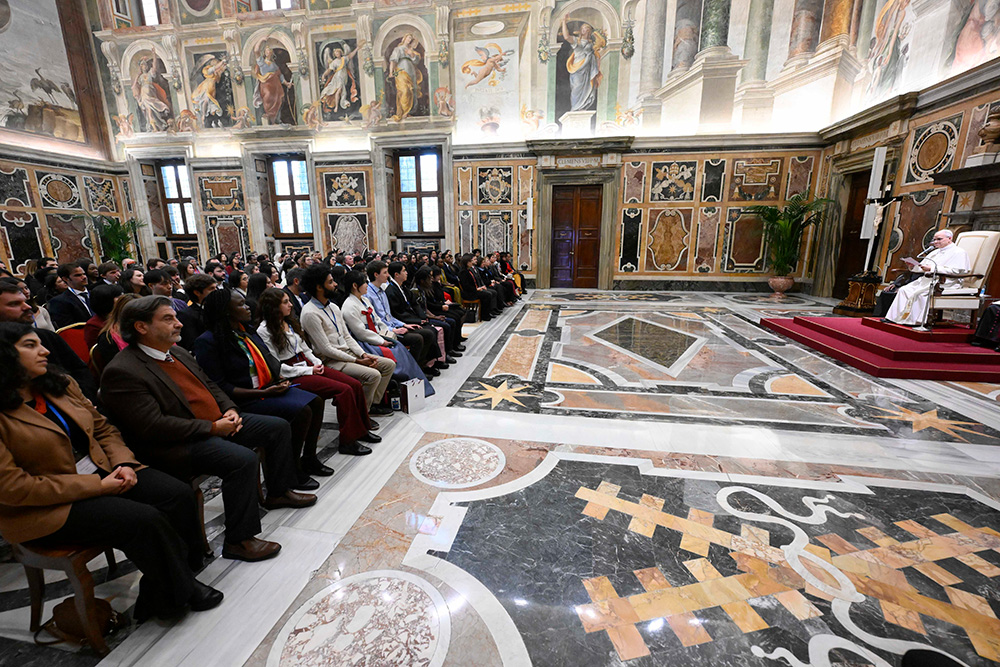
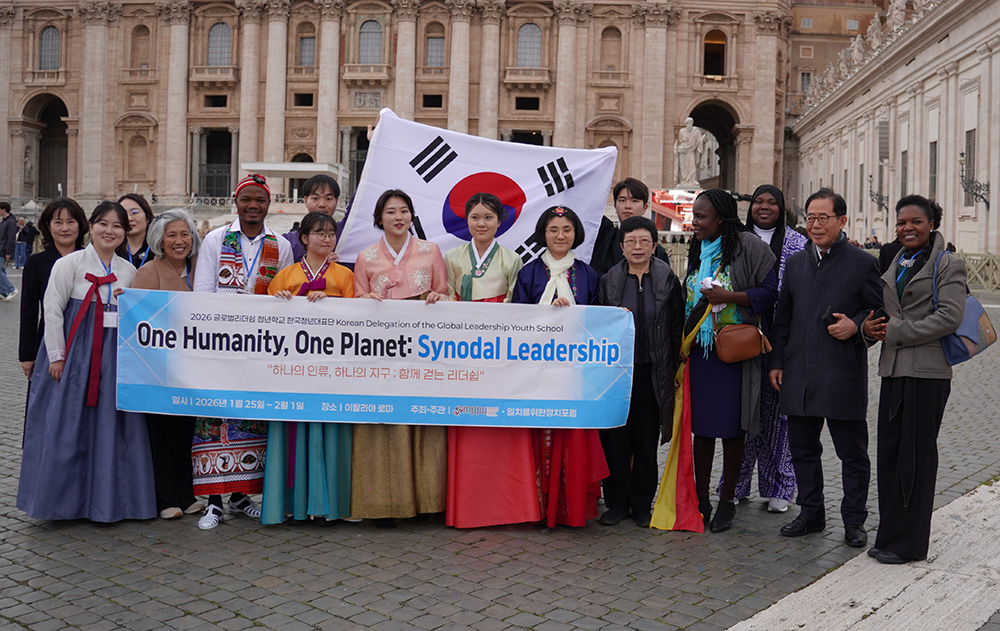
The one hundred from 36 countries participated in an audience with the Pope on 31st January. They were in Rome for the final week of the first year of the multi-year political school “One Humanity, One Planet”. Seven days that confirmed for them that fraternity is not an ideal: it is already a method, a lifestyle and a daily practice. They came from an online pathway of work in 16 learning communities, they came together for a political hackathon – literally a creative and collaborative marathon – dedicated to what most deeply wounds the global social fabric today: corruption, inequalities, widespread violence, unethical digital transition, the ecological emergency and declining civic participation. The programme, promoted by the Politics for Unity Movement and the NGO New Humanity with the Pontifical Commission for Latin America, aims to give young people an active role in decision-making processes, from local to global.
The Holy Father offered a vision that was as demanding as it was liberating. He asked the young people to look at the world through the lens of listening and collaboration between different cultures and faiths; to seek peace not as an abstract concept, but as a daily choice in the places where they live, study and work; to build policies capable of involving all citizens, men and women, within the institutions. He recalled that peace is a gift, a covenant and a promise all at once and that no society can call itself just if it continues to exclude the weak, ignore the poor and remain indifferent to refugees and victims of violence.
Jesús Morán – Pasquale FerraraEmilce CudaJavier Baquero – Margaret Karram
When she met the young people, the President of the Focolare, Margaret Karram spoke about a new political culture, based on fraternity, in the wake of what Chiara Lubich, founder of the Focolare, had taught. She encouraged them to “live” a form of leadership that places the collective “We” at the centre, that generates trust and seeks convergence in diversity. Not a method for a few, but an approach that can be exported everywhere: in institutions, in parties, in social movements and in civil society.
The testimonies of the participants powerfully confirmed this. Cristian, from Argentina, said: “It is the most important experience of universal fraternity in my life… every person, with their language, their dances and their charism, created the symphony of global harmony”. For Joanna, from Poland, resident in Italy, the experience was “a stimulus to concrete commitment”, fuelled by workshops, good practices and meetings with Italian and Korean parliamentarians. Zé Gustavo, from Brazil, spoke of an “intense and challenging experience”, capable of rekindling an adult, clear-eyed hope, born not from naivety but from the scars of lived politics. And Uziel, from Mexico, summed everything up in a simple and true phrase: “This is true globality”.
Now the school enters its second phase, involving 600 young people from the five continents to continue sharing visions, methods and actions with real impact.
For a week, Rome was a living laboratory of what politics could become again: a generative place; a training ground for fraternity; and a space where differences cease to be walls but become the raw material of the future. It was a concrete and credible testimony that another politics is not only possible, but has already begun.
Let’s take a look at some scenes that are typical of today’s world. …
We can observe … in countries that have experienced recent changes, people who are rejoicing in their newfound freedom. Alongside them are people who are fearful, disappointed and depressed because they have seen their ideals collapse. …
And what if we were to see scenes of racial strife with massacres and human rights violations … Or unending conflicts like those in the Middle East, with the destruction of homes, people wounded and dying and the continuous falling of deadly bombs or other lethal weapons? … … Let us ask ourselves again: what would Jesus say in the face of such tragedies? ‘I told you to love one another. Love one another as I have loved you’.
Yes, that is what he would say looking upon these and the most dire situations of the world today.
But his words are not merely regret for what has not been done. He really and truly is repeating them to us today. For he died, but he rose again and, as he promised, he is with us every day until the end of the world.
And what he says is of immense importance. Because this sentence ‘Love one another as I have loved you’ is the true key to solve of every problem. It is the fundamental answer to overcome every human evil. … …
Jesus defined the commandment of love as ‘mine’ and ‘new’. It is typically his, having given it a unique and very new content. He said, ‘Love one another, as I have loved you.’ And he gave his life for us.
Our life is therefore at stake if we love like this. And a love ready to give our life for our brothers and sisters/neighbours is what He is also asking of us
Friendship or kindness towards others is not enough for Him; neither is philanthropy nor solidarity alone. The kind of love He asks for is not limited to non-violence.
It is something active, very active. It asks us no longer to live for ourselves, but for others. And that requires sacrifice, effort. It asks everyone to become … like little daily “heroes” who, day after day, are at the service of their brothers and sisters/neighbours, ready to give even their lives for them. …
This mutual love among you will indeed produce fruits of infinite value, because where there is love, God is there and as Jesus said: ‘Where two or three are gathered in my name (that is, in his love), I am there among them’ …
Jesus himself will work with you in your countries, because in a certain way, he will return into the world, wherever you meet, and you will make him present by your mutual love, by your unity.
And he will enlighten you about all that needs to be done, he will guide you, he will support you, he will be your strength, your ardour, your joy. …
So, keep love among you and sow love in many corners of the earth among individuals, among groups, among nations, using every means, so that the invasion of love, which we often speak of, may become a reality, and so that the civilisation of love we are all longing for, may take root, thanks also to your contribution.
This is what you are called to do. And you will see great things happen.