Greetings to everyone on behalf of the Focolare Movement worldwide, as we join in prayer for this digital pilgrimage. Together with all of you, we want to raise our voices to God to ask for an end to human trafficking and to affirm the dignity of every human being:
O Lord, our God,
You love every one of your people. You have given us the gifts of the earth so that we may all live in peace as your children.
Today, a cry is rising up to you from those who have been violated, those who have been exploited in degrading ways, those who are victims of human trafficking.
Help us, Lord, to stand by these sisters and brothers of ours. Multiply the forces of good to encourage their hope in the possibility of a new life.
Make the hearts of the indifferent sensitive. Grant that every citizen, even those who hold the fate of peoples in their hands, may grow in awareness of the need to fight this serious social scourge.
Lord, we ask you that we may be able to spread the global appeal that is being launched today, so that Your will may be done on earth as it is in Heaven.
United, let us continue to pray and act for justice. Thank you to each and every one of you for being part of this chain of hope and of love that is stretching across the world.
Margaret Karram
Video in Italian: activate subtitles and select the desired language.
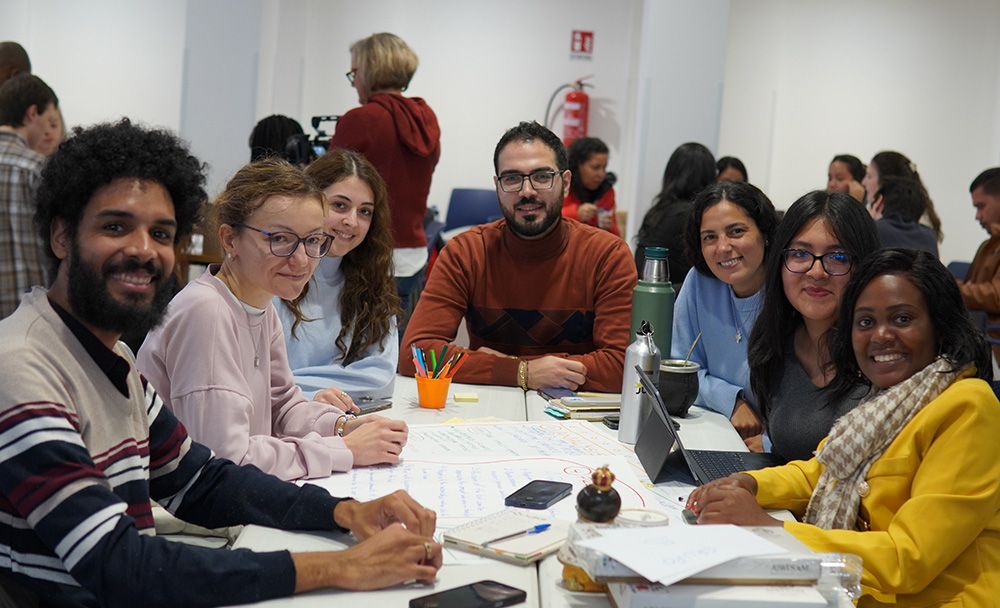
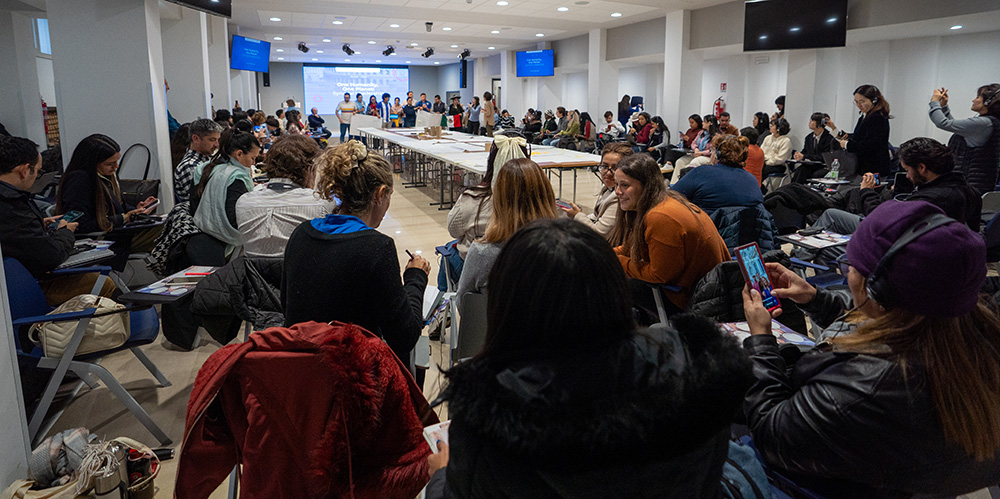
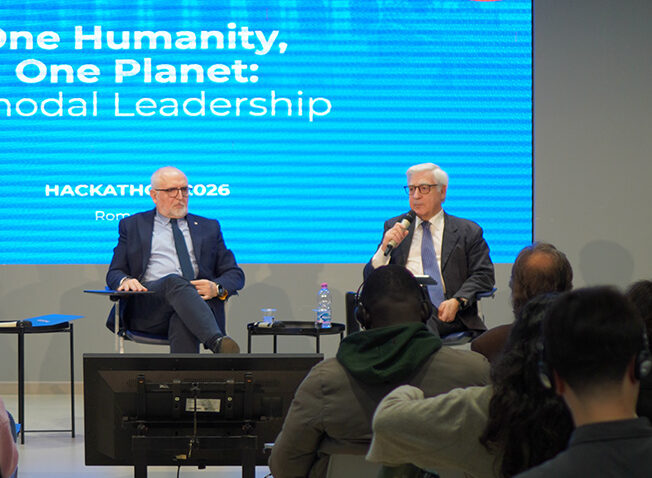
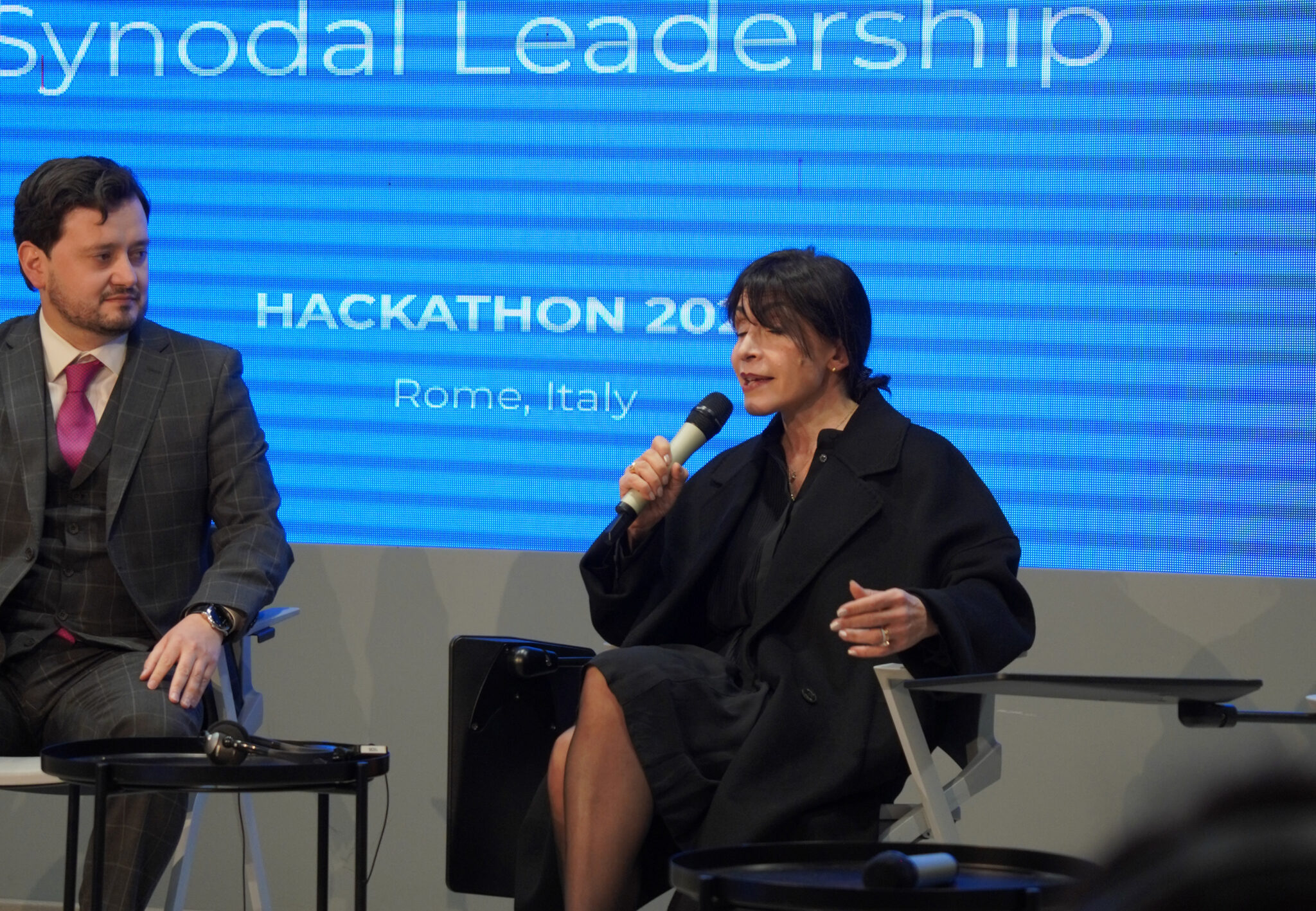
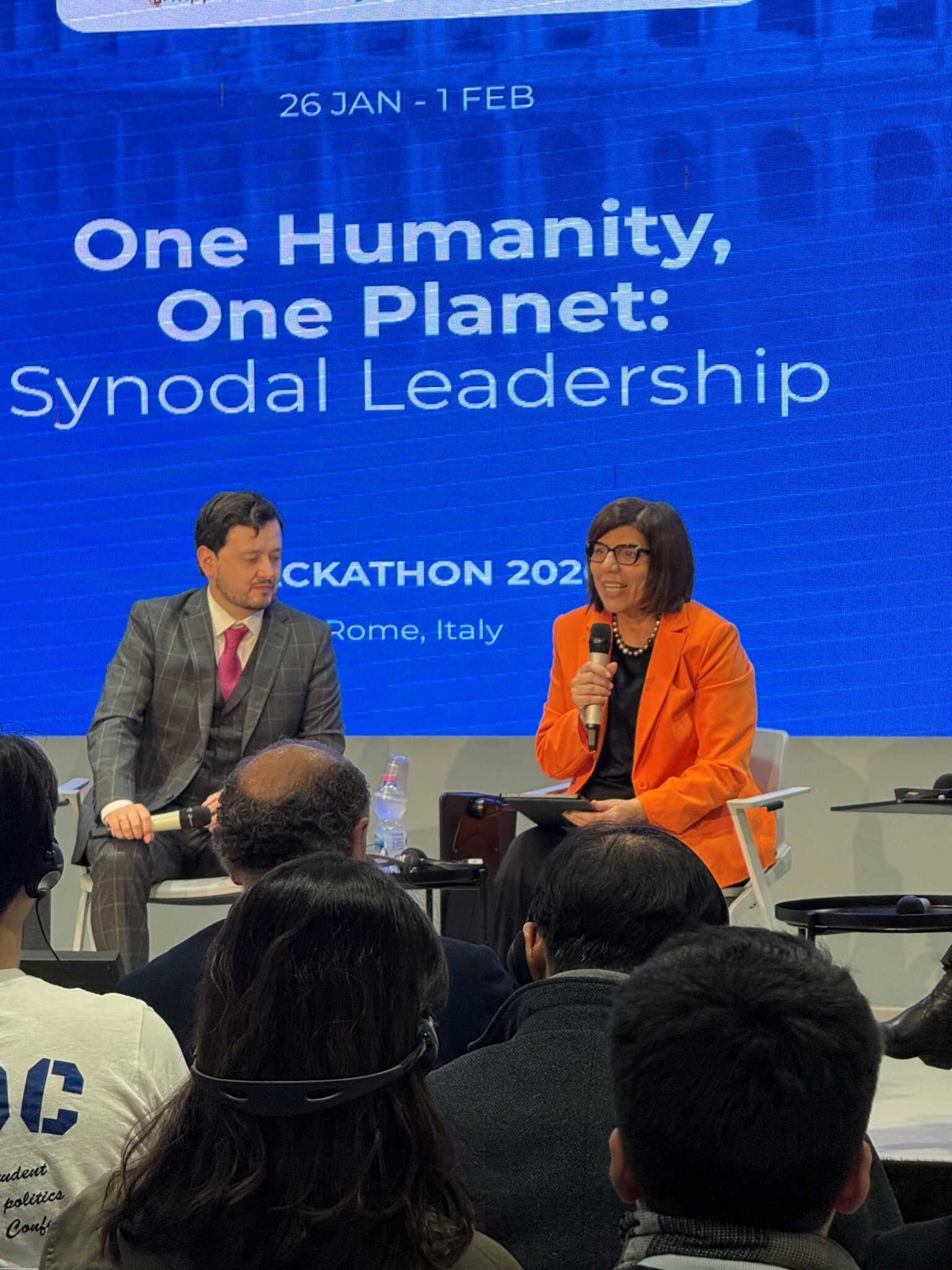
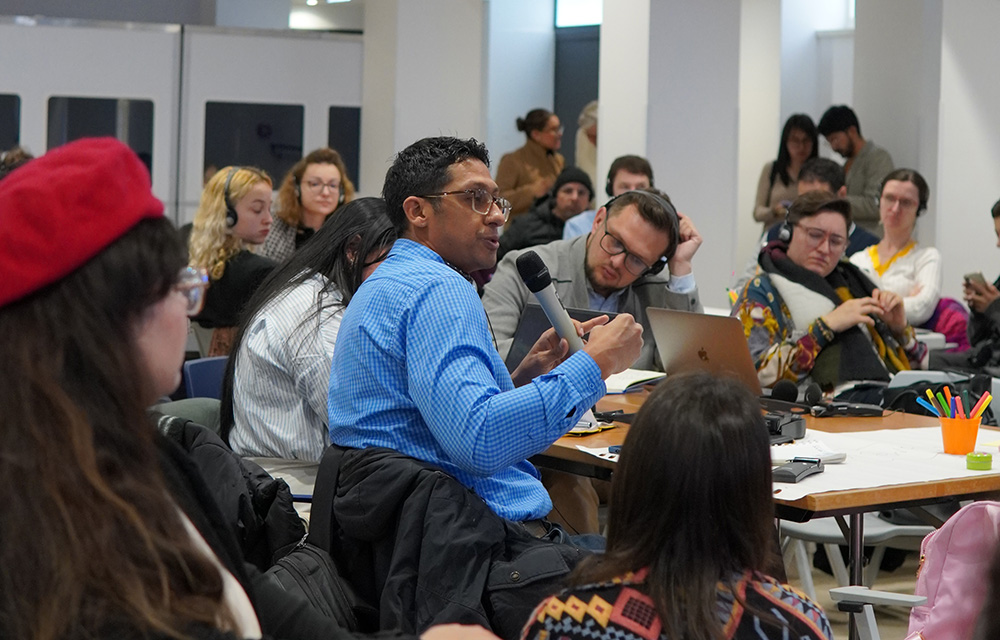
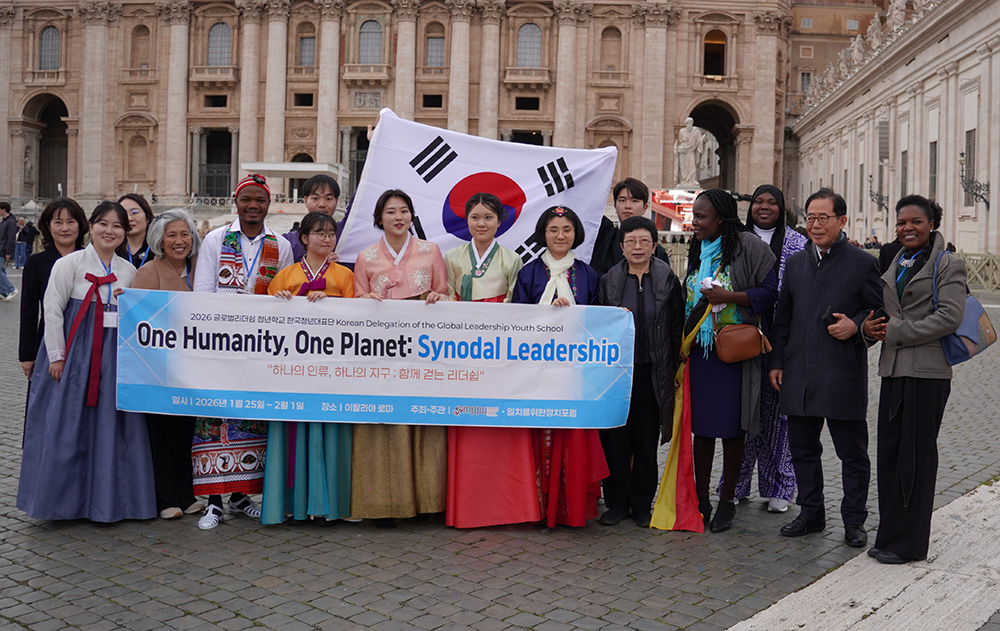
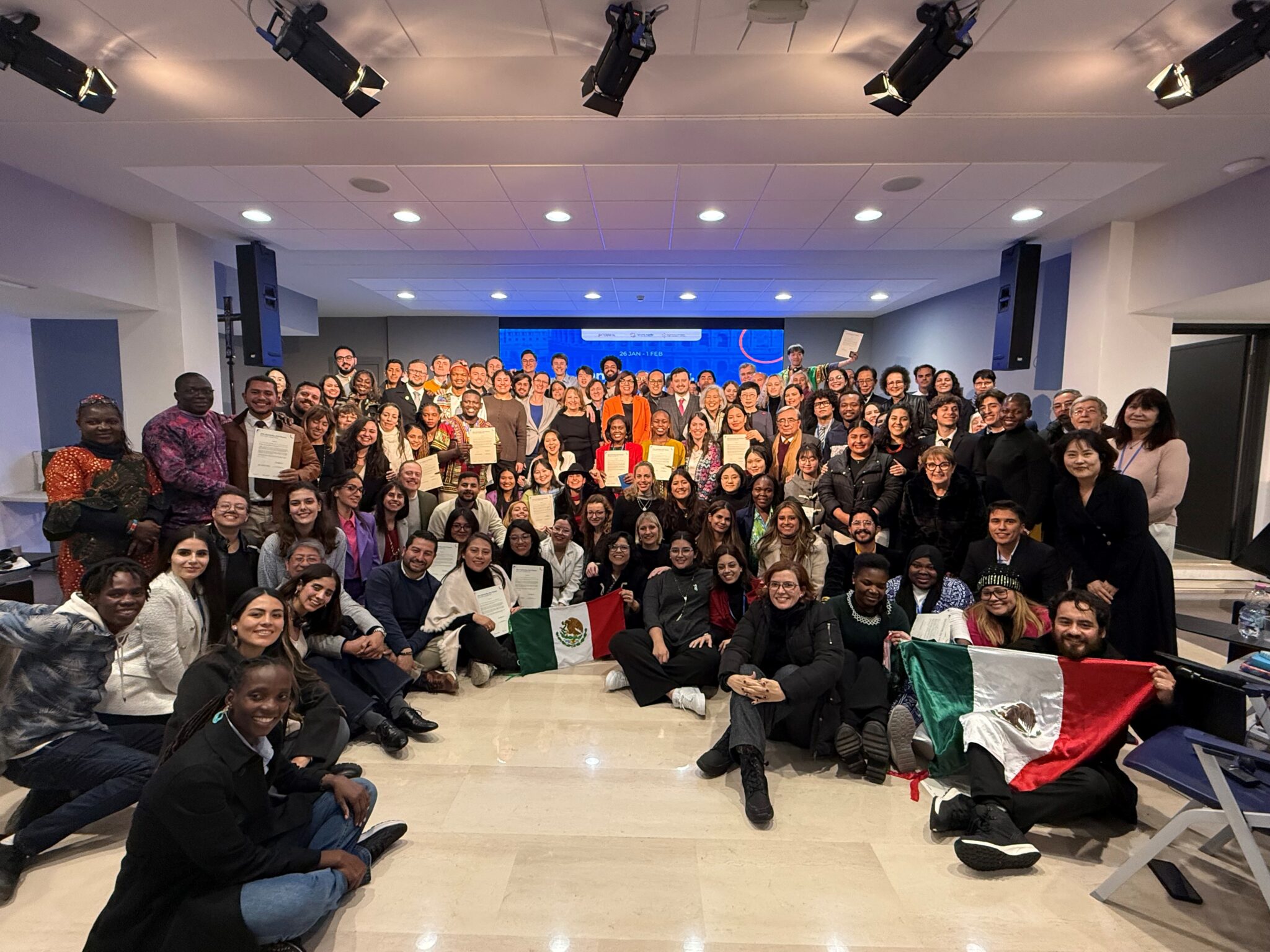
From 26th January to 1st February 2026, Rome hosted 100 young political leaders from 36 countries for the conclusion of the first year of the two-year political formation programme “One Humanity, One Planet: Synodal Leadership”—a challenge to develop a different style of governance, starting from the paradigm of fraternity.
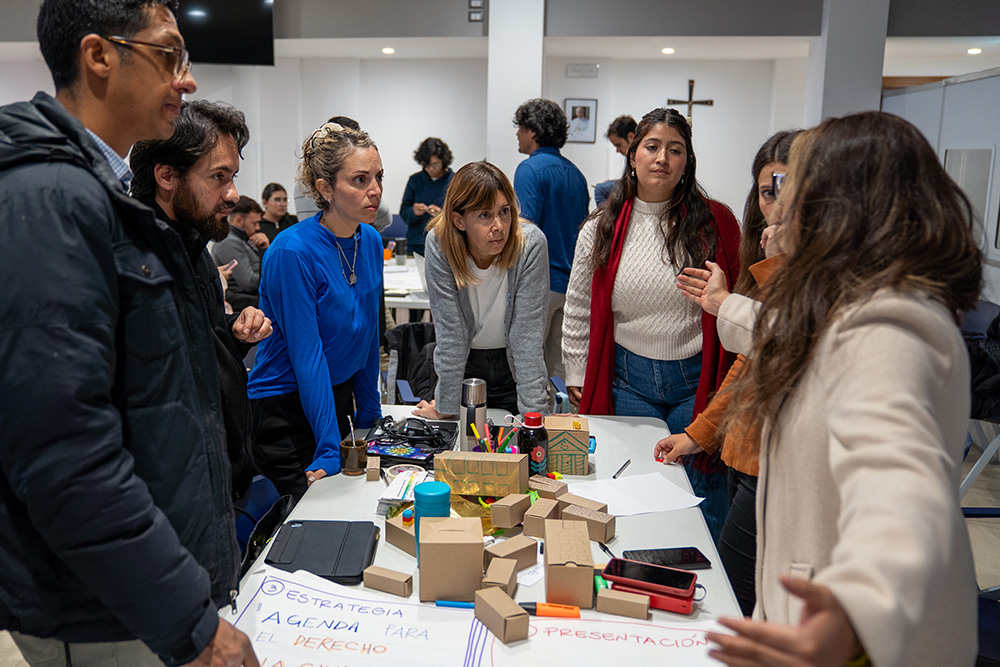
Following an online pathway of work in 16 learning communities, they came together for a political hackathon—literally a creative and collaborative marathon—focused on what most deeply wounds the global social fabric today: corruption, inequality, widespread violence, unethical digital transition, the ecological emergency, and declining civic participation. The programme, promoted by the Political Movement for Unity and the NGO, New Humanity, together with the Pontifical Commission for Latin America, aims to restore an active role in decision-making processes, from the local to the global level, to young people. Giovanna Maroccolo – Italy (Italian)
Watch the video with interviews with young people from different countries. Turn on subtitles and then choose the language you want.
“I encourage you to work together in studying forms of participation that allow all citizens … Upon this foundation, it becomes possible to build that universal fraternity which is already taking shape among you young people, a sign of a new era.”
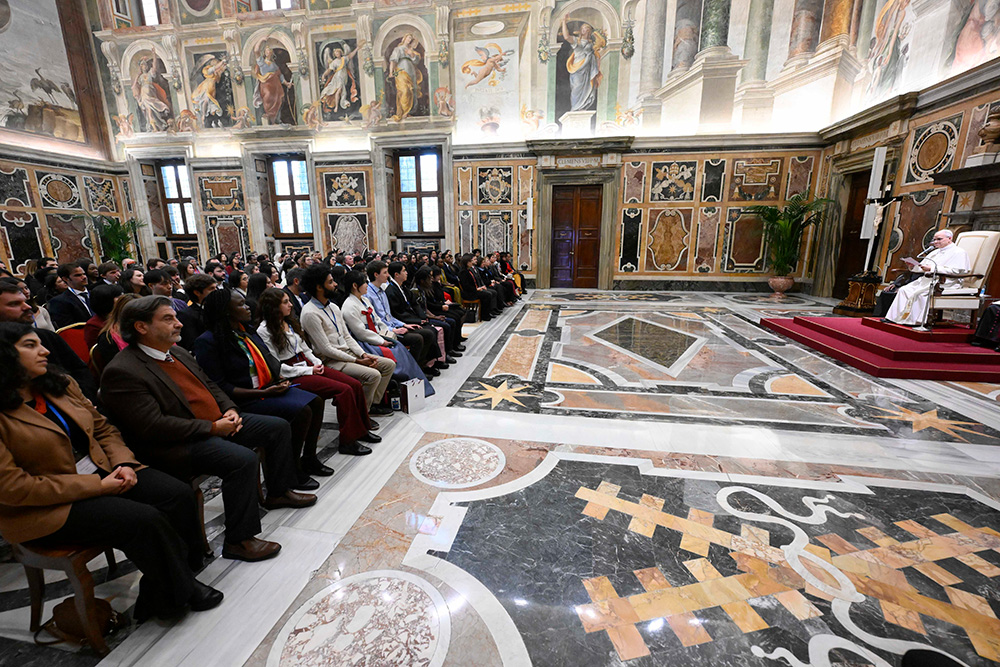
With these words, Pope Leo did not simply encourage the one hundred young political leaders gathered in Rome: he “recognized” their mission. He saw in them what traditional politics too often struggles to see: that the future will be born from inclusive processes, not form confrontations; from living communities, not from rigid structures; from a brotherhood that is not a naive sentiment but a concrete political category.
The one hundred from 36 countries participated in an audience with the Pope on 31st January. They were in Rome for the final week of the first year of the multi-year political school “One Humanity, One Planet”. Seven days that confirmed for them that fraternity is not an ideal: it is already a method, a lifestyle and a daily practice. They came from an online pathway of work in 16 learning communities, they came together for a political hackathon – literally a creative and collaborative marathon – dedicated to what most deeply wounds the global social fabric today: corruption, inequalities, widespread violence, unethical digital transition, the ecological emergency and declining civic participation. The programme, promoted by the Politics for Unity Movement and the NGO New Humanity with the Pontifical Commission for Latin America, aims to give young people an active role in decision-making processes, from local to global.
The Holy Father offered a vision that was as demanding as it was liberating. He asked the young people to look at the world through the lens of listening and collaboration between different cultures and faiths; to seek peace not as an abstract concept, but as a daily choice in the places where they live, study and work; to build policies capable of involving all citizens, men and women, within the institutions. He recalled that peace is a gift, a covenant and a promise all at once and that no society can call itself just if it continues to exclude the weak, ignore the poor and remain indifferent to refugees and victims of violence.
Jesús Morán – Pasquale FerraraEmilce CudaJavier Baquero – Margaret Karram
When she met the young people, the President of the Focolare, Margaret Karram spoke about a new political culture, based on fraternity, in the wake of what Chiara Lubich, founder of the Focolare, had taught. She encouraged them to “live” a form of leadership that places the collective “We” at the centre, that generates trust and seeks convergence in diversity. Not a method for a few, but an approach that can be exported everywhere: in institutions, in parties, in social movements and in civil society.
The testimonies of the participants powerfully confirmed this. Cristian, from Argentina, said: “It is the most important experience of universal fraternity in my life… every person, with their language, their dances and their charism, created the symphony of global harmony”. For Joanna, from Poland, resident in Italy, the experience was “a stimulus to concrete commitment”, fuelled by workshops, good practices and meetings with Italian and Korean parliamentarians. Zé Gustavo, from Brazil, spoke of an “intense and challenging experience”, capable of rekindling an adult, clear-eyed hope, born not from naivety but from the scars of lived politics. And Uziel, from Mexico, summed everything up in a simple and true phrase: “This is true globality”.
Now the school enters its second phase, involving 600 young people from the five continents to continue sharing visions, methods and actions with real impact.
For a week, Rome was a living laboratory of what politics could become again: a generative place; a training ground for fraternity; and a space where differences cease to be walls but become the raw material of the future. It was a concrete and credible testimony that another politics is not only possible, but has already begun.
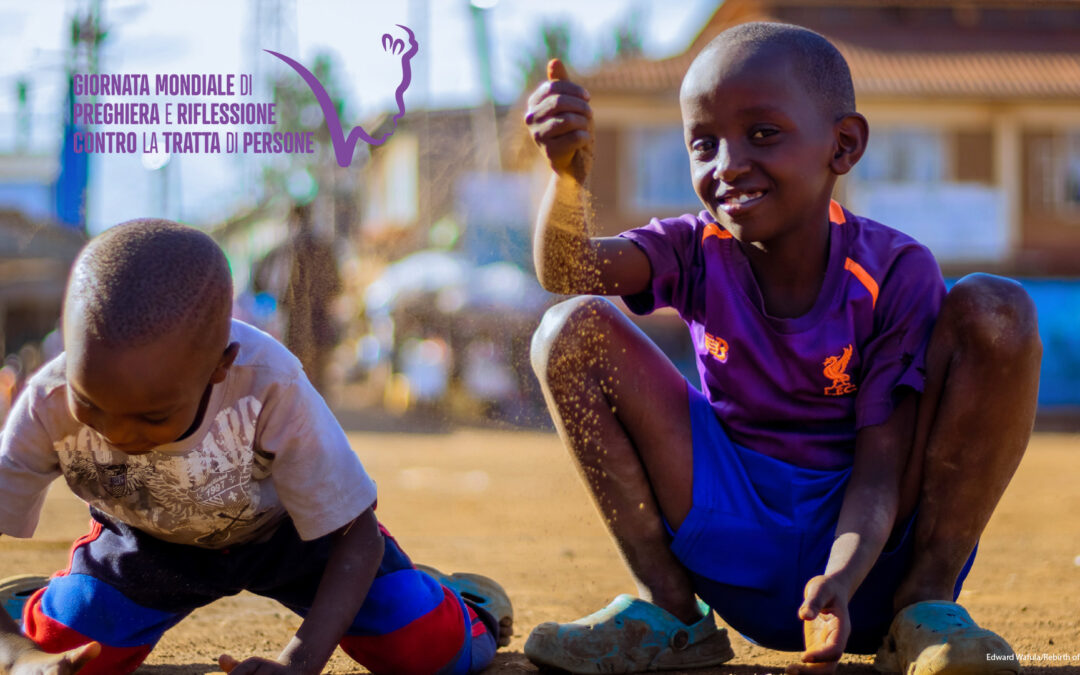
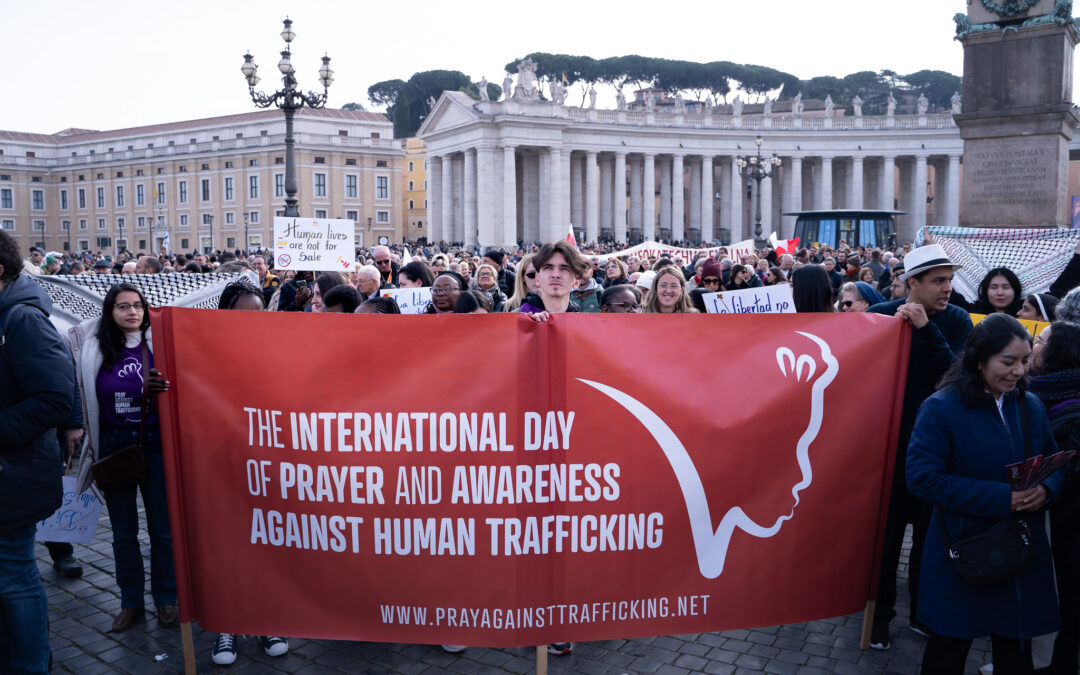
“Peace begins with Dignity. A Global Call to End Human Trafficking” is the theme of the 12th International Day of Prayer and Awareness against Human Trafficking, celebrated each year on 8 February, on the occasion of the Feast of Saint Josephine Bakhita. A Sudanese woman and religious sister, enslaved from the age of seven, Saint Bakhita has become over time a universal symbol of the Church’s commitment against human trafficking.
Established by Pope Francis in 2015, the World Day is coordinated by the international anti-trafficking network Talitha Kum, led by Religious Sisters, and is promoted by the International Union of Superiors General (UISG) and the Union of Superiors General (USG), in collaboration with several Vatican dicasteries and many other organisations around the world, including the Focolare Movement.
According to the United Nations, an estimated 27 million people worldwide are victims of human trafficking, predominantly women, children, migrants, and people forced to flee their homes. This is a complex and dramatic phenomenon that takes multiple forms—from sexual exploitation to forced labour, from domestic servitude to forced marriage—and which, while remaining largely hidden and underreported, is increasingly finding new forms of exploitation online.
Each year on 8 February, thousands of people around the world join the International Day of Prayer and Awareness through events, moments of prayer, and awareness-raising initiatives in communities, parishes, and associations.
On Friday, 6 February, the Online Pilgrimage against Human Trafficking will connect all continents in a global prayer journey, from Oceania to Asia, from the Middle East to Africa, from Europe to the Americas. A message from the Holy Father is expected at the central moment of the event. The pilgrimage will be live-streamed from 11:00 a.m. to 2:00 p.m. (CET) in five languages (English, Spanish, Portuguese, French, and Italian) on www.prayagainsttrafficking.net. preghieracontrotratta.org
On Sunday, 8 February, the final event will take place in St Peter’s Square with the Angelus prayer with Pope Leo XIV, followed by a Eucharistic celebration presided over by Cardinal Vincent Nichols at St. Peter’s Basilica.
“Human trafficking remains a deep global wound, violating human dignity and disrupting the peace of our societies, especially in a world torn by conflict, war, and forced displacement. By placing the theme of peace and human dignity at the heart of this year’s World Day, we call all people of goodwill to move beyond awareness and unite in concrete action to end this crime. Our commitment is to walk closely with victims and survivors, to listen to their voices, and to advocate for systemic change that addresses the root causes of trafficking and builds a world rooted in peace, justice, and dignity for all.” saidSister Abby Avelino, Coordinator of the Day and of the International anti-trafficking network, Talitha Kum.
The organizers also invite everyone to take part in the mobilization through social media by sharing a post on 8 February using the official hashtag #PrayAgainstTrafficking.
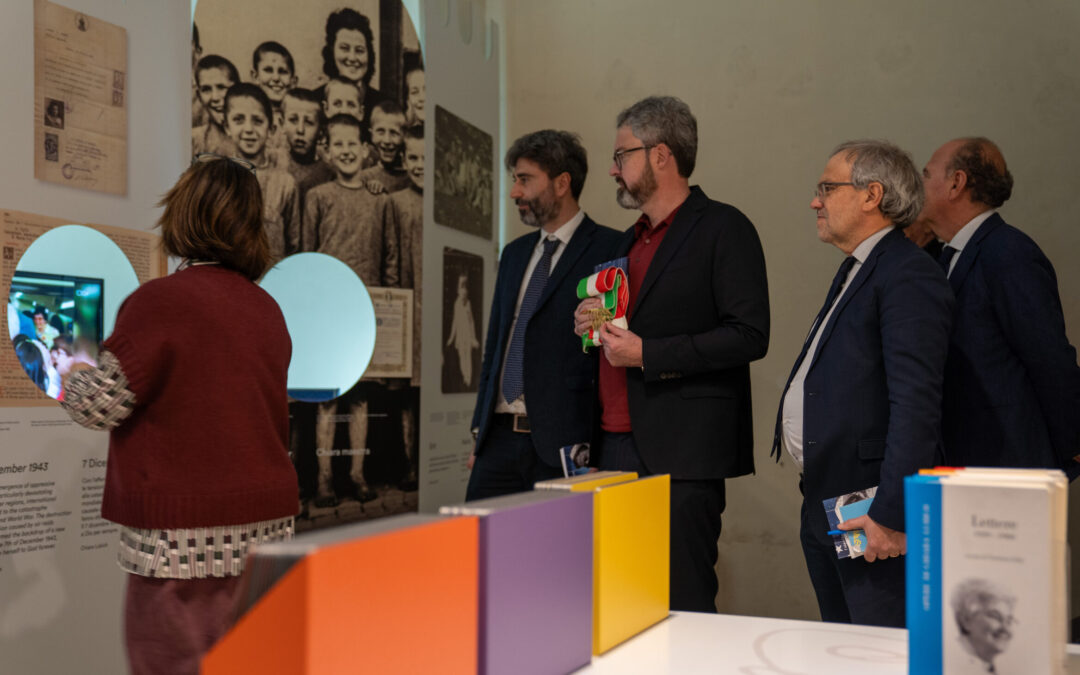
A moment of sharing and exchange that traced the path of the Foundress of Focolare from Trent, her birthplace, to the Castelli Romani and to Rome, highing the fruits produced in regions and in communities.
The following took part in the event: Franco Ianeselli, Mayor of Trento; Mirko Di Bernardo, Mayor of Grottaferrata (Rome); Massimiliano Calcagni, mayor of Rocca di Papa (Rome); Francesco Rutelli, former mayor of Rome, who in 2000 presented the honorary citizenship of the capital to Chiara Lubich; Mario Bruno, former Mayor of Alghero and co-director of the Focolare’s New Humanity Movement; Giuseppe Ferrandi, Director of the Historical Museum Foundation of Trent. The exhibition, on display at the Focolare Meeting Point (3 Via del Carmine, Rome) and created by the Chiara Lubich Centre and the Historical Museum Foundation of Trent, will remain open throughout 2026.
Watch the video with interviews with the mayors present. Original in Italian. For other languages, activate the subtitles and then choose the language.