“I was born 14 weeks premature; I weighed only 2 pounds and 3 ounces. The medical staff told my mother that it would be a slim chance of survival, so my mother called a priest to baptise me. I was placed in an incubator for 4 months. It was during this period that I was given too much oxygen which damaged my hearing; I have about 20% hearing in both ears. Growing up, I remember asking my parents ‘Why didn’t I die at birth; why do I have a hearing loss?’ They always told me ‘God loves you immensely and he has a special plan for you.’ This always left me curious and it encouraged my heart to always be open, to understand what He had in store for me. I remember my first job when I was 18 years old; I worked at the post office. In this role I had to answer the phone. Back in those days I had a gadget that you had to slip on the earpiece of the phone to amplify the sound and then take off for the others to use. I hated the phone as it was very hard to hear and many times people on the other end would tease me saying that I was stupid. It wasn’t until I would get home, that I would let out all my tears and bang on the walls in my bedroom in anger. I remember crying at my Mum saying, ‘Why me? Why am I deaf? Why does life have to be so hard!’ My parents as a couple tried to live the Focolare spirituality. I remember my mother saying to me, ‘Be the first to love. When you go back to work tomorrow, be the first to pick up the phone and explain that you have a hearing loss, and say can you please speak slowly and clearly.’ Up to that point I didn’t want people to know that I had a hearing loss as I wanted to be normal like everyone else. The next day at work I heard the phone ring and in that moment I heard a voice within my heart saying to me, ‘Be the first to love’. For the first time in my life, I picked up the phone and informed the caller that I had a hearing loss. Surprisingly that person was so nice and understanding that it encouraged me to always pick up the phone. My work colleagues could see that I was always answering the phone, which meant putting the gadget on and off for every phone-call. Seeing this difficulty, they started to pick up the phone before me. It was like I had thrown a pebble in the water, causing a ripple effect. I had started to love first and then the others started to love me back. It became reciprocal.
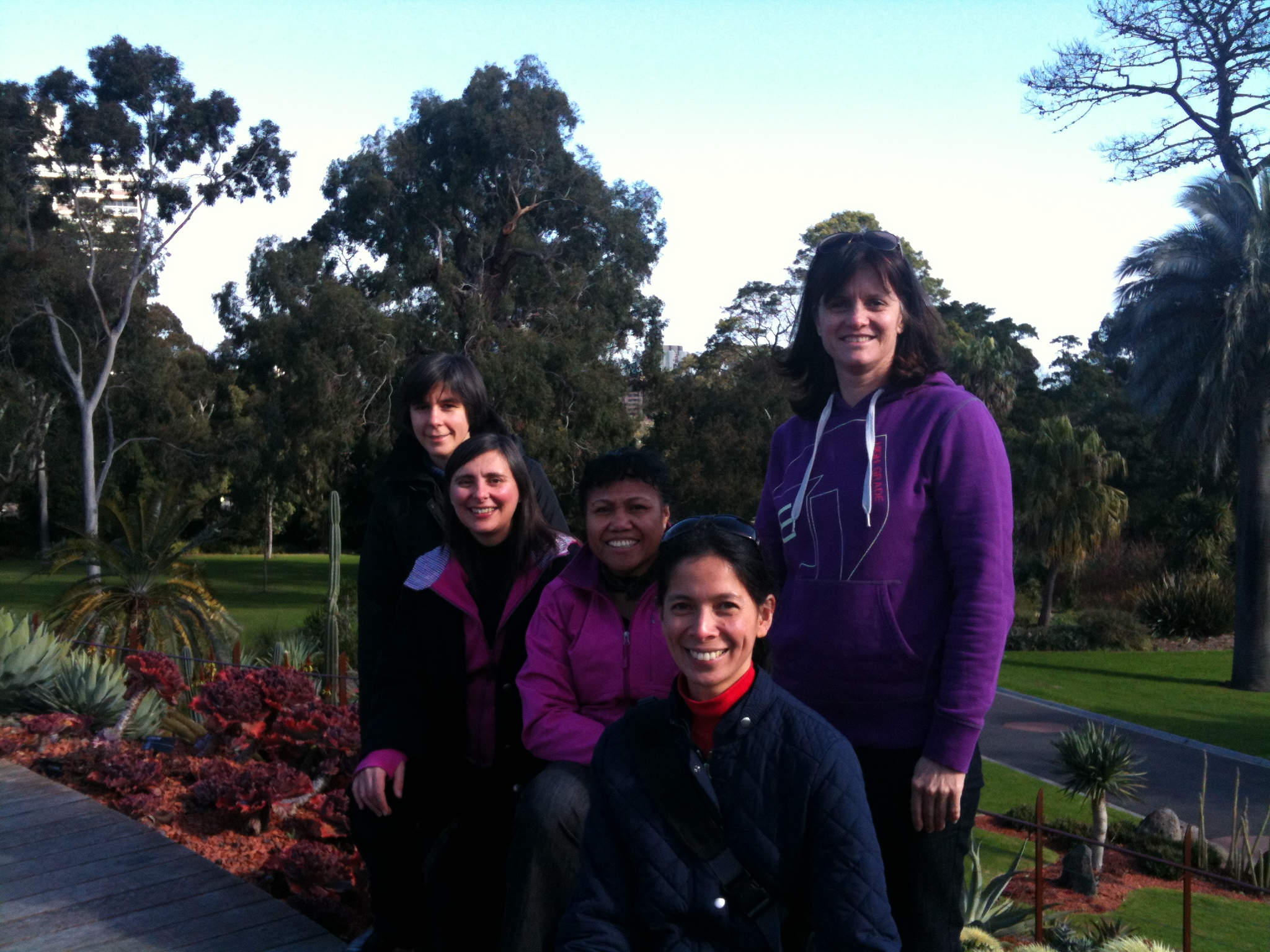
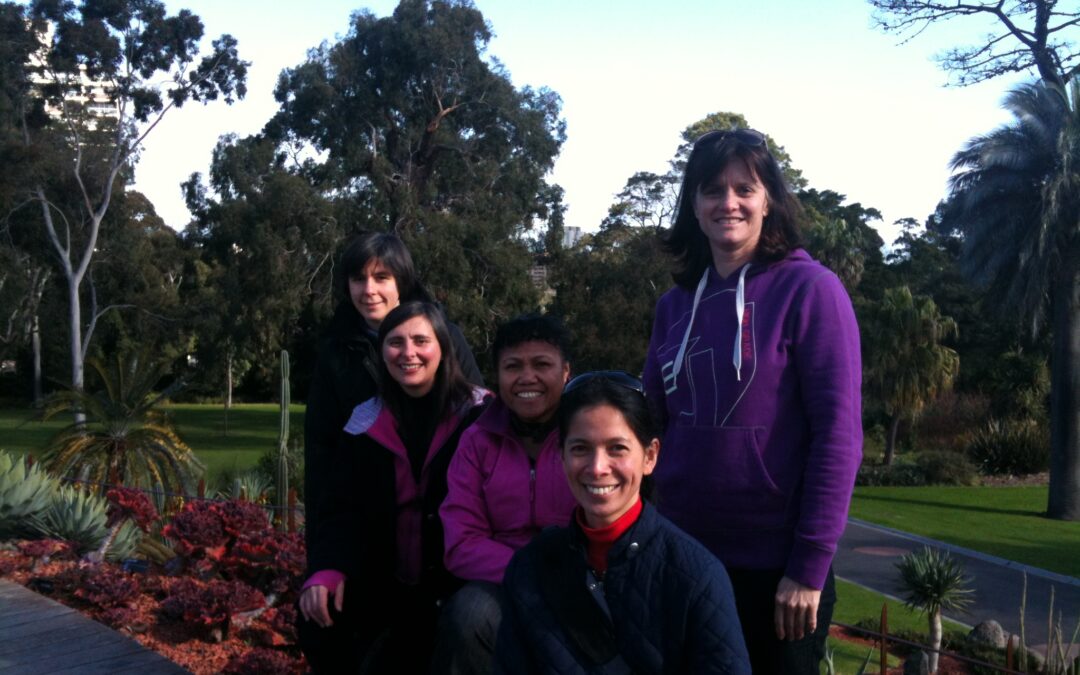
With Focolare friends in Melbourne
I remember going home saying, ‘Mum, it worked!’ That experience was a turning point in my life. I understood that I had to accept my disability, my limitations and only in loving would I find peace and freedom. Suffering does bring you closer to God. Sometimes when I don’t hear something or get frustrated at my own limitations, I say ‘I love you’ (to Him) in this suffering, accept it and plunge myself into loving in the present moment. I wanted to give my life totally to God in the Focolare, but there was a problem as the formation course in Italy was conducted in Italian. How was I going to learn a foreign language with a hearing loss? In order to speak English well, I had to do a lot of speech therapy and my mum taught me how to lip read. But nothing is impossible to God. He gave me a special grace to be able to speak Italian, and to even lip-read in Italian! I still find it hard at times. Even with my friends at home, we’ve had to learn how to live with each other. For example, I had to tell one of them who mumbled a lot, to open her mouth a bit more so I could lip-read. It was an effort for her, but now she’s much better at it! Before my father passed away nine years ago, he left me a personal message to open after his death. He wrote to me this one phrase: ‘My night has no darkness’. This is so true, when we love there is no darkness, even with a disability.”
Experience shared at Health Symposium “Darkness to Light – Spirituality of Unity in Chronic Disease and Disability” Focolare Movement, Australia, July 2016
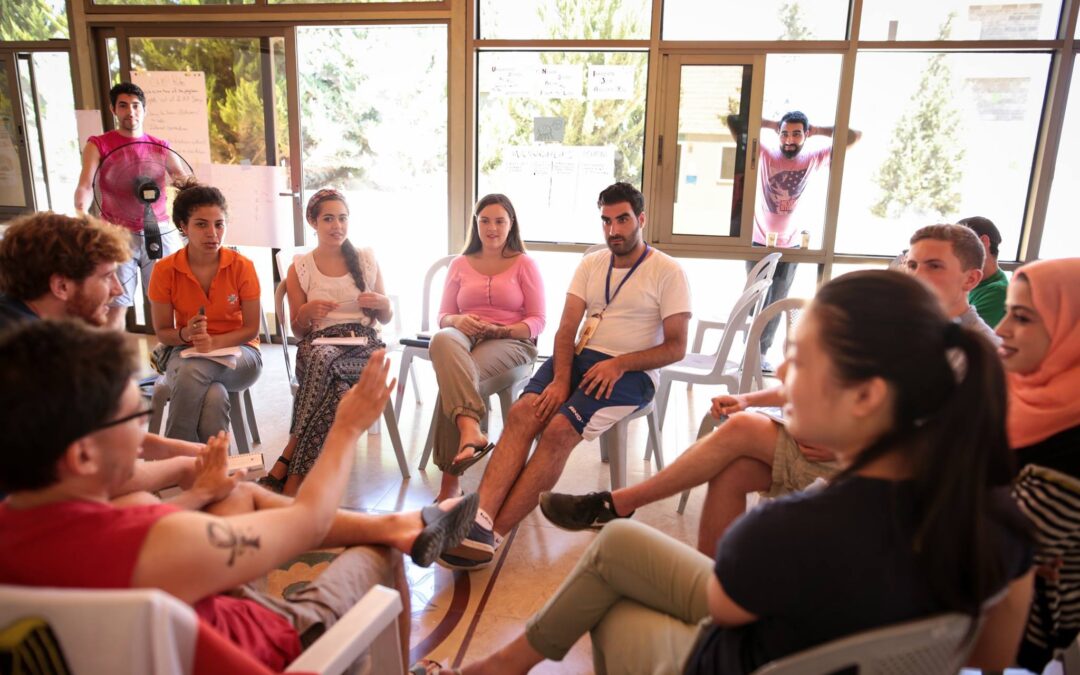
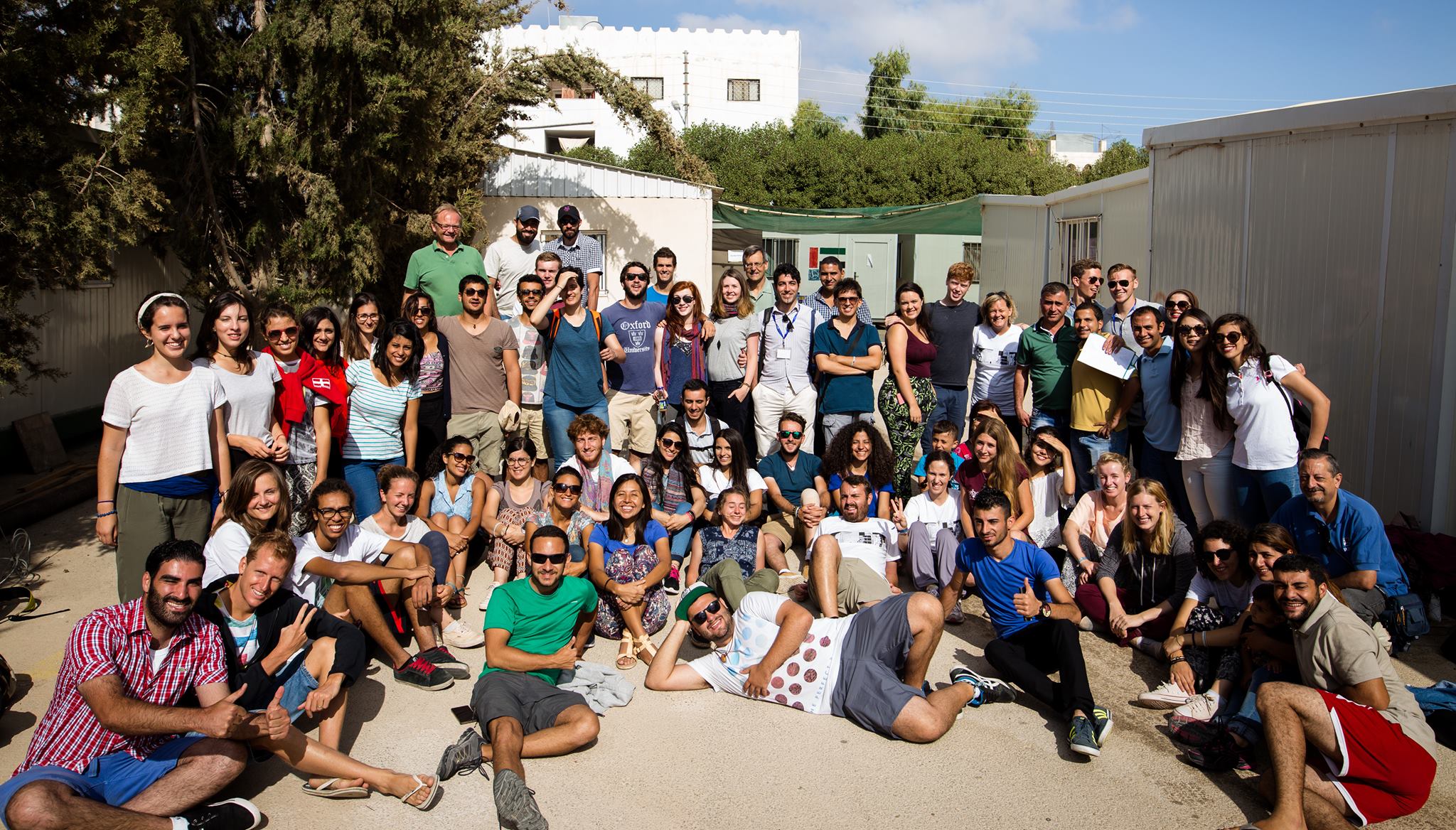
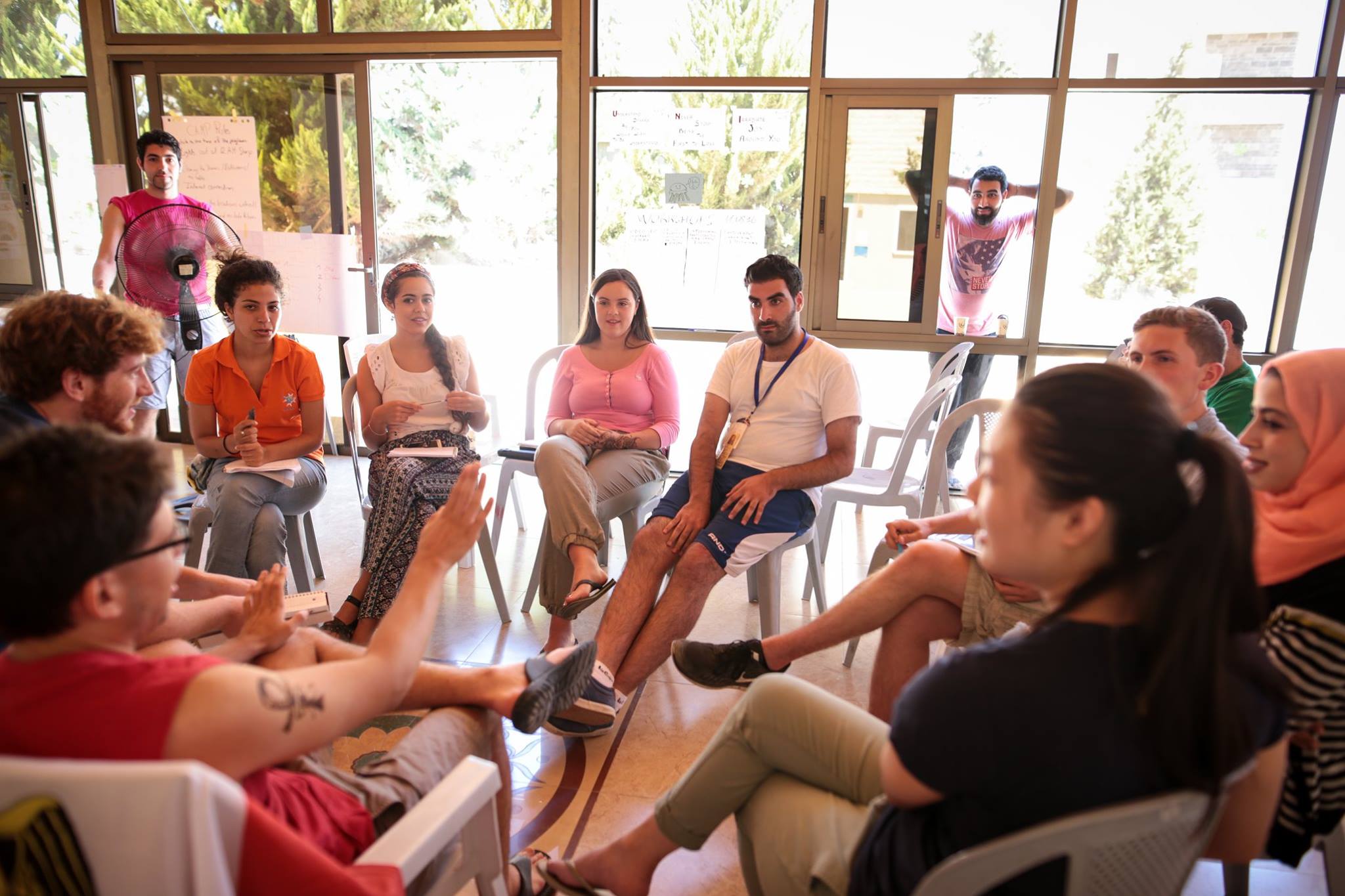
“We haven’t come to teach, but to learn, not to talk, but to listen. Then, when we return to our own countries we’d like to tell many others what we’ve seen and experienced. We’re here from several European countries, from the Middle East, from New Zealand, the United States and Argentina. We’ve already begun among ourselves to enter the other’s culture and to sincerely understand other points of view,” explains Marco Desalvo, president ofNew Humanity at the conclusion of a visit to Madaba, Jordan. He visited the country on August 7-19 with 55 young people from several European and Middle Eastern countries, to begin the first phase of the Host Spot Project at a welcome centre for Syrian and Iraqi refugees. This place has sites that are significant for the three great monotheistic religions,” Desalvo recounts. “Visiting the Jordan River, the place where Jesus was baptized, I was struck when I learned that it’s the lowest place on earth. It seemed to indicate the kind of attitude we should have in front of each person we would meet. We began each day with a motto, our ‘daily input’. The first day was: Try to understand others by serving them, aware that we have much to learn. Then came the meetings with the Syrian and Iraqi refugees: stories of great suffering, families, children…. Sharing their pain united us with them more and with one another. I’ll never forget Saheed and his story: Two years back, on August 6, the whole family, including his mother who was unable to walk, had to leave their house, the country, leaving everything behind. I could only imagine how they must have suffered and lived in those months, the hope to return, and now the infinite expectation for that telephone call that would let them know whether or not they would be welcomed in a new country. The president of New Humanity admits being very struck by the volunteers from Caritas Jordan: “Irreplaceable, precious, discreet, source of hope, of life of concrete love, medicine for everyone they meet.” Without them thousands of refugees would not have a roof over their heads and the means to survive – to find hope. Working with them we touched with our own hands the deepest meaning of the word ‘Caritas’: concrete love. Two weeks ago I was in Poland at the World Youth Day, and the message of Pope Francis to the two million young people is still fresh in my mind: ‘Don’t retire at the age of 25, [….] don’t be couch potatoes […] aim high. […] They might be able to judge you dreamers because you believe in a new humanity that does not accept hatred among peoples, that does not see borders between countries as barriers, and that preserves its own traditions without egoism and resentment. Don’t be discouraged! With your smiles and your open arms you preach hope and are a blessing for the human family.” Here in Jordan I’ve met young people who put these words in practice. Their work is certainly a small drop in front of the problems we’re facing. But with young people like them, the world will change. These days have turned us into ambassadors of the refugees, of their suffering, of a world of Peace.” TheHost Spot Projectis promoted by New Humanity and other associations from nine countries, and is co-financed by the Erasmus+ programme. The objective: to spread a culture of human rights. These are young people from different backgrounds, ready to acquire the knowledge and skills to defend the right of freedom of expression and to be engaged in producing documentaries that tell the life stories of the refugees. After Jordan, the project is planning on a March 2017 training course in Germany to develop the technical skills needed to produce social documentaries. There will be the meeting with refugees in German refugee camps, and different forms of welcome will be compared. See also:Volunteerism in the refugee camps of JordanFacebook:www.facebook.com/hostspot9/
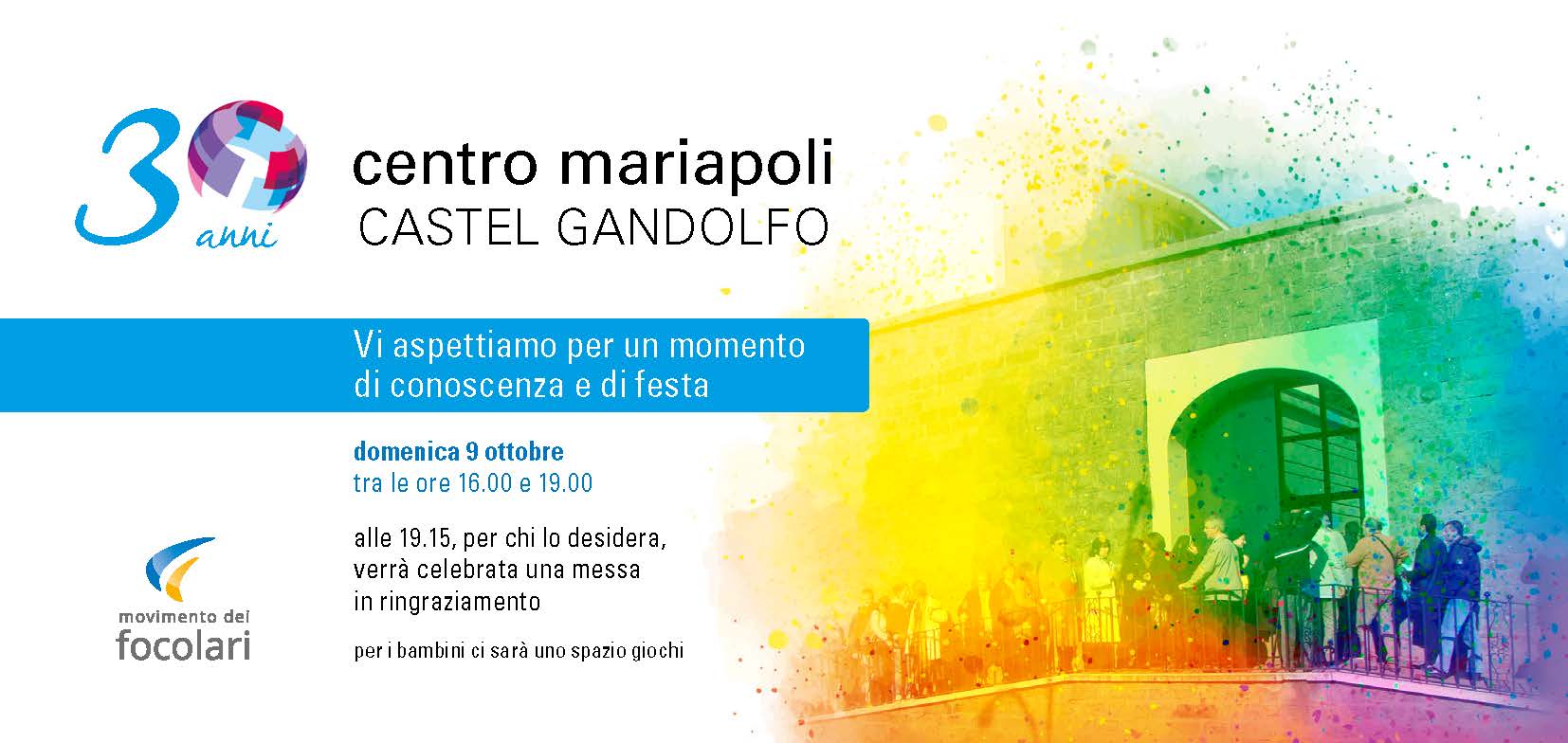
A bit of history: In 1982, John Paul II placed the Papal Audience Hall in Castel Gandolfo (Rome) at the disposition of the Focolare Movement. The refurbishment of the huge, empty building started. Through the contribution of all the members of the Movement around the world (even children), the International Mariapolis Centre was inaugurated in 1986 and has since hosted thousands of conferences. People from all over the world have attended congresses, symposiums, seminars and training courses, meetings for ecumenical and inter-religious dialogue. All these activities focussed on the one objective, that of contributing to universal brotherhood, which became tangible through living the life of the Gospel, through workshops and in-depth discussions, all of which took place in this embryonic “city of Mary”, in this “home”, as Chiara Lubich called it. Download invitation
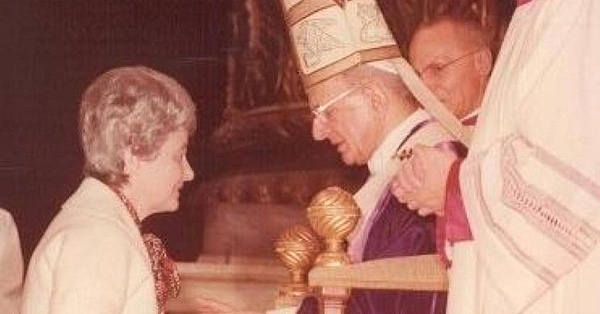
Catholic Church leaders, representatives of the Islamic world, civil authorities, representatives of associations and the people of Brescia and neighbouring cities filled the cathedral of the Italian city on the 23rd of September, for the conference on “Paul VI, a Spiritual Portrait“. The event included the testimony of Maria Voce, President of the Focolare Movement, in a speech read on her behalf by Rosi Bertolassi. Her speech touched on three aspects of Giovanni Battista Montini’s life and work as: prophet, apostle and mediator. The President of the Focolare first of all expressed the deep gratitude that bound the Movement she represents to Blessed Paul VI, who was “…one of the gifts God wanted to make to humankind in our time.” She recalled the time when the Church was studying the emerging Movement, saying, “When he became Pope he played a key role in discerning the charism of Chiara Lubich and in making possible what, at the beginning of the sixties, still seemed” impossible,” expertly identifying juridically appropriate ways to express the specific character of this new movement in the Church.” “Therefore”, she stressed, “Because he was “imbued with the Word, we saw the figure of Giovanni Battista Montini – Paul VI – in this triple dimension of prophet, apostle and mediator.” In the prophetic dimension, Maria Voce highlighted “his ability to open new paths with courage and wisdom, to break down walls and express the renewal of the Church which his soul craved for,” Examples were Pope Paul VI’s historic embrace of peace with Patriarch Athenagoras in January 1964 in the Holy Land; or when, in 1970, through an historic decision he raised two women, St Teresa of Avila and St Catherine of Siena, to the status of Doctor of the Church – a title previously only given to men; or when, in the 1975 Holy Year, he knelt to kiss the feet of the Orthodox Metropolitan Meliton. “Paul VI was truly the Pope of dialogue. This is how Pope John Paul II described him in Concesio during his pastoral visit in 1982, emphasizing his predecessor’s ability to dialogue with the whole of humanity.” Maria Voce also emphasized his apostolic dimension saying, “In Ecclesiam Suam (…) we perceive the thought and mind of the apostle whose name he had chosen, the name of the missionary apostle and the first theologian of Christ, the one who made himself all things to all people. Pope Paul VI did not spare himself so that the announcement of the Gospel could reach all nations.” In this respect, Maria Voce recalled his apostolic journeys “that brought him closer to the peoples of the world, making the Church more one and more ‘catholic’, as Paul VI liked to emphasize, in the etymological sense of the word. Particularly significant and universal in outlook was his historic and profoundly human speech delivered at the United Nations. I am pleased to recall once more his innovative inclusion of the laity in key areas of work of the Church; his confidence in the contribution of lay people’s ideas; and his recognition, in Octogesima adveniens, of the legitimacy of a variety of political opinions while remaining faithful to Gospel principles.” Finally, his ability to be a “mediator of the One Mediator“. After recalling his surprising letter to the Red Brigade which “flowed from his soul at the painful time when his friend Honourable Aldo Moro was kidnapped” Maria Voce affirmed his role as mediator and added, “Paul VI – in the footsteps of his Master – took upon himself the anguish and torment of the world, feeling it deeply as if it were his own. He bore the sin of the world, perceiving truly the weight of it and suffering profoundly, as could sometimes be seen in his face. In that way he manifested clearly the fatherhood of God, bridging the distance between heaven and earth, healing wounds, wiping away tears, bringing peace and unity.”
In this competition – promoted by the “Cities for Fraternity” Association – all local administrations from any part of the world may participate. Projects and initiatives can compete if: – they institute and/or spread, principally within the local territory, but also on a national or international level, practices of universal brotherhood, according to the diverse interpretations of the meaning of such a principle; – they stimulate the citizens to commit themselves for the common good and to participate in the life of civil society, – they encourage the growth of a culture of active and inclusive citizenry. The project must be representative of a style of administration that is not occasional and always more aware of the value of the principle of universal brotherhood. On the side of the public adminitrations and other social, economic, cultural subjects, it is possible both to become candidates, and also to nominate the projects of others. All the recommendations must be sent on or before January 10, 2017 , to the office of the Chairman of the “Cities for Fraternity” Association, c/oTown Council of Castel Gandolfo, Piazza Libertà, 7 00040 Castel Gandolfo (Rome). Download fact sheet (in Italian) Info: www.cittaperlafraternita.org/

 I remember my mother saying to me, ‘Be the first to love. When you go back to work tomorrow, be the first to pick up the phone and explain that you have a hearing loss, and say can you please speak slowly and clearly.’ Up to that point I didn’t want people to know that I had a hearing loss as I wanted to be normal like everyone else. The next day at work I heard the phone ring and in that moment I heard a voice within my heart saying to me, ‘Be the first to love’. For the first time in my life, I picked up the phone and informed the caller that I had a hearing loss. Surprisingly that person was so nice and understanding that it encouraged me to always pick up the phone. My work colleagues could see that I was always answering the phone, which meant putting the gadget on and off for every phone-call. Seeing this difficulty, they started to pick up the phone before me. It was like I had thrown a pebble in the water, causing a ripple effect. I had started to love first and then the others started to love me back. It became reciprocal.