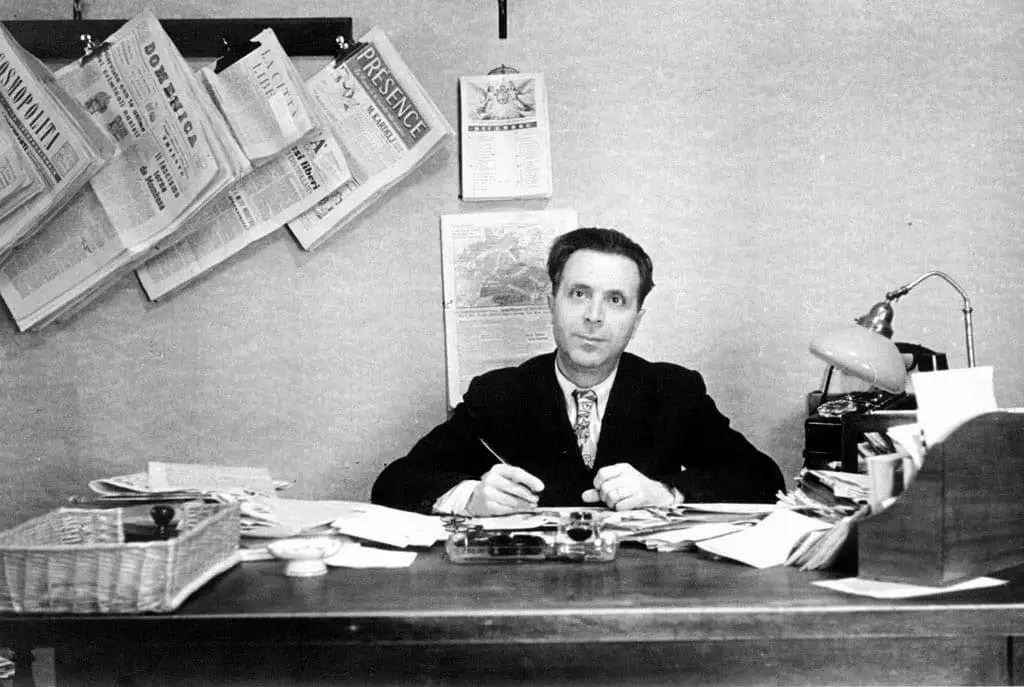
Peace is the result of a project: a project of fraternity between peoples, of solidarity with the weakest, of mutual respect. This is how a fairer world is built; this is how war is set aside as a barbaric practice belonging to the dark phase of the history of humanity. Many years have passed since the first publication of this writing, which is still very relevant today, at a time when the world is torn apart by terrible conflicts. History, Giordani tells us, could teach us a lot.
War is murder on a grand scale, clothed in a kind of sacred cult, as was the sacrifice of the first-born to the god Baal: and this is because of the terror it incites, the rhetoric in which it is clothed, and the interests it implies. When humanity will have progressed spiritually, war will be catalogued alongside bloody rites, the superstitions of witchcraft and the phenomena of barbarity.
War is to humanity, like illness to health, like sin to the soul: it is destruction and devastation, it affects body and soul, individuals and the community.
According to Einstein, human beings have a need to hate and to destroy: and war would satisfy this. But it is not so: most human beings, entire peoples, do not manifest this need. At any rate they repress it. Reason and religion condemn it.
« All things crave peace, » according to St Thomas. In fact, they all crave life. Only the insane and the incurable can desire death. And death is war. It is not desired by the people; it is desired by minorities to whom physical violence serves to secure economic advantages or, even, to satisfy harmful passions. Especially today, with the cost of war, the dead and the ruins, war manifests itself as “useless slaughter”. A massacre, and a useless one at that. A victory over life, and one that is becoming a suicide of humanity.
[…] Human ingenuity, destined for quite different purposes, has today devised and introduced instruments of warfare of such power that they strike horror in the soul of any honest person, especially since they do not only affect armies, but often still overwhelm private citizens, children, women, the elderly, the sick, and at the same time, sacred buildings and the most distinguished monuments of art! Who is not horrified at the thought that from the recent conflict, new cemeteries will be added to the numerous existing ones and new smoking remains of villages and towns will accumulate more sad ruins? Who, indeed, does not tremble to think how the destruction of new riches, the inevitable consequence of war, may further aggravate that economic crisis, by which almost all peoples, and especially the humblest classes, are afflicted? » [1]. […]
The futility was reaffirmed by Pius XII in 1951: « Everyone has manifested with equal clarity their horror of war, and their conviction that it is not, and now less than ever, a proper means to settle conflicts and restore justice. This can only be achieved by freely and legally consented understandings. If it could be a question of popular wars – in the sense that such wars respond to the votes and will of the people – it would only be in the case of such a flagrant and destructive injustice of the essential goods of a people as to revolt the conscience of an entire nation. » [2].
Just as the plague serves to infect, hunger to starve, war serves to kill: moreover, it destroys the means of life. It is a funeral industry: a factory of destruction.
Only a fool can hope to derive benefit from a massacre: health from a fainting spell, energy from pneumonia. Evil produces evil, as the palm tree produces dates. And the facts show, even in this field, the practical inconsistency of the Machiavellian saying that « the end justifies the means ».
The end may be justice, freedom, honour, bread: but the means produce such destruction of bread, honour, freedom and justice, as well as of human lives, including those of women, children, the elderly, the innocent of all kinds, that they tragically annul the very end that is proposed.
In essence, war serves no purpose other than destroying lives and riches.
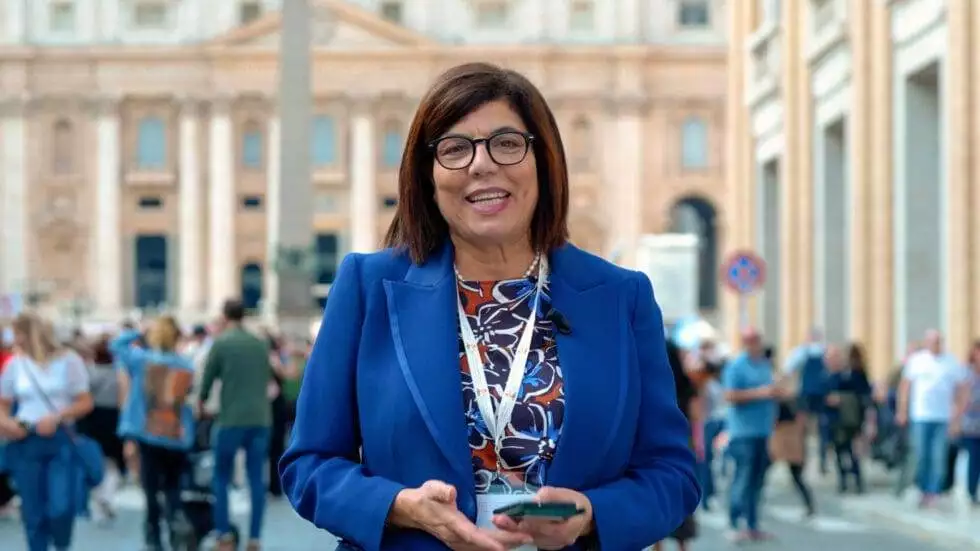
‘It has been an immense grace for me, a gift from God that is not only a personal gift, but i consider it a gift for the whole Focolare Movement’ with these words President Margaret Karram opens some reflections on the Synod experience and the final document of the 16th Ordinary General Assembly of the Synod of Bishops (2-27 October 2024) “For a Synodal Church: communion, participation, mission”.
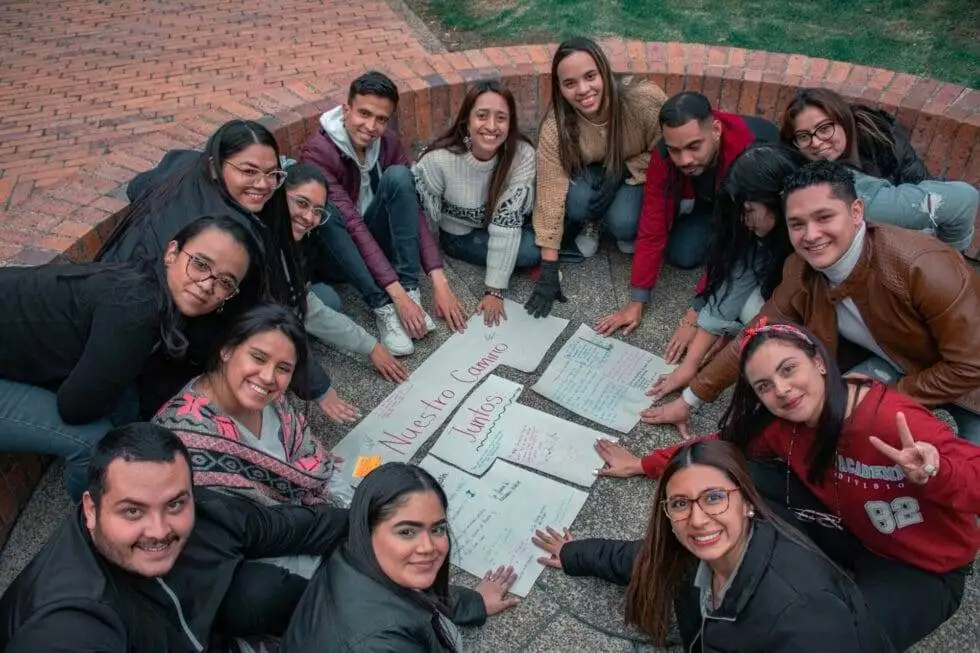
Speaking from the stage of the Genfest 2024 in Aparecida, Edy, a Peruvian Catholic, accompanied by 13 other young people from various Christian Churches and Latin American countries, said, “Ikuméni has transformed the way we young people relate to each other, the way we look at each other and how we can have unity in diversity”.
But what is Ikuméni? It is a four-month training course in a leadership style based on the art of hospitality, cooperation and good practice. Edy continued, “A highlight was our final face-to-face meeting”. Pablo, a Salvadoran Lutheran, immediately intervened: “One thing that had a big impact on us was learning to generate cooperation initiatives together, which we call good ecumenical and interreligious practices, working alongside people from different Churches and religions, willing to serve in the challenges we face today in our cities and rural areas.”
Ikuméni offers young people various paths for implementing good practices: this is how initiatives for peacebuilding, conflict resolution, integral ecology and sustainable development, humanitarian issues and resilience have emerged, working together not only with people from different Churches, but also with civil society to care for one another.
“In my case, we started a peace-building initiative in the social sciences faculty of the university where I study,” shared Laura Camila, a Colombian who lives in Buenos Aires and is a member of a Pentecostal ecclesial community. She stressed, “We need to work together for peace, we really need it. So in collaboration with various Churches, initiatives were born to strengthen resilience by creating ecumenical and interreligious networks and workshops for dialogue and training in conflict resolution”.
The Ikuméni training itinerary is a scholarship program and therefore there is no cost for the participants who are selected to participate in the course. It requires a commitment of 4 hours per week and attendance in person at the regional Ikuméni meeting. Young people aged 18-35 years old who have completed secondary education are eligible to participate. It is organized by CREAS (Regional Ecumenical Advisory and Service Centre) with the collaboration of several organizations.
Enrolment is currently open for the 2025 program. All the information is available here: https://ikumeni.org/
Have a look at the video we filmed a few months ago in Buenos Aires during the team meeting.
A young girl in love with God who discovered she had bone cancer at the age of 17, yet, even in her illness, she never stopped being nourished by her love for God which was stronger than anything else. “For you Jesus. If you want it, I want it too!”
She was in the fourth year of school when she got to know the Focolare Movement. She then joined a group of Gen (New Generation) who are the young people of the Focolare. She did not talk about Jesus to others, she communicated him with her life. In fact, she said: “I don’t have to talk about Jesus, I have to give Him… first of all by being in an attitude of listening, but above all by my way of loving”.
“Chiara Luce is the name I thought up for you. Do you like it?” wrote Chiara Lubich, foundress of the Focolare Movement, in response to one of Chiara Badano’s letters. “It is the light of the Ideal that overcomes the world…”
Chiara Luce left for Heaven on 7 October 1990 pronouncing these final words before she died: “Mamma, ciao. Be happy, because I am”, as the climax of suffering lived in the radiant light of faith. Her short life now serves as an example to follow for thousands of young people all over the world. The Chiara Badano Foundation set up to keep Blessed Chiara’s memory alive and eternal, and to preserve the places associated with her, continues to receive many requests and reports confirming that Blessed Chiara Luce is known and loved all over the world, especially among young people.
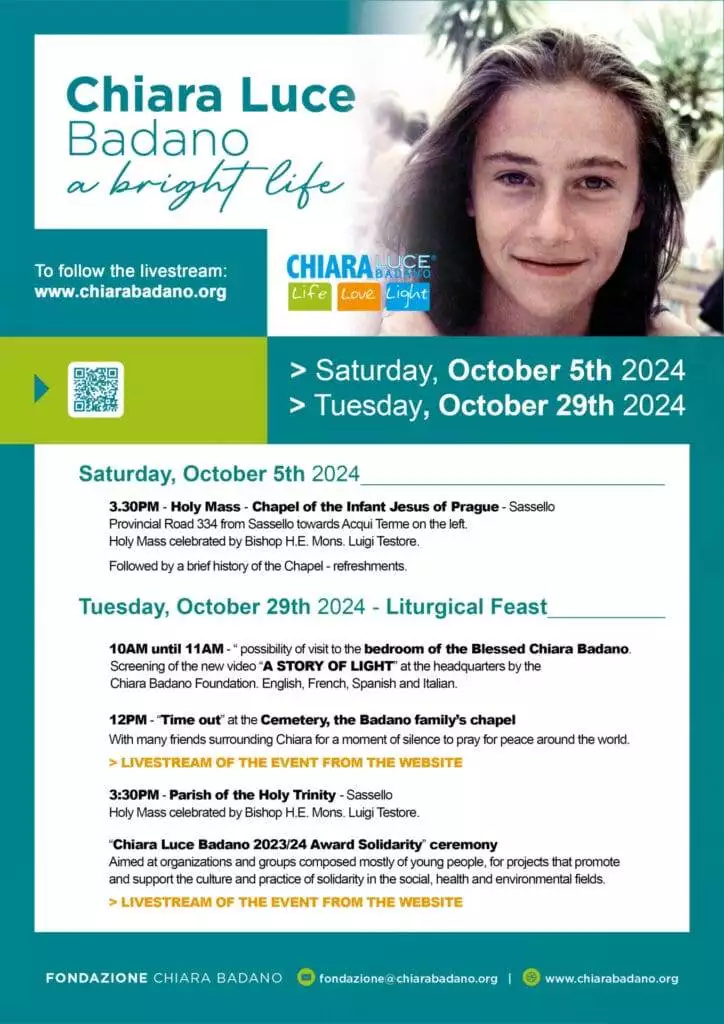
On her birthday which is her liturgical feast day (Chiara was born on 29 October 1971) there will be an intense day of celebrations in Sassello (Italy) where she was born, to which everyone is welcome. It will also be possible to follow some of the events via live-streaming on Chiara Badano’s official website: Fondazione Chiara Badano.
For full details of the programme, please see the poster (at UTC time+1).
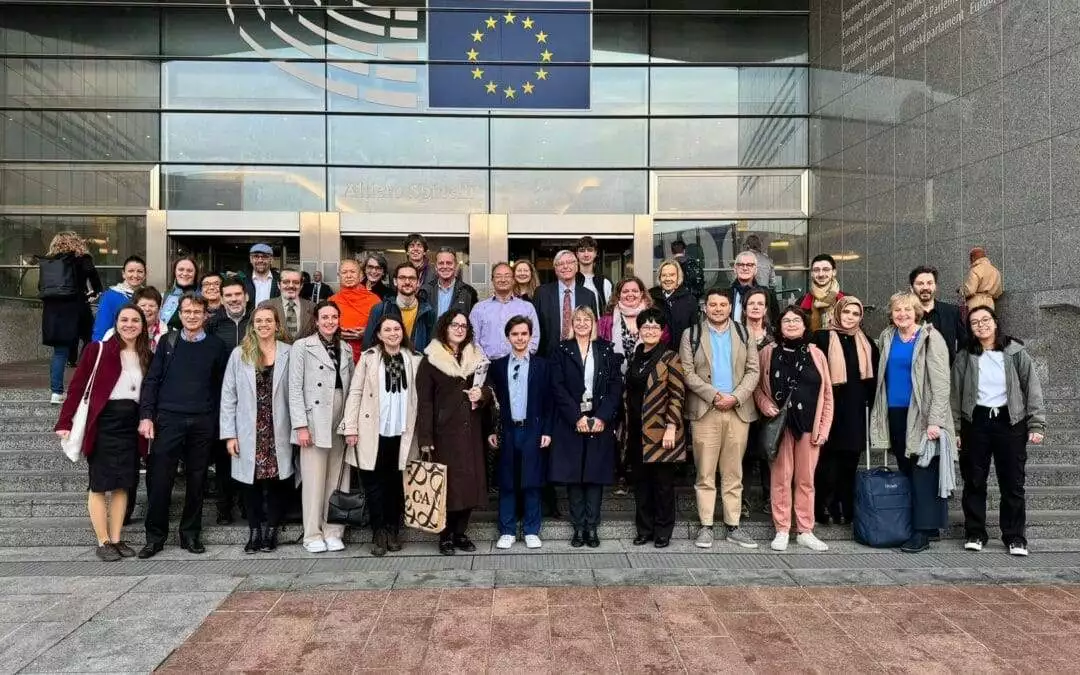
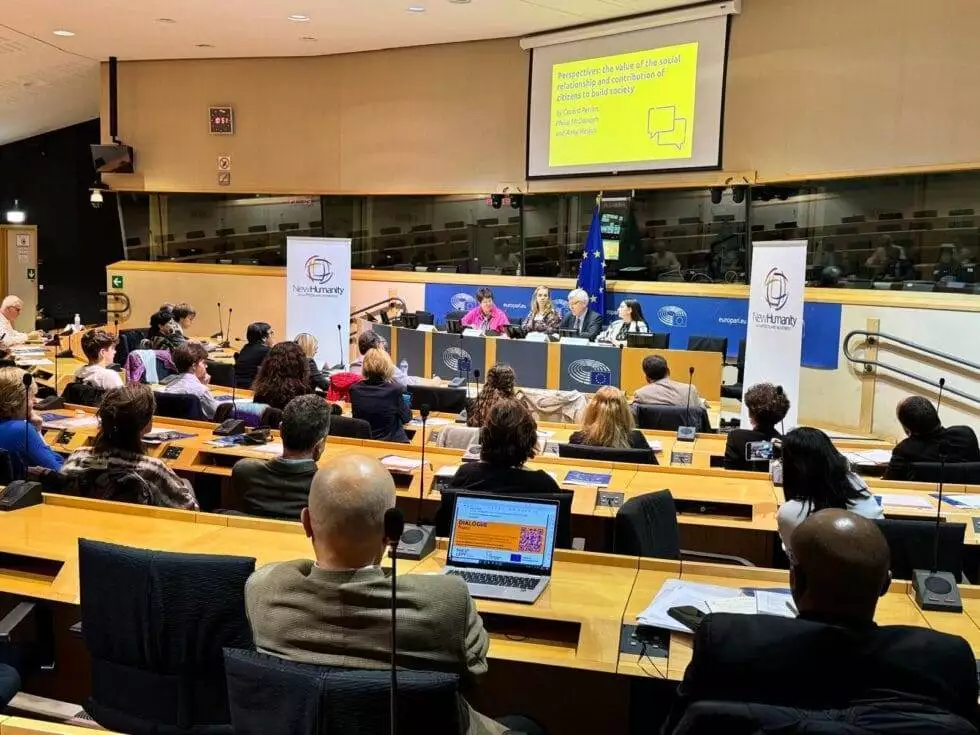
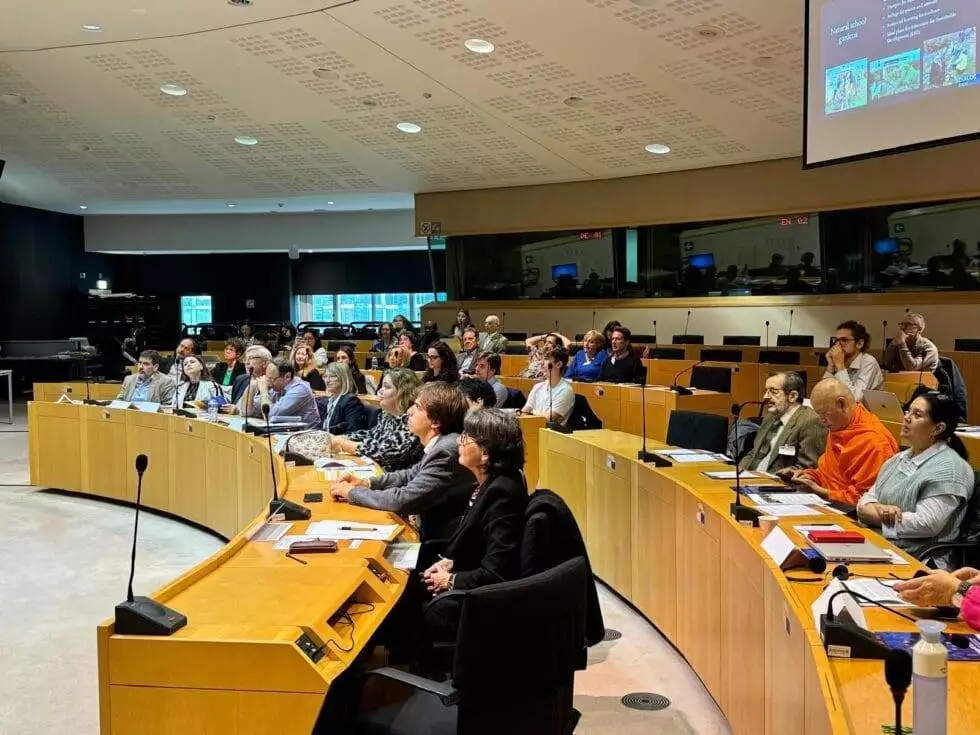
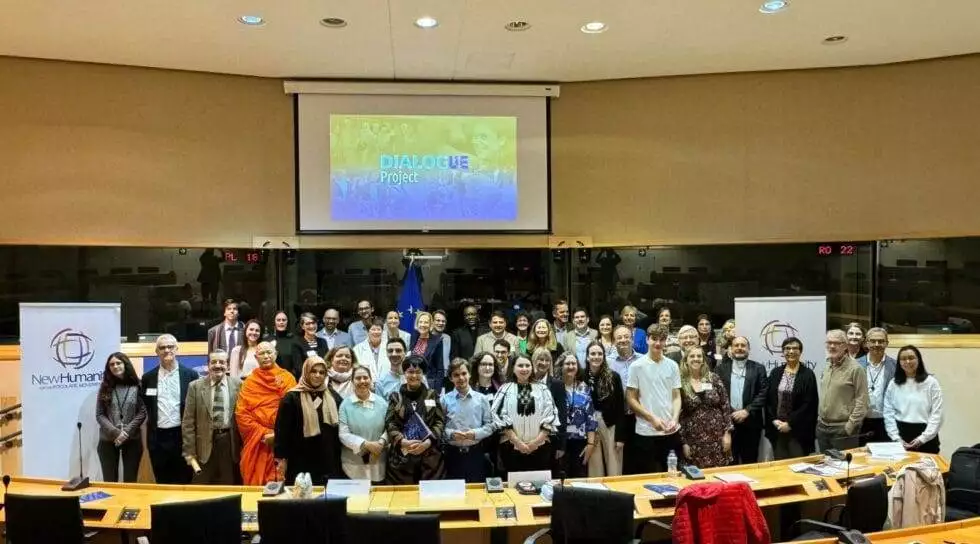
On October 16, 2024, the final conference of the DialogUE project, an initiative to promote intercultural and interreligious dialogue in Europe, was held at the European Parliament building in Brussels, Belgium. The event was hosted by MEP Catarina Martins (GUE-NGL) and was attended by 50 representatives of the project partners, European institutions, religious leaders and members of civil society.
Focus of the event was the presentation of recommendations for the European Union from the DialogUE project – “Diverse Identities Allied, Open, to Generate a United Europe” on issues crucial to the current European and world situation, summarized in the “DialogUE Kit” brochure.
“You can see with the naked eye that something happens when people of peace talk,” said MEP Catarina Martins of the European Left, who opened the meeting in a hall of the European Parliament. “And this is just such a moment. Dialogue is a powerful tool for peace.”
The project stems from the decades-long commitment of New Humanity, an expression of the Focolare Movement, which has significantly promoted good practices in interreligious and intercultural dialogue. The approach fosters mutual respect and trust, essential elements for fruitful dialogue and collaborative efforts.
Francisco Canzani, general counselor for the Culture and Study area of the Focolare Movement emphasized in his speech that dialogue is built from three elements: attitudes, tools, and method. On the latter, the method of differentiated consensus and qualified dissent, which originated within the platform between Christians and Marxists DIALOP, is now a source of inspiration and practice for other dialogue groups.
In 2023 and 2024, the project involved 4 dialogue groups in 3 main areas: Communication, Ecology and Social Policy. The dialogue groups were:
Among Christian citizens through the Together4Europe platform.
Between Christians and Muslims through the Focolare Movement’s Center for Interreligious Dialogue.
Between Christians and people who do not identify with a religious belief, through the DIALOP platform for cross-religious dialogue
Between Western and Eastern European citizens through the Multipolar Dialogue Group.
The project mainly facilitated the dissemination of the meaning and methodologies necessary for effective dialogue. It also brought together international experts on these three key challenges, who helped participants understand the main EU documents on these topics and explore the different dimensions of each theme.
The groups worked together to identify shared principles and common proposals. Their work led to recommendations that were submitted to the European Parliament.
The DialogUE project — was promoted by a consortium of 14 civil society organizations from 9 EU member countries.
Among the main results achieved by the project: 12 international meetings and a training for facilitators and experts; the direct involvement of 1,200 citizens and more than 10,000 indirectly; and the creation of the “Dialogue Kit,” intended for educators, NGOs, and policymakers to promote dialogue and social cohesion. These meetings resulted in shared recommendations for EU decision makers to promote more inclusive and sustainable policies.
In the afternoon of October 16, a discussion group hosted by KU Leuven (University of Leuven) in Brussels was held, during which participants analyzed some good practices that emerged from the project and discussed how to further disseminate these initiatives through the ‘Dialogue Kit.