Peace is the result of a project: a project of fraternity between peoples, of solidarity with the weakest, of mutual respect. This is how a fairer world is built; this is how war is set aside as a barbaric practice belonging to the dark phase of the history of humanity. Many years have passed since the first publication of this writing, which is still very relevant today, at a time when the world is torn apart by terrible conflicts. History, Giordani tells us, could teach us a lot.
War is murder on a grand scale, clothed in a kind of sacred cult, as was the sacrifice of the first-born to the god Baal: and this is because of the terror it incites, the rhetoric in which it is clothed, and the interests it implies. When humanity will have progressed spiritually, war will be catalogued alongside bloody rites, the superstitions of witchcraft and the phenomena of barbarity.
War is to humanity, like illness to health, like sin to the soul: it is destruction and devastation, it affects body and soul, individuals and the community.
According to Einstein, human beings have a need to hate and to destroy: and war would satisfy this. But it is not so: most human beings, entire peoples, do not manifest this need. At any rate they repress it. Reason and religion condemn it.
« All things crave peace, » according to St Thomas. In fact, they all crave life. Only the insane and the incurable can desire death. And death is war. It is not desired by the people; it is desired by minorities to whom physical violence serves to secure economic advantages or, even, to satisfy harmful passions. Especially today, with the cost of war, the dead and the ruins, war manifests itself as “useless slaughter”. A massacre, and a useless one at that. A victory over life, and one that is becoming a suicide of humanity.
[…] Human ingenuity, destined for quite different purposes, has today devised and introduced instruments of warfare of such power that they strike horror in the soul of any honest person, especially since they do not only affect armies, but often still overwhelm private citizens, children, women, the elderly, the sick, and at the same time, sacred buildings and the most distinguished monuments of art! Who is not horrified at the thought that from the recent conflict, new cemeteries will be added to the numerous existing ones and new smoking remains of villages and towns will accumulate more sad ruins? Who, indeed, does not tremble to think how the destruction of new riches, the inevitable consequence of war, may further aggravate that economic crisis, by which almost all peoples, and especially the humblest classes, are afflicted? » [1]. […]
The futility was reaffirmed by Pius XII in 1951: « Everyone has manifested with equal clarity their horror of war, and their conviction that it is not, and now less than ever, a proper means to settle conflicts and restore justice. This can only be achieved by freely and legally consented understandings. If it could be a question of popular wars – in the sense that such wars respond to the votes and will of the people – it would only be in the case of such a flagrant and destructive injustice of the essential goods of a people as to revolt the conscience of an entire nation. » [2].
Just as the plague serves to infect, hunger to starve, war serves to kill: moreover, it destroys the means of life. It is a funeral industry: a factory of destruction.
Only a fool can hope to derive benefit from a massacre: health from a fainting spell, energy from pneumonia. Evil produces evil, as the palm tree produces dates. And the facts show, even in this field, the practical inconsistency of the Machiavellian saying that « the end justifies the means ».
The end may be justice, freedom, honour, bread: but the means produce such destruction of bread, honour, freedom and justice, as well as of human lives, including those of women, children, the elderly, the innocent of all kinds, that they tragically annul the very end that is proposed.
In essence, war serves no purpose other than destroying lives and riches.
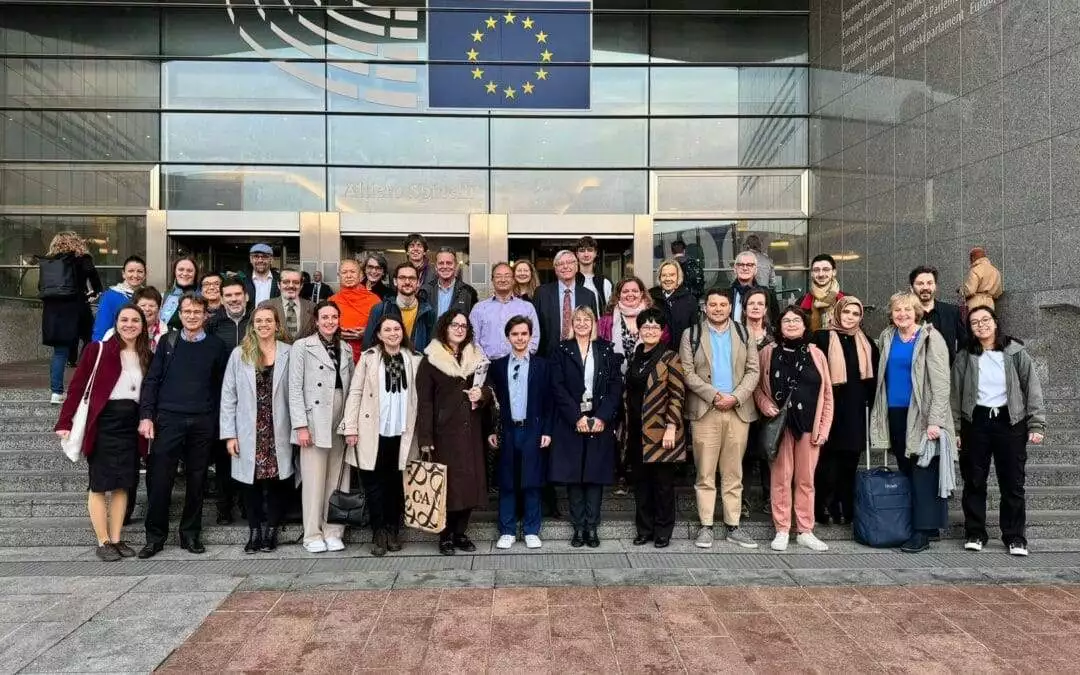
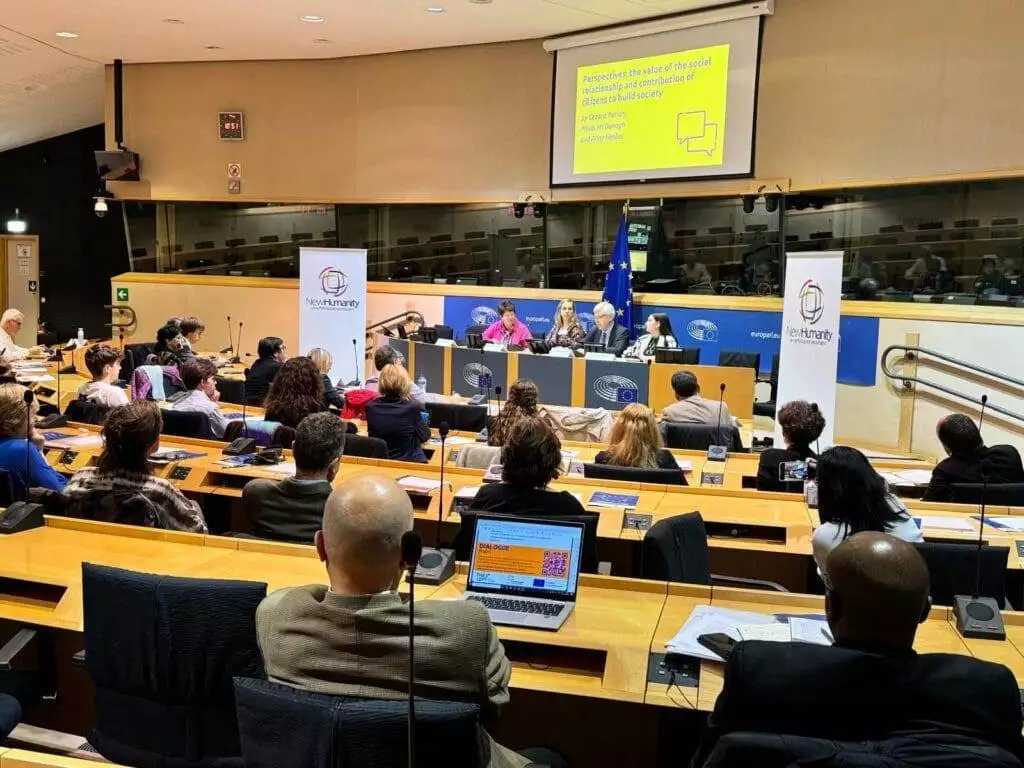
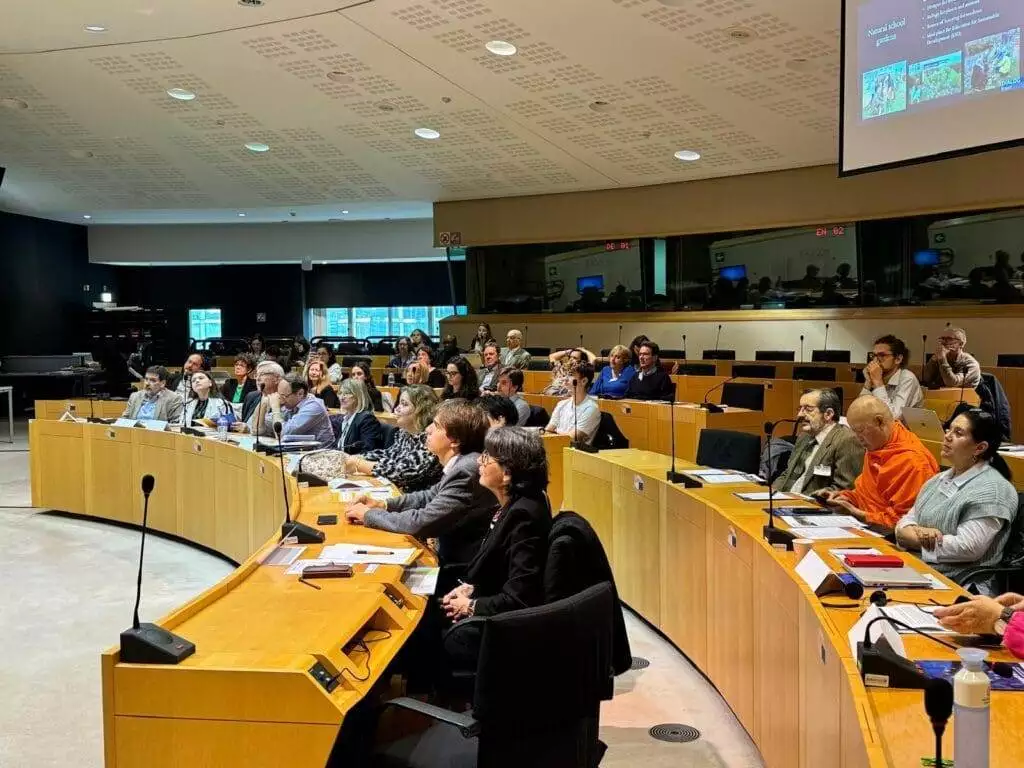
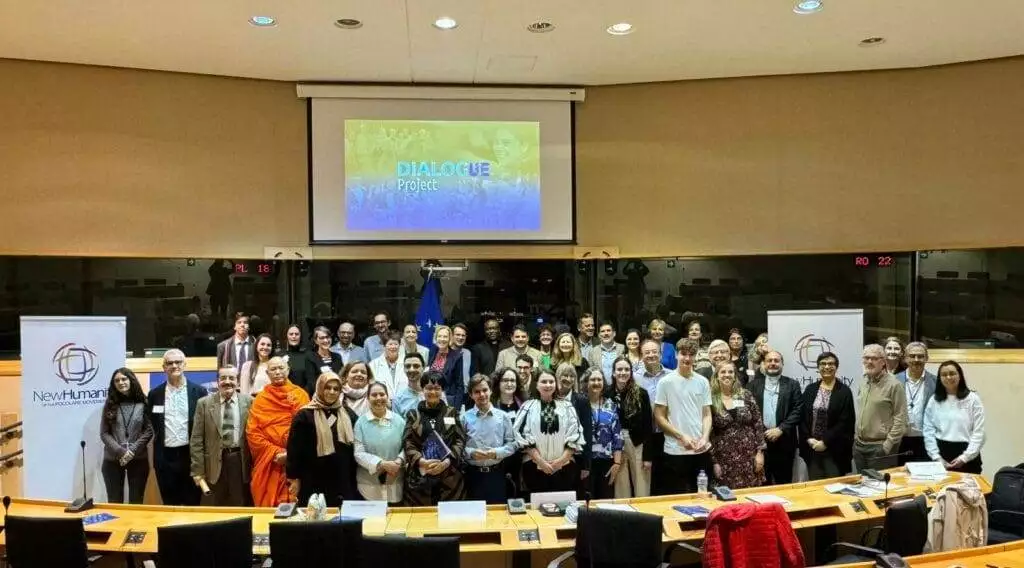
On October 16, 2024, the final conference of the DialogUE project, an initiative to promote intercultural and interreligious dialogue in Europe, was held at the European Parliament building in Brussels, Belgium. The event was hosted by MEP Catarina Martins (GUE-NGL) and was attended by 50 representatives of the project partners, European institutions, religious leaders and members of civil society.
Focus of the event was the presentation of recommendations for the European Union from the DialogUE project – “Diverse Identities Allied, Open, to Generate a United Europe” on issues crucial to the current European and world situation, summarized in the “DialogUE Kit” brochure.
“You can see with the naked eye that something happens when people of peace talk,” said MEP Catarina Martins of the European Left, who opened the meeting in a hall of the European Parliament. “And this is just such a moment. Dialogue is a powerful tool for peace.”
The project stems from the decades-long commitment of New Humanity, an expression of the Focolare Movement, which has significantly promoted good practices in interreligious and intercultural dialogue. The approach fosters mutual respect and trust, essential elements for fruitful dialogue and collaborative efforts.
Francisco Canzani, general counselor for the Culture and Study area of the Focolare Movement emphasized in his speech that dialogue is built from three elements: attitudes, tools, and method. On the latter, the method of differentiated consensus and qualified dissent, which originated within the platform between Christians and Marxists DIALOP, is now a source of inspiration and practice for other dialogue groups.
In 2023 and 2024, the project involved 4 dialogue groups in 3 main areas: Communication, Ecology and Social Policy. The dialogue groups were:
Among Christian citizens through the Together4Europe platform.
Between Christians and Muslims through the Focolare Movement’s Center for Interreligious Dialogue.
Between Christians and people who do not identify with a religious belief, through the DIALOP platform for cross-religious dialogue
Between Western and Eastern European citizens through the Multipolar Dialogue Group.
The project mainly facilitated the dissemination of the meaning and methodologies necessary for effective dialogue. It also brought together international experts on these three key challenges, who helped participants understand the main EU documents on these topics and explore the different dimensions of each theme.
The groups worked together to identify shared principles and common proposals. Their work led to recommendations that were submitted to the European Parliament.
The DialogUE project — was promoted by a consortium of 14 civil society organizations from 9 EU member countries.
Among the main results achieved by the project: 12 international meetings and a training for facilitators and experts; the direct involvement of 1,200 citizens and more than 10,000 indirectly; and the creation of the “Dialogue Kit,” intended for educators, NGOs, and policymakers to promote dialogue and social cohesion. These meetings resulted in shared recommendations for EU decision makers to promote more inclusive and sustainable policies.
In the afternoon of October 16, a discussion group hosted by KU Leuven (University of Leuven) in Brussels was held, during which participants analyzed some good practices that emerged from the project and discussed how to further disseminate these initiatives through the ‘Dialogue Kit.
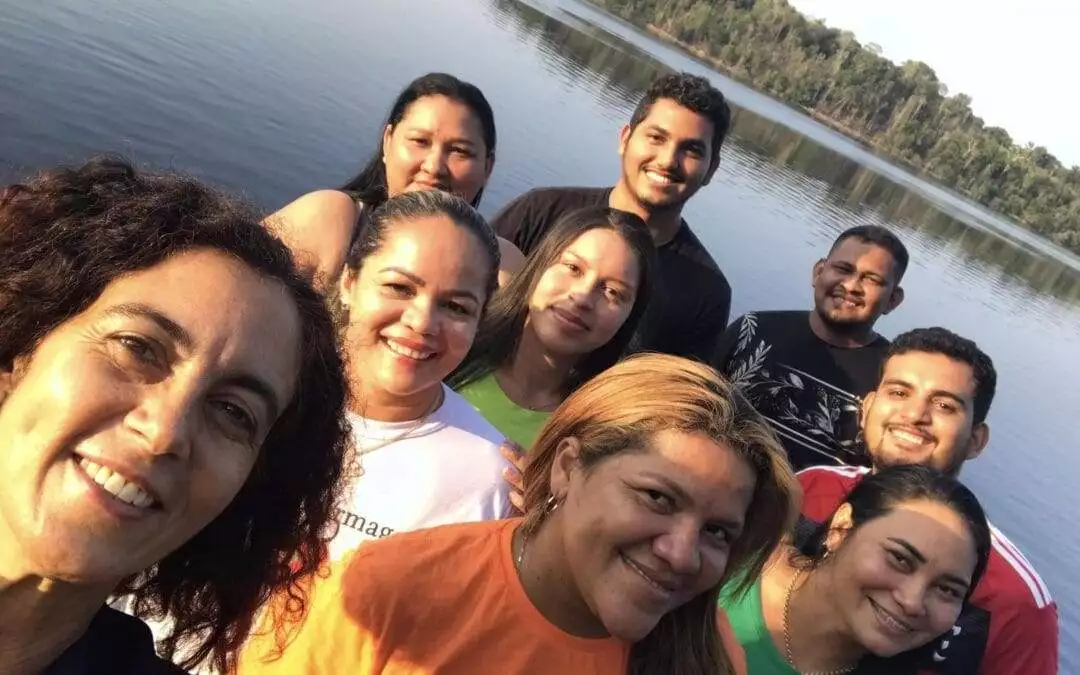
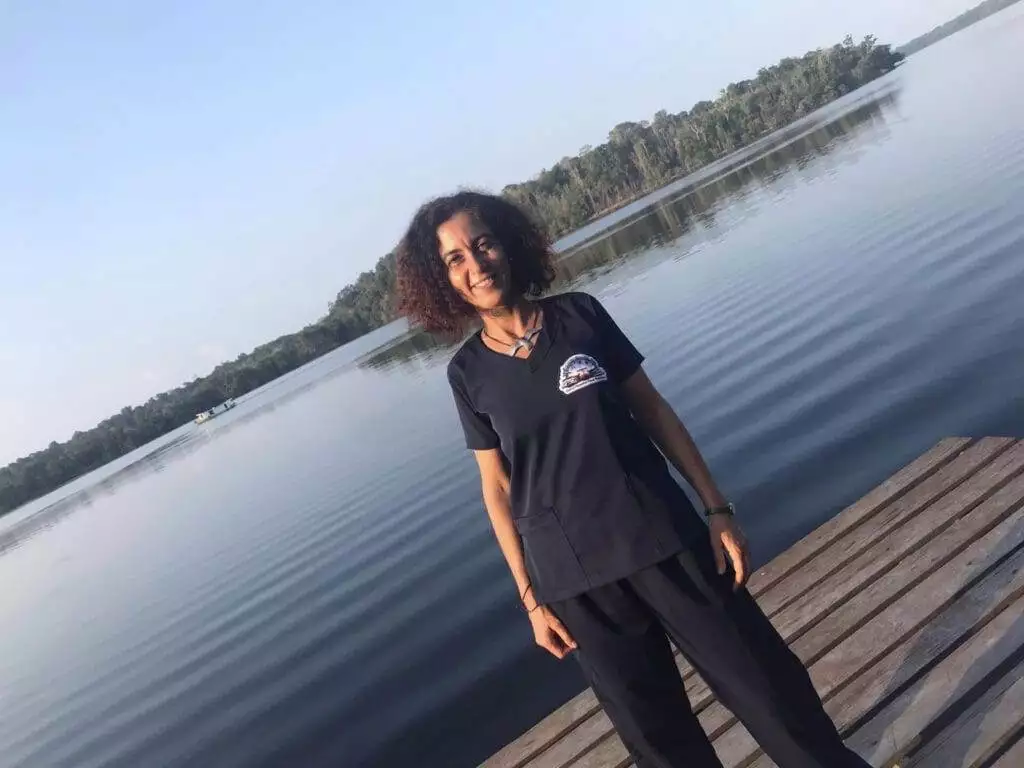
Paola Iaccarino Idelson is a nutritionist biologist and expert in nutrition. She lives in Naples, southern Italy. I learned from a friend that she went to Brazil during this summer 2024. Intrigued, I tried to find her on social networks. I was amazed by the beautiful photos she had taken during her trip and by the powerful stories, which revealed a profound experience. I therefore decided to contact her for an interview.
Paola, from Naples to Brazil: why did you choose to make this journey?
It is a very long story. I was in Brazil for the first time fourteen years ago in Florianópolis. I went there because I have a passion for the Brazilian language. But I didn’t want to go there as a tourist, so through a doctor friend, I went to help a colleague of hers as a volunteer. We supported a priest in his daily mission. He had opened a school to help children prevent delinquency, and started a surfboard repair shop to provide decent work for local youth. For three weeks I weighed and measured the height of the children in that school: it was such a strong, intense and beautiful experience that when I returned to Italy I had to remove it from my mind so that I could continue living my life as before.
And then? What happened?
Last year I broke up with my boyfriend who didn’t like Brazil. So I said to myself: the time has come to take up this dream once more. But again I wanted to experience it not as a tourist, but by helping the local community in some way. I talked about it with a focolarina friend and she put me in touch with the Focolare community in Amazonia.
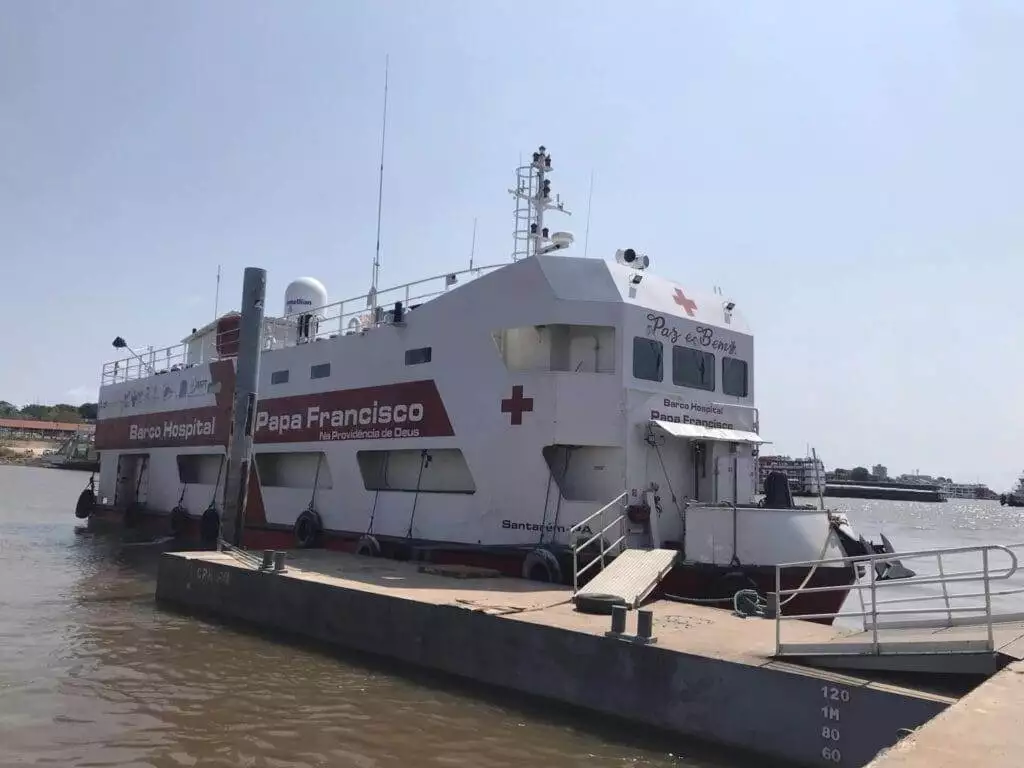
I would have liked to volunteer as a nutritionist, my profession, but I was willing to do anything. One of the focolarine in Brazil, Leda, told me about the hospital ship ‘Papa Francisco’ where I could work. So I finally left in August 2024. Leda was an angel, she organised my whole itinerary, put me in touch with the Focolare community and took care of me for the whole time there in Brazil.
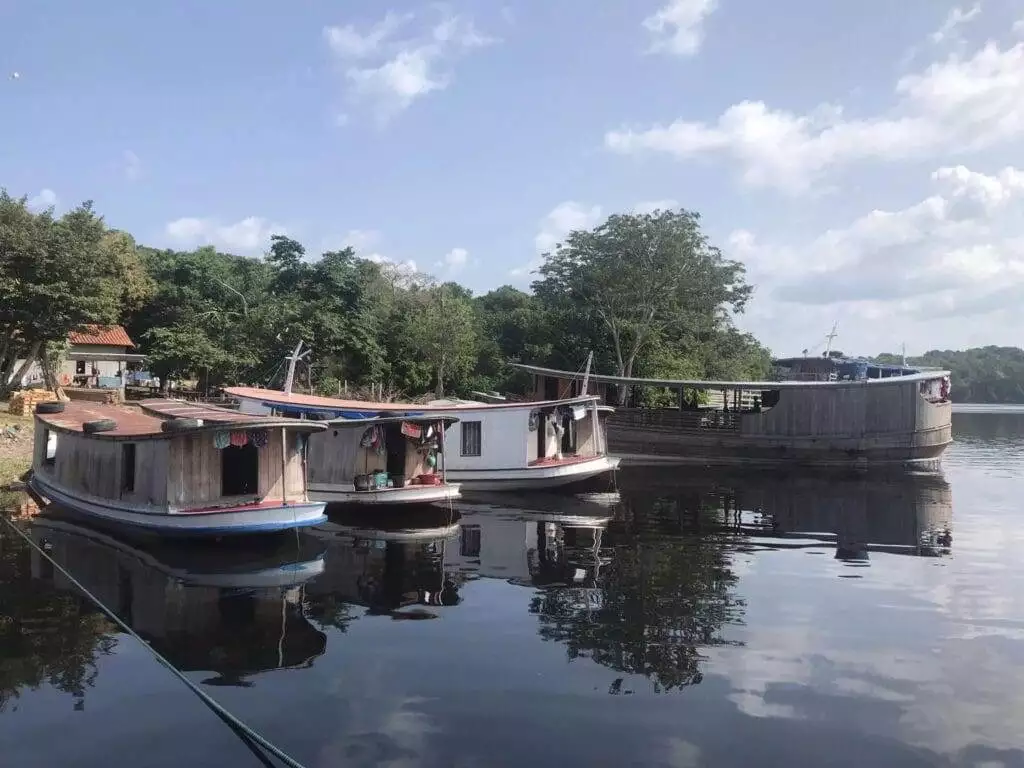
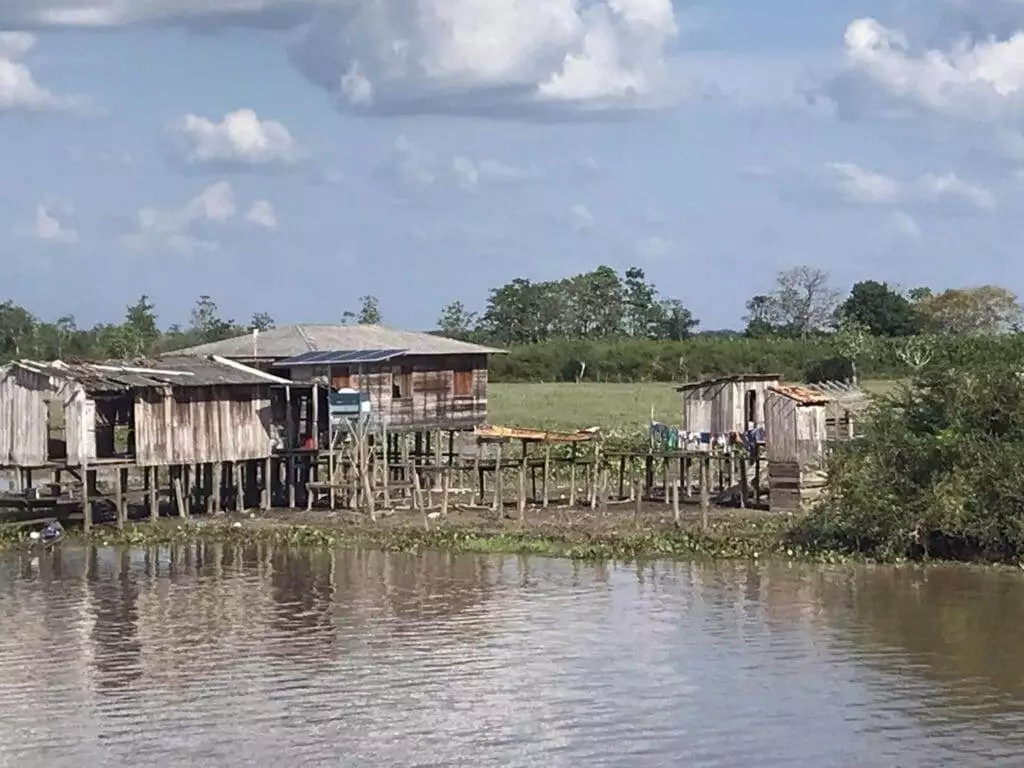
Paola in BrazilPapa Francisco Hospital ShipAmazon river
The hospital ship Papa Francisco: what did you do there?
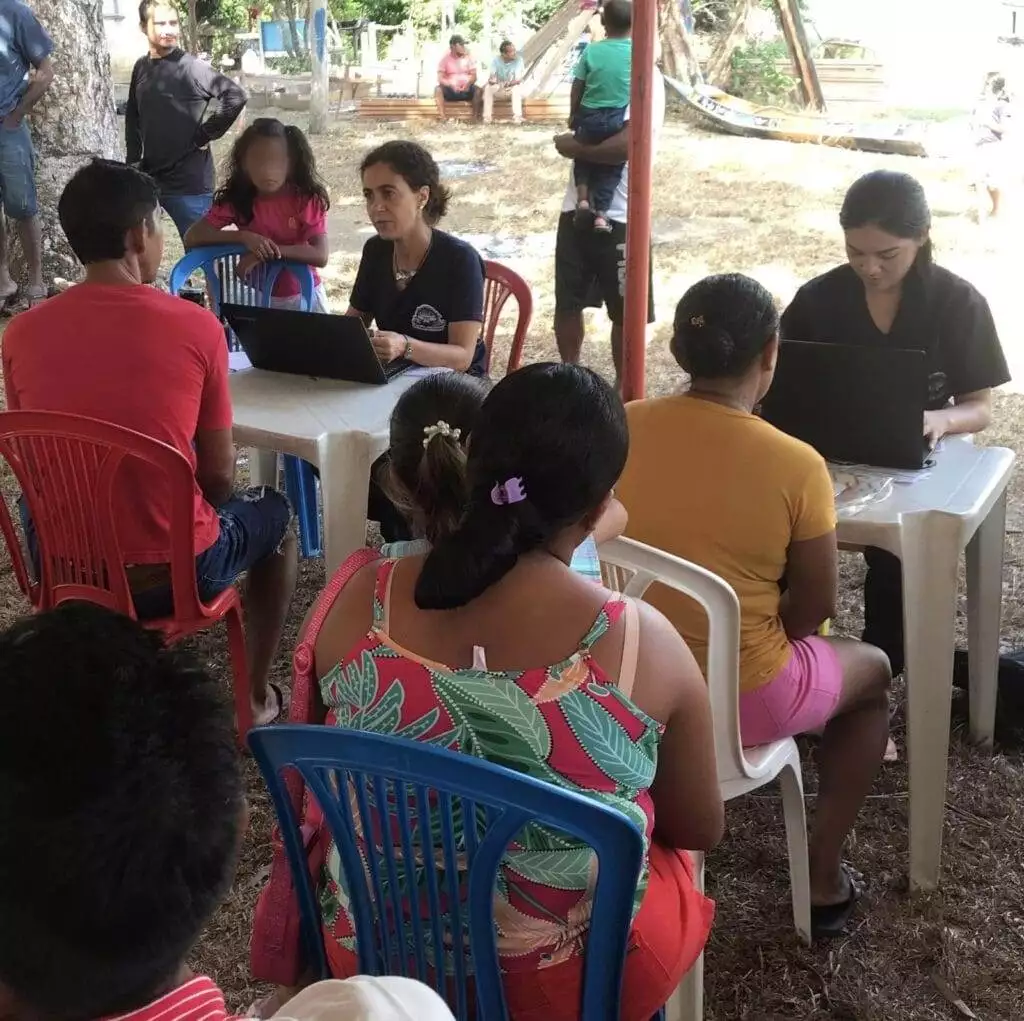
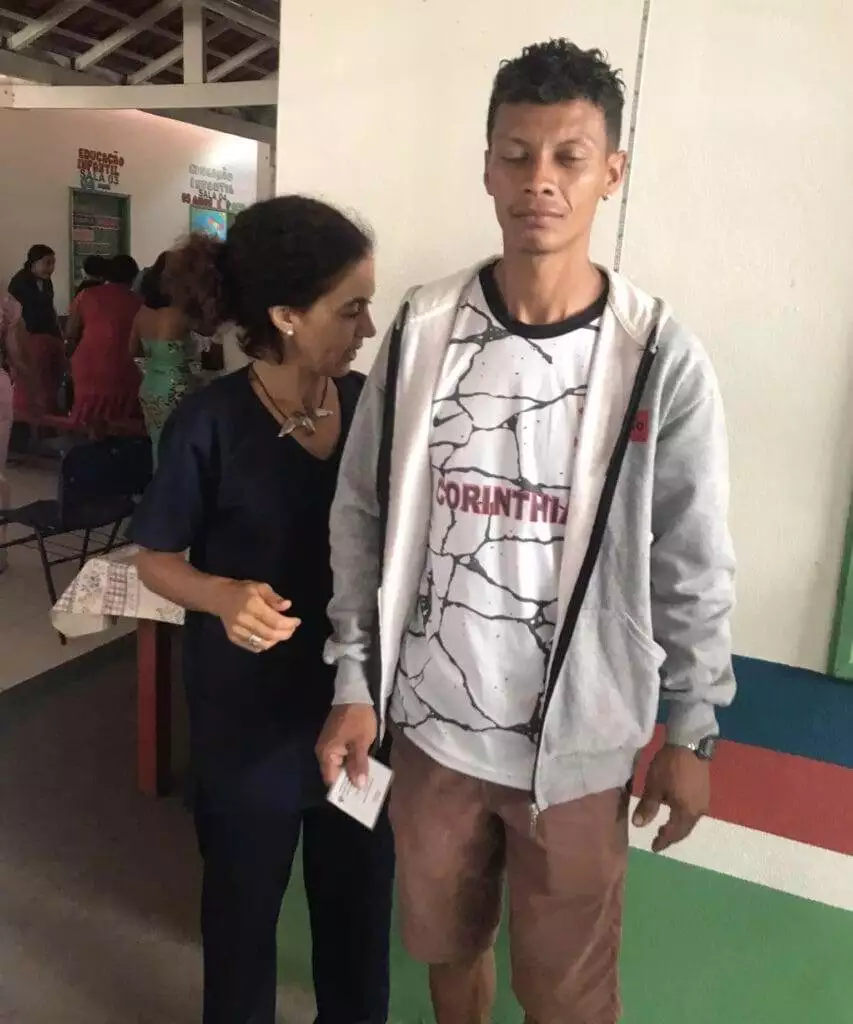
There was no specific task for me, as an expert in nutrition. There were about ten doctors, each with their own consulting room. I helped where I could. The alarm clock was set for 6 am as by 6.30 people were already arriving from neighbouring villages to be treated. We had to do reception, register the arrivals and manage the influx. I also did nutritional counselling and realised that there was an overweight and obesity problem, especially in women. I wondered a lot about the reasons for such conditions as it was quite a common problem there. Talking to someone, I realised the problem was a lack of physical activity and widespread use of sugary drinks, sweets and meat.
You were also able to experience first hand a lot of poverty….
I saw really poor but very dignified people who manage to get their children to study. I was very impressed by one family. There are 10 children, you could see that they live in very poor conditions. The father also has some health problems. Despite that, the parents managed to get their children to study, and one of the daughters is about to become a photographer. Great dignity despite those living conditions.
You saw an abundance of diversity, from the natural environment to the colours of people’s skin, from food to smells to tastes…
It was one of the things that struck me most about this trip and that I carry with me. A huge diversity in the way of life, especially in the incredible variety of fruits, vegetables, grains, flowers, plants, the colours of the rivers, the animals, the people. When I registered the arrivals for the visits, in the computer you had to write the colour of the skin and I had four options related to the diversity of ethnicities, origins, skin colour… This diversity was a strong experience and I am convinced that it is a great richness.
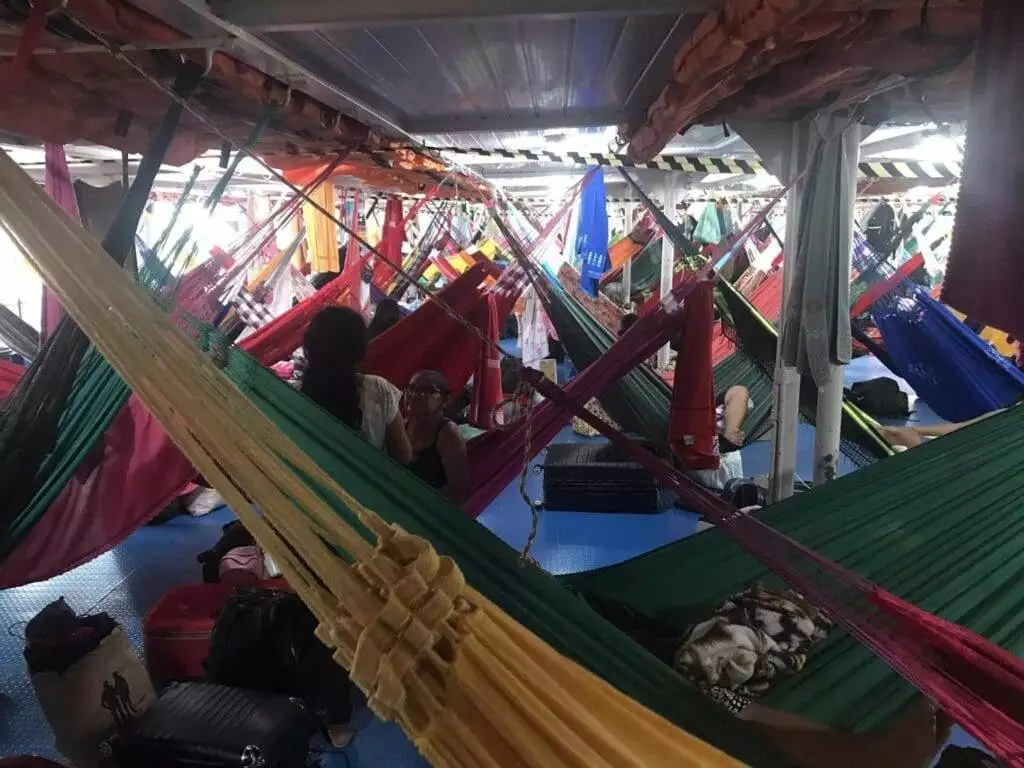
Boat tripA village on the banks of the Amazon River
How did the Focolare community welcome you and help you in this experience?
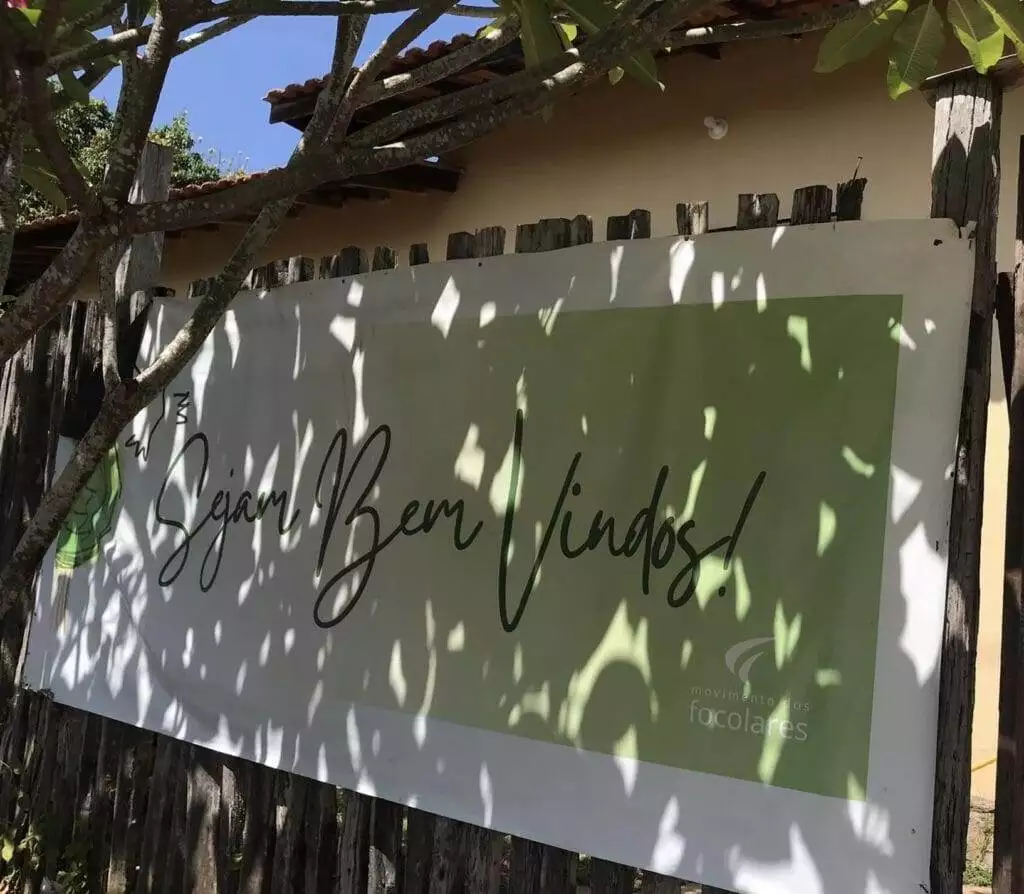
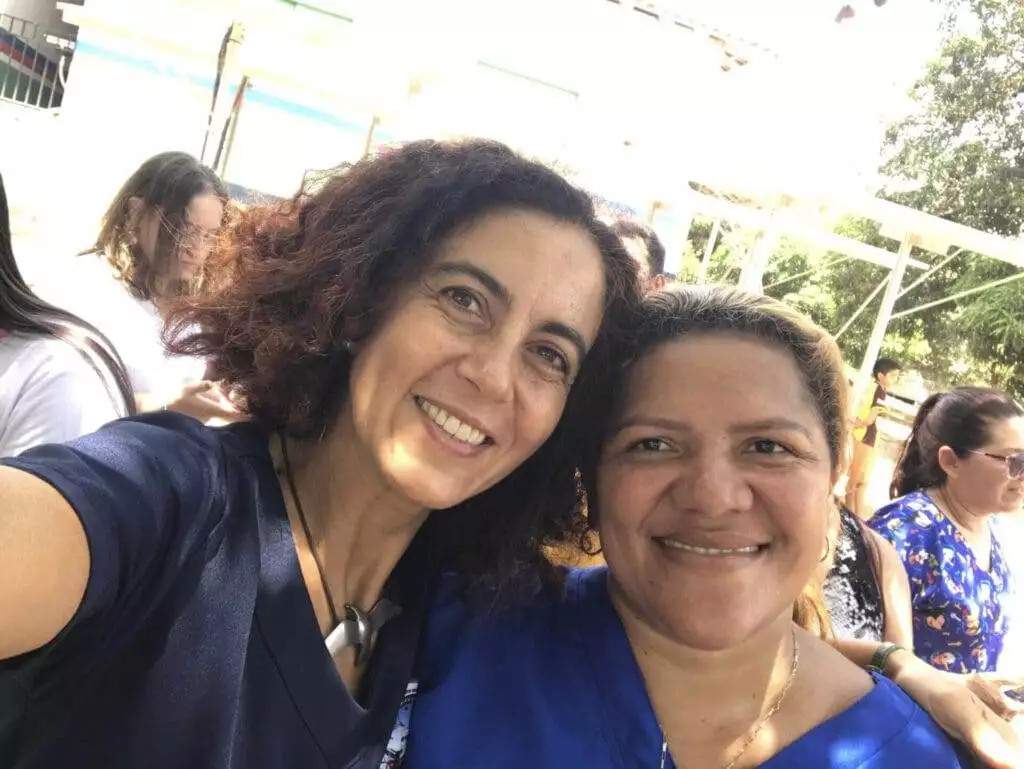
It was fundamental. I felt welcomed in every place I went. Loving everyone was not a slogan, it was real. I felt loved, people were so open and selfless. It did me a lot of good, a very moving welcome.
You went there to give of your time and professionalism but you received so much more. Has this trip changed your life a bit?
Look, I am fifty years old, not twenty. But why am I saying this? Because in my twenties, or even perhaps in my thirties, I still had the idea of going somewhere to give. Now it is very, very clear to me that the possibility of giving of myself in fact gives me something back. I knew very well that the word ‘volunteering’ included so much. Giving one’s time to others is good. First of all for the giver. I certainly had a very strong experience of sharing with the Focolare community. Although I don’t know the Focolare as a spirituality, I greatly appreciate all its other forms of expression of concrete love. I think it was a very, very beautiful experience. This idea of being able to live together, pooling everything you have, is precisely the idea of community. Being able to do good to others and live with others is something I really like.
This trip has enriched me a lot. It has had and will have a big impact on my life. I have come across wonderful people, realities completely different from my own. I now know that sharing is really possible.
Paola at the reception‘Giving one’s time to others is good’Paola at work in the hospital ship
You then returned to Naples and had an unexpected welcome!
Yes, indeed many people I met on my return and who I still meet today, tell me they have read my travel diaries on social media, they thank me for sharing this experience. Many also thank me and some want to know more about this trip. So I got the idea to arrange photo prints and show them at an evening event, where I can also tell them more about the experience. This really struck me: we live in a society where there is never time for relationships. To be asked to spend time together to learn more about my experience is a beautiful thing.
In closing, let’s wind the tape back and look at both your first and second trip to Brazil: how do you live your life today?
My first Brazilian experience many years ago, as I said, had to be removed from my life. Now I am trying really hard not to remove this last trip, not to forget, to keep this experience in my life in Naples and Italy. I want to keep this memory alive. Why? Because it gives me a sense of purpose and strength and it is very gratifying.
The first thing I did, back in Naples, was to contact my Portuguese teacher, who is Brazilian, to learn the language better. But another thing I would like to achieve is a twinning between a Neapolitan kindergarten and a Brazilian one, which is under construction. It would be nice to help those children by sending backpacks and all the necessary school material. Above all, I would love to see Brazilian children and Neapolitan children share their experiences.
In the growing tensions in the Middle East powder keg, under the falling bombs and missiles into the ‘martyred’ Ukraine, amidst the great number of the conflicts that lacerate and starve the peoples of Africa, while ‘the winds of war and the fires of violence continue to upset entire peoples and nations’, Pope Francis calls to the ‘weapons’ of fasting and prayer – those which the Church indicates as powerful – millions of believers from all continents to implore from God the gift of peace in a world on the brink of abyss.
As he had already done for the conflicts in Syria, the Democratic Republic of Congo and South Sudan, Lebanon, Afghanistan, Ukraine and the Holy Land from 2013 to 2023, Pope Francis called for a new day of prayer and abstention from food to invoke the gift of peace for Monday 7 October 2024, also announcing his visit on Sunday 6 October 2024 to the Basilica of Santa Maria Maggiore in Rome to pray the Rosary and pray to Our Lady, asking for the participation of all members of the Synod.
‘We cannot but call once again on the rulers and those who have the grave responsibility for decisions,’ wrote Card. Pierbattista Pizzaballa, Patriarch of Jerusalem of the Latins in a letter to his diocese adhering to the Pope’s appeal – to a commitment to justice and respect for everyone’s right to freedom, dignity and peace’. The Patriarch went on to reiterate the importance of everyone’s commitment to building peace in their own hearts and in community contexts, supporting ‘those in need, helping those who are working to alleviate the suffering of those affected by this war and promoting every action of peace, reconciliation and encounter. But we also need to pray, to bring to God our pain and our desire for peace. We need to convert, to do penance, to implore forgiveness’.
On Oct. 4, the day of St. Francis of Assisi, ends the period of the Season of Creation, a period in which it is proposed to deepen dialogue with God through prayer, associated with concrete actions for the care of the planet. The Focolare Movement has always supported the initiative by participating and organizing events in various parts of the world. Here are some initiatives from the Season of creation 2024.
In Leonessa, at the center Italy, a nature walk was held. The event, entitled Breaths of Nature: together for our planet, was attended by young and old alike. The group of participants departed from the Capuchin friars’ monastery, led by the friars themselves together with the forest police, the Italian Alpine Club and Prof. Andrea Conte, astrophysicist and Italian coordinator of EcoOne, the Focolare Movement’s Ecology network. The excursion culminated at a spring, where Prof. Conte led an evocative meditation on the journey of a carbon atom in the environment. Conte then showed how to turn ordinary waste into tools for scientific experiments, demonstrating how science can be fun and affordable for everyone.
Following this, topics such as environmental awareness, the effects of climate change and the importance of education for sustainability were discussed in depth at the town’s Auditorium. Prof. Luca Fiorani, from the EcoOne International Commission, offered an in-depth analysis of Pope Francis’ encyclical Laudato Si’, the concept of integral ecology and relational sustainability. The large attendance and the attention shown by those in attendance is proof of a growing interest in environmental issues and a growing awareness of the importance of taking action to protect our planet.
In Oceania, this is the fourth year that the Focolare community has contributed to ecumenical prayer for the Season of Creation. “We have been praying and witnessing through various actions of caring for our common home,” they recount. ”This prayer service is our effort to give hope to our vast area that stretches 7,000 km from Perth, Western Australia, to Suva, Fiji, the largest island nation in the heart of the Pacific. This was followed by a reflection by Jacqui Remond, co-founder of the Laudato Si’ Movement and professor at the Australian Catholic University, who spoke about the need to change hearts for ecological conversion.
Archbishop Peter Loy Chong of the Archdiocese of Suva in Fiji could not join them because he was welcoming Pope Francis in Papua New Guinea. But he sent a message emphasizing in particular the importance of the word “Tagi,” which means “the cry of the peoples of Oceania.” It is the cry of the small Pacific islands in the face of climate change, which has not yet affected the world. Or rather: the world has not yet listened deeply to the voices and particularly the cry of the people of Oceania.
Various experiences followed such as the creation of an Aboriginal reconciliation garden at the Mariapolis Center in St Paul. Horticulture students and their teachers who use the center for their classes were invited here. They are all migrants and were very interested in learning about the important indigenous food plants.
Young people from Sydney, Canberra and Melbourne, on the other hand, joined with an Aboriginal elder for a walk in the countryside where they learned how to relate to and care for creation.
In Mexico, a course was held on ecological conversion and spirituality, an open dialogue for the care of the Common Home. It was an initiative of the Evangelii Gaudium Mexico Center, Sophia ALC University together with the Focolare Movement. Five online sessions – one each week during the Season of Creation – by Prof. Lucas Cerviño, focolarino theologian and missiologist. 87 participated from different Latin American countries, from Mexico to Argentina. Here are some of the themes addressed: the ecological crisis and conversion; metamorphosis of the sacred and spirituality; God is love as a fabric of life in love; listening to the cry of the earth and the poor as love for Jesus forsaken and crucified; unity looked at as cosmic fraternity to care for the Common Home; Mary as Queen of Creation and the presence of Mary’s mystical body.
Finally, in Italy, in the city of Padua, the “Path of the 5Cs of Laudato Sì” was inaugurated thanks to the network Nuovi Stili di Vita made up of civil, religious, and lay associations-including the Focolare Movement-that care about promoting lifestyles that are moderate and respectful of nature, sustainable economy, and that stimulate communities with initiatives and proposals to achieve the common good together.
The 5Cs path was installed at a flowerbed where in 2011 the five Ecumenical Churches, (Catholic, Orthodox, Lutheran, Methodist and Evangelical), celebrated the Day for the Custody of Creation by planting five beech trees together. It was preceded by a short concert by a young singer-songwriter from Vicenza who communicated to us the sensitivity and dreams of today’s youth toward a future of hope.
The 5Cs highlight five terms taken from Pope Francis’ encyclical: custody, conversion, community, care, change. The event was lived with intensity and was a spur for resolutions of concrete commitment to achieve a better, more just and equitable world, in harmony with the Earth we inhabit.
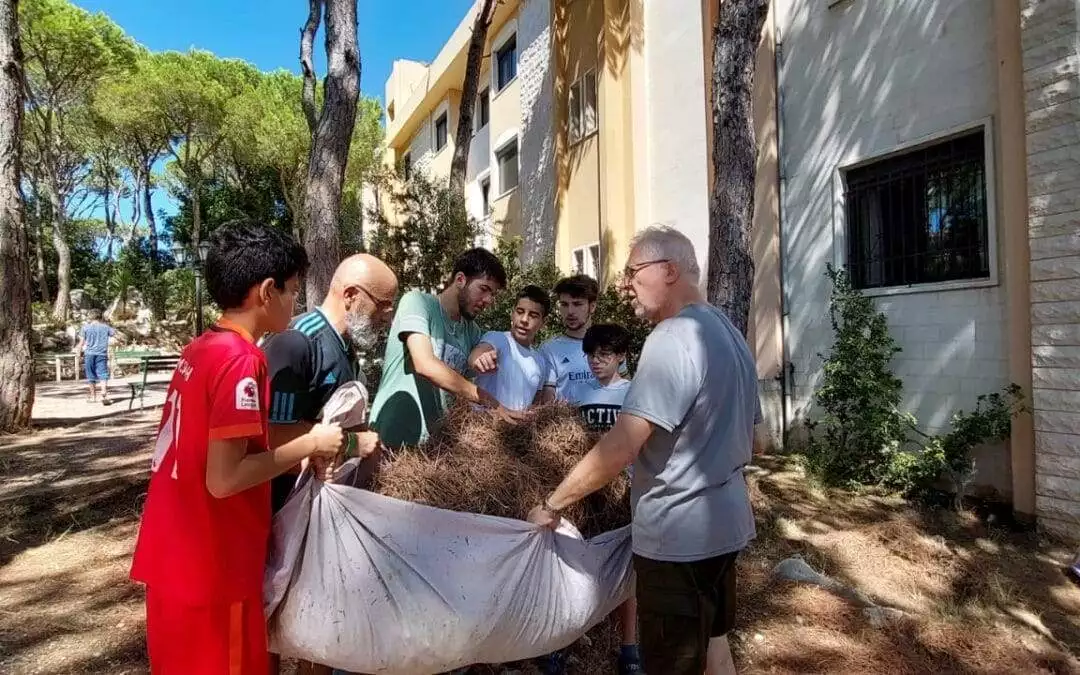
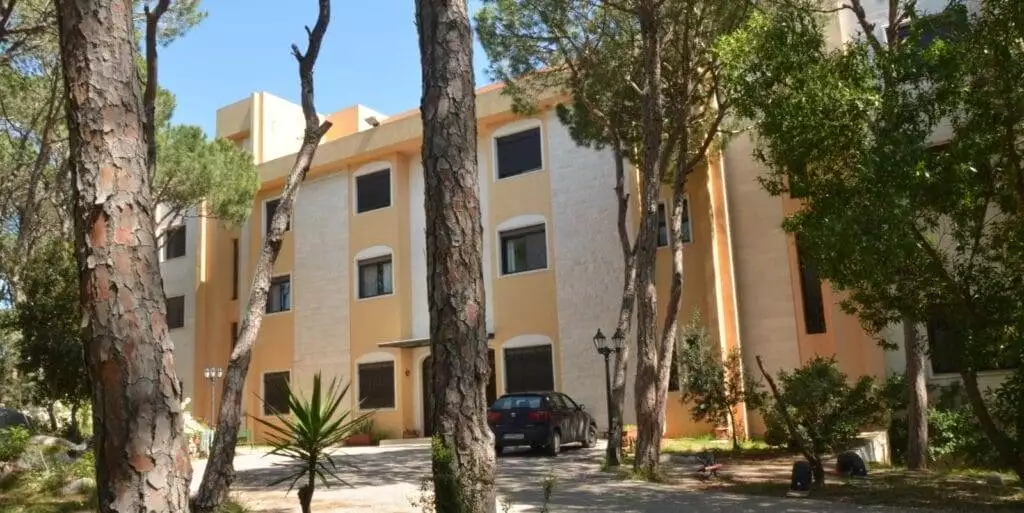
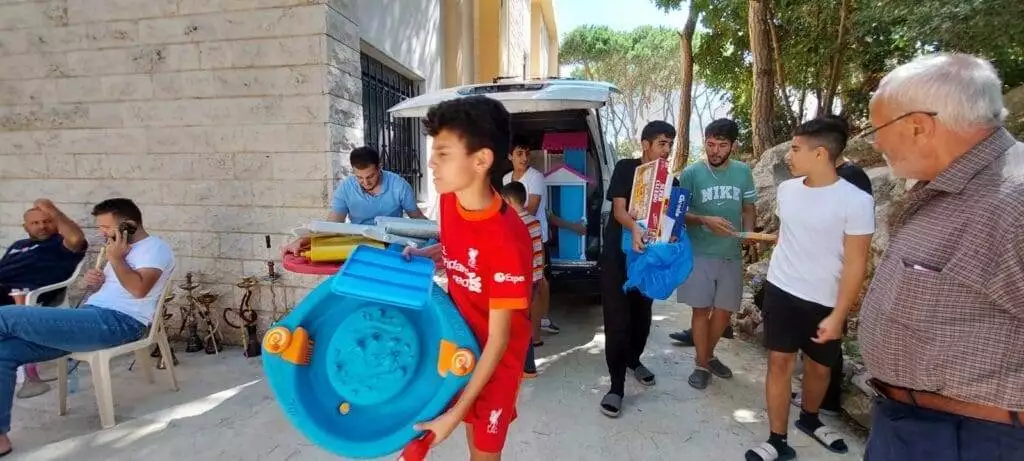
The “La Sorgente” Mariapolis Centre is located in Ain Aar, in a mountainous area, 20 kilometres north of Beirut. Just as it was in 2006, the year of the 34-day military conflict between Israel and Hezbollah, people fleeing the bombs that are devastating the South of the country are arriving here, in this predominantly Christian and asking for hospitality. “It is normal to knock on the door of the Mariapolis Centre and find it wide open,” says R. of the Lebanese community of Focolare. “How could we not welcome them? What would have become of the ideal of brotherhood that we cherish and which should be our hallmark?” A similar experience occurred in 2006. Then too, Lebanon experienced large-scale movements of families and the Focolare welcomed more than a hundred friends, entire extended families in its Mariapolis Centre. “We met in those conditions and became like brothers and sisters, sharing joys and sorrows, hopes and difficulties, needs and prayer. In a simple and sincere relationship, woven into everyday life, a true experience of brotherhood started and grew, without filters or prejudices”.
No one expected the situation to deteriorate so quickly. “The Lebanese were preparing to return to school, optimistic about this new year”, says R. “Yet an unexpected storm erupted, relentless, threatening and deadly”, with “terrible consequences for a population thirsting for peace, justice and paths of dialogue”. In a few days, or rather hours, military actions hit ordinary neighbourhoods and the people found themselves living “a real nightmare”. According to the Ministry of Public Health, as of 25th September, almost 600 people have been killed in Lebanon, including more than 50 children and 94 women, and about 1,700 others have been injured since 23rd September. Mass displacement continues, reaching around 201,000 internally displaced persons (IDPs), according to data from the International Organization for Migration (IOM).
Since Sunday, the “La Sorgente” Mariapolis Centre has also been filled with guests “arrived with their fears, the trauma experienced in their targeted villages and neighbourhoods”. They drove 120 kilometres, taking between 5 to 8 hours. The roads are crowded with cars fleeing the South. They leave the villages before reaching the big cities of Tyre and Sidon. Around them, they see the destruction of the recent bombings. There are currently 128 guests at the Mariapolis Centre in Ain Aar. Some come from the South, others from the popular suburbs of Beirut hit by the latest attacks. It is not easy: “Their presence raises questions in the Christian community of the region”, say the focolarini. “One wonders: are there members of Hezbollah among them who could threaten peace in the region? But the sense of solidarity is stronger than suspicion. “R. adds: “Where could they seek shelter this time too? Where could they go and know that they would be welcomed without reservation?” For the community of the focolare, a new adventure begins. The welcome is coordinated with local, religious and civil authorities.
A “contest” of solidarity is taking place throughout the country. From the parish priest, to the faithful of the parish, to the volunteers. There are those who take care of the children by organising activities and football matches for them. Those who take care of the necessary help for the reception. “People arrive shocked, worried about their future, with the apocalyptic sight of destroyed houses, burned fields, but also news of acquaintances, relatives, neighbours, friends or students who were killed in the attacks and they will never see them again. Together we unite in living the present moment, with the faith that has allowed us to endure adversity for centuries”.
The “La Sorgente” Centre aims to be, along with many other places scattered throughout the country, true “oases of peace”. “The hope, the deepest wish is that we can soon return home. So much blood spilled must make the desert of hearts bloom. We hope that this ordeal we are experiencing will open a breach in the conscience of the powerful and of everyone, showing that war is a defeat for all, as Pope Francis repeats. But above all we believe and hope that from this crucible of pain a message of possible brotherhood for the entire Region can emerge from Lebanon “.
Maria Chiara Biagioni Source: AgenSir Photo: Focolare Lebanon