
Living the Gospel: “Your paths”
Foto: Pixabay

Foto: Pixabay
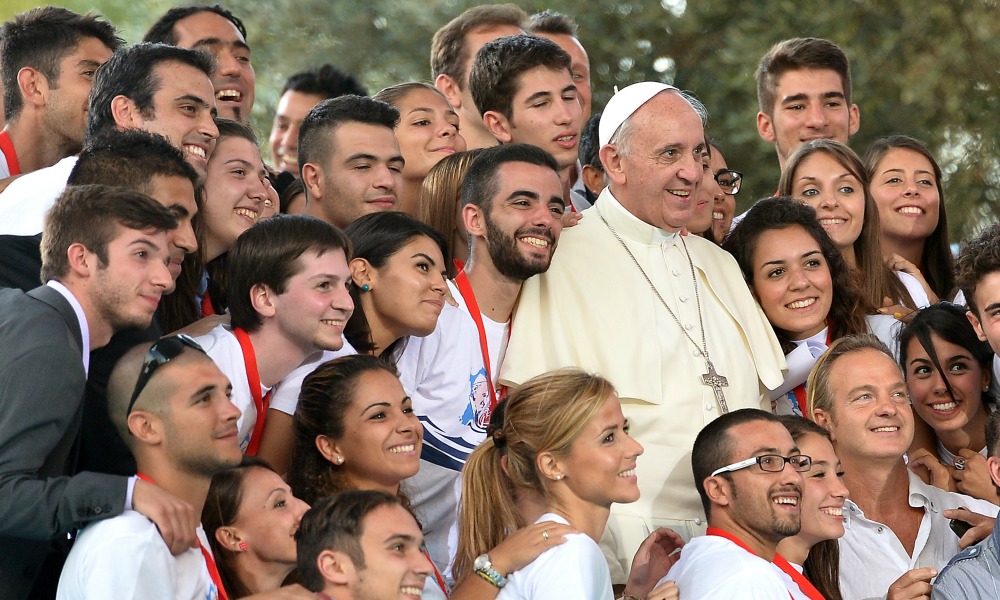
If you are between 16 and 29 years of age, you can contribute to the next pre-synod Meeting to be held in Rome from 19 – 24 March. How? Through the site www.synod2018.va. From the site you will be able to sign up on the Facebook group under one of the 6 languages. Within these groups the members will have the chance to express their own ideas on the themes proposed by questions – that will “launch” the discussion of the youths present in Rome – each of which will be matched with a hashtag. In the end, a final document will be drafted with these ideas, containing the view points and proposals that emerged, and will be presented to the Synod Fathers who will gather in Assembly in October 2018 on the theme “The youth, faith and vocational insights.”
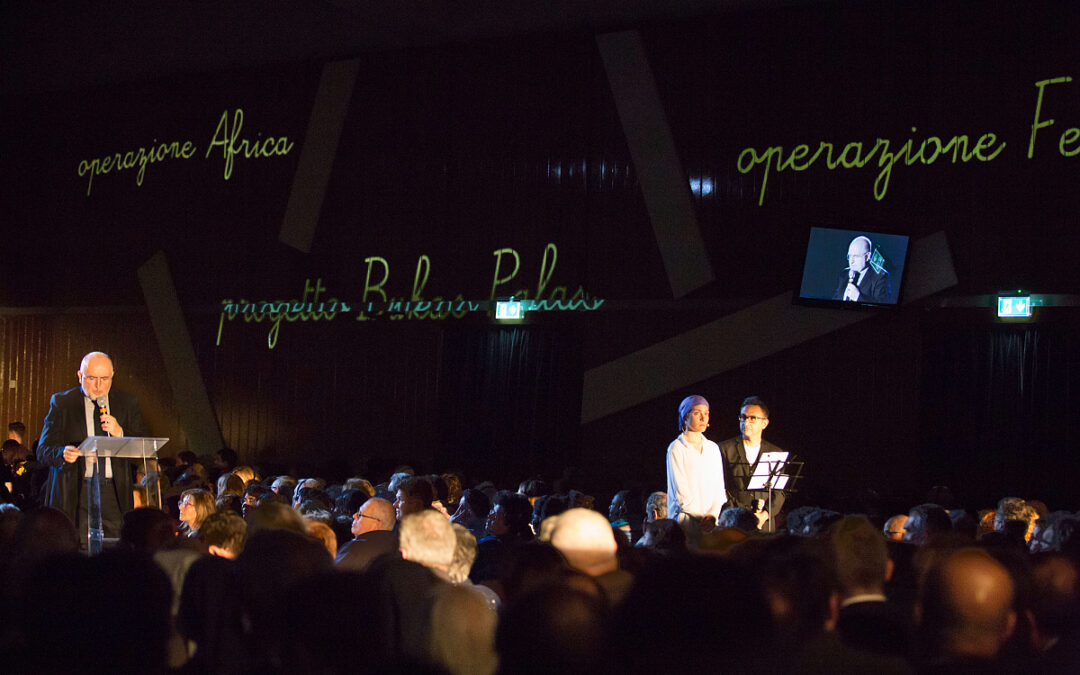
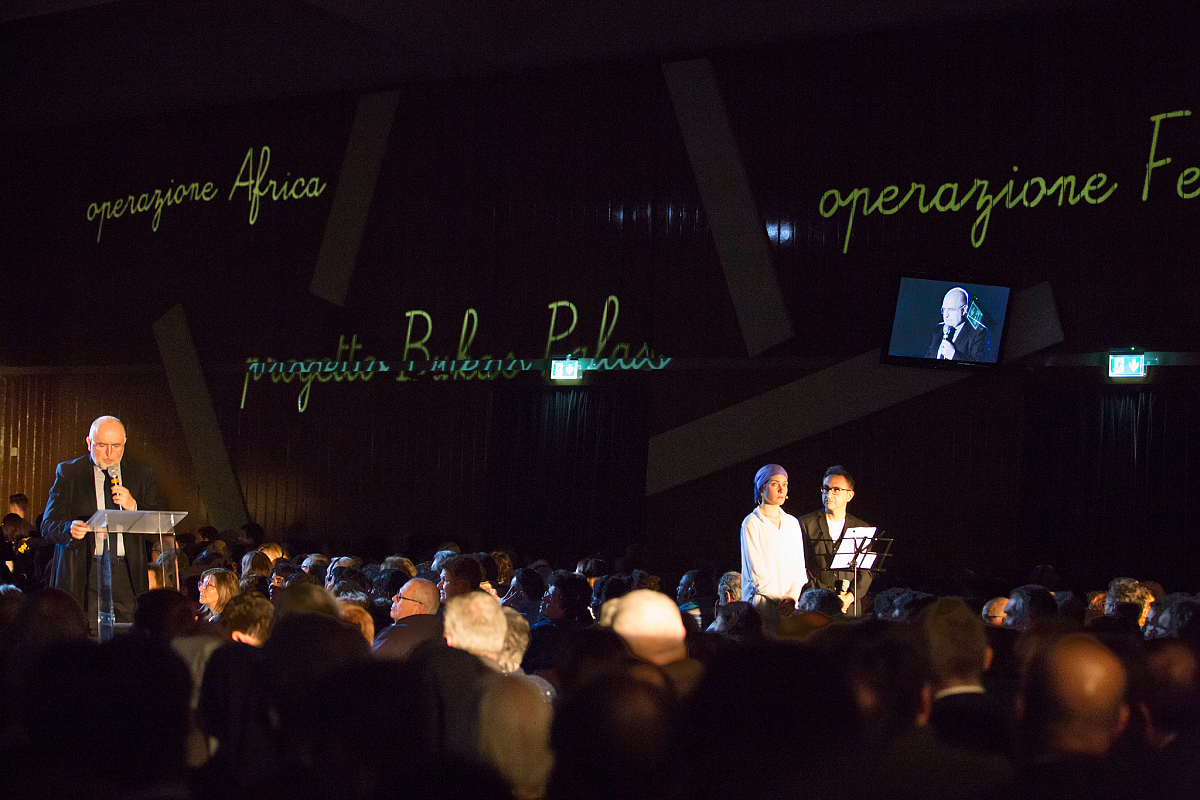
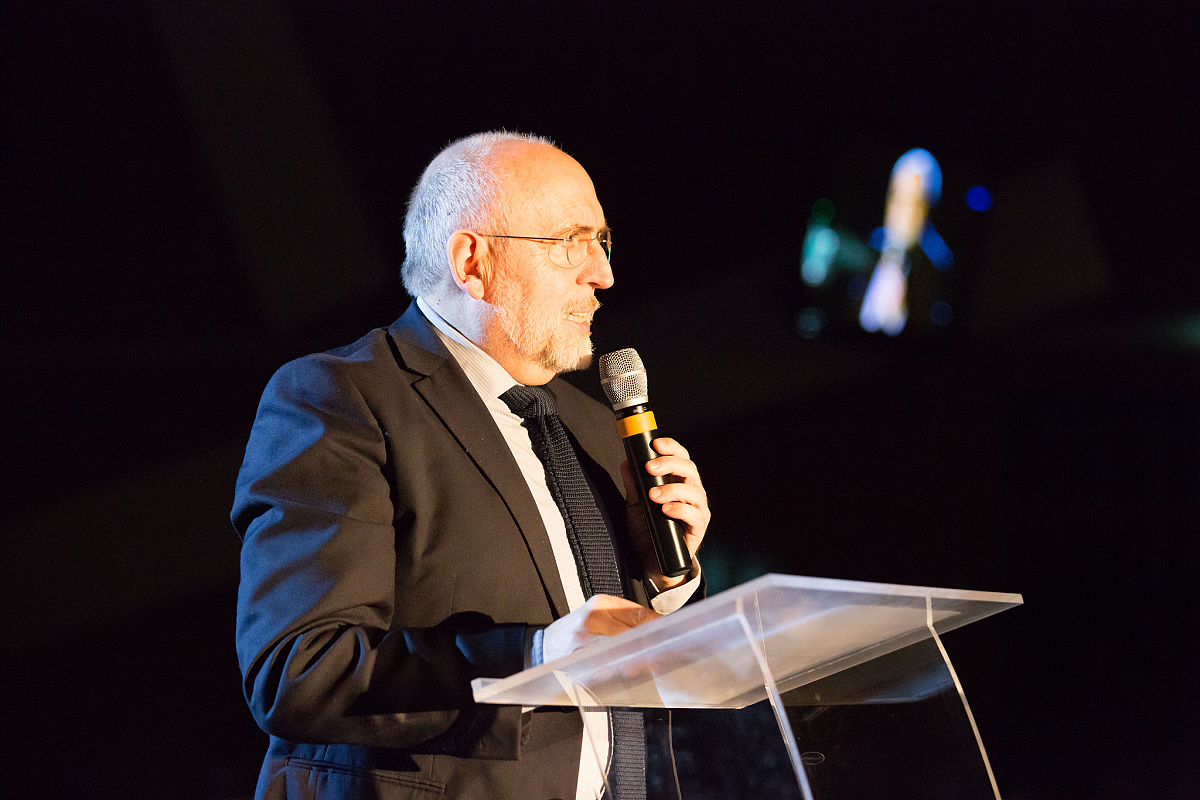 “… On your day, my God, I will come toward you… I will come toward you, my God (…) with my wildest dream: to bring you the world in my arms.” 1. The address given by Jesús Morán, co-president of the Focolare Movement, starts with this citation of the theologian Jacques Leclercq on the occasion of the event ‘The Great Attraction of Our Times’. We are once more astonished by the prophetic vision for society of this extraordinary woman whose ideal of “May they all be one” (Jn 17:21), started out from her own city of Trent and reached the whole world. Morán starts with a story of the protagonist of a fable, who lives with other personages thought of but then discarded by the authors of the stories, destined to live on another planet. He reflects on the role of the prophets: they are as big as they are small or they make themselves so in the eyes of human beings. Discarded by them, mocked, often killed, they are chosen by God to do that which nobody else can do. The prophets are in fact, the little people of God: this is where their greatness lies, even if sometimes they seem to be living “on another planet”. As we know, the word ‘prophet’ comes from the Greek and indicates not so much those who foresee the future but the mouthpiece, the messenger of God. In the Bible we also find prophetesses2. The prophets of Israel spoke to the people in the name of God; and everything could become an object of their words, because the word of God knows no limits. [….] In the midst of the historical context of her time – which evoke, in fact, not only the story of the prophets, but also biblical wisdom and the wisdom of ultimate goals – there manifests in her, a specific charism, that of unity, which led her to aim clearly and decisively towards universal brotherhood.”
  Morán underlines that in some of her notes of December 1946, “one can see the key pillars in Chiara Lubich’s prophetic vision for society. She, in fact, was not a social reformer, just as Jesus wasn’t. Chiara’s dream, in effect, aims much higher and more profoundly, and that is to the anthropological and theological foundation underlying every kind of social reform: universal family and unity as envisaged by the man-God, Jesus.” “This is why we could say,” Morán explains, “that the first social project that Chiara founded was in fact the first community of the Focolare that began in Trent immediately after the war. This community took the Acts of the Apostles literally (Acts 2, 42-48); they practised a radical communion of goods and did all they could to care for the poor and the thousands of suffering people the war had left in its wake. This underlying experience has never been lost. Indeed it is the inspiration behind all the activities and social projects that have been undertaken over the years by Chiara herself and all those who, in following her, have made their own the Ideal of unity. In all of this Chiara’s human and ecclesial genius is clear.” Even we, continues Morán, “have a story in front of us. Chiara is that author who has taken us out of anonymity to make us protagonists of a dream; we are all protagonists, nobody excluded.” Citing Guislain Lafont, the great Domenican theologian who, in a summary of the philosophy of Pope Francis, he speaks about the “principle of littleness” (salvation comes from below rather from above). Jesús Morán concludes: “Chiara knew how to magisterially apply this principle of littleness in the work of a real social change which she set in motion, with and from the paradigm of unity. This is her greatness.” 1 J. Leclercq, cited in W. MÜHS, Dio nostro Padre, 365 pensieri sulla paternità di Dio, Rome 1998, p. 64, published in: C. LUBICH, Il grido, Città Nuova, Rome, pp. 129-130. 2 Cf. 2 Re 22, 14; Lc 2, 36.
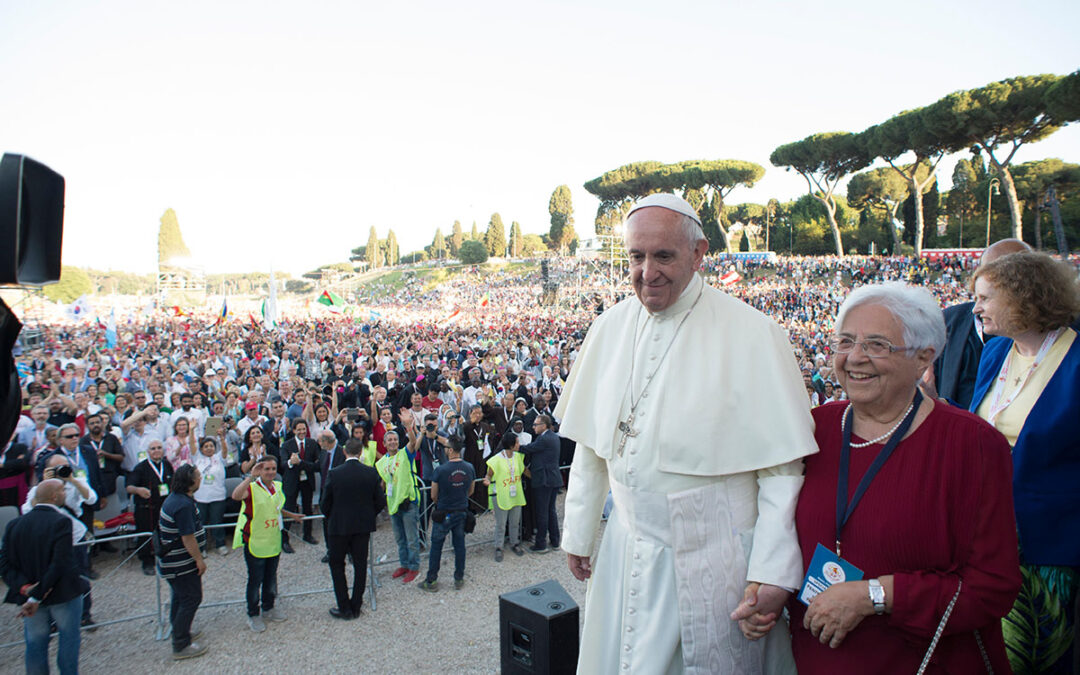
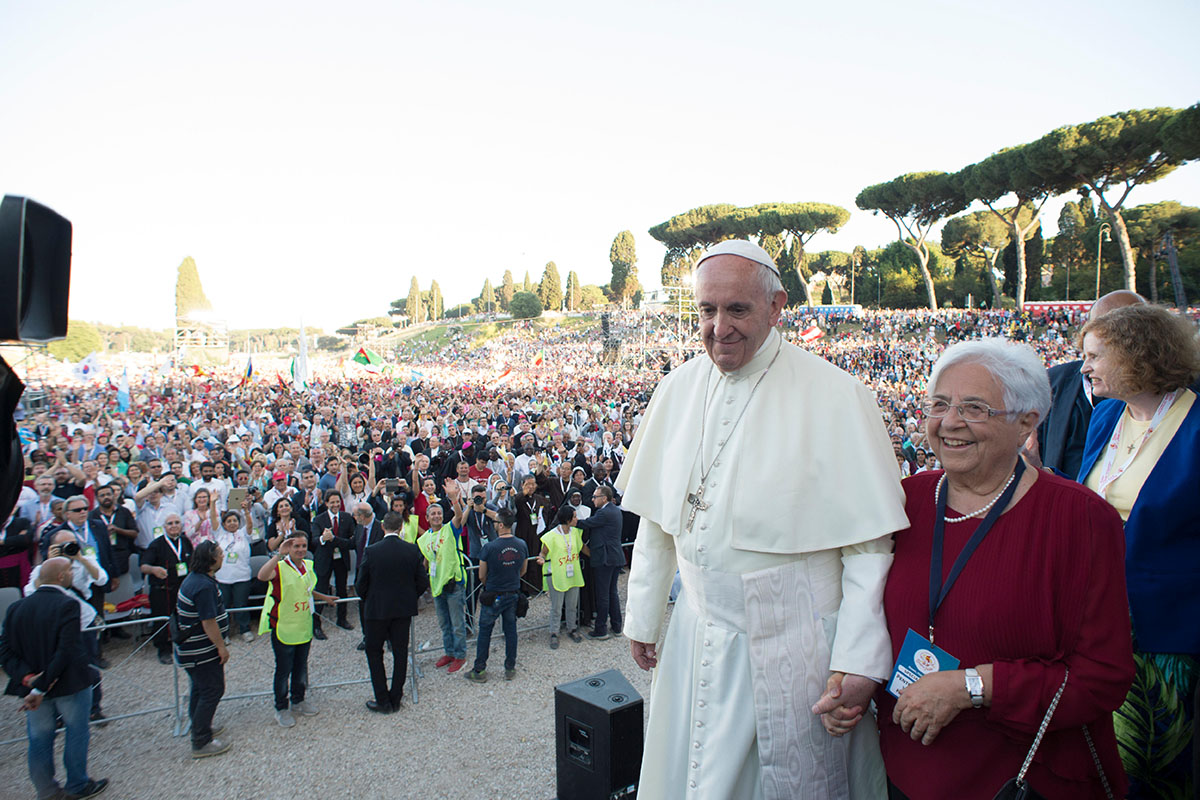 “Five years of enlightening and fruitful pontificate.” Maria Voce’s greeting to Pope Francis, in the name of the Movement’s communities worldwide, was full of joy and gratitude. She assured him of the Movement’s renewed commitment to “bring the proclamation of the Gospel to men and women in the most varied situations” and “ that we shall always be faithfully by your side, cooperating with all our strength in proclaiming God who loves the world so much. We assure You of all our love and prayers.” Maria Voce commented: “We feel privileged to be able to live in this time when the Spirit, through the Pope, is calling the Church to a twofold path: a return to a life rooted in the Gospel and a new focus on the signs of the times, which invite all Christians to reach out to all men and women. The Pope himself is a remarkable example of this.

Our new Facebook profile in Portuguese is online: Facebook em Português | @ focolare.org.pt As with other languages, the Facebook profile in Portuguese will also propose, every day, the “Thought for the Day”, the Word of life, articles published on the site, but also other information, news and events – especially those in Portugal and Brazil – with the possibility of interacting with many people who believe in a more fraternal world. Invite your friends to visit and follow our page. Spread the ideas and values that can contribute to the construction of a more united world!
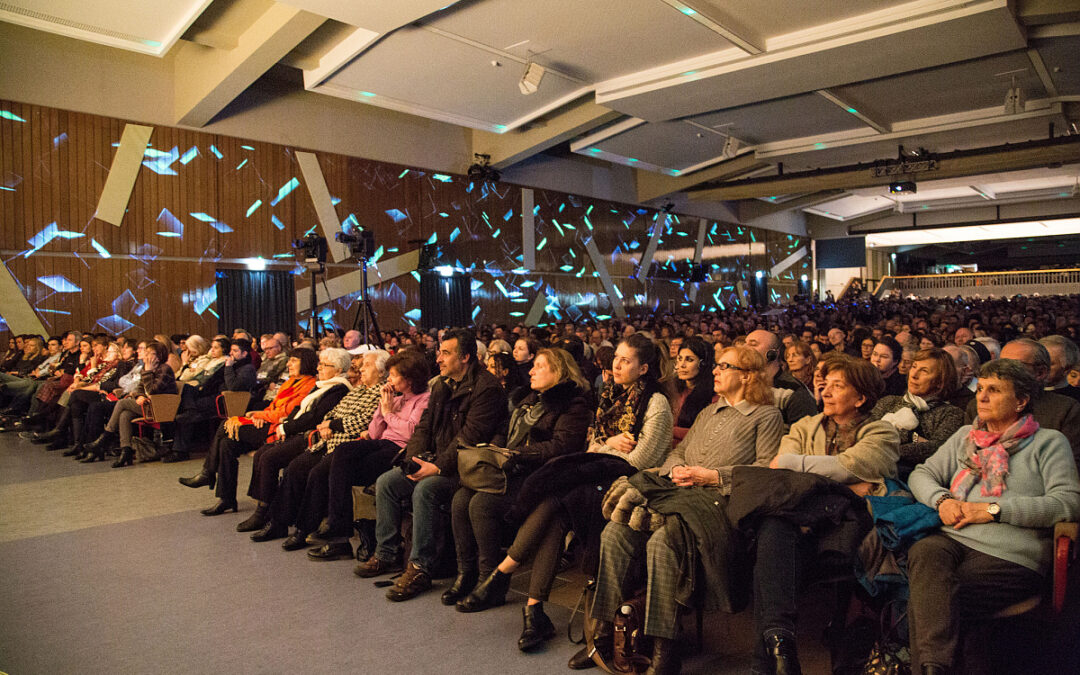
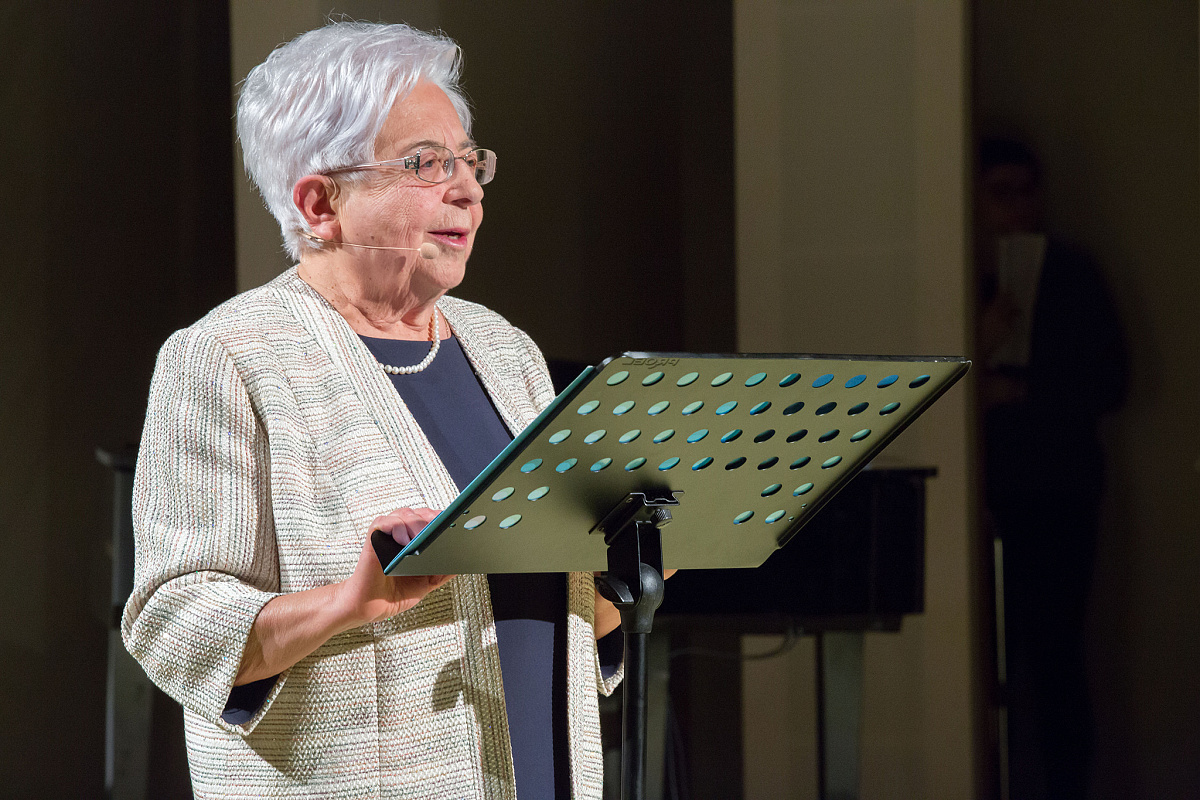
Photo © CSC Audiovisivi
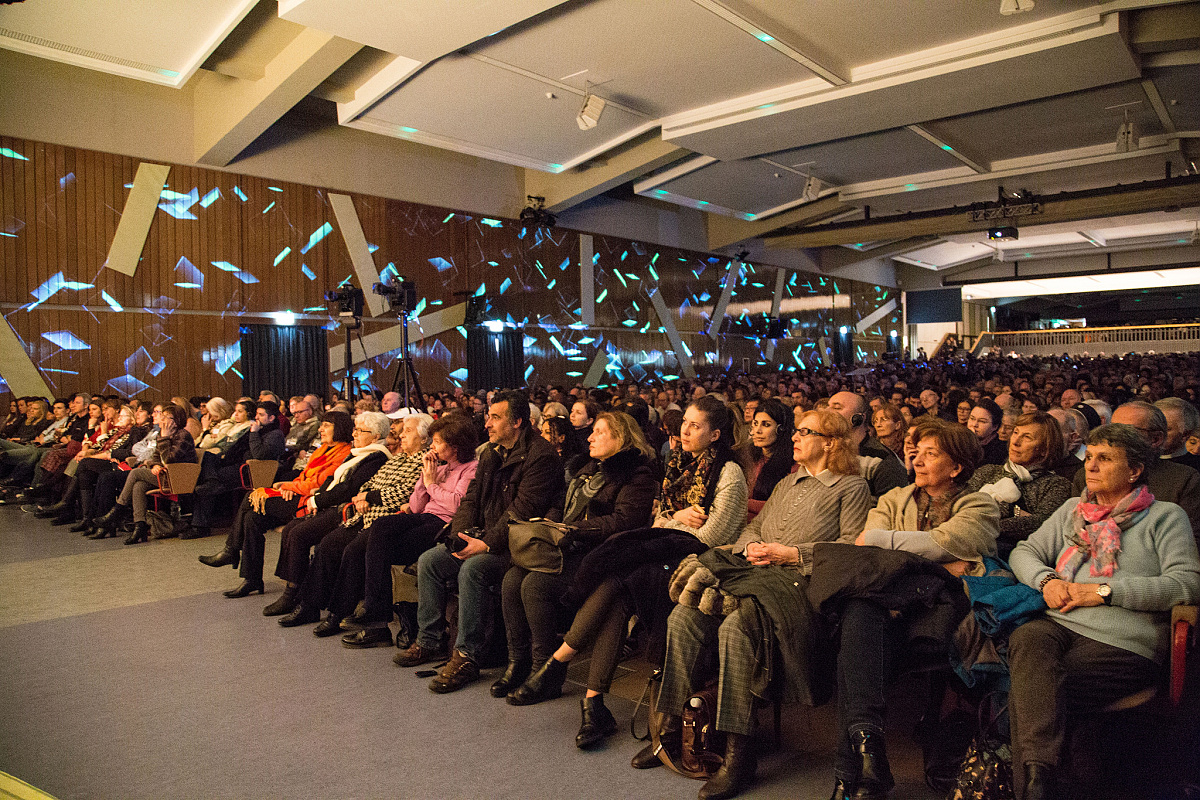
Photo © CSC Audiovisivi
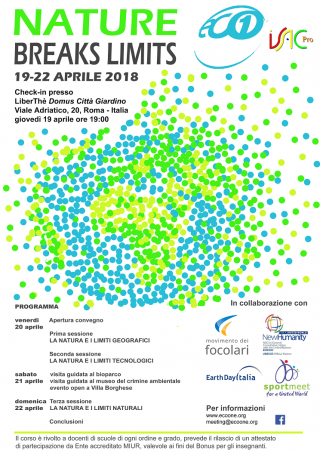
The international convention “Nature breaks limits” will take place at the “I Gigli della Montagna” Conference Hall (Via Monte Senario, 81 – Rome, Italy). We shall reflect on how the confines – geographic, natural, technological – can become launching pads for the sustainable future of the human race and the environment. Per information: http://www.ecoone.org/it/convegni/convegno-2018.html
At the closing of the Winter Olympics last 9 March in Pyeong Chang, a grand inaugural ceremony of the 12th edition of the Winter Paralympic Games was held, and which will last up to 18th. March. In accordance with the International Committee, the Paralympic Games are held every four years, in the same city as that of the Winter Olympics, with the participation of physically disabled athletes. As Pope Frances underlined, if “sports can cast bridges between countries in conflicts and give a valid contribution to prospects of peace among peoples,” the Paralympic Games “even more attest to the fact that through sports, one’s own handicaps can be overcome,” thanks to the “example of courage, constancy, determination in not allowing oneself to be won over by limitations” given by the athletes. “Sports appears to be a big school of inclusion, but also of inspiration for life and commitment to the transformation of society.” The first Winter Paralympics were held in Sweden in 1976. Like the summer Games, they owe their existence to the tenacity with which some doctors, especially the English Ludwig Guttmann, were able, with their methods, to help the veterans of WWII to find in sports competitions an opportunity to rehabilitate themselves and find their own role in society.
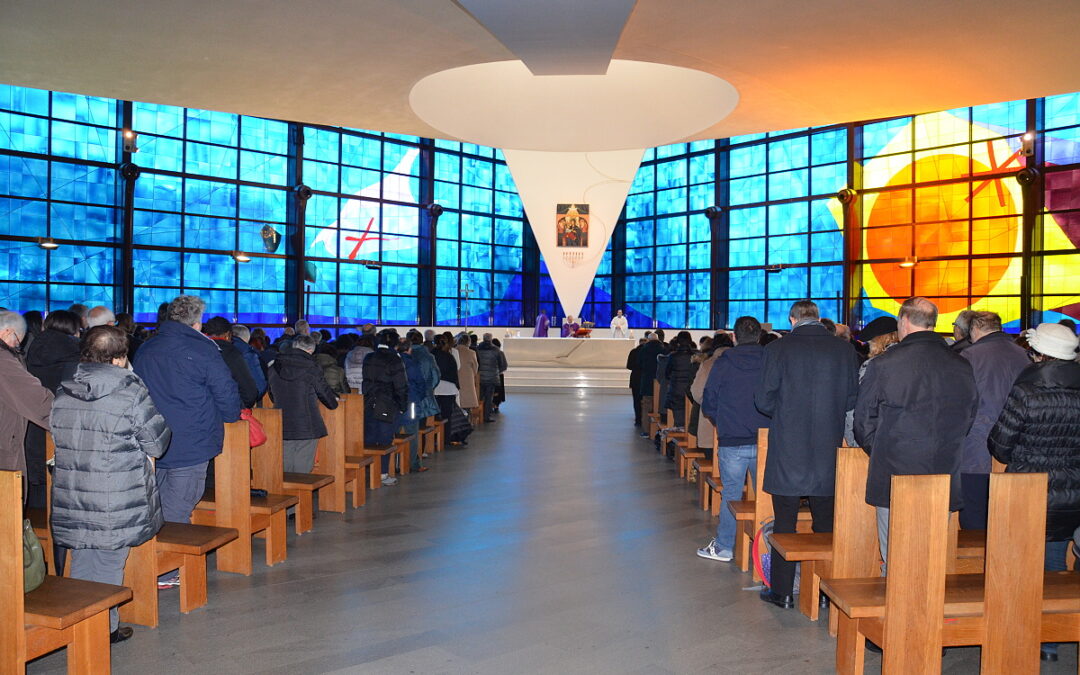
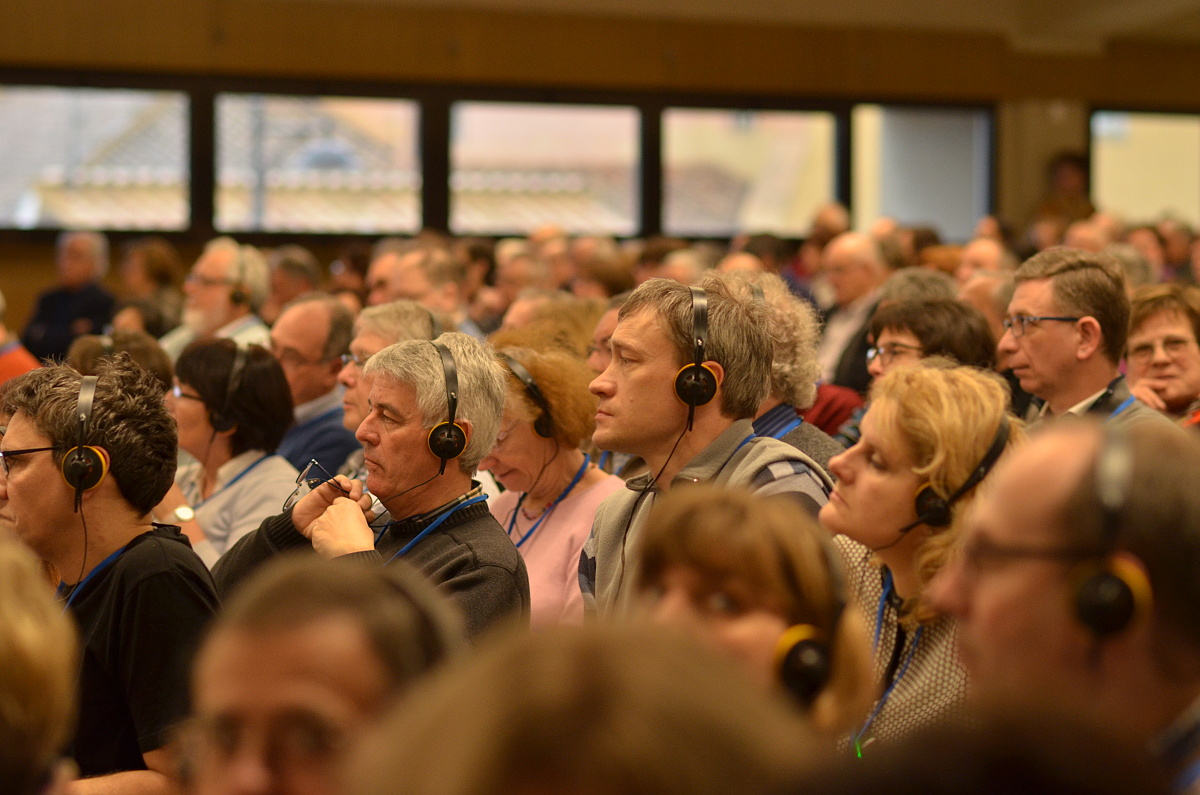 I was there too, with my husband, at the congress for volunteer couples, 600 persons, 14 languages. It was a representation of society, with participants from 5 continents. But let’s start from the beginning. The day before I had a look at the program. I knew that being the 3rd March, there would be at the same time an event dedicated to the tenth anniversary of the death of Chiara Lubich at the congress. And on the other days? The life of the family and the couple, made up of many facets, was to be at the centre of various in-depth moments, with the guide of experts. We have been married for nearly twenty years and we have two children aged 18 and 16 years. Having overcome the tunnel of sleepless nights, of nappies and child centres, having finished the phase of elementary and secondary schools, of geography charts to colour in, and of repeating the story of ancient history, we are sailing through the adolescence of our children and through ours as parents, in search of a serene present and of a future that one uncovers day by day. A web of affections, difficulties and obstacles, amazement in the face of innovation, suffering for the sad events, at times humiliation and the pulling up of our sleeves to start again, but also joys, social passion, a taste for the beautiful, openness towards new things and those unforeseen, racing through difficulties amidst the thousand duties of each one of us. A normal family, at any rate. I read the program and felt a little disappointed. The insistence on the theme regarding the “couple” suffocated me. What about the world? The reality of our times? Art, culture, social relations? Will we be concentrating on looking ‘inside’, to analyze ourselves once again, after so many years? I am a volunteer, used to looking “outside” rather than “inside”, to dream big, to be in close contact with reality and share people’s trials, trying to offer a helping hand, as Chiara Lubich has taught us, to build a more united world. I found the first day of the meeting hard to digest. After all my husband wasn’t there because of work. And in the evening, I confess, I willingly left for the inauguration of an exhibition at the Vittoriano, in the centre of Rome, as a way of refreshing my mind. A little disillusioned I faced the second day, this time as a couple. I tried to reset my thoughts and get more involved, with all my being. I discovered that my husband was making the same effort. This altered attitude helped us to take in the talks that followed with new eyes. It was like for the first time we were receiving insights to inwardly renew our ‘yes’, pronounced many years ago together with our family, the stone on which even we compose society, in this historic moment. I cannot be a good Mum and a professional and give my little contribution if it does not come from the relationship with my first and only companion in life, from the renewed unity among us. How can a house stay upright if its foundations are not deep, solid, strong, healthy?
 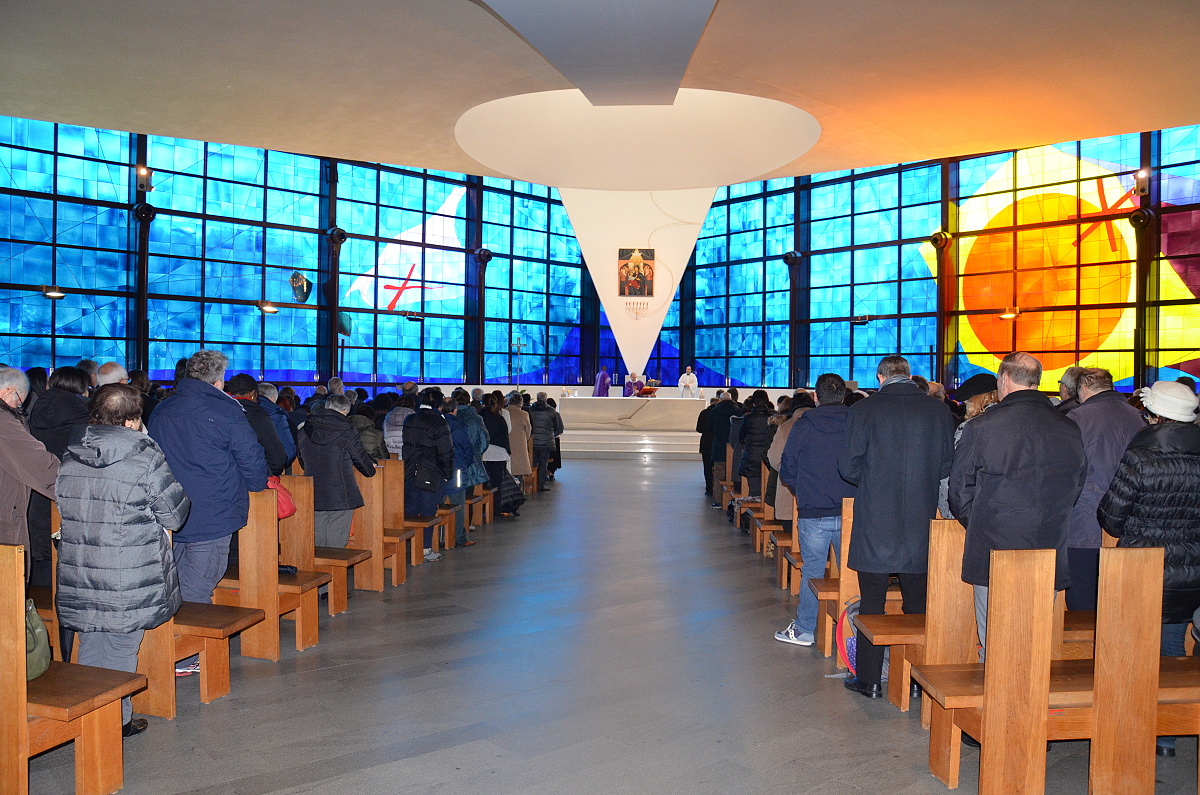 On the third day, together we solemnly renewed our ‘yes’ forever, before the sacred image of Our Lady at the Shrine of Divine Love. It was not a formal act but one that was substantial and free, in the presence of 598 witnesses. In the afternoon, whilst the hall was slowly filling up where the event of the tenth anniversary was to take place, I sat by chance next to two of the participants. They were a couple attending the congress like us. I had not yet seen them. There were a few presentations. I came to know that they had lost a son two years ago. Out comes a photo of him: a splendid boy, with light-coloured eyes, a brown beard. He was only 25 years, in the prime of life. The mother’s eyes welled up with tears. I perceived in that mother the semblance of the Mother, figured in Michelangelo’s Pietà. That’s what a family is: a bulwark, a rock, a heroic foundation of society, without which everything can collapse. It was necessary to stop and focus on the couple. It was indeed necessary. Chiara Favotti
Lord, give me all who are lonely … I have felt in my heart the passion that fills your heart for all the forsakenness in which the whole world is drifting. I love every being that is sick and alone. Even the suffering of plants causes me pain … even the animals that are alone. Who consoles their weeping? Who mourns their slow death? Who presses to their own heart, the heart in despair? My God, let me be in this world the tangible sacrament of your Love, of your being Love; let me be your arms that press to themselves and consume in love all the loneliness of the world. Chiara Lubich – Essential Writings” New City Press, New York, 2007 p. 81
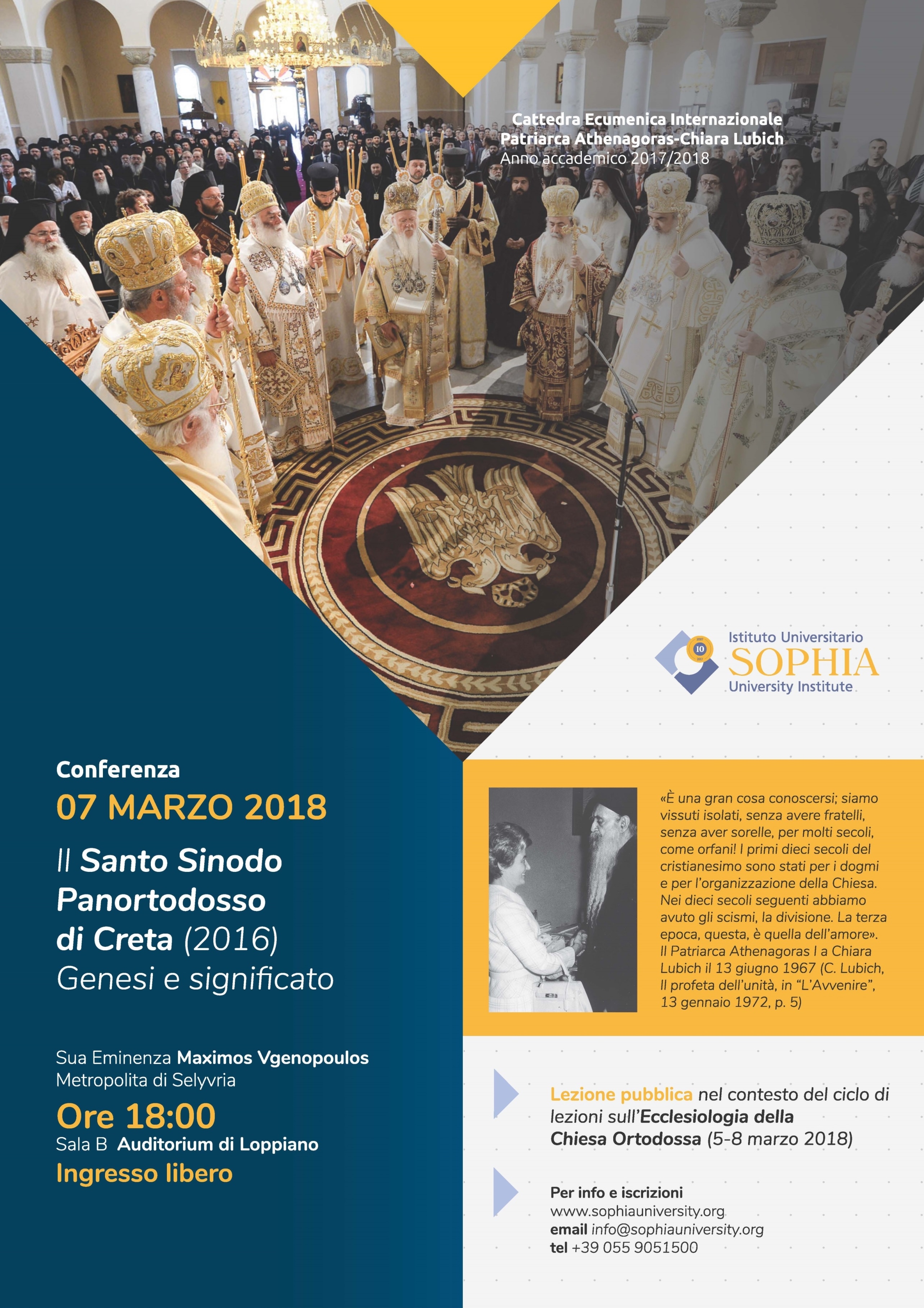 The Patriarch Athenagoras – Chiara Lubich Chair of Ecumenical Studies at the Sophia University Institute has launched its first course. The official inauguration of this international Chair of Ecumenical Studies took place last December14, at the Sophia University Institute of Loppiano, when both Pope Francis and the Ecumenical Patriarch Bartholomew I sent messages of best wishes and encouragement. The first set of lectures, on “The Ecclesiology of the Orthodox Church”, will be held from the 5 to 27 March. His Eminence Maximos Vgenopoulos, Metropolitan of Selyvria and Prof. Piero Coda are the co-directors of the course. This Chair, unique in the international and cultural academic scene, came into being 50 years after the first meeting between Patriarch Athenagoras I and Chiara Lubich. It wants to manifest and focus its attention on the legacy that emerged from that meeting, when the Patriarch confided to Chiara: “It is great getting to know each other; for many centuries we have lived in isolation, without brothers and sisters; we have lived like orphans! The first ten centuries of Christianity were centred on dogmas and the Church’s organization. In the ten centuries that followed we had schisms and division. The third epoch, the present one, is that of love ”. In his opening speech on March 5, Piero Coda, the Dean of Sophia, referred to the specific methodology of the Institute, which is based on the commitment to live mutual love as defined by Jesus’ new commandment. And he affirmed: “We want to prepare ourselves with competence and awe to be servants and witnesses of an ecumenism that gushes from the Trinitarian love, source, pattern and goal of unity in the richness and beauty of diversity. This is the only way that empowers us to receive reciprocally the gifts drawn from the priceless treasures of our Churches’ Traditions and offered to each other. This is the only way we can bridge with love the distances that still separate us. T his is the only way we can enrich ourselves reciprocally; the only way that, with the help of God’s grace, we can achieve full and visible unity”. When one considers the political, social and religious instability in Middle East countries and in the Mediterranean region, this Chair assumes cultural and social importance on an international level, even through the opportunities of study and research it offers to the young generation. Its specific aim is to study the cultural meaning, to review the historical stages and analyse in depth the existential and social implications of the ecumenical journey towards full unity among Churches, while exchanging spiritual, theological and cultural wealth of Christians, both in the East and West. Besides, it wants to offer academically qualified courses to those interested in contributing, through thought, dialogue and life experience, towards promoting unity between the Orthodox Church and the Catholic Church. And thus offer a service towards the encounter between peoples and cultures.
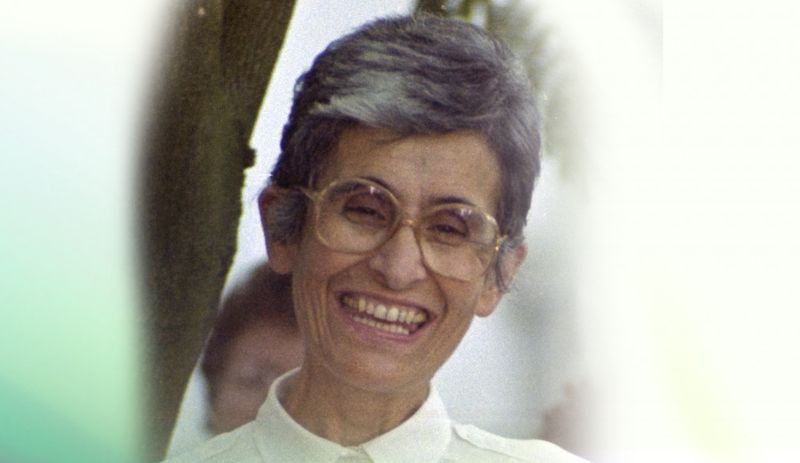
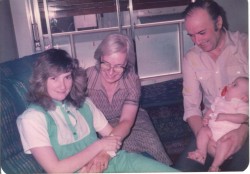 María Cecilia Perrín was a sunny-natured Argentinean girl born in Punta Alta (Buenos Aires) in 1957. After being engaged for two years, she and Luis married in 1983 and she lived intensely with the desire to set solid Christian roots to the emerging family. Two years later, while she was pregnant she was diagnosed with cancer. With the support of her husband and the family, she chose not to heed the suggestion to undergo a “therapeutic abortion.” She died at the age of 28 after the birth of the baby girl. As she expressly requested, her remains were interred in the Mariapolis Lia (O’Higgins, Buenos Aires), a place of joy and hope. Her reputation of sanctity, heroism in accepting her illness, the example of Christian life, and the many graces that have been granted through her intercession started off the cause of her beatification on 30 November 2005.
 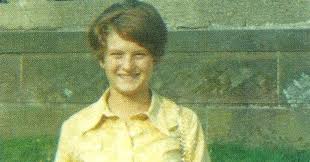 Maria Orsola Bussone, born in 1954 in Vallo Torinese, northern Italy, was a generous, open and sportive child. At the age of 11 she participated with her family in a meeting of the parish Movement in Rocca di Papa. She wrote to Chiara Lubich: “I want to love always, be the first to love, without expecting a return. I want to let God use me as He desires and do all I can, since that is the only thing in life that matters.” On 10 July 1970, at 15, while participating as an activities coordinator in a summer camp, she died of an electric shock while drying her hair with a hairdryer. Her fame of sanctity spread and many people went to her tomb to pray for her intercession. Her diary and letters revealed her deep spirituality. The construction of the parish Centre to which she contributed was named after her. On 17 December 2000 the diocesan phase of the cause of beatification ended. On 18 March 2015 Pope Francis authorised the promulgation of the decree which declared her a Venerable.
 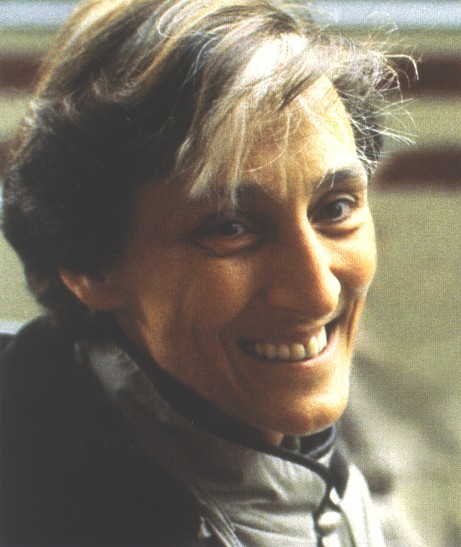 Margarita Bavosi, born in 1941, is the third child of a wealthy family of Buenos Aires (Argentina). She lived a happy life until she was ten, when her mother suddenly passed away. The acute pain pushed her to ask the Virgin Mary to take her place. The meeting with the charism of unity was the answer to her desire for sanctity. She donated her life to God in the focolare, and was known to all as “Luminosa.” She spent some years in Brazil, Argentina and Uruguay, and became the co-director of the Focolare Movement in Spain. At 40 she felt an unexplainable physical decline, and only after three years received a precise prognosis. Soon she was unable to move about but continued to build relationships, taking to heart the motto of St. Aloysius Gonzaga “I shall keep on playing my game.” The night of 6 March 1985, amid the amazement of those present, she said “Here I am Jesus, I have always tried to do everything in your presence.” On 22 November 2008 the diocesan phase of the canonisation phase closed. The center of the Focolare of Madrid and the international town close to New York were named after her. Renata Borlone was born on 30 May 1930 in Aurelia (Civitavecchia, close to Rome). She was raised in a non-practicing but united family, and when she was 10, witnessed the explosion of World War II. Thirsting for truth, she sought it in studies. She enrolled in the Faculty of Chemistry, since she was a science enthusiast. At 19 she came in contact with the evangelical life of some of the first focolare women who had just moved to Rome, and through them, she felt the certainty that God is love! At 20 she entered the focolare and for 40 years served the Work of Mary, with roles of responsibility in Italy and abroad. In 1967 she arrived at the Training School Loppiano where she spent 23 years constantly focused on reaching sanctity. At 59 she was found to have a serious illness and the few months that remained were an acceleration in her thrust toward God. Despite her suffering she transmitted joy and a sense of sacredness and up to the last moment repeated, “I want to testify that death is life.” On 27 February 2011 the diocesan phase of the beatification process closed. Chiara Favotti Also see: Alfredo Zirondoli, “Luminosa continued to play. Profile of Margarita Bavosi,” Città Nuova, Rome. Giulio Marchesi, Alfredo Zirondoli, “A silence that became life. The life of Renata Borlone”, Città Nuova, Rome.
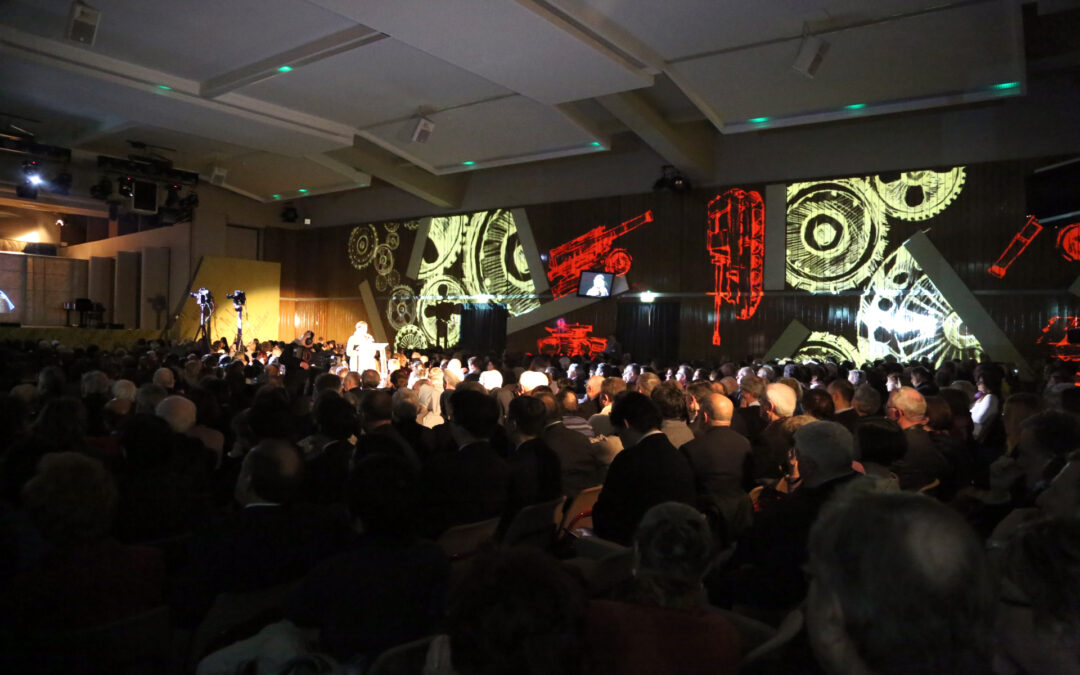
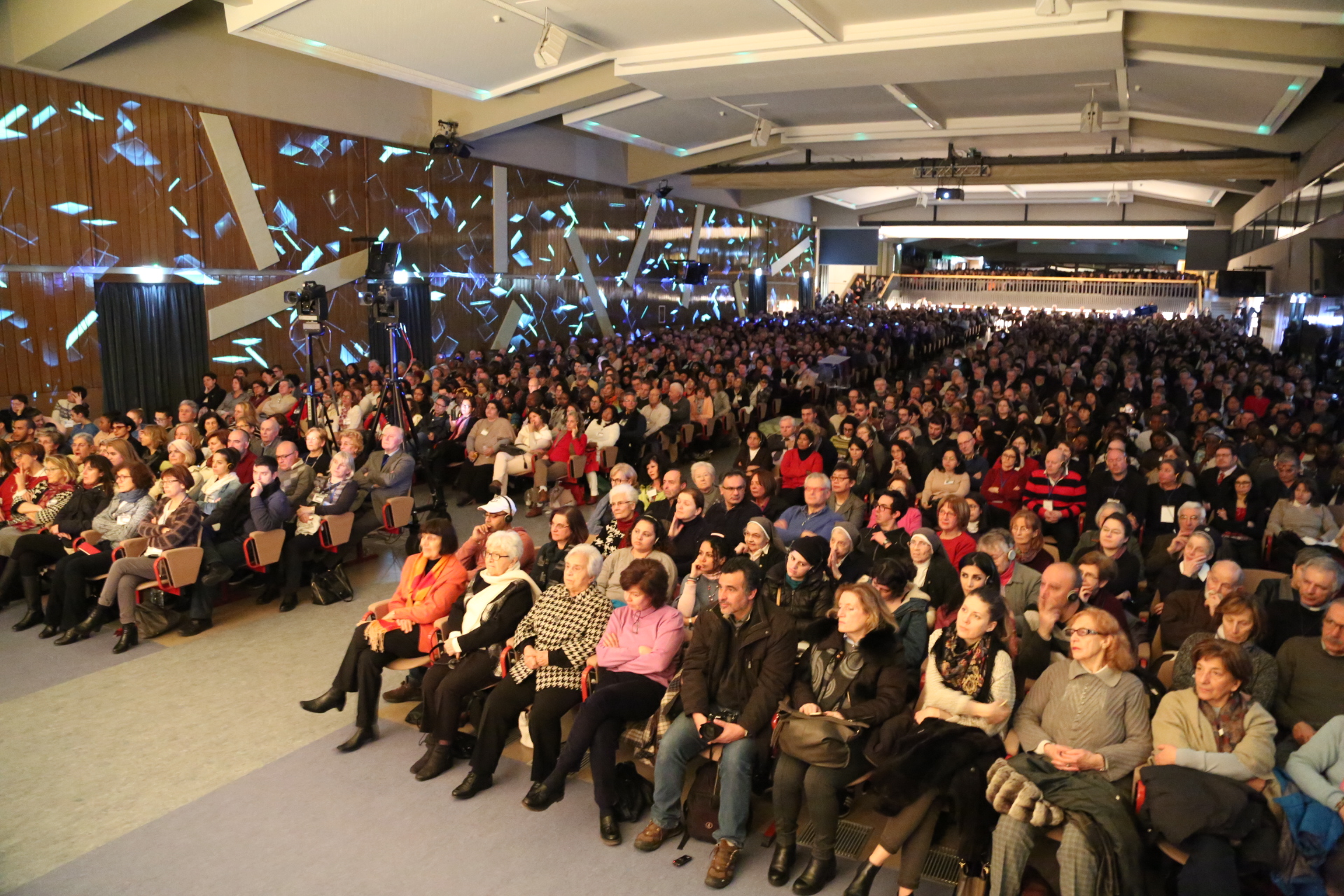
Photo © CSC Audiovisivi
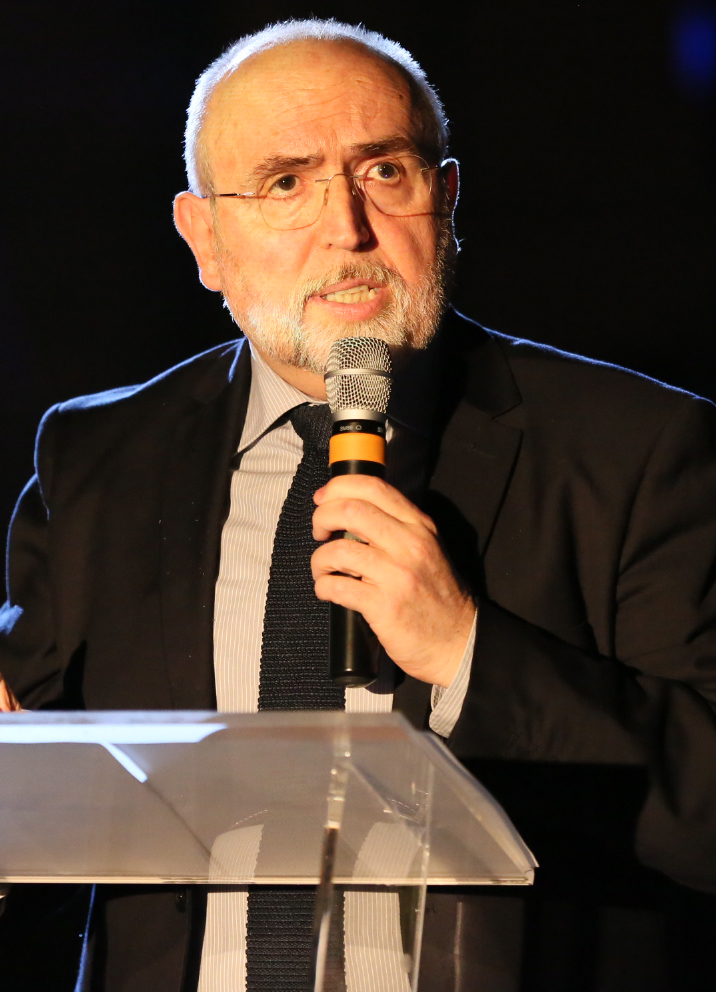
Jesús Morán. Photo © CSC Audiovisivi
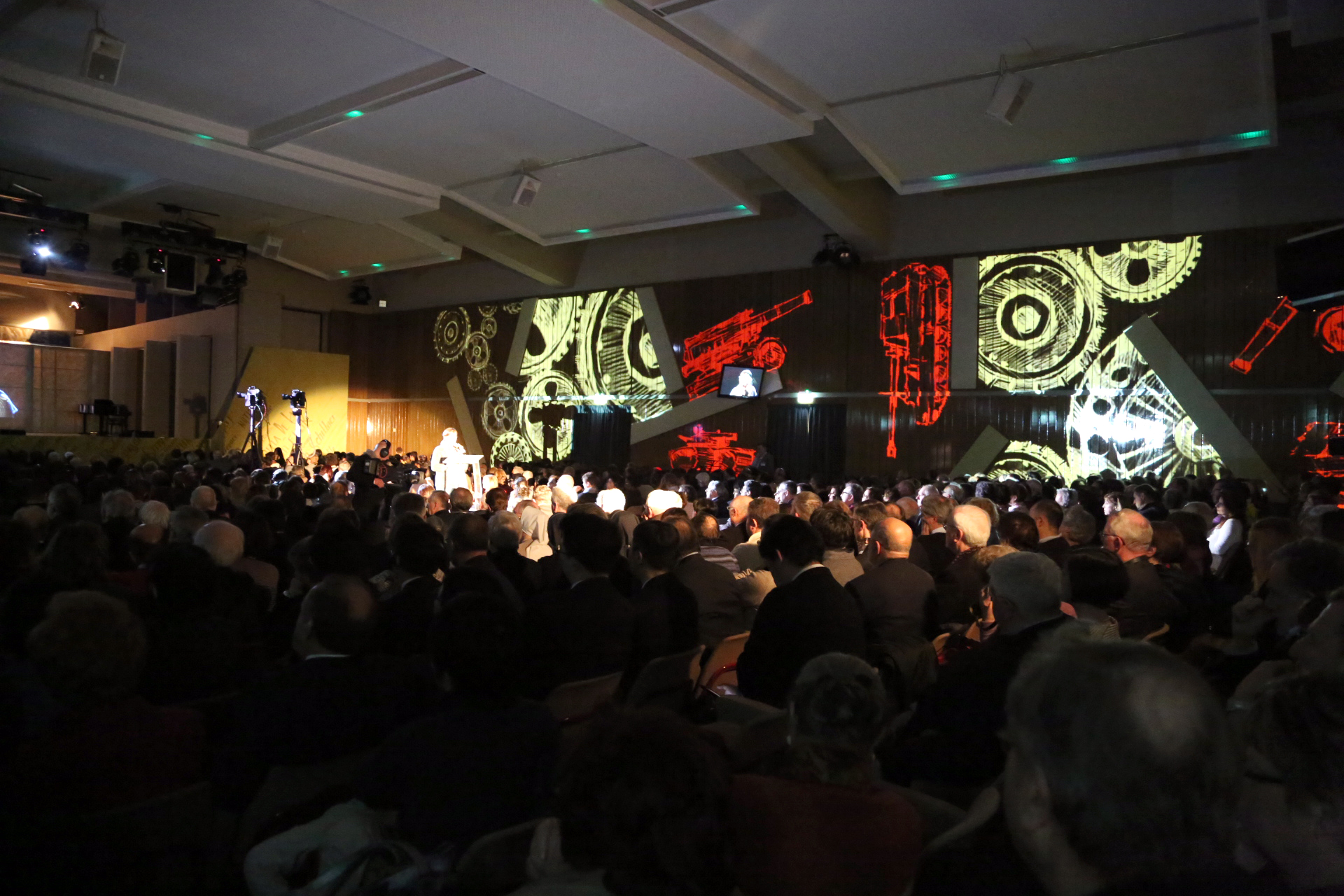
Photo © CSC Audiovisivi
The Department of Political, Social and Communication Sciences of the University of Salerno and the Social-One research network, under the auspices of the Sociological Theories and Social Transformations Section of the Italian Association of Sociology (AIS) and in partnership with 11 universities and research institutes in Italy and worldwide, promote the conference “Sociological Imagination and Social Promotion: the category of “agapic action” to interpret the changes and to imagine new futures”. The aim of the conference is to investigate all the perspectives of analysis and action which have been raised by the members of the agapic action in the context of human and social disciplines with the hypothesis that the concept may offer new interpretations and perspectives of interventions for the promotion of a pluralistic society based on equality, inclusiveness and particularly dialogue. The conference focuses on four areas, which will be analyzed both from the scientific and academic point of view within the panels, and from the point of view of action-intervention, through the collection of best practices, which will be exhibited within of the Social Expo. The areas are: 1) Protagonist communities, sharing cultures and grassroots movements 2) Cooperation and dialogue in the field of macro-social actions 3) Relationships, inclusion and well-being in social policies 4) Plurality, dialogue and identity processes Official languages in plenary sessions: Italian, English, Spanish. The Scientific Committee of the international conference is coordinated by Gennaro Iorio (University of Salerno) and composed by:
For information: Social-One online Download invitation
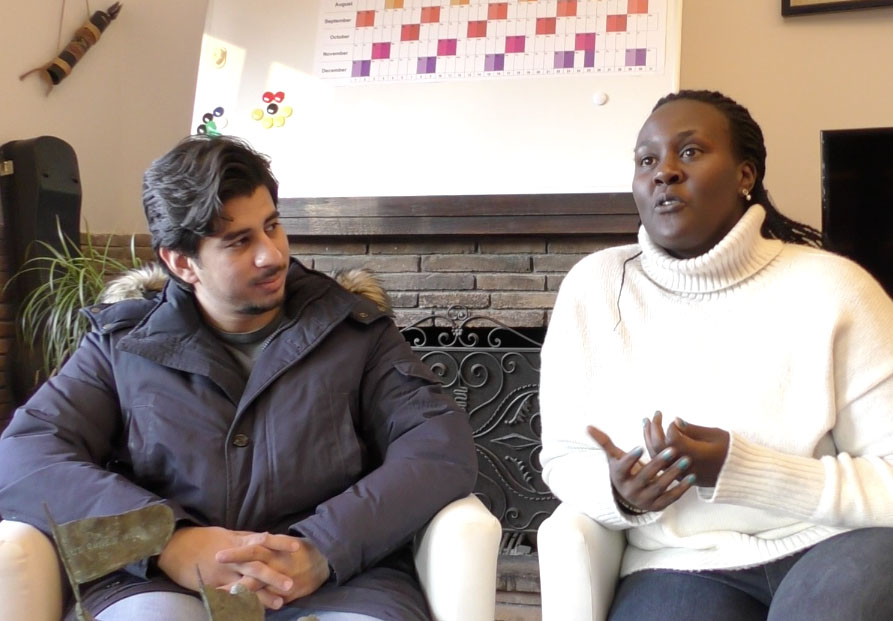
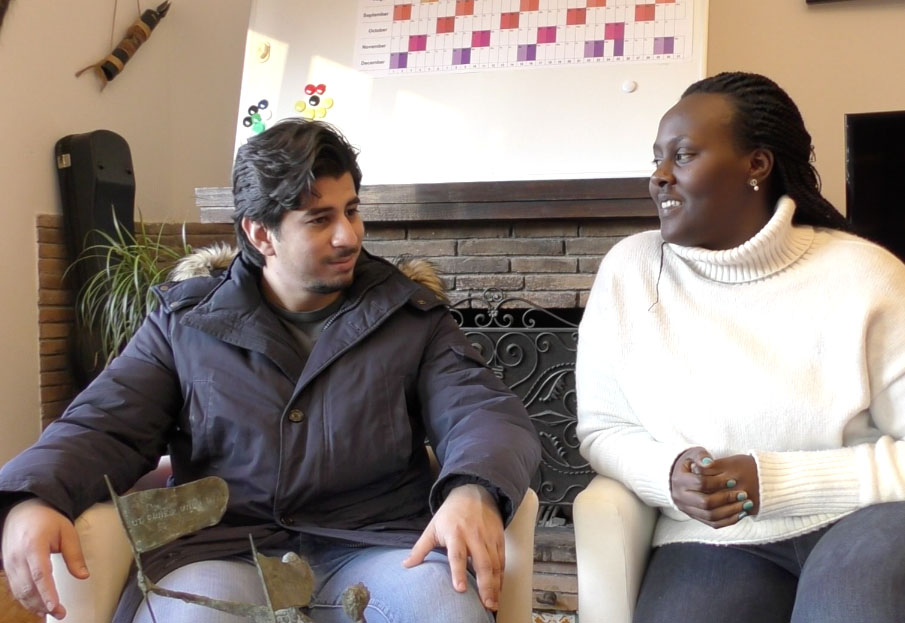
Nelson Vanegas and Stella Marilene Nishimwe
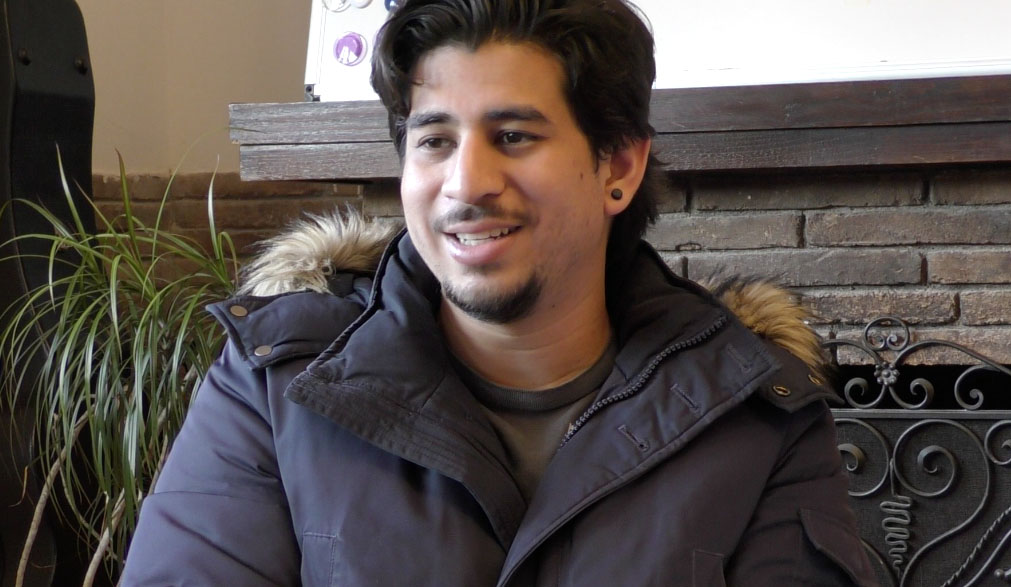 What is the situation of the youth in your country? “In Salvador.” answered Nelson, “the general situation of the youth differs from inside and outside the cities. Life outside is more difficult, services are lacking, and education is guaranteed only up to the compulsory education. Despite this the youth have huge aspirations and greater determination to make their dreams come true.” Marilene explained: “In Burundi we are undergoing a serious political crisis. Unemployment is sky high and also is uncertainty for the future. The youths often leave the country to seek other prospects elsewhere.” At the meeting, they say, they will carry out the role of facilitators of the linguistics groups in Spanish and French. “It will be our chance to do our part, a small contribution – Nelson added – but we shall do it with all our hearts.” And Marilene: “Through the synod’s official site (www.synod2018.va) and the social network connected, all the youths will be able to let their voice be heard and send proposals, as also those who cannot participate directly.” Speaking about communication, beyond the fears with which adults often regard the youths, as to the risk of detaching themselves from “reality” and immersing themselves in a virtual hub, what does communication mean for you? “Times have changed–Nelson answered – we are immersed in technology which effectively helps to bridge distances. But we have to try to make it possibly more humane. Cell phones and tablets draw people closer but communicating “face to face” with those who we really see before us is another thing altogether. In this sense we, the youth, can take the first step.” Marilene added: “For authentic communication we have to think of “what” we communicate.” In his message for the youth day, which will end the pre-synod Meeting, Pope Francis mentioned the “fears” of the youth. “Often the youths are scared of going forward, to make choices from which they cannot turn back. “Personally,” Marilene explained, “I try to live God’s will in the present moment. Each one has his own story, and I entrust myself to Him.” Nelsno continued: “In such a materialistic world, often the message the adults pass to the youths concerns studying, working, earning, or buying a nice house. The dialogue between the first and second generation is important, but it should not destroy one’s dreams. Together, our energy and their wisdom can do a lot.” Being listened to means taking up some responsibilities. “It is a big responsibility to speak out for the youth. It’s an opportunity offered by the Church which wants to dialogue with all, and not only with the Catholics. It’s here that we Gen can offer our experience, because we have already started to walk together, with Christians of other faiths and also with agnostics. This is why I would call all the youths, also from afar, to participate! Let’s make our voice be heard.” Chiara Favotti
https://vimeo.com/258422297 The President of the Focolare Movement shared a few points from her talk, explaining that – as Chiara Lubich herself said – Mary, the Mother of God, is the form and model of social action in the Movement. Maria Voce: I see Chiara always at my side, not with my eyes of course, but I feel she is always with me. Often people ask, do you draw inspiration from what Chiara said? Actually, I say no. I don’t draw inspiration from what Chiara said, I draw inspiration from her and ask myself: what would Chiara say now? What would Chiara do now? What answer would she invent for this problem that has come up? I try to listen to the Holy Spirit, seeking to do so with the same attention and depth as she did, and then I act. Chiara told us that she understood Mary in a very special way when she discovered her greatness as the mother of God. She discovered a Mary whom she herself said she had never known before: not the little child or the pure young girl from Nazareth, nor the simple housewife, but a Mary so great that God had chosen her to be the mother of his son, of the Word of God made flesh, so of God himself. This Mary, who was pleasing to God because of her humility, can give him glory through what he works in her. In her he works the great things that God wants to do: equality among all the brothers and sisters in the human family; a just distribution of goods in the world; that all people should be able to use the goods that God created for everyone; that all should recognise one another as brothers and sisters. Mary knows how to do this because she is a mother. I believe the characteristics of the social works arising from Chiara’s charism have, precisely, the characteristic of having been done by a mother who loves her children and who wants their greatest good. Above all, she wants them to be united among themselves, bound together by mutual love and that this love should underpin their relationships in society. Therefore, a new society animated by Gospel love, with a mother who is Mary.
“This is the great attraction of modern times: to penetrate to the highest contemplation while mingling with everyone, one person alongside others. I would say even more: to lose oneself in the crowd in order to fill it with the divine, like a piece of bread dipped in wine. I would say even more: made sharers in God’s plans for humanity, to embroider patterns of light on the crowd, and at the same time to share with our neighbor shame, hunger, troubles, brief joys. Because the attraction of our times, as of all times, is the highest conceivable expression of the human and the divine, Jesus and Mary: the Word of God, a carpenter’s son; the Seat of Wisdom, a mother at home.” Published in “Chiara Lubich: Essential Writings”, New City Press, Hyde Park, New York, 2002, p 169.
Starting Again From Zero When I was still quite small my father left us. My mother fell into a deep depression and began to drink. I was raised by my maternal grandmother. When my mother died, I was in my adolescence and I was harbouring inside of me a desire for revenge. Then, I met a girl who introduced me into her parish community. Through those people, little by little, I discovered God, inner peace and balance. When we got married, I was able to say that that community was my family. One day, at work, a man came and introduced himself as my father. I was desolate and feared my reaction. Despite the surprise, I welcomed him warmly and told him about the daughter that had been born, and invited him home. A week later he came over with his partner. My wife and I gave them a warm and festive welcome. More than grandparents, they felt like adopted children. Since then, family life changed and so did theirs. It was as if the past no longer existed; only the desire to start from zero existed. P.P. – Serbia The Caricature A classmate had drawn a caricature of me, photocopied it and spread it around the school. I felt like beating him up! But then I decided to approach him and speak to him calmly. In fact, I invited him to my house, to do homework and go to see a film. When he asked me why I responded like that, I told him that I had learned to see Jesus in every neighbour, knowing that we all can make mistakes. Surprised, he wanted to know more. Now he’s also trying to put the words of the Gospel into practice. Daniel – Brazil The Humanity of Jesus The first signs of my multiple-sclerosis go back to when my wife, Susi, was expecting our daughter, Tecla. I, who was always used to working and playing sport, now found myself realizing that it was more and more difficult to move, until I was completely immobile. And yet, from the onset of the illness, I felt the reawakening of a desire for values that were true. Many years have gone by since then. Being sick, seeing my legs no longer able to respond anymore, depending on others for everything, feeling pain, knowing humiliation, feeling different: I experienced all that. But my suffering helped me to understand the “humanity” of Jesus much more than before. Renato – Italy The Florist It was a very cold night. An old flower-seller was trying to sell her flowers. She was wearing an old blanket and seemed resigned to watch the people go by with haste and indifference. I thought, if I were in her position, I’d enjoy something warm. But there was no coffee shop in sight. So I found a boy selling homemade sweets. I bought one for her. When she took it and thanked me, she didn’t say many words, but her eyes showed how moved she was. I went on my way with the feeling of her gaze still upon me. Szidi – Romania
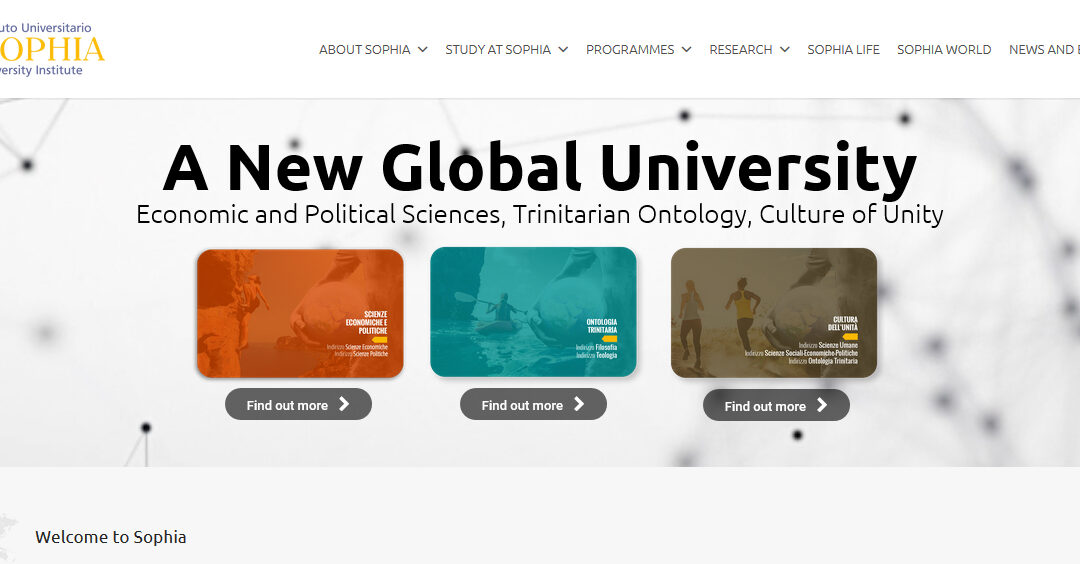
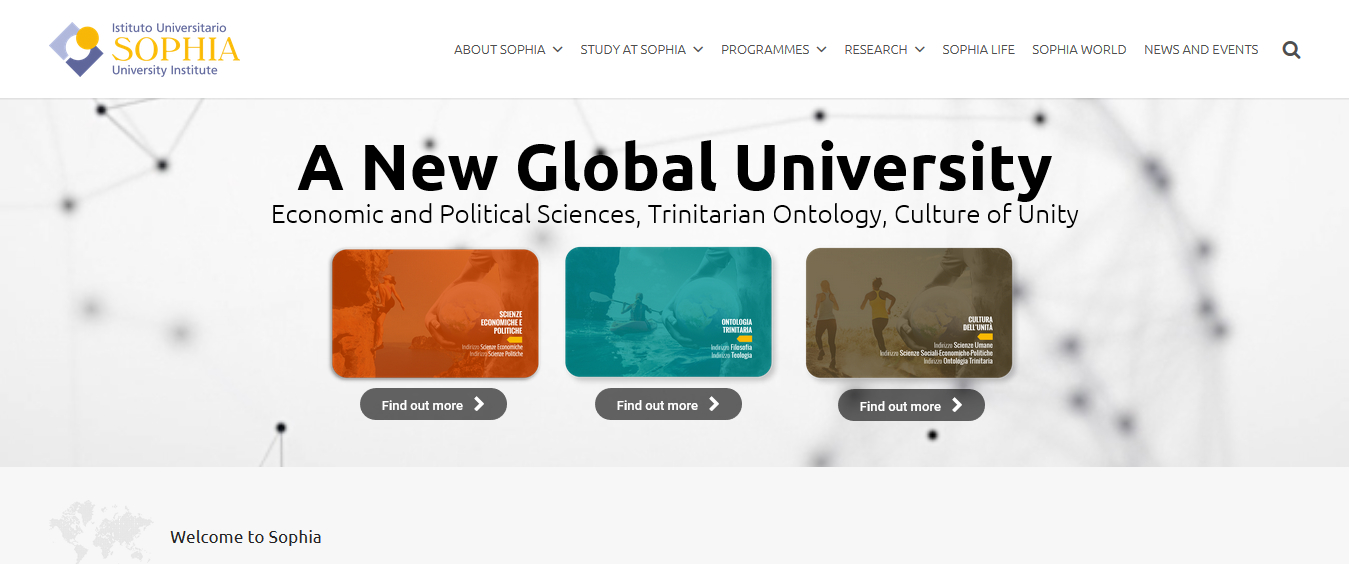 The new website expresses Sophia University Institute’s calling to become more and more global, not only because of its multidisciplinary approach to study and its cosmopolitan community of students and faculty, but also because of its openness and the soon to be opened training centres that will be added to the university of Loppiano near Florence, Italy. For ten years, Sophia has made dialogue and interaction among the different fields of knowledge an innovative method for overcoming the fragmenation, abstraction and isolation among the disciplines, with the goal of providing an open vision of the disciplines and the opportunity of comparing and combining their content, methods and results. Up until now Sophia has welcomed 450 students and faculty members from 50 countries and 4 continents. Visit the site
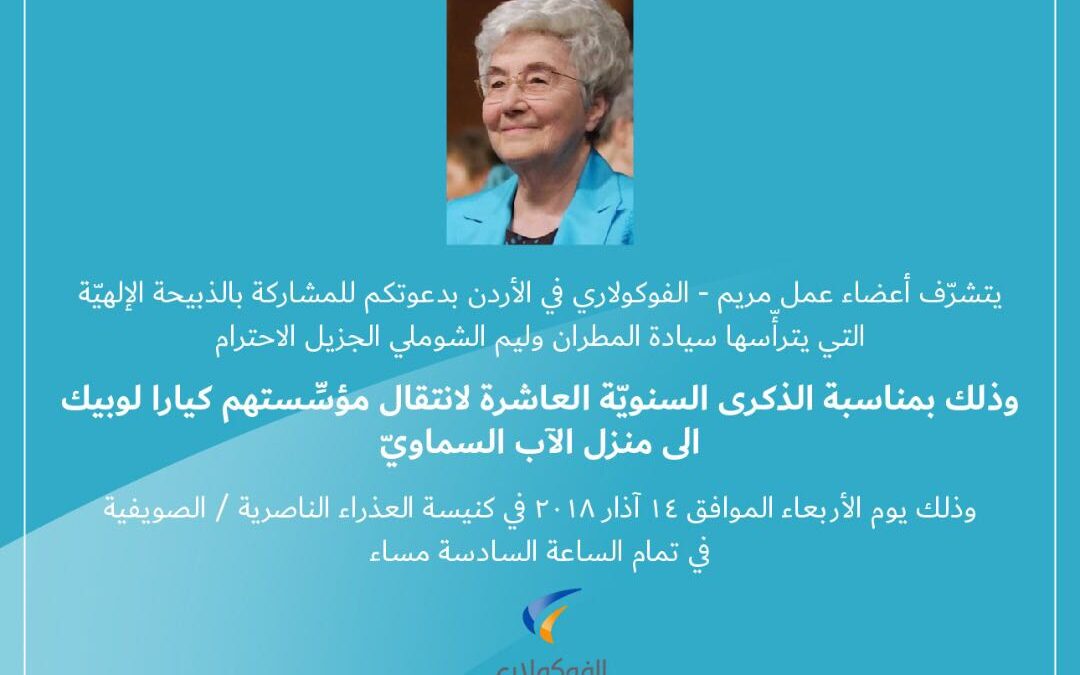
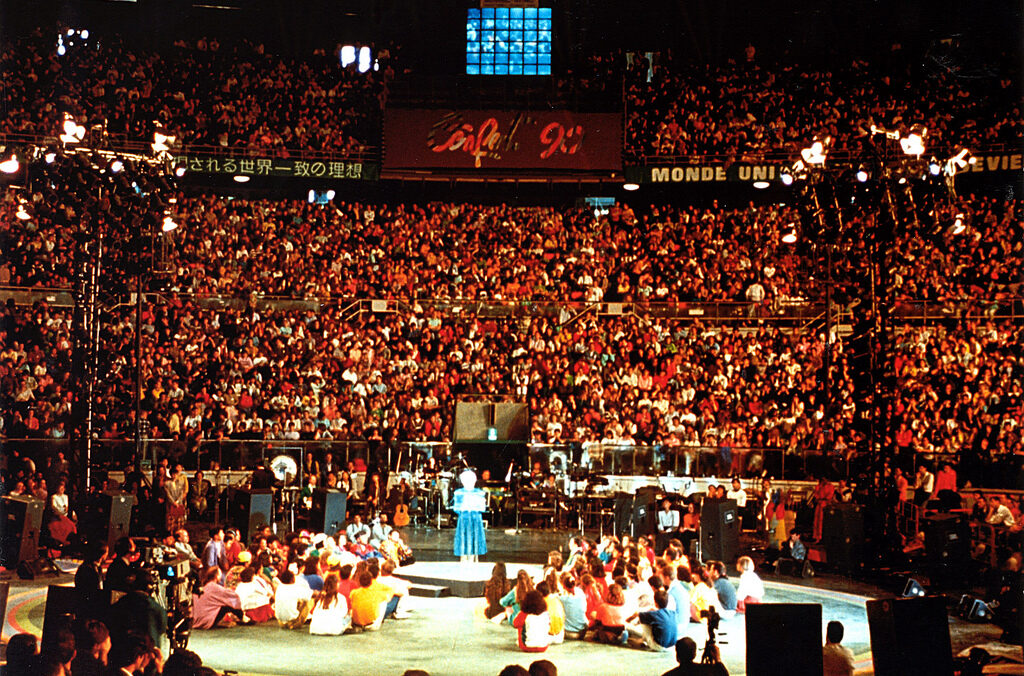
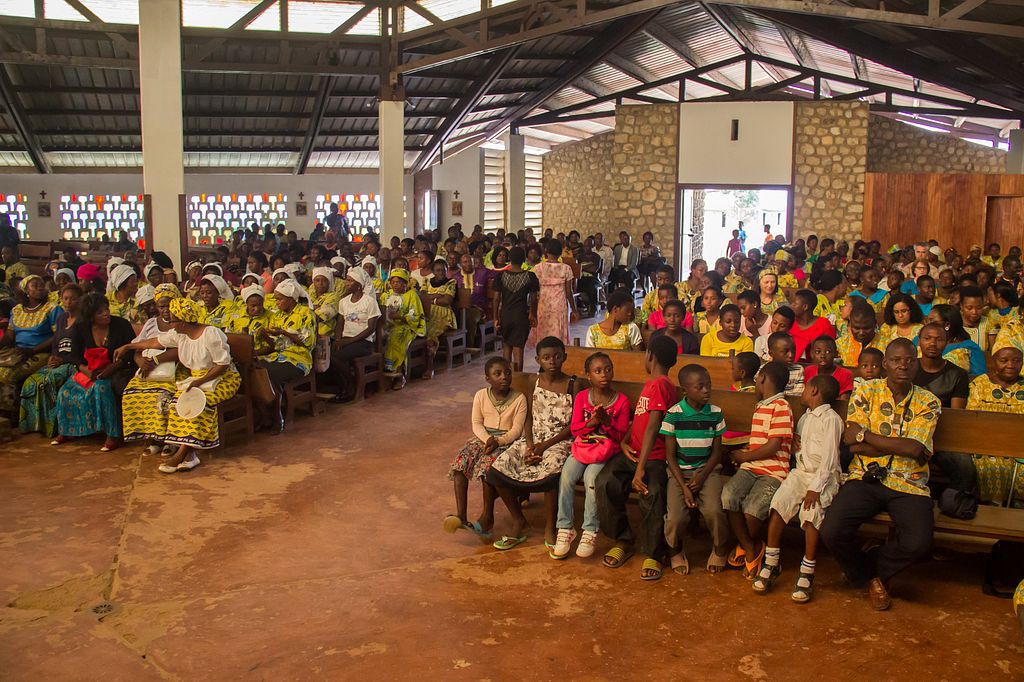 March 14, 2018 marks the 10th anniversary of Chiara Lubich’s passing away. Focolare communities throughout the world will commemorate this anniversary through a varied number of events that mark the charism’s contribution to social change. On March 3, 800 people are expected to participate in a conference held at Maria Hall of the Catholic University Hospital in Seoul, Korea. “Mary: a ‘yes’ that changes society” is the theme chosen for a meeting to be held on March 11 at Goma, Democratic Republic. Of Congo. A conference on “Chiara Lubich: a life of dialogue for peace” is scheduled to take place also on March 11, at Chicago, USA. “Conoscenze plurali” is the title of the convention which will take place on March 17 at the Salone dei Cinquecento of Palazzo Vecchio, in Florence, Italy. On March 18, a multi-ethnic day of social action is being organized in a tribal village at Chiang Mai, Thailand. A day’s meeting on “Chiara Lubich and social actions” will be held on March 24 at Chisinau, Republic of Moldova. These are some of the many initiatives planned. A 360º overview of the social dimension of Chiara Lubich’s charism will be presented through an artistic event scheduled for March 3, at the Mariapolis Centre, Castel Gandolfo, Rome. 2000 participants from the five continents are expected to attend. The Secretary of State, Cardinal Pietro Parolin and personalities from the fields of culture, communication and institutions are also expected to be present. This event can be followed in English, Spanish, Portugese, French and Italian via internet (http://live.focolare.org/chiaralubich/).
  For Chiara Lubich, the greatest attraction of modern times was “to penetrate to the highest contemplation while mingling with everyone, one person alongside others”. Sergio Zavoli, who was a very close friend of Chiara, defined her as a mystic of unity between heaven and earth. While speaking about the change she brought about in Trinitarian mysticism, he said: «Allowing God to dwell in the intimacy of one’s soul is making him live among men through communication between – I repeat her words – God in me and God in my brother. It is not by chance that Chiara Lubich’s thought appeals to us to put together the fragments of the inseparable, that is man, and to recompose the fractures of what is shareable, that is the community». Since the very beginning of Lubich’s experience in her native city of Trent, the social change that stemmed from her thought, gave rise to initiatives that have a very strong social hallmark. Today, these actions and works are found practically in all the world; they have the characteristics of each region and culture and they seek to give an answer to specific situations of individuals, groups and communities in need (see link). When confronted with the question about the Focolare’s focal aim today, ten years after the death of its founder, Maria Voce answered that the Movement “must definitely maintain unity with its source, that is Chiara, hence fidelity to the charism as originally passed on; it must return to its beginnings to discover the radicality and totality required from us, may be even more today. The Movement has to be developed so that it can be that instrument designed by God to spread the spirituality of communion and build the unity of the human family. It has to deepen its knowledge about the great charism God entrusted to Chiara and about ways of transmitting it to everyone, since besides its spiritual aspects, the charism has also doctrinal, social and political ones that can influence all areas”. Maria Voce expresses her conviction that today’s visibility of the Focolare Movement, where incidence on human and social realities is concerned, albeit good, “is still too localized”. Then she affirms: “I think that this visibility needs to be more effective and more extensive. May be the Movement needs to become more known even on a worldwide level. We are present almost in every country, but this, perhaps, is not evident enough. It will happen through our life: the more we live according to the charism, the more we will influence the world around, and hence become more visible”. SIF
Follow the live streaming event on 3 March at Castel Gandolfo, from 4.00pm – 7.00 pm: http://live.focolare.org/chiaralubich (in English, French, Spanish, Portuguese, German)
https://vimeo.com/257451488 Choose subtitles: English, Spanish and Italian
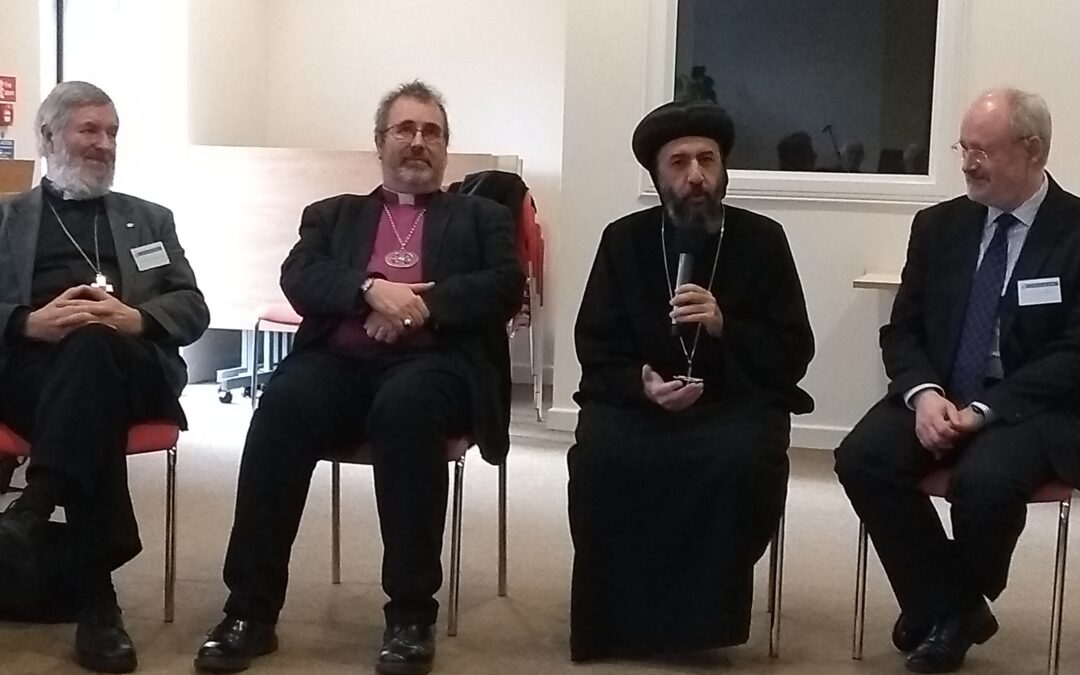
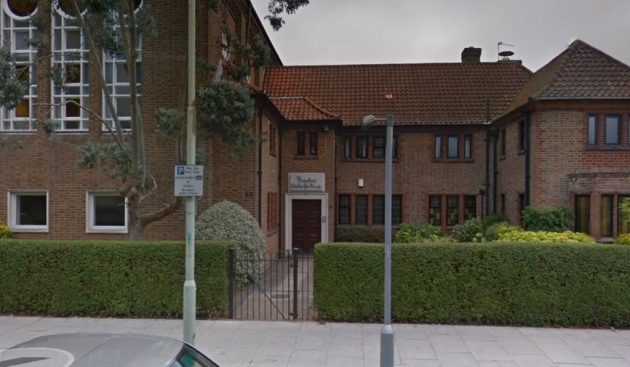
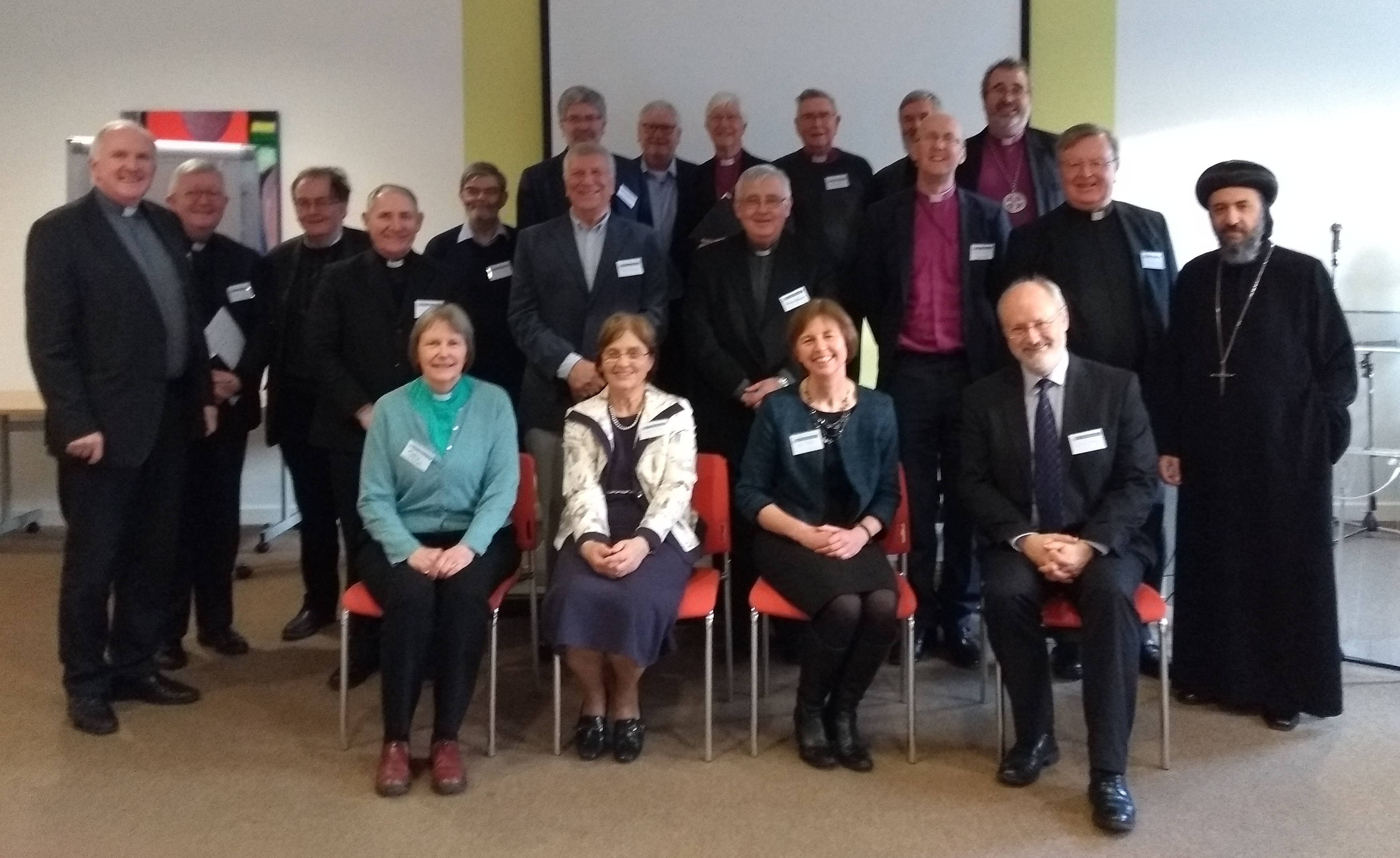
Welwyn Garden City
 Povilus explained how, during that period, “a new and vast horizon opened up an unimaginable vision of Mary” for the founder of the Focolare Movement. She was discovered “almost as if for the first time” as a human being, “one of us”, but at the same time “imbued with the Word of God.” “Mary revealed herself as the Mother of God, Theotokos, Mary was not just, as we had thought, the young girl of Nazareth, the most beautiful creature in the world, whose love surpasses the love of all the mothers in the world. She was the Mother of God in a dimension that was completely new to us. To explain it, Chiara used an image, that of the sky enveloping the sun.” “It was a new intuition of the significance of the event that took place at the foot of the cross, of the sword that must have passed through Mary’s heart, being asked to renounce her maternity towards her divine son to take as a substitute child John. And yet Jesus in his death was giving his life to all humankind, making us all God’s children. As Mary’s role in the Annunciation was to say “yes” to something beyond herself that God was bringing about, here again, on Golgotha, what was asked of her was, as theologians have said, a “second yes.” There is a wealth of implications for our own lives that Chiara derived from this understanding of Mary Desolate. First and foremost is that of recognising Mary to be a model that can be imitated: “by loving one another we generate the presence of Jesus in our midst. Like Mary, we can offer Christ to the world spiritually.”
 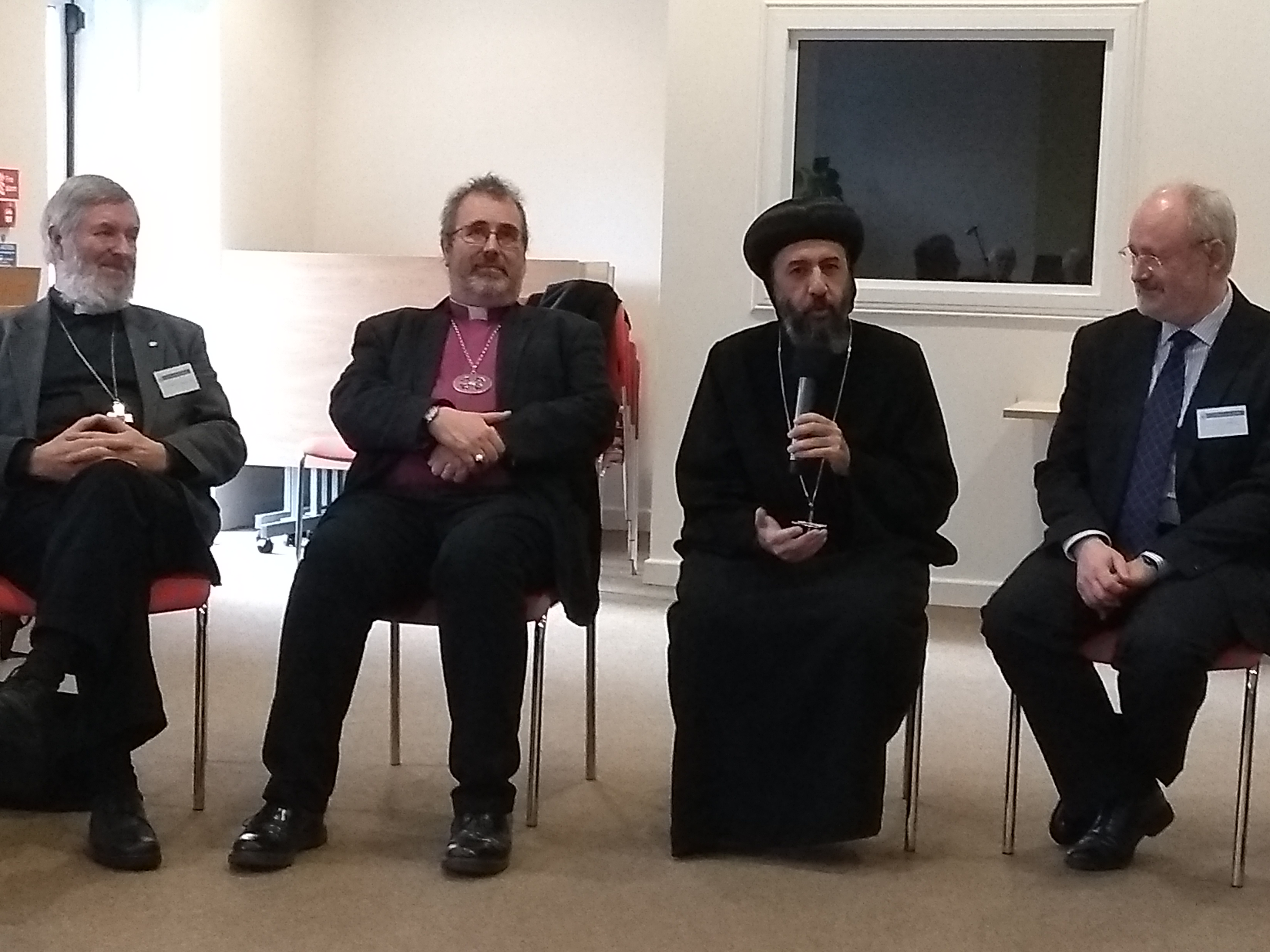 Another point that comes to new light in Chiara’s mystical experience of 1949 has to do with Mary’s place in the Church. “We know from the Acts of the Apostles that she was present at Pentecost which is often marked out as the birth of the Church. Chiara, describing her intuition of Mary’s place in the Church, from that early moment of the descent of the Spirit, used the metaphor of her being a heart: If Christ is the head of his mystical body, the Church, Mary is at its heart. Mary plays an essential role in helping the Church to respond fully to God’s project for it, which is to be a presence of Christ.” Great interest was shown in this Spirituality of Communion of Chiara Lubich’s, which aims “to increase the typical contribution of vitality, beauty and holiness that the Church, following Mary’s example, is called to bring to the world.”
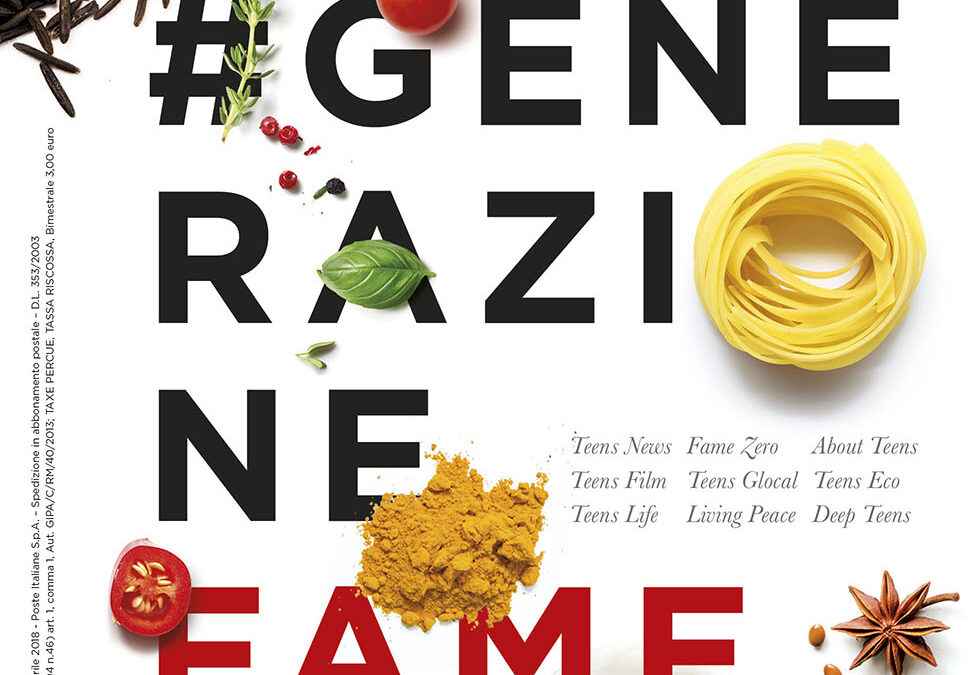
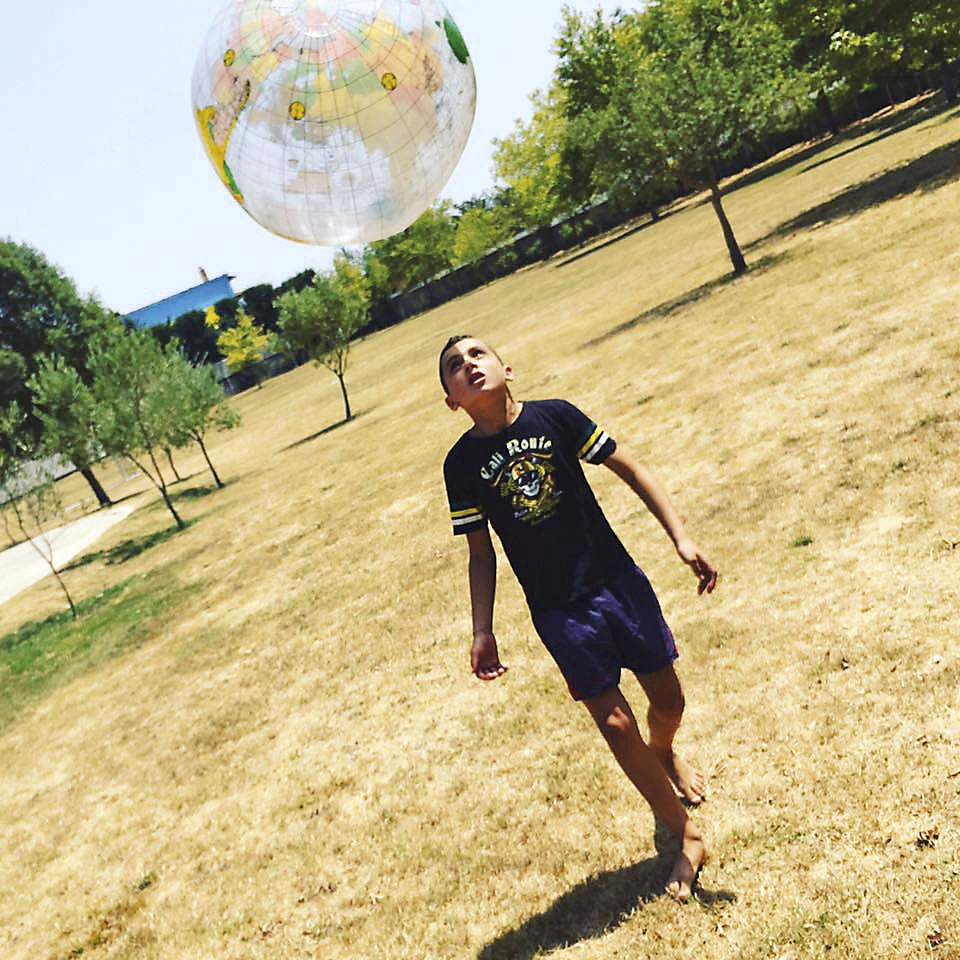 Seventeen sustainable development goals have been identified to be achieved by 2030. They are contained in the UN Agenda approved by the 193 UN member states. “Zero Hunger,” which is at the centre of an agreement signed in 2012 during a United Nations Conference in Rio de Janeiro, aims to free the world from hunger. In response to a request for collaboration sent by the United Nation’s agency, the young people and teenagers of the Focolare Movement decided to step onto the field alongside the FAO, in raising awareness among the generation that we hope will see world hunger defeated. World hunger has been on the rise again for more than a decade. It was recently reported on by the Annual United Nations Report of food safety and nutrition in the world (2017). In 2016, around 815 million people (38 million more than the year before), that is, 11% of the world population, was not sufficiently nourished. Around 155 million children under the age of five are underdeveloped (too short for their age), while 52 million suffer from chronic hunger, which means that their weight is not adequate to their height.
 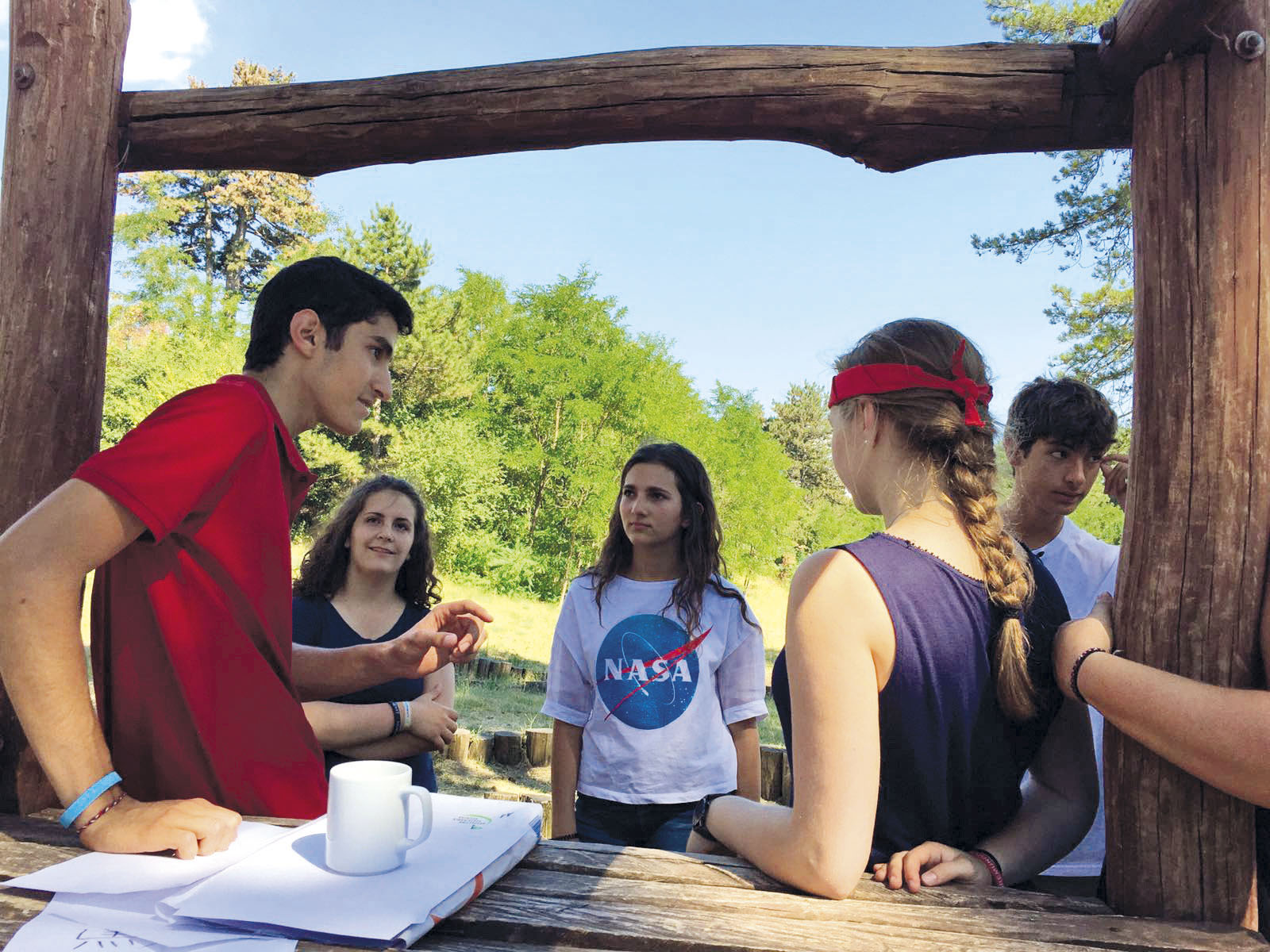 At the same time, because of a lack of healthy nourishment, 600 million people (including 41 million children) suffer from obesity, which is another face of malnutrition. The Report identified armed conflicts as the main cause of the migrations and of the shocks linked to climate change, as several of the key factors of the re-escalation of hunger and the many forms of malnutrition. Freeing the world of hunger will require urgent measures and decisions in favour of more sustainable lifestyles – from the consumer society to a change of course in international politics. But first it requires a stronger awareness and change in personal relationships. This is the message that the Focolare’s Teens for Unity and Youth for a United World have been spreading since last year along with several of their global-level projects: the need for study and becoming aware of the root causes of the problem; observing and monitoring the situation at the local level and involving as many young people, teenagers and associations as possible in: communicating and sharing experiences of working for the poor in their own local environments, for a more sober lifestyle, for dialogue, peace, the environment, welcoming immigrants, and, finally, their proposal to hold world-wide celebrations on the day chosen by the United Nations to be dedicated to the topic of nutrition (October 16).
 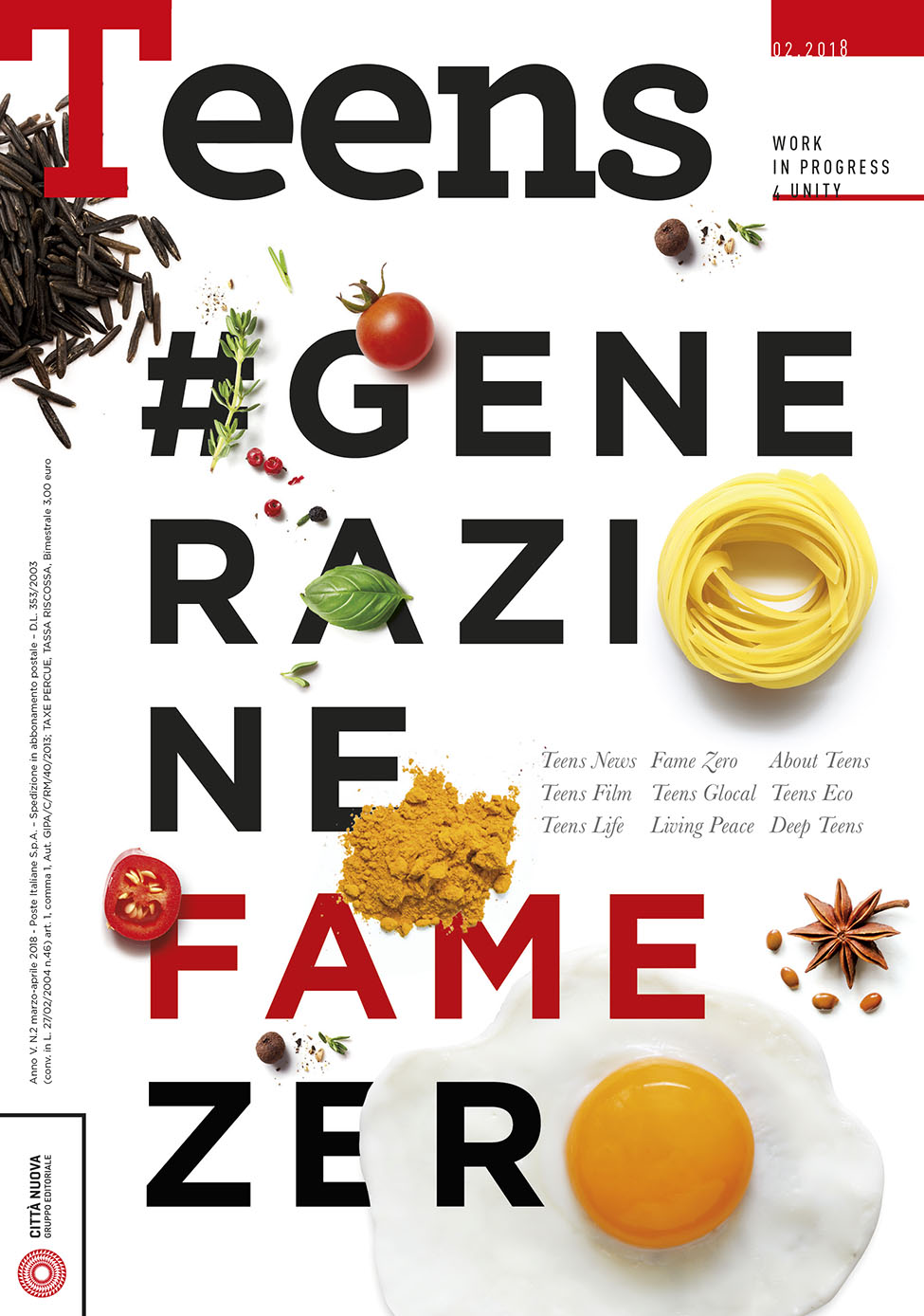 #ZeroHunger is now a regular feature of the Teens Magazine, published by Città Nuova in collaboration with the New Families Association, United World Association and the New Humanity Movement. The 2018 March-April edition will be dedicate to this topic. “What a thrill for our delegation,” write the teenagers on the editorial board, “to go into the headquarters of the FAO in Rome. Let’s get started right now so that our generation will truly be the first #GenerationZeroHunger. Teens Magazine will continue to follow this fascinating worldwide project.” The calendar shows April as the month for the publication of the Commitment Statement of the Teens for Unity, which was drawn up by teenagers from eleven countries. In May, the annual events for “United World Week” and “Run4Unity” will be entirely devoted to the topic. In June, a group of 600 children and teenagers (ages 9-12), attending an international congress of the Focolare Movement, will be the guests of the FAO for a morning of discussion and sharing on the topic. Finally, in the month of July, as part of the “United World Project” at Genfest 2018, a forum will be held on the theme #GenerationZeroHunger with the participation of the FAO. Chiara Favotti
for ages 4-8 | for ages 9-17 | Print | Audio https://www.focolare.org/gb/files/2018/03/201803WOL.mp3 King David, who was also a prophet, wrote this psalm at a time when he felt weighed down by anguish and poverty and in danger from his enemies. He wanted to find a way out of his painful situation, but realized he was completely unable to do so. Therefore he looked up, with hope, toward the God of Israel, who had always protected his people, and implored him to come to his aid. This month’s Word of Life draws our attention to the fact that he was asking to know the ways and paths of the Lord, to shed light on the choices he had to make, especially at difficult times. “Make me to know your ways, O Lord; teach me your paths.” Sometimes in life we too have to make decisive choices. It can be totally absorbing to have to do so, and it can help us to think deeply about what our conscience suggests is the right way forward. It could be that we have many paths to choose from and are uncertain about which is the best. At other times, we may feel there is no path at all. Wanting to find a way ahead is a strong human need, and so sometimes we ask help from those we consider our friends. Christian faith makes us become friends with God. He is a Father who loves us; he knows us through and through and wants to accompany us on our journey. Every day, God invites us to set out freely on an adventure. Our compass is unselfish love for him and all his children. The ways and paths are opportunities to meet other travelers and find new goals that can be shared. Christians are never isolated individuals, but part of a people travelling towards the fulfilment of the plan of God the Father for humankind. Through all he said and did, Jesus revealed God’s plan to bring about universal fraternity, the civilization of love. “Make me to know your ways, O Lord; teach me your paths.” The Lord’s ways can be daring and, at times, may seem too challenging for us, like rope bridges stretching between high cliffs. They challenge our selfish habits, our prejudices and false humility, and instead create opportunities for dialogue, encounter and commitment to the common good. Above all, they call for a love that is ever new and capable of forgiving, because it is founded on the rock of God’s love and faithfulness to us. This ever-new love is essential if we are to build just and peaceful relationships among peoples and nations. Even the witness given by a simple kind deed, done with love, can give others the light to see their way forward. At a gathering in Nigeria, when both children and adults were sharing their experiences of loving according to the Gospel, a little girl called Maya said, “Yesterday, when we were playing, a boy pushed me and I fell over. He said ‘sorry’ and I forgave him.” Those words touched the heart of a man whose father was killed by Boko Haram. “I looked at Maya. If a little girl like her can forgive, it means that I can do the same.” “Make me to know your ways, O Lord; teach me your paths.” If we want a sure guide on our journey, let’s remember that Jesus said, “I am the Way…” (Jn 14:6). When Chiara Lubich spoke to young people gathered in Santiago de Compostela during the 1989 World Youth Day, she encouraged them: “By describing himself as ‘the Way’, Jesus was saying we must take the same way as he did. We could therefore say that the way Jesus followed has a name: it is love. The love that Jesus lived and brought on earth is special and unique. It is the same ardent love that burns in God … “But who should we love? Our first duty of course, is to love God. Then, to love our neighbor, every neighbor … From the moment we wake up in the morning until we go to sleep at night, every relationship with our neighbor should be lived with this love. Whether we are at home, at college, at work, on a sports field, on vacation, in church or on the street, we should take advantage of every opportunity to love, seeing Jesus in our neighbors, neglecting no one, being the first to love … “This means entering as far as possible into the minds and hearts of others, truly understanding their problems, needs and troubles — as well as their joys, so that we can share everything with them … “In a way, we have to become that other person, just as Jesus, who was God, became a man out of love. Then our neighbors will feel understood and supported because someone is helping them bear their burdens and pain and share in their joys. ‘Living the other person,’ ‘living the others’ – this is a great ideal; this is amazing.” Letizia Magri
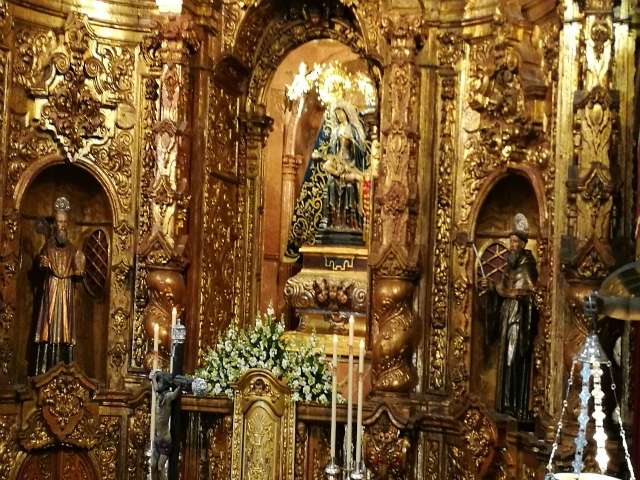
Facing the Mediterranean, to the southeast of the Strait of Gibraltar – a bridge between the two continents and one time end of the world – the city of Ceuta rises, which, along with the nearby Melilla, represents Spanish colonial remnants on the continent of Africa. Because of its strategic location on a piece of privileged coastland, the two cities have for decades have been considered possible entry ways into Europe, in spite of the dividing wall. Every day, men, women and children from the most diverse collection of African countries, escaping wars, poverty and persecutions of every kind, cross entire countries in an attempt to find a shore near the city on which to disembark. Right on this strip of land which, since 1851 has been under the Diocese of Cadice, which is in the midst of getting ready for the 600th anniversary of the arrival of the one who has been called the “Virgin of Africa,” a single block of wood representing the Blessed Virgin seated with the body of the dead Christ between her arms. In 1949, Pope Pius XII wanted her to be named the patroness of the city.
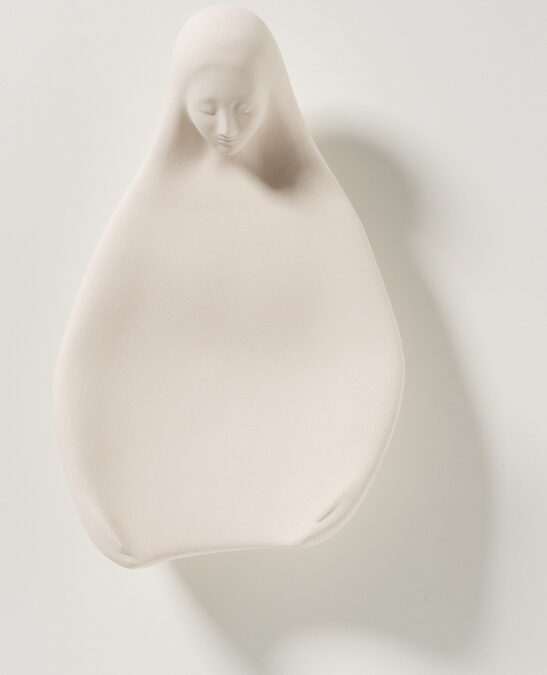
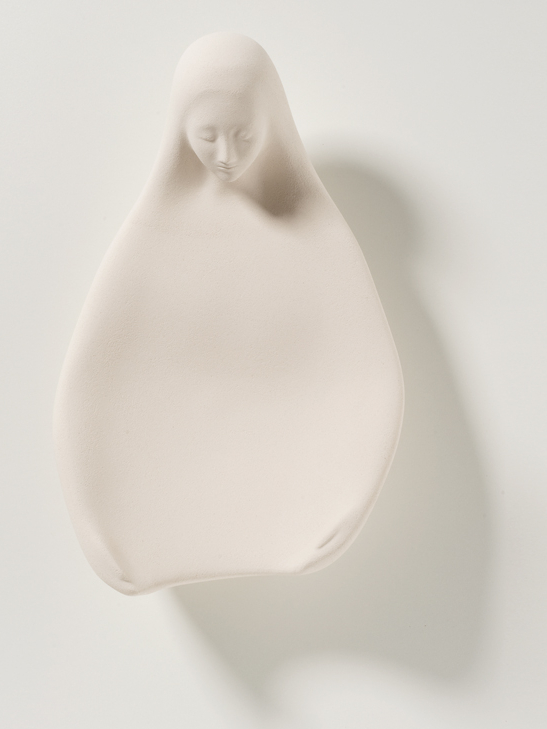
“Madonna della bella-accoglienza” © Centro Ave Ceramica
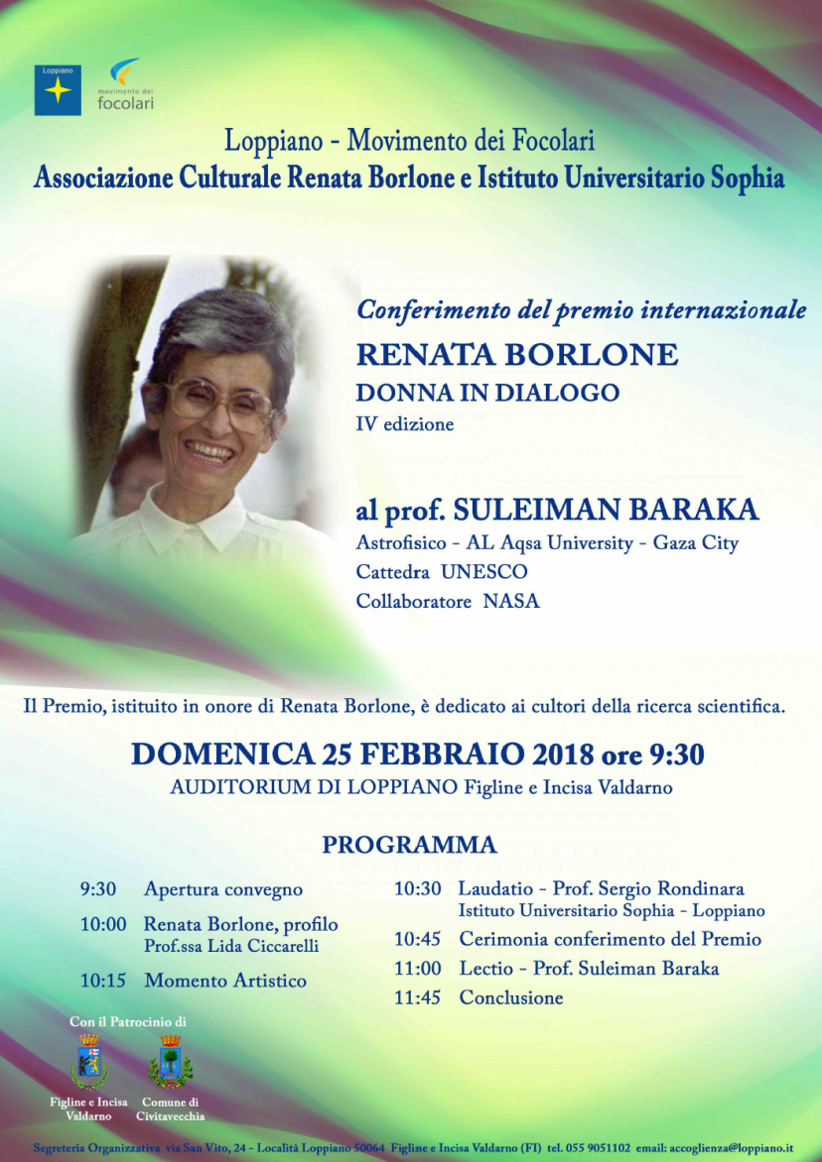 The “Renata Borlone Prize” will be awarded to Prof. Suleiman Baraka, a native of Gaza and an internationally renowned astrophysicist on Sunday 25 February, in the Auditorium of the International Centre of Loppiano (Florence), in the presence of the representatives of the scientific world and civil authorities. Now on its 4th edition, the Prize was instituted by the Cultural Association bearing the same name, to honour the memory of Renata Borlone (1930-1990), who for over 20 years was co-director of the town of Loppiano and is now a Servant of God. Full of human and spiritual values, Renata nurtured a special passion for science, intended as the privileged tool for the construction of unity of the human family. The Prize’s Scientific Committee conferred this recognition to Prof. Baraka for “his scientific research which focuses on human values and peace”. The awardee stated “This prize in honour of Renata Borlone who worked for the good of society – is a further incentive and encouragement to place science and its beauty at the service of humanity, promote peace among peoples, and enable the young generations to open their horizons to hope, despite the difficulties and obstacles they may have to face.”
Chiara Favotti
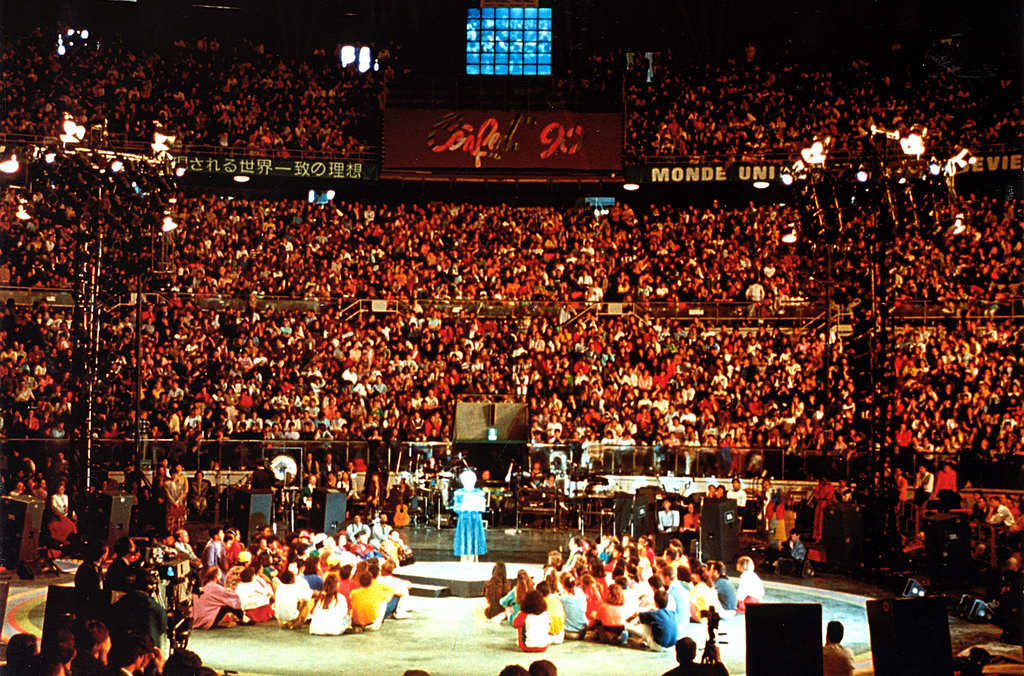 During adolescence, going with the Gen and the young people from the united world project, and the any experiences we shared, opened my heart far beyond the walls I knew. It made me hope and think big, of a truly united world. It wasn’t a fantasy, but a new way of thinking, of moving in a new direction, taking little steps, but made of real and authentic brotherhood. I took part in the 1990 Genfest with them. It was an unforgettable experience. For the first time, there was an explosion of happiness, young people from east and west looked in each other’s eyes and squeezed each other’s hands as television cameras broadcasted the scene in the Paleur Stadium to millions of television viewers around the world. We were given a mandate: to bring love back into the world. “Friendship and kindness aren’t enough,” said Chiara Lubich. “Philanthropy isn’t enough, neither are solidarity or non-violence. We have to change from being people focused on their own small interests, to being small daily heroes who are at the loving service of their brothers and sisters in every neighbor.” The next year I left for Moscow. The iron wall that separated East and West may have fallen, but at a great price, pulverizing ideals and an entire social system. There were no winners, nor losers, only the disillusioned, suffering and widespread poverty. It was clear to me: It’s not enough to bring down a wall to create a free and just society. Now, those words that I heard at the Genfest are the only way forward for me: “Only in harmony with each other and forgiveness toward each other can you build a real future.”
Chiara Favotti
At the mechanic’s I had brought my car to the mechanic’s for a small repair. The young mechanic said he would call me when it was ready. After six hours, no phone call came. I went to the workshop and strangely he pretended not to remember the job to be done and went on to serve other clients. After waiting for an hour he returned with the bill. It was exorbitant for such a small job. Being black, I felt this was evidently an act of discrimination. I paid, but anger and sharp pain got hold of me. When I was about to explode, I stopped to think and wonder how I could live the Gospel in a moment like this. I calmed down and patiently explained the facts to the person in charge. He listened to me and got the message, and ordered a reimbursement. That reimbursement seemed to me like the fulfilment of the promises of the Gospel. Welile – South Africa
Hunger and thirst for justice I was a revolutionary, and hungered and thirsted for justice and I said it in a loud voice, everywhere I went. At a certain point I found an answer in God, and for him, I left everything. One day I was asked to speak in a factory, but now there was a difference: it was no longer I but Jesus who spoke through me, because I tried to find love in my brothers. Looking at all those restless faces on the revolt, thirsty for justice, I got the confirmation that only love can achieve the miracle of changing people, their ideas, and the structures. This love is God in us and among us. Maria Teresa – Brazil Change of plans With my husband’s consent, I thought of enrolling in a course that would have been useful for my work. I was enthusiastic, because I saw that slowly the difficulties smoothed out and all seemed to confirm that I was on the right road. I had started to gather the necessary documents when I discovered I was pregnant, and this confused me. I would have wanted to set aside my project for some time. Upon reading the Gospel with my husband, we understood that God had other plans for us and we prepared to welcome the baby with joy. D.T.B. – Croatia The trump card I am a sales agent. One day I entered the office of a big company to present my products to the head of the purchasing office. Since he showed very little interest, I prepared to leave his office. But during that brief meeting I noticed that I was dealing with a person in suffering. I was already at the door when I felt I had to go back and simply asked: “Are you sure you’re feeling ok?” Wide eyed he asked me: “Why are you asking this?” I answered that I just had that sensation, greeted him again and left. The next day, I received a phone call from him. “I want to thank you, because after you left, your question rang in my mind. So that evening I went to my doctor who confirmed that I could have collapsed at any minute and there was immediate need to intervene with a strong therapy.” That same day, the company made a big order. So I not only found a big client, but had also helped a person to feel better. Putting love before all else in our actions is always the trump card. From Focolare website www.flest.it – Italy
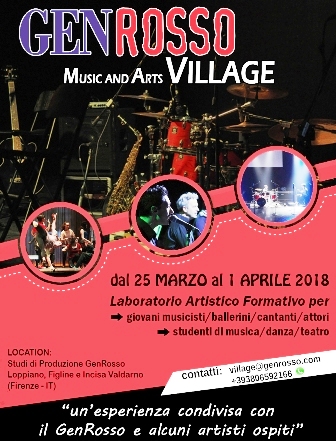
The GEN ROSSO (INTERNATIONAL PERFORMING ARTS GROUP) is presenting the 1st edition of the Gen Rosso Music and Arts Village, a residential in-depth artistic experience with the sharing of values in the light of the charism of unity. The project addresses young professionals and students preferably from 18 to 30 years of age, in disciplines such as music, dance, singing and theatre. The didactic method is designed and handled by Gen Rosso tutors having the qualified artistic capacities and experience. The program will include the study of specific themes. Exchange of experiences, dialogue sessions and practical labs will be exhibited in a final performance. The evening sessions will be enriched with interesting artistic contributions. The first edition of the Village will take place from 25 March (arrivals in the afternoon) to 1 April 2018. A participation certificate will be issued at the conclusion. Gen Rosso, through the Village secretariat, is at everyone’s disposal for further information and all the documentation needed for enrolment. (limited number). Contacts Secreteriat VILLAGE: +39 0558339821 (9.00-13.00, Italian time) Franco Gallelli cell +39 3806592166 Email secretariat VILLAGE: village@genrosso.com
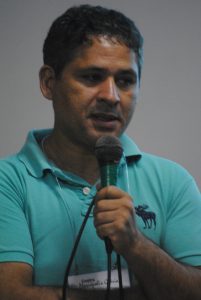
Guaramiranga, with 7,000 inhabitants, is a small city of the Northeastern state of Ceará in Brazil, which boasts a highly diversified natural environment at the Atlantic coast where there are also the most beautiful beaches in the world, and with an interior full of lagoons, and water courses populated by mangroves, jungles and forests. About 100 kilometers from the coast, it is the seat of two important cultural events: the international “Jazz and Blues” and the more local “Northeastern Theatre Festival.” Here lives Almir, a “volunteer of God” of the Focolare Movement. Some years ago, pushed by the desire to do something for his city, he decided to run for the post of Town Councilor. After his election he was asked to assume the councillorship for Culture and Tourism, an important role since most of the city’s economy rotates around tourism, cultural events and exhibitions. The role is very challenging and above all, Almir is full of ideas. However, it was not an easy choice: “I lengthily pondered on the mayor’s request to assume this position. In fact I was thinking of running again, since after a year and a half there would be a reshuffling of the town council, and I doubted that the proposal aimed at limiting me politically, due to my ideas in advocating clarity and transparency. On the other hand, the area of culture and tourism was undergoing a difficult moment: many small hotels and shops were about to close and the personnel would have been fired. I felt the suffering of those brothers who could have lost their jobs, and of the owners who would have had to close ship. So after talking with some friends, I accepted the challenge.” Almir started to work on the new assignment with passion, mobilising the entrepreneurs and inhabitants. He launched a participation course with some citizens, involving them in the promotion of touristic events to give a new impulse to the city and boost the economy’s upturn. Also the inhabitants of the rural districts were involved in a project for the upholding of local traditions with new cultural initiatives in the territory. In short, the city saw the growth of touristic flows, the birth of new businesses, hotels and hostels and the creation of new jobs. “Other two challenges” – Almir explained – “were the relaunching of the Town Theatre in the city’s historical centre, and the revival of the Food Court, the square dedicated to restaurants. In this case, the difficult rapports between the restaurant owners negatively influenced the events held in the city. I asked myself how we could go about creating relationships of fraternity and collaboration in that place. I started by going to visit them, creating friendly relations with each of them, and trying to understand the problems and smoothing out the tensions. At first I found a lot of resistance, but I didn’t give up. In the end, I was able to build a “team,” to such a point that today these people have become friends and cooperate with one another. It seemed like a miracle to see these businessmen, who were enemies at first, relate with each other in a friendly and supportive way.” «Today, due to family issues, I am no longer involved in the public administration, but I participate in the political life with the conviction that in trying to concretise the words of the Gospel, we can find the strength to meet the necessities of one’s people and one’s own community.” Chiara Favotti Source: Movimento dos Focolares Brasil (our translation)
In preparation for the 9th World Meeting of Families, the Pontifical Council for the Laity, Family and Life has published seven catecheses which are available on its site in five languages (English, Spanish, French, Italian and Portuguese). The meeting will take place in Dublin from 20-26 August 2018. Card. Kevin Farrell, Prefect of the Council defined the catechesis as “A catechetical program in the light of what Pope Francis donated to the entire world with the post-synodal Apostolic Exhortation Amoris laetitia.” The themes to be presented are: “Families today,” “Families in the light of the Word of God,” “God’s great dream,” “The culture of life,” “The culture of hope” and “The culture of joy.” Card. Farrell explained: “Each catechesis is introduced by some prayers drawn from the pontifical magisterium or from patristic tradition, and concludes with the requests for a moment of sharing that starts from the family, the first domestic Church, to then extend to the Christian community.” The catecheses are accompanied by a musical itinerary sung by the renowned Italian singer, Andrea Bocelli, in a concert at the Sagrada Familia Basilica of Barcelona in May 2015, and is the first of a series of repeated concerts within the ambit of the project entitled “The Great Mystery. The Gospel of the Family, School of Humanity for Our Time,” and also in the shrine of St John Paul II in Cracow, and in the St. Stephen Basilica in Budapest. (www.laityfamilylife.va/)
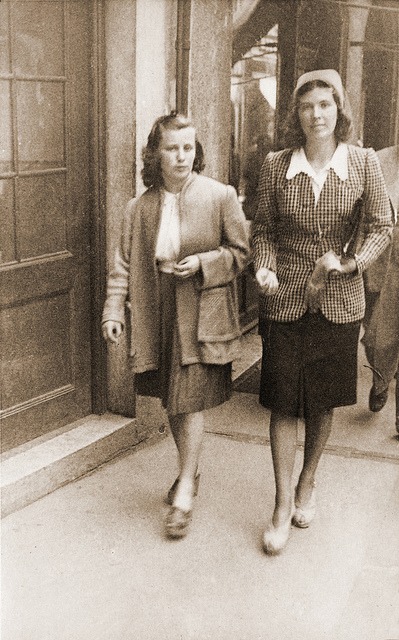
Gis and Ginetta
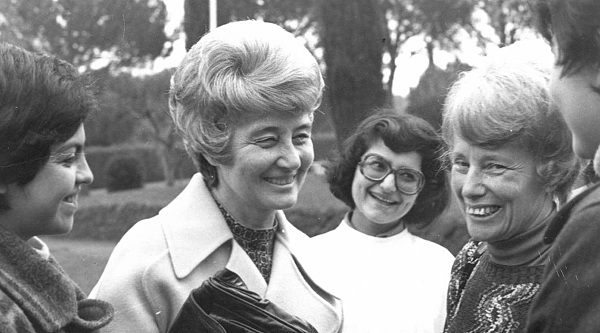 When the war ended Gis and Ginetta asked their mother to let them live in the focolare. Ginetta got permission, but the little one no. She didn’t give up: she knew that her decision was final and it would only be a matter of time. The solution was found by Igino Giordani who, knowing Mamma Calliari to be one of his passionate readers, offered Gis a job in Rome. On December 6, 1949, the mother was happy to opt for Giordani. She let Gis leave for Rome, oblivious to the fact that besides being the judges secretary, she would open the first focolare at the capital of Italy with Chiara and others. From then on Gis lived at Chiara’s side with a few short interruptions to start up focolares in several places around Italy. Speaking of those 25 years with Chiara, in 2005 she confided: “It’s very simple, limpid, profound: all that is hers is mine, all that is mine is hers.” It was a remark that fully represented who Chiara was for everyone in her focolare: “Philadelphia is more than a reality,” says Chiara. “It’s here where I take strength to face the daily crosses (after the personal union with Jesus). Here you go from Divine Wisdom that’s shared spontaneously, to practical advice on health, a dress, the house, the food; to constant little helps, every day, with sacrifices that could never be counted. Here […] The blood that flows between us is of a home, but a heavenly home.” “In her office,” Gabri Fallacara recalls, “she telephoned everybody, building a network of love, incisive, open and understanding. With absolute trust she placed herself in the most favorable conditions for discerning what the charism of unity asked, day after day, of Chiara and of us.” Following Chiara’s death Gis continued living for everyone, in spite of her failing capacities, she was a gushing fountain of tenderness and affection. In July 2017 her worsening health transformed her room into a crossroads of heavenly encounters. On January 2018, Gis peacefully left this world. “Right to the end she continued to give of herself in order to make Chiara continue to live in the Movement today. She gave me a big lesson of simplicity, radicality, trust in God’s plan and unity with all.”
In remembrance of persecuted Christians around the world, on Saturday 24th of February the Help to the Suffering Church (ACS) will colour the Roman Colosseum red. In the same context, two other symbols of the recent persecutions of Christians will be painted the same colour: St Paul Cathedral in Mosul, Iraq, and the Maronite Church of St Elia in Aleppo, Syria. After the Trevi Fountain lit up in red on April 29, 2016, ACS returns again to offer this “sober provocation” in the capital, as the director of ACS-Italia, Alessandro Monteduro explained during the press conference held for the event. The main event will be held in Rome, in Largo Gaetana Agnesi, starting at 6 pm. The general secretary of the Italian Bishops’ Conference, Mgr. Nunzio Galantino, and the president of the European Parliament, Antonio Tajani confirmed that they will be present. Source: SIR
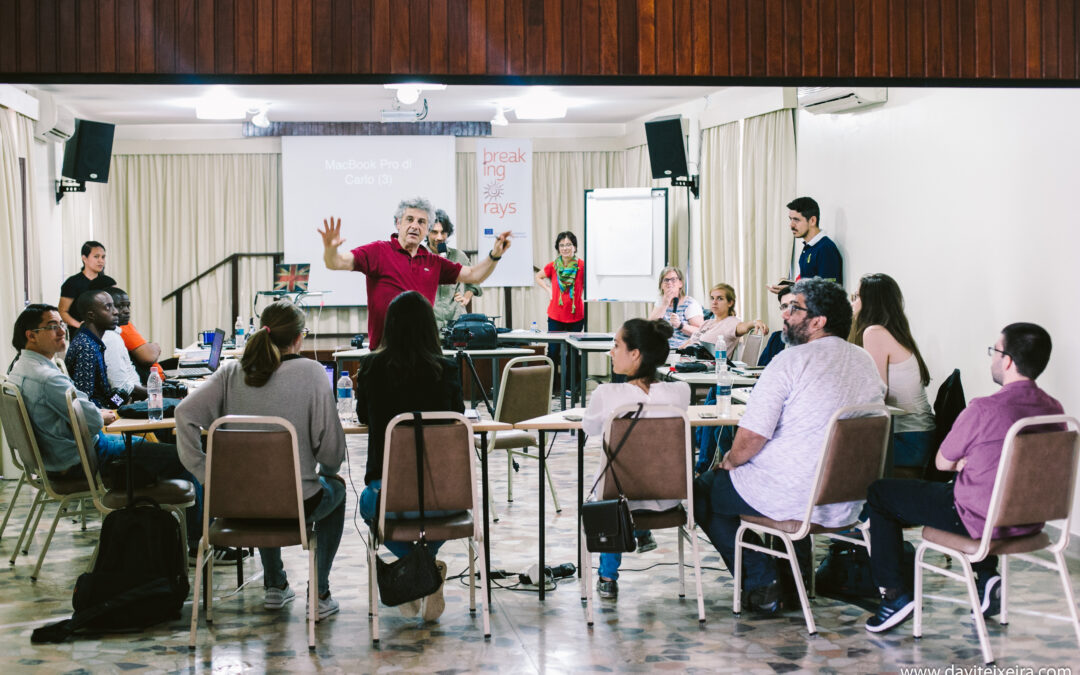
 “Breaking Rays” is a play on the words “Breaking News” which are used to describe the interruption of some latest sensational news story. The sensational news this time was a project for the promotion of fraternity and a group of young communication workers who, with passion and skill, are stepping up to produce some maximum results. Breaking Rays aims at building an international network where experiences inspired by the charism of the Focolare Movement can come out of isolation and “break” onto the global scene, creating a widespread domino effect in other communities. Co-financed by the European Comission through the Erasmus+ and promoted by the international New Humanity Association in collaboration with CSC Audiovisual Centre, Italy, and other NGOs, the project is for young filmmakers and collaborators of the bi-monthly telephone CH Link-Up with news of the Focolare Community around the world. They already got through the first and second stages in Castelgandolfo, Italy, last July; and at Mariapolis Ginetta in San Paolo, Brazil on February 3-10. The next and final stage will take place concurrently with the Genfest, July 2018 in Manila, Philippines.
 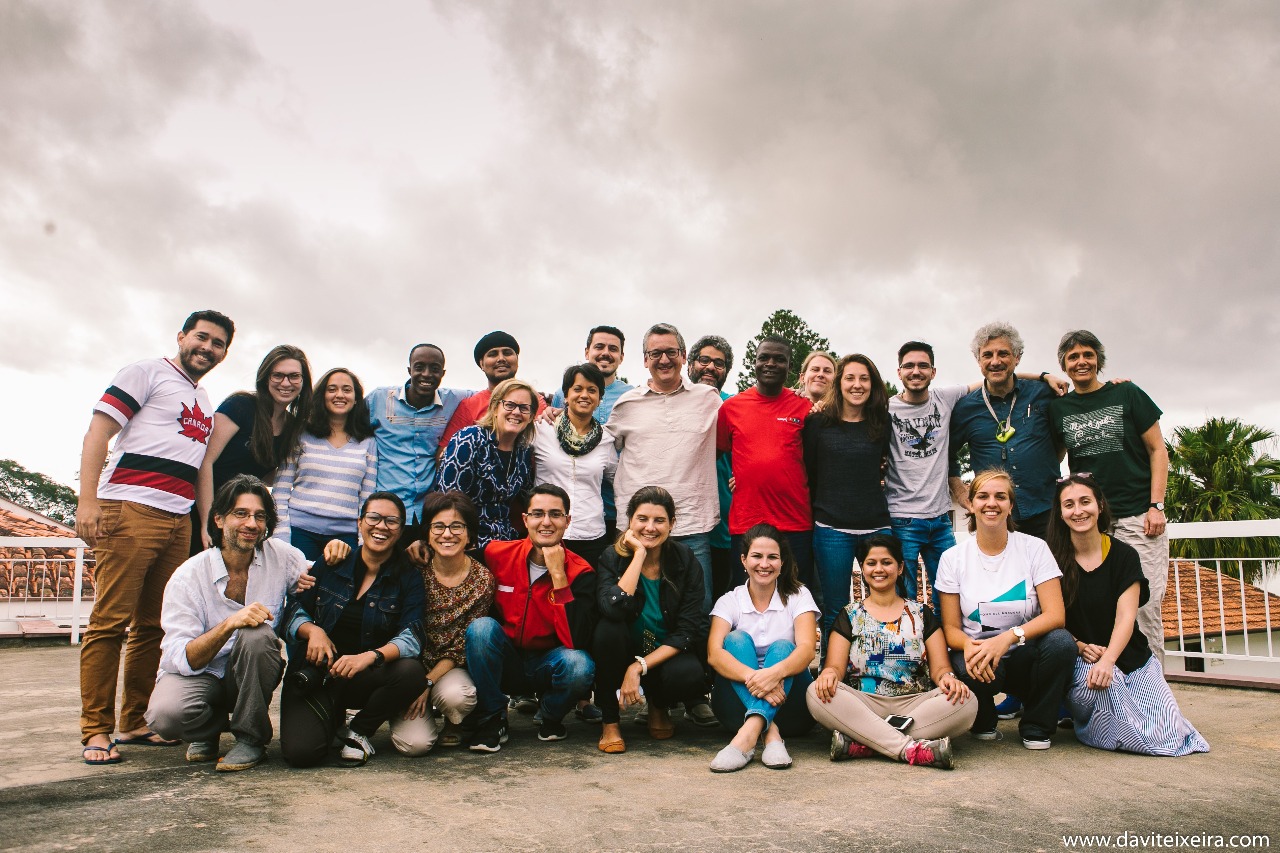 Twenty young people from different countries (Brazil, Italy Hungary, Indonesia, Philippines, India, Kenya and Burundi) have already arrived in Mariapolis Ginetta with a variety of skills, to be coordinated by professional tutors: Italian film director from RAI-TV, director of photography, Carlo Sgambato, project director, Kim Rowley from CSC audio-visuals, along with Isabela Reis, producer and curator of cultural audio-visual projects. With them there is also Paolo Cipollone from CSV Audiovisuals and coordinator of the project. Theoretical and practical training, along with experimenting with new techniques will alternate with work and a common life that will support a communion of talents and openness to constructive criticism. The group has made several visits to social projects of the region, making videos and interviewing. During other sessions, several experts in the field of communications (dreicting, television and radio journalism) have told their own experience and answered questions from the participants.
 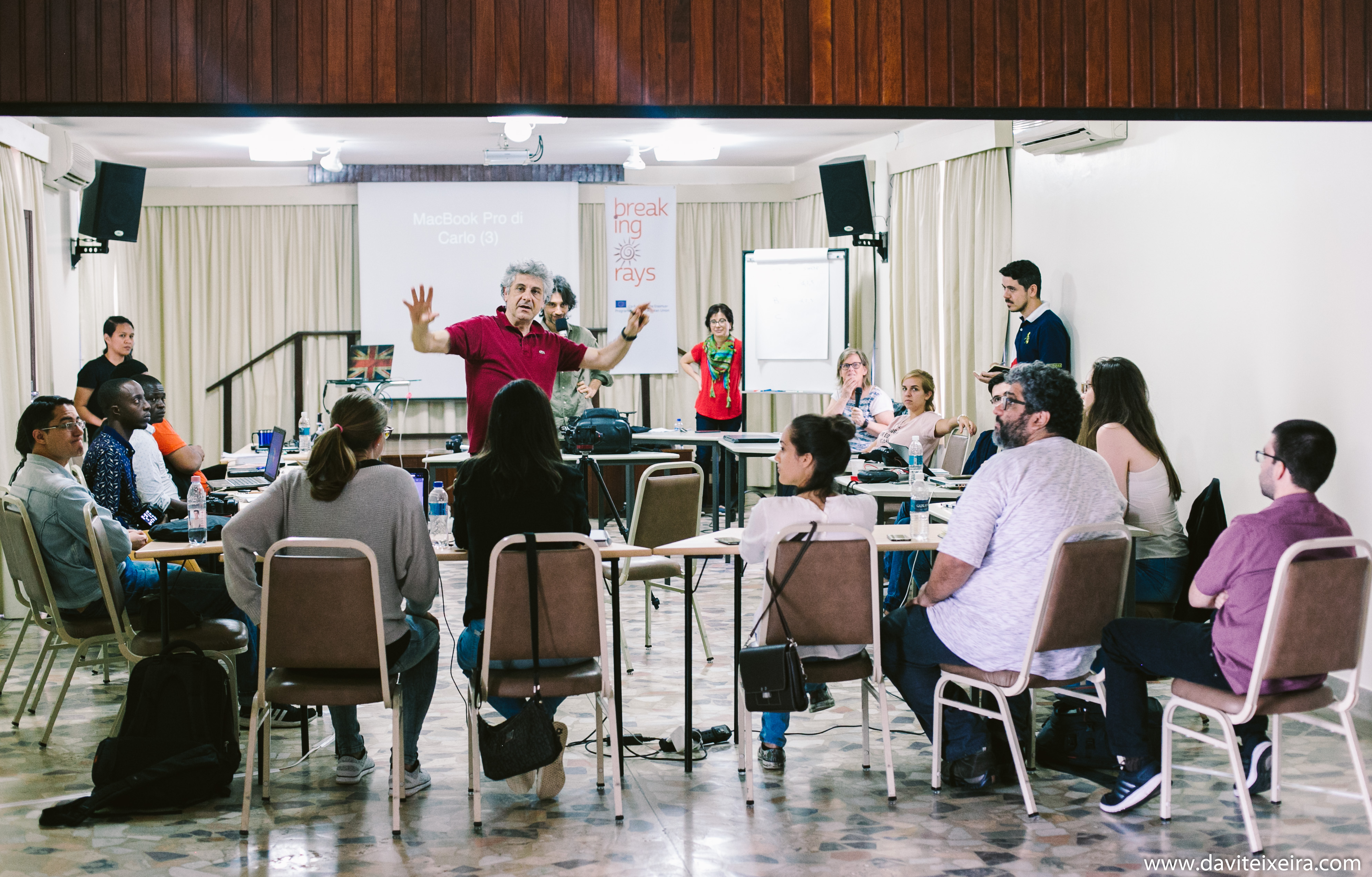 A unique experience in which to learn and go deeper into the profession of a journalist from a new perspective,” said Lewis from Burundi. “More than a course on film-making, powerful stories shared about how to make a better world,” said Donald from India. The team and experts helped me to develop an eye for detail and how to shatter stereotypes and cultural cliches, using audiovisuals.” Full-time tutor Isabela Reis from Brazil explains: “I think it’s a project we can be proud of. It was a strong experience that engaged us for eight days. It was useful for improving the ability to communicate among the young people. It was also important to discuss the various ways of taking advantage of the possibilities offered by technology.” Rafael from Brazil has been in Manila for several months helping to prepare the Genfest: “An important step towards Manila. It was beautiful to spend a whole week in contact with such incredible professionals. Their videos spread hope.” Kyle Venturillo from the Philippines: “We come from different parts of the world. We have different languages, cultures and personalities. In spite of this, we were able to establish a relationship of openness among us, which turned us into a family. We’re a group of people “a bit folly,” with different thoughts and perspectives, but with one main objective: to make this world more united.” Other participants in the project included: Starkmacher, Germany, Opus Mariae, Kenya, Focolare Ireland,, UJ Varos, Hungary, Pag-asa, Philippines, Civitas, Brazil, Focolare Society Bombay, India and YayasanDuniaBersatu, Indonesia. Chiara Favotti

Since the deadline is set for 1 March, there is still time to participate in the #FraterniTALES contest organised by the United World Project, and become “United World Ambassadors.” The Ambassadors selected will cooperate with UNESCO’s National Commissions in the presentation of the good practices promoted during the United World Week in their respective countries. “Besides promoting peace actions and projects, the youths will have to show their talents in tracking down facts and choices for brotherhood,” explained Marco Desalvo, president of the NGO New Humanity, promoter of the contest, and the more extensive United World Project together with the Youth for a United World of the Focolare. Young people aged 18 to 24 may participate in the selection, and must have the skills, passion and interest in issues like universal brotherhood, global citizenship, sustainable development, education in human rights, functions of international institutions and ethical leadership. All the #FraterniTALES will be published on the contest’s Facebook and Instagram pages. The 30 most outstanding candidates will become true and proper spokespersons of the United World Project in their countries of origin after a training course to be held in two phases, the second of which will be at the Genfest in Manila. For information and sending of documents (video or text) see United World Project
Foto: Pixabay
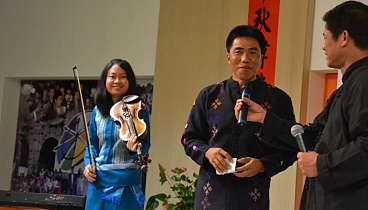
The Spring festival (春節, 春节, chūnjié) or lunar new year (農曆新年, 农历新年, nónglì xīnnián), known in the West as Chinese New Year, is one of the most important and most heartfelt Chinese traditional feast, wherein the new year is celebrated according to the Chinese lunar calendar. The celebrations will start on 16 February and continue for about two weeks up to the Lantern Festival, with numerous activities, shows and markets. On the eve, the families convene for the “dinner gathering,” the most important meal of the year. On this occasion, various generations hang out at round tables to savour food and time together. Every street, house or building is decorated in red, the festival’s main colour. Praying together in a temple during the New Year is believed to be a wish for good fortune for the new year that is about to start. In Shanghai thousands of people crowd in the Longhua Temple, the city’s biggest temple. In Loppiano, the international town of the Focolare where many inhabitants come from the Far East, there will be celebrations for the start of the year of the Dog with a party on Saturday, 17 February, which will be an occasion to delve into the cultures of Asia through games, art, music and dance.
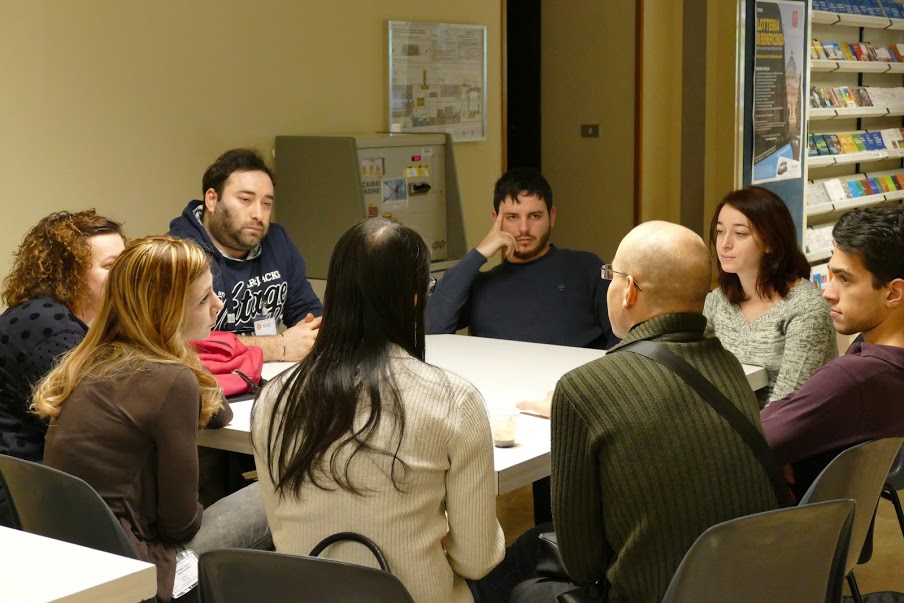
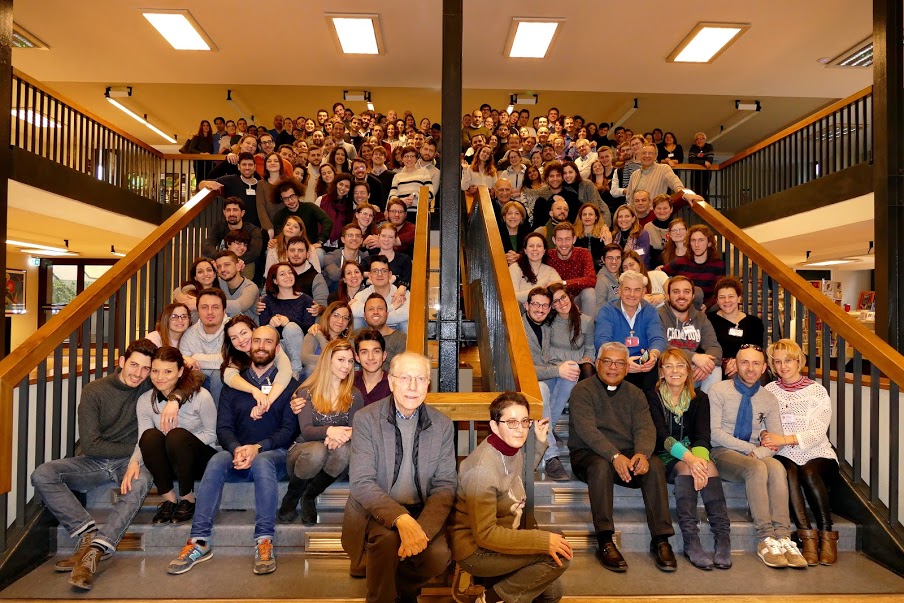 The international conference for engaged couples held in Castel Gandolfo (Rome) has just ended. It was organised by the New Families Movement of the Focolare, and attracted the participation of 65 couples. Besides addressing the issue of personal choice and identifying and overcoming crises in relationships, with a special focus on communication, affection and spirituality, what impressed most were the real-life stories shared by couples. One example was the experience shared by Massimo and Francesca from Rome, married for 17 years, both managers in a Telecom company and the latter, also a teacher of Italian to foreign students. Francesca: According to the doctors, we would not be able to have children, and even if there would be a pregnancy, the certainty of success would not be assured. It was a sentence without appeal. After a prior moment of distress, a reassuring conviction made its way: fertility lies not only in a biological capacity, but in being able to generate love around you. So we continued to bring ahead, with unchanged enthusiasm, the initiatives that had accompanied the choices we had made in our youth to work for others. We would also be open to life, albeit the fear of serial and traumatic miscarriage.
 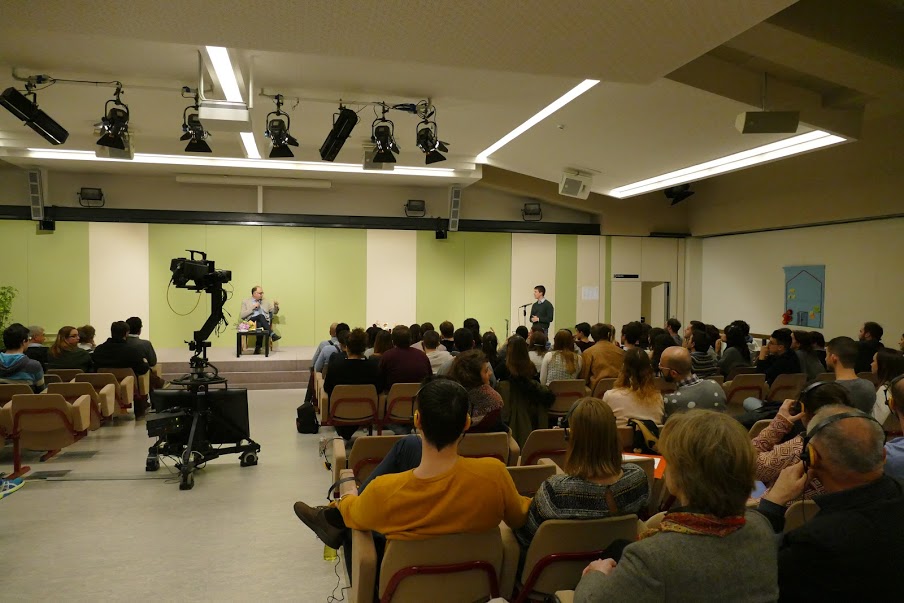 Two years had not passed when we discovered that we were expecting a baby. As foreseen, the pregnancy was difficult, and progressed despite the verdicts of the doctors who continued to remind us of the serious risks entailed and the care we had to take. In those difficult moments we prayed to God, the author of life, which made us even more conscious of the preciousness of that little bundle which wanted to grow inside me despite the severe opinion of the doctors. The doctors were astounded when at the end of term, Alessandro was born very healthy, and I too was well, though they even told us: now you have a child, do not dare venture beyond. Massimo: Instead we were still open to life and after a few years, a new pregnancy came up, followed by a new wave of amazement, skepticism and recommendations of the doctors. At the advanced stage, there was a suspicion of the Down syndrome, to be ascertained through an amniocentesis. Once again, despite the trauma of this news, we felt that the certainty of God’s love was stronger for us and our baby, to whom we wanted to give an unconditional welcome. Those were months of fear and distress which we again overcame by targeting not to remain entangled by the suffering but to live it as an occasion to love one another and all around us. At Matteo’s birth they told us that he did not have the Down syndrome, but a heart malformation which required hospitalization until when he could be operated, at four months of age. Francesca: In those four months, the fatigue, and above all the inability to face the pain of an innocent child, brought moments of misunderstanding between us. That propensity to love one another at times seemed to disappear, also because I wanted to stay in the hospital with Matteo and Massimo at home with Alessandro or at work. We saw each other only in the ward and often a wrong word sufficed to flare up. Massimo: One evening, after visiting them in the hospital, upon saying goodbye in the corridor both of us felt the need for a sincere, beneficial, heart-to-heart dialogue. We understood that among the many worries, the only one which should be heeded was that of loving each other. And even now, when the inevitable daily tensions seem to take the upper hand, we go back to remembering those moments of light in which also as a family, suffering has regenerated us to a truer love.
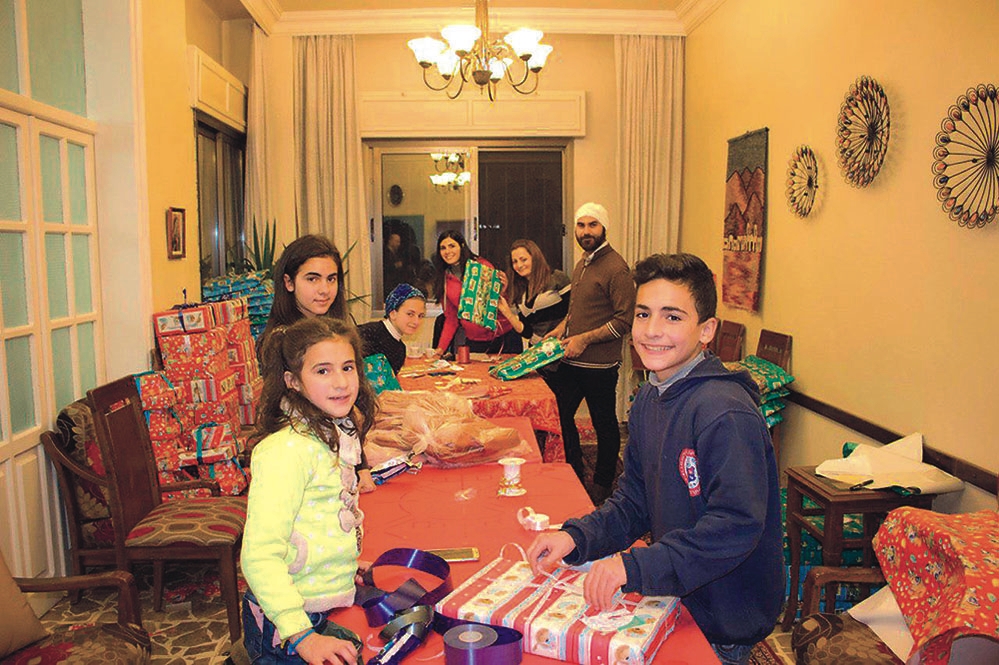
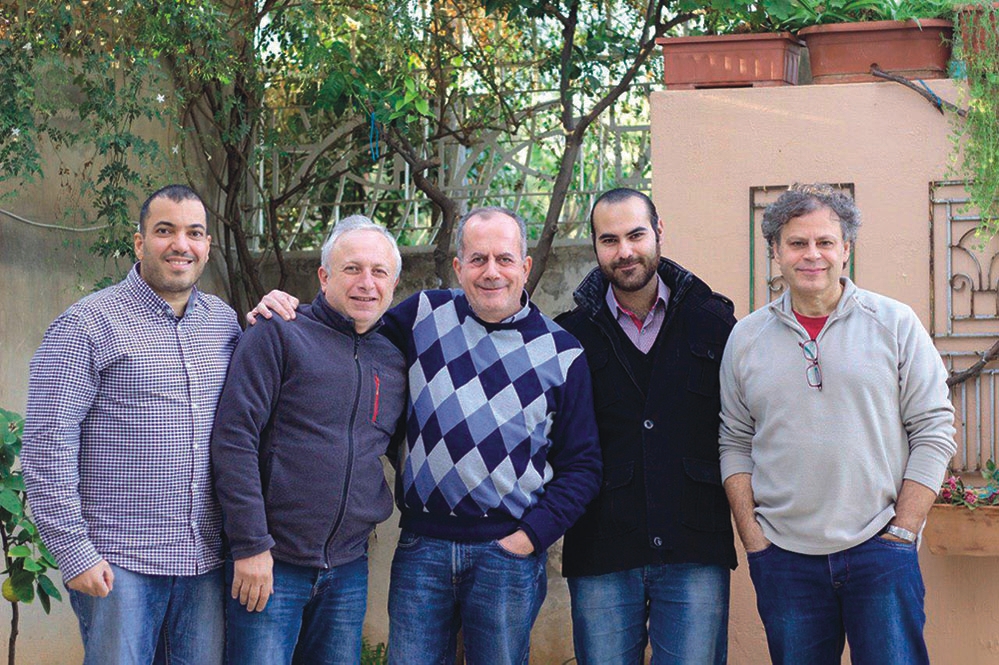
Robert Chelhod (centre) with the focolarini in Aleppo
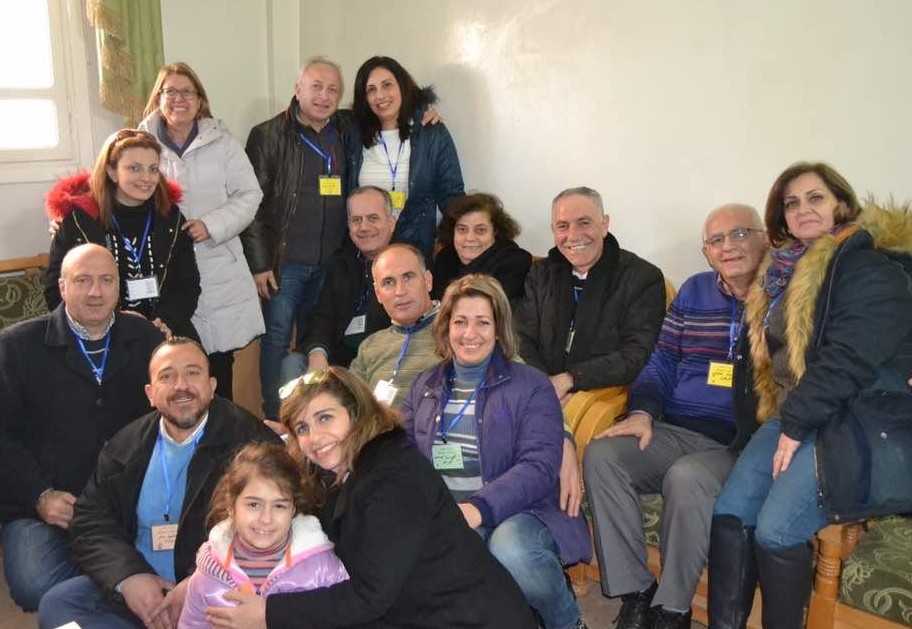 What can we do for Syria today? “For those who have faith, continue to pray. And you can bet with the Syrians that the country is alive. We need support in Syria. Not only from the economic point of view, which is certainly vital, but in believing that with us, this country, the cradle of civilisation, can be reborn. That peace is still possible. We need to know that the world feels our suffering, that of a country that is disappearing.” You coordinate onsite the social projects funded through AMU. How does this come about? “The projects range from aid for food to schooling. Then there is healthcare aid since public healthcare is unable to meet the minimum standards of assistance due to the lack of doctors, medicines and instruments. Besides help for families, there are more stable projects: two after-school organisations in Damascus and Homs with 100 children each, Christians and Muslims; two specific healthcare projects for the treatment of cancer and for dialysis; and a school for the deaf and dumb children, that was already operating before the war. These projects offer the possibility of work for many local youths. The employment issue is fundamental. We are dreaming in the near future of the possibility of working on microcredit to relaunch the activities. Aleppo was a city brimming with merchants who today would restart, but the initial capital is lacking.” Instead many continue to leave… “The exodus, especially of the Christians, is irreversible. The reason is the insecurity, and lack of jobs. The Church suffers in this land which was a land of Christians before the arrival of Islam. And it is trying to do what is possible to help and support all this. But there are few resources. Most of the youths are in the army. You may find some university students, or kids. But the 25-40 age bracket is inexistent. In the city of Aleppo, the estimated further drop of Christians is 140,000 from 130,000, while many Muslims have arrived, evacuated from their destroyed cities.” What impact does this have on interreligious dialogue? “In Aleppo the Christians considered themselves somewhat like the élite of the country. With the war, since the Muslim zones were hit, many took refuge in the Christian zones. So the Christians opened out to the Muslims, and had to accept them. The Latin Bishop Emeritus of Aleppo, Bishop Armando Bortolaso, during the war told me: “Now’s the time to be real Christians.” At the same time the Muslims have got to know the Christians personally. They were touched by the concrete help. There are negative and positive aspects. The positive one is that this war has made us Syrians closer with one another.” Source: Citta’ Nuova Magazine
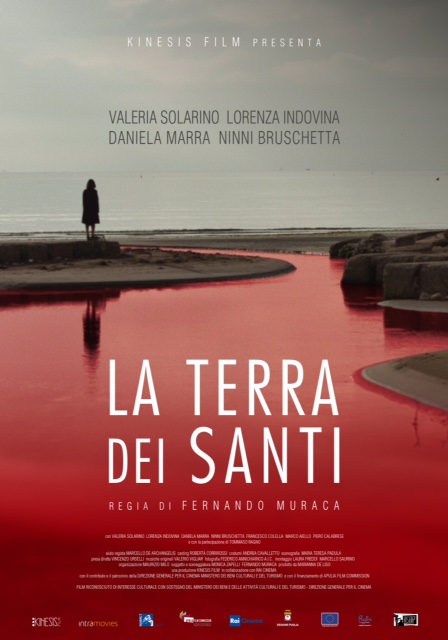
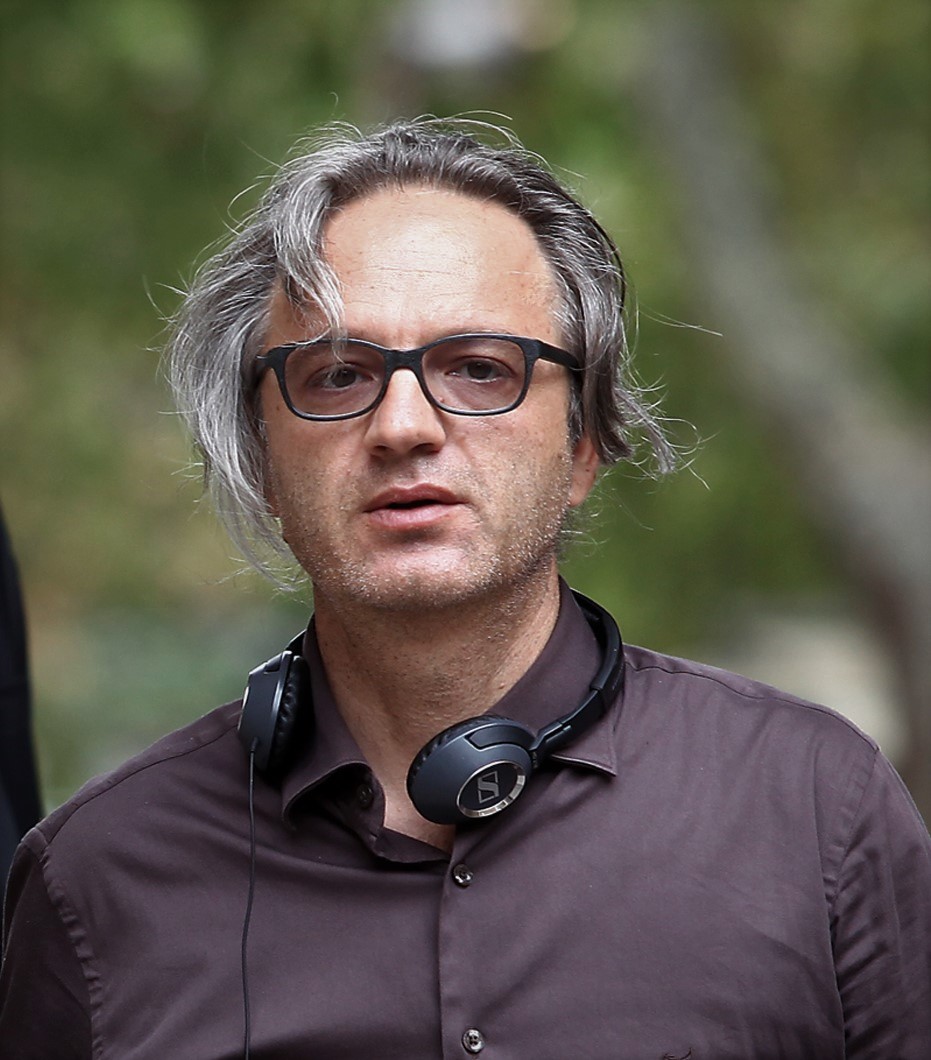 “I was only 12 when I met Chiara Lubich. If it hadn’t been for this friendship with her and for the charism of unity, I would not have persisted in such a strongly competitive environment full of quagmire. I have a deep gratitude for all those with whom I shared this challenge.” Fernando Muraca began his work as a theatre director and author after his university studies in Rome. After the success achieved in the direction of some episodes in two TV series, the debut in the world of cinema came along with a capital C. Among his most recent works we find “La Terra dei Santi” (The Land of Saints), an intense film on the role of women of the Mafia in Calabria, which received numberless awards and recognitions. Before a very attentive audience, Fernando recounted his story.
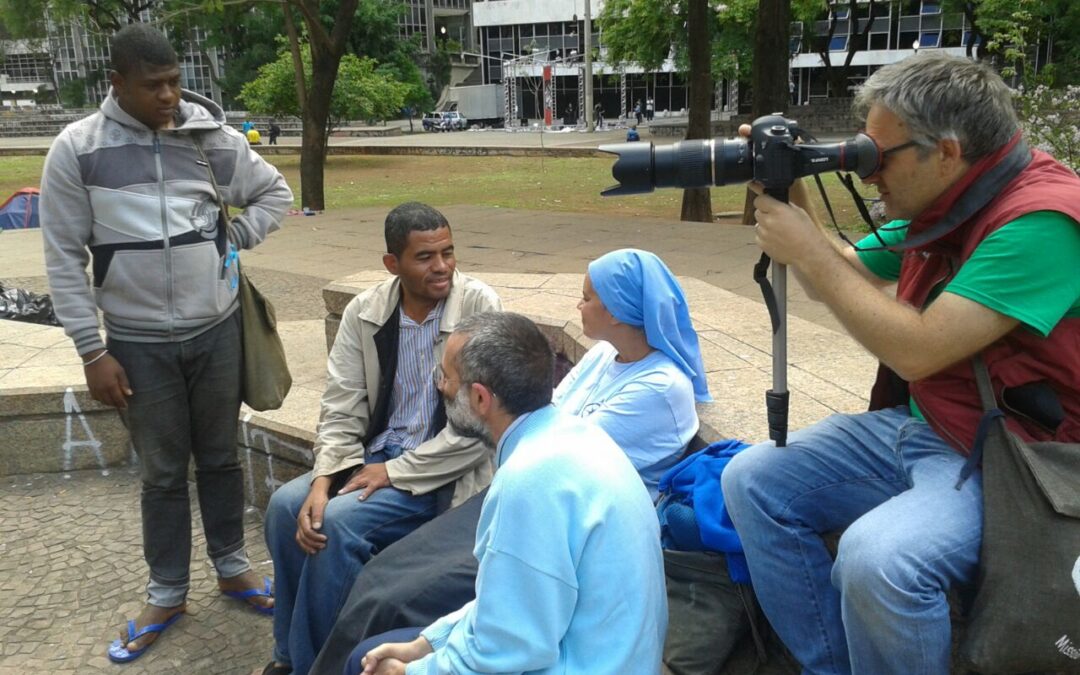
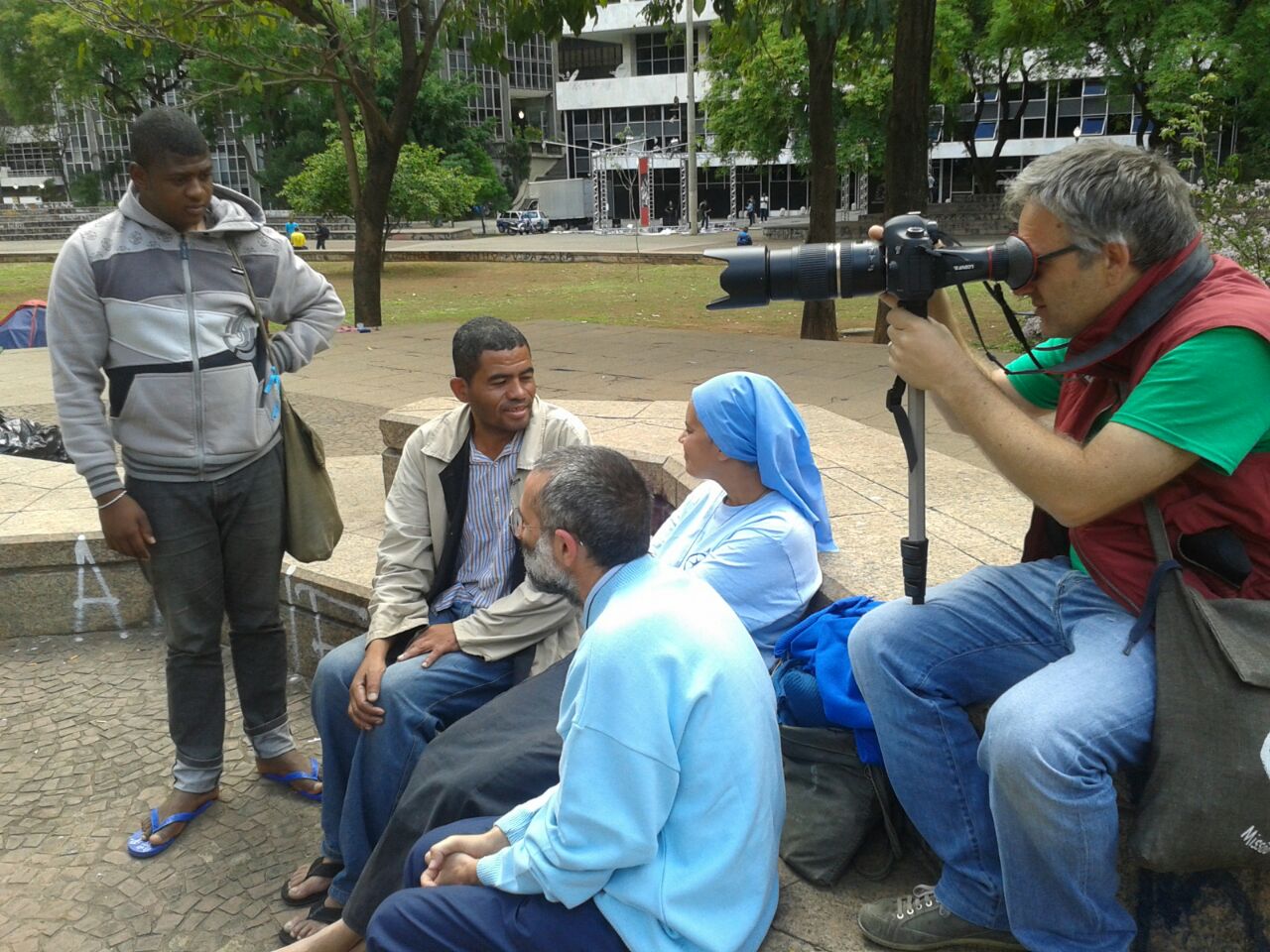
  “One evening, I received an email from my friend, Giampietro, a missionary in Brazil. A long time ago I had shot for free, a documentary to collect funds for his community which engaged in saving women, men and children living under the bridges of São Paolo. In his email he asked if I was willing to leave my job for some years to document what was happening there. His mission then also addressed people who had fallen into the drug trap. The approach without prejudices and based on evangelical love, had already saved 10,000people destined to certain death. It was a result that really had to be documented.” Fernando continued – “In this email, Giampietro explained a backstory. A very rich man, after having put someone on his trail and having discovered who he really was, had decided to offer him half of his wealth. Having made a vow of poverty, Giampietro could not accept. But he had one wish: that I should go to Brazil to document the work of his mission. And so that man offered to pay for all the expenses, including the house bills in my absence.”
 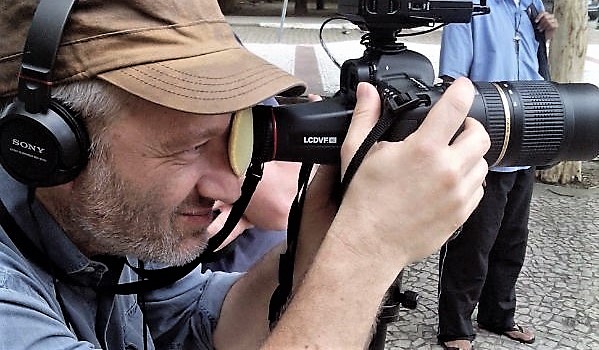 Fernando smiled: “It seems like a movie, I know, but it really happened.” And he continued: “I discussed it with my wife and our kids. It was a matter of leaving my work for two or three years, getting out of the business, putting my career at risk, with my wife having to attend to the family in my absence. She said she was ready to make this sacrifice if it would help to divulge the suffering of those people. And my eldest son said, ’Dad, we cannot look away.’ Also my friends encouraged me to accept. My film was just about to be shown in the cinemas, and I had to leave after 15 days. Pure folly. The feature film had a small distribution circuit. Without my presence to promote it, it may have died and I would have burnt my only chance for a career in the cinema world. But my son’s answer ‘We cannot look the other way’ was decisive for me.” “At the start, in São Paolo, it was almost impossible to shoot the film on the lives of people living under the bridges. They detested being photographed, much less filmed! To make them understand that I didn’t want to exploit their image I had to act like the missionaries. I also started to sleep under the bridges, to share their day, and in this way, they accepted. After a month, I returned to Italy for a break. The impact had been hard. I had to reflect about the material I was shooting and reorganize a new and longer trip. Meanwhile in Italy, all that I had foreseen really happened. Without funds for the promotion and without the presence of the director, my film was quickly disappearing from the cinema halls.
  Then came an unexpected event. In Rome, on the last day of the projection, an important film critic showed up. The day after, on a national newspaper, in both the online and paper editions, two very positive reviews were published. They began sending the film to the film festivals in Italy and abroad. It won many prizes, some of which were very prestigious. Three years have passed since then. Upon terminating the work in Brazil, I started once again to take hold of the reins of my life. I didn’t shoot other films, but have many coming up on topics I had never had the courage to deal with. I wrote two novels and an essay on the experience of the “incarnation” of my ideals in art. I also developed a project to dedicate myself to the youth. In this “trade” one needs comfort, encouragement, and also reference points.” Chiara Favotti
For the Catholic Church and other Christian Churches, the season of Lent is about to begin. Lent is a period of the liturgical year, which comes just before the celebration of Easter. It lasts from February 14th to March 29th in the Roman Rite. Lent is seen as an invitation to conversion toward God. It lasts for 40 days, a number that occurs rather often in the Bible – in the Old Testament, for example, Israel spent 40 years in the desert, the great flood lasted 40 days, Moses spent 40 days and 40 nights on Mount Sinai, and Jesus fasted for 40 days in the desert. In the Roman Rite Lent begins with the rite of ashes, in which the priest or minister places a pinch of blessed ashes on the heads or the foreheads of the faithful, symbolizing the fall of earthly existence and one’s commitment to a penitential life.
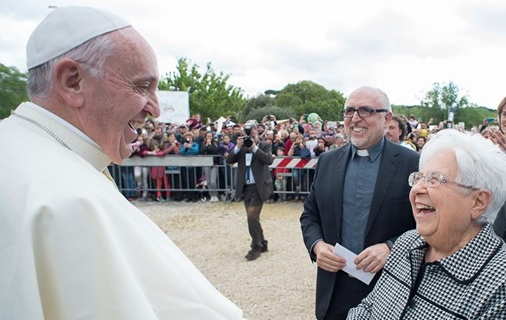
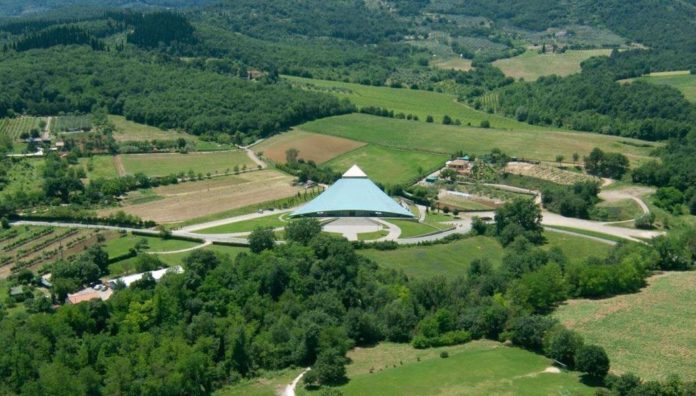 “We’re all enjoying this surprise together,” said Focolare president Maria Voce as she joyfully commented on the news of Pope Francis’s visit to Loppiano on May 10, 2018. The surprising news has raised great enthusiasm among the members and adherents of the Movement throughout the world, beginning with the town of Loppiano that will welcome the pope. Loppiano is located near Florence, Italy. It was the hope of Focolare foundress, Chiara Lubich, that it would be a real city, with schools, businesses, training centres, universities and business parks. It’s a “special” place a laboratory of community Gospel living. A thousand people from 65 countries of all ages, backgrounds and religions live in Loppiano. They strive to build universal brotherhood through daily practice of the Gospel and Loppiano’s “law” of mutual love. It’s a place for putting into practice the charism of unity – which is the spirituality of the Movement – and for responding to Jesus’s testament: “that all be one” (Jn 21). It was sensational news for the little city: “One second after the announcement by Maria Voce,” they tell us from Loppiano, “the news spread among the residents of the little city and was spread on the social networks around the world with a shower of joyful and surprised posts; it was like an atomic explosion that just blew us away.” At the announcement of the visit, Maria Voce remarked: “We’d like the pope to find the people of Chiara who live the Gospel and are bound to each other solely by mutual love, so that he sees a reflection of the Trinity on earth in the little city.” As for preparing the visit, she pointed out that only a hundred days remain to live and intensify our prayers “so that everything goes as well as possible and there won’t be any insurmountable obstacles; but mostly to intensify our life of Gospel love so that we can really be the living Word.” The Focolare president was also overjoyed about the pope’s visit to the Nomadelfia community, founded by Father Zeno Saltini in Grosseto, Italy. The pope will visit them before he visits Loppiano: “We know that the pope isn’t only visiting Loppiano. His visit to Nomadelfia is scheduled for the morning. Since we’re geographically close, our two communities have been linked by years of friendship and we have in common the same belief in the centrality of the Gospel and the commitment to universal brotherhood and working in favour of the least of these.In recent times many joyfully recall the participation of a group of young people from Nomadelfia at the annual youth fest held in Loppiano on the 1st of May, which has traditionally drawn teenagers to Loppiano from all over Italy.
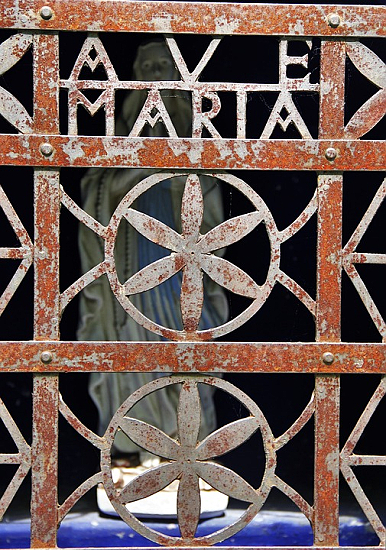
Foto: Pixabay
 My family is composed of me, my sister and my mother who raised us on her own. We went through some very critical moments. My mother tried hard to find work. Then there was some friction with the landlady, because we didn’t have money for the rent. It was quite a heavy cross for my mother to manage the little money she earned. Therefore, the support we received through the Focolare Movement’s New Families Association was very important. Then the Centro Rincón de Luz was opened on the south side of our city, Cochabamba, in which scholastic support was being offered ever day, along with a hot meal, to children and teenagers who attended the local school. That centre was a huge help to me. It made me smile again and gave me some important formation. We were like one big family where our teachers were often like second parents. Thanks to the people who had faith in me, I can proudly say that I completed my course of study with good results and am in my first semester of university.I’ll soon be a professional, and I’ll try to extend some of the help I received to the to the children who are now at the centre. I’d also like to open a place for the people who live on the streets, helping them to find a way forward. I now know that you can change the life of a child and point him or her in the direction of a better life. That’s why I’m asking everybody to help: Together we can do it! In my case, the most important thing wasn’t just the financial support, but the faith they had in me, which has been a seed of hope, a spark of light that’s lit not only in the children, but also in their parents. Source: Teens