We are publishing the report of the year 2024 on the activities of the Focolare Movement concerning the Safeguarding of the Person, starting with the words that Pope Francis addressed to the Pontifical Commission for the Protection of Minors and with which in fact, he updated the mandate with which he had established it 10 years ago. We feel strongly called to fulfil this ‘integral conversion’ to which the Holy Father is calling us, which is never completely accomplished, but asks us to question ourselves continuously, to have for each person a humble, always attentive, protective and welcoming attitude. He asks us to continue with perseverance on the path of formation and authentic closeness, aware of the need for change, so that each person may feel safe, loved and respected in our environments and in our various activities.
2024: listening, formation, regulations
There were three elements that characterised the past year from the point of view of safeguarding in the Focolare Movement: listening and the involvement of victims and witnesses in various capacities in the process of reparation, and the formation of the people in positions of responsibility in the movement; the expansion of courses and formation events for all participants and to continue to establish the regulations, with the updating of the document for the “Procedures for handling cases of abuse” as well as the drafting of the Guidelines for Listening and Welcoming Services.
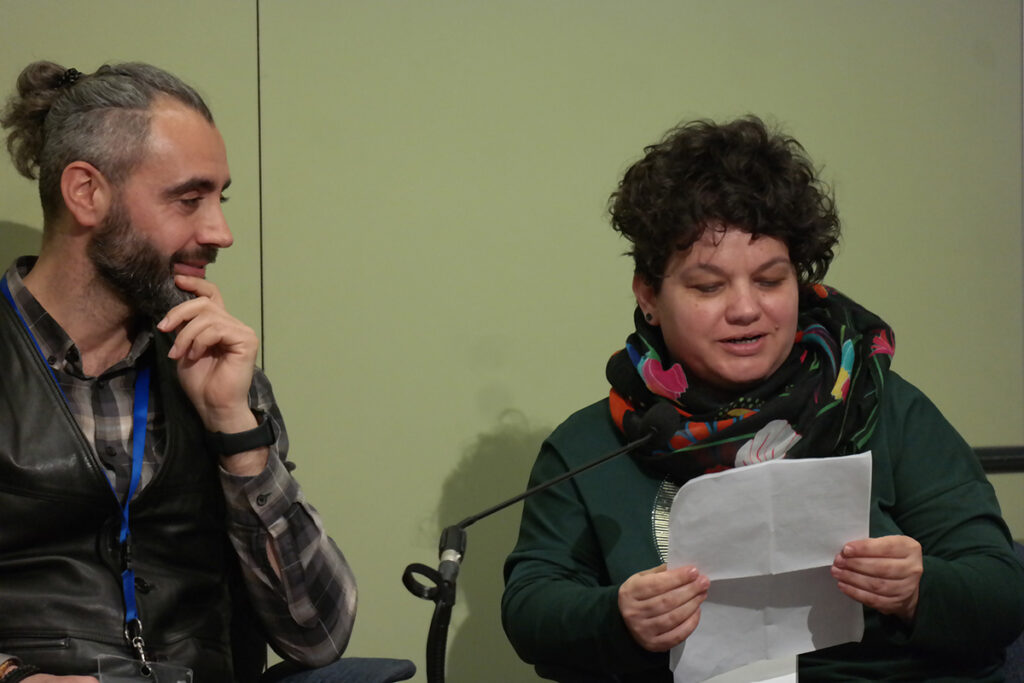
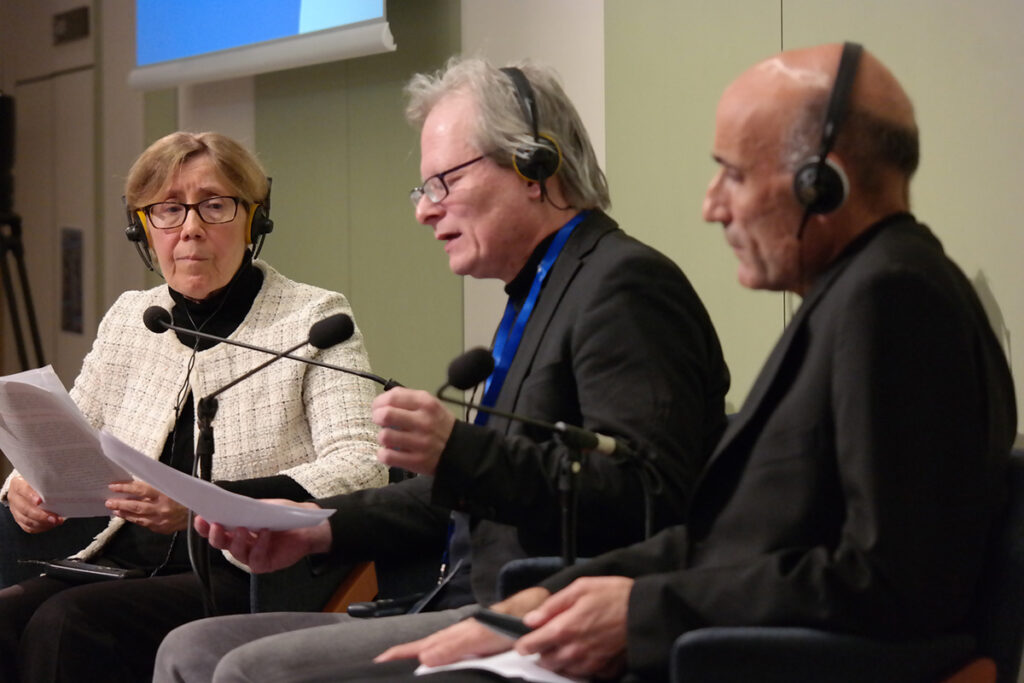
The meeting last November of those responsible for the Movement around the world, with some people who had been affected either by sexual abuse or abuse of authority, by members of the Focolare Movement, was of fundamental importance. People told their stories of great suffering and the serious consequences on their lives and on the communities that they were or still are a part of. Also present were some family members of one of the people abused who gave their testimony of the serious impact that abuse has on all members of the family. The words of one participant expressed clearly the importance of that moment: ” Listening to these people marked a before and an after. With delicacy and clarity, they expressed to us how much the Movement has failed in what is at the heart of its charism: unity and love of neighbour, because in many cases we have not only been co-responsible in some way, for the abuse committed, but we have also left people alone to cope with their suffering ”.
In addition, the contribution of the those who have suffered abuse together with the involvement of professionals in various disciplines, from outside the Movement, have been fundamental to the work done at the International Centre and in the local areas. This included the documents that have been produced, as well as for the formation in Safeguarding of the Focolare communities around the world, together with the planning and opening of some spaces for listening and welcoming.
A Study Commission has now been set up to look at the abuses of authority and spiritual abuses that have occurred within the Movement. The aim is to investigate their causes, so as to be able to change harmful practices and implement the necessary prevention. The study, which is still ongoing, also makes use of advice from specialists from outside the movement in various fields: psychological, pedagogical and legal. This project was supported and encouraged by the Dicastery for the Laity, Family and Life and, despite being in its early stages, its great importance is recognised. So it is clear that the creation and enacting of norms and Procedures is not enough, but the dynamics, leading to the various forms of abuse, must be investigated.
Finally, regulatory documents and guidelines have been updated, developed and produced (as illustrated below), which are also the result of a fruitful collaboration with the Pontifical Commission for the Protection of Minors, which has followed and promoted the new steps taken.
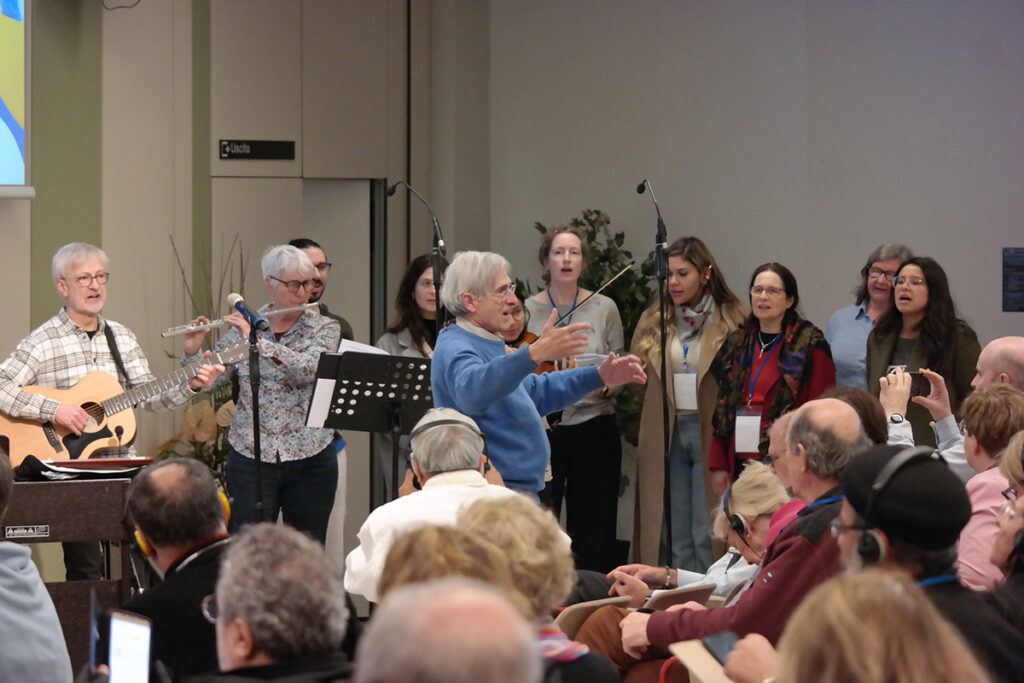
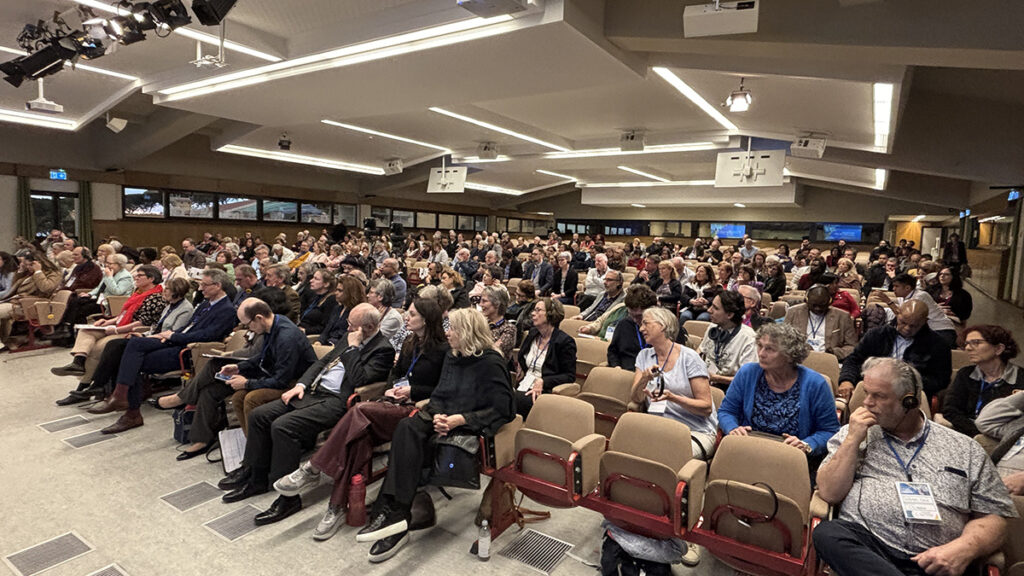
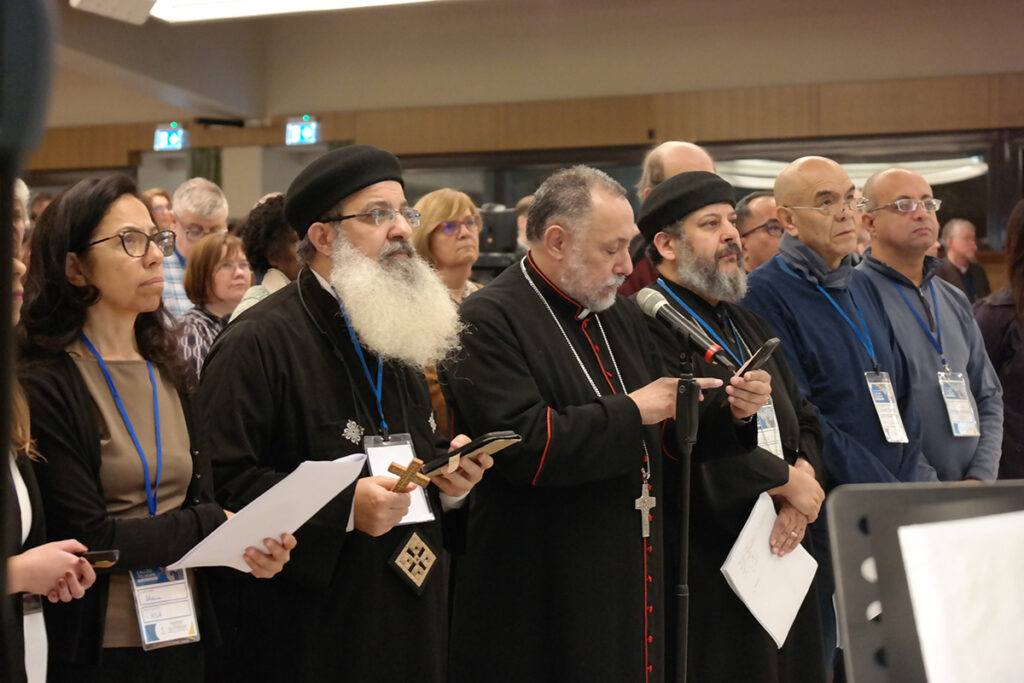
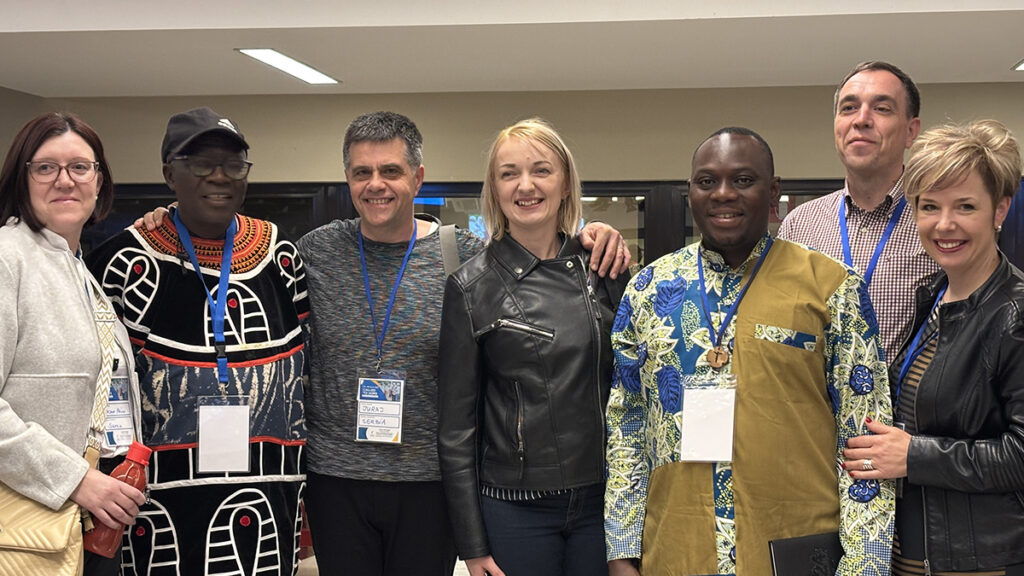
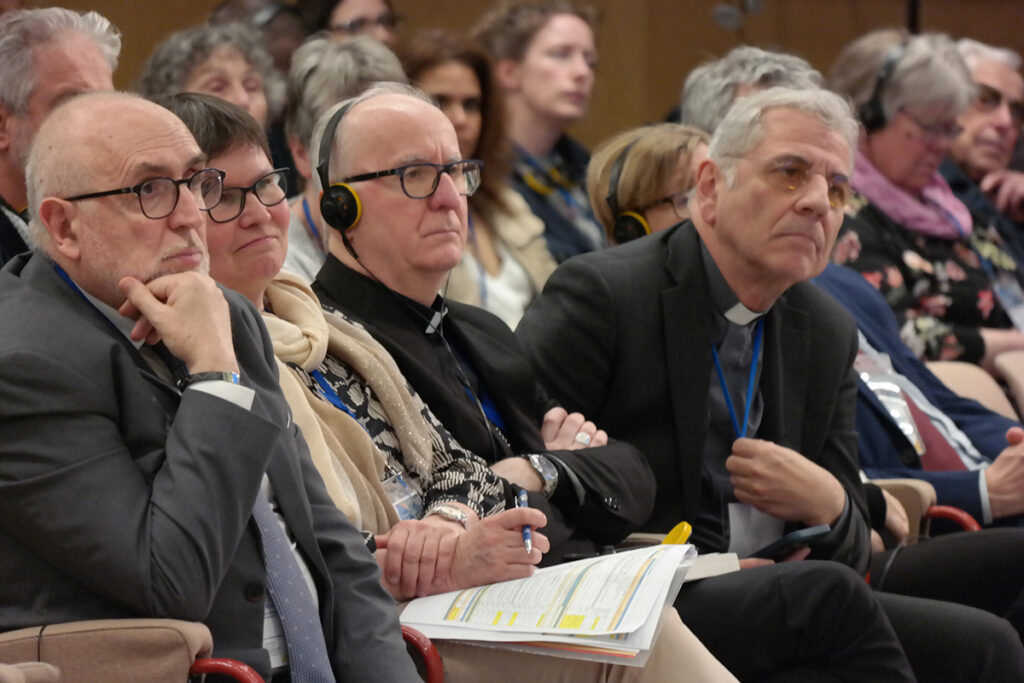
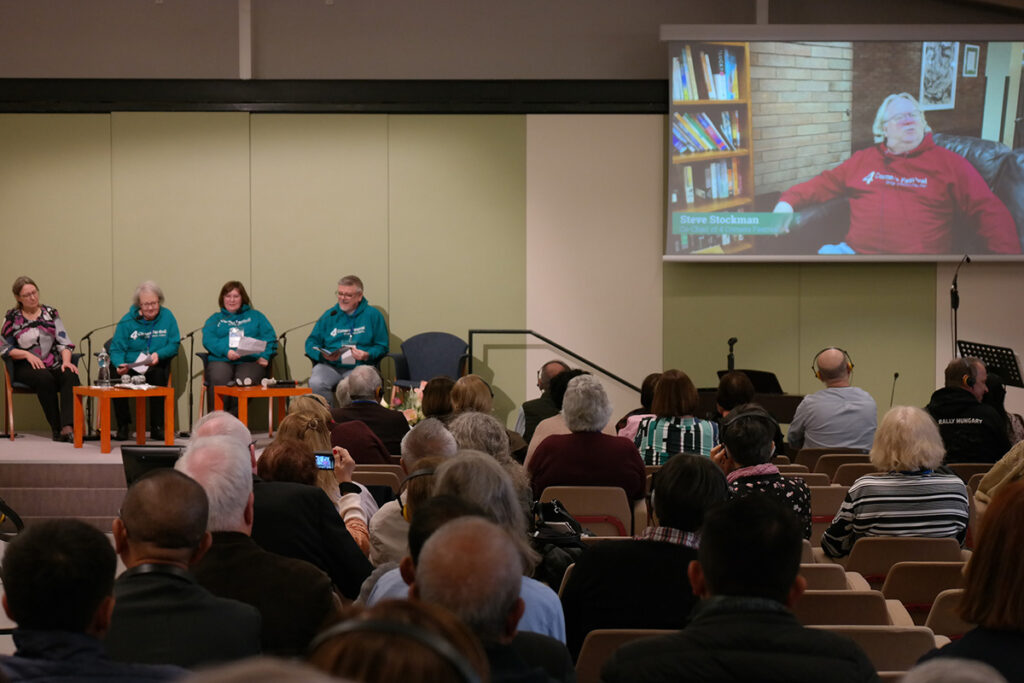
in an interview published on the Vatican News website, during the days of the ecumenical conference entitled “Called to hope – Key players of dialogue” promoted by Centro Uno, the Focolare’s international secretariat for Christian Unity, Margaret Karram, President of the Focolare Movement, said, “Today, more than ever, in the world in which we live, so full of divisions, tragedies, conflicts, where people do not engage in dialogue, meeting together is very significant.” Her words expressed a certainty that resonated in the hearts and in the experience of the 250 people from 40 countries and 20 Christian Churches and of the 4,000+ connected worldwide via streaming, who participated in the event.
The Conference, held at the Mariapolis Centre in Castel Gandolfo from March 26-29th 2025, opened with contributions from Jesús Morán, Co-President of the Focolare Movement and Callan Slipper, an Anglican theologian who said: “Ecumenism, by repairing our personal interactions within the Christian community, allows the Church to be herself. What humanity needs, we need too. Our spiritual health diminishes without it, just as every other dimension of human life cannot reach its fulfilment without the reconciliation brought by Jesus”. Morán concluded: “Unity rather than union and Christianity as a way of being rather than as a doctrine, can be two fruitful paths for ecumenism in response to what history demands of us today”.
The conference proposed a method for walking in unity: the kind of dialogue that emerges from the spirituality of the Focolare, the dialogue of life, the dialogue of the people alongside a similar concept known as receptive ecumenism. Through her experience, Prof. Karen Petersen Finch, an American Presbyterian, highlighted the importance of involving more people in dialogue on the doctrine of the faith, which is normally reserved only for theologians, Church leaders and official committees for dialogue.
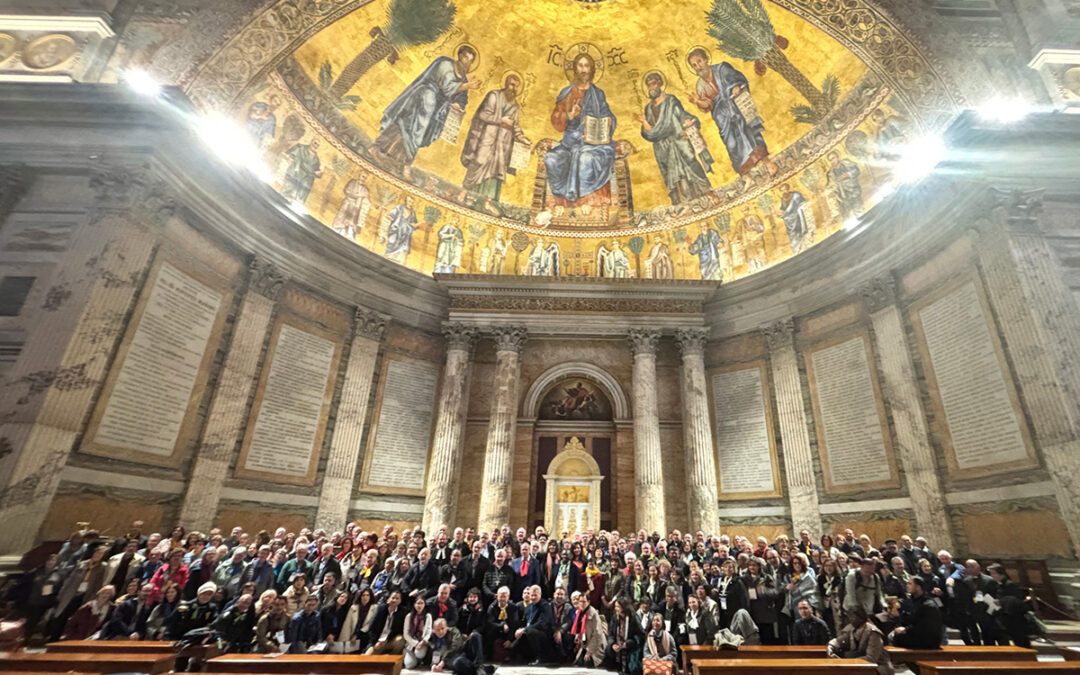
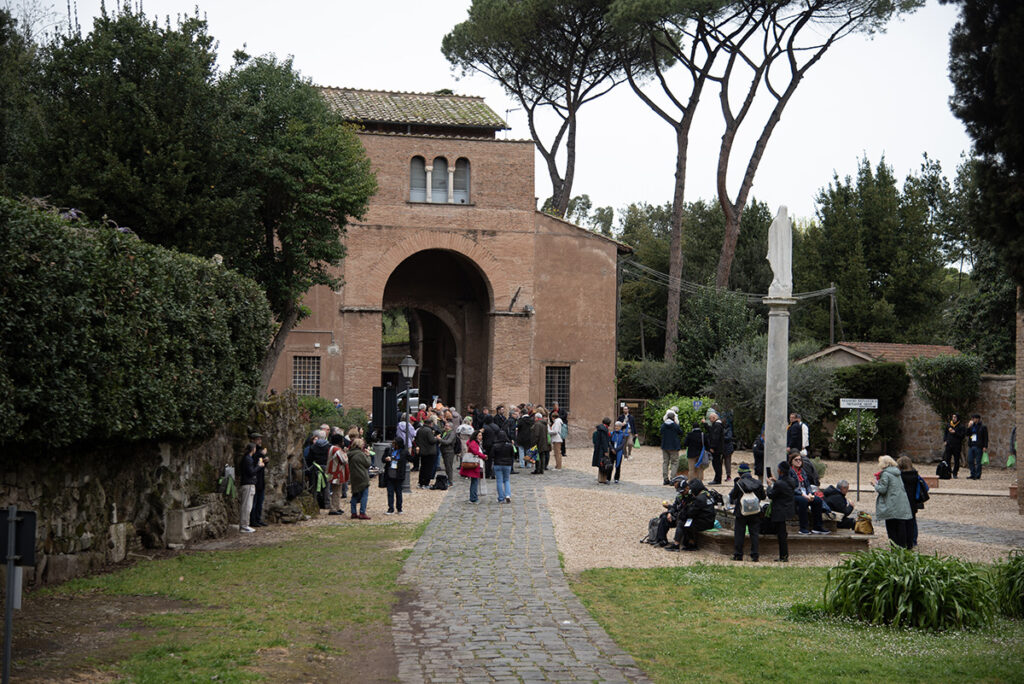
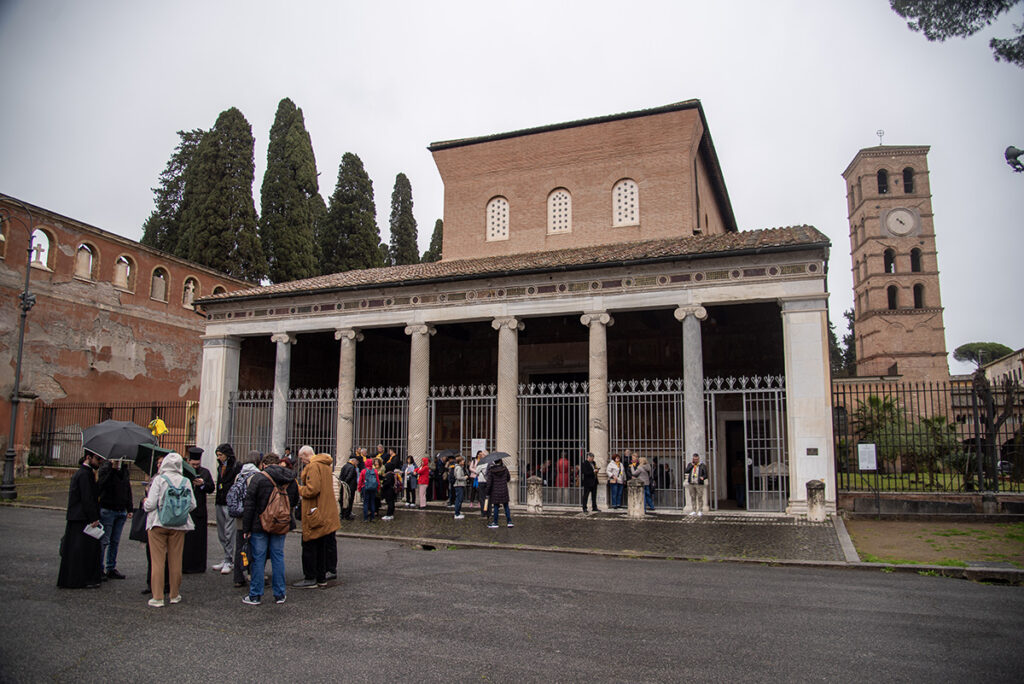
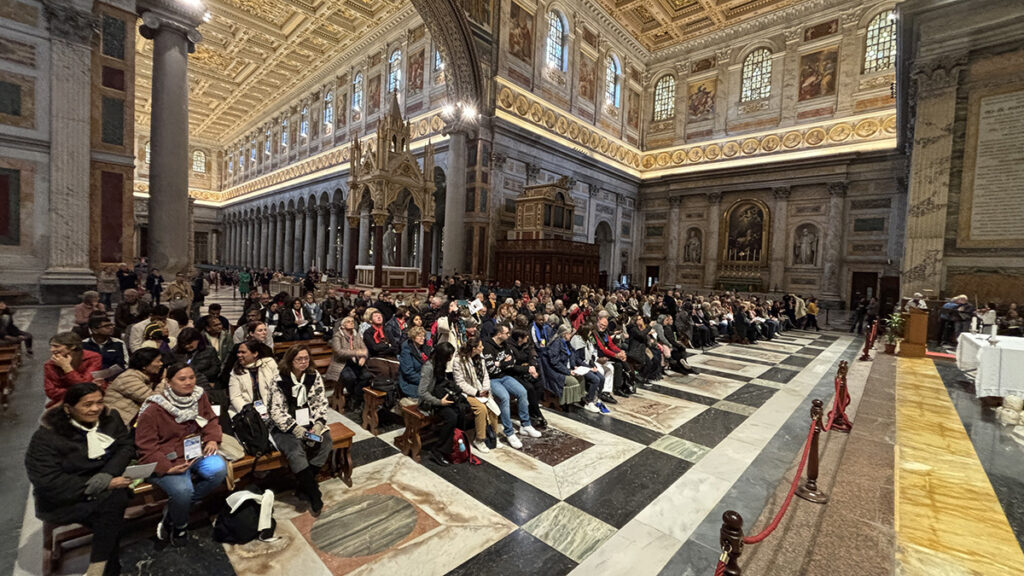
One day was dedicated to a pilgrimage to Rome with a visit to the Basilica of St. Lawrence the Martyr and the Abbey of the Three Fountains, where tradition places the martyrdom of St. Paul. In an atmosphere of recollection, one of the participants described the day as: “an encounter with the first martyrs of the undivided Church who, with their authentic life, faith and their witness, instil in us the courage to proclaim Christ today”. The pilgrimage concluded at the Basilica of Saint Paul Outside the Walls with an ecumenical prayer. Ecumenism has its biblical root in prayer, beginning with Jesus, who while praying, asked the Father: “That they may all be one”. His words, echoed in various passages of Scripture, invite us to ask anything of the Father “in his name, together and in agreement”. And so, together, gathered in unity, priests and lay people of all the Christian confessions present, jointly asked the Father for peace in every corner of the earth and for reconciliation among all Christians.
Three Fountains AbbeyBasilica of San LorenzoPrayer to St Paul
The themes addressed during the conference included the significant commemorations for 2025: the 1700th anniversary of the Council of Nicea; Easter which will be celebrated on the same day by all the Christian Churches; and the 60th anniversary of the lifting of the excommunications between the Church of Rome and that of Constantinople. Referring to the Council of Nicaea, Dr. Martin Illert, a representative of the World Council of Churches, said: “I am convinced that common prayer and reflection pave the way for unity, as they remind us of both our common roots and our shared mission.” Msgr. Andrea Palmieri of the Dicastery for Promoting Christian Unity observed: ” These events are undoubtedly important, but (…) words must be followed by concrete, prophetic decisions. I am convinced that the reflections initiated this year will contribute to the maturation of decisions that may shape the future of the ecumenical journey. ”
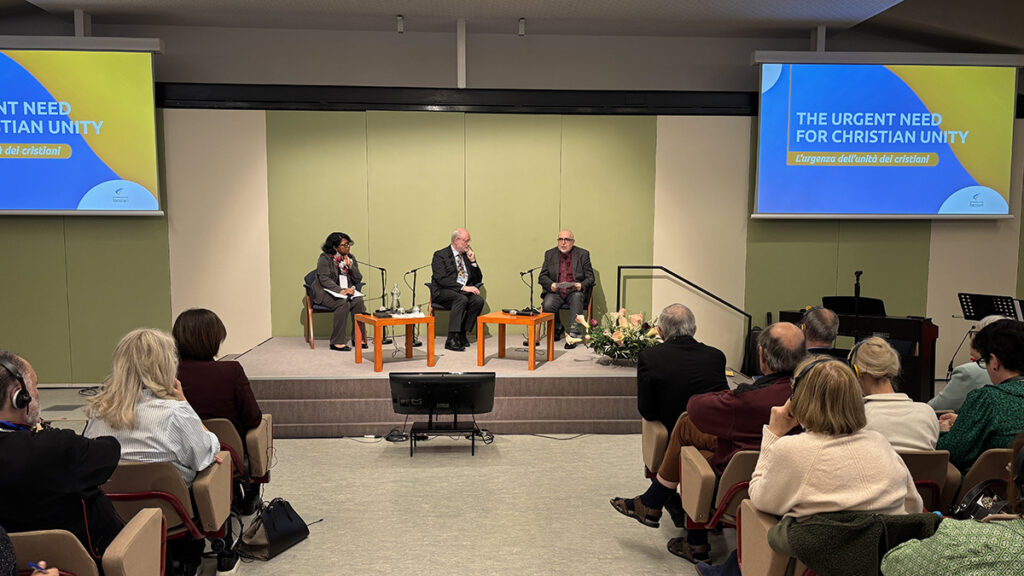
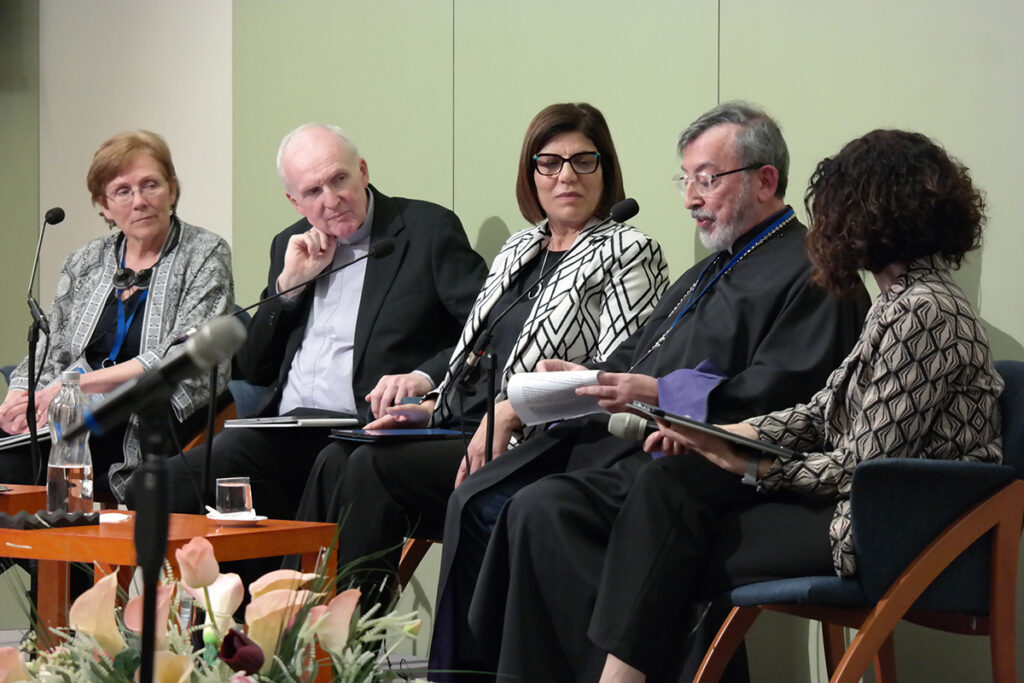
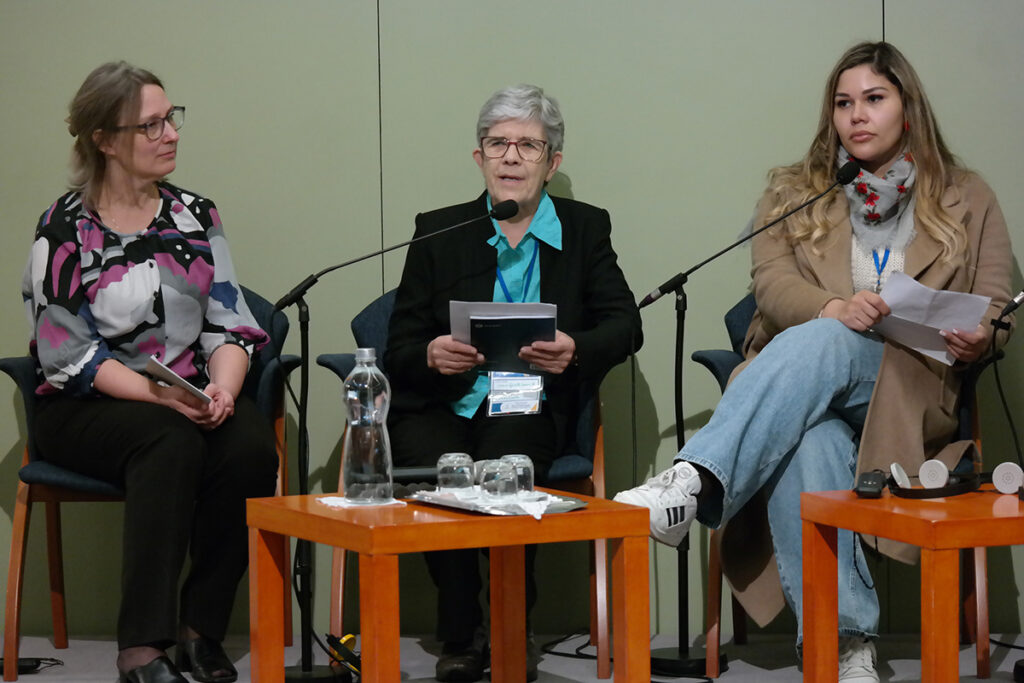
The Conference also explored how synodality can contribute to ecumenism. In a panel featuring participants of the Catholic Church’s Synod: three fraternal delegates (members of various churches), a Catholic Bishop and a Special Guest shared the lived experience of how the active participation of everyone contributed to affective and effective dialogue, which had as His Eminence Khajag Barsamian, of the Armenian Apostolic Church said, a “strong ecumenical dimension, which emphasized unity, shared spiritual experiences and mutual respect among Christians”. Rev. Dirk G. Lange of the Lutheran World Federation, affirmed, “The whole Synod as a spiritual exercise profoundly influenced my understanding of myself, my ministry, and my Church”. Monsignor Brendan Leahy, Catholic Bishop of Limerick (Ireland), added that the Synod’s method, the “Conversation in the Spirit,” made him “more attentive in my work and ministry to listen more, recognizing the seed of truth in every person,” while Dr. Elizabeth Newman of the World Baptist Alliance stated that synodality is grounded ” in the awareness and practice that one’s own point of view must not prevail. You don’t have to ‘win’.” Margaret Karram emphasized: “We know that hope is a virtue and we cannot lose it. We must nurture it, cultivate it within us so that we can give it to others,” and she invited everyone to increase hope and faith through “even small gestures towards others: gestures of solidarity, communion, and openness… only in this way can we hope”.
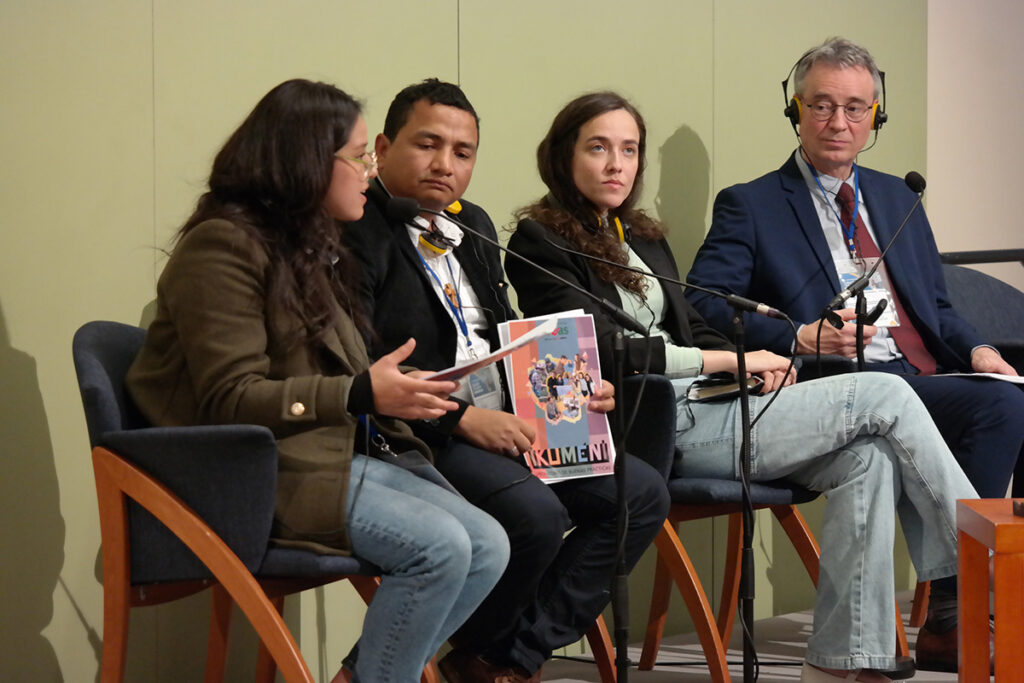
In summary, the Conference was a call to hope, marked by reflection, in-depth discussions, concrete actions and life testimonies which illustrated the path of ecumenical action at the global level (Global Christian Forum, JC2033), at the international level (Ikumeni– Latin America, Together for Europe, John17) and at local level (from Brazil to the Philippines, from Northern Ireland to Serbia, from the Netherlands to Venezuela, from Germany to Uganda…). It engaged churches, priests, laypeople, theologians, scholars, adults, and young people—truly, all were key players in the dialogue.
For over two years, on the initiative of NetOne, the international network of communicators of the Focolare Movement, a group of communication professionals, has been meeting online every month to explore themes related to the Synod of Bishops, in particular on synodality and communication. Key elements during these meetings include listening, silence, testimony and fraternal communication. In addition to these regular sessions, two webinars have taken place over the past two years: the first in April 2024 (an in-depth analysis is available online here) and the second in February 2025 entitled, “What kind of communication for synodality?” (VIDEO) This event was followed in various parts of the world with the participation of numerous communication experts connected from several countries.
Alessandro Gisotti, deputy director of Vatican Media, opened the series of interventions by citing three essential terms for a good communicator: Communication, Action and Community. He said, “In this Holy Year, we need a synodal communication that is able to accompany the people who will come, without the presumption of wanting to lead them but available to listen to them, to accompany them, to share a part of the journey together”.
From the United States, Kim Daniels, Professor at Georgetown University in Washington DC, Coordinator of the Synod of Study Group 3 explained, “Mission in the digital environment – our goal is to offer actionable recommendations to the Holy Father for the improvement of the Church’s mission in this digital culture, ensuring that it remains firmly rooted in our call to meet people wherever they are, leading them towards a deeper communion with Christ and with each other”.
Pál Tóth, a Professor at the Sophia University Institute in Loppiano, spoke from Hungary, explaining that “healing the deep wounds of the globalized world requires transversal collaboration including with those whose views differ from our own. The idea of differentiated consensus promotes a new type of social relationship: we collaborate for the realization of some values while remaining on different platforms for others”.
The starting point of the Synod is those on the margins. This emerged from the experience of Muriel Fleury and Beatrice Binaghi, respectively Head of Communication and Social Media Officer at the Dicastery for Integral Human Development. “Speaking for those who are exploited or marginalized by dominant processes means making these people visible. Without these countercurrent voices, everything would favour those who dominate, because silence supports those who mistreat, enslave, exploit, or render too many men and women invisible “. Binaghi described the collaboration network created among the “border bishops” responsible for migratory pastoral care in Colombia, Costa Rica and Panama, especially to address the critical situation in Darien through which hundreds of migrants pass every day. “Dialogue and communication have created communities, and the work that was previously fragmented is now more synergistic and impactful”.
The actress Stefania Bogo was asked to give two moments of reflection through an artistic reading of selected passages from the recent encyclical of Pope Francis, Dilexit nos and Chiara Lubich’s “The attraction of modern times”.
Erica Tossani, of the Presidency of the Synodal Assembly of the Italian Church, explained how important it is to listen, that “it is not merely a passive action, a silence waiting to be filled by the words of others. It is an active attitude that involves attention, discernment and a willingness to be challenged. Without listening, communication degenerates into polarization and sterile opposition”.
The experiences of synodality included that of Paolo Balduzzi, correspondent for the Italian Rai 1 program “A sua immagine”. He explained, “The stories told arise from a dialogue shared with the entire editorial team. For me, every interview is an encounter. And synodality begins with this encounter with my interlocutor, that is, entering into their story, into their lived experience and together seeking to grasp the most essential aspects of their story”.
The story of Mariella Matera, blogger of Alumera, a space for evangelization on social media, is the story of a communicator fascinated by the idea of transmitting the Gospel through the internet. She asked herself, “How can I be a little bridge between the web and Christ? In the Calabrian (southern Italy) dialect, the word Alumera refers to the old type of oil lamp. Just as the lamp, as long as it has oil, does not go out, so too I, as long as I have the love of Christ in me, cannot be silent”.
In conclusion, Anita Tano, head of communication for United World Project-NetOne Argentina recounted the experience of Genfest 2024 in Brazil, the youth event of the Focolare Movement which had the theme Together to Care. Featuring cultural exchanges, art and workshops, the aim was to recognise communication as a tool to take care of “one’s own life, that of others and that of the planet”. A message that emphasized the difference between simply being “connected” and being truly “united.”
The live broadcast was moderated by Enrico Selleri, presenter and author of the Italian Church broadcasters Tv2000 and InBlu2000, along with Sara Fornaro, editor-in-chief of the web version of the Italian magazine Città Nuova. The event was promoted by NetOne together with the General Secretariat of the Synod of Bishops, the Dicastery for Communication, the Dicastery for the Service of Integral Human Development, Vatican Media, the Synodal Way of the Church in Italy, TV2000, InBlu2000 and SIR (of the Italian Episcopal Conference), the Sophia University Institute, Weca (Association of Italian WebCatholics), the Città Nuova Editorial Group and the Pontifical University of the Holy Cross.
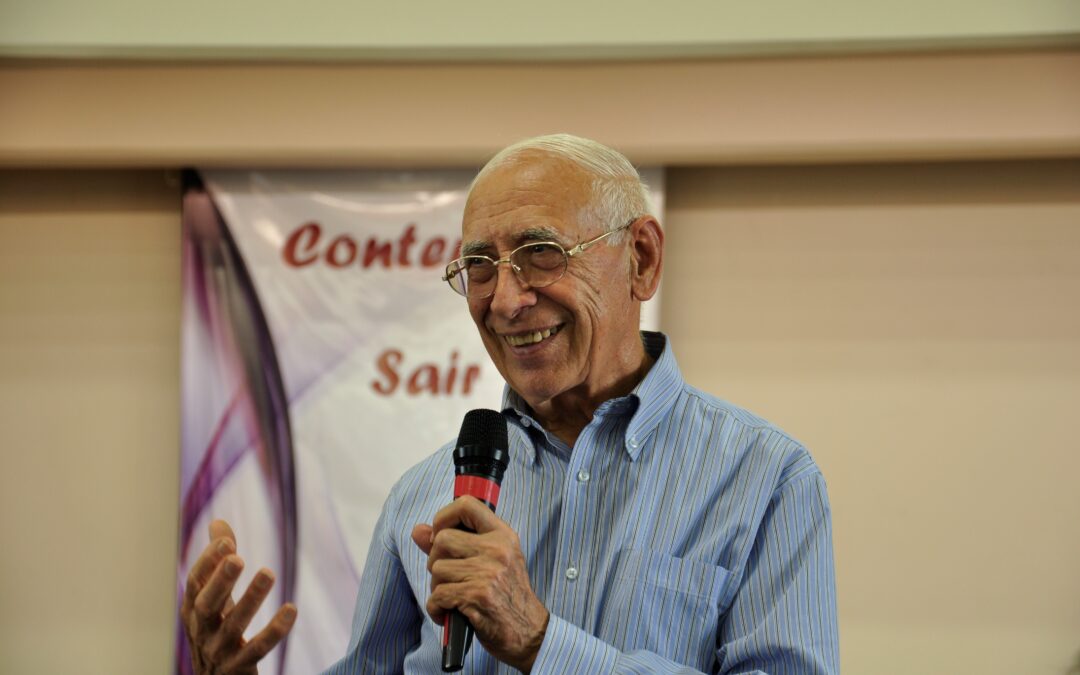
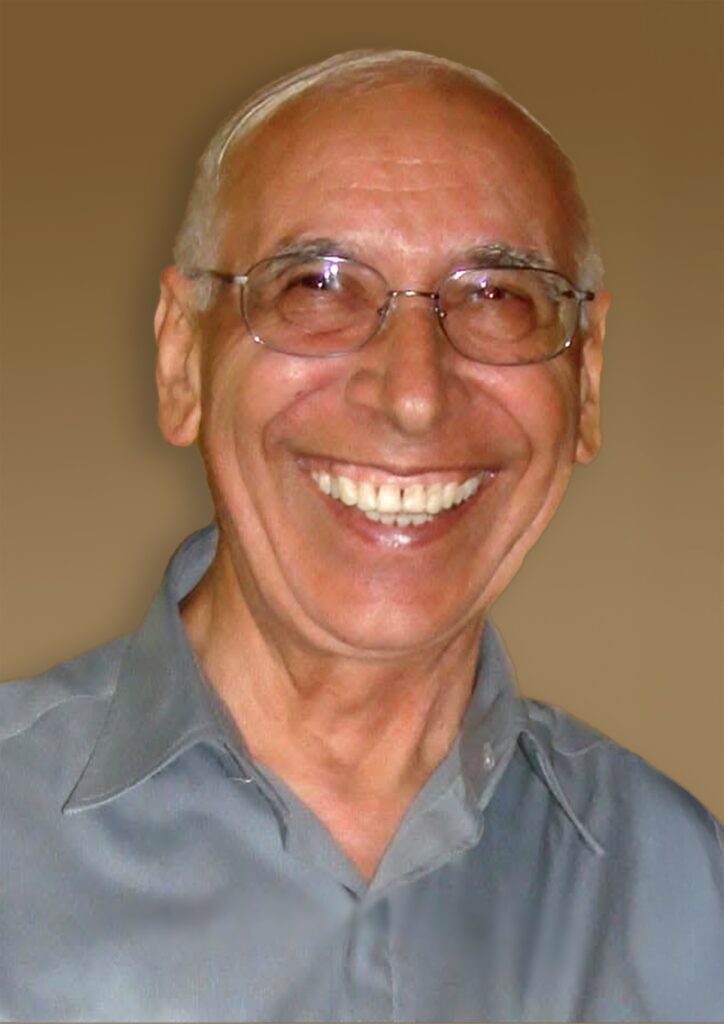
“I think that, after Don Silvano Cola, Don Pepe, was the most charismatic Focolare priest I have ever known,” remarked a priest from Italy upon hearing the news of the death of Don Enrico Pepe on 2nd March, 2025 at the Focolare Priest’s Centre in Grottaferrata (Rome). “He was a person with a pure gaze. He saw people in truth and also in mercy”, said another from the USA. Cardinal João Braz De Aviz, emeritus Prefect of the Dicastery for Consecrated Life, who presided at the funeral, said in the homily: “I thank the Lord for the care he has had for us priests, helping many not to lose the gift of the Christian life and the ministerial priesthood, because we were strengthened by the continuous search for unity among ourselves, with the Church and with the Work of Mary”.
But who was Don Enrico Pepe? He shared a lot about himself in the book, An Adventure in Unity (CNx 2018).
Enrico was born on 15th November 1932 in Cortino (Teramo, Italy), the first of nine brothers and sisters. Despite the shadows of war, he enjoyed a happy childhood. Late in life, he would gladly return to those places, also to reconnect with the warmth of his loved ones: the Pepe “tribe”, now numbering 76 nieces, nephews and great nephews and nieces.
During his secondary school years, Enrico felt called to the priesthood and entered the seminary. He experienced a moment of doubt when a young woman was affectionate towards him, but precisely in that circumstance, he renewed his choice with even greater awareness.
He was ordained a priest in 1956 and in 1958 the Bishop sent him to Cerchiara, a town near the Gran Sasso, divided by two political factions that also affected the parish. Don Enrico, with his evangelical “cunning”, manages to carve out his path and the situation soon calmed down.
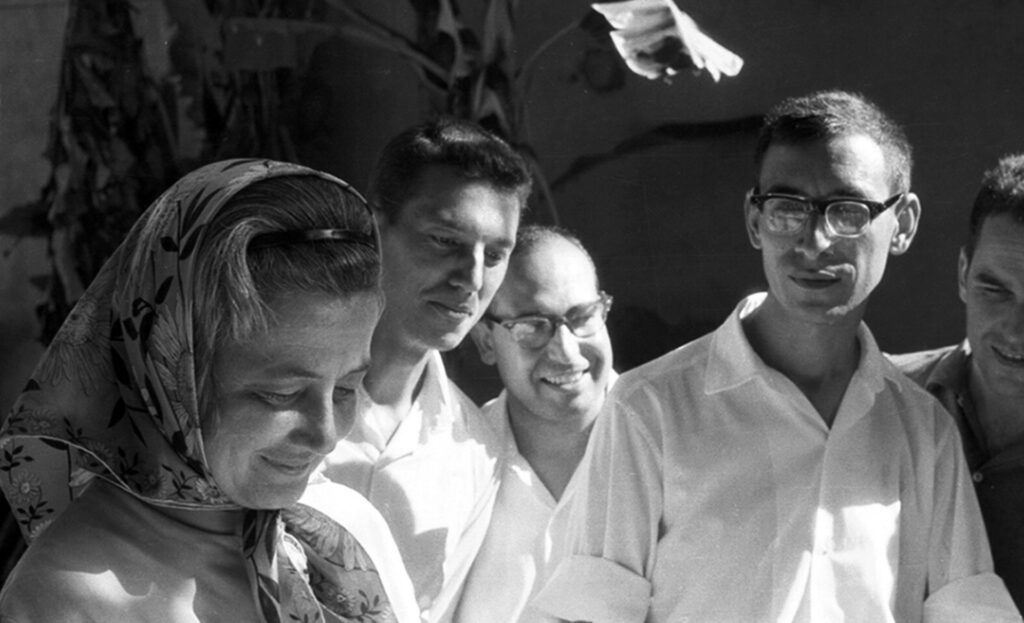
In 1963 he met the Focolare Movement. Together with Don Annibale Ferrari, he travelled every fortnight from Teramo to Rome to meet Don Silvano Cola at the first Priests’ focolare. A year later he was offered the opportunity to move to Palmares in the North East of Brazil, where Bishop Dom Acacio Rodrigues had turned to the Focolare Movement, due to the serious shortage of priests. In 1965 Don Pepe became the parish priest in Ribeirão, in an area of sugar cane monoculture with burning social and moral problems. He responded with a pastoral approach enlightened by the Second Vatican Council and by his own common sense. Over the years, a Priests’ focolare was born, a community in which Dom Acacio frequently participated.
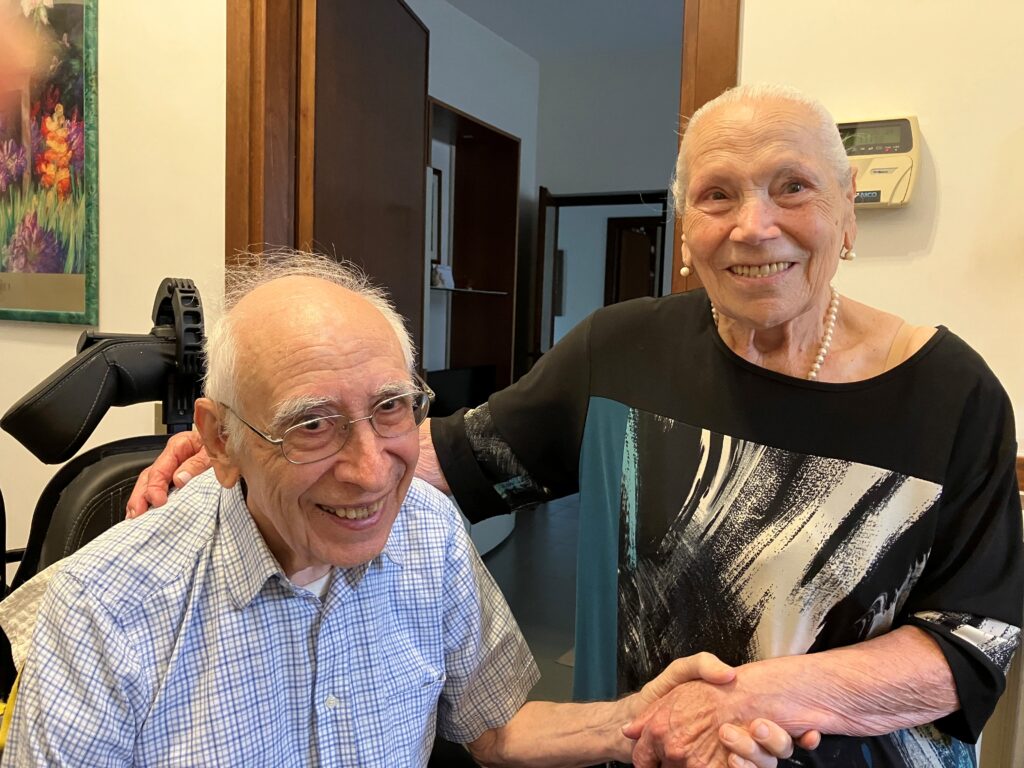
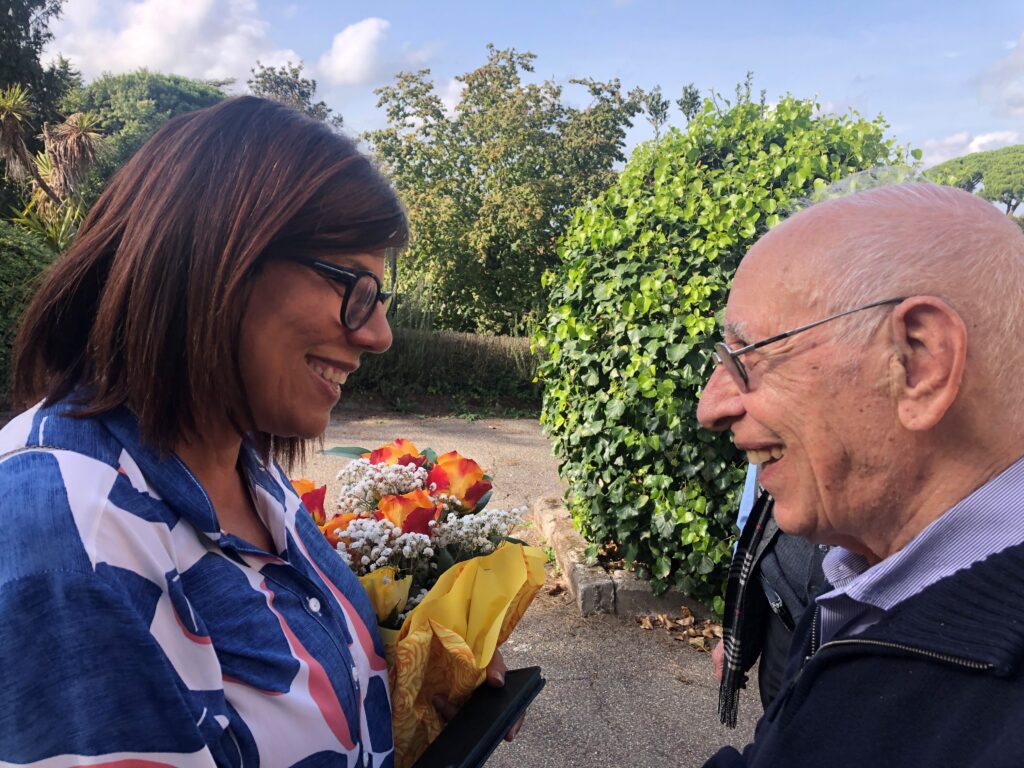
With Chiara Lubich, Brazil, 1965.With her sister Iole, July 2024.With Margaret Karram, 2022.
After a few months back in his homeland, in 1969 he left again for Brazil, this time to devote himself entirely to the Movement and to develop the spirit of unity among priests. In 1972 he relocated for this purpose to the Mariapolis Araceli, the little town of the Focolare near Sao Paulo. Years later, Don Pepe wrote to Pope Francis, “At that time, the Church in Brazil was going through a tremendous crisis, especially among the clergy. Together with the focolarini, I began to offer the spirituality of unity to diocesan and religious priests and seminarians. In this way, a new and joyful life was awakened in many dioceses and religious congregations.” This led to an unexpected result: “In the early 1980s, the Holy See began to appoint some priests who lived this spirituality as bishops”.
In 1984, Don Pepe was called to the Priests’ Focolare Centre in Grottaferrata (Rome), to look after, together with Don Silvano Cola, the thousands of priests who were living the spirituality of unity and the life flourishing in parishes around the world. In his spare time, he compiled the lives of Martyrs and Saints. This led to a book by the publisher Città Nuova that was so well received that he was asked to expand it to three volumes.
In 2001, the case of the Zambian Archbishop Milingo broke out. When he repented, the Holy See sought someone to guide him through a process of renewal and turned to the Focolare Movement. Don Pepe was assigned this task. Years later, Cardinal Bertone, then Secretary of the Dicastery for the Doctrine of the Faith, wrote to Don Pepe: “We met at a special moment in the life of the Church in Rome, without ever having met in person, but we sensed a convergence of ideals, of mission and of transmitting God’s merciful love, which sealed our relationships.”
In his later years, he faced significant health challenges. Don Pepe commented “In BrazilI passed through many airports and now I often see myself on the runway, ready for the final flight, the most beautiful one, because it will bring us to the Beyond”.
Nostalgia is a very specific feeling and, in many people, it often gives riseto moral, philosophical and spiritual questions. Etymologically it means “pain of return,” and sometimes has an indeterminate sense: sometimes it is not linked to a past made up of real places, people or events but to a deep emotion that makes us yearn for something beautiful, just and universal. It is as if we know we are part of it or called to this “something”.
The theme of exile runs through the history of human thought: the voyage of Odysseus (sung in Homer’s Odyssey) is a journey that recalls the infinite because although it is unfinished and open-ended, it also conveys a sense of wisdom.
(…)
“Keep Ithaca always in your mind. Arriving there is what you are destined for. But do not hurry the journey at all. Better if it lasts for years. (…) And if you find her poor, Ithaka won’t have fooled you. Wise as you will have become, so full of experience, you will have understood by then what these Ithakas mean.”[1]
Every story of exile, whether it is taken from ancient civilizations or the present day, addresses existential questions that are fundamental to all ages: does this story have meaning? Is there a “thread” behind it all? This question can also be addressed on a personal level: is there meaning to what I am experiencing or have experienced? Why the evil, the pain, the death? These are questions that are often not asked but, according to recent studies, they are deeply felt by young people and express their real needs. Nostalgia for the infinite is often manifested in melancholy, loneliness and a search for reasons and answers. [2]
Yet these questions struggle to emerge: we are distracted by what is happening around and by the worries that torment us. Perhaps we do not pause long enough to recognise the little answers that surround us that can be a light to help us maintain a sense of purpose in life.
So let us try to look for opportunities where we can find time and space for sharing, listening and reflecting with those who travel through life with us. Let’s do so with our community, our friends and work colleagues. Let’s tackle these questions without losing faith that things can change for the better. We too will feel changed as a result.
In Christian communities all over the world, Easter is celebrated this month. The message that lies behind the “three days” that are central to this season is strong: it poses questions for all people who are ready to reflect and are open to dialogue[3]. The mystery of pain, the ability to “enter” into the wounds of humanity and the strength to begin again are the values shared by every person who accompanies us as we journey forward through difficult times.iii They are a personal guide for us at all times.
THE IDEA OF THE MONTH is currently produced by the Focolare Movement’s “Centre for Dialogue with People of Non religious Beliefs”. It is an initiative that began in 2014 in Uruguay to share with non-believing friends the values of the Word of Life, i.e. the phrase from Scripture that members of the Movement strive to put into practice in their daily lives. Currently, THE IDEA OF THE MONTH is translated into 12 languages and distributed in more than 25 countries, with adaptations of the text according to different cultural sensitivities.
[1]Konstandinos P. Kavafis. Poesie, Mondadori, Milano 1961
[2]Istituto Giuseppe Toniolo: Cerco, dunque credo? (Vita e Pensiero, 2024) cura di R. Bichi e P. Bignardi
[3]Convegno Internazionale “Il senso nel dolore?” (Castel Gandolfo, 2017) https://www.cittanuova.it/senso-neldolore/?ms=006&se=007