A few months ago, I was diagnosed with a tumour. The doctor suggested starting with an alternative treatment and then finishing with radiotherapy.
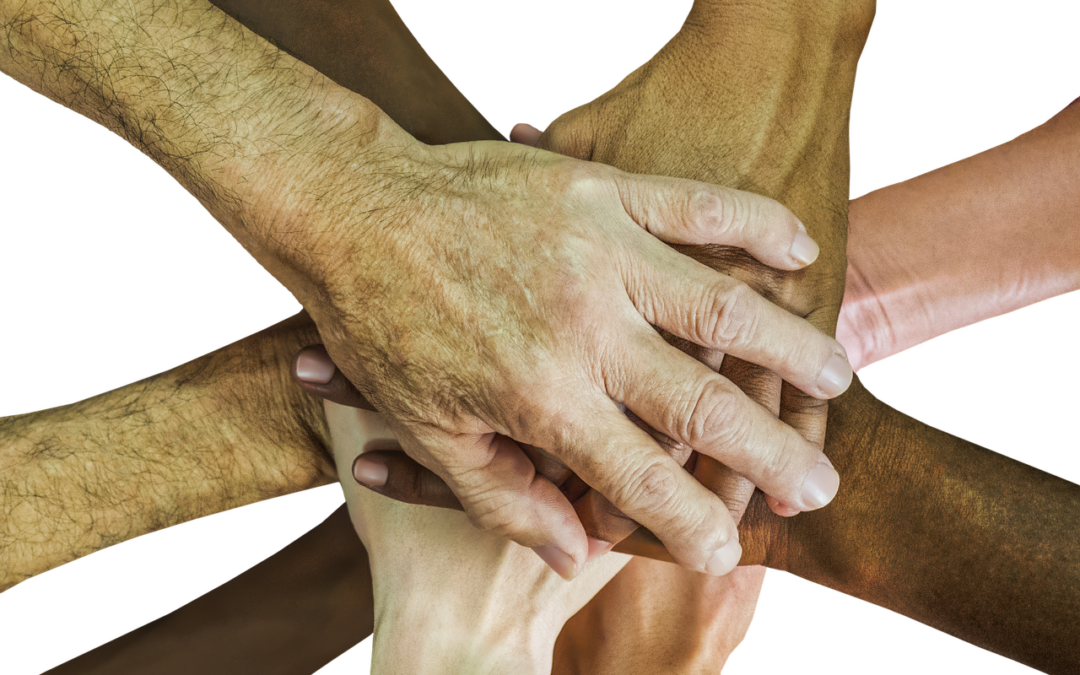
On the first day of my radiotherapy cycle, I found myself in a large waiting room, full of patients, heads down. I checked in by presenting my magnetic card, standing because there were no more seats. That was the most intense moment, where I embraced and accepted the pain this situation caused me. On the second day, I asked God for strength and began talking first with one, then two and even three other patients, asking where they were from and how their journey had been, as they came from various places. Day by day, the waiting room became a place of joy. The atmosphere changed – love, patience and calm filled the air. We even gave each other nicknames based on famous people. On my last day of treatment, I brought sweets for everyone and we put on hats to take pictures. Finally, we placed our right hands together in the centre to make a pact of brotherhood: “until death do us part.”
The Director of the service called me to give me the report for my specialist and she said goodbye with a hug and a kiss, saying, “We’ll miss you a lot. You made us laugh so much… I could always hear you from my office.” As I left, I found myself back in the waiting room, everyone was standing and applauding me. Tears started to fall. I waved goodbye and, already out on the street, I said to myself, “How beautiful it is to put the words of the Gospel into practice. With a little love, everything is transformed.”
J.J.A
The Employee
At the factory, we needed someone to do the cleaning: the offices, kitchen, bathrooms and other shared areas.
During my working hours, I often have long phone calls and whenever I can, I take the opportunity to go for a walk to spend some time outdoors in the sun. One day, I set out determined to find someone from the area who could help with the cleaning. Just half a block away, I saw an older man who was mowing the grass in front of his house. I approached him, introduced myself and mentioned that we were looking for someone to assist with cleaning. I asked if he knew anyone looking for work.
He looked at me and said that his son could do the job. I replied, “Alright, tell him to come to see me tomorrow.” He then explained that his son had multiple sclerosis. “Tell him to come tomorrow,” I repeated.
The next day, Mauro arrived – a 36-year-old man. He told me that he was part of a research program in which he received a special medication injection once a week, which made him weak the following day. The treatment wasn’t always on the same day each week. He mentioned how hard it was for him to find a job due to this challenge.
Mauro has been with us for five months. Not only does he carry out the agreed cleaning tasks, but he also looks after the garden, maintenance, and other duties.
Reciprocity, giving and receiving, community and valuing each person is the way I want to live and work.
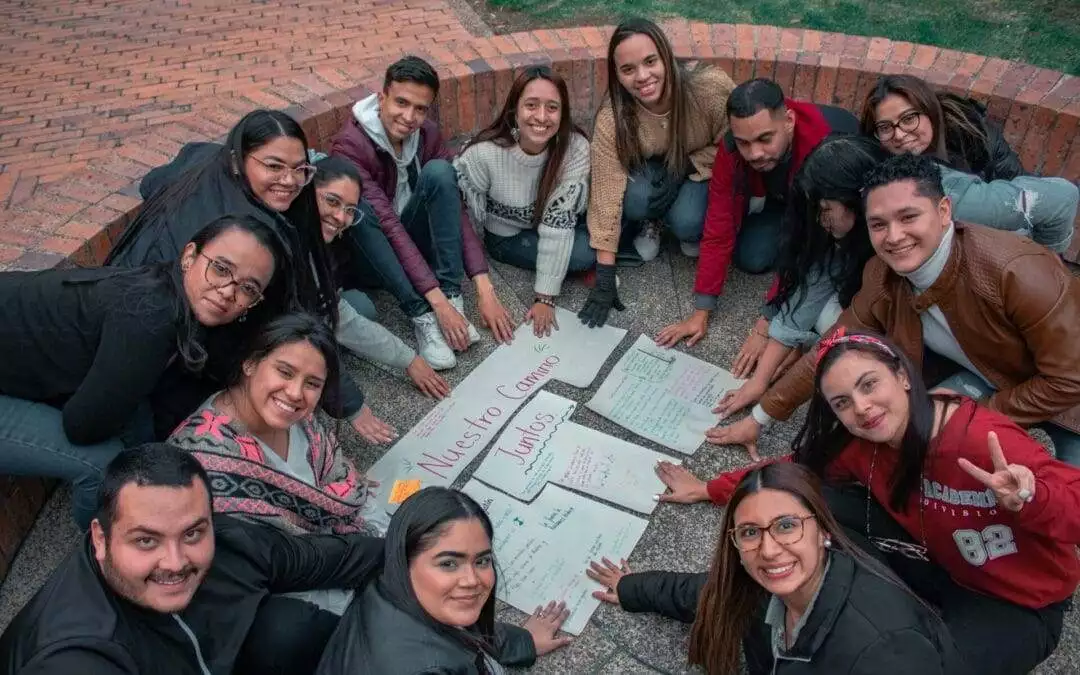
Speaking from the stage of the Genfest 2024 in Aparecida, Edy, a Peruvian Catholic, accompanied by 13 other young people from various Christian Churches and Latin American countries, said, “Ikuméni has transformed the way we young people relate to each other, the way we look at each other and how we can have unity in diversity”.
But what is Ikuméni? It is a four-month training course in a leadership style based on the art of hospitality, cooperation and good practice. Edy continued, “A highlight was our final face-to-face meeting”. Pablo, a Salvadoran Lutheran, immediately intervened: “One thing that had a big impact on us was learning to generate cooperation initiatives together, which we call good ecumenical and interreligious practices, working alongside people from different Churches and religions, willing to serve in the challenges we face today in our cities and rural areas.”
Ikuméni offers young people various paths for implementing good practices: this is how initiatives for peacebuilding, conflict resolution, integral ecology and sustainable development, humanitarian issues and resilience have emerged, working together not only with people from different Churches, but also with civil society to care for one another.
“In my case, we started a peace-building initiative in the social sciences faculty of the university where I study,” shared Laura Camila, a Colombian who lives in Buenos Aires and is a member of a Pentecostal ecclesial community. She stressed, “We need to work together for peace, we really need it. So in collaboration with various Churches, initiatives were born to strengthen resilience by creating ecumenical and interreligious networks and workshops for dialogue and training in conflict resolution”.
The Ikuméni training itinerary is a scholarship program and therefore there is no cost for the participants who are selected to participate in the course. It requires a commitment of 4 hours per week and attendance in person at the regional Ikuméni meeting. Young people aged 18-35 years old who have completed secondary education are eligible to participate. It is organized by CREAS (Regional Ecumenical Advisory and Service Centre) with the collaboration of several organizations.
Enrolment is currently open for the 2025 program. All the information is available here: https://ikumeni.org/
Have a look at the video we filmed a few months ago in Buenos Aires during the team meeting.
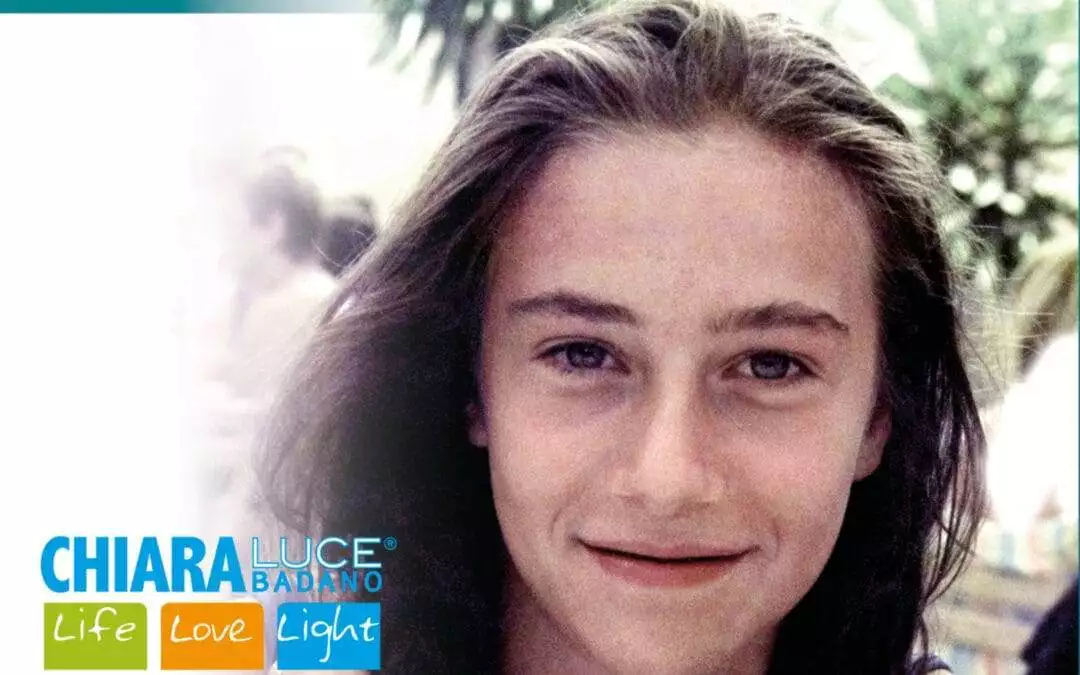
A young girl in love with God who discovered she had bone cancer at the age of 17, yet, even in her illness, she never stopped being nourished by her love for God which was stronger than anything else. “For you Jesus. If you want it, I want it too!”
She was in the fourth year of school when she got to know the Focolare Movement. She then joined a group of Gen (New Generation) who are the young people of the Focolare. She did not talk about Jesus to others, she communicated him with her life. In fact, she said: “I don’t have to talk about Jesus, I have to give Him… first of all by being in an attitude of listening, but above all by my way of loving”.
“Chiara Luce is the name I thought up for you. Do you like it?” wrote Chiara Lubich, foundress of the Focolare Movement, in response to one of Chiara Badano’s letters. “It is the light of the Ideal that overcomes the world…”
Chiara Luce left for Heaven on 7 October 1990 pronouncing these final words before she died: “Mamma, ciao. Be happy, because I am”, as the climax of suffering lived in the radiant light of faith. Her short life now serves as an example to follow for thousands of young people all over the world. The Chiara Badano Foundation set up to keep Blessed Chiara’s memory alive and eternal, and to preserve the places associated with her, continues to receive many requests and reports confirming that Blessed Chiara Luce is known and loved all over the world, especially among young people.
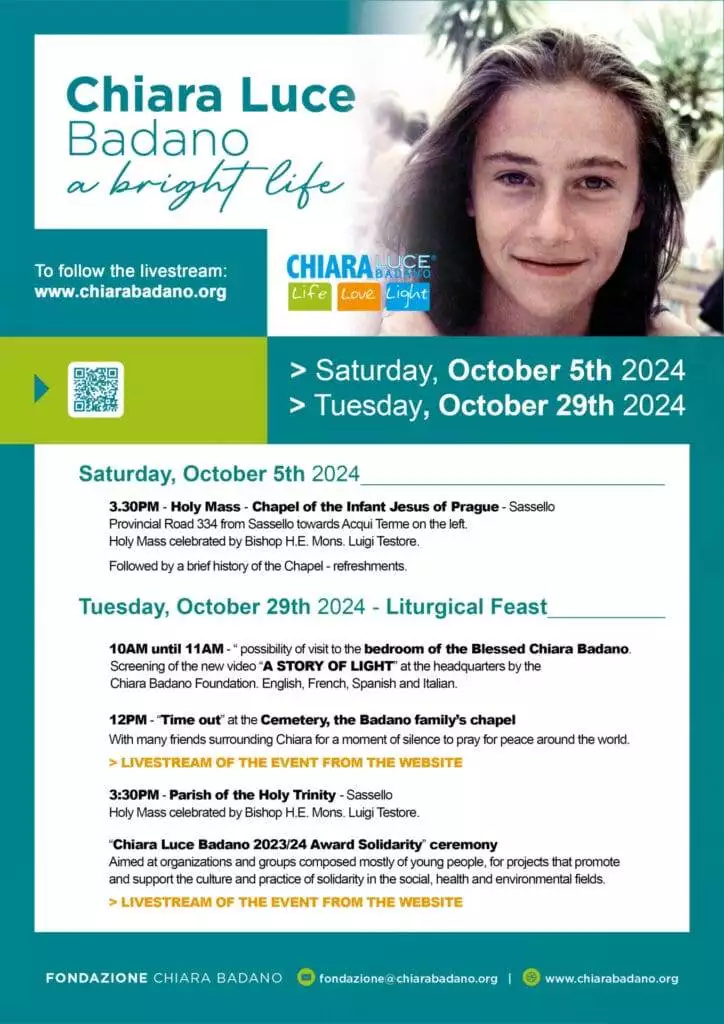
On her birthday which is her liturgical feast day (Chiara was born on 29 October 1971) there will be an intense day of celebrations in Sassello (Italy) where she was born, to which everyone is welcome. It will also be possible to follow some of the events via live-streaming on Chiara Badano’s official website: Fondazione Chiara Badano.
For full details of the programme, please see the poster (at UTC time+1).
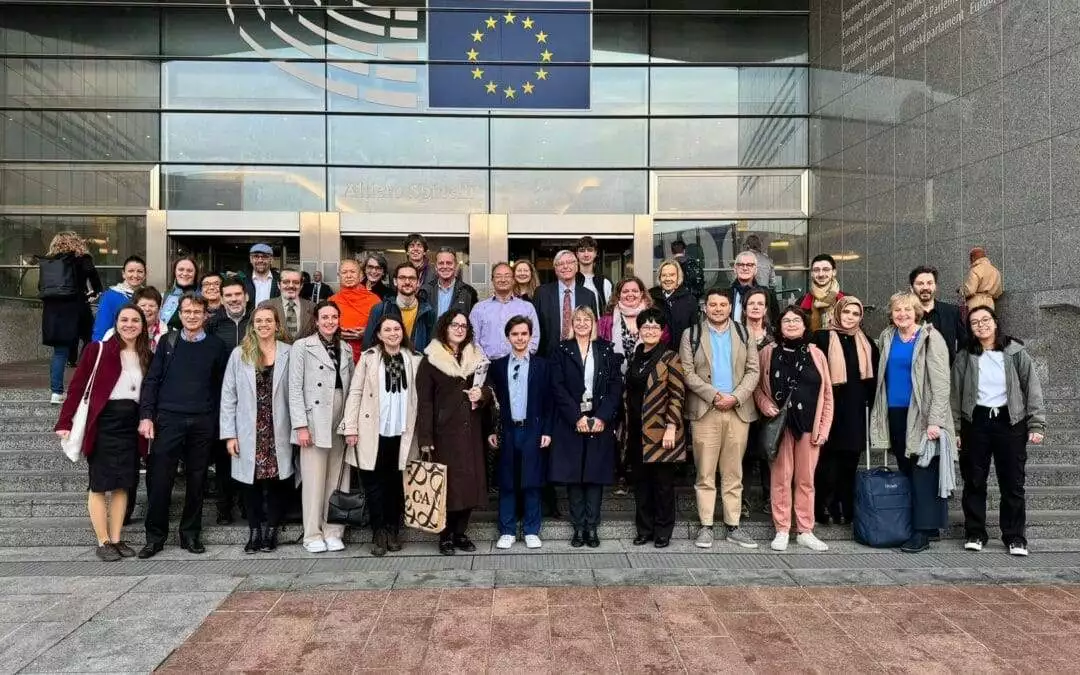
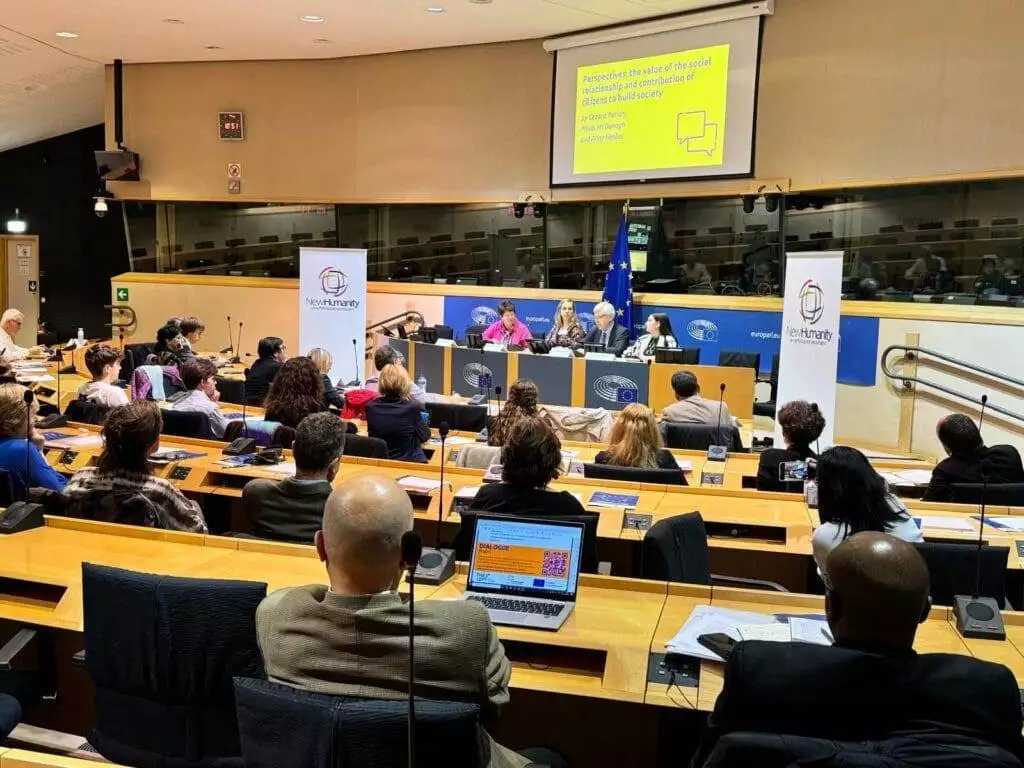
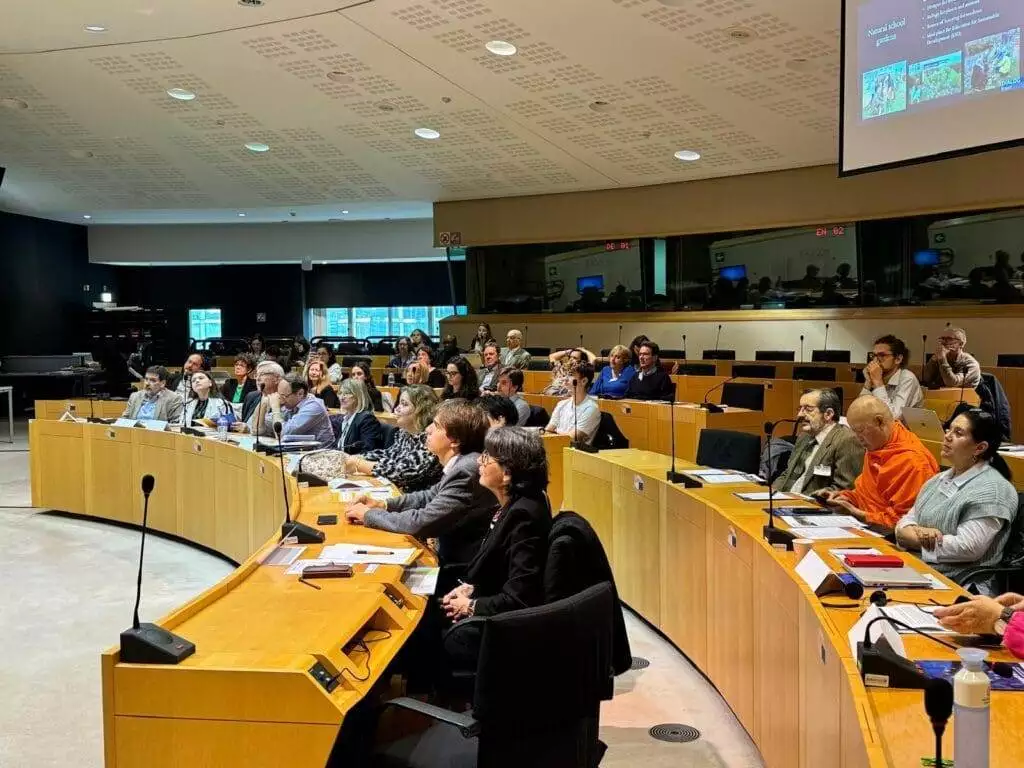
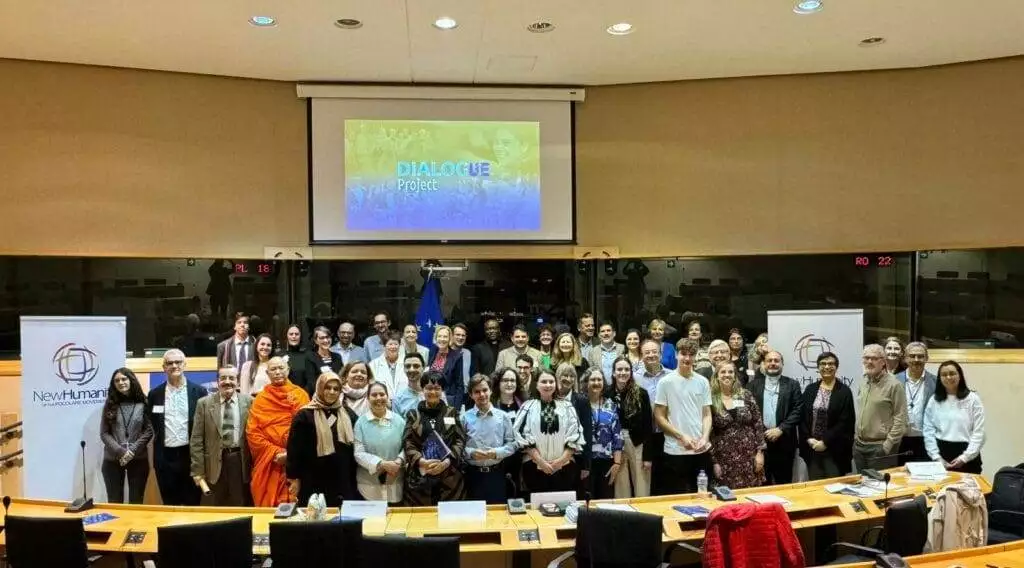
On October 16, 2024, the final conference of the DialogUE project, an initiative to promote intercultural and interreligious dialogue in Europe, was held at the European Parliament building in Brussels, Belgium. The event was hosted by MEP Catarina Martins (GUE-NGL) and was attended by 50 representatives of the project partners, European institutions, religious leaders and members of civil society.
Focus of the event was the presentation of recommendations for the European Union from the DialogUE project – “Diverse Identities Allied, Open, to Generate a United Europe” on issues crucial to the current European and world situation, summarized in the “DialogUE Kit” brochure.
“You can see with the naked eye that something happens when people of peace talk,” said MEP Catarina Martins of the European Left, who opened the meeting in a hall of the European Parliament. “And this is just such a moment. Dialogue is a powerful tool for peace.”
The project stems from the decades-long commitment of New Humanity, an expression of the Focolare Movement, which has significantly promoted good practices in interreligious and intercultural dialogue. The approach fosters mutual respect and trust, essential elements for fruitful dialogue and collaborative efforts.
Francisco Canzani, general counselor for the Culture and Study area of the Focolare Movement emphasized in his speech that dialogue is built from three elements: attitudes, tools, and method. On the latter, the method of differentiated consensus and qualified dissent, which originated within the platform between Christians and Marxists DIALOP, is now a source of inspiration and practice for other dialogue groups.
In 2023 and 2024, the project involved 4 dialogue groups in 3 main areas: Communication, Ecology and Social Policy. The dialogue groups were:
Among Christian citizens through the Together4Europe platform.
Between Christians and Muslims through the Focolare Movement’s Center for Interreligious Dialogue.
Between Christians and people who do not identify with a religious belief, through the DIALOP platform for cross-religious dialogue
Between Western and Eastern European citizens through the Multipolar Dialogue Group.
The project mainly facilitated the dissemination of the meaning and methodologies necessary for effective dialogue. It also brought together international experts on these three key challenges, who helped participants understand the main EU documents on these topics and explore the different dimensions of each theme.
The groups worked together to identify shared principles and common proposals. Their work led to recommendations that were submitted to the European Parliament.
The DialogUE project — was promoted by a consortium of 14 civil society organizations from 9 EU member countries.
Among the main results achieved by the project: 12 international meetings and a training for facilitators and experts; the direct involvement of 1,200 citizens and more than 10,000 indirectly; and the creation of the “Dialogue Kit,” intended for educators, NGOs, and policymakers to promote dialogue and social cohesion. These meetings resulted in shared recommendations for EU decision makers to promote more inclusive and sustainable policies.
In the afternoon of October 16, a discussion group hosted by KU Leuven (University of Leuven) in Brussels was held, during which participants analyzed some good practices that emerged from the project and discussed how to further disseminate these initiatives through the ‘Dialogue Kit.
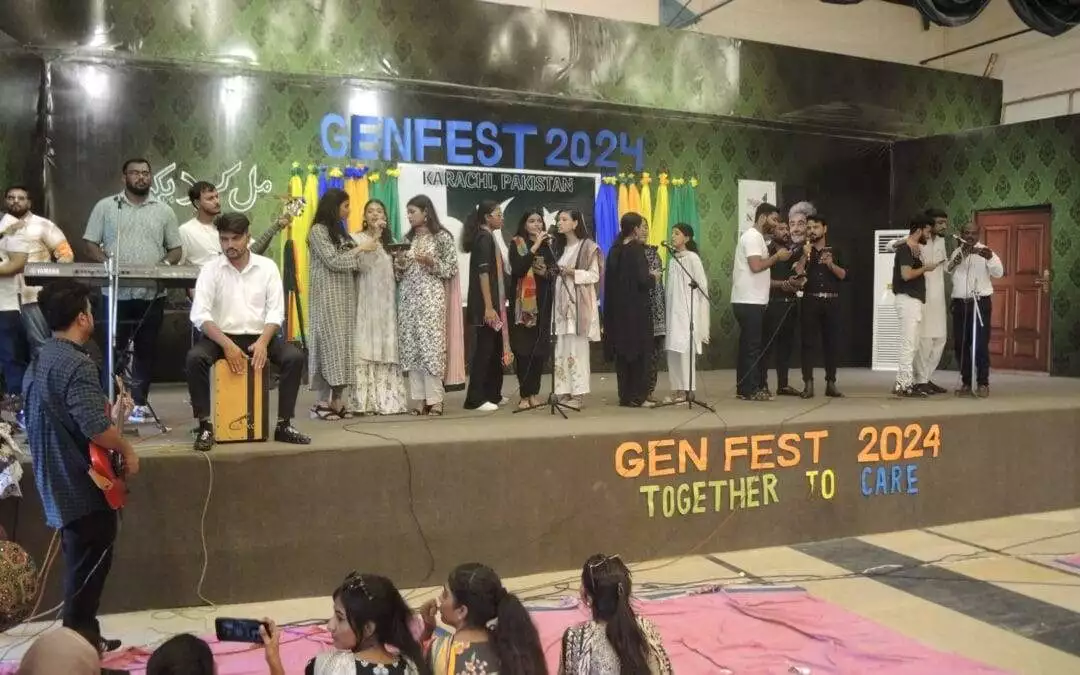
The young people of the Focolare Movement, in conjunction with the Genfest in Brazil, also organised 44 local editions of the Genfest in various countries around the world. Here are some pictures of the events in the various countries and some short testimonies from Ivory Coast, Ethiopia, Egypt, Jordan, Slovakia and Korea.