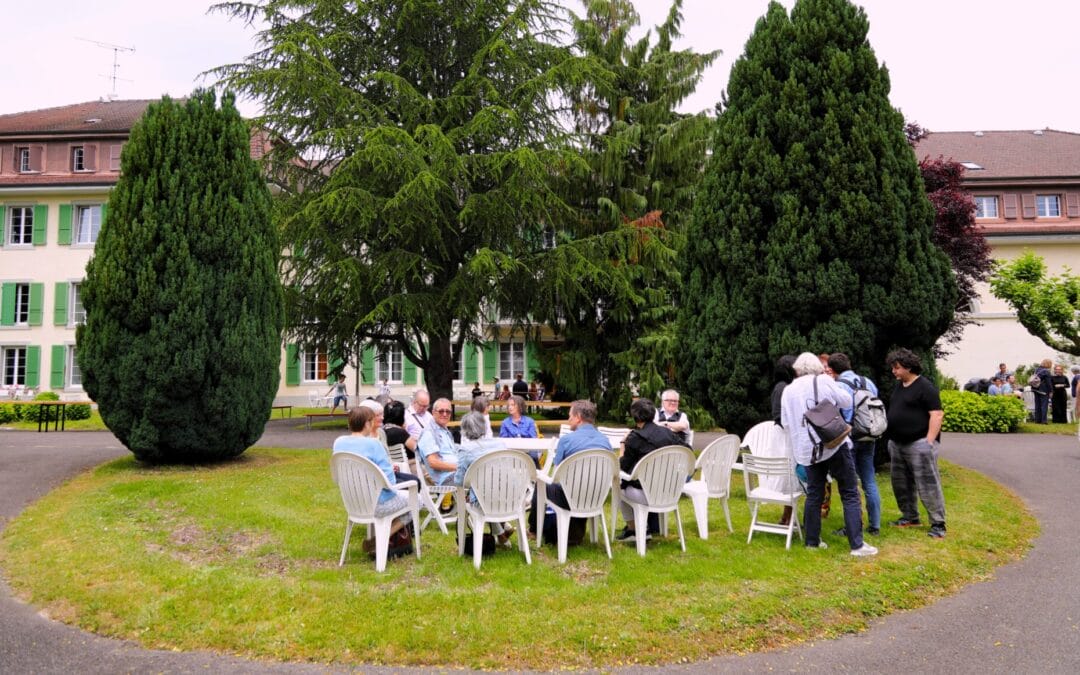
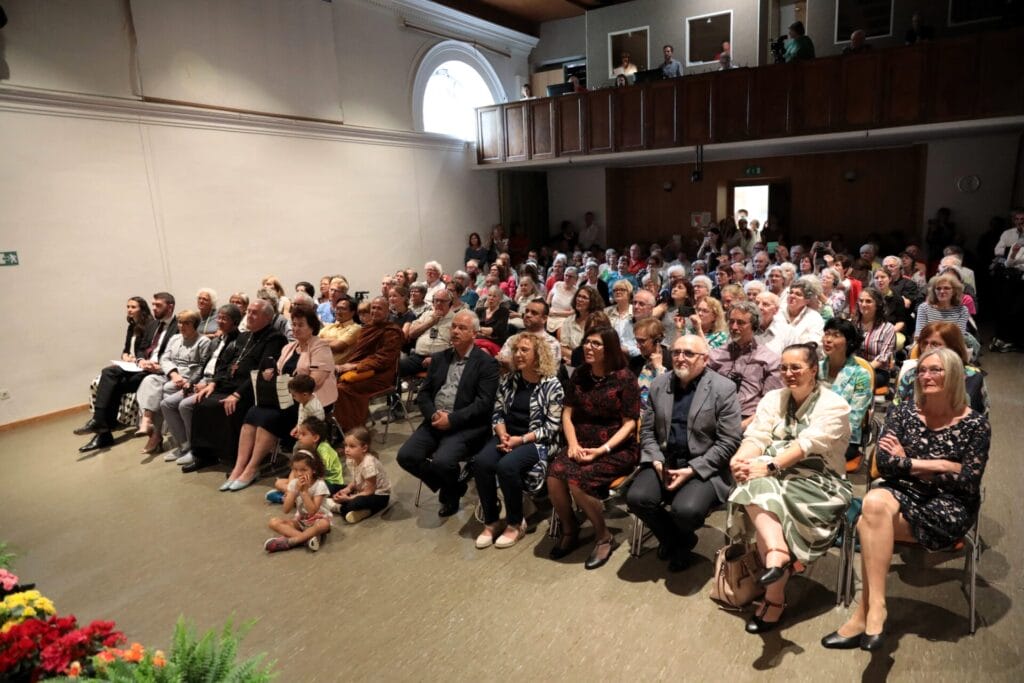
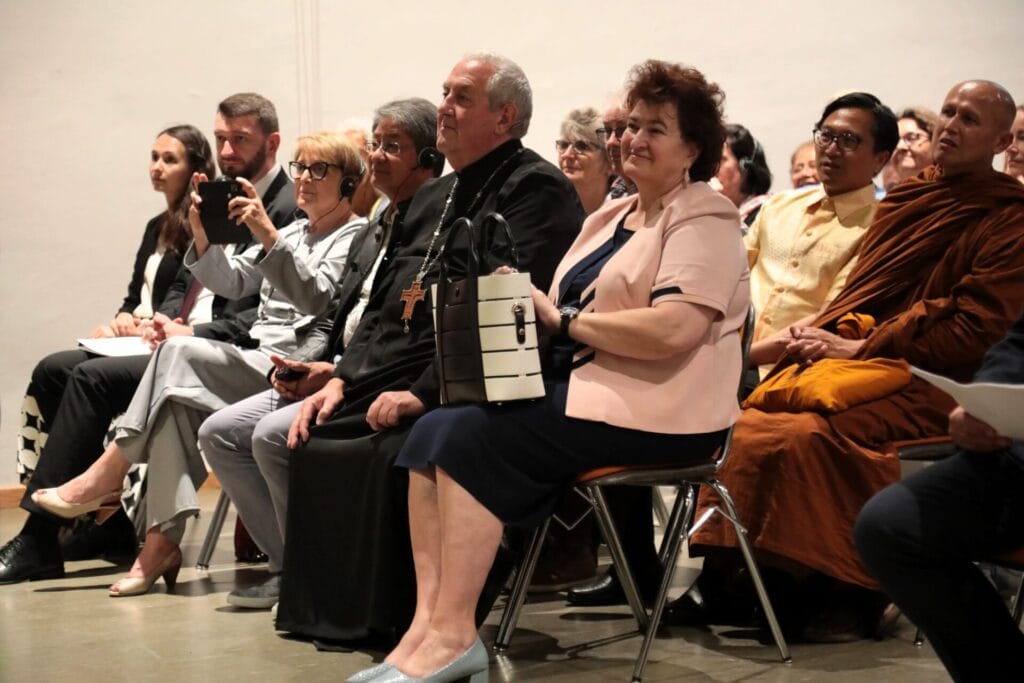
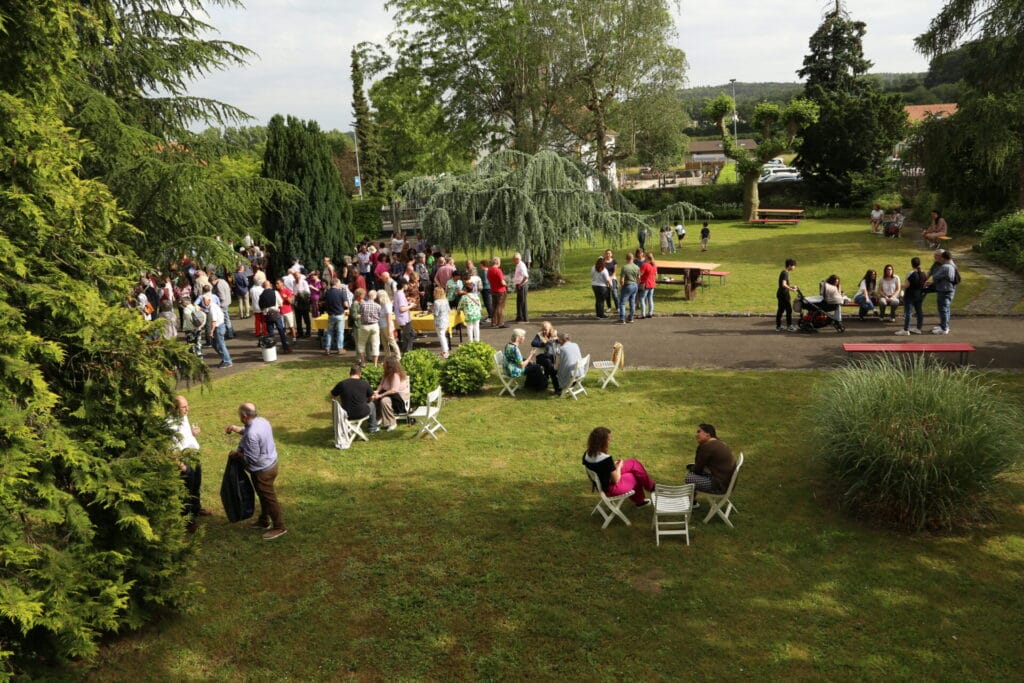
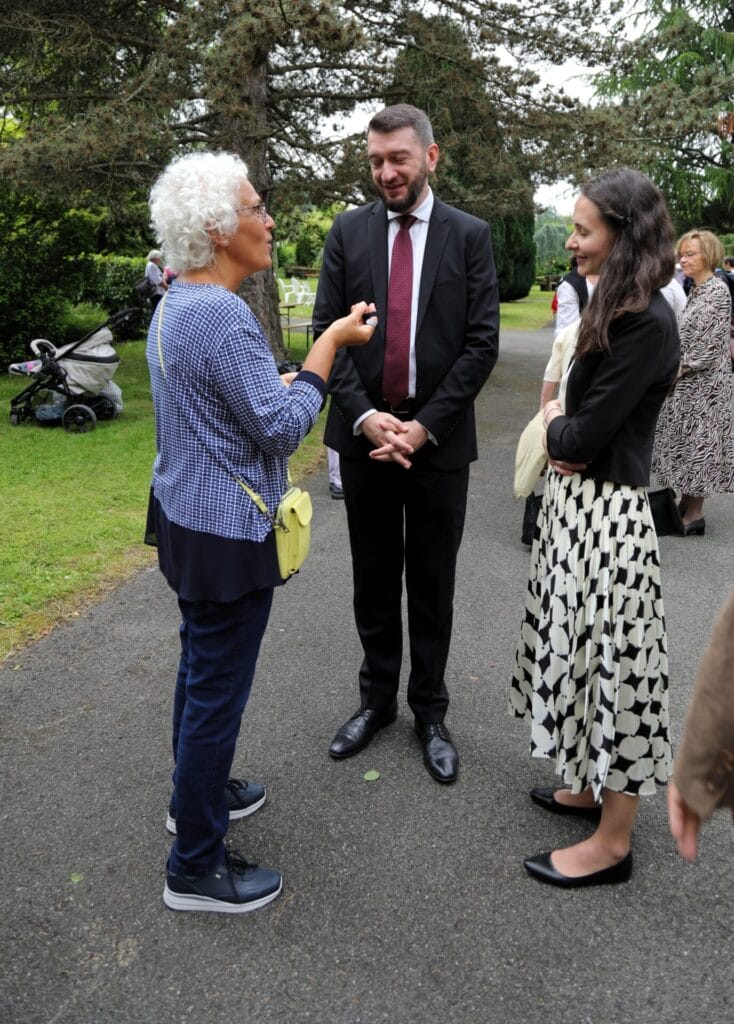
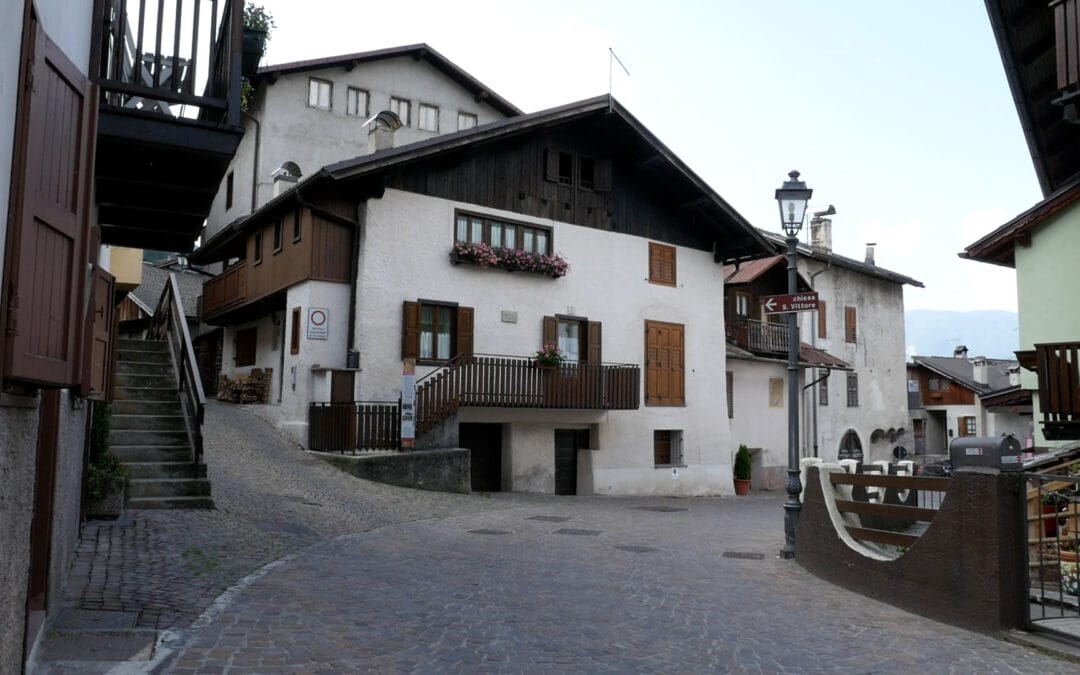
On a sunny day in June 2024, more than 400 guests from all over the world came to Montet, Switzerland, to greet the multicolored and international Focolare community. The Movement’s formation center will indeed be closed and the community will focus its efforts on other formation centers. During the second half of the year 2024, most residents will leave the small town in French-speaking Switzerland to join other communities.
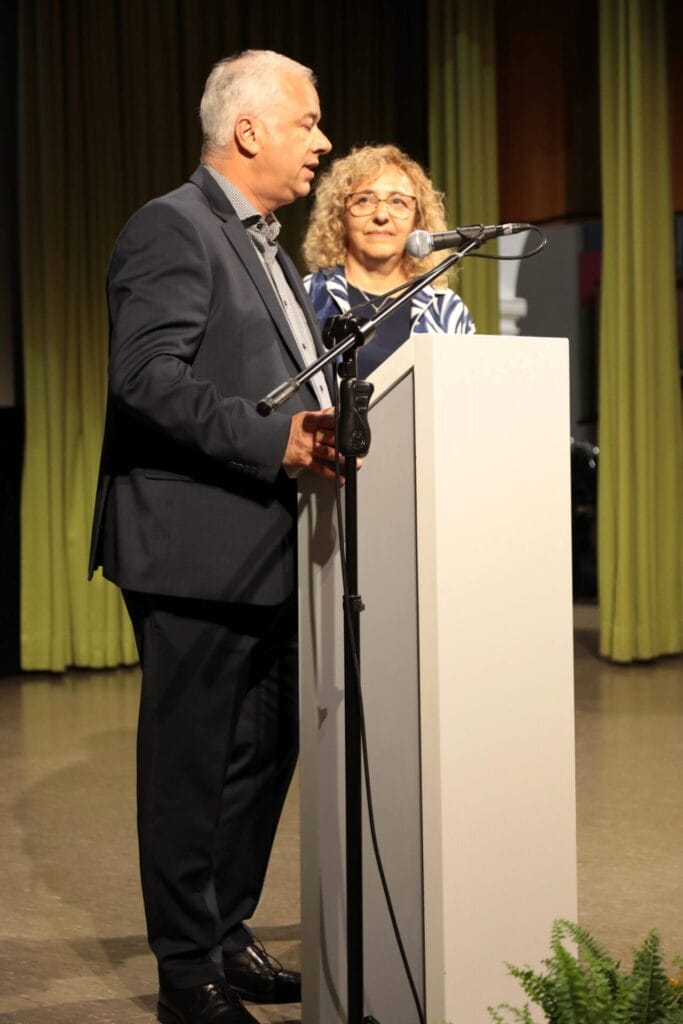
The people in charge of the “Mariapolis Foco,” as this citadel is called, Maria Regina Piazza and Markus Näf explained the path that led to this step: “To understand this decision, one has to look at the path that the Focolare Movement has made considering the decline in vocations to consecrated life and the challenges of today’s society around the world.” It is about “redistributing forces and reducing structures to promote proximity to people where it is most needed.”
Markus Näf – Maria Regina PiazzaMargaret Karram – Jesús Morán – Celine RuffieuxIon Sauca
Guests in attendance from the worlds of politics, society and churches emphasized how much the citadel has shaped and positively influenced the surrounding area: peace, a sense of community, a spirit of unity and fraternity were spread, and a testimony of mutual love was given. In total, nearly 3,800 people lived here over the course of 43 years, most of them teenagers and young adults.
In a greeting statement, the Secretary General of the World Council of Churches in Geneva, Rev. Prof. Dr. Jerry Pillay, expressed gratitude for the rich ecumenical experiences shared and lived together during the students’ annual visits to Geneva and emphasized that “the real legacy of the Montet Center is not its physical structure, but rather the fellowship, relationships, and Gospel values promoted.”
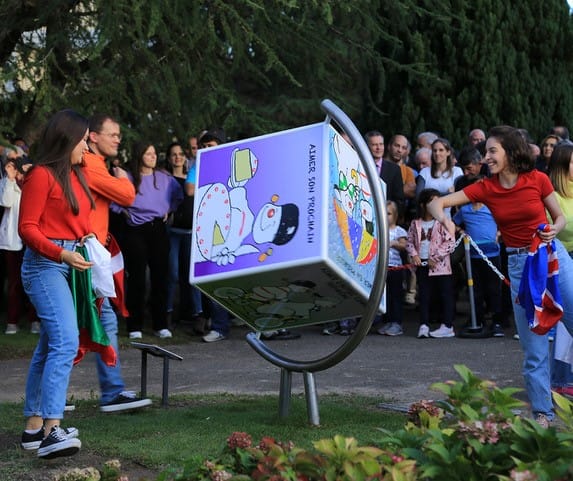
Cédric Péclard, longtime mayor of Les Montets, to whose municipality the village of Montet belongs, greatly regretted this closure. However, he was pleased that the “ Cube of Peace” from the Focolare Center park was donated to the municipality. This interactive sculpture embodies and conveys values that are important to the Focolare Movement and in fact originated in the village: a group of focolarine had created it to work with children during their stay in Montet, then “the cube” spread around the world. A large mobile model of it can be found today in a playground in the center of Les Montets.
Dr. Vasile-Octavian Mihoc
In her speech, Focolare President Margaret Karram, who was present together with Co-President Jesús Morán in Montet, did not hide how painful it was for the international community to close this center. “We feel very clearly that we must look to humanity that awaits the gift of peace, of unity, and that we must be able to grasp, even through circumstances, God’s desire for us and for our activities and structures.” The decision to close the Focolare Citadel in Montet was not taken lightly. “It is like witnessing the pruning of a tree that has borne so much good fruit for many years,” she said. “But we know that nothing happens by chance, but Divine Providence is always behind everything.” And she encouraged everyone – guests and residents – to take the experience gained in Montet to the world: “Many of you will be destined for other cities, other countries, other communities or you will return to your own country and you will take wherever you go the valuable experience that you have had here, and that therefore, will not only continue but will bring you an even greater dimension of love that will amaze you because it will be new.”
The future involves the sale of the 5-hectare estate. A committee headed by Hugo Fasel, former director of Caritas Switzerland, will oversee the sale and ensure that the future use of the property is in line with the values of the Focolare Movement.
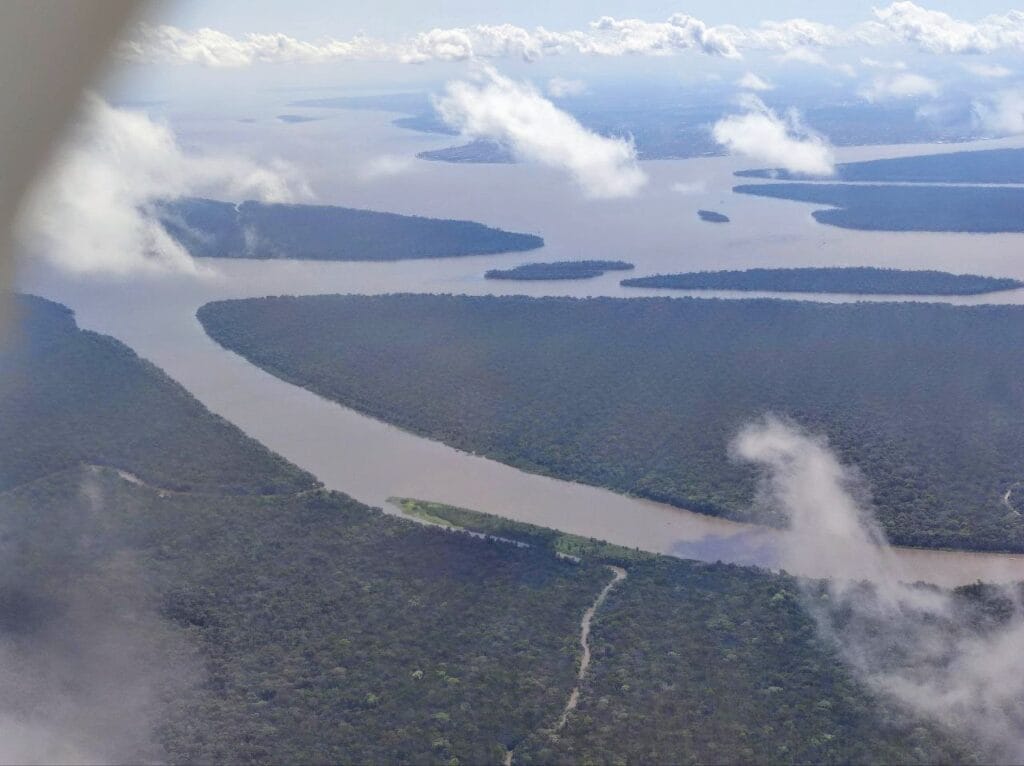
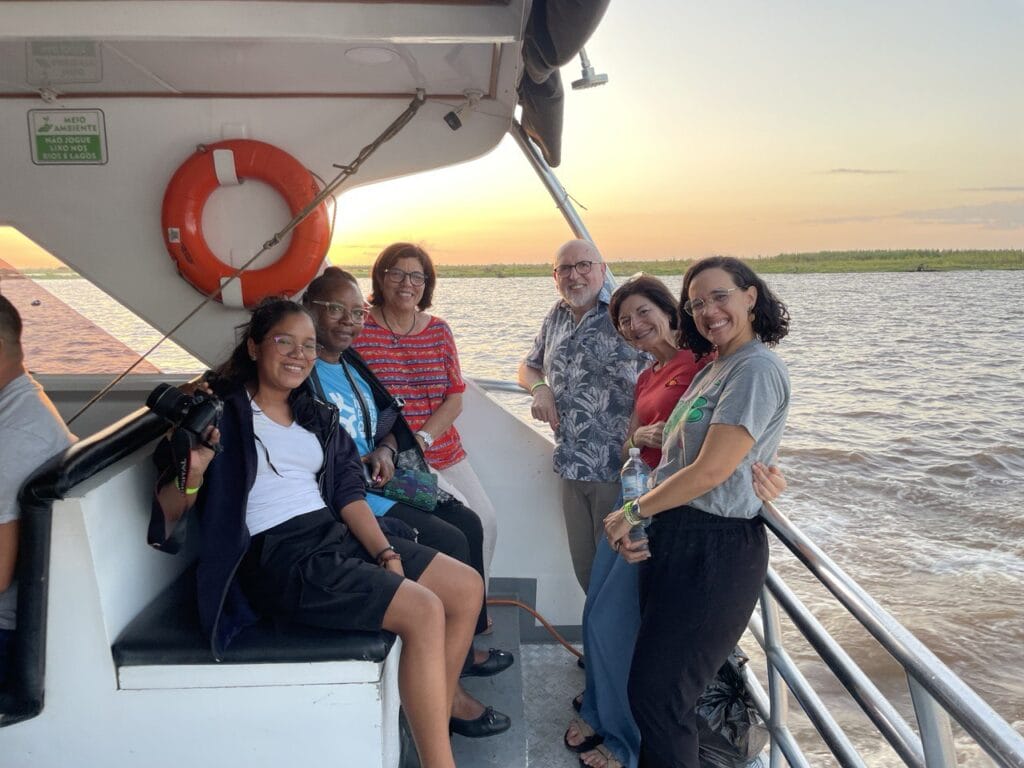
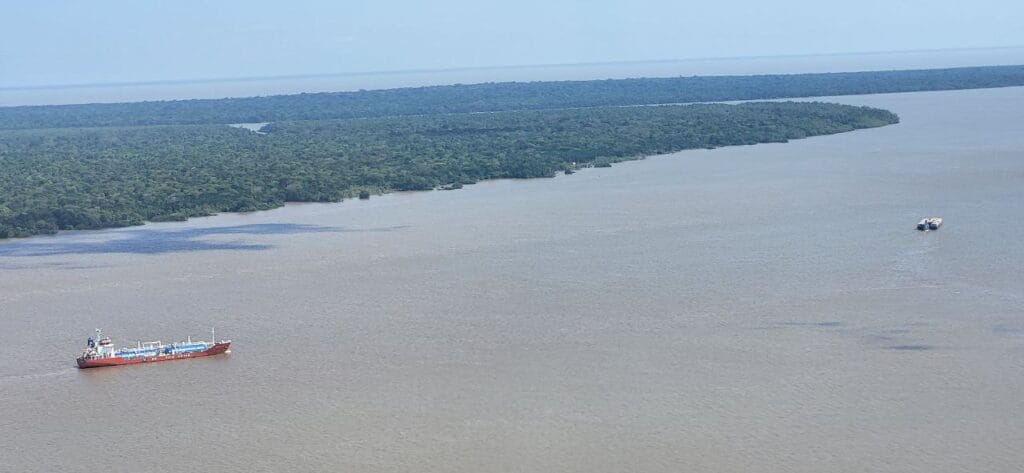
Juruti, in the State of Parà, is reached after seven hours by motorboat, the fastest means of transport, from Santarém. Its inhabitants say proudly that this area is the heart of the lower Brazilian Amazon, where the only connecting “road” is the Amazon River, the “river-sea”, as the local people call it. It is the first river in the world in terms of volume of water and the second by length. It marks time, social life, trade and the relationships between the approximately 23 million inhabitants of this vast region, where 55.9% of the Brazil’s indigenous population lives. It is one of the most precious ecosystems on the planet and yet political and economic interests are the cause of conflicts and violence that continue to multiply daily. Here the disruptive beauty of nature is directly proportional to the problems of quality of life and survival.
Care, the key word for the Amazon
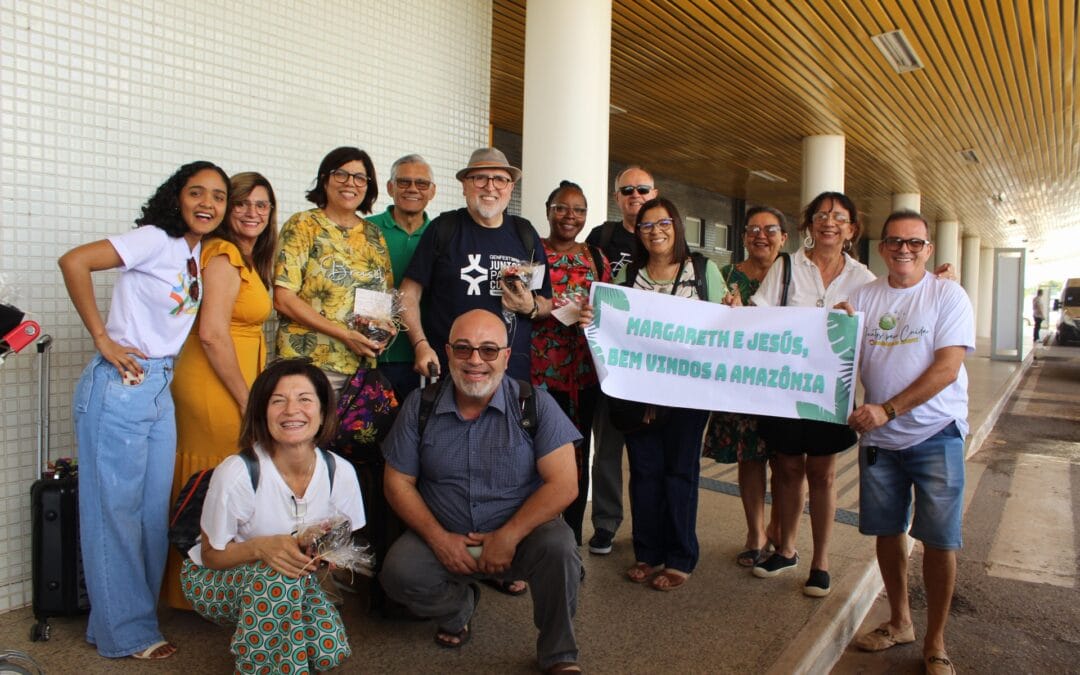
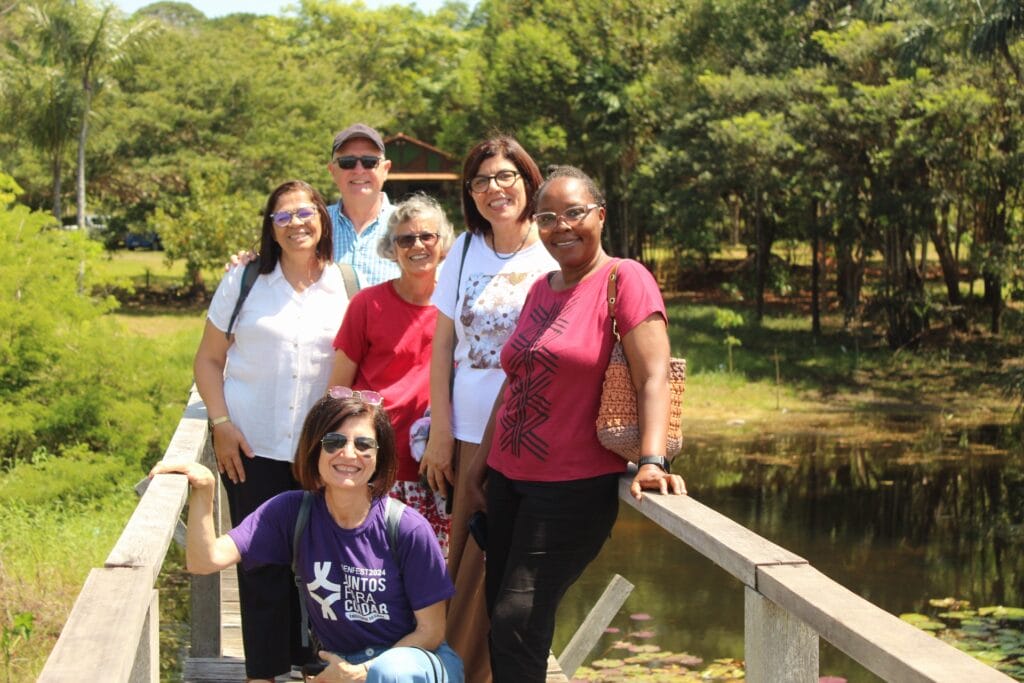
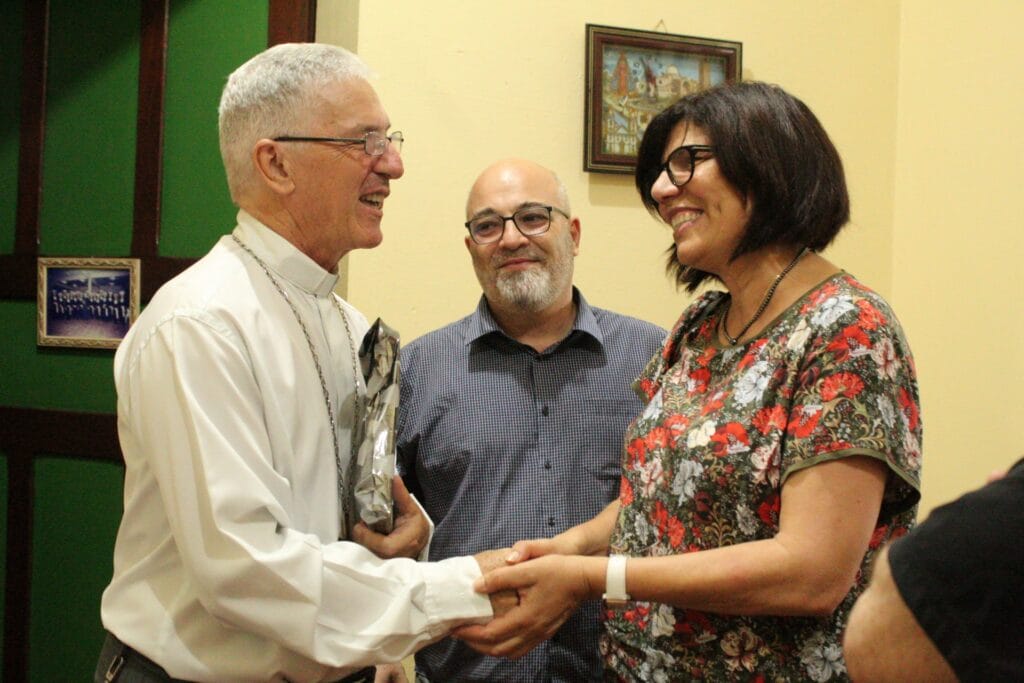
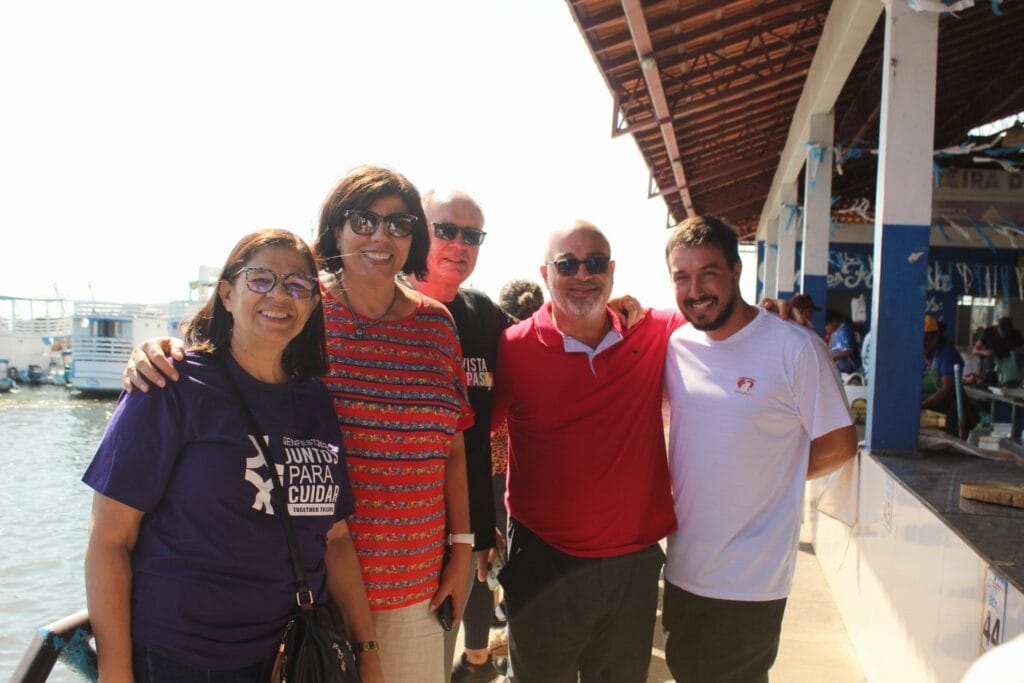
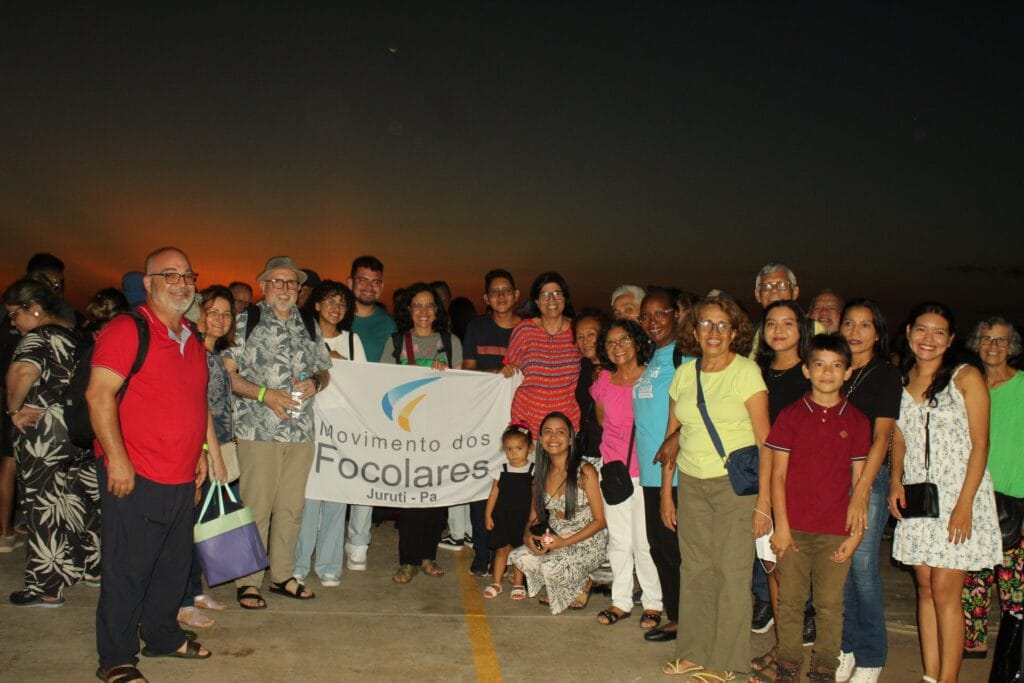
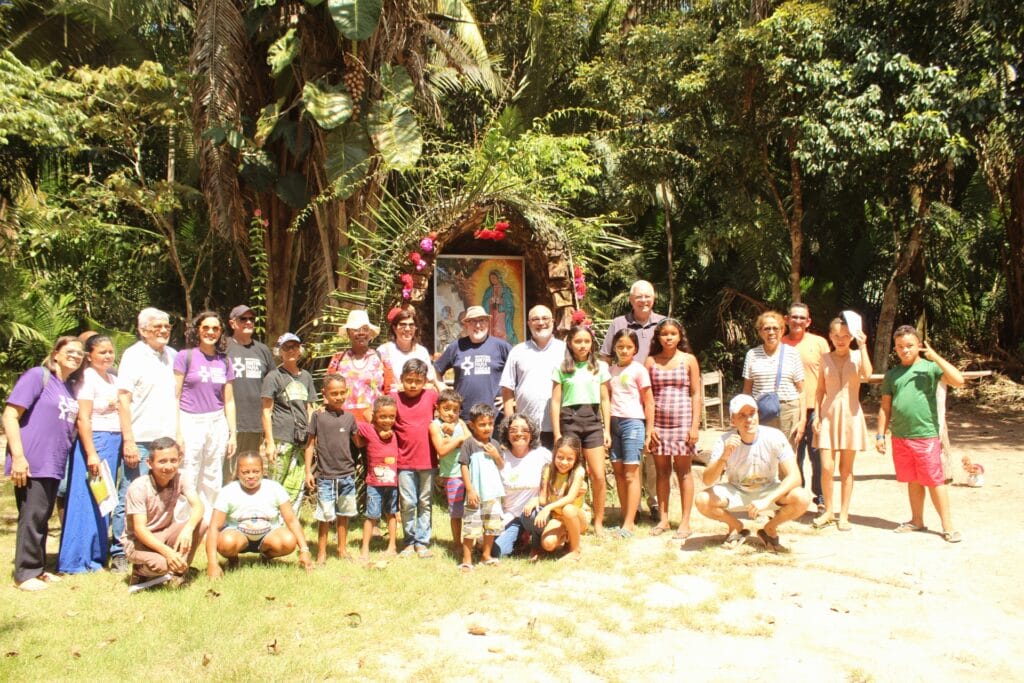
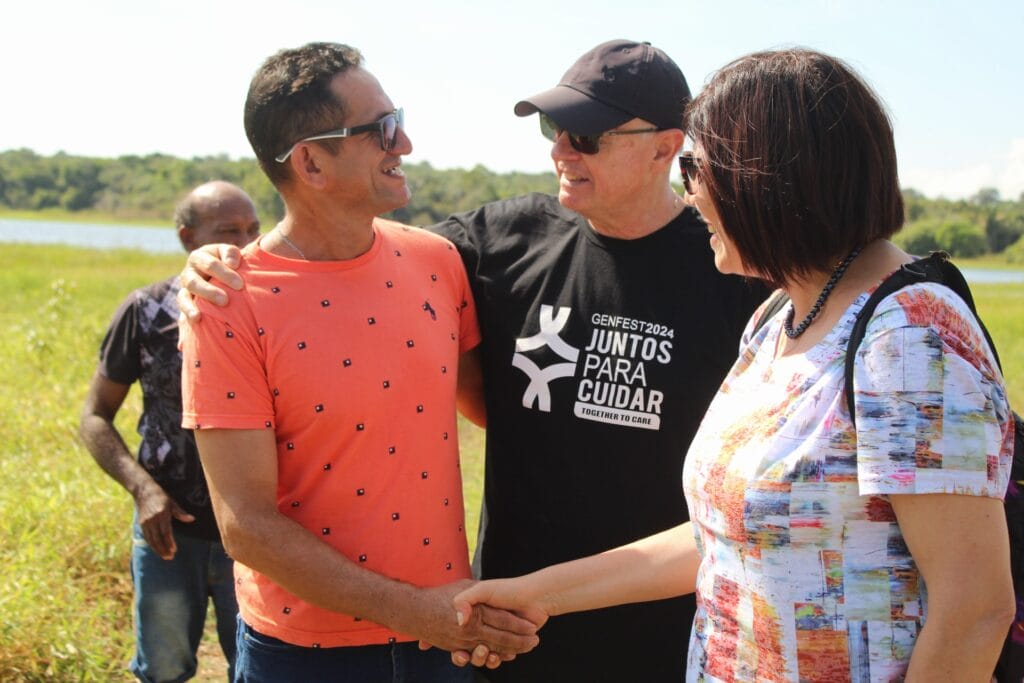
Margaret Karram and Jesús Morán, President and Co-President of the Focolare, Bernadette Ngabo and Ángel Bartol of the Movement’s International Centre and Marvia Vieira and Aurélio Martins de Oliveira Júnior, national co-directors of the Movement came to meet and spend a few days with the Focolare communities of the region. They were welcomed by Msgr. Bernardo Bahlmann O.F.M., Bishop of Óbidos. He said, “Observing and listening is the first thing we can learn in the Amazon”.
He spoke of the differentiated culture of this land, where indigenous characteristics coexist with aspects of the Western world. Social coexistence presents many challenges: poverty, lack of respect for human rights, exploitation of women and destruction of the forest heritage. He said, “All this is a question of rethinking what it means to take care of the riches of this land, of its original traditions, of creation, of the uniqueness of each person, to find, together, a new path towards a more integrated culture”.
Santarém, where the Church is secular
Msgr. Ireneu Roman, Bishop of the Archdiocese of Santarém continued the commentary, saying that this would be, “An impossible task without the involvement of the laity. They are the true strength of the Amazon Church”. There are about a thousand catechists in its parish communities. They support Christian formation, the liturgy of the Word and social projects. Msgr. Roman asked the Focolare community in the Amazon to bring its specific contribution: “unity in ecclesial structures and in society, because what this land needs most is to relearn communion”.
The presence of the Focolare and the Amazon Project
The first men’s’ community of the Focolare arrived in Óbidos in 2020 at the request of Msgr. Bahlmann and six months ago a women’s’ one opened in Juruti. Today in the Amazon there are seven focolarini, including a doctor, two priests, a psychologist and an economist.
Marvia Vieira and Aurélio Martins de Oliveira Júnior explained, “We are in the Amazon to support the great missionary work that the Church carries out with indigenous peoples. In 2003, one of the guidelines of the Brazilian Bishops’ Conference was to increase the presence of the Church in the Amazon region, because the vastness of the territory and the lack of priests made it difficult to provide adequate spiritual and human assistance.”
Thus, 20 years ago, the “Amazon Project” was born where members of the Focolare Movement from all over Brazil went for a period to places chosen in agreement with the Dioceses, to carry out evangelization actions, training courses for families, young people, adolescents and children, medical and psychological visits, dental care and more.
Edson Gallego, a focolarino priest of Óbidos and the parish priest told us, “Perhaps we will not be able to solve the many problems of these people but we can be close to them, share joys and sorrows. This is what we have been trying to do since we arrived, in communion with the different ecclesial realities of the city.”
The women focolarine explained that it is not always easy to change one’s mental categories: “We often delude ourselves to give answers, but it is we who come out enriched by every encounter, by the strong presence of God that emerges everywhere: in nature, but above all in people”.
Building up people and society
In Juruti the focolarine collaborate with the agencies of the Church that work for development. The “Bom Pastor” “casulo” is one of the 24 kindergartens in the city, which follows a specific pedagogical line that educates children to be aware of their own culture and traditions, to have a sense of community and to be aware of themselves and of others. This is an important choice for an integral and person centred education. The “9 de Abril na Providência de Deus” Hospital is managed by the “São Francisco de Assis na Provincia de Deus” Fraternity. It serves the population of the city (approximately 51,000 inhabitants), nearby towns and river communities, focussing on those who cannot afford to pay for care. The Apostles of the Sacred Heart of Jesus, on the other hand, animate the “Mother Clelia” Coexistence Centre where they welcome a hundred young people annually, creating alternatives for professional training and contributing to personal development, in particular of young people at risk.
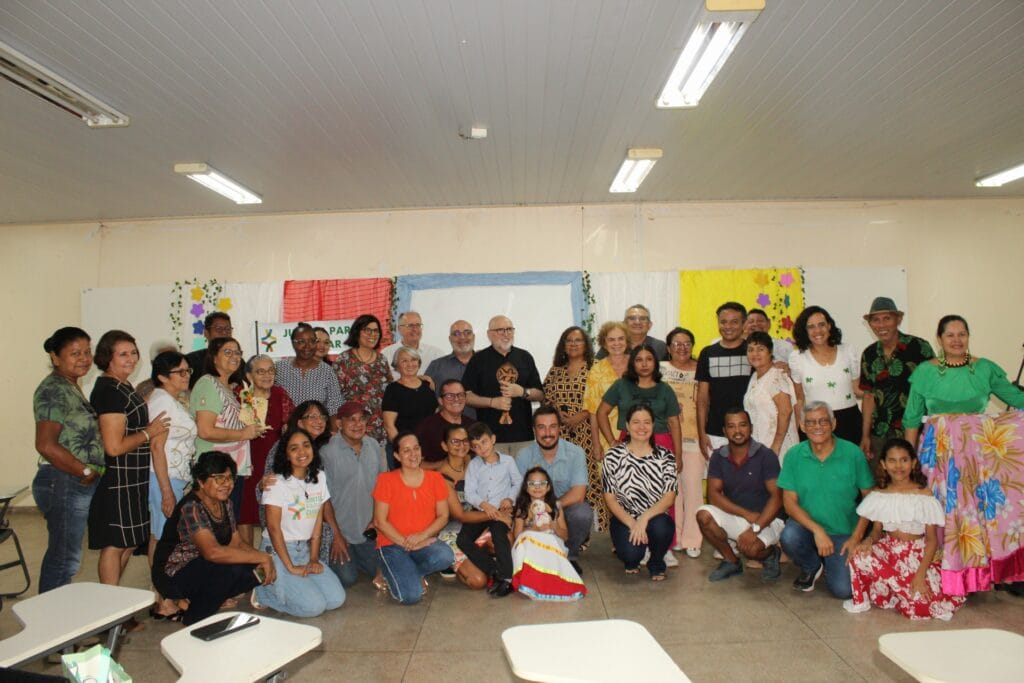
The Focolare community has also been working in synergy with parishes and ecclesial organizations for years. When Margaret Karram met it and other communities from around, she thanked the people for their generosity, evangelical concreteness and welcome: “You have reinforced in all of us the sense of being one world family and even if we live far apart, we are united by the same gift and mission: to bring fraternity where we live and throughout the world”.
Promoting human dignity
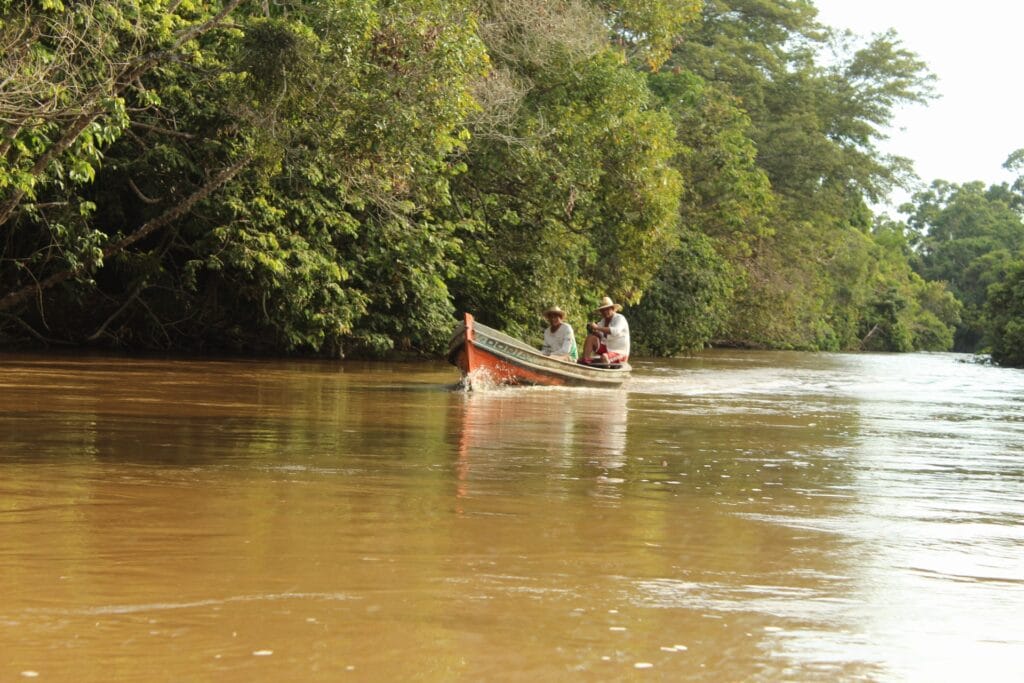
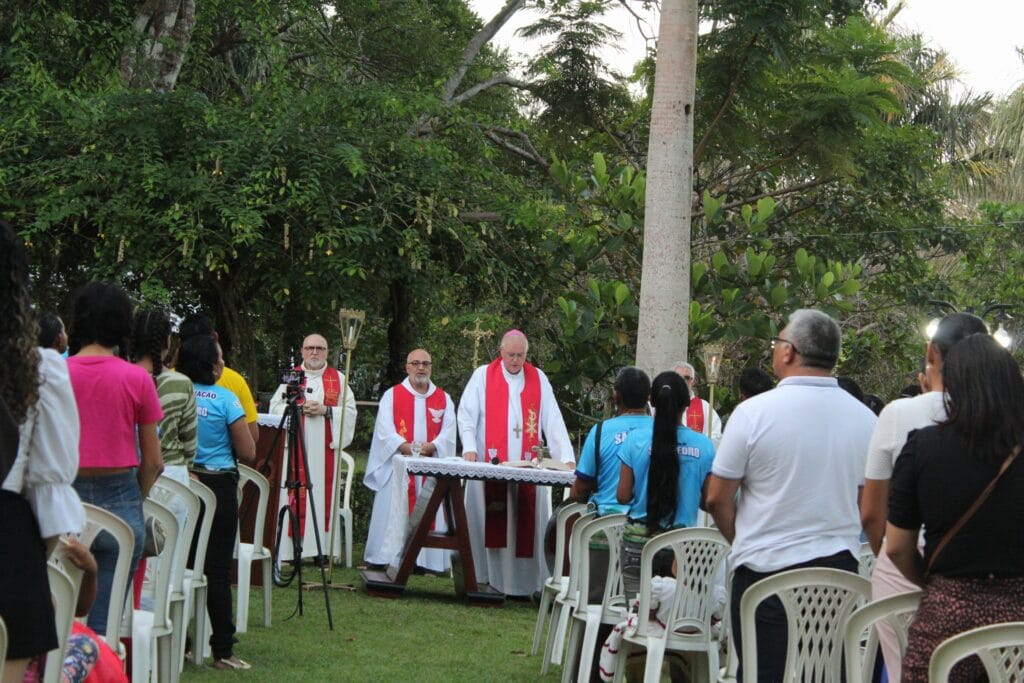
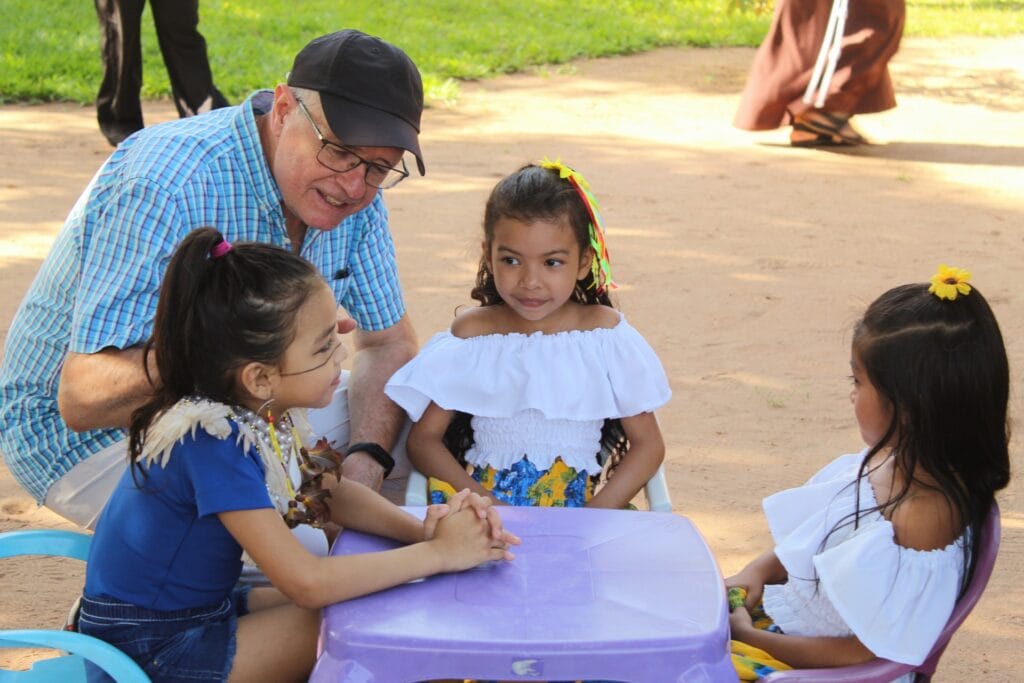
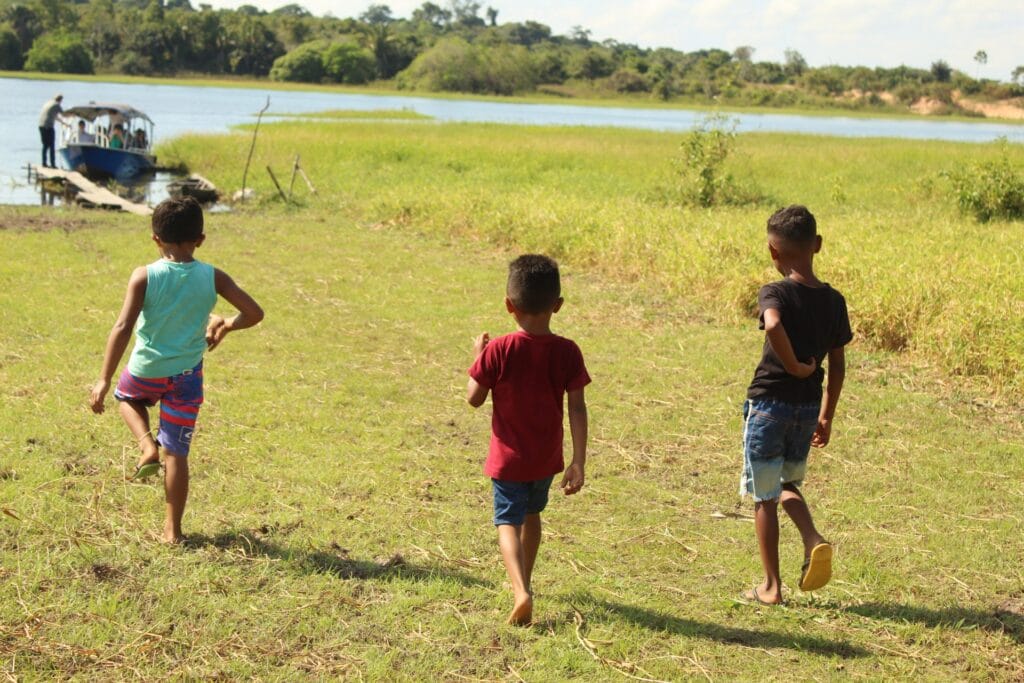
A one hour boat trip from Óbidos, through a network of canals that wind through the Amazon forest brings you to the Quilombo Pauxi Mocambo, an indigenous community of a thousand Afro-descendants. It is linked to Edson’s parish. He tries to go at least once a month to celebrate Mass and, together with the focolarini, share, listen and play with the children. The community is made up of about a thousand people who, although immersed in a paradisiacal nature, live in particularly disadvantaged conditions. Isolation, struggle for survival, violence, lack of equal rights, access to education and basic medical care, are the daily challenges these river communities face. Here too, for two years, the diocese of Óbidos has been running a project entitled, “Força para as mulheres e crianças da Amazônia”. It is aimed at women and children and promotes an integral formation of the person in the spiritual, health, educational, psychological, and economic sustenance fields. A young mother proudly recounted her progress in the home economics course: “I learned a lot and discovered that I have skills and ideas”.
Certainly it is a drop in the great sea of the needs of these peoples. Jesús Morán said, “It is true that alone, we will never solve the many social problems. Our mission, also here in the Amazon, is to change hearts and bring unity in the Church and in society. What we do makes sense if people focus their lives on the good. And that’s the real change.”
Listening to the focolarini in the Amazon highlights the fact that welcoming, sharing and learning is the “evangelical dynamic” that emerges, where each and every one feels personally called by God to be his instrument to “listen to the cry of the Amazon” (47-52), as Pope Francis wrote in his extraordinary post-synodal exhortation Querida Amazonia and to contribute to the growth of a “culture of encounter towards a ‘multifaceted harmony’” (61).
On July 16th, 1949, Chiara Lubich and Igino Giordani made a “Pact of Unity.” It was a spiritual experience that heralded in a period of light and special union with God.
It had an effect on the life of the first Focolare community back then, but also impacted the history of the Movement together with its commitment to working toward a more fraternal and united world.
Seventy-five years after that day, here is a brief look at what that Pact meant then, and what it can mean today as we continue to live by it.
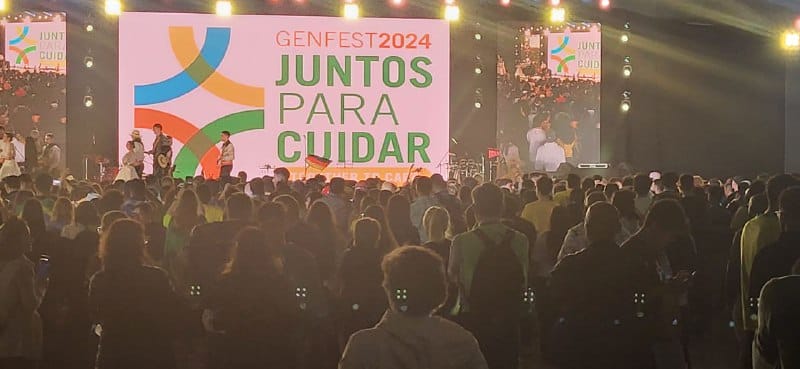
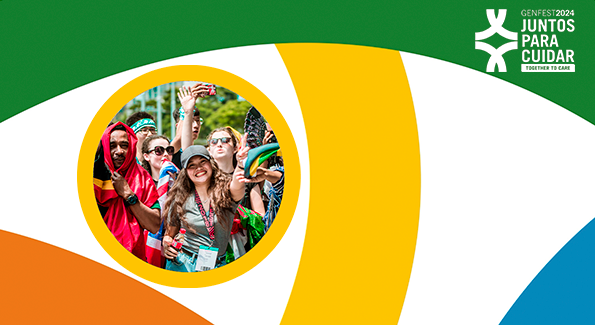
“Peace between peoples, the care of the planet, economics and politics that put the person, justice and dignity at the centre. At the Genfest we will work, discuss and plan for this at a worldwide level”. This is what the youth of the Focolare Movement say, explaining the gathering of thousands of young people for this international event from the 12th to the 24th of July. The event “Juntos para cuidar” aims, as the title suggests, to promote care together at a worldwide level for the most vulnerable and distressed individuals and sectors of humanity, regardless of cultural, ethnic or religious differences.
In this period of change, a new cultural paradigm is needed, no longer based on the individual, but on social relationships open to all in a culture of universal fraternity. In this perspective complexities are valued rather than eliminated, in a deeper understanding of the story of humanity and its peoples.
Genfest 2024will have three phases: voluntary work, a main event, and the creation of groupings (‘communities’) according to academic or professional interest, which will remain connected and work for the furthering of a more united world in countries of origin. It aims to be an immersive experience, where the leaders and thinkers are the youth themselves. Dialogue and collaboration between generations will be the essential components for the changes to be proposed to international institutions. Some parts of the event will be streamed onthe Genfest 2024 Youtube channel.
As a conclusion, the new steps and existing or nascent projects which aim to build a more united and peaceful world will be brought together in a document to be presented to the United Nations Summit of the Future(22-23 September 2024). It will contain projects and practical ideas for a more just and fraternal world, as a contribution to the UN 2030 Agenda.
Those who cannot participate in the main event in Brazil can find an event nearer to home. There will be 44 local Genfests: in South Korea, India, Sri Lanka, The Philippines, Pakistan, Vietnam, Jordan, Egypt, Burundi, Tanzania, Angola, Zambia, Kenya, Ethiopia, South Africa, DRC, Ivory Coast, Cameroon, Burkina Faso, Peru, Bolivia, Mexico, Guatemala, Argentina, Hungary, Serbia, Czech Republic, Slovakia, Germany and Italy.
Juntos para cuidar: the programme
Experience – The first week of Genfest, from the 12th to the 18th of July, is an “immersive” experience of voluntary work in one of 40 projects and organisations offering opportunities in various countries of Latin America and elsewhere. These activities are the result of collaboration with UNIRedes, which brings together more than 50 organisations, projects and social movements in 12 countries of Latin America and the Caribbean, promoting transformation in various spheres (art and culture, the environment, democratic government, education, work, etc.) through the active commitment of all those involved.
Celebrate – From the 18th to the 21st of July the youth will come together for the main event at the National Shrine Arena in Aparecida. They will hear experiences and share strategies for peace and fraternity also through artistic and musical presentations. The event will be streamed to more than 120 different countries. It will be a wide-ranging festival of ideas and initiatives and inspire thousands of young people of many different cultures, ethnic groups and religions to live for a united world.
Learning and sharing – The third phase is from 21st to the 24th of July. The young people will come together in eight groupings called ‘communities’, according to their fields of interest: economics and work, interculturality and dialogue, spirituality and human rights, health and ecology, art and social commitment, education and research, communication and media, active citizenship and politics.
In these spaces the young people will learn, discuss, and formulate new ways of shared commitment to spread the culture of fraternity, through local projects in a global perspective. Returning to their countries of origin, they will work locally in their preferred sector, growing in a culture marked by fraternity and relationality.
An international team of academics, professionals, social and political activists and leaders – young and old – will assist the participants in their discussions and group work.
Among those who have confirmed their presence: Luigino Bruni, economist (Italy), Choie Funk, architect and social activist (Philippines), Jander Manauara, rapper and activist (Brazil), Carlos Palma, coordinator of Living Peace (Uruguay), Myrian Vasques, Indigenous advisor (Brazil), Silvina Chemen, director of the Centre for Interreligious Dialogue at the Rabbinic Seminary (Argentina), John Mundell, director of the Vatican Laudato Si Action Platform (USA), Nicolas Maggi Berrueta, violinist, Peace Ambassador (Uruguay), Israa Safieddine, education consultant and specialist in the teaching of Islam (USA).