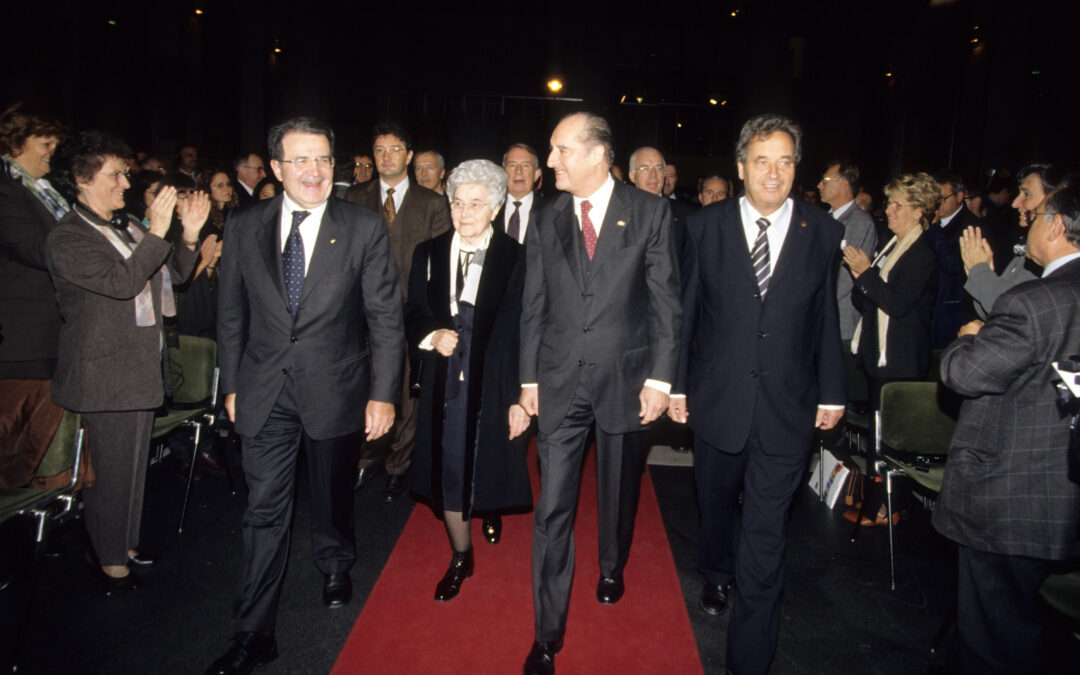
The year 2026 will mark the 60th anniversary of the arrival of the Focolare in Asia and Oceania. It was 22 February 1966 when Chiara Lubich – the founder of the Focolare Movement – assigned five focolarini and focolarine to Manila in response to a request from the then Archbishop of Manila, Cardinal Rufino Santos. Giovanna Vernuccio, Silvio Daneo, Guido Mirti, Ednara Tabosa and Magdalena Brandao were the first pioneers of the Focolare Movement’s adventure in Asia, and beyond. From Manila, they went on to travel to Japan, Korea, Hong Kong, Taiwan, India, Pakistan, Thailand, Cambodia, Vietnam and finally Australia.
The Focolare Movement thus spread across the Asian continent, bringing to all those it encountered the spirit of unity that characterises it, despite the enormous diversity of cultures, religions and languages. This journey has paved the way for ecumenical and interreligious dialogue right up to the present day.
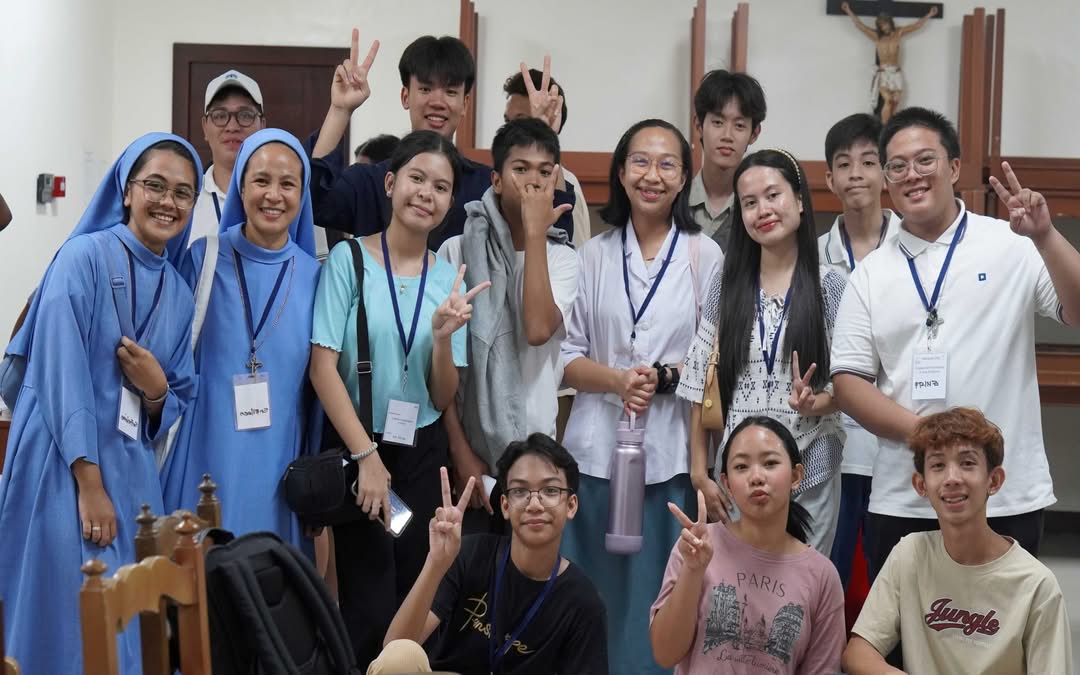
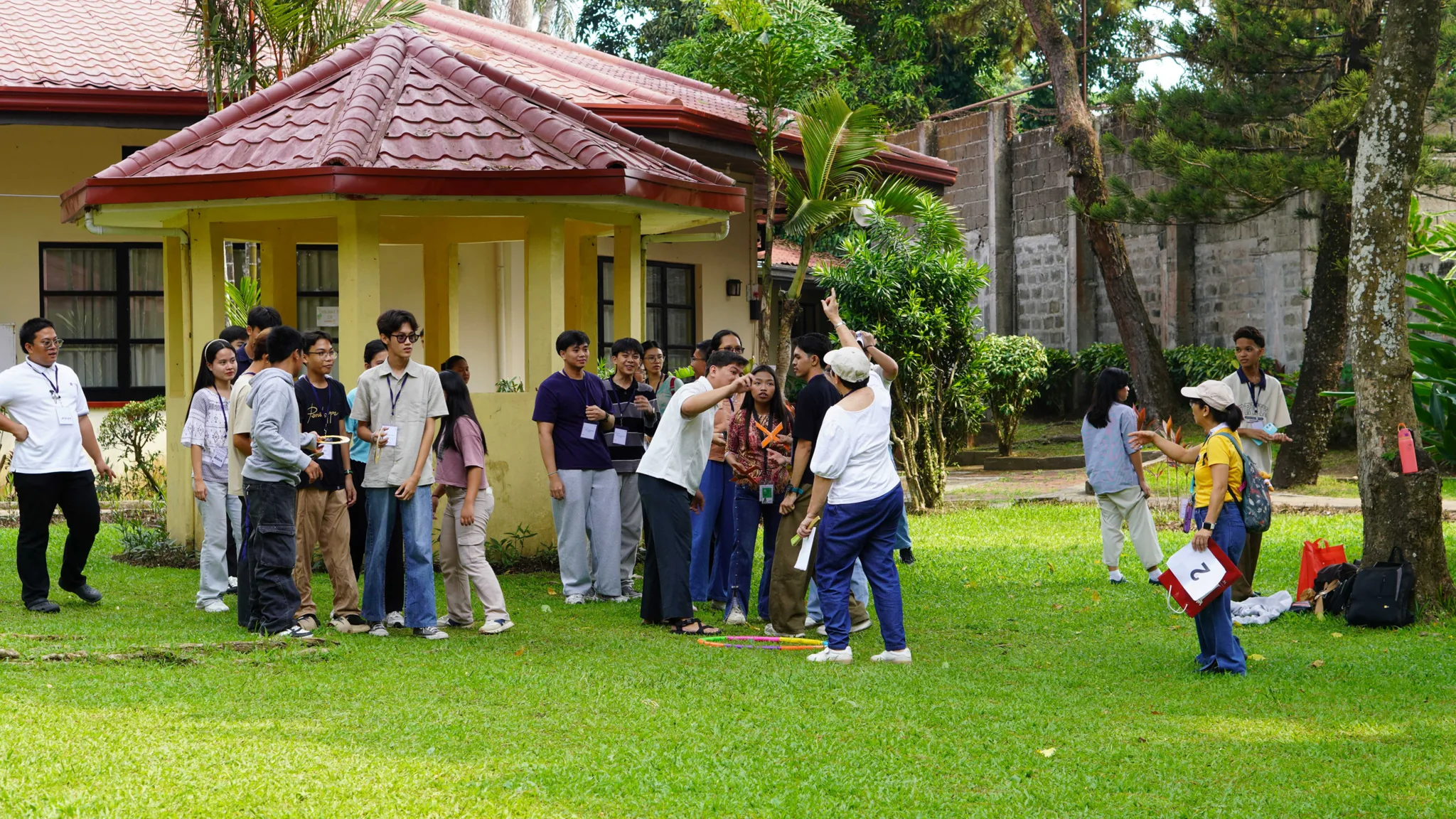
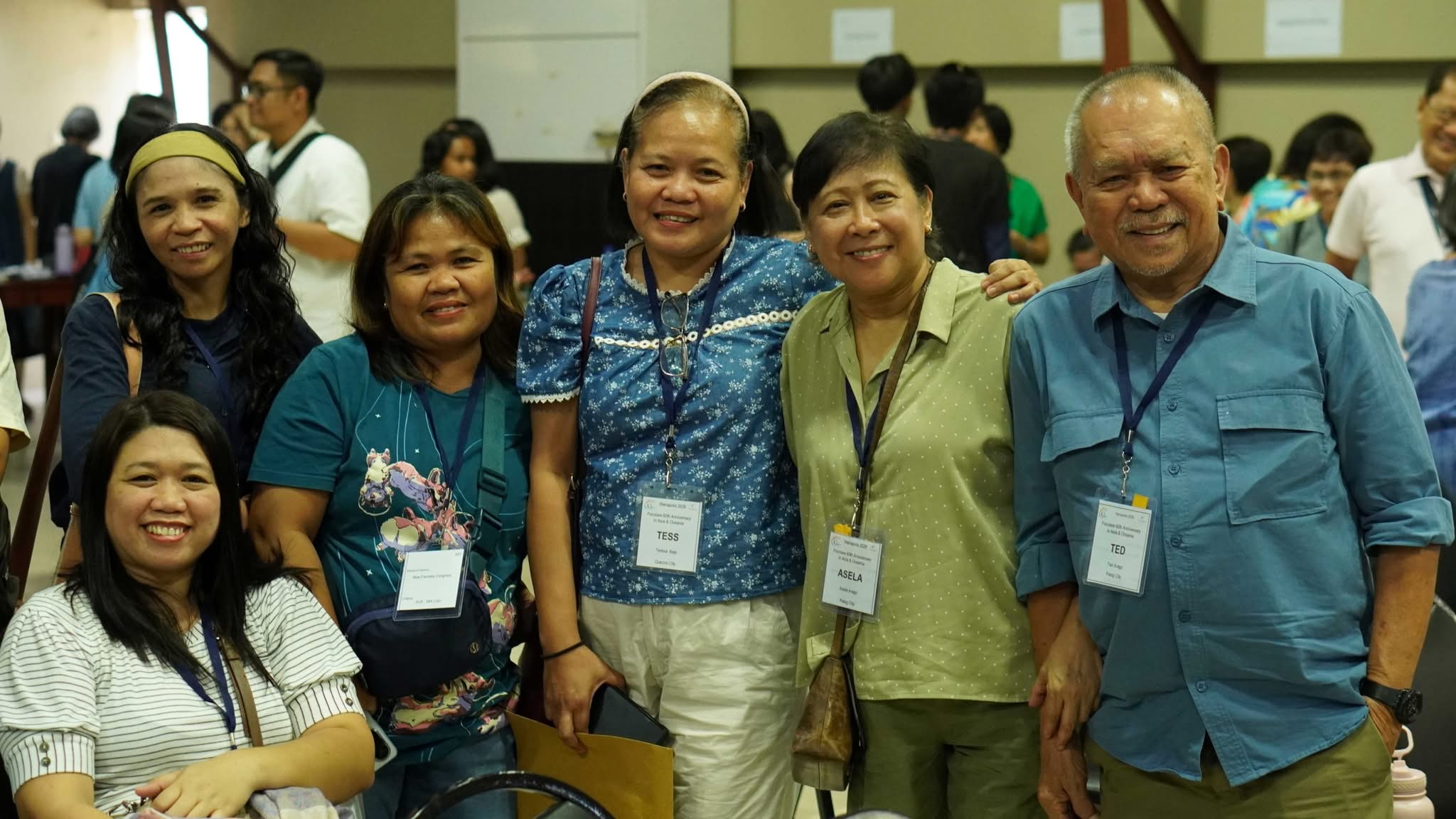
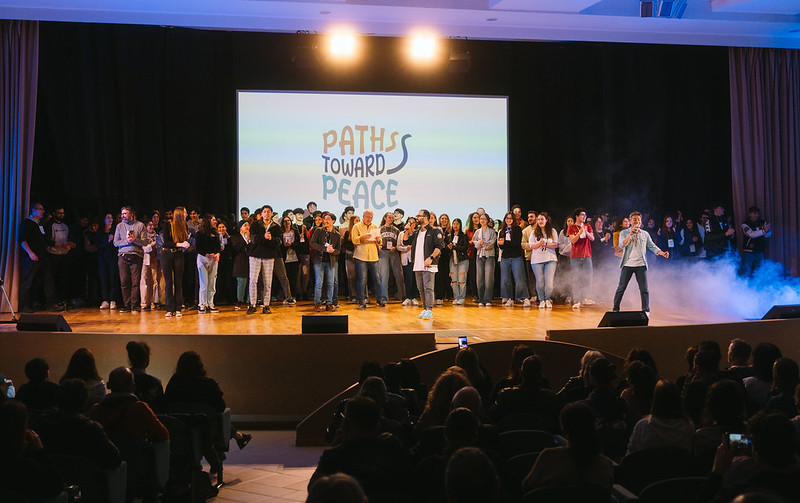
The programme focused on the origins of the Movement in Asia and its spread across the continent through personal testimonies; a workshop was held on the Movement’s engagement with the realities of the world; and a solemn prayer for peace took place. On the final day, during the celebration of Holy Mass at the Cittadella Pace, there were around 700 participants, some of them came all the way from other countries. A joyful and family-like atmosphere pervaded the entire event, accompanied by a profound gratitude for the pioneers. The current Metropolitan Archbishop of Manila, Cardinal Jose Fuerte Advincula; the Apostolic Nuncio, Archbishop Charles John Brown; Bishops Roberto Mallari, Mel Rey Uy, Reynaldo Evangelista, Guillermo Afable and Gerardo Alminaza, the Italian Ambassador to the Philippines, Davide Giglio, and Bishop Joel Polares of the Iglesia Filipina Independiente (Independent National Christian Church), as well as around 30 priests, took part in the event, alongside various friends from other Churches and different faiths, and a strong presence of young people. The Italian Ambassador said he felt completely recharged by the celebration, suggesting celebrating it every year.
Among the impressions: “For me, the 60th anniversary was a celebration of every person who has made a clear choice for God,” says Suzette, “by following Chiara Lubich with their lives. Each one’s yes have generated countless Yeses where I find myself today. And Kreng adds: “With deep gratitude to God and to all of them I go forward more convinced, more ablaze with that passion to make “that all may be one be everyone’s reality!
“The celebration was like a drop of the divine in a world so full of itself, a wisp of fresh air at a time when lives are suffocated by isolation and division, it was the tender closeness of God. The 60th anniversary celebration was truly memorable, moving and meaningful. It also marked a new commitment and a new hope”.
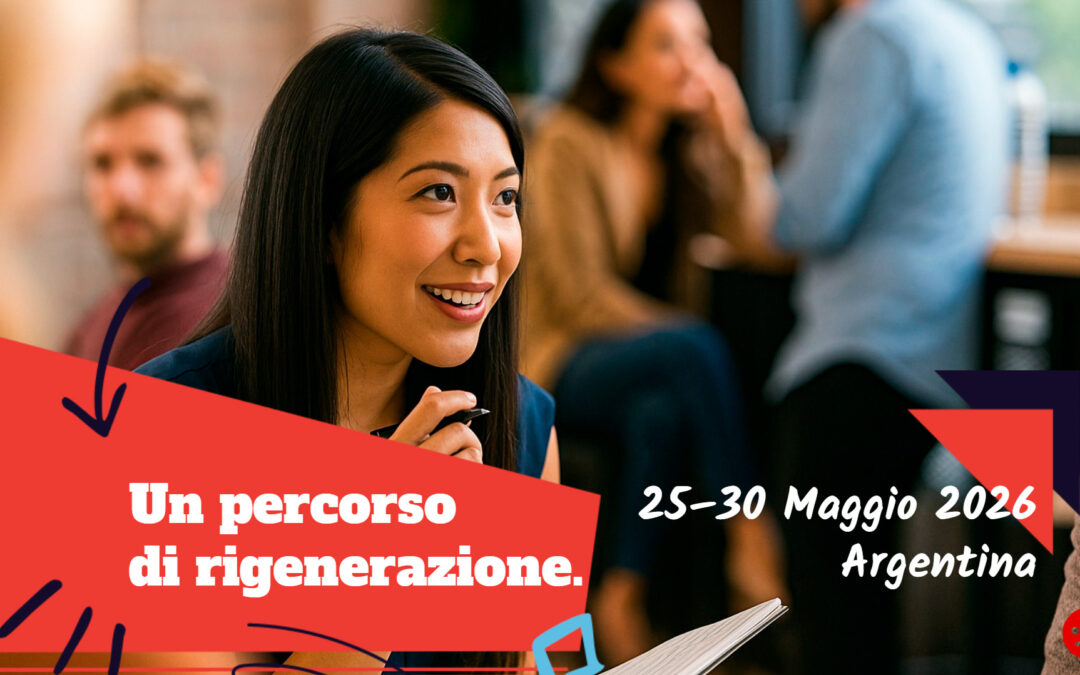
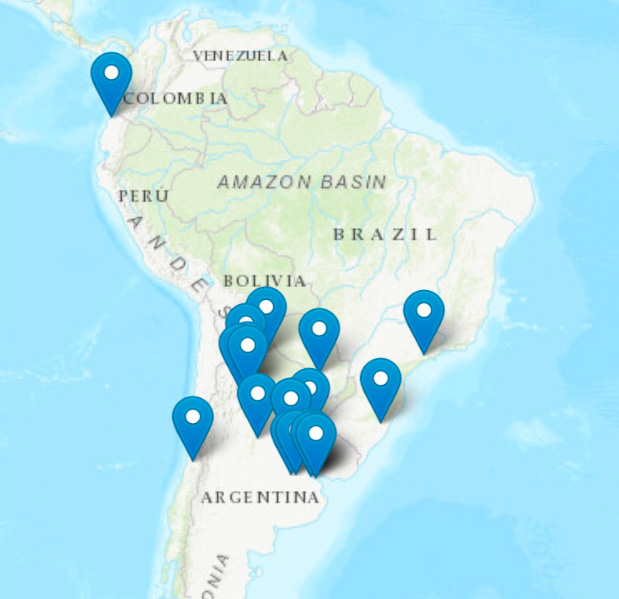
The Economy of Communion (EoC) will celebrate its 35th anniversary in 2026 and has already begun inviting its entire global network to a distinctive celebration, to be held from 25th-30th May in Latin America.With the theme “A path of regeneration – 35 years of Economy of Communion”, the event will bring together participants from many countries for a unique experience of encounter, celebration and commitment.
Unlike traditional formats, the event will be structured in two complementary phases, with the aim of offering a practical experience of the culture of communion, a hallmark of the EoC since its foundation in 1991.
First phase: encounter with local experiences (25th-27th May)
In the first phase of the event, about 20 Latin American local initiatives will welcome small groups of participants.
These groups will have the opportunity to immerse themselves in communities rich in identity and traditional knowledge that are experiencing the consequences of the current economic system. These initiatives seek to put the culture of the Economy of Communion into practice, with the aim of transforming the local socio-economic context through human development and entrepreneurship.
“Our proposal is that each person becomes part of the daily life of these local initiatives and by looking at the world through this encounter, they experience the potential for regeneration and transformation that arises through communion and reciprocity,” said Isaías Hernando, coordinator of the International Commission of the Economy of Communion.
Participants should arrive in their chosen communities on 24th May.
Seconda fase: celebrazione e impegno a Buenos Aires (29 e 30 maggio)
Second phase: celebration and commitment in Buenos Aires (29th-30th May)
The programme, which will be announced shortly, will have a workshop-style format, encouraging active participation and intensive exchange. Hernando added, “The objective of this day and a half will be not only to celebrate the first 35 years of the EoC, but also to commit ourselves to put in place the next steps to respond more effectively to the challenges of the current economic system and to move ever closer to fulfilling the vocation of the Economy of Communion.”
How to participate
The global Economy of Communion has launched a website with all the information about the event, where it is already possible to register: https://www.edc-online.org/it/argentina-2026
Participation is open to everyone currently in the global EoC network, members of projects, teachers, students, researchers, entrepreneurs, social entrepreneurs, members of organisations, movements and networks with similar aims, as well as anyone interested in the proposal.
Universal brotherhood, even apart from Christianity, has not been absent from the minds of great and exceptional persons. Mahatma Gandhi said: “The Golden Rule is to be friends of the world and to consider as ‘one’ the whole human family. Whoever distinguishes between the faithful of his own religion and those of another misinforms the members of his own and opens the way to the rejection of religion and its values.” [1] (…)
However, the One who brought universal brotherhood on earth, as an essential gift to humanity, was Jesus, who prayed for unity before he died: “Father, that they may all be one” (Jn 17:21). In revealing to us that God is our Father and consequently that we are all brothers and sisters, he introduced the idea of humanity as one family, the idea of the “human family” made possible by universal brotherhood in action. Consequently, he destroyed the walls that separate those who are “the same” from those who are “different,” friends from enemies, walls that isolate one city from another. And he loosened the bonds that imprison people in so many ways, from the thousands of forms of suppression and slavery, from every unjust relationship. In this way he brought about an authentic existential, cultural and political revolution. Thus the idea of fraternity began to make way in history. We could trace back its presence in the evolution of thought throughout the centuries, finding it at the basis of many fundamental political ideas, at times clearly, at times more veiled. This fraternity was often lived, although in a limited manner, each time, for example, a people joined together to fight for their freedom, or when social groups struggled to defend the weak, or whenever people of different convictions rose above mistrust in order to affirm a particular human right.
Chiara Lubich
[1] “In buona compagnia”, a cura di Claudio Mantovano, Roma, 2001, p. 11.
The 2025 edition of the traditional youth festival in the Focolare little town will showcase the fragility and conflicts experienced by young people today and transform them into an immersive artistic experience full of hope. There will be many workshops and a live final show to tell everyone: ‘You are born to bloom’.
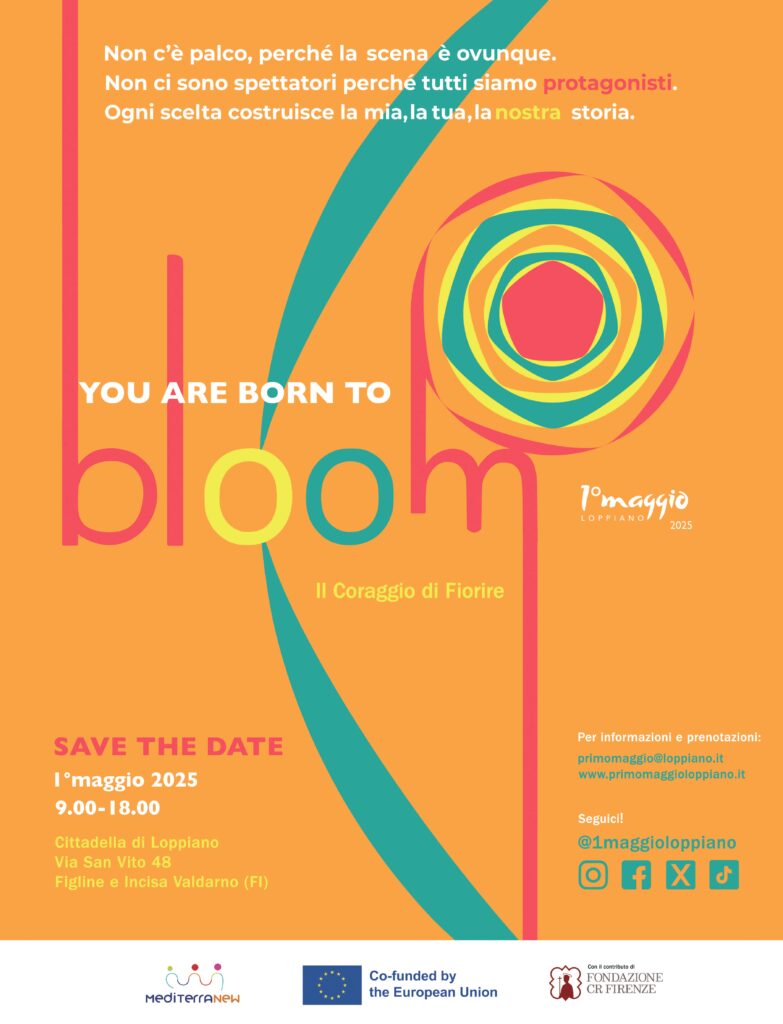
‘Remember that you were born to bloom, to be happy’. This is the message that, in the Jubilee Year of Hope, the young organisers of May Day in Loppiano (Figline and Incisa Valdarno – Florence) want to give to their peers who will participate in the 2025 edition of the traditional festival that has been held since 1973 in the international town of the Focolare Movement on Labour Day.
The theme
At the heart of ‘You are born to bloom, the courage to flourish’, the title of the event, are the fragility, wounds and conflicts experienced by today’s children and young people, sublimated into an artistic, immersive and growth-oriented experience.
‘We believe that the conflict we often experience in the most difficult stages of life can become an opportunity to be reborn stronger and more aware of who we are,’ explain Emily Zeidan, from Syria, and Marco D’Ercole, from Italy, members of the international team of young organisers of the festival. As Pope Francis told us, ‘Conflict is like a labyrinth’, we must not be afraid to go through it, because ‘conflicts make us grow’. But ‘you cannot get out of the labyrinth alone; you get out with someone else who helps you’. So, on May Day in Loppiano, we want to remind everyone of the beauty of each other, even in moments of vulnerability.
The theme of May Day in Loppiano is highly topical, considering that in Italy, one in five minors suffers from a mental disorder (depression, social withdrawal, school refusal, self-harm, anxiety, eating disorders, suicidal tendencies), according to data from the Italian Society of Child and Adolescent Neuropsychiatry. Those under 35, on the other hand, experience job insecurity, are underpaid, suffer from territorial and gender inequality (‘Youth 2024: the balance sheet of a generation’, EURES), and do not feel understood by adults in their needs and experiences, particularly when it comes to fears and fragility, aspirations and dreams.
Pope Francis had great faith in us young people. He never missed an opportunity to remind us that the world needs us, our dreams, and great horizons to look towards together, in order to ‘lay the foundations of social solidarity and a culture of encounter,’ emphasise Emily and Marco. For this reason, ‘You are Born to Bloom’ will be a show created together, where the audience will not only be spectators but an integral part of the international town of the Focolare Movement. Narration: everyone who participates will be called upon to become a protagonist of the show, giving their best with others.
The programme
In the morning, participants in the May Day festival in Loppiano will have the opportunity to explore their own fragility and beauty through art, motivational and experiential workshops led by psychologists, trainers, counsellors, artists and performers.
Among these, the Gen Verde International Performing Arts Group will prepare young people to take to the stage and be part of the cast of choreographies, choirs, theatre company and band in the final show. The Gen Verde workshops are part of the project ‘M.E.D.I.T.erraNEW: Mediation, Emotions, Dialogue, Interculturality, Talents to foster youth social inclusion in the Mare Nostrum’, Erasmus Plus – Youth – cooperation partnership.
The festival will culminate in the afternoon with the collective creation of a live performance: all participants will be an active part of the story, and there will be no distance between the stage and the audience.
Among the artists who have confirmed their participation are Martinico and the band As One.
‘You are born to bloom, the courage to flourish’ is made possible thanks to the contribution of Fondazione CR Firenze.
Loppiano’s May Day is an event of the 2025 United World Week (1-7 May 2025), a global workshop and expo to raise awareness of fraternity and peace.
For information and reservations, please contact: primomaggio@loppiano.it +39 055 9051102 www.primomaggioloppiano.it
For several days, dramatic images of wildfires devastating an immense area and destroying everything from animals to vegetation have circulated around the world,. Thousands of buildings have been reduced to ashes and so far, 25 people have lost their lives. Many families have lost everything and 26 people remain missing. It is heart breaking to see these images of suffering still today. And the emergency is not over yet. We contacted the Focolare community there to find out how they are coping with this situation.
Carlos Santos, from the Focolare community in Los Angeles, told us, “The wildfires in various parts of our region are causing great anxiety because due to strong winds it’s impossible to fully extinguish the flames. The forecast is that they will continue for several more days. Many people have been evacuated and many have lost everything. However, we are also witnessing an enormous response from people who have brought food, clothing, money and other donations to those affected by the wildfires. The response has been so overwhelming that in some places TV stations have been used to ask people to stop donating because there is no more space for the items being delivered. Indeed, Providence has arrived in abundance and beyond what is needed.
The fires have not reached the homes of any members of the local Focolare community. However, some have had to move because they live in areas at risk of wildfires.
The Women’s Focolare, hosted a family for three days until authorities confirmed it was safe for them to return home. Our Men’s Focolare is also available to welcome anyone in need of shelter. This has brought more peace of mind to the community, as several areas in Los Angeles County could face evacuation orders if the winds change direction and move the fires toward them. Through their work, some focolarini have directly witnessed the suffering of many people and families who have lost everything. We want to accompany these people, offer comfort, and help them find stable solutions.” Carlos concluded thanking everyone for the many messages of solidarity and prayers during this time of great suffering.
You can read about the “miracle of the tabernacle” at Corpus Christi Church in the Pacific Palisades community of California on this link from the Focolare Media website, the communication platform for the Focolare Movement in North America,.