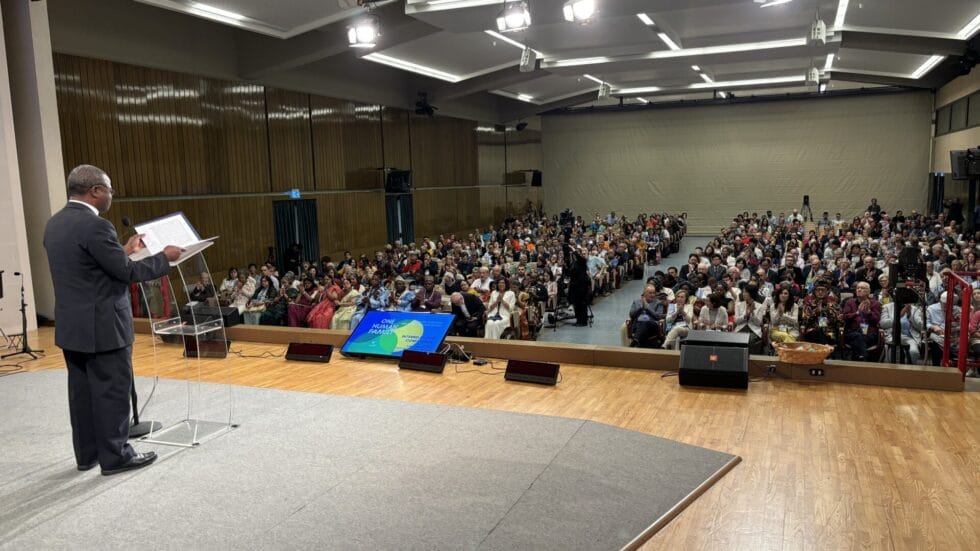
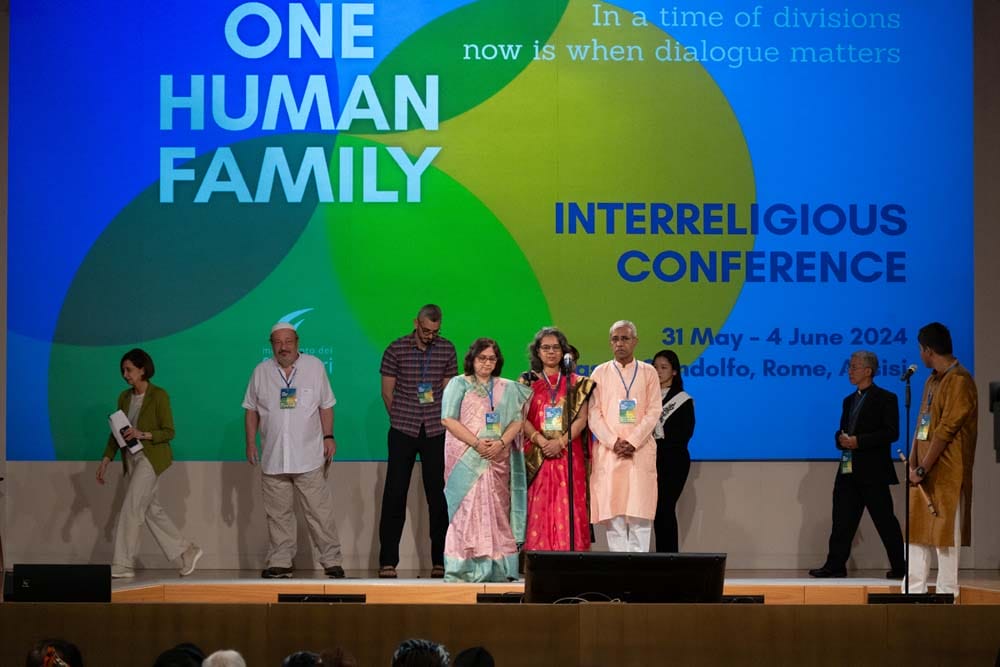
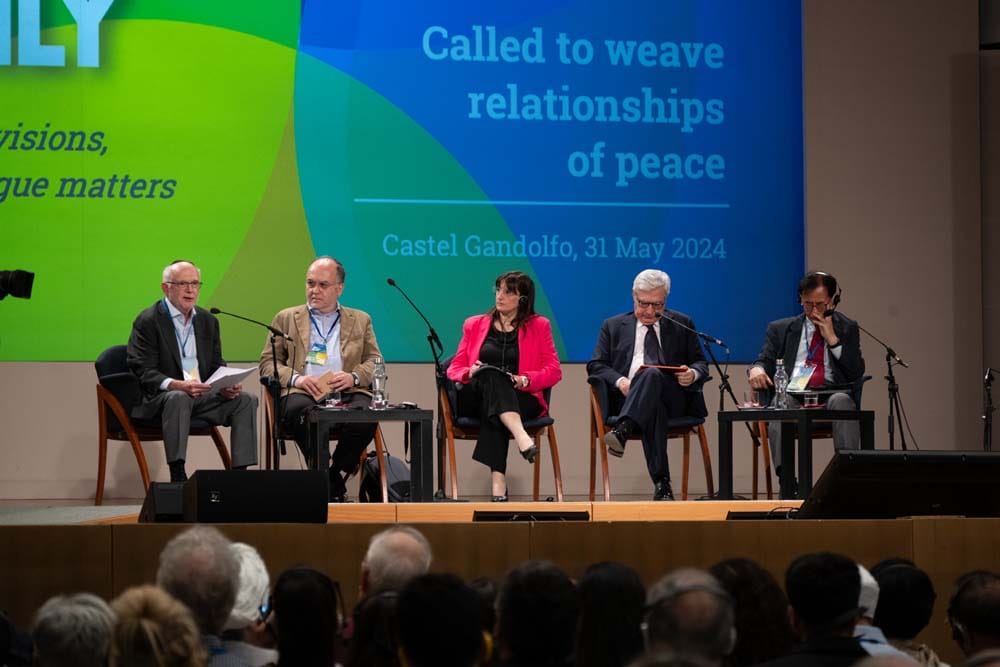
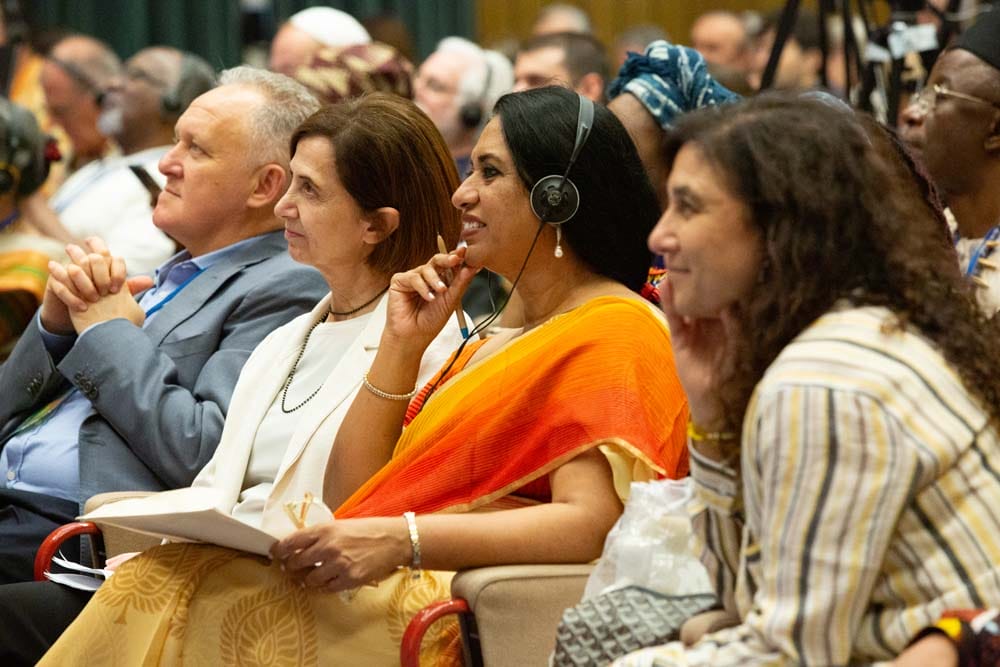
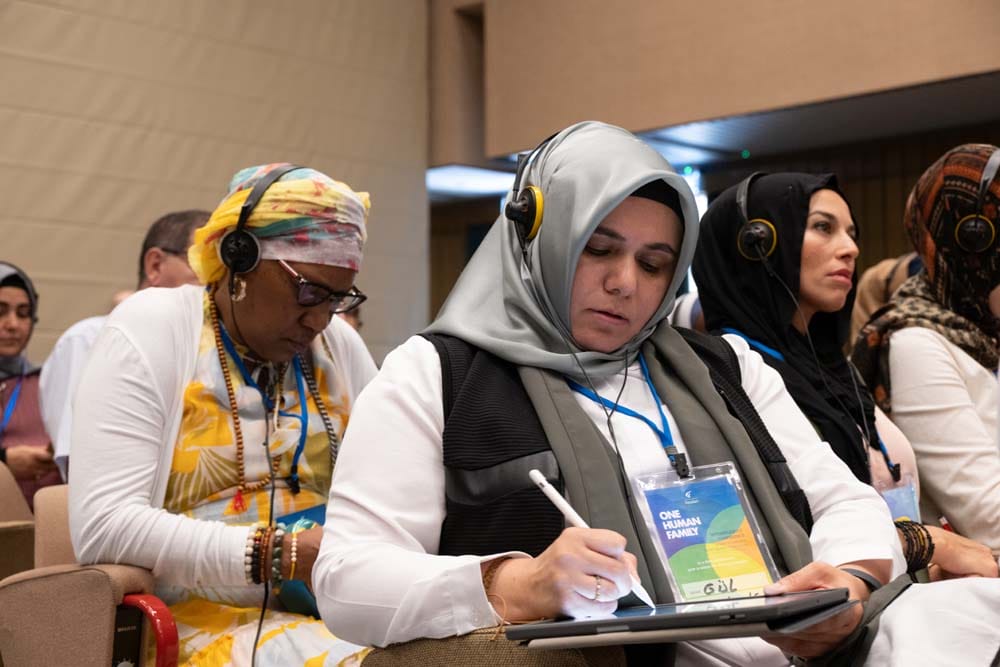
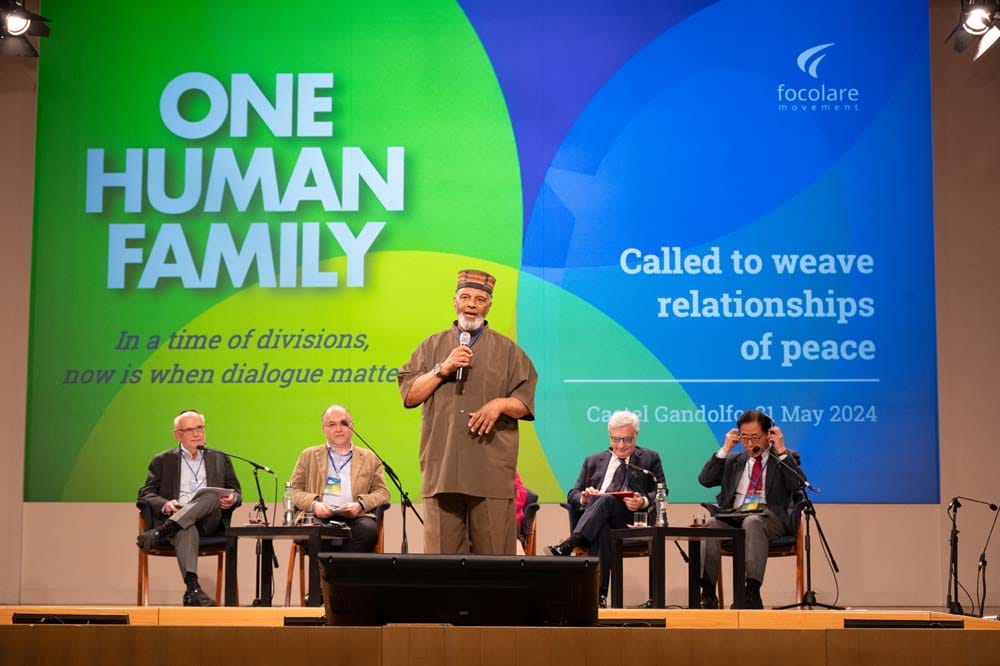
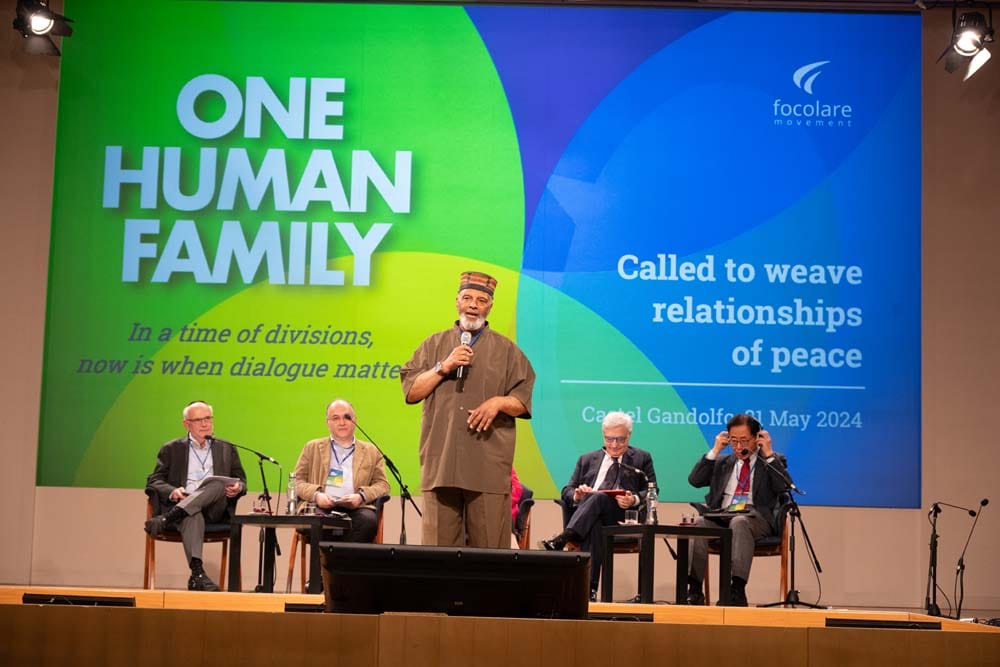
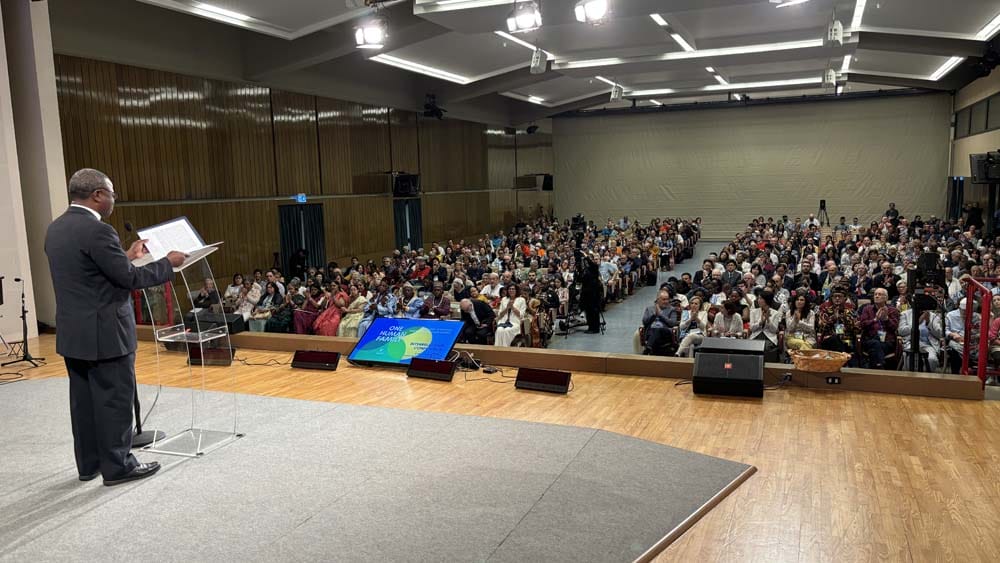
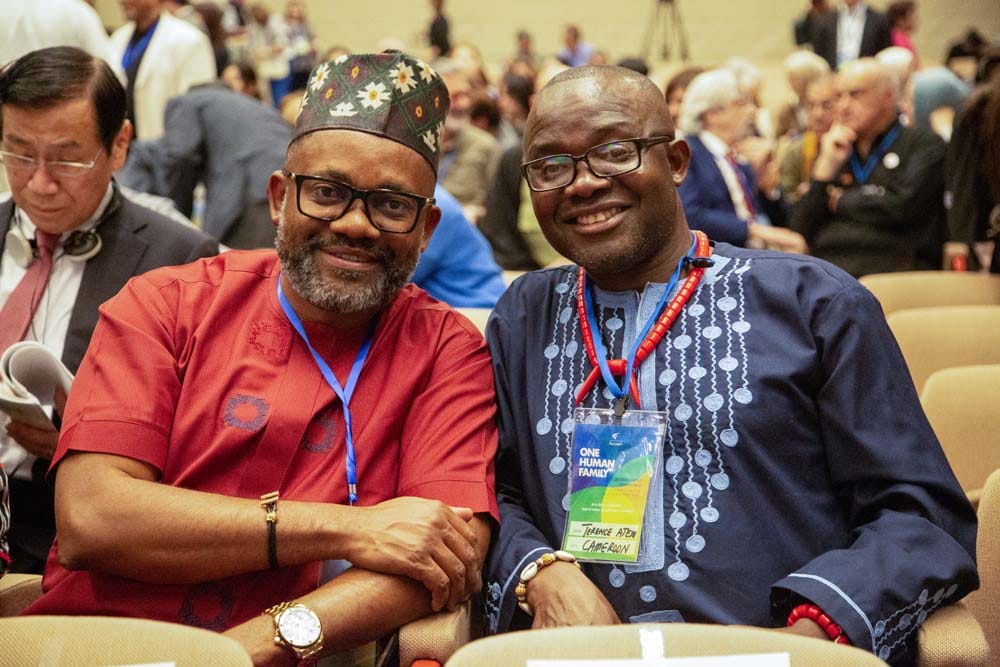
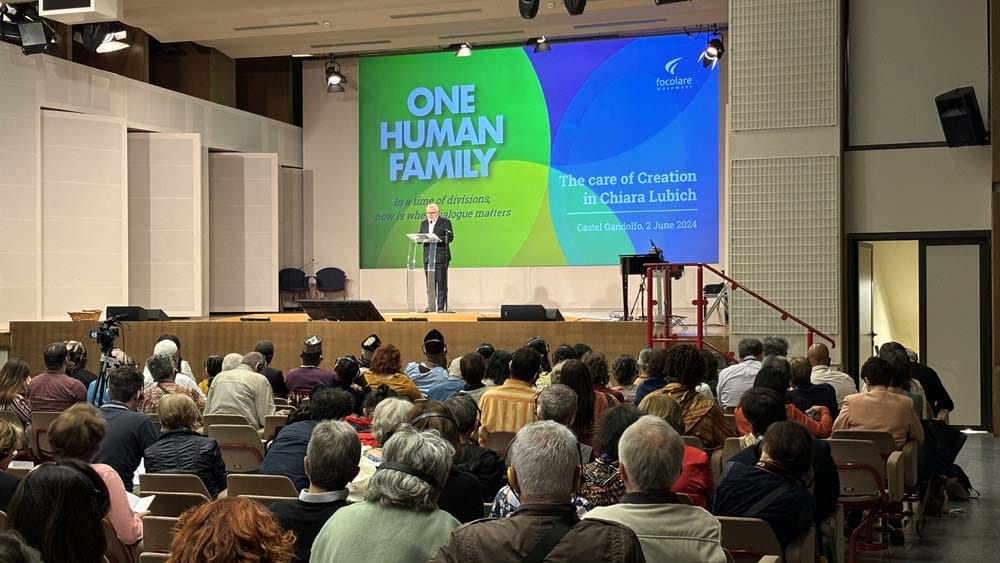
The international interreligious conference “One Human Family”, promoted by the Focolare Movement, has just concluded with a pilgrimage of fraternity to Assisi. There were 480 people present from 40 countries, speaking 12 languages.
In the city of peace, the prayer for fraternity, justice and reconciliation for all peoples in conflict resounded as a solemn pact, welcomed and pronounced by the participants, each according to their own faith
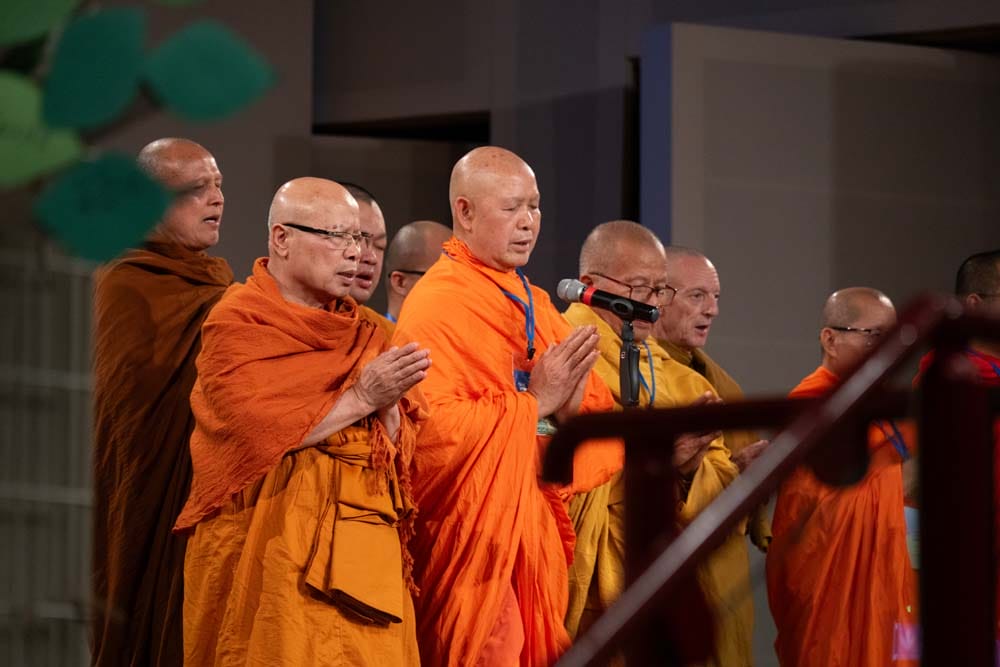
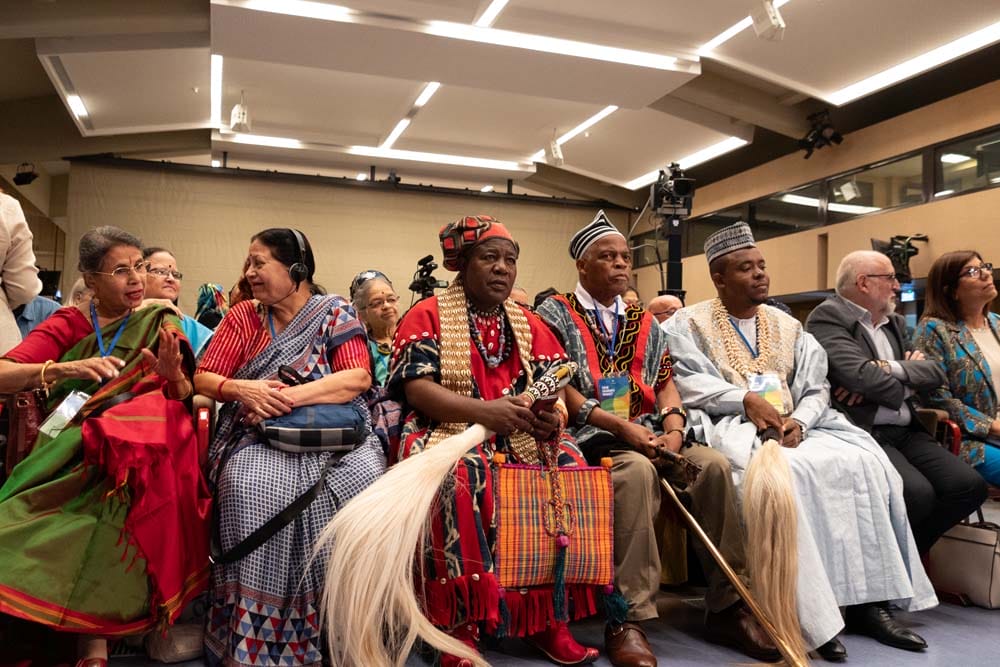
Among them were rabbis, imams, Catholic priests, Theravada and Mahayana Buddhist monks, as well as Jewish, Muslim, Christian, Hindu, Buddhist, Sikh, and Baha’i lay people, and believers of traditional African religions, of all generations.
The conference was organised by an interreligious team that centred its programme on the supreme good of peace, which is extremely threatened today.
Meeting, listening, steps of reconciliation, sharing the pain of peoples were the characteristic of this conference that alternated between panel discussions led by experts and dialogue groups among the participants. Politics and international diplomatic action, economics, artificial intelligence and the environment were the topics discussed, all in the perspective of peace. Numerous academics and experts from many cultures, religions and backgrounds addressed the conference. We will name but a few: Ambassador Pasquale Ferrara, Director General for Political and Security Affairs at the Ministry of Foreign Affairs and International Cooperation, Chief Rabbi Marc Raphaël Guedj, Muslim theologian Shahrzad Houshmand Zadeh, Dr. Kezevino Aram, President of the Indian organisation ‘Shanti Ashram’, Rev. Kosho Niwano, President-designate of the Japanese Buddhist movement Risho Kossei Kai, Mr. Fadi Shehadé, founder of the RosettaNet Project, former CEO of ICANN, the economist Luigino Bruni, Indian philosopher Prof. Priya Vaidya, Islamic theologian Adnane Mokrani, Indonesian Prof. Dicky Sofjan of the International Centre for Law and Religious Studies, Prof. Fabio Petito, Professor of Religion and International Affairs at Sussex University (UK) and many others.
Ambassador Ferrara emphasized, “Religions have a fundamental role to play today. Contrary to what the realists of international relations say, war is not the normal condition of humanity. Religions can perform the role of the ‘critical conscience’ of humanity and can address politics, pointing out what the priorities are. There is a need for political imagination; to imagine the future of this planet in a constructive, new, creative way. We need to cultivate something that is currently missing in international relations, which is trust.”
There were also many rich sessions dedicated to personal testimonies, projects, actions focused on collaboration between people and communities belonging to different religious faiths, for peace and in support of the needs of their respective peoples.
An Audience with Pope Francis
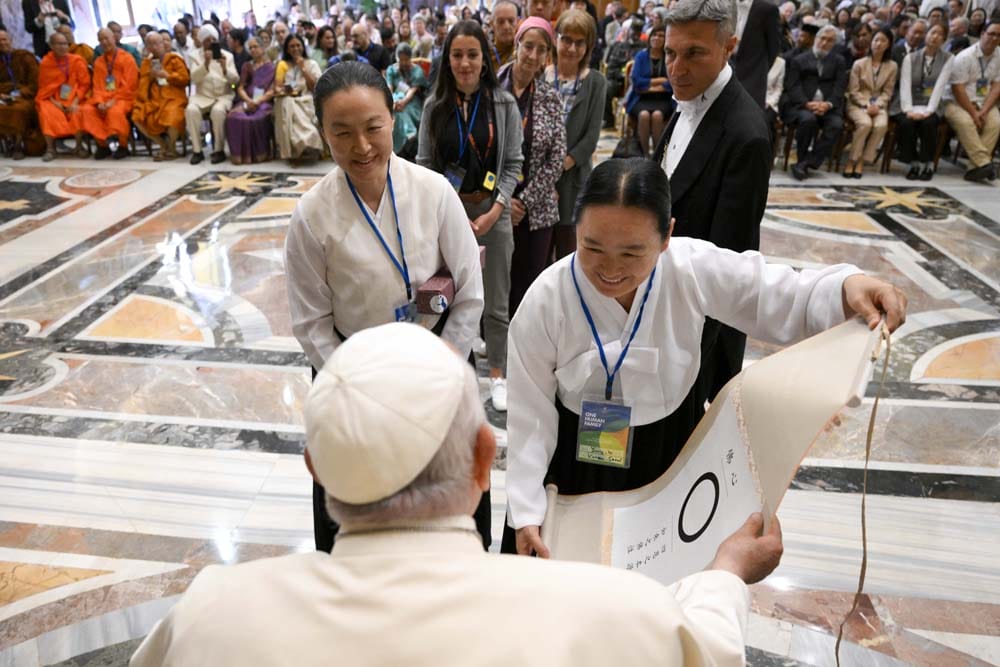
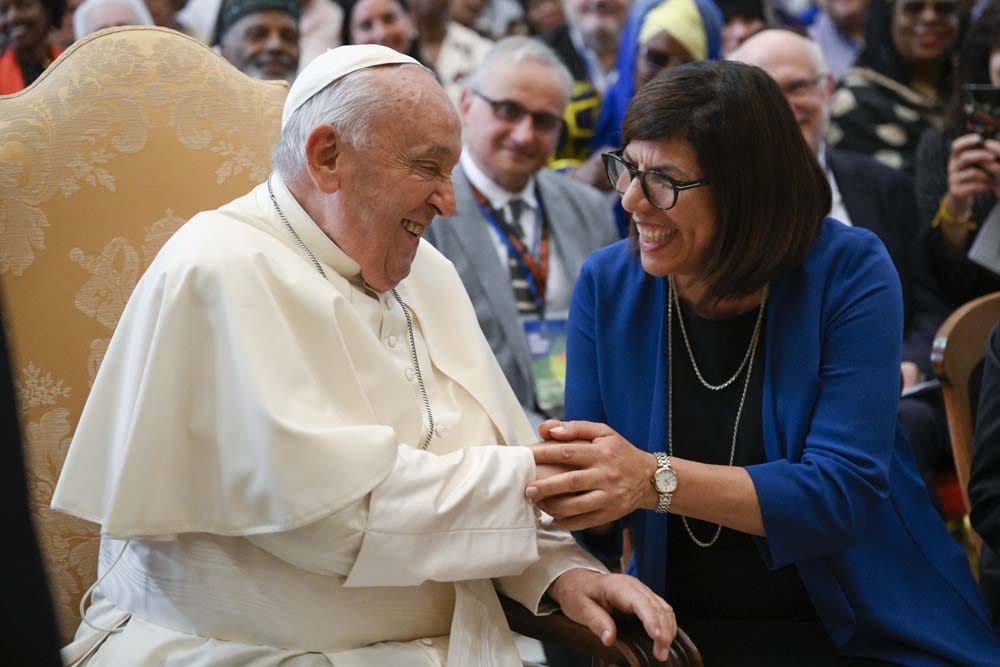
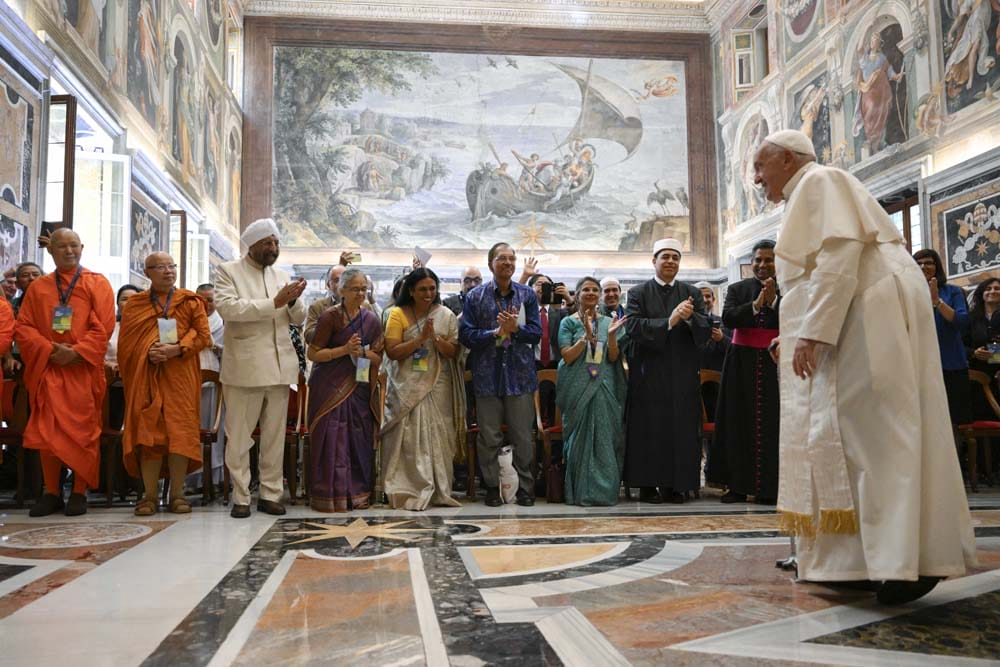
On the 3rd of June, a delegation of 200 participants was received in audience by Pope Francis, who in his speech defined the journey started by Chiara Lubich with people of different religions as: “A revolutionary journey that did much good for the Church”.“The foundation of this experience,”the Holy Father further affirmed, “is the love of God expressed through mutual love, listening, trust, hospitality and getting to know one another, all the while fully respecting each other’s identities.”
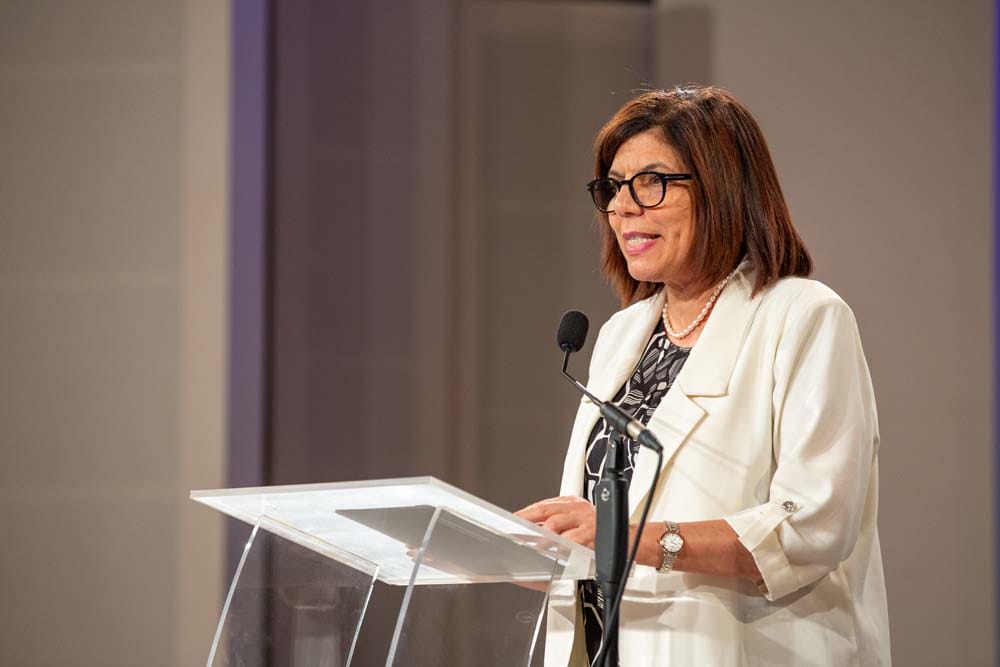
“Se da un lato queste parole ci danno profonda gioia – ha commentato “While these words give us deep joy,” commented Margaret Karram, President of the Focolare Movement, “we also feel the responsibilityto do much more for peace. This is why we want to work to strengthen and spread the culture of dialogue and of “care” for people and for creation. The Pope confirmed this to us when he said that dialogue between religions is a necessary condition for world peace. In such terribly dark times like these, humanity needs a common space to make hope tangible.”
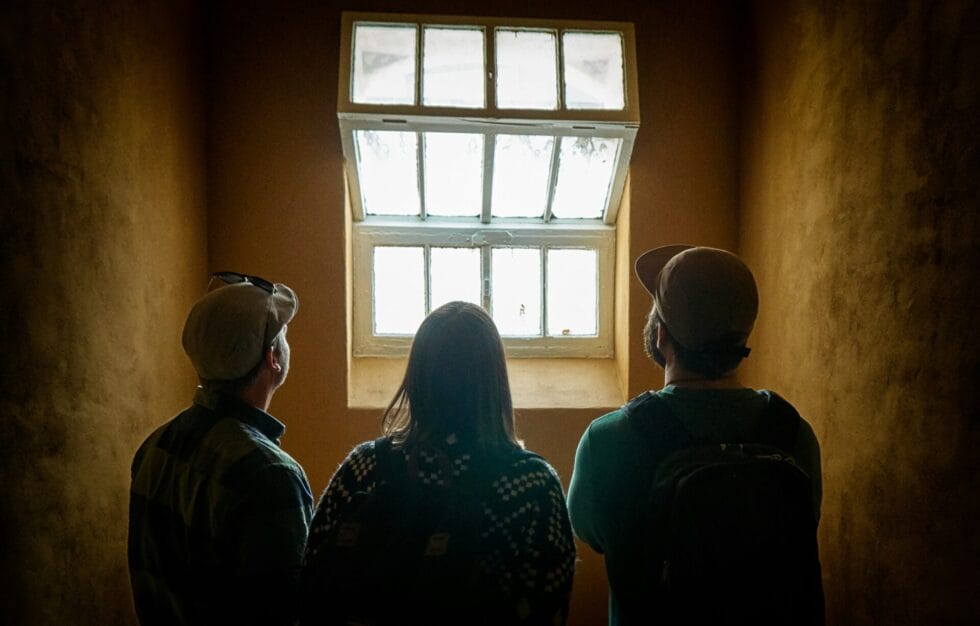
Those who love participate in the life of God and experience their freedom and the joy of self-giving. Going out of ourselves and meeting the other through listening opens the door to communion with our brothers and sisters and gives life to reciprocity.In prison I am a prison chaplain and for me each prisoner is ‘Christ-imprisoned’ to be loved. During Lent, to prepare them for Easter, I thought of reading some Gospel passages to them, accompanied by experiences. Noticing a certain interest, I thought of introducing them to some young people involved in a church movement. Having obtained the necessary permits, before even setting foot in the prison for the first time, we prayed that our being there would be a gift for the inmates. We did not talk much. But after celebrating Mass, enlivened by the young people’s songs, I saw hardened men begin to cry and heard them say: ‘Clean, innocent faces still exist!’ Evidently they had never met any before. Since then those young people have been coming once a month to the prison to animate the mass, which is always eagerly awaited. And when an inmate was transferred to another prison to be closer to his family, he had only one regret: losing contact with them. (Don Marco – Italy) In true communion One day I had a phone call from a fellow student at the academy where I studied whom I had not heard from for some time. She wanted to know how I was, among other things about the children and in particular the latest one. Evidently the news had not reached her that the pregnancy had not come to term. At that point I started telling her how things had gone, but at the same time I felt I was communicating to her the most intimate experience of that painful event: the special union with God that I experienced thanks to the support and concrete love of family and friends. As I spoke, I could sense that my friend was really listening, and it occurred to me that in those days when we studied together we had never dared to speak of God to one another. So it came as a great surprise at the end of the phone call when she confided to me: ‘You know, deep down I have always been a believer even if I didn’t want to admit it, but now hearing you speak so serenely I feel a great desire to get to know God more deeply. Why don’t we meet to talk about it?’. (J.V. – Belgium)
Edited by Maria Grazia Berretta
(taken from Il Vangelo del Giorno, Città Nuova, year X- no.1 May-June 2024)
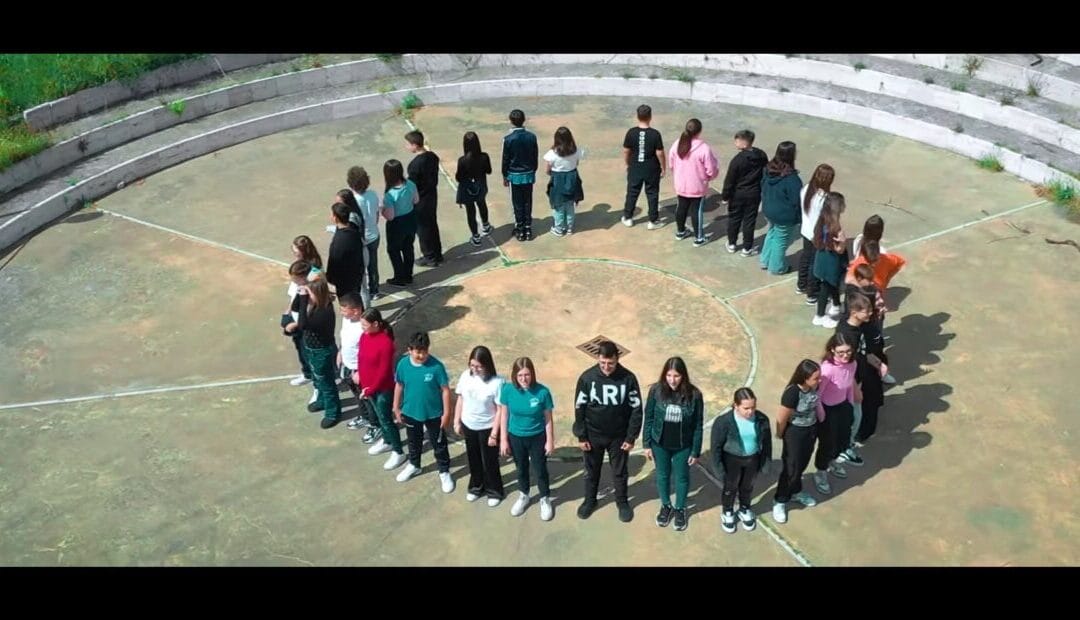
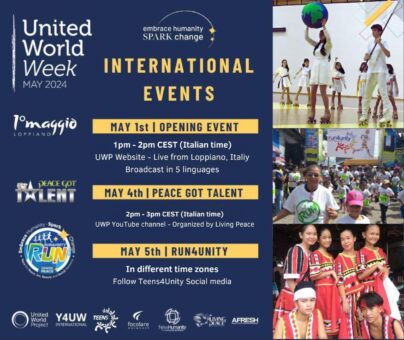
May 1st to 7th: the return of the United World Week, a global workshop and expo of initiatives to restore peace and fraternity between people and peoples. The United World Week (UWW) returns from the 1st to the 7th of May 2024. This year it focuses its global commitment on peace, sought and built from multiple fronts: attention to the poorest and the excluded, care for the environment, formation of consciences and education towards peace. This year’s motto is “Embrace Humanity, Spark Change”; a starting point and inspiration for many initiatives taking place in various cities around the world. UWW 2024, a worldwide Genfest The UWW will start with an international opening event on the 1st of May in Loppiano (Florence-Italy), but from the outset, other cities around the world will also be involved and will continue until the 7th of May being types of “workshops” in creating synergies, sharing ideas, good practices and creativity. The UWW 2024 takes place two months prior to the Genfest, the worldwide Festival of fraternity promoted by the young people of the Focolare Movement. The Genfest will take place in July at Aparecida, Brazil and it will showcase the “local” commitment of many Focolare communities. Networking with Organisations, Movements and Institutions, the Focolare communities are engaged in local contexts to respond to the most urgent needs and challenges of a given area. The “change” that the young people of the Focolare Movement, together with their communities, want to promote is concentrated in the areas of the world that are most devastated by war, by the environmental impact and by forced migration. Who are the protagonists of the UWWThe protagonists are the young people from all over the world: there is Giacomo, Italian, who left for Kenya thanks to the MilONGa international volunteering project, where he worked in orphanages in Nairobi. Or Daphne, from India, who recounts the adventure of Reach Out, the project set up in Goregaon, a suburb of East Mumbai, by some local young people to support about 70 families in poverty. Icaro, Sam and David, on the other hand, live in Brazil, in Fortaleza, where they are volunteering in the “Uirapuru Spiritual Condominium” (CEU), a campus where 21 associations work to care for needy children, people with AIDS and drug addicts. 1st of May, the opening of the UWW These and other stories will be presented during the opening of the UWW from Loppiano with an international event that will be streamed live and translated into 5 languages (Italian, Spanish, Portuguese, English and French). It can be followed on the UWP Youtube channel or by connecting to the UWP website (unitedworldproject.org). On this occasion, the International little town of the Focolare will host three villages, each with a different theme: inner peace, peace with others, peace in the world. In these spaces, participants will be able to attend many workshops to explore the theme of peace (Economy of Peace, There is no dialogue without listening, Conflicts in our cities, Water, a source of peace?, The Living Peace International project, Peace and art: harmony between different peoples, etc.). The common thread that will ideally unite their itinerary is the discovery of the art of dialogue. If you go to the UWP website, you can also follow some of the other events and stories of the UWW, such as Peace Got Talent which will take place on the 4th of May. There is also Run4Unity, the relay race for peace and unity, promoted by thousands of teenagers all over the world (the adults are running too!). Run4Unity will be held on the 5th of May: wherever possible, the sport events will be held in places that are symbols of peace, on the border between countries or communities in conflict, or at least in places that “speak” of inclusion.
On 13 April, the CERAP University Institute in Abidjan, Côte d’Ivoire, hosted a symposium on the Economy of Communion entitled: ‘The gift revolution: a new paradigm for the African economy’. On April 13, 2024, the Cerap University Institute in Ivory Coast hosted a vibrant symposium focused on the Economy of Communion (EoC). Attended by 146 participants, primarily from the esteemed Economic Faculty of this University, the event provided a platform for stimulating discussions and fresh insights into alternative economic models. Against the backdrop of today’s prevailing economic norms, marked by a culture of consumption rather than contribution, attendees eagerly engaged with presentations from distinguished speakers. Father Bertin Dadier and Madame Julie Bodou Kone took center stage, illuminating the transformative potential of the EoC as a complementary force within our existing market framework. Their presentations delved into the foundational principles and values that underpin the EoC, fostering a deeper understanding among participants. Despite initial skepticism, robust exchanges ensued, with attendees seeking to unravel the practical implications of this innovative approach. One of the highlights of the symposium was the unveiling of the Chocomabs EoC enterprise, offering a tangible example of how these principles can be translated into action. As attendees delved into the case study, a palpable sense of enthusiasm and curiosity permeated the room, underscoring the relevance of such initiatives in today’s society. Steve William Azeumo, coordinator of Action for the Economy of Communion in Central Africa, delivered a powerful presentation. Azeumo emphasised the crucial role of incubating EdC entrepreneurs, offering convincing examples from Cameroon to illustrate his point. He also stressed the importance of fostering and promoting such enterprises in society, symbolising their importance with the seven colours of the rainbow. Looking ahead, the momentum generated by the symposium is poised to catalyze tangible change. Plans are underway to establish an EoC Club at the university, providing a platform for ongoing exploration and collaboration among the EoC Commission, students, and faculty members. In essence, the EoC symposium at Cerap served as a catalyst for dialogue, challenging conventional thinking and laying the groundwork for a more inclusive and sustainable economic future. Source: EoC
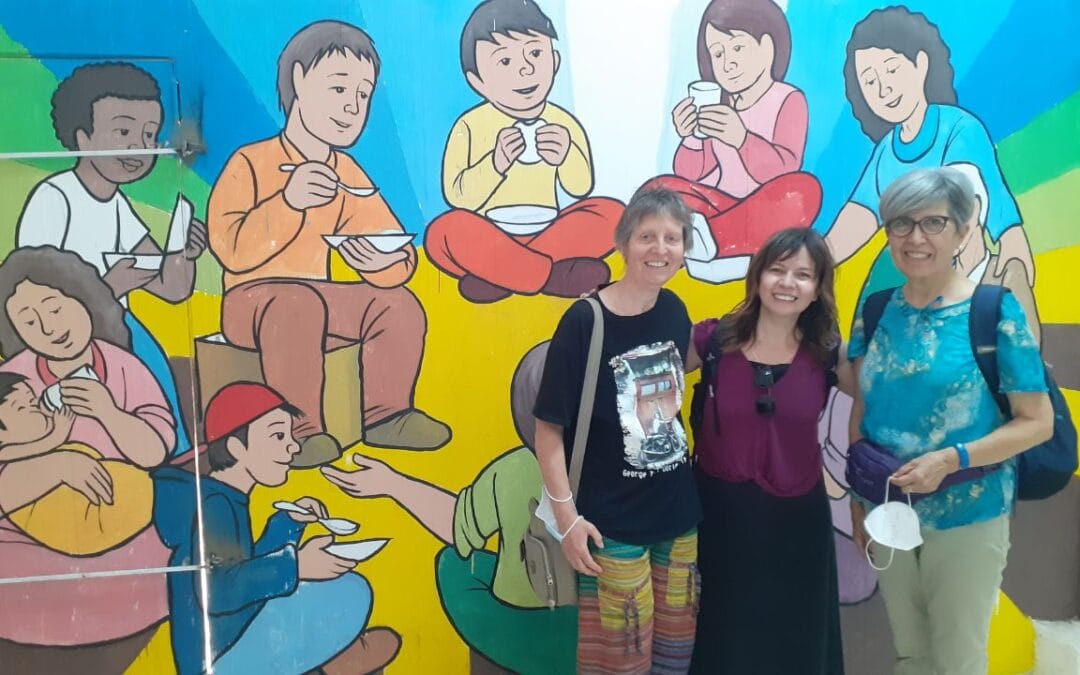
In an environment which is as fragmented and divided as the one we live in, we are often called to go towards the unknown, towards the peripheries. We are called to go out, sometimes even outside of ourselves, to enter the wounds of humanity. This is the testimony that comes to us from the neighbourhood of Yungay in Santiago, Chile.
The Inauguration ceremony of the 2023/2024 Academic Year of the Sophia University Institute (SUI) took place on Friday, 12th April 2024, in the Auditorium of the international little town of Loppiano (Figline and Incisa Valdarno – FI).On 12th April, 2024, on the occasion of the inauguration ceremony of the 16th Academic Year of the SUI that took place on, in the Auditorium of Loppiano (Figline and Incisa Valdarno – FI), Margaret Karram, President of the Focolare Movement, extended her best wishes to the students who, in this historical moment, have chosen “with courage and hope”, to prepare for the future by attending the Sophia University Institute. She said, “May Sophia be a place which forms women and men who are able to be bearers of peace and unity in these times”. The religious and civil authorities present included Cardinal Giuseppe Betori, Archbishop of Florence and Grand Chancellor of the Sophia University Institute, Msgr.Stefano Manetti, the Bishop of Fiesole and Giulia Mugnai, Mayor of Figline and Incisa Valdarno. In his opening remarks, Card. Betori referred to times of crisis such as the one we are experiencing, saying that the event was a moment of reflection on the role of universities and of Sophia in particular. He said that Sophia has “the task of testifying to the reasonableness of the faith. And therefore educating to read and interpret reality, guiding the gaze of every young person towards that truth that maybe unconsciously, each one seeks”. Newly appointed Rector, Declan O’Byrne, an Irish theologian declared the 2023-2024 Academic Year open at the end of a speech that led participants to reflect on the social value of universities. He said. “If States invest in universities, it is because it is believed to be in the national interest to invest in young people. Investment is made because well-educated young people bring social benefits. It is believed that a nation that ensures the education of new generations will be able to adapt and bring innovation that, in turn, will guarantee the future competitiveness of the nation itself.” Regarding the particular mission of the Sophia University Institute, he reiterated: “We want to be a place where, while aware that we are experiencing a dramatic historical moment, we look at the human capacity to build lasting peace. We want to study and teach how to see those ‘seeds’ that already today express the possibility of resolving the crisis we are experiencing”. The ceremony concluded with a lecture given by Massimiliano Marianelli, Full Professor of the History of Philosophy at the University of Perugia entitled“Sophia, rediscovering the human in the ‘between’”, which focussed on the human being and the primacy of relationships. The event was streamed live and is available on Youtube in Italian and English at the links accessible from www.sophiauniversity.org

 The protagonists are the young people from all over the world: there is Giacomo, Italian, who left for Kenya thanks to the MilONGa international volunteering project, where he worked in orphanages in Nairobi. Or Daphne, from India, who recounts the adventure of Reach Out, the project set up in Goregaon, a suburb of East Mumbai, by some local young people to support about 70 families in poverty. Icaro, Sam and David, on the other hand, live in Brazil, in Fortaleza, where they are volunteering in the “Uirapuru Spiritual Condominium” (CEU), a campus where 21 associations work to care for needy children, people with AIDS and drug addicts. 1st of May, the opening of the UWW These and other stories will be presented during the opening of the UWW from Loppiano with an international event that will be streamed live and translated into 5 languages (Italian, Spanish, Portuguese, English and French). It can be followed on the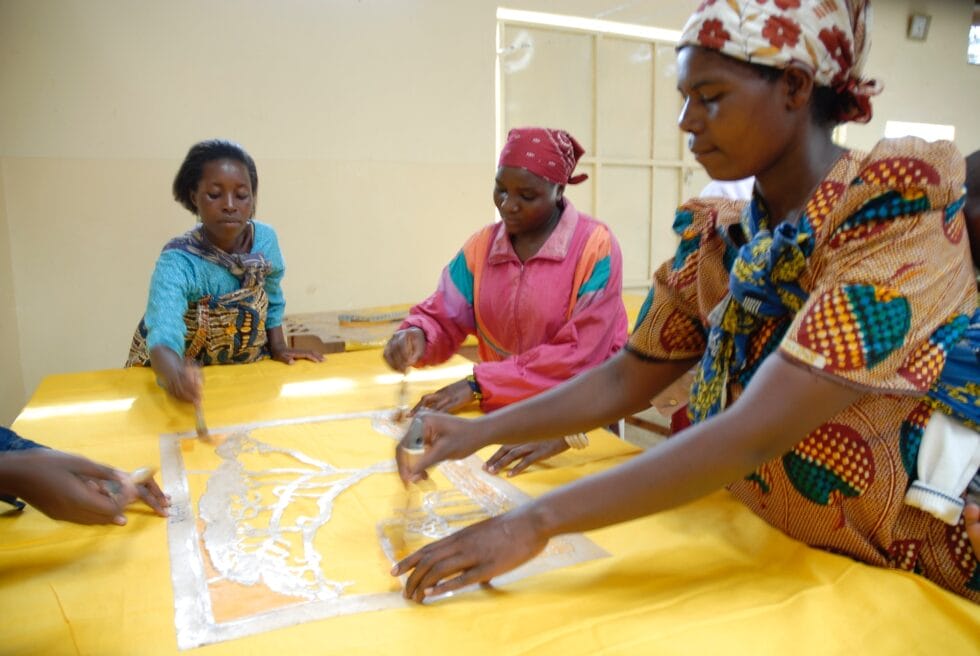
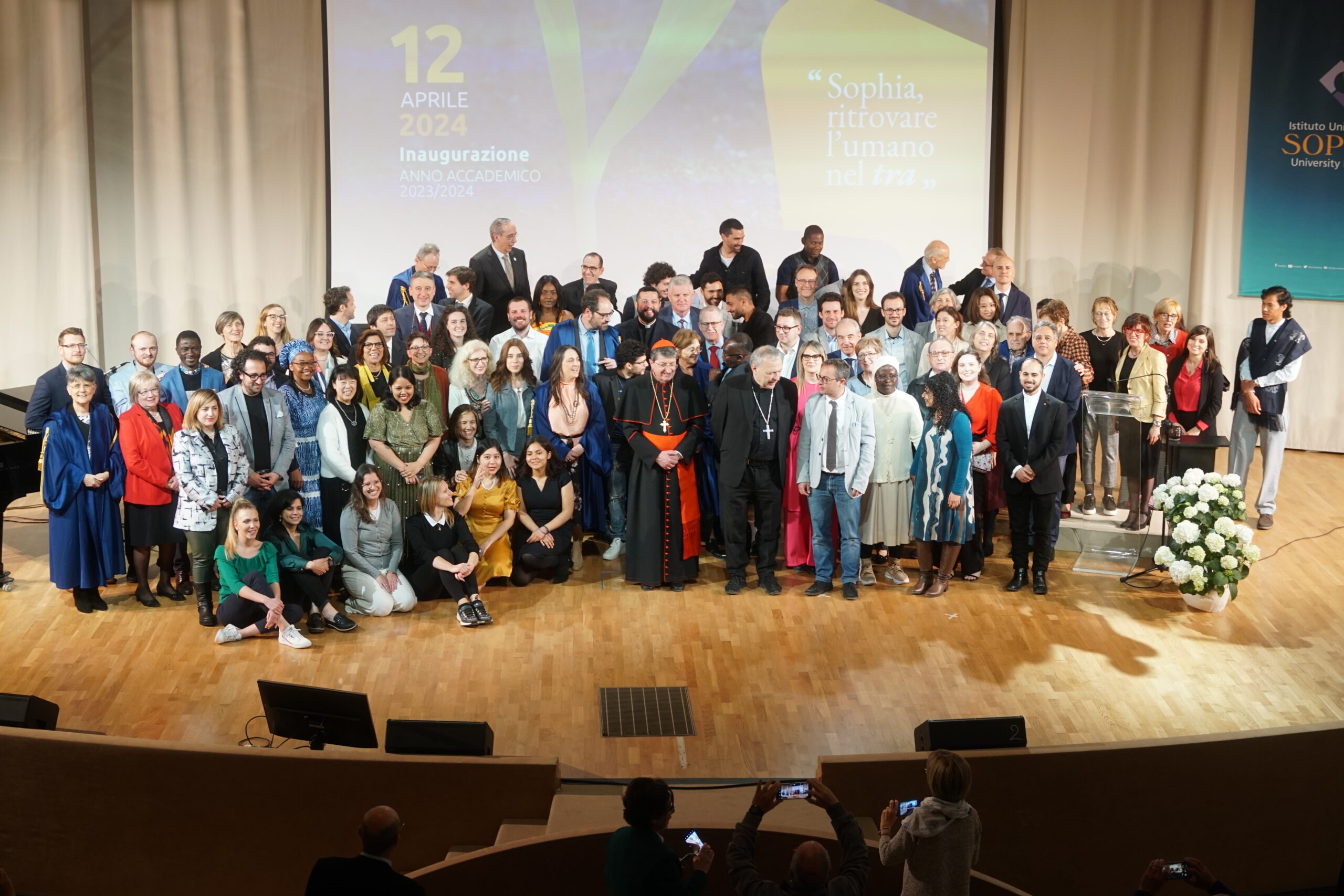 On 12th April, 2024, on the occasion of the inauguration ceremony of the 16th Academic Year of the SUI that took place on, in the Auditorium of Loppiano (Figline and Incisa Valdarno – FI), Margaret Karram, President of the Focolare Movement, extended her best wishes to the students who, in this historical moment, have chosen “with courage and hope”, to prepare for the future by attending the
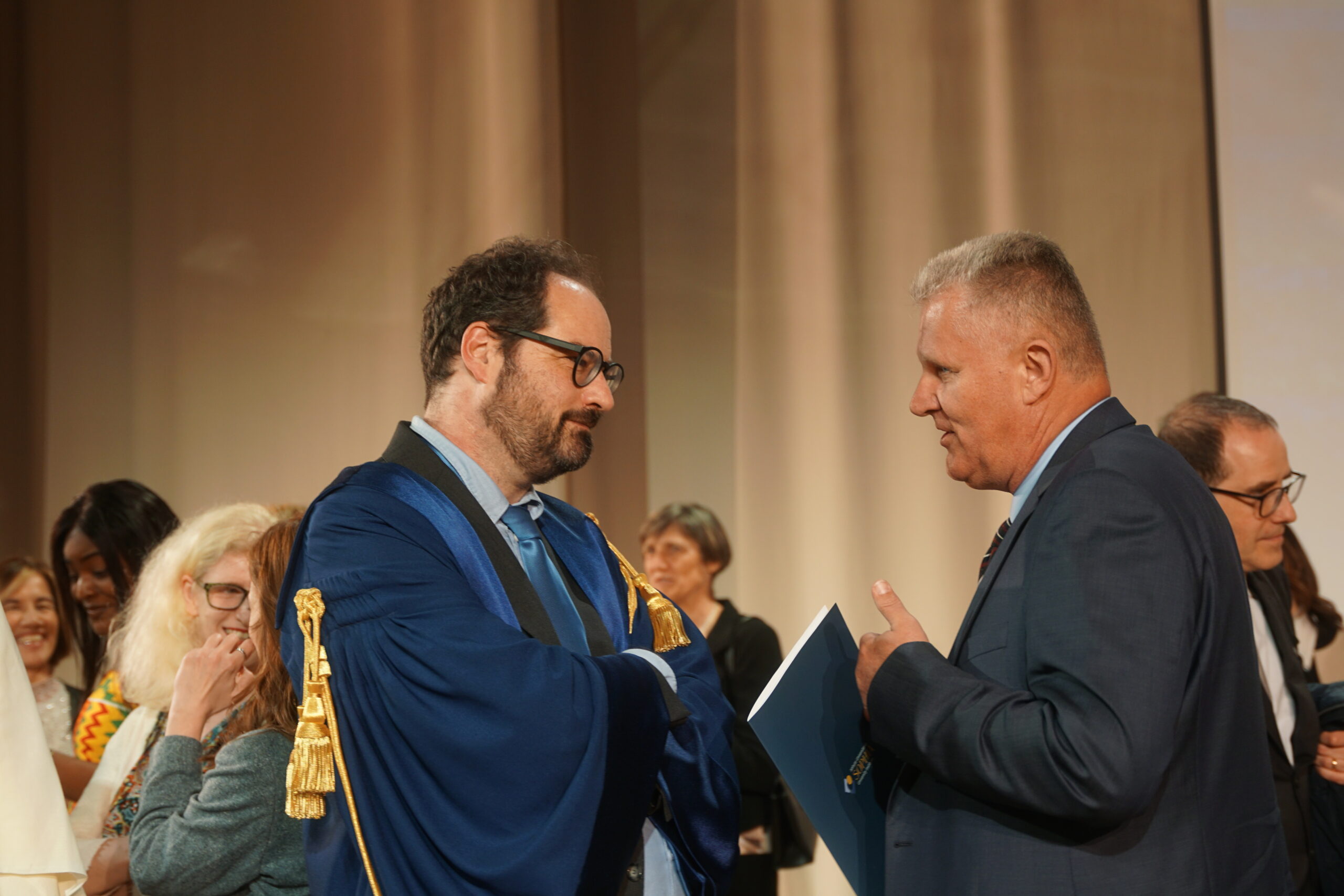 Academic Year open at the end of a speech that led participants to reflect on the social value of universities. He said. “If States invest in universities, it is because it is believed to be in the national interest to invest in young people. Investment is made because well-educated young people bring social benefits. It is believed that a nation that ensures the education of new generations will be able to adapt and bring innovation that, in turn, will guarantee the future competitiveness of the nation itself.” Regarding the particular mission of the Sophia University Institute, he reiterated: “We want to be a place where, while aware that we are experiencing a dramatic historical moment, we look at the human capacity to build lasting peace. We want to study and teach how to see those ‘seeds’ that already today express the possibility of resolving the crisis we are experiencing”. The ceremony concluded with a lecture given by Massimiliano Marianelli, Full Professor of the History of Philosophy at the University of Perugia entitled “Sophia, rediscovering the human in the ‘between’”, which focussed on the human being and the primacy of relationships. The event was streamed live and is available on