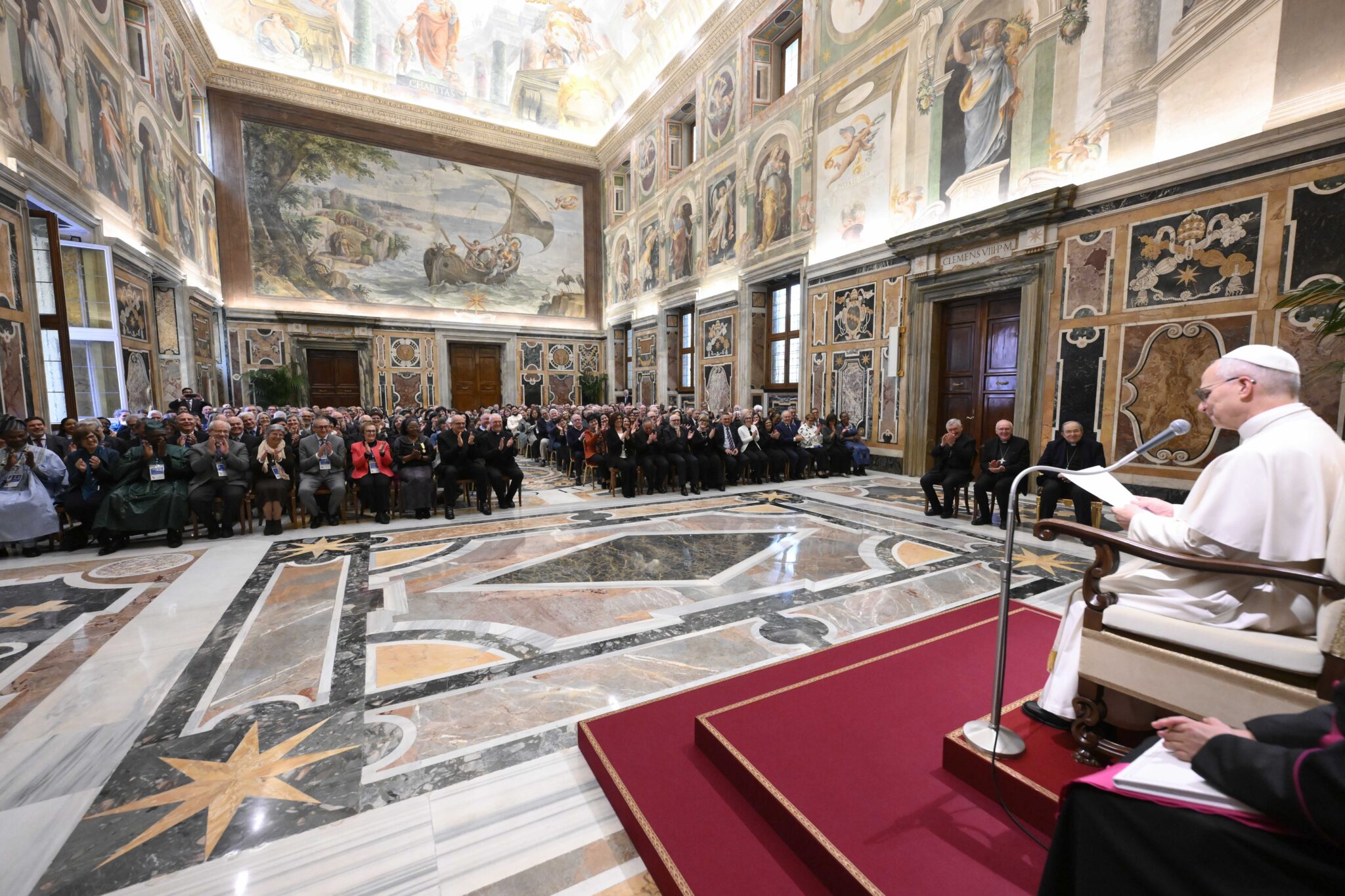
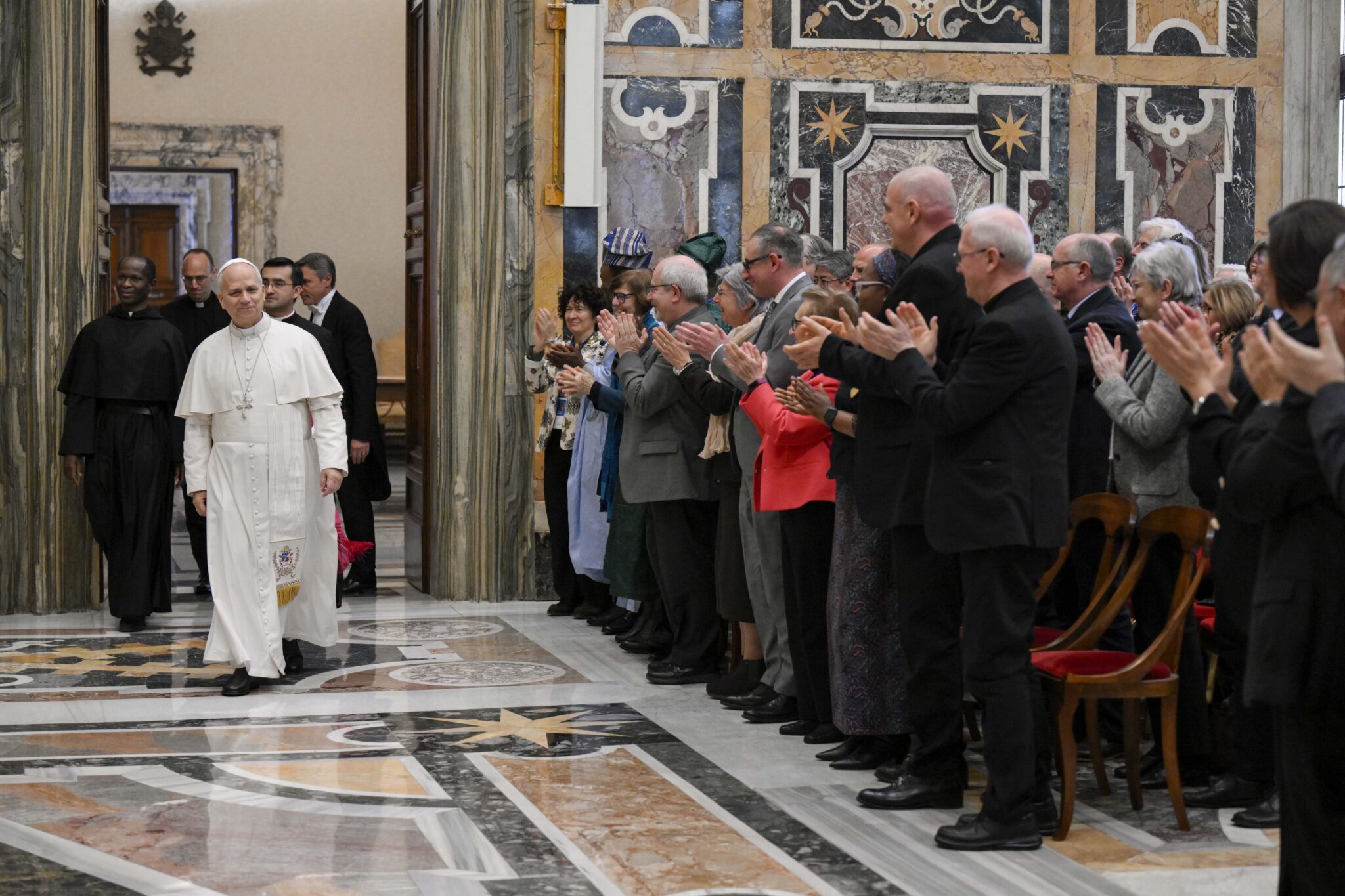
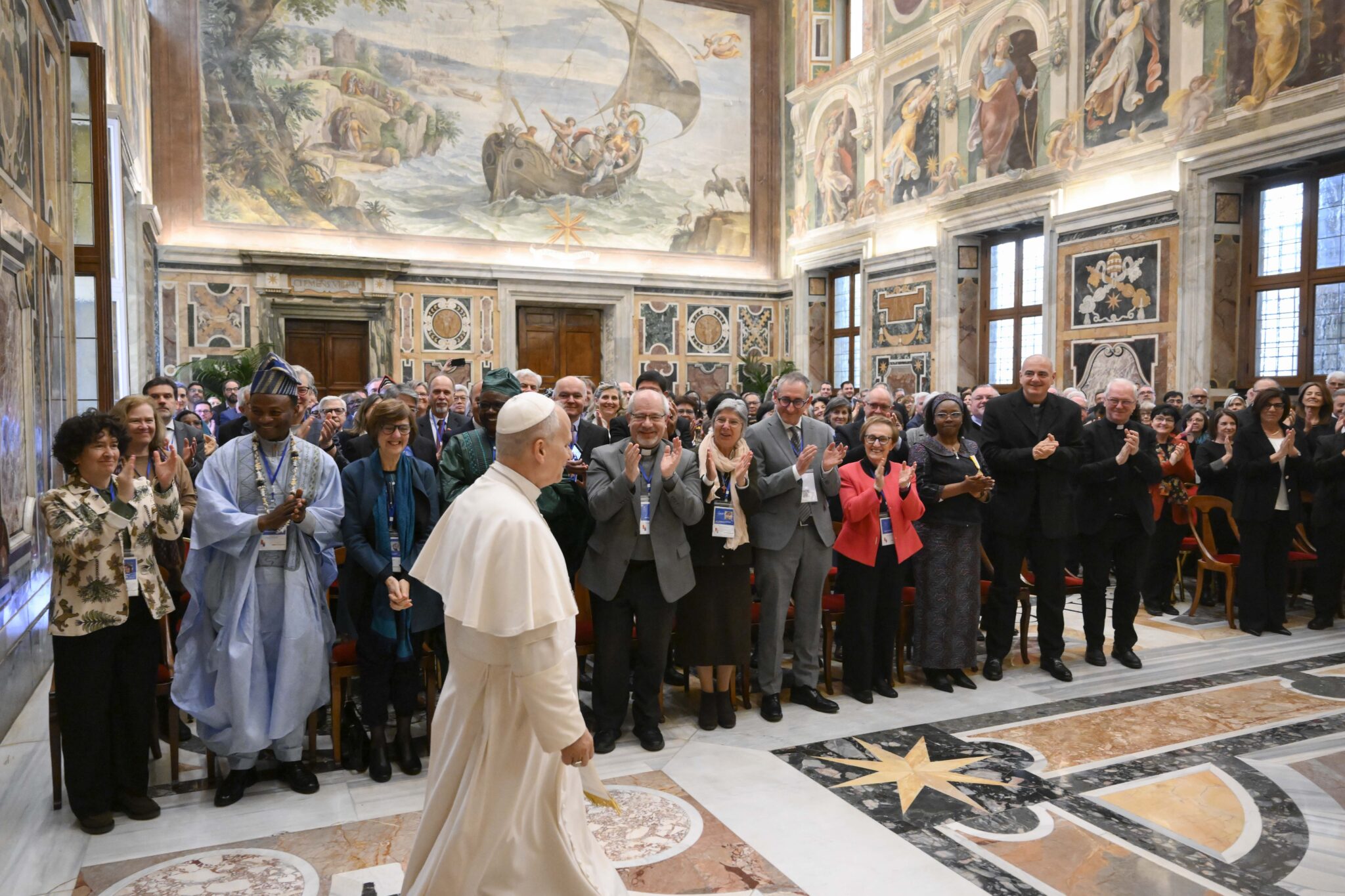
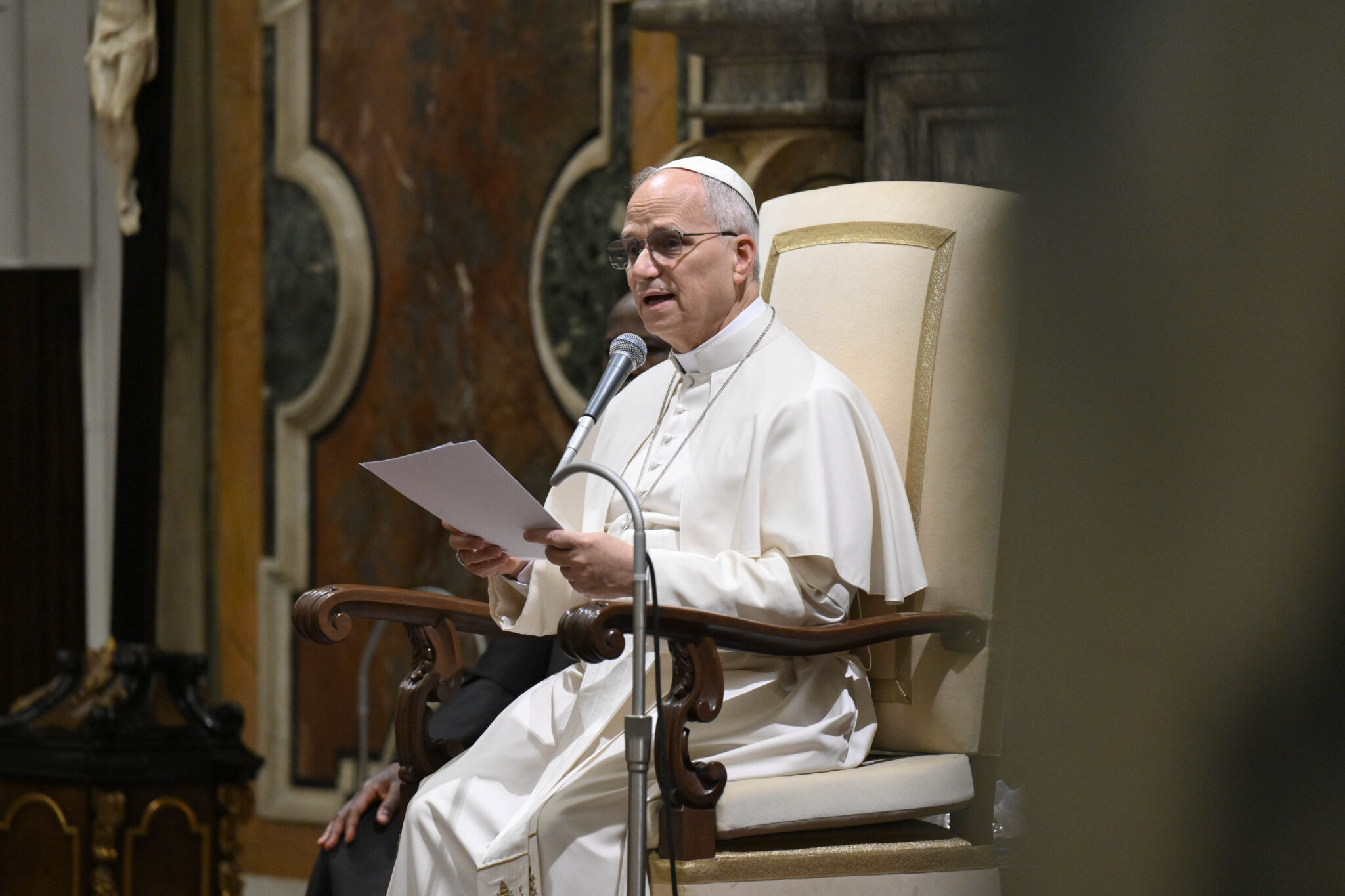
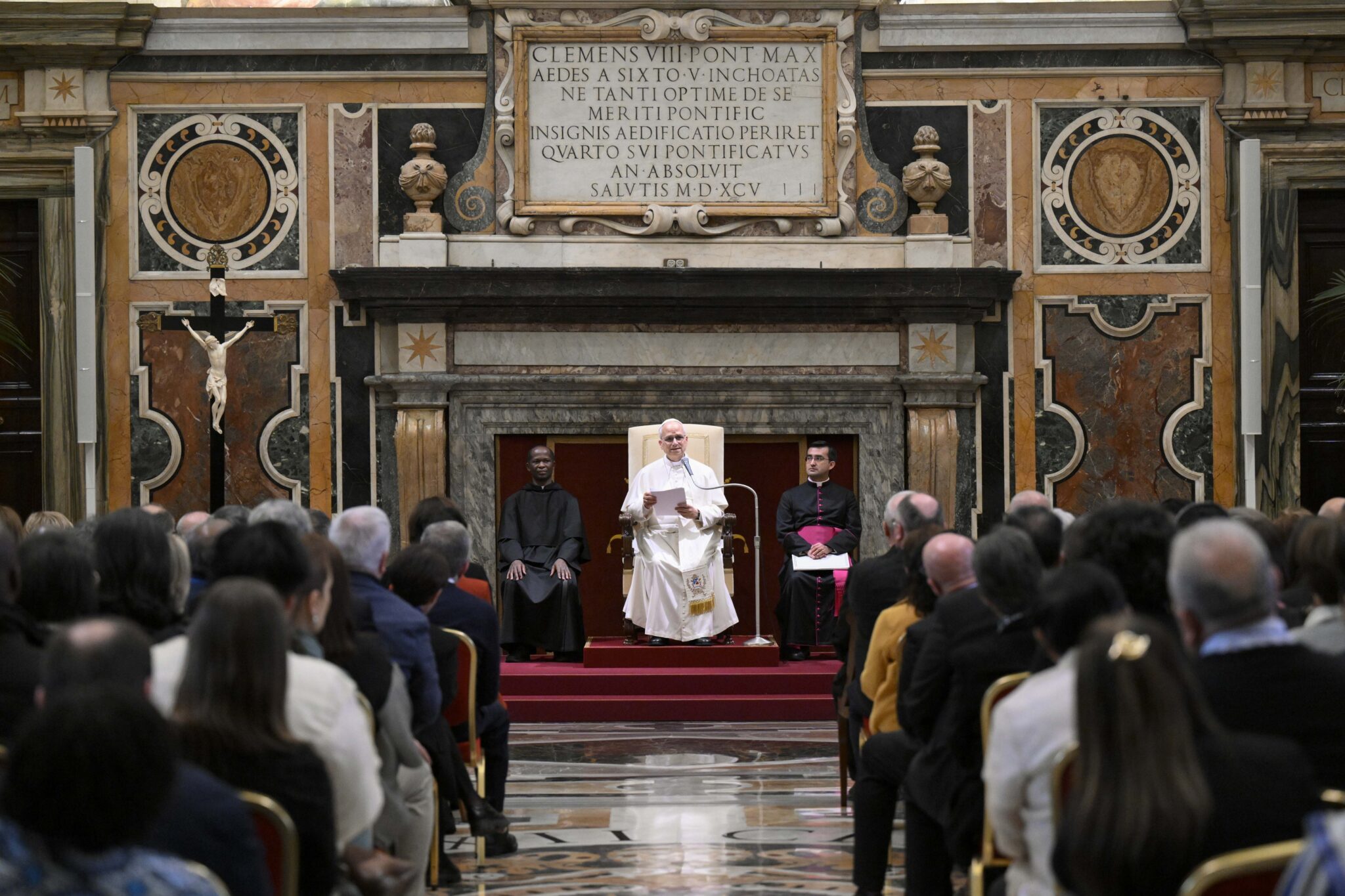
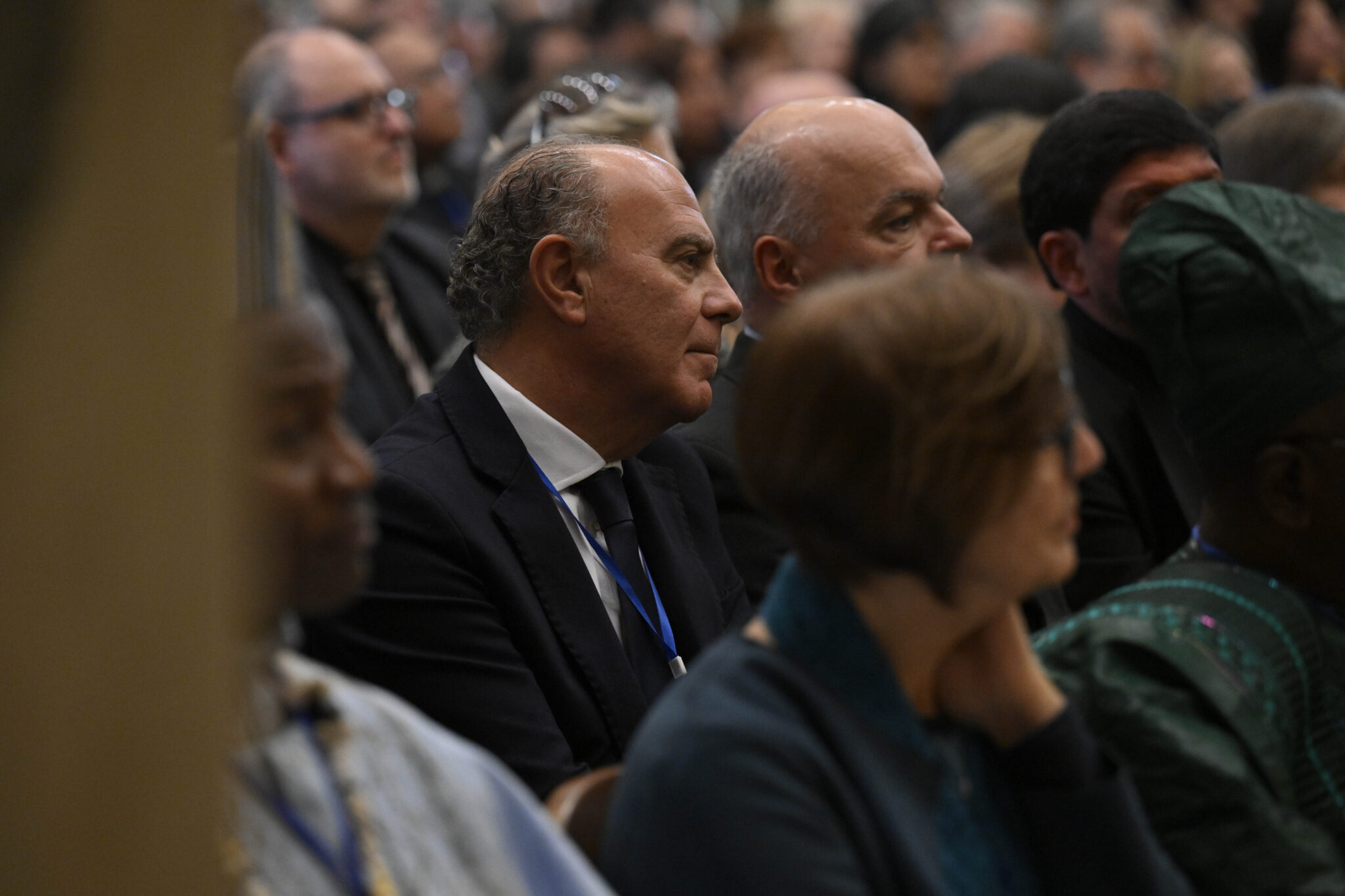
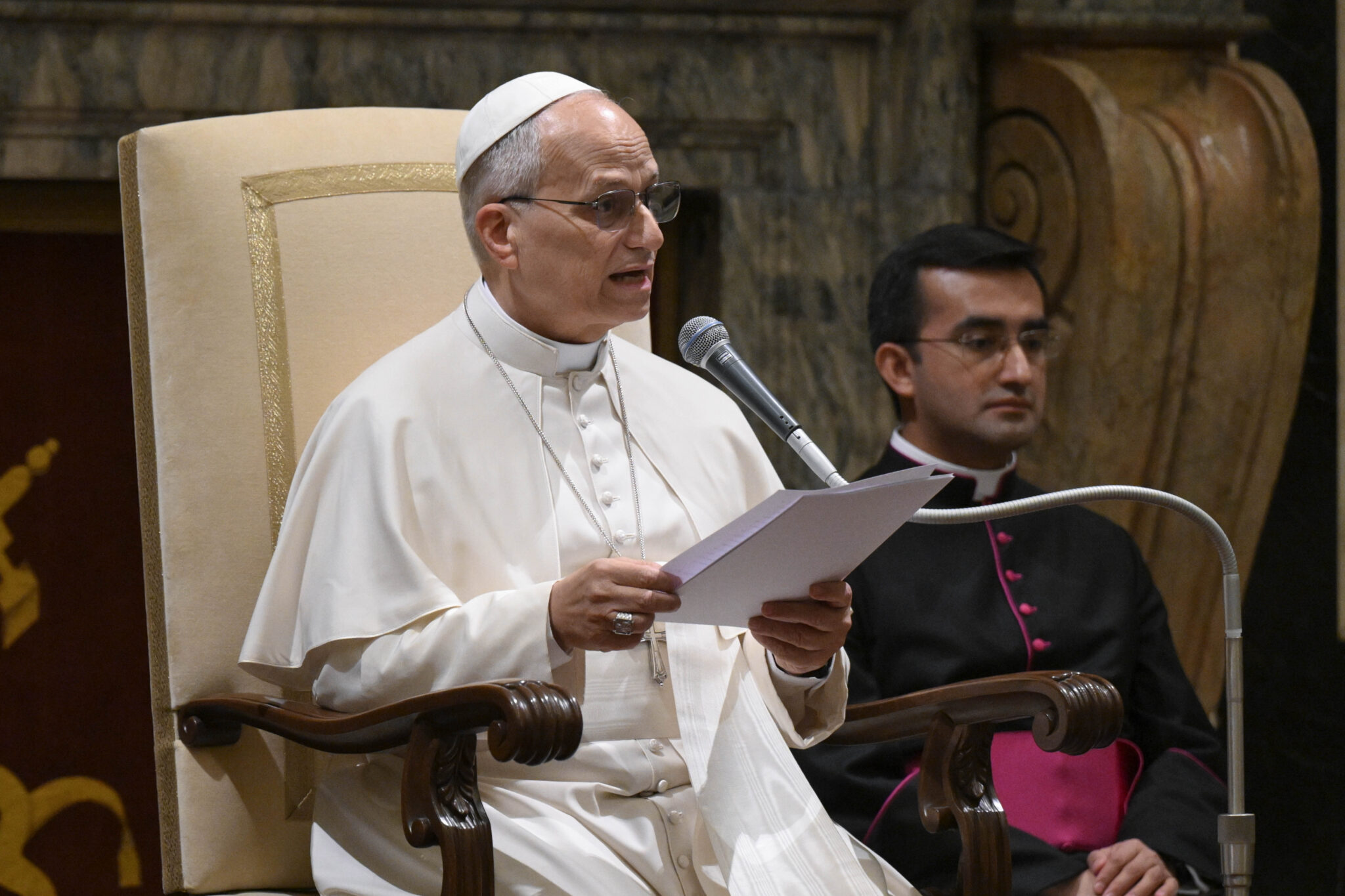
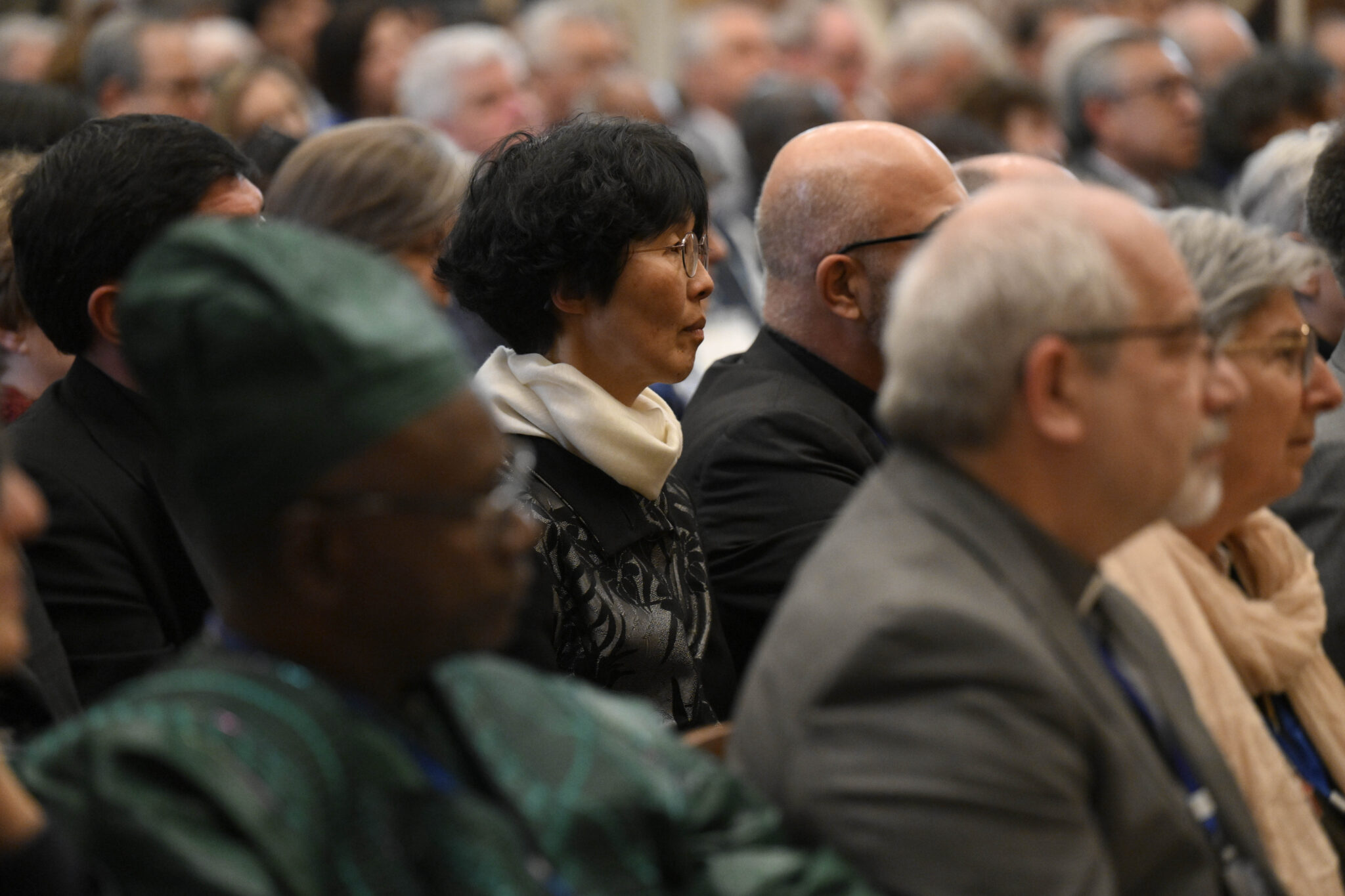
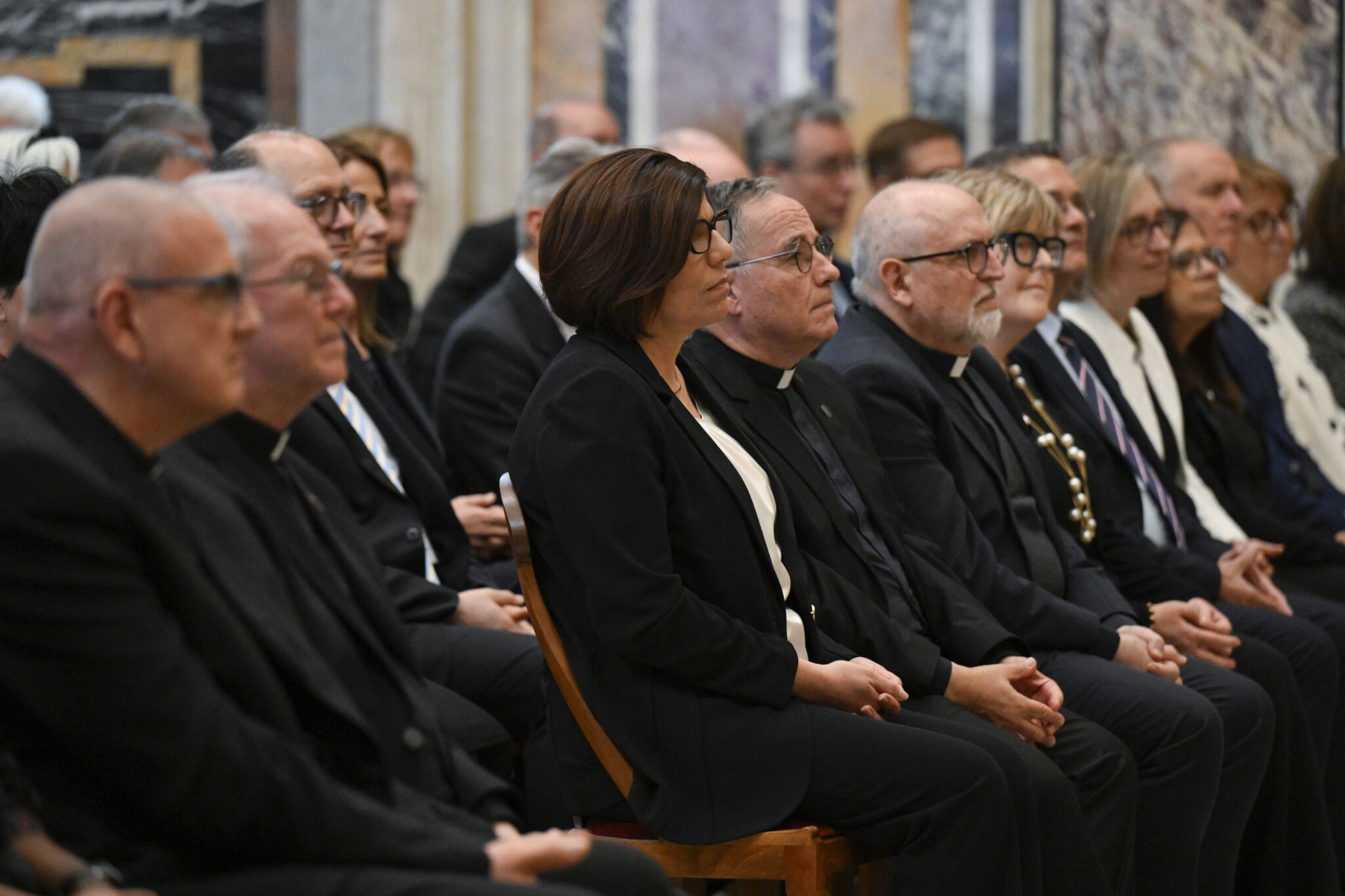
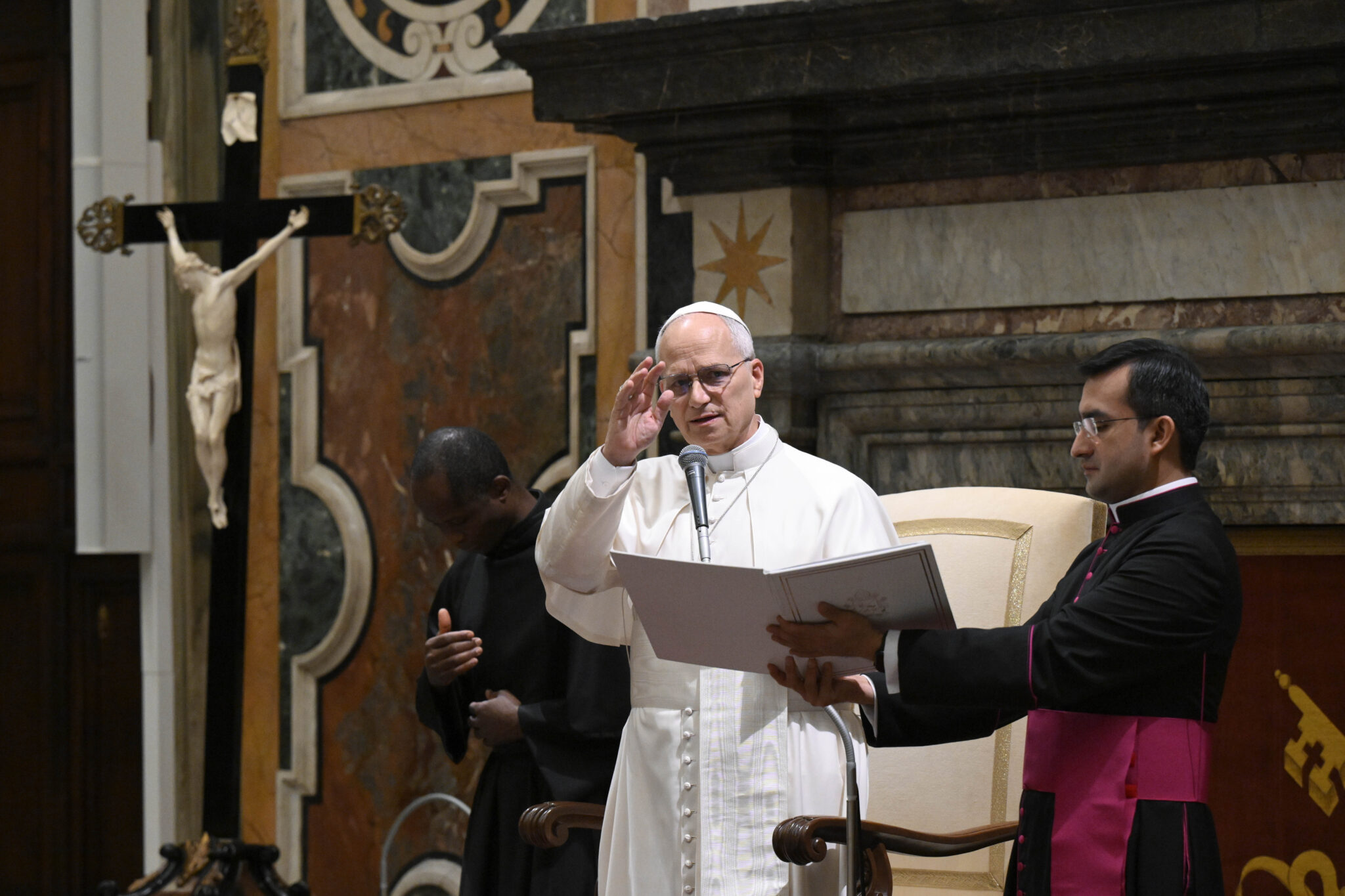
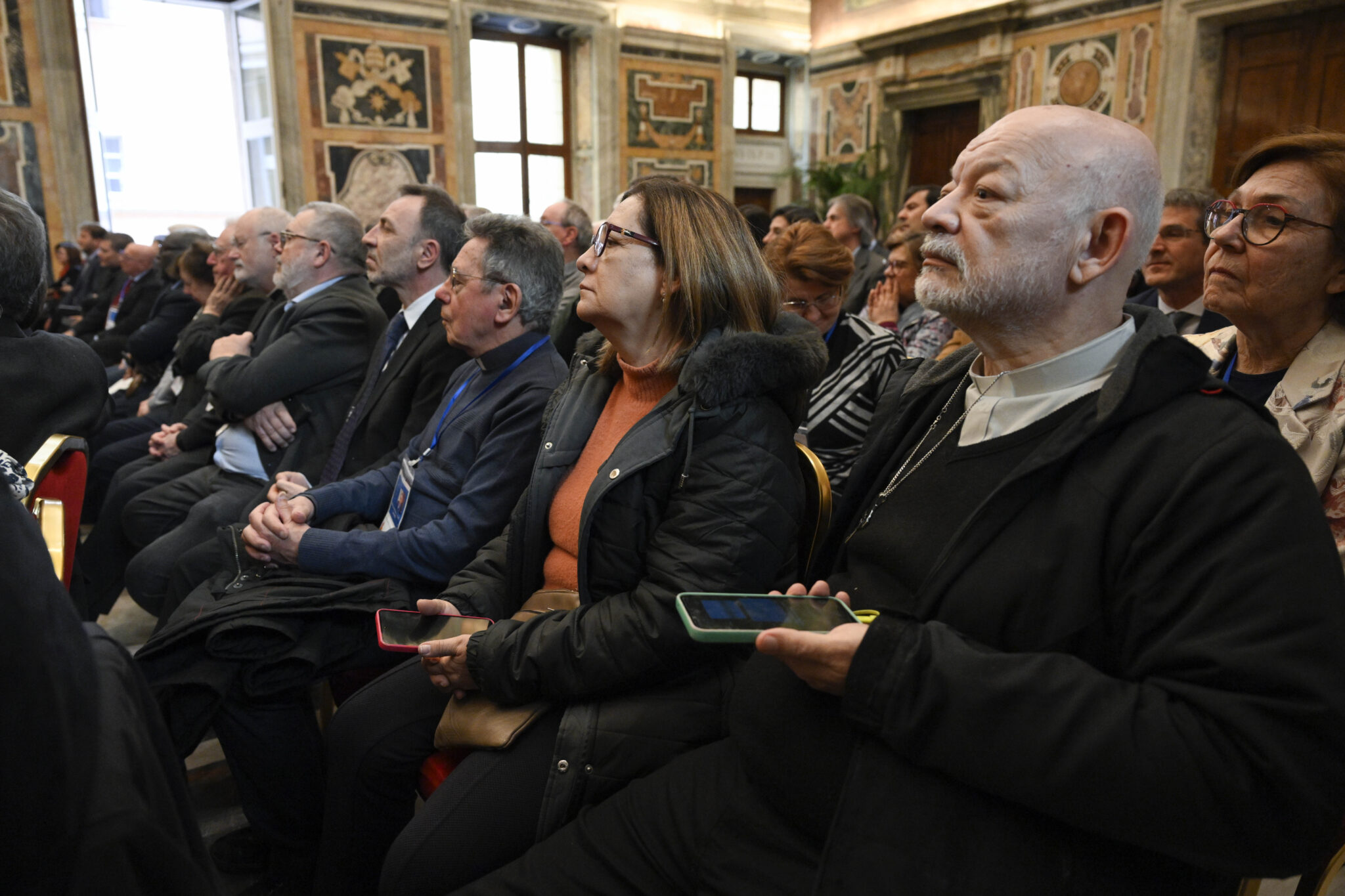
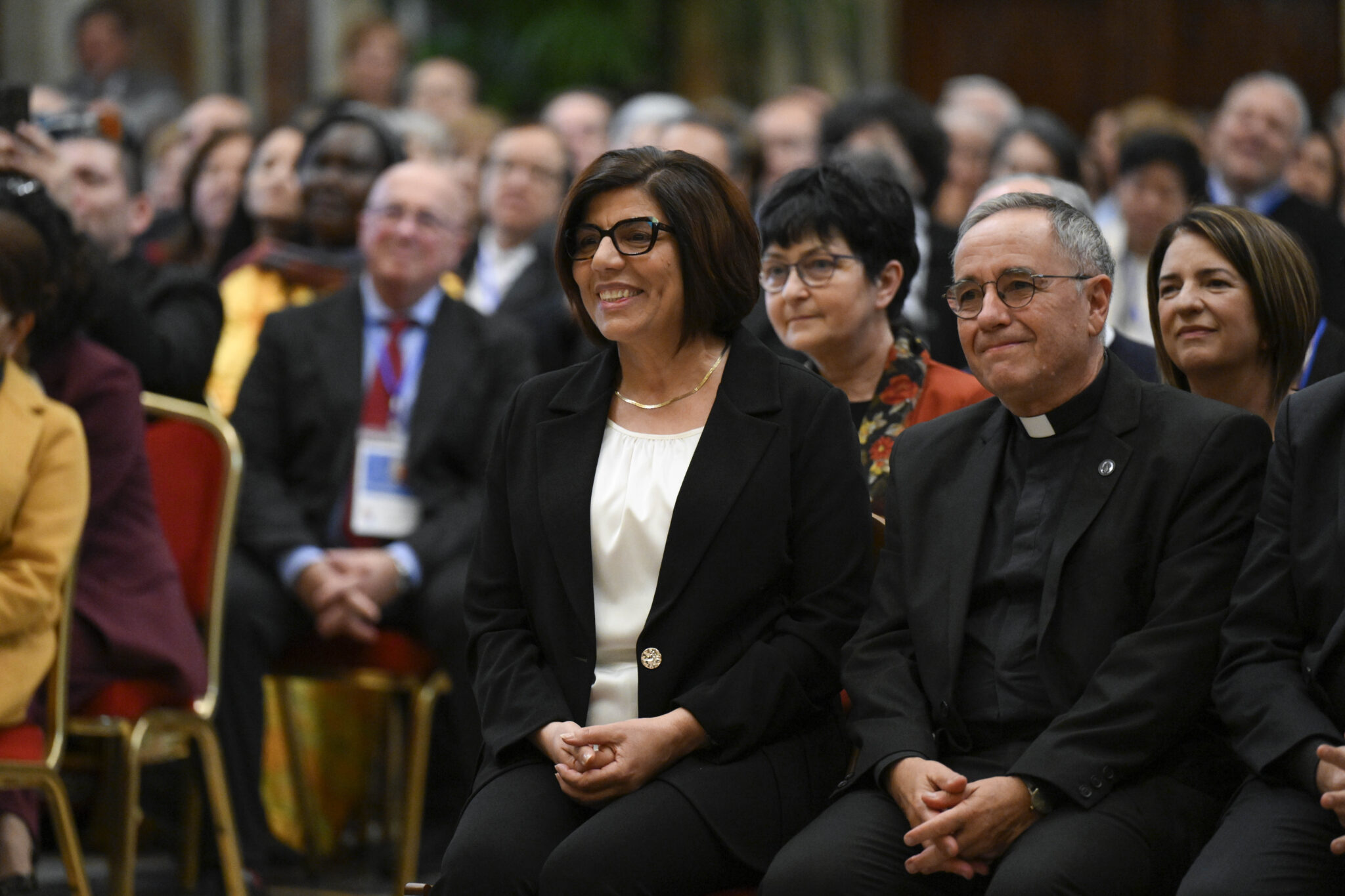
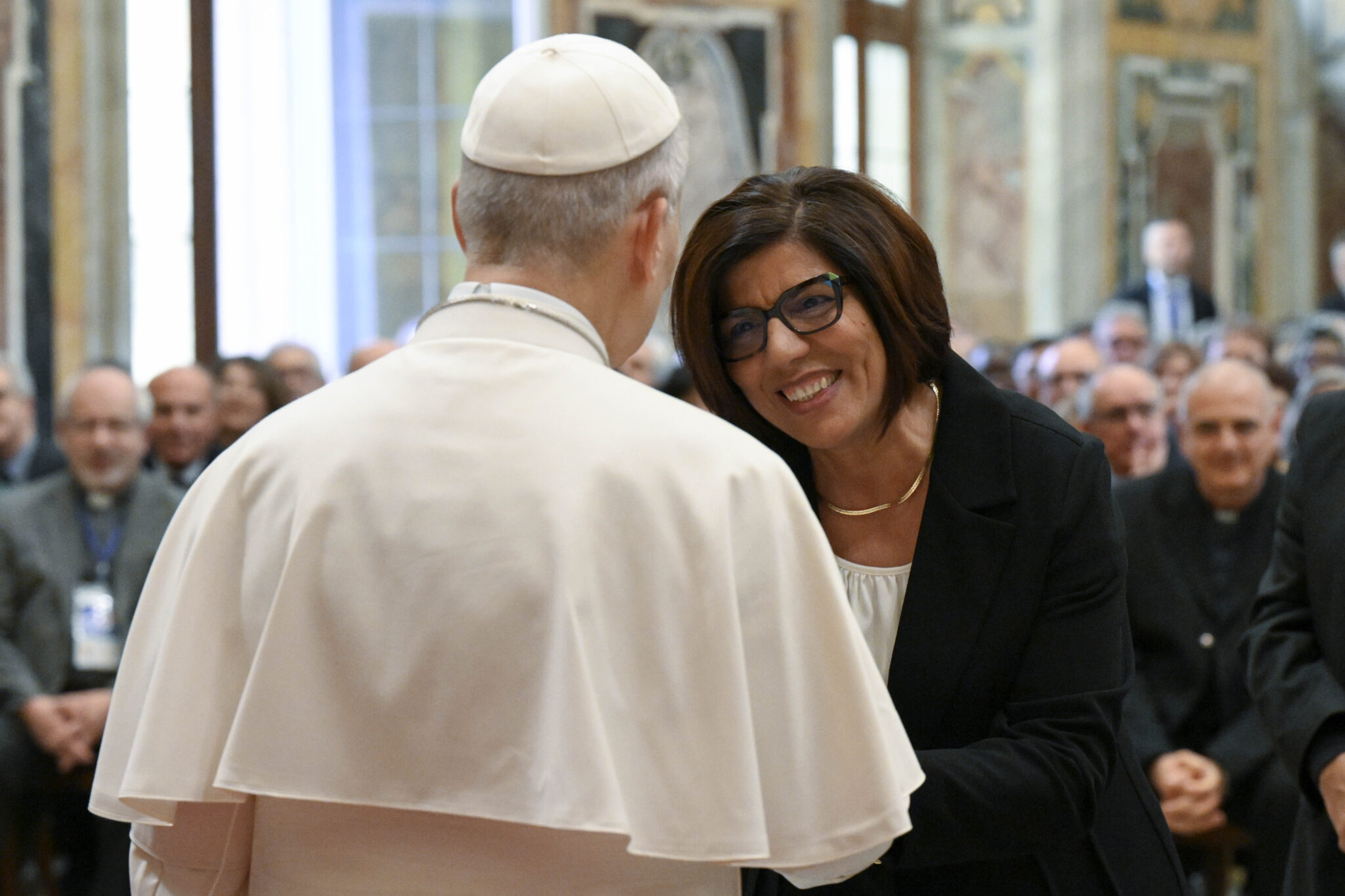
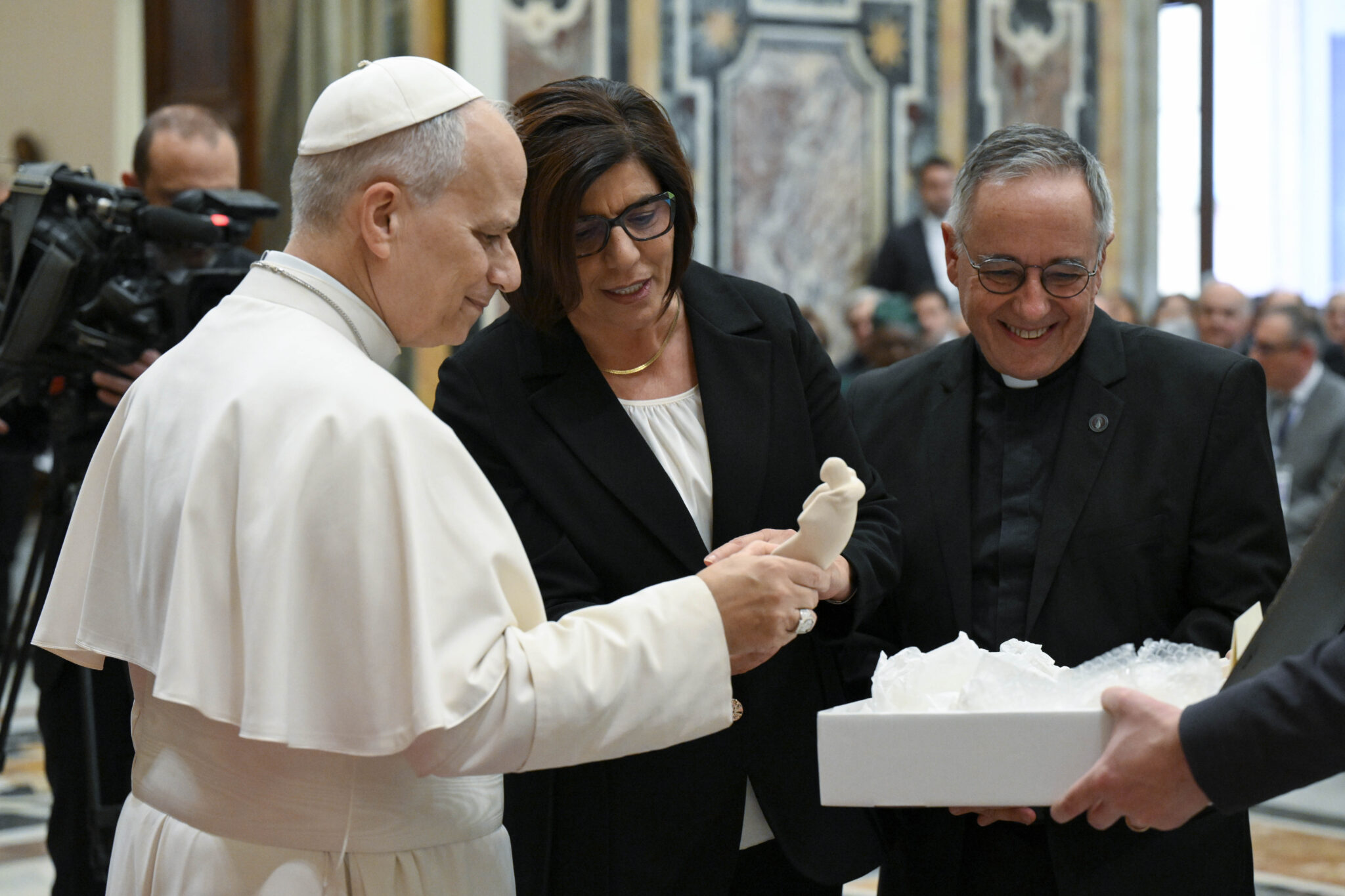
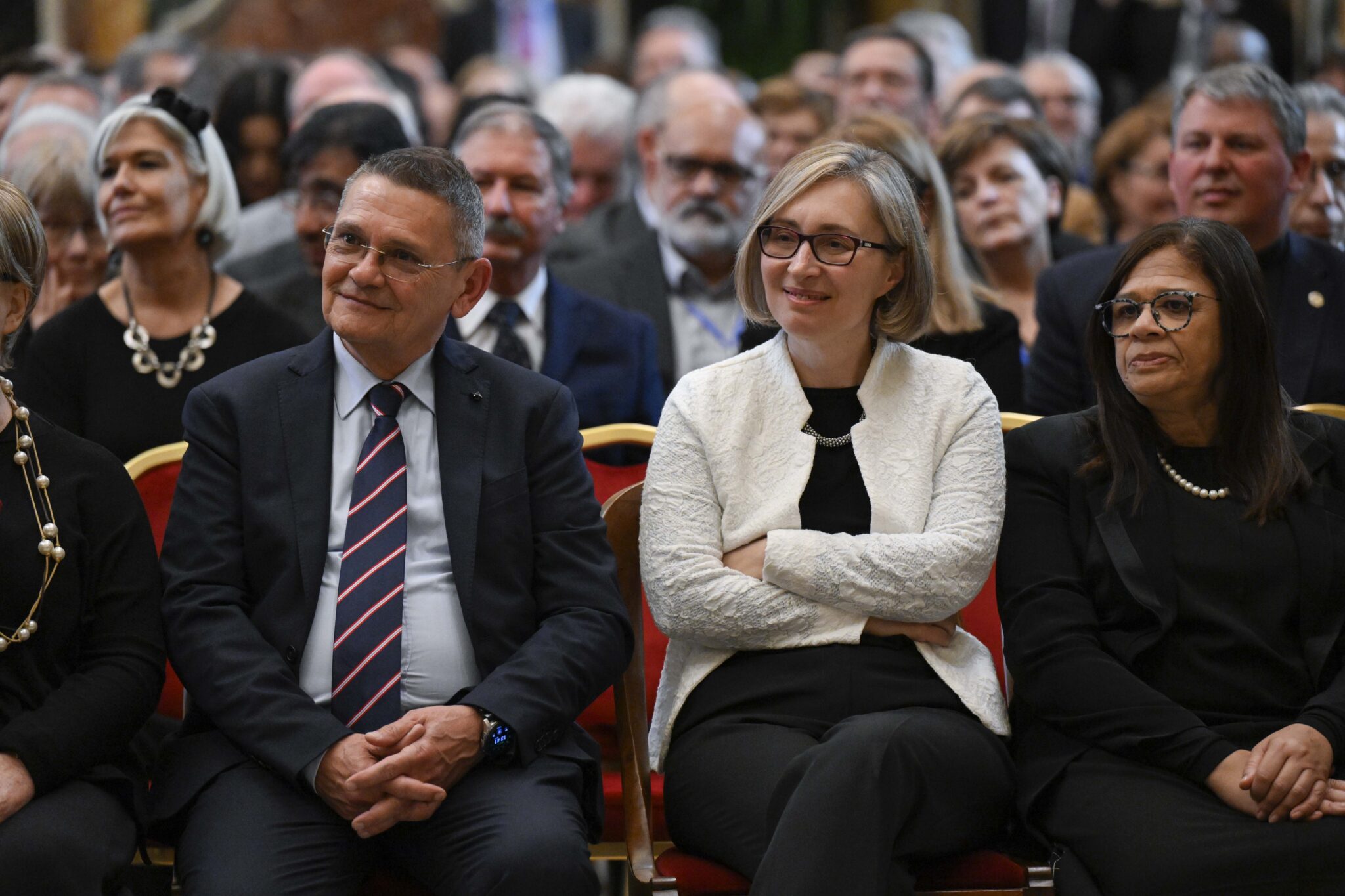
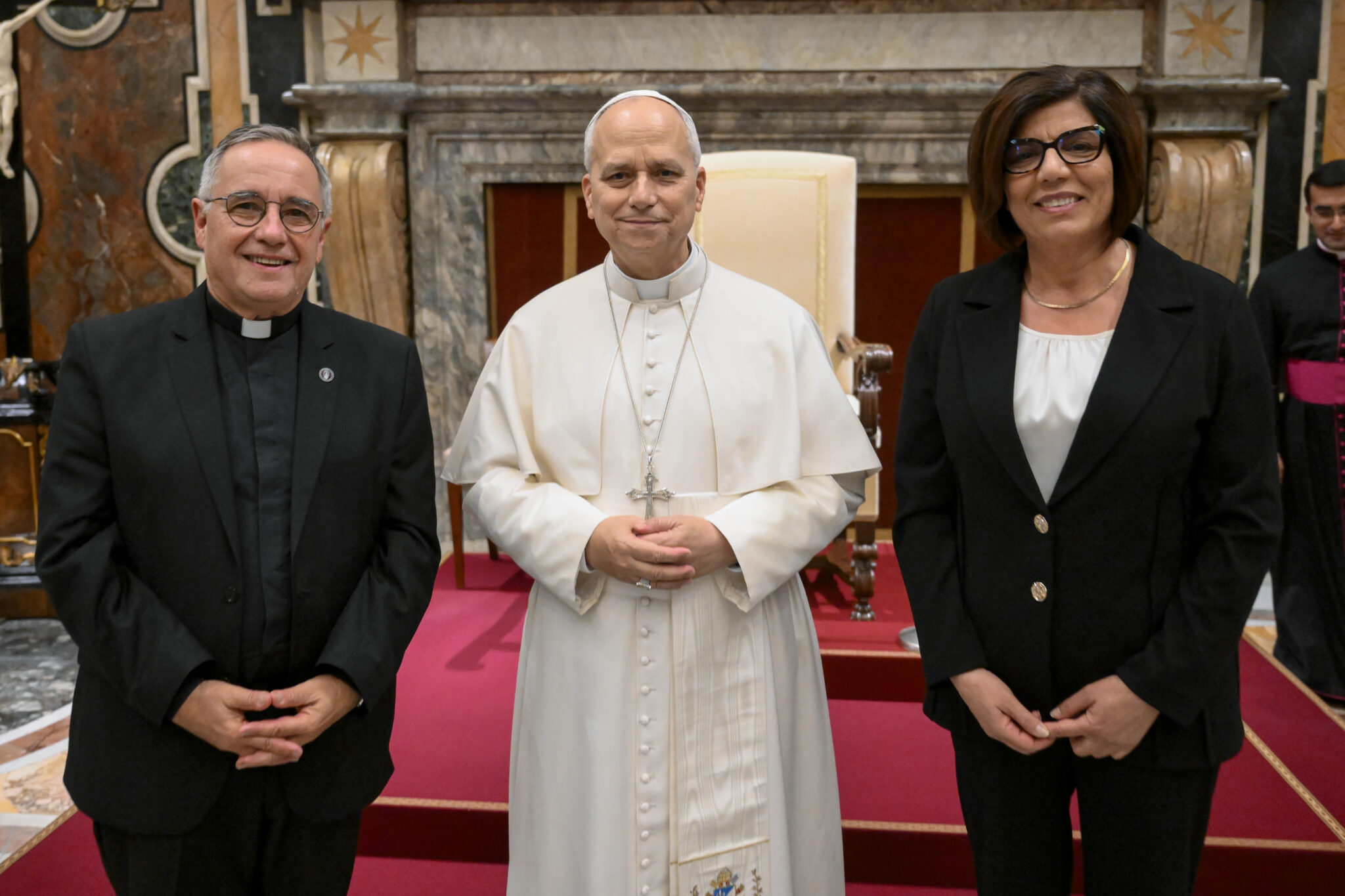
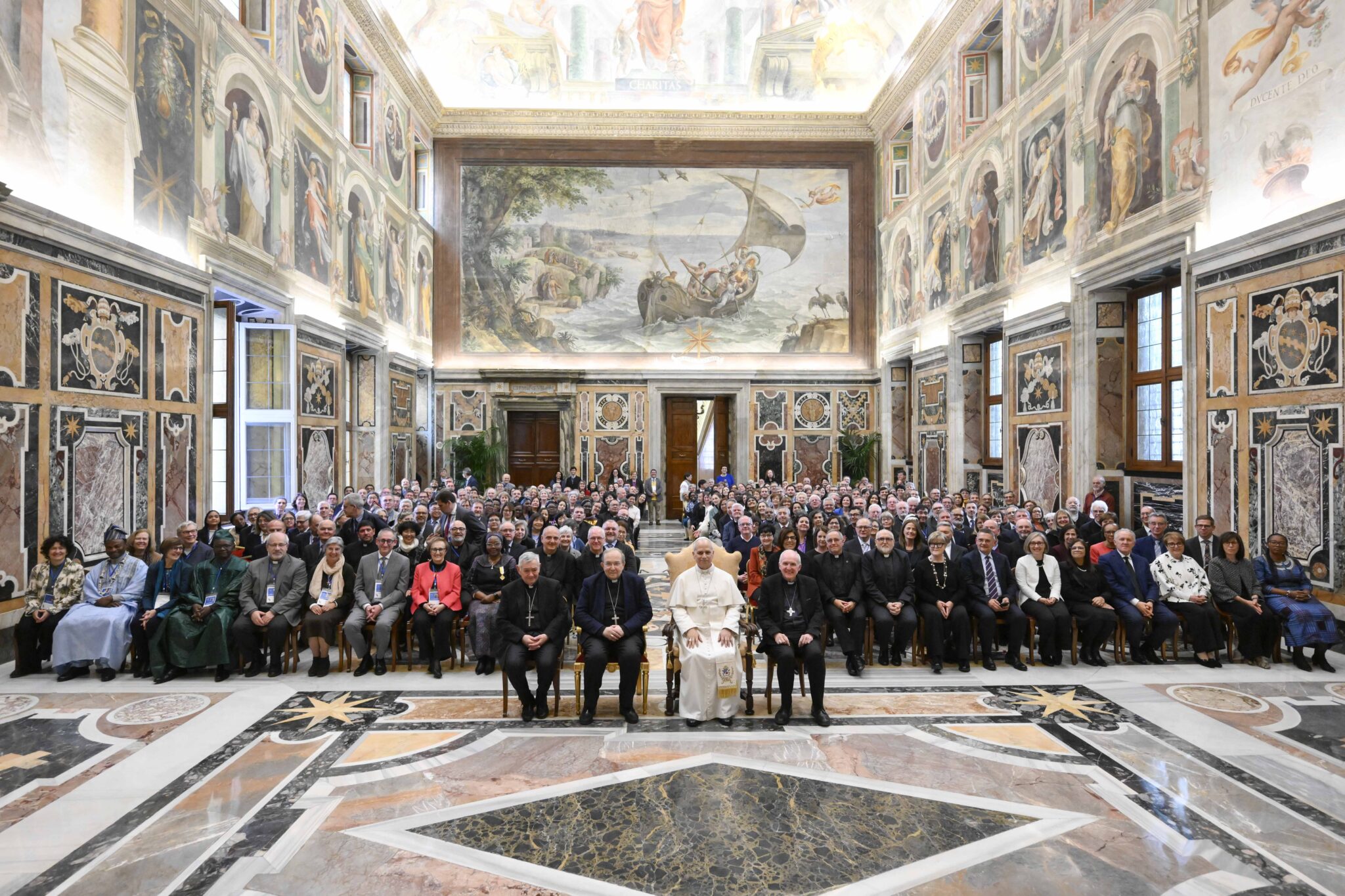
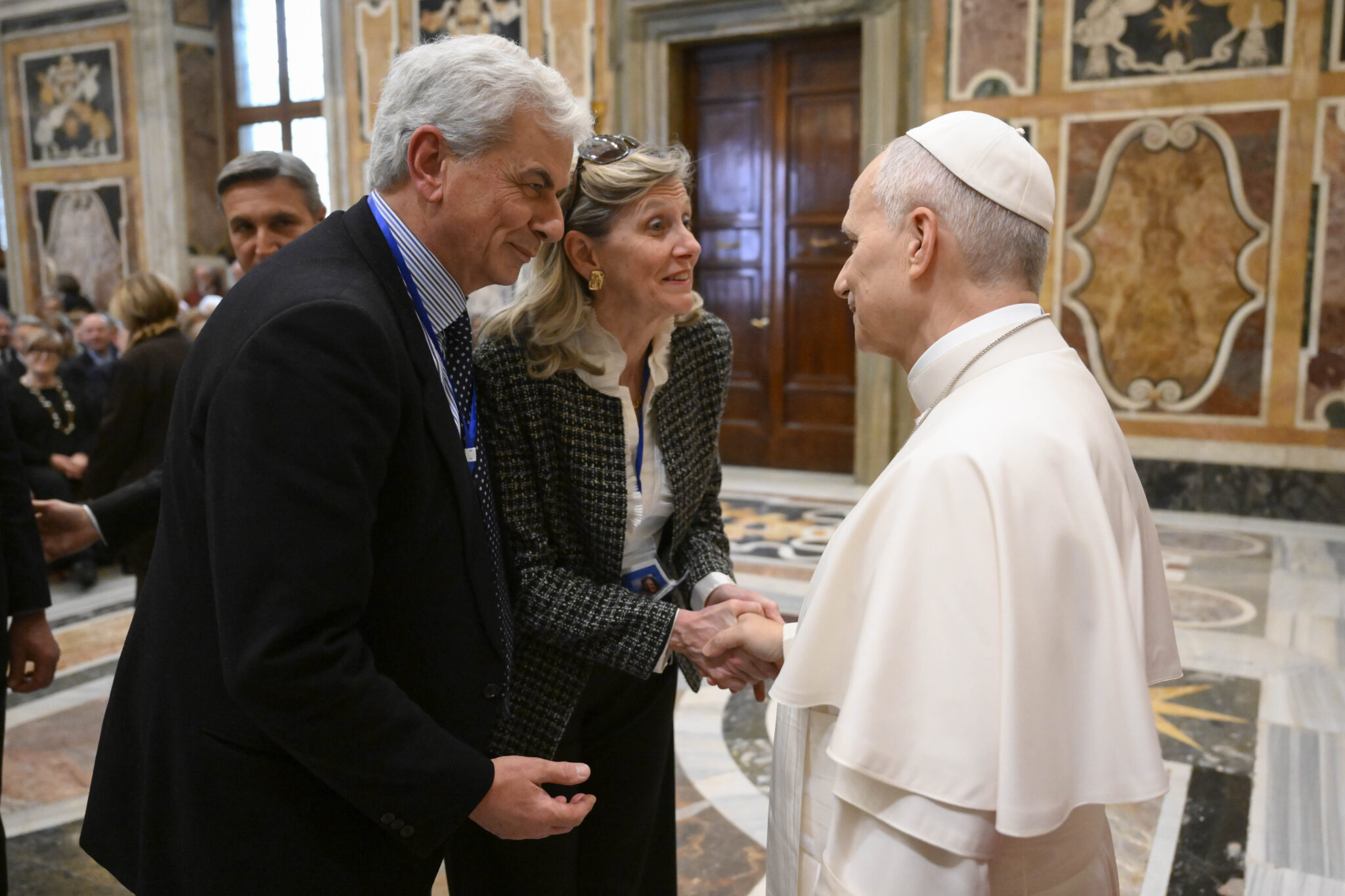
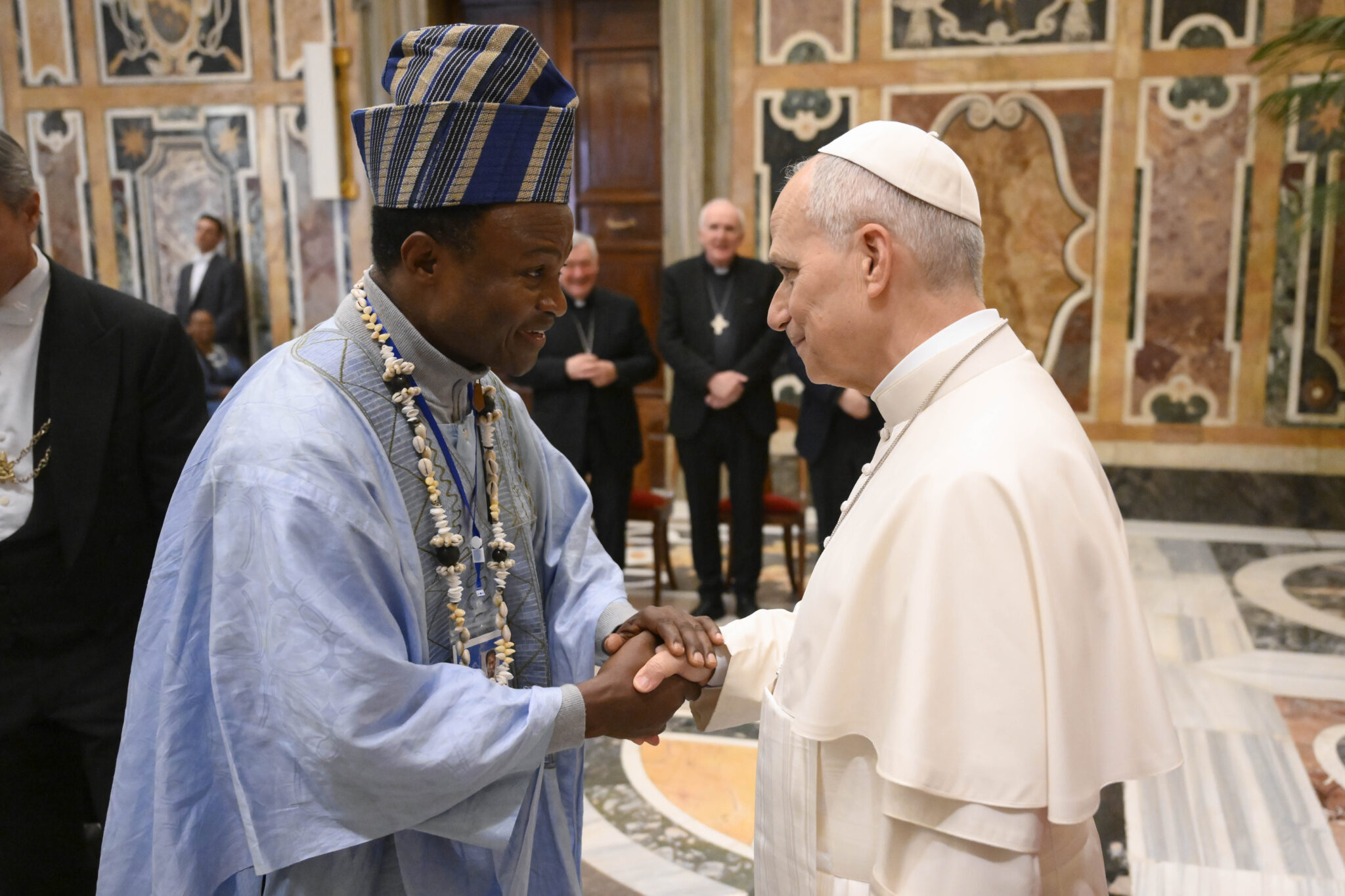
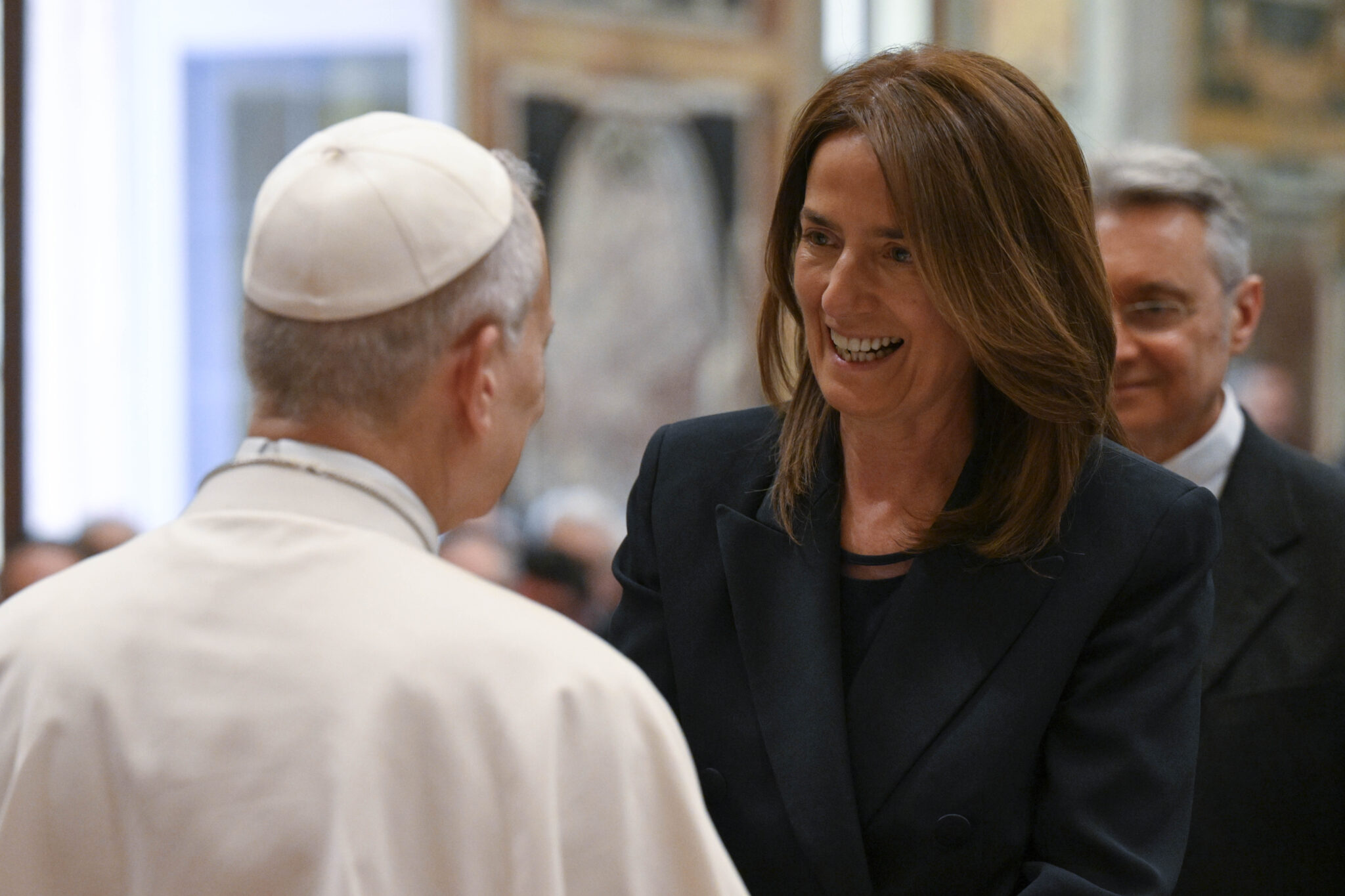
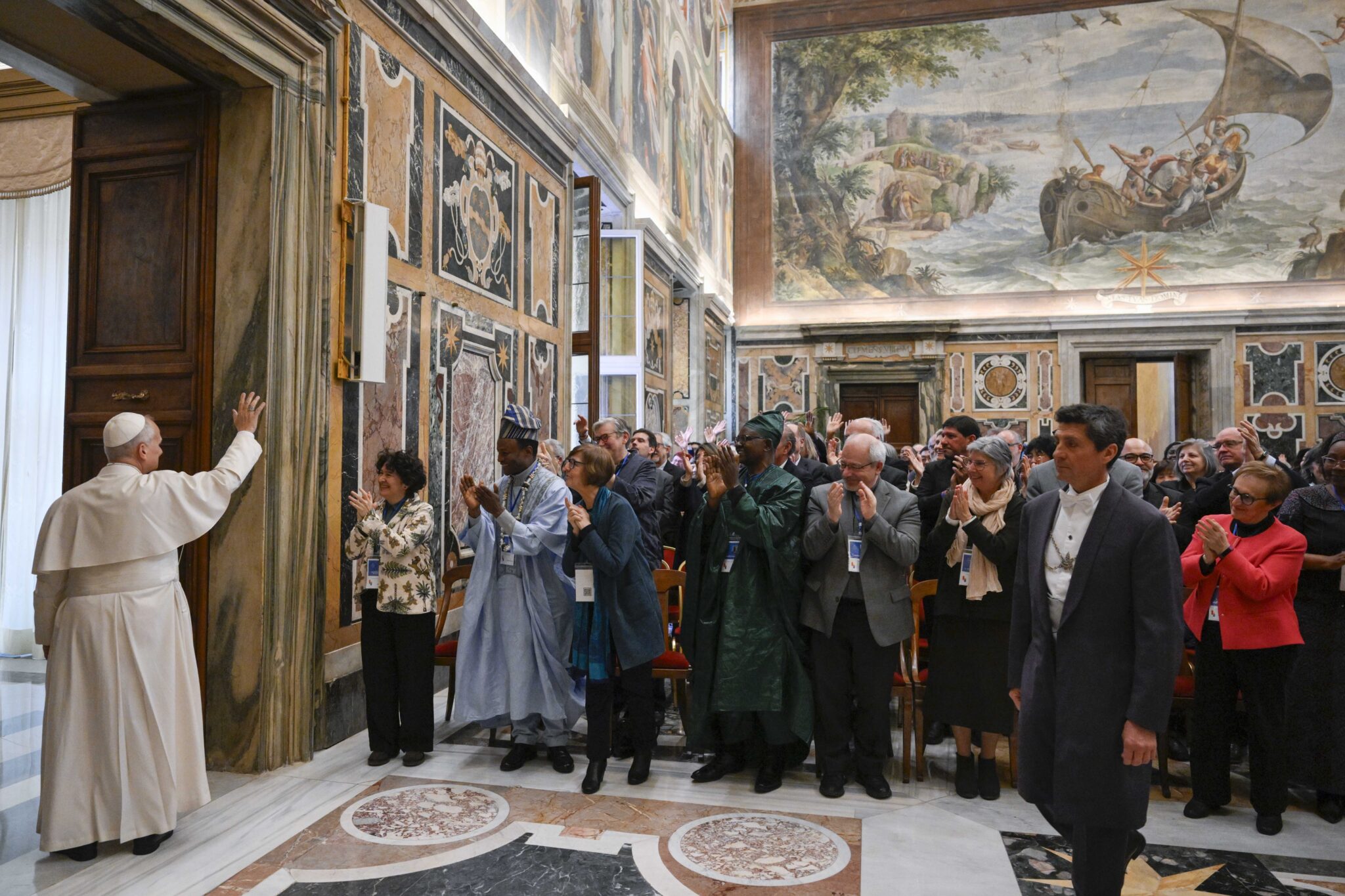
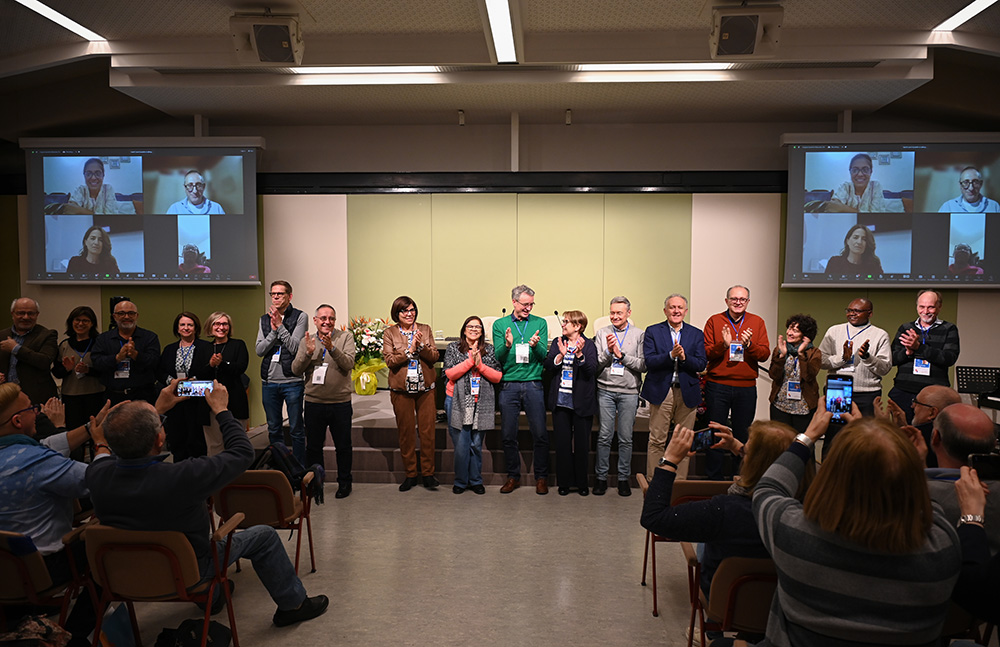
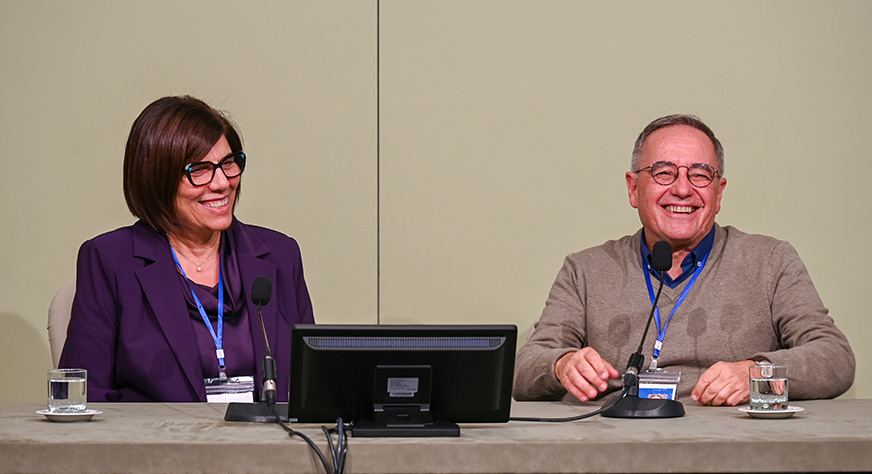
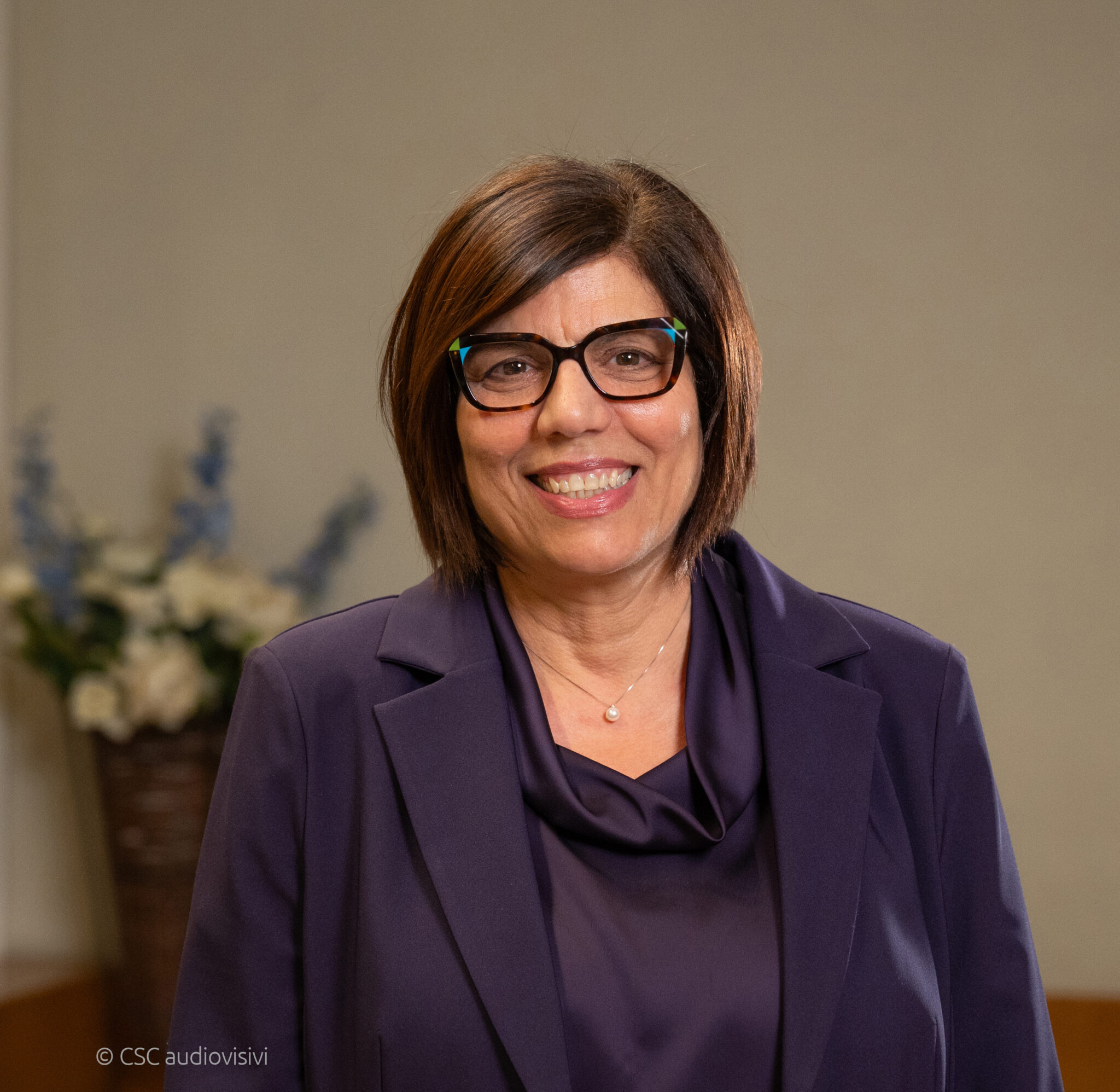
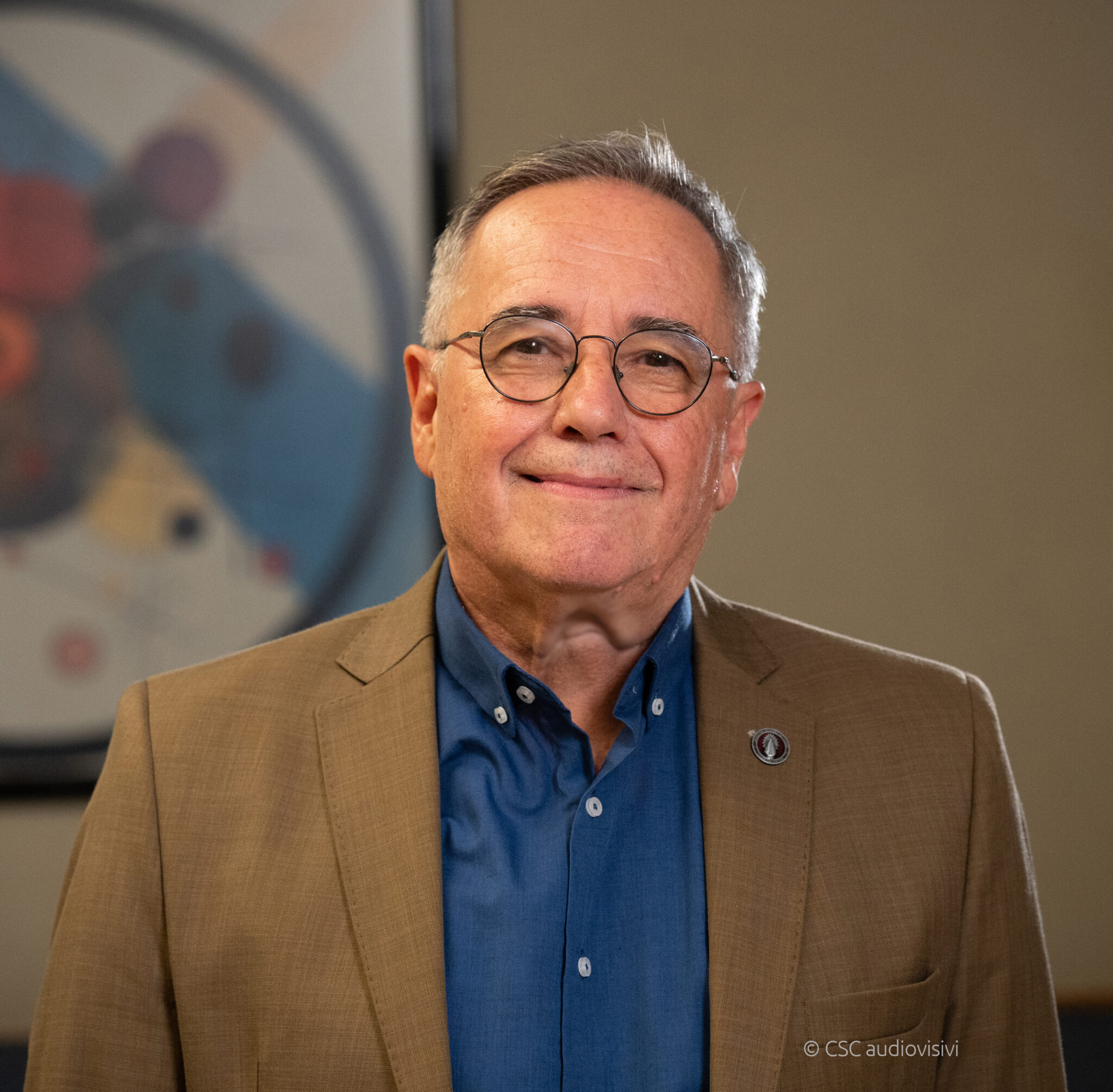
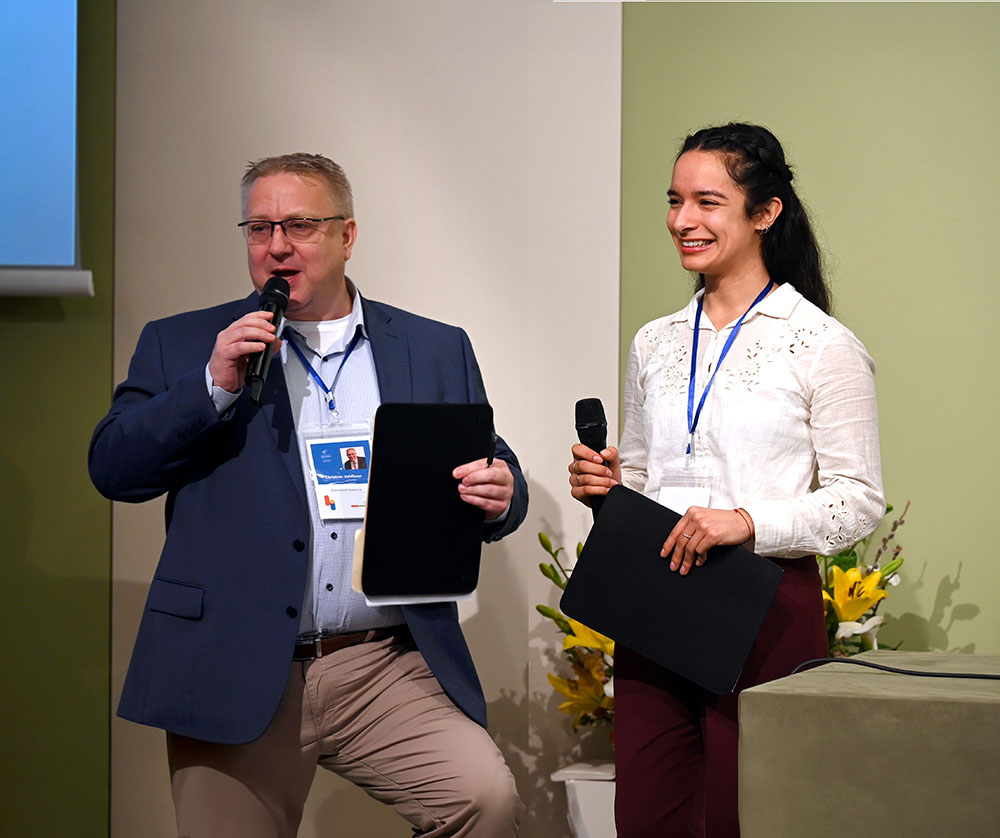
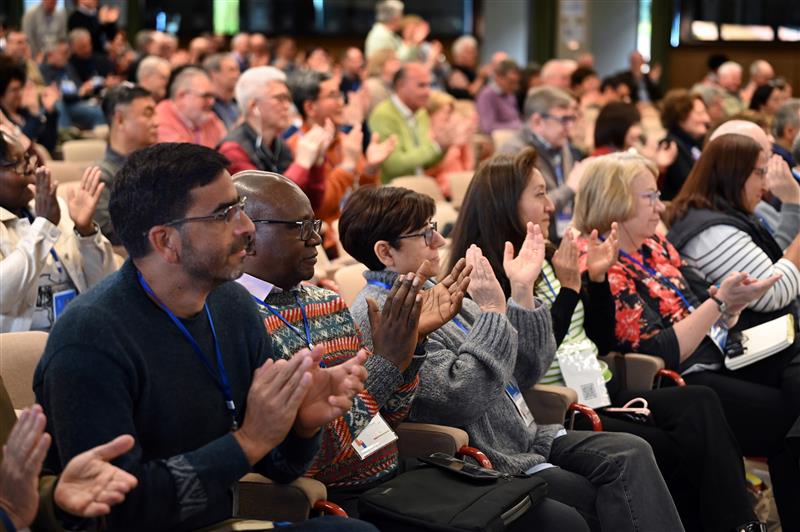
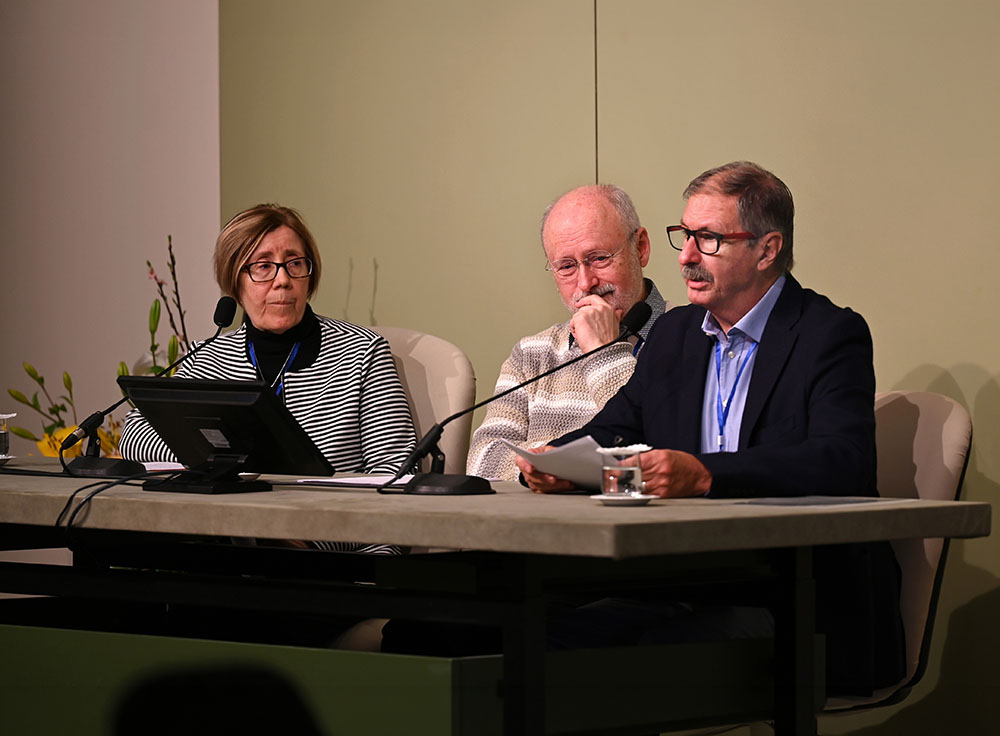
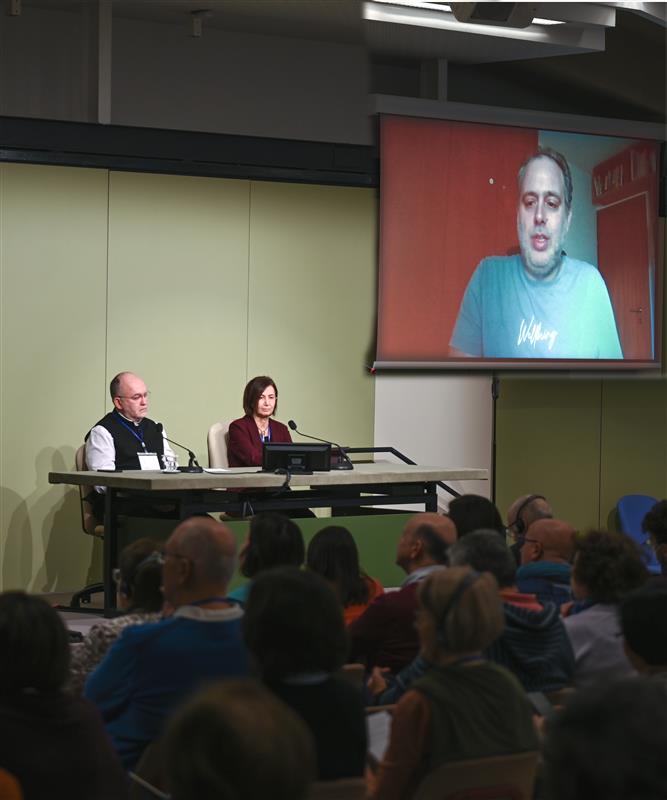
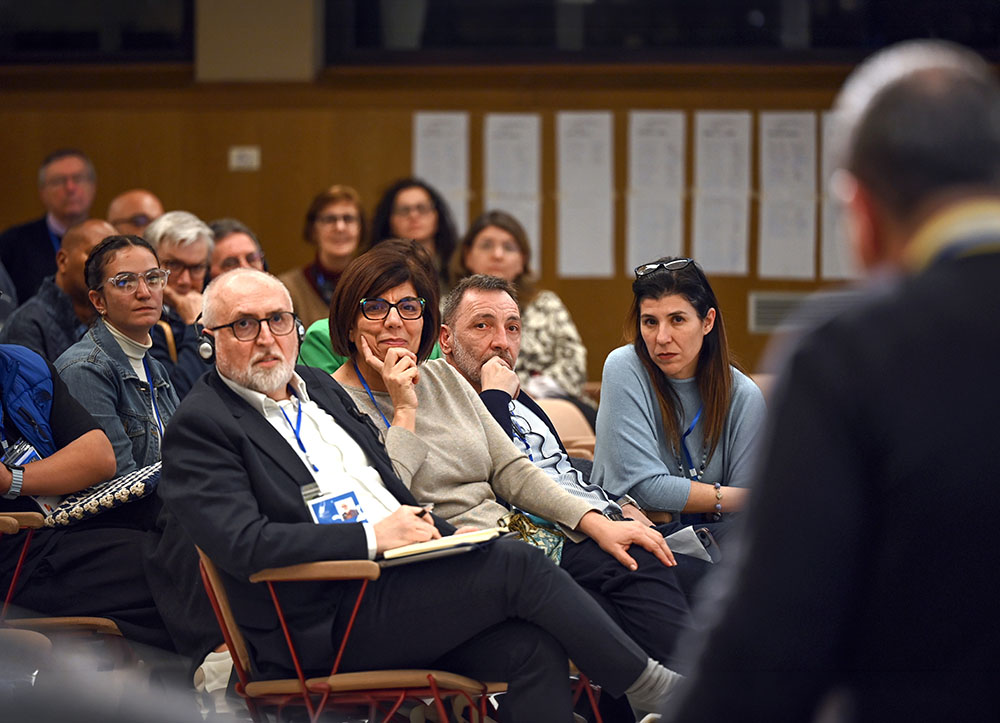
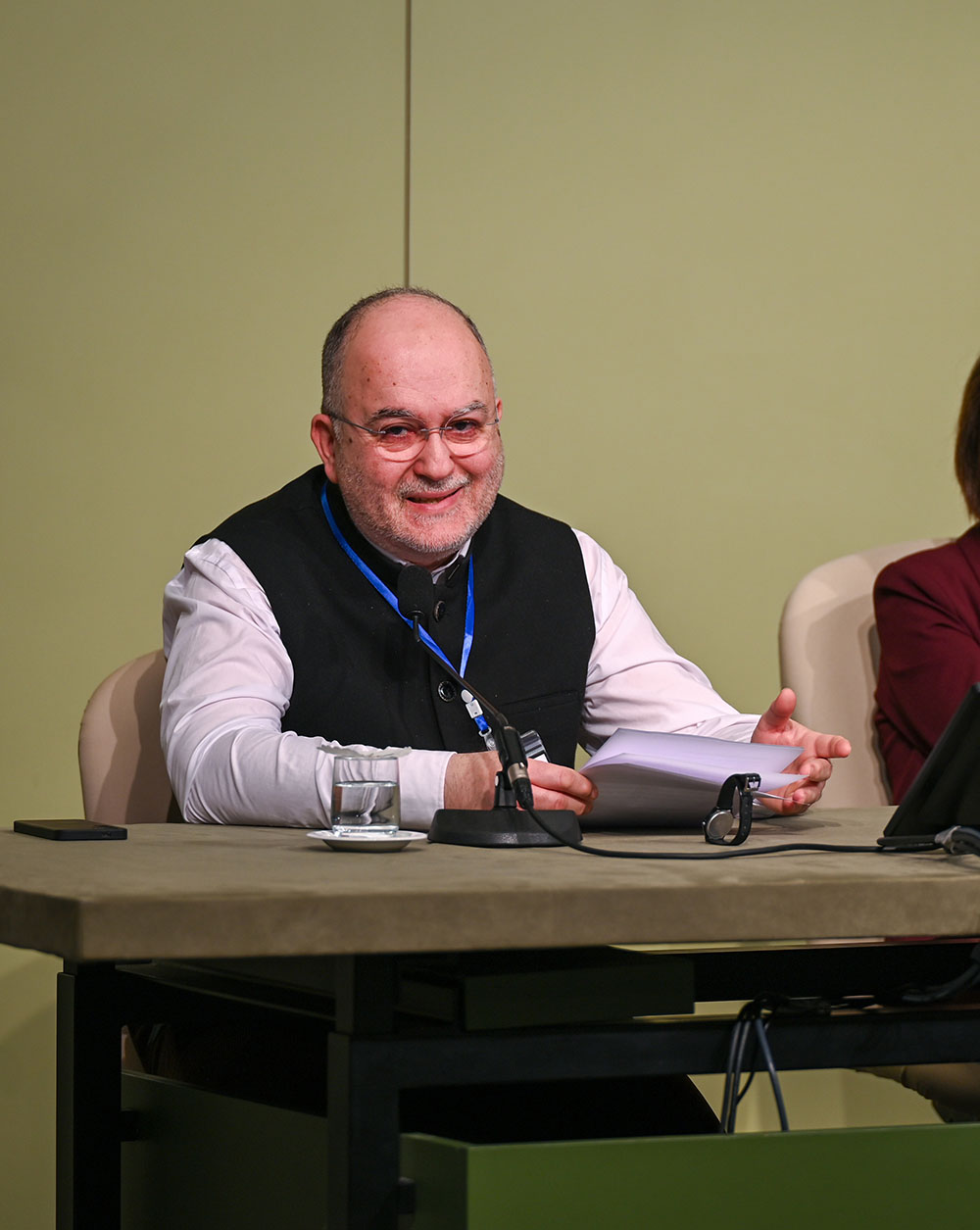
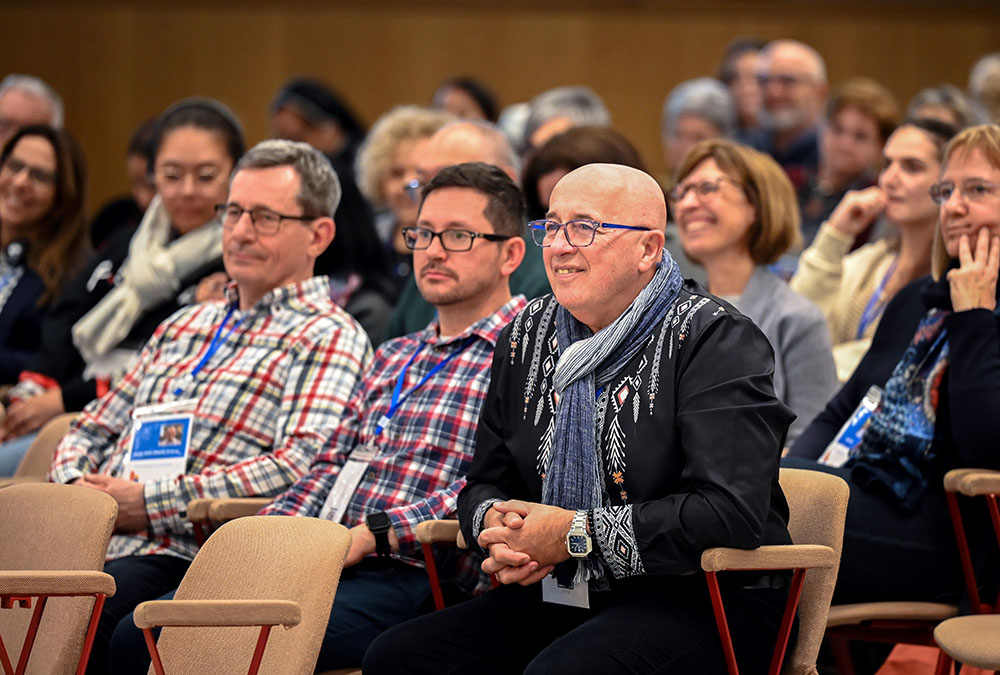
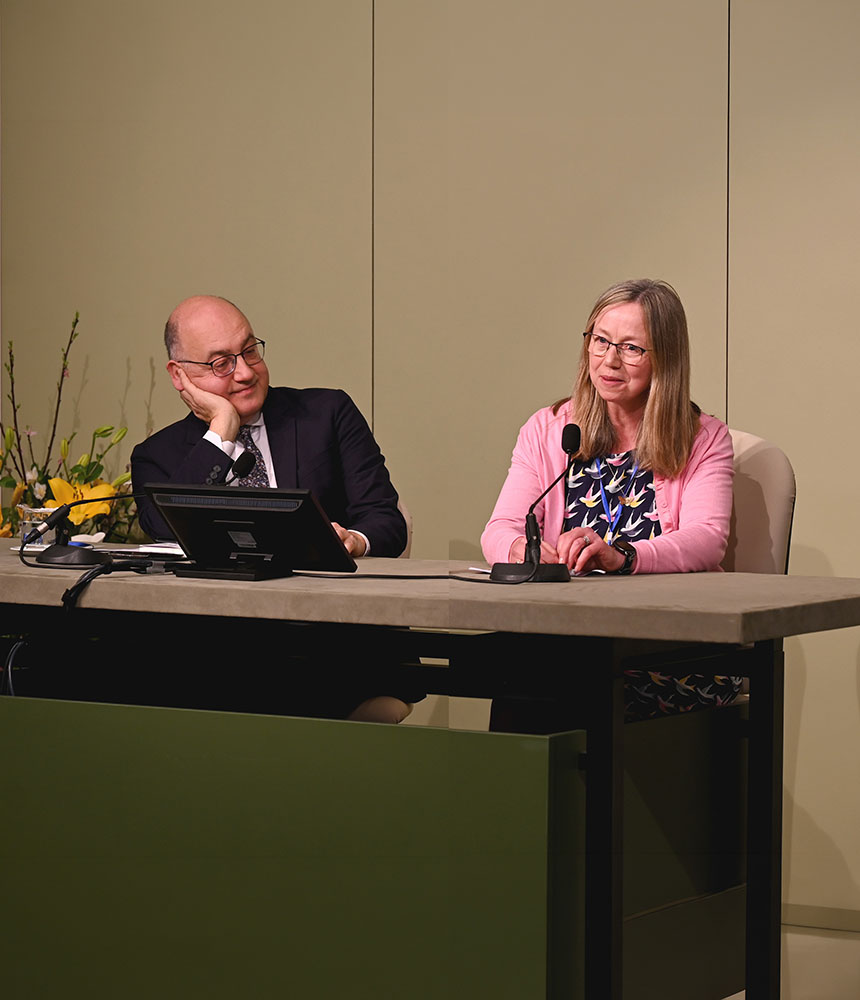
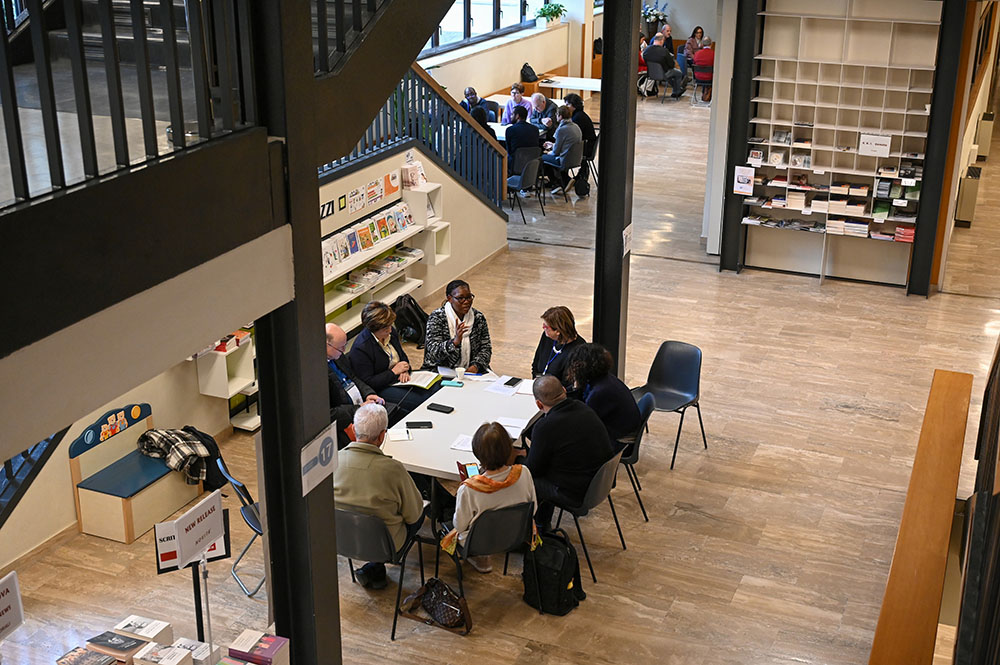
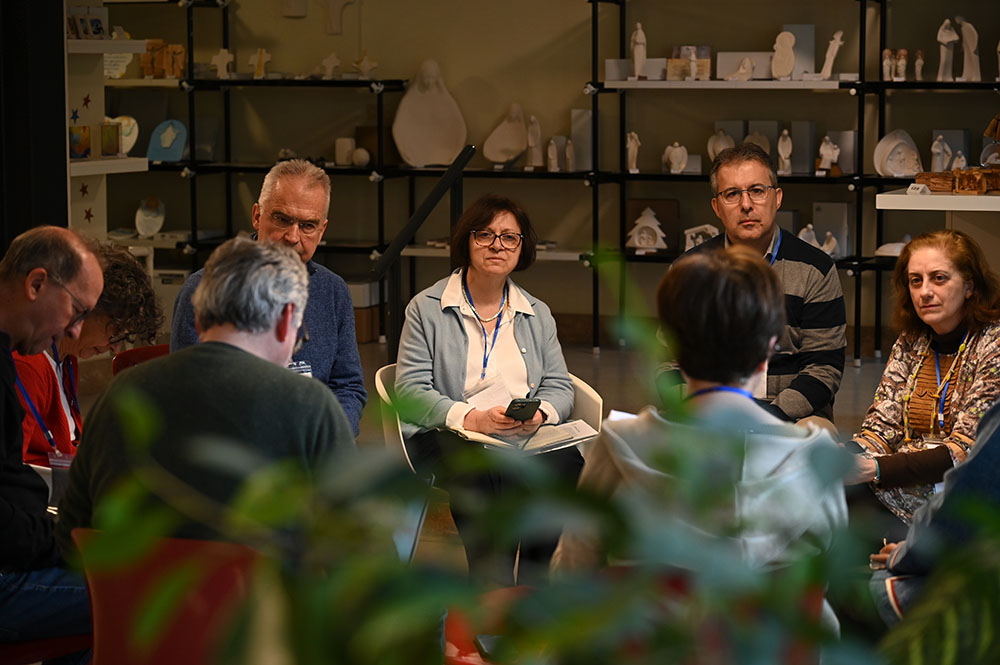
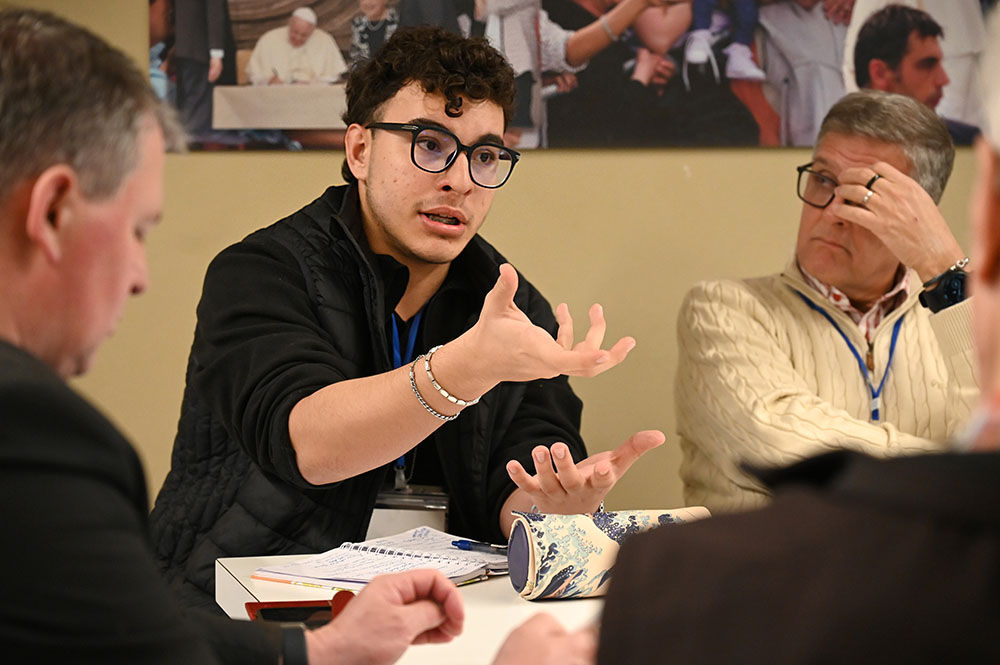
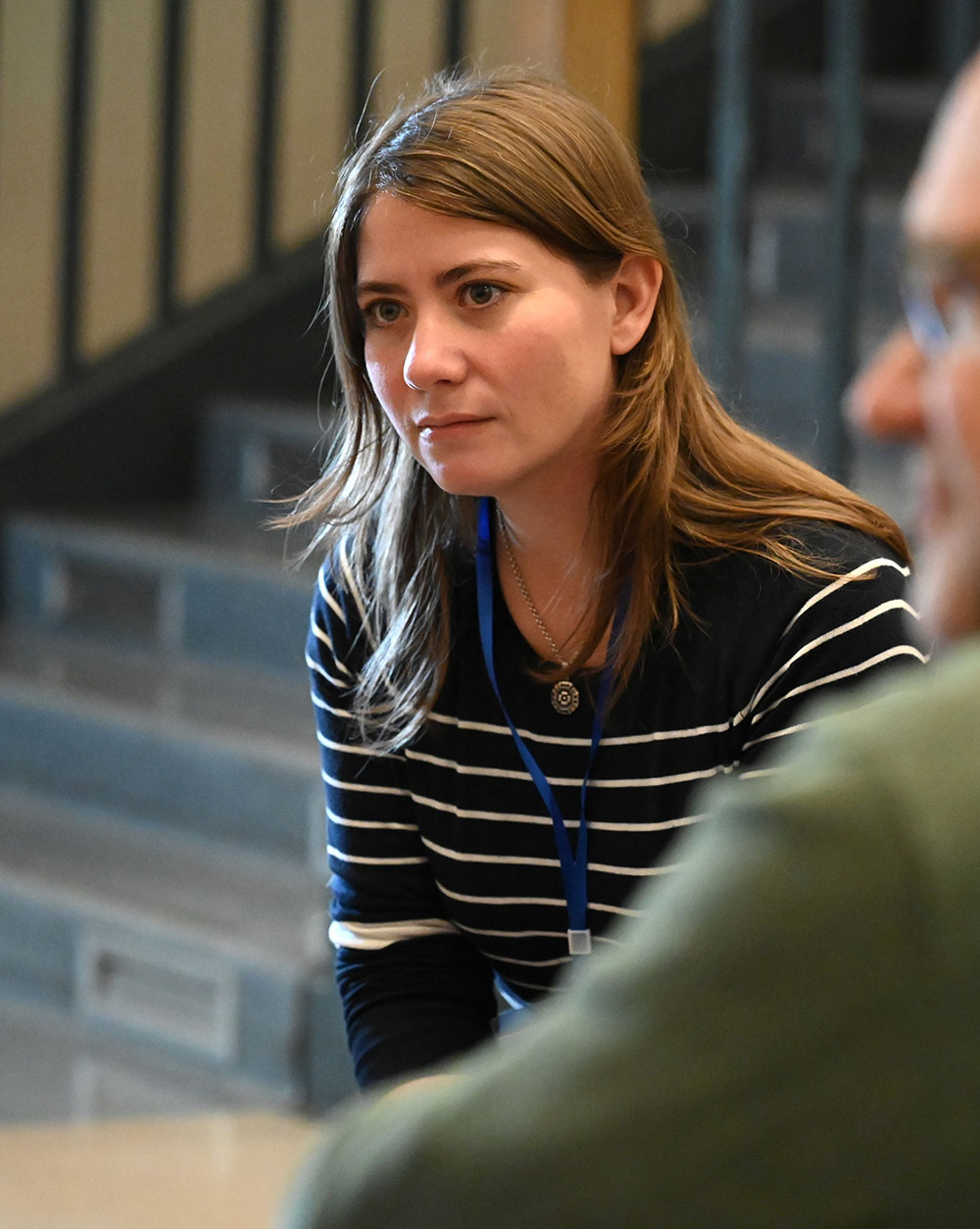
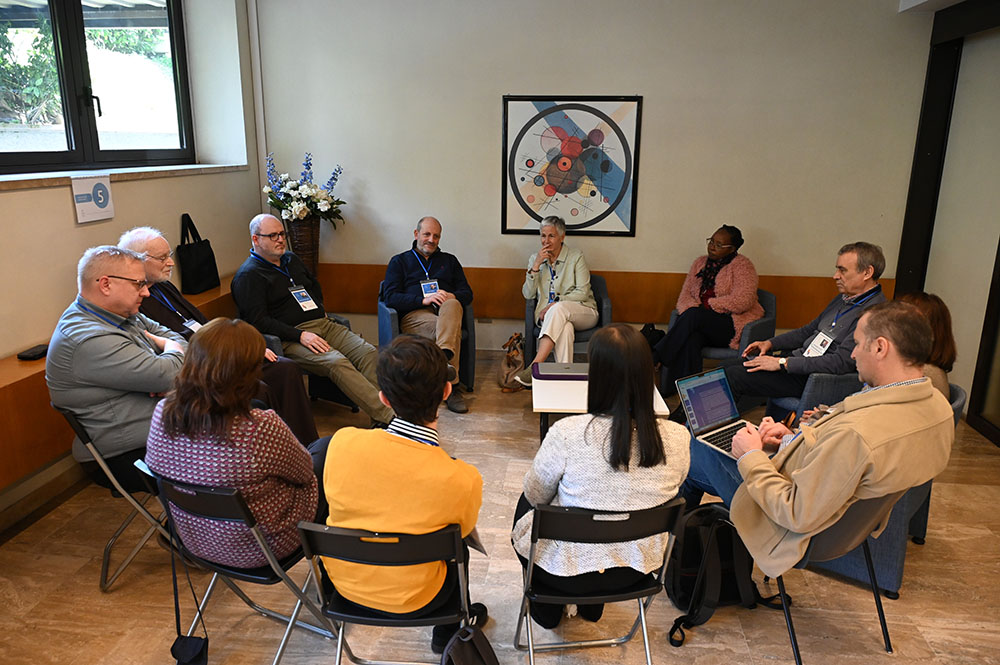
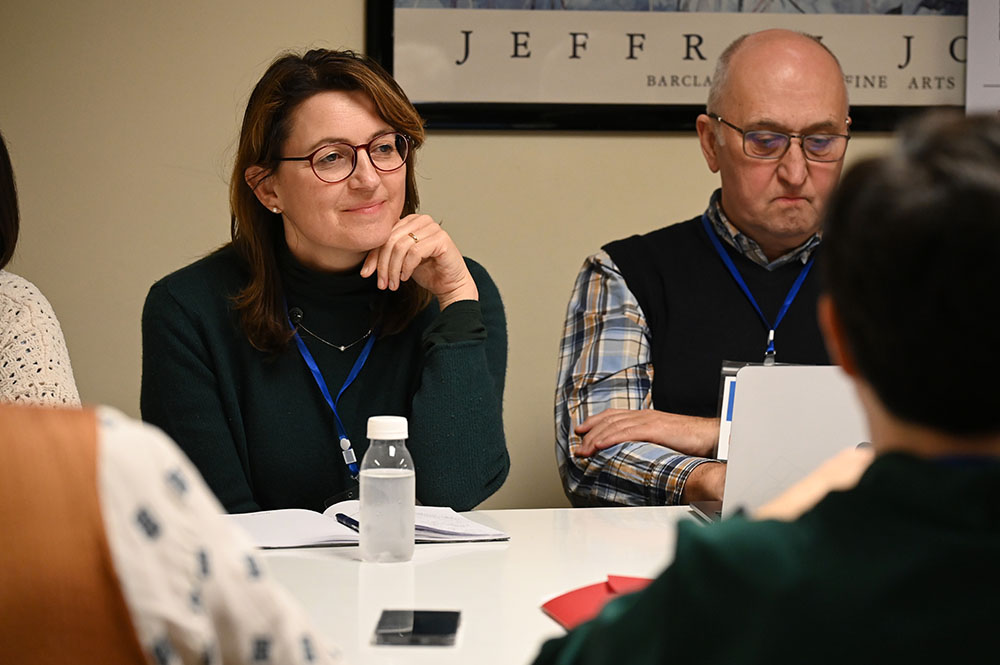
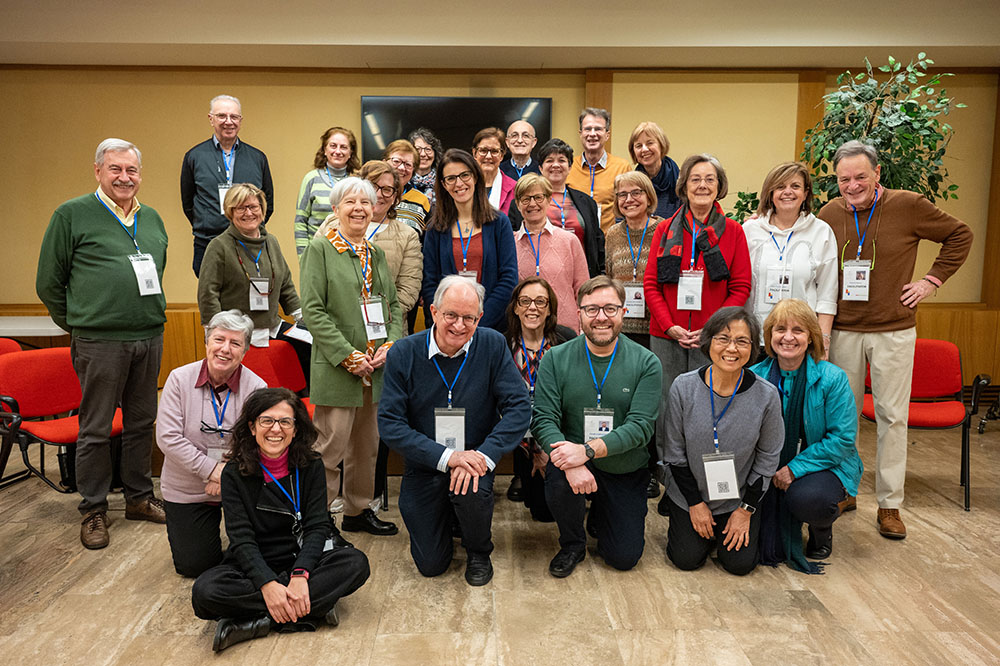
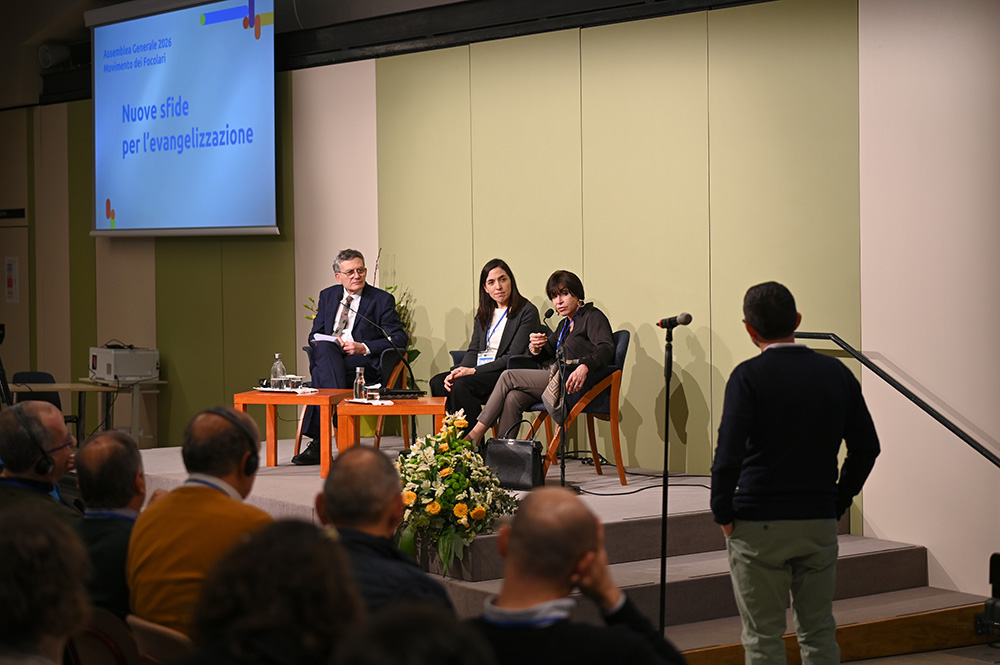
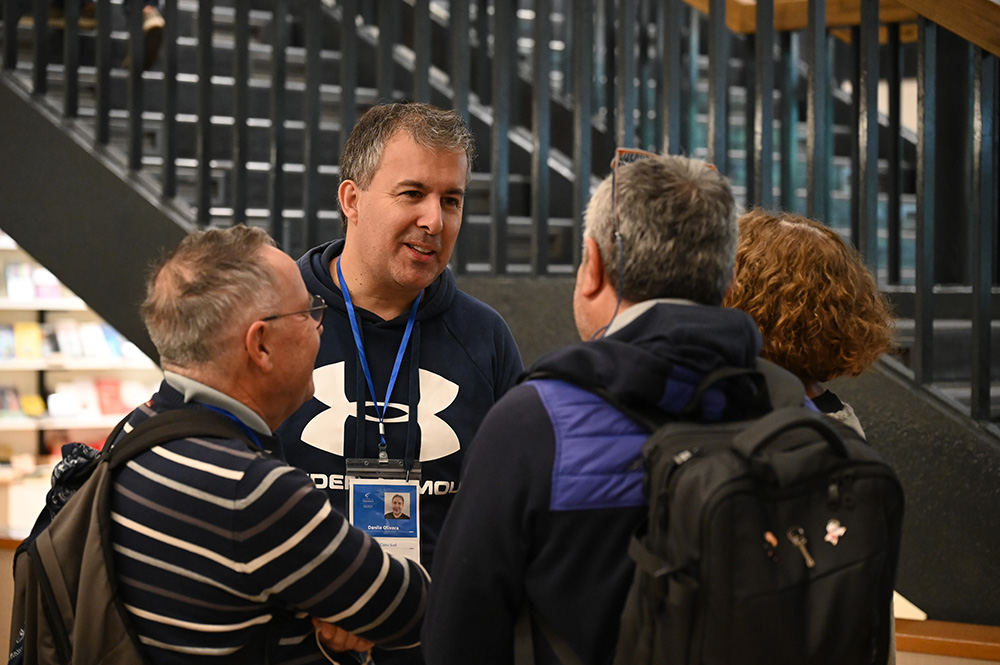
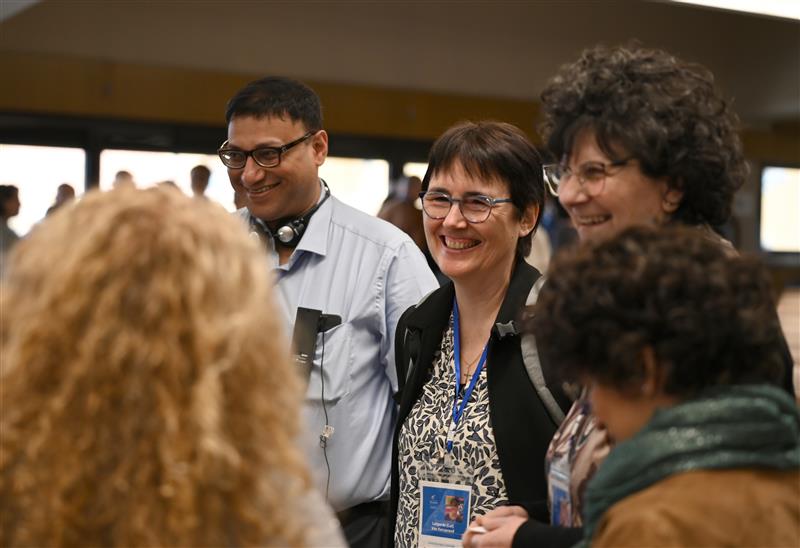
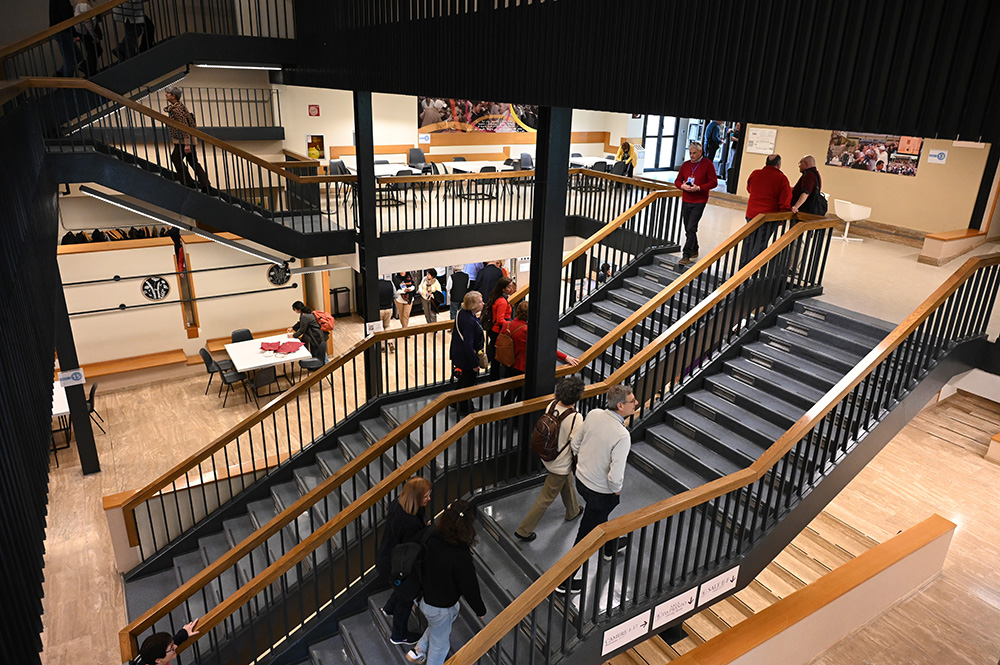
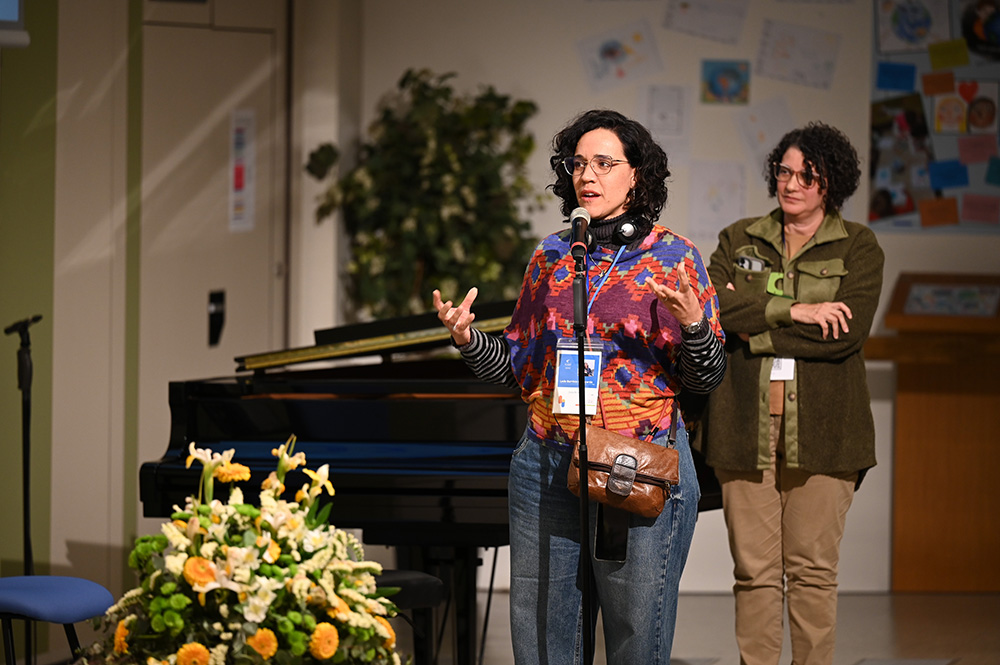
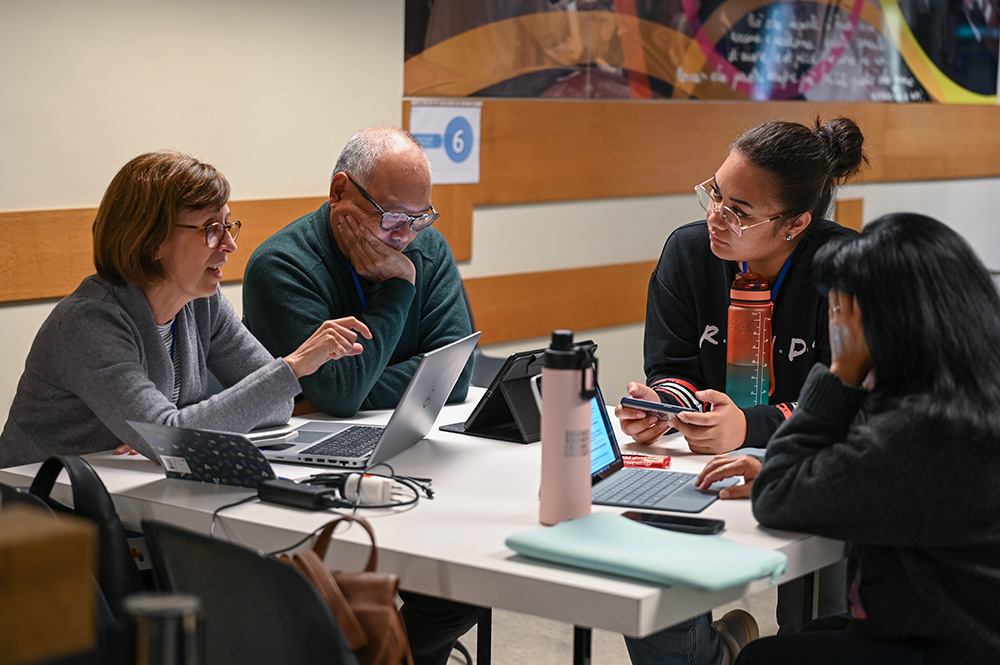
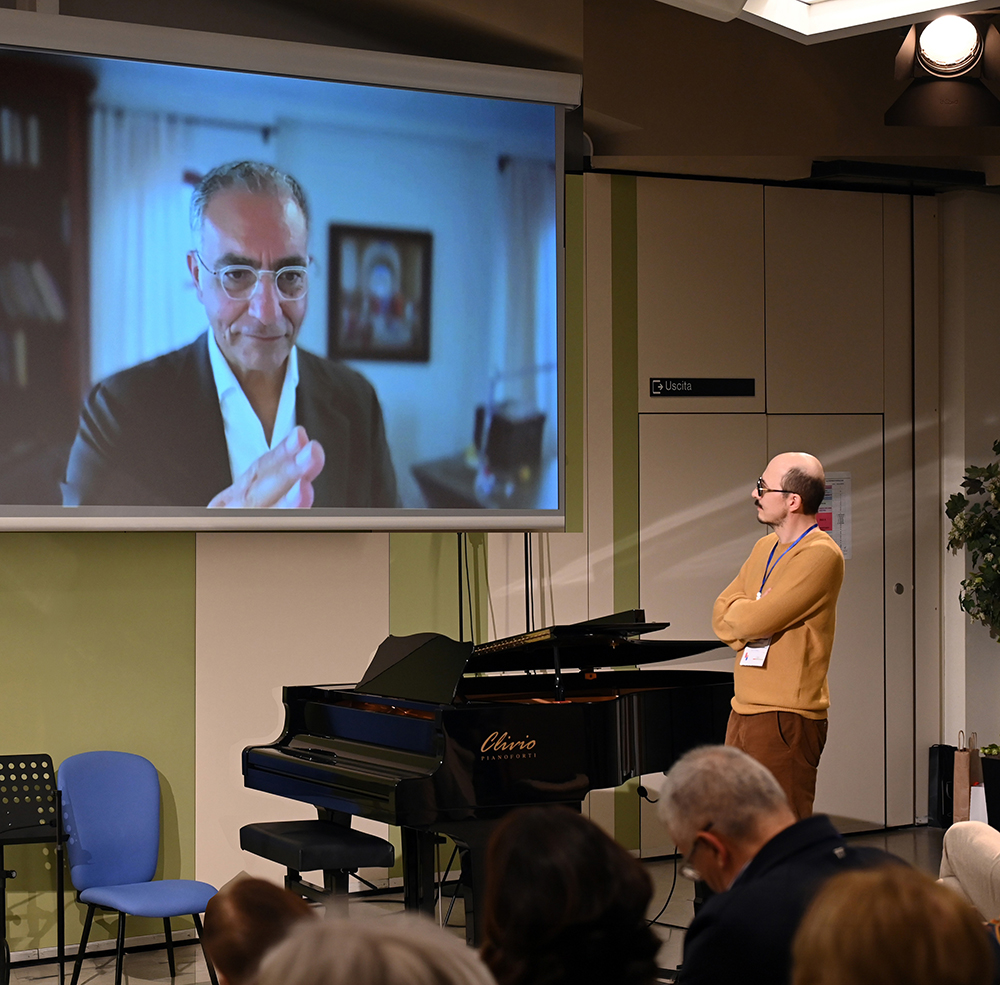
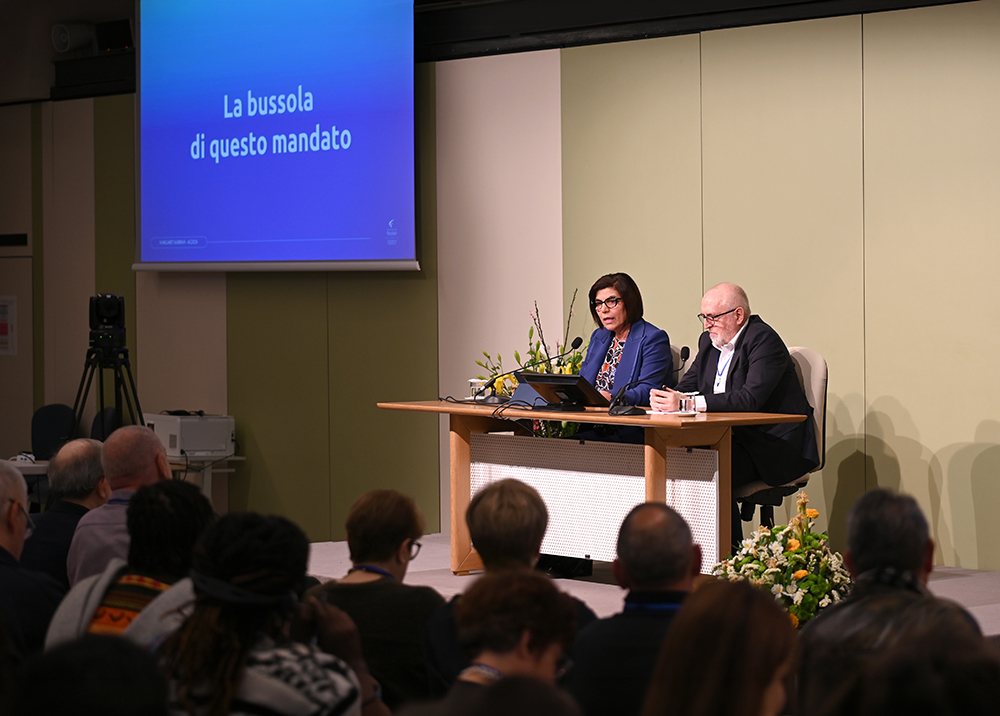
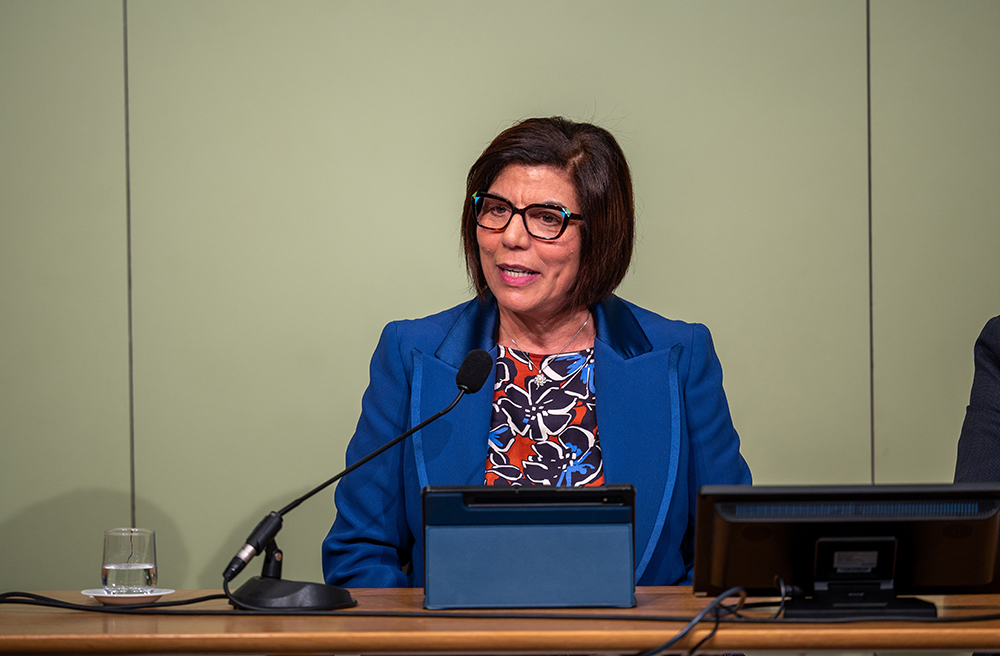
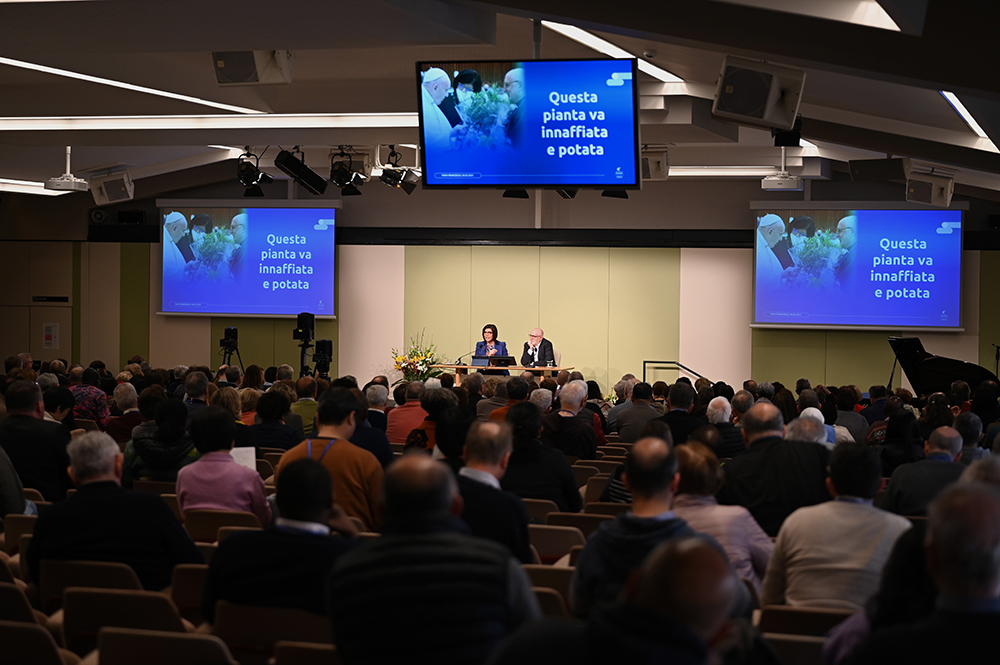
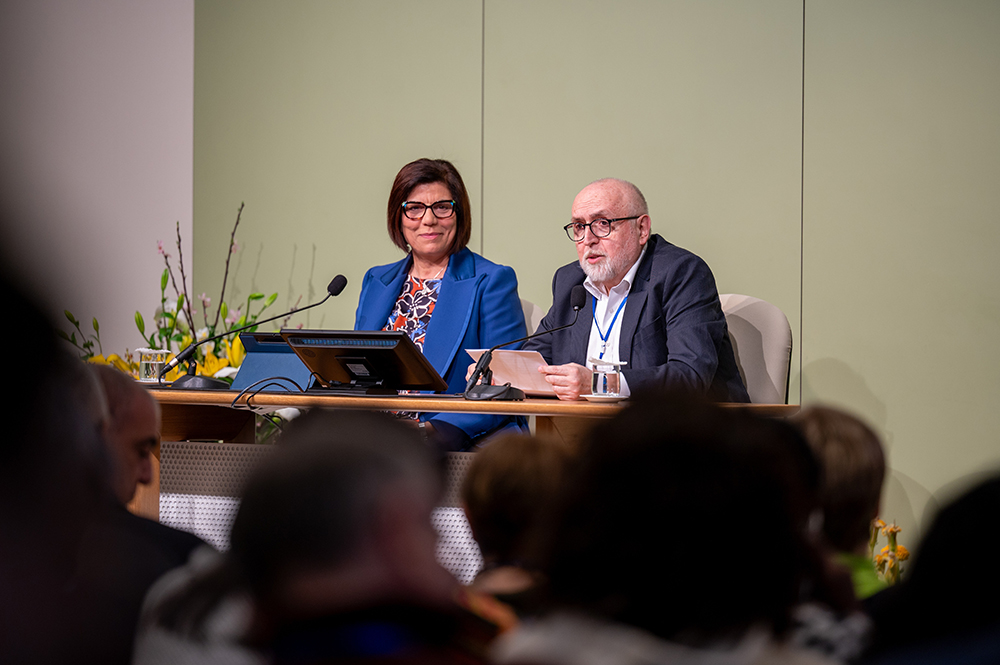
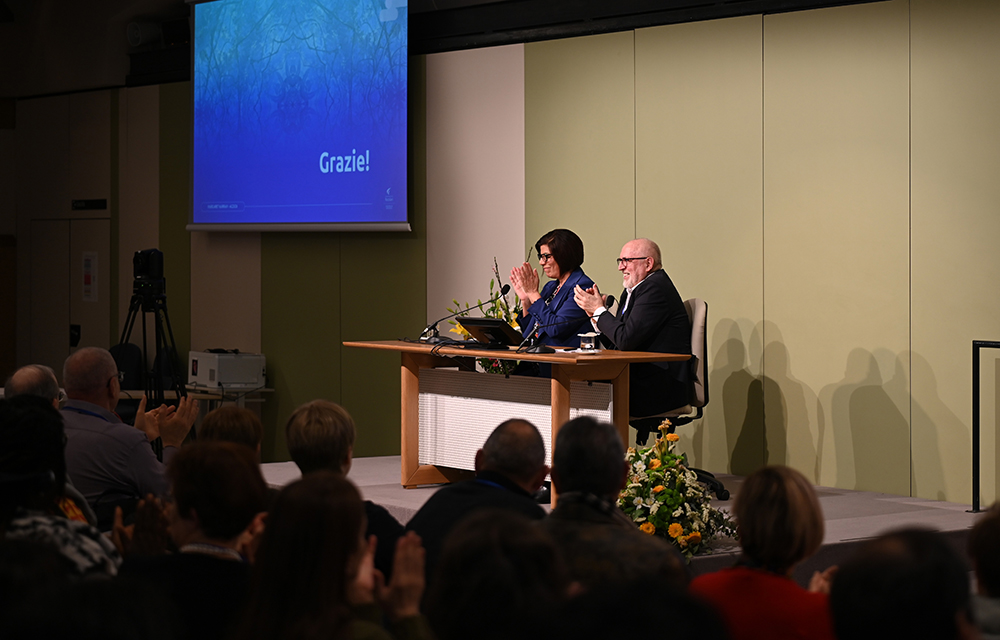
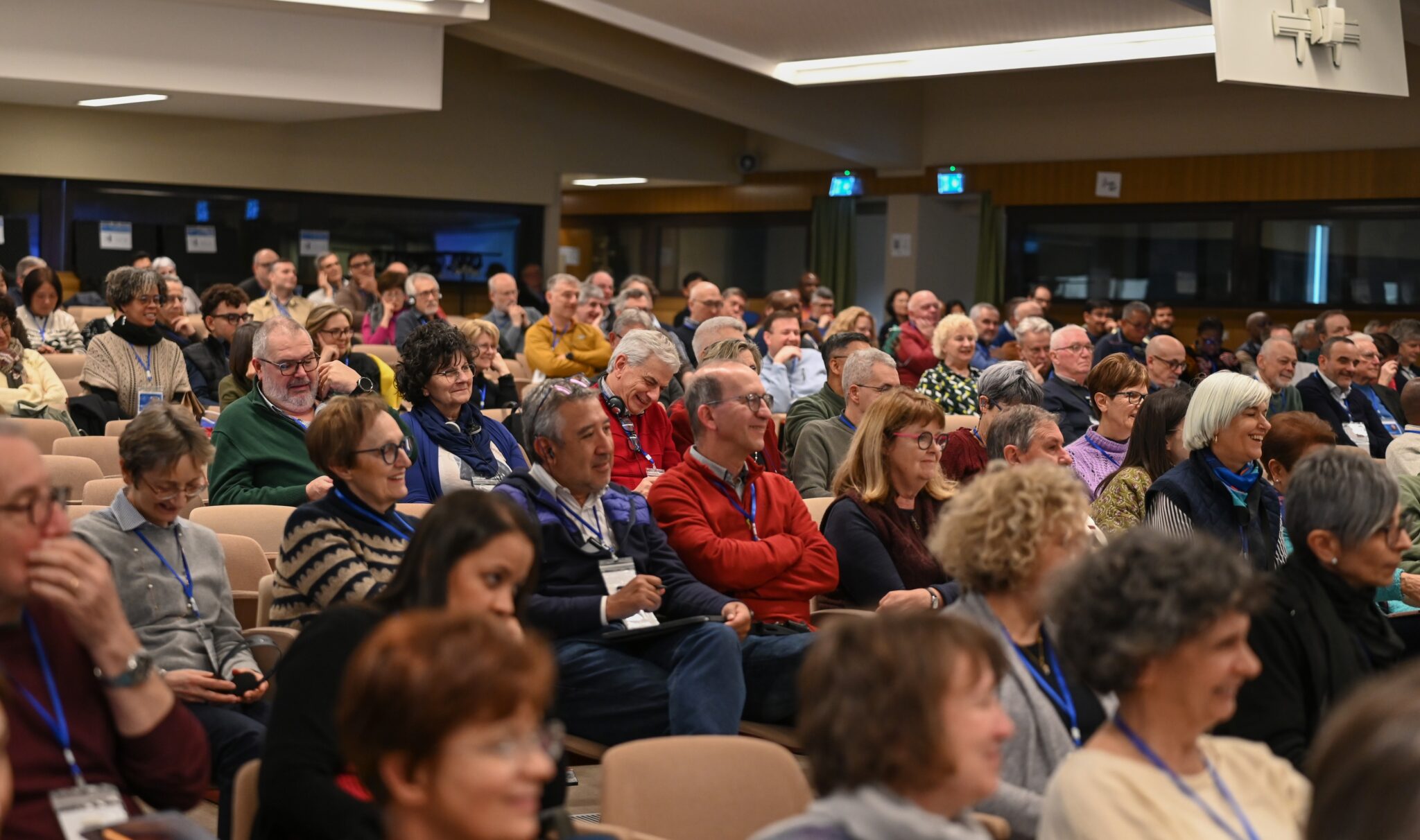
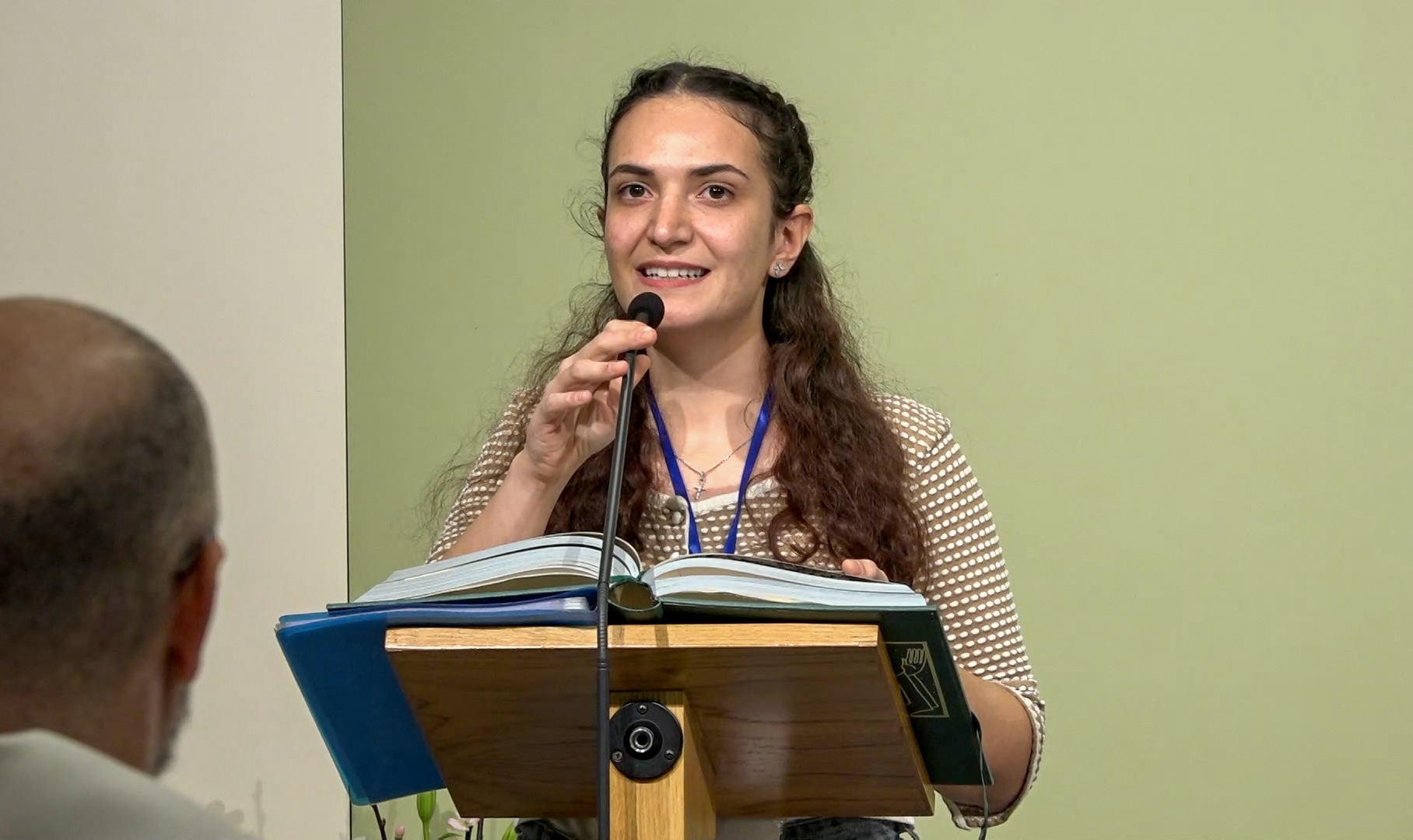
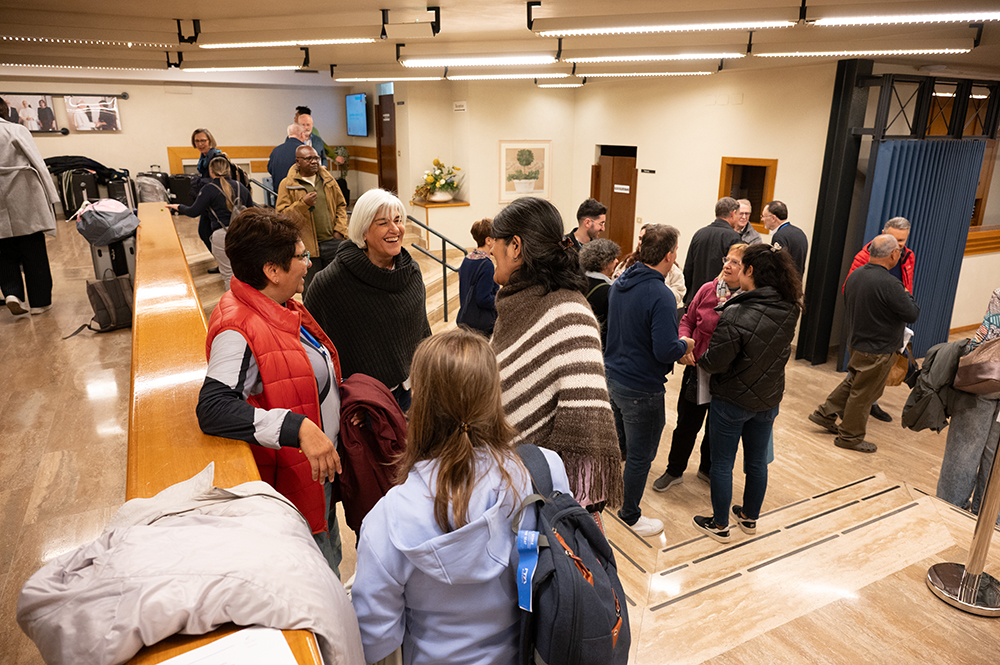
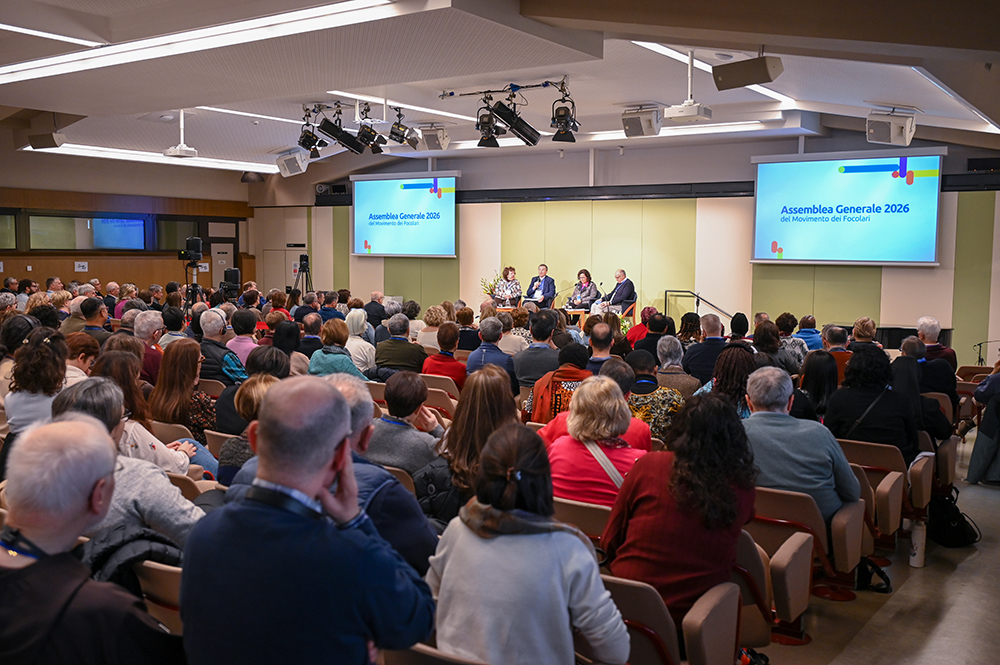
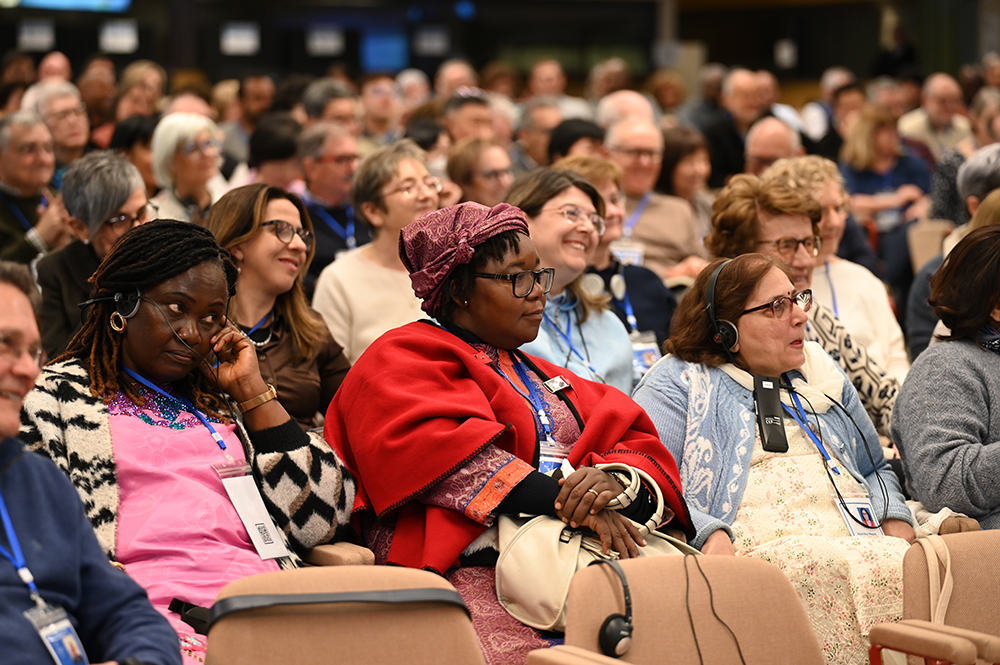
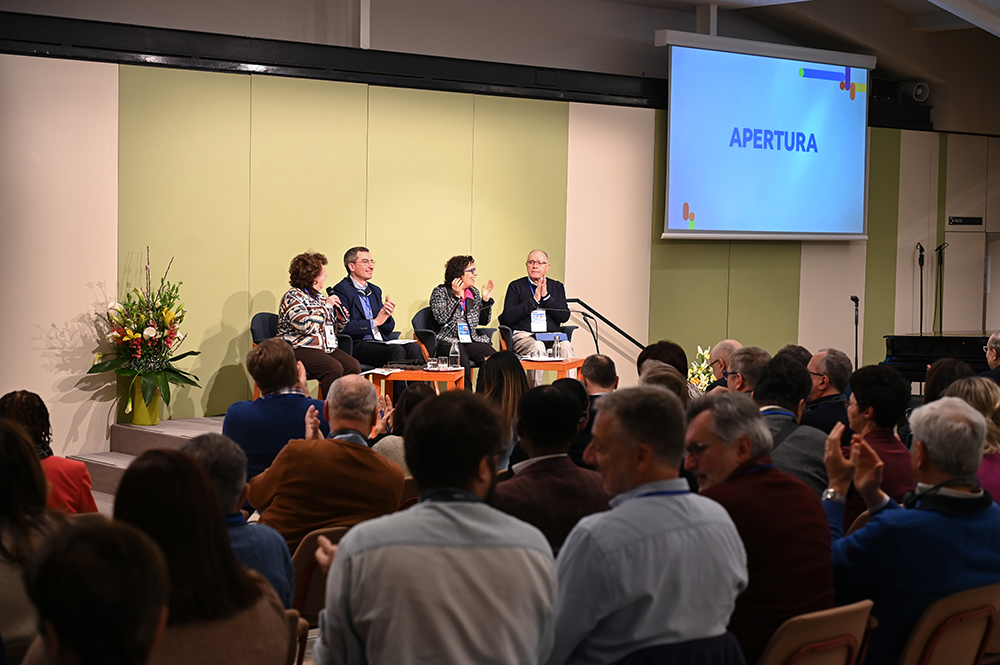
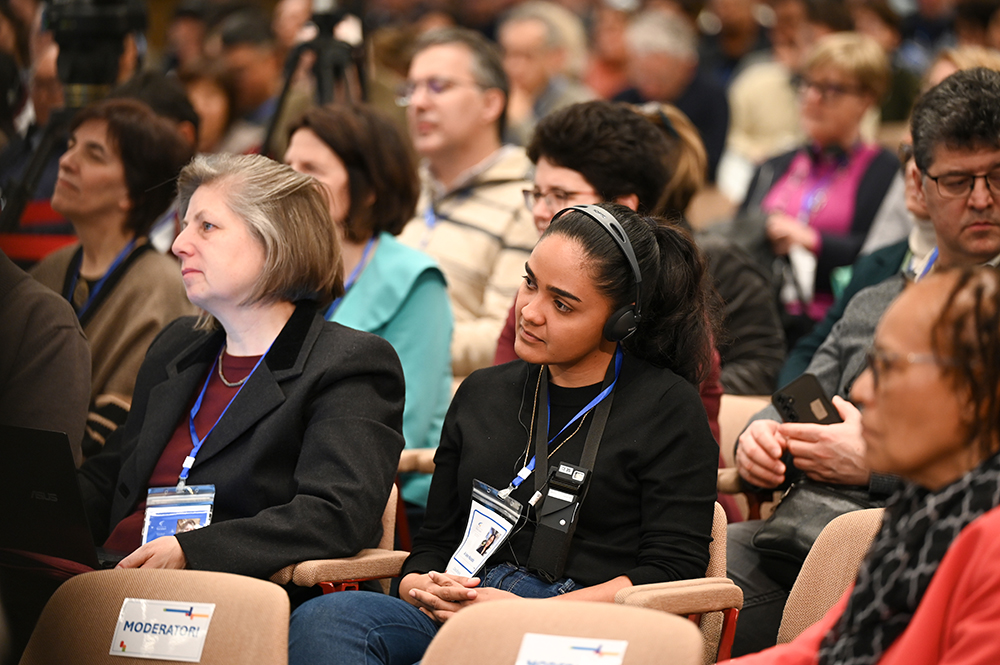
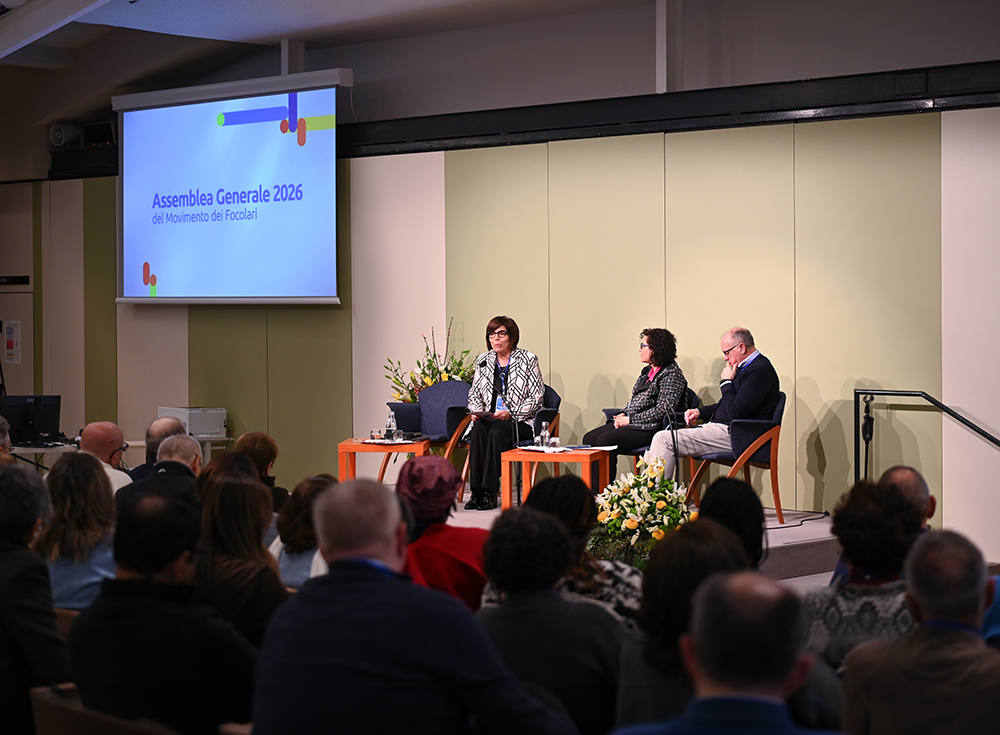
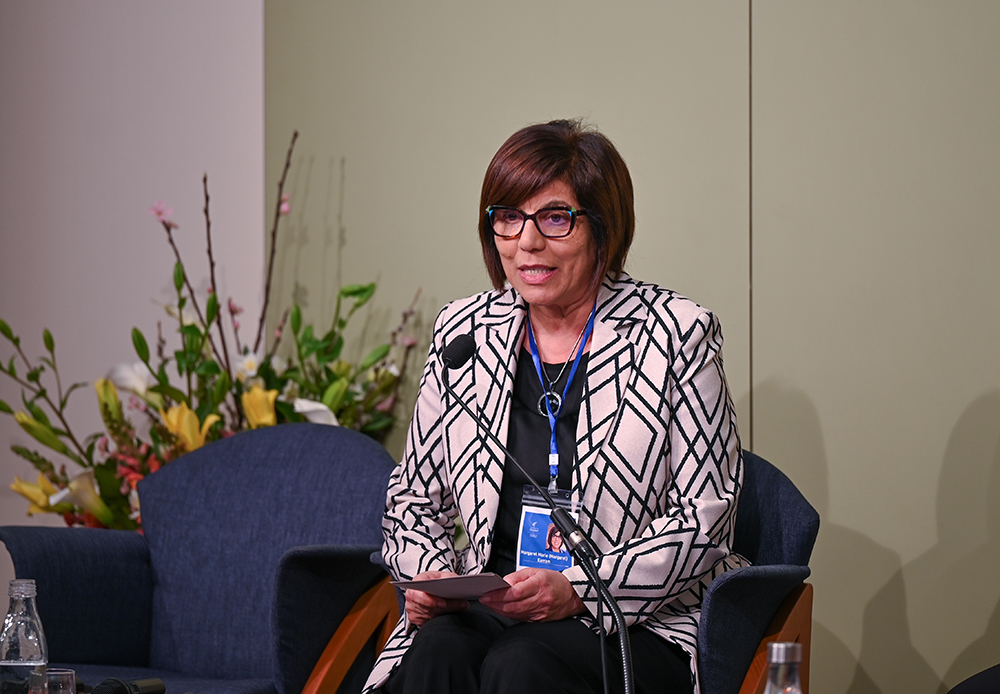
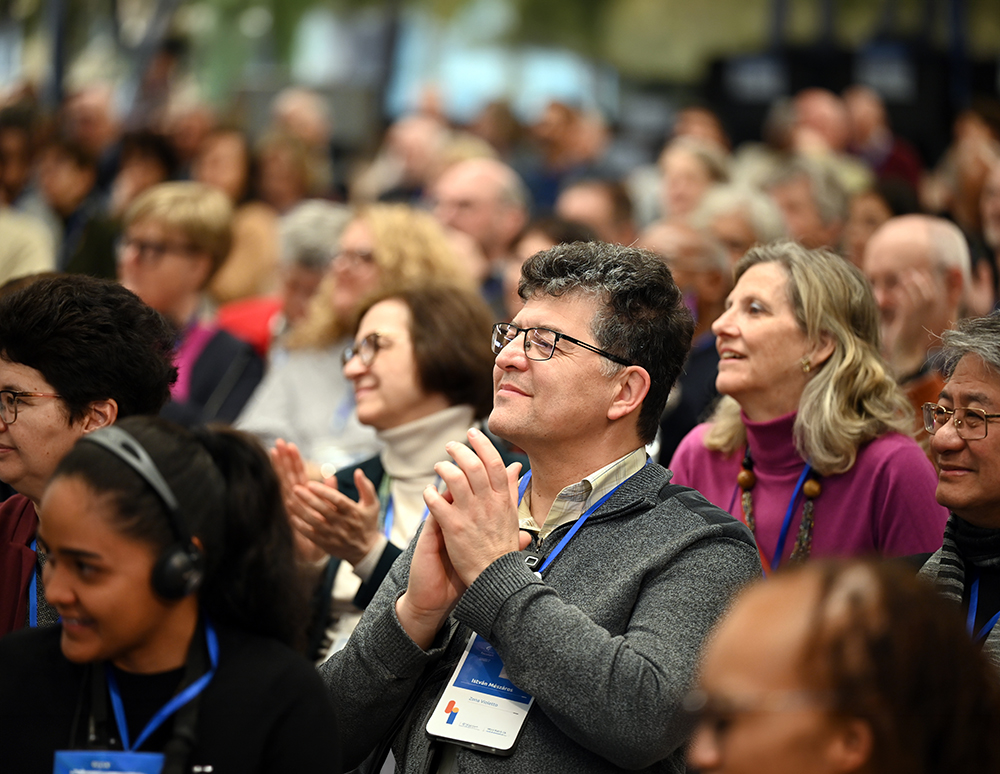
A true source of pastoral encouragement, the fruit of a profound understanding of the times we are living in: this is how we perceived the words spoken by Pope Leo XIV at our meeting with him on the 21st of March. It was a moment of special grace and deep joy that left an indelible mark on the hearts of the 300 participants at the audience in the Vatican. We had just concluded the General Assembly, which is convened every five years to elect the President, Co-President and governing body of the Work of Mary – Focolare Movement, and we have taken the Pope’s words to heart as a source of wisdom for the future and for the service we are called to offer today to the Church and to the world.
The Pope began by acknowledging the gift that the charism of Chiara Lubich represents for the Church: a gift that has shaped the lives of so many people, families, consecrated persons and priests, and which continues to bear fruits of communion, of dialogue and of peace in the most diverse contexts. At the same time, he has located this gift within the living dynamics of history, reminding us that every charism is entrusted to the responsibility of those who receive it and are called to live it out in ever-new ways.
Pope Leo XIV has reaffirmed for us the essence of our charism: unity. A unity that does not stem from organisation or strategic planning, but which is “the fruit and reflection of Christ’s unity with the Father”. For this reason — he reminded us — it must not be confused with uniformity of thought, of sensitivity or of lifestyle. On the contrary, authentic Gospel-based unity values differences, respects the freedom and conscience of each person, and is built on mutual listening and the shared search for the will of God.
In this time, marked by deep polarisation, social tensions and armed conflicts, the Pope has pointed to unity as a true prophetic strength. A simple yet powerful seed, capable of combating “the poison of division” that pollutes hearts and relationships, through the Gospel-based witness of dialogue, forgiveness and peace. This is a call that we deeply feel as our own and which challenges every member of our Movement to be a force for reconciliation in everyday life.
With particular clarity, the Pope then outlined a specific responsibility for this post-foundational phase, that is, the period following the death of our foundress, Chiara Lubich. This is not a season that has now come to an end, but a time that is continuing and which calls for constant, mature and, above all, shared discernment. He urged us to distinguish what is essential to our charism from what, even if it was part of our history, is no longer necessary, or has shown over time its limits, ambiguities and shortcomings. This discernment — he emphasised — cannot be entrusted to a few people but involves the entire body of the Movement. The charism, in fact, is a gift of the Holy Spirit, and everyone has the right and the duty to feel jointly responsible for the Movement to which they have committed themselves with dedication.
I would also like to quote the words spoken by the new co-president, Fr Roberto Almada, as he commented on this part of the Pope’s address, recognising its great significance: he noted how the Pope had spoken to us “like a father”. He then added that the Pope has encouraged us on the path we have in fact been following for some years now – listening to those who have suffered and reviewing our procedures – but at the same time he has called us to a deeper conversion.
The conversion to which the Pope calls us begins with a personal change of mindset; it is therefore not merely a matter of reforming structures or institutions. At the heart of it all lies the way we live out our relationships, respect for the dignity of the person, and the correct exercise of roles of responsibility, lived as a service. In this sense, the Pope has reminded us that only a Gospel-based approach can allow the “beauty” of the Gospel to shine out in our relationships and structures.
I was particularly struck by Pope Leo XIV’s emphasis on charity as the essential nourishment of unity. Referring to the First Letter to the Corinthians, he recalled that charity is patient, generous and respectful, and that without it, unity risks becoming meaningless. In these words, I recognised the heart of the intuition of Chiara Lubich, who saw in unity not merely a spiritual ideal, but the “rock” upon which the whole life of the Movement is based.
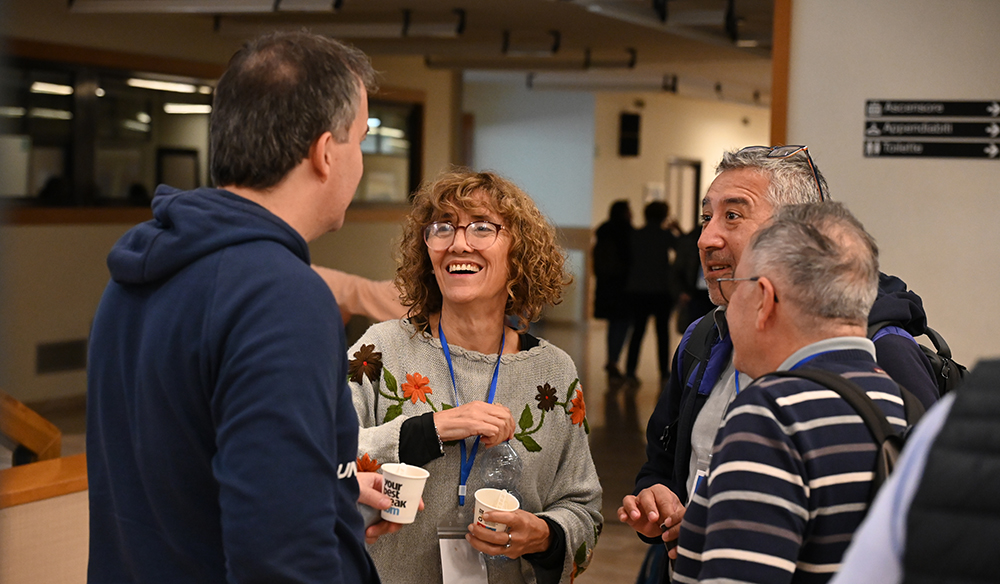
A new mandate is now beginning for the Focolare Movement; five years in which we feel that looking to the future means to embrace and to bring about a real turning point. A turning point that calls for personal and communitarian conversion, a renewed awareness of the cry of humanity today, and a commitment to bear witness to unity not so much through words as through our lives. Our General Assembly, which was made up of people representing all vocations, a variety of cultures, languages and nations, allowed us to experience the richness of a widespread shared responsibility and a new enthusiasm: signs that the Spirit is continuing to accompany us even during this delicate transition.
With deep gratitude, we therefore take to heart the Pope’s encouragement and his invitation to continue on this journey. We do so with humility and trust, confident that, if we live unity as a free gift and as a daily task, it will be able to contribute to the Church’s mission and increasingly become a force for peace for the world.
Margaret Karram President of the Focolare Movement
… Which word is it that the Holy Spirit imprinted like a seal on this house, on our Movement, when God first thought of it and started forming it here on earth?
We know what it is. The word is “unity.” Unity is the word that sums up our entire spirituality. Unity with God, unity with our neighbours. Or rather, unity with our neighbours in order to reach unity with God.
The Holy Spirit, in fact, revealed to us a way that is distinctly ours, a fully Gospel-based way to unite us with God,
to find God. … We seek God and find him by passing through our neighbour, by loving our neighbour. We find God when we strive to bring about unity with our neighbour, with every neighbour, if we establish the presence of Jesus among us. Only in this way are we guaranteed unity with God and we can find him alive and beating in our hearts. It is this unity with God which then, in turn, urges us to go out to our neighbours, and helps us to ensure that our love for them is not pretence, nor insufficient, or superficial, but rather is radical, full and complete, given substance through sacrifice, always ready to give our life, and capable of bringing about unity.
Our Statutes place unity at the basis of everything, as the norm of every norm, as the rule to be
observed before every other rule. Unity is the word for us; it is the rock.
We have no meaning in life except in this word, where everything acquires meaning – our every action, every prayer, every breath. And if we concentrate on living this word, if we live it as well as we possibly can, everything will certainly be safe, we will be safe and also that part of the Movement entrusted to us will be safe.
Perhaps, in the future, the Work of Mary, both as a whole or in some of the zones,
will go through quite different times from what we are experiencing now, when we have so many consolations, fruits, light, fire.
Moments of darkness or despair may well arise, there might be persecutions
or temptations. … There might be misfortunes or disasters… But if we stand firm on the rock
of unity, nothing can touch us, everything will go ahead as before.
Chiara Lubich in “Conference Calls – Conversations via Telephone and Satellite Connections”, 2022 New City, pages 342-344
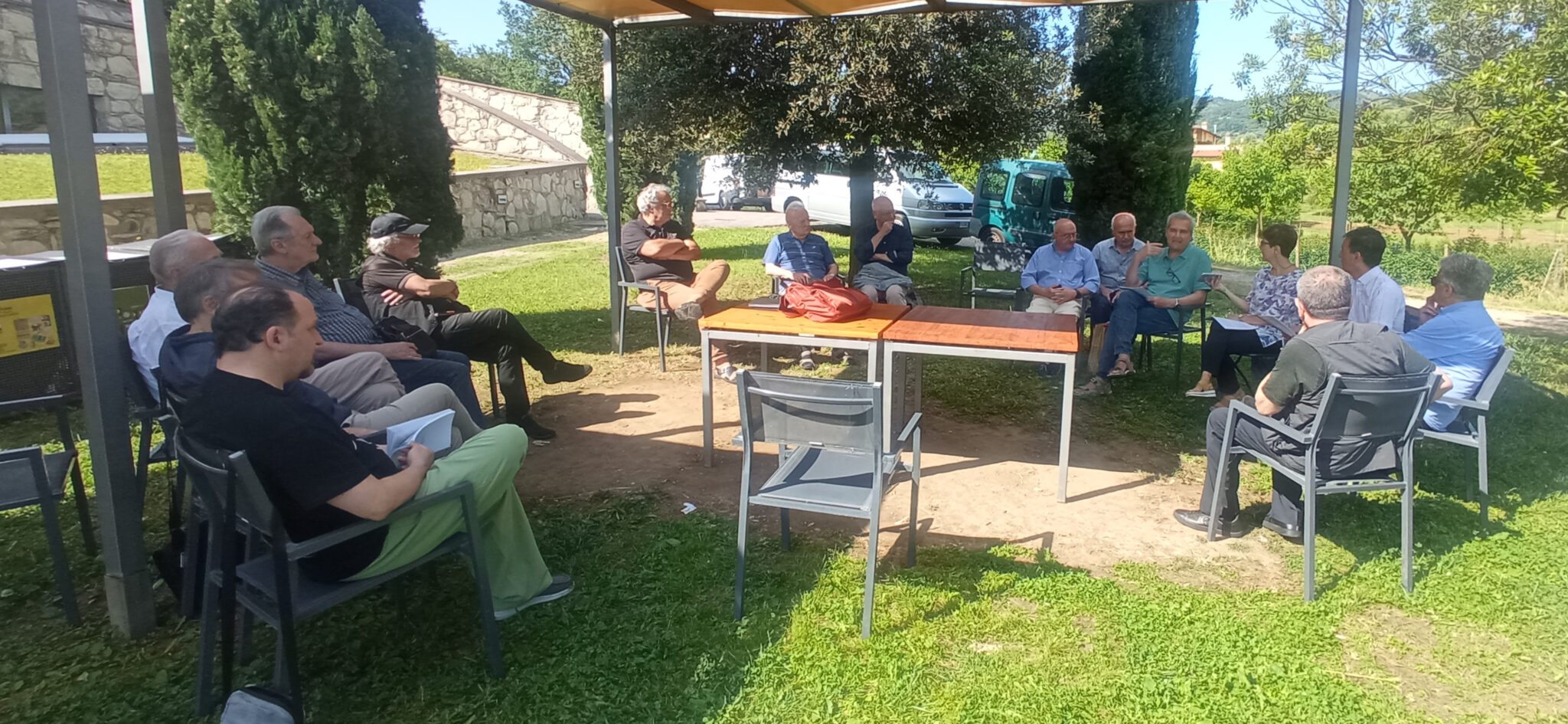
At the launch of the website of the “Co-citizens of Loppiano”, Roberto Brundisini told us that returning to Loppiano after many years reawakened feelings and dreams and inspired the idea of starting new projects.
“One day I went back to visit Loppiano, where I had previously lived for some time. I realized that I felt at home there. I was surprised that I had stayed away for so long and I thought of many others who, like me, had lost touch with this reality. I expressed my thoughts, that this is the home not only of those who live there but also of those who love it. And I know there are many.
Foto: Horacio Conde
The word spread, dormant circuits were reactivated and, as if from a long hibernation, old and new faces were awakened. Loppiano exists, it’s there, it’s still there! The dreams that had fallen asleep come alive again, with a humble determination. Because the dreams that remain in the drawer grow mould.
So, what should we do? Where can we start first?
Then it hits us, maybe we can establish an energy community. “Yes,” someone replied. Maybe we could set up an alternative agriculture. Fantastic! Contribute to the urban and environmental reorganization of the Little Town according to the criteria of Laudato Sì.
What a dream! Why don’t we organize a welcome centre where people can spend a few days relaxing and re-educating themselves regarding nature and human relationships? Fantastic – someone else continued – I would love there to be a hub, a meeting space for cultural exchanges between young people and perhaps also between artists. Sounds exciting! What if we set up a Web-radio with a universal outlook, given the variety of skills, experiences and knowledge that many of us, scattered across the globe, have acquired over the years? Another dream (…)”
During a recent visit to the International Centre of the Movement, we interviewed the President of the Association, Alessandro Agostini and one of the councillors, Nicola di Settimo.
Turn on subtitles and choose your desired language
Interview Anna Lisa Innocenti e Carlos Mana Editing: Joaquín Masera.
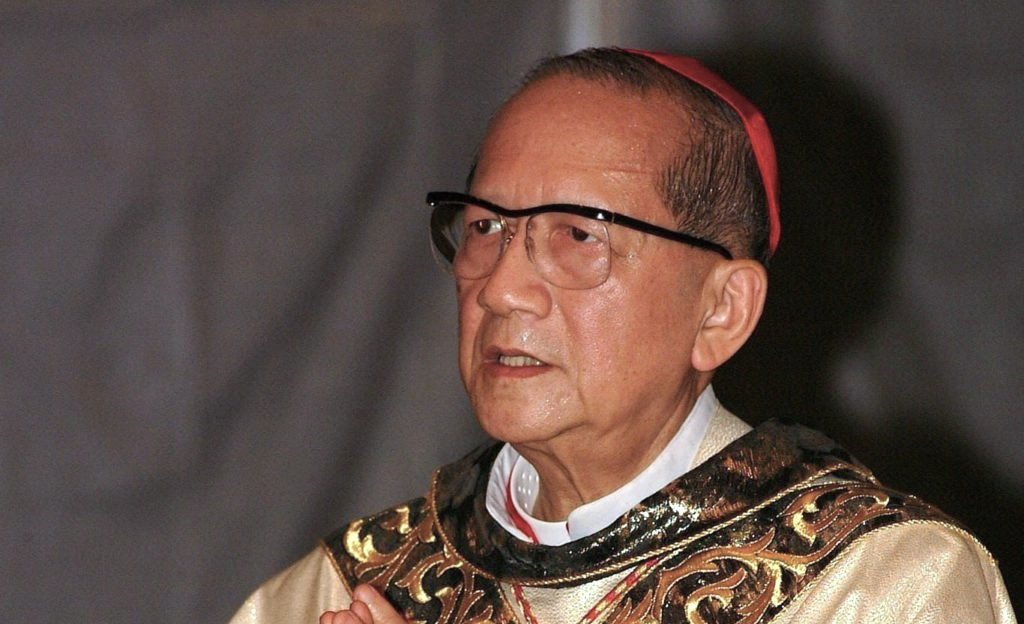
“In order to hold on firmly to your faith, you must choose the Road of Hope followed by the disciples of Christ”. This is one of the 1001 thoughts addressed by the then Archbishop François Xavier Nguyễn Văn Thuận to his faithful during his long years of imprisonment for his faith: a collection of reflections, warnings, and encouragements, later collected in the book “The Road of Hope”, considered the “spiritual testament” of the Vietnamese Cardinal, declared Venerable by Pope Francis.
On the occasion of the 50th anniversary of the book’s publication, the Cause for Beatification of Cardinal Văn Thuận and the Dicastery for Promoting Integral Human Development, which is acting as the promoter of the cause, together with the Dicastery for the Clergy, the Città Nuova Publishing House, and the Diocese of Rome, wish to honor the memory of the Vietnamese Cardinal by celebrating a conference entitled “François Xavier Nguyễn Văn Thuận. Witness of Hope ”.
The event will be held on March 25 in Rome, at the Sala dei Trattati Lateranensi, in the Palazzo Apostolico Lateranense, from 4:00 p.m. to 5:30 p.m.
Ms. Élisabeth Nguyễn Thị Thu Hồng, sister of Cardinal Văn Thuận, will be present.
Through the testimony of those who knew him, and with excerpts and music from his writings, the conference aims to highlight the relevance of Cardinal Văn Thuận today: a faithful pastor who was able to transform his experience of imprisonment into a space of prayer, forgiveness, and sacrifice, showing how the light of the Gospel can overcome all darkness. His words convey a message of hope, a universal spiritual heritage.
His Eminence Cardinal Baldassare Reina, Vicar General of His Holiness for the Diocese of Rome, will open the proceedings. Speakers will include His Eminence Cardinal Michael Czerny, S.J., Prefect of the Dicastery for Promoting Integral Human Development; Dr. Waldery Hilgeman, Postulator of the Cause for Beatification of Cardinal Văn Thuận; His Eminence Cardinal Lazzaro You Heung-sik, Prefect of the Dicastery for the Clergy; His Eminence Cardinal Luis Antonio Tagle, Pro-Prefect of the Dicastery for Evangelization.
Don Carlo Seno, priest of the Diocese of Milan and director of the “Vinea mea” Spirituality Center, will perform on the piano.
The meeting will be moderated by journalist Alessandro De Carolis of Vatican Radio – Vatican News.
During the conference, the Italian edition of the new biography of Cardinal Văn Thuận, written by his sister Élisabeth and published by Città Nuova Editrice, will be presented, with a preface by Cardinal Michael Czerny.
The event is open to the press, upon request for accreditation at the Holy See Press Office, and will be available via streaming in Italian, with simultaneous translation into English, French, Spanish, Portuguese, German, and Vietnamese.
By the Cause for the Beatification of Cardinal Văn Thuận
The life, works, and spirituality of Cardinal Văn Thuận are also illustrated on the website dedicated to him, in several languages, at https://www.cardinalvanthuan.va/it.html
The arrival of Pope Leo XIV was greeted by a warm applause from the 320 participants at the General Assembly of the Focolare Movement, who had been received in audience at the Vatican. “With that applause,” said the newly elected Co-President, Roberto Almada, “we wanted to express our joy. I was struck by his appreciative and encouraging gaze towards all those who are part of the Movement: priests, families, young people and focolarini.
Right from the outset, Pope Leo XIV drew attention to the root of the charism: “Each of you has been drawn to the charism of the Servant of God Chiara Lubich”. He emphasised that unity remains at the heart of the gift that the Holy Spirit offers to the Church and to the world today.
A people of peace called to be a shield against barbarism
The topic of peace featured prominently in the Pope’s message. He acknowledged that “also through you, God has, over the past decades, prepared a great people of peace”, who are called today “to act as a counterbalance and a shield against the many people who are sowing hatred, who are dragging humanity back into forms of barbarism and violence”. These words confirmed the work of the Assembly, which reflected on how to contribute more effectively to mending social bonds, overcoming polarisation, and promoting dialogue and fraternity in the areas where the Movement is present.
Margaret Karram, re-elected as President of the Movement, commented: “The Pope has once again emphasised how, today more than ever, there is a need for unity in a divided and war-torn world. He has placed even greater emphasis on the need to live out our vocation to fraternity more fully and more effectively. I was also struck by the Pope’s appreciation for the Movement’s work in the ecumenical and interfaith contexts, as well as in other areas.”
The responsibility of the post-foundation phase
A particularly significant point concerned the historic moment the Movement is currently going through. Pope Leo XIV recalled that: “You have been entrusted with the responsibility of keeping the charism of your Movement alive in the post-foundational phase”, a phase that does not end with the generation immediately following the foundress, but which “extends even further”. He urged the Movement to distinguish, with clarity and honesty, between what belongs to the essential core of the charism and what may change over time. He clearly stated that it is necessary to discern “which aspects of your community life and your apostolate are essential, and therefore must be maintained” and “which instruments and practices, although they have been in use for some time, are not essential to the charism… or have presented problematic aspects and therefore should be given up”.
The Pope’s words on transparency – a “prerequisite for credibility” and a right for all because the charism is a shared gift – have confirmed and reinforced a direction that had already developed in the Assembly. A Movement that adopts greater shared responsibility is the necessary step towards living out unity today.
A shared process of renewal: the guidelines for the next five years (2026–2031)
The reflection on the challenges and critical issues raised by the General Assembly has highlighted that at the root of many of the movement’s current problems lies an immature understanding of unity, the founding core of Chiara Lubich’s charism; for this reason, a process of re-evaluation and deeper reflection has been initiated at all levels.
In this context, the aim is: to work towards overcoming divisions and polarisation through the efforts of communities of the Focolare Movement living in local areas and on the “peripheries” of the world, in partnership with those who share the Gospel-based principle of unity through dialogue and collaboration; to support networks committed to promoting peace and education to non-violence; developing a integral vision of care for the planet and for people; strengthening families and communities as places of closeness and mutual support. Alongside this, it is essential to promote the ethical and responsible use of technology and artificial intelligence, involving people of all generations, and to value the contribution of young people and the richness that stems from the coming together of different experiences and sensitivities.
With an approach based on the quality of relationships, on transparency, on participation and on shared responsibility, the Movement renews its commitment to work so as to ensure that every place becomes a space for encounter and collaboration, at the service of the common good and of peace.
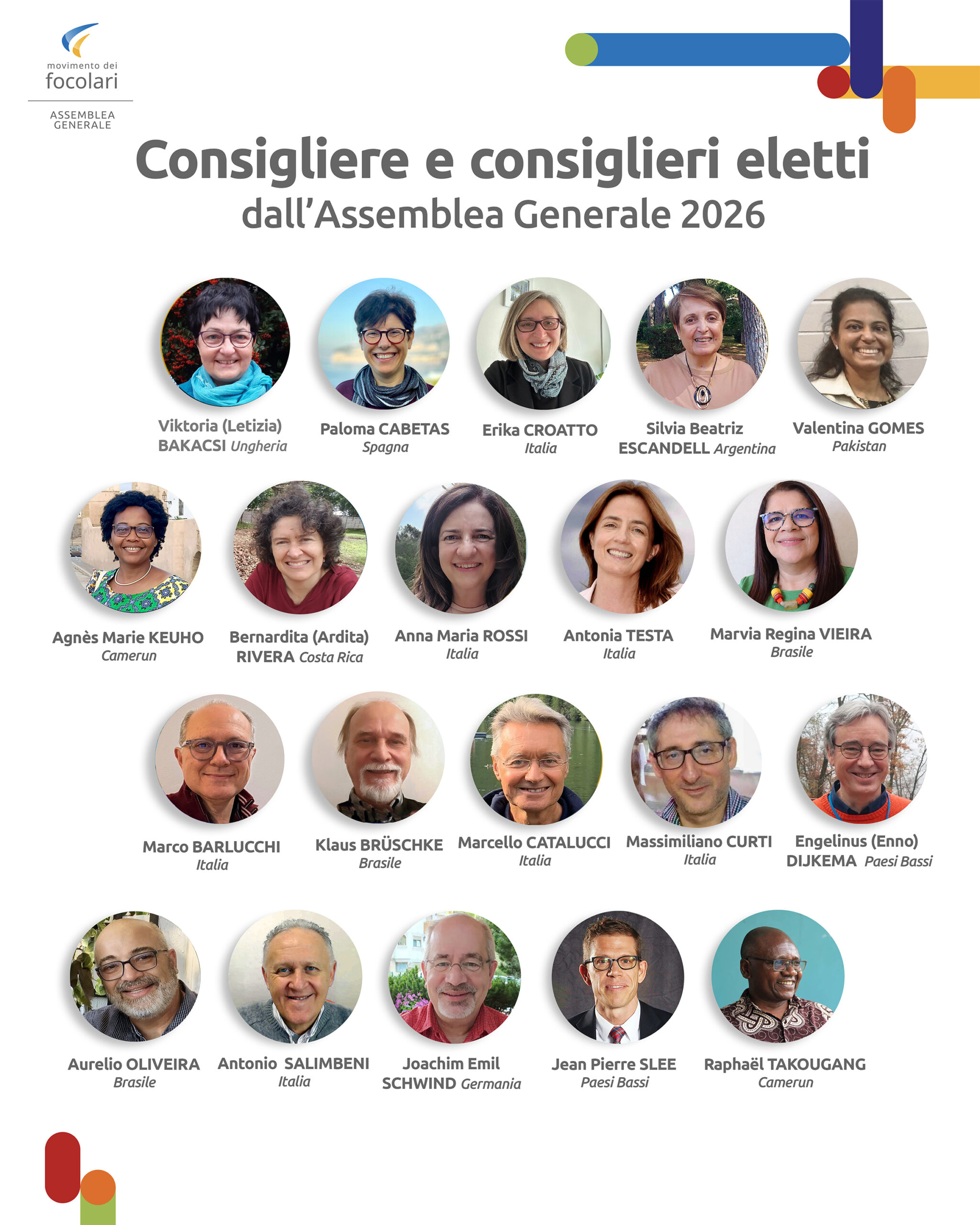
Today, the 20 general councillors of the Focolare Movement were elected; during the new term of office, they will support the President of the Focolare Movement in her role.
In accordance with the General Statutes, they, together with the President and the Co-President, are responsible for representing the entire Movement and expressing its unity.
They will be called upon to carry out the tasks entrusted to them by the President, in particular overseeing the practical aspects of the life of the Movement (summarised in the “seven colours”) and the support of the geographical subdivisions (the “zones”). Each one, in their own role, will have at heart the unity of the entire family of the Focolare Movement, safeguarding and promoting it at every step.
They will be called upon to carry out the tasks entrusted to them by the President, in particular overseeing the practical aspects of the life of the Movement (summarised in the “seven colours”) and the support of the geographical subdivisions (the “zones”). Each one, in their own role, will have at heart the unity of the entire family of the Focolare Movement, safeguarding and promoting it at every step.
Stefania Tanesini with the Multimedia and Linguistic Services Communication Team
In recent years, the Middle East has gone through one of the most difficult periods in its recent history.Wars, political instability and economic emergencies have affected millions of people, forcing entire families to leave their homes and putting access to the most basic necessities at risk. In this context, the projects supported through the funds raised for the Focolare Movement’s Middle East Emergency Appeal, implemented by AMUand AFN, sought to offer concrete responses to the most urgent needs, reaching a total of 3,337 people, thanks to the use of 362,754 euros allocated to humanitarian interventions.
Gaza: Supporting the Displaced
October 7, 2023 marked the beginning of a new phase of the conflict in the Gaza Strip. According to the United Nations, about 90% of the population has been forced to leave their homes and almost the entire population is now facing extreme levels of food insecurity.
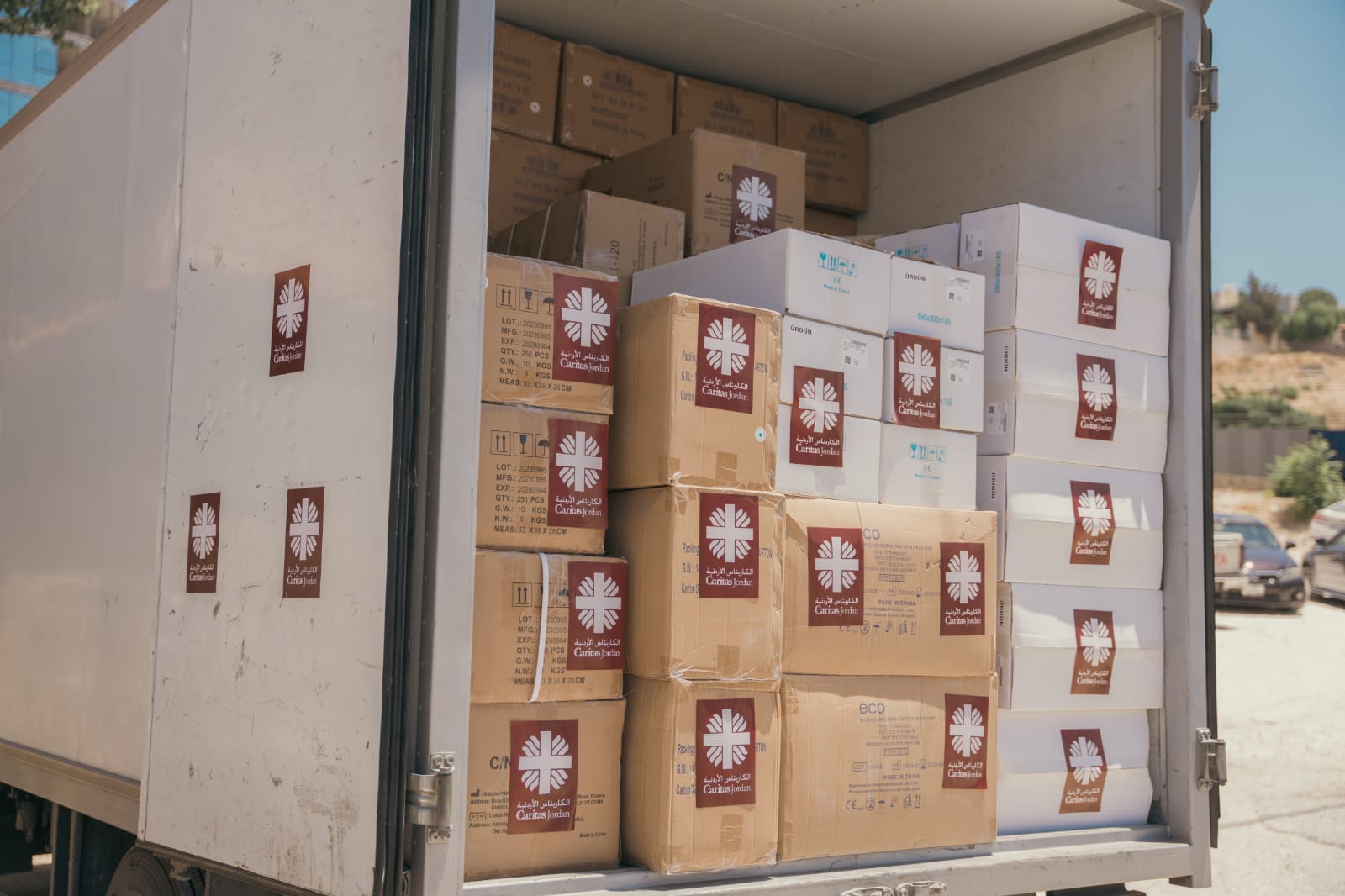
In collaboration with the local network, in particular with the Caritas organization in Jordan and the Latin Patriarchate of Jerusalem, it was possible to support 1,750 displaced people. The interventions involved the purchase and distribution of basic necessities, food assistance and the welcoming of hundreds of people in two parishes. In addition to food and medicine, a safe place was provided where people could find shelter and care.
In 2024, the intensification of conflicts in southern Lebanon resulted in over one million displaced people. Many families had to leave everything and seek refuge elsewhere.
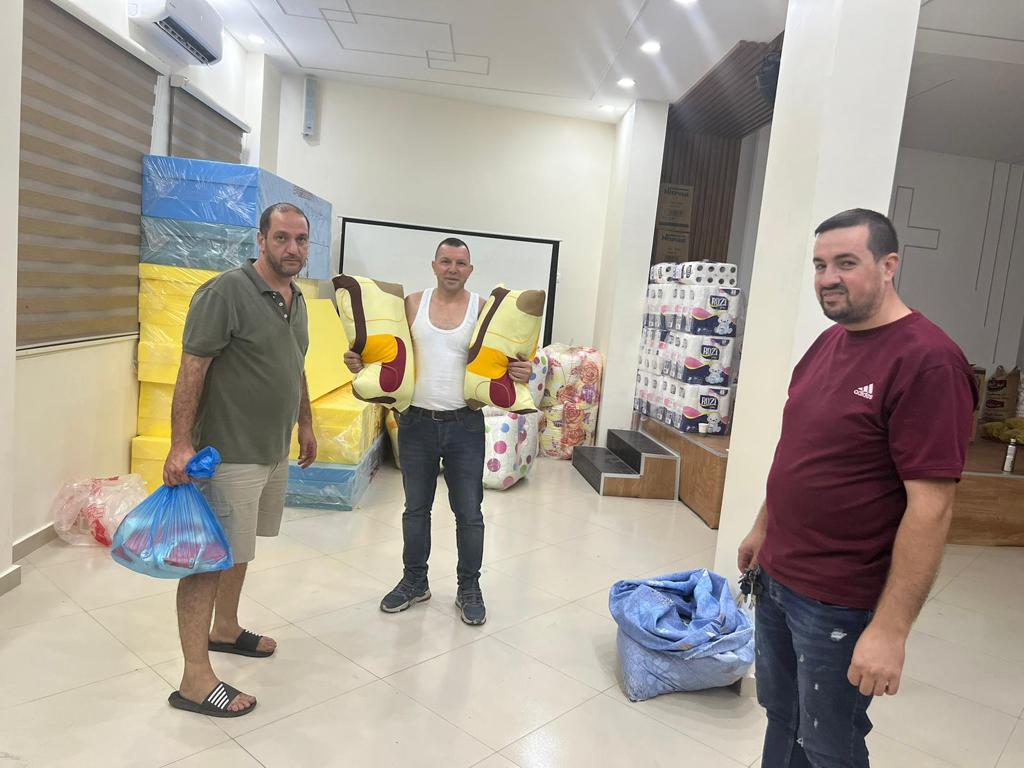
Thanks to the collaboration with the local Humanité Nouvelle association, 195 people were welcomed at the “La Sorgente” Mariapolis Centre and at the Institut de Réducation Audio-Phonétique (IRAP), in the province of Beirut. Here, displaced people received accommodation, food, medical assistance, clothing and hygiene supplies.
Particular attention was paid to children and young people: 7 classes were organized for 39 students up to the age of 15, allowing them to continue their education even during displacement. Recreational activities, moments of sharing and initiatives promoted by young volunteers helped to create spaces of hope in a situation marked by uncertainty.
Also in Lebanon, the SOSTENIAMOLibano (Let’s Support Lebanon) project was continued. It was established to help people cover the cost of medical treatment in an increasingly fragile healthcare system. The project reached 112 beneficiaries, offering help for the purchase of medicines, psychological support and assistance for hospital treatment.
Another intervention supported small local agricultural producers. Through the “From All Lebanon to All Lebanon” initiative, agricultural and artisanal products were purchased from small producers and distributed to displaced families in the Beirut metropolitan area. This project involved 80 people, contributing both to food support and to the protection of local economic activities.
After more than fourteen years of war, Syria continues to experience an extremely fragile situation. In 2024, during a phase of political transition, many families suddenly found themselves without access to money due to the temporary closure of banks.
Thanks to the local network of the Focolare Movement, it was possible to offer financial support to 305 families in Aleppo, Damascus, Homs and other cities, reaching around 1,200 people. The contribution enabled them to meet their most urgent daily expenses such as food, medicines and basic necessities.
A concrete sign of closeness
Beyond the numbers, these projects above all tell stories of solidarity and collaboration between local and international realities. The goal was not only to respond to the immediate emergency, but also to strengthen community bonds and support the resilience of the people involved.
Prepared by Emergency Coordination Team of the Focolare Movement
To make a contribution to the Middle East Emergency click here
I have felt you beating in the perfect stillness of a little Alpine church, in the shadow of the tabernacle of an empty cathedral, in the breathing as one soul of a crowd who love you and who fill the arches of your church with songs and love.
I have found you in joy. I have spoken to you beyond the starry firmament, when in the evening, in silence, I was returning home from work.
I seek you and often I find you.
But where I always find you is in suffering.
A suffering, any sort of suffering, is like the sound of a bell that summons God’s bride to prayer. When the shadow of the cross appears the soul recollects itself in the tabernacle of its heart and forgetting the tinkling of the bell it “sees” you and speaks to you.
It is you who come to visit me. It is I who answer you: “Here I am, Lord, I desire you, I have always desired you.”
And in this meeting my soul does not feel its suffering, but is as if inebriated with your love: filled with you, imbued with you: I in you and you in me, that we may be one.
And then I reopen my eyes to life, to the less real life, divinely trained to wage your war.
Chiara Lubich in Meditations, New City, London 2005, pages 74-75
Following on from the confirmation of their election, Margaret Karram and Roberto Almada have relaunched a joint commitment: to revitalise relationships, overcome indifference and walk together for peace.
“With the grace of God and the help of all of you, I accept. I was deeply moved in today’s liturgy by Psalm 94: “O that today you would listen to his voice! Harden not your hearts”. In response to this new call, I renew my “yes”, my full commitment to God together with all of you, at the service of the Church, the Movement and humanity ”.
These were Margaret Karram’s first words, just minutes after her election as President of the Focolare Movement on the 12th of March 2026, for a second five-year term.
She was re-elected by the 261 participants with the right to vote, representing the Focolare communities from all five continents, who are taking part in the General Assembly from the 1st to the 21st of March.
The new Co-President is Roberto Almada, an Argentine focolarino who is a priest, who was also elected by a two-thirds majority. He succeeds Jesús Morán, who has completed his second and final term (in accordance with the Decree of the Dicastery for the Laity, the Family and Life of the 11th of June 2021).
“I accept this election with the grace of God and the protection of the Virgin Mary,” said Almada, “and I will give it my all, with my strength, my intelligence and my heart; you can count on me!”
The elections were confirmed by the Dicastery for the Laity, the Family and Life, as the competent authority of the Holy See, in accordance with the General Statutes of the Focolare Movement (Work of Mary, Articles 79 and 88).
Margaret Karram, a life dedicated to dialogue
Margaret Karram is the third President of the Focolare Movement, after its foundress, Chiara Lubich. She succeeded Maria Voce in 2021. Maria Voce passed away on the 20th of June last year.
Margaret is a Christian Arab born in Haifa, Israel, she grew up in a multi-religious environment, developing from a young age a strong commitment to dialogue between different cultures and faiths. She graduated in Judaism from the American Jewish University in Los Angeles (USA), before taking on positions of responsibility in the Movement in the Holy Land, while also working for 14 years at the Italian Consulate General in Jerusalem.
Internationally recognised for her contribution to interreligious dialogue – Mount Zion Award (2013) and Saint Rita Award (2016) – she participated in the Invocation for Peace in the Vatican Gardens in 2014 with Pope Francis and the Israeli and Palestinian presidents. She was elected President of the Focolare Movement for a first term in 2021 and has strengthened the Movement’s action in ecumenical and interreligious dialogue. She met with Ecumenical Patriarch Bartholomew I of Constantinople and participated as a guest in the recent Synod of the Catholic Church.
In 2023, she was appointed Member of the Dicastery for the Laity, the Family and Life. She has travelled to Asia, the Americas, Europe and the Pacific to meet with Focolare communities and organisations engaged in interreligious dialogue. Among her most recent visits were Genfest 2024 in Brazil, the peace forum in the United States in 2025 and the international conference for the tenth anniversary of Laudato si’. Co-author with Monica Mondo of the book Per non sfiorarci invano [So as not to pass each other by in vain] (2023, Ed. Francescane), in 2025 she published Prossimità, via alla pace – Pagine di vita [Closeness, the path to peace – Pages of life] (Ed. Città Nuova), dedicated to the culture of fraternity and dialogue.
Roberto Almada is the new Co-President of the Focolare Movement
Roberto Almada is an Argentine focolarino who is a priest, psychiatrist and psychotherapist. With a doctorate in philosophy, he was one of the promoters of the School of Logotherapy in Uruguay and Paraguay. He is part of the group that coordinates spiritual and psychological accompaniment programmes at the Sophia University Institute for Latin America and the Caribbean and at the Logos Institute in Caserta (Italy). His pastoral activity has focused on the family through the New Families Movement, where he follows projects accompanying couples.
Author of the book El cansancio de los buenos [The Weariness of the Good], which explores the dynamics of burnout and has been translated into several languages (in Italy: “Il burnout del buon samaritano” [The Burnout of the Good Samaritan], published by Effatà), and co-author of Desafío Parejas [The Challenge of Married Couples], both published by Ciudad Nueva. He served as a collaborator at the International Centre of the Focolare Movement in Rocca di Papa (Italy) from 1999 to 2009 and as a Councillor for the same Centre from 2014 to 2021. Until 2026, he lived in Buenos Aires, working for the Movement in the Southern Cone in the areas of evangelisation, supporting local communities where he facilitated processes of reorganisation, of cohesion and of study.
He has gained considerable experience in ecclesial and educational settings across various Latin American countries, including Colombia, El Salvador, Chile, Uruguay, Paraguay and Argentina; supporting priests, religious communities and Catholic teachers through courses and spiritual retreats, with a particular focus on offering support during times of pastoral burnout and helping them rediscover the meaning of their mission. He has also worked in youth ministry and in the social sector with migrants.
Role of the President of the Focolare Movement
According to the General Statutes, the Presidency will always be entrusted to a woman focolarina who has taken perpetual vows: a choice that reflects the lay and female leadership envisaged by the foundress, Chiara Lubich, and confirmed by Saint John Paul II. The President is called to accompany, “in a spirit of unity”, the Focolare communities present in 150 countries, which embrace the Gospel message of universal fraternity within a context of cultural, social and religious diversity. Her tasks include guiding and directing a movement that addresses the local and global challenges of our time and is called in particular to heal the personal and social divisions of humanity. The Statutes also outline the way in which the President is to exercise her responsibility: a leadership based on service and Gospel-based charity, in accordance with Jesus’ invitation to be a servant to all (see Mark 10:44). She is called to be a bridge-builder, a promoter of unity and a witness to the central message of the spirituality of the Focolare Movement, acting as its spokesperson with coherence and dedication.
The task of the Co-President
The Co-President – elected from among the focolarini who are priests in the Focolare Movement – is called first and foremost to work in close collaboration with the President, sharing decisions with her and helping to ensure the Movement’s discernment and unity. Alongside this primary role, the Co-President collaborates in the general guidance of the Movement, offering his input on the most significant issues and ensuring that the life of the Movement is fully in line with the faith and doctrine of the Church.
The Assembly of the Focolare Movement continues
Over the coming days, the Assembly shall also elect the Focolare Movement’s new governing body – the general councillors, who will serve as the President’s closest collaborators – and shall discuss proposed amendments to the General Statutes.
On the 21st of March, the participants and observers of the Assembly will be received in a private audience by Pope Leo XIV.
The General Assembly has begun in earnest with intense dialogue and collaborative work. From the 6th to the 11th of March, everyone at the Assembly is exploring nine topics that emerged from proposals received from individuals and communities of the Movement around the world. La Asamblea General ha entrado en materia con un intenso trabajo de diálogo y co-elaboración. Del 6 al 11 de marzo, todos los de la Asamblea están profundizando en nueve temáticas emergentes de las propuestas recibidas de personas y comunidades del Movimiento en todo el mundo.
Government, participation and responsibility – There is a need for a wider, co-responsible and intergenerational participation, as well as a more synodal and transparent governance. Reflection is also given to the relationships between the International Centre, geographical areas and local communities, and to the meaning of leadership in the light of the Charism of unity.
Family – In a Movement made up of various vocations, ages and cultures, the family is a transversal topic. In some societies, its challenges are overlooked: the Assembly is discussing how to bring it back to the centre of our attention, recognising the richness and complexity of different cultural situations.
The Focolare Movement in the Catholic Church – The relationship with the Catholic Church is being deepened as an exchange of gifts: the Charism of unity grows within the universal and local Church. At the centre of the discussion is formation in dialogue and relationships with local Churches and other ecclesial movements.
Relationships between people of various Churches – Ecumenism is a crucial challenge for a Movement that brings together people from many Christian Churches. There is a need to foster a sense of “we”, using language and gestures that promote mutual respect and understanding. The Assembly is asking itself what formative, cultural and practical choices can strengthen the ecumenical dimension in every area.
Peace and integral ecology – Caring for the earth and building inclusive communities are two inseparable aspects. We are working to better define the Movement’s commitment, translating values into local and global actions: ecological projects, formation courses in peace and reconciliation between communities and nations.
Transmission of the Charism – How can we speak about our Charism of unity today? To whom and using what kind of language? In a world that has changed greatly, there is a need for new narratives capable of reaching the generations of today and tomorrow.
Dialogue and polarisation – Dialogue is a fundamental choice in a context marked by cultural, political and religious divisions, even within the Movement. We are reflecting on how to promote appropriate formation programmes and a welcoming culture that can heal divisions.
Living unity today – Forming our conscience, respecting personal freedom and living in communion are deeply felt issues. Ways to improve attitudes, structures and language are being explored so that they truly support the dignity and vocational maturity of everyone.
Communication, media and artificial intelligence – New technologies open up opportunities but also raise questions. Topics being discussed include communication strategies, the informed use of the media, the involvement of young people and the ethical aspects of the development of artificial intelligence.
Closeness that unites
Each day begins with a meditation or reflection, led by people from various Christian Churches and followers of other religions. On the 9th of March, Rabbi David Goodman from Jerusalem and Muslim theologian Adnane Mokrani explored the theme of ‘Closeness in Jewish and Islamic traditions’: a valuable insight at a time when the Middle East and many countries are experiencing great suffering.
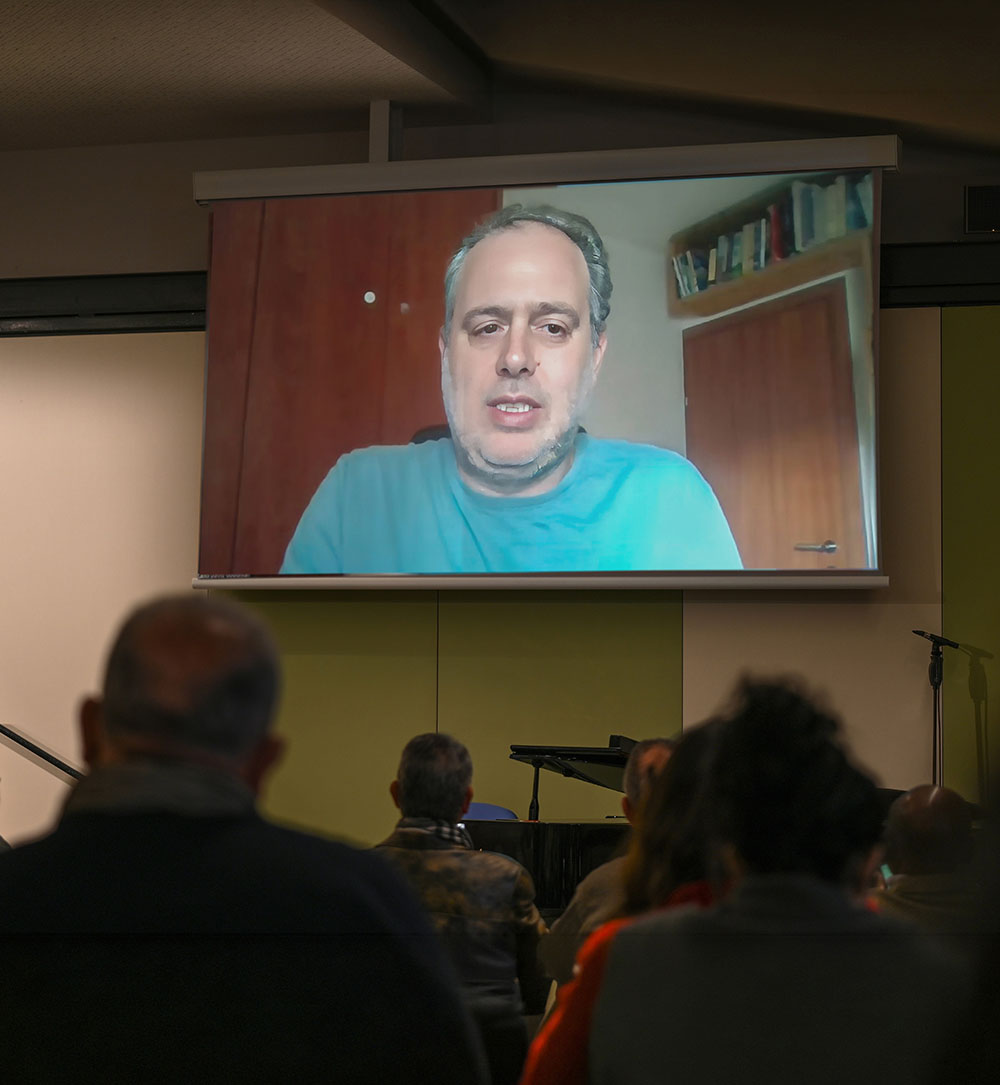
Physical closeness is not enough, said Rabbi Goodman. True closeness is born when we welcome the wounds of others and allow others to enter into ours. Online from Jerusalem, he gave a powerful message of hope and reconciliation: for the Assembly to be an experience of authentic closeness.
Adnane Mokrani emphasised that God is always close to us, even before we call upon him: he seeks us out and accompanies us even in danger. Closeness, he said, is what makes us fully human, because it opens us up to solidarity and allows us to share the pain of others. He left us with the image of a triangle – God, I and my neighbour – whose centre is love.
“Let us pray that, in this time of darkness, God may reveal a new step for humanity as it journeys forward.”
The programme planned for the next few days
12 – 15 March – Elections of the President, the Co-President and the general councillors
16 – 20 March – Discussions and voting on the proposed amendments to the General Statutes and regulations
21 March – The General Assembly will be received in a private audience by Pope Leo XIV
Stefania Tanesini with the Multimedia and Linguistic Services Communication Tea
Rabbi David GoodmanAdnane MokraniLuigino Bruni – Lorna GoldThe group of facilitators
The relentless news coming from the whole of the Middle East is causing growing dismay among the many people who sincerely want peace and security for everyone, and not only for some. Unfortunately, authoritative appeals for diplomacy to take precedence over armed conflict, and calls for prayers for peace, seem futile and naive.
However, precisely because of the severity of current events, which unfortunately combine and amplify with other war and humanitarian crises, a courageous and prophetic response is required from every single person, every citizen who cares about the common good and peace as their primary concern.
The Focolare Movement, which has communities living in many of the areas affected by conflict, is also renewing its commitment on many levels. From emergency aid for the most vulnerable populations forced to live in uncertainty and fear and deprived of all forms of sustenance, to active citizenship initiatives within its own institutions and in civil society.
The Emergency Coordination Team of the Focolare Movement is therefore renewing its appeal for solidarity to help the thousands of families who have fled their homes: many have lost their homes, while others are seeking refuge in facilities that are reopening their doors despite increasingly limited resources. In this constantly changing scenario, we want to remain close to those who are suffering, ready to support local initiatives who are offering shelter and practical help.
Every contribution will provide immediate support and allow us to imagine together a future of hope and reconstruction.
We invite everyone to join us in this commitment: Peace is also built in this way, by choosing not to look the other way.
Azione per un Mondo Unito ETS (AMU) IBAN: IT 58 S 05018 03200 000011204344 at Banca Popolare Etica Codice SWIFT/BIC: ETICIT22XXX
Azione per Famiglie Nuove ETS | Banca Etica – filiale 1 di Roma – Agenzia n. 0 | Codice IBAN: IT 92 J 05018 03200 000016978561 | BIC/SWIFT: ETICIT22XXX
Reason for payment: Middle East Emergency
Tax benefits are available for such donations in many EU countries and in other countries around the world, according to different local regulations.Italian contributors will be able to obtain deductions and allowances from income, according to the rules for non-profit organisations
Photo courtesy of the Latin Patriarchate of Jerusalem
Almost three years after his arrival, medical tests revealed that Elio had a tumour with widespread metastases. Surgery was pointless. A question spontaneously arose within me: why did it happen to him, a person in the fullness of human and spiritual maturity, who could still give a lot to our community, where his wise and calm presence had already helped resolve a difficult situation? Mine was a cry of painful, almost of protest. Then, reflecting with some friends, we reviewed several examples in the Bible, from Abraham to Job, without finding immediate answers. Certain events cannot be explained without faith. During those days I happened to read an illuminating text by Saint Leo the Great: “The Church is the Lord’s field that is clothed with an increasingly rich harvest, because the grains that fall one by one are reborn multiplied”. This is what it was! Only from this perspective could I accept the departure to Heaven of a dear friend. He fell like a large, ripe grain of wheat. I had to believe that from this a full and beautiful ear of wheat would be born.
(G. – Belgium)
Little Great Miracles
I was born in Brazil, but later lived for nine years in another Latin American country with sky-high inflation and widespread poverty that fuelled crime. One day, a friend came to me in tears because she had just been robbed of the only salary which would support her family, since her husband was unemployed and they had four children. What could I do? I simply tried to console her, suggesting that she forgive and pray for the thief’s conversion. But she reacted by saying she would never do that. “In that case,” I replied, “I will pray for him.” A few days later, that same friend came back to see me, but this time with a completely different expression and spirit: happily, she told me that the thief must truly have repented because he had left the bag he had stolen in a shop where she was known. And, astonishingly, her salary was still inside, nothing was missing.
(T.G.S.C. – Brazil)
In a Wheelchair
For a long time now, because of my rheumatoid arthritis, I have been living in a wheelchair. Between hospitalizations and operations, I must have spent three years of my life in hospital. Often, due to the excruciating pain, I find myself completely immobile, unable even to comb my hair or hold a glass. I have had to give up many things I cared about. However, I have a cheerful disposition and often respond to my illness with a touch of humour. Gradually, understanding the “wisdom of the cross” has helped me to accept suffering as the most sublime form of love and to offer my small drop especially for the people who suffer most, for the Church, for the unity for which Jesus prayed. Now I no longer ask God “Why?”, but only: “Help me, Lord”. I try not to burden others with my physical problems and I think that I succeed fairly well, so much so that they find me quite joyful. Everything works for the good if we are open to the love of God. In fact, everyone in our family felt they had to take a step forward. Even our children have matured quickly and have become more responsible.
(Branka – Croatia)
compiled by Maria Grazia Berretta
(taken from The Gospel of the Day, Città Nuova, year XII– no. 1 March-April 2026)
Dal 2 al 4 marzo l’Assemblea generale dei Focolari ha vissuto il ritiro spirituale. Giorni di ascolto dello Spirito, silenzio personale, preghiera per la pace, ma anche di immersione in alcune delle problematiche globali che affrontiamo, presentate da personalità di varie culture.
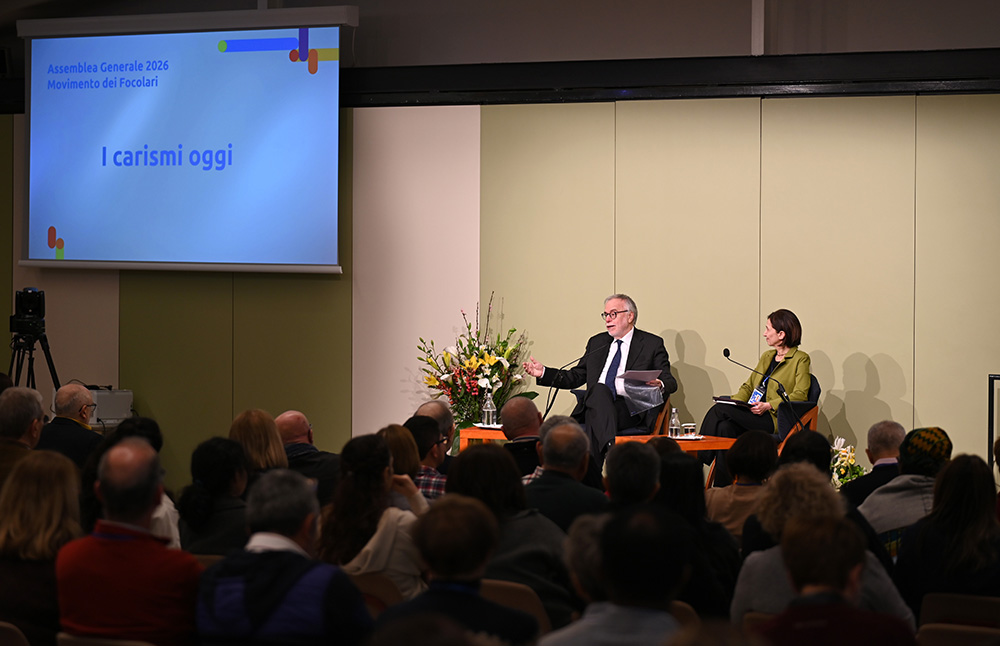
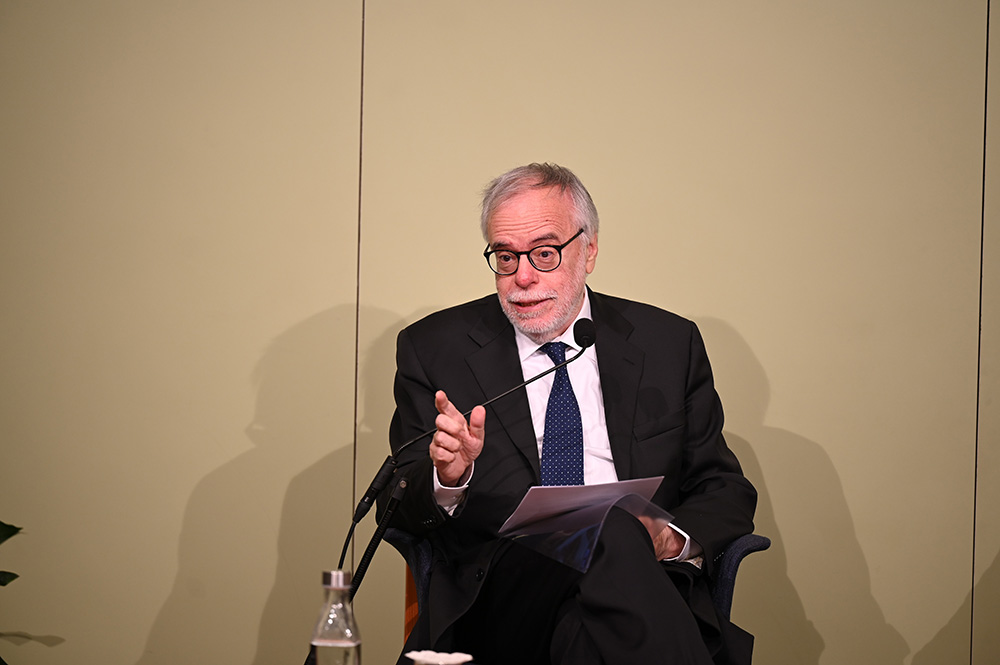
Andrea Riccardi, Italian historian and founder of the Community of Sant’Egidio, sees a true call to fraternity for the Movements in the current world situation. A call that we often do not hear, perhaps because we are closed in on our own problems. It is only by “going out”, in contact with real life, that we will fulfil our mission. Vinu Aram, doctor and Director of the Shanti Ashram International Centre in India, emphasised that, in order to build peace, we also need a deep spiritual formation.
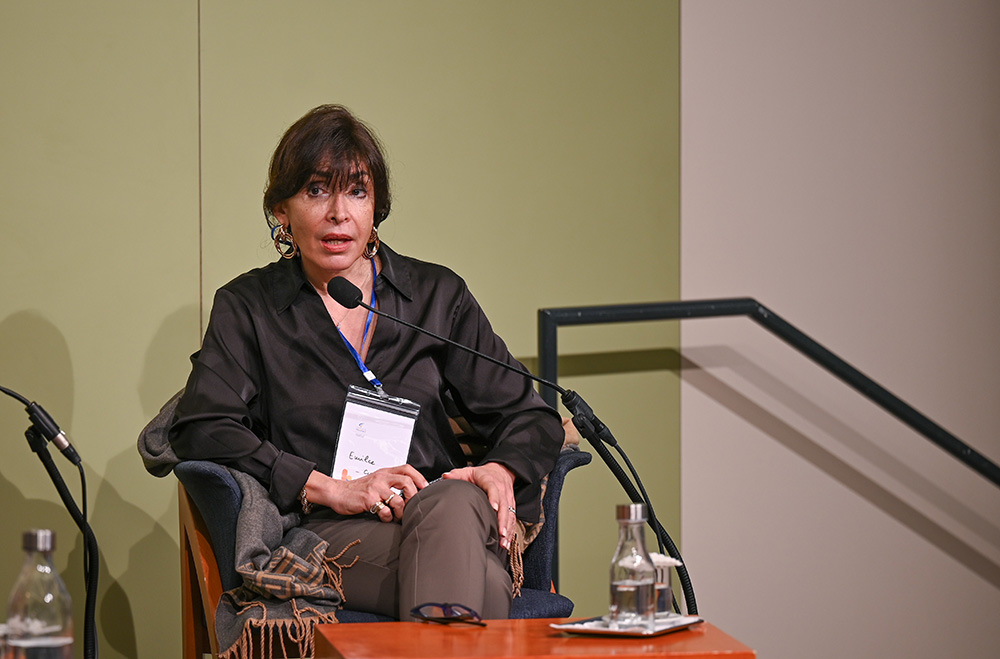
The wounds suffered by millions of women and men – poverty, injustice, migration – were the starting point for Fr. Vilson Groh, a Brazilian priest working in the suburbs of Florianópolis (Brazil), and Emilce Cuda, an Argentine theologian and professor, Secretary of the Pontifical Commission for Latin America. They shed light on the enormous inequalities present on the planet and spoke of how working for the least among us is an essential aspect of our lives, a privileged expression of Jesus Forsaken to be sought and encountered.
The treasure of each relationship as a source of fulfilment and freedom was the focus of the speech by Chiara Giaccardi, an Italian sociologist specialising in cultural and communication processes. It is not just a question of seeking and promoting self-fulfilment, but rather co-fulfilment, the possibility of creating something new together, a generative space.
But do words such as relationship and freedom still have meaning in the era of Artificial Intelligence and increasingly manipulative systems? Paolo Ruffini, Italian journalist, Prefect of the Dicastery for Communication of the Holy See, and Fadi Chehadé, one of the world’s leading experts in the field of information technology, spoke about the great opportunities and enormous responsibilities we have in every field of communication, especially now that Artificial Intelligence is invading and pervading our lives. This is not a call to stop using technology; on the contrary, we must support its ethical use and return to human relationships with courage, as Chehadé recalled, quoting a teaching of his father, “making our homes and our communities not fortresses, but oases”.
The 5th of March, was entirely devoted to the 2021-2026 Five-Year Report presented in the hall by President Margaret Karram, together with some reflections by Co-President Jesús Morán. The contents of the report were discussed and reflected upon both in groups and in a plenary session.
Stefania Tanesini with the Multimedia Communication and Linguistic Services team
Andrea RiccardiEmilce CudaPaolo RuffiniFadi ChehadéMargaret Karram e Jesús Morán
I am a volunteer of the Focolare Movement. Last summer, during a mountain trip with Anna and Toni, friends from our New Families group, it came up that for many years I had worked as a flight attendant for the Italian national airline. They immediately asked me if I knew a neighbour of theirs who had worked for the same company. As soon as I heard his name, I remembered him at once, even though 30 years had passed. They told me that his situation was very sad. Abandoned by his family and suffering from serious illnesses, he was living alone in a large, run-down house that was in urgent need of repairs. I went to visit him and I realized that I needed to lend a hand.
So, together with Toni and Anna, my wife Rita and others, we drew up an action plan. We began by fixing a French window with broken glass, thanks to the help of a carpenter friend. Then we installed a new door leading to the cellar and fixed the bathroom door that had been chewed by the dog. Next we fixed a sliding door that was letting in rain and we also worked on the terrace from which water was leaking into the house. We hired a cleaner, fixed the electrical system with the help of one of our volunteers who is an electrician and who, with the help of Toni also fixed the heating system. My wife added a subtle touch by decorating the courtyard with pots of cyclamens. In short, Cesare, that’s his name, now lives in more humane conditions and feels happy because he is surrounded by people who care for him. He had to go into hospital over the Christmas holidays and we visited regularly.
It’s a joy to know that through those simple gestures, he has regained his faith in humanity.
Silence, prayer, reflection: today, the 2nd of March, the 3-day spiritual retreat of the General Assembly of the Focolare Movement began. Moments of ‘one-to-one’ with God and moments of communion alternate during these days in which the news that arrives, especially from the many war fronts, is increasingly tragic. Here, where the whole Movement is represented, the world news is close at hand, bringing people, places, communities and nations that are suffering into our presence.
For this reason, we invite all those who belong to the Movement throughout the world to pray, through various personal and collective initiatives, to call on Heaven for the gift of peace.
The programme of the General Assembly
The President’s report on the 2021-2026 5-year term will be presented on the 5th of March, and working sessions on selected topics will be held from the 6th to the 11th of March. Work will be carried out in groups using a method of dialogue and discernment called ‘Conversation in the Spirit’. Plenary sessions and votes on the outcomes are also planned.
The elections for the new Central Government – President, Co-President and Councillors – will be held from the 12th to the 15th of March. From the 16th to the 20th of March, the programme includes discussions and votes on proposed amendments to the General Statutes and Regulations. The Assembly will conclude in Rome on the 21st of March: everyone in the Assembly will be received in audience by Pope Leo XIV.
At the conclusion of the various stages of the Assembly, we will send you brief updates. The next one will be on the 5th of March, at the conclusion of the retreat days.
Stefania Tanesini with the Multimedia Communication and Linguistic Services team
“I hereby officially declare open the Ordinary General Assembly of the Work of Mary, convened in accordance with the methods established by the General Statutes.” These were the words with which Margaret Karram, President of the Focolare Movement, opened the proceedings today, 1 March 2026. There are 320 participants at the Assembly. Representatives of eight Christian Churches and of various religions and cultures are present. Unfortunately, some participants have not yet arrived due to the escalation of the conflict in the Middle East and the resulting flight ban. Thoughts and prayers of the entire Assembly immediately went out to this region of the world.
The President continued her opening address saying, “After a long period of preparation, it seems to me that I don’t see only you here present today, but all our communities around the world: from the Gen 4 to bishops, adherents, young people, and all those who are currently offering their sufferings for many different reasons.”
“I arrived here this morning,” she confided, “with immense joy in my heart and, at the same time, I feel in my soul a sense of trepidation for the sacred and important moments we are about to begin. These will certainly be challenging days, but above all, my deepest wish is that this time will become a profound experience of God for all of us.”
The meditation, led by Sergio Rondinara, member of the Abbà School, focused on how to read and interpret the “Premise to every other rule” in the light of Chiara Lubich’s experience. This is the premise that precedes and introduces the General Statutes and also guides the various norms contained therein. These words are also the premise and rule for the proceedings of the Assembly: “Mutual and constant love, which makes unity possible and brings the presence of Jesus among all, is, for those who are part of the Work of Mary, the basis for their life under every aspect: it is the norm of norms, the premise to every other rule.”
Throughout the whole of today, the necessary formalities for conducting the Assembly are scheduled. We began with the appointment of two moderators, chosen from among the participants, and of the Electoral Commission who are called upon to oversee the proper operation of all the aspects of the election. This was followed by the approval of the regulations and of the programme of the Assembly.
There is a proverb that says, “Only those who fall can get up again”. This is seen very clearly in the tenderness and courage of young children as they begin to develop their skills. How much willpower they show as they take their first uncertain steps, getting up again and again with determination, until they gain confidence and begin to move with increasing assurance… the journey of life!
As we grow up and face various challenges and problems, getting back up each time becomes more difficult. Life’s trials weigh us down and sometimes we are held back and lose confidence when we encounter people who are different from us or do not think in the same way as we do. Willpower and even a sincere desire to be consistent with our values are not always enough. In these difficult moments, being able to count on a helping hand can give us the impetus to start again without fear. It can create a sense of silence in the depths of our consciences and allows us to be “renewed and whole” within.
Chiara Lubich wrote: “Is there anyone who does not go through trials and challenges? They take the form of failure, poverty, depression, doubt and temptation […] The materialistic and individualistic society that surrounds us is frightening, with its wars, violence and injustice…“. Chiara’s own life was a witness to this. It is precisely in those moments of darkness and struggle that it is important to find the strength to ”start again,“ and confidently say, ”you can still hope for everything.”We need to begin with ourselves[1].
This is what Emilia from Terra Santa managed to do. She works as a manager in a government office where there are a number of Jews, Christians, Muslims and Druze. After October 7, 2023, she understood that love was the only possible response to the great pain everyone was feeling and she began to love everyone around her with a great sense of commitment. In particular, she listened to others so that she could welcome them into her heart. She listened with an attitude of love and humility and understood whatever others people were saying, whether they were Arab or Jewish. As a result, a large number of her colleagues have become so open with each other that they can talk freely about the situation. In turn, this has encouraged other workers to express their fears and struggles and the group has remained peaceful and united[2].
There are many stories of wounded communities that do not give up and that find strength each day in the reciprocal sharing of all they have, believing that hatred cannot have the last word.
Even if we will not be the ones to see the fruits of our commitment, every time we get back up, we contribute to forming “new people” because, as Bonhoeffer said from prison shortly before his death, “For those who are responsible, the ultimate question is not how I can heroically get through this affair, but what the life of the coming generation will be like.”
Jesus climbed a high mountain with Peter, James and John and, from there, the disciples saw the glory of their Master and heard the voice of the Father who recognised him as his son.
This was an extraordinary experience; being face to face with God allowed his creatures to know him in his splendour. The disciples were afraid and fell to the ground, but Jesus touched them and said,
Get up and do not be afraid.
The verb ‘to get up’ is the same one often used in the Gospel in reference to the Resurrection, just as ‘do not be afraid’ are the first words that the Risen Lord addressed to the women at the empty tomb after having greeted them[1]. Jesus’ strong and clear words on this occasion are a decisive invitation to enter into a new life which the disciples were able to experience through the touch of his hand.
We too are sometimes held back by our fears and weighed down by life’s trials and situations that seem to have no solution. When this happens, we cannot rely solely on our own strength if we want to rediscover the enthusiasm and momentum of witnessing to our faith. Instead, we should depend on the grace of God who always goes before us.
“Who does not go through trials in life? They take the form of failure, poverty, depression, doubt or temptation … Furthermore, the materialistic and individualistic society that surrounds us, with its wars, violence and injustices is also frightening… Faced with these situations, doubt can creep in and we may ask ourselves, ‘Where has God’s love gone?’ … Jesus truly entered into every painful situation and took all our trials upon himself … He is Love, and it is love that drives out all fear. Every time we are assailed by fear or suffocated by pain, we can recognise the true reality hidden within it: it is Jesus who is present … Let us allow him to enter our lives. And then let us continue to live as God wants us to do by focusing upon loving our neighbour. We will discover that Jesus is always Love. We will then be able to say to him, just as the disciples did, ‘You are truly the Son of God.’ (Mt 14,33)[2].
Get up and do not be afraid.
Those who have experienced God in their lives have been captivated by his presence, touched and healed by his Word. Sometimes, the witness of a Christian community accompanies us on this divine adventure and gives us the courage to get up again, to step outside ourselves and resume our journey with Jesus and with our brothers and sisters.
“At the end of last year, my country went through a very difficult time. My city was hit by a wave of chaos and fear. I was deeply concerned for my family, my friends and myself. In the midst of so much uncertainty, I tried to remain steadfast in my hope in God and to stay strong despite everything that was happening. Before these events, the young people with whom I am committed to living the Gospel had planned some projects to support families in need by preparing food parcels and organising various initiatives.
But the situation forced us to temporarily suspend all activities. After a few days, we managed to get together and, at that meeting, we found strength and courage in one another. We decided not to let fear overwhelm us, but to put our trust in Jesus and continue on the path we had begun. Thanks to the faith we shared among us, we were able to help more than forty families who were in real need of support. In the midst of those difficulties, we felt that, thanks to God’s love and our unity, we could really make a difference.”
Get up and do not be afraid.
After climbing the mountain with Jesus to meet God and hear his voice, we can also descend with him, to “return to the plain, where we meet so many brothers and sisters weighed down by fatigue, illness, injustice, ignorance, poverty both material and spiritual.” [3].
Even as a Christian community, we may suffer and feel lost, but this Word urges us to set out together, to bring to everyone “the fruits of that experience with God by sharing the graces we have received.” [4].
According to Article 1 of the Regulations of the General Assembly of the Focolare Movement, participants will live this event in profound communion, so as to help unity grow in the entire Movement and guide it toward the fulfilment of its aims. The Assembly is in fact one of the most important moments for the Focolare Movement and takes place every five years, as established by the Decree of the Dicastery for the Laity, the Family and Life (2021).
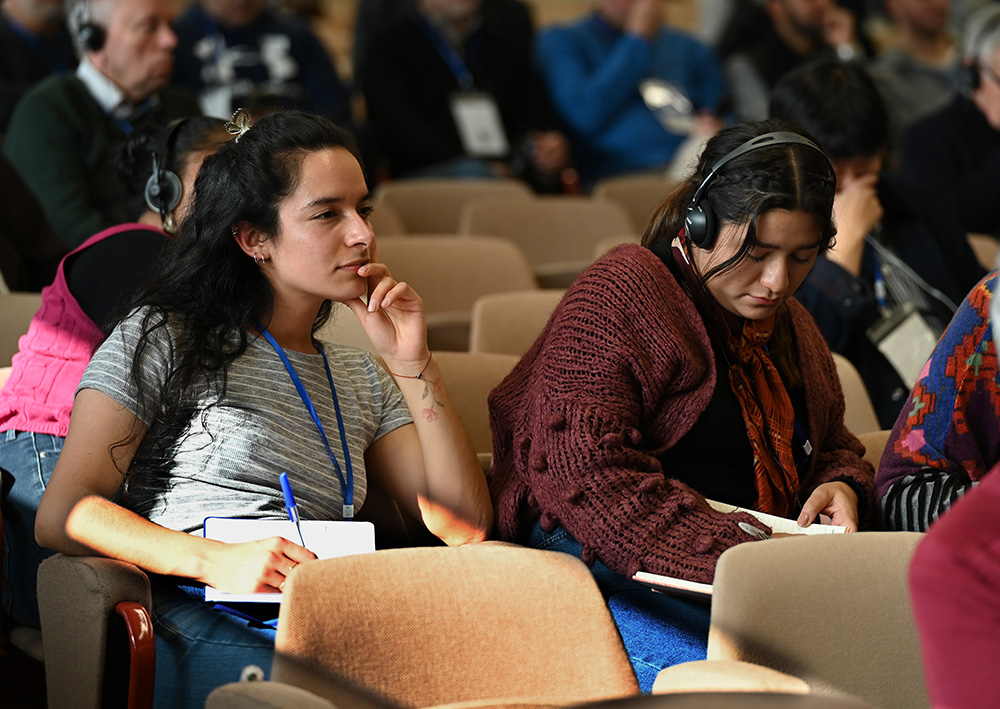
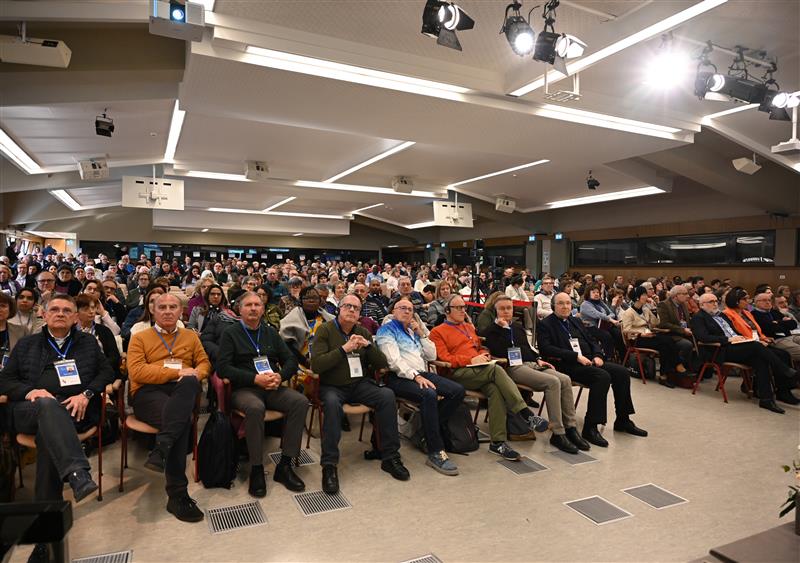
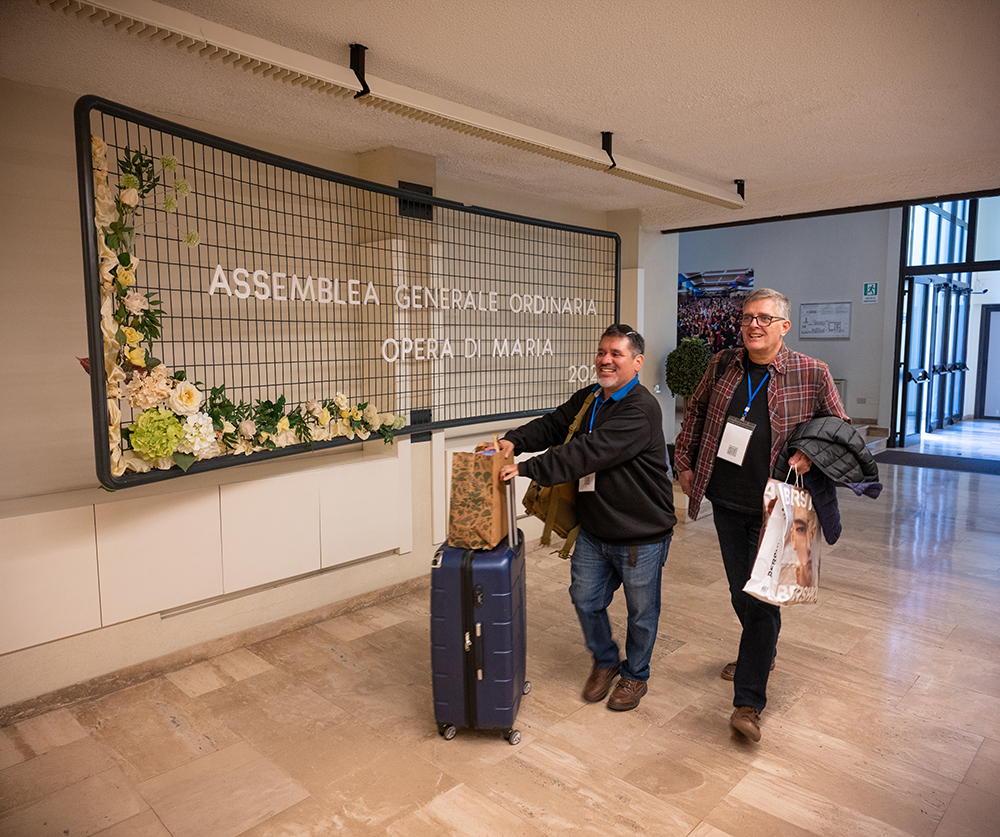
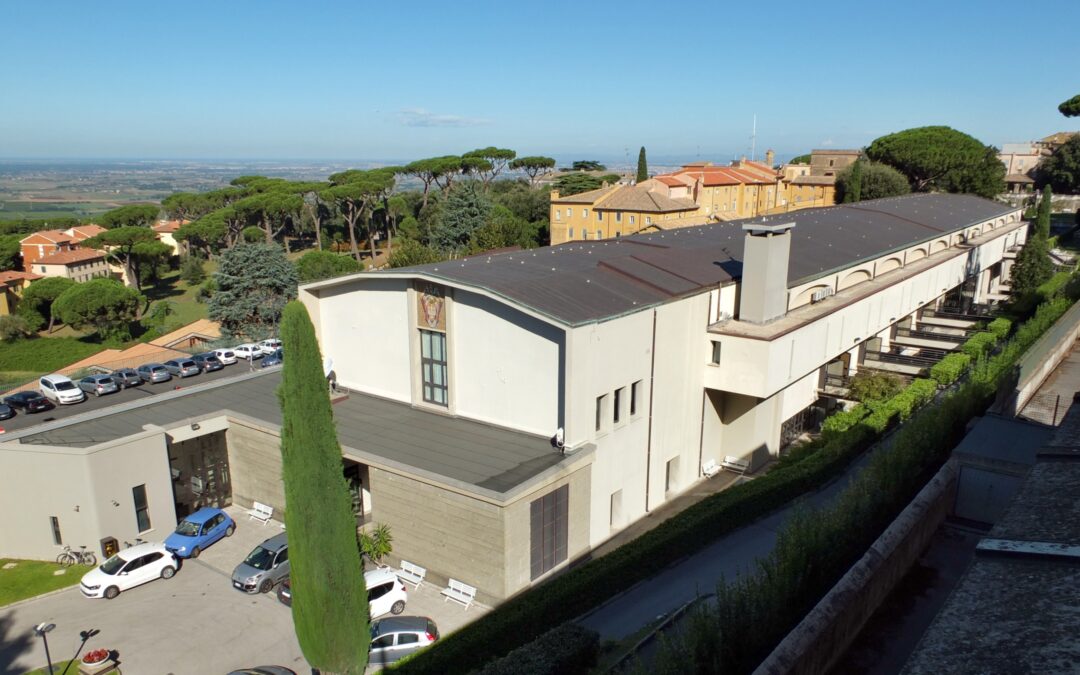
It will be held at the Mariapolis Centre in Castel Gandolfo (Rome, Italy), where 320 participants – including about 50 observers – from different countries, cultures and ecclesial and religious contexts are arriving. They are brought together by their adherence to the spirit and values of the Movement founded by Chiara Lubich (1920–2008) and recognised by the Catholic Church as a private, universal association of pontifical right.
The programme
The Assembly will begin with three days of spiritual retreat. On the 5th of March, the current President, Margaret Karram, will present her end-of-term report, accompanied by some reflections from the Co-President, Jesús Morán. The following days the programme will alternate between plenary sessions and work in 30 groups, dedicated to studying in depth the topics raised by the Focolare communities around the world.
The subjects that will guide the work will focus on the question of how to implement the charism, or rather how to create relationships of fraternity and unity, in the current global context through a commitment to peace and social justice, dialogue in a polarised world, the responsible use of technology, dialogue as a key instrument between Christian Churches and with people of various faiths and convictions, integral ecology, and participatory governance. One of the topics will also be the transmission of the charism of the Focolare Movement to future generations. There will also be sessions for discussion on the proposed amendments to the General Statutes and to the Regulations of the various branches of the Movement.
Thursday, the 12th of March, will be dedicated to the election of the President and the Co-President, positions which, according to the General Statutes of the Focolare Movement, must be confirmed by the Holy See. Then, on the 15th of March, the General Assembly will proceed with the election of the general councillors, thus completing the composition of the new governing body of the Movement.
Towards the General Assembly: a worldwide journey
In preparation for this Assembly, communities of the Focolare Movement in 150 countries took part in an extensive process of listening and synodal discernment, offering ideas and priorities for the future. This resulted in hundreds of contributions on key issues as well as challenges that the Movement is facing internally and in the global context. Local communities also expressed their preferences for candidates for the governing body of the Movement.