Give spontaneously
Give spontaneously

Give spontaneously
Be servants of all
Live for universal fraternity
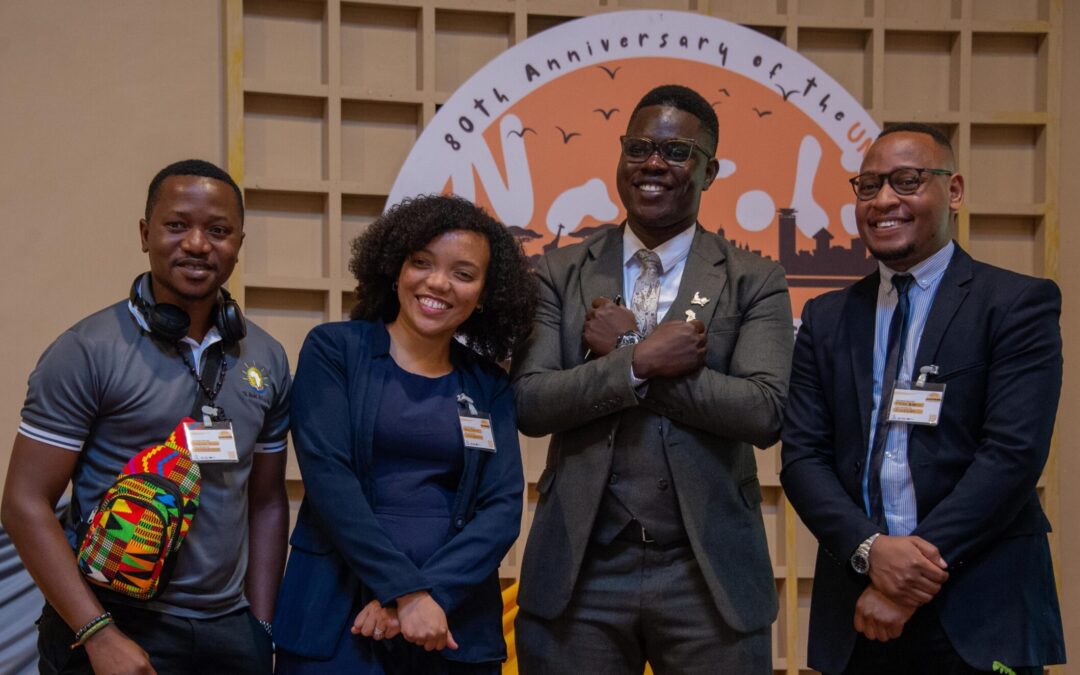
The 80th anniversary of the United Nations offered the opportunity to hold an international event in Nairobi, entitled “Cities, Communities, Care-Youth in Action for Sustaining Peace”. The conference gathered many young Africans and representatives from all over the world, protagonists of a renewed momentum towards the construction of peaceful and resilient societies, capable of shaping the future of the African continent, with the vision of a united world at heart.
The high point was the presentation of the “Charter of Commitments”, a document promoting peace through intercultural dialogue, artistic initiatives and community programmes, recognising young people as key “peace influencers” and agents of change. At the heart of the vision presented is the adoption of the values of ubuntu, the African philosophy that calls for sharing and reciprocity, as the foundations of a caring society. Young people encourage the United Nations and the African Union and appreciate their role in supporting and collaborating with local governments, civil society actors, religious institutions and youth organizations, in promoting solidarity, justice and equality, both locally and globally. The Charter advocates concrete actions for more welcoming cities, sustainable development, new impetus for youth entrepreneurship and a new African vision, free from borders and barriers. It stresses the urgency of greater inclusion, training and youth participation in decision-making, at all levels.
This appeal comes at the end of the event organized by New Humanity, the NGO of the Focolare Movement. It took place in the Mariapolis Piero in Nairobi. Partners included: UN Habitat (the UN agency for urban development), UNEP (the United Nations environment agency), the Laudato Sì Movement in Africa, Greening Africa Together, Living Peace International, Africa Interfaith Youth Network, International Sociological Association, ASCES University Center of Caruarù in Brazil and all the social, political and cultural expressions of the Focolare Movement.
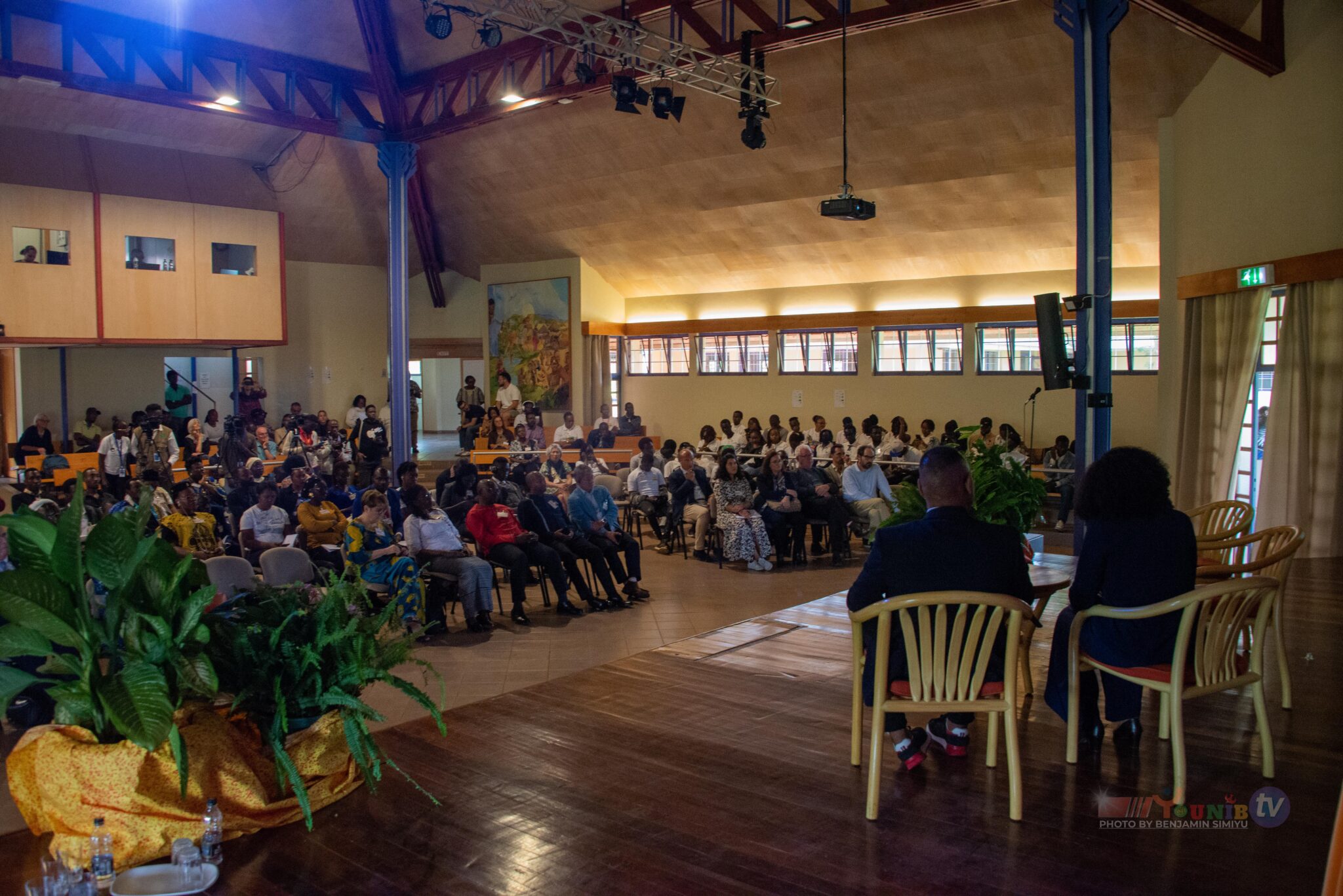
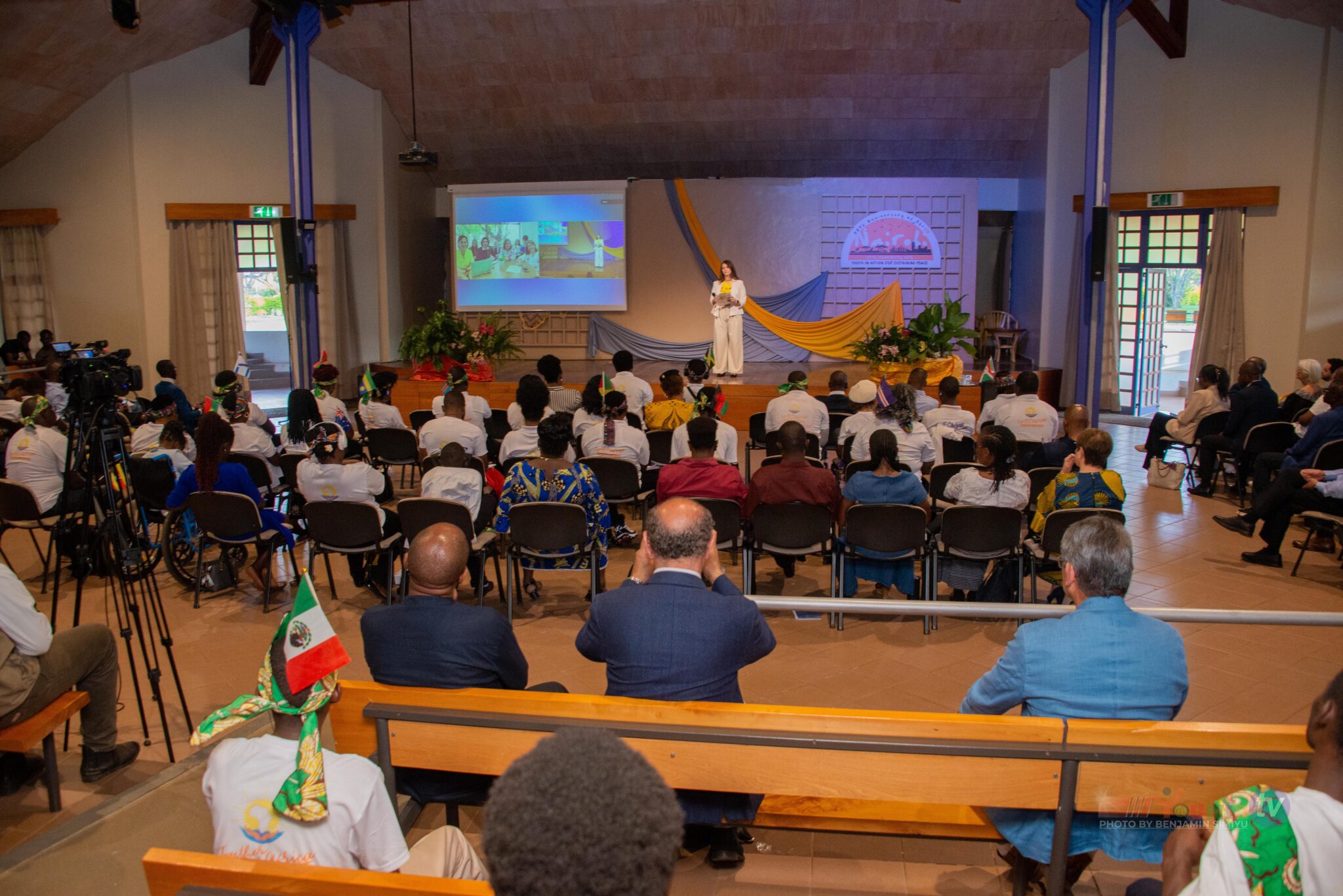
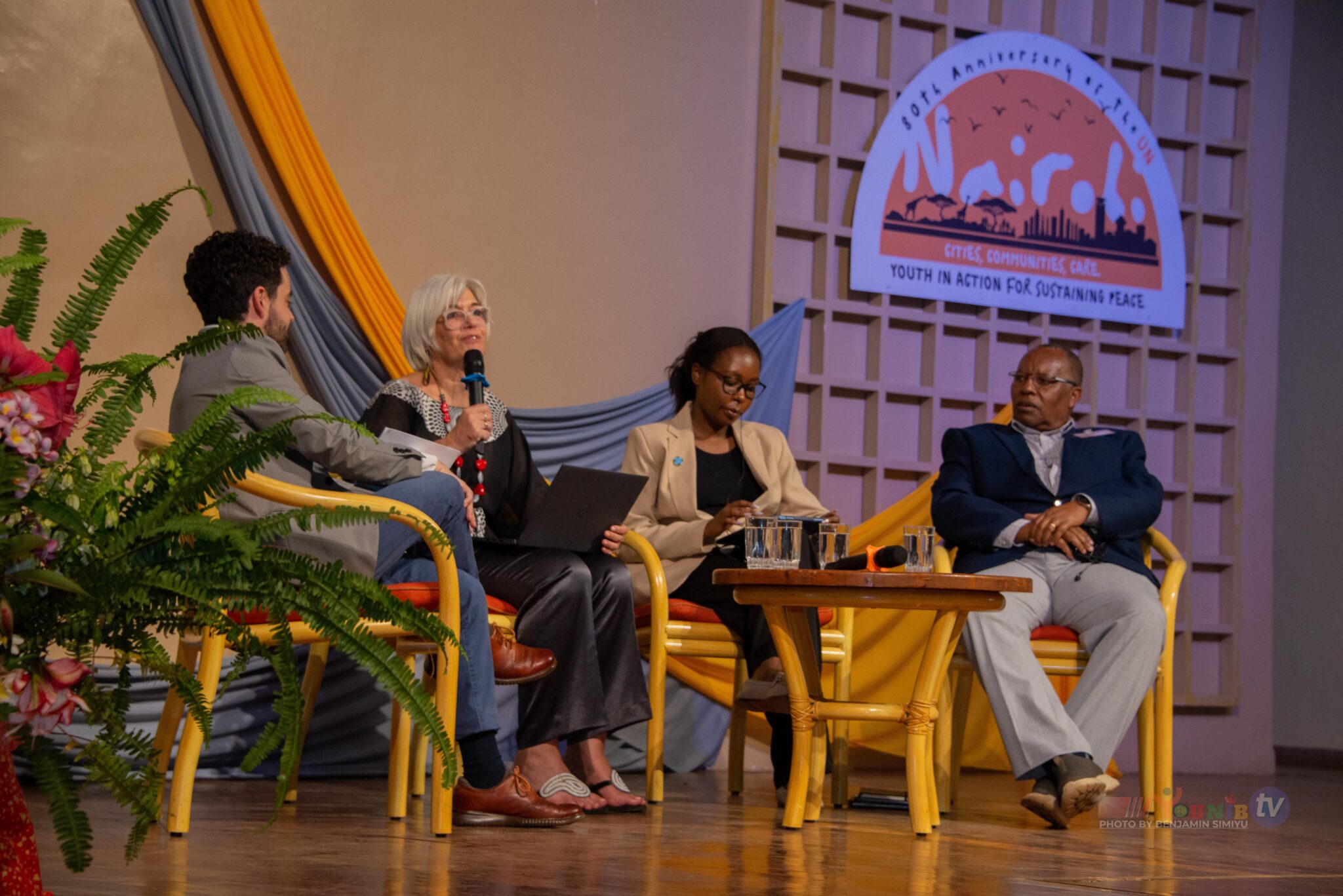
According to the youth leaders gathered in Nairobi, this new perspective can only be achieved through the creation of permanent mechanisms of collaboration both locally and internationally – a true effort of building and consolidating networks. The event saw the participation of thirty international speakers, eight round tables, six live link-ups and eight video testimonials, from cities of five continents, with a constant focus on dialogue with young people. The topics addressed touched on peace, urban development, care for the environment and new forms of leadership of communion.
The conference was opened by video messages from Felipe Paullier, UN Assistant Secretary-General for Youth Affairs and Margaret Karram, President of the Focolare Movement. Paullier, after recalling that Nairobi is one of the three main headquarters of the United Nations, said that “every war is a defeat for humanity, a failure of dialogue. Young people are not only victims of today’s crises: they are creators, leaders and builders of peace”. And, he added, there are more than 2 billion young people “ready to be equal partners in the construction of our common future”. A clear message for everyone: relying on a generation that “resists hatred, rejects indifference and chooses peace as a daily responsibility”, it is possible to start from cities and communities, because it is “in neighbourhoods, schools, places of worship and local communities that cooperation becomes tangible”.
Margaret Karram recalled the decade-long initiative to form a leadership of communion that was initiated by the Sophia University Institute and the Political Movement for Unity with the “Together for a New Africa” program. In its most recent 3-year cycle, the course, involved 140 young people from 14 African countries, together with tutors and teachers, who in the days leading up to the Conference held their annual Summer School in hybrid mode, to collect and discuss the results of their local actions. Altro programma ricordato dalla Presidente dei Focolari, che raccoglie da un anno 150 giovani di 60 Paesi del mondo, attivi in ambito politico e nella società civile, è “One Humanity, One Planet: Synodal Leadership”. Young people “who train and work to implement good policies and generate social impact, with a vision inspired by the culture of unity.”
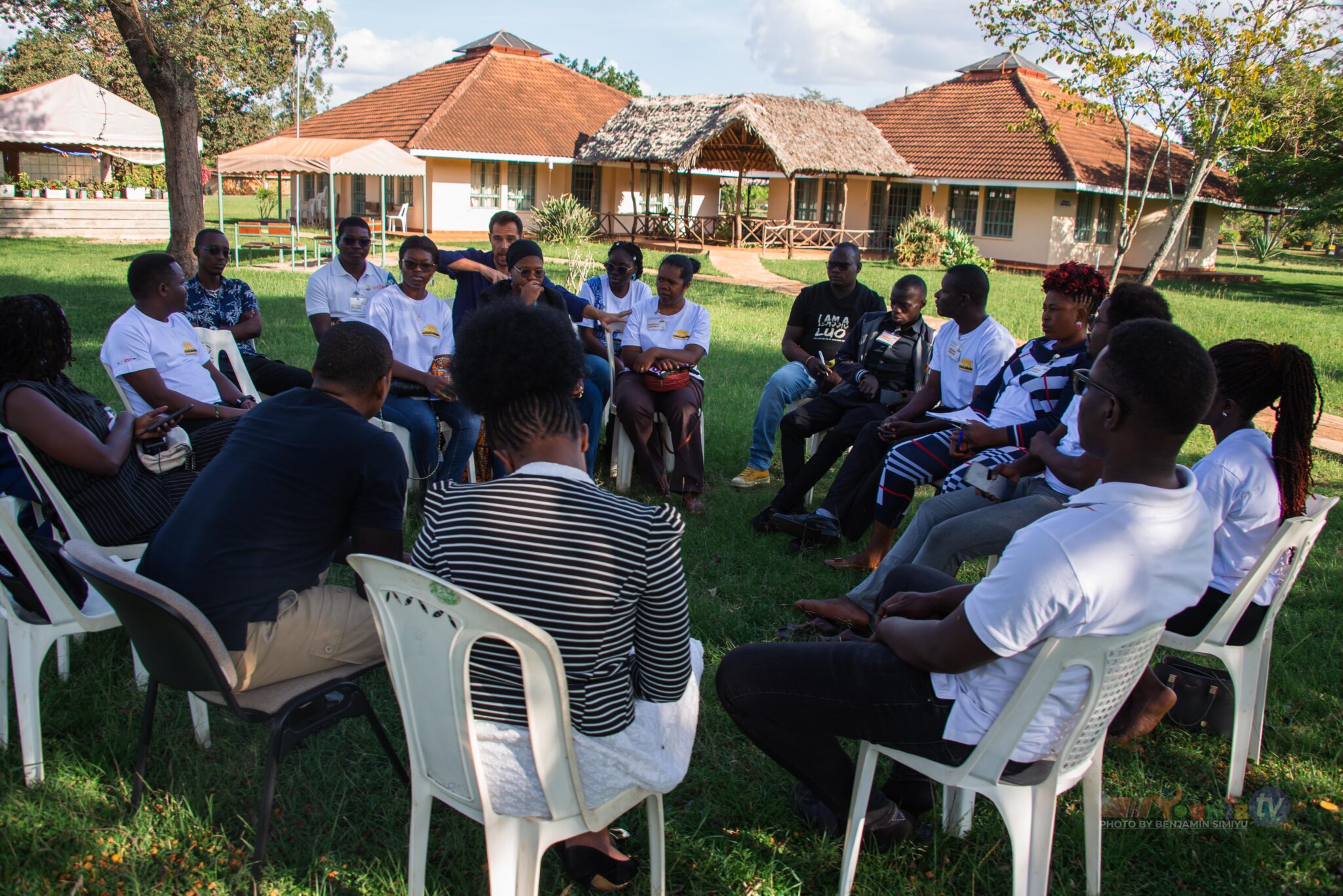
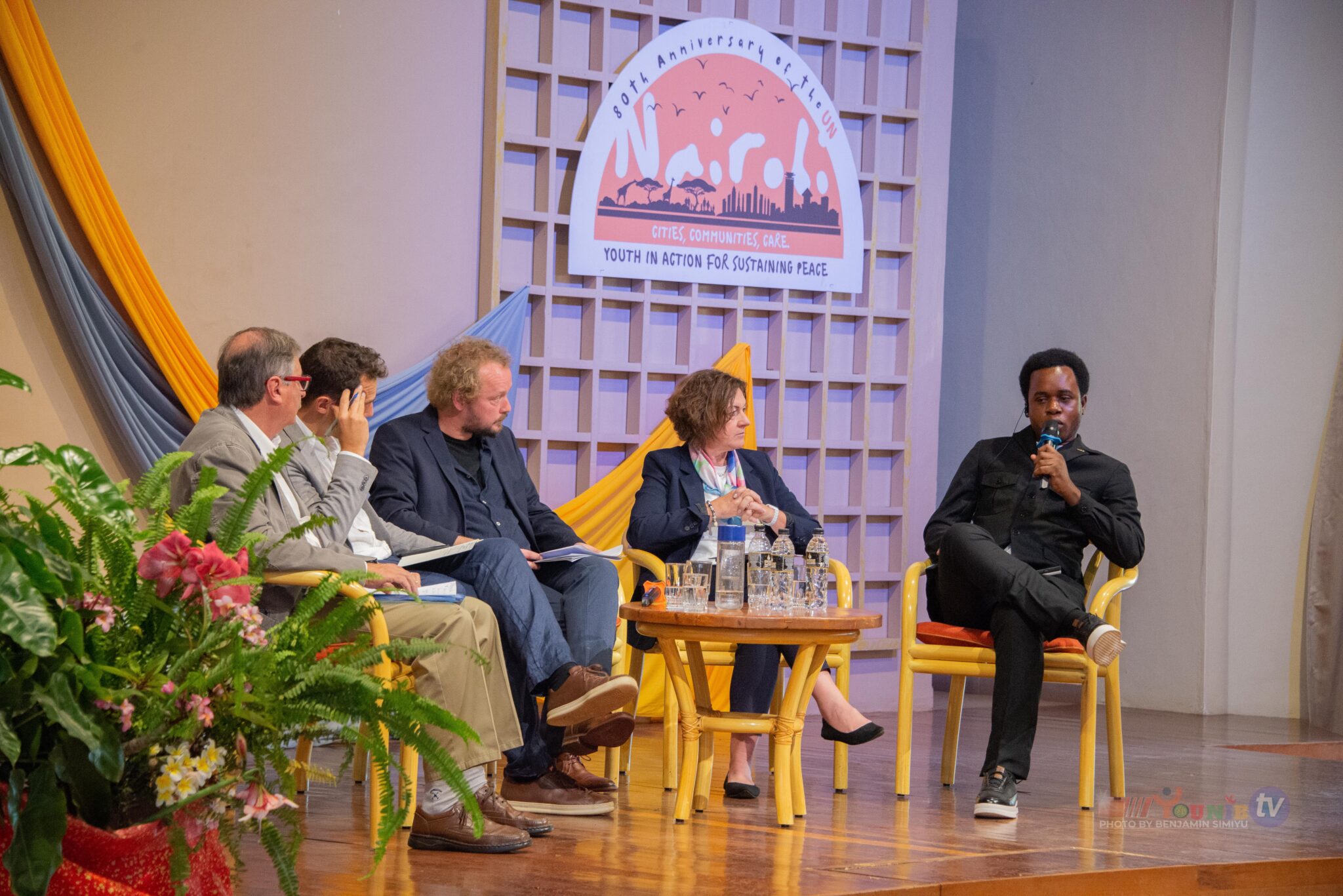
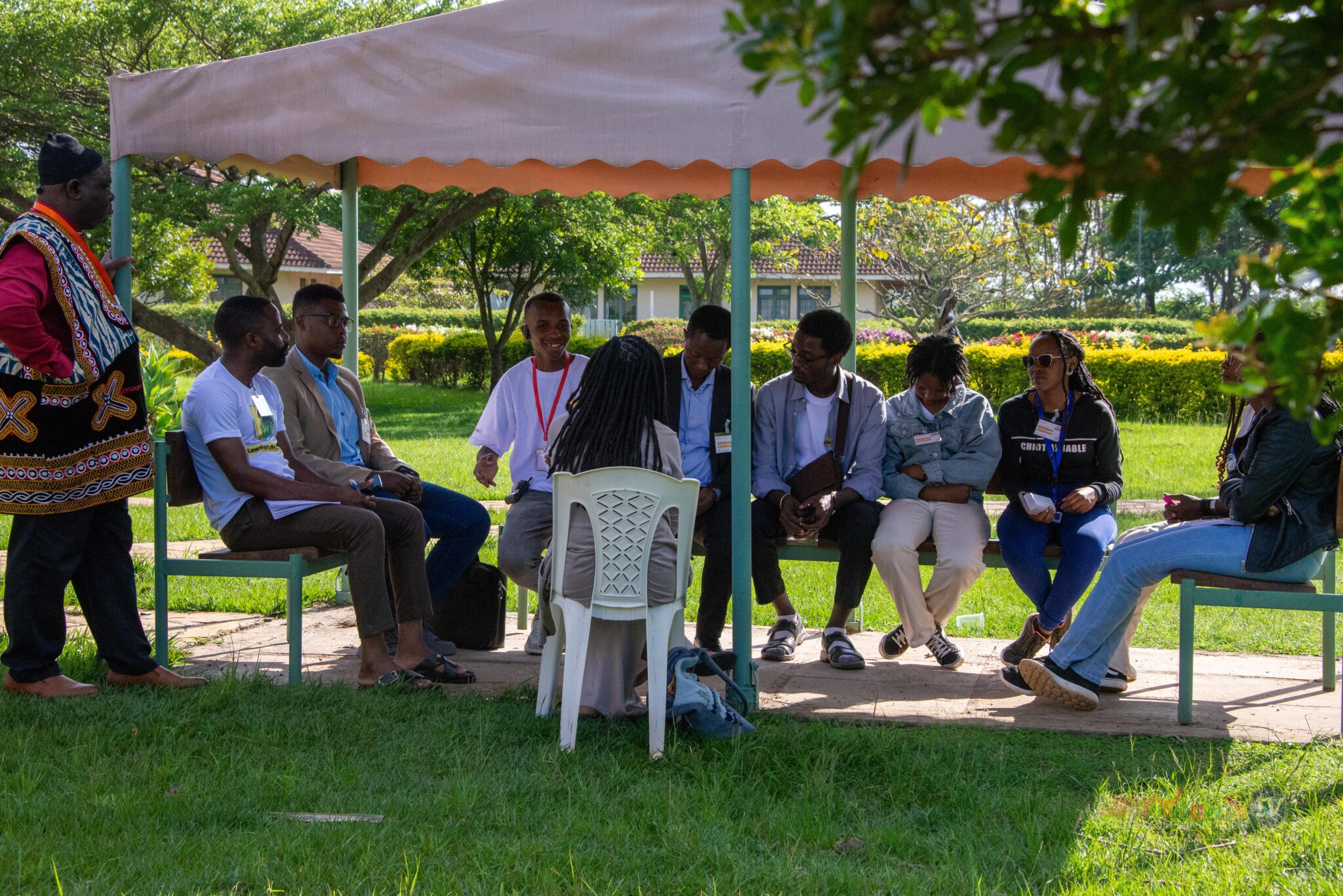
These are perspectives that define the commitment of the entire Focolare Movement, already “culminated in the document ‘Together To Care’ delivered to the UN a year ago”, explained the President, drawing on “initiatives such as Living Peace, which involves over 2 million young people worldwide”; together with “AMU with almost 900 cooperation projects, they testify to a concrete and widespread commitment”. In this context, she welcomed the effort to “shape a common path with which to redefine urban life, enhancing and strengthening social ties” adding: “African cultures have a lot to teach us about this important aspect”. Her invitation to rediscover in the heart of cities “communities of solidarity and reconciliation not perceptible to the human eye”: “‘invisible cities’ that in their smallness, day after day, contribute to building a world network of peace and that show that another world is possible” was striking. She concluded by emphasizing reciprocity as the key to change, which Chiara Lubich had already highlighted in 1997 at the UN Glass Palace: “reciprocity is a goal that can bring us closer, help us grow, that can become a reality when we take the first step towards the other, whoever they may be and whatever their beliefs, to understand their reasons, to seek a connection and to establish a relationship.”
Among the guests, Christelle Lahoud of UN-Habitat stressed that Africa, the continent with the youngest and fastest urbanizing population, represents both a crisis and an opportunity. Peacebuilding is strengthened when young people can actively participate in decision-making processes, contributing to the creation of safe and inclusive urban spaces. With an urban population estimated to reach 70% globally by 2050, cities are called upon to respond to growing challenges, including inequalities, forced migration, and climate emergencies, which put pressure on social cohesion and resources.
Lahoud highlighted how young people are already playing a leading role in the co-creation of more resilient urban spaces by assessing risks, collecting data and influencing local policies, collaborating with administrations and authorities to shape cities that reflect the real needs of communities. Cities, therefore, become a reflection of how societies live together, build trust across generations and pursue collective well-being, in tune with the ubuntu philosophy.
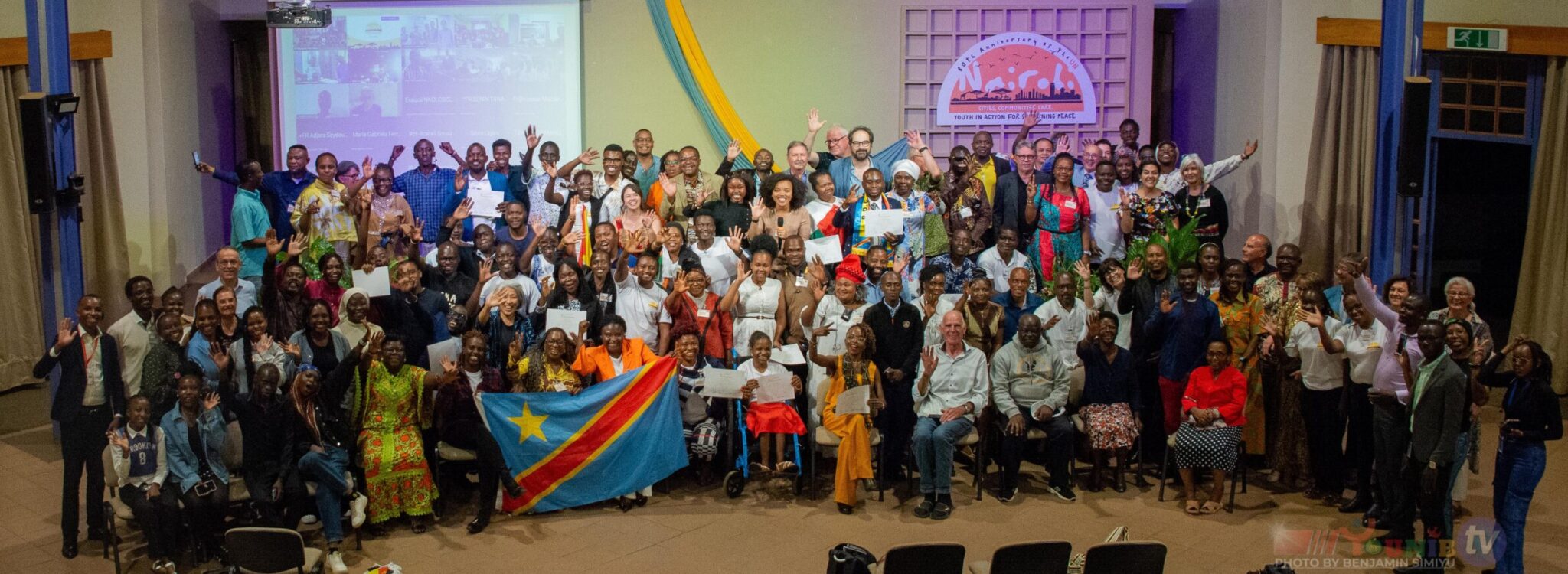
Experiences from cities such as Bethlehem, Beirut, Kinshasa, Trent, Manila, Pajule, Koper and Medellin helped give the event an international dimension, demonstrating that social and cultural transformation can come from the grassroots, through collaboration between civil society and institutions. Testimonies such as that of Agnes Aloyotoo, a candidate in the elections in Uganda and Jonathan Masuta, president of one of the youth federations of the African Union, showed how the new generations are already active in giving young people a voice in executive decision-making.
The message coming from Nairobi is clear: trust in youth leadership is the key to building more just, caring and peaceful societies, starting from cities and local communities. A strong determination to act as a network, both locally and internationally and to promote a culture of peace based on responsibility, collaboration and the inclusion of the new generations is the take away from this event.
Mario Bruno
Photo: Courtesy of Younib TV © Benjamin Simiyu
Actions, not words!
Help each other in every way
Get to know each other
Presentation of the 2024 Assessment of Communion in Action held in Rome (Italy) on 6 November 2025. The video is in Italian with a speech in English. I sottotitoli sono stati The subtitles were generated automatically; you need to activate them and choose the language.automaticamente, occorre attivarli e scegliere la lingua.
Circulate positive ideas!
Don’t make distinctions between people
Show love to those in need
Make available whatever you have over
Creating communion
 The first round of collecting suggestions for the election of the President, Co-President, and General Councillors from the various parts of the world was completed on the 7th of November 2025, in preparation for the upcoming Assembly. The phase of gathering ideas and proposals for topics to be addressed during the Assembly was also completed. What are the next steps? How will these proposals be organised?
Various proposals have arrived from all over the world, specifically from the 15 zones that make up the Focolare Movement. These proposals include both the results of community and individual reflection. The Zonal Commissions of certain areas have already summarised their ideas. All the proposals we have received will be read carefully, grouped by topic and summarised to make them easier to read. As the Preparatory Commission of the Assembly (CPA), we are already working on this. Certain subject areas will group together their proposals that have been examined and summarised so that they can then be presented to the Assembly. This is a path of real discernment, in which communion among us will be essential in the process of making operational choices. In receiving the fruit of this work, the Assembly will have the task of examining the ideas, considering new ones if it deems necessary, and voting to outline the guidelines for the next five years of the Movement’s activity. Of course, it is important to emphasise that all the proposals that we, as CPA, have collected will be included in a “book of proposals”, a document that the participants in the Assembly will be able to read personally or during the various meetings. Therefore, none of the contributions that have been given to us during this precious time will be lost but will be part of a handbook to help us continue walking together.
During this time, proposals for amendments to the General Statutes were also collected. Can you explain the criteria used to carry out this work?
Regarding this consultation, we must first of all take into account the need that has arisen to study our General Statutes in greater depth, in order to better understand what is more closely linked to the historical moment in which they were written and what is instead linked to the charism. For this reason, following the indications of Margaret Karram, President of the Focolare Movement, we are currently focusing on certain topics that are guiding us in gathering proposals for amendments to the General Statutes. For example, the application of the provisions of the Decree of the Dicastery for Laity, Family and Life, dated the 3rd of June 2021, which reduces terms of office to a maximum of 5 years. Another element that should not be overlooked are certain needs that have emerged in the life of the Movement, for example, bearing in mind the major local reorganisation that has taken place in recent years in various geographical areas, which leads to a greater sense of responsibility among all those belonging to the Movement, the possibility of further reducing the number of councillors elected during the Assembly, and the consideration of certain proposals that emerged during the previous General Assembly in 2021.
How does one practically move on from the proposal to the actual amendment of the Statutes?
As already mentioned, we are aware that it will not be possible to address a full-scale change in the General Statutes, but we will focus on certain aspects that cannot be postponed. Therefore, through the Preparatory Commission of the Assembly, a participatory process is taking place to gather proposals from around the world and it is being carried out in the various geographical areas where the Focolare Movement is present. Margaret Karram has now entrusted the study of these proposals to a special commission, which will make the appropriate evaluations. This commission, composed of individuals with expertise in various fields, will prepare a draft, which will be added to the study conducted in previous years by another commission appointed after the 2021 Assembly. This will provide the President and the upcoming Assembly with the necessary elements to discern whether these proposals are true to the charism, to Canon Law, to the present situation of the Work of Mary, etc. Next March, the proposals will be presented to the General Assembly, which has the task to deliberate and approve them. Any amendments approved by the Assembly will then be submitted to the Dicastery for Laity, Family and Life, which we depend on as a Movement. The Dicastery may or may not approve them. Only after this approval will they be implemented.
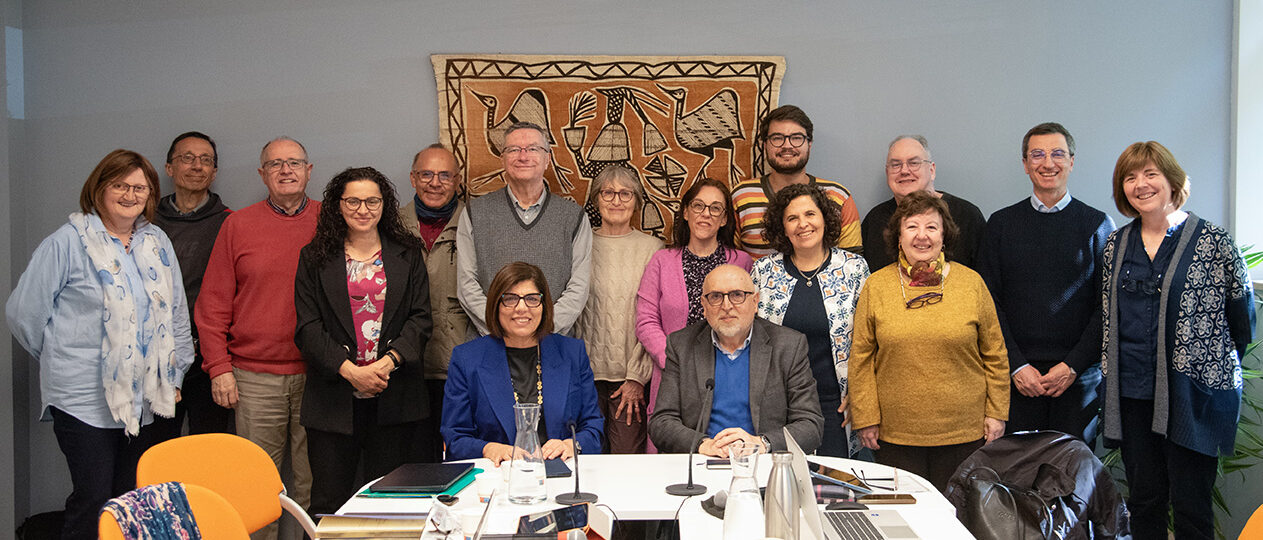
The method that will be used at some stages of the General Assembly will be inspired by that of the “Conversation of the Spirit”. Can you explain what this consists of?
This method, the conversation in the Spirit, which was used during the Synod, is a way of discerning. It is a tool that we have also suggested to be used in the Zonal Assemblies, but in the light of the charism of unity. It is not merely a technique for peacefully resolving issues between people who think differently. It is something very profound that involves everyone and is implemented through several essential steps, starting specifically with personal preparation. Each person, entrusting themselves to the Father, praying in silence and listening to the Holy Spirit, prepares their own contribution to the topic they are called to discern. Next, it is necessary to make space for other people in an atmosphere of profound sharing: starting from what others have said, each person can share what has resonated most deeply within them and, at the same time, what they find most difficult to accept. Based on what has emerged, dialogue begins in order to discern and gather the fruit of the conversation in the Spirit: to recognise insights and convergences, identify disagreements and obstacles, and allow new questions to emerge. It is very important that in this dynamic, space is given to what are called “prophetic voices”, those insights capable of reading the past in depth, and that everyone, in this community dimension, can feel that their thoughts have contributed to the result of the work. For this reason, everything must be preceded by the Pact of Mutual Love, indicating the steadfast will to really walk together towards God, helping each other, forgiving each other and starting over whenever necessary. In this way, the conversation in the Spirit will make the required discernment easier. It will be useful to “recognise” God’s presence in the complexity of historical events, to “interpret” them in the light of the charism of unity, and to have the courage to believe in the possibility of “implementing” what has been decided.
In addition to the participants with voting rights, a number of guests will also be present at the meeting, but they will not be able to vote. Why is their presence important?
The actual Statutes of the Work of Mary envisage the presence of a certain number of participants at the Assembly who are invited directly by the President because their contribution is considered valuable and greatly enriching. These are people who participate in the Movement in various ways and forms: people belonging to various Churches, followers of various religions, people of no religious affiliation or of different cultures, experts in various fields. With their experience, they can help in discerning different aspects. Their presence allows us to broaden our vision and horizons. In this way, the Assembly can better represent the Movement in its diversity, making it more capable of living for “may they all be one”. These participants will be involved like the others in the plenary discussions and group work. The only difference is that they will not be able to vote, but voting is only one aspect of the Assembly. The Assembly is above all intended to be a profound experience of unity in order to reflect and discern together on the future of the Movement, by listening to the Holy Spirit.
by Maria Grazia Berretta
Cover photo: General Assembly 2014 © GNuzzolo-CSCAudiovisivi
Go in the direction of goodness
Inner freedom
Sincere humility
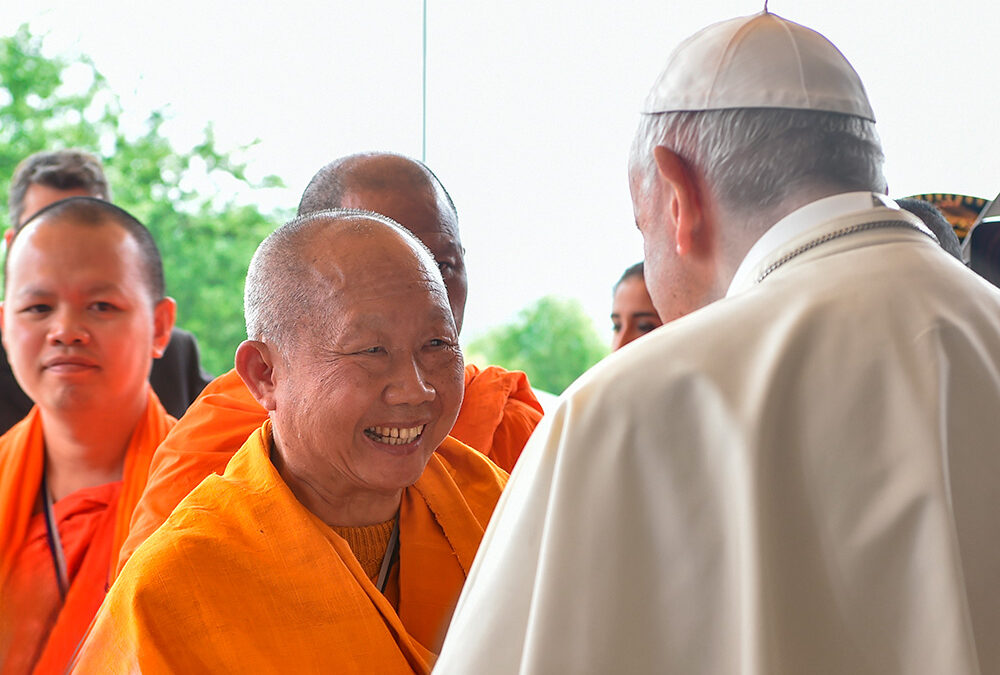
In the early hours of the 10th of November, the Thai Buddhist monk Phra Maha Thongrattana Thavorn passed away, and the news quickly reached the Focolare communities around the world. His death makes us think of a path of dialogue between religions committed to working for a united world, mutual understanding and peace.
His story intertwines with that of the Focolare Movement in 1995, when, accompanying his disciple Somjit to Italy, he visited Loppiano, the Movement’s international little town, for the first time. It was there that he met Chiara Lubich. The spiritual closeness that the monk felt with the foundress of the Focolare Movement was so strong that he began to refer to her as “Mamma Chiara” from that moment on. In turn, Chiara recognised in him a soul of extraordinary depth, capable of illuminating the path of interreligious dialogue with authenticity and respect, hence the name ‘Luce ardente’ (Burning Light) by which he is known to many. From that moment on, the Thai monk became a faithful friend of the Movement, participating in numerous events in both Asia and Europe. His presence was discreet but intense, and his message always clear: religions must not compete with one another but collaborate for the good of humanity.
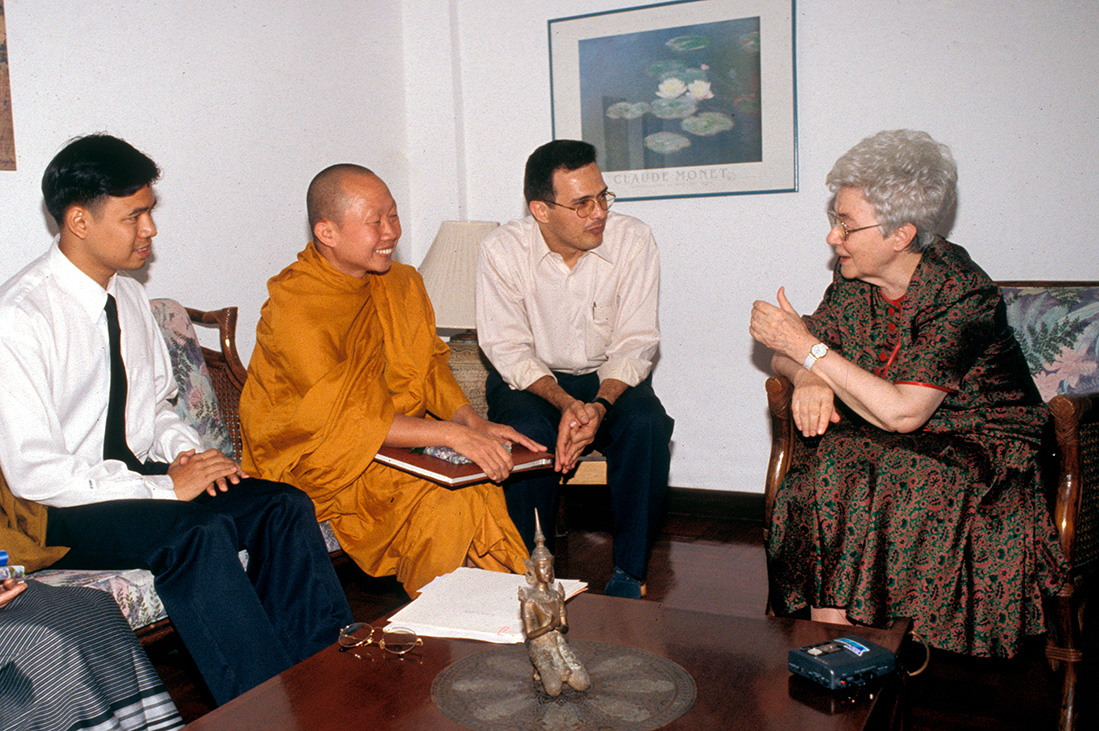
Margaret Karram, president of the Focolare Movement, wrote to the communities around the world:
“He completely lived up to the name Chiara had given him. Everywhere he went, he was an instrument of light, consolation and hope. Until the very end, he loved and lived to build fraternity. Throughout his life, he spoke about unity in a unique way, with wisdom and passion, through books, magazines, radio programmes, meetings with Buddhist monks and lay people, even in the face of difficulties. One day, a monk asked him, perplexed, “Master, are you following a Christian woman?” And he replied, “I do not follow a woman, but her ideal of universal fraternity. She does not belong only to Christians, she is also ours.”
In his last message, he wrote to me: “Margaret, I am suffering, but I am hanging on, hanging on, hanging on, because my suffering is nothing compared to that of Jesus on the Cross. I am hanging on because I am the son of Mamma Chiara. Remember: we will not see each other again, but one day we will meet again. I will be with Chiara soon.”
Personally, I cherish every word he wrote to me and every piece of advice he gave me. He taught me what it means to “hang on out of love”, and his unity with me was a precious gift that I will never forget.”
Luce Ardente asked to be buried in Loppiano, where he met Chiara and discovered the spirituality of unity. In an interview given in 2021, he strongly emphasised his vision: “I would like everyone, in their own religion, to seek the profound meaning of their own doctrine. Only in this way can we live together in peace and harmony.” It is a call to live in depth, in sincerity and in sharing. An invitation that today sounds like a spiritual testament.
Stefania Tanesini
Photo © Archivio CSC Audiovisi
Activate subtitles in the desired language – The original is dubbed in Italian.
Set generosity in motion!
Devise some peace activities!
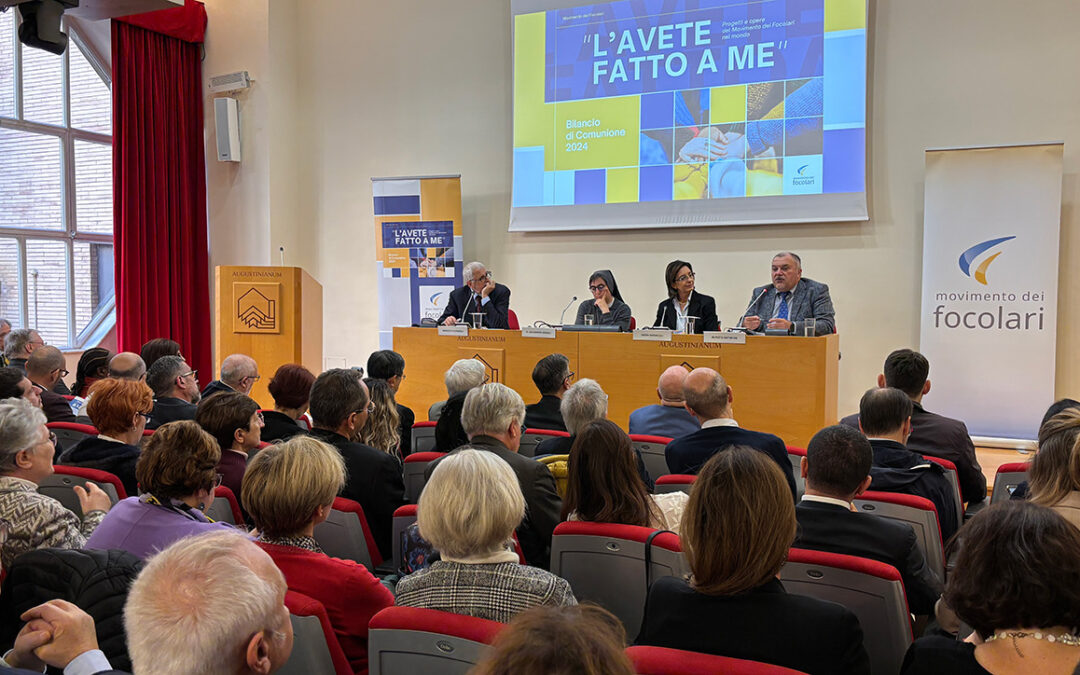
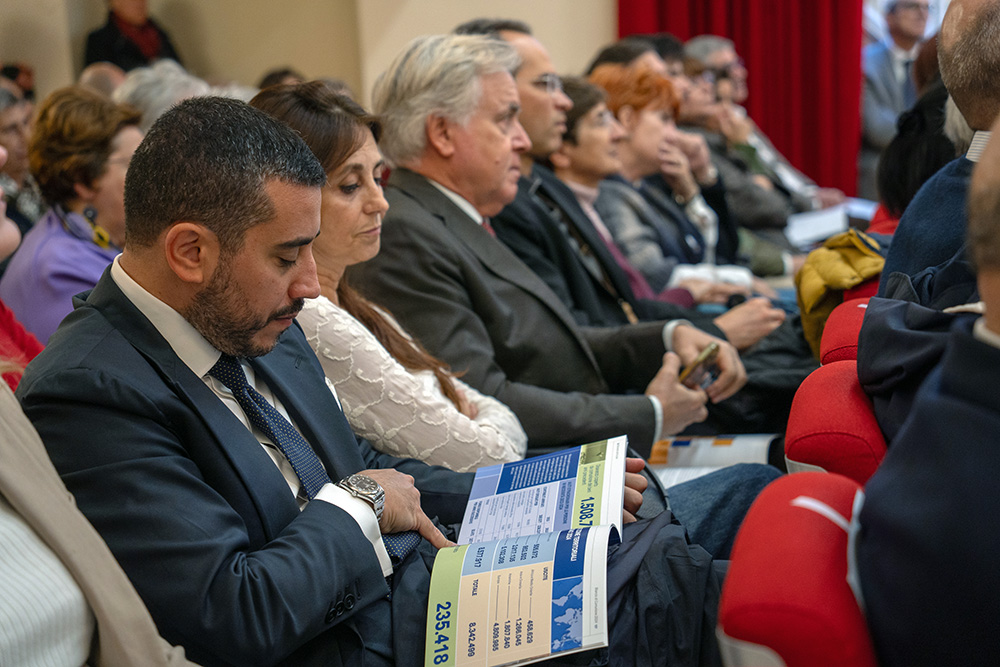
“We have chosen to tell stories of closeness and fraternity that are the fruit of the commitment of many people and communities around the world who are striving to generate trust every day.” With these words, Margaret Karram, president of the Focolare Movement, opened the event presenting the 2024 Assessment of Communion in Action, held on the 6th of November 2025 at the Augustinian Patristic Pontifical Institute in Rome. This document goes beyond a financial report and describes the ongoing projects in various countries linked to the Focolare Movement and their specific impact on individuals, communities and geographical areas. “It does not merely measure numbers, but speaks of relationships,” emphasised Sister Alessandra Smerilli, secretary of the Dicastery for Integral Human Development. “Communion is a strategic asset. It is not simply the sharing of resources, but the building of bonds that generate trust, cohesion and resilience. In economic terms, it is relational capital: it reduces exclusion costs, encourages participation and enables processes of integral human development. Where there is communion, fragility becomes an opportunity, because those who are part of networks of reciprocity have a better chance of being able to escape marginalisation. In a time of great inequality, this assessment is both a prophetic statement and good news: every single act is important.”


The figures
Ruperto Battiston, co-responsible for the Focolare Movement’s finances, explains the figures: “The 2024 Assessment of Communion in Action shows an income of €8.1 million from donations, from the communion of goods given freely by those belonging to the Movement and from contributions of external institutions for training projects. Expenditure amounted to €9.6 million and was allocated to initiatives that generate long-term value: local projects, little towns, social initiatives and educational and cultural programmes, as well as to support the International Centre.
Thanks to an extraordinary communion of goods of €208,568, it was possible to help people belonging to the Movement who are in situations of particular need and also the structures that help those who are poor.
In addition, the Economy of Communion distributed 394 individual grants and supported 14 projects in 13 countries, for a total of €669,566.
Among the many figures, this year we have chosen to highlight the sums allocated to structures involved in safeguarding and formation in safeguarding, as recommended in the recent report by the Pontifical Commission for the Protection of Minors.”
There is the possibility to DOWNLOAD the Italian version of the Communion in Action Report by clicking (translations into other languages will be available shortly).
From Sicily to Manila:
a journey in communion
Five projects were presented from among those illustrated in the Assessment: Fo.Co. ONLUS – Italya social cooperative that welcomes migrants and unaccompanied minors, promoting inclusion and employment. It has reopened an abandoned convent, transforming it into a reception centre; UNIRedes – Latin America: a network of 74 organisations active in 20 countries, which reaches thousands of people every year with educational, health and cultural projects. The Focolare Medical Centre –in Man, Ivory Coast: established during the civil war, today it is a 24-hour health centre offering telemedicine and hospitalisation services. Focolare Carpentry – Philippines: a vocational training centre that has restored dignity and work to over 300 young people excluded from the school system. TogetherWEconnect – Israel and Palestine: an educational project involving 500 students in courses on dialogue, self-esteem and active citizenship.
A methodology based on the Gospel
“Communion is not welfare, but protagonism and reciprocity,” explained Moira Monacelli of Caritas International. “Being present does not only mean doing for but walking with.” The activities described in the Assessment stem from a tangible love, which translates into listening, shared responsibility, education and trust in Providence. “Giving hope is not saying it with words,” concluded Monacelli, “but building communities where fraternity becomes a reality.”
Stefania Tanesini
Don’t give up until you find harmony!
Listen attentively
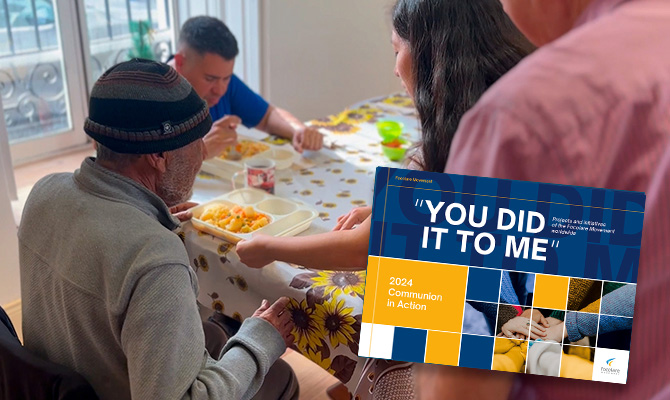
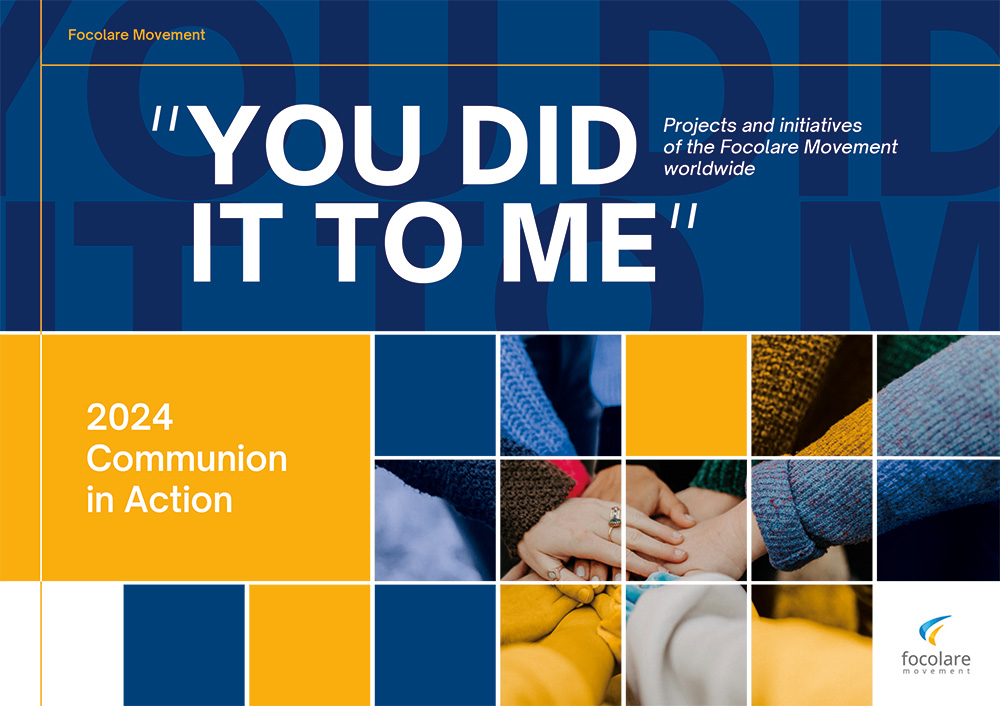
The Communion in Action Report (Bilancio di Comunione – BdC) is an instrument which began in the tradition of the Social Reports of non-governmental and non-profit organisations. It expresses a style inspired by the Gospel and is an invitation to promote relationships of reciprocity and communion and to contribute to the implementing of societies where people and nations can live with dignity, justice and in peace. For 2024, the Focolare Movement has analysed data relating to permanent and ongoing initiatives, projects and actions in many countries. The reported data does not represent a complete or exhaustive map of all the initiatives taking place but is a significant sample that expresses the commitment of over a hundred projects which, supported by the spirituality of the Focolare Movement, respond to the needs of humanity, so as to generate trust, social cohesion and a sense of community.
There is the possibility to DOWNLOAD the Italian version of the Communion in Action Report by clicking here or on the image (translations into other languages will be available shortly).
Spread real love everywhere
Practice the art of peace
Initiative and hard work!
Be authentic
“Hope does not disappoint us” (Rm 5,5)
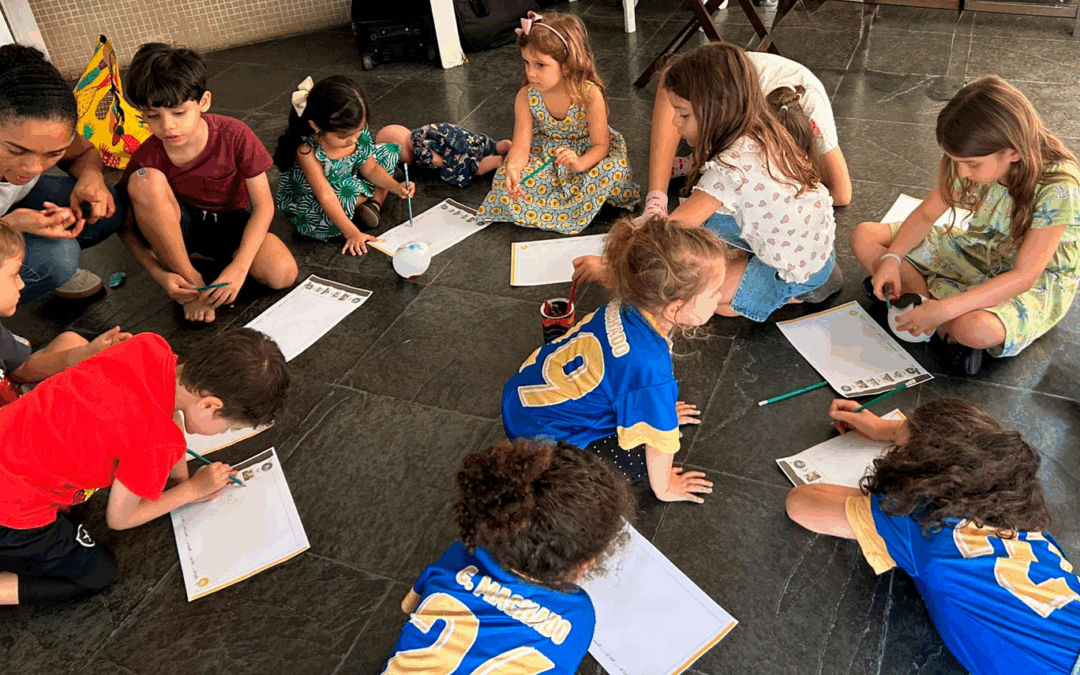
The participation of the new generations in the path that leads to the 2026 General Assembly of the Focolare, aims to be an integrated process, which progresses through different forms of involvement. The young people of the Movement around the world have been invited to take an inclusive and active commitment in their local communities. For this reason, a document has been prepared that presents what emerged at the last Assembly in 2021. This document invites adolescents and young people worldwide to reflect on three key questions. 1: What have we managed to achieve in our local area based on the proposals from the last Assembly? 2: What do we want to achieve in the future and to what do we want to commit? 3: What is a desire or dream you have for the Movement over the next five years?
This is an indispensable process for uniting generations and giving continuity to their journey towards unity. Communities have been encouraged to create moments of communion that foster dialogue and the development of proposals, so as to enhance the leadership of young people, rooted in their real lives and their particular sensitivity.
Special attention has also been given to the participation of the children of the Focolare Movement, who have been asked to respond through drawings to the question: What can we do to help make the world more united? These drawings will be displayed in the halls where the participants in the Assembly will meet so that they can inspire and speak to the hearts of many.
Turn on English subtitles – The original is in several languages.
Lift yourself up to God
Recently, an observatory established by three Italian universities reported that more than a million hate messages were posted online in one year. Messages of hate against foreigners, Jews and, in particular, women are becoming increasingly violent.
Of course, we cannot generalise, but most of us, at some time, have experienced argumentative attitudes, insults and antagonism in our families or at work or during sport and so on which divide us and undermine social cohesion. On a more global level, there are currently 56 armed conflicts worldwide, the highest number since World War II, resulting in a significant number of civilian casualties.
It is in this context that Jesus’ thought provoking words resonate more truthfully and powerfully than ever.
Blessed are the peacemakers, for they will be called children of God.
‘Every nation and every person feels a deep longing for peace, harmony and unity. Yet despite our efforts and goodwill, after thousands of years of history, we still find ourselves unable to achieve stable and lasting peace. Jesus came to bring us peace – a peace that, he tells us, is not like that which ‘the world gives’,
Sermon on the Mount begins (Matthew 5–7). Jesus, who embodies all the Beatitudes, addresses his disciples instructing them. It is worth noting that the eight Beatitudes are formulated in the plural. This suggests that the emphasis is not on individual attitudes or personal virtues, but rather on a collective ethic carried out in a group.
Blessed are the peacemakers, for they will be called children of God.
Who are the peacemakers? ‘This ‘beatitude’ is the most active one and explicitly asks for concrete efforts. The words are similar to those in the first verse of the Bible that refers to creation and they indicate initiative and industriousness. Love is creative by nature … and seeks reconciliation at any cost. Those who have learned the art of peace and practise it are called children of God. They know that there can be no reconciliation without giving one’s life, and that peace must always be sought everywhere… This is not an autonomous work that is the fruit of one’s own abilities, but a manifestation of the grace received from Christ, who is our peace and has made us children of God.’[3].
Blessed are the peacemakers, for they will be called children of God.
So, how can we live out these words? Firstly, by spreading true love everywhere. Secondly, we must intervene when peace is threatened around us. Sometimes, simply listening lovingly and attentively to those in conflict can provide a way forward.
Furthermore, it asks that we do not give up until broken relationships, often caused by trivial matters, are restored. Perhaps we could initiate special activities within our groups, associations or parishes to raise awareness of the need for peace. There are myriad proposals around the world, large and small, that work for this: marches, concerts, conferences and volunteer work set in motion a current of generosity that builds peace.
There are also peace education programmes, such as «Living Peace». To date, over two million children, young people and adults in more than 2,600 schools and groups on five continents are involved in its initiatives. These include launching the ‘Peace Dice’ — inspired by Chiara Lubich’s ‘art of loving’[4] – with phrases written on each side to help build peaceful relationships, and the worldwide ‘Time Out‘ initiative which is a moment of silence, reflection, or prayer for peace at 12:00 noon every day.
Prepared by Augusto Parody Reyes and the Word of Life Team
Photo: © De Rezende Maria Clara – wesite Living Peace – Copertina Guida 2025-2026
[1] Cf. Jn 14:27
[2] C. Lubich, Word of Life Jan 2004
[3] Pope Francis, General Audience, 15 April 2020
[4] C. Lubich ‘The Art of Loving’, Rome 2000
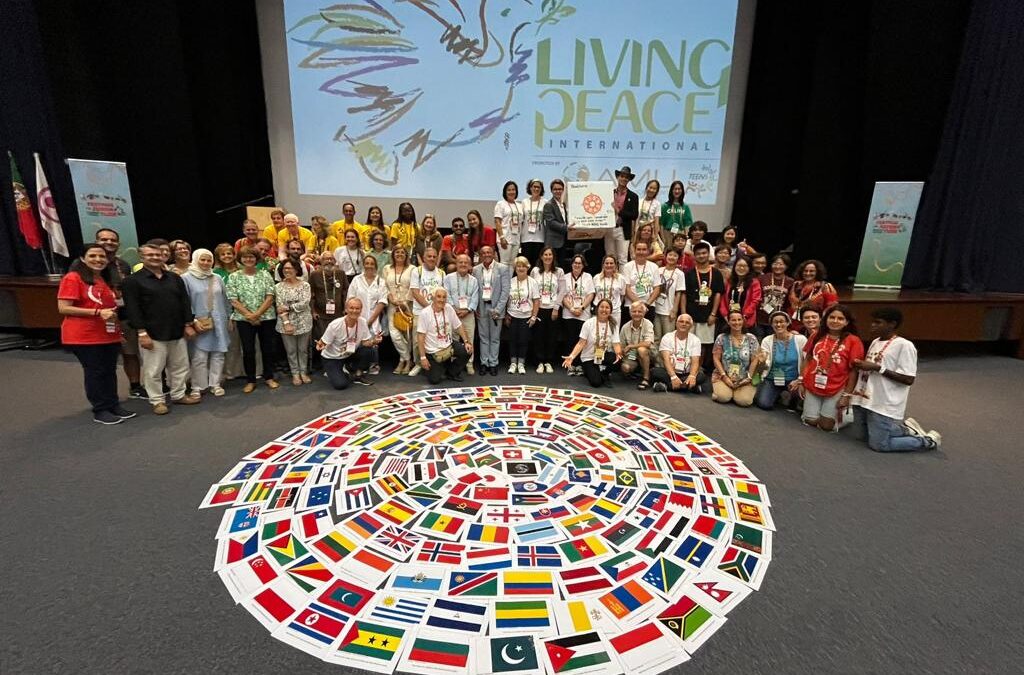
We live in a time when tensions, conflicts, and messages of hatred seem to be multiplying everywhere: on social media, at work, in politics and even within families. Globally, armed conflicts are reaching levels unseen in decades. This situation reminds us that peace is never guaranteed but must be cultivated daily.
In the light of this, Chiara Lubich’s words from 2004 are still very relevant today: “Every nation and every person has a deep longing for peace, harmony and unity. But despite our efforts
and goodwill, after thousands of years of history, we find ourselves unable to maintain stable, lasting peace (…) because peace is not only the absence of war, struggles, divisions, and traumas.” True peace is “fullness of life and joy; it is the integral salvation of the person; it is freedom; it is justice and fraternity in love among all peoples.”
Working for peace requires taking action and initiative, sometimes creatively. Each of us has the potential to become a “peacemaker” by promoting harmony and collaboration in the small things of everyday life and by joining global initiatives that foster cooperation.
Some concrete examples are significant.
The Living Peace project began with a personal desire to promote peace and then evolved into an extensive peace education programme. Currently, over 2,600 schools adhere to this project and two million children, young peopleand adults from five continents are involved in its the initiatives . Among these is the “peace dice,” which has phrases written on each face that help build peaceful relationships and that everyone tries to put into practice.
Recently, in a webinar entitled “Forgiveness and Peace: the Courage to Make DifficultDecisions,” the importance of forgiveness and reconciliation in being peacemakers and rebuilding what had been broken was highlighted.
Finally, another example is the Rondine Method: an open-air workshop that enables people to move beyond the resoning that regards others as the enemy. Israelis and Palestinians, Serbs and Bosnians, Armenians and Azerbaijanis but also Malians, Nigerians, and Colombians, and most recently Russians and Ukrainians, have built a viable way to repair relationships destroyed by hatred and build solid bonds in favour of peace. Over the last thirty years, many young people have visited “Citadel Peace”, a small medieval village on the outskirts of Arezzo. Some of these people are now politicians, ambassadors, business men or women and young leaders who are dedicating their lives to healing the wounds of those painful conflicts and laying the foundations for a future that combines peaceful relations and development.
To live this idea, let us resolve to sow seeds of peace wherever we are by ceating relationships of trust, solidarity, and cooperation, because every step toward peace makes us more fully human and brings the whole of society closer to a future of justice and fraternity.
Photo: © Livingpeaceinternational.org
THE IDEA OF THE MONTH is currently produced by the Focolare Movement’s “Centre for Dialogue with People of Non religious Beliefs”. It is an initiative that began in 2014 in Uruguay to share with non-believing friends the values of the Word of Life, i.e. the phrase from Scripture that members of the Movement strive to put into practice in their daily lives. Currently, THE IDEA OF THE MONTH is translated into 12 languages and distributed in more than 25 countries, with adaptations of the text according to different cultural sensitivities. www. dialogue4unity.focolare.org
Be at the service of others

Simply Loving
One afternoon I went to visit my mother to bring her a few things, as I usually do. It was hot and she was still having her nap, so I left everything in the utility room so as not to wake her. When I was about to leave, I noticed that the grass along the pavement (in our town this task is handled by the municipality) had been cut and a bit of a mess had been left. I immediately thought that when she woke up, she would see the pavement in that state and start sweeping it, even though she shouldn’t do that because it gives her back pain. So I went back to get a brush, because I know and started sweeping. This simple, small experience gave me the same joy I used to feel when I was a Gen 3, a teenager in the Focolare Movement, even though many years have passed.
(D. C. – Argentina)
While Shopping
Yesterday I was at the supermarket. While I was looking at some products on a shelf, I noticed a man staring at me insistently. Since I didn’t recognize him, I went on with my shopping, and so did he. A little later, though, as I was leaving, he was waiting for me and greeted me: “Don’t you remember me?” Since his face didn’t look familiar, I asked him to give me a clue. “I’m Stefan,” he replied, “years ago you helped me a lot with a document you prepared for me. Look, I still have it!” He opened his wallet, beaming and showed me an ID card that used to be issued to foreigners years ago. I looked at the date and saw it was from 1993, but still in perfect condition. Stefan said: “It’s been thirty-two years, but I’ve never forgotten how much you did for me and what that document meant to me at the time, so I’ve always kept it in your memory. Thank you!” Then he added: “You look just the same as back then.” He didn’t notice the wrinkles; he remembered the love. And love remains.
(A.P. – Italy)
Compiled by Maria Grazia Berretta
(From Il Vangelo del Giorno, Città Nuova, Year X – No. 1, September–October 2025)
Photo: © Pixabay
Protect the vulnerable
Be signs of new life
Always be a family
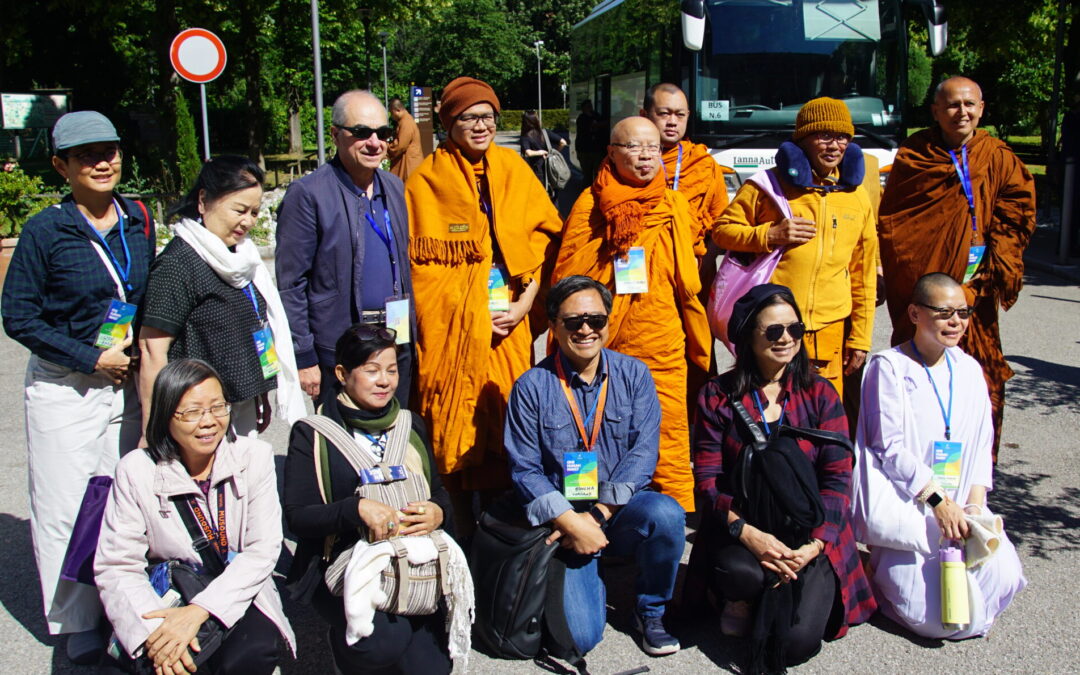
To commemorate the 60th anniversary of Nostra Aetate, we would like to share a short excerpt from the interview with a Theravada Buddhist monk from Thailand, Prha Pittaya, during the conference entitled “One Human Family” promoted by the Centre for Interreligious Dialogue of the Focolare Movement, which took place from 31 May to 4 June 2024 in Castel Gandolfo and in Assisi (Italy).
Turn on English subtitles – The original is in Thai.
Have the courage to start again
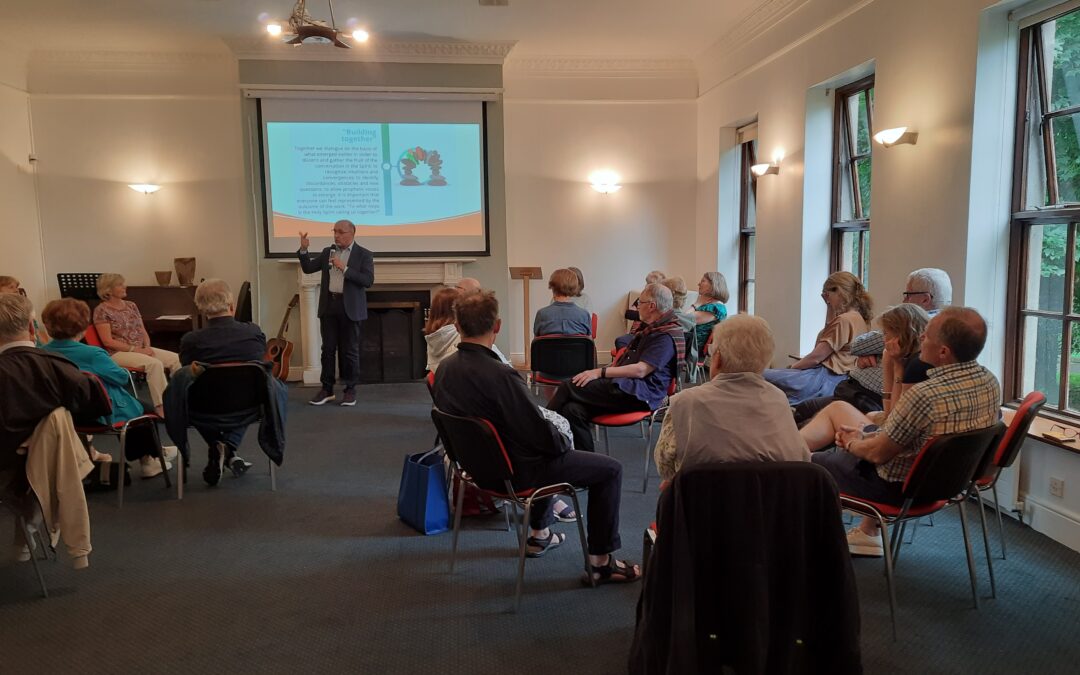
The Evangelii Gaudium Centre’s (CEG) fourth course on Synodality will soon begin. What’s new this year?
We are in a new phase of the synodal process. After the first 3 years which culminated with the Assembly of October 2024, we have now entered what is called the implementation phase. On 15th March, 2025, Pope Francis approved the start of a process to accompany the implementation phase, led by the General Secretariat of the Synod. This process involves everyone, from dioceses to lay associations, ecclesial movements and new communities.
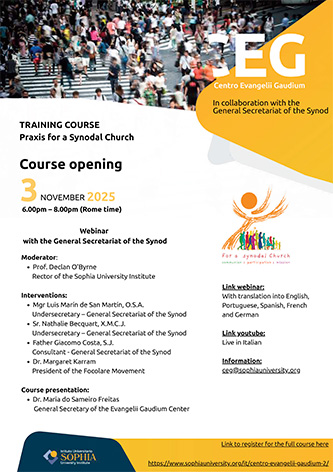
This is why we decided to launch a new course, entitled Practices for a Synodal Church as a concrete contribution to the implementation of the synodal process. We are convinced that the practice of synodality is much more than an attempt to make the Church more participatory – it is a new paradigm for ecclesial life. Moreover, we believe that this is not just a religious matter. Our societies are changing radically and, we all see this, truth, core values and mutual commitment are giving way to the law of the jungle. On the other hand, at local and regional levels, new ideas are emerging that reveal parallels with the synodal process in civil society. We believe that the synodal process in which the Church is engaged could offer a valuable contribution in this historical moment for the whole of society.
This year we want to explore these aspects, offering aa closer look at the ongoing process, seeking to discover new pathways and tools to embody synodality in the realities in which we live, as we are invited to do by the Final Document of the Synod and the subsequent document of the Secretariat last July, Pathways for the Implementation Phase of the Synod. We are certain that this is a journey in which the true protagonist is the Holy Spirit and that above all we must open ourselves to Him and let Him guide history, our personal history and that of the Church and humanity.
The theme of “Synodality” was central during the years of Francis’ pontificate. How are we continuing on this path with Pope Leo XIV?
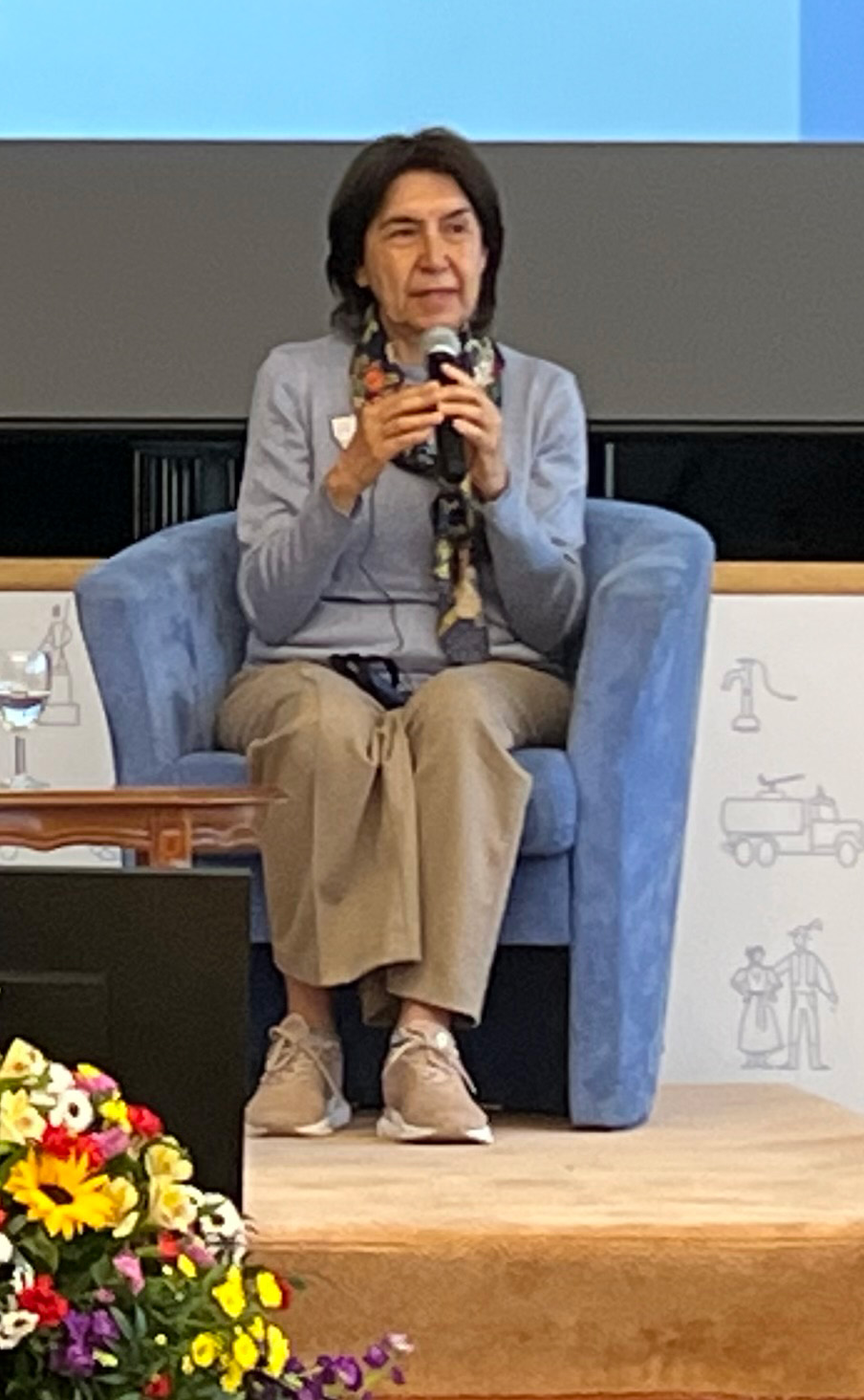
On 8th May, in his first message to the people of God, on the day of his election, Pope Leo drew up a programme: “To all of you, brothers and sisters in Rome, in Italy, throughout the world: we want to be a synodal Church, a Church that moves forward, a Church that always seeks peace, that always seeks charity, that always seeks to be close above all to those who are suffering.”
And in several other circumstances, in particular on 26th June, to the members of the Ordinary Council of the General Secretariat of the Synod, he reiterated: And the legacy that he (Pope Francis) left us seems to me to be above all this: that synodality is a style, an attitude that helps us to be Church, promoting authentic experiences of participation and communion.
It seems clear that his approach follows that of his predecessor, in the conviction that synodality is intrinsic to the Church. The upcoming Jubilee of Synodal Teams and Participatory Bodies that will take place from 24th-26th October in the Vatican is another significant occasion. Over 2,000 participants are expected, to whom the Pope will address a message on the afternoon of the 24th. It will be a further decisive step forward, journeying together throughout the world.
How the course will be structured? What is its target audience?
The Course will once again be online, in Italian with simultaneous translation into three languages: English, Portuguese and Spanish. With regard to content, it will draw on the Final Document of the Synod and the Pathways for its Implementation, trying to discover new paths for a synodal practice and how to apply them in each participant’s own context.
It will also offer practical tools for carrying out the synodal process, such as methods of facilitation, accountability, evaluation and verification.
Good practices already underway will be highlighted, and shared at international level. All this with the firm conviction that the synodal process is not a technique but an experience of openness to our brothers and sisters, a space for the presence of Jesus among his people (cf. Mt 18:20) which in the light of this presence, enables us to listen to the Spirit.
Each session will include the opportunity for students to share good practices, reflections or suggestions.
The Course will end with a workshop in April where the participants will be able put into practice what they have learned during the year.
The opening session on 3rd November will feature a special lecture by the General Secretariat of the Synod and a contribution from Margaret Karram, President of the Focolare Movement who participated in both Synodal Assemblies. The opening event is open to all.
Participants include people of all vocations, many lay people and also priests, religious and consecrated persons, engaged in both ecclesial and civil contexts. Several are students from previous years but we also have many new registrations from different countries.
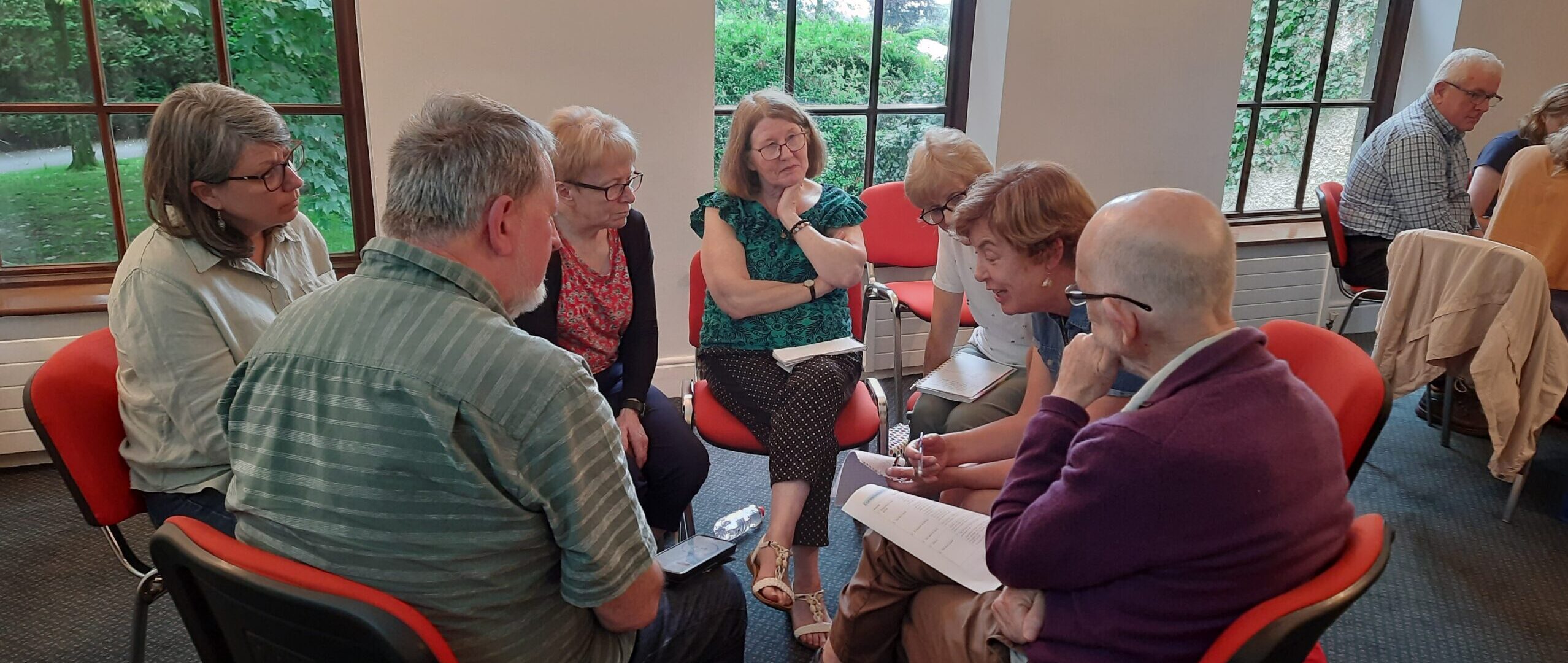
In light of previous years, what are your hopes?
We hope that this Course will contribute to the implementation of the synodal process in the various environments where the participants live and work.
In previous years we have seen that several students have become involved at diocesan, parish and association levels, putting into practice what they have learned; others have become multipliers of ideas in universities and schools.
We have a wide range of participants from different countries, from the Philippines to Canada, from South Africa to Sweden. The exchange of good practices may inspire new ideas and decisive stimuli to advance the synodal process, for the good of the Church and society alike.
Interview by Maria Grazia Berretta
Focus on the essentials
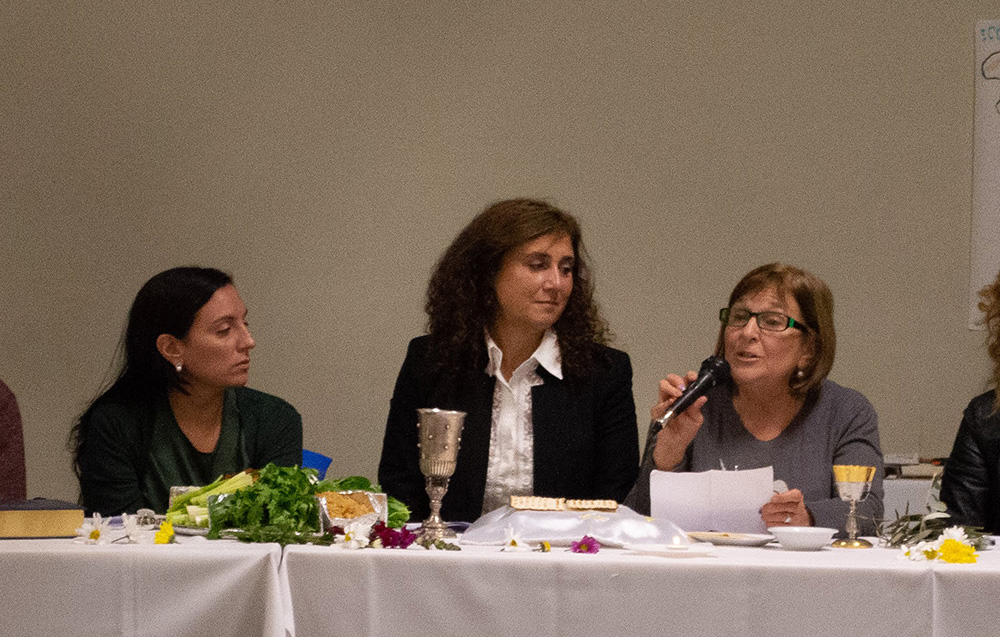
60 years after Nostra Aetate, we share the story of a unique friendship: Silvina, Nancy and Cecilia. Three women. Silvina is a rabbi in a Jewish community in Buenos Aires, Nancy is a Muslim who runs a center for interfaith dialogue, and Cecilia is a Christian and member of the Focolare Movement. A relationship that is built upon concrete actions and a desire to go beyond any possible barrier.
Go towards those who are lonely
Listen to our better selves!

The document provides a concise overview of the general guidelines for the Focolare Movement’s educational endeavours. In essence, it outlines the first mapping of the many and varied educational experiences designed not only for members of the Movement, but also for schools and to cultural and training agencies promoted by the Focolare in diverse contexts worldwide.

It is therefore addressed to all those engaged in education within the various branches and training initiatives of the Focolare Movement, in their own Churches or Christian communities, in their own religions and in society at large.
While acknowledging that reflection and implementation on it are still at an early stage, the document also reaches out to people working in other institutions and organisations involved in education and formation, as a stimulus for dialogue and mutual enrichment.
In several motions of the 2021 General Assembly, the desire was expressed to focus more deeply on the pedagogy that flows from the charism of unity and to foster synergies both within and beyond the Movement in this area. On the eve of the 2026 Assembly, this first document is now being made available online rather than in print to highlight its nature as a work in progress: an open document, to be enriched and updated over time.
The first section identifies the intended audience, the guiding principles, objectives and the key participants in the educational process. This is followed by a summary of the content and methodology and finally a compilation of the agencies and educational programmes offered by the Focolare Movement.
Be close to those who suffer
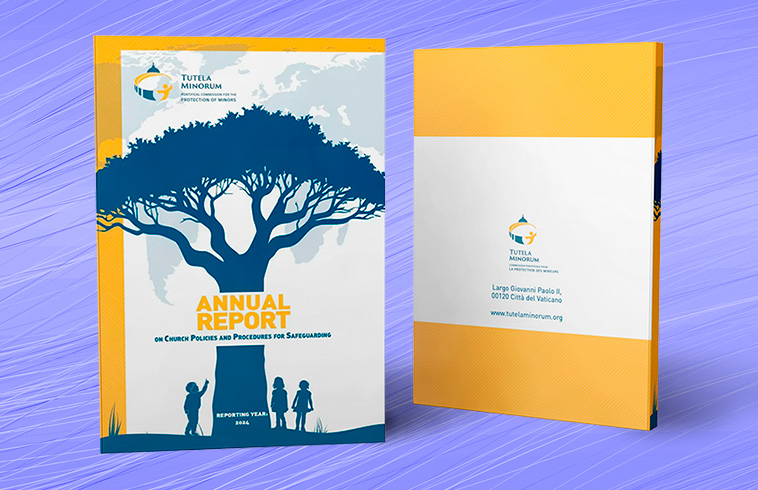
«The Church’s enduring response to abuse requires more than structural reforms: it demands
active participation of all, at all levels of ecclesial life.» This could be one of the key phrases of the second Annual Report on Church Policies and Procedures for Safeguarding . In its comprehensive and detailed Report, the Pontifical Commission for the Protection of Minors documents its findings and recommendations for 2024, thanking Pope Leo XIV for his full support in this work.
A second key phrase could be this: «Victims should be central to our priorities.» For this reason, the direct listening to the victims and the survivors of abuse has been expanded in this second report. «Al di là del ruolo limitato e spesso insufficiente del risarcimento finanziario, in un approccio integrale alla riparazione sono fondamentali strumenti di riparazione come i seguenti:
During the presentation of the Report to the press, emphasis was placed on the ongoing dialogue between the Commission and the bishops’ conferences around the world, focusing primarily on prevention, transparency and applicable protection procedures. The availability of safe spaces is important in order to manage situations in a preventive manner.
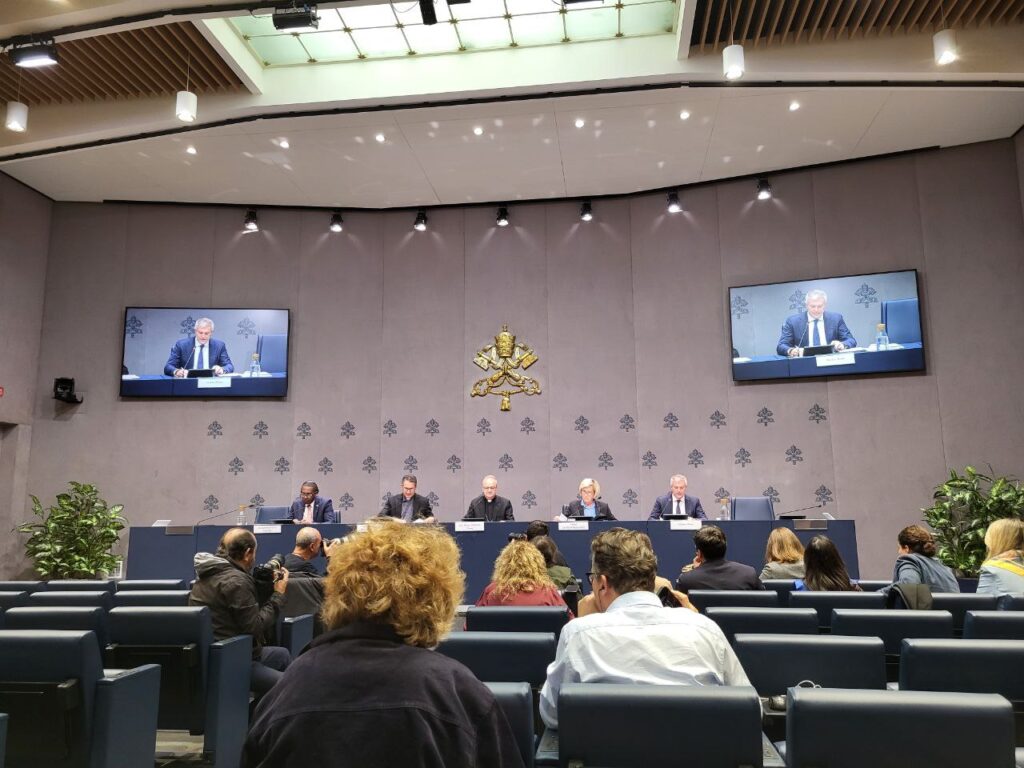
The cultural delays in many countries and the resistance to addressing situations and listening to people who have suffered abuse have not been concealed. Professionalism and structured dialogue are needed in local services, because victims or survivors often feel that they are not being adequately accompanied and report a lack of respect. There is also a need for a clearer canonical procedure for the dismissal and/or removal of Church leaders or staff in cases of abuse or negligence. However, there is widespread awareness of these delays and serious efforts are being made to acquire the necessary skills.
With regard to communication, this is a critical issue highlighted above all by victims, who always recall the suffering caused by the lack of transparency at the level of the universal Church and the local churches. The importance of developing training and information programmes for families on educational rights was also noted.
In the Report, the Commission launches a study on lay associations, in particular with the development of a pilot methodology to assist the Dicastery for Laity, Family and Life in accompanying aspects regarding safeguarding within these associations. This methodology is illustrated in the Report, together with an initial application in the case of the Focolare Movement.
« The Commission welcomes the important safeguarding reforms recently enacted by the Focolare Movement. While noting specific recommendations, the Commission also highlights certain particularly good practices, including the establishment of an Independent Central Commission for handling cases of abuse within the Focolare Movement; a Communication Policy concerning sexual abuse of children and vulnerable adults; and Guidelines on support and financial reparation in cases of sexual abuse.»
Among the improvements requested and the recommendations: external review and control procedures and a systematic independent review plan, at the same time taking into account the work of the Supervisory Board, which is however a useful provision within the Movement’s safeguarding system.
The inclusion in the new Procedures of a clause stating that victims/survivors should be proactively and affirmatively informed of their right to report their case to the civil authorities; to harmonize the Movement’s diverse and fragmented policies into a single, coherent document, although positively welcoming a consolidated document which is to be published shortly.
The Focolare Movement expresses its sincere gratitude for the support received from the Commission for the Protection of Minors, which over the past year has followed the Movement’s work on formation, prevention and the creation of a system of rules and procedures, offering its expertise. The work is now continuing with the study of the recommendations proposed by the Commission in this report; some will be implemented in the coming months and will be reported in the next Report on Safeguarding in the Focolare Movement, which will be published by February 2026.
Stefania Tanesini
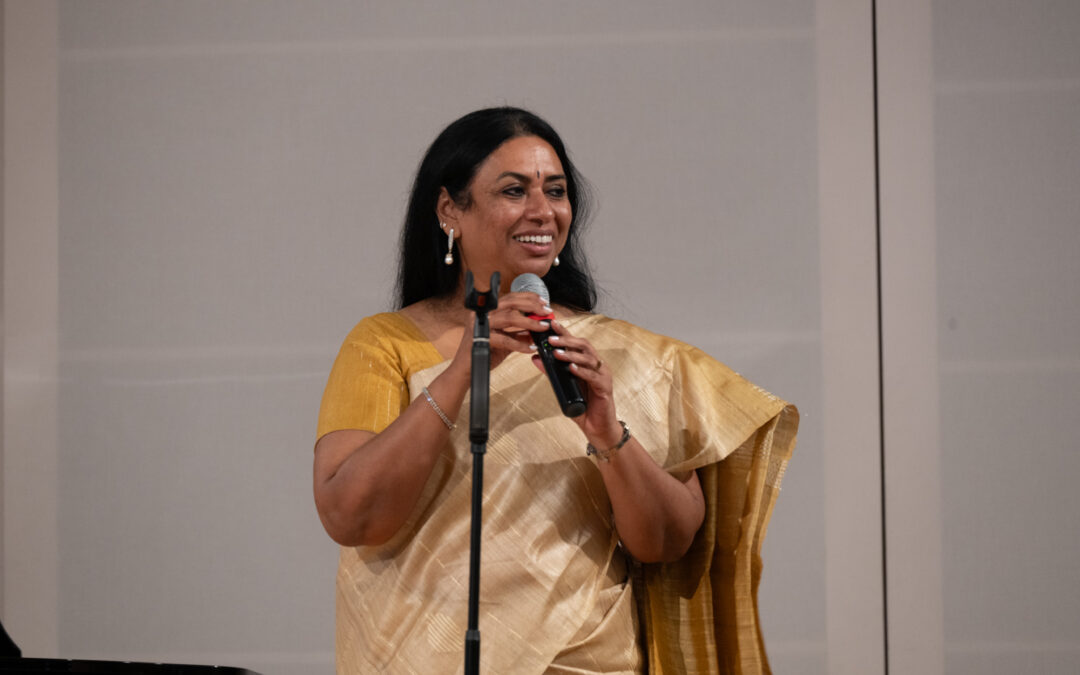
Sixty years after Nostra Aetate, we share a clip from the Link-Up of June 13th, 2020. It’s taken from an interview with Vinu Aram, Director of the Shanti Ashram International Centre, an international Gandhian development organization that works in the poorest and most disadvantaged areas of Tamil Nadu in India. Founded in 1986 by her parents, Dr. M. Aram and Mrs. Minoti Aram, Vino carries out important work alongside people and communities in the fight against poverty and inequality, with a particular focus on children. She has a long-standing friendship with the Focolare Movement and a shared journey in interreligious dialogue and peacebuilding.
Be instruments of peace