Don’t be discouraged by failures
Don’t be discouraged by failures

Don’t be discouraged by failures
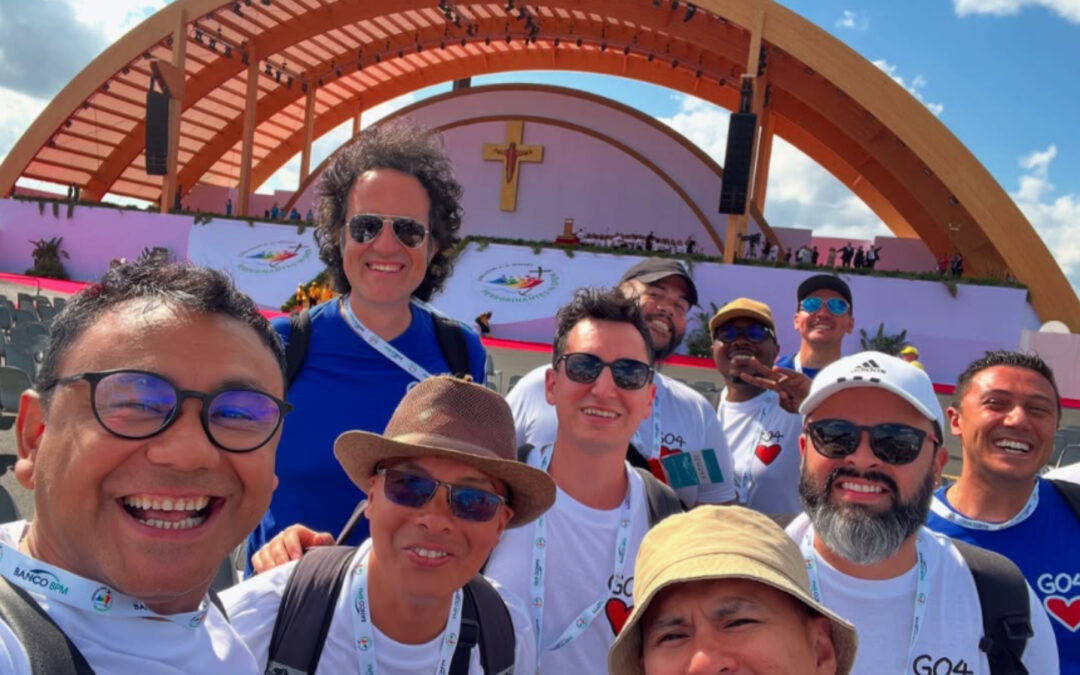
Gen Rosso, one of the Focolare Movement’s international bands, has announced the release of a new album entitled “The Best Spirituals”. This collection marks a significant moment in their career, bringing together live versions of some of the most famous songs from the band’s spiritual repertoire, recorded during tours from 2020-2025. The album stands out both for the selection of songs and for the new arrangements and reinterpretations which give a contemporary voice to timeless melodies.
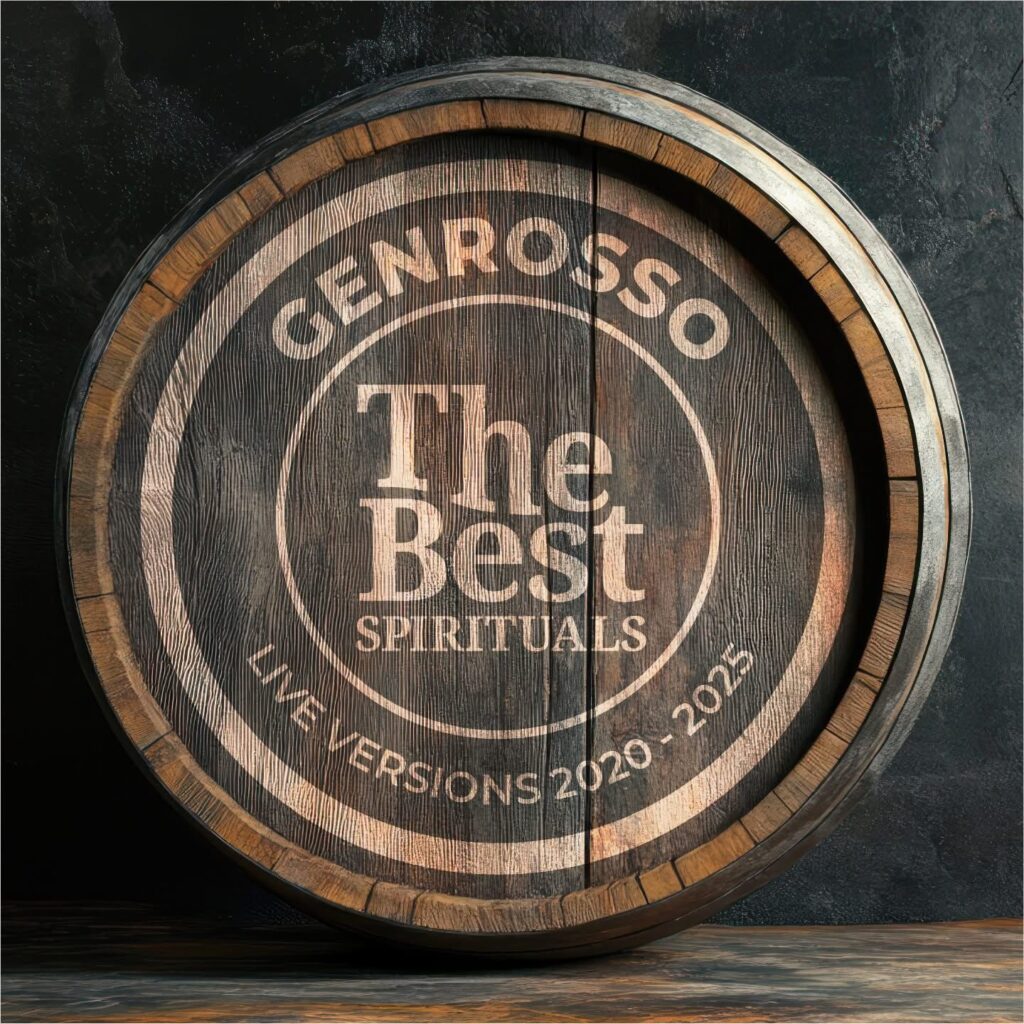
Each track has been carefully reinterpreted to engage today’s listeners while preserving the heart of the “Spirituals” tradition. The live recordings capture the energy of the stage, the emotion of the moment and the deep connection between the artists and the audience, inviting listeners into an experience of hope and closeness.
“Seeing these songs continue to live and generate life even today is something wonderful and very important, a legacy that must be valued and preserved over time,” says Band. This desire to keep the tradition alive is reflected in Gen Rosso’s concerts, where audiences are encouraged to sing along and participate, transforming each performance into a shared celebration of joy. “The Best Spirituals” is not just an album; it is an invitation to rediscover time and time again, the beauty and relevance of these powerful messages. With rich harmonies, vibrant arrangements, and renewed rhythms, Gen Rosso continues to further its passion for music, paying tribute to a musical and cultural heritage that transcends time and generations.
The release of this album is an unmissable opportunity for fans of Gen Rosso music and for anyone who believes in the power of art as a force for unity and change.
Gen Rosso invites everyone to join them on this particular musical journey, rediscovering together the timeless value of the “Spirituals” and letting themselves be carried away by the emotions that only music and history together will be able to evoke. The album is available from 11 August on all digital platforms.
Lorenzo Russo
Photo: Gen Rosso at the Youth Jubilee in Tor Vergata (Rome) on August 2, 2025 (© Gen Rosso)
Don’t hesitate to love
Open up the horizons of your heart
Give
The dissatisfied mother-in-law
My mother-in-law was dissatisfied with the work carried out by the worker her son had organised for her. When we pointed out that she was never happy with anything, she reacted strongly. Later, at dinner, she was still sulking, and when I tried to downplay the incident, she flew off the handle, reproaching me for things I really didn’t feel guilty about at all.
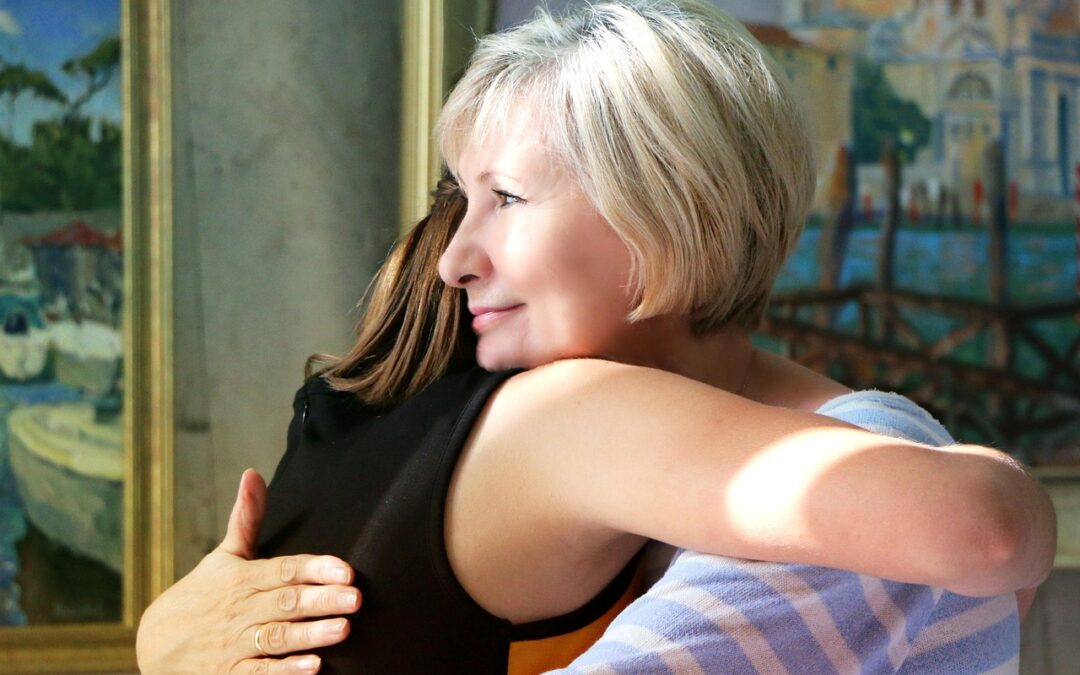
She even got up from the table and went to take refuge in her room. Ah, if only everyone had stayed at home! But inside me, the voice of charity which covers faults and weaknesses like a cloak, prompted me to go to her. I found her in tears. When I asked for forgiveness, she also blamed her son. I felt I had no choice but to leave. I felt I had done enough… but then the same voice as before suggested I try again. After clearing the table, I went back to her to convince her that I was truly sorry, and I hugged her as I would have hugged my own mother. I only left her once the tension had eased and I saw her doze off. I thanked God, and the next day my greeting with a smile removed all trace of embarrassment from my mother-in-law’s face.
Maria Luisa – Italy
In hospital
I was admitted to the hospital in Ribeirão Preto for a nose operation. It wasn’t the first time, because I have a rare disease and need frequent treatment. That’s why I don’t like hospitals, and I was really scared but I did everything out of love for Jesus.
For example, I drank milk with cream which I don’t like at all; on the day of the operation, I put on the hospital clothes without complaining; I didn’t eat lunch so I could have the anaesthetic; I waited with love for four hours because there was a delay with my operation and tried to love the other children who had also been admitted to hospital. After the operation, I waited several more hours for the doctor to call me for a check-up.
I was already hungry, tired and nervous, so I knocked over a chair and grumbled. But I immediately remembered what I had promised Jesus and repented. Shortly afterwards, the door opened. It was the doctor calling me.
Paulinha, 7 years old – Brazil
Reciprocity
One morning, I heard the doorbell ring: the person at the door introduced herself as B., the tenant who was living in the flat below me and has Alzheimer’s. She asked me to let her in because she had accidentally locked herself out of her flat while her husband was away. I opened the door and invited her to stay with me for a while until he returned home.
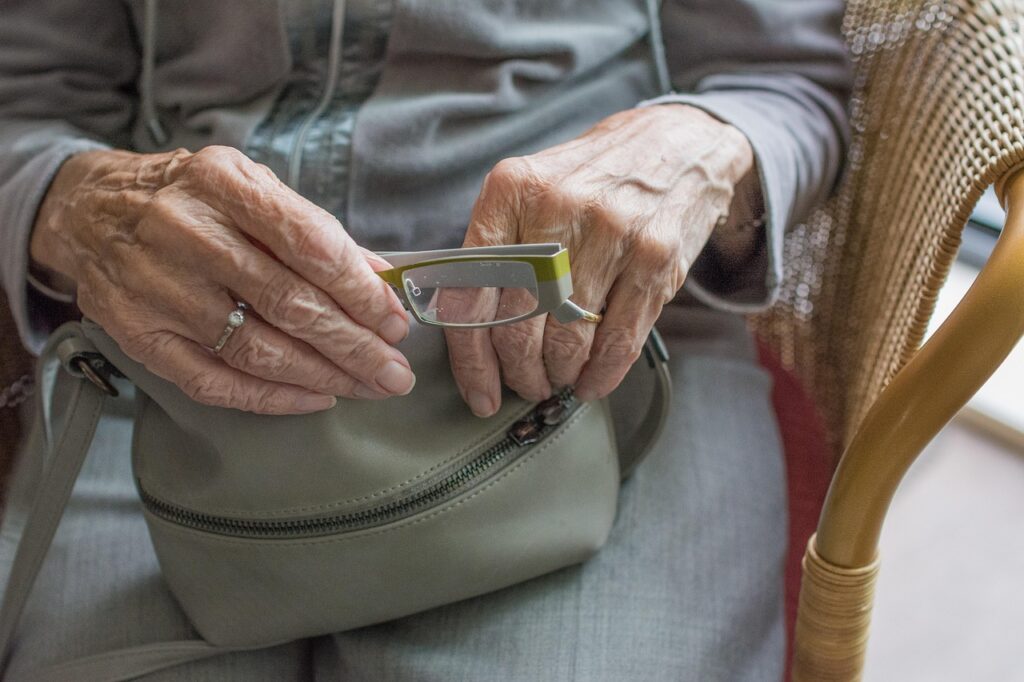
I could see she was sad and confused (sometimes she is aware of her condition). So as not to make her feel bad, I pointed out that this kind of unexpected thing can happen to anyone, through carelessness. We chatted for a while until she remembered that she was locked out and became anxious again.
Since I didn’t feel like leaving her in that state, even though I’m in a wheelchair, I went with her by lift to the floor below to calm her down.
But first, B. also showed herself to be a neighbour to me by taking the trouble to place a mat in front of my front door so that it wouldn’t close. In that way I was able to keep her company until her husband arrived.
M. – Italy
(taken from Il Vangelo del Giorno, Città Nuova, year X– no. 1 July-August 2025)
Foto: © Pixabay
Make gestures of solidarity
Stop to pray
Guard the beauty of creation
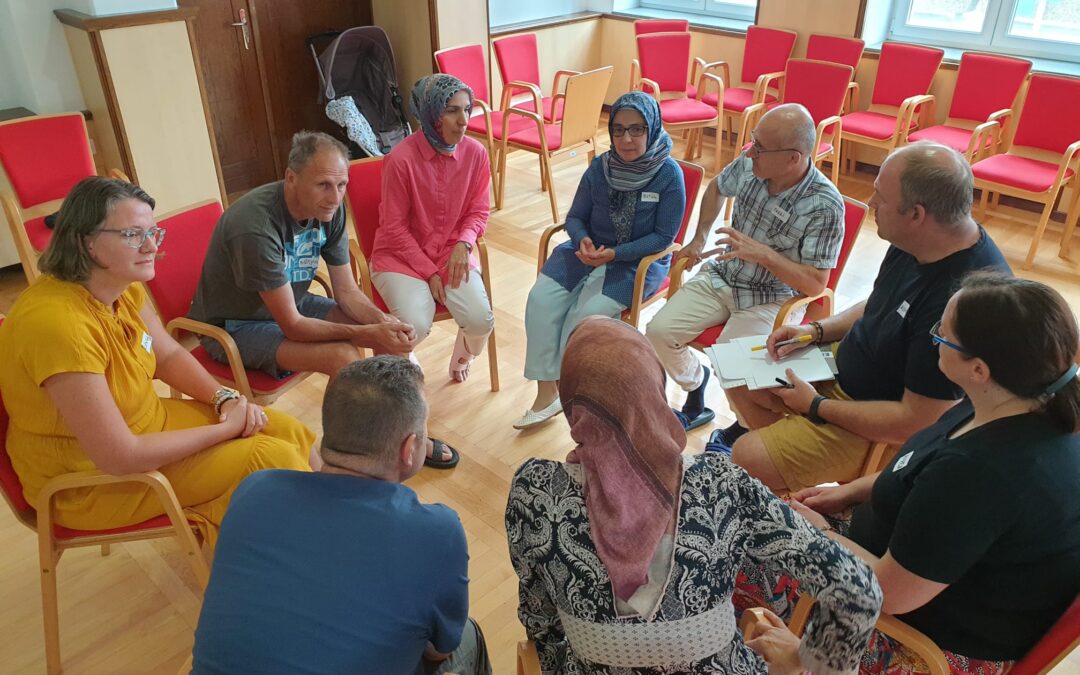
For more than thirteen years, we have been involved in real dialogue with a group of Turkish Muslim families living in our city, Ljubljana (Slovenia). It all started quite by chance. I worked as a dentist and one of the first Turkish families to arrive in Slovenia became my patients. From that first meeting, a deep bond grew, which over time extended to other families in the same community. After the failed coup in Turkey in 2016, many people were accused of belonging to a hostile movement and were forced to flee, finding refuge in our country. Since then, the number of families with which we started interacting grew rapidly, reaching around 50 people in just a few months.
We soon realized that it was not a simple cultural exchange but that this bond developed into a relationship of real mutual help: we helped them to learn our language, to handle administrative paperwork, to enrol their children in school and with all the support required for the needs of daily life. In short, a friendship that has gradually become a deep dialogue, including about values and spirituality.
Over time, we had the opportunity to introduce them to the Focolare Movement and its ideal of a united world. This led to discovering of many common points between the Focolare charism and their spirituality.
One of the most significant aspects of this journey was taking part in each other’s religious celebrations. We attended iftar dinners during Ramadan, while Muslim families showed interest in the Christian celebrations. For four consecutive years, we celebrated Christmas together. The Muslim families were initially surprised by the spiritual depth of this occasion as, influenced by Western media, they had seen it mainly as a consumer event.
Video in original language – Turn on subtitles and pick the language you want
From this desire to further deepen this dialogue, the Pop the Bubbles project was born in collaboration with the Association for Intercultural Dialogue and Social Academy, where I work. The aim was to overcome prejudices and barriers between communities, encouraging meeting between Turkish and Slovenian families. The project involved a group of families for a whole year, during which we worked together to identify common values between the two cultures. At the end of this journey, six fundamental values emerged: family, active citizenship, intercultural dialogue, democracy, freedom and inclusion. To conclude the project, we organized two residential camps, one of three days and one of five, in which 73 people participated. In addition to cultural exchange meetings, the project also led to concrete solidarity initiatives, such as helping Ukrainian refugees. This has shown that working together towards a common goal can strengthen the bonds between different communities. In addition, in recent years, I started working in an NGO (Social Academy) that cares for young people and some Turkish families asked me to help look after their teenage children as well, passing on to them those common values we had discovered together. This step was very significant, because it demonstrated the trust that had been built between our communities.
At the same time, an innovative project was born: the creation of an application to promote dialogue between people with opposite opinions – hardtopics.eu. The app works by connecting two people who have responded in a divergent way to a questionnaire on polarizing issues. The system pairs them and invites them to a discussion in a prepared environment, with the aim of overcoming social polarization and promoting a culture of dialogue. This app will soon be used in high schools and universities in Ljubljana. The enthusiasm shown by young people during the testing phase confirmed the value of this initiative.
I believe it is essential to create networks of interreligious dialogue at European level. The journey we have undertaken shows that with patience and dedication it is possible to build authentic relationships based on trust, respect and the shared values.
by Andreja Snoj Keršmanc
Peace begins with each of us

The Emergency Coordination of the Focolare Movement has launched an appeal for Gaza and the Middle East, to help people in those countries suffering from conflict, through Action for a United World ETS (AMU) and Action for New Families ETS (AFN).
You can donate online:
Or by bank transfer to the following accounts:
Azione per un Mondo Unito ETS (AMU) IBAN: IT 58 S 05018 03200 000011204344 at Banca Popolare Etica Codice SWIFT/BIC: ETICIT22XXX
Azione per Famiglie Nuove ETS | Banca Etica – filiale 1 di Roma – Agenzia n. 0 | Codice IBAN: IT 92 J 05018 03200 000016978561 | BIC/SWIFT: ETICIT22XXX
Reason for payment: Gaza and Middle East Emergency
Tax benefits are available for such donations in many EU countries and in other countries around the world, according to different local regulations. Italian contributors will be able to obtain deductions and allowances from income, according to the rules for non-profit organisations
Photo: © Pixabay
True freedom is in loving
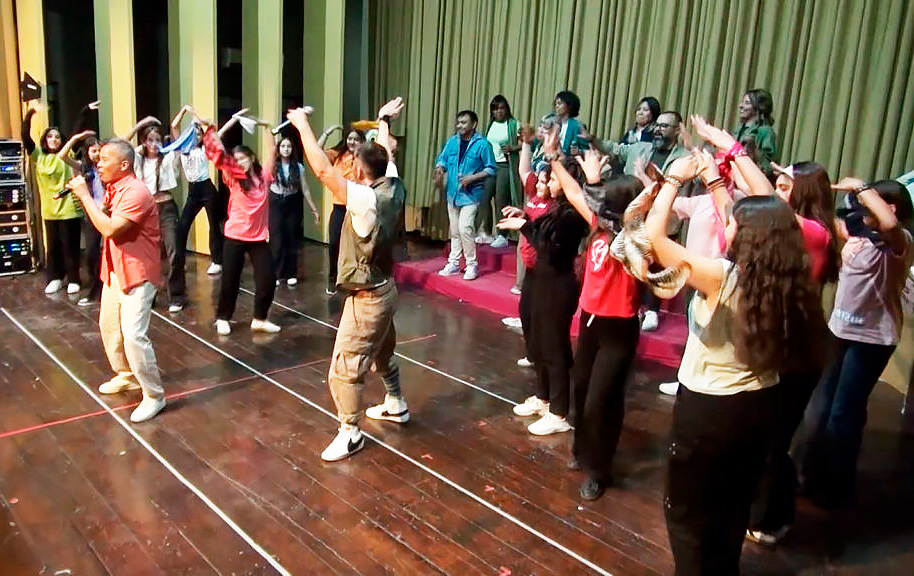
In October 2024, the Together WE connect project began in Bethlehem. It is a training initiative of the Focolare Movement for young people and teenagers with the aim of building a better future by strengthening a wounded social fabric. The three-year programme began with five schools in the Bethlehem and East Jerusalem district, reaching about 300 students aged 13-15 years old.
The programme included training sessions and activities using interactive methods designed to engage and stimulate young people in ways that speak to them, such as theatre, music, photography and sports workshops. In the first year, the programme focused on three themes: self-awareness, self-esteem and personal development. Then it tackled conflict management and openness to others through group work. The final theme was intergenerational dialogue. Each topic was linked to an action of the “Dice of Peace” so that each topic addressed led to concrete practice by creating new relationships.
The international music groups, Gen Rosso and Gen Verde made an important contribution through art, music, dance and theatre.
During the first week of May 2025, an event was held to celebrate these months of work. Before this event, Gen Verde and Gen Rosso held three days of workshops with a hundred of these young people. The participants commented afterwards, “It was an extraordinary experience and we are grateful to God, and to all those who have collaborated, for its fruits”.
How did the project begin?
From the Holy Land they told us: “For some time, we wanted to give our contribution in a way that would truly impact society, by promoting activities which had continuity. Some time ago the Patriarch of Jerusalem, Card. Pierbattista Pizzaballa, had said: “we must really work so that in schools, in institutions, in the media and in places of worship the name of God, of brother and companion of life resonate”. This encouraged us to focus on schools, on young people. We are all aware of the situation in which we find ourselves, in which humanity finds itself today. How many difficulties, how much suffering: we wanted to offer our contribution so that young people can have a different perspective from the one they see every day”.
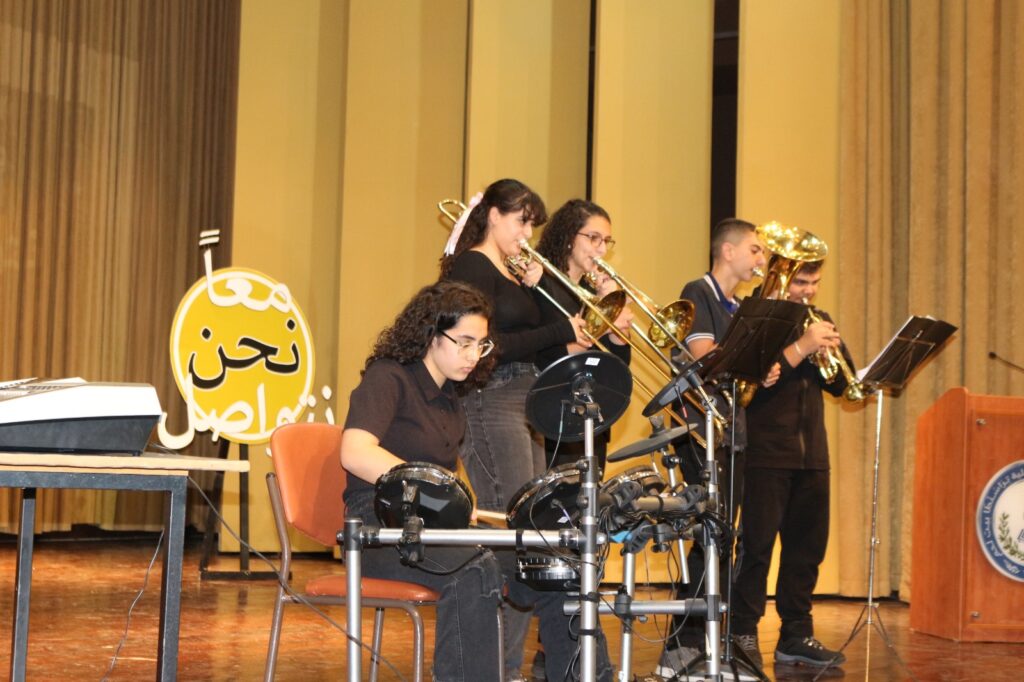
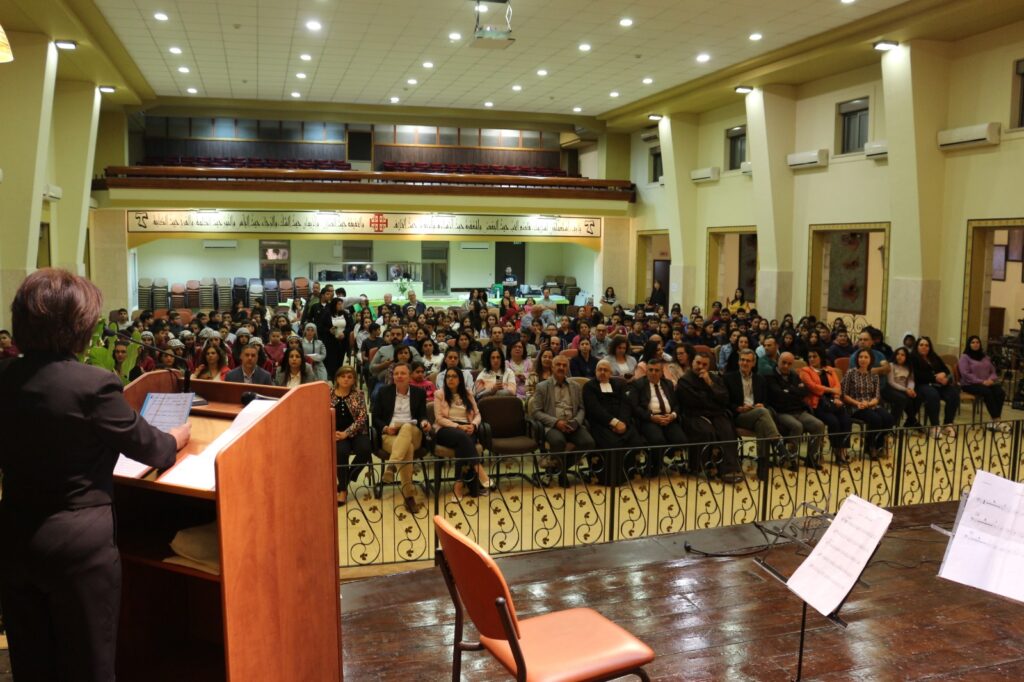
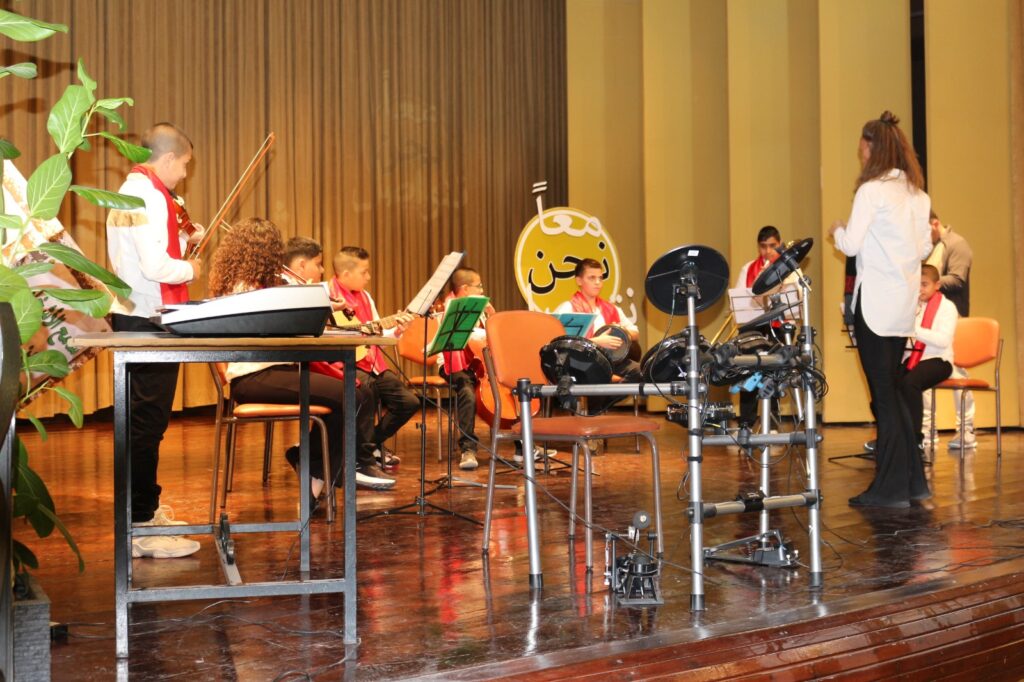
Photo: https://www.focolare-hl.org/
This is how the Together WE connect project was born. Its goal is to awaken hope, nourish faith and promote a spirituality rooted in the Gospel among the younger generations and to form the women and men of the future, who can be promoters of reconciliation and dialogue, young leaders of a new culture of cooperation, fraternity, sharing and active citizenship – a culture of care and encounter.
Here are some impressions from the students: “I thank you with all my heart because what we did makes us feel important, and that our existence and our opinions matter”.
“The first thing we learned were values: love, humility, forgiveness and helping each other. In class we felt like one family, we understood each other better and helped each other more. I also realized how I can be a light for others and I understood that “Focolare” is not just a word but a way of life”.
“I really liked the “Together We connect” activity, there were new people, it was nice and I grew stronger in myself”.
“I got to know myself and others better through this project.”
“I learned methods for resolving conflict, listening and dialogue”.
“I am personally very sensitive, and this project made me love life more”.
“It was a useful and fun project, for example the dialogue between the generations, when I did it with my grandmother I learned things I didn’t know before”.
Lorenzo Russo
Continually live the true life

Watching the live broadcast of the vigil in Tor Vergata on the outskirts of Rome, and seeing those images of an immense multitude, you can’t help but wonder: what did the million young people come here to find? Was it to be close to Pope Leo XIV? That doesn’t seem like sufficient motivation to me. To get to know Rome? Maybe, but they would surely not have chosen that kind of accommodation, food and transport. The answer was found in the deep and prolonged silence during the hour of adoration. These young men and women from all over the world were attracted by Jesus, perhaps without even knowing it, to a personal and communitarian encounter, where He undoubtedly spoke to the heart of each one who returns home changed, with a stronger faith, with an experience of the divine that they will never forget.

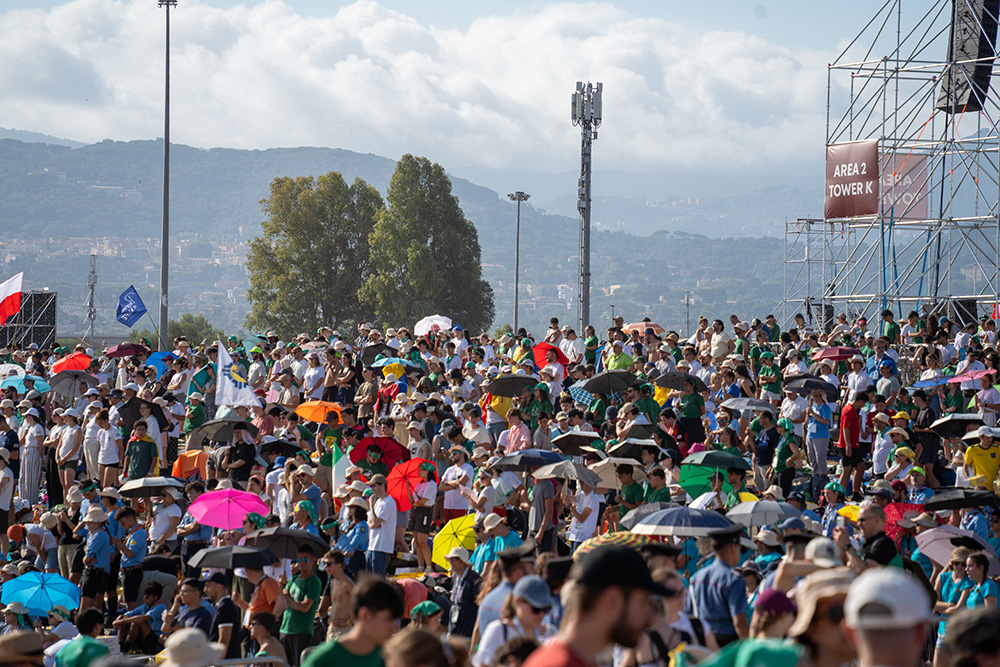
The Jubilee week dedicated to young people began on 28 July and ended on Sunday 3 August 2025. Many activities were organised to welcome those who came to Rome for these days – visits to historical sites, to the basilicas, cultural events, concerts and catechesis.
The Focolare Movement also offered four special itineraries in Rome following the Pilgrimage of the Seven Churches, conceived by St. Philip Neri: a historical itinerary that has accompanied pilgrims since the 16th century. It was a journey of faith and fraternal communion, consisting of prayer, songs and reflections on Christian life, with group activities, catechesis and testimonies, aided by a booklet of meditations to go into spiritual depth in the light of the charism of unity. The large group that took part in the programme consisted of young people who spoke English, Hungarian, Dutch, Italian, German, Romanian, Korean, Spanish and Arabic.
The entire ‘journey’ was based on four key ideas: pilgrimage (a journey), the holy door (an opening), hope (looking ahead) and reconciliation (making peace).
“Hope” is the word that echoed in Samaher’s testimony, a 28-year-old Syrian woman: “My childhood years were painful, dark and lonely. Home wasn’t a safe place for a child because of the conflicts, nor was society, because of bullying. I faced everything alone, unable to share it with anyone, even attempting suicide in secret due to severe depression and fear. The Gospel changed me. After the life within me had died and everything had become dark… the Gospel gave me back the light.”
The catechesis took place at the Focolare meeting point and was led by Tommaso Bertolasi (philosopher), Anna Maria Rossi (linguist) and Luigino Bruni (economist). “Isn’t a gaze that starts from love and arouses love the most concrete face of hope?” was the provocative question posed by Anna Maria Rossi to the young pilgrims.
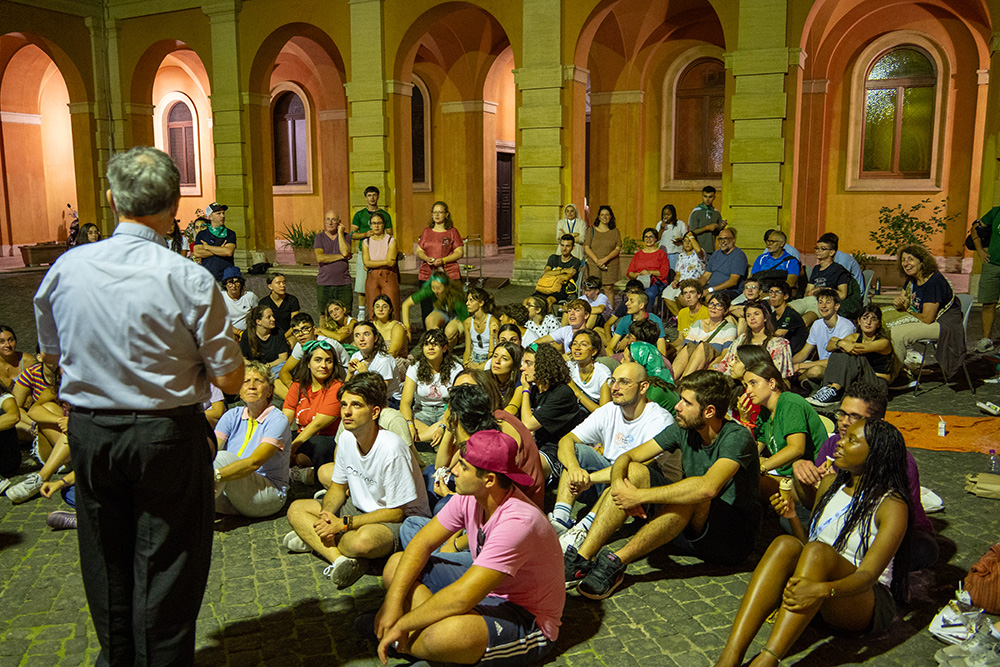


José, an 18-year-old from Panama, confirmed this in the testimony he shared about the period of his illness: “My experience shows that when you put the art of loving into practice, which consists in seeing Jesus in everyone, loving everyone, loving your enemies, loving as yourself, loving one another… not only does your life change but other people’s lives change too. It was precisely this art of loving, which many people shared with me, that created a balance that was so strong it helped me not to collapse in difficult moments, supporting and strengthening me through every obstacle I encountered.”
Laís from Brazil also did not hide the challenges she faced because of her parents’ separation: “There were times when I didn’t understand why they lived apart, and I wanted them to be together again. However, when I became more aware of what had happened between them, I was able to ask sincere questions, and neither of them hid the truth. This helped me to accept the reality of our family. Today they have a friendly relationship with one another and this, for me, is an example of maturity, forgiveness and true love, which goes beyond difficulties and mistakes. Starting again is possible when we really put ourselves out there.”
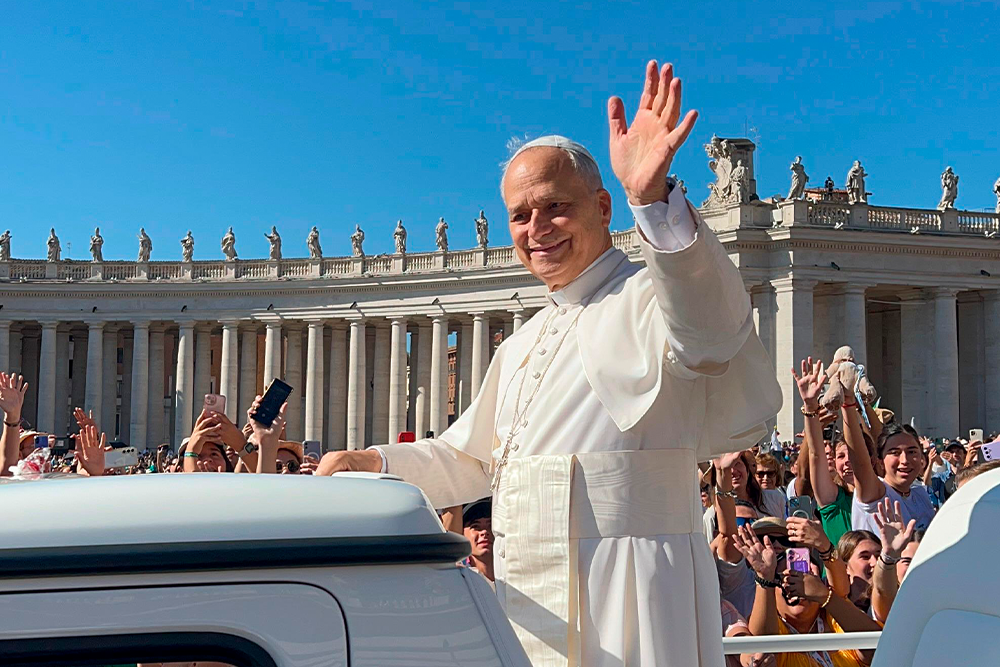
Pope Leo made several unscheduled appearances and gave unscheduled greetings, such as when, at the welcome Mass, he wanted to be present at the conclusion by travelling in the “popemobile” through St. Peter’s Square and the Via della Conciliazione packed with young people, to greet them. Speaking spontaneously, he said:

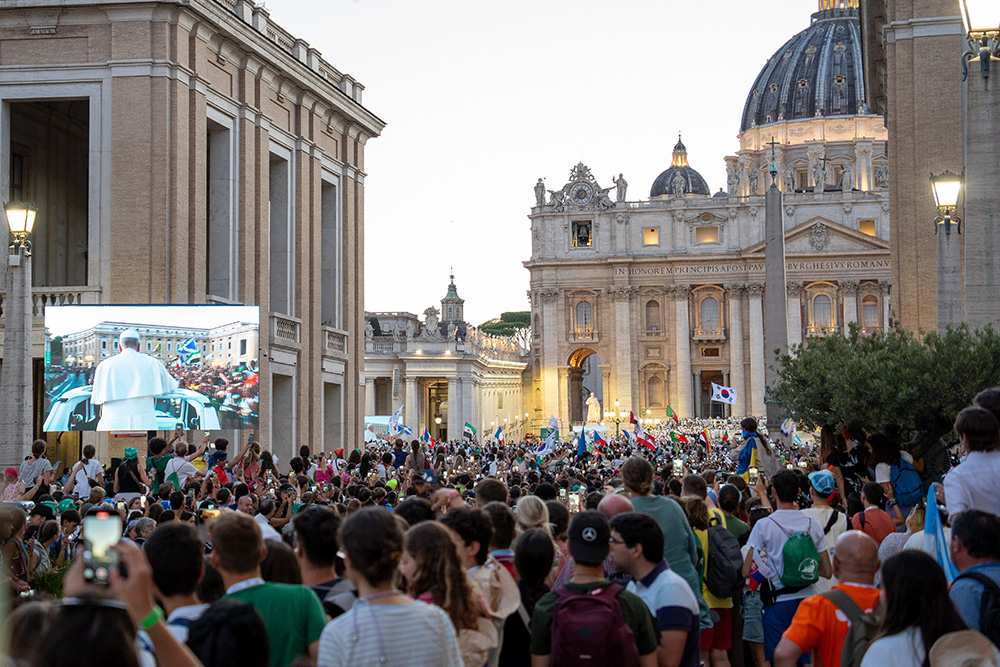
Then, on Saturday 2 August, as nature offered a magnificent sunset, responding to questions from young people in Tor Vergata, he reiterated his appeal: “Dear young people, love one another! Love one another in Christ. Know how to see Jesus in others. Friendship can truly change the world. Friendship is a pathway to peace ”. He then added: ’To be free, we must start from a stable foundation, from the rock that supports our steps. This rock is a love that precedes us, surprises us and surpasses us infinitely: it is the love of God. (…) We find happiness when we learn to give ourselves, to give our lives for others.” And he pointed out the way to follow Jesus: ’Do you truly want to encounter the Risen Lord? Listen to his word, which is the Gospel of salvation! Seek justice, renewing your way of life, to build a more humane world! Serve the poor, witnessing to the good that we would always like to receive from our neighbour!”
During Sunday Mass, Pope Leo XIV told the young people that we are made “for an existence that is constantly regenerated in giving, in love. And it is in this way that we continually aspire to a “something more” that no created reality can give us; we feel such a great and burning thirst that no drink in this world can quench it.” He concluded his homily with a heartfelt invitation: “Dear young people, our hope is Jesus. (…)
In his farewell address, he described these days as “a cascade of grace for the Church and for the whole world.” He reiterated his cry for peace: “We are with the young people (…) from every land bloodied by war. (…) You are the sign that a different world is possible: a world of fraternity and friendship, where conflicts are addressed not with weapons but with dialogue.”
This unique and unrepeatable experience of the 2025 Youth Jubilee has come to an end. On this incredible journey, we walked, sang and walked, danced, rejoiced and walked, prayed, laughed and walked… driven by a common goal and many travelling companions. Yes, because beyond the wonderful programme that enriched us culturally and spiritually, the image of thousands of young people like us walking will remain forever etched in our minds. Perhaps if we had asked some of them what their destination was, they would have replied something like: “We’re going to the church of Santa Maria Maggiore” or “We’re finally going to rest”, but I am equally convinced that if we had also asked them how they were doing it, they would have told us with eyes full of energy about the songs they sang, the young people they made friends with and the fullness of spirit that this walking together gave them. After all, for us, the Jubilee was just that: a journey like no other, in a city like no
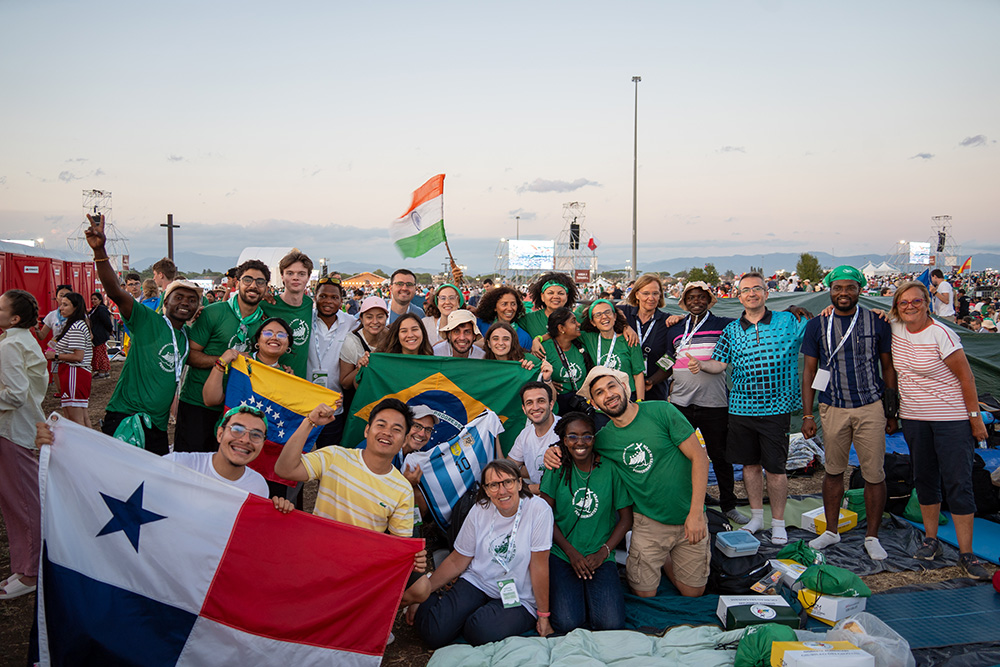
other, where the dreams, hopes, joys and sorrows of a sea of people come together, where even if you walk alone, you still have a companion by your side, where the world is both tiny and immense, where everything cries out for Unity. We return home with a memory that will not easily fade, the memory of a United World that takes each other by the hand and walks, with heads held high and hearts filled with a greater spirit.
Mattia, Calabria (Italy)
Carlos Mana (with the collaboration of Paola Pepe)
Photo © Joaquín Masera – CSC Audiovisivi
Don’t be afraid
Work for the good
Be vigilant in love
Trust in providence
The evangelist, Luke, reports that Jesus shared this teaching with his disciples as they were walking towards Jerusalem, the place of the Passover of his death and resurrection. On the way, he addressed them as ‘little flock’ [1] and he confided all that lay deep within his heart and soul. These thoughts included a need for detachment from earthly possessions, trust in the Father’s providence, inner vigilance and the importance of living in active expectation of the Kingdom of God.
In the preceding verses, Jesus encouraged the disciples to have an attitude of detachment and not worry about themselves or even their own lives. He told them not to be concerned about material needs because their Father in heaven knows all that is necessary. He invited them instead to seek the Kingdom of God and encouraged them to accumulate ‘a sure treasure in heaven.’ [2] Jesus was not promoting a passive and disinterested attitude towards earthly things or irresponsible conduct at work. His intention was to take away our anxiety, our restlessness and our fear.
For where your treasure is, there will your heart be also.
In this context, the ‘heart’ means the unifying centre of the person that gives meaning to everything he or she lives; it is where there is sincerity and no deception or pretence. It usually indicates one’s true intentions, what one really thinks, believes and wants. The ‘treasure’ is what is most valuable to us and, therefore, our priority. It is what we believe gives security both now and in the future.
Pope Francis wrote: “In a world where everything is bought and sold, people’s sense of their worth appears increasingly to depend on what they can accumulate with the power of money. We are constantly being pushed to keep buying, consuming and distracting ourselves, held captive to a demeaning system that prevents us from looking beyond our immediate and petty needs.”[3] But, in the innermost depths of every woman and man, there is an everpresent search for that true happiness that does not disappoint and that no material goods can satisfy.
Chiara Lubich wrote: ‘Yes, there is what you seek: in your heart there is an infinite and immortal yearning; a hope that does not die; a faith that breaks through the darkness of death and is light to those who believe: it is not for nothing that you hope ,that you believe! Not for nothing! You hope, you believe in order to LOVE.’[4]
For where your treasure is, there your heart will be also.
This Word invites us to make an examination of conscience: what is my treasure, what do I value most? The answer may have many nuances such as economic status but also fame, success and power. Experience tells us that we must continually bring ourselves back to real life that does not simply slip away, to the radical and demanding life of evangelical love:
‘It is not enough for a Christian to be good, merciful, humble, meek and patient… In relationship with neighbours, he or she must practise the charity that Jesus taught us. […] For charity is not a readiness to give life. It is giving life.’ [5].
We should love every neighbour we meet during the day (in the family, at work, everywhere) with this measure. If we live not thinking of ourselves, but thinking of and living for others, we experience true freedom.
Prepared by Augusto Parody Reyes & the Word of Life Team
[1] Lk 12, 32
[2] Lk 12,33
[3] Pope Francis Dilexit nos, no. 218
[4] C. Lubich “Letters of the Early Times.” June 1944, Città Nuova Editrice 2010, p. 49.
[5] Cf. C. Lubich extract taken from conference call
Photo: © Valéria Rodrigues – Pixabay
The ‘heart’ is the unifying centre of the person that gives meaning to everything he or she lives; it is where there is sincerity and no deception or pretence. It usually indicates one’s true intentions, what one really thinks, believes and wants.
This Idea invites us to ask ourselves what we think is most important? Where does each one of us put our hope, our energy, our lives and our hearts? The answer may have many different nuances: it may be love or giving, or relationships with others, but it may also be economic status, fame, success, power or our own security.
True freedom starts first of all from the heart. Accumulating material goods can lead to a sense of frustration as we encounter the many changes that life brings. Detachment from them can help us live with more transparent commitment to work and engagement in society thus overcoming anxiety, restlessness and fear for the future.
Pope Francis, says, “In a world where everything is bought and sold, people’s sense of their worth appears increasingly to depend on what they can accumulate with the power of money. We are constantly being pushed to keep buying, consuming and distracting ourselves, held captive to a demeaning system that prevents us from looking beyond our immediate and petty needs.” [1]
Experience tells us that we need to continually bring ourselves back to real life which is the best “investment” for which we can strive. Thinking not of ourselves but of others enables us to experience true freedom.
Philosopher and humanist, Erich Fromm, reminds us of this when he states, ” Giving is the highest expression of potency. In the very act of giving, I experience my strength, my wealth, my power. This experience of heightened vitality and potency fills me with joy.”[2]
Before whatever we do, let’s ask ourselves what is the motive for our actions: why are we acting in this way? And if we see that we need to reorient the intention, let us do so decisively. We will see that our hearts will be free from limitations and conditioning.
[1]Pope Francis “Dilexit Nos” no. 218
[2]Erich Fromm The Art of Loving (1956)
Photo: © Alejandra-Ezquerro-Unsplash
Be detached from earthly goods
Cherish friendship
Cherish friendship
Cherish friendship
(…)
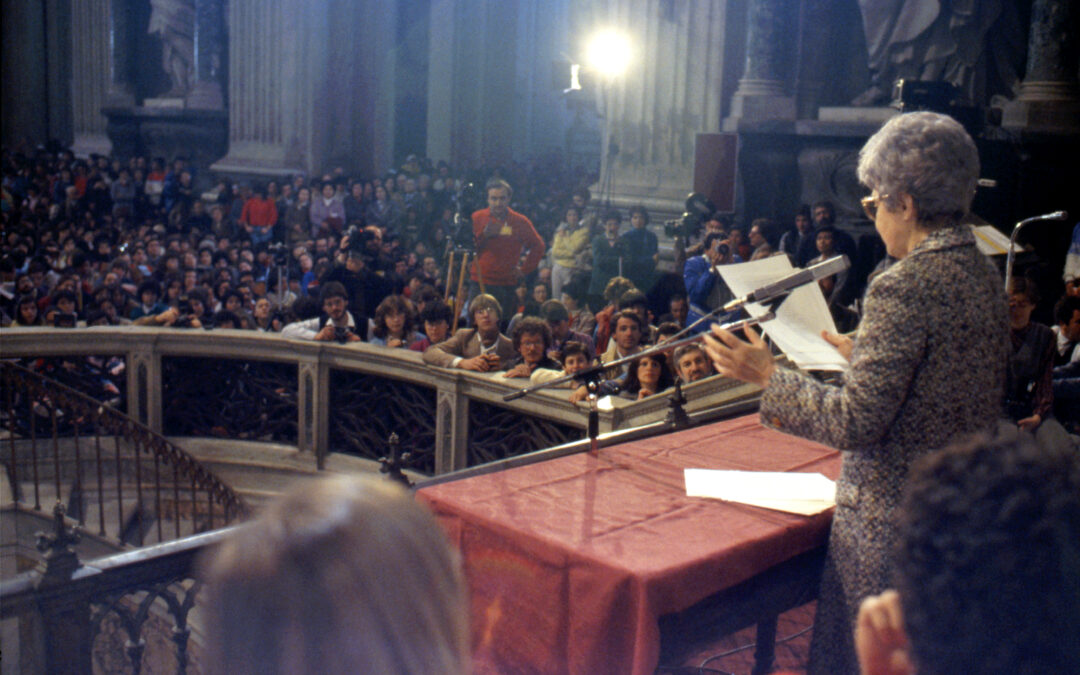
The joy of the early Christians – which can be experienced in every century, wherever people understand and sincerely live the essential truths of Christianity – the joy of the early Christians was something totally new, a joy they had never experienced before. It had nothing to do with laughter, cheerfulness or being light-hearted. As Paul VI said – it was not merely “the exultant joy of being alive,” with “the peaceful joy of nature and silence.” … It wasn’t that. These are all wonderful examples of joy.
But the joy of the early Christians was different. It was similar to the exhilarating joy of the disciples when the Holy Spirit descended on them.
It was the joy of Jesus. For just as Jesus has his peace, he also has his joy.
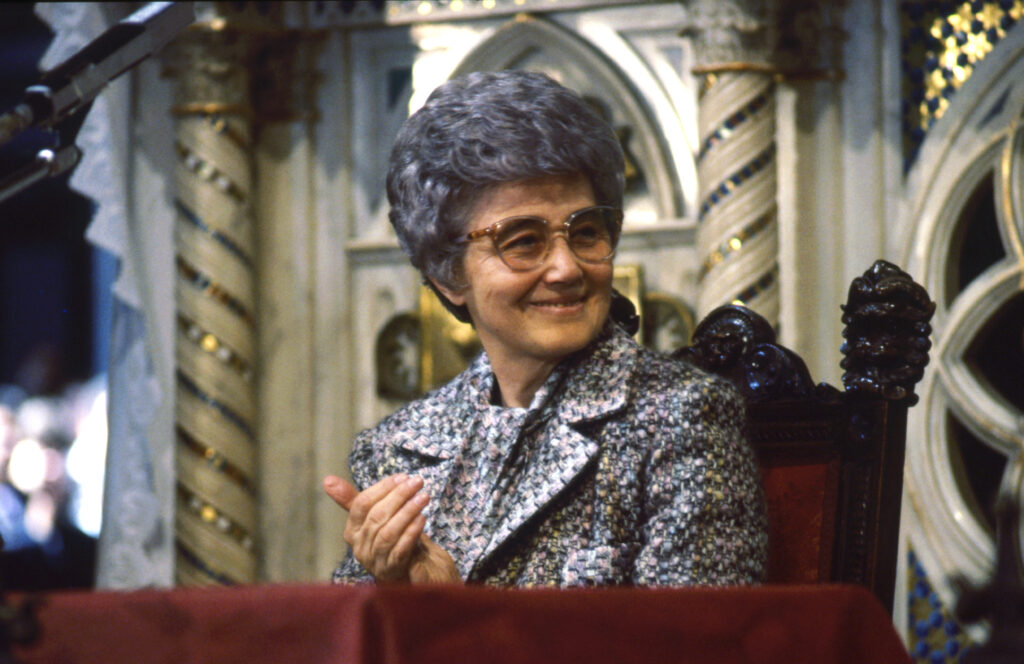
The joy of the early Christians sprang forth spontaneously from the depths of their being and truly satisfied them.
They had found what people in the past, in the present and in all times are always searching for. They had found God; they had found communion with God. They were totally satisfied by him, totally fulfilled as human beings.
In fact, Christ pours love, charity, into the hearts of Christians through baptism and the other sacraments, and love can be compared to a tiny plant. The deeper its roots go down – that is, the more we love our neighbours – the higher the stem grows upwards towards heaven. In other words, the more we love our neighbours, the more our heart is filled with the love of God. And this communion, this love, is not something we believe on faith alone. We experienced it. This is true happiness, this is real happiness – to love and feel that you are loved.
This was the happiness of the early Christians. This was the joy of the early Christians, both adults and young people, like all of you. They expressed their joy in wonderful, liturgical celebrations filled with hymns of praise and thanksgiving.
(…)
Chiara Lubich
(To access the complete text: https://chiaralubich.org/archivio-video-it/la-gioia/)
Photo: © Archivio CSC Audiovisivi
Give precedence to the poor and humble
Give precedence to the poor and humble
Give precedence to the poor and humble
Choose hope
Choose hope
Choose hope
Think in terms of giving freely
Think in terms of giving freely
Think in terms of giving freely
We carry a treasure within us
We carry a treasure within us
We carry a treasure within us
Dialogue is fruitful
Dialogue is fruitful
Dialogue is fruitful
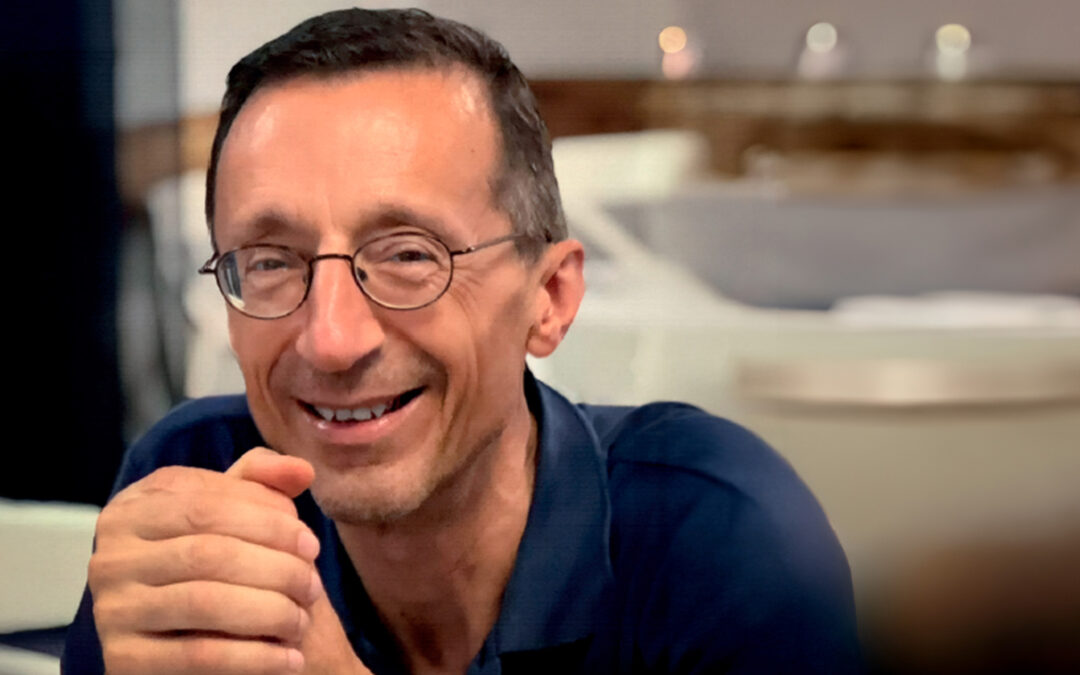
Gratitude and thanksgiving to God. These words encapsulate the multitude of messages that came from all over the world for Paolo Rovea. On 3rd July 2025, in a mountain accident, Paolo ended his earthly life. Married to Barbara, they have five children: Stefano, Federico, Francesco, Miriam and Marco.
He met the Ideal of the unity of the Focolare Movement in 1975. He said, “It radically changed my life”. That same year he took part in the Genfest in Rome, following which he wanted to live 100% with the gen, the young people of the Focolare and he dedicated himself wholeheartedly to this for 14 years, making the Gospel his way of life.
With Barbara, also a Gen, they began to plan to form a family. Engaged couples and young families increasingly began to see them as points of reference. One of them wrote: “With great sorrow for this loss, we are deeply grateful for the love, esteem and trust we received from Paolo. We are grateful for the many years of extraordinary ‘madness’ we all lived together. Together with Barbara, he had an impact on the history of New Families (the branch of Focolare that supports families) and on the history of many couples, including ours”.
Paolo distinguished himself more and more in his profession, with competence and sensitivity. He graduated in medicine from the University of Turin (Italy), specialising in oncology and oncological radiotherapy. At the same university he was a lecturer in a multi-year master’s degree. He worked as a hospital doctor eventually becoming head of the Oncology and Oncological Radiotherapy department in Turin, until his retirement in 2021. He also obtained a Master’s degree and attended advanced courses in Bioethics.
In 1989, he felt God calling him to the path of the focolare and he confided in Danilo Zanzucchi, one of the first married focolarini: “I am in a very important moment in my life: my work as a doctor should soon become permanent; 5 months ago I got married. (… ) I thank God for all the gifts he has given me: first of all for the Ideal of unity (…), for my family (…) for the gen life (…); for Barbara, my wife, with whom I am living beautiful months (…) I assure you that I set out with a renewed desire for holiness on this unique path that is the focolare”.
A life rooted in a constant growth of his relationship with God.
Many remember how Paolo rarely said no to a request or need; he stood beside anyone in need with concrete love. His talents and professionalism were always at the service of those around him: if there was a need to sing or play, he sang and played, if there was a text to write, he wrote it, if a medical consultation was needed, he was ready, if advice was required, he offered it with detachment, encouraging the fearful and urging on the hesitant. His ability to draw close to the life of everyone who crossed his path meant that over time many perceived him as a true brother, one of the family, a true friend.
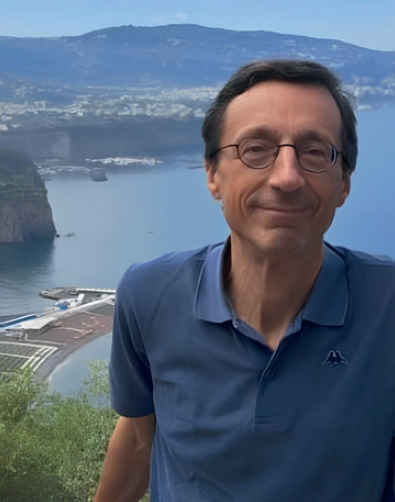
“I thank God for all the gifts he has given me:
first of all for the Ideal of unity (…),
for my family (…) for the gen life (…);
for Barbara, my wife, with whom
I am living beautiful months (…)
I assure you that I set out with a renewed
desire for holiness on this unique path
that is the focolare”.
Paolo and Barbara’s commitment to Focolare grew especially within New Families. One of the themes they were passionate about was education in affectivity and sexuality. It was thanks to them that in 2011, in synergy with the various educational agencies of the Focolare Movement, a pathway was born in this area, Up2Me, based on the anthropological vision typical of Focolare.
Maria and Gianni Salerno, from New Families said: “Although we knew Paolo and Barbara since we were young, we worked closely with them on a daily basis for the last 10 years at the International Secretariat of New Families. The passion, generosity, creativity and tireless commitment with which Paolo carried everything ahead, always attentive to relationships with each person, remain for us an immense testimony and have always been an incentive to go forward together, to always strive to be better at the service of families throughout the world. Often, when discussing with him how to face the challenges of families today, so as to be closer to everyone, he suggested innovative ideas, useful for keeping up with the times and with the needs of people. He and Barbara travelled a lot and left a trail of light everywhere in the world”.
Maria and Gianni continued, “Barbara and he suggested and coordinated many of the new initiatives of New Families. The Up2me programme, Family Format, a programme of dialogue and growth with other families at the Focolare’s international little town of Loppiano and not least of all, the Loppiano Family Experience, a three-week school for animators of New Families who come from all over the world, also in Loppiano. Despite the very painful separation, we know that we can count on his irreplaceable support, which now, from Heaven, will be even stronger…”
Thank you Paolo!
Lorenzo Russo
Avoid attitudes of superiority
Avoid attitudes of superiority
Avoid attitudes of superiority
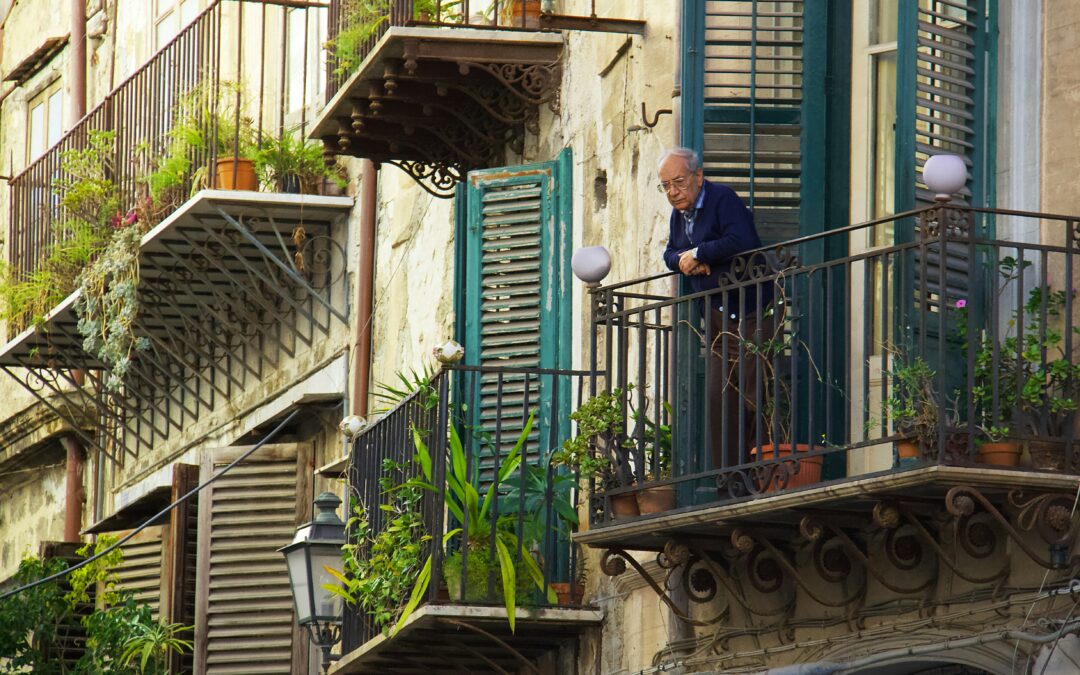
In the apartment building
I was climbing the stairs to my apartment when I thought of the neighbour across from me who has major health problems. I never seemed to find time for her and this time too, I was tempted to put it off but the thought of doing it to Jesus gave me the push I needed. After visiting her and she was very happy just to have a chat, I was stopped by some other neighbours who, seeing me there, also wanted to hear my opinion on an old issue of the condominium was still unresolved. I wanted to cut them short, I still had to prepare lunch but I stopped to listen to everyone’s reasoning. At the same time, I tried to think of a solution that could bring harmony back to the building but none seemed viable to me. Maybe all I could really do was love them by listening to them. In the end, a solution emerged that was right for everyone. After saying goodbye, as if to thank me, one of them came back and gave me a medallion. But what mattered most to me was that I had built a new relationship with my neighbours.
(Fulvia – Italy)
Ten Years Later
That evening I found my wife busy doing the dishes. How could I tell her that the mitral valve that kept me alive was failing and that, after ten years, I would need surgery again? The first time there had been the anguish of the potential separation, the thought of our children whom I already pictured as orphans… then acceptance and finally peace, ready to “leave” at any moment. Then, the operation itself, which was painful but followed by a good recovery. But the greatest gift had been to feel that God was always close to us, precisely through the physical limitations that followed. Meanwhile, contrary to the doctors’ prognosis, the miracle of a somewhat stable health had lasted longer. But now, suddenly, palpitations and the feeling of exhaustion had brought me back to reality. However, I did not lose my calm. I kissed Adita and mentioned some tests that the doctor had prescribed for me. That was enough for her to understand. She looked at me with a smile. I smiled back. It was our “yes” to what God was asking of us. All we had to do was abandon ourselves to him once again.
(Hannibal – Argentina)
No longer alone
Ever since I was a teenager I’ve had a special concern for the poor, the sick and the lonely. Over the years, I’ve met many, including a woman with two children, rejected by everyone, because of mental health issues. When she passed away, the two children were even more alone, but they continued to consider me as a family member: I went to visit them from time to time and helped them as much as I could. Sometime later, one of them also passed away and joined their mother in heaven. F. remained alone, the brother whom, because of his violence, the neighbours considered as unapproachable. He never left the house and I couldn’t bring anyone with me on my visits because he wouldn’t accept anyone else. Seeing in him the true image of Jesus Crucified, I decided to go to visit him anyway. Before going, I phoned a friend and asked her to come to look for me if I didn’t call her back after 30 minutes. F.’s joy in seeing me come into his house without any fear was immense: having someone to talk to was the greatest gift he’d ever received. Since then, almost every evening, he sends me a message. I reply, trying to give him hope. Now F. is no longer alone.
(G. – Italy)
compiled by Maria Grazia Berretta
(taken from The Gospel of the Day, New City, year X– no.1 July-August 2025)
Photo © Mihaly-Koles-Unsplash
Gratitude
Gratitude
Gratitude