Amazon, land of caring and the future
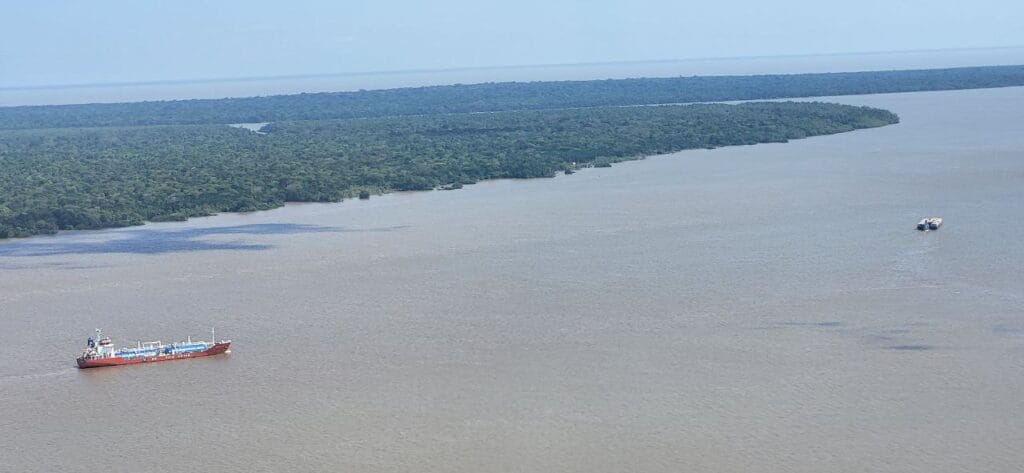
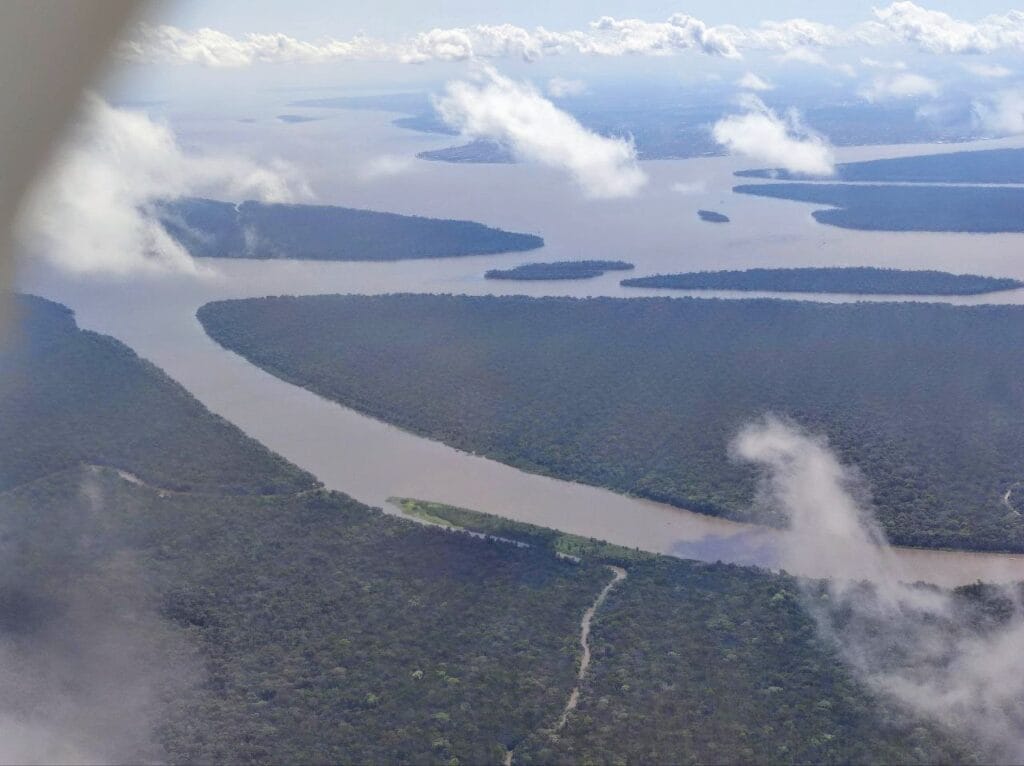
Juruti, in the State of Parà, is reached after seven hours by motorboat, the fastest means of transport, from Santarém. Its inhabitants say proudly that this area is the heart of the lower Brazilian Amazon, where the only connecting “road” is the Amazon River, the “river-sea”, as the local people call it. It is the first river in the world in terms of volume of water and the second by length. It marks time, social life, trade and the relationships between the approximately 23 million inhabitants of this vast region, where 55.9% of the Brazil’s indigenous population lives. It is one of the most precious ecosystems on the planet and yet political and economic interests are the cause of conflicts and violence that continue to multiply daily. Here the disruptive beauty of nature is directly proportional to the problems of quality of life and survival.

Care, the key word for the Amazon
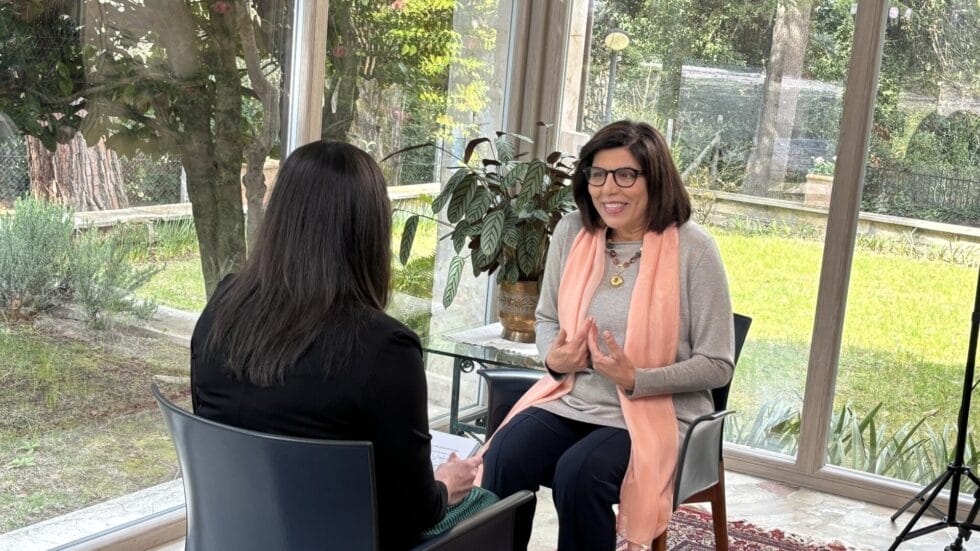
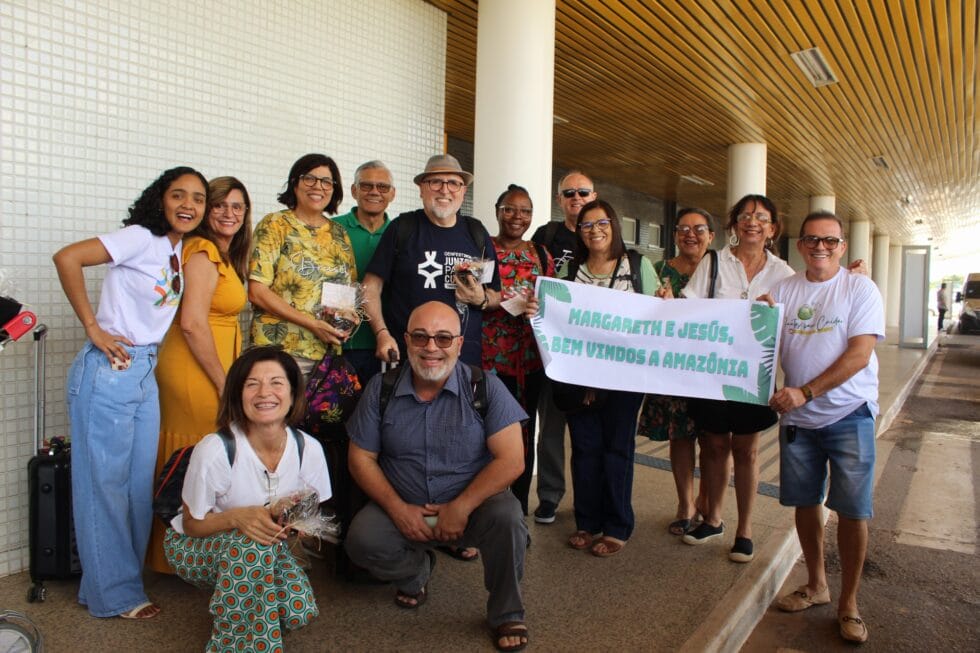
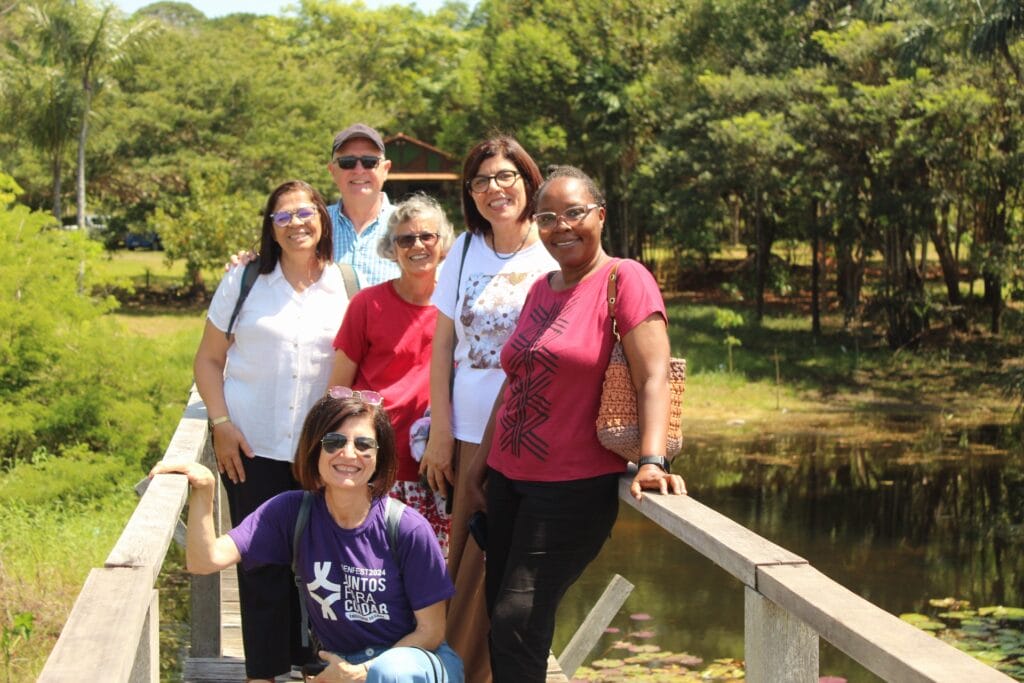
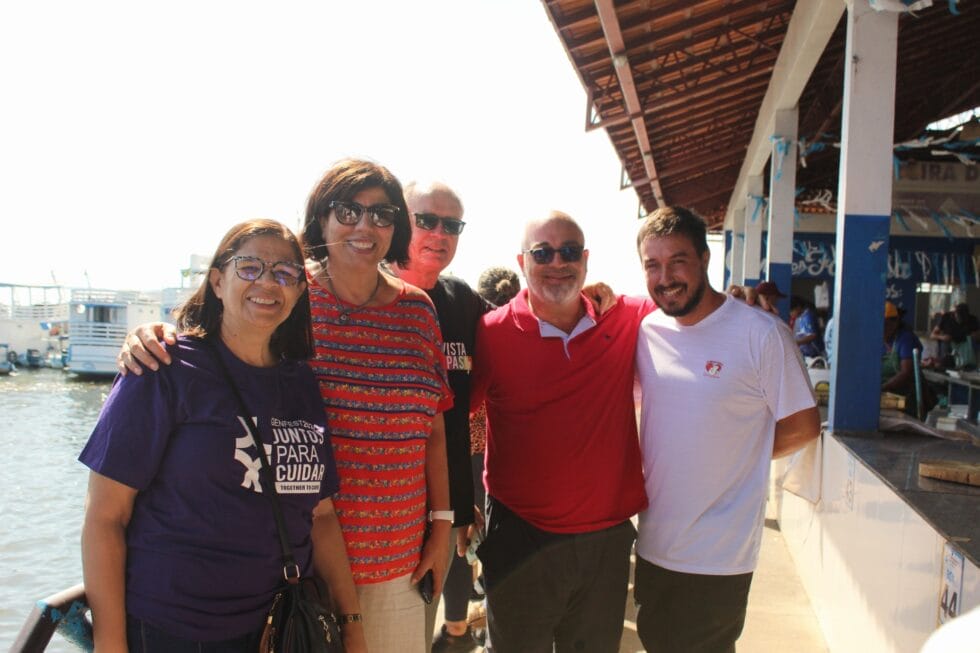
Margaret Karram and Jesús Morán, President and Co-President of the Focolare, Bernadette Ngabo and Ángel Bartol of the Movement’s International Centre and Marvia Vieira and Aurélio Martins de Oliveira Júnior, national co-directors of the Movement came to meet and spend a few days with the Focolare communities of the region. They were welcomed by Msgr. Bernardo Bahlmann O.F.M., Bishop of Óbidos. He said, “Observing and listening is the first thing we can learn in the Amazon”.
He spoke of the differentiated culture of this land, where indigenous characteristics coexist with aspects of the Western world. Social coexistence presents many challenges: poverty, lack of respect for human rights, exploitation of women and destruction of the forest heritage. He said, “All this is a question of rethinking what it means to take care of the riches of this land, of its original traditions, of creation, of the uniqueness of each person, to find, together, a new path towards a more integrated culture”.
Santarém, where the Church is secular
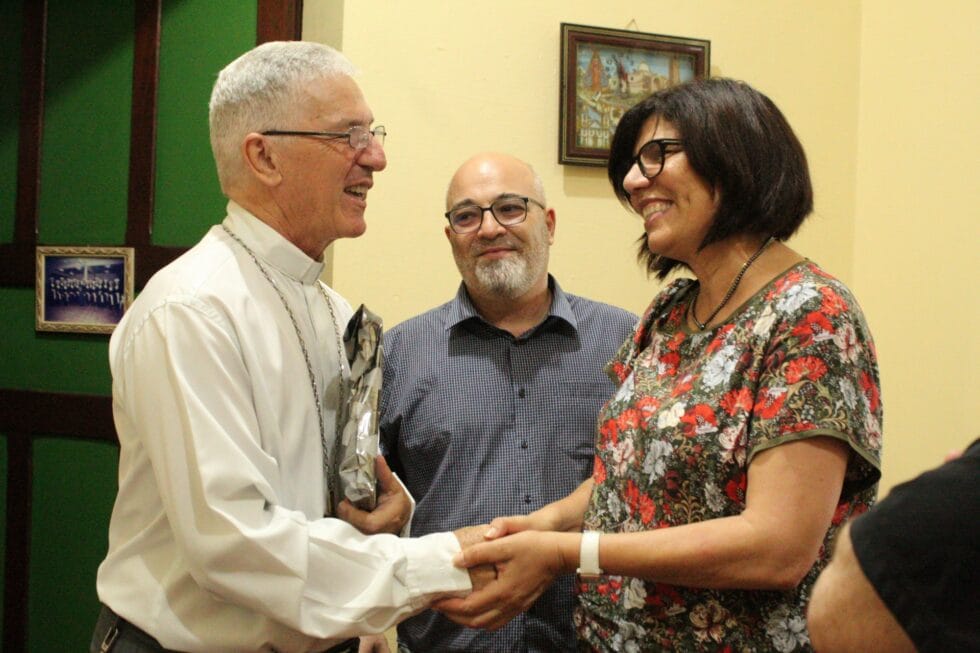
Msgr. Ireneu Roman, Bishop of the Archdiocese of Santarém continued the commentary, saying that this would be, “An impossible task without the involvement of the laity. They are the true strength of the Amazon Church”. There are about a thousand catechists in its parish communities. They support Christian formation, the liturgy of the Word and social projects. Msgr. Roman asked the Focolare community in the Amazon to bring its specific contribution: “unity in ecclesial structures and in society, because what this land needs most is to relearn communion”.
The presence of the Focolare and the Amazon Project
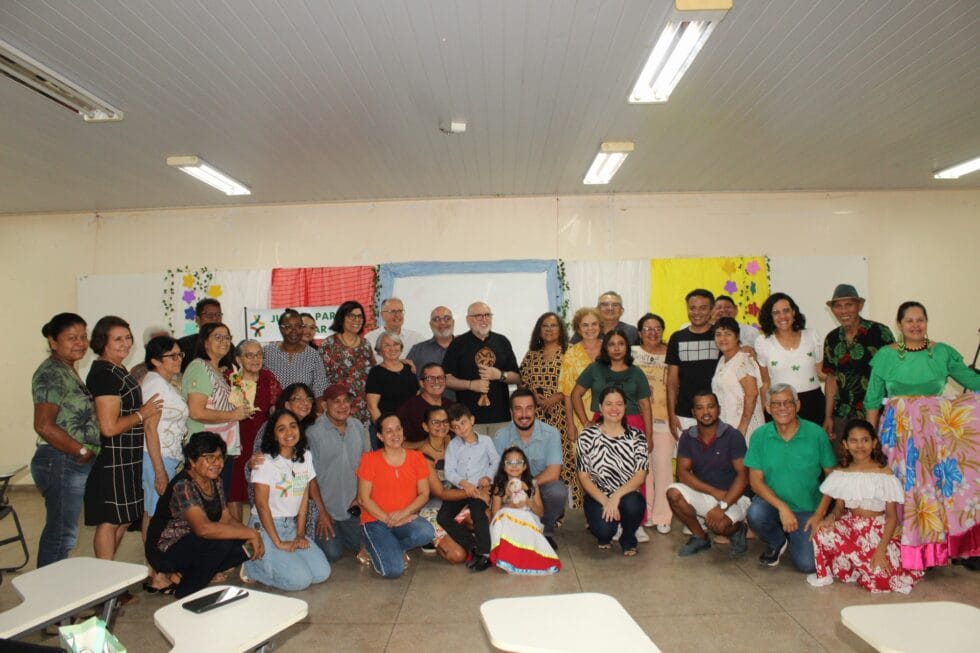
The first men’s’ community of the Focolare arrived in Óbidos in 2020 at the request of Msgr. Bahlmann and six months ago a women’s’ one opened in Juruti. Today in the Amazon there are seven focolarini, including a doctor, two priests, a psychologist and an economist.
Marvia Vieira and Aurélio Martins de Oliveira Júnior explained, “We are in the Amazon to support the great missionary work that the Church carries out with indigenous peoples. In 2003, one of the guidelines of the Brazilian Bishops’ Conference was to increase the presence of the Church in the Amazon region, because the vastness of the territory and the lack of priests made it difficult to provide adequate spiritual and human assistance.”
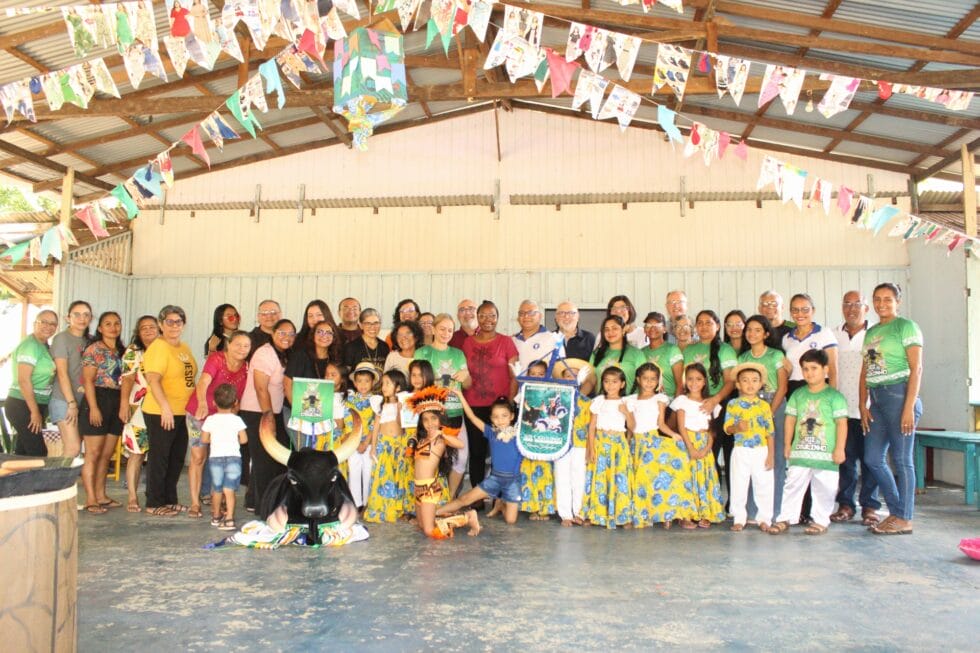
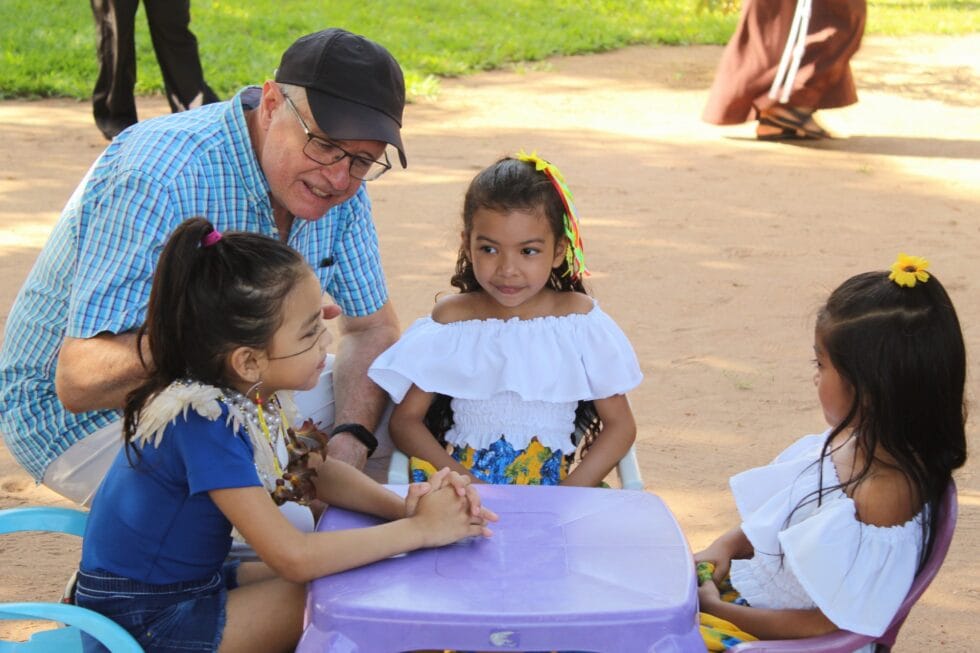
Thus, 20 years ago, the “Amazon Project” was born where members of the Focolare Movement from all over Brazil went for a period to places chosen in agreement with the Dioceses, to carry out evangelization actions, training courses for families, young people, adolescents and children, medical and psychological visits, dental care and more.
Edson Gallego, a focolarino priest of Óbidos and the parish priest told us, “Perhaps we will not be able to solve the many problems of these people but we can be close to them, share joys and sorrows. This is what we have been trying to do since we arrived, in communion with the different ecclesial realities of the city.”
The women focolarine explained that it is not always easy to change one’s mental categories: “We often delude ourselves to give answers, but it is we who come out enriched by every encounter, by the strong presence of God that emerges everywhere: in nature, but above all in people”.
Building up people and society
In Juruti the focolarine collaborate with the agencies of the Church that work for development. The “Bom Pastor” “casulo” is one of the 24 kindergartens in the city, which follows a specific pedagogical line that educates children to be aware of their own culture and traditions, to have a sense of community and to be aware of themselves and of others. This is an important choice for an integral and person centred education. The “9 de Abril na Providência de Deus” Hospital is managed by the “São Francisco de Assis na Provincia de Deus” Fraternity. It serves the population of the city (approximately 51,000 inhabitants), nearby towns and river communities, focussing on those who cannot afford to pay for care. The Apostles of the Sacred Heart of Jesus, on the other hand, animate the “Mother Clelia” Coexistence Centre where they welcome a hundred young people annually, creating alternatives for professional training and contributing to personal development, in particular of young people at risk.
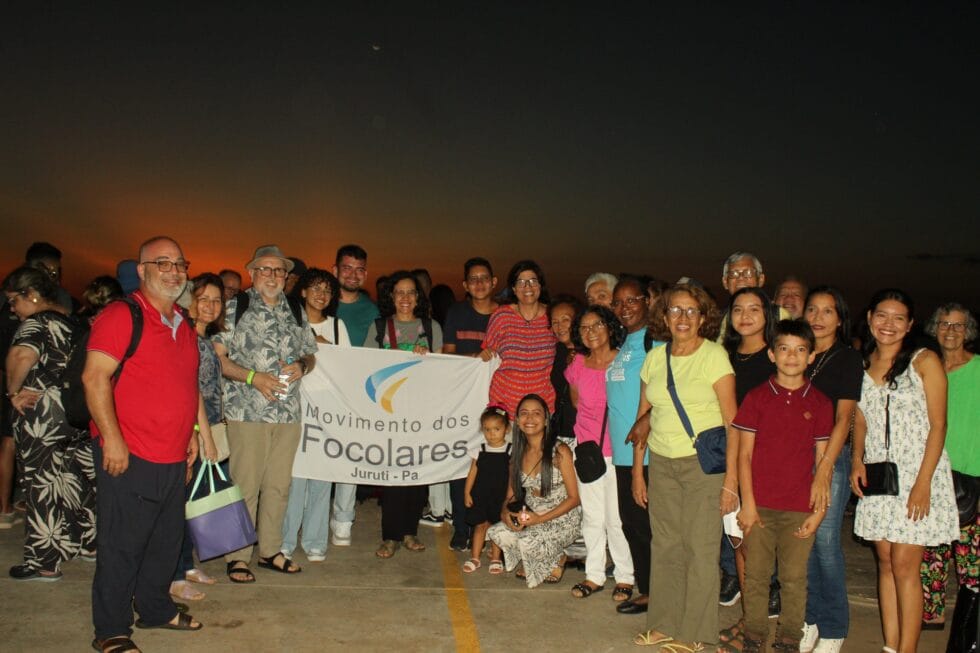
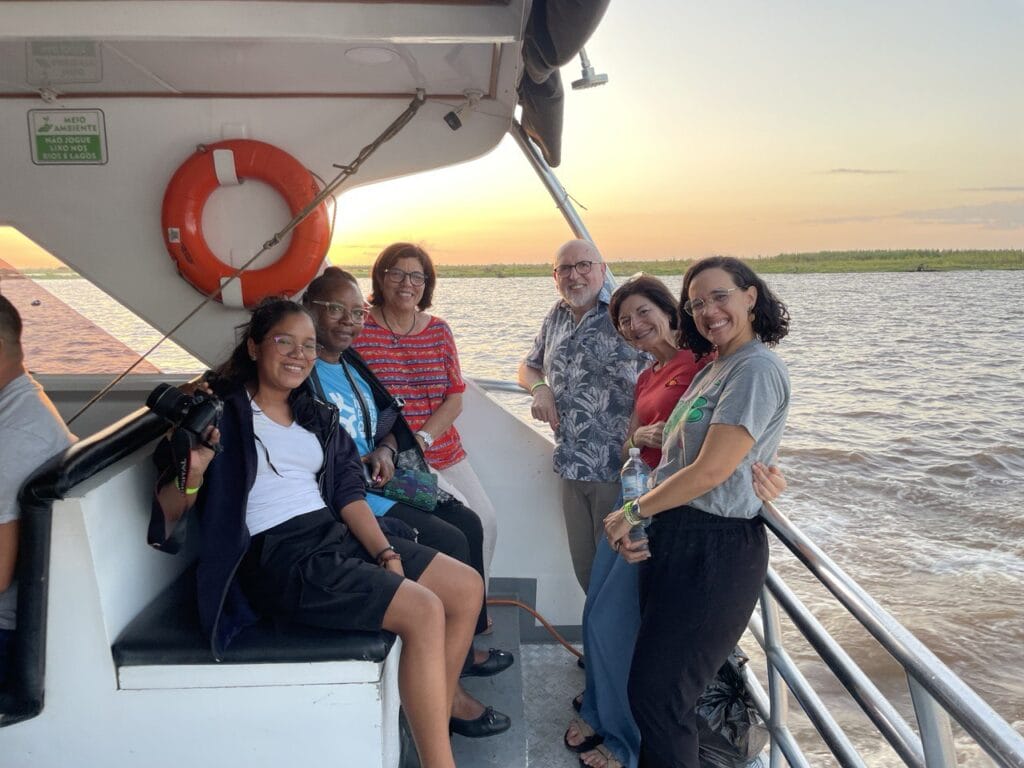
The Focolare community has also been working in synergy with parishes and ecclesial organizations for years. When Margaret Karram met it and other communities from around, she thanked the people for their generosity, evangelical concreteness and welcome: “You have reinforced in all of us the sense of being one world family and even if we live far apart, we are united by the same gift and mission: to bring fraternity where we live and throughout the world”.
Promoting human dignity
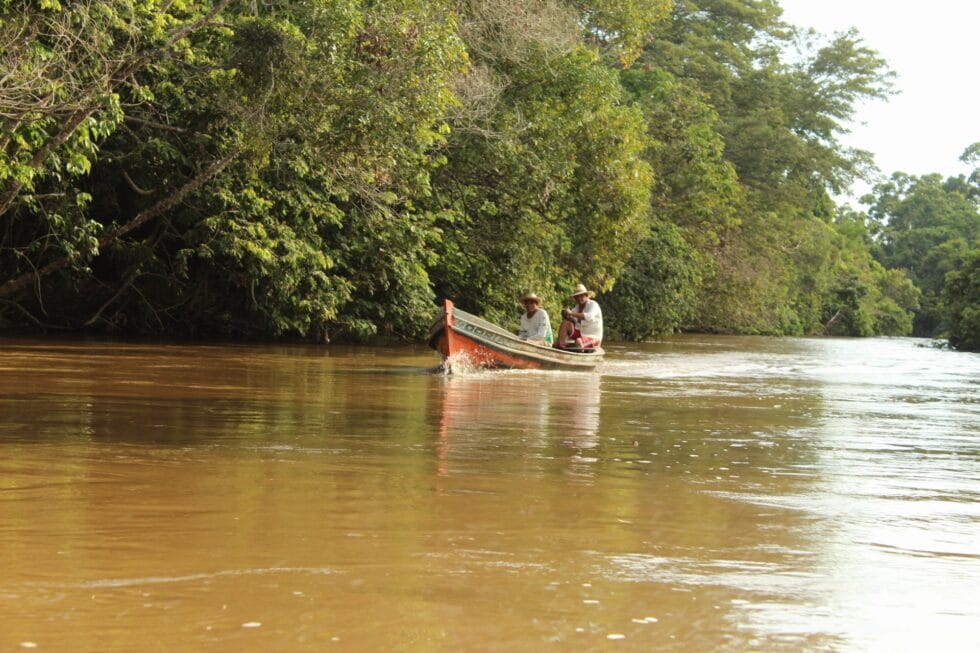
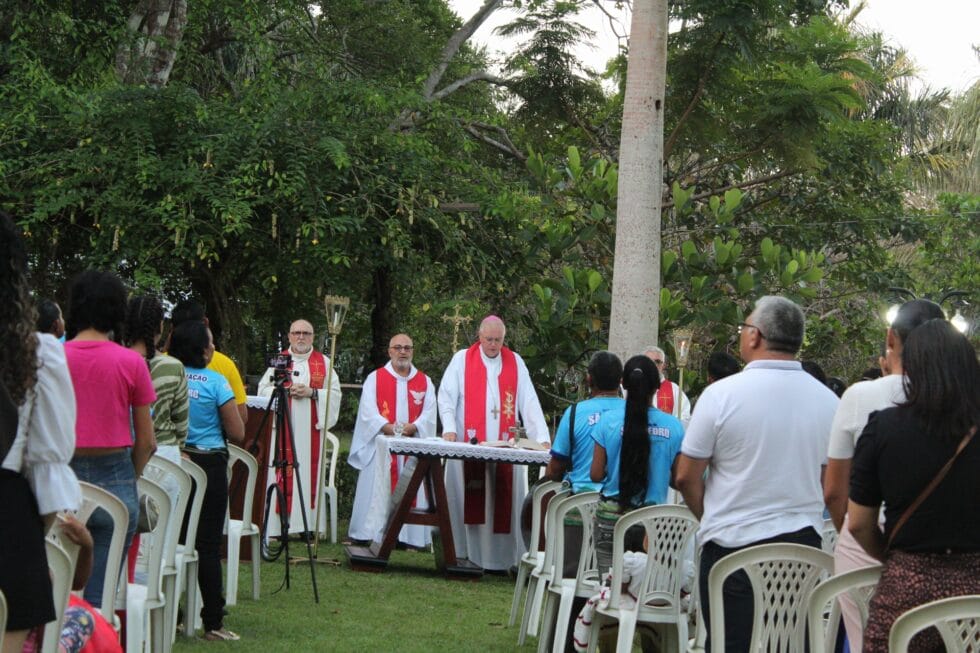
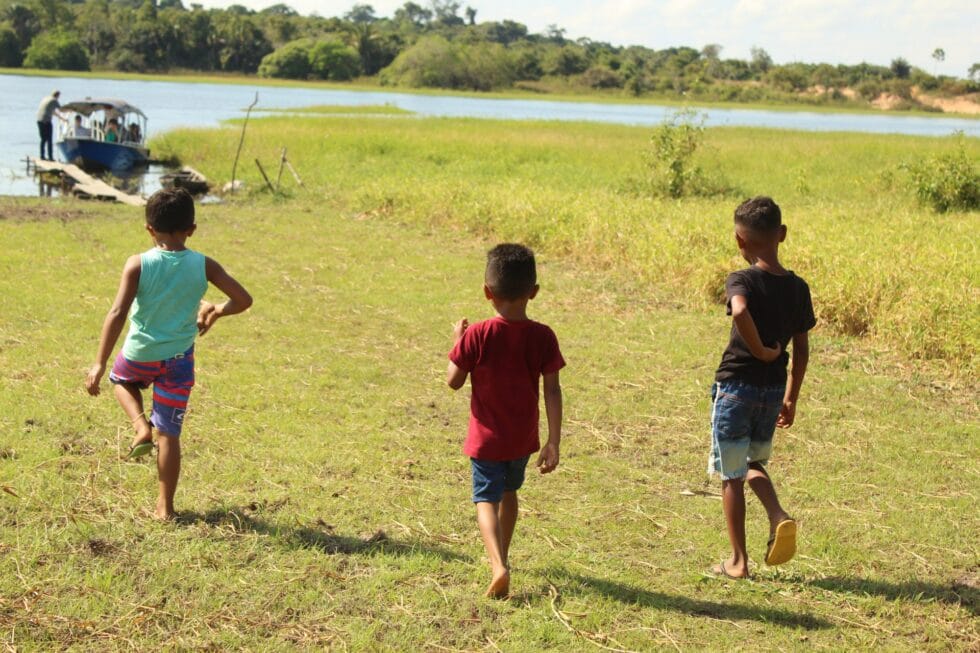
A one hour boat trip from Óbidos, through a network of canals that wind through the Amazon forest brings you to the Quilombo Pauxi Mocambo, an indigenous community of a thousand Afro-descendants. It is linked to Edson’s parish. He tries to go at least once a month to celebrate Mass and, together with the focolarini, share, listen and play with the children. The community is made up of about a thousand people who, although immersed in a paradisiacal nature, live in particularly disadvantaged conditions. Isolation, struggle for survival, violence, lack of equal rights, access to education and basic medical care, are the daily challenges these river communities face. Here too, for two years, the diocese of Óbidos has been running a project entitled, “Força para as mulheres e crianças da Amazônia”. It is aimed at women and children and promotes an integral formation of the person in the spiritual, health, educational, psychological, and economic sustenance fields. A young mother proudly recounted her progress in the home economics course: “I learned a lot and discovered that I have skills and ideas”.
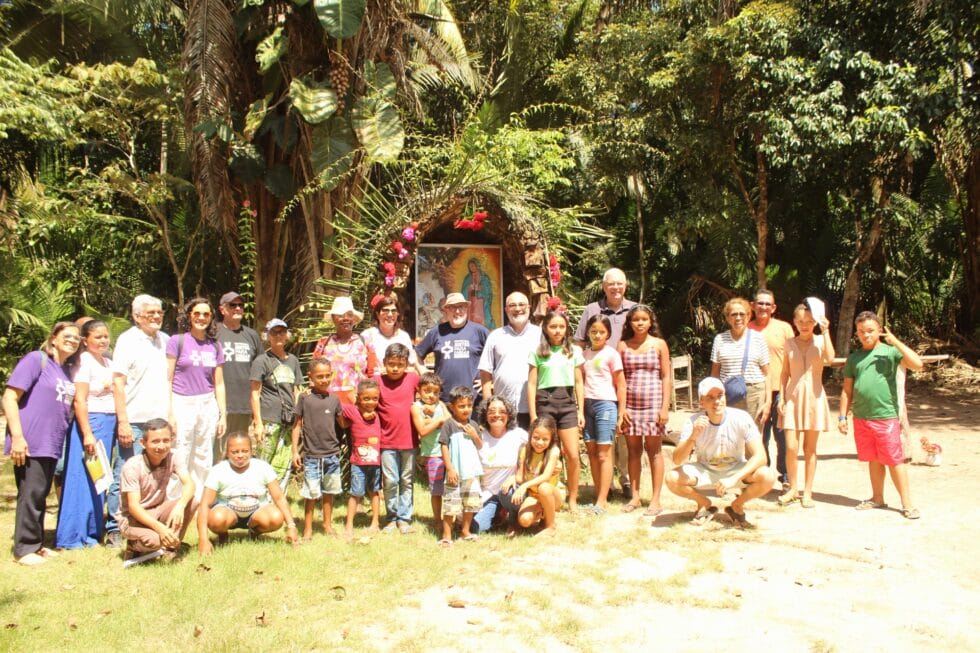
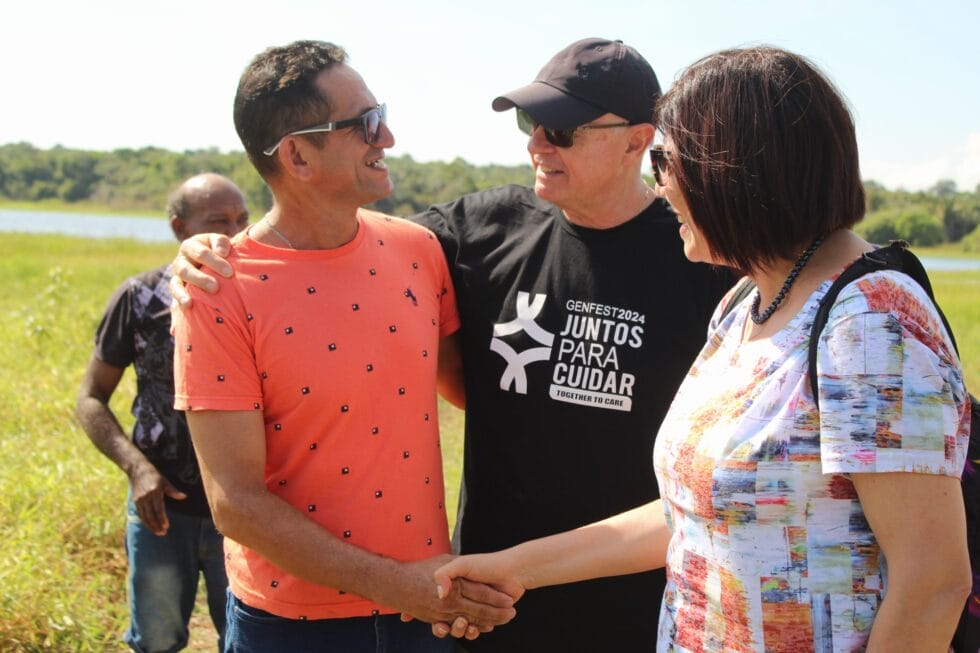
Certainly it is a drop in the great sea of the needs of these peoples. Jesús Morán said, “It is true that alone, we will never solve the many social problems. Our mission, also here in the Amazon, is to change hearts and bring unity in the Church and in society. What we do makes sense if people focus their lives on the good. And that’s the real change.”
Listening to the focolarini in the Amazon highlights the fact that welcoming, sharing and learning is the “evangelical dynamic” that emerges, where each and every one feels personally called by God to be his instrument to “listen to the cry of the Amazon” (47-52), as Pope Francis wrote in his extraordinary post-synodal exhortation Querida Amazonia and to contribute to the growth of a “culture of encounter towards a ‘multifaceted harmony’” (61).
Stefania Tanesini