Do you want this, Lord? Then I want it too
Do you want this, Lord? Then I want it too

Do you want this, Lord? Then I want it too
Love in action!
Welcome!
Respect others
Collaborate with all we meet
Fill the day with acts of solidarity
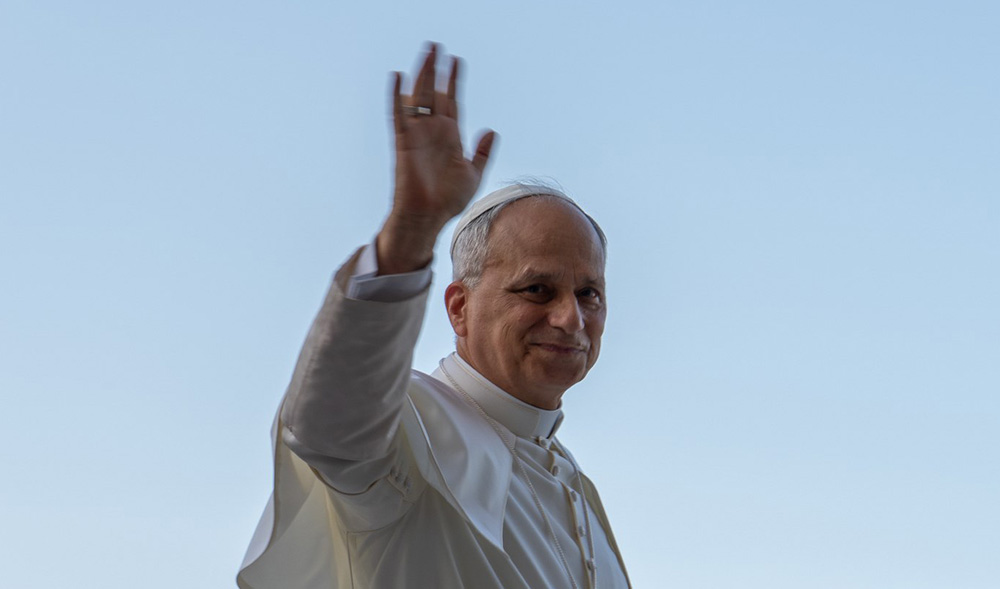
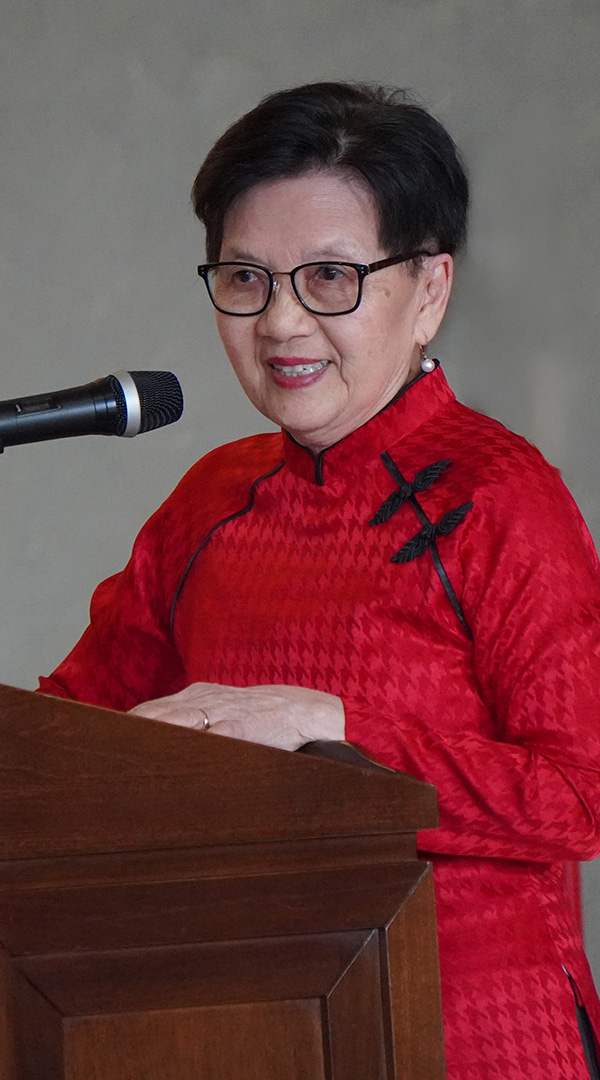
Algeria is the largest African country by land area, and of its 48 million inhabitants, Christians make up less than 1%. It is the country Pope Leo XIV chose as the first stop of his African journey, which will then take him to Cameroon, Angola, and Equatorial Guinea. He arrived on April 13, 2026, and his initial meetings with the Algerian community highlighted the life and work of interreligious organizations and initiatives that have been active in the country for many years, often little known.
One of these is the Focolare Movement, a network dedicated to spiritual unity that arrived in predominantly Muslim Algeria in 1966. Its activities in the country are animated by Muslim members—mostly women—who take part by working in small groups throughout Algeria. They offer assistance in local centers for the elderly, provide tutoring for students, or study together with them.
The experience of a “true” faith—one that “does not isolate but opens, unites without confusing, draws close without imposing uniformity, and fosters genuine fraternity”—was shared in French by Monia Zergane, a Muslim woman whose life has become “a sign of hope for our world.” In the services of the Catholic Church in Algeria, Christians and Muslims work “side by side,” she explained, sharing the same concerns: “to welcome, serve, listen, care for the most vulnerable, organize, secure financial resources, and ensure that activity centers are safe places that uphold human dignity.” It is a service to the most “vulnerable”—women, children, the elderly, the sick—lived “together” and capable of creating a “real fraternity,” she said, grounded in the conviction that “to serve humanity is first and foremost to serve God.” This commitment, she emphasized, is nourished by all the “beautiful” qualities brought into play: skills, dedication, patience, forgiveness, compassion, and kindness.
She also spoke of brothers and sisters who were an “immense help and comfort” to her during illness, recalling with gratitude how she “could rely on their closeness, their unwavering solidarity, their gentleness, and their prayers.” In particular, the presence of a Focolare community and the daily effort to put love of neighbor into practice, she acknowledged, “often challenges me and helps me understand that life is not primarily made up of great, visible works, but of a communion lived day by day.” Aware that fraternity is also built through “simple gestures—a smile, a greeting that comes from the heart, a kind word, a service offered without expecting anything in return—and through the small things of everyday life: exchanging good wishes for a feast, sharing a meal after a time of fasting, listening to the spiritual meaning of a celebration.”
Compiled by the Editorial Staff
Photo: © Joaquín Masera – CSC Audiovisivi

In the whirlwind of rapid news about the war in Lebanon, individual stories are lost and human faces fade behind the numbers of displaced people and reports of bombing. Yet the reality, as the testimonies on the ground reveal, is much deeper and more painful than the headlines suggest. In this “time of war”, hundreds of thousands of Lebanese people live in a condition of repeated displacement, as if it were a destiny that is renewed with each new wave of violence. But in the midst of this darkness, human faces also emerge, seeking to restore meaning to life.
Since escalation began and with the increase of air raids and evacuation orders, displacement is no longer an exceptional event, but has become a way of life. No longer are individual areas evacuated, but entire regions, from the south to the Beqaa to the heart of the capital Beirut. In this context, the number of displaced people has surpassed one million, in one of the largest waves of internal displacement in the country’s recent history. Many civilians have lost their lives.
Behind this number, however, there are human stories that encapsulate the tragedy. Zeina Chahine conducted some interviews to convey the pain of people and, at the same time, the greatness of humanitarian action that becomes encounter, consolation and collective strength against injustice.
Marwan, evacuated from the south, summed up the experience with a painful phrase: “We are slowly withering”. It is not just a metaphor, but the description of a life that is gradually consumed, in which people are losing their home, work and stability without however entirely losing hope… though that hope is worn down. Marwan adds that even the idea of returning has changed: he no longer dreams of his home, but simply returning, in any possible way.
Nawal instead recounts the moment of the forced flight: a phone call in the middle of the night, a few minutes to gather what could be carried, then the escape under bombardment. “What should we bring with us?” is a question that captures the helplessness in the face of the sudden collapse. A small suitcase in exchange for a lifetime left behind. She, like many others, had the experience of displacement not once, but over and over again, until going back to “square one” became part of the experience itself.
Children and young people also pay the price. Sixteen year old Suleiman finds himself out of school, in a temporary shelter and sums up the war by saying: “It is my cross in this life”. Words that show how war steals not only the present, but also the innocence of youth.
But alongside this pain another image exists, no less present: that of human solidarity. From schools transformed into reception centres and overcrowded corners of cities, volunteers and individual initiatives emerge that try to fill the void of absence. People sleeping on the floor, with a severe lack of the most essential good, while gradual attempts are made to provide mattresses and blankets. The need is not only for food and water, but also for everything that preserves human dignity, such as personal hygiene products… because even in displacement, people need to have their dignity.
Abir, a mother and a volunteer, sees help as a human duty first and foremost. She says that what is most striking is “the fear in people’s eyes”, that constant anxiety about an uncertain future. But at the same time she also observes a strong drive towards solidarity: “People rush to help, without expecting anything”. In a context where institutions are sometimes limited, individual initiatives become the first line of defence for humanity.
This encounter between pain and solidarity reveals a strong contradiction: war divides people, but at the same time creates unexpected spaces of solidarity. It is as if society, in moments of collapse, rediscovers itself through its individual people.
Despite the differences in opinions and affiliations, there is a common sense of feeling uprooted and the rejection of war and its tragedies. Over time, even the form of hope changes: from “if God wills we will return to our homes” to simply “if God wills, we will return”. A hope that diminishes but does not extinguish.
A question remains on everyone’s lips: “Where will we go tomorrow?” It is not a question about a specific destination, but about destiny itself.
Yet, despite all the suffering, these testimonies reveal a twofold truth: war wounds human being deeply but it cannot erase humanity. Between a tent and a shelter, between loss and nostalgia, another form of resistance is born: the resistance of solidarity.
Thus, while some slowly wither, others water them with as much solidarity as they can, keeping life possible. Because faith in human brotherhood is a reality that we have internalized by living and practicing it, it has been handed down from our parents and grandparents, until it has become like the blood in our veins and part of our civilization.
Elaborato da Rima Saikali
Al Madina Al Jadida
The Middle East emergency appeal is underway. Every contribution helps bring relief to the many families affected by the scourge of war: many have lost their homes, others seek refuge in facilities that open their doors despite increasingly limited resources.
To make a contribution click here
Photo: ©Pexels-Mohamad-Mekawi
Share your surplus
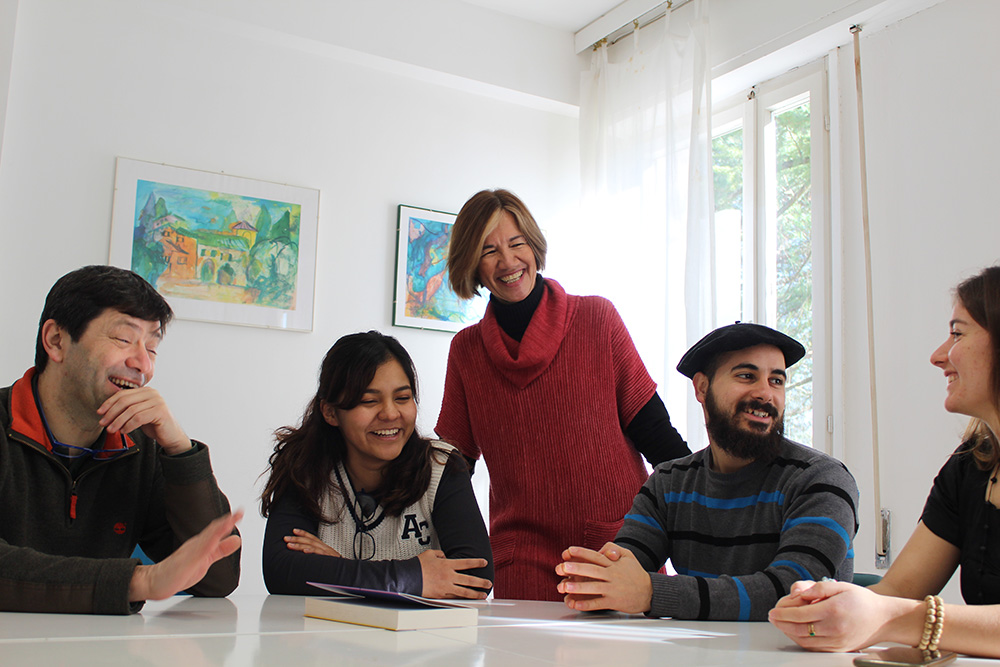
The Sophia University Institute is launching a new academic offering for the 2026/2027 academic year, marking a decisive step in the growth of the institution and in the expansion of its international academic project. The new proposal provides a complete university pathway (3+2) integrating two fully structured cycles of study: the Baccalaureate in Philosophy and Human Sciences (Bachelor’s Degree, interclass L-5/L-24) and the Master’s Degree in Philosophy, Economy of Communion and Environment (Master’s Degree, class LM-78).
The new academic proposal of the Sophia University Institute stems from a simple and radical conviction: knowledge is not merely a collection of information but a concrete tool for changing the world.
Rector Declan J. O’Byrne says, “In this time of epochal change characterized by uncertainty and fragmentation with this new academic offering, Sophia confirms its mission, assuming a strategic role in the forming people capable of combining critical thinking, interdisciplinary skills, planning and responsibility towards the common good, to lay the foundations of a different future, acting in the context of integral sustainability, the economy, social and territorial planning and innovation”.
Thanks to the institutional collaboration with the University of Perugia (Italy), both programmes allow the achievement of a double academic degree – ecclesiastical and state-recognized, with full validity in the Italian university system and international recognition.
The Baccalaureate and the Master’s
The Baccalaureate in Philosophy and Human Sciences – Bachelor’s Degree (L-5/L-24) – is a degree course that offers interdisciplinary training focused on understanding the person in their cognitive, emotional, relational and social dimensions. It prepares students to continue their studies, to access teaching paths and to take on educational, social, design and cultural roles.
The Master’s Degree in Philosophy, Economy of Communion and Environment – Master’s Degree (LM-78) – develops Sophia’s interdisciplinary method within the fields of economics, integral sustainability and governance. It forms professionals capable of understanding and guiding economic, social and organisational processes. The degree program promotes a critical reflection on contemporary economic models and encourages the search for ethical and sustainable solutions, in particular, in the fields of ecology, urban development, organizations and communities.
The focus on Economy of Communion and Civil Economy makes this path unique in the Italian and international academic landscape, offering students tools to understand and transform contemporary economic systems, to contribute concretely to the construction of sustainable, inclusive and generative economies. The proposed training prepares professionals capable of guiding corporate social responsibility processes, of developing sustainable innovation projects, of working in the regeneration of territories, of assuming roles in companies, public bodies and the third sector oriented to human development and integral sustainability.
Doctoral programmes in Human Sciences and in the Culture of Unity are also offered, completing the Institute’s academic provision.
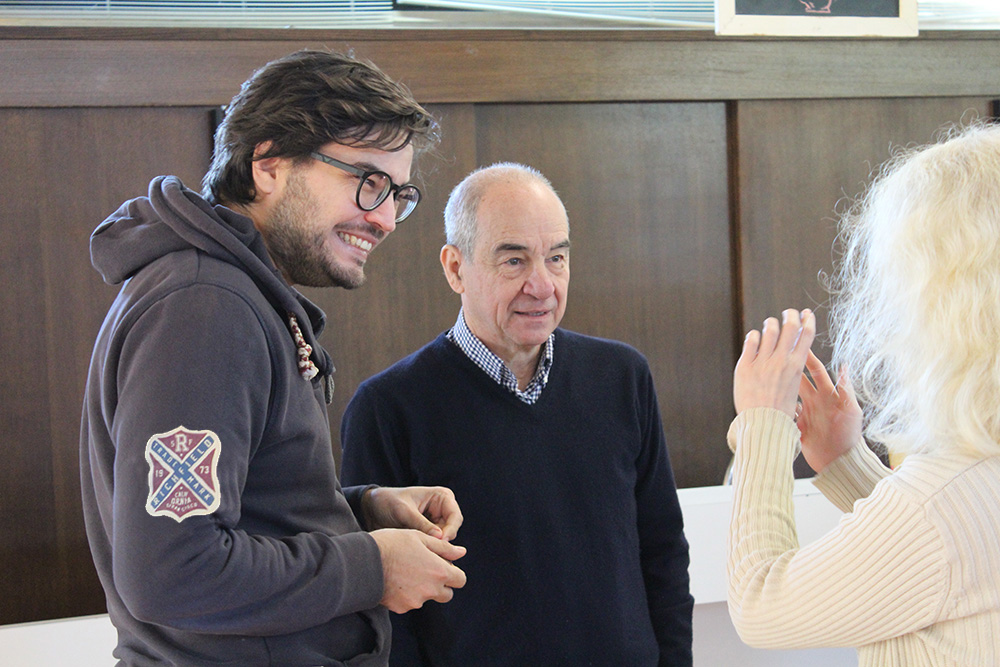
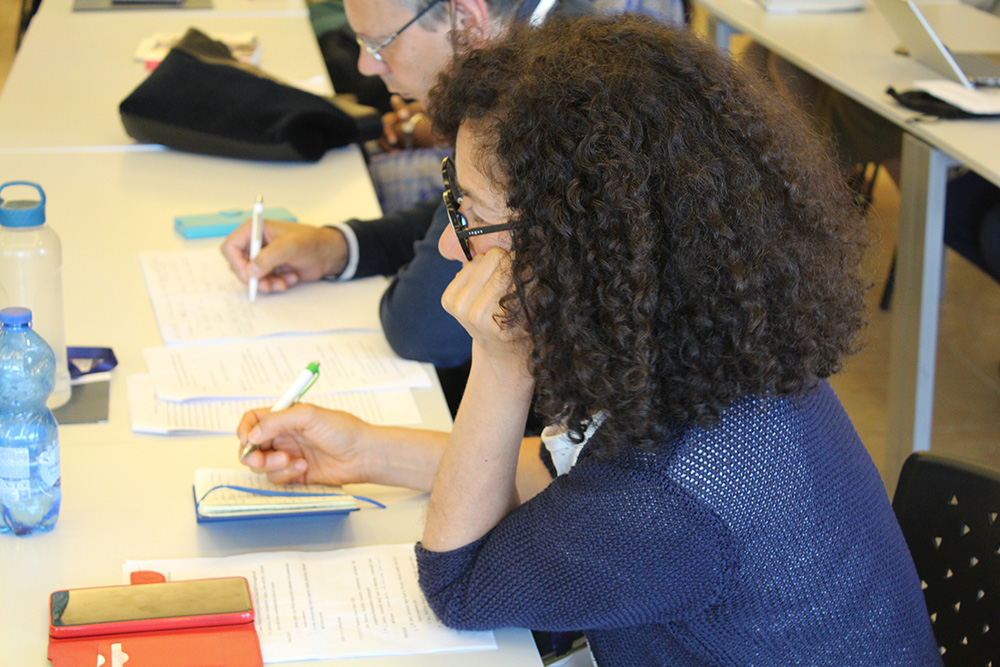
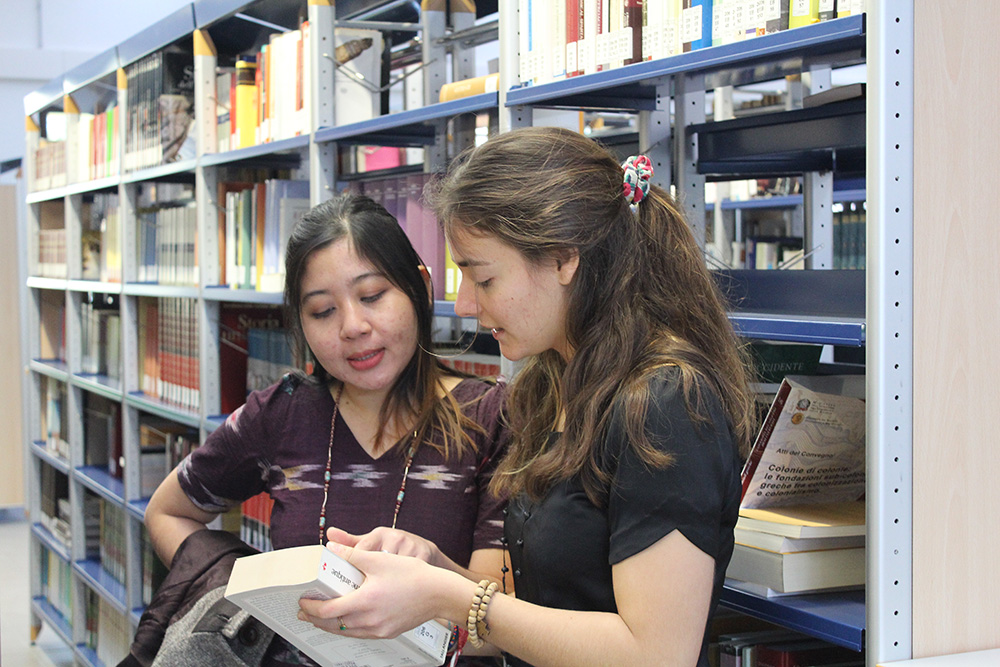
In The Heart of Tuscany
With the next academic year, Sophia will inaugurate a new educational center in Florence (at the Institute affiliated with the Theological Faculty of Central Italy), which will host the activities of the Baccalaureate. The choice of Florence allows access to the academic, professional and cultural opportunities of one of the most prestigious university cities in Europe.
The Master’s Degree remains rooted in the international campus of Loppiano, which offers an international and intercultural environment in which students from numerous countries have the opportunity to share study, daily life and educational experiences.
The strength of the academic relationship: one teacher for every five students
One of the distinctive elements of academic life at Sophia is the student-teacher ratio, which is approximately 1:5. This allows a personalized accompaniment, ongoing dialogue and a study environment that values relationships as an integral part of the learning process. The Sophia model moves beyond large, lecture-based teaching and promotes an interactive, person-centred approach focused on the quality of content and the development of critical, relational, and project-based skills.
A network of valuable partners
The quality of academic life at Sophia is further enriched by opportunities for personalised and globally oriented study experiences, thanks to a selected network of partners that support teaching activities and offer concrete opportunities for internships and professional placement in international contexts. These include: ASCES-UNITA, Sophia ALC (Latin America), Together for a New Africa, Economy of Communion Korea, Ethos Capital and Consulus.
Further info Sophiauniversity.org
Editorial Team
Photo: © Istituto Universitario Sophia
Learn from everyone
Be merciful
Proclaim God’s love

We would like to thank Vatican Media for kindly providing the images and photographs of the Audience
Spread peace around
Believe in love

As necessary as food

Mongomo is a small town in Equatorial Guinea, on the border with Gabon. Sister Maria writes: “Living with the people here is a great gift for our community. They are so open to the Word of God.” Every month, the people in the nearby villages look forward to their visit. On Sundays, since there is almost never a priest to celebrate Mass, they meet with some of us to hear the Word explained. More than five hundred gather. On the other hand, only about fifty manage to take part in the parish meetings in Mongomo. It must be taken into account that they have no clocks and no notion of the date, so it is very difficult to arrange appointments, so their presence is not constant. Sometimes they have to travel (obviously on foot) ten or twenty kilometres to get there. It is moving to see that they never get tired of hearing about God. I would like you to hear them tell how they put the Gospel into practice: they are simple, concrete experiences… hearing them is enough to convert you. I have often heard some of them repeat that the Word of God is as necessary to them as food. ”
(Sister Mary – Equatorial Guinea)
Reconciliation
I was particularly struck when I heard the Gospel phrase “If you present your offering on the altar and there you remember that your brother has something against you, leave your gift there in front of the altar and go first to be reconciled with your brother…” I wasn’t on good terms with a certain lady. Summoning up my courage, I went to her. Unfortunately, not only did she not listen to me, but she shouted at me to go away. I felt demoralized and I didn’t know what to do. Meanwhile, my son had received a letter from an acquaintance who wanted to apologize to him because of a small misunderstanding between them a few days earlier. I was surprised: firstly, because my son is so young that he can’t read yet, so I had to read the letter to him; secondly, because an adult apologized so sincerely to him. This inspired me to write to that lady asking for forgiveness. A few days later I receive a phone call from her: “Please, you forgive me!” I went back to her, we cleared up all our misunderstandings and full of joy, we reconciled.
(H.B. – Germany)
compiled by Maria Grazia Berretta
Cover photo: © Saulo Leite by Pexels
Give thanks for gifts received
Start again

Christian hope is not an escape from reality. It is born in a dark place, in the narrow confines of a sealed tomb, where God has already overturned the judgment of this world. Precisely for this reason, it dares to speak in a time of wars (Gaza, Kyiv, Darfur and Tehran) and of hundreds of millions of people who do not know how they will make it to tomorrow.
Our days are woven with justified expectations: health, a secure job, a measure of peace, a justice that is more than words. But when these become our entire horizon, we either treat them as idols or, at the first serious fracture, we take refuge in cynicism and resignation.
Easter does not erase these hopes; it re-centres them. It roots them in Another and in doing so, preserves them. A love stronger than death does not remove the burden of action; rather, it breaks the anxiety of having to save the world through our own efforts alone.
The final word on history is not ours, nor that of the victors of the day. It is the word spoken over the body of Jesus. And the word of Easter already refutes every claim of death to be definitive. For Paul, the resurrection of Christ is not an isolated episode in Jesus’ biography. It is the opening of a new scene into which all humanity is drawn: “For as in Adam all die, so in Christ all will be made alive” (1 Cor. 15:22).
The Church Fathers followed this insight without attenuating it: the resurrection is the fulfilment of human nature in its entirety, not the privilege of a fortunate few. In Christ, God already contemplates the fullness of the human family: the faces of refugees in the Mediterranean, of those crossing the Sahara, of civilians hiding in basements in Darfur. For this reason, every wound to human dignity, every discarded body, is not only a social injustice; it is a profanation of a humanity that was conceived and loved within the very light of the Risen One.
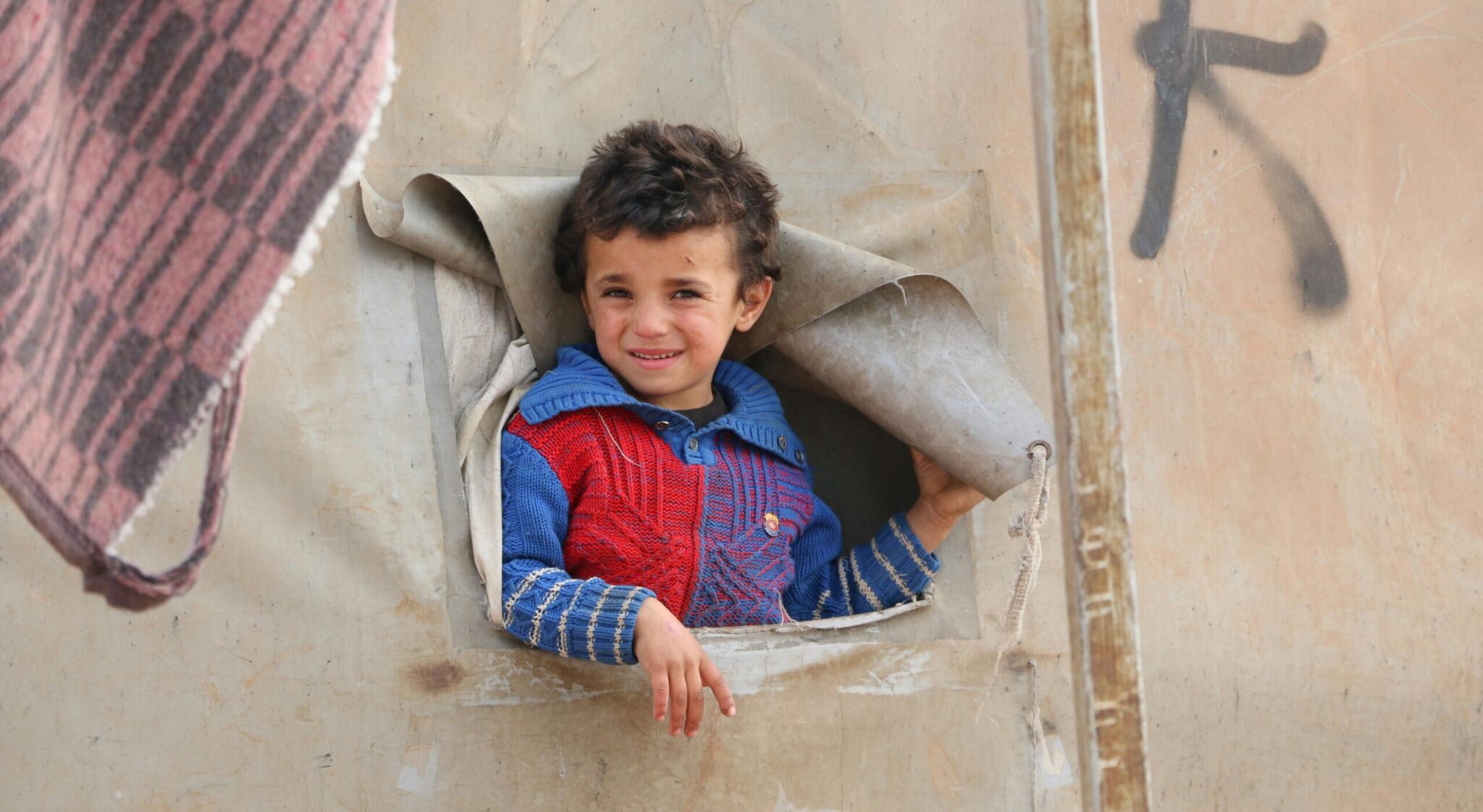
© Mourad Saad Aldin by Pexels.com
Paul widens the horizon further: “the whole creation has been groaning as in the pains of childbirth” (Rom 8:22). It is not only human conscience that groans, but the soil, the air and the seas. In 2026, the language of “labour pains” no longer sounds like pious symbolism: we read it in floods, in uncertain harvests, in villages forced to move because the water has run out. This groaning takes the form of protest; creation refuses to be treated as disposable material and Easter gives it a voice. In the risen Christ, every exploitation of the earth already appears for what it is: a choice against the future of all.
How, then, are we to live between a fulfilment already begun and a history still marked by too many failures? Not with paralysis, nor with superficial optimism. We live knowing that nothing authentically good is lost: a gesture of welcome, a choice to renounce something, honest work carried out under adverse conditions. Pope Benedict XVI reminds us that “every serious and upright human action is hope in action,” and includes among these efforts working for a more humane world, sustained by the great hope grounded in God’s promises (Spe Salvi, 35).
We can say even more: it is not an external addition to the Kingdom; it is already a visible fragment of it. Fulfilment belongs to God and yet God insists on passing through us as well. When we commit ourselves to refugees, to disarmament, to more humane working conditions, to a concrete and not rhetorical peace, we are not simply “preparing” something for later. We are allowing the life of the Risen One to take shape—humbly and fragilely—within our time.
Easter hope does not remain an idea or a feeling; it takes flesh. The resurrection teaches us that the logic of death has no power to determine the final outcome. For this reason, every war, every system of exploitation, every calculated indifference is already unmasked and stripped of ultimate meaning by the empty tomb.
In the tomb of this world, something has already changed forever: life has begun to rise up through the cracks of history. Not as vague consolation or as a “reward” in some undefined elsewhere, but as a reality that, in Christ, has already been entrusted to humanity and to all creation. In the judgement of God revealed at Easter—a judgment that liberates, not crushes—it is decided once and for all that death will not have the last word over anyone or anything.
This is the great hope.
Happy Easter: a hope that does not remain closed within the church, but engages in history.
Declan J. O’Byrne
Sophia University Institute
Originally published on Loppiano.it
Cover photo: Detail of the stained-glass window at the Maria Theotokos Shrine, Loppiano
Joy!
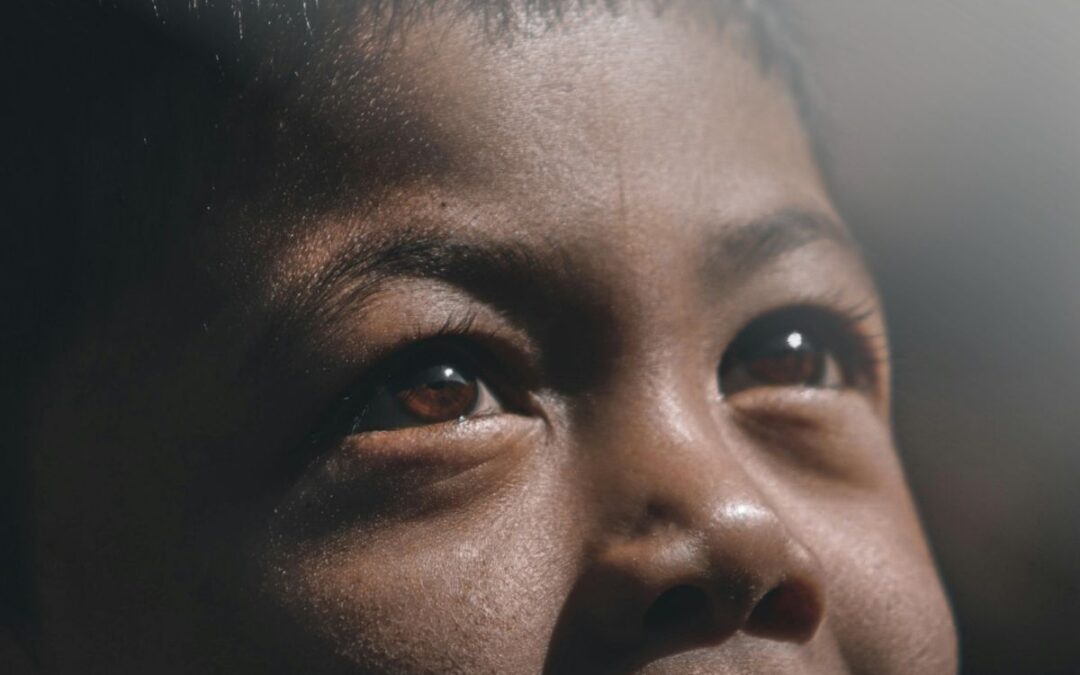
I wish that we could all have Easter eyes
capable of looking
into death, until we see life,
into the hurts, until we see forgiveness,
into separation, until we see unity,
into the wounds, until we see glory,
into the human person, until we see God,
into God, until we see the human person,
into Myself until I see You.
And in addition to this, to see the power of Easter!
(Easter 1993)
Klaus Hemmerle
La luce dentro le cose, Città Nuova, Rome 1998, p. 110.
Photo: © Aakash-Sunuwar by Pexels.com
Keep hope alight
Don’t be discourgaed

Solitude, silence, do not frighten: they are made to protect, not to cause fear. Nevertheless, one can take advantage of such a suffering. The greatness of Christ is the cross. He was never so close to the Father and so close to the brothers as when naked, wounded, he cried out from the gallows: “My God, my God, why have you forsaken me?”. With that suffering he redeemed: in that fracture he reunited all men with God.
[…] Listen to it. Contemplate it, within the silence wherein God speaks. This is, in the day of life, the hour of dusk of contemplation, when the creatures gather together to assess the work that has been done and to prepare the actions of tomorrow: a tomorrow immersed in eternity. […] Detachment from the world, therefore, and attachment to God: thus not a separation from people, inasmuch as they are brothers, members of the same divine and human family.
(Igino Giordani, Excerpts taken from “Città Nuova” XXIII/13 10 July, 1979, pp.32-33)
Foto: © Nikolett Emmert by pexels.com
Here I am!
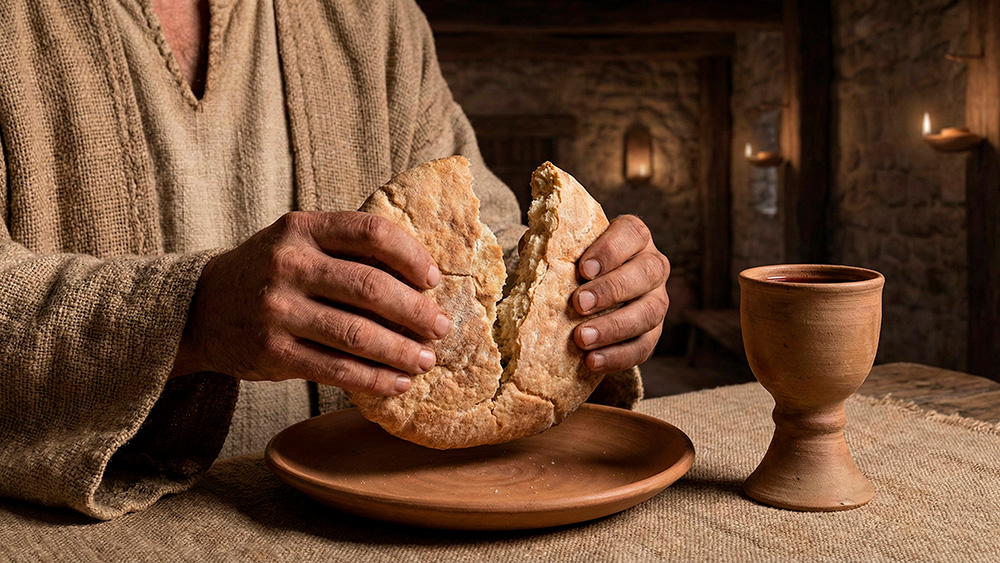
This year, Holy Week found a special resonance in me.
Yesterday, Wednesday of Holy Week, I was especially touched by the reading of the Passion of Jesus. I became aware – and this is so important – of the very new value suffering has in our Christian life. I felt as if I was drawn to this most sublime calling amidst the many voices that fill every day and every moment of our life. Jesus, the “man of suffering”: this is the climax of his vocation.
… Today I feel enveloped by a wave of tenderness. It is the day of the New Commandment, of the Eucharist, of the priesthood, it’s the day when we serve one another.
Jesus reserved so many infinite riches for the last day of His life on earth!
How I wish to make every day a Holy Thursday.
Jesus, you who have chosen us for this pathway, which is so close to your heart, help us to follow it well, every day, until the end.
(Translation of the Italian text found in: Chiara Lubich, Diario 1964-1980, a cura di Fabio Ciardi, 2023, Città Nuova, Roma, p. 324)
Photo © Vesal by Pixabay
Mutual love

The night is a symbol of darkness and of the unknown. It means the absence of that light which cannot be found without a lamp and a companion who travels beside us on our journey through life.
The night envelops our wounded and violated planet that is marked by massacre and by war motivated by the lust for power and money.
Night is what millions of people experience, people who no longer have a voice to cry out against injustice and oppression.
What about us? How can we continue to believe in a renewed and better world which we do not see developing as we had expected? How can we recognise the signs of all that is good in our everyday relationships? These are questions to which we do not always know how to respond. Nonetheless, although it is difficult to discern the answers, they urge us to look for a companion who “walks” alongside us and to recognise the universal need for a spirituality that is inherent in human nature and that we experience if we live out mutual love with those around us.
Sometimes there are brief flashes of light that shine out in the most unexpected ways – even through social media – and they light up the night. One example is the story of Chiara Badano and Sara Cornelio, two friends whose relationship spansacross time.
Sara, born in 1998, ‘met’ Chiara, so to speak, who had died eight years before aged 19, when she was little more than a child. She heard about Chiara during one of the many meetings during which people spoke of her extraordinary life. Sara began to regard her as a friend, a companion in her dreams, a confidante and a strong presence. Sara had a captivating personality: she sang, danced, studied and had many friends. At the same time, however, she lived with the daily reality of a congenital condition that – literally and not just figuratively – ‘took her breath away’. Nevertheless, she was certain that “love conquers all” and this was the subject of an essay she wrote in the sixth form. She was fortunate to receive a lung transplant, and over time, became a gift for other people by bearing witness to this certainty through books, school visits, songs, short films, a blog and a theatrical performance.
Her wonderful family lived an experience of falling in love and of love itself. Her death in 2022, when she was not even 24 years of age, left all those who loved her – even those who had simply come across her on Facebook – feeling devastated and alone.
During her time on this earth, Sara regarded Chiara as a friend who was always close, accompanying, encouraging and supporting her and who ‘revealed’ herself in the most unexpected moments and circumstances. She was a friend who knew how to ‘be there’ in moments of pure joy as well as in the pain and loneliness of a hospital or an intensive care unit.
In those final moments of solitude and weakness, Chiara’s presence became mysteriously silent, almost elusive, yet perhaps all the more authentic for it, and destined to become a friendship ‘forever’.
Chiara and Sara: unique, just as every story is unique.
Photo : © Kanenori – Pixabay

The road that leads to the village of Emmaus reminds us of a journey made by two of Jesus’ disciples. They were feeling very disappointed as they walked along because their dreams and plans and the powerful experiences they had lived with the Master had come to nothing. They were returning home to resume the life they had left behind, the one they had lived before meeting the Lord. Only three days had passed since his crucifixion, but disappointment, fear and doubt reigned among his followers.
They were leaving Jerusalem, turning their backs on their unfulfilled dreams and distancing themselves from Christ and his message. They were sad because somehow, they had already made the decision to abandon the project for which they had originally followed him.
This is a story to which we can easily relate. Sometimes we too meet with complex situations and feel completely lost. There may be many possible options but often we believe that turning back is the only solution. Giving up and giving in can seem the only way to lessen our unease and distress.
‘Who among us is not familiar with the visit to Emmaus? Who has not walked this road on an evening when all seemed lost? Christ had died in us… There was no longer any Jesus on earth”[1].
Stay with us, for it is nearly evening.
As the disciples walk along, a stranger joins them, seemingly unaware of the events that have just taken place. He begins to ask precise questions which bring out all the disciples’ bitterness and discouragement. At first, he listens to them but then begins to explain the Scriptures. It is all a dialogue, an encounter that leaves its mark, so much so that, even though they have not yet recognised
Jesus, the disciples beg him to stay with them because it is getting dark. ii Perhaps this is one of the most beautiful prayers we find in the Gospels.[2]
It is the first prayer of request that the disciples make to the Risen One, and it is moving to acknowledge that today we can invite him to do the same, to remain with us and among us.
The eyes of the two disciples will be opened when the “stranger” breaks the bread and the joy of finally recognising him will prompt them to return to Jerusalem to announce his resurrection to their friends.
Stay with us, for it is nearly evening.
Chiara Lubich wrote “Perhaps nothing better than these words can explain the experience that we within the Focolare have had of living with Jesus in our midst from the beginning.
Jesus is always Jesus, and even if he is only spiritually present, he explains the Scriptures and his charity burns in our hearts: this is life. Once we have had this experience and have known him, with infinite yearning we continue to say: ‘Stay with us, Lord, for it is getting late’: without you the night is dark’ [3].
The night is a symbol of darkness, of the unknown and of the lack of the light that we cannot find when we do not believe in his presence – a presence that accompanies us always.
The night envelops our wounded and violated planet that is marked by massacre and by war motivated by the lust for power and money.
Night is what millions of people experience, people who no longer have a voice to cry out against injustice and oppression.
How can we be aware of the presence of Jesus who does not always reveal himself according to our expectations? How can we understand that he walks with us and tries to make us recognise the signs of his presence? Above all, how can we create the conditions for him to be present and remain with us?
These are questions to which we may not always know the answer, but which urge us not to give up the search for Jesus, to focus our gaze on a travelling companion whom we often do not see, to recognise the One who can make himself present, if we live mutual love among ourselves.
The road to Emmaus is a symbol of all our roads; it is the road of encounter with the Lord; it is the road that restores joy to our hearts and brings us back to the community to bear witness together that Christ is risen.
Edited by Patricia Mazzola & the Word of Life Team
Photo: ©Pexels-Tom Fisk
[1] François Mauriac, Vita di Gesù, Mondadori, Milano, 1950, p. 156.
[2] Cfr. Lc 24, 17-29.
[3] Chiara Lubich, Scritti Spirituali/3, Città Nuova, Roma 1979, p. 67.
God walks with us
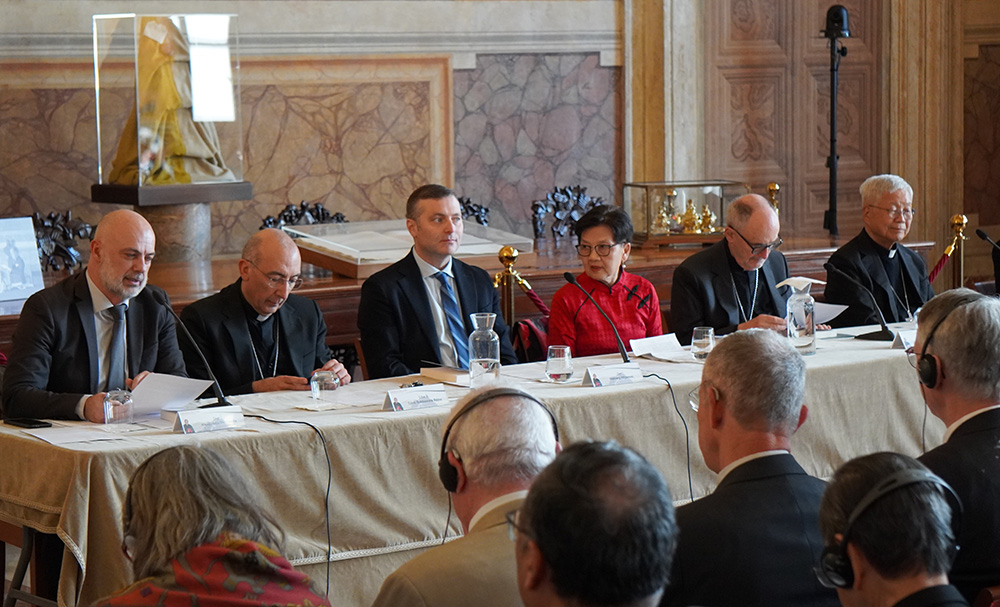
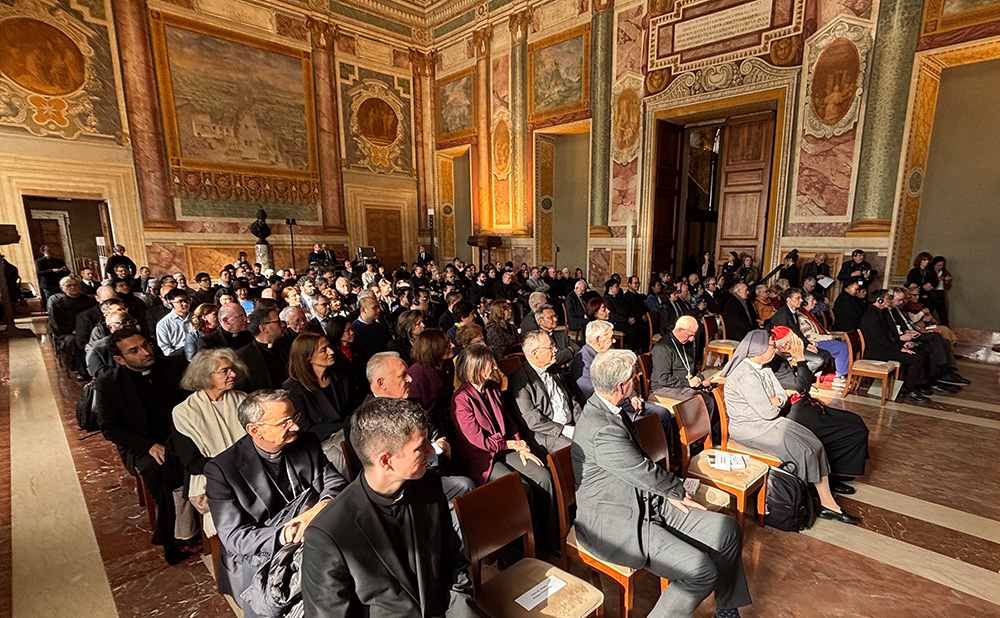
25th March 2026 – The event was held in the Sala della Conciliazione of the Lateran Palace where, after decades of conflict, the Catholic Church and the Italian State signed the Lateran Treaties in 1929. In this same historic place, in 2013, the diocesan phase of the Cause of Beatification of one of the most important spiritual figures of our time concluded: the Vietnamese Card.François-Xavier Nguyễn Vân Thuân.
220 people were present, Cardinals, Bishops, family members, priests, nuns and lay people from Vietnam and other countries. Thousands more were connected via streaming in seven languages on Vatican Media’s YouTube channels. The reason for this gathering was the occurrence of 50th anniversary since Nguyễn Vân Thuân, then a young Bishop, in the first months of his imprisonment that began on 15th August, 1975, managed to send his faithful 1,001 short meditations written on scraps of old calendars. The event was organized by the Cause of Beatification of the Vietnamese Cardinal, together with the Dicastery for Promoting Integral Human Development which is responsible for the Cause, in collaboration with the Dicastery for the Clergy, the Diocese of Rome and Città Nuova Publishing House.
Pope Leo marked the occasion with a Message signed by Card. Parolin, Secretary of State, expressing the hope that “this significant event will foster a renewed appreciation of the fervent witness of such ac courageous disciple of the Gospel and generous Shepherd”. His example – he continued – “is profoundly relevant today because it reminds us that Christian hope is born from an encounter with Christ and takes shape in a life given to God and neighbour”.
Cardinal Baldassare Reina, the Pope’s Vicar General for the Diocese of Rome, welcomed the participants. He recalled the relevance of Nguyễn Vân Thuân’s life in the aftermath of the Jubilee of Hope, at a time when the Gospel is transmitted above all through witness.
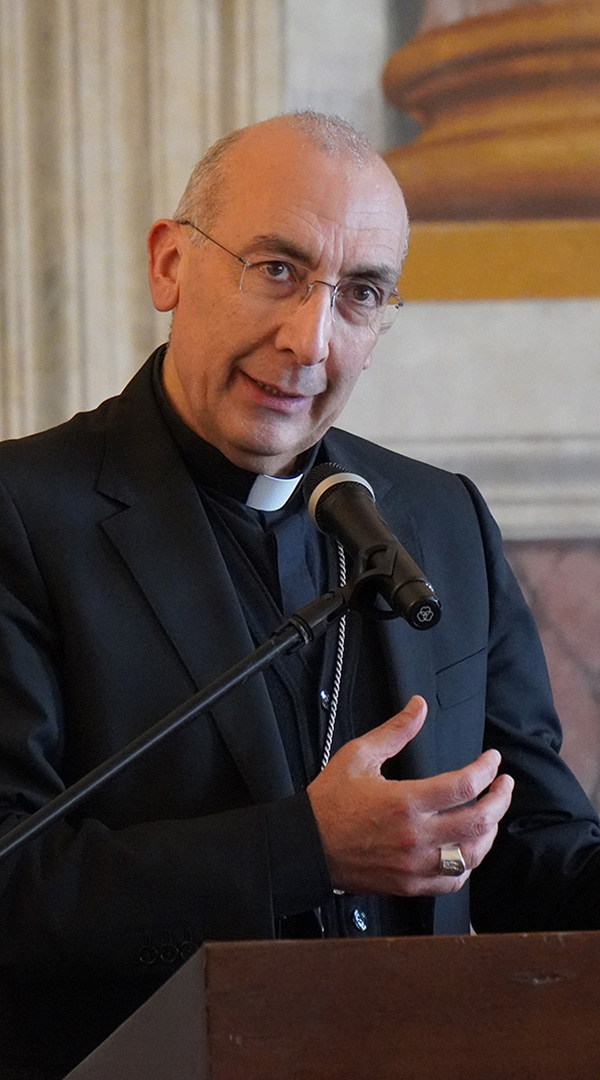
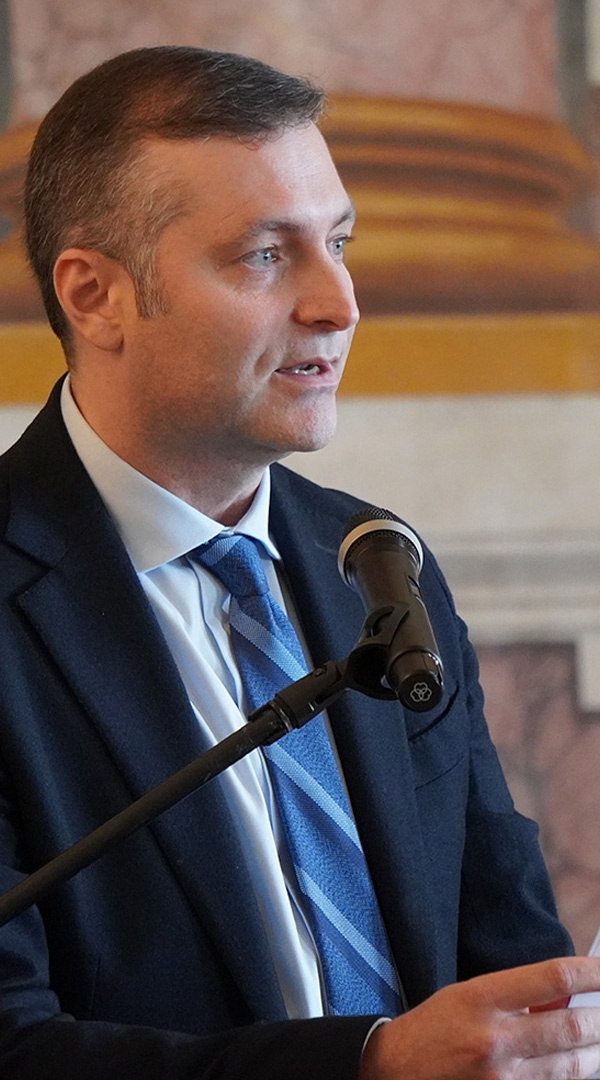
But who was this Vietnamese Cardinal?
A brief biographical sketch was offered by Dr. Waldery Hilgeman, Postulator for the Cause of Beatification. A descendant of a family that in the nineteenth century included martyrs among its ancestors, from a young age François-Xavier was attracted by the example of the saints and later to contemporary spiritual movements, including the Cursillos and the Focolare. He entered the seminary, became a priest and obtained a doctorate in canon law. In 1967 he was consecrated Bishop of Nha Trang. When Paul VI appointed him Coadjutor Archbishop of Saigon in 1975, a long trial began: he was arrested and spent thirteen years in prison, of which nine in solitary confinement. He later recounted that there he learned “to choose God and not the works of God”. He understood that God wanted him to be with the other prisoners, almost all non-Catholic, as a presence of God and of His love, “in hunger, in cold, in hard labour, in humiliation and injustice”. He was released in 1988. He lived in Rome from 1991, where John Paul II appointed him first Vice President and then President of the then Pontifical Council for Justice and Peace and in 2001 made him a cardinal.
Elisabeth Nguyễn, the Cardinal’s sister, recounted the remarkable story of the 1001 thoughts. Smuggled out from house arrest, “they began a journey of evangelization from one family to another, from one prison cell to another, before crossing the oceans with the boat people“. Years later, they became the book The Road of Hope.
Powerful and moving experiences, augmented, halfway through the meeting, by a piano piece performed masterfully by Don Carlo Seno: “La Campanella” by Franz Liszt.
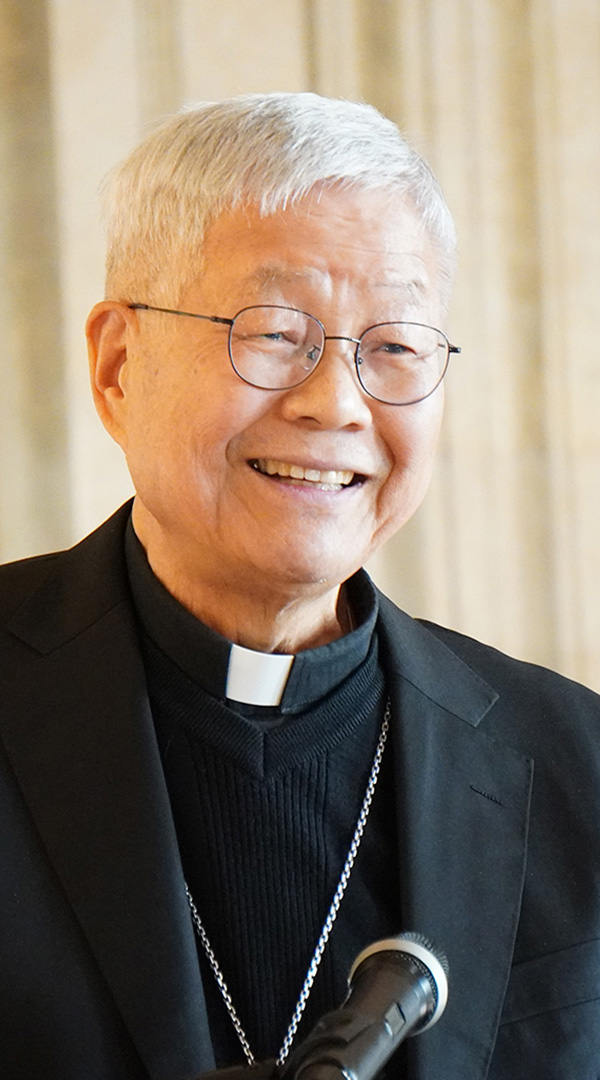
Over the course of just an hour and a half, guided by the journalist Alessandro De Carolis of Vatican Media, additional aspects of Nguyễn Vân Thuân’s life emerged. Cardinal Lazzaro You Heung-sik, Prefect of the Dicastery for the Clergy, spoke of him as an “evangelizer in every circumstance”, recounting the testimony of a Buddhist monk: “It was winter, it was two degrees below zero and we did not have enough blankets in the re-education camp. The Bishop would go out several times every day to collect branches and pieces of wood to heat the camp at night… He was what we Buddhists call a “Bo tac”: a very holy man. ”
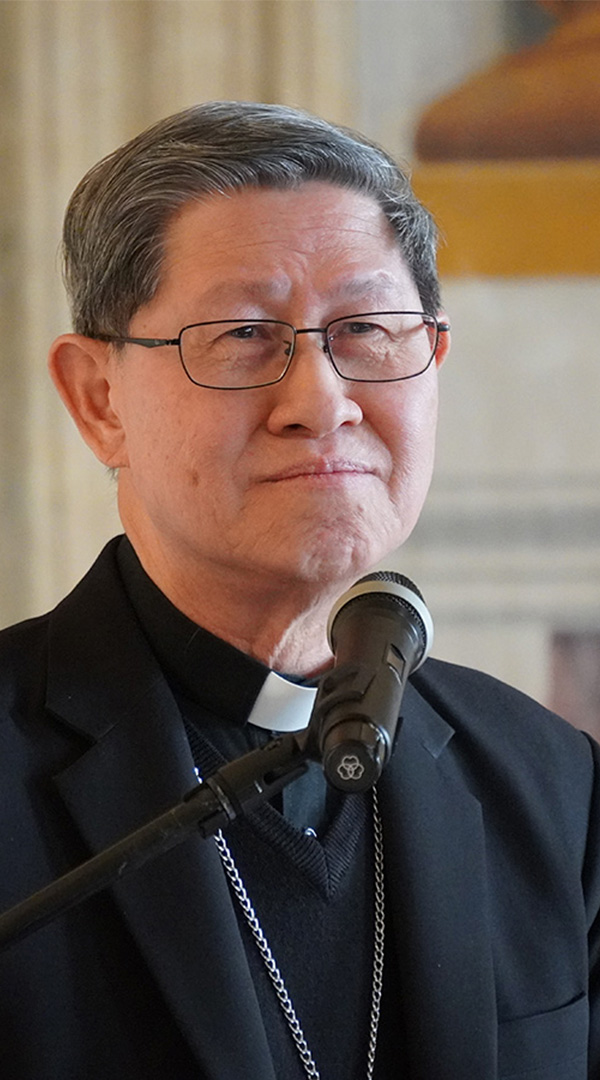
Cardinal Luis Antonio Tagle, Prefect of the Dicastery for Evangelization, recalled how in 1995 a personal friendship was born with Nguyễn Văn Thuận: “I was struck by the fact that, while he recounted painful and even humiliating experiences, his voice remained calm and his face serene. There was no hint of bitterness or hatred in him. I couldn’t take my eyes off his radiant and smiling face. ”
Along with his spiritual stature, his deep concern for global issues of justice and peace emerged. Cardinal Michael Czerny SJ, Prefect of the Dicastery for Promoting Integral Human Development spoke of this. For the occasion, he had published the Italian translation of a new biography of Nguyễn Văn Thuận, written by his sister Elisabeth together with the Belgian priest Stefaan Lecleir.
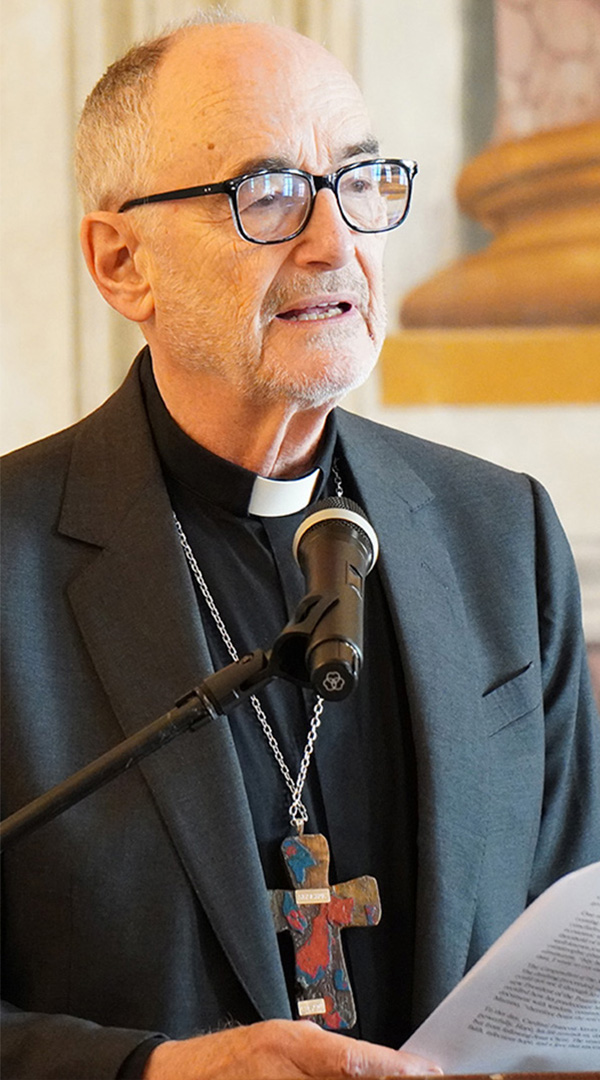
Card. Czerny explained, “His main contribution at a global level was his role in the development of the Compendium of the Social Doctrine of the Church (2004)”. He then referred to a striking question posed by the Vietnamese Archbishop: “Faced with the current political and economic situation, some wonder: will we be able to cross the threshold of the new millennium with hope?” In response, he cited a well-known journalist who predicted “three catastrophic phases” for impoverished societies: exploitation – exclusion – elimination. “When I think of all this,” commented Nguyễn Văn Thuận, “my heart is torn and I would like to shout: ‘impossible’.”
At the end of the event, the actor and journalist Rosario Tronnolone read some passages from The Road of Hope that resound like the golden seal: “You want to carry out a revolution: to renew the world. You will be able to accomplish this precious mission that God has entrusted to you, only through “the power of the Holy Spirit”. Every day, where you live, prepare a new Pentecost. Commit yourself to a campaign that aims to make everyone happy. Sacrifice yourself continually, with Jesus, to bring peace to souls, development and prosperity to peoples. Let this be your spirituality, discreet and concrete at the same time. “
Hubertus Blaumeiser
Photo: © CM – CSC Audiovisivi
Full broadcast on the Vatican Media YouTube channel
Love forms communities

A true source of pastoral encouragement, the fruit of a profound understanding of the times we are living in: this is how we perceived the words spoken by Pope Leo XIV at our meeting with him on the 21st of March. It was a moment of special grace and deep joy that left an indelible mark on the hearts of the 300 participants at the audience in the Vatican. We had just concluded the General Assembly, which is convened every five years to elect the President, Co-President and governing body of the Work of Mary – Focolare Movement, and we have taken the Pope’s words to heart as a source of wisdom for the future and for the service we are called to offer today to the Church and to the world.
The Pope began by acknowledging the gift that the charism of Chiara Lubich represents for the Church: a gift that has shaped the lives of so many people, families, consecrated persons and priests, and which continues to bear fruits of communion, of dialogue and of peace in the most diverse contexts. At the same time, he has located this gift within the living dynamics of history, reminding us that every charism is entrusted to the responsibility of those who receive it and are called to live it out in ever-new ways.
Pope Leo XIV has reaffirmed for us the essence of our charism: unity. A unity that does not stem from organisation or strategic planning, but which is “the fruit and reflection of Christ’s unity with the Father”. For this reason — he reminded us — it must not be confused with uniformity of thought, of sensitivity or of lifestyle. On the contrary, authentic Gospel-based unity values differences, respects the freedom and conscience of each person, and is built on mutual listening and the shared search for the will of God.
In this time, marked by deep polarisation, social tensions and armed conflicts, the Pope has pointed to unity as a true prophetic strength. A simple yet powerful seed, capable of combating “the poison of division” that pollutes hearts and relationships, through the Gospel-based witness of dialogue, forgiveness and peace. This is a call that we deeply feel as our own and which challenges every member of our Movement to be a force for reconciliation in everyday life.
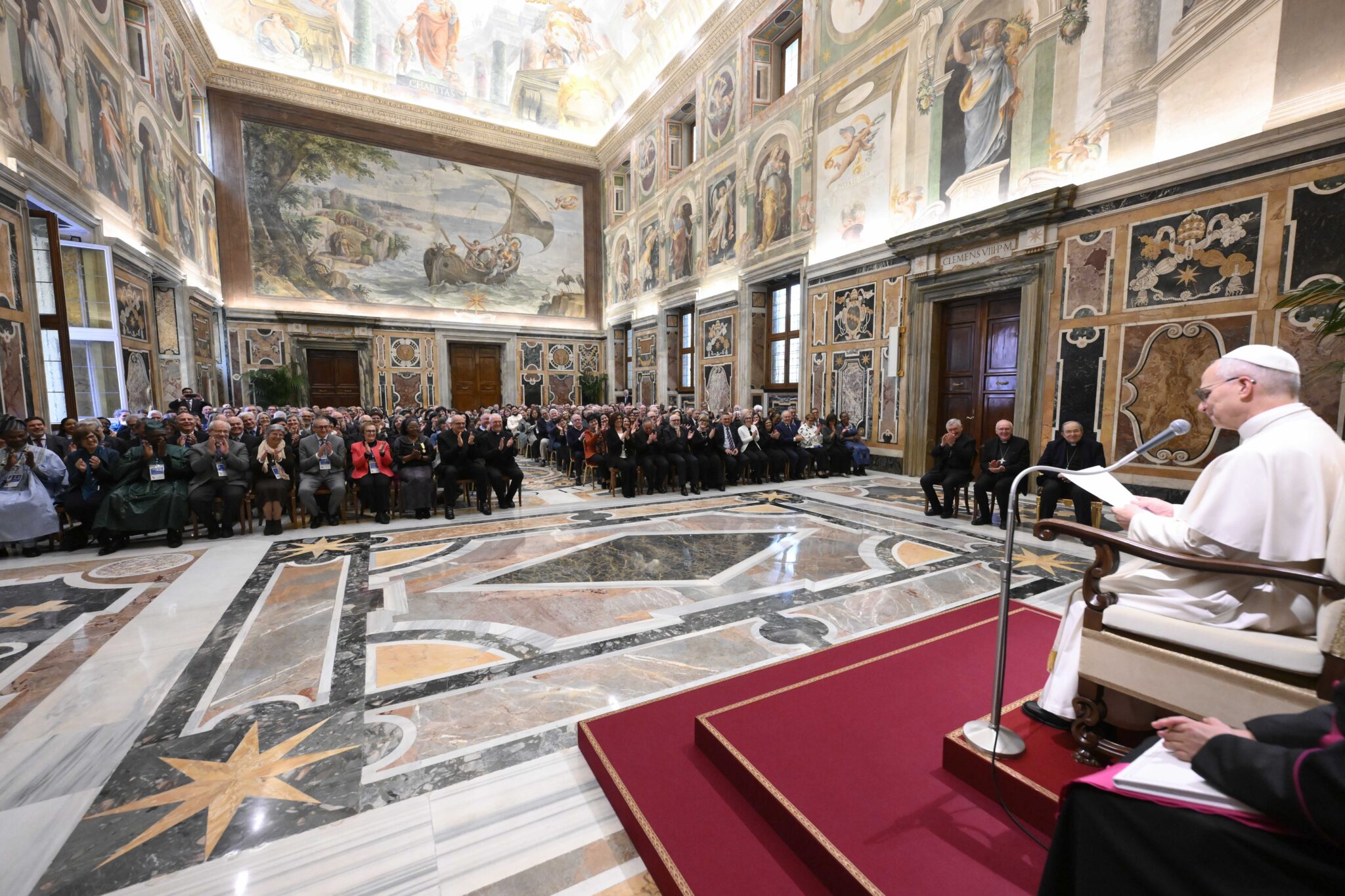
With particular clarity, the Pope then outlined a specific responsibility for this post-foundational phase, that is, the period following the death of our foundress, Chiara Lubich. This is not a season that has now come to an end, but a time that is continuing and which calls for constant, mature and, above all, shared discernment. He urged us to distinguish what is essential to our charism from what, even if it was part of our history, is no longer necessary, or has shown over time its limits, ambiguities and shortcomings. This discernment — he emphasised — cannot be entrusted to a few people but involves the entire body of the Movement. The charism, in fact, is a gift of the Holy Spirit, and everyone has the right and the duty to feel jointly responsible for the Movement to which they have committed themselves with dedication.
I would also like to quote the words spoken by the new co-president, Fr Roberto Almada, as he commented on this part of the Pope’s address, recognising its great significance: he noted how the Pope had spoken to us “like a father”. He then added that the Pope has encouraged us on the path we have in fact been following for some years now – listening to those who have suffered and reviewing our procedures – but at the same time he has called us to a deeper conversion.
The conversion to which the Pope calls us begins with a personal change of mindset; it is therefore not merely a matter of reforming structures or institutions. At the heart of it all lies the way we live out our relationships, respect for the dignity of the person, and the correct exercise of roles of responsibility, lived as a service. In this sense, the Pope has reminded us that only a Gospel-based approach can allow the “beauty” of the Gospel to shine out in our relationships and structures.
I was particularly struck by Pope Leo XIV’s emphasis on charity as the essential nourishment of unity. Referring to the First Letter to the Corinthians, he recalled that charity is patient, generous and respectful, and that without it, unity risks becoming meaningless. In these words, I recognised the heart of the intuition of Chiara Lubich, who saw in unity not merely a spiritual ideal, but the “rock” upon which the whole life of the Movement is based.
A new mandate is now beginning for the Focolare Movement; five years in which we feel that looking to the future means to embrace and to bring about a real turning point. A turning point that calls for personal and communitarian conversion, a renewed awareness of the cry of humanity today, and a commitment to bear witness to unity not so much through words as through our lives. Our General Assembly, which was made up of people representing all vocations, a variety of cultures, languages and nations, allowed us to experience the richness of a widespread shared responsibility and a new enthusiasm: signs that the Spirit is continuing to accompany us even during this delicate transition.
With deep gratitude, we therefore take to heart the Pope’s encouragement and his invitation to continue on this journey. We do so with humility and trust, confident that, if we live unity as a free gift and as a daily task, it will be able to contribute to the Church’s mission and increasingly become a force for peace for the world.
Margaret Karram
President of the Focolare Movement
Published in the Italian version of L’Osservatore romano on the 26th of March 2026
Photo: © Vatican Media
Put others into relief
Transform negative moment into something positive
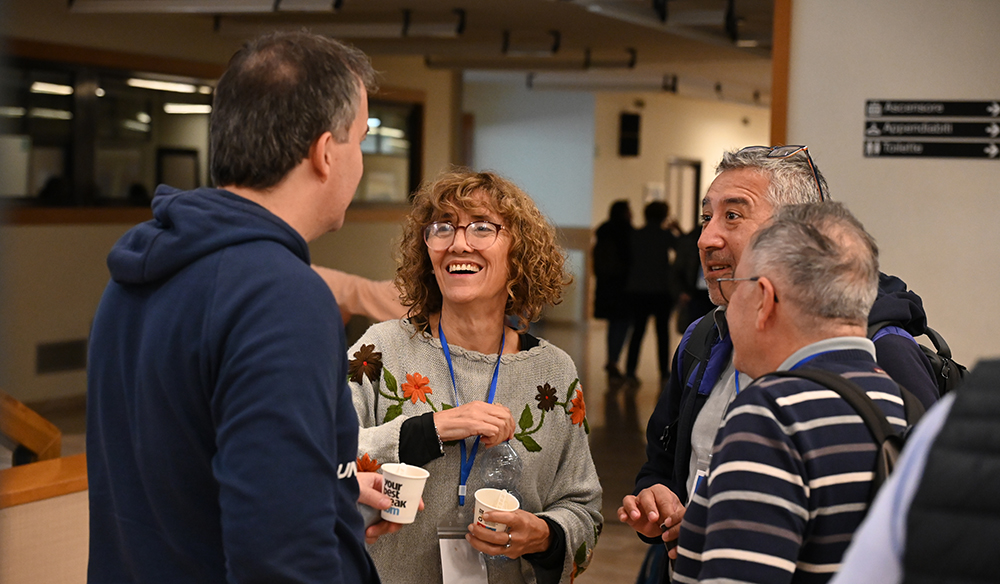
… Which word is it that the Holy Spirit imprinted like a seal on this house, on our Movement, when God first thought of it and started forming it here on earth?
We know what it is. The word is “unity.” Unity is the word that sums up our entire spirituality. Unity with God, unity with our neighbours. Or rather, unity with our neighbours in order to reach unity with God.
The Holy Spirit, in fact, revealed to us a way that is distinctly ours, a fully Gospel-based way to unite us with God,
to find God. … We seek God and find him by passing through our neighbour, by loving our neighbour. We find God when we strive to bring about unity with our neighbour, with every neighbour, if we establish the presence of Jesus among us. Only in this way are we guaranteed unity with God and we can find him alive and beating in our hearts. It is this unity with God which then, in turn, urges us to go out to our neighbours, and helps us to ensure that our love for them is not pretence, nor insufficient, or superficial, but rather is radical, full and complete, given substance through sacrifice, always ready to give our life, and capable of bringing about unity.
Our Statutes place unity at the basis of everything, as the norm of every norm, as the rule to be
observed before every other rule. Unity is the word for us; it is the rock.
We have no meaning in life except in this word, where everything acquires meaning – our every action, every prayer, every breath. And if we concentrate on living this word, if we live it as well as we possibly can, everything will certainly be safe, we will be safe and also that part of the Movement entrusted to us will be safe.
Perhaps, in the future, the Work of Mary, both as a whole or in some of the zones,
will go through quite different times from what we are experiencing now, when we have so many consolations, fruits, light, fire.
Moments of darkness or despair may well arise, there might be persecutions
or temptations. … There might be misfortunes or disasters… But if we stand firm on the rock
of unity, nothing can touch us, everything will go ahead as before.
Chiara Lubich
in “Conference Calls – Conversations via Telephone and Satellite Connections”, 2022 New City, pages 342-344
Live for others
Let’s give of ourselves for the good of all
Love without self-interest

At the launch of the website of the “Co-citizens of Loppiano”, Roberto Brundisini told us that returning to Loppiano after many years reawakened feelings and dreams and inspired the idea of starting new projects.
“One day I went back to visit Loppiano, where I had previously lived for some time. I realized that I felt at home there. I was surprised that I had stayed away for so long and I thought of many others who, like me, had lost touch with this reality. I expressed my thoughts, that this is the home not only of those who live there but also of those who love it. And I know there are many.
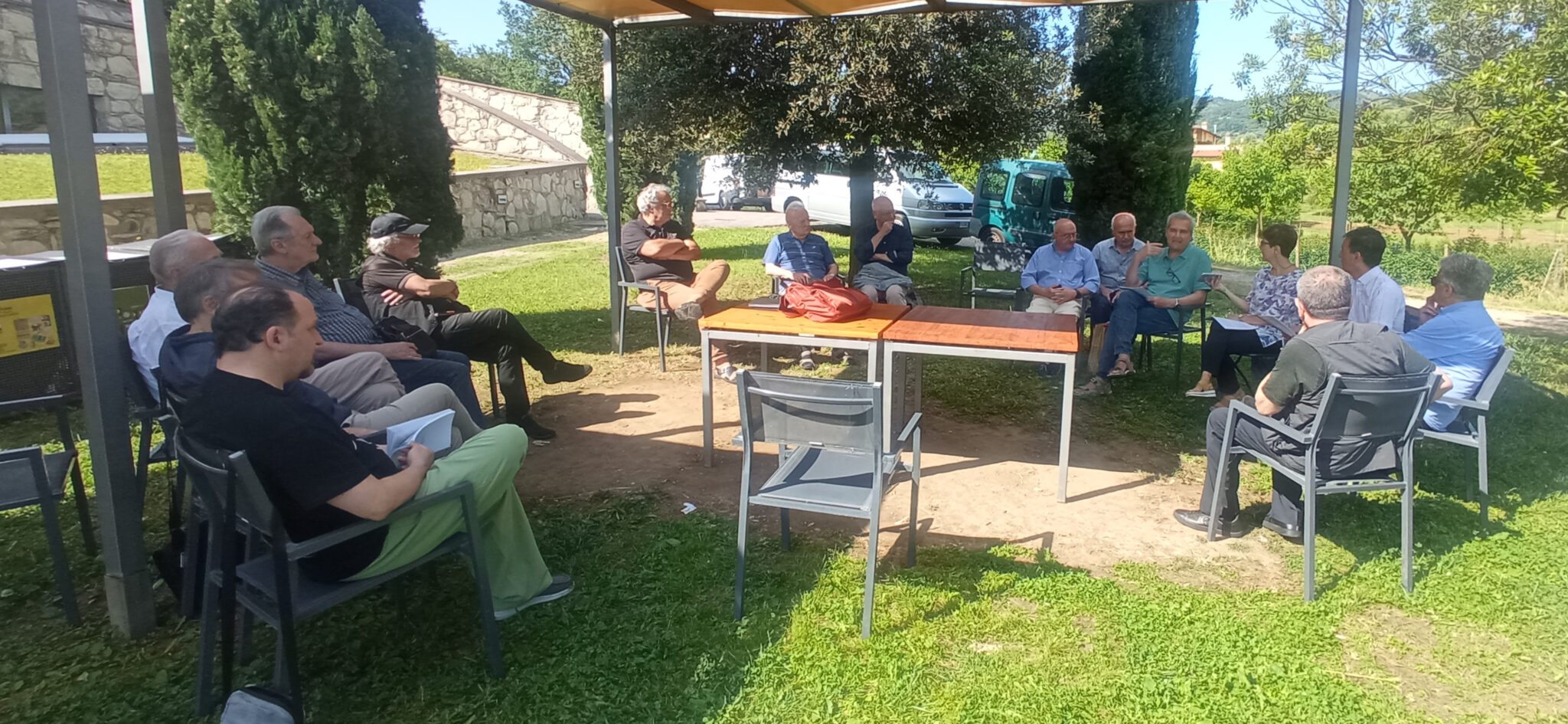
The word spread, dormant circuits were reactivated and, as if from a long hibernation, old and new faces were awakened. Loppiano exists, it’s there, it’s still there! The dreams that had fallen asleep come alive again, with a humble determination. Because the dreams that remain in the drawer grow mould.
So, what should we do? Where can we start first?
Then it hits us, maybe we can establish an energy community. “Yes,” someone replied. Maybe we could set up an alternative agriculture. Fantastic! Contribute to the urban and environmental reorganization of the Little Town according to the criteria of Laudato Sì.
What a dream! Why don’t we organize a welcome centre where people can spend a few days relaxing and re-educating themselves regarding nature and human relationships? Fantastic – someone else continued – I would love there to be a hub, a meeting space for cultural exchanges between young people and perhaps also between artists. Sounds exciting! What if we set up a Web-radio with a universal outlook, given the variety of skills, experiences and knowledge that many of us, scattered across the globe, have acquired over the years? Another dream (…)”
During a recent visit to the International Centre of the Movement, we interviewed the President of the Association, Alessandro Agostini and one of the councillors, Nicola di Settimo.
Turn on subtitles and choose your desired language
Interview Anna Lisa Innocenti e Carlos Mana
Editing: Joaquín Masera.
Be committed to those who suffer
Decide to love!
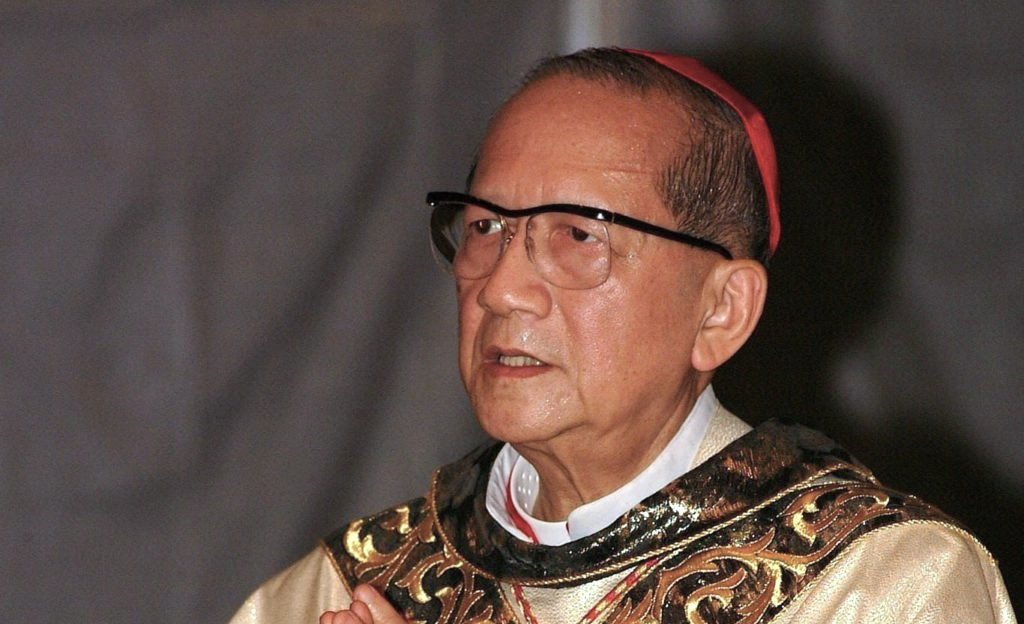
“In order to hold on firmly to your faith, you must choose the Road of Hope followed by the disciples of Christ”. This is one of the 1001 thoughts addressed by the then Archbishop François Xavier Nguyễn Văn Thuận to his faithful during his long years of imprisonment for his faith: a collection of reflections, warnings, and encouragements, later collected in the book “The Road of Hope”, considered the “spiritual testament” of the Vietnamese Cardinal, declared Venerable by Pope Francis.
On the occasion of the 50th anniversary of the book’s publication, the Cause for Beatification of Cardinal Văn Thuận and the Dicastery for Promoting Integral Human Development, which is acting as the promoter of the cause, together with the Dicastery for the Clergy, the Città Nuova Publishing House, and the Diocese of Rome, wish to honor the memory of the Vietnamese Cardinal by celebrating a conference entitled “François Xavier Nguyễn Văn Thuận. Witness of Hope ”.
The event will be held on March 25 in Rome, at the Sala dei Trattati Lateranensi, in the Palazzo Apostolico Lateranense, from 4:00 p.m. to 5:30 p.m.
Ms. Élisabeth Nguyễn Thị Thu Hồng, sister of Cardinal Văn Thuận, will be present.
Through the testimony of those who knew him, and with excerpts and music from his writings, the conference aims to highlight the relevance of Cardinal Văn Thuận today: a faithful pastor who was able to transform his experience of imprisonment into a space of prayer, forgiveness, and sacrifice, showing how the light of the Gospel can overcome all darkness. His words convey a message of hope, a universal spiritual heritage.
His Eminence Cardinal Baldassare Reina, Vicar General of His Holiness for the Diocese of Rome, will open the proceedings. Speakers will include His Eminence Cardinal Michael Czerny, S.J., Prefect of the Dicastery for Promoting Integral Human Development; Dr. Waldery Hilgeman, Postulator of the Cause for Beatification of Cardinal Văn Thuận; His Eminence Cardinal Lazzaro You Heung-sik, Prefect of the Dicastery for the Clergy; His Eminence Cardinal Luis Antonio Tagle, Pro-Prefect of the Dicastery for Evangelization.
Don Carlo Seno, priest of the Diocese of Milan and director of the “Vinea mea” Spirituality Center, will perform on the piano.
The meeting will be moderated by journalist Alessandro De Carolis of Vatican Radio – Vatican News.
During the conference, the Italian edition of the new biography of Cardinal Văn Thuận, written by his sister Élisabeth and published by Città Nuova Editrice, will be presented, with a preface by Cardinal Michael Czerny.
The event is open to the press, upon request for accreditation at the Holy See Press Office, and will be available via streaming in Italian, with simultaneous translation into English, French, Spanish, Portuguese, German, and Vietnamese.
By the Cause for the Beatification of Cardinal Văn Thuận
Below are the links in different languages:
IT: https://www.youtube.com/live/WQk9grOvTL0
EN: https://www.youtube.com/live/qr-lYRm1IGY
ES: https://www.youtube.com/live/7mQNE_tFE_4
FR: https://www.youtube.com/live/8xnl5NQ4jx8
DE: https://www.youtube.com/live/ULjKpE22E6s
PT: https://www.youtube.com/live/JSPZWH-Zwu0
VT: https://www.youtube.com/live/8Mx3gnY3wuE
The life, works, and spirituality of Cardinal Văn Thuận are also illustrated on the website dedicated to him, in several languages, at https://www.cardinalvanthuan.va/it.html
Love is not passive
Be attentive towards those we meet

The arrival of Pope Leo XIV was greeted by a warm applause from the 320 participants at the General Assembly of the Focolare Movement, who had been received in audience at the Vatican. “With that applause,” said the newly elected Co-President, Roberto Almada, “we wanted to express our joy. I was struck by his appreciative and encouraging gaze towards all those who are part of the Movement: priests, families, young people and focolarini.
Right from the outset, Pope Leo XIV drew attention to the root of the charism: “Each of you has been drawn to the charism of the Servant of God Chiara Lubich”. He emphasised that unity remains at the heart of the gift that the Holy Spirit offers to the Church and to the world today.
A people of peace called to be a shield against barbarism
The topic of peace featured prominently in the Pope’s message. He acknowledged that “also through you, God has, over the past decades, prepared a great people of peace”, who are called today “to act as a counterbalance and a shield against the many people who are sowing hatred, who are dragging humanity back into forms of barbarism and violence”. These words confirmed the work of the Assembly, which reflected on how to contribute more effectively to mending social bonds, overcoming polarisation, and promoting dialogue and fraternity in the areas where the Movement is present.
Margaret Karram, re-elected as President of the Movement, commented: “The Pope has once again emphasised how, today more than ever, there is a need for unity in a divided and war-torn world. He has placed even greater emphasis on the need to live out our vocation to fraternity more fully and more effectively. I was also struck by the Pope’s appreciation for the Movement’s work in the ecumenical and interfaith contexts, as well as in other areas.”
The responsibility of the post-foundation phase
A particularly significant point concerned the historic moment the Movement is currently going through. Pope Leo XIV recalled that: “You have been entrusted with the responsibility of keeping the charism of your Movement alive in the post-foundational phase”, a phase that does not end with the generation immediately following the foundress, but which “extends even further”. He urged the Movement to distinguish, with clarity and honesty, between what belongs to the essential core of the charism and what may change over time. He clearly stated that it is necessary to discern “which aspects of your community life and your apostolate are essential, and therefore must be maintained” and “which instruments and practices, although they have been in use for some time, are not essential to the charism… or have presented problematic aspects and therefore should be given up”.
The Pope’s words on transparency – a “prerequisite for credibility” and a right for all because the charism is a shared gift – have confirmed and reinforced a direction that had already developed in the Assembly. A Movement that adopts greater shared responsibility is the necessary step towards living out unity today.
A shared process of renewal: the guidelines for the next five years (2026–2031)
The reflection on the challenges and critical issues raised by the General Assembly has highlighted that at the root of many of the movement’s current problems lies an immature understanding of unity, the founding core of Chiara Lubich’s charism; for this reason, a process of re-evaluation and deeper reflection has been initiated at all levels.
In this context, the aim is: to work towards overcoming divisions and polarisation through the efforts of communities of the Focolare Movement living in local areas and on the “peripheries” of the world, in partnership with those who share the Gospel-based principle of unity through dialogue and collaboration; to support networks committed to promoting peace and education to non-violence; developing a integral vision of care for the planet and for people; strengthening families and communities as places of closeness and mutual support. Alongside this, it is essential to promote the ethical and responsible use of technology and artificial intelligence, involving people of all generations, and to value the contribution of young people and the richness that stems from the coming together of different experiences and sensitivities.
With an approach based on the quality of relationships, on transparency, on participation and on shared responsibility, the Movement renews its commitment to work so as to ensure that every place becomes a space for encounter and collaboration, at the service of the common good and of peace.
Stefania Tanesini
READ THE FULL TEXT OF POPE LEO XIV’S SPEECH HERE
Photo gallery
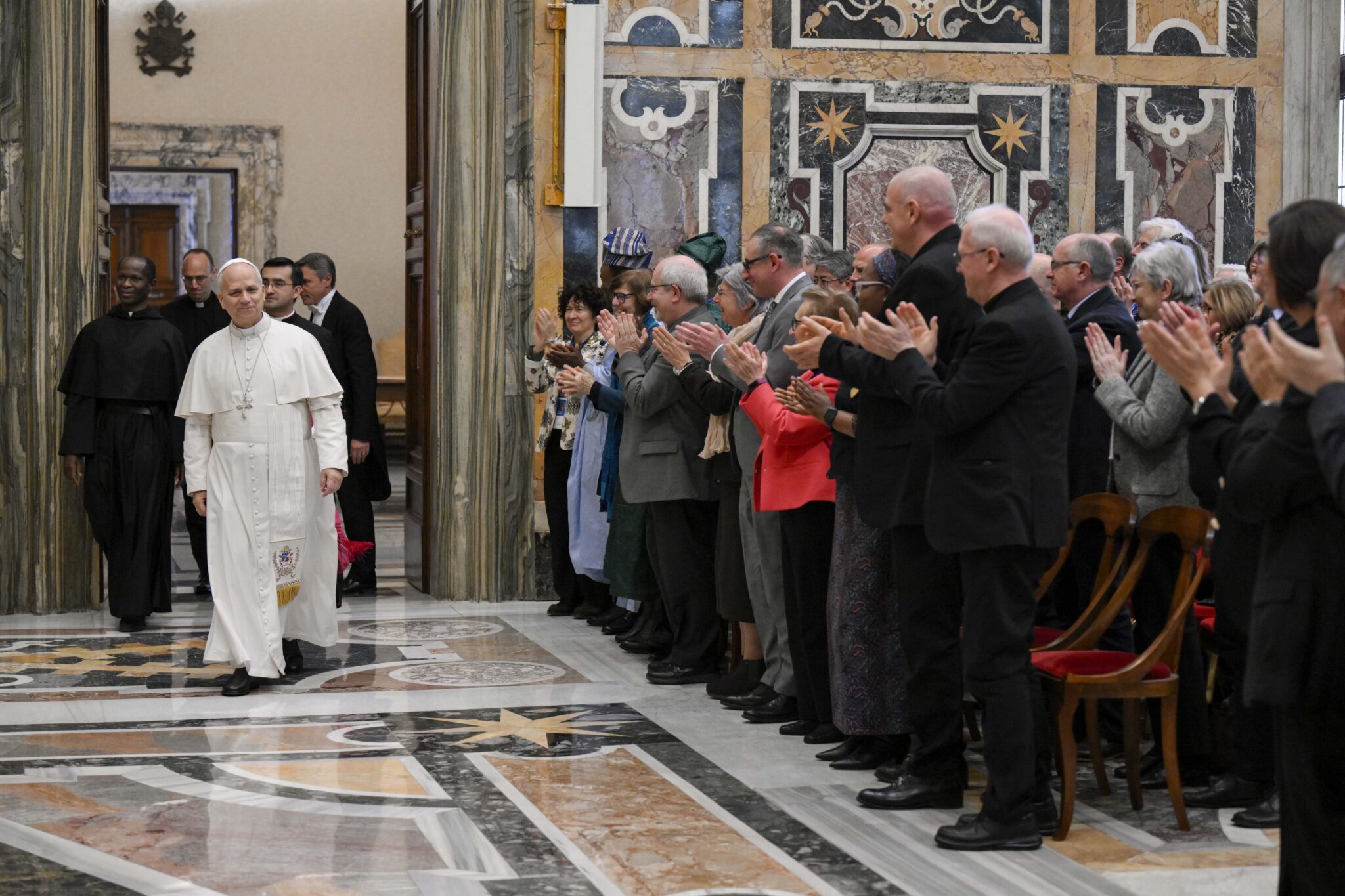
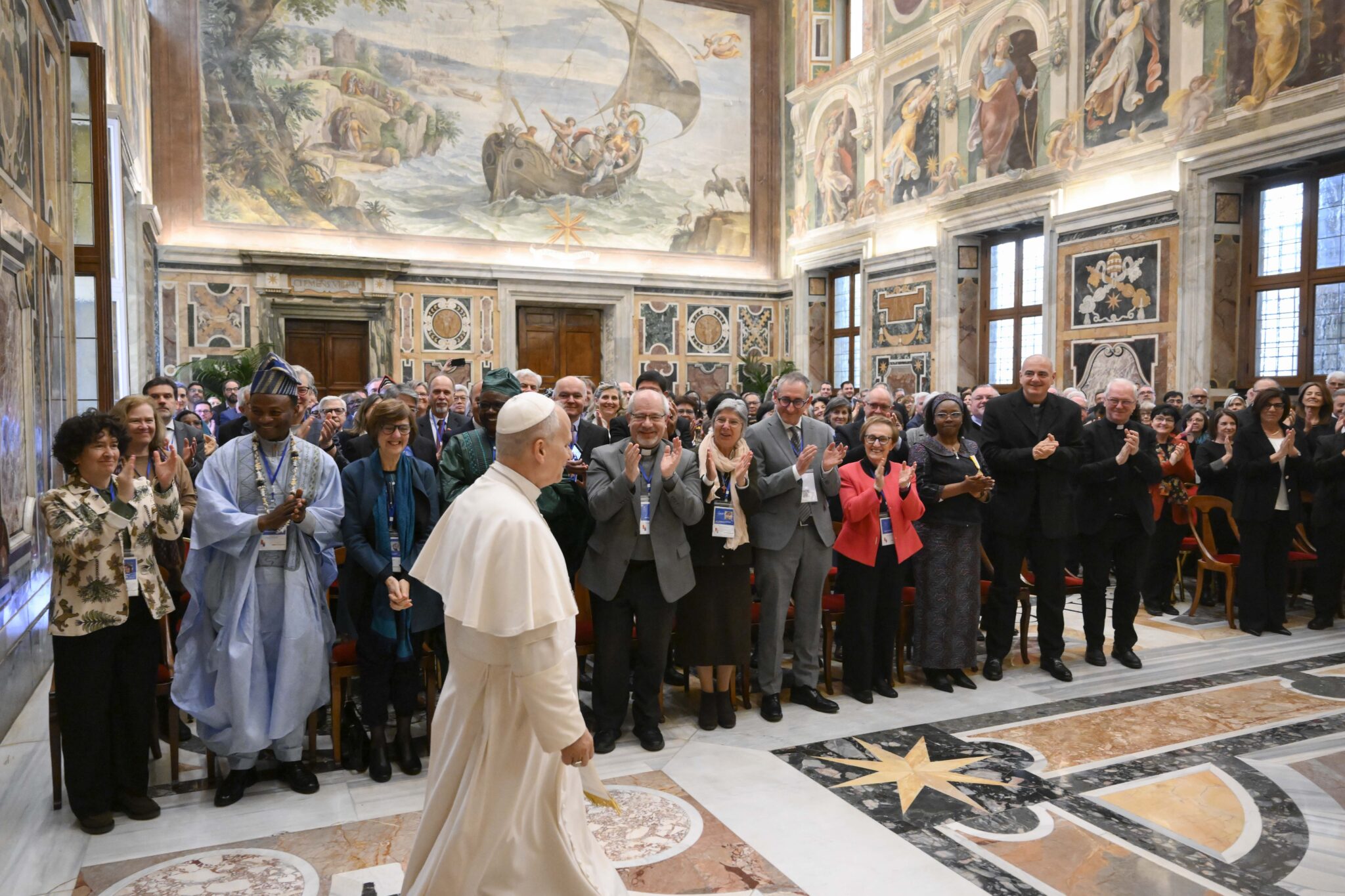
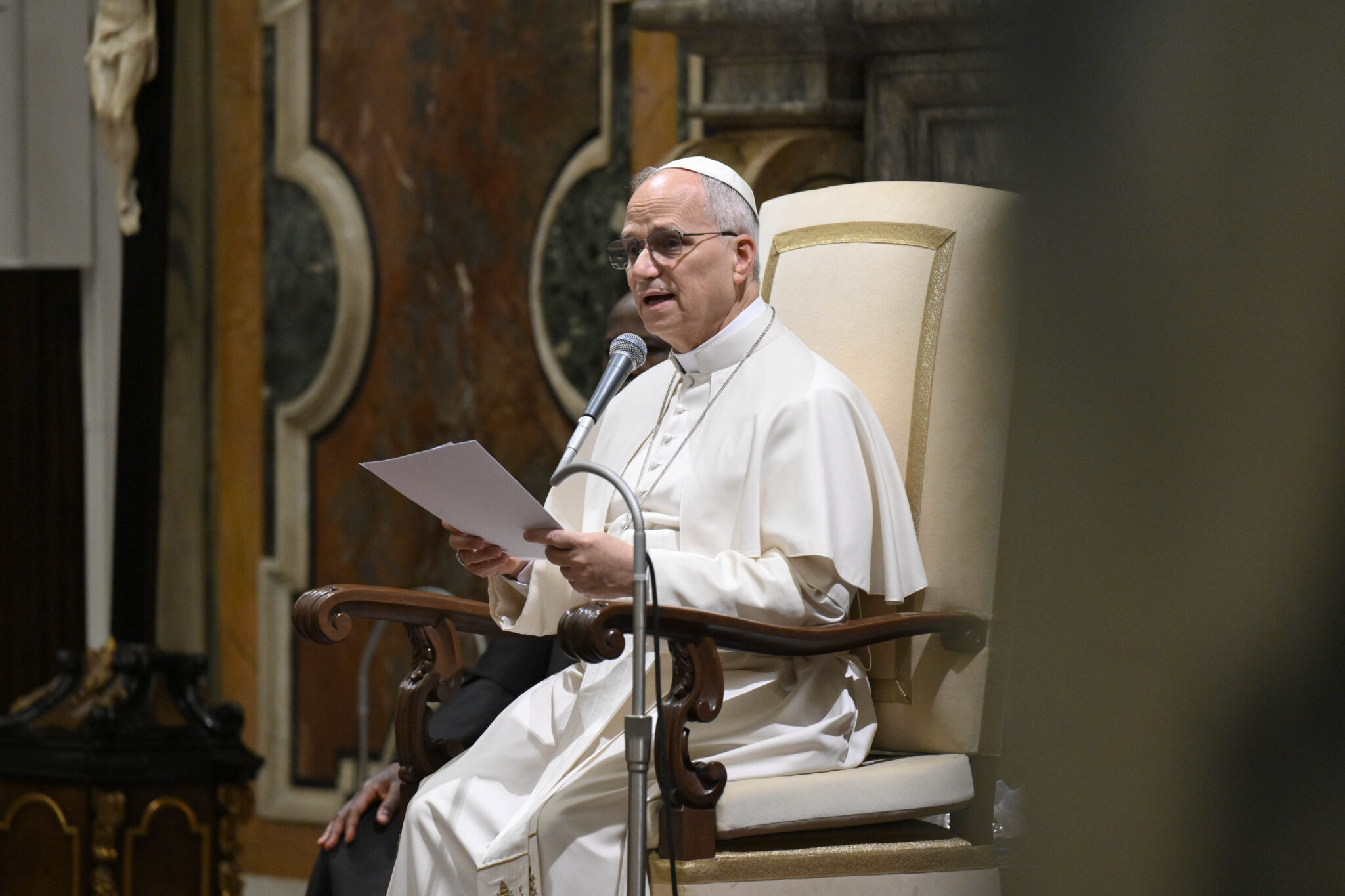
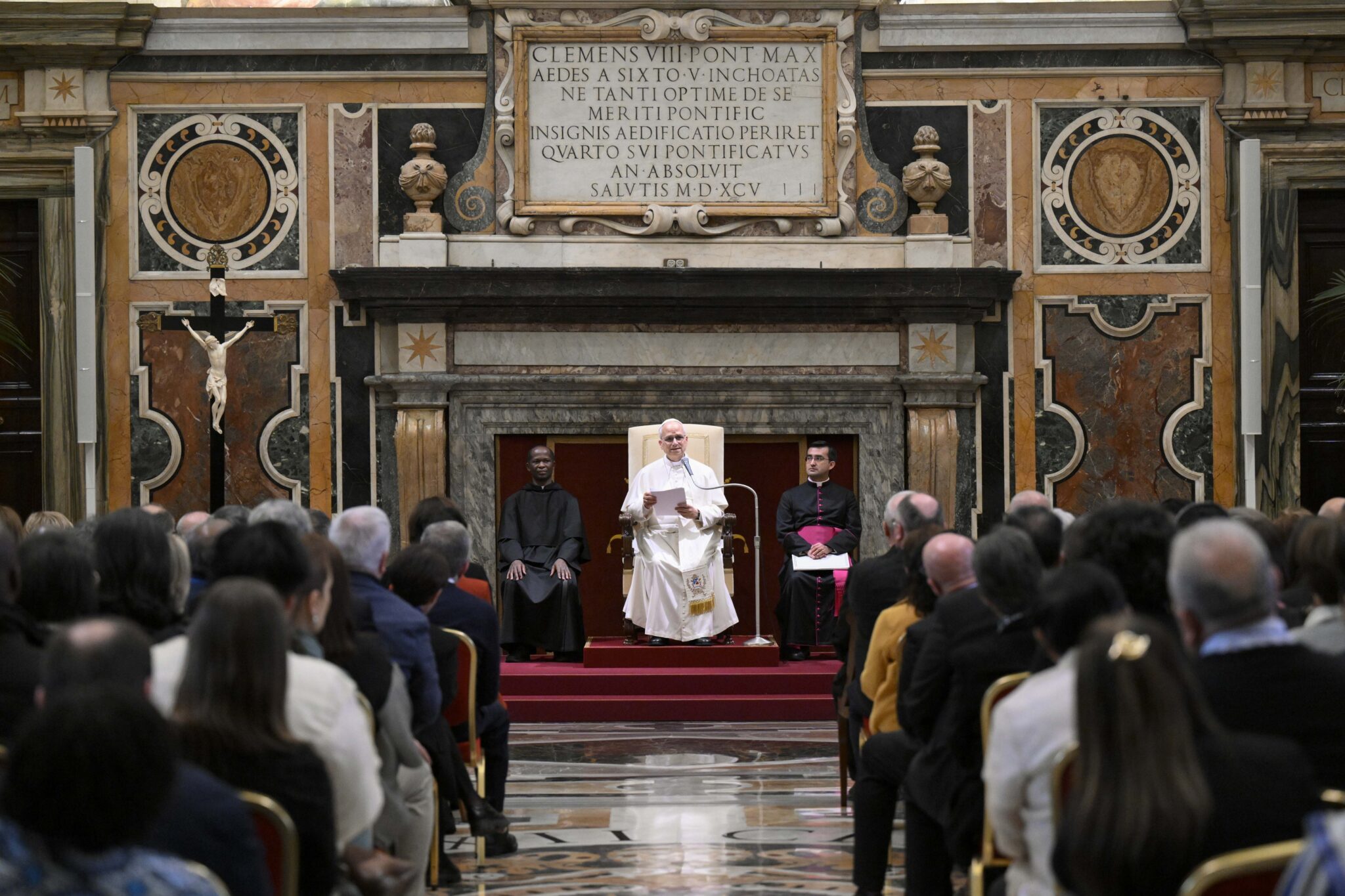
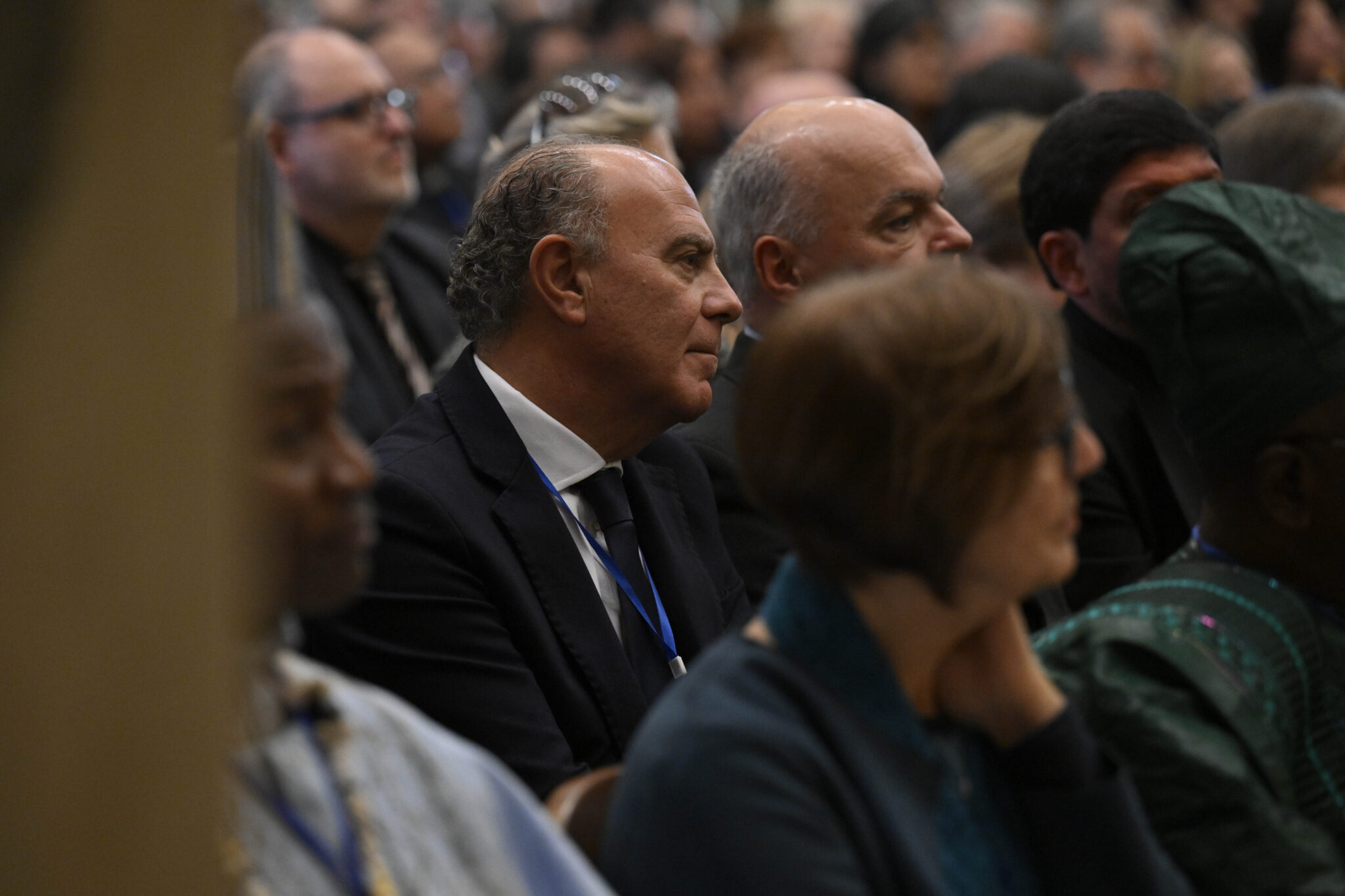
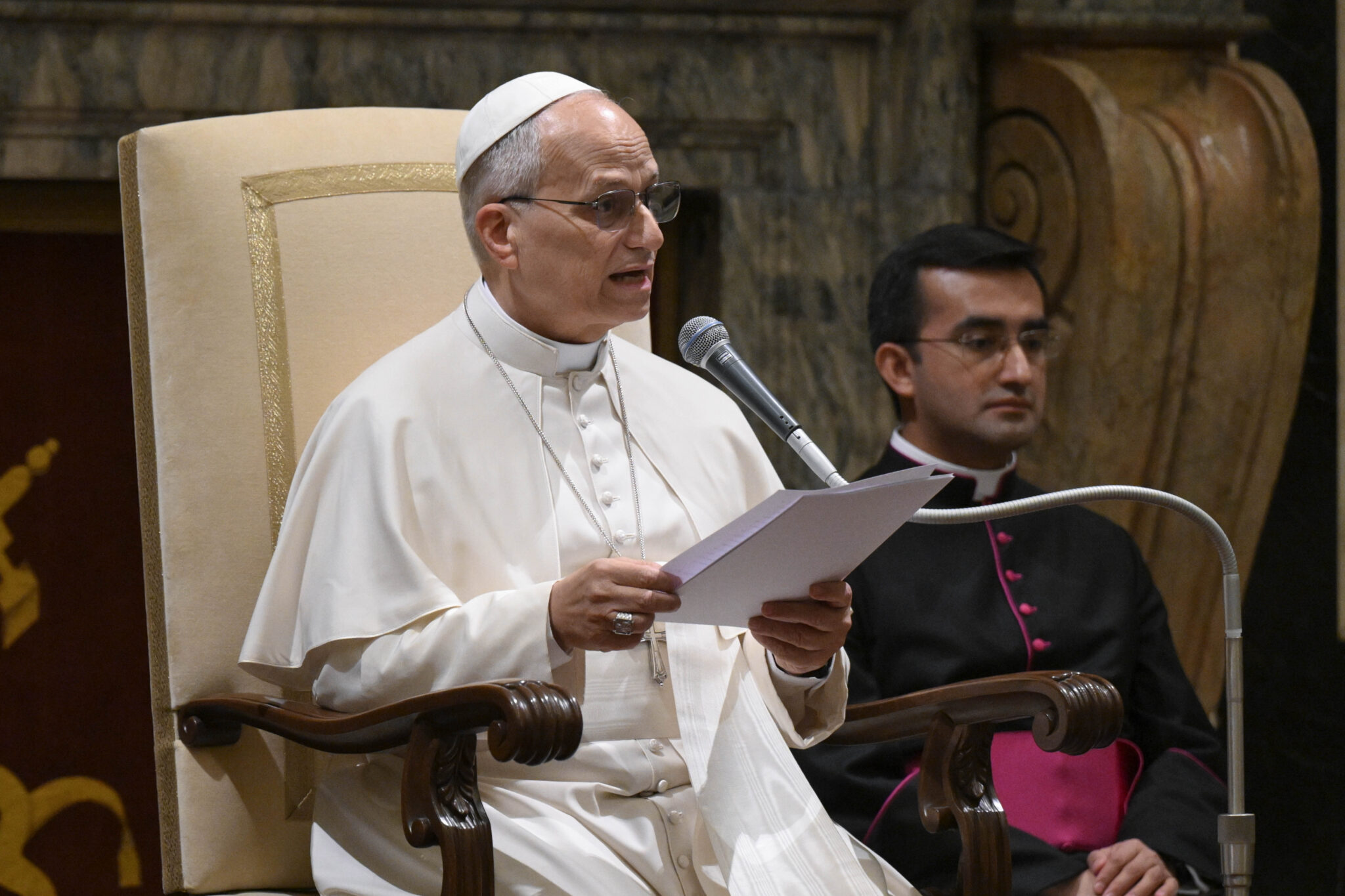
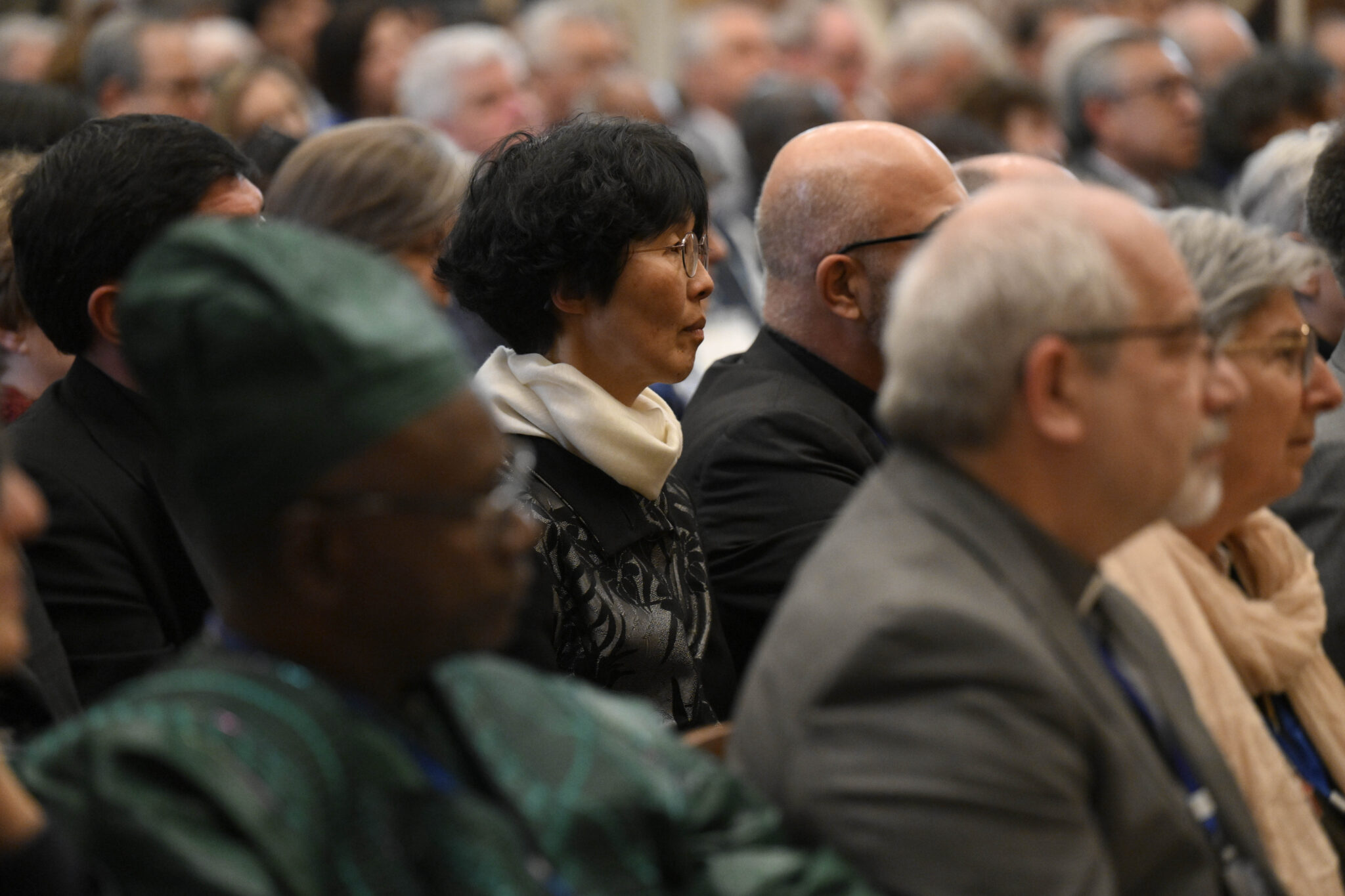
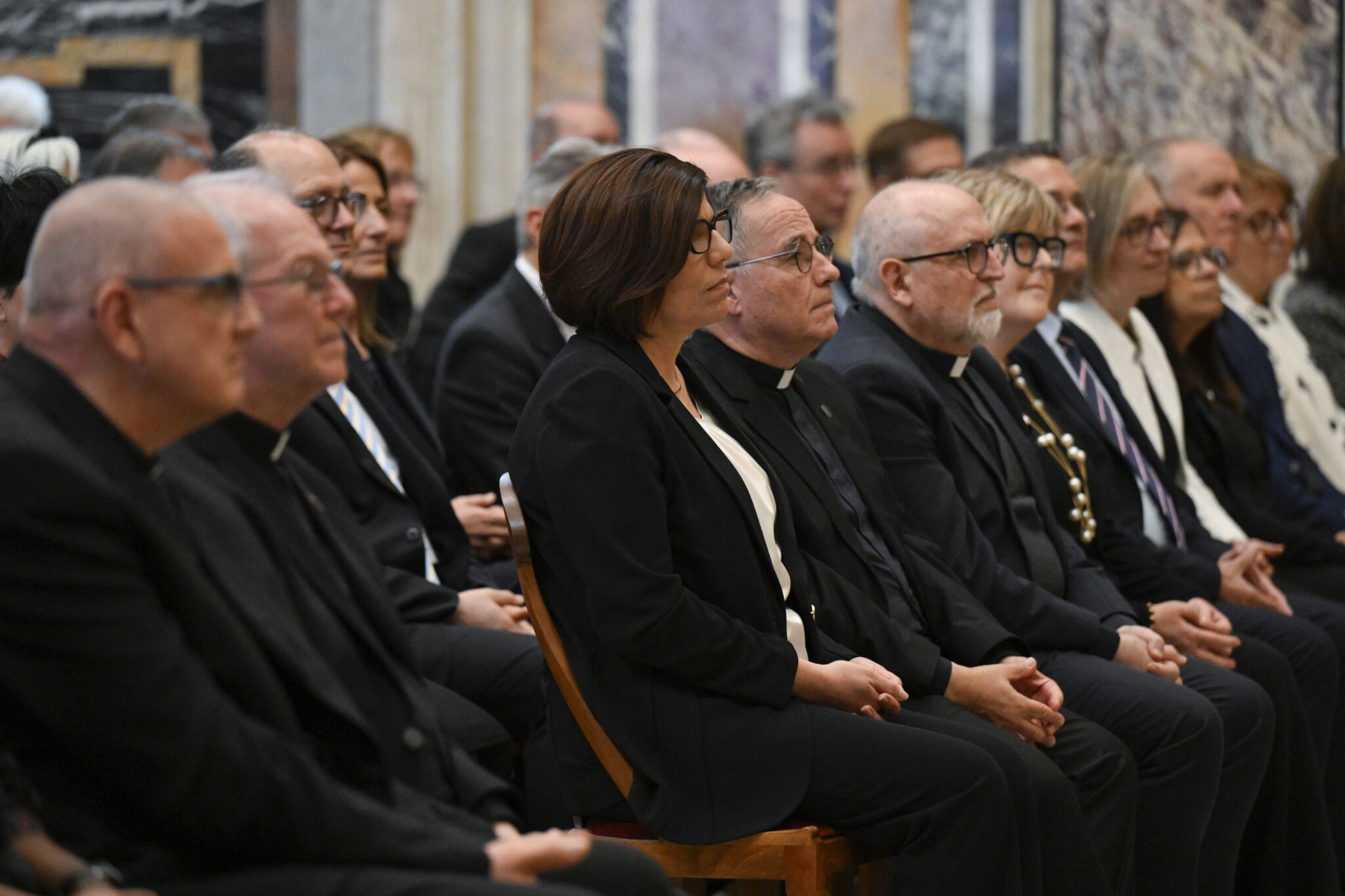
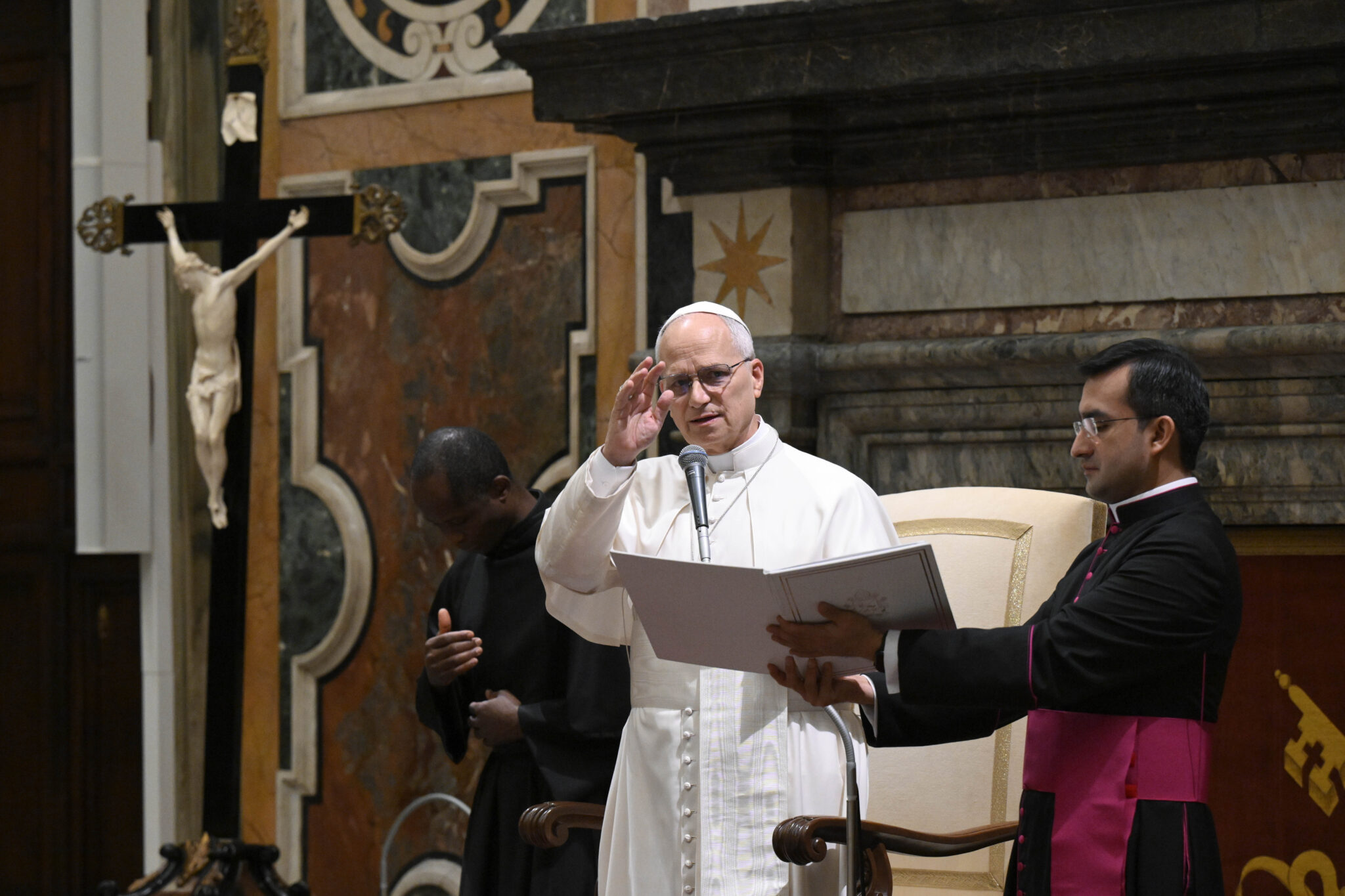
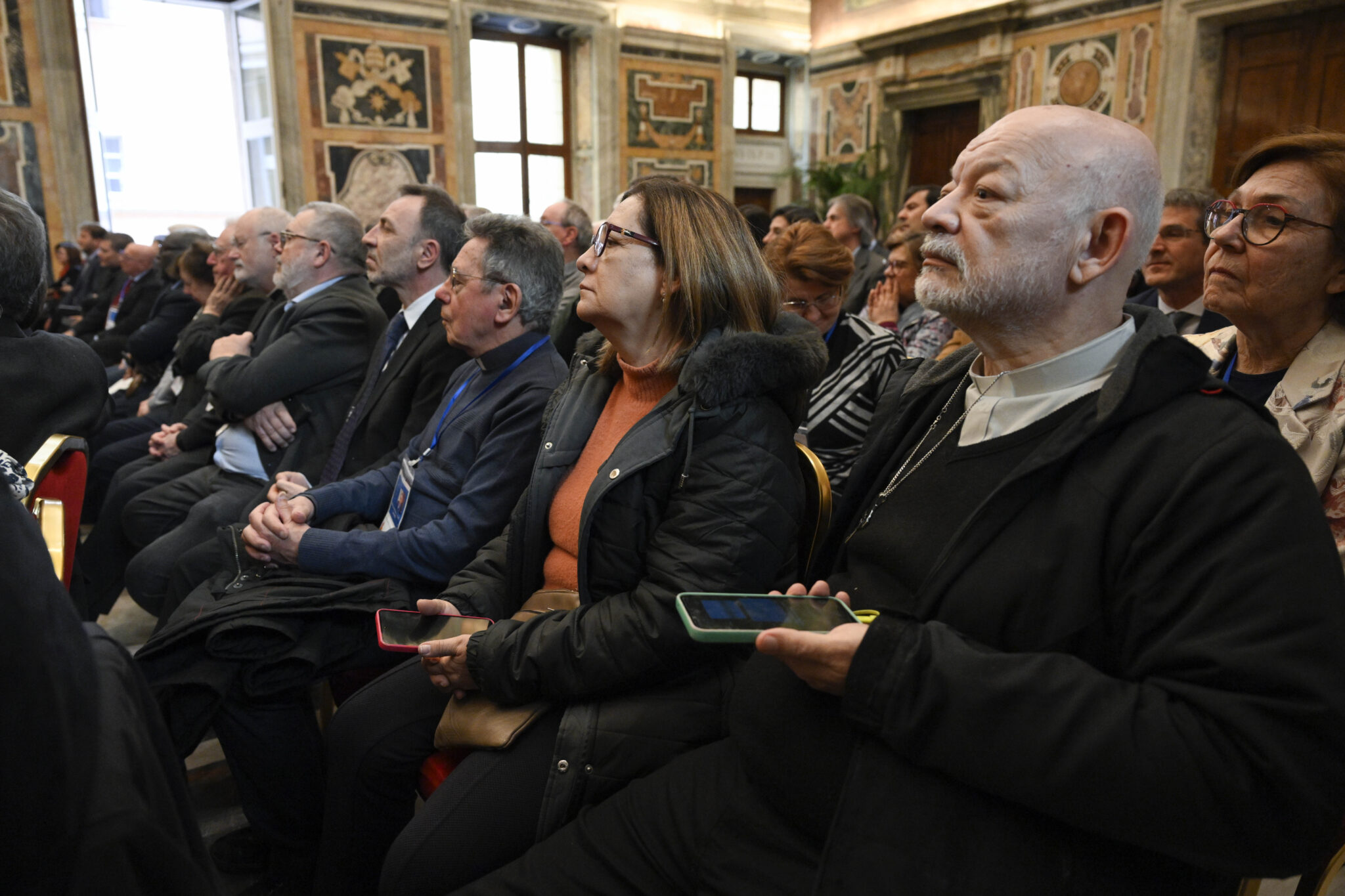
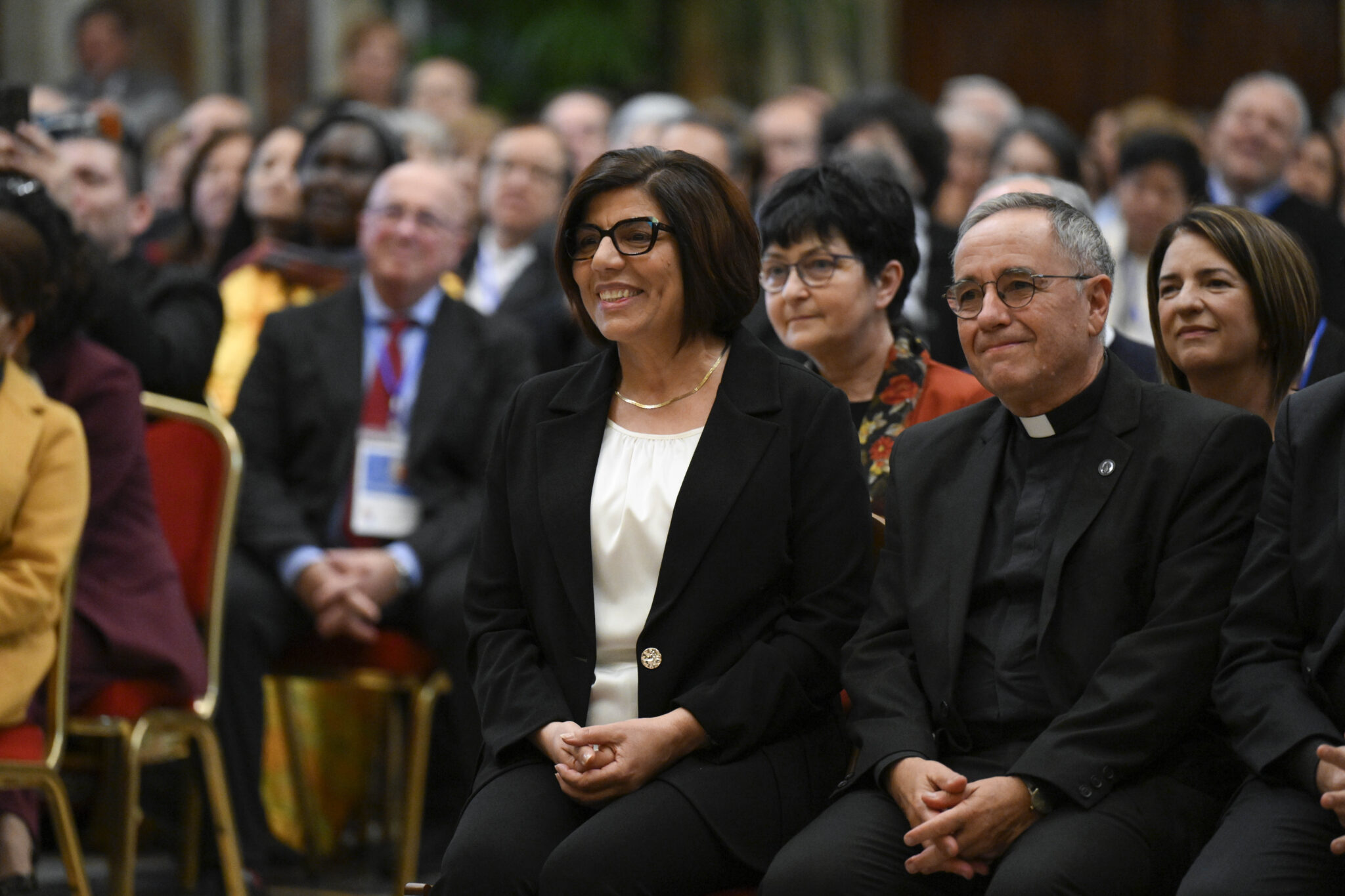
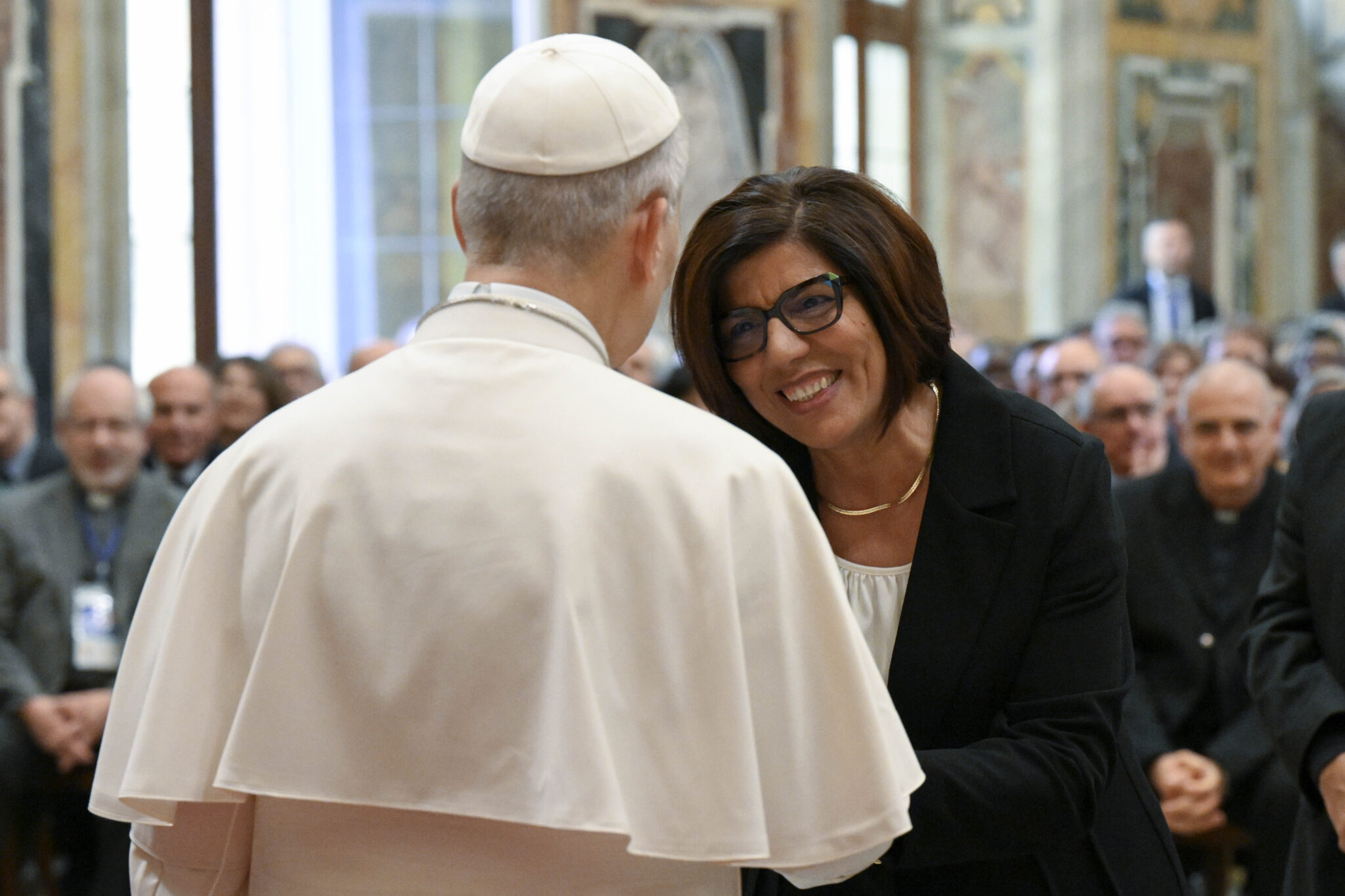
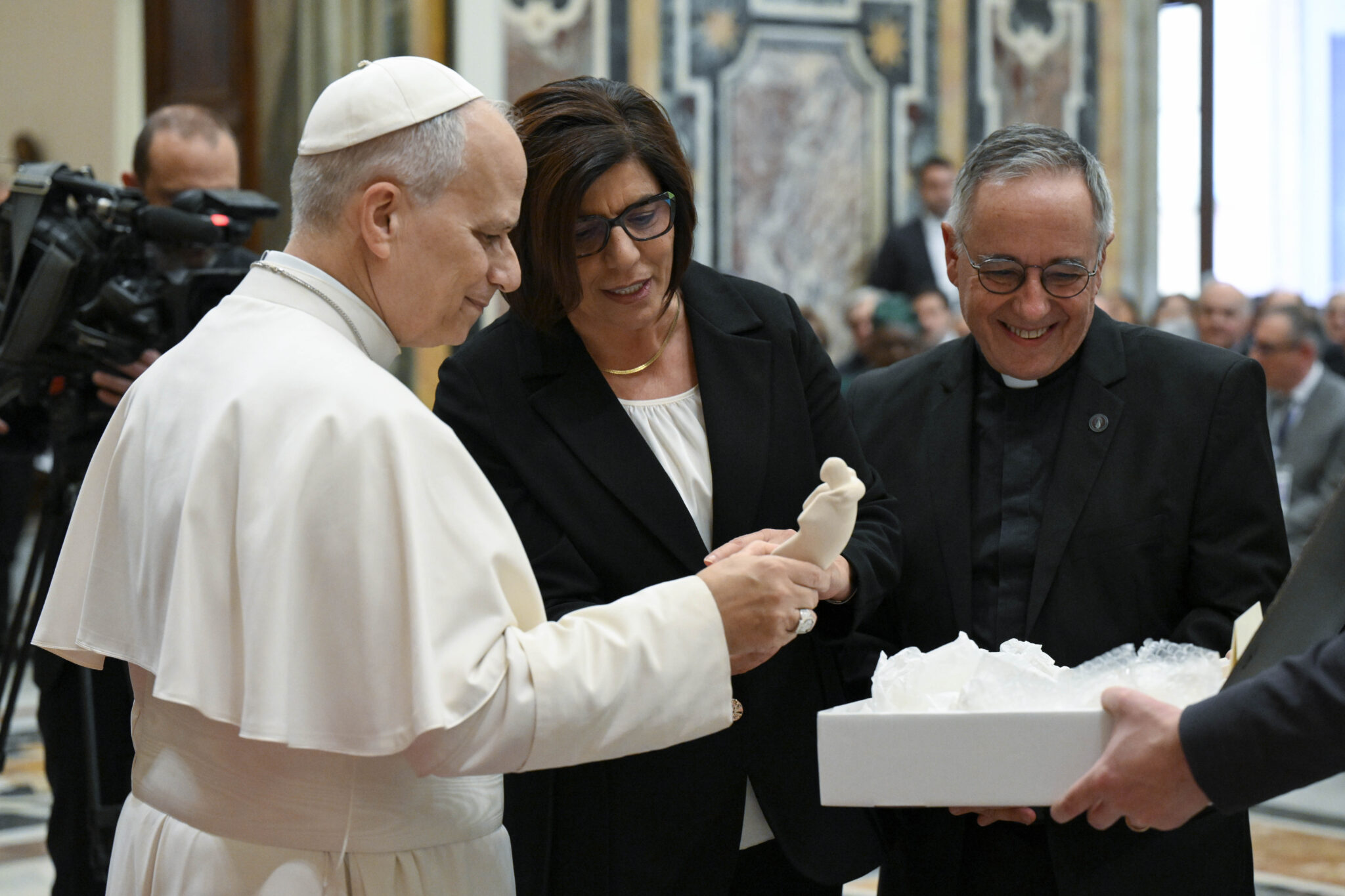
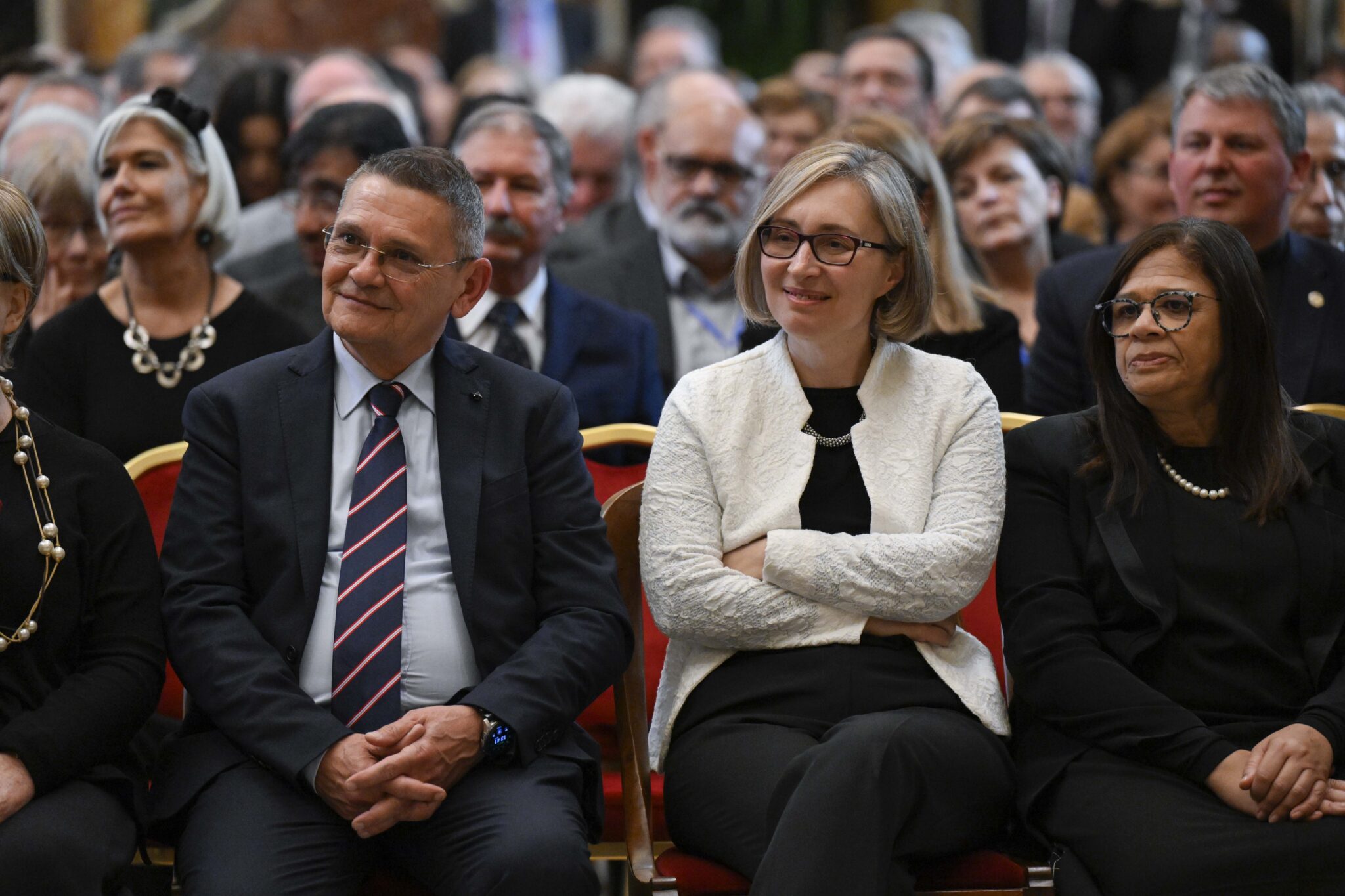
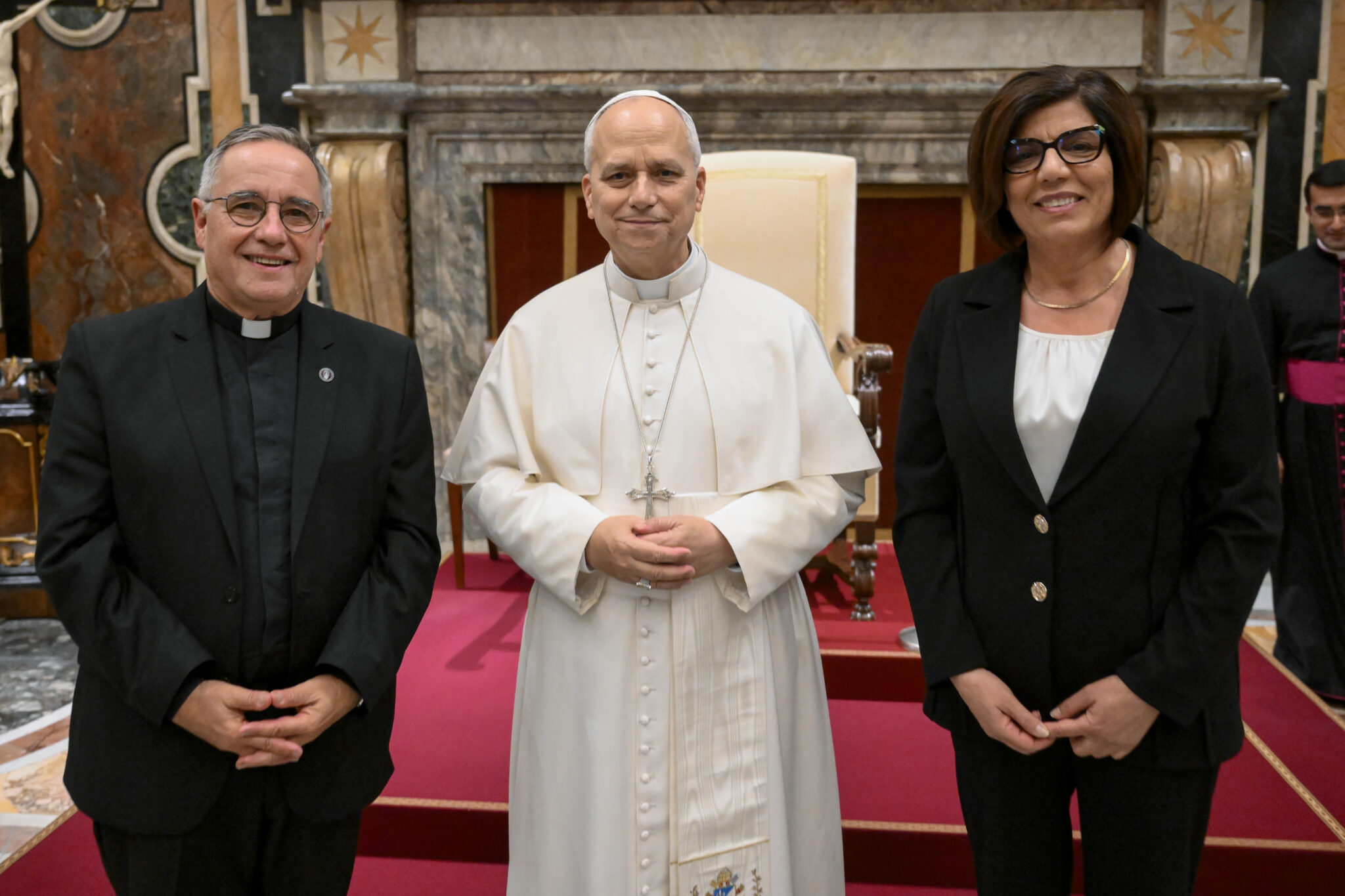
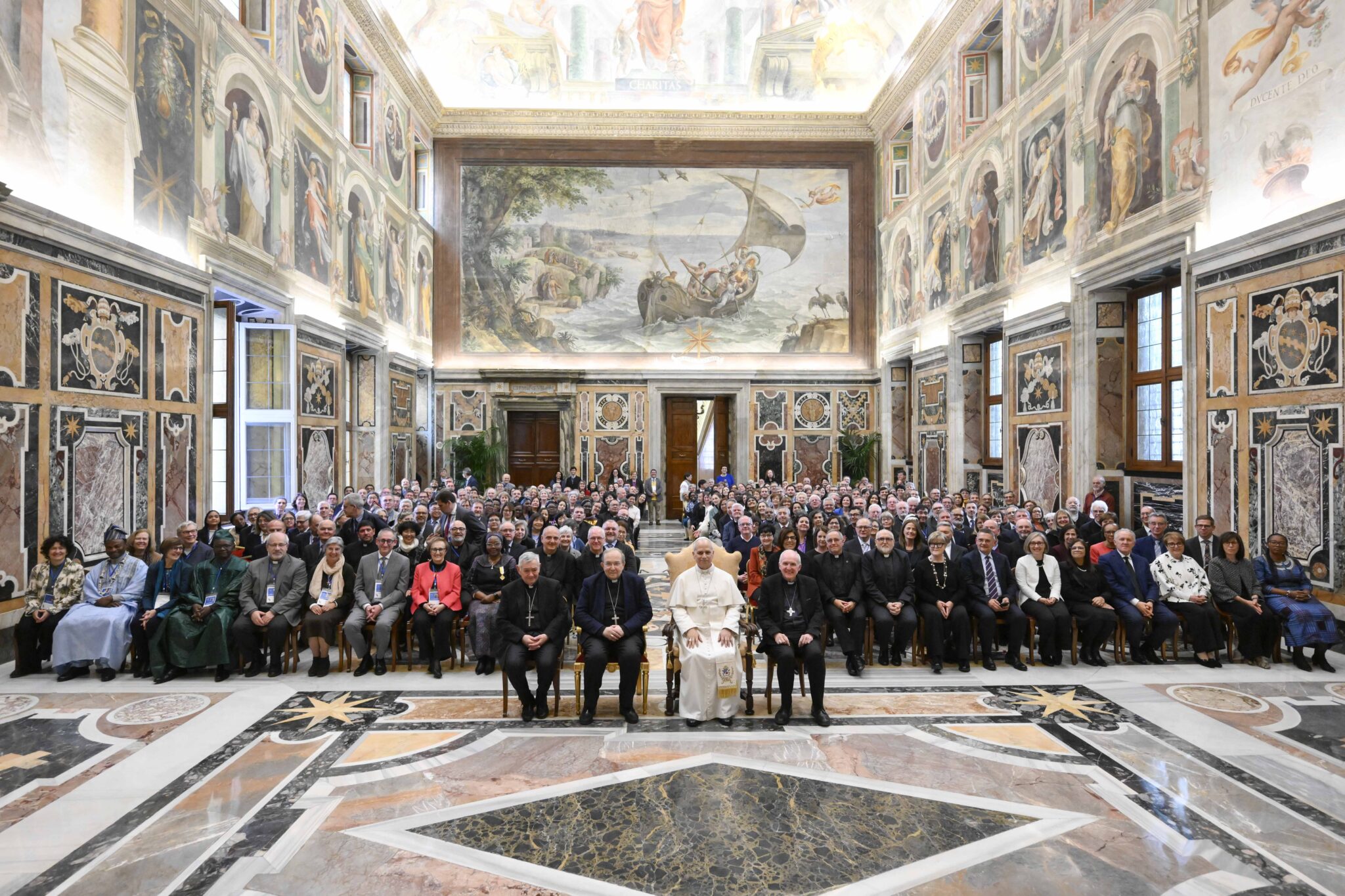
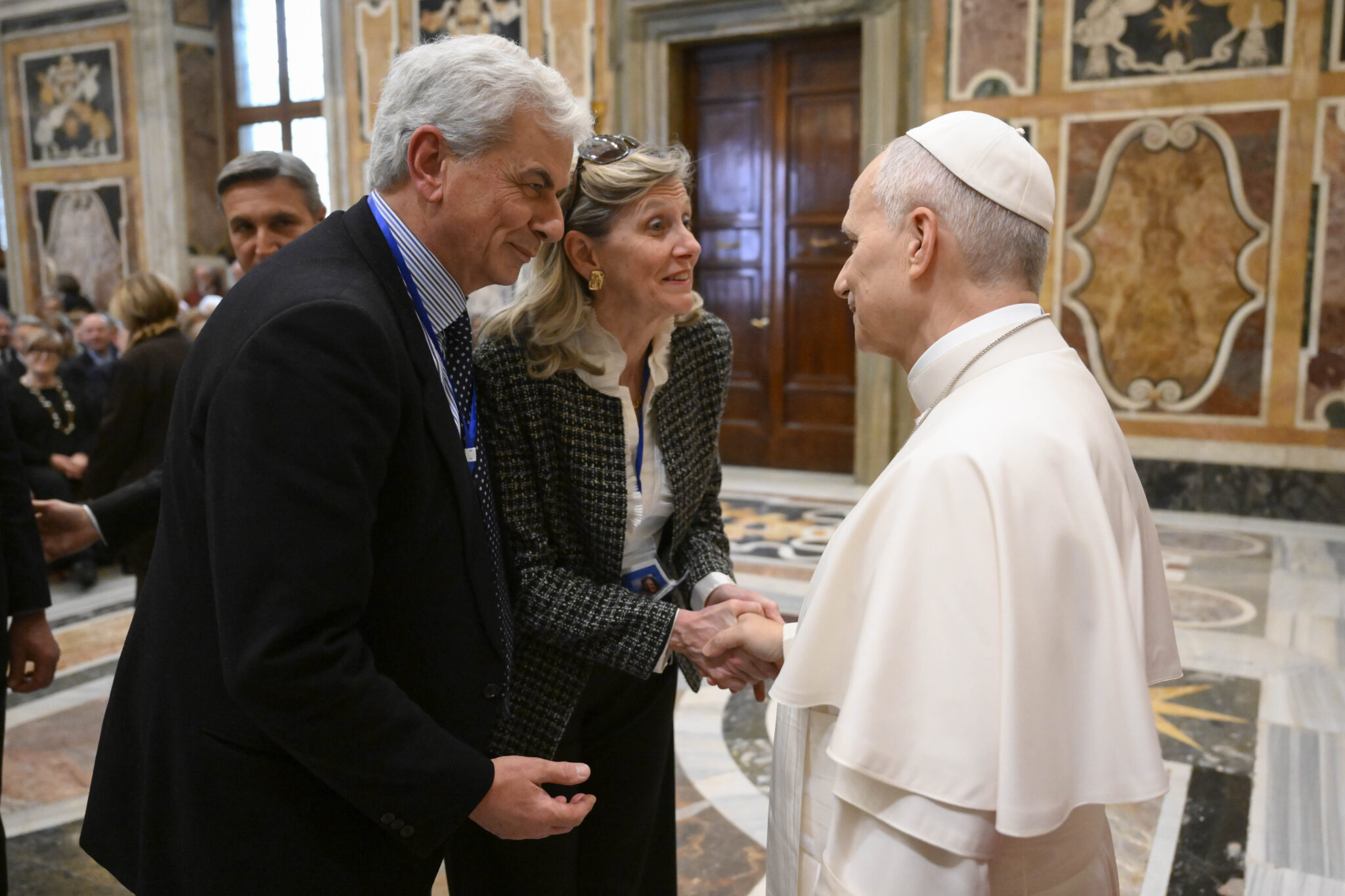
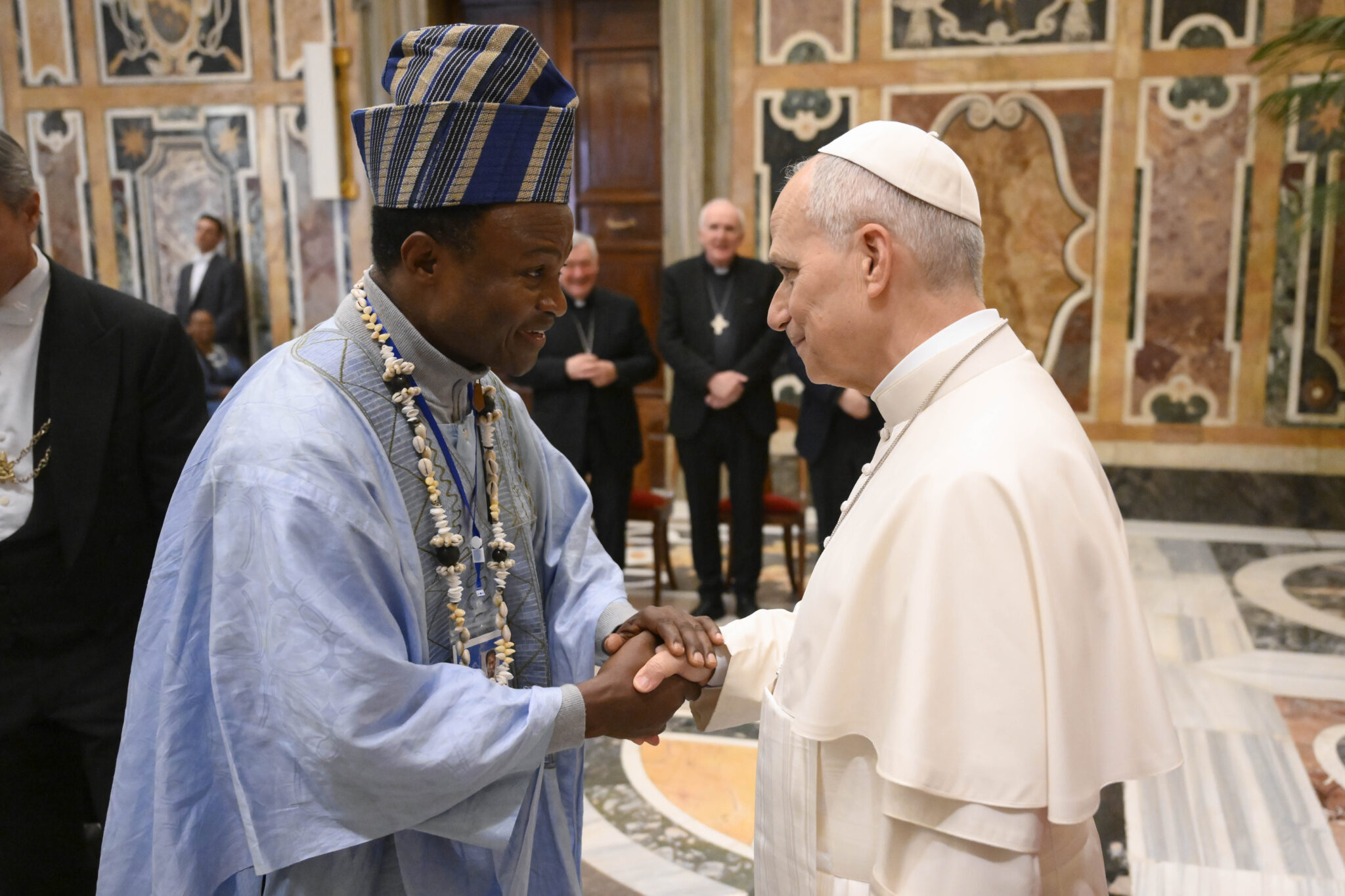
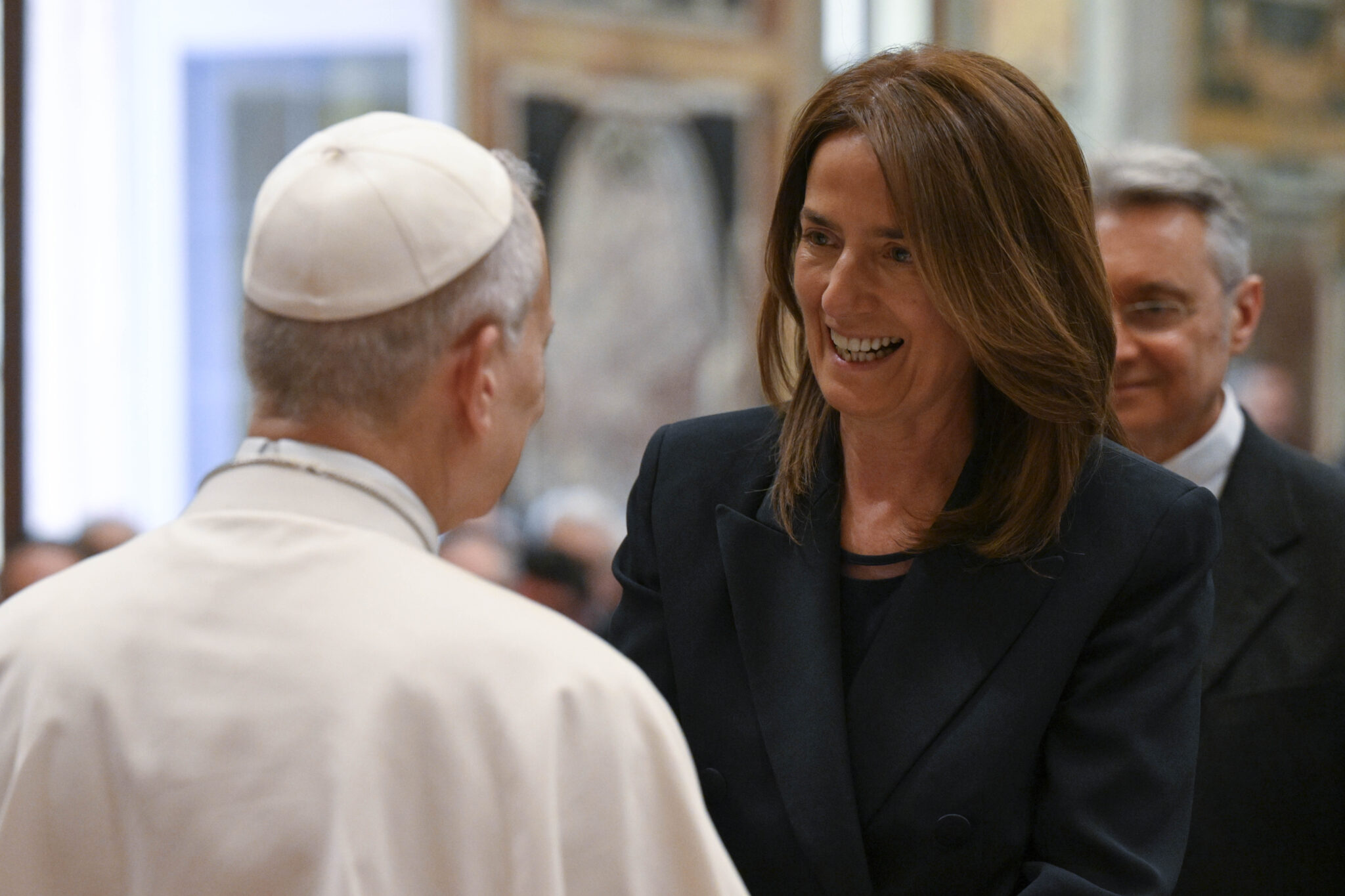
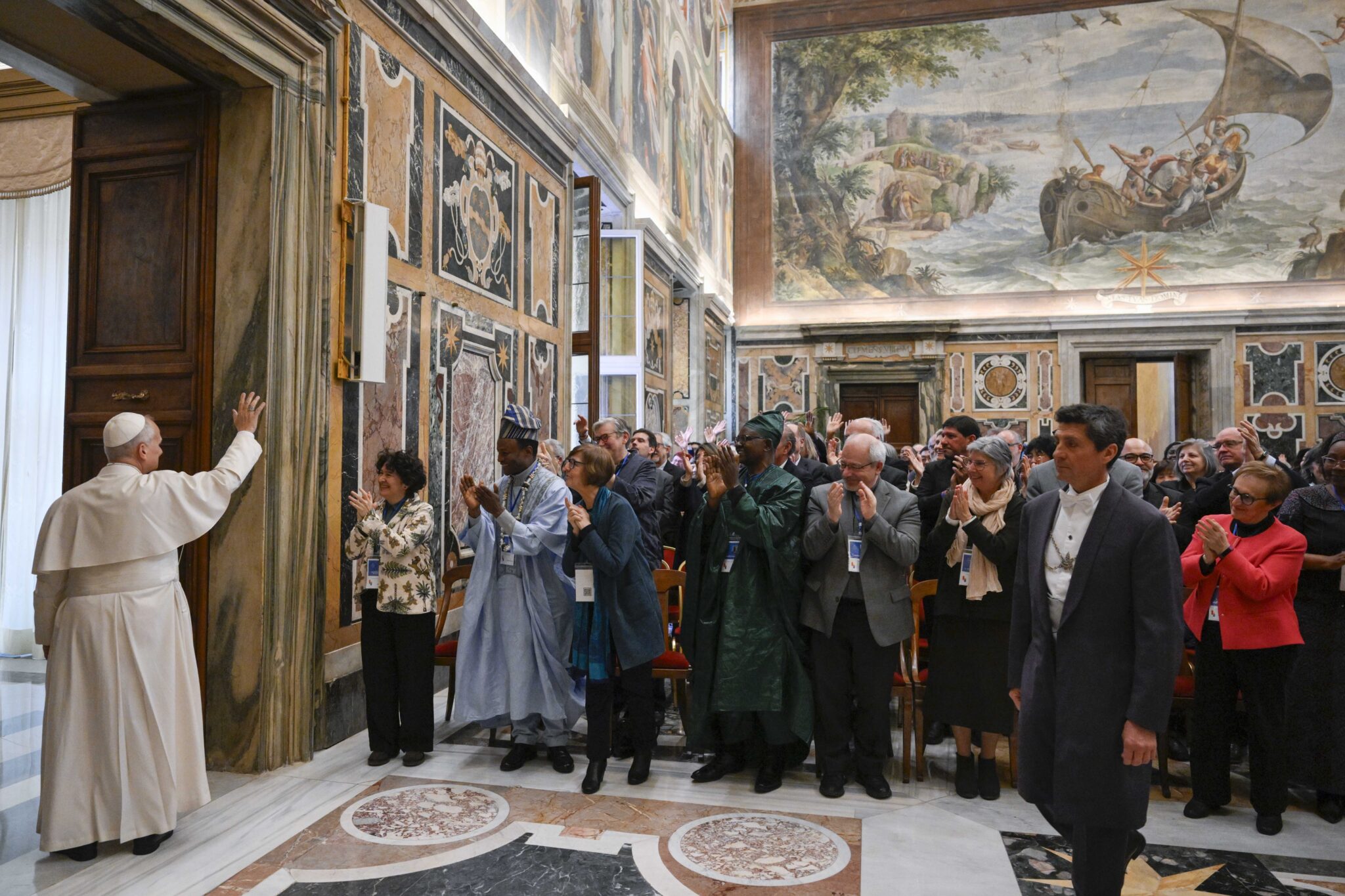
Photo: © Vatican Media
Have compassion on the needy
Build bridges of friendship