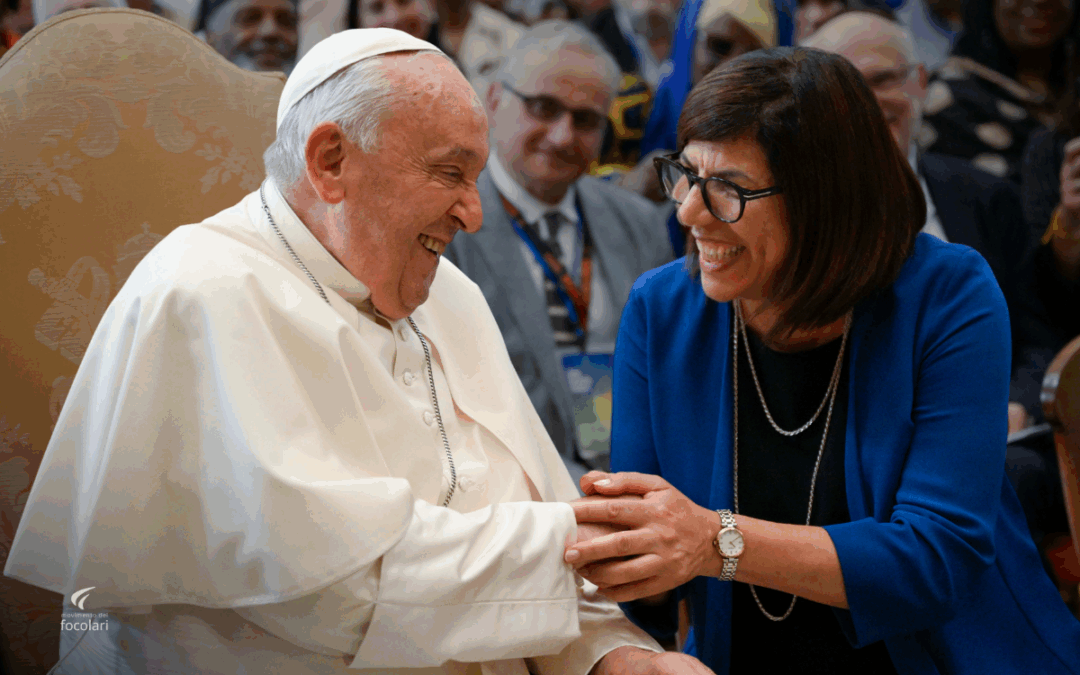
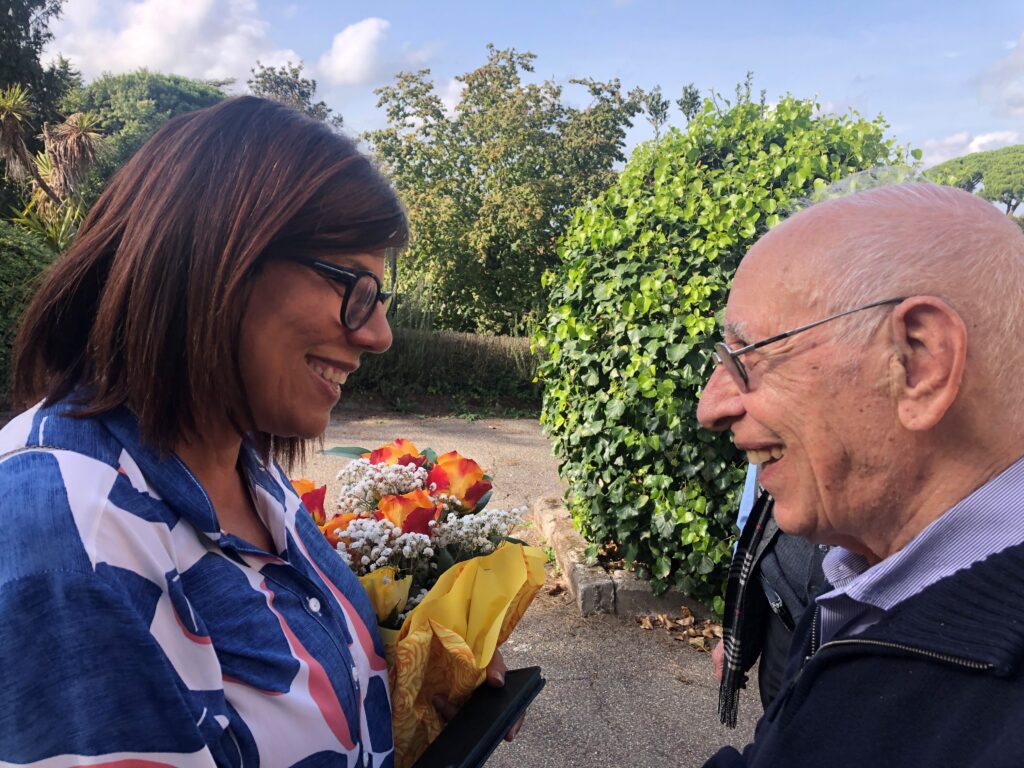
It is with deep emotion that I write these lines about Pope Francis after his “flight” to the Father. I recall those many thoughtful and meaningful moments, when I was able to shake his hand and feel the warmth of his smile, the tenderness of his gaze, the strength of his words, the beating of his heart ready for a fatherly welcome. And I find it hard to believe that these encounters will no longer have a “tomorrow” or an “again” in my life.
I do not propose to make a thematic summary of Francis’ pontificate. To this end, it will be enough to review the many articles that have been published in recent days, especially the special issue of L’Osservatore Romano – just a few hours after his death – and the more or less exhaustive evaluations that will surely be published in the near future.
What moves me from within is to find that the golden thread that weaves his mission in guiding the Church, to try to be in tune with the centre of his heart and soul. And, from there, to relive the relationship he had with the Work of Mary during these twelve years.
To do this, I meditated deeply on his most recent talks, because I feel that this is where Pope Francis gave the best of himself and where you can find the key to all his thinking and to all his actions.
In the text he prepared for the Easter Mass, there is a quote from the great French theologian Henri de Lubac, who is also a Jesuit, that cannot simply be rhetorical: “it should be enough to understand this: Christianity is Christ. No, truly, there is nothing else but this.”
In my opinion, if we want to understand Francis, we must refer to this absolute: Christ, and only Christ, all Christ. From this we can understand the profound content of his encyclicals and apostolic exhortations, the choice of his journeys, his preferred options, the meaning of the reforms he undertook, his gestures, his words, his homilies, his meetings, and above all his love for those who are excluded, for those who are rejected, for women, for the elderly, for children and for creation.
‘No, there really is nothing else’. That is why one can say – using a pleonasm – that the Catholicism of Pope Francis is simply a “Christian Catholicism”. The new impulse he wanted to give the Church is based on this approach: the transparency of Christ. Because of this, on many occasions he has gone far beyond the politically correct, or rather, the ecclesially correct, without fear of being misunderstood, and without fear of being wrong, even aware of his “contradictions”. In fact, in an interview with a Spanish newspaper he said that what he wished for his successor was not to make his same mistakes.
Because of this Christological centrality, we can acknowledge that we have indeed been living – almost without realising it – with a Pope who is profoundly mystical. After all, this is how Pope Francis has thought and lived the Church: not as a religious organisation, nor as a distributor of sacraments, much less as a centre of economic, social or political power, but as the people of God, the body of Christ, which gives hospitality to humanity in His humanity. A Church, therefore, that is open to humanity, to service, because Jesus is “the heart of the world”.
To reduce Francis to a social reformer or a Pope of disruption shows a tremendous blindness. I often stared at his face when he inserted comments in his messages, for example at the Sunday Angelus. There, with the simplicity of a shepherd who passionately loves his flock, he displayed his harmony with the divine, his wisdom, his crystal-clear and straightforward faith, his profound humility.
In my humble opinion, from the centrality of Christ derive the two fundamental pillars of his magisterium: mercy and hope. Mercy is the expression of knowing ourselves as believers rooted in history, both personal and collective, with all its tragedies; hope manifests the eschatological and salvific tension that determines it. According to the Pope’s thought, there is mercy because there is hope; and it is hope that gives us a heart of mercy. Indeed, in his homily prepared for this year’s Easter Vigil, Francis affirms that ‘the Risen Christ is the definitive turning point in human history’. The important social and ecological messages of Pope Francis are misunderstood if this eschatological tension centred on the Risen Lord is not taken into account.
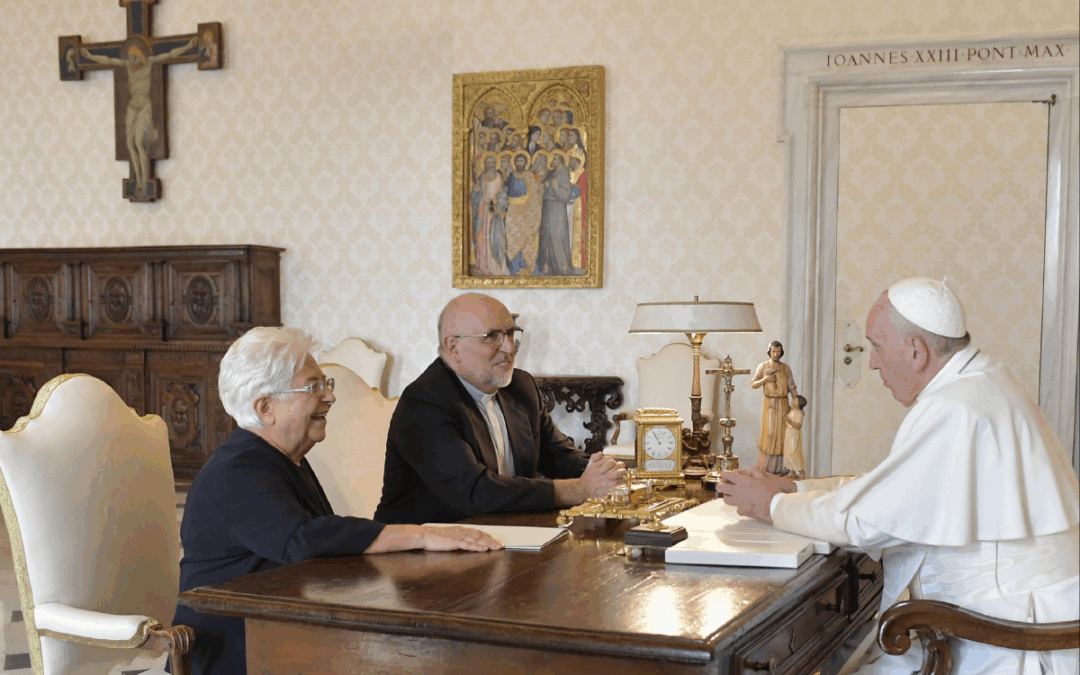
Francis’ relationship with the Focolare Movement has been very deep during the twelve years of his pontificate. He addressed ten official speeches to it: to the participants at the 2014 and 2021 Assemblies; to all those belonging to the Movement on the occasion of the 80th anniversary of its birth; to the academic community of the Sophia University Institute; to the family focolares; to the participants at the meeting of the bishops of various Churches; to the participants at the meeting on the “economy of communion”; to the participants at the interreligious conference “One Human Family”; to the citizens of the little town of Loppiano; to the Mariapolis of Rome – Earth Village. Furthermore, on one occasion, he granted a private audience to Maria Voce, the first president of the Work of Mary after Chiara, and to myself.
What emerges from these meetings is a great love and a touching pastoral concern of Pope Francis for the Movement. In the virtual ecclesial circularity between hierarchical and charismatic gifts, we can affirm that, on the one hand, the Pope has been able to grasp, value and highlight the gift that the charism of unity, with its emphasis on the spirituality of communion and its concrete achievements in very different ecclesial and civic contexts, represents for the synodal process that the whole Church is living in view of a new evangelisation. On the other hand, he has identified with extreme clarity the challenges and steps that the movement must necessarily take if it wants to remain faithful to its original charism, knowing how to go through the inevitable post-foundation crisis in a humble way, transforming it into a time of grace and new opportunities.
Pope Francis has been for the world an all-encompassing message of fraternity rooted in Christ and open to all. Fraternity is the only future that is possible. We, the people of unity, must treasure this legacy with humility, energy and responsibility.
It was with deep sorrow that I learned of the return to the house of the Father of our beloved Pope Francis. Together with the whole Church, we give him back to God, filled with gratitude for the extraordinary example and gift of love that he has been for every person and every people.
There have been many moments, throughout his entire pontificate, in which the Holy Father has been a close and loving shepherd also for the Focolare Movement. He has always welcomed us and has guided us to witness to the Gospel with courage and in a radical way.
We have lived many moments with him, which we will never forget In one of them we remember his words to the General Assembly of the Focolare, when he received us in audience in 2021:
‘Always listen to Christ’s cry of abandonment on the cross, which manifests the highest measure of love. The grace that comes from this, is capable of inspiring in us, who are weak and sinners, generous and sometimes heroic responses. It is capable of transforming suffering and even tragedy into a source of light and hope for humanity’.
Finally, I cannot fail to testify also to the Pope’s love and personal concern for me, for the sufferings of my people in the Holy Land, and my immense gratitude for having invited me to participate in the Synod on Synodality, where he himself opened the doors of the Synodal Church that is now starting to take its steps throughout the world.
Together with the entire Focolare Movement in the world, I unite myself to the prayer of the universal Church and of all men and women of good will, certain that Our Lady ‘Salus Populi Romani’, (Mary, Health of the Roman People) to whom he was so devoted, will welcome him into heaven with open arms.
This year 2025 the feast of Easter is celebrated on the same day by all Christian Churches. Margaret Karram, the President of the Focolare sends her wishes for this feast together with those of some representatives of various Churches..
Enable subtitles and select your preferred language.
We are publishing the report of the year 2024 on the activities of the Focolare Movement concerning the Safeguarding of the Person, starting with the words that Pope Francis addressed to the Pontifical Commission for the Protection of Minors and with which in fact, he updated the mandate with which he had established it 10 years ago. We feel strongly called to fulfil this ‘integral conversion’ to which the Holy Father is calling us, which is never completely accomplished, but asks us to question ourselves continuously, to have for each person a humble, always attentive, protective and welcoming attitude. He asks us to continue with perseverance on the path of formation and authentic closeness, aware of the need for change, so that each person may feel safe, loved and respected in our environments and in our various activities.
2024: listening, formation, regulations
There were three elements that characterised the past year from the point of view of safeguarding in the Focolare Movement: listening and the involvement of victims and witnesses in various capacities in the process of reparation, and the formation of the people in positions of responsibility in the movement; the expansion of courses and formation events for all participants and to continue to establish the regulations, with the updating of the document for the “Procedures for handling cases of abuse” as well as the drafting of the Guidelines for Listening and Welcoming Services.
The meeting last November of those responsible for the Movement around the world, with some people who had been affected either by sexual abuse or abuse of authority, by members of the Focolare Movement, was of fundamental importance. People told their stories of great suffering and the serious consequences on their lives and on the communities that they were or still are a part of. Also present were some family members of one of the people abused who gave their testimony of the serious impact that abuse has on all members of the family. The words of one participant expressed clearly the importance of that moment: ” Listening to these people marked a before and an after. With delicacy and clarity, they expressed to us how much the Movement has failed in what is at the heart of its charism: unity and love of neighbour, because in many cases we have not only been co-responsible in some way, for the abuse committed, but we have also left people alone to cope with their suffering ”.
In addition, the contribution of the those who have suffered abuse together with the involvement of professionals in various disciplines, from outside the Movement, have been fundamental to the work done at the International Centre and in the local areas. This included the documents that have been produced, as well as for the formation in Safeguarding of the Focolare communities around the world, together with the planning and opening of some spaces for listening and welcoming.
A Study Commission has now been set up to look at the abuses of authority and spiritual abuses that have occurred within the Movement. The aim is to investigate their causes, so as to be able to change harmful practices and implement the necessary prevention. The study, which is still ongoing, also makes use of advice from specialists from outside the movement in various fields: psychological, pedagogical and legal. This project was supported and encouraged by the Dicastery for the Laity, Family and Life and, despite being in its early stages, its great importance is recognised. So it is clear that the creation and enacting of norms and Procedures is not enough, but the dynamics, leading to the various forms of abuse, must be investigated.
Finally, regulatory documents and guidelines have been updated, developed and produced (as illustrated below), which are also the result of a fruitful collaboration with the Pontifical Commission for the Protection of Minors, which has followed and promoted the new steps taken.
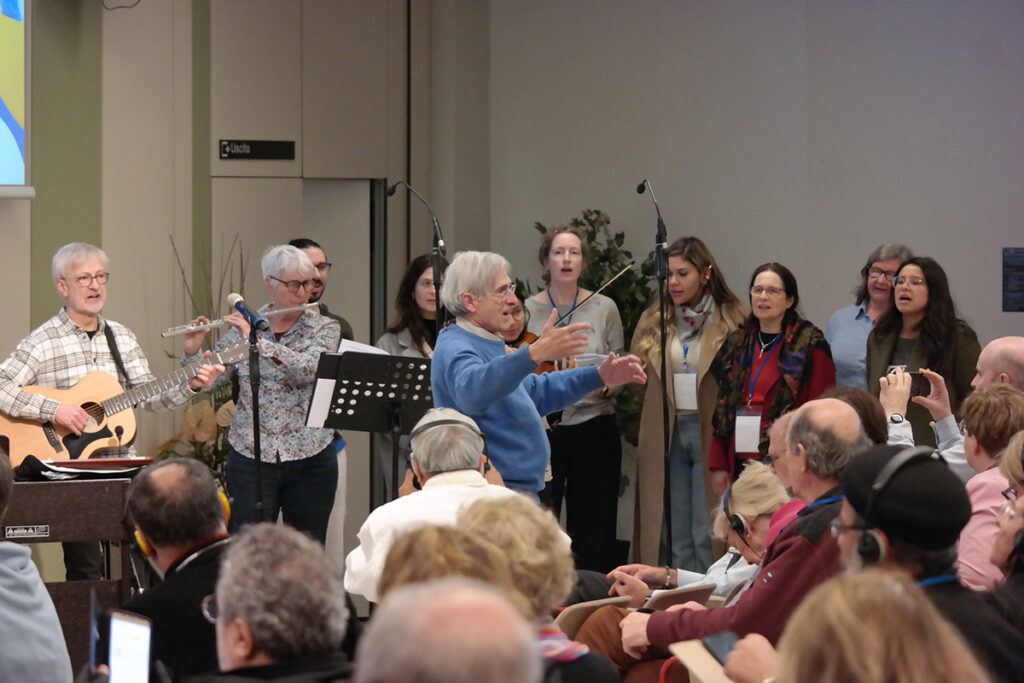
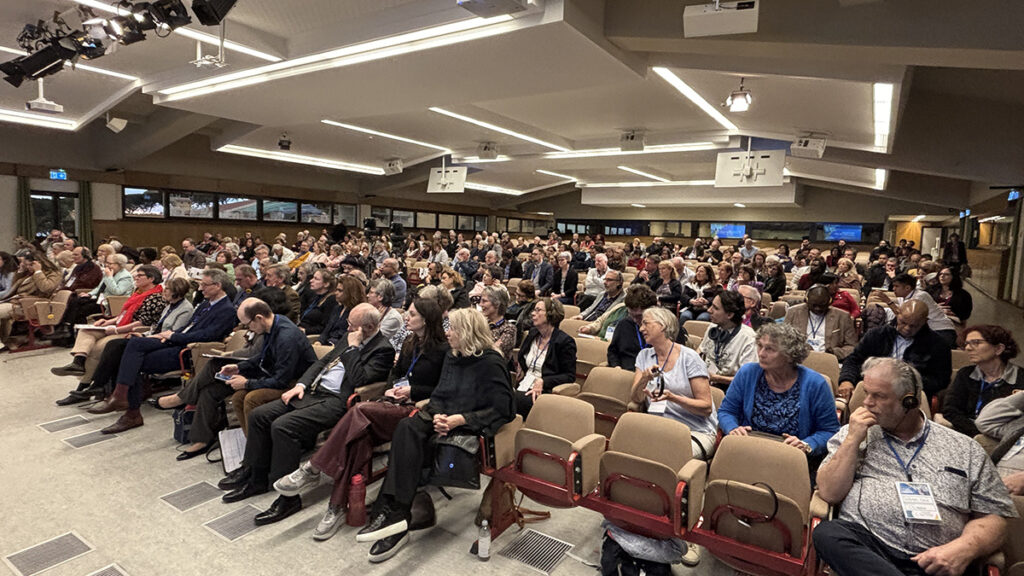
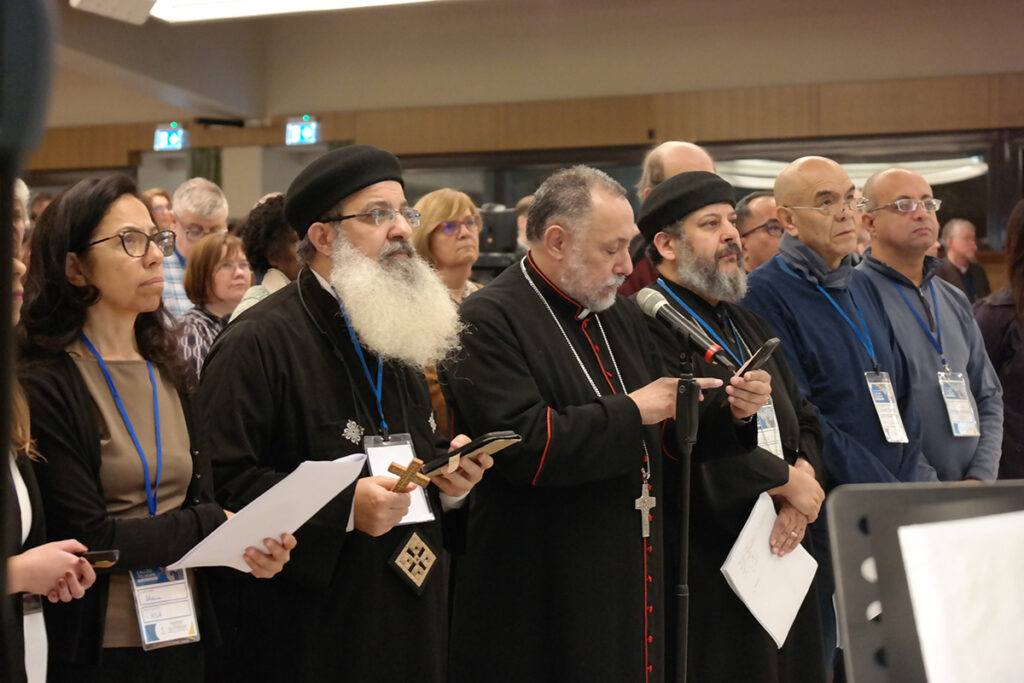
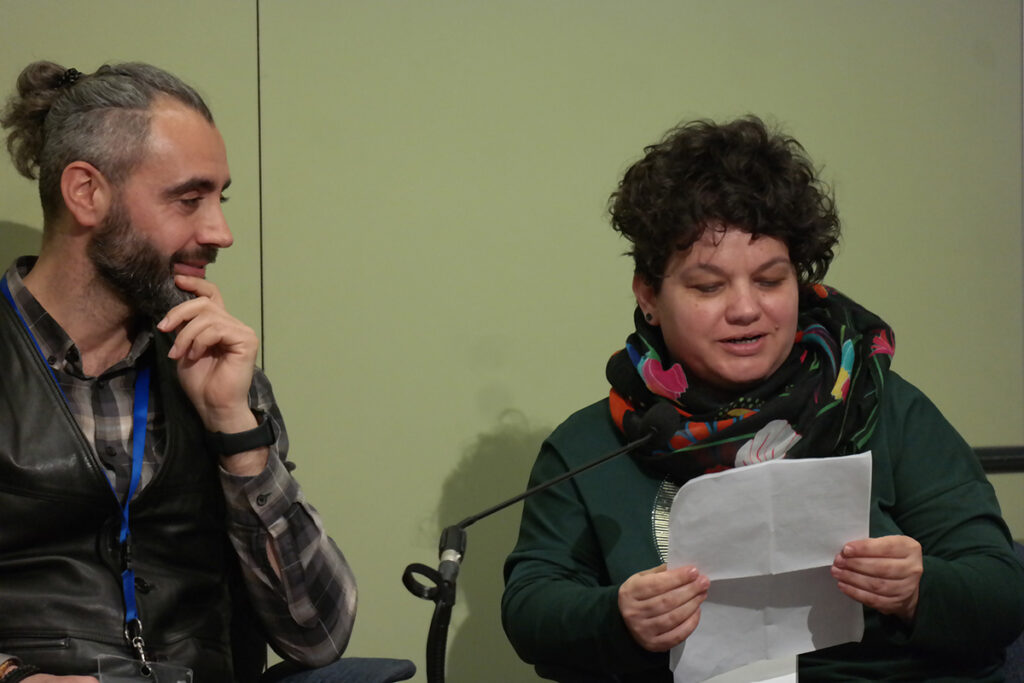
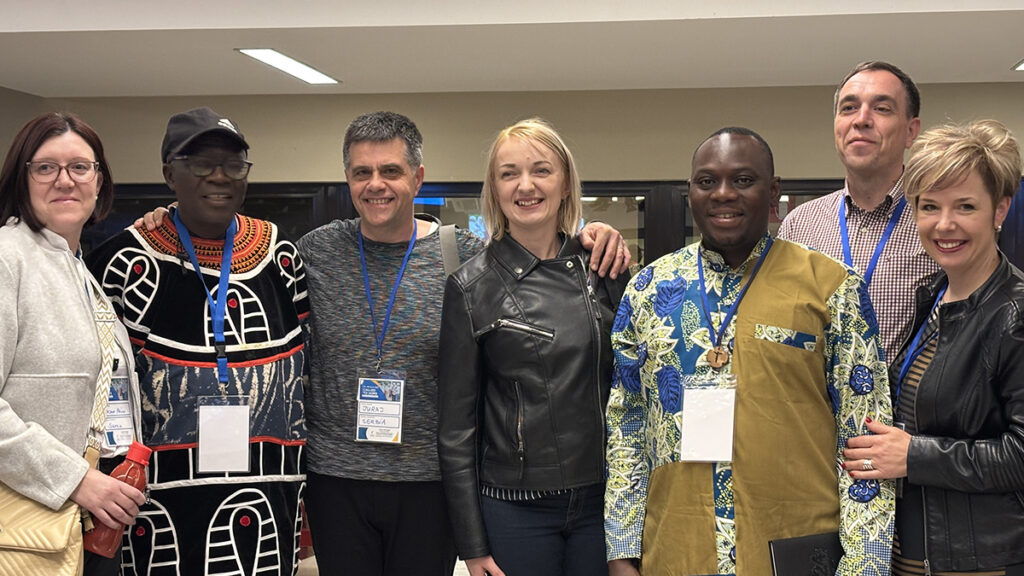
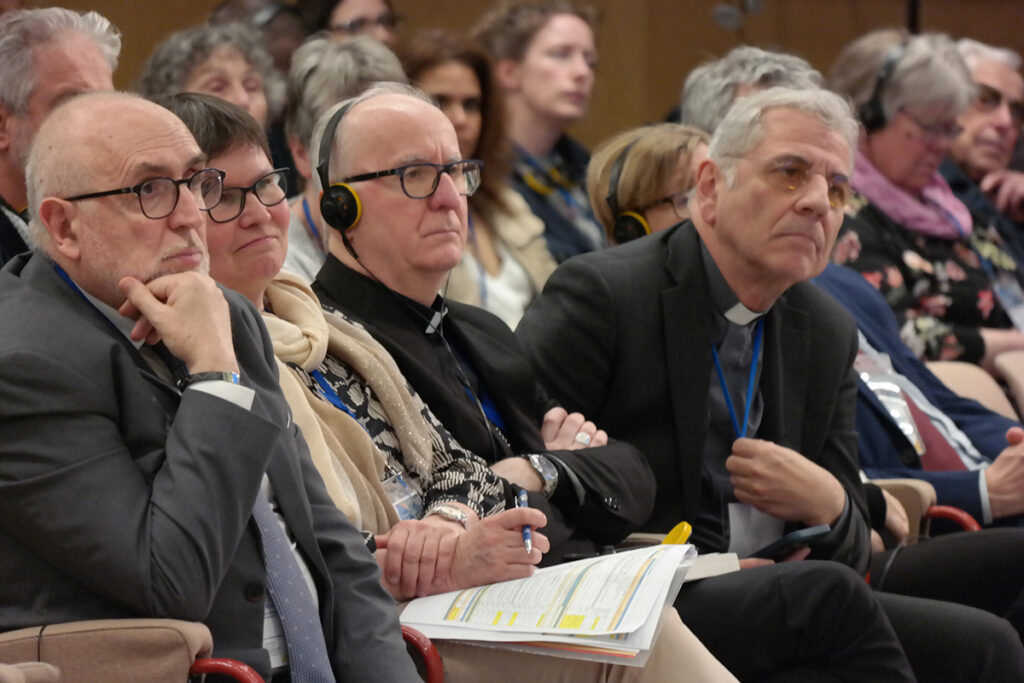
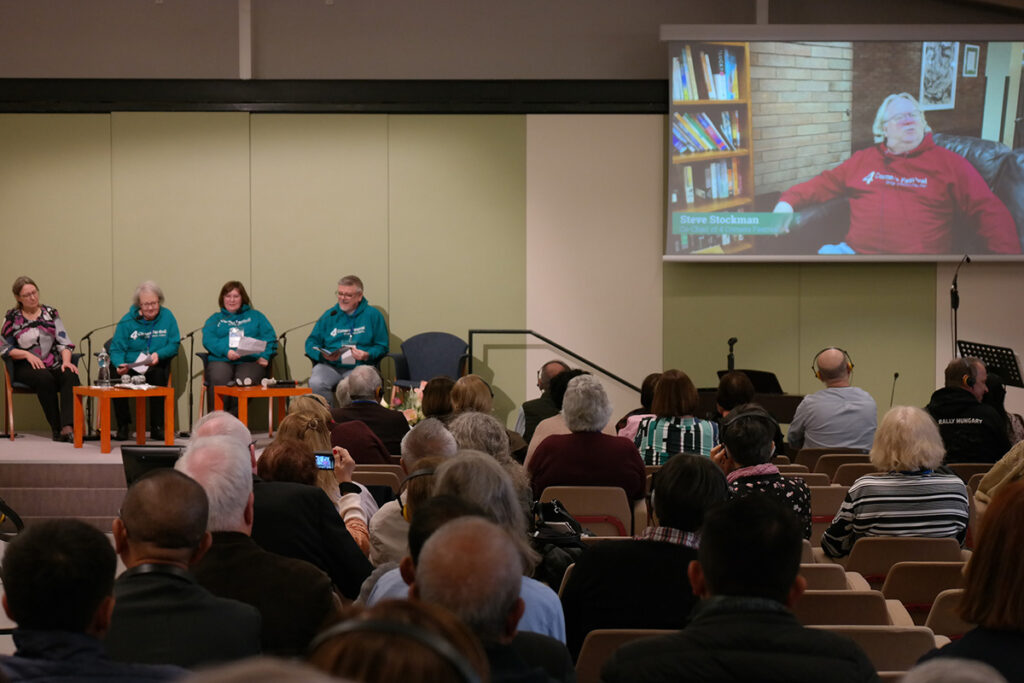
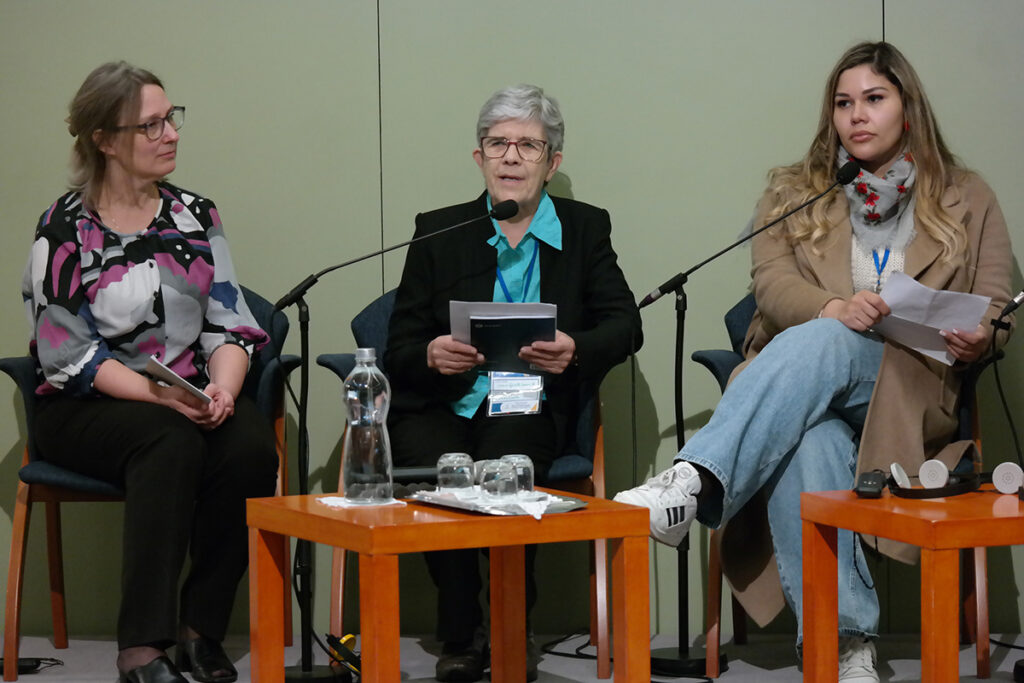
in an interview published on the Vatican News website, during the days of the ecumenical conference entitled “Called to hope – Key players of dialogue” promoted by Centro Uno, the Focolare’s international secretariat for Christian Unity, Margaret Karram, President of the Focolare Movement, said, “Today, more than ever, in the world in which we live, so full of divisions, tragedies, conflicts, where people do not engage in dialogue, meeting together is very significant.” Her words expressed a certainty that resonated in the hearts and in the experience of the 250 people from 40 countries and 20 Christian Churches and of the 4,000+ connected worldwide via streaming, who participated in the event.
The Conference, held at the Mariapolis Centre in Castel Gandolfo from March 26-29th 2025, opened with contributions from Jesús Morán, Co-President of the Focolare Movement and Callan Slipper, an Anglican theologian who said: “Ecumenism, by repairing our personal interactions within the Christian community, allows the Church to be herself. What humanity needs, we need too. Our spiritual health diminishes without it, just as every other dimension of human life cannot reach its fulfilment without the reconciliation brought by Jesus”. Morán concluded: “Unity rather than union and Christianity as a way of being rather than as a doctrine, can be two fruitful paths for ecumenism in response to what history demands of us today”.
The conference proposed a method for walking in unity: the kind of dialogue that emerges from the spirituality of the Focolare, the dialogue of life, the dialogue of the people alongside a similar concept known as receptive ecumenism. Through her experience, Prof. Karen Petersen Finch, an American Presbyterian, highlighted the importance of involving more people in dialogue on the doctrine of the faith, which is normally reserved only for theologians, Church leaders and official committees for dialogue.
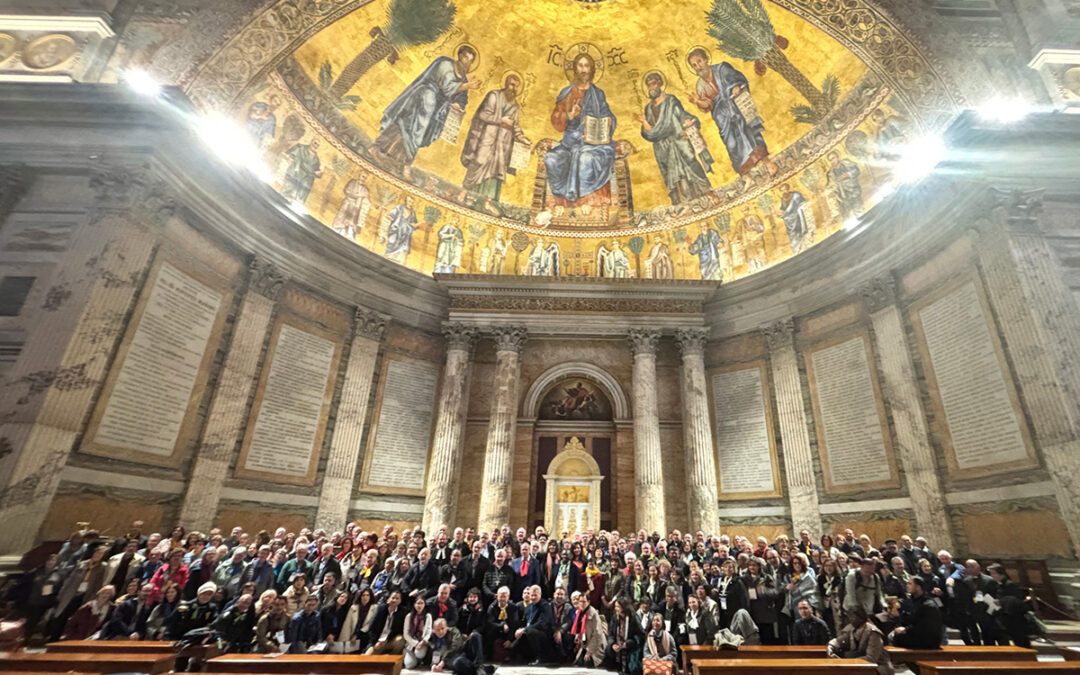
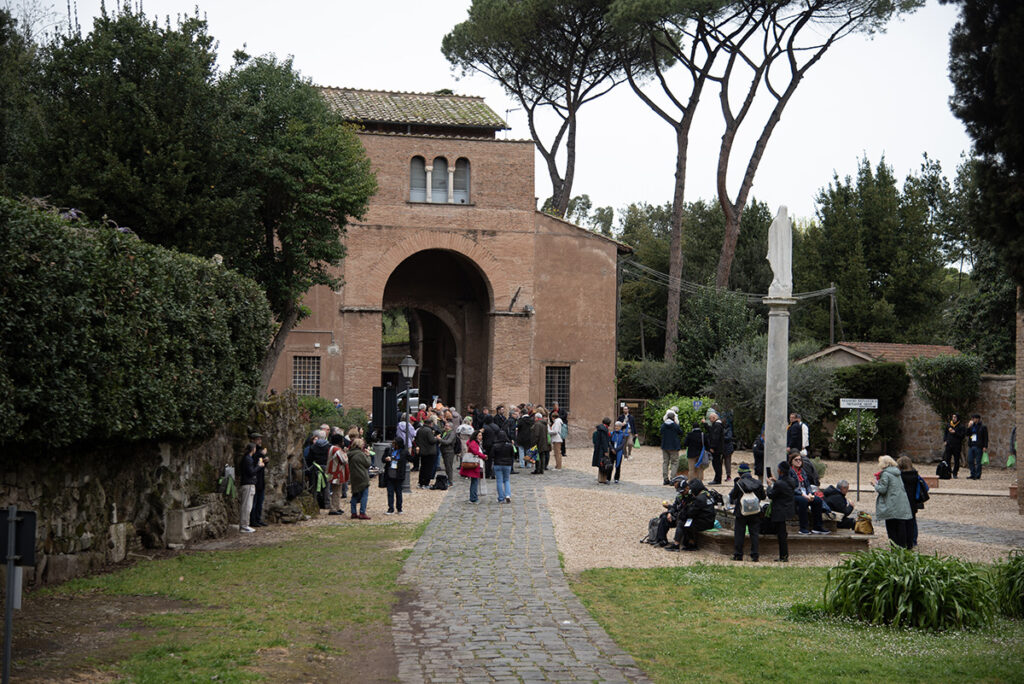
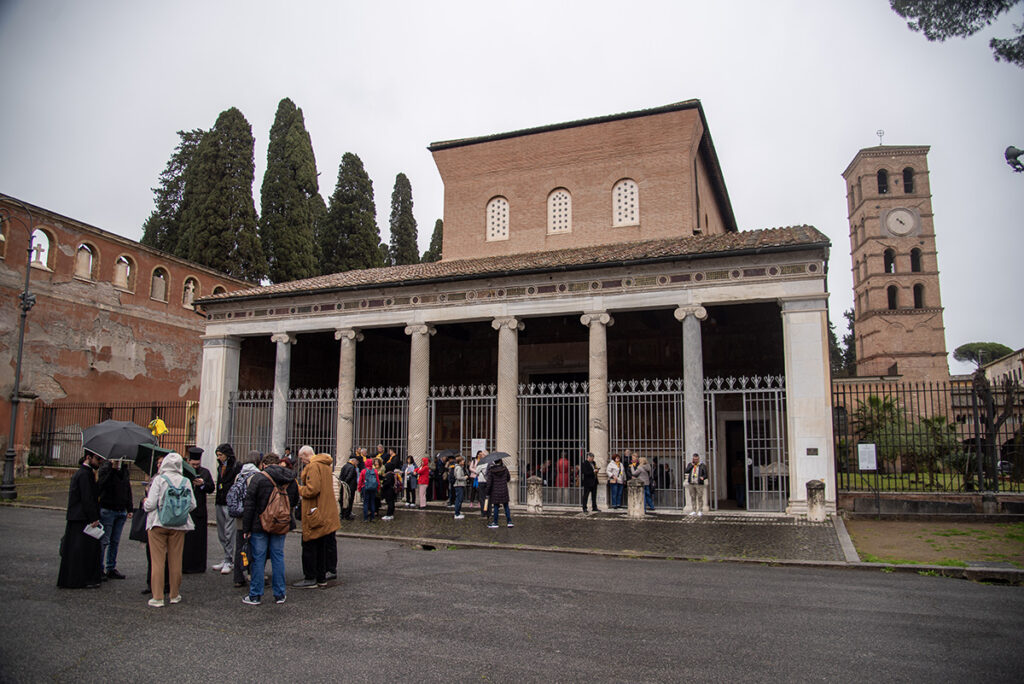
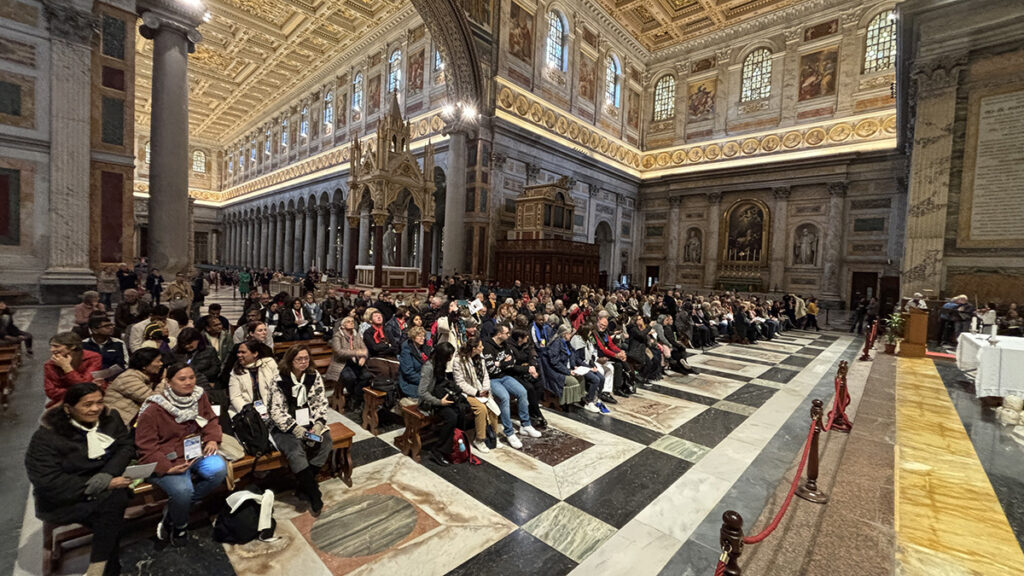
One day was dedicated to a pilgrimage to Rome with a visit to the Basilica of St. Lawrence the Martyr and the Abbey of the Three Fountains, where tradition places the martyrdom of St. Paul. In an atmosphere of recollection, one of the participants described the day as: “an encounter with the first martyrs of the undivided Church who, with their authentic life, faith and their witness, instil in us the courage to proclaim Christ today”. The pilgrimage concluded at the Basilica of Saint Paul Outside the Walls with an ecumenical prayer. Ecumenism has its biblical root in prayer, beginning with Jesus, who while praying, asked the Father: “That they may all be one”. His words, echoed in various passages of Scripture, invite us to ask anything of the Father “in his name, together and in agreement”. And so, together, gathered in unity, priests and lay people of all the Christian confessions present, jointly asked the Father for peace in every corner of the earth and for reconciliation among all Christians.
Three Fountains AbbeyBasilica of San LorenzoPrayer to St Paul
The themes addressed during the conference included the significant commemorations for 2025: the 1700th anniversary of the Council of Nicea; Easter which will be celebrated on the same day by all the Christian Churches; and the 60th anniversary of the lifting of the excommunications between the Church of Rome and that of Constantinople. Referring to the Council of Nicaea, Dr. Martin Illert, a representative of the World Council of Churches, said: “I am convinced that common prayer and reflection pave the way for unity, as they remind us of both our common roots and our shared mission.” Msgr. Andrea Palmieri of the Dicastery for Promoting Christian Unity observed: ” These events are undoubtedly important, but (…) words must be followed by concrete, prophetic decisions. I am convinced that the reflections initiated this year will contribute to the maturation of decisions that may shape the future of the ecumenical journey. ”
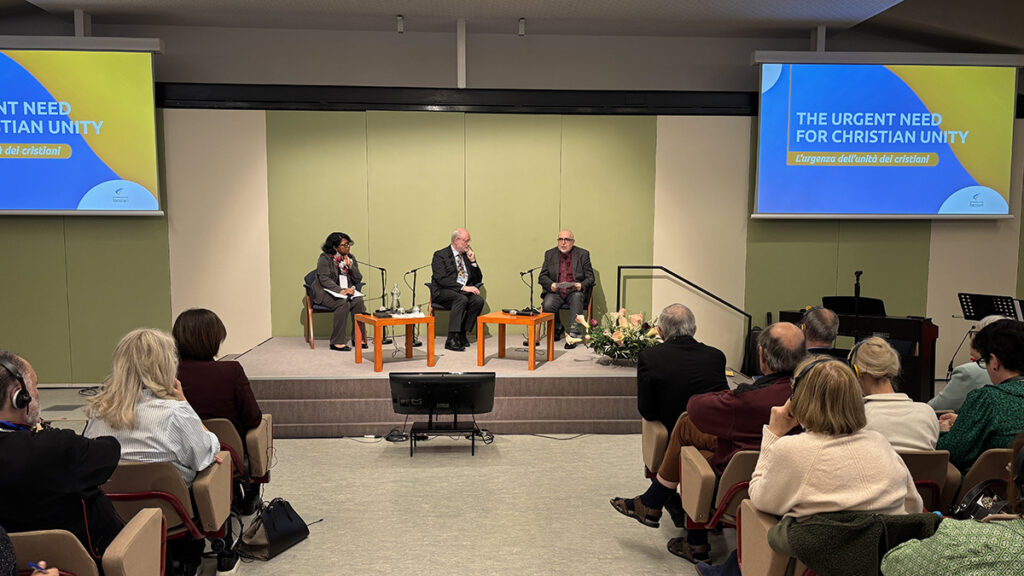
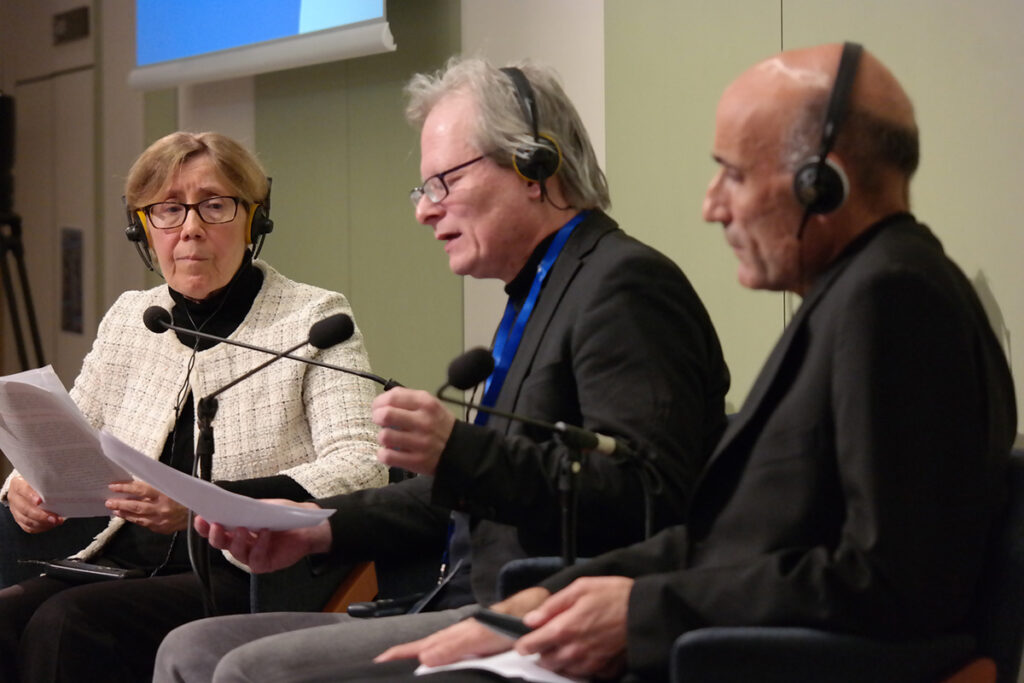
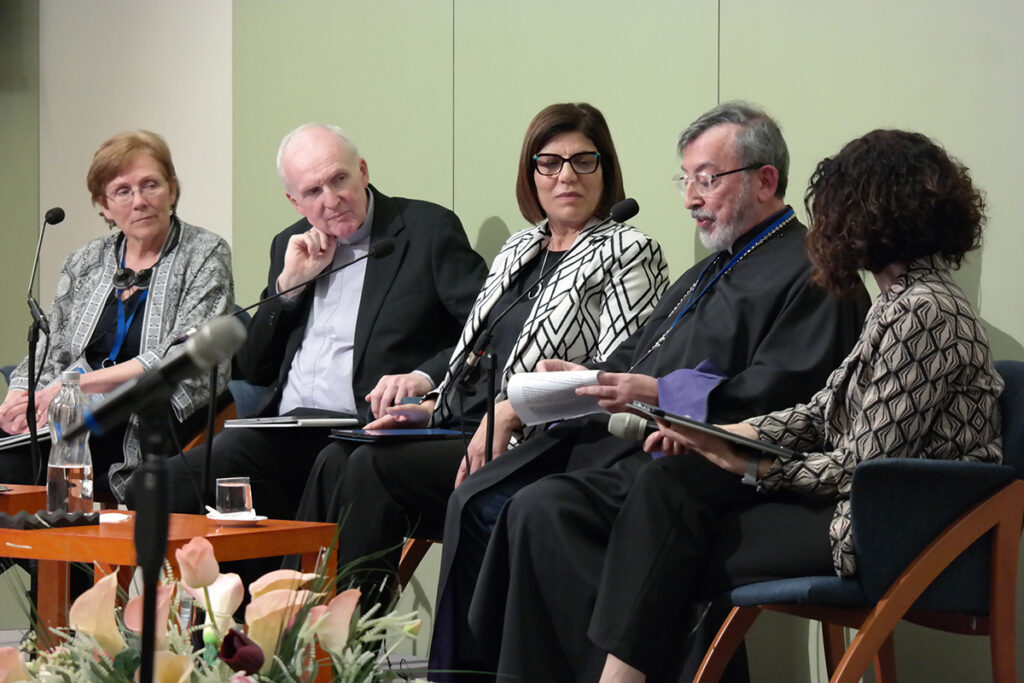
The Conference also explored how synodality can contribute to ecumenism. In a panel featuring participants of the Catholic Church’s Synod: three fraternal delegates (members of various churches), a Catholic Bishop and a Special Guest shared the lived experience of how the active participation of everyone contributed to affective and effective dialogue, which had as His Eminence Khajag Barsamian, of the Armenian Apostolic Church said, a “strong ecumenical dimension, which emphasized unity, shared spiritual experiences and mutual respect among Christians”. Rev. Dirk G. Lange of the Lutheran World Federation, affirmed, “The whole Synod as a spiritual exercise profoundly influenced my understanding of myself, my ministry, and my Church”. Monsignor Brendan Leahy, Catholic Bishop of Limerick (Ireland), added that the Synod’s method, the “Conversation in the Spirit,” made him “more attentive in my work and ministry to listen more, recognizing the seed of truth in every person,” while Dr. Elizabeth Newman of the World Baptist Alliance stated that synodality is grounded ” in the awareness and practice that one’s own point of view must not prevail. You don’t have to ‘win’.” Margaret Karram emphasized: “We know that hope is a virtue and we cannot lose it. We must nurture it, cultivate it within us so that we can give it to others,” and she invited everyone to increase hope and faith through “even small gestures towards others: gestures of solidarity, communion, and openness… only in this way can we hope”.
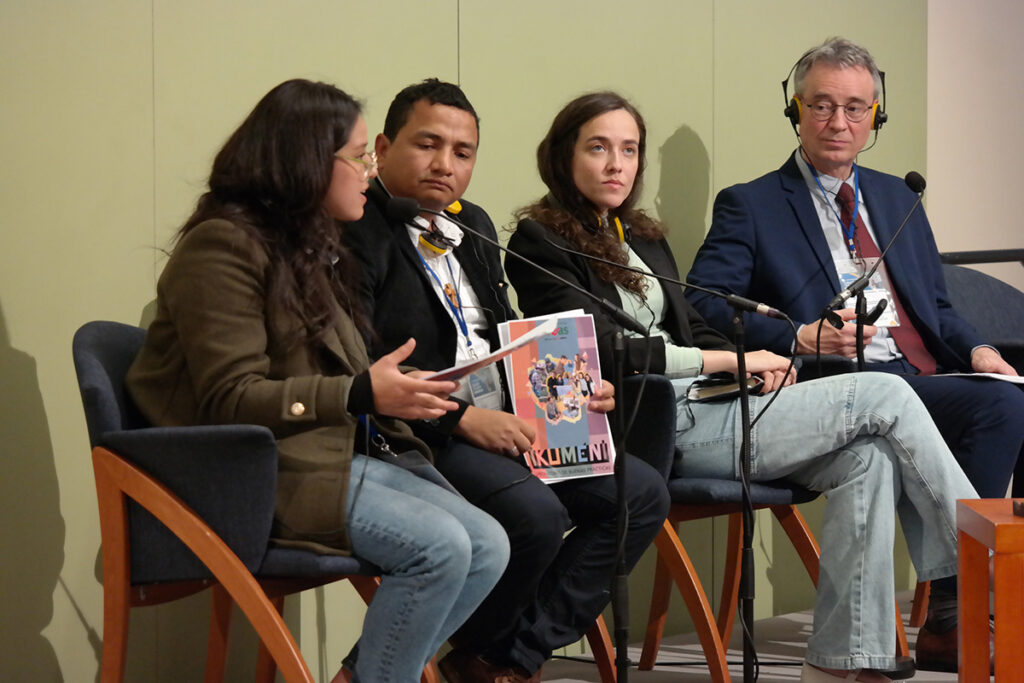
In summary, the Conference was a call to hope, marked by reflection, in-depth discussions, concrete actions and life testimonies which illustrated the path of ecumenical action at the global level (Global Christian Forum, JC2033), at the international level (Ikumeni– Latin America, Together for Europe, John17) and at local level (from Brazil to the Philippines, from Northern Ireland to Serbia, from the Netherlands to Venezuela, from Germany to Uganda…). It engaged churches, priests, laypeople, theologians, scholars, adults, and young people—truly, all were key players in the dialogue.
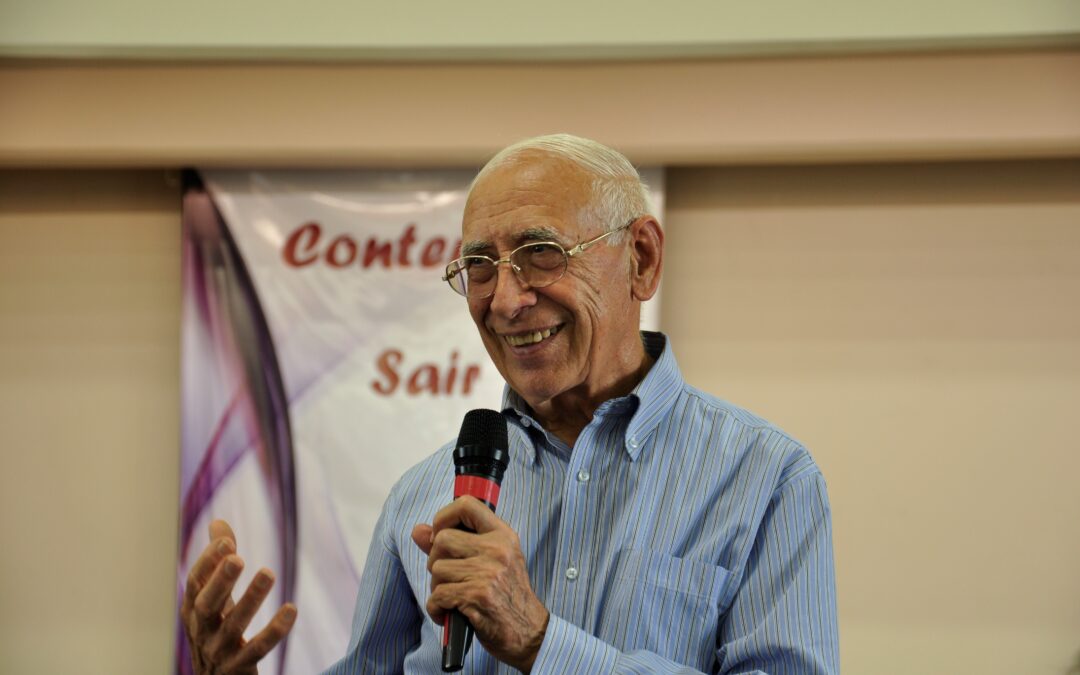
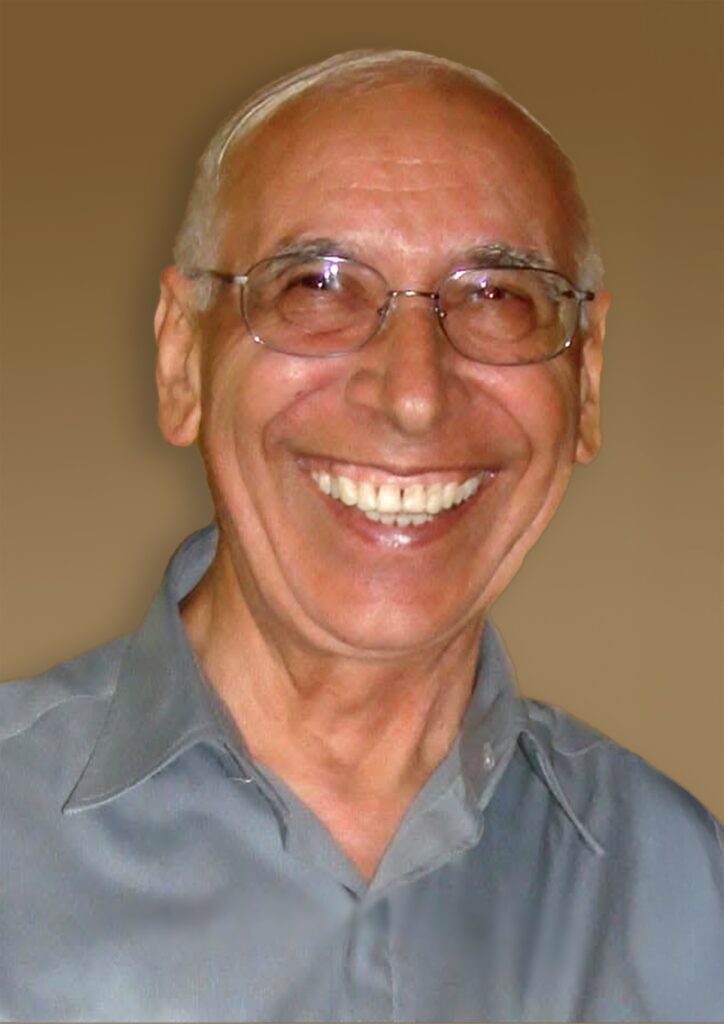
“I think that, after Don Silvano Cola, Don Pepe, was the most charismatic Focolare priest I have ever known,” remarked a priest from Italy upon hearing the news of the death of Don Enrico Pepe on 2nd March, 2025 at the Focolare Priest’s Centre in Grottaferrata (Rome). “He was a person with a pure gaze. He saw people in truth and also in mercy”, said another from the USA. Cardinal João Braz De Aviz, emeritus Prefect of the Dicastery for Consecrated Life, who presided at the funeral, said in the homily: “I thank the Lord for the care he has had for us priests, helping many not to lose the gift of the Christian life and the ministerial priesthood, because we were strengthened by the continuous search for unity among ourselves, with the Church and with the Work of Mary”.
But who was Don Enrico Pepe? He shared a lot about himself in the book, An Adventure in Unity (CNx 2018).
Enrico was born on 15th November 1932 in Cortino (Teramo, Italy), the first of nine brothers and sisters. Despite the shadows of war, he enjoyed a happy childhood. Late in life, he would gladly return to those places, also to reconnect with the warmth of his loved ones: the Pepe “tribe”, now numbering 76 nieces, nephews and great nephews and nieces.
During his secondary school years, Enrico felt called to the priesthood and entered the seminary. He experienced a moment of doubt when a young woman was affectionate towards him, but precisely in that circumstance, he renewed his choice with even greater awareness.
He was ordained a priest in 1956 and in 1958 the Bishop sent him to Cerchiara, a town near the Gran Sasso, divided by two political factions that also affected the parish. Don Enrico, with his evangelical “cunning”, manages to carve out his path and the situation soon calmed down.
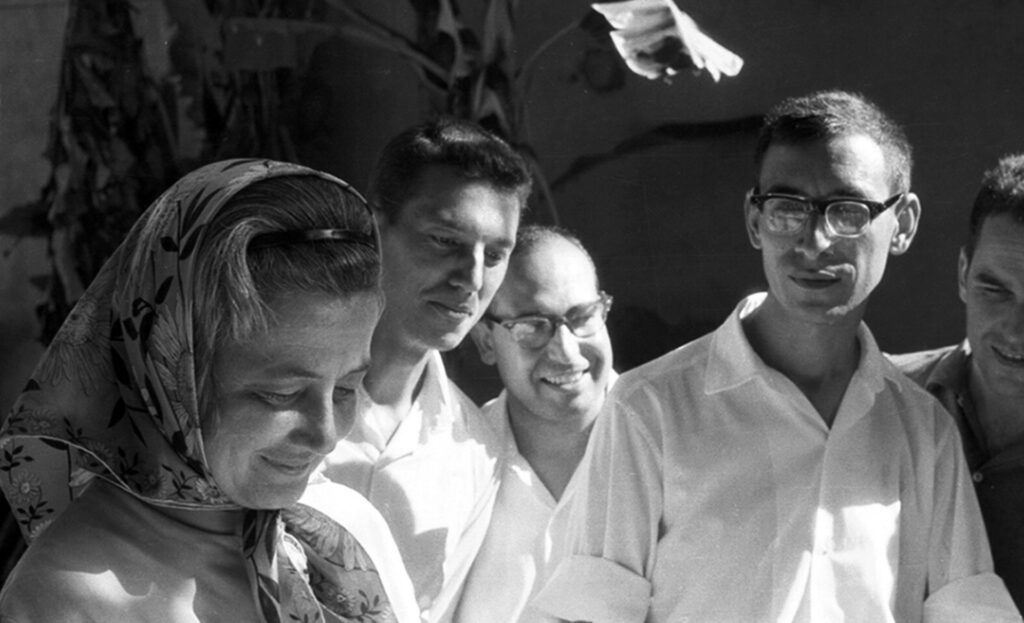
In 1963 he met the Focolare Movement. Together with Don Annibale Ferrari, he travelled every fortnight from Teramo to Rome to meet Don Silvano Cola at the first Priests’ focolare. A year later he was offered the opportunity to move to Palmares in the North East of Brazil, where Bishop Dom Acacio Rodrigues had turned to the Focolare Movement, due to the serious shortage of priests. In 1965 Don Pepe became the parish priest in Ribeirão, in an area of sugar cane monoculture with burning social and moral problems. He responded with a pastoral approach enlightened by the Second Vatican Council and by his own common sense. Over the years, a Priests’ focolare was born, a community in which Dom Acacio frequently participated.
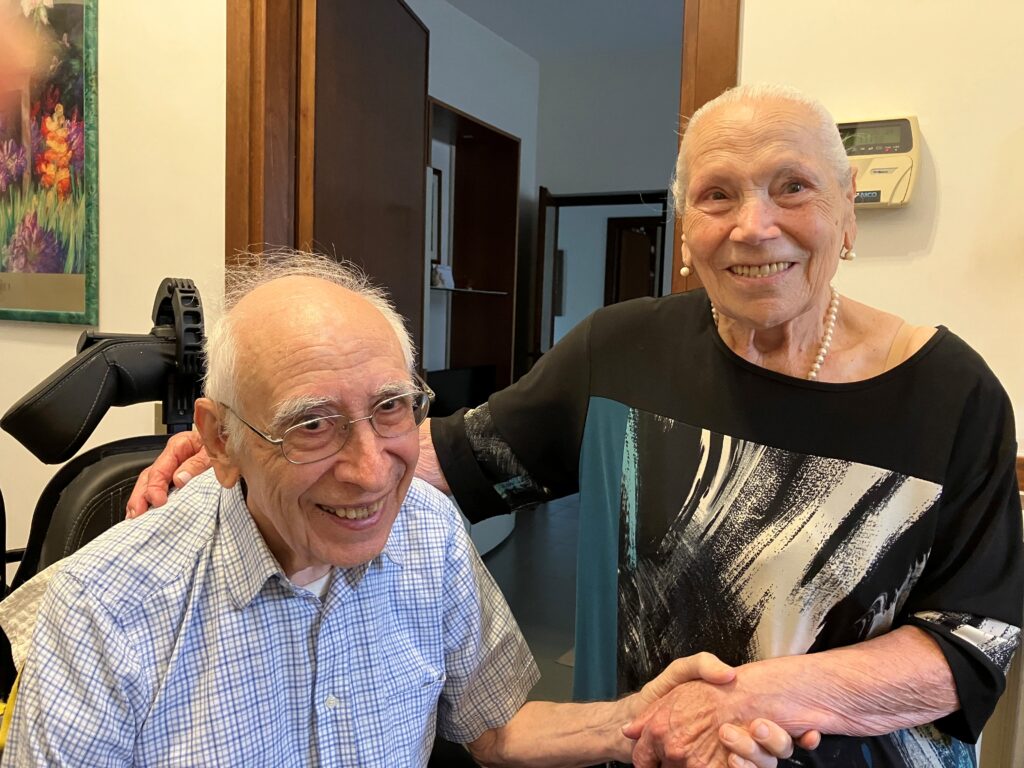
With Chiara Lubich, Brazil, 1965.With her sister Iole, July 2024.With Margaret Karram, 2022.
After a few months back in his homeland, in 1969 he left again for Brazil, this time to devote himself entirely to the Movement and to develop the spirit of unity among priests. In 1972 he relocated for this purpose to the Mariapolis Araceli, the little town of the Focolare near Sao Paulo. Years later, Don Pepe wrote to Pope Francis, “At that time, the Church in Brazil was going through a tremendous crisis, especially among the clergy. Together with the focolarini, I began to offer the spirituality of unity to diocesan and religious priests and seminarians. In this way, a new and joyful life was awakened in many dioceses and religious congregations.” This led to an unexpected result: “In the early 1980s, the Holy See began to appoint some priests who lived this spirituality as bishops”.
In 1984, Don Pepe was called to the Priests’ Focolare Centre in Grottaferrata (Rome), to look after, together with Don Silvano Cola, the thousands of priests who were living the spirituality of unity and the life flourishing in parishes around the world. In his spare time, he compiled the lives of Martyrs and Saints. This led to a book by the publisher Città Nuova that was so well received that he was asked to expand it to three volumes.
In 2001, the case of the Zambian Archbishop Milingo broke out. When he repented, the Holy See sought someone to guide him through a process of renewal and turned to the Focolare Movement. Don Pepe was assigned this task. Years later, Cardinal Bertone, then Secretary of the Dicastery for the Doctrine of the Faith, wrote to Don Pepe: “We met at a special moment in the life of the Church in Rome, without ever having met in person, but we sensed a convergence of ideals, of mission and of transmitting God’s merciful love, which sealed our relationships.”
In his later years, he faced significant health challenges. Don Pepe commented “In BrazilI passed through many airports and now I often see myself on the runway, ready for the final flight, the most beautiful one, because it will bring us to the Beyond”.