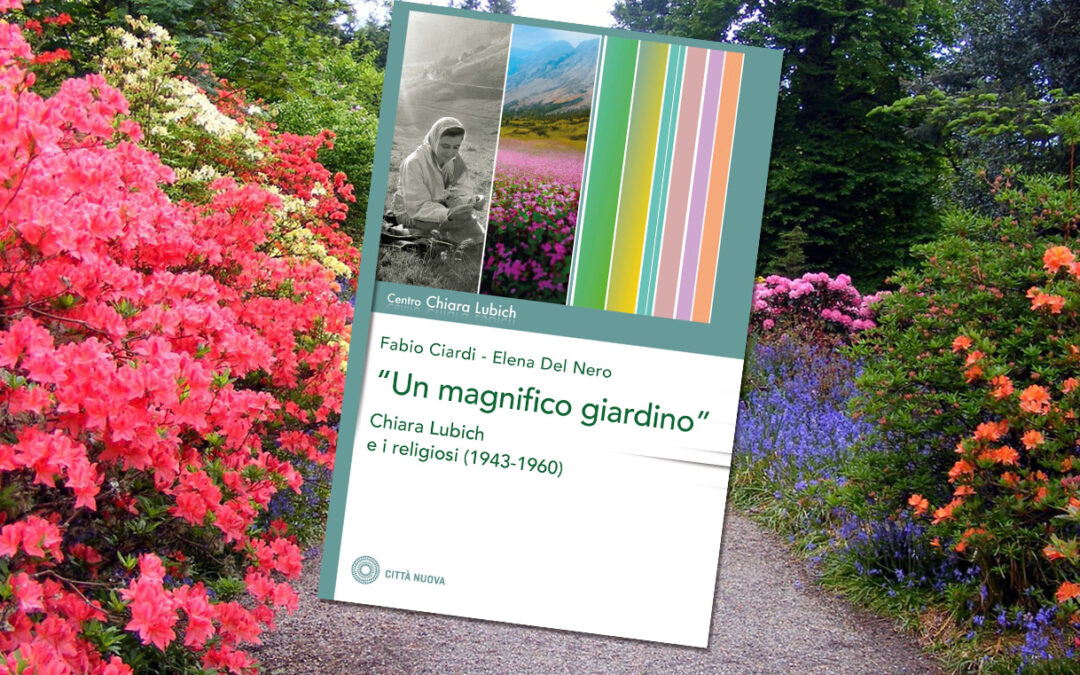
The Focolare Movement and religious men and women share a bond that originated at the beginning of the Movement’s history: a thick web of relationships between Chiara Lubich, founder of Focolare and consecrated people of various religious families. An array of women and men dedicated to God through the most varied spiritualities that inspired and supported Chiara in the early years of the Movement. All this is revealed in the book entitled A Magnificent Garden. Chiara Lubich and the Religious (1943-1960) edited by Father Fabio Ciardi and Elena Del Nero.
Let’s start with the title: “A magnificent garden”. Can you explain it to us?
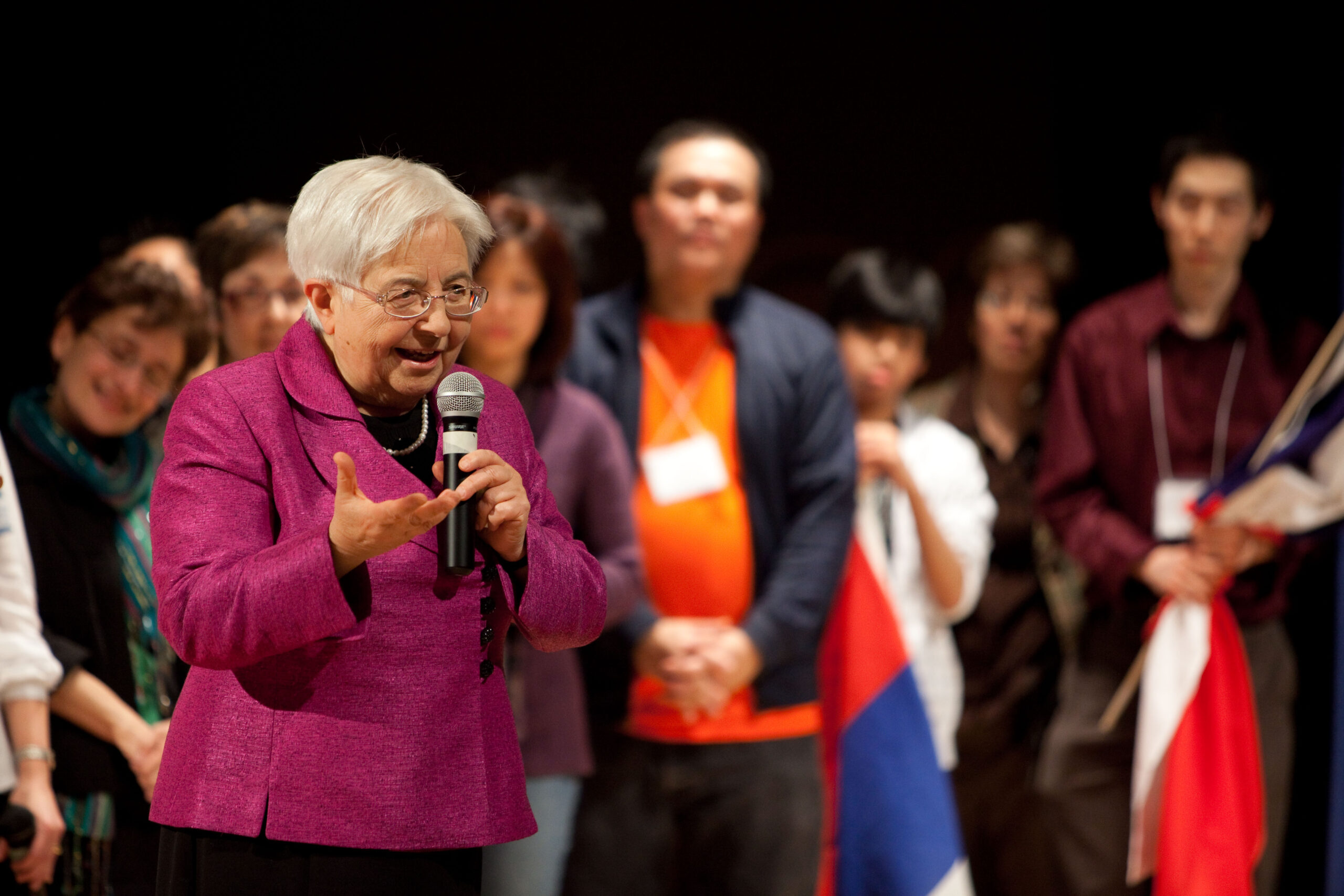
Elena Del Nero holds a PhD in History and Philosophical and Social Sciences from the “Tor Vergata” University of Rome. She works at the historical section of the Chiara Lubich Centre in Rocca di Papa (Italy). She is the author of essays and books on the history of the Focolare Movement.
Elena Del Nero: “The evocative image, used by Chiara Lubich as early as 1950, refers to the Church, in which, over the course of history, charisms have flourished. Each of them is precious in its own particular beauty, rooted in the Gospel word that inspired it and yet, together, they compose a harmony of shades, which enriches and illuminates the Church”.
The book consists of a historical reconstruction and a theological-ecclesial reflection. What do they cover?
Elena Del Nero: “The historical reconstruction focuses on only two decades, from the birth of the Focolare in 1943 to 1960. These years are particularly rich in documents and material relevant to the theme under study. The theological-ecclesial reading, on the other hand, ranges in a more extensive temporal dimension, extending its remit to the most recent magisterium reflections. In this way, we believe the panorama offered is wider and more complete “.
The presence of religious has always been part of the Work of Mary, from the very beginning. What is the meaning of the presence of religious in the Movement?
Father Fabio Ciardi: “To rekindle unity in the Church, in response to Jesus’ prayer ‘That all may be one’ (Jn 17:21), was the ideal to which Chiara Lubich felt called. Her Movement continues this great mission of fostering communion and unity among all. But what kind of unity would it be if religious were missing? They express the Church’s charismatic richness and keep alive the experience of the great saints. Chiara wanted to involve them in her ‘divine adventure,’ as she wanted to involve all people, of all vocations”.
What benefit did religious and their orders gain through dialogue with Chiara Lubich and the spirituality of unity of the Focolare?
Father Fabio Ciardi is an Oblate of Mary Immaculate, emeritus Professor at the Pontifical Institute of Theology of Consecrated Life (Claretianum) in Rome; he is the author of numerous publications; since 1995 he has served as a Consultant of the Vatican Dicastery for the Institutes of Consecrated Life and Society of Apostolic Life and since 2022 as Consultant to the Vatican Dicastery for the Clergy.
Father Fabio Ciardi: “From the beginning, religious of different orders were attracted by the evangelical freshness witnessed by Chiara and the first members of the nascent Movement, which brought them back to the radicality of their original choice: they felt a new love for their vocation, they understood it in a deeper way, they felt involved in a communion that reminded them of the first Christian community described in the Acts of the Apostles”.
What effect has the closeness of the religious had on Chiara Lubich from the beginning of the Movement?
Father Fabio Ciardi: “Their presence proved providential for Chiara, because it allowed her to engage with the great Christian spiritualities that emerged throughout history. This encounter helped her to understand her own vocation more profoundly, enriching it through the communion of the saints. Thinking of the saints of whom the religious are witnesses, she wrote, “It seems that they have approached our Work to encourage it, enlighten it and help it.” On the one hand, the relationship with the saints confirmed certain aspects of the life of the Work of Mary. On the other hand, the comparison with their lives and their works highlighted the full originality of this new and contemporary work of God”.
Is the presence of religious in ecclesial movements a source of mutual enrichment? Or does it risk bringing confusion and loss of identity?
Father Fabio Ciardi: “There is no interference in the life of religious families. Chiara Lubich wrote that she approached them ‘on tiptoe‘, in the awareness that they are ‘works of God’ and with that deep love that led her to discover in each of them ‘the beauty and that something ever new that they safeguard. At the same time, she was aware of the contribution she was called to make: ‘We must only help circulate Love among the different Orders. They must understand, know, and love each other as the Persons of the Trinity love one another. Among them there is a relationship like that of the Holy Spirit who binds them together, because each is an expression of God, of the Holy Spirit. It is in this circulation of charity that every religious deepens their identity and can make a specific contribution to unity”.
In conclusion, why read this book? Who would you recommend it to?
“Because it recounts a wonderful page of history that helps us to understand the beauty of the Church. It is not a book for religious only. It is a book for those who want to discover a Church that is completely charismatic”.
Who, at one point or another during their life time, has not felt that they simply could not cope?
These are times of confusion and great vulnerability when we become aware of our own limitations and it seems clear that we cannot face all of life’s challenges alone.
When we feel like this, we need to lift our gaze, shift our focus away from our difficulties and open up to a broader reality. By making this subtle yet decisive change from within, we become aware of an invisible “web”. This is like a delicate fabric of intertwining people, experiences, and circumstances that envelop, accompany, sustain and fill us with understanding.
This help does not always manifest explicitly; it comes from life itself with its mysterious ability to regenerate, heal, and set us on our way once again. This happens not through spectacular events but through discreet actions that are filled with human and symbolic meaning. They may be a silent presence in times of mourning, healing hands, an attentive gaze, a kind word, an unexpected phone call that breaks into our isolation or a gesture of trust when self-esteem falters.
How many people around us have believed in us before we ourselves had the courage to do so? And how often did we find the strength to resume our journey thanks to the faith and trust we have encountered?
Even our inner self that is so often worn down by doubt, despondency or fatigue can be renewed thanks to a meaningful encounter or a gratuitous gesture that makes us feel welcomed, recognized, and loved.
Then, driven by deep and sincere gratitude, we want to reciprocate and tell others about our transformative experience. And so, what we have received becomes a gift and, in a very humble way, we can become a gift for others.
THE IDEA OF THE MONTH is currently produced by the Focolare Movement’s “Centre for Dialogue with People of Non religious Beliefs”. It is an initiative that began in 2014 in Uruguay to share with non-believing friends the values of the Word of Life, i.e. the phrase from Scripture that members of the Movement strive to put into practice in their daily lives. Currently, THE IDEA OF THE MONTH is translated into 12 languages and distributed in more than 25 countries, with adaptations of the text according to different cultural sensitivities. www. dialogue4unity.focolare.org
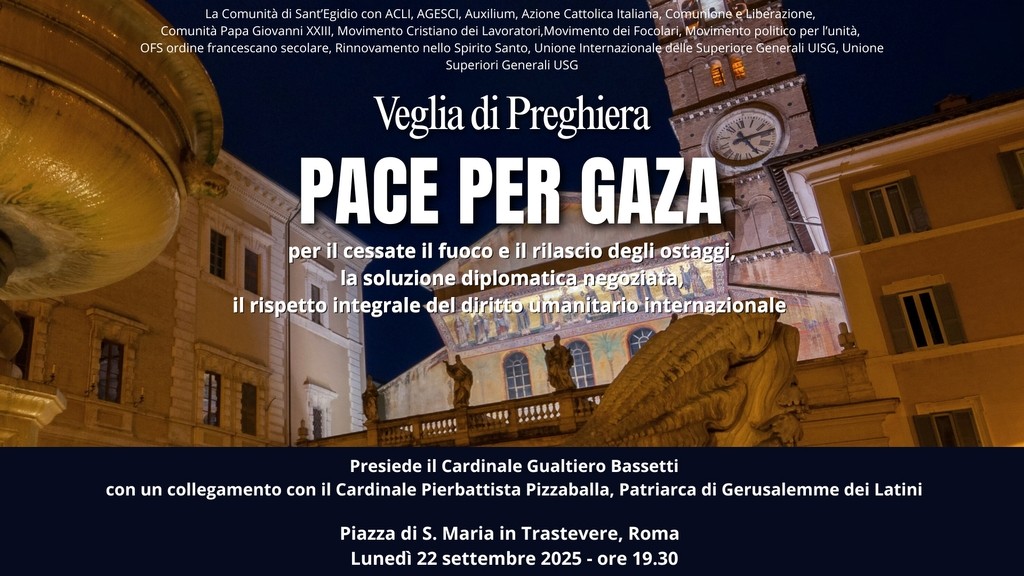
The event will take place on Monday, 22 September 2025 at 7.30 p.m. (Italian time) in Piazza Santa Maria in Trastevere in Rome (Italy). A video link from Jerusalem with Cardinal Pizzaballa is also planned. Follow the live broadcast here.
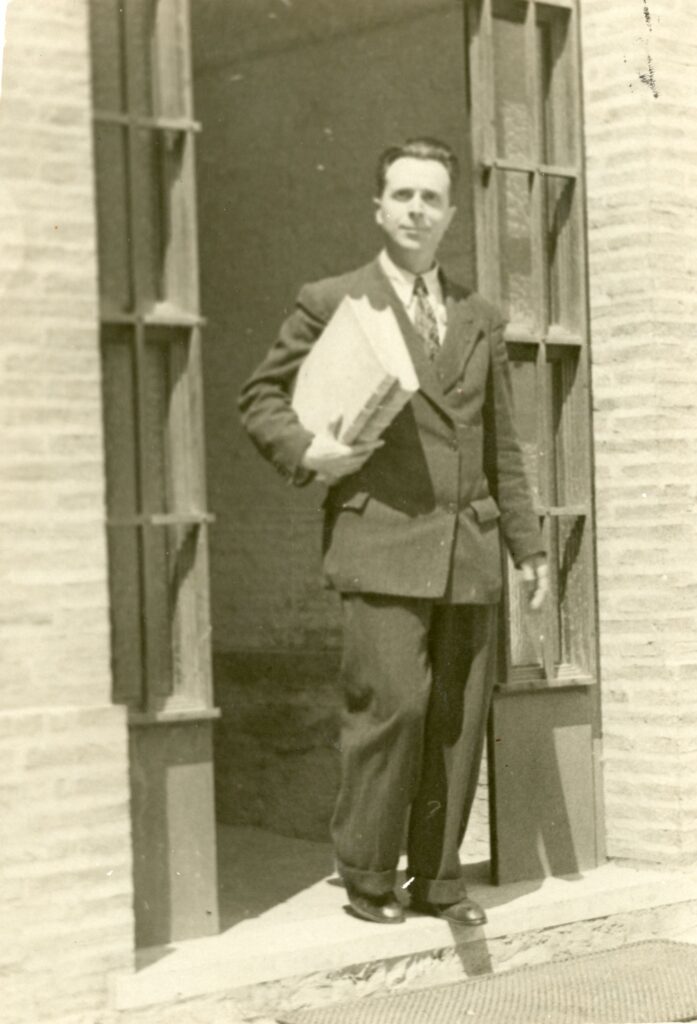
I couldn’t understand how anyone could give life to a young person, have him worn out by studies and sacrifices, in order to prepare him for an operation, in which he would have to kill strangers, unknown, innocent people and in turn, he would be killed by others to whom he had done no harm. I saw the absurdity, the stupidity and above all the sin of war: a sin made more acute by the excuses used to justify it and by the futility with which it was decided.
The Gospel, long meditated upon, taught me that to do good, not to kill was a fundamental duty; to forgive, not to take revenge. And reason itself gave me a sense of how absurd it was to engage in a conflict where victory did not go to the just, but to those with more cannons; not to justice, but to violence.
In the “radiant May” of 1915, I was called to arms. […]
So many bugles, speeches and flags! All this only deepened within me the sense of revulsion for those clashes, in which governments, entrusted with the public good, carried out their task by slaughtering the children of the people, hundreds of thousands and by destroying or allowing the destruction of the assets of the nation: the common good. How stupid it all seemed to me! And I suffered for the millions of people, who were forced to believe in the sanctity of those murders, a sanctity also attested by clerics who blessed the cannons destined to offend God in His masterpiece of creation, to kill God in His image, to carry out fratricide among baptized brothers.
“I saw the absurdity, the stupidity
and above all the sin of war…”
As a recruit I was sent to Modena, where there was a kind of university for the training of warriors and commanders. Coming from the world of Virgil and Dante, the study of certain manuals that taught how to deceive the enemy in order to kill him, had such an effect on me that, in an act of reckless defiance, I wrote in one of them: “Here we are learning the science of imbecility”. I had a very different concept of love of country. I understood it as love and love means service, the pursuit of good, the promotion of well-being, to provide a happier coexistence: for the growth and not for the destruction of life.
But I was young, and I did not understand the reasoning of the older generation, who didn’t really want to understand. They distracted themselves with parades and shouted slogans to numb their senses.
[…]
After a few weeks, having completed my training in Modena, I returned home briefly before departing for the front. I hugged my mother and father, my brothers and sisters (we rarely embraced in my family) and boarded the train. From the train I saw the sea for the first time, much wider than the Aniene River, it felt as though I had fulfilled one of life’s duties. After three days, I reached the trenches along the Isonzo and joined the 111th Infantry Regiment.
The trench. In it, from school I entered life, between the arms of death and cannon fire. […]
If I fired five or six shots, into the air, I did so out of necessity: I never aimed my rifle towards the enemy trenches, for fear of killing a child of God. […]
If all those days spent, in the bottom of the trenches, watching reeds and tufts of brambles and bored clouds and shining blue sky, had been spent working, we would have produced enough wealth to meet all the demands for which the war was being fought. Clearly: but that was reason and war is the opposite of reason.
Igino Giordani Memorie di un cristiano ingenuo, Città Nuova 1994, pp.47-53
Much has already been said and much more will be said, about the ecumenical significance of the year 2025. The 1700th anniversary of the Council of Nicaea is just one, albeit a fundamental one, of several important anniversaries for the whole of Christianity being marked this year. But why is it still important to remember Nicaea today? What is its relevance? To understand, we need to take a step back into the fourth century.
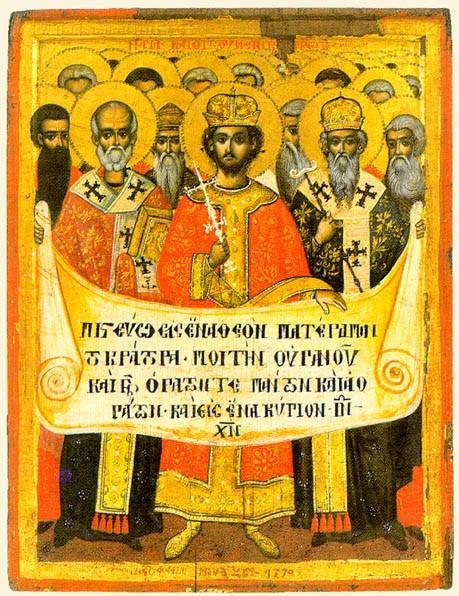
In 313, Emperor Constantine granted freedom of worship to Christians, ending religious persecution throughout the empire. Later, in 324, Constantine became sole ruler and absolute authority of both the Western and Eastern Roman Empires. He realized that a doctrinal controversy was threatening the peace of the empire. He decided to convene a council of the entire Church to settle the matter. Though he knew it was a religious issue, he also believed that religious unity was key to political stability. Between 250-318 bishops from all parts of the empire came to Nicaea. The aim was to defend and affirm the apostolic faith and doctrine about the divine and human nature of Jesus Christ, in contrast to the teachings of the priest Arius of Alexandria and his supporters, who claimed that Christ was not eternally divine, but the first and most sublime creature made by God.
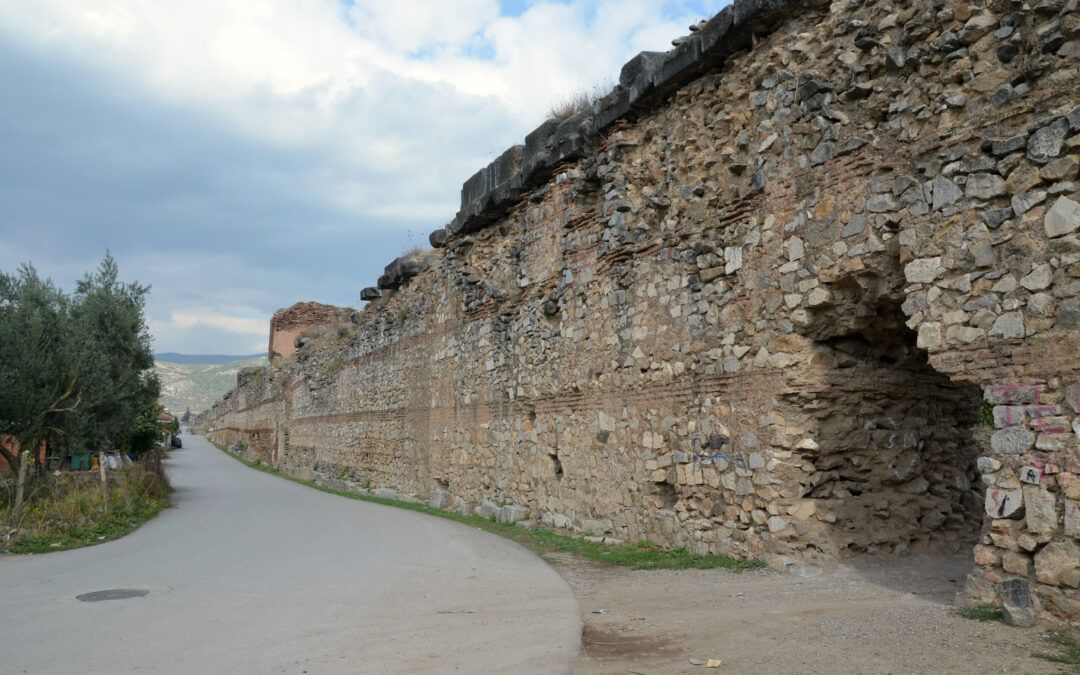
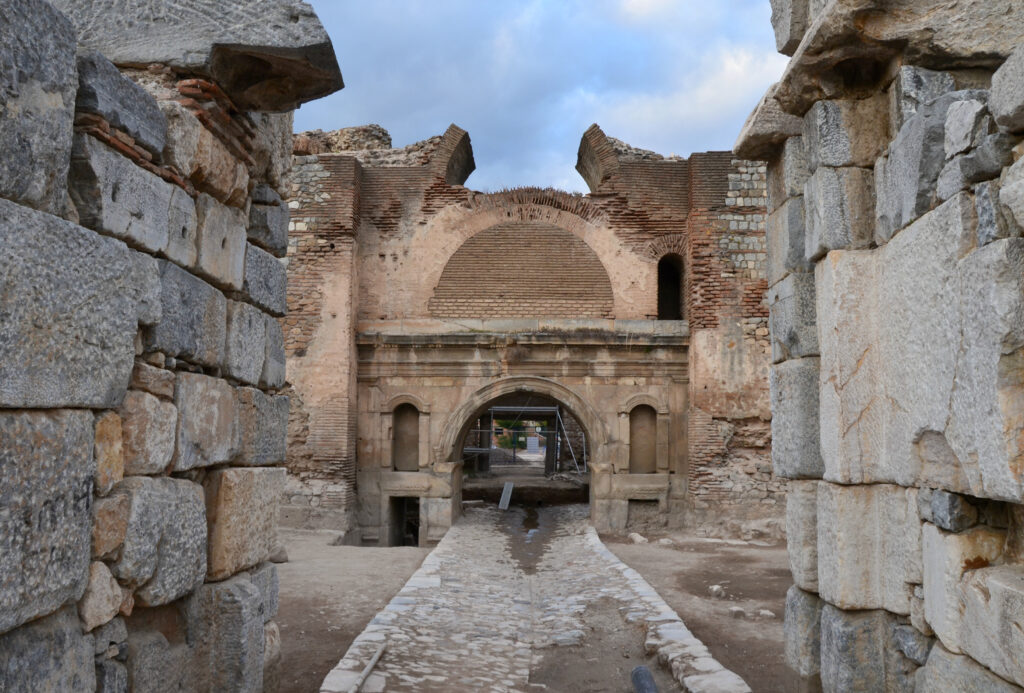
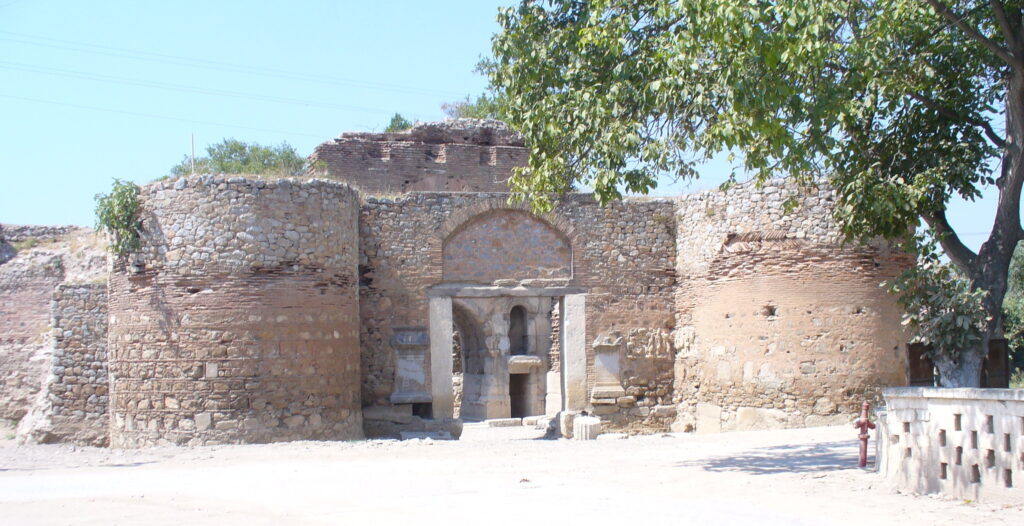
Constantinople Gate (Ancient City of Nicaea)Lefke Gate (Nicaea Wall)
It is understandable that such a mystery, the nature of the person of Jesus Christ, posed a challenge to human intellect. But even more compelling was the testimony of the apostles and the many Christians willing to die for this belief. Indeed, many bishops who came to the Council still bore the physical marks of torture and suffering endured for the faith.
Thus, this Council defined the faith that underpins Christianity and is still professed by all Christian Churches: the God revealed by Jesus Christ is one but not solitary. Father, Son and Holy Spirit are one God in three distinct Persons who have always existed.
Remembering Nicaea today is therefore highly relevant: it was a Council that laid the foundation for the synodal structure of the Church, which we are striving to realize more fully today; it unified the date of Easter for the entire Church (although differences emerged over time due to changes in calendars); and it set out the key points of the Christian faith. In particular, this last aspect challenges us strongly today. Perhaps the tendency to deny the divinity of Christ has never completely disappeared. Today, many find it easier or more comfortable to speak of Jesus focusing on his human qualities, as a wise man, an exemplary figure, a prophet, rather than professing him as the only-begotten Son of God, of one substance with the Father.
Iznik, ancient Nicaea, today a small town in Turkey
Faced with these challenges, we might imagine Jesus asking us today the same question he once asked the apostles: “But who do you say that I am?” (Mt. 16:13–17).
To accept and profess the Nicene Creed together is thus ecumenically significant. Reconciliation among Christians means reconciliation not only with and among today’s Churches, but also with the tradition of the early and apostolic Church.
Considering today’s world, with all its anxieties, problems and hopes, we become even more aware that Christian unity is not only a Gospel imperative, it is also a historical necessity.
If we want to confess together that Jesus is God, then His words, especially what He called His “new commandment,” the very criterion by which the world would recognize us as His disciples, will take on new meaning for us. Living this commandment “will be the only way, or certainly the most effective way, to speak of God today to those who do not believe, to make the Resurrection of Christ translatable into terms that can be understood by people today.”[1]
[1] BENEDETTO XVI, Luce del mondo. Il Papa, la Chiesa e i segni dei tempi. Una conversazione con Peter Seewald, Libreria editrice Vaticana, Città del Vaticano 2010, p. 98.