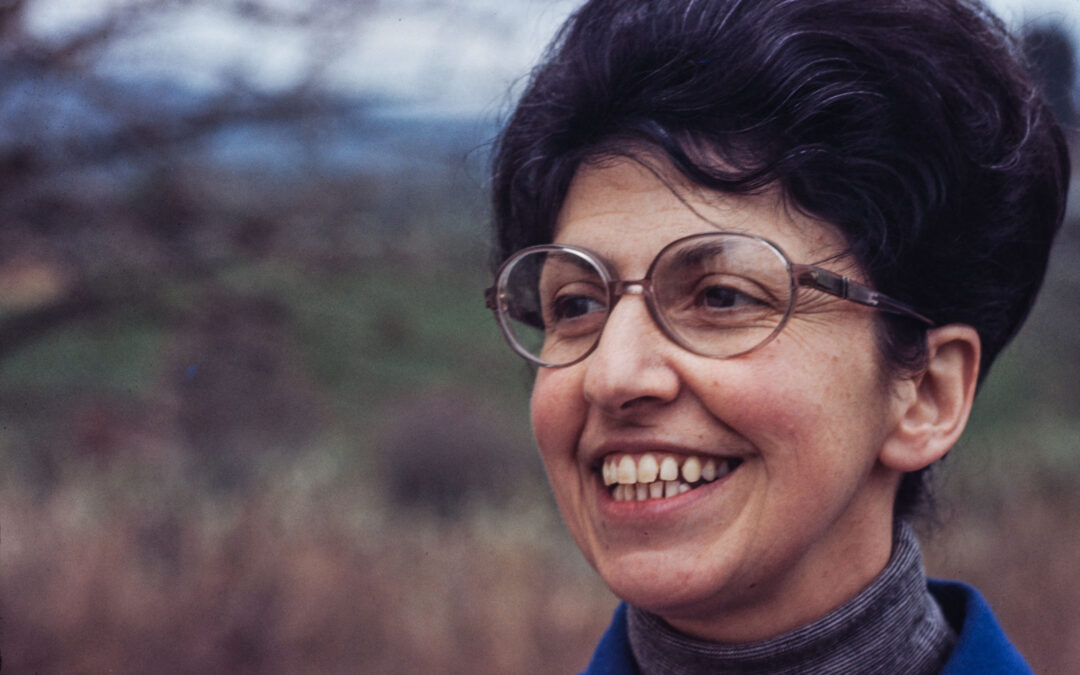
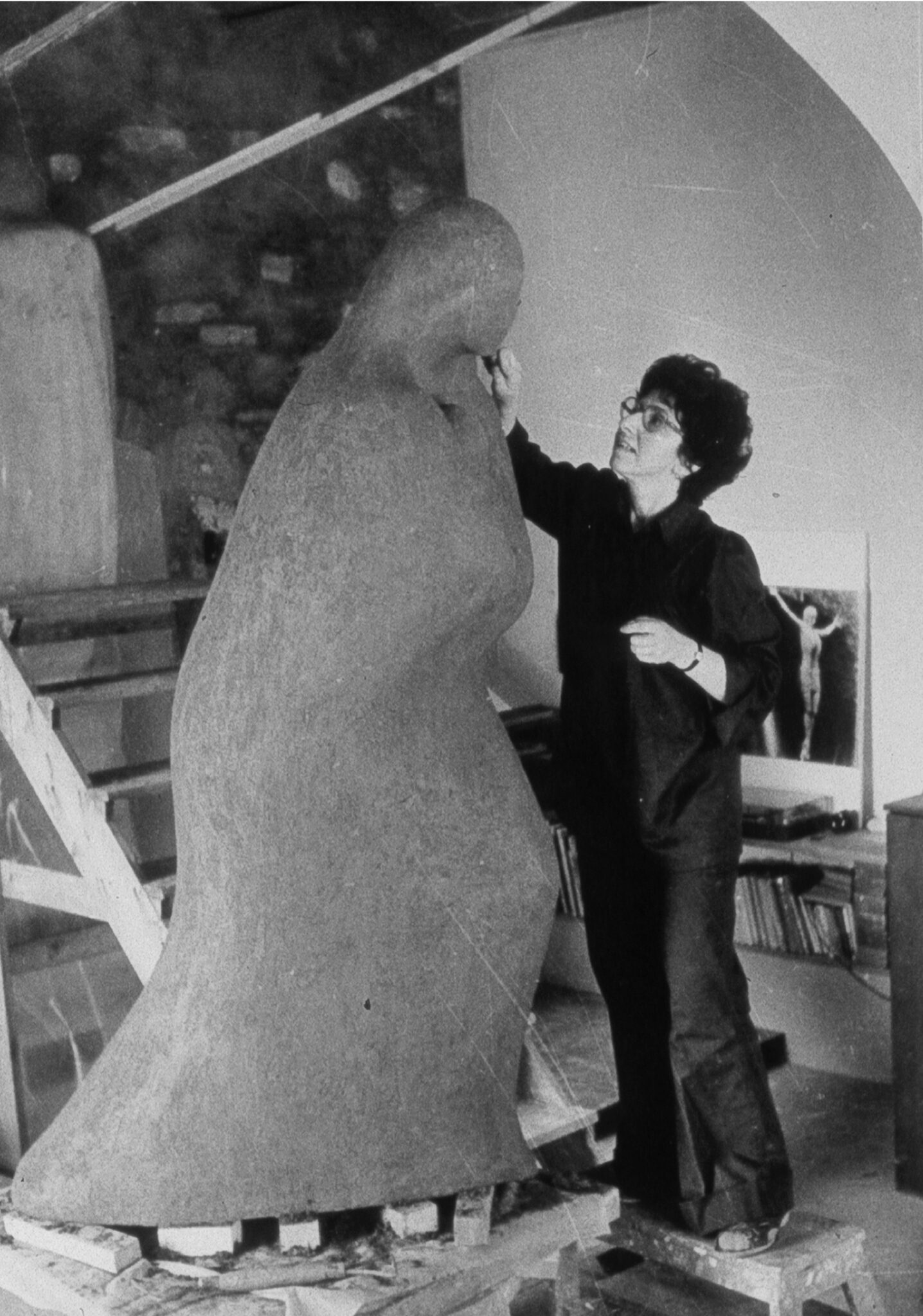
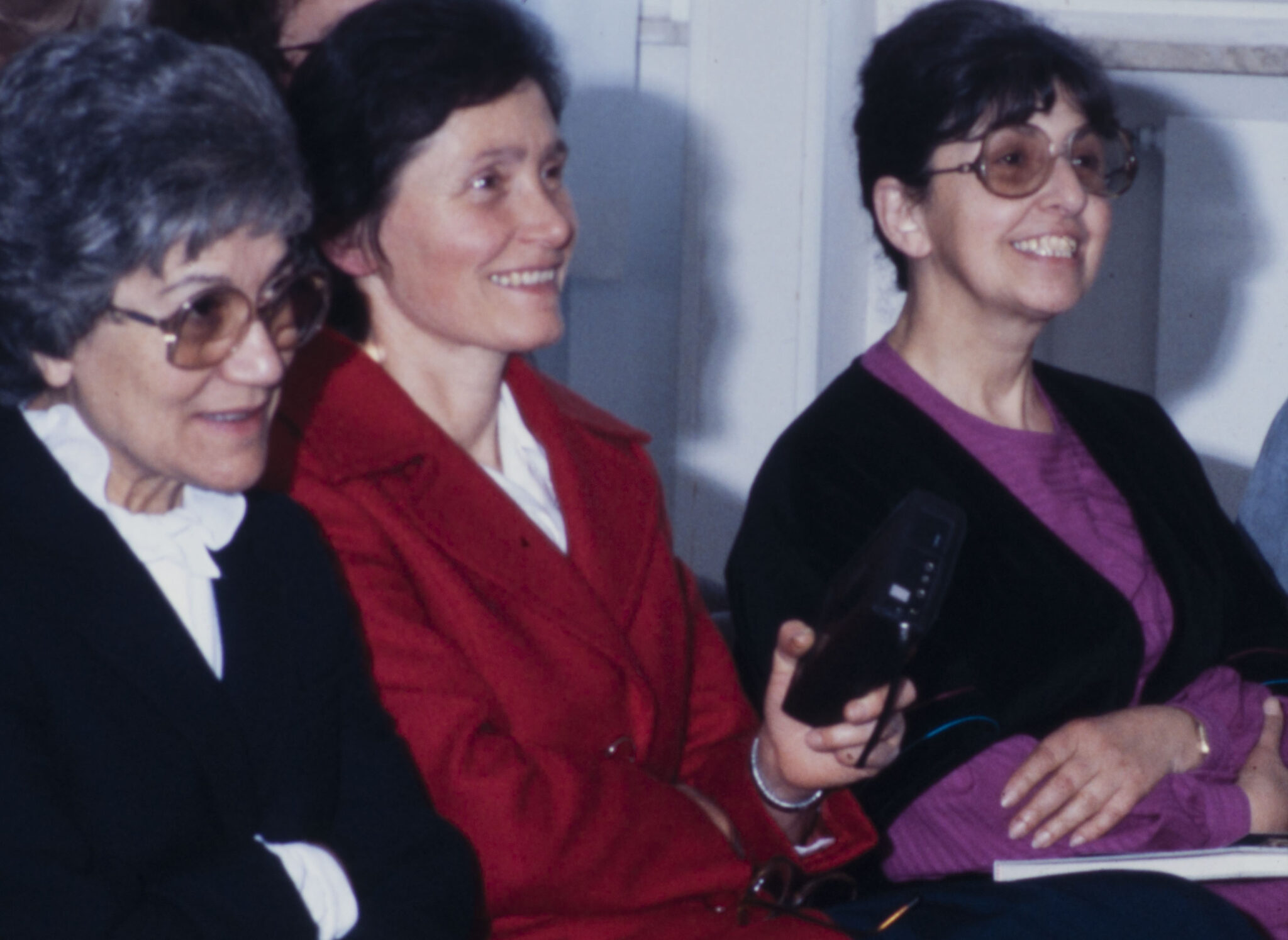
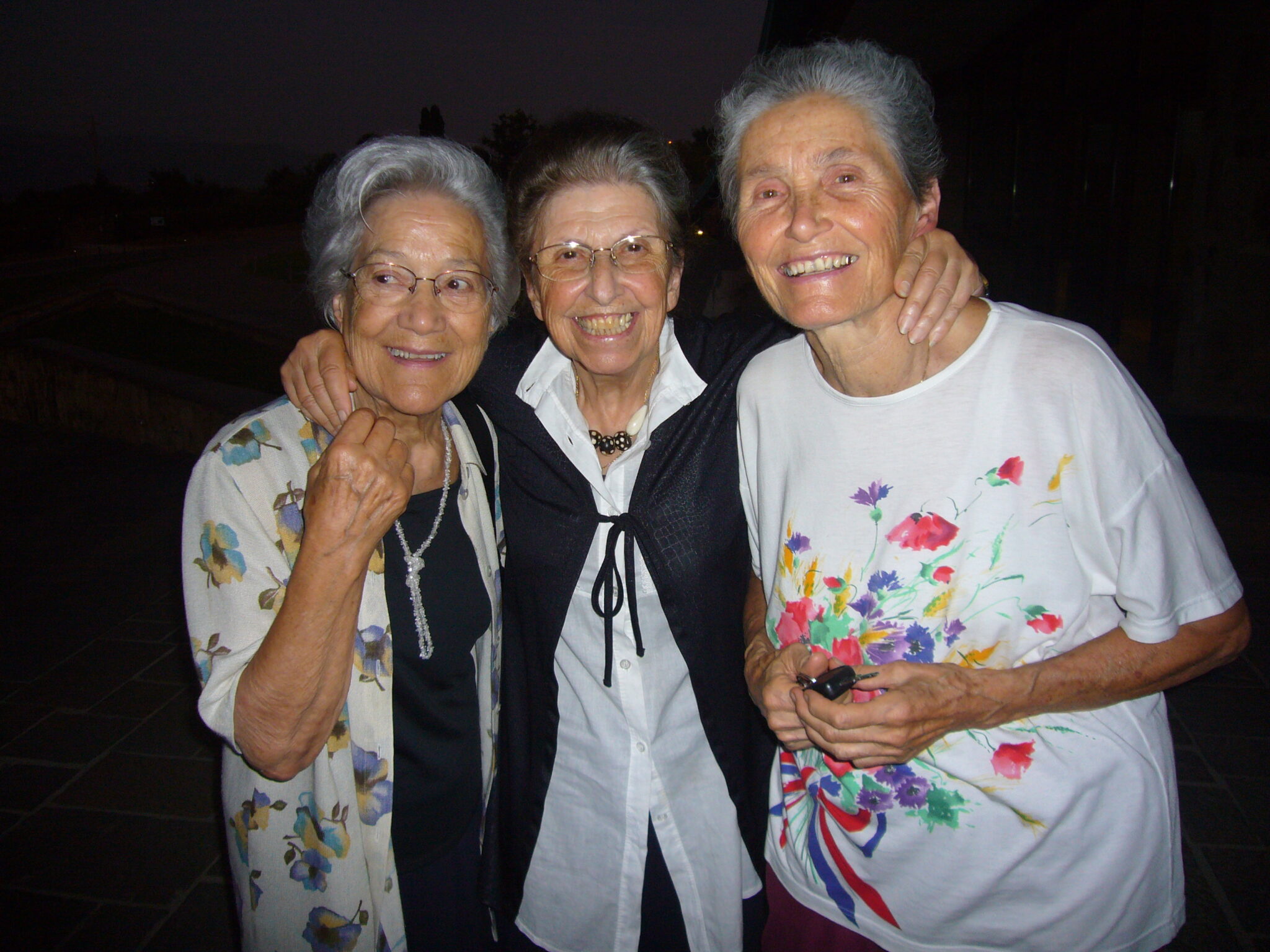
Silvana “Ave” Cerquetti, artist, sculptor and prominent figure of the Focolare Movement, died on 3rd July 2026 in Padua (Italy) at the age of 95.Born in Rome on 9th August, 1930, she dedicated her entire life to the search for beauty as a way to God, leaving a profound mark.
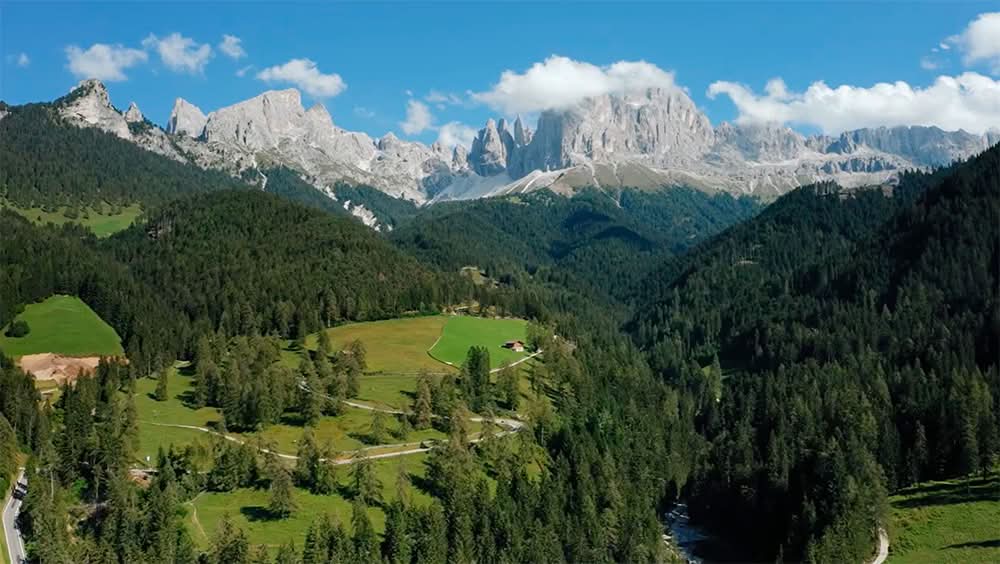
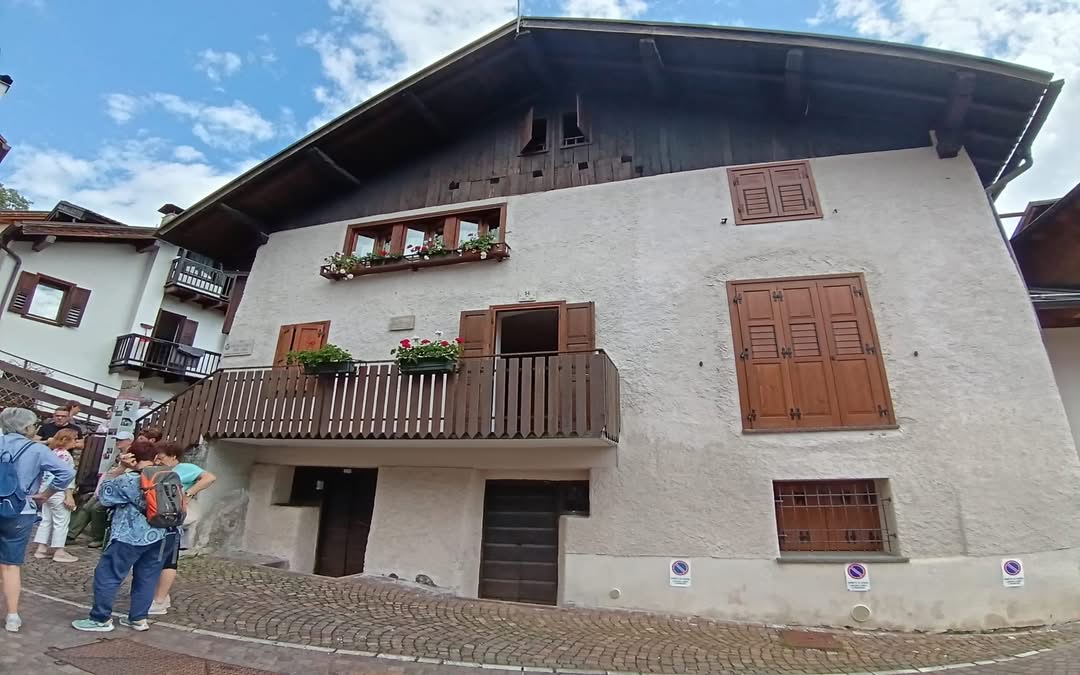
Since childhood, spent between Rome and Montefalco (Umbria- Italy) during the difficult years of the war, Ave showed an extraordinary sensitivity towards creation. It was in the Umbrian village that she first encountered art: she would watch the work of a potter for hours, until she realized that that same clay could become a means of giving shape the world she carried within herself. With the support of her mother, she created a large crib that attracted the attention of the entire town, anticipating a vocation that would develop in the following years.
After studying at the Artistic Lyceum and the Academy of Fine Arts in Rome, where she graduated in sculpture in 1953, she soon established herself as one of the promising young talents of Italian art. As early as 1952, one of her works was selected to represent the students of the Academy at the Venice Biennale. But professional success was not enough to satisfy her inner search.
The episode that would definitively shape her path took place during a visit to an exhibition of the works of Georges Rouault at the Palazzo Venezia. Standing before a face of Christ painted by the French artist, Ave had an experience she herself described as a flash of revelation: she understood that art could become a means of communicating God to people. From that moment came the conviction that would accompany her throughout her life: “I will create sacred art.”
In the following years she devoted herself above all to portraiture, gaining recognition and appreciation in Rome’s artistic circles and a prominent place in the exhibitions in Via Margutta, the street of Roman artists. Those who observed her works emphasized her ability to capture people’s inner lives. For Ave, in fact, every face deserved an almost sacred respect, because it was a reflection of God’s creative work.
A decisive stage came in 1955, during a stay in Sassari (Sardinia- Italy) at a time of profound inner searching. There she met the Focolare Movement through a visit to the local focolare, which she described as the rediscovery of that harmony and beauty she had always sought. Marisa Cerini and Caterina Ruggiu welcomed her warmly. She said: “We were still in the small entrance hall and I immediately had the extraordinary feeling of entering into that unity, harmony and beauty of creation that I had often contemplated. I said to myself: Here is God, here is the Church!” This was the culmination of her search to return to the Catholic Church, since her entire family had at one point joined the Waldensian Church. That is why Ave would forever have a special love for ecumenism, never forgetting to pray each day for the unity of the Churches.
Between 1958 and 1960 she had a strong experience in Latin America. Invited to San Salvador for a cultural exchange, she quickly established herself there. Ave taught sculpture at the Academy of Fine Arts, receiving various awards. She contributed to the establishment of the country’s first permanent gallery of contemporary art and created works of great importance, including a monumental statue of Saint Ignatius. Her professional success was remarkable, but even more significant was the development of her vocation. Her Christian commitment continued to guide her every choice and during the trip back to Italy, stopping at the shrines of Guadalupe, Lourdes and Montserrat, she made the decision to consecrate her life to God in the focolare, an adventure that began in May 1961.
When Chiara Lubich, founder of the Focolare Movement, invited her not to abandon art and sculpture but to place them fully at the service of God, Ave felt within herself the desire to no longer create alone but to work in communion with other artists who shared the same spiritual path. And so it was that together with Tecla Rantucci, sculptor and Marika Tassi, painter, she founded Centro Ave, the first atelier, so baptized by Lubich so that each work would be a gift to Mary. It was at this point that Silvana took the name Ave, in life and in art. The atelier started in a garage in Rome, then moved to Grottaferrata, a town not far from the capital and then to Loppiano (Florence).
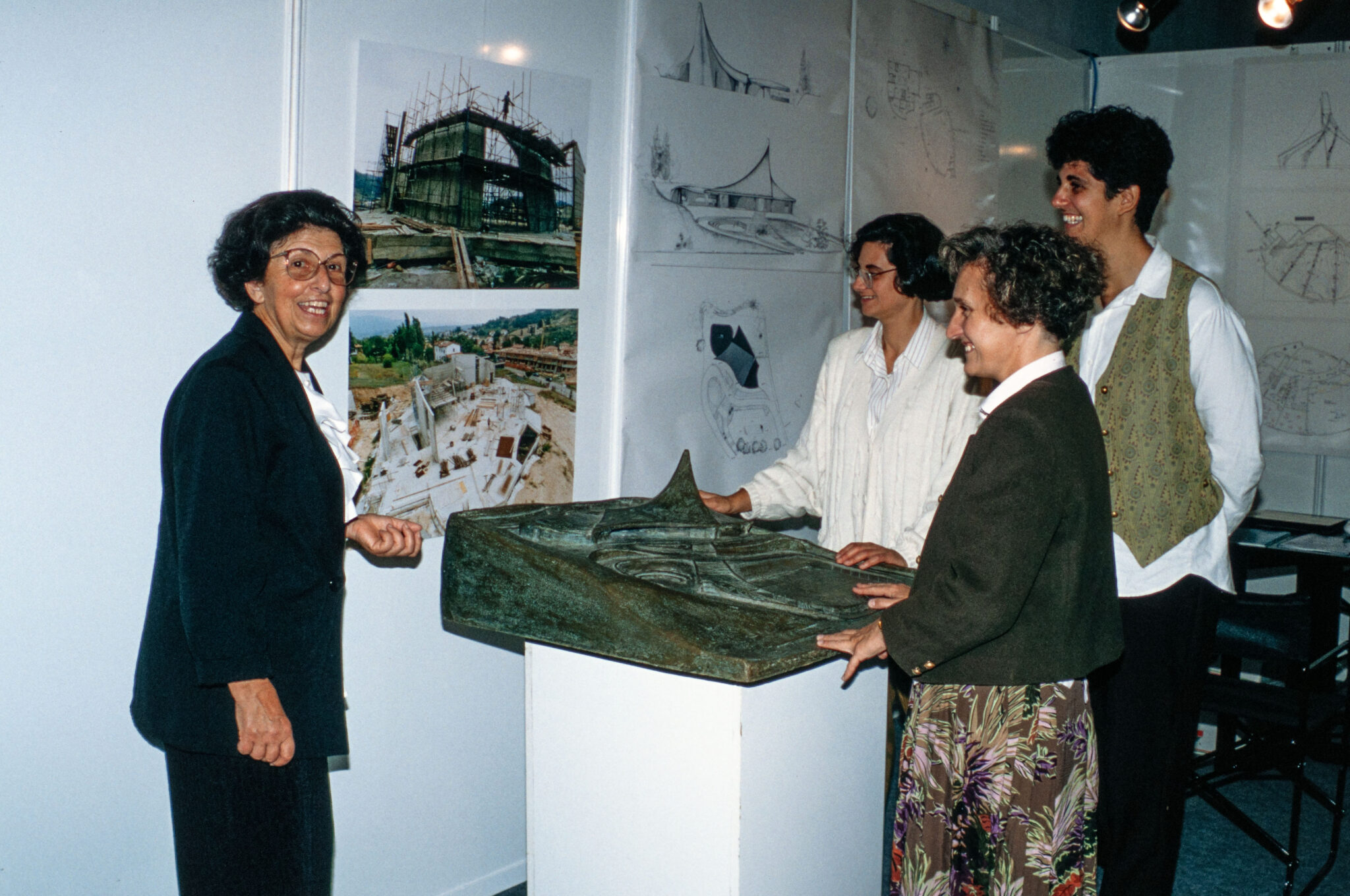
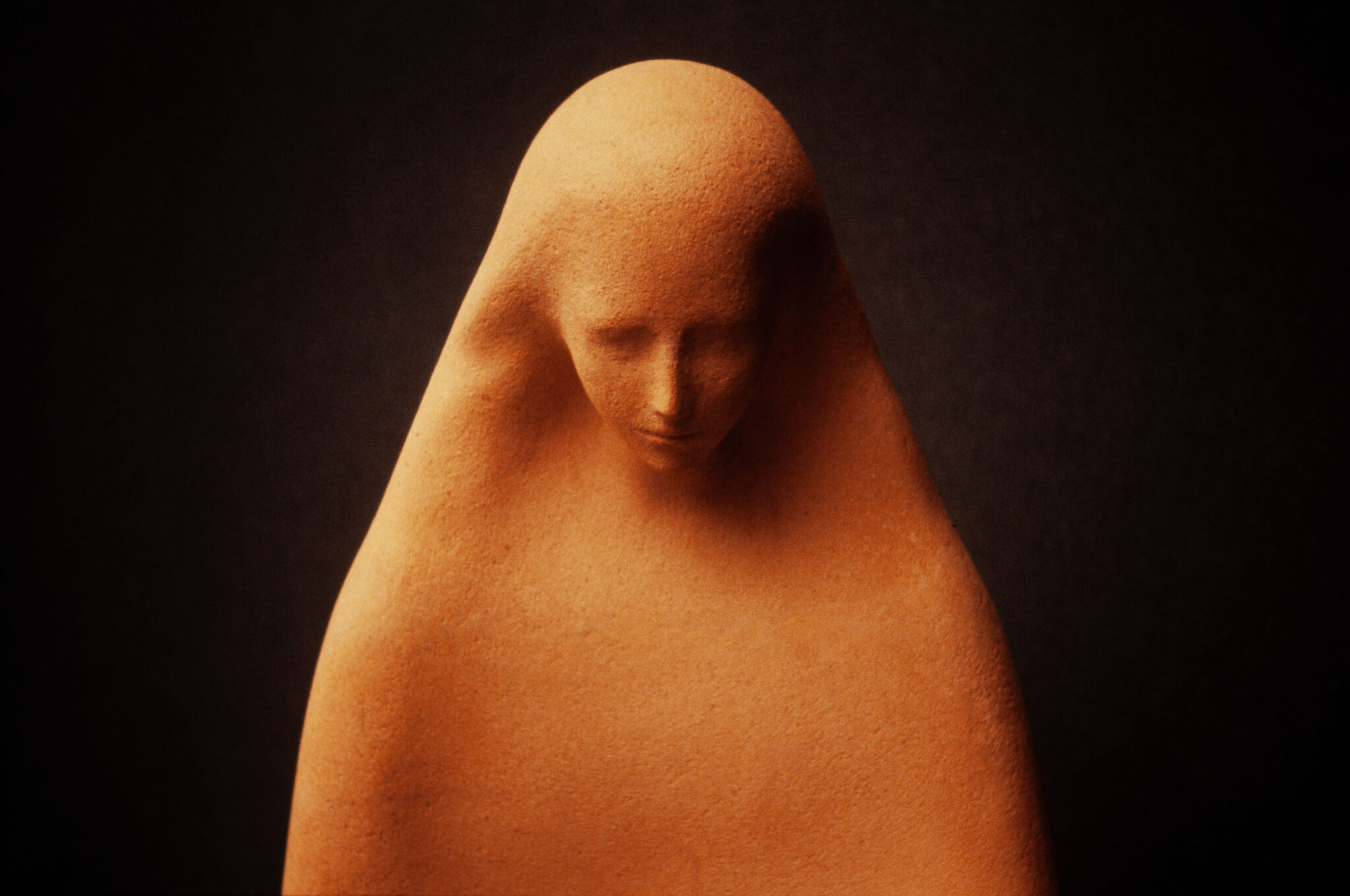
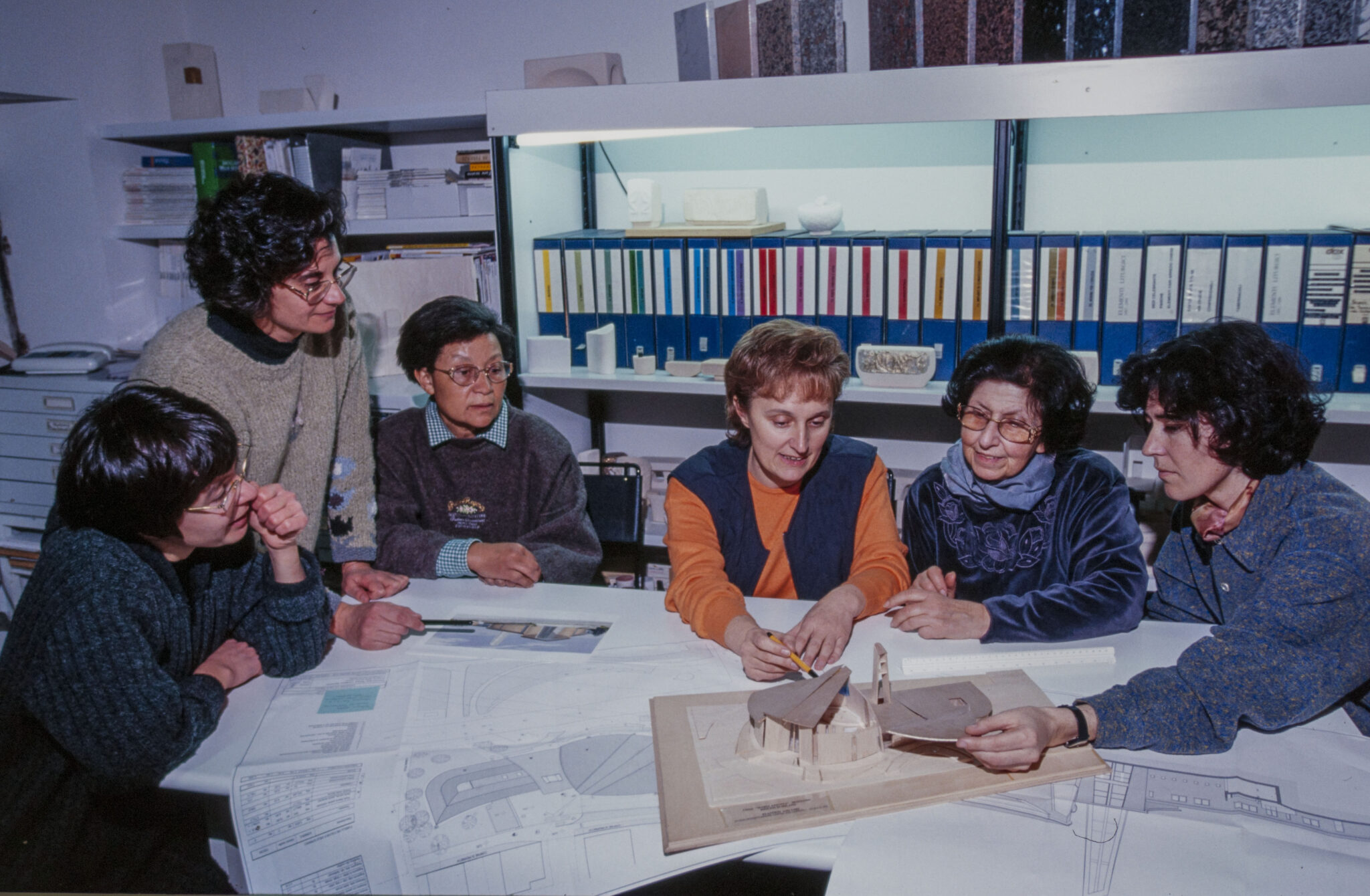
Over the years, under her guidance Centro Ave became an important international laboratory of sacred art. Works were created that entered the imagination of many ecclesial circles, such as the Our Lady of the Beautiful Welcome, the Madonna del Buon Cammino, the Madonna of the Snow and numerous representations of Christ and the Virgin Mary that have spread throughout the world. At the same time, architectural and liturgical design studies were developed that led to the construction of churches, parish complexes and important ecclesial redevelopment interventions.
Centro Ave came to be recognized by critics and within the Church as a clear stylistic reference point, where architecture embraces sculpture and is enveloped by the coloured light of stained-glass windows, creating a perfect balance between the arts. Ave was always the first and tireless guardian of this experience of unity, which began with each person’s commitment to allowing the Master, God, to live among them, starting precisely from this communal dimension.
Referring to this reality, in 1961, Chiara Lubich said, “Let this thirst for beauty that the world feels expand. Send forth great artists, but shape with them great souls who, through their splendour, can guide people towards the most beautiful of the sons of men: Jesus!”
This vision found one of its highest expressions in the Maria Theotokos Shrine in Loppiano where Ave’s special contribution is found. She herself regarded it as the culmination of her artistic and spiritual life. Even in the last days of her life, the people who were next to her told us, just hearing its name was enough to light up her face.
Alongside her creativity, the many people who have worked with her over the years remember above all her ability to bring out the best in others. Ave knew how to recognize the hidden good in people and encourage it to grow. For many generations of artists she was a teacher not only of technique, but above all of vision: a way of recognizing beauty even in the simplest and most ordinary aspects of everyday life.
In 1999, together with Michel Pochet and Liliana Cosi, she also contributed to the birth of the Central Commission of the Inundation of Art, a beautiful expression coined by Chiara Lubich to describe the impact of the spirituality of unity also on contemporary artistic culture. This initiative has grown into a worldwide network of artists that remains active and vibrant.
With her death, Ave Cerquetti leaves a living legacy made up of works of art, artistic communities and human relationships. Her entire life was spent translating into the language of matter, form and light that Gospel phrase that had become her life program: “Let us love one another, because love is from God: whoever loves is begotten by God and knows God.” (1 Jn. 4: 7).
“Here is a summary of the event (of the 16th of July) that Chiara offers us, restoring its enchanting Gospel-based inspiration. When Igino Giordani (Foco) suggested (to Chiara Lubich) that they ‘bind themselves closely’ to each other in order to follow Jesus more closely – as Saint Catherine did with her followers – Chiara felt prompted to respond by inviting him to make a ‘pact’, in faithfulness to the Gospel principles to which she had learned to conform her life [1]:
“You know my life: I am nothing. I want to live, indeed, like Jesus Forsaken, who annihilated himself completely. You too are nothing because you live in the same way. So then, we will go to church tomorrow and I will say to Jesus-Eucharist who will come into my heart, as into an empty chalice: ‘On the nothingness of me may you seal a pact of unity with Jesus-Eucharist in Foco’s heart. And, Jesus, bring about between us the bond which is known to you.’ … ‘And you, Foco, do the same.’” (Translation of the Italian – verses 24 and 25 of the text of Chiara Lubich published in “Paradise ‘49”, Città Nuova, Rome 2026).
The narrative is concise and extremely simple. The event that then came as a gift, once the pact had been made and had borne witness, exceeds all human expectations. And in this form, it is also unprecedented in the history of Christian experience.
We could try to discern its meaning from what Chiara first of all tells Foco, in order to “explain to him” – as she wrote – what had happened. “Do you know where we are?” She begins with this question, inviting him to join her in opening the eyes of his soul to the scene that has unfolded through the pact. It is clear from this that the pact prepared the conditions for God’s grace to be made manifest: the mystical perception of the presence of Jesus in Chiara and Foco (and immediately afterwards in those to whom the pact is extended) becoming “one” – brought about in Jesus and by Jesus, through the lived Word and through the Eucharist. And it is so in each of them. Certainly, the lived and perceived identification of Chiara with Jesus, expresses the extraordinary grace common to all authentic mystical experiences attested to throughout the history of the Church. But what comes to light in the experience described here, is that this takes place for Chiara in the unity in and through Jesus, that she lived with Foco, and then gradually with the other people to whom the experience is communicated. To such an extent that they too are drawn into it.
[1] Here we have a specific description of the Christian experience brought about by the charism of unity: the “pact”. Whatever its origin in Chiara’s thought and practice, it is clear that the dynamic of “sealing a pact”, implies sharing with those involved in it, the fundamental focus of one’s existence in God and the decision to carry out his will together. In this way, the pact, among those who live it, becomes an expression of the pact with which God himself established a covenant with his people in the Old Testament, and as “once and for all” renewed it eschatologically in Jesus. Therefore, we see this as a “fundamental” aspect of the experience of Revelation. “Before then,” Chiara recalls in a footnote, “we had lived other pacts, such as the pact of mutual love. This had brought about a qualitative leap in our life, making us experience the presence of Jesus in our midst with the gifts of the Spirit he brings with him: peace, joy, light, strength. Then the pact of mercy (as we called the pact by which we focolarine took the commitment to see each other new every day, without remembering each other’s defects, as if we were meeting each other for the first time) helped us in perfecting our love for one another” (footnote 30). The pact of unity, inspired by Foco’s request and lived out according to the method described by Chiara, brings about a further and decisive “qualitative leap” – in keeping with the unfolding of the charism of unity as a gift from God – namely, that of the identification given and experienced with Jesus, and of finding oneself in the Bosom of the Father.
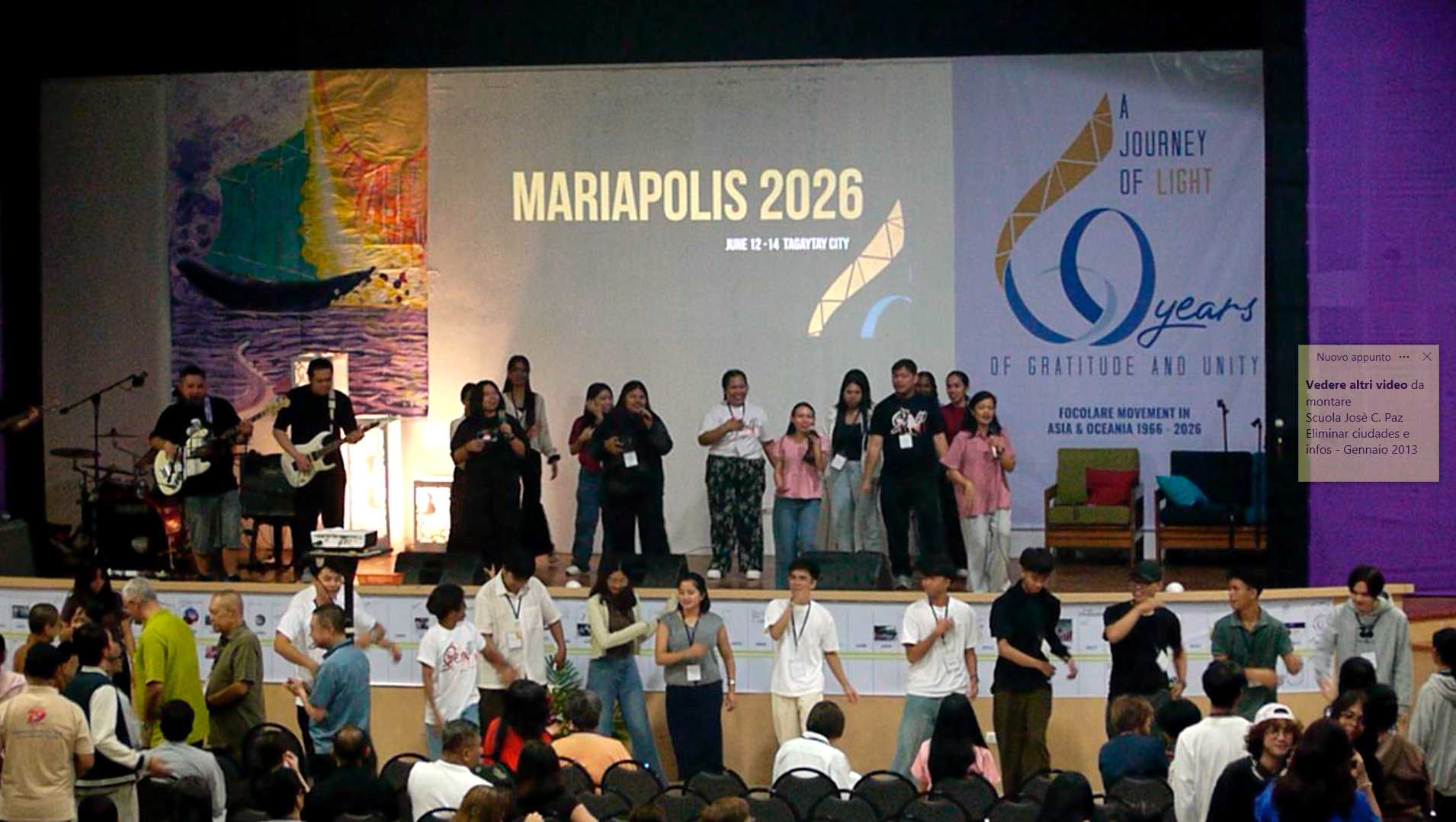
The year 2026 will mark the 60th anniversary of the arrival of the Focolare in Asia and Oceania. It was 22 February 1966 when Chiara Lubich – the founder of the Focolare Movement – assigned five focolarini and focolarine to Manila in response to a request from the then Archbishop of Manila, Cardinal Rufino Santos. Giovanna Vernuccio, Silvio Daneo, Guido Mirti, Ednara Tabosa and Magdalena Brandao were the first pioneers of the Focolare Movement’s adventure in Asia, and beyond. From Manila, they went on to travel to Japan, Korea, Hong Kong, Taiwan, India, Pakistan, Thailand, Cambodia, Vietnam and finally Australia.
The Focolare Movement thus spread across the Asian continent, bringing to all those it encountered the spirit of unity that characterises it, despite the enormous diversity of cultures, religions and languages. This journey has paved the way for ecumenical and interreligious dialogue right up to the present day.
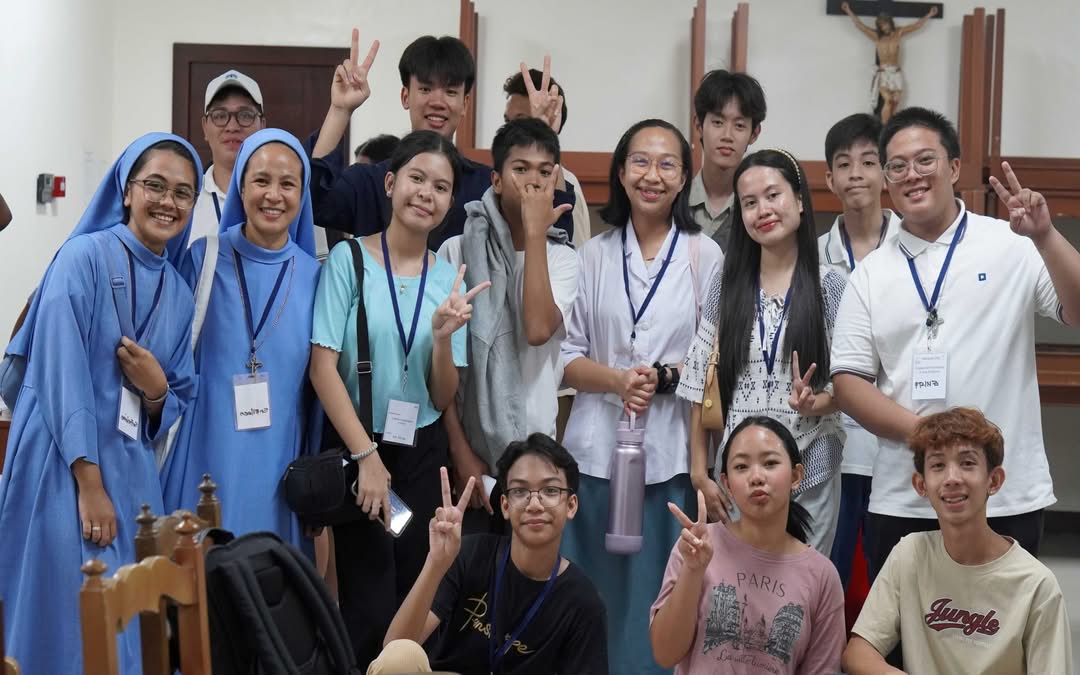
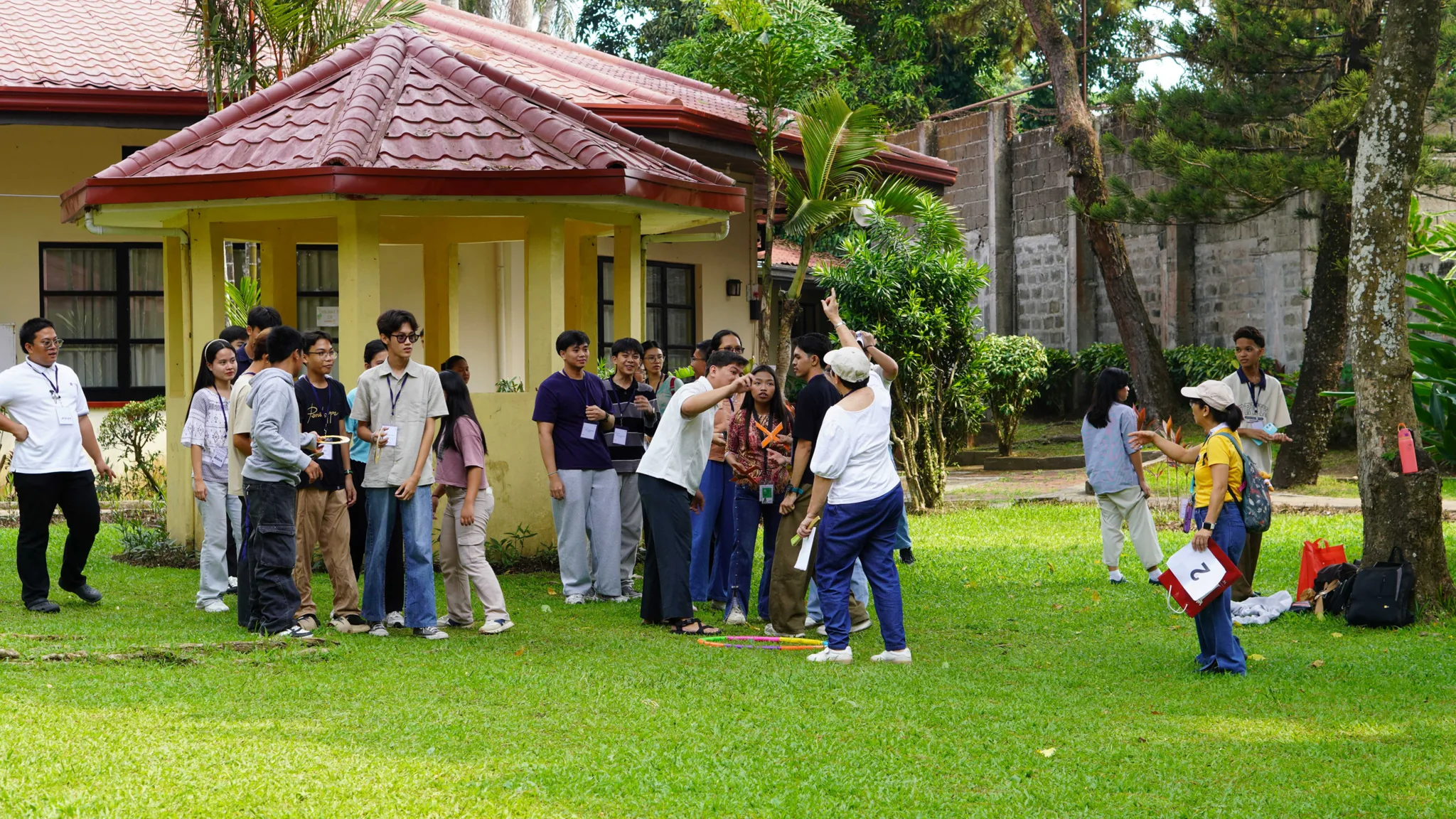
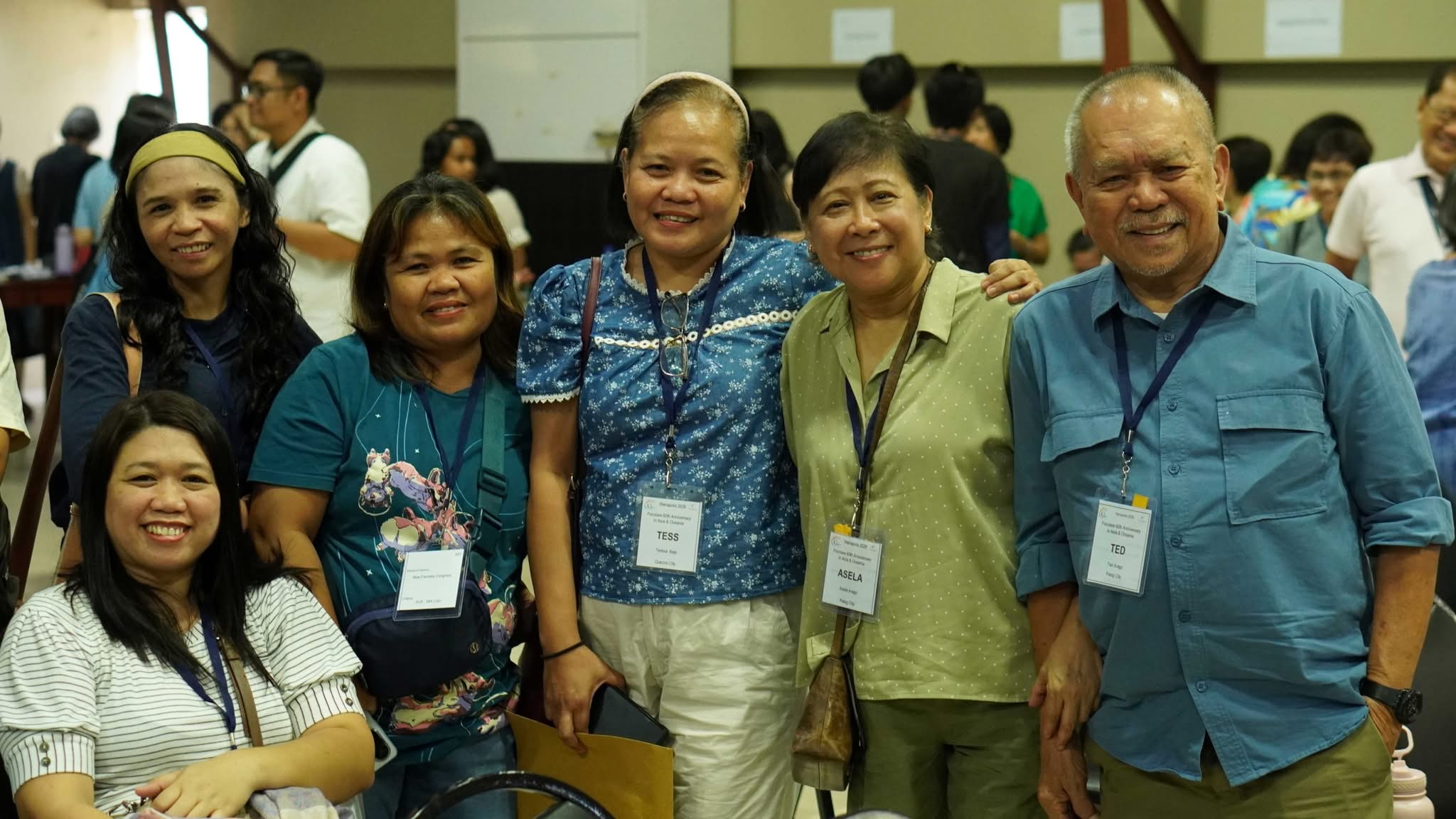
The programme focused on the origins of the Movement in Asia and its spread across the continent through personal testimonies; a workshop was held on the Movement’s engagement with the realities of the world; and a solemn prayer for peace took place. On the final day, during the celebration of Holy Mass at the Cittadella Pace, there were around 700 participants, some of them came all the way from other countries. A joyful and family-like atmosphere pervaded the entire event, accompanied by a profound gratitude for the pioneers. The current Metropolitan Archbishop of Manila, Cardinal Jose Fuerte Advincula; the Apostolic Nuncio, Archbishop Charles John Brown; Bishops Roberto Mallari, Mel Rey Uy, Reynaldo Evangelista, Guillermo Afable and Gerardo Alminaza, the Italian Ambassador to the Philippines, Davide Giglio, and Bishop Joel Polares of the Iglesia Filipina Independiente (Independent National Christian Church), as well as around 30 priests, took part in the event, alongside various friends from other Churches and different faiths, and a strong presence of young people. The Italian Ambassador said he felt completely recharged by the celebration, suggesting celebrating it every year.
Among the impressions: “For me, the 60th anniversary was a celebration of every person who has made a clear choice for God,” says Suzette, “by following Chiara Lubich with their lives. Each one’s yes have generated countless Yeses where I find myself today. And Kreng adds: “With deep gratitude to God and to all of them I go forward more convinced, more ablaze with that passion to make “that all may be one be everyone’s reality!
“The celebration was like a drop of the divine in a world so full of itself, a wisp of fresh air at a time when lives are suffocated by isolation and division, it was the tender closeness of God. The 60th anniversary celebration was truly memorable, moving and meaningful. It also marked a new commitment and a new hope”.